
The New Cold War: Why Your Car Is Caught in the Middle
About this episode
It starts with what sounded like “a simple article about the upcoming ban on Chinese software in connected cars,” but the host reframes it as a “global economic and national security story.” Modern vehicles are packed with computers, sensors, and “over-the-air software updates,” so governments are asking who wrote the software, where batteries come from, and who owns the data. The U.S. rule begins with the 2027 model year, and the host warns that connected-car compliance could reshape pricing, availability, and even Polestar’s U.S. future.
Episode Summary
Could your car become a battlefield in the New Cold War?
It sounds like the plot of a spy thriller, but it's actually one of the biggest stories quietly reshaping the automotive industry.
This week, The Car Chick® connects the dots between several recent episodes—including vehicle data privacy, EV tax credits, tariffs, and "Made in America"—to reveal the much bigger picture behind the U.S. government's upcoming ban on certain Chinese software and hardware in connected vehicles.
You'll learn why China became a global automotive powerhouse, why companies like BYD are dominating worldwide despite never selling cars in the U.S., how connected vehicles have become a national security concern, and what the new 2027 Connected Vehicle Rule could mean for future vehicle availability, pricing, and the cars you may (or may not) be able to buy.
This isn't politics. It's about understanding the forces behind today's increasingly unpredictable car market—and why they're likely to affect every car buyer over the next several years.
In This Episode
- What the "New Cold War" really means—and why cars are now part of it
- How China built a massive advantage in batteries, semiconductors, and EV technology
- Why BYD has become one of the world's largest automakers despite having no U.S. dealerships
- How connected vehicles collect and transmit data
- Why the debate over connected cars is similar to the concerns surrounding TikTok
- What the 2027 Connected Vehicle Rule actually does
- Why Polestar is exiting the U.S. market while Volvo was allowed to stay
- Which automakers and models could be most affected
- How these changes may impact vehicle availability, pricing, and future model launches
- Why understanding what's happening behind the scenes makes today's automotive "bullshittery" make a lot more sense
Resources
Subscribe to The Straight Shift Newsletter for twice-monthly automotive news, market updates, and consumer advice:
https://www.thecarchick.com
You can view a full list of resources and episode transcripts here.
Connect with LeeAnn:
Work with LeeAnn:
Copyright ©2024 Women’s Automotive Solutions Inc., dba The Car Chick. All rights reserved.
the new cold war
"Today's Cold War is different... but the battleground has expanded... And that's why I call this the New Cold War."
The host is describing today’s big country rivalry as a “New Cold War.” Instead of fighting with tanks, it’s more about technology and information—and that matters for cars.
The host frames today’s geopolitical rivalry as a “New Cold War,” focused less on direct military battles and more on competition for technology, data, and supply chains. In this episode, that sets up why modern cars—full of electronics and software—are affected by global tensions.
semiconductors
"countries are competing for economic and technological superiority, things like artificial intelligence, semiconductors, battery technology, robotics, all the infrastructure and supply chains that make our world work"
Semiconductors are the tiny electronic chips that power the car’s computers and sensors. If there aren’t enough of them, it can affect how many cars get built and what features they can have.
Semiconductors are the electronic components that act as the “building blocks” for modern electronics, including the chips inside ECUs and infotainment systems. Because cars rely on huge numbers of them, chip supply and manufacturing capacity can directly affect vehicle availability and capabilities.
electronic control units
"The average modern vehicle contains nearly 100 electronic control units, ECUs, basically dozens and dozens of small specialized computers."
ECUs are the car’s built-in computers. They read sensors (like speed or wheel slip) and then control systems so everything works together.
Electronic control units (ECUs) are small computers distributed around a vehicle that control specific functions like engine management, transmission behavior, braking assistance, and infotainment. They take sensor inputs and run control software to decide what actions to command.
ECUs
"The average modern vehicle contains nearly 100 electronic control units, ECUs, basically dozens and dozens of small specialized computers."
ECUs are the car’s computers. Think of them as different “brains” that each handle a specific job in the vehicle.
ECUs are the shorthand for electronic control units—small dedicated computers that manage different vehicle systems. In modern cars, there can be dozens to over a hundred of them working together.
radar
"Plus it's got cameras and radar, LiDAR, GPS, cellular connectivity, Bluetooth, Wi-Fi, over-the-air software updates, even artificial intelligence."
Radar is how the car “sees” using radio signals. It helps the car figure out how far away something is and whether it’s moving toward or away.
Radar is a sensor technology that uses radio waves to detect objects and estimate their distance and relative motion. In cars, radar is commonly used for adaptive cruise control and collision-avoidance systems.
LiDAR
"Plus it's got cameras and radar, LiDAR, GPS, cellular connectivity, Bluetooth, Wi-Fi, over-the-air software updates, even artificial intelligence."
LiDAR is a laser-based sensor that measures how far away objects are. It helps the car build a 3D picture of what’s around it.
LiDAR (Light Detection and Ranging) is a sensing method that measures distances by firing laser pulses and analyzing how they reflect. It can create a detailed 3D map of the car’s surroundings, which is useful for advanced driver-assistance systems.
over-the-air software updates
"Plus it's got cameras and radar, LiDAR, GPS, cellular connectivity, Bluetooth, Wi-Fi, over-the-air software updates, even artificial intelligence."
Over-the-air updates are software updates the car can download wirelessly. You don’t have to bring it to a shop just to get a fix or new features.
Over-the-air (OTA) software updates are downloads sent to a vehicle wirelessly, allowing the car to update its software without a dealer visit. Automakers use OTA updates to add features, improve performance, and fix bugs or safety-related issues.
artificial intelligence
"Plus it's got cameras and radar, LiDAR, GPS, cellular connectivity, Bluetooth, Wi-Fi, over-the-air software updates, even artificial intelligence."
In a car, artificial intelligence is software that helps interpret what the sensors are seeing and make decisions. It’s what powers many “smart” driving and safety features.
Artificial intelligence (AI) in cars refers to software that can interpret sensor data and make decisions, such as recognizing objects, predicting behavior, or assisting with driving tasks. It’s typically used to power advanced driver-assistance features and smarter vehicle functions.
self-driving cars
"self-driving cars. Those little Waymos that are running around wreaking havoc in San Francisco,"
Self-driving cars use cameras, sensors, and computer software to help the car drive. Most of the time, the driver still has to supervise, because the system may not handle every situation perfectly.
“Self-driving cars” are vehicles that use sensors, software, and computing to automate driving tasks like steering, speed control, and lane keeping. In practice, most systems are “driver-assist” or limited automation rather than fully autonomous in all conditions.
Waymo
"self-driving cars. Those little Waymos that are running around wreaking havoc in San Francisco,"
Waymo is a company that builds self-driving cars. “Waymos” is just a casual way of referring to those autonomous vehicles.
Waymo is Google’s self-driving car company. When people say “Waymos,” they usually mean Waymo’s autonomous vehicles operating in public areas.
all wheel drive
"We were asking simple questions like, Ford or Chevy, Honda, Toyota, do I want two-wheel drive or all-wheel drive? Hey, does it have a CD player or can I get heated seats?"
All-wheel drive means the car can send power to all four wheels. That can help it grip the road better, especially on slippery surfaces.
All-wheel drive (AWD) is a drivetrain setup where power can be sent to all four wheels. It’s often used to improve traction in low-grip conditions like rain, snow, or dirt.
two-wheel drive
"We were asking simple questions like, Ford or Chevy, Honda, Toyota, do I want two-wheel drive or all-wheel drive? Hey, does it have a CD player or can I get heated seats?"
Two-wheel drive means only two wheels get power. That can be fine for normal conditions, but it may not grip as well as all-wheel drive on slippery roads.
Two-wheel drive (2WD) is a drivetrain configuration where power is delivered to only two wheels, typically the front or the rear. Compared with AWD, it can be simpler and sometimes more efficient, but it may offer less traction in poor weather.
EV
"And that episode also explained why Chinese automakers have a huge advantage when it comes to developing cars, especially electric vehicles."
Electric vehicles run on electricity stored in a battery. Instead of a gasoline engine, they use an electric motor to drive the wheels.
Electric vehicles (EVs) are cars powered primarily by electric motors and rechargeable batteries, rather than a gasoline engine. The supply chain for EVs includes batteries, power electronics, and critical materials.
rare earth minerals
"For starters, they happen to be sitting on top of significant deposits of those rare earth minerals that are so needed in the development of semiconductors, batteries, electric motors, pretty much every modern electronics."
Rare earth minerals are special materials used to make a lot of modern electronics. They show up in things like batteries, electric motors, and computer chips.
Rare earth minerals are a group of elements used in many high-tech components. They’re especially important for semiconductors, battery chemistry, electric motors, and other modern electronics.
electric motor
"those rare earth minerals that are so needed in the development of semiconductors, batteries, electric motors, pretty much every modern electronics."
Electric motors are what actually move an EV by turning electricity into motion. They’re a key part of how electric cars drive.
Electric motors convert electrical energy into mechanical motion, providing propulsion in EVs and many hybrid vehicles. Their performance depends on materials and electronics, including magnets and power-control components.
energy intensive
"was content to sit back and just let somebody else do the dirty work. It's incredibly energy [463.8s] intensive, it's very dangerous to the people doing the actual work, and it can have serious"
“Energy intensive” means it takes a lot of energy to make something. If a process is energy intensive, it can also be costly and can create more pollution depending on how that energy is generated.
“Energy intensive” means a process uses a lot of energy to produce something. In the context of car supply chains, it often points to high-energy manufacturing steps like refining materials and making batteries.
strategic industries
"They realized that these are strategic industries [479.7s] and they poured enormous resources into building an entire ecosystem, not just building cars,"
“Strategic industries” are important industries a country wants to control or protect. The segment is saying EV supply—like batteries and chips—is treated as too important to leave to chance.
“Strategic industries” are sectors a government considers critical to national interests, such as defense, energy, or technology supply. In this segment, EV-related manufacturing (batteries, chips, refining, and production capacity) is treated as strategic because it affects economic power and resilience.
battery factories
"They realized that these are strategic industries [479.7s] and they poured enormous resources into building an entire ecosystem, not just building cars, [486.0s] but building the batteries, battery factories, the refining, building the computer chips,"
“Battery factories” are factories that make EV batteries. If a country builds more of these factories, it can make more batteries—and that helps it make more electric cars.
“Battery factories” are industrial plants built specifically to manufacture batteries at scale. For EVs, the battery is the most complex and supply-constrained component, so building battery factories is a major part of a country’s ability to produce electric cars.
computer chips
"but building the batteries, battery factories, the refining, building the computer chips, [491.6s] creating the hardware and the software, then putting together all the supply chains and the"
“Computer chips” are small electronic parts that help cars run their systems. If there aren’t enough chips available, car production can slow down.
“Computer chips” are semiconductor components used in modern vehicles for control systems, infotainment, sensors, and power electronics. Automakers rely on them heavily, so chip supply and manufacturing capacity can directly affect how many cars get built.
supply chains
"creating the hardware and the software, then putting together all the supply chains and the [495.6s] manufacturing capability, as well as that workforce."
“Supply chains” are the whole process of getting materials and parts from where they come from to where they’re assembled into a finished product. If parts are delayed or controlled by another country, it can affect car availability.
“Supply chains” are the network of companies and steps that take raw materials to finished products. In EV production, supply chains include battery materials, refining, electronics (chips), and manufacturing capacity—so disruptions or control of supply chains can become strategic.
national security threat
"And that changes everything. China played the long game. And [585.0s] you stop looking at this as just a story about cars. It starts looking like a global economic [590.5s] and national security story."
A “national security story” means the issue isn’t just about cars—it’s about whether a country can protect itself economically and strategically. If key parts are controlled by an unfriendly country, that can become a risk.
A “national security story” frames industrial competition—like EV and battery production—as a matter of geopolitical risk and strategic independence. The idea is that if one country controls critical manufacturing, it can influence supply during conflicts or political disputes.
BYD
"If you've never heard of a company called BYD, don't feel bad. Most Americans haven't because BYD doesn't sell cars in the United States."
BYD is a car company from China that makes a lot of electric cars. The host is saying it’s huge worldwide, but you usually can’t buy BYD cars in the U.S.
BYD is a Chinese automaker that has grown rapidly in electric vehicles, including battery-electric cars and plug-in hybrids. In this segment, the host emphasizes that BYD is a major global EV producer even though it isn’t sold in the United States.
plug-in hybrid
"And then you add in plug-in hybrids, which they also build in huge numbers. They're not just number one in the electric vehicle space."
A plug-in hybrid is part electric car and part gas car. You can charge it like an electric car, but it also has gas power if you need it.
Plug-in hybrids are vehicles that combine an internal-combustion engine with an electric motor and a battery that can be charged from an outlet. They can run on electricity for some distance, but they also have a gasoline engine for longer trips.
100% tariffs
"Right now, the US has 100% tariff on Chinese built EVs. So that means if BYD builds their very nice yet affordable-ish $30,000 EV, they import it to America, boom, that suddenly becomes a $60,000 car."
A 100% tariff is an import tax that can double the cost of the car. That’s why the host says a $30,000 EV can end up costing around $60,000 in the U.S.
A 100% tariff means the import tax is equal to the value of the car being imported—effectively doubling the price before other costs. The host uses this to show how a roughly $30,000 EV can become about a $60,000 car in the U.S. after import costs.
Chinese EVs
"consumer acceptance standpoint. The 100% tariffs on Chinese EVs specifically were put in place to [742.8s] try and protect US automakers from, quite frankly, getting creamed by cheaper and better products"
EVs are cars that run on electricity instead of gasoline. “Chinese EVs” just means electric cars made in China, which the host says are targeted by US tariffs.
EVs are electric vehicles, and “Chinese EVs” refers to electric cars manufactured in China. The host connects these imports to US policy (tariffs) and to concerns about technology and data flows.
data collecting technology
"And more quietly, they were also put in place to keep a huge piece [755.9s] of data collecting technology off American streets and out of our driveways."
This means the car has systems that gather information and may send it somewhere. The host is saying that’s a concern because it can reveal a lot about people and their routines.
Data collecting technology in cars refers to systems that gather information—like location, driving behavior, and device/phone interactions—and send it to servers. The host frames this as a national-security and privacy concern tied to connected vehicles.
car data collection and privacy
"So this is where we go [790.8s] back to that episode I did on is your car spying on you. If you haven't listened to it, go back and [794.8s] listen to it. At the time, we talked about all the data that your car collects, where you drive,"
The host is talking about how modern cars can gather information about you and your habits. The concern is that people don’t always realize how much data is being collected.
The host revisits a prior episode’s theme: modern cars collect lots of personal and behavioral data. This segment frames that data collection as the “next chapter” in the story of cars spying on owners.
rolling computer
"because once your car became a rolling computer that is connected to the internet, [826.6s] it stopped being just a car."
It means your car has computers inside it that run software. The host is using this phrase to highlight that the car can act like a tech device, not just a vehicle.
“Rolling computer” is a way to describe a modern car’s many onboard computers (ECUs) that run software and connect to networks. The host uses it to emphasize that the car can collect and transmit data like other internet-connected devices.
connected device
"because once your car became a rolling computer that is connected to the internet, [826.6s] it stopped being just a car. It became another connected device, just like your phone,"
A connected device can talk to the internet or other networks. The host is saying that modern cars can do that too, which changes the privacy and security picture.
A connected device is an electronic product that can communicate over the internet or other networks. The host’s point is that once a car is internet-connected, it behaves more like a phone or smart gadget than a standalone machine.
connected to the internet
"because once your car became a rolling computer that is connected to the internet, [826.6s] it stopped being just a car."
If a car is connected to the internet, it can send and receive information online. The host is saying that makes it more like a smartphone than a simple machine.
Being connected to the internet means the car can exchange data with external servers and services. The host uses this to argue that the car becomes part of the same data ecosystem as phones and other smart devices.
voice commands
"They listen for voice commands. They record your voice."
Voice commands are when your car listens to you talk and then understands what you want. If it records your voice, that’s more personal data than just driving information.
Voice commands refer to in-car systems that listen to spoken input and convert it into actions or requests. When a vehicle records voice, it increases the amount of personal data processed by the car and potentially transmitted to cloud services.
manufacturer's servers
"They download software updates over the air and they communicate with the manufacturer's servers every time you drive."
The manufacturer’s servers are the automaker’s computers on the internet. Your car connects to them to send information and to get things like updates.
A manufacturer’s servers are the backend computers run by the automaker that connected cars contact to exchange data and receive services. In a connected-car context, this is where telemetry, account/vehicle status, and update delivery can be managed.
national security concerns
"it's a national security question that's being addressed by people with top security clearance... our government has started looking at connected cars through that national security lens."
A national security lens means looking at the car tech as a possible risk to the country, not just as a consumer feature. It’s about threats like spying or interference.
Using a national security lens means evaluating connected-car technology primarily for risks to a country—like data theft, surveillance, or potential remote manipulation. It reframes the usual consumer focus (features and convenience) into government-level threat assessment.
connected vehicle
"our government has started looking at connected cars through that national security lens. So now we're no longer caring about who built the car for GM, Volvo, Polestar, but rather who built the technology inside it"
A connected vehicle is a car that can send and receive information over the internet. Because it’s online, it can share data and get software updates without you plugging anything in.
A connected vehicle is a car that can communicate over the internet (or cellular networks) with other systems—like the automaker’s servers, apps, and sometimes other vehicles. That connectivity enables features such as remote services, live data sharing, and over-the-air updates.
BIS
"This is called the BIS, which stands for Bureau of Industry and Security, connected vehicle rule."
BIS is a U.S. government office that helps control trade and security-related rules. Here, it’s the agency behind the rules that can limit certain connected cars sold in the U.S.
BIS stands for the Bureau of Industry and Security, a U.S. government agency that enforces export/import and national-security rules. In this context, it’s tied to a connected-vehicle rule that affects what automakers can sell in the U.S.
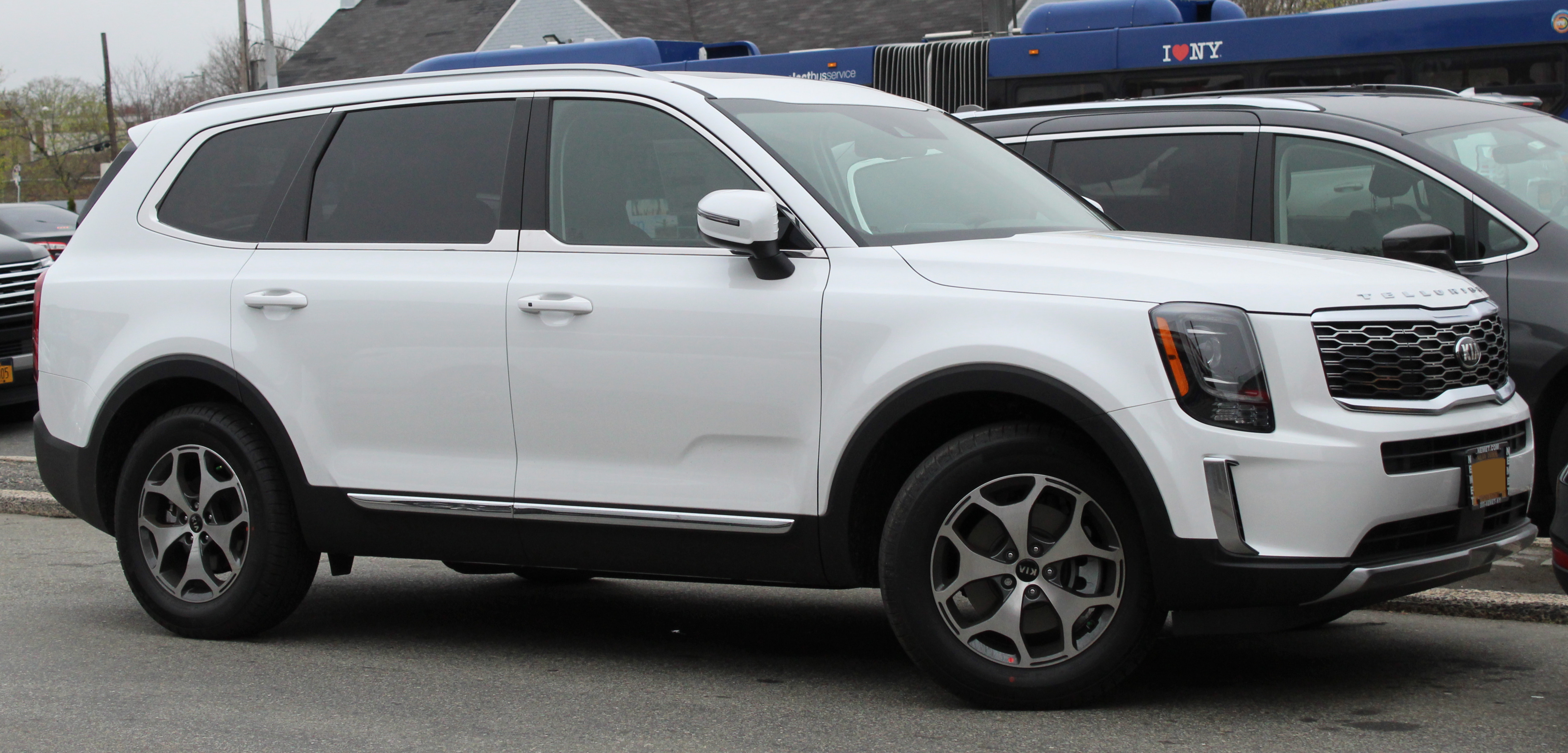
Telluride Hybrid
"... already on dealer lots like the exciting new Kia Telluride hybrid, which I will talk about in another episode, but ..."
The Kia Telluride is a midsize SUV with three rows of seats, so it can carry more people. In the podcast, it’s brought up because there’s a hybrid version that’s expected to be available at dealerships. It’s mainly discussed as a practical family vehicle.
The Kia Telluride is a midsize three-row SUV that’s commonly discussed because it offers family-friendly space and practicality, making it a frequent choice for people shopping for a larger vehicle. In the podcast context, it’s mentioned alongside a “new Kia Telluride hybrid” that’s expected to be available on dealer lots. That makes it relevant to talk about because it signals a shift toward electrified power while keeping the same core SUV role.
OnStar
"if it has over the air software updates or connected safety features like OnStar, congratulations, it's probably considered a connected vehicle by our government."
OnStar is a service built into some cars that can connect to help and other features. It’s used here as an example of connected safety tech that counts toward the “connected vehicle” definition.
OnStar is a connected-safety and telematics service that provides features like emergency assistance and other vehicle-connected functions. It’s mentioned as an example of the kinds of connected services that can make a car qualify as a “connected vehicle.”
declaration of conformity
"So how does it work? Automakers are now required to file a declaration of conformity and conduct a supply chain due diligence audit before importing or selling in the U.S."
A declaration of conformity is paperwork where the manufacturer says the product meets the rules. In this case, automakers have to submit it before selling certain connected cars in the U.S.
A declaration of conformity is a formal statement by a manufacturer that a product meets required regulatory requirements. Here, automakers must file it as part of the process to import or sell connected vehicles in the U.S.
supply chain due diligence audit
"Automakers are now required to file a declaration of conformity and conduct a supply chain due diligence audit before importing or selling in the U.S."
A supply chain due diligence audit is a careful check of where the important tech and parts come from. Automakers have to do this before selling certain connected cars in the U.S.
A supply chain due diligence audit is a structured review of where key parts and technologies come from and how risks are managed. In this rule, automakers must assess their connected-vehicle software/hardware supply chain before importing or selling in the U.S.
self-certification system
"It's a self-certification system rather than an approval process, but it is legally binding with some very, very severe civil and criminal penalties, including potential national security violations."
Instead of a government office approving the car first, the company says “this meets the rules.” But if they’re wrong or dishonest, they can still be held legally responsible.
A self-certification system means the manufacturer declares compliance itself, rather than waiting for an outside agency to approve the design before sales. Even though it’s “self” administered, it can still be legally binding if the claims are false.
national security violations
"with some very, very severe civil and criminal penalties, including potential national security violations. So the automakers, even though they are self-certifying, I don't think they're going"
This means actions that could put the country at risk. Here, it’s being used to explain why the rules are stricter than typical regulatory compliance.
National security violations refer to conduct that could threaten a country’s safety or strategic interests. In this context, the speaker is saying compliance failures could be treated as a security issue, not just a consumer-safety or emissions issue.
civil and criminal penalties
"with some very, very severe civil and criminal penalties, including potential national security violations. So the automakers, even though they are self-certifying, I don't think they're going"
Civil penalties are fines or legal consequences in a civil case, while criminal penalties can include prosecution and potentially harsher outcomes. The point here is that compliance claims aren’t just paperwork—they carry real legal risk.
sufficient nexus
"So any automaker that has what they're calling a sufficient nexus, I love all these terms. It's so ridiculous. But that means if they are owned, controlled, or directed by either a citizen or entity, meaning another company, of a foreign adversary."
It’s a legal way of saying “there’s a strong enough link.” If the link is strong enough, the company can’t use the usual process to sell cars and has to request special permission instead.
“Sufficient nexus” is a legal threshold meaning there’s enough connection between a company (or its ownership/control) and a restricted party or risk category. If that threshold is met, the company may be blocked from using the normal compliance pathway.
special authorization
"They have to apply for a special authorization, in other words, a waiver to be allowed to sell cars here."
It’s extra approval beyond the usual paperwork. If the company doesn’t qualify for the normal route, it has to ask for permission to keep selling cars.
Special authorization is an extra permission process outside the normal compliance declaration. Here, it’s described as a waiver-like approval needed for certain automakers to continue selling cars in the US.
Polestar
"Well, because it is already affecting the car makers and one of the biggest names affected by this new rule is Polestar. Polestar, if you haven't heard of it, is Volvo's EV luxury spin-off brand."
Polestar is an electric-car brand associated with Volvo. The episode uses Polestar to show how new government rules can determine whether certain EV brands can keep selling in the US.
Polestar is Volvo’s EV-focused luxury brand, known for building electric vehicles designed around software and modern connected-car features. In this episode, Polestar is used as a real-world example of how the new connected-car compliance rules can affect sales eligibility.
Volvo
"Polestar, if you haven't heard of it, is Volvo's EV luxury spin-off brand. They launched in 2019 and they only make three models, one of which is actually made down the road for me in South Carolina. They're beautiful cars. But you're probably thinking, wait a minute, Volvo is Swedish, aren't they?"
Volvo is the Swedish car company behind Polestar. The episode explains that because of who owns and controls these companies, they may need special permission to sell certain cars.
Volvo is the Swedish automaker that the speaker ties to Polestar as the parent relationship. The episode highlights Volvo’s ownership/control link to Geely and how that affects regulatory authorization outcomes.
Geely Holding Group
"The problem is that Volvo and Polestar are both majority-owned and controlled by a Chinese automotive giant called Geely Hold Group."
Geely is the Chinese company the speaker says controls Volvo and Polestar. Because of that ownership, the brands may have to go through extra approval to keep selling cars.
Geely is described here as the Chinese automotive group that majority owns and controls both Volvo and Polestar. The speaker’s argument is that this ownership/control structure triggers the “special authorization” requirement under the connected-car rule.
Sustainable Experience Architecture
"But it's very likely because in addition to Chinese ownership, [the] Polestar vehicles are built directly on Geely's sustainable experience architecture. It's a platform that they use for all of their electric vehicles and it relies on software and hardware and a supply chain that is deeply, deeply, deeply integrated with China."
This is Geely’s shared “vehicle platform” approach for its EVs. The speaker is saying it’s not just parts—it’s also the software and supply chain that are tightly connected.
“Sustainable experience architecture” is a platform strategy Geely uses across its electric vehicles. The speaker claims it’s built around tightly integrated software, hardware, and a supply chain connected to China—relevant because the connected-car rule is sensitive to that integration.

Volvo EX90
"... EVs on the other hand, the EX30, the EX40, EX60, EX90, they're all built on a different European develo..."
The Volvo EX90 is an all-electric SUV made by Volvo. It’s designed for everyday driving with room for passengers and cargo, and it runs on electricity instead of gasoline. It comes up when people talk about Volvo’s newer electric SUV lineup.
The Volvo EX90 is Volvo’s fully electric SUV, positioned as a larger, family-focused EV in the brand’s modern lineup. It’s often discussed because Volvo is using it to showcase its latest approach to electric power, safety technology, and how the company structures its EV platform strategy. In a conversation about multiple Volvo EVs (EX30/EX40/EX60/EX90), it’s a key example of the “bigger” model in that range.

Polestar EX60
"the EX30, the EX40, EX60, EX90, they're all built on a different European developed platform."
The Polestar EX60 is another electric model named in the host’s list. It’s part of the comparison about which EVs use which underlying technology platform.
The Polestar EX60 is one of the EX-series EVs listed in the segment. The host’s point is that these models are described as being built on a different European-developed platform than Polestar’s, which is central to the compliance argument.
connected car rule
"So Volvo cars USA got ahead of the problem because this connected car rule was developed under the previous administration and it got overwhelming bipartisan support in Congress, but it didn't go into effect until March of 2025."
A connected car rule is a government guideline for cars that can connect to the internet. It’s mainly about keeping the car’s data and software secure and limiting risky access—especially when it comes to foreign influence.
A connected car rule is a government requirement that governs how vehicles with internet connectivity (telematics, cloud services, data exchange) must handle cybersecurity and data access. In this segment, the host says the rule was developed under a previous U.S. administration, gained bipartisan support, and took effect in March 2025.
security protocols
"Volvo knew what was coming and they immediately sat down with the Department of Commerce and clearly laid out their independent governance, their data security protocols, everything that they needed to do to prove that their connected cars are safe from Chinese influence."
Data security protocols are the rules and safeguards that protect the information a connected car sends and receives. The host says Volvo showed regulators how it secures that data to reduce concerns about outside influence.
Data security protocols are the defined procedures and technical safeguards used to protect vehicle data from unauthorized access or tampering. In this segment, Volvo is said to have presented its data security protocols to U.S. regulators as part of proving its connected cars are safe from Chinese influence.

Polestar
"Polestar couldn't do that. They were completely built on a Chinese platform. Everything in that car practically from a technology standpoint is Chinese and so they are being forced to completely exit the US market after this year."
Polestar is an electric-car brand. The host says Polestar’s cars rely heavily on Chinese technology, and that’s why they may have to leave the U.S. market and stop making cars in South Carolina.
Polestar is an EV brand whose cars in this segment are described as being built on a Chinese platform, meaning much of the underlying technology is sourced from China. The host links that to U.S. compliance pressure and claims Polestar will exit the U.S. market and pull production from its South Carolina plant.
Chinese platform
"They were completely built on a Chinese platform. Everything in that car practically from a technology standpoint is Chinese"
A Chinese platform here means the basic technology foundation of the car—its systems and software—comes from China. The host is saying that can make it harder for the car to pass U.S. rules about connected-car security and control.
A Chinese platform, as used here, refers to the underlying vehicle technology base—hardware, software stack, and systems—being developed or sourced from China. The host argues that if a car is built on such a platform, it may struggle to meet U.S. connected-car compliance requirements related to influence and security.
warranty claims
"they will also be able to maintain the warranties and if you have any existing warranty claims or you have one, they will be able to satisfy that until those warranties expire."
Warranty claims are when you ask the dealer to fix something and the warranty pays for it. The host says Volvo-related dealerships should still handle warranty work for Polestar cars for a while.
Warranty claims are requests to have repairs covered under a vehicle’s warranty terms. The host says affiliated Volvo dealerships are expected to remain able to maintain warranties and satisfy existing warranty claims until those warranties expire.
lease vehicles
"if you have a lease, you'll be able to return your lease vehicle under the original terms, which I strongly recommend you do."
A lease vehicle is a car you’re renting under a contract. The host says you should be able to return it under the original lease terms, and they recommend not buying it at the end.
A lease vehicle is a car you’re using under a lease contract rather than owning it outright. The host says lease customers should be able to return their Polestar lease vehicles under the original terms, and recommends not buying the car out.
resale values
"Do not buy it out because the resale values of the Polstars on the used market. Yeah, expect those to plummet"
Resale value is what your car is worth when you sell it later. The host is saying Polestars could be worth less on the used market if support becomes uncertain, so buying out a lease may not be a good deal.
Resale value is the price a car is expected to sell for after you own it, typically in the used market. The host warns that Polestar resale values may “plummet” due to dealer fire sales and uncertain future service/support, which can make buying out a lease risky.
fire sale
"Dealers are already having fire sales on their remaining new car inventory just to clear out their lots and that drives down the used car prices"
A fire sale is when a store sells things quickly at very low prices. The host says dealers are discounting remaining new cars to clear inventory, which can also drag down used-car prices.
A fire sale is an aggressive, fast liquidation of inventory at sharply reduced prices. The host says dealers are already doing fire sales on remaining new Polestar inventory to clear lots, which can pressure used-car prices downward.
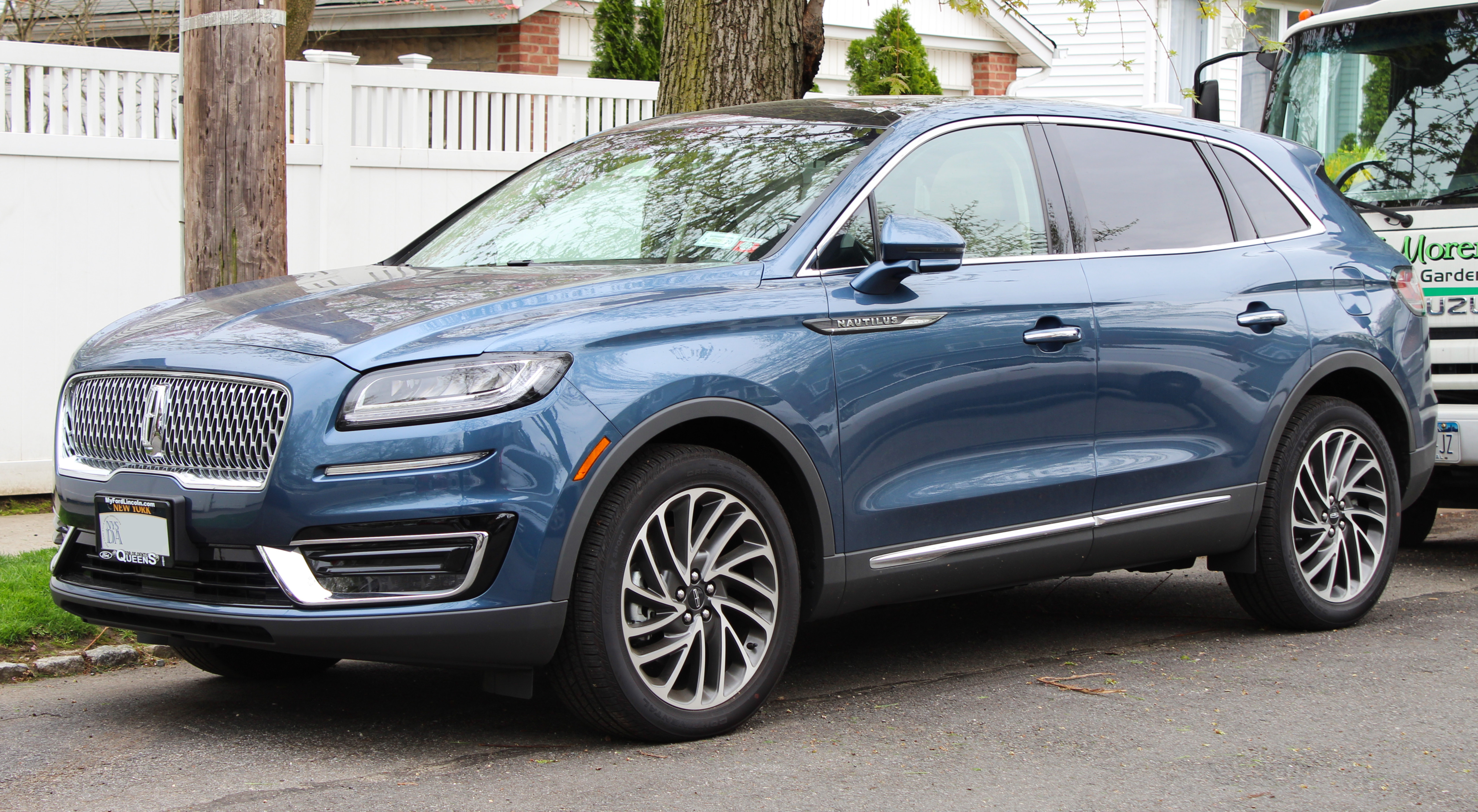
Lincoln Nautilus
"like the Lincoln Nautilus, the Buick Envision. Both of those are made in China, in Chinese factories"
The Lincoln Nautilus is a Lincoln luxury SUV. In this discussion, it’s mentioned to show how some cars are built with parts and manufacturing ties to China, which can create headaches when politics and trade rules change.
The Lincoln Nautilus is a midsize luxury SUV from Lincoln (Ford’s luxury brand). In this segment, it’s used as an example of a vehicle whose production and parts sourcing involve China, which matters when governments impose trade or compliance rules.
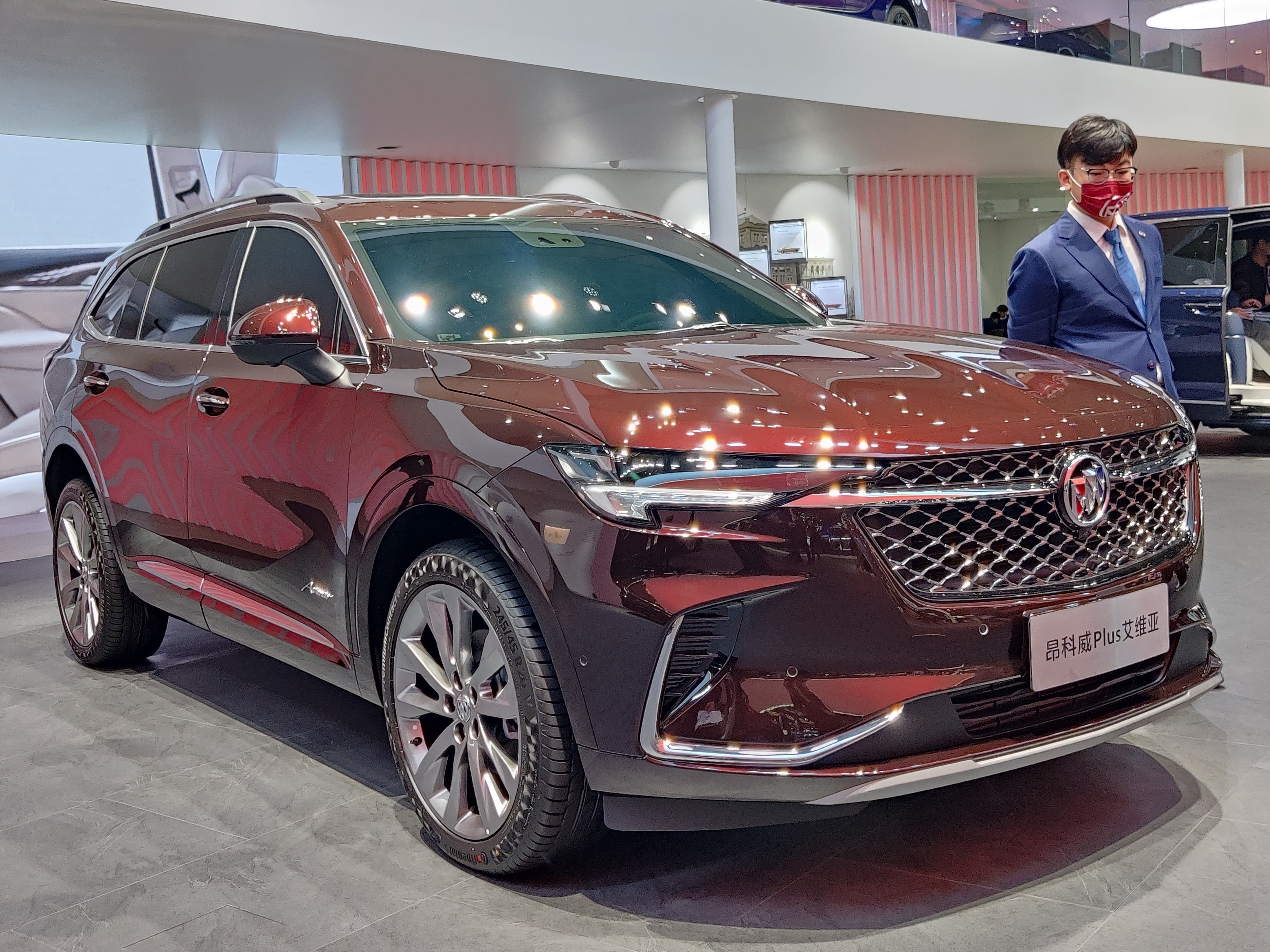
Buick Envision
"like the Lincoln Nautilus, the Buick Envision. Both of those are made in China, in Chinese factories"
The Buick Envision is a Buick luxury crossover. The host mentions it to illustrate that some popular cars are built in China, so changing trade rules can affect automakers’ plans.
The Buick Envision is a compact-to-midsize luxury crossover from Buick. Here it’s brought up alongside the Lincoln Nautilus as an example of a car made in China with significant Chinese parts content, which becomes relevant under geopolitical and regulatory pressure.
waivers
"with lots of Chinese parts. So Ford Lincoln has already applied for waivers for their future models"
Here, “waivers” means permission to be exempt from a rule—at least for a while. The worry is that the rules for getting those exemptions aren’t clear, so companies can’t confidently plan ahead.
In this context, “waivers” are official exceptions that allow automakers to meet (or temporarily avoid) certain regulatory or trade requirements for specific products or future models. The host frames them as uncertain because the criteria aren’t clearly defined, leaving companies exposed to political changes.
2030 hardware deadline
"So they're making those changes well ahead of the 2030 hardware deadline, which will make even more manufacturers vulnerable."
The “2030 hardware deadline” is a future date when car makers have to meet certain rules about the car’s hardware. The host’s point is that companies need to plan early because the hardware depends on lots of suppliers.
The “2030 hardware deadline” is a future compliance or regulatory milestone that pressures automakers to change vehicle hardware by a certain date. The host uses it to explain why manufacturers are acting early—because meeting the deadline depends on sourcing and supplier compliance, not just internal engineering.
compliance problem
"So they are looking deep into their supply chain is if they don't have anything better to do. They were already responding to the whole tariff mess"
A compliance problem means something in the car doesn’t follow the required rules. The scary part is that the “problem part” might be made by another company and hidden deep in the car’s electronics.
A compliance problem means a component, software, or process doesn’t meet required rules—often related to safety, trade restrictions, or government regulations. The host’s example is that a Bluetooth module, telematics controller, or Wi‑Fi chip could be buried in suppliers, making the issue hard to detect until later.
telematics controller
"Bluetooth marginal or their telematics controller or some Wi-Fi chip is buried three layers deep"
A telematics controller is the car’s “connected” computer that handles things like communication for apps and remote features. The host is saying that if that kind of component comes from a supplier with regulatory trouble, it can affect the whole vehicle.
A telematics controller is the electronic unit that manages connected-car features like cellular connectivity, remote services, and data exchange between the vehicle and cloud systems. In this segment, it’s mentioned as an example of a software/firmware-containing component that could be subject to compliance issues.
Wi-Fi chip
"Bluetooth marginal or their telematics controller or some Wi-Fi chip is buried three layers deep"
A Wi‑Fi chip is the part that lets the car connect wirelessly. The point here is that these chips can come from suppliers, and if rules change, the automaker may have to trace and verify them.
A Wi‑Fi chip is the hardware component that enables wireless networking in the vehicle (for connectivity features and local device connections). The host uses it to illustrate how even small electronics can be sourced through multiple supplier layers and potentially trigger compliance concerns.
tariff mess
"So they are looking deep into their supply chain is if they don't have anything better to do. They were already responding to the whole tariff mess"
A “tariff mess” means trade taxes that make imported parts more expensive or harder to plan around. The host is saying automakers have been scrambling to adjust their sourcing and messaging because of it.
A “tariff mess” refers to confusion and disruption caused by tariffs—taxes on imported goods—that can change costs and sourcing decisions for automakers. In this segment, it’s tied to how manufacturers respond by emphasizing where parts are made and, increasingly, where software and electronics come from.
North American content
"It's like, hey, our car's built in Kentucky. Our engine's made in Ohio. We have 70% North American parts content."
North American parts content is a way to say how many car parts come from North America. The host is saying companies used to advertise those numbers, but now they may also have to worry about rules tied to software and electronics.
North American parts content is a measure of how much of a vehicle’s parts are sourced from North America, often used to qualify for trade benefits or satisfy regulatory requirements. The host notes automakers previously highlighted these percentages, but now they may need to prove similar compliance for software and electronics too.
EV tax credits
"and then we had tariffs and then EV tax credits came and went."
EV tax credits are money-saving incentives from the government for buying certain electric cars. When those incentives change, it can affect what cars companies build and what buyers choose.
EV tax credits are government incentives that reduce the amount of tax you owe when you buy an eligible electric vehicle. They can change consumer demand and automaker planning, and when they change or expire, sales and production strategies can shift quickly.
connected cars
"And now it's this whole software and hardware and connected cars, that constant state of chaos for the industry"
Connected cars are cars that can communicate online—often through a built-in connection. That means some features depend on software and data, so disruptions can change what you get.
Connected cars are vehicles that use internet or cellular links to exchange data with services, apps, or other systems. Because they rely on software and data connections, changes in technology, regulations, or supply chains can affect features and updates.
software y un hardware
"And now it's this whole software and hardware and connected cars, that constant state of chaos for the industry"
Cars are made of physical parts (hardware) and computer code (software). If either one is delayed or changed, the car’s features can change too.
Modern vehicles are tightly integrated systems where software controls functions and hardware provides the physical components. When either side is constrained—like needing different parts or code—automakers may delay models or remove features.
heated seats
"Again, maybe a feature disappears like it did during the pandemic when they had to pull heated seats or blind spot monitoring because they didn't have enough computer chips."
Heated seats are seats with built-in warming elements. If a carmaker can’t get the right parts, they may have to leave this feature out for a while.
Heated seats are an in-cabin comfort feature that typically uses electrical heating elements and control modules. During supply shortages, automakers may temporarily remove or limit such features if they can’t source the needed components.
blind spot monitoring
"when they had to pull heated seats or blind spot monitoring because they didn't have enough computer chips."
Blind spot monitoring is a safety feature that alerts you when there’s a car you can’t see next to you. If the needed electronics aren’t available, that feature may be delayed or removed.
Blind spot monitoring is a driver-assistance system that warns you when a vehicle is in your blind spot. Because it depends on sensors, control electronics, and software, it can be affected by chip shortages or supplier changes.
over-the-air updates
"So until next time, folks, whether you have a [1894.0s] connected car or if you're like me and you're enjoying your old analog car that has none of [1899.2s] those things, drive it safely."
Over-the-air updates are software updates sent to your car wirelessly. Instead of going to a shop, the car can update itself when it has a connection.
Over-the-air (OTA) updates are software updates delivered to a car wirelessly, without needing a dealership visit. This matters because it ties vehicle functionality to software supply chains and cybersecurity/compliance requirements.
Request an Explanation
Heard something you'd like explained? We'll add it to this episode.
Sign in to request explanations for terms you heard.
Want to learn more?
Browse our glossary for plain-English explanations of automotive terms, jargon, and concepts.
Help improve this episode
See something that's not quite right? Our annotations are AI-generated and can sometimes miss the mark. Click the flag icon on any annotation to suggest a correction.