The fuse box is where the fuses are stored in a car. Fuses help prevent electrical problems by shutting off power if there's too much electricity flowing through a circuit.
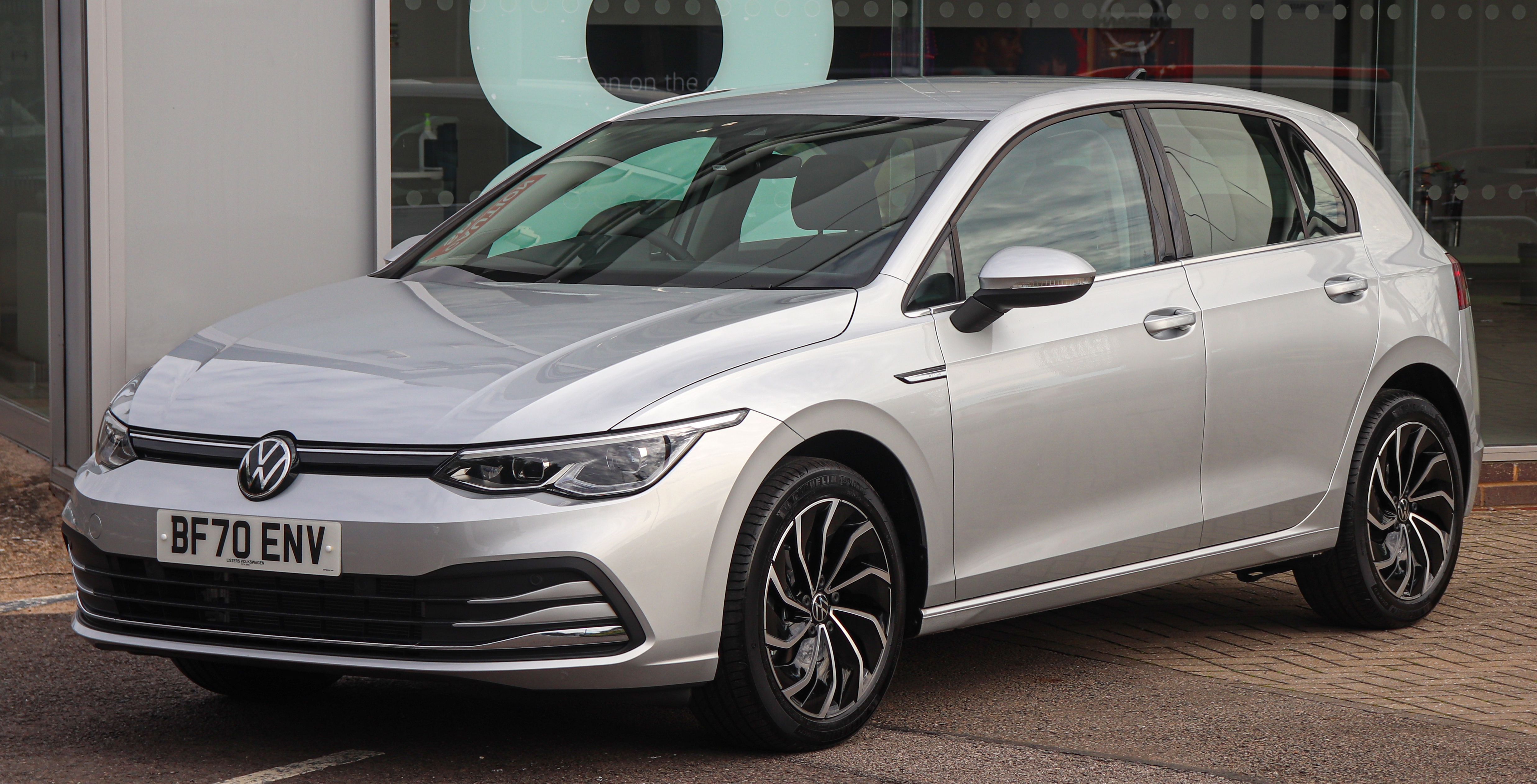
The Volkswagen Golf is a small car that is great for everyday use. It's known for being easy to drive and having a lot of space inside, which makes it good for carrying things like golf clubs. People often talk about it because it's reliable and fun to drive.
A wire diagram shows how all the wires in a car are connected. It helps mechanics figure out where electricity goes and can help find problems in the electrical system.
Fleet management is about taking care of a company's cars or trucks, making sure they run well and are replaced when they get old or too costly to maintain.
Gross profit is the money a business makes after paying for the things it sells. It helps companies understand how much money they have left to pay for other costs like salaries and rent.
Labor rates are the prices that mechanics charge for their work, usually by the hour. Higher rates can mean more experienced workers or more complex repairs.
Labor mix is about having a mix of workers with different skills in a car repair shop. This helps the shop run better because some workers are very experienced while others are still learning.
An oil service is when a mechanic changes the oil in a car's engine and replaces the oil filter. This helps keep the engine running well and can prevent problems later on.
Ford is a famous car company in the United States that makes many types of vehicles, including trucks and cars. They have been around for a long time and are known for their popular models.
An electrical problem in a car means there is something wrong with the electrical parts, like the battery or wiring. These issues can be tricky to fix and usually need a skilled mechanic.
A transmission shop is a place where mechanics fix and take care of the part of the car that helps it move, called the transmission. They know how to handle problems with this important part of the car.
Commercial sales are when businesses buy products or services, like a company buying multiple cars for its employees instead of just one for a personal use.
A recall happens when a car company finds a problem with a vehicle that could be dangerous. They ask owners to bring their cars in for repairs to fix the issue.
The Hyundai Palisade is a large SUV that can fit a lot of people and their stuff, making it perfect for families. It has a nice interior and comes with many features that make driving easier and safer. People like to talk about it because it's comfortable and offers good value for what you get.
Engine dynamic restore is a service that helps clean your car's engine to make it run better. It can help fix issues that make your engine less powerful over time.
The C6 transmission is a type of automatic gearbox used in some older Ford cars. It's known for being strong and lasting a long time, which is why it was popular in many vehicles.
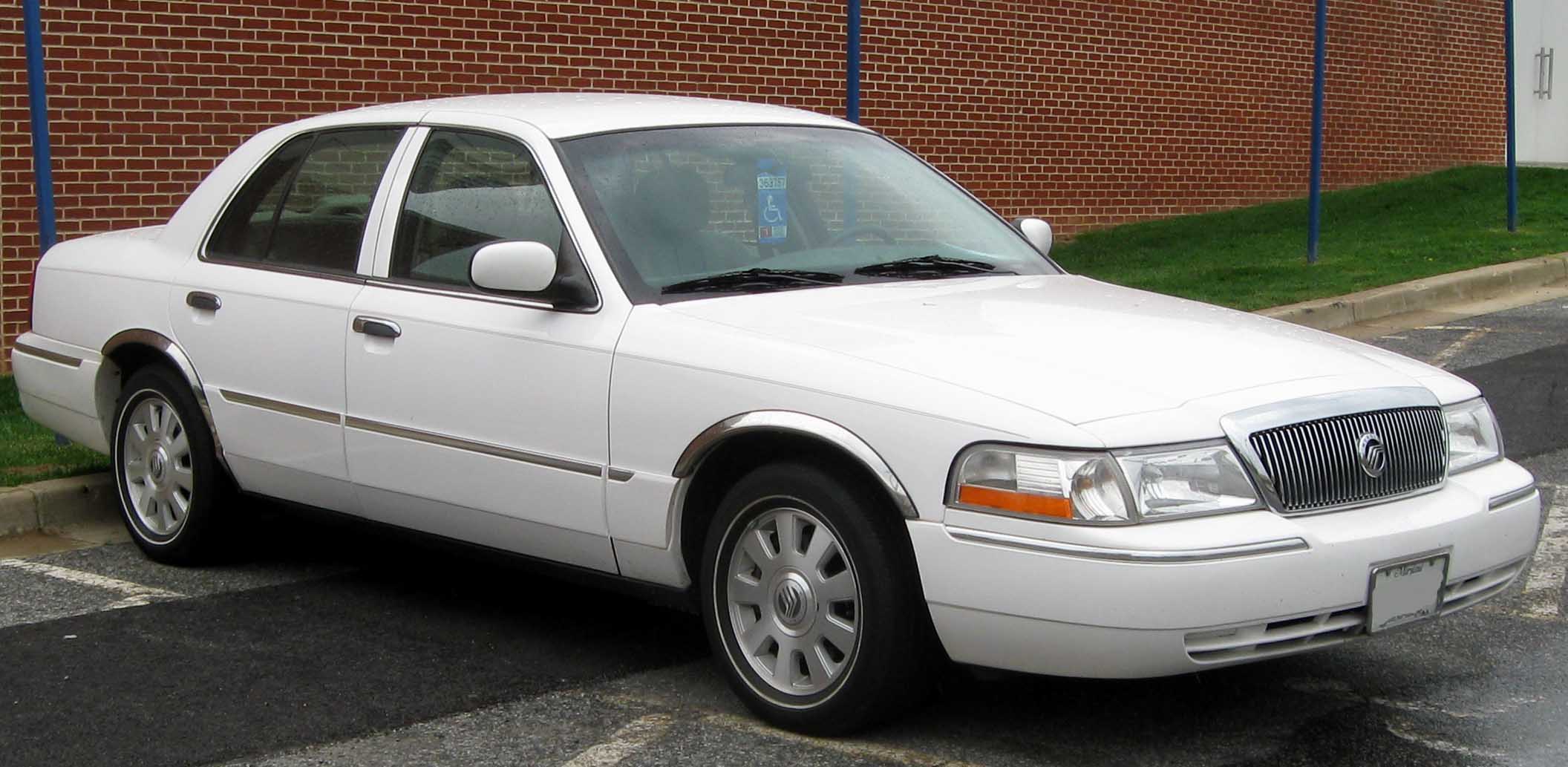
The Mercury Grand Marquis is a large car made by the Mercury brand, which was part of Ford. It's known for being comfortable and roomy, making it a popular choice for families and older drivers.
Everybody's like, oh, you guys are always talking like you're talking down to us. I'm not talking down to you
I'm sharing the wisdom I'm talking about a different method, right? It's not I'm not saying your method is wrong
If it works for you good for you. Yeah, but how many other things have you missed out in life on because you're convinced that your only method is the
Right. There's more than one way to get to California. That's right. Right. And as long as your path and my path get us there at about the same time, right at about the same cost, who cares? Yes.
Good morning, ladies and gentlemen, welcome back to another exciting episode of the Jada mechanic podcast this morning's episode is brought to you by our family at
Promotive. Promotive has been absolutely the best thing that has come along in a very long time for my podcast and our industry. People reach out to me every day and tell me how
Fundamental Promotive was in helping them find the people that they need for their business. So with all love, thank you, Promotive. So I'm sitting here this morning with two very esteemed young gentlemen.
There's lie number one. Go go tracking. Well, actually, it's two. It's esteemed and young. You got to lay it on pick when you're starting. Mr. Rick White from 180 biz and everybody's favorite redneck
John Firm from Firm Automotive. How was everybody this morning? Oh, man, I'll tell you what, I can now die a happy man. I've been on the Jada mechanic podcast. This is like the height like it's all down.
And this is this is a long time for I guess we could call it almost a sequel but Rick was on very early on before I had my own podcast with Lucas and I and I did the absolute thing that I try not to do it.
But it does happen as I steamrolled the guest. And so and and I kind of I didn't let Rick have enough to say and then I've gotten to know Rick really well and and that me then is not me now in terms of where my headspace is at and a lot of my
Oh, yeah, I represented every evil shop owner you've ever known.
And then I went and aligned myself with the most evilest.
And then it's like what was everybody thinking but so I'm sitting here with you two gentlemen today because I have so much respect for both of you guys in terms of as I've gotten to know you how it never waves from the course of what is best for the industry.
It's not about the bottom line. It's not about the pocketbook. It's about what's best for the industry. Right. And we've been talking a lot about how we just set it out in the lobby. I don't have a problem with somebody. I'm never going to say to someone you have the wrong coach.
But I'm going to thank you for having a coach.
They're not messed up.
And then let's talk exactly let's talk about what's the best fit for what you're trying to achieve in this industry.
It's really important. Yeah. Right. There's got to be a good fit. If you you could have the best coach in the world but if there's not like a fit or a dynamic to it. It doesn't work. Yeah. Right. And then all of a sudden what ends up happening is you end up going while coaching doesn't work.
And it's not that the coaching didn't work. It was the relationship didn't work. Yes. Right. Everybody needs a coach. Yeah. And you got to get it closer.
If it's any closer I'm going to sound like you're not up in it. I'm just saying I want you here with us. Come on. Get in here with us. OK. So you said a very powerful thing right there is that everybody needs a coach.
Everybody needs a coach. Yeah. Now is that is that an honor. Is that do you still find that that's maybe you're met with a lot of kickback when you say that everybody needs one.
Honestly I don't care. Right. Because truth is truth. Everybody needs a coach. You know for technicians I don't know if people know it but like guys like Eric Ziegler that they have a mentoring program. Yeah. Right. Why would you not like you complain about your
text not growing. But what are you doing to invest in them. Right. Yeah. So there's coaches that we should be having coaches for every part of our lives and you know whether that's therapy sometimes sometimes it's sometimes it's business coaching
sometimes it's mentors but you should always always have a coach. Right. Because there's always somebody that's above you. Yes. Right. And one of the core tenants that I have in my life is always be a student.
I want to be the dumbest person in the room. Amen. Which is not hard to do. No. Like it's super easy for me to be the dumbest person in the room. I have no problem. And one of the other things I learned a long time ago it's an old saying I think it's
Oriental in its foundation but it says you can not understand something. Ask and look like an idiot for five seconds or you cannot ask and be an idiot for a lifetime. Yes. And I am one of those guys that
was funny. I was sitting down with Donnie Seifer and a couple of big hitters as far as technical trainers and where were we. We're at ATE out north northwest there in Seattle and we were in between classes and the guys were talking about the key
programming and you know all that stuff. Yeah. And they started putting some acronyms around. Right. I don't know what the acronyms were. Yes. Right. So I said guys I'm really sorry I must sound stupid. What is this. Yeah. Like I have no problem doing that. Right. Don't do that. No.
There's a lot of equipment down here. And it was your cell phone. But seriously everybody needs a coach. Yeah. And and some of my coaches honestly I love reading and I've read books that are over 100 years old that are still as applicable today as they were then.
And like people talk to me about the help situation. I go. Hey there's a really great short book called Letters to Garcia. And it's about a 60 page book. OK. Sure. And it's 140 years old and it's about not being able to get good help back. Right.
I mean it is not. It is not new. No. And there's so much wisdom in some of the older texts. But being able to step back and just be that student. Part of it I think is you got to be curious. I think it's three things you got to be curious.
You got to be humble. Yes. Right. And when I say humble it doesn't mean think less of yourself. It means think less of yourself. You know more often or less often. Right. Yeah. And then the third part is be open to new thoughts new because you can either be right or you can learn. Yeah.
Because the moment you are you think you're right. The door shut. Well I just had a conversation this morning about one of my shorts that came out and we got talking about processes of how I would check for a problem in a car.
And somebody says well I just check all the fuses first. And immediately of course we have a couple different people and it's like I just very you know casually say well what about if the fuse box that is for all the fuses in the car is buried under something say it's in the trunk.
And there's three sets of golf clubs and you know some questionable shoes and laundry and all this kind of stuff in the back. And you want to just check all the fuses in that fuse box whether they power what you're trying to fix or not. Is that makes sense to gut that truck that trunk excuse me to go and check all the fuses or would your process
not be maybe I look at the wire diagram and figure out how this power feed works so I can save myself some time easily. Everybody's like I'm not staring a wire diagrams for hours. Well and then it becomes a situation of like so we get talking about it and it evolves to another level of conversation
Well how do you actually check a fuse. The traditional way a lot of people that are not in our realm would be like I would pull it out and look through the sun and see if that little bridge is broken. Now any of us that have ever been there you might have just fixed the car because you restored the connection.
Yeah. Or what you've made something go to sleep something turn on like it's everybody's like oh you guys are always talking like you're talking down to us. I'm not talking down to you. I'm sharing the wisdom.
I'm talking about a different method. Right. It's not I'm not saying your method is wrong if it works for you good for you. Yeah. But how many other things have you missed out in life on because you're convinced that your only method is the only method.
Right. Right. There's more than one way to get to California. That's right. Right. And as long as your path and my path get us there at about the same time right at about the same cost who cares. Yes. Right. Yeah.
And that's one of the things as owners and leaders because a lot of owners are former technicians. We've got to be very very careful about thinking our way is the only way. Right. That's where we start to micro manage. Yeah. Right.
You got to lead from an outcome based thought process. Amen. Yeah. Right. And when you start doing that you don't manage the tasks you manage outcomes. And that gets to be a lot easier. It's it requires better communication. But what you're doing is you're building a team that self directed their self motivated.
And it really starts to work. Right. Because they're taking on responsibility. I don't want you to do something. I want you to achieve something. That's right. Right. And by doing that by doing that then I'm able to let them go back. You know.
Now what if the guy will you have a Rick what if he's like five hours on a diagnostic job. Well dude you suck. Right. Yeah. You got to be able to say OK. You got 20 minutes at the end of 20 minutes come talk to me. Tell me where you're at. If you're lost we're going to escalate to level two. Yeah. Right.
We're not going to we're not going to we're not going to do it a shotgun. Yes. Diagnostic to it. We're going to step back. We're going to fix what's needed. But we got to be able to stay profitable doing it. And that that communication factor is so much more what I'm still learning is how do I
communicate. You can come out can't come out there and go you've got 30 minutes into this. Right. I'm not charging for Diag because she thinks it might be related to what was in last time. So it's 30 minutes in like where are we going with this. And the technician is not thinking where are we going with this in terms of where
we're going with this car. Technicians mind is still in trying to solve the problem. Right. Right. You're bringing them an outside problem of like is this profitable or not. And they're focused on the only task which is fix the car.
Well you got to understand the technicians judge their self worth typically by the number of the number of hoods I close on fixed cars versus the number I opened on broken cars. Yes. Right. We got to teach them time management. Yeah. Right. Because ultimately our widget we're a widget factory and our widget is
labor. Most automotive conferences unfortunately only focus on one side of the shop. But Tectonic 2026 presented by Tech metric is different. It's built for the whole shop. Owners advisors and technicians all have sessions designed for the work they actually do day to day. It's three days in Houston packed with
shops panels and over a thousand people from the industry are set to attend. You don't need to be a tech metric customer to qualify. Hit up the link in the show notes below and check out Tectonic 2026. Register now while you still can to get the early bird pricing. Yeah.
But we've got to do it in a way that makes sense. Now one of the things I always had a problem with and I teach my clients about is when a car comes back do not assume it's a comeback. Right. You as you reassure the client the vehicle owner. Hey if this has got anything to do with what we got.
We did it's on us. Yeah. 100% but we are not. I do not walk into a situation like that and assume 100% like I'm so sorry it's our fault. We're going to take care of it for you. I don't know what the problem is. I'm not willing to step in front of that bullet yet.
Okay. So I give my tech the same courtesy and respect that they need to be able to step back and say hey guys here's here's more data. Yeah. It was in two weeks ago we did this. Yeah. Go. Yeah. Right. Come back in 20 minutes. Tell me what's happening. That way there we're staying in control of it. See it's funny.
I'm actually doing I did an accountability class on Tuesday and the biggest thing is communication. You know accountability is not you versus them. Right. Accountability is a shared responsibility to an outcome where both parties know exactly what's expected of them when it's expected of them.
That makes a big difference because John you and I as both have been in the in the in the fleet realm. Right. We truly know what a comeback is. Exactly. Right. We kind of know like we put the engine in and we forgot to plug in that connector on the side of the alternator or something in the car.
Yeah. You know what I mean. And now it's coming back on a tow truck. That's a comeback. Right. Whereas the other side of the of the equation would be like we put the engine in and the brake light doesn't work. Oh yeah. You know now that can that still be related. Definitely. Definitely.
You know it all depends on how the cars configure. But the probability for the PTO. But the probability is that might not be right. And it's just like you were talking about. Now here's what I wanted to really kind of touch on is because it's something that I thought about as I've gotten to know both of you gentlemen is Rick when you're teaching or let me ask you this.
John when you're when you're facing looking at some of the business coaching and stuff is there are things that you tweak because you're predominantly a lot of I'm after the fleet side of things. Right. Is there stuff that's being coached or taught by Rick that you kind of have to tweak a little bit to fit your model. Yes a lot.
A lot of stuff that he teaches for increasing productivity. The goals and things like that for retail client is not what fits with me. Right. Marketing. He's on marketing all the time. That doesn't fit with me. I'm very strict on how many people come back into my business because I have to control how many I have here. Right.
And take care of that. I don't have room for another client to come in today. If I did I would upset somebody else. There's things like marketing is the biggest thing I just ignore it most of the time. That's rude.
So Rick what do you see the challenges when you look at like a fleet shop that you're being tasked with. Hey coached me versus what we call a traditional one or two car family kind of dynamic. Yeah. So from a production perspective it's the same. OK. Right. We're a widget factory.
Yeah. OK. The three carriers for fleet that make it a little bit different is client acquisition. Right. You're not going after retail. You're going after one to many. I'm not going after one house with one or two cars. I'm going after a company that has five 10 20 vehicles. Yeah.
So that's that's the first thing is acquisition is different. And it was really fun. About a year ago a year and a half ago John and I did. We do a training that's we call it a sprint. OK. And it's one week of training on one subject matter.
And John and I we we co-chaired how to build your fleet business. And we did that for our group. Very cool. It was a lot of fun. It was. We got a lot of response out of that. A lot of the clients still reach out to me.
What do you say you said this happened. You know I gave away a lot of my secrets that I do. And you hold those really. Oh yeah. I would not share them. I don't want to tell you what I had to do to get them. Yeah. The general public you know but with the 180 biz family. I'm pretty much an open book with those guys. Yeah.
Yeah. So so the so the acquisition is different. OK. Flow is a little bit different. But the cool thing about it is you can be really proactive because a lot of people don't understand. I used to run a flea shop. I remember.
Yeah. Right. So I I actually worked with a courier company. They owned their own garage. Yeah. And they hired me to manage the fleet. Right. There was some 70 vehicles in the fleet. So I learned a lot from that side of it.
That I now teach like you should be getting like one of the things I think is the coolest thing ever. If I was doing fleet work today I'd be putting the little dongles in on the vehicles getting the mileage is and I would be calling the fleet manager up going hey these three are due for service this week. Right.
It's done. We know where they are. We can put speed limits on them. There's all kind of cool things. So that's that's a really simple thing to do when you can be a really proactive. So one of the things I did because it was before this was every week the fleet manager would call me up.
He would give me the miles for each unit number and then I would go in and see which one was due for service and we would get them in. Don't schedule it. Yeah. And it was you know take this one off take this one off and it was awesome.
So that experience is really help but acquisition is different. OK. Productions the same. You got to be careful with fleet because you can end up with one or two really big clients and think you're doing really well and then all of a sudden one of those clients go away.
We talked about this yesterday. And you're in a real big pickle. So one of the things I say is you really want to make sure that any one client isn't more than 15 or 20 percent of your business. That's really important.
That's powerful. OK. You always want to be marketing. Most don't. But you always want to be marketing working on getting that next fleet in because invariably you'll have a fleet that goes out and buys a whole bunch of new vehicles. And I call it marketing.
Yeah. Dating. Yes. Absolutely. John's got a reference to it's like you have your number one girl but you also may have a girl that you're going to send some flowers to once in a while. I can't take you out every week.
Once you put the ring on. I might come by once a month and give you a flyer and a box of donuts or something. But like we're not we're not we're not steady. Right.
The other thing that you got to be careful about is pricing because a lot of shops when they're doing fleet work they feel like they have to do it for next to nothing. Right.
Discount discount discount. So one of the differences I teach is value. Yeah. Right. Build the value. Right. Because if you can get them off the focus on the expense and onto the focus of the lost revenue of the vehicle being down now that makes a lot more sense.
Yeah. Right. Because we see we've we've seen the topic come up just recently. Somebody asked how do I build into my software program that it immediately deducts the labor rate for my fleet. Yeah.
Company. Don't do that. You should charge more. You're not. Exactly. Everybody so much more to take care of a fleet and every demand so much more.
And it was cool because that conversation and everybody started asking questions. What do you mean charge more. Like they're they're my loyalty. They're my yeah. But you're also giving them a level of service that you're not just giving to any random person.
Absolutely. And what that means that they are expecting a different level. Ergo it costs more to provide that level. I shouldn't be cheapening in what I'm trying to do. I should be making more.
And the client that wants that lower level. See you to let him go tie up another shop. Yes. So you have room for that better client. Yeah. It's scary. If you said this for years anytime you're competing on price it's a race to the bottom.
Because there's always somebody dumber out there that's going to do it cheaper. I mean I don't mean that disrespect. We price from fear. Yeah.
Business is math. It's all it is. It's math and its people. Right. You got to be good at both of those things. And I think that's where our first encounter was so interesting because you just thought it for me it was all about the math and the money and screw the text and
like I tell people all the time I was talking to somebody yesterday and they said oh I got to call my supplier and get better pricing. I went don't do that. He goes what do you mean I said I actually went to my supplier and said I'll pay you 10% more.
I want this and this from you. Yeah. And they fell over backwards to do it. Right. And here's the thing from a business perspective if I buy a more expensive part with my matrix I actually make more money. Right.
So so to start giving this stuff away it doesn't make sense. OK. So the pricing learning to sell value versus like one of the things that I did that was really helpful when I whenever I worked with fleets is we gave them a monthly cost per mile.
Right. Good information there. Yes. That that was a game changer because we could start to watch we would set a threshold for how much it should cost per mile for maintenance and repair. And anytime we saw one go up we would have a conversation. Well it was a one time hit we put an engine in whatever the case was.
So this will this will drop back down again. Or hey this one is starting to always be in the shop every couple months. Last month it was an AC compressor. This month the tranny is you know next week or like the axles got to be rebuilt because it's puking oil all over the thing. That's what I know from my experience.
A lot of fleet managers are looking at they know how to retire their unit or or liquidate it to somebody else based on that number. Yes. It's cost me cost of operation for the last six months was more than it was for the last 18 months prior.
This one's probably long in its tooth and time to put her out and time to go. Right. So being able to be a resource instead of just a vendor right a partner and helping them keep that fleet on the road because I talked to them.
I'm not here to keep your you know work on your cars cheap right of your vehicles cheap. I'm here to keep you making money. Right. And it's a partnership. We're going to work together to do that. Can we go back to the parts question for a minute because you kind of well it was not a parts question but
I work is on what it was because I've worked for so many people that they think the method is to beat up the vendor. No. I need that part line. I need that part line even less leaving less. How do we get them to
A question maybe that's hard to answer. But I'll do too. So when you have a customer approach you and they say I have an account with X Y Z right and I want to use what they are because this is the price. Do you allow them to use that account when you're servicing their cars. No no.
I don't think so. We have no heck no hell no and then there's one more I won't say right. Yeah yeah yeah and that's a that's a that's a hard no you don't know the quality of the part you have to be in control that cut the chain of custody.
There are some insurance companies today that if you let a customer supply part the insurance will not cover you because they they want to spread liability. Yeah. And if if they don't have a chain with a chain of control with that part they don't have it.
Yeah. So they don't want to sit. They don't want to take on that whole liability. So my response and I'm kind of an asshole sometimes right. I would just look at them spouse a great let them put it in. Yeah. Right. You want our warranty you want this you want that you want this.
It's got nothing to do you want me to match that price fine and my labor rates $300 an hour. I don't care where the gross profit comes from. Right. I'm going to make a certain percentage of gross profit so that I can run the business. I can pay my technicians what they should get paid.
By the way it should be about 120 to 150 thousand a year. And yes they should be getting really well paid today. Yeah. You're going to see labor rates skyrocket over the next 12 to 18 months because you're going to start paying 75 $80 an hour for a good guy.
Now one of the things that shops I really think need to reevaluate is this concept that I need you all my guys need to be unicorns. Yeah. No they do not. You need a good labor mix. I need one guy that's a real solid A. I need a good B plus that's learning to become an A. Right.
I need a good B and then I could have a C tech or a you know a GS but I've got to be very very careful there because the active they tend to be more activity focused an opportunity focused and their job is let me get it out let me get it out and I'm like no no man let's go through the car let's see what it needs.
Yeah. Right. Slow down. Right. Anytime you want to make more money. Slow down. Slow down to go fast. So for me I don't beat up my vendors. I don't beat up my tax. I used to work at a dealership and they paid us four tents to do an oil service. Yeah. Right.
That was Rotesta car twice. Yeah. Racket stand for 20 minutes at parts to get the oil filter. Right. And then they would do this thing back in the day was a nine ninety five old anytime it got slow they put out a nine ninety five old servicing.
You know they dropped our time to two tents. Yeah. But do the same amount of work. Yeah. And my thing was you want to give something away. That's fine. But don't take it out on me. Right. So whenever I'm working in this industry with another shop I've been a tech.
Like I was playing with carburetors when I was six I rebuilt my first transmission was 17. Yeah. Right. I still bleed text run. I mean it's just one of those things. So take care of your people. Take care of the text. Take care of your advisors. Right. It's just the right way to do it.
I think I was a proven fact. He's human. Yeah. No. And this is what I adore both of you is because I know the background that you guys are not just somebody that's like you're not just a shop owner who never put a wrench in your head and you're not a coach that never had a wrench in your hand.
Our own shop. Yeah. You both have been where where I have been exactly right in the trenches. Yeah. So what what's the challenge that you see coming in right now with the things that are from a fleet standpoint that are coming into your shop.
Where are you getting where it's like I have to. Wow. I have to maybe think about this or I have to think about that. What are you seeing. Is it the technology that's coming in or the technology last week. I just had to buy a new Ford scanner new gender motor scanner. You know because our old stuff is not going to work in a couple more days.
Yeah. You know. And then you got to register them with auto authority. You got to register them with NASDAQ. You got to go through all the steps and all the hoops. You know Rick when they have to do something like that is that when it immediately.
You let your customer aware of a rate change. We could do rate change or one of the things we've been talking with clients about is add a sublet. OK. For an equipment access fee. OK. And that way there if you do a rate change everybody's paying for the equipment. Right.
I feel like only the people using it should pay for it. So there's an equipment access fee. And because if you're going to make an investment in quick. I'm going to back up years ago generationally we have bought equipment to do the work. We can't have that mindset anymore.
You can't buy a hundred thousand dollar alignment machine and do them for seventy nine ninety five. Right. Where's the return because you're not making any money on the job. Right. So if you're going to buy a fifty thousand dollar scan tool it's going to last you five years.
You should be able to step back and say OK I want this to make a hundred percent profit on it. Not a hundred percent profit but I want to make. I want to make a hundred thousand dollars. Yes. Right. On that investment. So that's a fifty percent return. I love that. Now how do I do it. How many times do I use it. We actually have spreadsheets that help people figure this out.
But if you if you do the diag for free everybody only he does that everybody that comes in is only he does that if I have a client doing diag for free I will drive to their shop with a baseball bat and I will kick the shit out of him.
Sorry. It's OK. Am I going to get muted. No. We don't. We don't. We don't. Mechanic podcast. But I mean and that's the thing. It's because to me and again I love that guy and and you know we don't have I don't we don't.
It works for some in some areas doesn't work and that's great but you can't. What do you tell a technician. That goes to 100 hours or 200 hours of training a year. And then you give that time away. Yeah. What value have you just put on it.
Well he's using the word diagnosis has no value. Yeah. OK. I use the word test. Yes. You're using the word testing. That's where he comes across a diagnosis has no value.
I don't want to kill that. Yeah. You know we're going to do free diag on your car. No. Right. That's not a diag. I agree with you. It's just read the code. Here's your guess and shotgun it out. You know you know I tell people the time you want to beat auto zone.
It's easy. Right. What is auto zone there to do. There's there to sell parts. So they plug it in. They get a code. They go back to the computer. They put the car in. They put the code in. It gives them a list of things that are probably with a probability of fixing it.
Yeah. They start selling your parts. And when they run out they go go go find a shop. They achieved their goal. Actually they recommend one of their high quality shops. They have a list of high quality shops.
But their high quality shop could be the shop that buys the most from that particular store. Yeah. I would not necessarily the most vetted. Yes. Most vetted.
I did say their high quality shop. Didn't I. Yeah. Based on what. See this is where you know I tell people all the time when you're talking and listening to people. One of the worst things we do in communication is we listen to other people's words and we apply our meaning to it.
Yep. So he says quality and I'm going oh it's a really good thing. Tell me what quality means. Right. So someone will say you know hey we do a great job. Great. What's a great job.
Well this is the buzzword in a lot of groups that I go around as people say and it really triggers some of my friends is fair. But what's fair. Well that's what I mean. What is fair fair for some people it was like as cheap as possible fair was it costs 10 percent more but they managed to get the car done on time.
That was fair or they came and picked me up and they took me where I needed to go and it costs the same as the local but that was fair. But it's just perception. But you can only have a successful interaction when you both have the same definition of fair.
Fair is not cheap. Fair is not free. Fair is like what we've agreed upon makes you feel satisfied and you feel satisfied. That's right. Yeah. And I actually don't want satisfied. OK. Because that's the lowest acceptable outcome we can have.
Right. I don't want to go for satisfied. I want to blow you away. Like I want you to walk in like people walk into our group and they're like holy crap. There is so much interaction so much so many resources available to them that like overwhelmed that I'm like no no you don't have to do all of it.
It's just there when you need it. But there's just so much. But I don't. I want you to come in and expect in this and get in this. Yeah. Right. That's got to be intentional. What about some of the because I tell some technicians because it seems to be the trend wants to be to try and do everything.
Especially like I had a conversation yesterday and he's like he said to me says it seems like every shop in Canada has to do everything. They can't just do one thing and say I'm not going to touch tires as an example. Right. I'm just going to focus on diagnostic shop.
But I see every little shop. It doesn't matter if they're two base and they have two killers of die guys. They got a damn tire machine in there. What are you doing. You're trying. Well I'm trying to serve my customer. But is there Rick is there a method to that that doesn't like how do you make it work then.
Is it OK to say stay in your lane and don't try and do everything. Why do you think we do everything. Because we're greedy. No.
Most shops are not greedy. They're barely surviving. Right. OK. Yeah. It's not greed. It's survival. OK. Does that make sense. Yeah. You know when you have Maslow's hierarchy of needs until you get the first one which is like I have a roof over my head and I got some food in my belly.
You can't talk about other aspirational things. It doesn't work. Right. The problem is its fear of missing out. It'll be a couple of bucks. They'll go someplace else. And then all of a sudden that other place will be better than me and then I'll lose them and they're not going to come to me anymore.
And we start down this path. Right. So one of the things I'm teaching people to do is because we have a shortage in help you've got to make sure that the work you're doing is the kind of work that's a high wind probability high wind probability has three ingredients.
Number one. It's got to be something that the vehicle owner values. They got to value what you're doing. They got to appreciate you. Yeah. OK. That's the first thing I get somebody that doesn't trust me after the third or fourth visit. I'm like dude I think you got to find somebody else. Yeah. Right. This is just not a good fit. Right. I had one guy tell me I couldn't do that.
I walked him outside. I had a I had five other people in my office. I walked him outside and I said hey where's my son. You see my sign up there and he goes yeah I said what's it say goes Rick whites try one street garage. I said hey fantastic you can read. Yeah. Right.
This what's the apostrophe. He asked me and he goes it means it chores. I said that's right. I told you I kind of an ass sometimes right. But but it's one of those things the people that appreciate what I do I love on them like nothing else. Right. Amen.
So that's the first thing we got to have for high one probability. Second thing is I got to be really good at it. Right. And the third thing is I got to be able to make money. That's a high one probability. If I don't have one of those three things I should be running away from it. OK.
I didn't work on European cars. OK. When I had my shop every European shop owner I knew was bald. Yeah. And I like hair. OK. So and I think it's because they're looking at a car they put all the parts in there going shit.
What else could it be. Yeah. And they're just pulling the hair out doing it. Right. So for me it was that was just a hard no but guess what would happen every time we slowed down. Every call we got was for a European car. It is hard when you're looking at payroll that week. It is hard to go. No thank you.
Because invariably what happens you take on a job you shouldn't. Amen. Right. Mercedes comes in with an electrical problem. OK. We'll do it. I got three technicians in the back and they're each like OK which one's getting the bottom.
I'm taking off tomorrow. Yeah. And then all of a sudden fate I take the car in and the car then the phone starts ringing off the hook. So I'm going to start doing the turn and burn stuff to get the bank account back up. Right.
I'm pissing off the Mercedes owner. Yeah. My techs are standing there going damn we're still going to have to fix it at some point. And I'm kicking my ass because I said yes. Yeah. And then the Mercedes owner I was saying yesterday is one of those people that has a lot more influence
sometimes in the community than you know somebody than the guy that's just standing at the feed store or the pickup truck that you know had to wait an extra day. It's it's not worth it. You got to be able to say no.
Right. Best thing I've done to take care of this situation is get to know other shop owners around me. Yes. So when I do get suckered with that Mercedes I have a guy down the highway works on nothing but Mercedes. Yeah. You know.
And then if I can't do it I can just take it down there. Get it done. Yeah. You know. Yeah. So I like the idea of staying focused and what you're good at. That's a must. Yeah. But every now again even I to this day take in something that
that kicks you and reminds you say hey I got this thing I need help with. Yeah. And you're going to say I got a guy I can help you. And that's what I I I firmly believe get a good transmission shop. Yeah. If you're not going to do tires get a great tire shop. Yes. Right. So that they're not competition direct them to somebody you know will take care of them. Yeah. Right.
Right. And you should have a relationship that's back and forth so that the tire shop is sending you the work that you do. Yeah. Right. That's a great way to keep growing your business networking. Yes. You know it's reciprocal and and when it's like that now it gets easier like someone comes in says hey man I got Mercedes man I can't help you but you know what I can't do hold on I get on the phone. Hey Joe I got a guy. Yeah. Here.
Let them set it up. You know. So do you take. Here's going to be my next question. So if you how often do you sublet and put a little bit on for yourself for all the time. Okay. Versus in your example you just kind of shared you just kind of like you made emotionally your hand in the phone over but do you do I guess in that situation you're not necessarily looking to make 2% 5% 10% on it you just want to get it out of your shop so you can focus on what you're good at.
I don't want to be the go between. Yeah. I want to be able to free myself up to work on other things and I want to put him in touch with somebody I know has that same level of caring and quality that I do and I feel good about it because here's the thing.
I don't want that car I want that relationship. Right. Right. So when I'm talking to him some men I really can't help you with the Mercedes but what other cars do you have.
Okay. So clarify this. What's Rick is explaining to you is retail sales. Yes. What I'm explaining to you is commercial sales. Yes. A fleet of men says I have a problem. Yeah. You don't want to tell him to go someplace else. That's true.
That's true. You got to step up the plate and take care of that. Right. You don't make it dog on what it is. Yeah. And he don't want to say hey tell me where to go. Right. He wants to say I can take care of that. I can.
That's the reason why. And I have the buffer markup that I do to take care of that for him. And that works. And when I had the shop when I have my shop if your car needed bodywork I'll hook it up.
Right. I had a body shop. You just drop it off of me. I'll give you one of my loaners and we'll get it over to the body shop. Right. Right. If it's got to go to the dealership for a recall. Here's one of our loaners. Yes. I will bring it to the dealership for a recall for you.
Amen. I did not play. I wanted that car to stay with me. I wanted that relationship. When I said we were a one stop shop. I wanted it to be that way. That recall example started to interrupt you. I remember reading about that from gentlemen's shop owners doing
it in IATN over 20 years ago. Amen. Keep the like you know keep them so that you took care of it for them. Exactly. But they didn't go to the dealer and get hit with their free DVI. They're free inspection. They're free. You know. Hey we noticed your tail light when it came in. Let us do a free whatever.
They didn't get hit with that. They kept it in their thing because you're going to drive over there. Listen. I can't tell you how many letters I get from the manufacturers that I got a recall on some vehicle that I took over there for one of my clients and the clients not getting that letter.
That's right. I'm getting that letter. Want me to come back for an oil change. Because you know what the customers do right. They know if they get a recall letter in the mail. They go I'm going to wait till my next oil changes and I'm going to get the two of them done at once.
I'll just have the dealer do it. You see that happen. Yes. And I made my living on that. Recalls I almost used to think we're from the OE side. We're almost like planned stuff just to generate car just to generate car back in the dealership. Amen.
Right. Yeah. If you think it's not. Thank you again. I would argue. Yeah. You know. What do you think all this software stuff is out there. Right. I just got a new. I just we got a new. My wife's got a twenty twenty five Hyundai Palisade.
Notice on a seatbelt. That's like really. Yeah. So I just smiled when I saw it. I said they must be slow. So I got to ask because I've talked about this and I've asked a couple different business coaches.
When you have a. You have a client. Yeah. And it's not necessarily not falling process but say they're not falling process and not being completely truthful with how they're doing things day to day.
Tell me more. What do you mean. So like if you are teaching your your your I'll call them your students your shop owners to put on this level apart all the time. Put the margin at this. Right. Warranty for that. And then you know that they show their numbers and it's like you know the part that
put in based on their matrix was not that part. It's got to use partner went in. What do you what do you do when you see this consistently happening over and over again. Rick do you go to them and go this is not a good fit for me anymore.
Or are you able to rain them back in and go why are you not being truthful. Like because I look at it as like why are you going to pay a coach X amount of dollars a month. Right. For a coaching contract and then not implicate what the coach teaches you.
Okay. So when I first started coaching in 2003
I thought I got to teach people how to read their numbers give them some strategies and I'm done.
I have since realized that the job comes with a couch because most of my time is spent as a practical psychologist.
Marriage. Not an accountant. Yes. I am a mediator facilitator. Marriage counselor. I've saved marriages. Yeah. I mean it's been I mean so being able to understand.
Okay. Now there's a difference between understanding something and knowing it. Right. And that's the action of doing. So the way it works is I learn I understand I do I know I I know I know I know and then I master.
Right. So just understanding something doesn't mean it's happening yet. Right. So I understand the strategy but now we have to unpack the resistance. Is it fear. Is it you know you know nine times out of ten it's a fear related issue. Right.
So it's being able to understand what that fear is and helping them work through it. So I had one client that discounted heavily and he was struggling and I said OK here's what I want you to do. He goes what.
Every time you give a discount here's the cool thing I said do you tell your client I want to help him out. I said well do you tell him you gave him a discount. He goes well no. I said then let's be real. You were doing it so you could make the sale. Yeah. Right. You were making it easier.
I said but here's what I want you to do every time you give a discount. I want you to go to your kids savings account and I want you to pull that discount down. And he looked at me with wide eyes and he goes what do you mean.
I said you are taking money from your family every time you discount. That right there that reframe. Yeah. Stopped it completely right there. One of the things I teach is nobody's going to value what you do until you do.
Right. Yes. That's a big change. And even at the technician level. Yes. And it teaches that so much in his rickism is what I call it that you eventually catch on that you need to learn your value.
And it is one of the greatest things he done for me is give me the perspective of my value. What do I bring to the table. And when you get your value down and you understand that your mind thinking changes 100 percent.
It's not fear based anymore. Yeah. It's like hey this is an invitation. Right. I can help you. Is that something you want. Right. I was one of our clients had surgery. OK.
And John's John's amazing. John would give you the shirt off his back. Please don't. But John has is amazing. We had one of our clients who was in trouble. John drove from Dallas Fort Worth from Fort Worth Texas up to Nebraska
and spent a week at the shop to help him. In April one of our clients is about two hours away from me in Virginia had surgery and he was down it. He was shorthanded. So I said I sat down my coaches and said I really want to help him out.
I said can you guys handle the coaching and I'll I'm going to go help him out. And they said go. So I spent two weeks running his front counter. Never used tech metric in my well in my right.
I mean from the management side reports and stuff I could do it. Yeah. I started writing service for one and a half texts. I wrote a hundred thousand dollars in estimates in eight days and sold seventy one thousand dollars.
Discount anything. It was funny because I drove out on Sunday and he lives outside of Richmond and it's very rural. Yeah. And he's I'm driving out Sunday and I haven't written service in 30 years.
I teach it all the time. But I like you know. So he calls me up and he goes Rick I just want to remind you we're in the we're in farming country. Sure. He says they don't pay testing.
He says they don't do maintenance and they do all their own work. Oh yeah. Oh yeah. When we left when I left his level one testing was between two fifteen and two seventy five for level one testing.
I made him buy the BG air induction service because I sold four of them the first week I was there. OK. Three engine dynamic restores. Yeah. OK. Seven hundred dollars each. OK.
And they bought everything but one guy comes in and he he just says to me you guys are too expensive. I said for you. Yeah. And he goes what do you mean. I said come on over here. We had 40 Ford trucks lined up.
I said see all these trucks he goes. Yeah. I said they said yes. Yeah. We're too expensive for you. That's OK. That's all right. Yeah. There's no there's no harm with that. See when you know your value.
It's just not a good fit. It's nothing personal. Yeah. Right. So I either had to do a better job at building the value or screening him out before I started to recognize he was a low in probability. Yeah. Right. And that's where there's constant learning.
But I had a 71 percent close rate for two weeks in an area that I knew nobody not even the tax. That's right. And it's just relaxed. They try to hire you after. Yeah. He couldn't afford me.
But isn't that crazy though that like what you've been teaching what you've been coaching you go in there and you like walk the walk as we say right. You went there like how does somebody come back from that and go what have I been missing out on.
Like what have I been missing out on his calls are recorded. Right. Yeah. And the rest of the group is like share the call share the calls and the guys like no way. No way they're going to go.
It's hilarious. But it's being able to understand that this is what it's about. Yeah. So as the shortage gets there the constraint in the shop becomes production. So we've got to make sure that the production we're doing is that the highest value on return.
OK. Right. Yeah. You can't be doing engines. I got one tech. I got two techs. Don't be doing engines man. You don't get the room. That's right. Right now. Farm it out. Get it out someplace else. You got to do the turn and burn.
No I got to take care of the client. No dude that's going to put you out of business. Yep. Right. The client's important. But yeah you got your business not theirs right if you allow them to dictate the process of what you're doing in your business.
You got to say yes to everything or not. It's you let them run it. Yeah. And that's not what we should be doing. No you got to understand what your window of service is. Right. This is my these are my strengths. This is not if I took this on you think I'm helping you but I'm actually not because it's not my
wheelhouse. Let me find somebody that it is for you. That's a much better way to handle it. I like that. You know. Same question for both of you and then we'll wrap it up because I know you're both in high demand today. One piece of advice for new technicians coming in for both of you is John you can go first.
One what's the one thing that you need to see them improve on when they come into you into this industry. What do you see them. What's the one piece of advice you can see that they need to come with. Well technician. OK. There's so many different levels of technician. Right. The attitude. OK. OK. You're not coming in for a freaking job.
This is a career. This is something that you may do for a long time in your life. Yeah. Dedicate yourself to improving yourself. Whether it be training reading about what you're working on and don't go in there working on broke cars. Go in there. Look at good running cars. Look at the good data. Yeah. Learn what your good data is no matter what it is. And then you can see the bad data.
I like that. Rick. Same same question. Same kind of how much time do I have. As much as I owe you a ton from last time. Cutting short.
I was born a poor white child. OK. I'm going to this fence for a while. I heard. Yeah. I can't say the actual term anymore. It's just get skewered.
So for new technicians find a shop that's willing to invest in you. Find a shop that has a growth mentality that allows you to make mistakes. Recognize that when you start out you aren't at the top that you got to pay your dues.
But if you stay with it you will. The other thing is as in anything else there's good and bad. If you get snookered into a shop that's not a good shop that does not mean that's the industry.
There's some really really good shops that need you. Yeah. So I need you to come in humble hungry and smart. OK. Ask lots of questions. Don't be afraid to.
And learn. And that's going to be amazing. I worked at a transmission shop as their lead rebuilder at 20 years old. And one day I couldn't understand why the guy was carrying a gun all the time.
And one day. Because it wasn't Texas. It wasn't. It was Massachusetts man. Right. We're about as anti gun as you can get.
They did a proctology exam before you got a permit to carry in Massachusetts. I passed the permits at birth. I tried to tell him that's not where I'm going to conceal it.
I didn't care. Anyway. So one day we had two mercury grand marquis in. Both had C6 transmission. Yes I'm dating myself. I don't care. This one was shifting hard. This one was shifting soft.
They lowered the transmissions down washed them on the jacks painted them flipped them. And I was like dude aren't you going to take him apart. He sold them as rebuilds. Right.
And he wanted me to put my name on saying that I had rebuilt those units and I refused. Yeah. I quit the next day. Do not think that's the industry because there's really good shop owners out there that will pay you what you're worth.
That will invest in you. Now the other thing I will tell a new shot a new technician is plan on investing in yourself on some of your own time as well. Yeah.
If you want to be your best you can't expect the shop to do it all. You have to want to be the best. I said all the time it's going to be that after hours your homework right you leave school and your homework never never ends.
You come home and learn what you're going to be working on the next day. Absolutely. That car that kicked your butt that day. Maybe you got through it. Maybe you didn't. But when that's the time right then in there where that wound is still fresh that you go in and you're going to try to make yourself an expert on what
kicked your butt. So the next time you kick its butt it doesn't kick your butt. Absolutely. That's what you'll learn. Scars are wisdom. You both know how much training I do. Yeah. And how much training I send my team. I don't know. I don't see you in a lot anymore.
I don't know. Not me but my team. Okay. I'll give you questions. I ask my team every week. What did you do for you to invest in your career. Yeah. You know I listen to their answer whether it was listen to a podcast read a book or just do some studying on a well known good
vehicle like the Jada mechanic podcast. Yes. Exactly. Definitely. I listen to Jada podcast. Yeah. Jada mechanic. That's no one's playing at my shop 24 seven. We listen to all them episodes. I know. Thank you. Thank you guys. Yeah. So Rick I this has been too long from happening. Yeah.
I hope going forward that we can we can do this. I would love to talk to you again. We got so much stuff we could jump into and and brother John. It's been a while. It's been a while. And we didn't. Yeah. Hi Jack. We're fishing at all. Can we all go fishing somewhere. I love that. I would love if you guys would come up. Would you let once Canada lets the United States.
We would love to be there.
I'm doing I'm doing everything I can but it I'm just one vote. Right. So but I mean I would love to see an event like this. This kind of even one tenth this size happening Canada. Well John Cochran was doing something up there and started doing it again.
And Murray Voth talked about Murray and I have had a couple conversations about how do we make it happen and like everything else like an onion. There's so many layers to get Texas two step train event could just jump across the board. Yeah. Yeah.
Because I gotta tell you John I reached out to John recently because he started doing it again. Yeah. Because I used to work with John up there in Toronto. I used to I've been to Saskatoon and I've been to Toronto teaching.
So two very different parts. Oh yeah. Saskatoon I was like I actually offended somebody there which is again hard to do. I said I'd never seen something so flat my entire life like I'm in the plane. I was like guys you can watch your dog run away for three days.
I was like holy shit. I said there's not a tree anywhere. Yeah. This woman come up at break and she shows me a picture of a tree and I said what's that. She goes that's our campus at where is it. She goes it's three hours away. I said that don't count.
No count. Yeah. Kind of like going out to Brad Edwards place. Oh my God. It was just forever. Yeah I'm playing. I love I love going up to Canada. We have Canadian clients. I love going to Canada.
Love you guys. I'll make I'll make I'll try to do something to make that happen because there's so many of us that need to come up. I feel to start to meet some of those shop owners that are trying to get to the next level because we're we're definitely at a disadvantage.
But gentlemen thank you this morning. Thank you so much. I can't wait to do this again. I love being with this guy. He's the best. He's awesome. Yeah he really is. He's the best.
I'll make me blush. Yeah. I asked it was not the same without you there. That's what I wanted to tell you. Yeah I really missed it a lot. I actually I cursed you the entire time I was there.
He was sending me pictures of look at this fish I caught. This one here is telling me come come to Brazil. Yeah. I was going to come to Brazil with me and I'm like you bastard. My wife wants me to go too. Right. So I was cursing him the whole week. Yeah.
That's all right. Y'all got another opportunity to do it again this year. I know. But I'm going to tell you my wife Brenda. She calls him her second husband. Yeah. Yeah I'm a work. I'm not. I'm a work husband. I don't know because I'm a work husband too I guess.
She must be quite that she would take on both of you. She's quite the lady. She's got to go to heaven free card. Yeah everybody. Thank you for listening as always. I love you all and we'll see you again on the next one.
So make some money.
Here's hoping everyone finds their missing 10 millimeter and we'll see you all again next time.
About this episode
John Firm and Rick White discuss the essential need for coaching in the automotive industry, emphasizing that every technician and shop owner should seek guidance to improve their skills and business practices. They explore the importance of communication, understanding value, and the necessity of being open to new methods. The conversation also touches on the challenges faced by fleet shops, the significance of building relationships with clients, and the need for technicians to invest in their own growth. The episode is rich with practical advice and personal anecdotes that highlight the importance of continuous learning in the automotive field.
Wanna go to Tekmetric's first ever industry training event Tektonic? Register HERE
In this episode, Jeff is joined by John Firm and Rick White where they discuss growth and success in the automotive industry. Rick talks about the importance of having a coach and staying curious, humble, and open to new ideas. John and Rick also speak on the challenges unique to fleet shops versus traditional retail shops. To help, they share advice on pricing, marketing, and building strong business relationships.
Timestamps: 00:00 "Reflection on Hosting Growth"
04:42 "Ask or Stay Ignorant"
07:05 Car Troubleshooting: Fuse vs. Diagram
10:11 Effective Communication in Auto Repair
12:42 Business Coaching Insights
19:03 "Competing on Price Dangers"
19:26 "Prioritizing Strategy Over Savings"
23:08 Labor Rates and Mix Reevaluated
28:28 "How to Beat AutoZone"
31:47 Survival Over Greed
33:51 "Challenges in European Auto Repair"
38:31 "Maintain Control, Avoid Dealers"
40:08 "Coaching Accountability and Honesty"
44:13 "Helping a Client in Need"
48:02 Advice for New Technicians
51:00 "Integrity in Auto Repair"
53:43 "Talking About John and Canada"
Follow/Subscribe to the show on social media! TikTok - https://www.tiktok.com/@jeffcompton7 YouTube - https://www.youtube.com/@TheJadedMechanic Facebook - https://www.facebook.com/profile.php?id=100091347564232