
The Pit Straight: Road America the Beautiful
About this episode
Road America becomes the backdrop for a wide-ranging IndyCar conversation: who can challenge Alex Palos, how points gaps could shape the 2026 fight, and why Road America’s big, rain-prone layout makes strategy—especially fuel and tire timing—so swingy. The hosts also revisit Gateway’s caution/pit timing and Andretti’s strong top-10 showing, then pivot into broader series talk about hybrid rules, boost limits, and how modern regulations change racing feel and viewer understanding. They close with Road America food and schedule notes.
Gateway
"You know, they had the issues at Gateway. You know, what should have been, he should have won that race."
“Gateway” is the name of a race track where IndyCar races happen. Like other tracks, strategy—like when to pit and how to handle cautions—can make a big difference.
“Gateway” refers to Gateway Motorsports Park, a racing venue used for IndyCar events. It’s known for being a track where strategy (cautions, pit timing, and fuel management) can strongly influence results.
yellow flag
"they ran, you know, due to, again, we could wax poetic about, you know, the, the yellow flag, pit open rules and all that, which caught all three of the ganassi cars out."
A yellow flag means there’s danger on the track. Cars have to slow down and be ready for something to happen, so it can completely change race strategy—especially when deciding whether to pit.
A yellow flag is a race-control warning that there’s a hazard on track (like debris or an incident) and drivers must slow down and be prepared to react. It changes how aggressively teams can race and can also affect pit timing because the field’s pace is reduced.
pit open rules
"we could wax poetic about, you know, the, the yellow flag, pit open rules and all that, which caught all three of the ganassi cars out."
“Pit open rules” are the race rules that say when teams are allowed to pull into the pits. If the rules open up during a caution, teams may have to pit at a different time than planned, which can swing the race.
“Pit open rules” refers to the specific timing/conditions under which teams are allowed to enter the pit lane during a race, often influenced by cautions like yellow flags. In practice, it can force teams to pit earlier or later than they’d prefer, affecting track position and race outcome.
Ganassi
"which caught all three of the ganassi cars out. But again, they tried to, you know, they tried to stretch their fuel just a shade too long."
Ganassi is the name of a racing team in IndyCar. The hosts are saying that all of their cars got caught up in the same strategy moment during the race.
Ganassi refers to Chip Ganassi Racing, a major IndyCar team. The hosts mention “all three of the ganassi cars” being affected by caution/pit timing, highlighting how team strategy and execution can swing results.
stretch their fuel
"But again, they tried to, you know, they tried to stretch their fuel just a shade too long."
“Stretch their fuel” means trying to make the fuel last longer than expected. Drivers do it by driving a bit more gently, but if it doesn’t work, they can lose the race because they’ll have to pit or run out.
“Stretch their fuel” means trying to go farther than the planned fuel window by managing consumption—often by backing off throttle, adjusting driving style, or using fuel-saving modes. It’s a high-stakes strategy because running out (or needing an extra stop) can ruin track position and results.
top 10
"Couple wins and, you know, couple wins, couple, couple bottom of the top 10 finishes below."
“Top 10” just means finishing in the first ten places. In many racing series, that’s where you earn more points and stay in contention.
“Top 10” refers to finishing positions in the top ten of the race, which often correlate with points, playoff implications, and momentum. In series with tight championship battles, consistently scoring top-10 results can be as important as outright wins.
pit stops
"But we've seen Andretti be more vulnerable on pit stops way more consistently than we've seen, than we've seen Polo make Christian Lungard should have won Alabama pit stop."
A pit stop is when the race car pulls into the pits to refuel and/or change tires. How fast and when it happens can decide who wins because it affects track position.
Pit stops are scheduled (or strategy-driven) stops to refuel, change tires, and perform any required service. In racing, pit-stop timing and execution are crucial because even small delays can cost positions, especially under caution or when the field is bunched up.
Andretti
"Yeah, but shout out to Andretti who put all three of their drivers inside the top 10 at gateway. Who saw that coming?"
Andretti is a racing team in IndyCar. The hosts are saying the team did really well at Gateway by getting all their drivers into the top 10.
Andretti refers to Andretti Autosport, a prominent IndyCar team. The hosts praise the team for putting multiple drivers inside the top 10 at Gateway, which reflects strong race execution and strategy.
Will Power
"Yeah, but shout out to Andretti who put all three of their drivers inside the top 10 at gateway. Who saw that coming? ... Will, Will Power walks away with a top 10?"
Will Power is a well-known IndyCar race driver. The hosts are talking about how he might finish in the top positions based on how the race played out.
Will Power is an IndyCar driver and a frequent championship contender. In this segment, the hosts are discussing his likely finishing result (“walks away with a top 10”) based on race strategy and timing.
Milwaukee
"Now we have the double still at Milwaukee, which will be fun. That'd be really good."
Milwaukee is being mentioned as another race location on the calendar. The point is that there’s another event coming up, and it’ll be interesting for the championship picture.
Milwaukee is referenced as a venue in the IndyCar schedule context, implying a race held there before Road America. The mention is about momentum and upcoming events rather than technical track details.
Indy 500
"Shout out to the Indy 500 runner up that got taken away. ... I think this is a spot where Meyer, Shane can finally get their first win outside of the Indianapolis 500 as well."
The Indy 500 is one of the biggest races in American open-wheel racing. The hosts mention it because they’re talking about drivers who can do well on ovals and also want to prove themselves on road courses.
The Indy 500 is the marquee IndyCar race held at Indianapolis Motor Speedway, and it’s often used as a reference point for driver success. In this segment, it’s referenced to compare drivers’ strengths across oval racing versus road courses.
street course
"Christian Lungard is a road course permanent, even though he's 11 race on at Toronto on a street course, he is actually really much better on the permanent road courses versus the street courses."
A street course is a race track made from regular city streets. Because the walls and barriers are close, it’s usually harder to drive aggressively without risking contact.
A street course is a race track laid out using public roads, usually with barriers close to the racing line and limited run-off. Compared with permanent road courses, street courses often demand more precision because mistakes can be punished quickly.
permanent road courses
"Christian Lungard is a road course permanent, even though he's 11 race on at Toronto on a street course, he is actually really much better on the permanent road courses versus the street courses."
Permanent road courses are built specifically for racing, not adapted from city streets. They’re usually more consistent and forgiving than street tracks, so some drivers feel more comfortable pushing the car.
Permanent road courses are purpose-built tracks with dedicated racing surfaces and run-off areas. They tend to be more consistent than street circuits, which can help drivers who are strong at stable, repeatable braking and cornering.
Toronto
"Christian Lungard is a road course permanent, even though he's 11 race on at Toronto on a street course, he is actually really much better on the permanent road courses versus the street courses."
Toronto is referenced as a street-course stop in the IndyCar calendar, contrasting with permanent road courses. Street circuits typically have tighter confines and less forgiving run-off, which can change how drivers approach setup and driving style.
fuel mileage
"Yeah, and he he had a really good challenge last year on pillow when it came down to the fuel mileage and almost almost was able to pull it off and upset the field there."
Fuel mileage is basically how efficiently the car uses gas. If a driver can stretch fuel longer, they may be able to pit less or avoid risky fuel calculations near the end of the race.
Fuel mileage is how far a car can go on a given amount of fuel, usually discussed as efficiency over race distance. On race day, it matters because teams may need to manage throttle, lift-and-coast, or plan pit stops to avoid running out before the finish.
Long Beach
"But I think now, I mean, you saw him at Long Beach and we've seen him at road courses this year running inside the top five in the top 10."
Long Beach is a famous street-race event where the track is set up on city streets. The hosts mention it to show the driver has been doing well even on street circuits.
Long Beach is a well-known IndyCar street-racing event, typically run on a temporary circuit through the city. The hosts use it as evidence that a driver has been strong across different road-course and street-course conditions.
yellows
"Assuming that yellows, you know, you get the right breaks you need and you can, you know, you can hit your fuel number and all that."
“Yellows” are caution periods in a race when something is happening on track. Cars slow down, and that can change when teams decide to pit and how much fuel they use.
“Yellows” refers to caution periods when race control slows the field due to an incident. Under yellow, cars typically consume less fuel and can change pit timing, which can dramatically affect track position and race outcomes.
fuel number
"Assuming that yellows, you know, you get the right breaks you need and you can, you know, you can hit your fuel number and all that."
Teams plan how much gas they need to finish the race. The “fuel number” is the amount they’re aiming to have left at a certain time so they can pit at the right moment.
In racing strategy, a “fuel number” is the target amount of fuel (or remaining fuel) teams plan to have at a specific point in the race. It’s used to decide when to pit so the car can finish without running out, while also minimizing time lost in traffic.
pit lane
"Scott Dixon was in position to win this race and they gambled on fuel and didn't get the yellow, they didn't get the laps they needed under yellow and he had to pit lane."
The pit lane is the special area next to the track where teams stop to service the car. If you pit at the wrong time, you can lose positions because you’re stuck there while others keep racing.
The “pit lane” is the dedicated lane alongside the track where teams enter to service the car—typically for refueling, tires, and adjustments. Pitting under the wrong timing (or missing the right caution window) can cost a driver multiple positions.
road American
"So that was how topsy-turvy road American can be."
Road America is a famous race track with a long, twisty layout. Because it’s long, strategy—like when to pit and how cautions affect fuel—can matter a lot.
Road America is a well-known road course in the United States, famous for its long lap and multiple corners that make strategy and tire/fuel management important. Its length can allow races to be influenced by cautions and pit timing rather than just outright speed.
chaos cauldron
"It doesn't look good, guys. Good. Get the chaos cauldron out."
“Chaos cauldron” is a colorful way to say the race is likely to get messy and unpredictable. When cautions and strategy surprises pile up, anything can happen to the running order.
“Chaos cauldron” is a nickname for a race situation where cautions, strategy swings, and incidents create unpredictable outcomes. It’s not a technical rule, but it describes how quickly a race can turn into a scramble when timing and cautions don’t go as planned.
pole position
"Let us not forget that Louis Foster won the pole position for this race."
Pole position means you start the race from the very front. It’s usually earned by being fastest in qualifying, and it helps because you get track position right away.
“Pole position” is the starting spot at the front of the grid, awarded to the driver who qualifies fastest. Starting from pole often provides cleaner air and track position, which can be especially valuable on longer circuits where passing is harder.
green flag
"So, you know, we'll see that's why they line them up and drop the green flag so we can figure out how to sort it out. But rain at road America, I mean, that always throws, you know, throws wrenches into the works as it were."
The green flag is the signal that the race has started. Teams use that moment to begin their plan for tires, pit stops, and positioning.
The green flag is the race-control signal that the race is officially underway and cars are cleared to race at full speed. In strategy discussions, it matters because teams plan tire use, pit timing, and early positioning from the moment the green flag drops.
wet weather
"But rain at road America, I mean, that always throws, you know, throws wrenches into the works as it were. You know, that would be fun for sure to see. Yeah, that track so big, it'll be like Indianapolis when it rains, one part of the track will be wet and the other parts may not be. So that could throw in a huge wrench into when do you end up taking tires, etc."
When it’s wet, tires don’t grip as well and the track can feel different from one corner to the next. That forces teams to adjust their plan, especially around when to change tires.
Wet weather changes how a race car behaves because tire grip drops and traction becomes inconsistent, especially when the track isn’t uniformly wet. That’s why wet-weather strategy—like when to switch tires and how aggressively to push—can swing results more than usual.
Indianapolis
"Yeah, that track so big, it'll be like Indianapolis when it rains, one part of the track will be wet and the other parts may not be. So that could throw in a huge wrench into when do you end up taking tires, etc."
They’re using Indianapolis as an example of a place where rain doesn’t hit the whole track the same way. That makes tire and strategy decisions much harder.
Indianapolis is referenced here as a comparison for how rain can be patchy—wet in one area and dry in another. That kind of uneven conditions is a big deal in racing because it affects tire choice and lap-by-lap grip.
taking tires
"So that could throw in a huge wrench into when do you end up taking tires, etc. Strategy, especially when it comes to wet weather always makes any car racing much better than it deserves to be sometimes for sure."
“Taking tires” means stopping to change tires. In rain, the timing matters because the wrong moment can leave you stuck with tires that don’t grip well.
“Taking tires” is shorthand for deciding when to pit for a tire change, which is especially critical in wet or mixed conditions. The timing affects whether you have the right compound and tread for the grip level you’ll face over the next stint.
Penske
"So I know we've talked about we've touched on Penske and how they capitalized at Gateway. We've touched on Malukas a little bit. If he doesn't win this year, is his first season with Penske a failure, or is that just kind of the natural progression of a driver at a new team?"
Penske is a racing team. The discussion here is about how well their drivers are doing and whether the team is as strong as it used to be.
Penske is a top-tier motorsport team organization in open-wheel racing, known for strong engineering and race strategy. In this segment, the hosts discuss Penske’s recent competitiveness and how driver results reflect the team’s current level.
David Malukas
"And at some level that kind of hurts my willingness to judge Malukas too harshly based on how the year unfolds for him. He has driven well enough, I think, to prove that he is a driver worthy of the seat that he's in this year in the number 12. But race by race, I might be more confident saying, oh, David Malukas did this wrong or did that wrong."
David Malukas is a race car driver. They’re talking about how he’s doing this season with Penske and whether his results should be judged harshly or fairly.
David Malukas is a professional open-wheel race driver discussed here in the context of his first season with Penske. The hosts evaluate his performance both race-by-race and across the full season, tying it to how competitive the team currently is.
New Garden
"And Malukas is the highest Penske driver in the standings. And New Garden has two wins. That's disturbing. Oh, wow. Good point. That just tells you how rough New Garden season has been."
New Garden is Josef Newgarden, a race driver. They mention he has already won twice, and that helps explain how rough the rest of the season has been for him or the team.
New Garden refers to Josef Newgarden, another Penske driver. The segment highlights that he has two wins, and uses that contrast to characterize how difficult his teammate’s or the team’s overall season has been.
timing stand
"And Cindrick is only in that building to be on the timing stand. He's not involved anywhere else."
The timing stand is where officials set up the computers and sensors that measure each car’s lap times. Teams use that information to understand who’s fast and to plan strategy.
A timing stand is the control point where race officials and timing systems track cars’ laps and speeds. It’s where timing data is collected and relayed so teams can make strategy decisions based on real performance.
strategy
"He shows up on the race weekend, calls the strategy and that's it. And I have to imagine that's to some detriment of the race teams and the organization and the driver he's working with."
In motorsport, “strategy” is the plan for how to race over the whole event—most importantly when to pit, how to manage tires/fuel, and how to respond to competitors. It’s often driven by timing gaps and track position rather than just outright speed.
IndyCar
"So I, you know, it's better, again, better for IndyCar when Penske runs well, better for motorsport when the Penske cars run well. You know, Ryan Blaney performing well in NASCAR is good for NASCAR."
IndyCar is a major U.S. open-wheel racing series. It’s designed so cars are fairly evenly matched, which often leads to tight competition and strategy battles.
IndyCar is the top-level open-wheel racing series in the United States, known for close racing and frequent strategy calls. The series’ rules and car setup balance speed with parity, so multiple teams can contend for wins.
massage the rules
"On the, on the technical side of things, IndyCar continuing to, to massage the rules."
“Massage the rules” means the series tweaks the rulebook. The goal is usually to keep racing fair and prevent one team from getting too much of an advantage.
“Massage the rules” means adjusting regulations over time to steer competition—often to improve parity, reduce unintended loopholes, or address performance imbalances. In IndyCar, these changes can affect how teams design cars and plan race strategy.
boost
"The boost is now being limited. The continued fallout of the decision to go hybrid racing."
In turbocharged racing, boost is the extra air pressure forced into the engine to increase power. When the boost is “limited,” the series is effectively reducing how much turbo pressure (and therefore power) the engine can produce, often to reduce failures.
hybrid racing
"The continued fallout of the decision to go hybrid racing. You know, as we learned at Detroit, if you break it, you buy it."
Hybrid racing means the race car uses both gas power and electric power. The electric part can help the car accelerate, but the rules usually limit when it can be used.
Hybrid racing uses a combination of an internal-combustion engine and an electric system to add power and/or recover energy during the race. In series like IndyCar, the hybrid system is governed by rules that control when and how much electric assist is allowed.
tech freeze
"Cause we've, cause IndyCar has put themselves in a box with, with, with the tech freeze for next year. And I don't, I mean, I, I understand, but I'm, but it doesn't make me happy."
A tech freeze is when the racing rules stop teams from making big technical changes for a while. It’s meant to keep things fair, but it can also make it harder to fix problems quickly.
A tech freeze is a rule that locks major technical development for a set period—often to keep competition fair and predictable. If a series has a tech freeze for the next year, teams can’t easily change the hybrid hardware or related systems to fix reliability issues.
mechanical breakdowns
"It's like there's this, the drivers don't like the hybrid because of the, which is interested that then the mechanical breakdowns, the series has become so consistent as far as the parts, the mechanics, all of this stuff that runs."
Mechanical breakdowns are failures of physical components—like the engine, hybrid hardware, cooling systems, or driveline parts—that force a car to retire or limp. The hosts are connecting these breakdowns to why drivers dislike the hybrid system and why the series is changing limits.
push to pass
"Because it has impacted the racing, but not necessarily in a good way because of the weight. ... it's, it's pushed to pass, but with a buzzword. ... we've taken push to pass and we've gimmicked it up in a single source part that teams have no control over."
“Push to pass” is a race rule that lets a driver briefly get extra power to help pass another car. It’s not something the team can freely tune—it's limited by the rules and usually comes with a set amount and time. Because it’s temporary, it can strongly affect race strategy.
“Push to pass” is a race control feature that temporarily boosts a car’s power (or energy use) for overtaking. In practice it’s a timed, rules-controlled advantage that can change strategy and how drivers manage speed and energy. When it’s described as being “gimmicked up” or “single source,” it also implies the boost is standardized and not fully adjustable by teams.

Honda Civic
"... that is actually in this car. You know, the, the Civic, the Civic Type R that raced in IMSA, exact same ..."
The Honda Civic is a small car made for everyday use. The Civic Type R is the high-performance version, and the podcast is saying a race car version used the same engine as a production Civic Type R. That’s why they’re connecting what happens on the track to what you can drive on the street.
The Honda Civic is a compact car that’s known for being practical for daily driving, but it also has a performance-focused variant called the Civic Type R. In the podcast context, the discussion points to a Civic Type R that raced in IMSA and shares an “exact same” engine, highlighting how the race program relates to the production car’s powertrain. That’s why it comes up: it’s an example of technology and engineering that can carry over from motorsport to a street car.

Honda Odyssey
"...inning DPI, same basic engine that's in the Honda Odyssey that's sitting in my driveway. Like that's how yo..."
The Honda Odyssey is a minivan, which is a family vehicle with extra room for passengers and cargo. The podcast is saying that the race car they’re talking about uses the same basic engine design as the Odyssey you can buy. That’s why they connect the two—so you can see the link between racing and a regular family car.
The Honda Odyssey is a minivan built for families, with a focus on space, convenience features, and everyday drivability. In the podcast context, they mention a race engine that’s described as being the same basic engine as the one in the Odyssey, tying motorsport engineering back to a production vehicle. That’s significant because it shows how an engine design can be adapted for both performance racing and daily use.
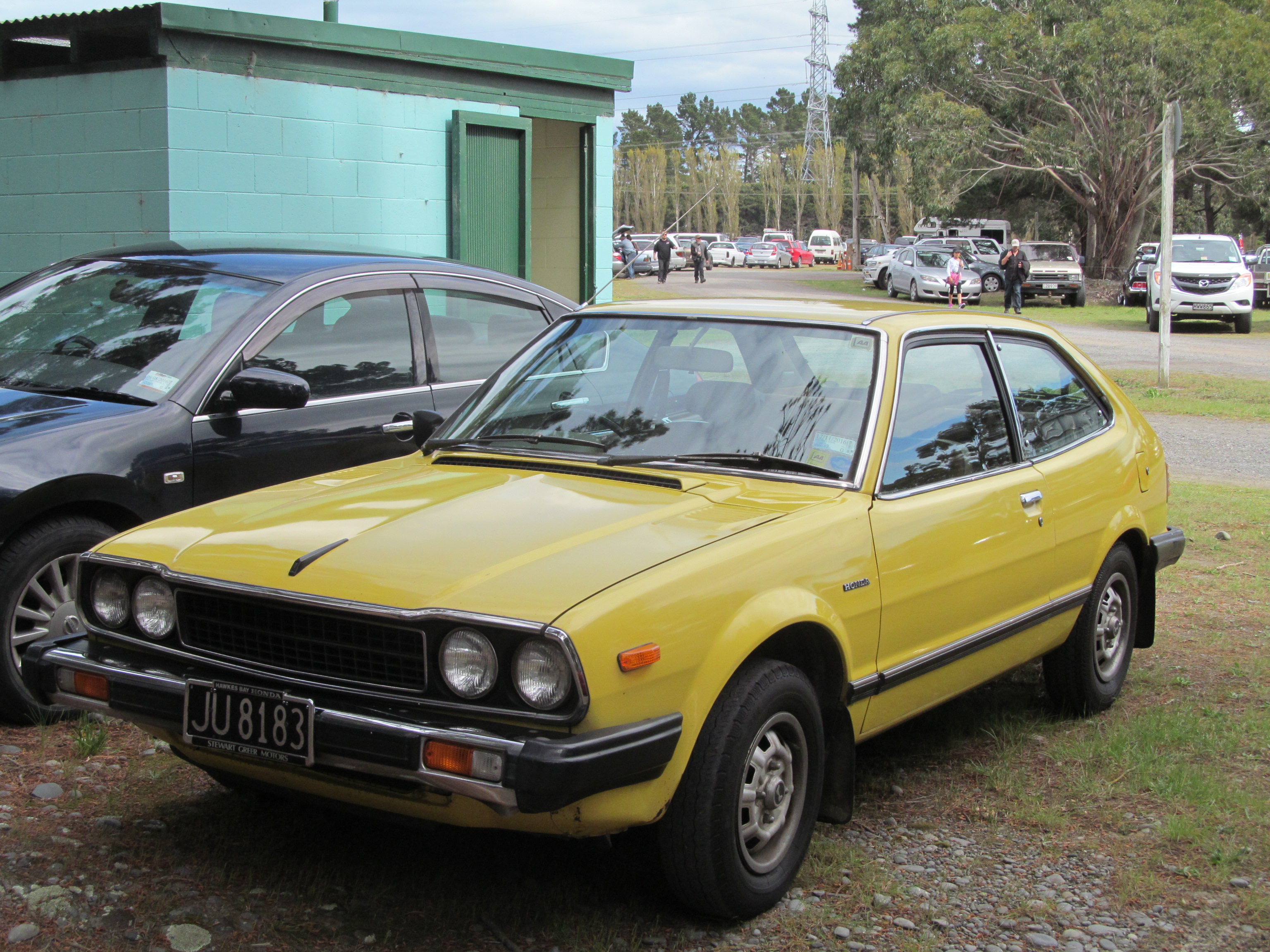
Honda Accord
"...id that has nothing to do with the hybrid in your accord. But I think it was Indy cars response to what Fo..."
The Honda Accord is a larger family car than a Civic, meant for comfortable everyday driving. In the podcast, they’re saying the topic they’re discussing is not the same thing as the hybrid system in an Accord. They’re using the Accord’s hybrid as a reference point so you don’t mix up two different ideas.
The Honda Accord is a midsize sedan (and sometimes wagon in certain markets) that’s commonly discussed for its mix of comfort, efficiency, and available powertrains. The podcast context specifically distinguishes something being discussed from the hybrid system in an Accord, and it also mentions IndyCar as a reference point for a response to a different situation. That makes the Accord relevant as the “hybrid in your Accord” baseline while the episode talks about a separate technology or strategy.
IMSA WEP
"But I think it was Indy cars response to what Formula One was doing, what IMSA WEP was doing, like motorsports was trending that way across the board."
IMSA is a major sports-car racing organization in North America. In this context, the host is referencing the WeatherTech-branded era of IMSA racing and saying that series like IMSA were moving toward new powertrain rules around the same time. It’s part of the “everyone is trending this way” argument.
IMSA WEP is a reference to IMSA’s “WeatherTech” era branding (commonly “WeatherTech SportsCar Championship”) and the broader top-level sports car racing ecosystem. In the segment, it’s used to describe how multiple major series were trending toward hybrid/alternative powertrains at the same time. The takeaway is that the shift wasn’t isolated—it was industry-wide across major North American and global series.
hybrid era
"You mentioned, Kyle, about, about Formula One has had moved in this, in this hybrid era and battery power."
The “hybrid era” means the time when race cars started using both gasoline (or fuel) and electricity together. That electric part can help with acceleration and energy management during the race. The host is arguing that, in practice, it may have made racing less enjoyable or harder to manage.
The “hybrid era” refers to the period in motorsport where cars use a combination of internal-combustion power and an electric energy system (battery and/or motor) to meet new performance and efficiency rules. Hybrid systems can add weight and complexity, which affects racing strategy, acceleration, and how teams manage energy over a stint. The segment suggests the hybrid direction hasn’t “gone well” in terms of racing quality.
battery power
"You mentioned, Kyle, about, about Formula One has had moved in this, in this hybrid era and battery power."
“Battery power” means the car stores electricity and uses it during the race. That electricity can help the car accelerate or supplement the engine. The host is linking it to the hybrid rules that have been shaping modern racing.
“Battery power” in racing refers to stored electrical energy used to drive an electric motor and/or support the engine under hybrid rules. It changes how teams plan acceleration, energy deployment, and pit/strategy timing. The segment ties it to Formula One’s hybrid-era direction and the broader motorsport trend.
V8
"But now in 2030, they're moving back to a V8 after a massive bunchback and, and there was even talks of maybe even tanning this, this formula that they have in that series."
A “V8” is a type of engine with eight cylinders. Here, the host is saying the sport may switch back to that kind of engine after years of hybrid/electric systems. It’s basically about what kind of powertrain the race cars will use next.
A “V8” is an internal-combustion engine configuration with eight cylinders arranged in a V shape. In the segment, it’s mentioned as Formula One planning to move back to a V8 after a period dominated by hybrid/battery power. The discussion is about how engine architecture changes can reshape the sound, character, and performance envelope of race cars.
V6 hybrid
"So what's, again, what's the herd in trying this and trying to appease the, the OEMs into going V8 and seeing how it goes versus trying to stick out this V6 hybrid hangover as travel college. And it, you know, it hasn't worked across the board."
A “V6 hybrid” is a car that uses a V6 engine plus an electric system. The electric part can add extra help when accelerating, but it also changes how the car’s power is managed.
A “V6 hybrid” refers to an engine package where a V6 combustion engine is paired with an electric system (hybridization). In racing, the hybrid portion can provide additional torque and energy management strategies that affect acceleration and drivability.
OEMs
"So what's, again, what's the herd in trying this and trying to appease the, the OEMs into going V8 and seeing how it goes versus trying to stick out this V6 hybrid hangover as travel college."
OEMs are the big car makers that build the vehicles. In racing, they influence what technology the series uses because they want their brands and powertrains represented.
OEMs means Original Equipment Manufacturers—companies that build the vehicles and their powertrains. In racing, OEM involvement often drives regulation and technology choices (like engine configuration and hybrid rules).
virtual energy
"It's made, it's made WEC confusing to watch with virtual energy and like the average person at home. I mean, Le Mans last weekend, you're watching virtual energy deplete."
“Virtual energy” means the electric energy in a hybrid race car is being tracked and managed by the car and shown through indicators. It can be confusing because you can’t tell just by looking how much energy is left or being used.
“Virtual energy” is a shorthand for how hybrid energy is managed and signaled in racing—often via onboard systems and displays rather than something fans can directly “see” like fuel consumption. The idea is that energy usage and deployment can be hard for viewers to understand in real time.
WEC
"It's made, it's made WEC confusing to watch with virtual energy and like the average person at home. "
WEC is a major endurance racing series where cars race for a long time. The point here is that the energy/hybrid stuff can be confusing if you’re not watching closely.
WEC stands for the World Endurance Championship, a top-level endurance racing series focused on long races and multi-class competition. The speaker is saying the hybrid/energy elements can make WEC harder for casual viewers to follow.
Le Mans last weekend
"I mean, Le Mans last weekend, you're watching virtual energy deplete. What is it? The average viewer at home has no idea what's going on."
They’re talking about the most recent Le Mans race as an example. The point is that the hybrid/energy rules can be hard to understand while watching.
The hosts reference the most recent running of the 24 Hours of Le Mans as an example of how “virtual energy” and hybrid management can be difficult for viewers to follow. It’s used as a real-world case study for the discussion.
digital steering wheel
"Honestly, I couldn't tell you if they had a digital steering wheel or not. I would think probably, but not that, not that many."
It’s a steering wheel that uses screens and electronics. Instead of only simple buttons, it can show information like settings and shift timing right on the wheel.
A “digital steering wheel” typically means the wheel has integrated screens and electronic controls instead of (or in addition to) traditional analog buttons and gauges. In racing and performance cars, it often pairs with a digital instrument cluster to show driver info like modes, shift indicators, and telemetry.
horsepower
"Look, it's racing horsepower. NASCAR is in the same problem."
Horsepower is a way to describe how much power the engine makes. More horsepower usually means the car can accelerate harder, especially when you’re flooring it.
Horsepower is a measure of engine power—how much work the engine can do over time. In racing discussions, it’s often used as a shorthand for how strongly the car accelerates and how fast it can go, especially under full-throttle conditions.
1998 Daytona 500
"I agree. I was watching the 1998 Daytona 500 earlier for a separate project and the noise those cars made."
The Daytona 500 is NASCAR’s biggest race at Daytona. This is talking about the 1998 version, and how intense the engine sound was.
The Daytona 500 is NASCAR’s flagship race at Daytona International Speedway, and the 1998 running is a specific historical edition. Mentioning it here highlights how loud, high-energy stock-car engines can be—part of the “authentic” racing experience the hosts are discussing.
Grand Am
"You know, Meyer, Mike Shank built his racing empire in Grand Am and IMSA [2227.9s] and has always been a Honda guy for the most part."
Grand-Am was a well-known U.S. sports-car racing series. It was part of the history that led to today’s IMSA-style endurance racing.
Grand-Am was a major U.S. sports car racing series that ran for decades and was known for its class-based endurance races. It eventually merged into what became IMSA’s modern sports-car structure.

Acura NSX
"but [2236.1s] transitioned to Honda engines, you know, one factory NSX, DPI championships. [2245.2s] He's been very loyal."
The Acura NSX is a high-performance car from Acura. Here, the discussion is about racing versions of the NSX competing in top IMSA prototype categories and winning titles.
The Acura NSX is a Honda/Acura supercar platform that has also been used in top-level prototype racing. In this context, the host is referring to an NSX program competing in IMSA’s top prototype class (DPI) and winning championships.
DPI
"but [2236.1s] transitioned to Honda engines, you know, one factory NSX, DPI championships. [2245.2s] He's been very loyal."
DPI is a class name in IMSA sports-car racing. It refers to the top prototype cars built specifically for endurance events.
DPI stands for Daytona Prototype international, a top prototype class used in IMSA sports-car racing. DPI cars are purpose-built race prototypes designed for endurance racing, with class rules that distinguish them from other prototype and GT categories.
charter
"So now I went, okay, is Honda going to take their charter and help him out? [2252.2s] And is Linus going to be that guy?"
A charter is basically a guaranteed spot/entry arrangement in IndyCar. It helps teams know they can keep racing without having to re-earn their place every year.
In IndyCar, a “charter” is a team entry slot that provides more stability and shared revenue structure within the series. Teams with charters generally have a more secure path to competing year-to-year compared with non-chartered entries.
budget
"I'm just connecting some dots. [2263.2s] The, the specter that has haunted Linus's Indycar career is his budget. [2268.8s] Yep."
In racing, “budget” means how much money a team has to run the program. If the budget is tight, it can limit results even when the driver is good.
In motorsport, “budget” is the total funding a team has for things like cars, engineering, travel, and staffing. The host is framing budget as a key constraint on how far a driver/team can go, even if the driver is talented.
OTA
"That would convince them to take that on when they've already been [2293.5s] bringing OTA over from Japan to test."
OTA in this context is about testing logistics—getting the car ready and running tests on schedule. It’s basically how teams arrange where and when they test.
OTA here refers to “on-the-road” testing logistics—specifically, shipping cars from Japan to the U.S. for testing rather than running a full program locally. In racing conversations, OTA often implies a practical, time-limited test plan tied to team resources.
sponsorship
"I want to know, we want to talk about money. [2300.3s] I want to know if Kiffin Simpson keeps performing at a level that makes the [2303.9s] sponsorship he brings worth it for Gnasi over Lundquist."
Sponsorship is money companies give to a racing team. In return, the team promotes the sponsor, and the sponsor may expect good results.
Sponsorship in racing is the financial support a company provides in exchange for branding exposure—often tied to performance expectations. The host is discussing whether a sponsor’s investment is “worth it” based on results and visibility.
paddock
"And the, uh, the paddock restaurants are always packed. So go under the front stretch to the,"
At a race track, the paddock is the team area where cars are kept and worked on. It’s usually busy and close to where team stuff is happening, so the food spots there can get crowded.
The paddock is the area at a race track where teams park their cars, service vehicles, and manage day-to-day operations between sessions. It’s also where hospitality and team-related activities often happen, which is why the hosts mention paddock restaurants being packed.
front stretch
"And the, uh, the paddock restaurants are always packed. So go under the front stretch to the,"
The front stretch is the big main straight on the track, usually where the race starts and finishes. They’re saying you can walk under it to get to the next area.
The front stretch is the main straight section of a circuit—typically the area with the start/finish line and the most prominent spectator viewing. The hosts reference going “under the front stretch,” which implies using an underpass or pedestrian route beneath that main straight to reach other parts of the venue.
Request an Explanation
Heard something you'd like explained? We'll add it to this episode.
Sign in to request explanations for terms you heard.
Want to learn more?
Browse our glossary for plain-English explanations of automotive terms, jargon, and concepts.
Help improve this episode
See something that's not quite right? Our annotations are AI-generated and can sometimes miss the mark. Click the flag icon on any annotation to suggest a correction.