ASC certification is a credential that indicates a technician has been trained and tested to meet certain service standards. It’s meant to give customers confidence in the technician’s diagnostic skills.
An intermittent issue is a problem that comes and goes. It can be frustrating because it’s hard to prove while you’re testing the car, so the mechanic has to keep narrowing down what might be causing it.
A drivability issue is when the car doesn’t feel right while you’re driving. It might hesitate, run rough, or act weird, and mechanics have to figure out what system is causing it.
A wiring diagram is like a map of the car’s electrical system. It helps a mechanic trace where wires go so they can figure out where a problem might be happening.
A scan tool is a computer that plugs into the car to read and reset codes. Some cars need that kind of tool after a battery change so everything is set up correctly.
Initialization is the car’s way of “re-learning” after you change something important. After a battery swap, the car may need to be set up so it charges and monitors the new battery properly.
A timing belt keeps the engine’s valves opening at the correct times. If it fails, the engine can be badly damaged, which is why replacement is often scheduled and can be labor-intensive.
A timing chain helps the engine’s moving parts work together at the right times. If it wears out, the engine can run badly and may cause expensive damage, so replacing it can be a big repair.
“Pull the engine” means taking the engine out of the car to reach parts that are too difficult to get to otherwise. It usually takes a lot of labor and costs more than simpler repairs.
A hybrid car uses a gas engine and an electric system together. Because it has extra electrical parts and a battery, it can be different (and sometimes harder) to repair than a regular gas car.
High-capacity batteries are the big battery packs that store the electricity for hybrids and electric cars. They’re expensive and require extra care to work around, so repairs can be more complicated.
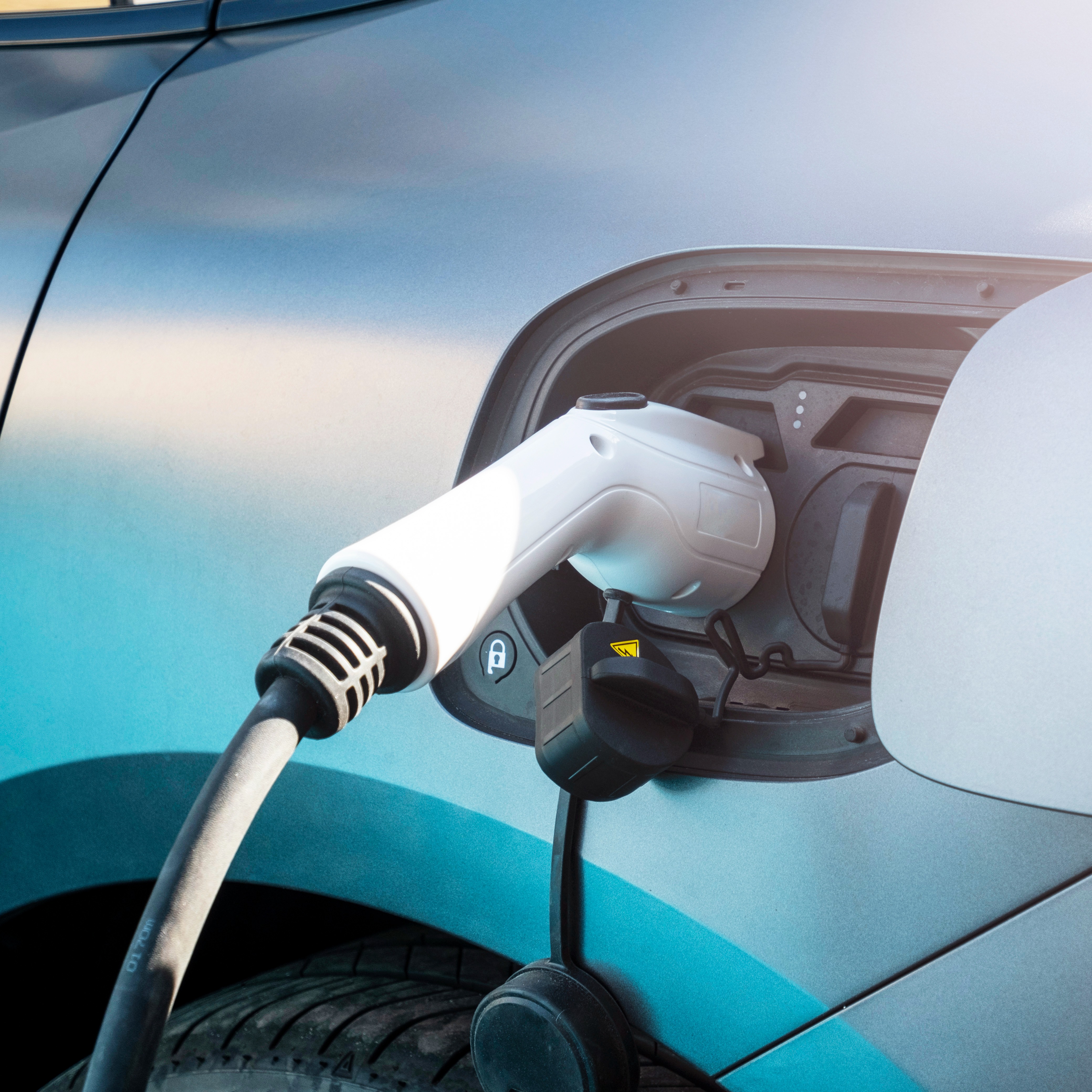
An electric vehicle uses a battery and an electric motor to move instead of a gas engine. That means some things you maintain and replace are different from regular cars.
A carburetor is an older way of mixing fuel and air for a gas engine. Newer cars usually use more modern systems that control that mixture more precisely.
Fuel injection is a modern way to deliver fuel to the engine using controlled injectors. It helps the engine get the right amount of fuel at the right time.
Adaptive cruise control is like cruise control, but it can slow down and speed up to keep a safe distance from the car in front. It uses sensors to watch traffic.
Parking assist helps you park by using sensors to detect things around the car. It can make parking easier, but it relies on sensors working correctly.
Sensors are the car’s “measurement tools” that collect data for the computer. More sensors usually means the car can do more things, but it can also mean more parts to diagnose if something goes wrong.
This is a 1993 Chrysler LeBaron convertible. The issue described is that the car keeps hitting the bottom over bumps even though the shocks test “okay,” which often means the shocks may not be the right type for the car’s weight and suspension setup.
Shocks are what slow the suspension down when you hit bumps. If the car still drops too far (“bottoms out”), the shocks may not be the right ones for the car’s weight or suspension setup, even if a basic test says they’re fine.
Dampening is how the shock slows down the up-and-down motion of the suspension. Even if it damps bouncing correctly, it might not hold the car up enough when you hit uneven roads or carry extra weight.
A shock’s load setting (often tied to its spring/shock calibration and valving) determines how it supports the vehicle’s weight and how it responds to bumps. If a previous replacement used a different load rating—especially on a heavier configuration like a convertible—ride height and bottoming behavior can change.
A coil spring is the part that holds the car up and controls how much it compresses. If the spring/shock setup is different from stock, the car may compress too far on bumps.
A key fob is the remote you use to unlock and start the car without a traditional key. If the car says it can’t detect the fob, moving the fob close to the start button can sometimes help because the car reads it more directly there.
Some cars start with a button instead of a key in the ignition. If the fob battery is low, the car may still be able to read the fob when it’s held right near the button.
The key fob has a small electronic chip that “checks in” with the car. If the battery is too weak, the car may still be able to communicate with the fob when it’s held close.
Key fobs can require programming (pairing) to the vehicle so the car recognizes that specific fob. If the fob loses its ability to communicate—whether from battery issues or a pairing problem—the car may not unlock or start reliably.
Resale value is how much your car might be worth when you sell it later. With electric cars, things like battery condition and newer tech can affect that number.
Duty cycle just means how you use the battery day to day. If you drive in a way that keeps the battery working hard more often, it can wear out sooner.
Car makers publish how often you should change the engine oil. The host is saying that even if some guidance suggests very long intervals, they’ve seen oil-related problems when people go too far.
Synthetic oil is a higher-tech type of engine oil. It usually lasts longer than regular oil, which is why the host says you can often change it less frequently (like every 5,000 miles) if that matches the vehicle’s needs.
The oil filter is like a screen that traps dirt and debris in the engine oil. The host’s point is that you should change the filter when you change the oil, not just the oil, to keep the engine protected.
The Honda Ridgeline is a pickup truck that drives more like a car than a traditional truck. The host mentions a 2019 Ridgeline to talk about how often to change oil and why keeping up with maintenance can prevent expensive repairs.
A QR code is a scannable code that directs you to digital resources, like an online owner’s manual or setup instructions. In modern vehicles, this can replace printed manuals, which is what the host is describing for their truck.
A Chevy Traverse is a family SUV. If you park it for months, the main concern is the battery going dead. You can either use a battery charger/maintainer or disconnect the battery while it’s stored.
A battery maintainer is a small charger you plug in to keep the battery from running down while the car is parked. It’s useful when you won’t drive the vehicle for a long time.
Disconnecting the battery means you unplug it so the car can’t use any power while it’s parked. This can help prevent the battery from dying, but you have to do it carefully.
A controlled-climate garage means the temperature stays more even instead of getting very cold. Cold weather can drain a car battery faster, so storage strategy changes depending on how warm the garage stays.
Car
2019 Chevy 2500 pickup
This is a 2019 Chevy 2500 pickup truck. Like any vehicle, if it sits for months, the battery can lose charge. Temperature and whether you keep power connected (with a maintainer) matter.
Cars today have several small computers, not just one. Each one controls a different part of the car, and a mechanic can check them to find where the issue is coming from.
Anti-theft systems are meant to stop someone from starting the car without the right key. If it acts up, it can sometimes block the car from starting even when you have the correct key.
The radiator cap helps keep the cooling system pressurized. If it’s not the right cap or it’s not holding pressure, the engine can overheat faster, so it’s safer to wait for a replacement.
Some cooling systems use a non-pressure “flip-top” style cap on the coolant reservoir, which behaves differently than a pressure-holding radiator cap. The host’s point is that not all caps have the same safety implications for driving.
OE level quality means the replacement part is made to similar standards as the original part from the factory. The host is saying not all filters are the same, so choose a higher-quality one.
A cabin filter cleans the air that comes into the car’s heating and air-conditioning system. If it’s dirty, you’ll breathe more dust and pollen inside the cabin.
Original equipment parts are the same kind of parts the car maker used when the vehicle was new. They’re chosen to fit correctly and work the way the car was designed to.
The Chevrolet Silverado is a popular full-size pickup. The “5.3” means it has a 5.3-liter V8 engine, and this question is about a problem that happened in that engine.
Term
864 interrupter
An interrupter is a gadget meant to change how the engine control system behaves. Here, the listener is asking if it can keep the engine from shutting down cylinders and instead run on all eight.
A lifter is a small engine part that helps open and close the engine’s valves. If it doesn’t work right, the engine can run poorly and in worst cases get damaged.
Some cars can temporarily stop using a few cylinders while you’re cruising. That saves fuel, but it can also add extra wear on parts that have to switch cylinders on and off.
The cylinder head is the top part of the engine where the valves and important internal passages live. If something goes wrong inside one cylinder, it can damage this area.
Even if you don’t drive much, oil can pick up water over time. That water can turn into condensation and make the oil less effective at protecting the engine.
Original tires are the tires that were installed when the car was new. Over many years, the rubber can dry out and get less grippy and more likely to wear badly.
LIVE
time once again to talk about your car your truck your van and the problems
you may be having with those vehicles and the need to maybe bring it in for
service but before you bring it in to your favorite dealer your favorite shop
you might want to know what could be ailing a little more information is
better than less and the guy that help you out give you a little analysis about
that problem is none other than Nick Stoffel ASC certified technician among
other things wears a lot of hats as repaired a lot of vehicles in his
career gee it sounds like you're a hundred years old and you're not a young
guy good morning Nick good morning Denny thanks for joining us again today I
was thinking I wanted to ask you and I know we had a listener ask you about
this some time ago and you can think about it what are some of the toughest
jobs that you've ever had either at Lloyd's or on your own whatever the case
may be that it took forever to fix maybe with a little help with your
colleagues you think of anything yeah I mean usually it's the the intermittent
which we often discuss those intermittent issues or a drivability issue that you
know we've been through the wiring diagram three different ways you know we've
checked every point that we think we should check and then there's always that
like odd why don't we think of that after the fact it's usually more of a
like a disappointment that it took us so long to figure it out and it's like
geez my web why were we thinking this you know why don't we go that way or
vice versa and we've gotten better you know we have a really good group
everywhere so usually we put the collective minds together we can easily find a
way through but there's been times where it's been like okay we need to just stop
and do something else and come back to this later because I don't know what
we're doing anymore yeah that that can happen for anybody or any any job I
remember when I had brought in we talked about this I had a problem with the
ABS light it was blinking or couldn't figure out what the heck the problem was
and it was ended up to being a mouse and built a nest but it was so hard to see I
think it took two or three of your technicians to actually you know get
their eyes on on it it was really it's amazing with these critters how they can
hide out and and the damage they can do if you have any kind of a car care
question by all means let me give you the phone number it's also the text
number and we're already getting those but don't wait by the way we always like
to tell you this our time goes by so quickly and Nick takes his leave about
745 making a way for Ted Ferrell's wine chat so if you have any kind any can you
always want to ask a mechanical question this is your opportunity to ask Nick
that very question 6514619226 call it in text it
either way they both work my daughter texture says took her 2015 BMW into the
dealership for a new battery she was charged $800 does that seem excessive to
me that seems excessive you don't know the whole story obviously Nick but what
what might have happened there I mean you can just take a guess no we obviously
we don't know the whole story there but I will tell you that a lot of those
batteries some of those European vehicles the capacity the size of them
they can be several hundred dollars just for the battery the location of the
batteries can be under a driver seat passenger seat it can be buried in the
in the trunk of the vehicle so there can be some time involved replacing it
obviously they're ready for some testing and then a lot of these
vehicles these days require a little initialization or kind of like a
program and a reset that requires a scan tool so 800 does seem like a lot of
money I'm not saying it's right or wrong but it can be quite costly that I
that I do know for sure I was reading some of course on the internet it's all
true of course but I was reading something about another import I won't
mention the the manufacturer but it was a v8 that they no longer make and the
advice from this particular person was saying if you want to look for this
particular model car with the v8 be sure that the timing chain or timing belt
whatever the case may be has already been changed because it's like one of
those jobs where you got to pull the engine and they quoted again I don't
know if this is real or not but this particular level of this import cost
10000 dollars to do that and I I suppose that's that could be realistic
given given that type of vehicle right yeah it really does depend I will tell
you that you know and I can remember we're not even Volkswagen we first
serviced one of those probably with a timing belt on on the front of the
vehicle and you actually pulled the front clip off and we thought oh my
goodness before we get ourselves into now the guys preferred because you get
that front clip off and everything's right in front of a raise the vehicle up
that you know waist level and it's all in front of you so it's actually makes it
a little bit easier versus trying to crawl in there but you know there are
certain vehicles and designs that were very cumbersome and complex the
tooling and like this the sheer time you know and you know some of these jobs
can be you know 8 10 12 hours of worth of work and you got to make sure you do
you do diligence and you prepare for whatever whatever might come next
texture her just talking about the difficulty in some jobs so he or she
wants to know do electric cars are they more of a problem are they more
difficult to work on these days no one you know they're very similar to a
hybrid vehicle you know they have this the high capacity batteries a lot of
similar wiring a lot of the same systems cooling systems you know there's a lot
you know they're still a vehicle they still have steering suspension brakes all
those items are the same just the way that they're propelled down the road an
electric vehicle has a electric motor versus a combustion engine we do see
them there's maintenance and there's repairs that happen on them there's a
learning curve obviously they go everything with any new technology but
it's not it's not a problem you know if you're looking at one I wouldn't shy
away from it make sure it fits your needs and your lifestyle if it checked
those boxes by all means just drive what you want I'm thinking electric car
specifically thanks to that texture but what else is different obviously with
an electric car you don't have oil to change but our things like brakes like
you suggested that those all the same exactly as quote regular car no but
what we will see or have seen that the tires were a little faster because of
the sheer weight you know so there's some of those things you know to have
your loaded tire you might not have as many options for tires so there'll be
an adjustment but it's always been that way and we went to you know from
carburetor to fuel injection to electronic ignition you know all these
different features that we have in vehicles with the adaptive cruise
control of the parking assist so there's a lot of things have always evolved but
I honestly know there you know there's more cooling systems a lot more sensors
a lot more you know differences you know that we see on some of the later
vehicles whether it's electric vehicle or you know hybrid or a standard vehicle
that they all have their their niches and their issues I would say I know we
we mentioned the word once in a while very seldom and that is you just
mentioned it's carburetor when's the last time you or your crew had to work on a
carbureted vehicle vehicle not so much but snowblower yes oh well either no
the lawnmower so I can know it just we don't we we don't work on those vehicles
any longer it just we don't have the know-how you know a lot of those guys
that we had over the years and specializing that stuff have since
retired and you know those vehicles really take a fine ear and a special
touch especially as they've aged you know there's tweaking and adjusting with
a lot of that technology and you know there's still shops out there and places
out there that still service those vintage vehicles it's just not in our
our wheelhouse anymore okay very good hang on Nick we're gonna take a quick
break and I'll be right back with more questions if you have again
any kind of a car care question for Nick you don't have to be a motorhead or a
gearhead if you have an issue with your vehicle and you want to know what could
be ealing call us text us but do it soon before Nick takes his leave here's the
number 6514619226 let's see how we fixed in the weather department here 60 is
the current temp we are heading for 82 today it's gonna be a nice day today it
looks like kind of a rainy windy Sunday Sunday night and maybe a Monday as well
we'll get your details coming along in a few minutes but right now fairer skies
beautiful morning here on new stock a3o w cco and welcome back to cco's car care
show Denny along here along with Nick Stamphill ASC certified technician among
other things and Lloyd's automotive in the St. Paul Nick and we always like to
ask you for folks that maybe need the assistance of Lloyd's how do we find you
give us some information please absolutely as you know you can call us we
will always answer your questions you can reach us at 651-228-1316 if you're in
St. Paul you'll find us on the corner of Grand and Chatsworth which is 982
Grand Avenue for any more information do check out our website which is Lloyd's
automotive.net very good Nick we'll get Nick to give us that information just
before he leaves us which is about 745 or so this morning call us or text us with
any car care question that is on your mind 651-461-9226 either phone call or
text speaking of phones Bill is on the horn calling in from Bloomington this
morning thank you Bill what is your question for Nick first of all I'd
like to say I enjoy your show and I've been a long long time listener fantastic
thank you and my question is I have a 1993 LeBaron convertible and I've had the
shocks tested like three different times and they all say they're good but when
I'm driving over uneven roads it just bottoms out continuously and I'm wondering
what what could be causing that well you know obviously they might think the
shocks are dampening fine but holding that load or the weight of the vehicle
obviously the convertible is a little bit heavier on the back end I would see
if it's the correct part in there maybe at some point in time they were replaced
and they weren't replaced with the exact same load setting I knew they also had
those overloaded or overloader I can't remember what they were called but they
were a little heavier duty shock with maybe even a coil coil spring attached to
them that's you know that vintage of those early 90 vehicles that we would
install especially if you were carrying more stuff in the trunk or more people in
the back seat this case with the convertible there's obviously more weight
back there so I would I do a little research to see if there's a different
shock that can be back there to better support all that extra additional weight
thank you Bill appreciate that thanks for the comment too 6514619226
textures asked this Nick I have changed the battery on my key fob I still have
messages saying no key fob when trying to start I then place the fob close to
the push button start and that's that's kind of the technique if that issue
arises what could be going on there do you think well you know they answered
both questions put a new battery in and I would unfortunately try another one
a lot of times those little key fob batteries sit on the shelf longer than
they should so you might just have a bad new battery that's the easy thing and
you're correct if you hold it next to the push button they you know the
responder become the transponder and they kind of reverse roles and the vehicle
will start obviously you might not have unlocked the vehicle so it might be just
that fob has lost its ability lost its programming there is a way to have those
tested I would say that'd be you know first thing get another battery I know
it's new but try another one because that has happened to us and number two make
sure that that fob is operating have it tested and unfortunately you might have
it replaced my opinion on that you know there's a lot of stuff online but I
would go back to the original manufacturer they work better they last
long there's a better range less likely to have some issues there so if it
doesn't do placement I'd go back to the original manufacturer and again I keep
thinking of something that I have not done and we talk about it is if you have
still have a key for your doors use that once in a while to kind of exercise it
right absolutely try that you know and it's it's so funny because those are
things we don't think about and then when you're in a situation with the
batteries dead or what have now you can't get in so it's not something you
do on a daily basis obviously or weekly just whatever you think of it so if it's
once or twice a year that's probably sufficient but everyone when we're off
the radio here go out to your vehicle if you have a key lock my lock that door
makes it still works absolutely oh man all right
Texter wants to know what is your opinion on resale value of electric
vehicles you think the will the batteries last for a number of years yeah
they they do you know I can tell you based on like the high-bred type vehicle
which they've been around a lot longer and a lot larger volume of them we do
replace some of those batteries but typically the car is well over 10 maybe
15 years old so if that's any indication you know and I honestly don't know what
the warranty on those batteries I'm sure it's a little longer period of time but
if you're getting 15 plus years out of a battery of any any kind of thing that's
pretty good I do think that they're designed to last that long you know I'm
not sure whether the duty cycle and the charge rate there's a lot of variables
obviously involved there but on a used vehicle if it's you know 678
years old I'm sure you're gonna get more double or triple that length and
longevity that battery side probably would not shy away I was mentioning
briefly that I was into Lloyd's to have my oil and filter changed in my car what
was it Tuesday last Tuesday and our friend Dan Burns was the guy that got
drew the short straw and did the job but I hadn't seen Dan for a while it was a
great chatting with him but he asked me as I got newer tires Lloyd's put on some
newer tires recently and he said these are new right he said yeah he's probably
won't need to rotate and that brings my question in the textures question how
often should tires be rotated it's a very good question and it depends on the
tire you know like you know I've mentioned my truck in the past and it's a
newer truck and it came with these Navier tires and we rotate them every
oil change because I do not want them to become more unevenly which creates a
bunch of road noise premature wear so depending on the type of tire maybe it's
not every oil change but it's likely every other every third at the longest so
you know and we're doing oil changes at 5,000 miles so if it's at that 10 or
15,000 mile interval that's probably appropriate and having done this my whole
life I can tell you that if there's lower costs associated with it but a couple
things we get a good look at those brakes which is nice to know and those
tires will last longer rotated them having them contact the road from a
different position the vehicle does let add to the length of the life of the
tire which tires are extremely expensive these days so it's money well spent I
know you and I talk about this quite often and maybe it's you know for folks
that don't drive a lot it's good but I look at the the oil the manufacturer of
these oil products and some say you don't need to change for 10,000 miles I
know some dealerships will tell you that too depending on the manufacturer I saw
one that said you know I've changed for 20,000 miles I'm not comfortable with
either one of those you and I always talk that for synthetic which most is
now I guess 5,000 like you suggested yeah we feel I agree I feel really
strongly about that and I'm not going to dispute that these products out there
that cannot last that long that is probably true I'm not a chemist a
scientist but what I we do do is fix cars every day and we see a lot of oil
related issues and I just can't preach it enough 5,000 miles on the
synthetic if it's a conventional which is like you said less common these days
it's a 3,000 mile interval get fresh oil a good clean filter and the car gets a
good shape down you know that's other thing too we always worry about the
oil in the filter but the rest of the vehicle needs to have a look at if you
go too long you have a problem that was repairable or adjustable now it's
faulty or broken becomes more expensive so maintenance does cost something but I
promise you maintaining the vehicle is much less expensive than repairing a
vehicle be proactive for sure hi Nick this extra says my 2019 ridgeline does
not have a manual and I'd like one for my own planning you can find that online
can't you correct and when I'd you know I'm reference my truck about a year and
a half old it didn't come with a manual either came with a QR code so I can get
an app so now I got this app that I can page through which is not my style I
like that paper but it's probably the right thing we don't need to have a
bunch of paper in the glovebox of our vehicle that we don't ever look at so if
you look online there's definitely a sources online you can get the the
manual and get any information you need absolutely Nick we're going to take a
break for that forecast we have some other questions to get answered via our
text line if you want to call in your question great if you want to text fine
6514619226 well that more car care coming up here on
welcome back to CCO's car care show Denny Long here along with ASC certified technician Nick Stoffel from Lloyds Automotive
answering those questions we still have a bunch Nick so we'll put you back to work
here a tester says this as of this last year I've become a new snowbird I'll be
leaving by 2025 Chevy Traverse stored in my garage for about five months would I
be better off with a battery maintain it while I'm gone or just disconnecting
the battery well if the garage is a controlled climate meaning it's heated
and or you can easily remove the battery bringing inside that works just fine I
think the maintainer is also a nice option so it depends on your garage
your availability to plug it in they easy to get the battery out so there's a
couple variables there but I think either is fine if it's a garage that where
the temperature is going to get down to whatever the outside temperature is
probably get the battery out of the vehicle and get it inside where it'll
stay at least you know put in the basement so it's controlled controlled
temperature all right that might be the easiest here's a 2019 Chevy 2500 pickup
the infotainment screen randomly switches to other screens without even
touching it oh those electronics what would you do in that case Nick I would
see if there's any stuff software updating you know a lot of times we can
plug in with our scan tool and go to the different different modules of
computers there might be some improved features or some bugs that they've
worked out so you know checking for our latest and greatest and that software
might be this the solution there all right another mystery here 2021 Mazda
630 the vehicle after stopping would not start it seemed to have something to do
with the anti theft software or device the next day it started fine few days
later same situation occurred that was over a month ago and the problem has not
reoccurred how would we be able to point where the problem is or do you think
that was just a fluke well it could be one of the other there I think it's
worth taking it in once again there might be some data that started one of
the computers there might have been you know maybe it was a little bit cooler at
that point in time the battery capacity might be lower when it was colder and
maybe that was the problem but I would at least have it scanned see if there's
any fault information stored to give us a clue intermittent problems are always
very frustrating if it hasn't happened in a month I'm thinking we're okay too but
it might be just best practice at least get that information out of the vehicle
give you a piece of mind all right Nick here's a via text 2014 Mercedes Geo 450
says my radiator cap came off I ordered a new one how long do you think I can
drive it before I get the new cap or we'll be here in about four days oh if
it's the actual pressurized cap you should not drive it if it's just like
one of those reservoir flip top caps it doesn't matter but if it's a cap that's
threaded down and holds pressure you need to wait to get a new cap here
unfortunately okay don't do that all right let's see we have time for more
yes texas says I have 50,000 miles on my Jeep renegade have had to purchase new
tires three times already I've rotated them every year and they still were out
after 20,000 miles I bought a good Bridgestone 75,000 mile tires the last
time I bought new tires they told me rotating them was not enough I should
have my wheels aligned every time I get an oil change does that make sense they
want to know no I think it's a bit excessive and if it's wearing through
tires that fast that's strange I would definitely have the alignment checked
and adjusted accordingly but I you know on that type of vehicle and it's a good
quality tire I can't think of any reason why I did wear out in 20,000 miles you
know some sportier vehicles by all means yes we would see that but on that
particular vehicle I would expect you to get 50,000 miles out of one set of
tires so I think I have an alignment measured make sure it's correct do any
adjustments that are needed continue to rotate your tires but 20,000 miles
definitely doesn't seem right to me either no Texas heard us talking over
the well over the years really about filters oil filters air filter elements
things like that this texture wants to know what kind of filters does Lloyd's
handle what kind of quality filters they assume it's quality and I know it is
absolutely we tried to put back the same level or quality original equipment the
fact is that there's only a couple companies making the filters now there's
different grades and we always want to use the better grade maybe you don't
always have to use the very best but definitely better OE level quality
filters but there's only a few manufacturers that repackage them into
dozens of different vendors that are selling them so when you're at the
park store if you look and have it replaced if there's an option you don't
need the absolute greatest that they have but you also don't want something that's
inexpensive side either the cabin filter keeps the especially this time of the
year it's collecting all this stuff out of these out of the air out of these
trees keeping it from getting into our cars with us the engine also appreciates
having good quality air filter so all the cars running you get good clean air
into the engine for combustion and obviously oil filters and if your car has
a filter same idea there that those filters need to be replaced we want to
use something that's going to do its job and do it well yeah absolutely what
what about in the auto parts stores that you go in and look at the book or
whatever we ask for some help saying I've got such and such a car and
yeah the filters over there in the corner and it's this and that I mean
there must be some quality filters in these stores as well right if you're
careful absolutely and like I said it's fun if you
open the box and take the filter out there's going to be a stamping by the
company that made the thing and oftentimes it's the same exact filter
came in the vehicle when it was brand new so you can buy original equipment
quality in the parts store once again it just you know ask that's the person at
the counter and say hey I want to put something like quality back in they can
refer you to you know because I'm sure they have a good better best option
and I'm sure with a little research you can determine the right one for you
yeah good point here's listeners text that says
2013 5.3 Silverado you're gonna have to help me with this one
Silverado should I plug in an 864 interrupter so it runs on eight cylinders I
have a friend whose motor dropped a lifter and it ruined his motor he was
told that if it was running on eighth this would not have happened
what is this texture saying it's a fuel management system that John motors does
so at highway speeds it'll shut certain cylinders off
they have had some issues with some of those components prematurely wearing out
when they wear out they can create some damage inside that cylinder head and if
it goes long enough you can damage the engine that's all true there are things
in the aftermarket that can eliminate that I always struggle with that type of
stuff I understand the reasoning behind it I'm sure there's some good technology
behind it but anytime you know at Lloyd's we don't we don't put vehicles
different than when they came where there were manufacturers like we don't do any
performance stuff or any modifications we just like to put them back to where
they were that where we know it's it's going to be best best practice but
this case do all your research talk to a lot of your peers there are people
out there that have those tools that plug in and honestly I don't have any
experience I can't give you my fair assessment but I would say do your
research if it's a good fit for you maybe it's worth a try I was as I mentioned
in Lloyd's the other day Tuesday to getting a oil change and I was sitting
there waiting I was talking to Jimmy there at the front desk and I said
you keep track of when I bring in my my car or truck either mine or my wife's
for service oh yeah I said I thought I brought in my wife's vehicle for an oil
change and I thought it was like December or oh well let me look it up so he looks it up
and much to my chagrin the last time I and again she has been driving it last time
the oil was changed was last July what could have happened and again you know with four or
500 I don't think even a thousand miles has been driven on it what can happen to that oil
even if you don't drive it well the the oil will absorb moisture it can create some
condensation in you know and in a one-off situation Denny you're very you follow to the
team you're really good at maintaining your vehicles you keep them spotless so you're not
the concern it's the rest of us that forget and don't do it and you know the car's been sitting and
that happens year after year we forget you don't do it well that condensation becomes sludge
the sludge can plug up different parts of the motor and that's what we want to avoid so
like we've been seeing here if you bring the vehicle in once or twice a year let us look at it
let us decide that hey you know it's been a year since we've done the oil change we should do it
but also we noticed this and these other items that need to be looked at just to keep the vehicle
reliable safe on the road you know you're not wearing it up by driving it necessarily
but these sitting stationary is not good for either so to have it looked at please give
you some advice and recommendations probably a good plan yeah and especially if it's 10 11 years old
think about those original tires they get awfully brittle after what we talked about yes they do
absolutely well nick we have to get out of here and thanks again for your help for those that need
help from my Lloyds how do we find you guys yes sir so if you have a question you don't have to
bring your car to us we'll still help you with the question you can reach us at 651-228-1316
and if you are in St. Paul and you want to come see us you'll find us at 982 Grand Avenue two blocks
east of Lexington Parkway for all that information and more check out our website which is Lloyds
automotive.net and as you know Nick next week one week from today we will be doing our shows live
from the by the yard showroom down there in jordan minnesota so we'll have more car care at that
time in the meantime nick have a great week we'll talk to you next week you choose any thank you
thank you next awful from Lloyds Automotive
About this episode
Diagnosing vehicle problems can be brutal when faults are intermittent or tied to drivability, sometimes requiring repeated electrical tracing with wiring diagrams and scan tools. The show shares real-world examples like a blinking ABS light traced to a mouse nest and a costly dealership battery replacement that needs scan-tool initialization. They connect EV service complexity to high-capacity battery systems, explain why EV tires may wear faster due to weight, and offer practical preventive-maintenance tips—oil changes, tire rotation, and storage guidance to avoid condensation and sludge.
Some of the most difficult work that needs to be done at vehicles. Price point for new battery. Are electric cars more challenging for mechanics? When shocks should be looked at. Key fob problems. The resale value of electric vehicles. Why tires may quickly ware down. Ask our car care expert Nick Stoffel of Lloyds Automotive. Visit lloydsautomotive.net 651-228-1316.