The Toughest Jobs for Vehicles, Working on Electric Cars, Why Tires May Ware Down
About this episode
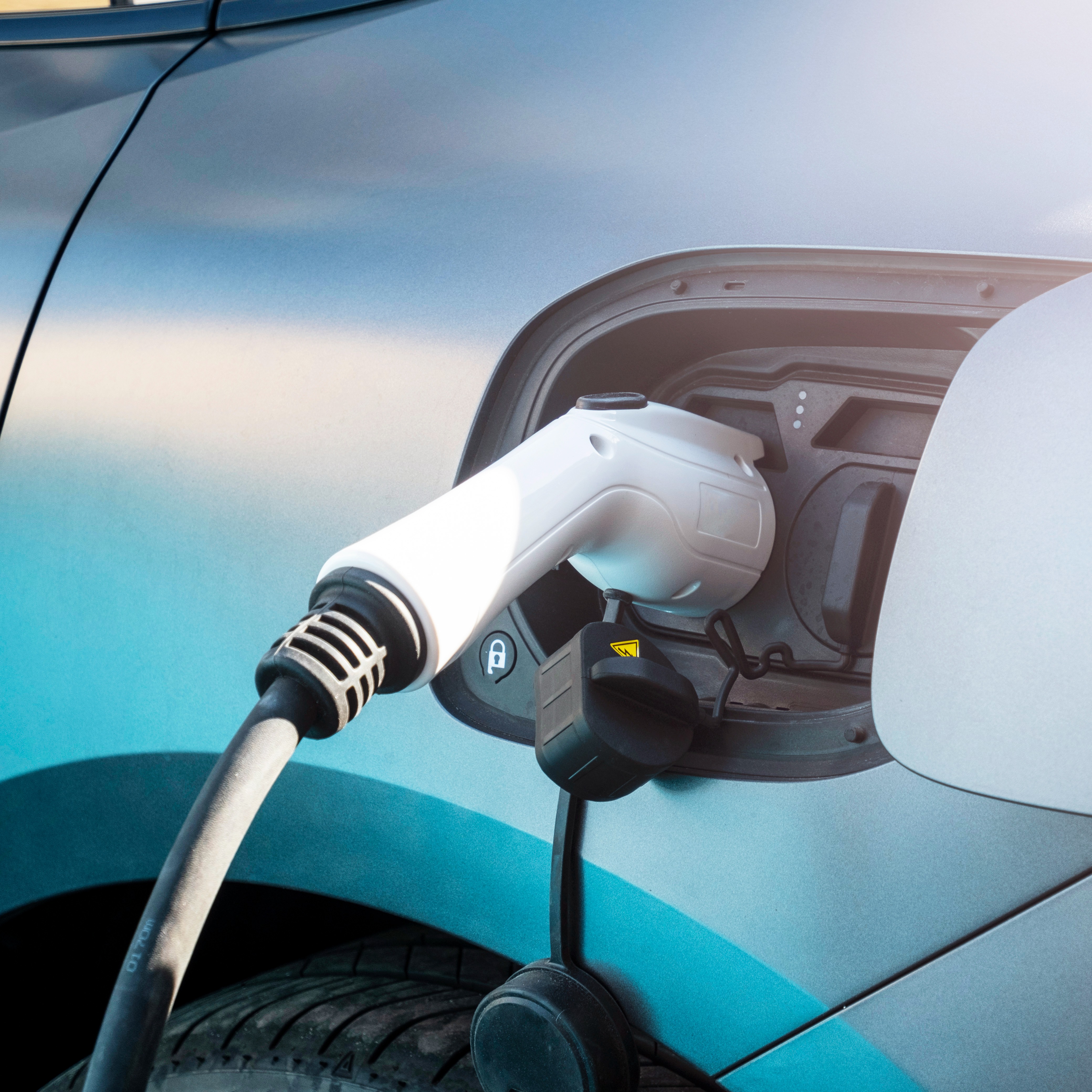
Diagnosing vehicle problems can be brutal when faults are intermittent or tied to drivability, sometimes requiring repeated electrical tracing with wiring diagrams and scan tools. The show shares real-world examples like a blinking ABS light traced to a mouse nest and a costly dealership battery replacement that needs scan-tool initialization. They connect EV service complexity to high-capacity battery systems, explain why EV tires may wear faster due to weight, and offer practical preventive-maintenance tips—oil changes, tire rotation, and storage guidance to avoid condensation and sludge.
ASC certified technician
"the guy that help you out give you a little analysis about that problem is none other than Nick Stoffel ASC certified technician among other things"
ASC certification is a credential that indicates a technician has been trained and tested to meet certain service standards. It’s meant to give customers confidence in the technician’s diagnostic skills.
An ASC-certified technician is trained and credentialed through Automotive Service Council (ASC) programs, which focus on standardized diagnostic and repair practices. In a shop context, it signals the technician has met specific competency requirements for servicing vehicles.
intermittent issues
"yeah I mean usually it's the the intermittent which we often discuss those intermittent issues or a drivability issue that you know we've been through the wiring diagram three different ways"
An intermittent issue is a problem that comes and goes. It can be frustrating because it’s hard to prove while you’re testing the car, so the mechanic has to keep narrowing down what might be causing it.
Intermittent issues are problems that don’t happen consistently—they may show up one day and disappear the next. Because they’re hard to reproduce, technicians often have to test multiple possibilities and use wiring/diagnostic checks to catch the fault when it occurs.
drivability issue
"intermittent issues or a drivability issue that you know we've been through the wiring diagram three different ways"
A drivability issue is when the car doesn’t feel right while you’re driving. It might hesitate, run rough, or act weird, and mechanics have to figure out what system is causing it.
A drivability issue is a symptom that affects how the vehicle behaves while driving—things like hesitation, rough running, stalling, or poor throttle response. These problems are often tied to sensors, ignition/fuel control, or electrical faults, and can be difficult to diagnose when they’re intermittent.
wiring diagram
"or a drivability issue that you know we've been through the wiring diagram three different ways you know we've checked every point that we think we should check"
A wiring diagram is like a map of the car’s electrical system. It helps a mechanic trace where wires go so they can figure out where a problem might be happening.
A wiring diagram is a schematic that shows how a vehicle’s electrical components are connected—down to circuits, connectors, and wire paths. When diagnosing electrical or intermittent faults, technicians use it to trace signals and verify power/ground routes step by step.
ABS light
"remember when I had brought in we talked about this I had a problem with the ABS light it was blinking or couldn't figure out what the heck the problem was"
That light is for the car’s anti-lock braking system. If it’s flashing or staying on, the system may not be working the way it should.
The ABS light refers to the Anti-lock Braking System warning indicator. When it’s on or blinking, it usually means the ABS isn’t operating correctly, which can affect how the car brakes during hard stops.
scan tool
"so there can be some time involved replacing it obviously they're ready for some testing and then a lot of these vehicles these days require a little initialization or kind of like a program and a reset that requires a scan tool"
A scan tool is a computer that plugs into the car to read and reset codes. Some cars need that kind of tool after a battery change so everything is set up correctly.
A scan tool is a diagnostic device used to communicate with a car’s computer. After certain battery replacements, the car may need an initialization, programming, or reset that can only be done through the vehicle’s diagnostic system.
initialization
"a lot of these vehicles these days require a little initialization or kind of like a program and a reset that requires a scan tool"
Initialization is the car’s way of “re-learning” after you change something important. After a battery swap, the car may need to be set up so it charges and monitors the new battery properly.
Initialization is the process of teaching or calibrating the car’s systems after a component change. In the context of battery replacement, initialization helps the vehicle’s electronics recognize the new battery and maintain correct charging and monitoring behavior.
timing belt
"advice from this particular person was saying if you want to look for this particular model car with the v8 be sure that the timing chain or timing belt has already been changed because it's like one of those jobs where you got to pull the engine"
A timing belt keeps the engine’s valves opening at the correct times. If it fails, the engine can be badly damaged, which is why replacement is often scheduled and can be labor-intensive.
A timing belt is a rubber-and-fiber belt that synchronizes the crankshaft and camshaft timing. Many engines require periodic replacement; if it breaks, the cam timing can jump and the engine may be damaged.
timing chain
"advice from this particular person was saying if you want to look for this particular model car with the v8 be sure that the timing chain or timing belt has already been changed because it's like one of those jobs where you got to pull the engine"
A timing chain helps the engine’s moving parts work together at the right times. If it wears out, the engine can run badly and may cause expensive damage, so replacing it can be a big repair.
A timing chain is a metal chain inside the engine that synchronizes the crankshaft and camshaft timing. If it stretches or fails, the engine can run poorly or even suffer serious internal damage, so replacement is a major job.
pull the engine
"because it's like one of those jobs where you got to pull the engine and they quoted again I don't know if this is real or not but this particular level of this import cost 10000 dollars to do that"
“Pull the engine” means taking the engine out of the car to reach parts that are too difficult to get to otherwise. It usually takes a lot of labor and costs more than simpler repairs.
“Pull the engine” means removing the engine from the vehicle to access components that are otherwise buried or hard to reach. It’s a sign the job is labor-heavy, time-consuming, and often expensive because it requires significant disassembly and reassembly.
hybrid vehicle
"no one you know they're very similar to a hybrid vehicle you know they have this the high capacity batteries a lot of"
A hybrid car uses a gas engine and an electric system together. Because it has extra electrical parts and a battery, it can be different (and sometimes harder) to repair than a regular gas car.
A hybrid vehicle uses both an internal-combustion engine and an electric drive system. That combination changes how the car is serviced because there are additional electrical components and battery-related systems beyond a normal gas-only vehicle.
high capacity batteries
"no one you know they're very similar to a hybrid vehicle you know they have this the high capacity batteries a lot of"
High-capacity batteries are the big battery packs that store the electricity for hybrids and electric cars. They’re expensive and require extra care to work around, so repairs can be more complicated.
High-capacity batteries are the large battery packs used in hybrid and electric vehicles to store electrical energy. Because they’re heavy, expensive, and require specialized safety procedures, they can make diagnostics and repairs more complex than on conventional cars.
electric vehicle
"electric vehicle has a electric motor versus a combustion engine we do see them there's maintenance and there's repairs that happen on them"
An electric vehicle uses a battery and an electric motor to move instead of a gas engine. That means some things you maintain and replace are different from regular cars.
An electric vehicle (EV) is propelled by an electric motor powered by a battery, instead of a combustion engine burning fuel. Because the drivetrain is different, EVs have different maintenance needs and wear patterns than gas cars.
combustion engine
"electric motor versus a combustion engine"
A combustion engine is the typical gas-engine setup that burns fuel to make power. It’s different from an electric motor in how it produces motion.
A combustion engine creates power by burning fuel inside the engine to produce expanding gases that drive pistons. In contrast to an EV’s electric motor, it relies on fuel, ignition, and engine cooling to operate.
oil to change
"with an electric car you don't have oil to change"
Gas cars need oil changes because oil helps protect the engine and keeps it running cool. Electric cars don’t need that same engine-oil routine.
Oil changes are a key part of maintaining a combustion engine because engine oil lubricates moving parts and helps carry away heat and contaminants. EVs don’t have an engine oil service in the same way, which is why the maintenance list can differ.
loaded tire
"you might not have as many options for tires so there'll be an adjustment but it's always been that way and we went to you know from carburetor"
A loaded tire is a tire carrying the car’s weight. When the car is heavier, the tire can wear faster, so tire choice and setup can matter.
A loaded tire is a tire operating under vehicle load (passengers, cargo, and dynamic forces), which affects how much it flexes and how quickly it wears. The speaker connects EV weight to faster tire wear, implying load and tire selection matter more on heavier vehicles.
carburetor
"from you know from carburetor to fuel injection to electronic ignition you know all these different features"
A carburetor is an older way of mixing fuel and air for a gas engine. Newer cars usually use more modern systems that control that mixture more precisely.
A carburetor is an older fuel-delivery device that mixes air and fuel before it enters the engine. The speaker contrasts it with later technologies like fuel injection and electronic ignition, which are more precise and common on modern vehicles.
fuel injection
"from you know from carburetor to fuel injection to electronic ignition"
Fuel injection is a modern way to deliver fuel to the engine using controlled injectors. It helps the engine get the right amount of fuel at the right time.
Fuel injection delivers fuel to the engine using electronically controlled injectors rather than a carburetor. This allows more accurate fuel metering across different driving conditions, improving drivability and efficiency.
electronic ignition
"carburetor to fuel injection to electronic ignition"
Electronic ignition is how a gas engine makes the spark to ignite fuel. It’s controlled electronically so the spark timing can be more precise.
Electronic ignition uses electronic controls to time and deliver the spark to ignite the air-fuel mixture in a combustion engine. Compared with older ignition systems, it can be more consistent and easier for the engine computer to manage.
adaptive cruise control
"with the adaptive cruise control of the parking assist so there's a lot of things have always evolved"
Adaptive cruise control is like cruise control, but it can slow down and speed up to keep a safe distance from the car in front. It uses sensors to watch traffic.
Adaptive cruise control is a driver-assistance system that automatically adjusts your speed to help maintain a set following distance from the car ahead. It typically uses sensors (often radar and/or cameras) to monitor traffic.
parking assist
"adaptive cruise control of the parking assist so there's a lot of things have always evolved"
Parking assist helps you park by using sensors to detect things around the car. It can make parking easier, but it relies on sensors working correctly.
Parking assist refers to systems that help guide or control aspects of low-speed parking, using sensors to detect nearby obstacles. These systems can add complexity because they depend on sensor calibration and reliable detection.
sensors
"there's more cooling systems a lot more sensors"
Sensors are the car’s “measurement tools” that collect data for the computer. More sensors usually means the car can do more things, but it can also mean more parts to diagnose if something goes wrong.
In modern vehicles, sensors are devices that measure things like speed, wheel behavior, temperature, and driver/vehicle position so the car’s computers can respond appropriately. The speaker notes EVs and newer cars tend to have more sensors, which can increase diagnostic and repair complexity.

Chrysler LeBaron
"my question is I have a 1993 LeBaron convertible and I've had the shocks tested like three different times and they all say they're good but when I'm driving over uneven roads it just bottoms out continuously"
This is a 1993 Chrysler LeBaron convertible. The issue described is that the car keeps hitting the bottom over bumps even though the shocks test “okay,” which often means the shocks may not be the right type for the car’s weight and suspension setup.
The Chrysler LeBaron convertible (1993) is a late-early-90s soft-top that can feel noticeably different in ride behavior because the chassis and suspension are tuned for a lighter, open-top configuration. In this segment, the host focuses on why the car may “bottom out” over uneven roads even after shocks test fine—pointing to shock valving/load rating mismatches and spring/weight setup.
shocks
"I've had the shocks tested like three different times and they all say they're good but when I'm driving over uneven roads it just bottoms out continuously"
Shocks are what slow the suspension down when you hit bumps. If the car still drops too far (“bottoms out”), the shocks may not be the right ones for the car’s weight or suspension setup, even if a basic test says they’re fine.
Shocks (shock absorbers) control how quickly the suspension moves after a bump. If they’re tested and still allow the car to “bottom out,” it can indicate the shocks’ internal damping/valving or load rating doesn’t match the vehicle’s actual weight and spring setup.
dampening
"they might think the shocks are dampening fine but holding that load or the weight of the vehicle"
Dampening is how the shock slows down the up-and-down motion of the suspension. Even if it damps bouncing correctly, it might not hold the car up enough when you hit uneven roads or carry extra weight.
Dampening refers to how a shock absorber resists motion—turning suspension movement into heat so the car doesn’t bounce. “Shocks dampening fine” means they may control oscillation, but they still might not provide enough support under heavier loads to prevent bottoming out.
load setting
"they might think the shocks are dampening fine but holding that load or the weight of the vehicle ... they weren't replaced with the exact same load setting"
A shock’s load setting (often tied to its spring/shock calibration and valving) determines how it supports the vehicle’s weight and how it responds to bumps. If a previous replacement used a different load rating—especially on a heavier configuration like a convertible—ride height and bottoming behavior can change.
coil spring
"they also had those overloaded ... were a little heavier duty shock with maybe even a coil coil spring attached to them"
A coil spring is the part that holds the car up and controls how much it compresses. If the spring/shock setup is different from stock, the car may compress too far on bumps.
A coil spring is the suspension component that supports the vehicle’s weight and sets ride height. When the host mentions a heavier-duty shock “with maybe even a coil spring attached,” they’re describing a setup that changes how the suspension carries extra rear weight, which can affect bottoming out.
key fob
"I have changed the battery on my key fob I still have messages saying no key fob when trying to start I then place the fob close to the push button start"
A key fob is the remote you use to unlock and start the car without a traditional key. If the car says it can’t detect the fob, moving the fob close to the start button can sometimes help because the car reads it more directly there.
A key fob is the wireless transmitter used for keyless entry/start. If the car shows “no key fob” even after a battery change, the issue can be weak signal, a failing fob, or a problem with the vehicle’s keyless receiver/antenna, which is why placing the fob near the push-button start can temporarily work.
push button
"if you hold it next to the push button they you know the responder become the transponder and they kind of reverse roles"
Some cars start with a button instead of a key in the ignition. If the fob battery is low, the car may still be able to read the fob when it’s held right near the button.
A push-button start system uses electronics to detect the key fob and allow starting without inserting a physical key. When the fob battery is weak, some cars can still start by placing the fob close to the start button to power/communicate.
transponder
"they you know the responder become the transponder and they kind of reverse roles and the vehicle will start"
The key fob has a small electronic chip that “checks in” with the car. If the battery is too weak, the car may still be able to communicate with the fob when it’s held close.
A transponder is the chip in the key fob that communicates with the vehicle’s receiver to prove the key is authorized. In some “dead fob” situations, the car’s system can temporarily energize or interact with the fob so it can still start.
programming
"it might be just that fob has lost its ability lost its programming there is a way to have those tested"
Key fobs can require programming (pairing) to the vehicle so the car recognizes that specific fob. If the fob loses its ability to communicate—whether from battery issues or a pairing problem—the car may not unlock or start reliably.
resale value
"Texter wants to know what is your opinion on resale value of electric"
Resale value is how much your car might be worth when you sell it later. With electric cars, things like battery condition and newer tech can affect that number.
Resale value is what a vehicle is likely to sell for later, and it’s especially important for expensive tech-heavy cars. Electric vehicles can have resale value influenced by battery health, charging ecosystem changes, and how quickly newer models improve.
duty cycle
"I'm not sure whether the duty cycle and the charge rate there's a lot of variables obviously involved there but on a used vehicle..."
Duty cycle just means how you use the battery day to day. If you drive in a way that keeps the battery working hard more often, it can wear out sooner.
In an electric vehicle, the duty cycle is how the battery is used over time—how often you drive, how hard you accelerate, and how frequently you stop and start. Different duty cycles stress the battery differently, which can affect how long it lasts.
charge rate
"I'm not sure whether the duty cycle and the charge rate there's a lot of variables obviously involved there..."
Charge rate means how fast you charge the battery. Charging very fast can make the battery run hotter and may wear it out faster over time.
Charge rate is how quickly the battery is charged, typically described by power (kW) or current. Faster charging can create more heat and stress, which may reduce battery life compared with slower charging.
rotate
"he said yeah he's probably won't need to rotate and that brings my question... how often should tires be rotated... which creates a bunch of road noise premature wear..."
Tire rotation means swapping tires to different spots so they wear more evenly. That helps prevent extra noise and helps the tires last longer.
Tire rotation is the practice of moving tires to different positions on the vehicle (front-to-rear and/or side-to-side) to even out wear. Uneven wear can increase road noise and reduce tire life, especially if the front and rear wear patterns differ.
premature wear
"so if it's you know... road noise premature wear so depending on the type of tire..."
Premature wear means the tires are getting worn out sooner than they should. It can happen when tires wear unevenly and aren’t swapped around.
Premature wear means tires (or other components) are wearing out faster than expected. It often happens when tires are not rotated often enough or when they develop uneven tread wear patterns.
road noise
"which creates a bunch of road noise premature wear so depending on the type of tire..."
Road noise is the sound you hear from the tires while driving. If the tread wears unevenly, the tire can make more noise than it should.
Road noise is the sound tires make while rolling, which can increase when tread wear becomes uneven or when the tread pattern no longer matches the road as intended. Uneven wear can make certain parts of the tire contact the road more aggressively.
brakes
"a couple things we get a good look at those brakes which is nice to know and those tires will last longer"
Brakes wear down as you drive. Checking them regularly helps you spot problems early, before they turn into bigger and costlier repairs.
Brake inspection is important because brake components wear over time, and catching issues early can prevent more expensive repairs. The host mentions getting a “good look” at the brakes during scheduled service as a benefit of sticking to an interval.
oil the manufacturer
"I look at the the oil the manufacturer of these oil products and some say you don't need to change for 10,000 miles I know some dealerships will tell you that too"
Car makers publish how often you should change the engine oil. The host is saying that even if some guidance suggests very long intervals, they’ve seen oil-related problems when people go too far.
The manufacturer’s recommended oil-change interval is the schedule the automaker designs for the engine’s lubrication needs. This segment contrasts different guidance (10,000 vs 20,000 miles) and argues for shorter intervals based on what the shop sees in real repairs.
synthetic
"either one of those you and I always talk that for synthetic which most is now I guess 5,000 like you suggested yeah we feel I agree"
Synthetic oil is a higher-tech type of engine oil. It usually lasts longer than regular oil, which is why the host says you can often change it less frequently (like every 5,000 miles) if that matches the vehicle’s needs.
Synthetic oil is a refined engine oil designed to handle heat and wear better than conventional oil. Because it typically resists breakdown longer, many manufacturers and shops recommend longer oil-change intervals with synthetic—like the “5,000 miles” interval discussed here.
oil filter
"get fresh oil a good clean filter and the car gets a good shape down you know that's other thing too we always worry about the oil in the filter"
The oil filter is like a screen that traps dirt and debris in the engine oil. The host’s point is that you should change the filter when you change the oil, not just the oil, to keep the engine protected.
The oil filter removes contaminants from engine oil as it circulates through the engine. The host emphasizes changing the filter along with the oil, because letting the filter get clogged or neglected can contribute to oil-related wear and problems.

Honda Ridgeline
"so maintaining the vehicle is much less expensive than repairing a vehicle be proactive for sure hi Nick this extra says my 2019 ridgeline does"
The Honda Ridgeline is a pickup truck that drives more like a car than a traditional truck. The host mentions a 2019 Ridgeline to talk about how often to change oil and why keeping up with maintenance can prevent expensive repairs.
The Honda Ridgeline is a midsize pickup with a unibody construction and a car-like ride. In this segment, the host uses a 2019 Ridgeline as an example of following an oil-change schedule and staying proactive with routine maintenance.
QR code
"a half old it didn't come with a manual either came with a QR code so I can get an app so now I got this app that I can page through"
A QR code is a scannable code that directs you to digital resources, like an online owner’s manual or setup instructions. In modern vehicles, this can replace printed manuals, which is what the host is describing for their truck.

Chevy Traverse
"a tester says this as of this last year I've become a new snowbird I'll be leaving by 2025 Chevy Traverse stored in my garage for about five months would I be better off with a battery maintain it while I'm gone or just disconnecting the battery"
A Chevy Traverse is a family SUV. If you park it for months, the main concern is the battery going dead. You can either use a battery charger/maintainer or disconnect the battery while it’s stored.
The Chevrolet Traverse is a midsize SUV, and the question here is about how to keep it healthy while it sits in storage. For long storage, owners often choose between using a battery maintainer or disconnecting the battery to prevent battery drain.
battery maintain it
"would I be better off with a battery maintain it while I'm gone or just disconnecting the battery"
A battery maintainer is a small charger you plug in to keep the battery from running down while the car is parked. It’s useful when you won’t drive the vehicle for a long time.
A battery maintainer (often called a trickle charger) is designed to keep a battery at a safe charge level during storage. It helps prevent the battery from going flat while the vehicle sits for months, especially when temperatures fluctuate.
disconnecting the battery
"would I be better off with a battery maintain it while I'm gone or just disconnecting the battery well if the garage is a controlled climate meaning it's heated"
Disconnecting the battery means you unplug it so the car can’t use any power while it’s parked. This can help prevent the battery from dying, but you have to do it carefully.
Disconnecting the battery removes electrical power from the vehicle, which can stop parasitic drains from slowly discharging the battery. It’s often considered when the car will sit in storage and you can safely access the battery terminals.
controlled climate
"well if the garage is a controlled climate meaning it's heated and or you can easily remove the battery bringing inside that works just fine"
A controlled-climate garage means the temperature stays more even instead of getting very cold. Cold weather can drain a car battery faster, so storage strategy changes depending on how warm the garage stays.
A controlled-climate garage is one where temperature is kept relatively stable (heated or insulated), which reduces battery stress during storage. In colder conditions, batteries lose charge faster, so the advice shifts toward removing the battery and storing it indoors.
2019 Chevy 2500 pickup
"all right that might be the easiest here's a 2019 Chevy 2500 pickup"
This is a 2019 Chevy 2500 pickup truck. Like any vehicle, if it sits for months, the battery can lose charge. Temperature and whether you keep power connected (with a maintainer) matter.
A 2019 Chevrolet 2500 pickup refers to the heavy-duty Silverado 2500 class, which is commonly used for towing and work. The storage question that preceded it is still relevant because heavy-duty trucks can have batteries that drain over time, especially if the vehicle isn’t kept on a maintainer or in a stable temperature environment.
software updating
"I would [1115.8s] see if there's any stuff software updating you know a lot of times we can"
Just like phones and computers, car systems can get software updates. Updates can fix glitches or improve how the car’s electronics work.
Software updates for a vehicle can change how onboard systems behave, fix bugs, or add features. Mechanics often check for the latest software version when symptoms match known issues or when electronics act unpredictably.
modules of computers
"plug in with our scan tool and go to the different different modules of [1123.9s] computers there might be some improved features or some bugs"
Cars today have several small computers, not just one. Each one controls a different part of the car, and a mechanic can check them to find where the issue is coming from.
Modern vehicles use multiple computer modules, each responsible for a specific system (like infotainment, engine control, or anti-theft). When a problem is intermittent, checking multiple modules helps find which system is logging faults or behaving oddly.
anti theft software or device
"with the anti theft software or device the next day it started fine few days [1148.6s] later same situation occurred"
Anti-theft systems are meant to stop someone from starting the car without the right key. If it acts up, it can sometimes block the car from starting even when you have the correct key.
Anti-theft systems are designed to prevent unauthorized starting by using sensors, immobilizer logic, and/or key authentication. If the system misreads a key or gets confused, it can cause intermittent no-start behavior that looks like an electrical or computer problem.
fault information stored
"see if there's any fault information stored to give us a clue intermittent problems are always [1183.8s] very frustrating"
Cars can remember problems they detect, even if the problem goes away later. A mechanic can read that saved information to help find what happened.
When a car has a problem, its computers can store fault information (often as diagnostic trouble codes) even if the issue doesn’t happen again right away. Reading that stored data is especially useful for intermittent problems.
pressurized cap
"if it's the actual pressurized cap you should not drive it if it's just like [1212.6s] one of those reservoir flip top caps it doesn't matter but if it's a cap that's"
The radiator cap helps keep the cooling system pressurized. If it’s not the right cap or it’s not holding pressure, the engine can overheat faster, so it’s safer to wait for a replacement.
A pressurized radiator cap maintains cooling-system pressure, which raises the coolant’s boiling point and helps the system circulate properly. If that cap comes off or isn’t seated correctly, the cooling system can overheat quickly, so driving may be unsafe until the correct cap is installed.
reservoir flip top caps
"if it's the actual pressurized cap you should not drive it if it's just like [1212.6s] one of those reservoir flip top caps it doesn't matter"
Some cooling systems use a non-pressure “flip-top” style cap on the coolant reservoir, which behaves differently than a pressure-holding radiator cap. The host’s point is that not all caps have the same safety implications for driving.

Jeep Renegade
"yes texas says I have 50,000 miles on my Jeep renegade have had to purchase new tires three times already I've rotated them every year and they still were out after 20,000 miles"
A Jeep Renegade is a small SUV. If its tires wear out way too fast, it often means something like the wheel alignment isn’t set correctly.
The Jeep Renegade is a compact SUV that can be sensitive to tire wear when alignment and tire pressures aren’t right. In this segment, the host discusses unusually fast tire wear on a Renegade and points to wheel alignment as the likely culprit.
tire rotation
"I've rotated them every year and they still were out after 20,000 miles I bought a good Bridgestone 75,000 mile tires the last time I bought new tires"
Tire rotation means swapping the tires to different wheel spots. That helps them wear more evenly instead of one set wearing out early.
Tire rotation is the practice of moving tires from one wheel position to another (front-to-rear or side-to-side) to even out wear. Different positions wear differently due to steering, braking, and weight transfer, so rotation helps tires last longer.
Bridgestone 75,000 mile tires
"after 20,000 miles I bought a good Bridgestone 75,000 mile tires the last time I bought new tires they told me rotating them was not enough"
Bridgestone makes tires. The “75,000 mile” part is the advertised expected life, so wearing out in 20,000 miles suggests something is wrong.
Bridgestone is a tire brand, and the “75,000 mile” wording refers to the tire’s treadwear warranty/expectation. The host uses this to highlight the mismatch between the expected lifespan and the reported wear rate.
wheel alignment
"they told me rotating them was not enough I should have my wheels aligned every time I get an oil change does that make sense ... if it's wearing through tires that fast that's strange I would definitely have the alignment checked and adjusted accordingly"
Wheel alignment is how straight your wheels are pointed. If it’s off, tires can scrub and wear out much faster than they should.
Wheel alignment refers to setting the suspension angles (like toe and camber) so the tires track straight and contact the road evenly. If alignment is off, tires can wear rapidly even if you rotate them regularly.
air filter elements
"really about filters oil filters air filter elements things like that this texture wants to know what kind of filters does Lloyd's handle"
The air filter element is the part that traps dirt before air goes into the engine. A clean one helps the engine run properly.
Air filter elements are the replaceable filter media inside the air filter housing. They remove dust and debris from incoming air, which helps engines burn cleaner and can support consistent performance.
OE level quality
"we tried to put back the same level or quality original equipment the fact is that there's only a couple companies making the filters now there's different grades and we always want to use the better grade"
OE level quality means the replacement part is made to similar standards as the original part from the factory. The host is saying not all filters are the same, so choose a higher-quality one.
OE (original equipment) level quality means the replacement part is built to match the quality standard of the factory-installed component. In this segment, the host argues for using a better-grade filter rather than assuming all aftermarket filters are equivalent.
cabin filter
"the cabin filter keeps the especially this time of the year it's collecting all this stuff out of these out of the air out of these trees keeping it from getting into our cars"
A cabin filter cleans the air that comes into the car’s heating and air-conditioning system. If it’s dirty, you’ll breathe more dust and pollen inside the cabin.
A cabin filter is a filter inside the vehicle’s HVAC system that cleans the air coming into the cabin. It traps dust, pollen, and debris so those particles don’t circulate through the passenger area.
engine air filter
"the engine also appreciates having good quality air filter so all the cars running you get good clean air into the engine for combustion"
The engine air filter is like a screen that keeps dirt out of the air going into the engine. If it gets clogged, the engine can’t breathe as well.
An engine air filter cleans the air before it enters the engine for combustion. A clogged or low-quality filter can restrict airflow and reduce how efficiently the engine runs.
original equipment
"so you can buy original equipment quality in the parts store once again it just you know ask that's the person at the counter"
Original equipment parts are the same kind of parts the car maker used when the vehicle was new. They’re chosen to fit correctly and work the way the car was designed to.
Original equipment (often abbreviated as OE) parts are made to match what the vehicle manufacturer installed when the car was new. Using OE-quality filters is meant to preserve fit, filtration performance, and service life.

Chevrolet Silverado
"here's listeners text that says 2013 5.3 Silverado you're gonna have to help me with this one"
The Chevrolet Silverado is a popular full-size pickup. The “5.3” means it has a 5.3-liter V8 engine, and this question is about a problem that happened in that engine.
The Chevrolet Silverado is a full-size pickup known for its V8 engine options and widespread use, making it a common platform for DIY and maintenance questions. In this segment, the “5.3” refers to the 5.3-liter V8, which is commonly paired with cylinder deactivation systems on some model years.
864 interrupter
"Silverado should I plug in an 864 interrupter so it runs on eight cylinders"
An interrupter is a gadget meant to change how the engine control system behaves. Here, the listener is asking if it can keep the engine from shutting down cylinders and instead run on all eight.
An “interrupter” in this context is an aftermarket device intended to interfere with the vehicle’s cylinder deactivation/control strategy so the engine runs in a different mode. The listener is asking about forcing the engine to run on more cylinders (the transcript mentions “eight cylinders”).
lifter
"I have a friend whose motor dropped a lifter and it ruined his motor he was told that if it was running on eighth this would not have happened"
A lifter is a small engine part that helps open and close the engine’s valves. If it doesn’t work right, the engine can run poorly and in worst cases get damaged.
A lifter (often a hydraulic valve lifter) is part of the valve-train that helps actuate the engine’s intake and exhaust valves. If a lifter fails or loses proper oil pressure, it can cause valve timing/clearance issues and potentially lead to serious engine damage.
fuel management system
"what is this texture saying it's a fuel management system that John motors does [1434.1s] so at highway speeds it'll shut certain cylinders off"
This is the engine computer that decides how much fuel to use. In some cars, it can also turn off some cylinders when you’re cruising to save fuel.
A fuel management system is the engine’s computer-controlled strategy for how much fuel to inject and when. It can adjust cylinder operation to improve efficiency, such as shutting off cylinders at steady highway speeds.
shut certain cylinders off
"[1434.1s] so at highway speeds it'll shut certain cylinders off [1437.5s] they have had some issues with some of those components prematurely wearing out"
Some cars can temporarily stop using a few cylinders while you’re cruising. That saves fuel, but it can also add extra wear on parts that have to switch cylinders on and off.
Shutting certain cylinders off is a fuel-saving strategy often called cylinder deactivation. By stopping fuel and combustion in selected cylinders during light-load driving, the engine reduces fuel use but adds complexity that can contribute to premature wear of related components.
cylinder head
"[1441.8s] when they wear out they can create some damage inside that cylinder head and if [1445.9s] it goes long enough you can damage the engine"
The cylinder head is the top part of the engine where the valves and important internal passages live. If something goes wrong inside one cylinder, it can damage this area.
The cylinder head is the top housing of each cylinder where key components like valves and passages are located. If internal problems develop in a cylinder (for example, from wear related to cylinder deactivation), damage can occur in the cylinder head and eventually harm the engine.
oil will absorb moisture
"[1529.1s] even if you don't drive it well the the oil will absorb moisture it can create some [1539.8s] condensation in you know"
Even if you don’t drive much, oil can pick up water over time. That water can turn into condensation and make the oil less effective at protecting the engine.
Engine oil can absorb moisture over time, especially when a vehicle sits or isn’t driven enough to fully warm the engine. That moisture can lead to condensation and reduce oil effectiveness, which is why infrequent use can still be hard on oil.
condensation
"[1533.8s] even if you don't drive it well the the oil will absorb moisture it can create some [1539.8s] condensation in you know"
Condensation is basically water that collects inside the engine. If the car doesn’t get driven enough to fully warm up, that water can build up.
Condensation in the engine/oil system forms when moisture accumulates and then cools, creating water droplets instead of staying as vapor. Infrequent driving can worsen this because the engine may not reach temperatures that help evaporate moisture.
oil change
"like we've been seeing here if you bring the vehicle in once or twice a year let us look at it [1567.5s] let us decide that hey you know it's been a year since we've done the oil change we should do it [1571.1s] but also we noticed this and these other items that need to be looked at"
An oil change refreshes the oil that lubricates the engine. Old oil can get dirty and less effective at protecting the engine.
An oil change replaces used engine oil with fresh oil to maintain lubrication and remove contaminants. The interval matters because oil degrades over time and can lose its ability to protect internal engine parts.
original tires
"yeah and especially if it's 10 11 years old [1590.3s] think about those original tires they get awfully brittle after what we talked about yes they do [1596.1s] absolutely"
Original tires are the tires that were installed when the car was new. Over many years, the rubber can dry out and get less grippy and more likely to wear badly.
Original tires are the factory tires that came on the vehicle when it was new. As tires age, the rubber compounds can harden and become brittle, increasing the risk of poor grip and uneven wear.
Request an Explanation
Heard something you'd like explained? We'll add it to this episode.
Sign in to request explanations for terms you heard.
Want to learn more?
Browse our glossary for plain-English explanations of automotive terms, jargon, and concepts.
Help improve this episode
See something that's not quite right? Our annotations are AI-generated and can sometimes miss the mark. Click the flag icon on any annotation to suggest a correction.