The Truth About Oil Additives
About this episode
engine oil
"Walk me through the engine oil side. Yeah, absolutely."
Engine oil is the fluid that keeps the engine’s moving parts from grinding against each other. Additives are extra chemicals mixed into that oil to help it last longer and stay cleaner.
Engine oil is the oil used inside an engine to lubricate moving parts, reduce friction, and help carry heat away. In the context of oil additives, it’s the base fluid that additives are blended into to improve protection and cleanliness.
additives
"They had pretty much no other additives in the middle and you know, you get one from one lot and one from another"
Additives are extra chemicals mixed into oil. They help the oil work better—like resisting breakdown and keeping the engine cleaner.
Oil additives are chemical ingredients blended into base oils to improve specific properties like oxidation resistance, deposit control, and wear protection. The host contrasts early lubricants that had little to no additives with modern oils that rely on them for consistent performance.
carbon deposits
"rapid oxidation, a lot of solid formation, carbon deposits and then erosion was actually a pretty big"
Carbon deposits are hard, sticky buildup left behind when oil degrades. Keeping them down helps the engine stay cleaner and reduces wear.
Carbon deposits are solid residues that form when oil breaks down or burns, leaving dark buildup inside the engine. Additive packages and better base oils help reduce deposit formation to maintain oil flow and protect components.
erosion
"carbon deposits and then erosion was actually a pretty big issue with those because they weren't fully refining it to,"
Erosion here means the oil wasn’t protecting engine surfaces well enough, so parts could get worn down. Better-refined oils and additive packages help prevent that kind of damage.
In this lubrication context, erosion refers to material loss or surface damage caused by degraded lubricant performance—often tied to poor protection and contamination. The host’s point is that early, inconsistent oils could contribute to erosion because they weren’t refined and formulated to perform reliably.
detergents or dispersants
"For the most part of SA-830 or 40 viscosity still didn't really have any detergents or dispersants,"
These additives help keep the oil and engine cleaner. They reduce sludge and help keep dirt/soot from sticking together and forming deposits.
Detergents and dispersants are additive types that help keep engine oil clean. Detergents help prevent deposits from forming on internal surfaces, while dispersants help suspend soot and other contaminants so they don’t clump together.
stuck piston rings
"So still got a lot of carbon buildup, stuck piston rings, crankcase sludge and things along those lines."
Piston rings are like seals on the piston. If they get stuck from deposits, they can’t seal well, which can let gases escape and make the engine burn oil.
Piston rings are the sealing rings on the piston that control compression and limit oil consumption. When they get “stuck” due to deposits, they can lose their ability to seal properly, leading to blow-by (gases escaping) and increased oil burning.
carbon buildup
"So still got a lot of carbon buildup, stuck piston rings, crankcase sludge and things along those lines."
Carbon buildup is gunk that forms inside the engine from burned fuel and oil byproducts. If it builds up too much, it can cause problems like parts sticking.
Carbon buildup refers to deposits that form inside the engine when combustion byproducts and oil contaminants aren’t controlled. Over time, these deposits can contribute to sticking components and reduced efficiency.
crankcase sludge
"So still got a lot of carbon buildup, stuck piston rings, crankcase sludge and things along those lines."
Sludge is thick dirty buildup inside the engine. It can clog oil passages and make lubrication worse, which can lead to faster wear.
Crankcase sludge is a thick, tar-like buildup formed from oxidized oil, soot, and moisture. It can restrict oil flow and increase wear by preventing oil from reaching critical engine components.
kerosene
"So a lot of times people would actually just flush their engines with kerosene in between oil changes to get all that stuff out"
Kerosene is a fuel. The idea was to use it to loosen gunk between oil changes, but doing that today can be risky because it can thin the oil and reduce protection.
Kerosene is a fuel-like liquid that was sometimes used historically as an engine flush between oil changes to dissolve deposits. In modern practice, flushing with fuels is generally discouraged because it can dilute oil and compromise lubrication.
oxidation inhibitors
"So they started finding out about our oxidation inhibitors, pore point depressants and then anti-foam agents was really"
These additives help keep oil from “going bad” too quickly. When oil oxidizes, it forms more deposits and loses its protective properties.
Oxidation inhibitors are oil additives that slow the chemical oxidation of engine oil. Oxidation breaks down oil and accelerates deposit formation, so inhibitors help maintain oil stability and extend service life.
pore point depressants
"So they started finding out about our oxidation inhibitors, pore point depressants and then anti-foam agents was really a big one"
These additives help oil stay more fluid in cold weather. That makes it easier for the oil to flow and protect the engine when you start it up cold.
Pour point depressants are additives that lower the oil’s pour point, meaning it stays fluid at colder temperatures. This improves cold-start lubrication and helps prevent oil from gelling in freezing conditions.
anti-foam agents
"pore point depressants and then anti-foam agents was really a big one that helped, you know, that oil wasn't getting whipped up as much in foaming."
These additives reduce foamy oil. Foam can mess with oil pressure and lubrication, so the engine doesn’t get protected as well.
Anti-foam agents reduce foaming in engine oil. Excess foam can interfere with oil pressure and lubrication because air bubbles don’t lubricate like liquid oil.
Rizzlone
"So it started lasting a lot longer and that was actually when Rizzlone came to be was in 1921."
Rizzlone is a brand of engine treatment/additive. The point being made is that it was an early product meant to help clean and protect an engine.
Rizzlone is presented as an engine-treatment product that appeared in 1921. In this segment, the host frames it as an oil additive approach aimed at cleaning, restoring, and protecting engine systems.
additive packages
"but really it's the additive packages. So, you know, depending on the type of engine or, you know, the type of vehicle, they'll make recommendations"
Additive packages are the “extra ingredients” mixed into oil. They’re there to make the oil protect the engine better and stay effective longer.
An additive package is the blend of chemicals mixed into base oil to achieve specific performance goals. Different packages target things like wear protection, detergency, corrosion resistance, and oxidation stability.
viscosity
"they'll make recommendations just based on, okay, maybe you need a certain type of viscosity. Obviously, that's a big one."
Viscosity is how “thick” the oil is. The correct thickness helps it protect the engine right away when it’s cold and still lubricate well when it’s hot.
Viscosity is a measure of how thick an oil is and how easily it flows. In engines, the right viscosity helps the oil form a protective film at both cold starts and high operating temperatures.
10W40
"if you're going to use OW20 or you're using 10W40, that's a very, very big difference."
10W-40 is an oil grade that describes how the oil flows when it’s cold and how thick it stays when the engine is hot. A “40” grade tends to be thicker at operating temperature.
10W-40 is an oil viscosity grade where “10W” indicates cold-flow behavior (not as free-flowing as 0W oils) and “40” indicates the oil’s thickness at high temperatures. Higher-temperature viscosity like “40” generally provides a thicker protective film under heat.
deposit control
"And then for anti-wear and deposit control, so, you know, be able to keep that engine cleaner."
Deposit control means the oil has additives that help stop gunk from building up inside the engine. Less buildup helps the engine stay cleaner and work as intended.
Deposit control refers to additives that prevent harmful sludge and varnish from forming inside the engine. Keeping deposits down helps maintain oil flow paths and reduces the risk of sticking or reduced performance over time.
anti-wear
"And then for anti-wear and deposit control, so, you know, be able to keep that engine cleaner."
Anti-wear additives help keep engine parts from grinding against each other. They create protection so metal surfaces don’t wear out as quickly.
Anti-wear additives are chemicals in engine oil designed to reduce metal-to-metal contact. They help protect critical components like cam and lifter surfaces by forming a protective layer under load.
detergents in oil
"want to say aggressive, but would more detergents in oil impact an older truck different than a newer one?"
Detergents are chemicals mixed into oil to help stop gunk from building up inside the engine. They help keep dirt and deposits from sticking to metal parts.
In engine oil, detergents are additive chemicals designed to keep contaminants suspended and help prevent deposits from forming on internal engine surfaces. They’re especially relevant for older engines that may have more existing sludge or varnish.
back compatible
"sometimes when they come out with these new specs, you know, they'll say it's back compatible with the, you know, the version or maybe a version or two before"
Back compatibility in oil specs means a newer oil formulation is intended to work with older engines that were designed for earlier oil standards. Even when it’s “compatible,” the exact additive balance may still differ, so the best match is the specification the engine originally called for.
base oil
"But like, what is a base oil? Like, how could I understand if I'm just tuning into this podcast or for me personally, like, what is a base oil?"
Base oil is the main liquid part of the engine oil. Additives get mixed into it afterward, and the base oil quality affects how the oil performs.
Base oil is the base lubricant stock that engine oil is built from before additive packages are blended in. Its refining and quality level largely determine properties like viscosity behavior and how well the final oil can handle heat and wear.
engine tolerances
"…it goes back to what are the tolerances of the engine? How is it designed?"
Engine tolerances are the small gaps inside the engine between parts. Those gaps affect how thick the oil needs to be so everything stays properly lubricated.
Engine tolerances are the designed clearances between moving parts, which influence how much oil film is needed to prevent metal-to-metal contact. Because those clearances vary by engine design, the manufacturer specifies an oil viscosity range that best maintains lubrication across operating temperatures.
W
"…the W in the oil weight stands for winter. So when it's cooler out, you know, it's going to be a different viscosity…"
On many oil bottles, the “W” means the oil is designed to work well in cold weather. It’s about how easily the oil can flow when the engine is cold.
In oil viscosity ratings, the “W” stands for winter, indicating the oil’s cold-temperature behavior. A lower “W” number generally means the oil flows more easily when it’s cold, which helps protect the engine during startup.
OEM recommended
"always say, you know, at least for us, you know, go with what the OEM recommended to you, you know, try not to deviate in any way"
OEM recommended means the car maker’s official oil choice. Using the specified oil helps the engine get the right lubrication it was designed for.
“OEM recommended” means the oil specification and viscosity grade the vehicle manufacturer (OEM) calls for. Following it matters because engine clearances, oil pump behavior, and lubrication design are calibrated around that spec.
slinging that oil
"So if you have an oil in there that's, you know, too thick for what that engine is supposed to have, it's actually going to have difficulty slinging that oil to all the different moving parts that it has to get to."
“Slinging” is a rough way of saying the engine parts throw oil around to where it needs to go. If the oil is too thick, it may not get to all the moving parts as well.
“Slinging” describes how rotating engine components (like crankshaft and connecting rods) use motion to distribute oil through the engine. If the oil is too thick for the design and temperature, it may not be moved to all lubrication points effectively.
oil weight
"So they're very, very specific about what type of oil weight you need to be getting."
Oil weight is basically how thick the oil is. Thicker or thinner oil changes how easily it moves through the engine, especially when it’s hot or cold.
“Oil weight” refers to the oil’s viscosity grade (commonly written like 5W-40). It describes how thick or thin the oil is at cold start and at operating temperature, which affects how well it flows to engine parts.
synthetic
"And, you know, there's the whole kind of debate between synthetic, semi-synthetic, but, you know, a lot of these nowadays are created pretty equal."
Synthetic oil is a type of engine oil made to work better across different temperatures. It tends to stay more consistent when it gets very hot.
Synthetic oil is engineered to have more consistent viscosity and better performance across a wider temperature range than conventional oil. In hot climates, that consistency helps maintain lubrication when oil would otherwise thin out.
change intervals
"And then, you know, obviously following the change intervals is very, very important."
This is how often you’re supposed to change your oil. If you wait too long, the oil doesn’t protect the engine as well anymore, even if you use additives.
“Change intervals” are the scheduled mileage/time periods when you replace engine oil. Following the interval matters because oil additives and the base oil’s ability to protect the engine degrade as the oil ages and accumulates contaminants.
OEMs
"So there's a base oil, say formulation that's going to be produced in conjunction with what the OEMs want. So these oil companies are formulating it based on input from the companies that are making vehicles and engines."
OEMs are the companies that build the cars and engines. They set the oil requirements, and oil companies try to make products that meet those needs.
OEMs (Original Equipment Manufacturers) are the vehicle and engine makers that specify what oil performance they require. The segment describes oil companies formulating base oil and then tailoring additive packages to match those OEM needs.
higher mileage engines
"So especially in higher mileage engines, you know, you know, even if you followed those intervals, you know, very, very closely, you know, there's always a place for some of these additives"
Higher mileage just means the engine has been driven a lot. Over time, engines can build up more gunk and show more wear, so some oil additives may help keep things cleaner.
“Higher mileage engines” are engines with substantial accumulated use, where deposits and wear patterns are more likely to be present. The host’s point is that additive packages (especially detergents) can help with cleanliness and protection even when oil changes are done on schedule.
dry starts
"So helps with dry starts and then just friction and wear. So, you know, this is just a pull and go into your oil and it helps with the film strength..."
“Dry starts” refers to the brief moment after starting an engine when oil pressure hasn’t fully built yet, so lubrication is less effective. Additives that improve early lubrication aim to reduce friction and wear during that vulnerable window.
friction and wear
"So helps with dry starts and then just friction and wear. So, you know, this is just a pull and go into your oil..."
Friction is rubbing between parts, and wear is the damage that rubbing causes over time. Better lubrication helps reduce both.
Friction is resistance to motion between parts, and wear is the gradual material loss from rubbing. Oil additives are often marketed as reducing both by improving lubrication and protective film.
film strength
"So, you know, this is just a pull and go into your oil and it helps with the film strength and it just helps to, you know, keep that engine running a little bit more smoothly."
Film strength is how well the oil can form a protective layer between moving engine parts. Better film strength means less grinding and wear.
Film strength is the additive’s ability to help engine oil form a protective lubricating layer between moving parts. Stronger oil film helps reduce metal-to-metal contact, which lowers friction and wear.
rear main seal
"This is our rear main seal specifically, which I'll get into a little bit later on the diesel side. But you know, some of those conditioners can actually just help to keep some of your seals and things like that from having issues moving forward."
The rear main seal is a gasket/seal at the back of the engine that keeps oil from leaking around the crankshaft. If it hardens or wears out, oil leaks can happen.
The rear main seal is the seal at the back of the engine that prevents oil from leaking where the crankshaft exits the engine block. The host ties additives/conditioners to helping seals stay flexible and resist leaks over time.
conditioners
"But you know, some of those conditioners can actually just help to keep some of your seals and things like that from having issues moving forward."
Here, “conditioners” are additives that help keep engine seals from drying out and getting stiff. That can help prevent leaks later on.
In this context, “conditioners” are oil additives meant to condition rubber and seal materials so they don’t harden. The goal is to reduce seal-related leaks and issues even if the engine isn’t already leaking.
ZDDP
"And then, you know, older vehicles, they used to have a lot of ZDDP. So this is our zinc product that we produce also usually more"
ZDDP is a chemical additive mixed into some engine oils to help prevent metal parts from wearing out too fast. Older engines often needed more of it, while newer oils usually have less because of emissions systems. The idea here is that adding ZDDP can help older engines get the protection they’re missing.
ZDDP (zinc dialkyldithiophosphate) is an oil additive package that helps protect engine wear surfaces, especially under high load and boundary-lubrication conditions. It’s commonly discussed for older engines because many modern oils contain less ZDDP to protect emissions equipment. In this segment, the host connects lower ZDDP levels in newer oils to reduced protection for older cam and valve-train setups.
flat tap at cams
"So this is our zinc product that we produce also usually more for older cars that maybe have like flat tap at cams or something"
The host is talking about a type of cam contact surface in some older engines. Some cam designs can wear faster if the oil doesn’t have enough anti-wear protection. That’s why they’re discussing adding ZDDP for compatibility with those engines.
“Flat tap” refers to a flat-faced cam follower/tappet contact style that can be more sensitive to oil film strength and anti-wear chemistry. In practice, these older or specific valvetrain designs may benefit more from higher-ZDDP oil additive levels. The host is implying that older cam/follower setups can need extra protection compared with what modern low-ZDDP oils provide.
compatibility with their engine
"So that's a great one for people to be able to add that to new oils and then have it be compatible with their engine."
“Compatibility with their engine” here means making sure an added oil additive (like a zinc/ZDDP product) won’t cause problems with the engine’s lubrication needs and wear-protection requirements. It also implicitly relates to how additives interact with modern oil formulations and emissions-related constraints. The host’s point is that older engines may need extra anti-wear chemistry that newer oils don’t provide.
regear it
"They might add different winch, different wheels and tires. They might regear it. They might do different things to help them use that truck."
Regearing means changing the gearing in the rear differential so the truck’s engine runs differently. It can make the truck pull harder at low speeds or make highway driving feel less busy. People do it to match how they use the truck.
“Regear it” means changing the final-drive gear ratio (typically by swapping differential gears) to alter how the truck accelerates and how it cruises at speed. Higher numerical ratios usually improve low-speed pulling and towing feel, while lower numerical ratios can reduce engine RPM on the highway. The host lists it as one of the common customization changes diesel truck owners make.
OW20
"those oils are made, you know, just to basically cover every vehicle out there that they want to need to take a OW20 or something along those lines."
“OW-20” is the type of engine oil based on how thick it is. The “0W” part means it stays easier to start in cold weather, and the “20” part is how it behaves when the engine is hot.
“OW-20” is shorthand for an engine oil viscosity grade: 0W means it flows well when cold, and 20 is the viscosity rating at operating temperature. It’s a common spec used to help engines start easily in cold weather and reduce friction for fuel economy.
oil stabilizer
"that's where our oil stabilizer, you know, that that you can add to kind of customize that oil in your engine for that type of vehicle."
An oil stabilizer is something added to engine oil to help it last longer and keep working the way it should. It’s especially useful when the engine is worked hard, like when towing.
An oil stabilizer is an additive package intended to keep engine oil properties from breaking down over time and under heat. In the context of towing and heavy-duty use, it’s meant to help the oil maintain its protective behavior so it can better handle combustion byproducts and stress.
emission systems
"but have the demands of emission systems on diesel trucks. Has that made it even more important to be able to handle those"
Diesel “emission systems” are the parts that clean up exhaust before it leaves the truck. Oil additives matter because the wrong kind can create residue that affects how well those systems work.
“Emission systems” on diesel trucks are the aftertreatment components designed to reduce pollutants like soot and nitrogen oxides. The speaker’s point is that these systems increase the importance of controlling oil-related deposits and ash so they don’t interfere with emissions performance.
excessive ash
"I mean, if you get excessive ash, you know, or phosphorus or just other unsuitable additives, you know, which isn't anything about like our products, but it can, it can definitely shorten the"
Excessive ash means the oil/additives leave behind solid residue after burning. In diesel trucks with emissions equipment, that residue can build up where it shouldn’t.
Excessive ash refers to the non-combustible residue left behind when certain oil additives burn. In diesel engines—especially those with emissions aftertreatment—too much ash can accumulate and contribute to clogging or reduced system effectiveness.
phosphorus
"I mean, if you get excessive ash, you know, or phosphorus or just other unsuitable additives, you know, which isn't anything about like our products, but it can, it can definitely shorten the"
Phosphorus is a chemical element that can show up in certain engine oil additives. In diesel trucks with emissions systems, too much of it can be harmful because it can lead to unwanted residue.
Phosphorus is an element that can be present in some engine oil additive chemistries (often related to anti-wear packages). In diesel applications with emissions systems, phosphorus can be problematic because it may contribute to ash-forming residues or interfere with aftertreatment performance.
emission system having issues
"And, you know, as we've talked about in detail before, you know, [1039.6s] the emission system having issues is extremely costly to fix."
This is about problems with the parts that clean up diesel exhaust. If those parts don’t work right, the truck can need expensive repairs and sometimes even won’t drive normally. The host is saying good maintenance helps avoid those issues.
The “emission system having issues” refers to faults in the diesel exhaust aftertreatment components and controls that manage soot and NOx. When these systems malfunction, repairs can be extremely expensive and may require towing and dealer-level diagnostics. The episode frames oil cleanliness and maintenance timing as part of preventing those failures.
fail safe mode
"[1069.1s] I don't want to have a fail safe mode and be stuck and have to [1072.3s] have a tow to the dealer or something like that."
Fail-safe mode is when the truck limits power to protect the engine. It usually happens when the computer detects a problem and doesn’t want you driving hard until it’s fixed. You may feel like it’s “stuck” and need to get it checked.
Fail-safe mode (often called “limp mode” in everyday talk) is a protective strategy where the engine and emissions controls restrict power to prevent damage. It’s commonly triggered by detected faults in sensors or emissions components like the DPF. The driver may feel reduced acceleration and may need service to clear the underlying issue.
Teflon type seals
"those are, they're starting to do some more Teflon type seals for those, whether they're kind of dry fit in there."
Some engines use seals made from a Teflon-like material. That material can resist heat and wear differently than rubber. Additives may be designed to work with the specific seal material your engine uses.
“Teflon type seals” describes seal materials or seal designs that use PTFE (often described as Teflon) or similar low-friction polymers. These materials can handle heat and chemical exposure differently than conventional rubber seals. Additives may be formulated to condition or swell compatible seal materials, so the seal type affects what works.
SCR
"if with that getting in like your SCR, even the, you know, doc or something like that, it's going to cause some pretty serious issues."
SCR is a diesel emissions system that helps reduce harmful exhaust gases. It uses a chemical treatment to make the exhaust cleaner as it passes through a catalyst. If oil is getting into the exhaust, it can clog or damage that system faster.
SCR (Selective Catalytic Reduction) is an emissions system used on many diesel vehicles to reduce nitrogen oxides (NOx). It relies on a chemical dosing process (commonly diesel exhaust fluid) to make NOx react in the catalyst. If oil is burning and gets into the exhaust, it can foul or degrade SCR components, shortening their service life.
doc
"if with that getting in like your SCR, even the, you know, doc or something like that, it's going to cause some pretty serious issues."
A “DOC” is a catalyst in the exhaust that helps clean up diesel fumes early in the system. If oil is getting into the exhaust, it can coat or clog the catalyst and make it work less well. That can lead to expensive emissions-system problems.
“DOC” typically means Diesel Oxidation Catalyst, an early emissions-catalyst stage on many diesel exhaust systems. It helps oxidize pollutants in the exhaust stream before later components like SCR. Oil contamination from burning oil can foul the catalyst surface and reduce effectiveness.
API
"But we keep our ear to the ground with whenever there's a change coming up, you know, for the API, the American Petroleum Institute, you know, they'll make new specs every so often like I was talking with you about."
API is a major U.S. organization that sets standards for engine oils. When they update their requirements, oil companies have to make sure their additives and oils meet the new engine-protection goals.
API refers to the American Petroleum Institute, which publishes engine-oil standards and specifications. When API updates specs, it can change what oil/additive packages are required to protect against (like wear, oxidation, and fuel-economy-related targets).
fuel economy
"...engine protection, obviously an oxidation and fuel economy, but it's just a misinsistim durability has been the real big one."
Fuel economy here means the oil can help the engine waste less energy. Some oils/additives reduce internal friction, which can help the truck use less fuel.
Fuel economy in this context refers to how engine oil affects how much energy the engine needs to move and pump the oil. Lower-viscosity or friction-reducing additive strategies can reduce internal losses, which API and OEMs may target in newer oil specs.
durability
"...oxidation and fuel economy, but it's just a misinsistim durability has been the real big one."
Durability means the oil keeps working well for a long time, not just right after you change it. The additives are judged on how well they protect the engine over many miles/hours.
Durability (in oil-spec language) is how well an oil and its additive package keep protecting the engine over extended use. The speaker is emphasizing that recent API changes have focused heavily on long-term engine protection rather than only short-term performance.
CK4 spec
"They're most people are running the CK4 spec. F-A4 is out there as well, but in starting in 2027, they're"
CK-4 is a set of rules for diesel engine oil quality. If an oil meets CK-4, it means it’s been tested to protect the engine under heavy diesel conditions.
CK-4 is an engine-oil performance specification for heavy-duty diesel engines, set by the API (American Petroleum Institute). It defines minimum requirements for things like soot handling, wear protection, and oxidation stability so oils can be certified for modern diesel service.
F-A4
"They're most people are running the CK4 spec. F-A4 is out there as well, but in starting in 2027, they're"
F-A4 is another label for what diesel oil is designed to do. Oils that match a spec are tested to meet certain protection requirements for modern engines.
F-A4 is another API engine-oil performance category referenced alongside CK-4 for diesel applications. The key point is that different “specs” correspond to different certified performance targets for modern diesel engines and emissions-related oil needs.
FB4
"F-A4 is out there as well, but in starting in 2027, they're replacing those two with a CL4 and an FB4."
FB-4 is another future label for diesel engine oil quality. It’s part of the new set of standards that newer vehicles will be using starting in 2027.
FB-4 is the other upcoming API diesel engine-oil performance specification paired with CL-4 for the 2027 transition. Together, these new specs signal updated certification requirements for how oils protect engines in modern diesel duty cycles.
CL4
"F-A4 is out there as well, but in starting in 2027, they're replacing those two with a CL4 and an FB4."
CL-4 is a future label for diesel engine oil quality. Starting in 2027, newer vehicles are expected to use oils that meet this newer standard.
CL-4 is an upcoming API engine-oil performance specification mentioned as replacing older diesel oil categories starting in 2027. It indicates the industry is moving to newer certified oil performance targets for newer diesel vehicles.
redo all the testing
"we'll actually get some of that new stuff and we'll, in our lab here, we'll redo all the testing that we did initially. So we're making sure that it's functioning exactly as it was."
They’re describing a lab check process. When the oil standards change, they test again to make sure their product still works with the newer oil types.
The host is describing a validation process: when new oil specs arrive, they obtain the new oils and rerun lab tests to confirm the additive product still performs as intended. This is about ensuring compatibility with the new certified oil chemistry and performance targets.
reformulate
"If not, we'll take a look at the formula and we'll actually reformulate to kind of go along with the API updating their specifications."
Reformulating means changing the oil’s recipe. If the standards for diesel oil change, the manufacturer may need to tweak the formula so it still protects the engine the same way.
Reformulating means changing an oil’s additive package and base-oil blend to meet new performance requirements. The host describes how spec changes can force a product to be adjusted so it functions the same way under the updated certification targets.
oil additive
"And then we think, well, if I go to the store and it's this new oil that's specified for a new truck, is it going to work on by 20 year old or 30 year old truck? Is that where like in my mind, that's where an additive package an oil additive would be extremely important..."
Oil additives are extra chemicals that help engine oil do its job better. They can help protect the engine from wear and corrosion, and they may help older engines that weren’t built with modern oil/emissions requirements in mind.
An oil additive is a formulated chemical package mixed into engine oil (or added separately) to improve specific properties like wear protection, detergency, corrosion resistance, and sometimes fuel economy. In older diesel trucks, additive packages can be especially relevant because the oil requirements may not match what the engine and emissions hardware were designed for.
DPF
"my engine wasn't, you know, say I take a 73 power truck. It didn't have any GR didn't have a DPF and a DF system."
DPF means diesel particulate filter. It’s a device on diesel trucks that catches soot from the exhaust, so the truck pollutes less. Some engine oils can contribute to clogging, so the right oil matters.
DPF stands for diesel particulate filter, a modern emissions device that traps soot from diesel exhaust. Oil additives and oil choice matter because certain oil properties can increase ash deposits that can clog the DPF over time, affecting maintenance intervals and regeneration behavior.
DF
"It didn't have any GR didn't have a DPF and a DF system. It didn't have any of that stuff."
“DF” here sounds like another emissions-related filter/device on diesel trucks, mentioned alongside the DPF. The point is that older trucks didn’t have these systems, so the oil that’s designed for newer emissions hardware may behave differently in older engines.
In this context, “DF” is being grouped with DPF as part of diesel emissions hardware, likely referring to a diesel filter system. The key idea is that older trucks lacked these emissions components, so modern oil specifications (and additive chemistry) may not be directly compatible with older engines and their lubrication needs.
back compatibility
"there is some back compatibility like I was saying with some of these oils because they they know, you know, alright, we came out with a new oil, but it's not like everybody owns the 2027, you know, brand new vehicle that needs that."
Back compatibility in engine-oil specs means newer oil formulations are designed to still work safely in older engines. Additive packages and performance requirements are balanced so the oil won’t cause issues when used outside the newest vehicle’s exact calibration.
testing that you do
"With some of the R&D or maybe say testing that you do. [1532.0s] I'm sure there's vehicles that you you guys run really hard"
This refers to controlled evaluation of oil/additives under real-world-like stress. The transcript later describes running vehicles hard, towing, and then sampling the oil—an approach meant to connect additive chemistry to measurable engine wear and oil condition.
oil sample
"and test and tow with and do different stuff and then take oil [1539.6s] like do an oil sample and do an analysis on it."
An oil sample is a little bit of your used engine oil that gets tested. The results can show whether the oil is still protecting the engine or if it’s getting worn out or contaminated.
An oil sample is a small amount of used engine oil taken from the engine for lab testing. It’s used to check things like contamination, wear metals, and additive depletion so you can see how the oil is performing between oil changes.
analysis
"take oil [1539.6s] like do an oil sample and do an analysis on it."
Here, “analysis” means testing the used oil in a lab. It helps show what’s happening inside the engine—like wear and whether the oil additives are still doing their job.
In this context, analysis means lab testing of used oil to quantify wear and oil condition. Common outputs include wear-metal levels (from engine parts), soot/contamination, and whether additives are being consumed.
oil change
"and oil additive that I'm using to see how that changes from [1560.6s] oil change to oil change."
An oil change is when you replace the old engine oil with fresh oil. The idea here is to compare what the oil looks like at the end of each interval to see how well it’s protecting the engine.
An oil change is the scheduled replacement of engine oil (and often the oil filter) to restore lubrication and additive performance. The transcript highlights comparing results “from oil change to oil change,” which is essentially tracking how the oil and additive package degrade over time.
cleanliness
"What kind of things do you see with either wear or cleanliness [1566.8s] when you add this oil additive to the rotation?"
Oil cleanliness means how “dirty” the oil has gotten. Cleaner oil usually means fewer contaminants and less sludge buildup inside the engine.
Oil cleanliness refers to how free the oil is from contaminants and suspended soot/oxidation products. In oil analysis, cleanliness is used as a proxy for how well the oil (and its additives) are preventing sludge and deposits.
oil flush
"you don't have to get an oil flush when you go to get your oil change or anything like that."
An oil flush is an extra cleaning step some shops do before an oil change. They use a special fluid to help loosen gunk inside the engine, then drain it out and put in fresh oil.
An oil flush is a service where a special flushing fluid is run through the engine (or sometimes added and circulated) to help loosen and remove old deposits before changing the oil. It’s often marketed as a way to clean sludge and varnish, but it’s not the same thing as using an additive in normal oil-change intervals.
diesel engine
"[1646.2s] diesel engine. [1647.2s] I either, you know, I can't wait this long to get one or"
A diesel engine is a type of engine that uses compression to heat the air, then injects fuel to ignite it. It’s common in trucks, especially when you need pulling power.
A diesel engine is an internal-combustion engine that compresses air to very high pressure, then injects fuel so it ignites from the heat of compression. It’s commonly used in trucks because it tends to make strong low-end torque and can be efficient under heavy loads.
remanufactured engines
"[1667.3s] They have a complete lineup of Cummins, Duramax and Powerstroke [1670.6s] remanufactured engines that are set to a standard of ISO"
A remanufactured engine is a used engine that gets taken apart and rebuilt to a set standard. The goal is to make it perform like a properly rebuilt replacement, not just a used take-off.
Remanufactured engines are rebuilt using a core engine (the original used unit) that’s disassembled, inspected, and restored to a specified standard—often with new or refurbished internal parts. In this segment, the claim is that DFC Diesel’s remanufactured engines meet defined quality standards.
Duramax
"[1667.3s] They have a complete lineup of Cummins, Duramax and Powerstroke [1670.6s] remanufactured engines that are set to a standard of ISO"
Duramax is GM’s diesel engine line for heavy-duty trucks. In the episode, it’s mentioned as part of the remanufactured engine lineup.
Duramax is General Motors’ heavy-duty diesel engine family (often associated with GM trucks). The host is listing it as one of the remanufactured diesel engine options available through DFC Diesel.
Cummins
"[1663.2s] We worked with them, you know, hand in hand on doing [1665.0s] episodes, answering technical questions. [1667.3s] They have a complete lineup of Cummins, Duramax and Powerstroke"
Cummins is a company that makes diesel engines for trucks. Here, it’s mentioned as one of the engine brands included in the remanufactured lineup.
Cummins is an engine brand best known for building heavy-duty diesel engines used in many commercial trucks. In this segment, it’s referenced as part of DFC Diesel’s remanufactured-engine lineup.
Powerstroke
"[1667.3s] They have a complete lineup of Cummins, Duramax and Powerstroke [1670.6s] remanufactured engines that are set to a standard of ISO"
Powerstroke is Ford’s diesel engine line for heavy-duty trucks. Here it’s listed as one of the remanufactured engine brands available.
Powerstroke is Ford’s heavy-duty diesel engine family. The segment mentions it alongside Cummins and Duramax as part of DFC Diesel’s remanufactured-engine lineup.
ISO 9001 2015
"[1670.6s] remanufactured engines that are set to a standard of ISO [1673.6s] 9001 2015 standards, which is a huge deal in the aftermarket"
ISO 9001:2015 is a quality standard that companies can be certified to. It generally means the shop follows documented processes to keep the rebuilding quality consistent.
ISO 9001:2015 is a widely used international standard for quality-management systems. When a remanufacturing shop says it meets ISO 9001:2015, it’s claiming the company’s processes for inspection, documentation, and consistent output are controlled and audited.
warranty
"[1681.9s] So you know, when you get one of those engines, the type of [1684.0s] quality that's built behind it with an industry leading [1686.4s] warranty that's really comprehensive."
A warranty is the promise from the seller that if something goes wrong within a certain time, they’ll help cover the repair. Here, they’re saying the warranty is broad and covers a lot.
In this context, warranty refers to the coverage terms offered when you buy a remanufactured engine—what failures are covered, for how long, and under what conditions. The host emphasizes the warranty is “comprehensive,” implying fewer gaps in coverage compared with typical aftermarket offerings.
decibels
"…in one engine at idle, it was a I don't remember the exact numbers, but it was like 15 decibels that we were able to bring just…"
Decibels are how loud sound is measured. The host is saying their test showed the engine got quieter by a measurable amount at idle. A small number change can still mean a real difference in how it sounds.
Decibels (dB) are a unit for measuring sound level. When the host says they reduced noise by a certain number of decibels at idle, they’re describing how much quieter the engine sounded under test conditions. Because dB is logarithmic, even a modest change can be noticeable.
four ball wear test
"And then they do a four ball, four ball wear test is what they call it."
The four ball wear test is a lab test that checks how much wear a lubricant causes. It uses small steel balls under pressure, then measures the damage to see which additive protects best.
The four ball wear test is a standardized tribology test used to compare how well lubricants and additives reduce wear. A set of steel balls is loaded and rotated under controlled conditions, and the wear scar size is measured.
engine treatment
"We ended up putting a couple bottles of the engine treatment [2120.3s] that I was talking about the detergent in there, ran it for [2122.9s] maybe a thousand to 2,000 miles and we took it back out,"
An engine treatment is a bottle of additive you add to your engine oil. The goal is usually to help clean the inside of the engine by breaking up deposits so the oil can carry them away.
An engine treatment is an aftermarket additive product you mix with the oil (or sometimes fuel) to change how the engine oil behaves. In this segment, the host specifically connects it to detergent action to help loosen and remove deposits.
maintenance program
"Our, I think like to me the oil, if it's into a maintenance [2158.2s] program and especially like on neuro diesel trucks, it's to me"
A maintenance program is just a routine plan for taking care of the vehicle—like regular oil changes. The host is saying additives work best when they’re used as part of that regular plan.
A maintenance program is a planned schedule and set of practices (like oil changes and additive use) intended to keep wear and deposits under control. In this segment, the host argues that oil additives make more sense when they’re part of an ongoing maintenance approach rather than a one-off fix.
DF fluid
"there was a lot of response when we did the episode about DF fluid and [2175.3s] codes people were getting and people like on YouTube or like"
DF fluid is the special liquid diesel trucks use to clean their exhaust. If there’s a problem with it, the truck can show warning codes.
DF fluid is a common shorthand for diesel exhaust fluid used in modern diesel emissions systems. It’s used to reduce nitrogen oxides (NOx) in exhaust aftertreatment, and issues with it can trigger diagnostic trouble codes.
codes
"there was a lot of response when we did the episode about DF fluid and [2175.3s] codes people were getting and people like on YouTube or like"
“Codes” are warning messages stored by the truck’s computer when it finds a problem. Mechanics can read them to figure out what system is acting up.
Diagnostic trouble codes (often just called “codes”) are stored by a vehicle’s onboard computer when it detects a fault. The host is referencing codes related to diesel emissions systems and DF fluid, which can indicate problems that affect drivability or emissions compliance.
newer trucks with sensors
"there's just so many demands that are on newer trucks with sensors with codes are very smart and people just want to get in, tow with them, drive, use it."
Modern trucks use sensors to measure what’s happening under the hood and in the exhaust. If the readings look wrong, the truck can throw warnings and may need attention.
“Sensors” in modern diesel trucks are used to monitor engine and emissions conditions so the computer can control aftertreatment. If sensor readings drift out of expected ranges, the truck can log fault codes and may require specific corrective actions to keep emissions systems operating correctly.
DF system treatment
"So I wanted to have you just chat a little bit with me for people who maybe didn't catch that episode about the DF system treatment, how that works and maybe some things that you guys are seeing or feedback for people who are interested in that."
Diesel trucks have special systems to reduce pollution. The “DF system treatment” is the method (often using a special fluid) that helps that system work properly instead of getting clogged.
The “DF system” treatment refers to how a diesel exhaust aftertreatment system is managed to control emissions. In practice, it’s usually about using a fluid-based process that helps the system stay clean and keep meeting emissions requirements.
crystallization buildup
"But so part of the problem was just kind of educating people about, you know, that crystallization buildup that occurs in the deaf system and pretty much everywhere else down the line in there."
Over time, diesel exhaust treatment parts can get gunked up. This “crystallization buildup” is like hard deposits that can clog the system and trigger warning codes.
“Crystallization buildup” describes deposits that can form inside diesel exhaust aftertreatment components when the exhaust treatment process doesn’t stay within ideal operating conditions. Those deposits can reduce performance and contribute to fault codes by restricting flow or interfering with chemical reactions.
deaf system
"But so part of the problem was just kind of educating people about, you know, that crystallization buildup that occurs in the deaf system and pretty much everywhere else down the line in there."
Modern diesel trucks use a special fluid called DEF in the exhaust to cut down on pollution. If the system doesn’t run the fluid through properly, deposits can form and cause trouble codes.
“DEAF” here appears to be a transcription of “DEF,” which is the diesel exhaust fluid used in many modern diesel trucks. DEF is injected into the exhaust stream to help convert harmful nitrogen oxides (NOx) into less harmful emissions, but it can also contribute to deposits if the system isn’t managed correctly.
urea
"just trying to get a look at it, just how specific the specifications are for the amount of urea and the amount of water, you know, so we got ourselves to a good place"
Urea is a special fluid used on many diesel trucks/cars to reduce pollution. It’s injected into the exhaust and helps a catalyst turn harmful nitrogen gases into cleaner ones.
In diesel emissions systems, urea refers to the AdBlue/DEF fluid used in Selective Catalytic Reduction (SCR). It gets injected into the exhaust, where it breaks down into ammonia that helps the catalyst convert nitrogen oxides (NOx) into less harmful gases.
DEF
"either the sensor, you know, getting crystallization on it or gosh, some of the things that people would just add to the DEF tank..."
DEF is diesel exhaust fluid, usually a urea-water liquid. Diesel trucks use it to help clean up exhaust by reducing harmful nitrogen pollution. It goes in its own tank and gets injected into the exhaust system.
DEF stands for diesel exhaust fluid, a urea-water solution used in modern diesel aftertreatment to reduce nitrogen oxides (NOx). It’s stored in a dedicated tank and dosed into the exhaust system to enable chemical conversion of NOx. The segment focuses on how DEF quality, storage, and dosing can affect system operation.
plus minus 0.3%
"it's, I think it's like plus minus 0.3% allowable for the Uriama."
This is about how strong the DEF mixture has to be. The truck needs DEF to be within a tight concentration range, and the speaker says the allowed tolerance is about plus or minus 0.3%. If it’s outside that range, the emissions system may not work properly.
The speaker is referring to DEF concentration tolerance—how close the urea content must stay to specification. They say the allowable deviation is about ±0.3%, and that their product testing aims to ensure adding it to the DEF tank won’t push the mixture outside that range. Staying within the concentration spec is important for correct aftertreatment operation.
float
"some have like an old school float to know how much DEF is in there, but then there's some of these newer ones..."
A float is a small piece that sits in the liquid and moves up and down as the level changes. The sensor reads that movement to figure out how much DEF is left.
A float level sensor uses a buoyant float that rises and falls with the fluid level. As the float moves, it changes an electrical signal so the vehicle can estimate how much DEF is in the tank.
ultrasonic pulse
"they actually use like a, it's like an ultrasonic pulse that it's putting out and that's how it's constantly knows where the fluid level is."
An ultrasonic pulse is a high-pitched sound the sensor sends out. It measures how far away the fluid surface is by listening for the echo, which tells the truck how much DEF is left.
An ultrasonic pulse is a sound-wave signal sent out to measure distance or level. In DEF tanks, ultrasonic sensing can estimate fluid level by timing how long the sound takes to reflect back from the fluid surface.
freeze point
"they put in there that it helps with the freeze point. It'll bring the freeze point of the Uriama because it freezes at about 12 degrees Fahrenheit."
The freeze point is the cold temperature where a liquid starts to freeze. For DEF, keeping it from freezing is important so the truck’s emissions system can keep working in winter.
Freeze point is the temperature where a fluid changes from liquid to solid. For DEF, lowering the freeze point matters because cold weather can otherwise cause the system to gel or stop working correctly.
built-in redundancies
"But those systems have built-in redundancies. You know, they know that half the country or half the world..."
Built-in redundancies are backup systems designed to keep a function working even if one part fails or conditions are harsh. In DEF dosing/level monitoring, redundancies can help maintain safe operation across different temperatures and sensor behaviors.
heaters
"So a lot of them have heaters and things like that built into them."
Heaters are used to warm the DEF system so the fluid doesn’t freeze in cold weather. That way the truck can keep injecting DEF and cleaning the exhaust.
Heaters in the DEF system warm components to prevent freezing and maintain proper fluid behavior. This helps ensure the dosing and emissions-control process continues through winter conditions.
loading it
"or if the DF system isn't able to operate the way it should and just so loading it and how quickly that can happen."
“Loading it” refers to how quickly the DPF accumulates soot/particulates until it reaches a level where regeneration becomes difficult or the filter clogs. The transcript ties this to how much emissions the engine produces and whether the aftertreatment system can keep up. Faster loading increases the risk of restricted exhaust flow and emissions faults.

Jeep Commander
"...ndfather fought in World War II and he was a tank commander and it was during the winter and the oil that the..."
The Jeep Commander is a mid-size SUV, meaning it’s a larger vehicle meant to carry people and gear comfortably. It’s built for regular driving and family-style trips. In the podcast, it’s mentioned in connection with someone’s story and vehicle history.
The Jeep Commander is a mid-size SUV designed for family use and everyday driving, with seating and space aimed at practicality. It may come up in a diesel-focused discussion because owners often compare how different vehicles handle real-world conditions and long-distance use. The podcast context suggests it’s being mentioned as part of a personal or historical story rather than as a technical deep dive.
evolution of automotive
"It's, it was really cool like to hear the evolution of, I mean the product and then, you know, engine oils"
They’re talking about how car technology keeps changing over the years. As engines and trucks improve, the oil and additives have to change too.
“Evolution of automotive” here is the idea that vehicle technology changes over time—engine oil formulations, emissions needs, and durability requirements all shift as cars and trucks get more advanced. That’s why oil additives and oil chemistry also evolve.
clay
"you know, engine oils and clay had talked with me last time about the submarine and the stop leak"
Here, “clay” seems to be the name of a product or additive the hosts discussed, not just the material. It’s part of the story about how oil additives evolved over time.
In this context, “clay” refers to a specific product or additive history discussed by the hosts, not the everyday material. The mention is likely tied to how older oil treatments were formulated or marketed.
stop leak
"clay had talked with me last time about the submarine and the stop leak and just the history that's there"
Stop leak is an additive you add to oil to help slow down leaks. It can help with small seepage, but it doesn’t replace fixing the real cause of the leak.
Stop leak is an oil additive intended to reduce or temporarily seal oil leaks. It typically swells or coats certain leak paths (like seals or small seepage points), but it can be a band-aid rather than a fix for the underlying problem.
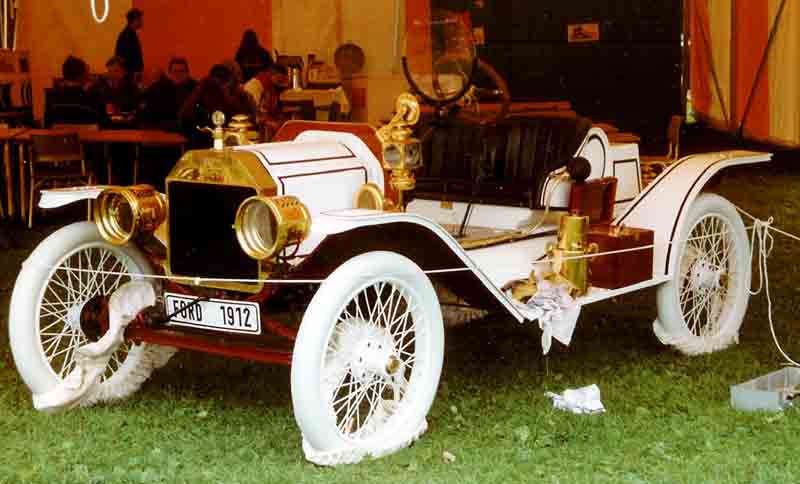
Ford Model T
"...think of all the evolution of automotive from the Model T to now we have diesel trucks that make over a tho..."
The Ford Model T was one of the first cars made in large numbers, so more people could afford to drive. It’s used as a starting point to show how cars changed over time, including the move to modern engines like diesel. In short, it’s an important early milestone in car history.
The Ford Model T is an early mass-produced automobile that helped kick off widespread car ownership in the United States. It’s often used as a reference point when discussing how far automotive technology and manufacturing have evolved—from simple early engines to today’s advanced diesel-powered trucks. Because it represents the start of modern automotive scale, it’s a common “before and after” example in historical conversations.
torque
"from the Model T to now we have diesel trucks that make over a thousand foot pounds of torque and all the payloads and everything like that."
Torque is the engine’s pulling/twisting strength. Higher torque usually helps a truck move heavy loads more easily.
Torque is the twisting force an engine produces, and it strongly influences how quickly a vehicle can accelerate and how well it can pull heavy loads. Diesel trucks are often discussed in terms of high torque because it helps with towing and hauling.
Request an Explanation
Heard something you'd like explained? We'll add it to this episode.
Sign in to request explanations for terms you heard.
Want to learn more?
Browse our glossary for plain-English explanations of automotive terms, jargon, and concepts.
Help improve this episode
See something that's not quite right? Our annotations are AI-generated and can sometimes miss the mark. Click the flag icon on any annotation to suggest a correction.