A deep dive into the legacy of Claudio Lombardi, the mastermind behind some of the most successful rally engines, including the Fiat twin cam. Jason Cammisa and Derek Tam-Scott discuss Lombardi's impact on motorsport and his innovative designs that led to numerous rally championships. They also share insights from Jason's recent visit to Gordon Murray's GMA, highlighting Murray's engineering philosophy and the unique characteristics of his cars. The episode blends personal anecdotes with technical discussions, making it a fascinating listen for those interested in automotive history and engineering.
We recently lost Claudio Lombardi, one of the most brilliant and innovative engineers of all time. Today’s episode discusses the legacy of rally-winning engines in his wake, as well as the origins of those engines in their various forms going all the way back to the early 1950s.
===
This episode is sponsored by Battery Tender.
Visit https://www.batterytender.com/ and use code HAGERTY20 for 20% off.
===
This week's episode covers many wins - not just motorsport-related ones! We begin with a recent trip to England, where Jason & his dream team walked away with several notable awards from the International Motor Film Awards, including Best Journalism Film for the fourth time in a row!
While across the pond, Jason also makes an appearance at Gordon Murray Automotive to tour the factory and meet Gordon Murray himself, who gives a nut-and-bolt rundown of the latest and greatest, including the GMA T.50, T.50s, T.33, and T.33 Spider. Jason and crew then a detour over to Gordon’s personal car and motorcycle collection, including a Mercedes-Benz McLaren SLR XP and, familiarly, a Ferrari 308 GT4. Interestingly, however, most of his favorites are manual transmission, twin-cam four cylinders - which segues into this episode’s main topic at hand.
Derek leads us along a history of Italian twin-cam engines, in both Fiat Lampredi and Alfa Busso forms - beginning in the 1950s and continuing for nearly 50 years. The basic architecture of these engines powered everything from the Alfa Romeo Giulia to V12-powered Ferrari 275 GTB. The evolution of these engines brought both turbocharging and supercharging into the mix, and took Lancia to win many rally championships in cars like the Lancia 037 and Delta Integrale - while also ushering along many eras of notable passenger cars including but not limited to to the Alfa Romeo 164.
All this and more, on this week's episode of The Carmudgeon Show.
Learn more about your ad choices. Visit megaphone.fm/adchoices
"...I winterized a car yesterday. Is that what you have a jacket on? Yes. This is the hangover from winterizing a car"
Winterizing a car means getting it ready for winter so it runs well in cold weather. This includes checking things like the battery and making sure the antifreeze is full to prevent freezing.
Winterizing a car involves preparing it for the colder months to ensure it operates efficiently and reliably. This can include checking the battery, antifreeze levels, and tire conditions, as well as using winter-grade oil and ensuring the wipers and lights are functioning properly.
"This episode of The Car Engine Show is sponsored by a battery tender. A battery tender makes battery maintainers and battery chargers and also jumper boxes that are built in with battery chargers."
Battery Tender is a company that makes devices to help keep car batteries charged. They have chargers that you can plug in to make sure your battery doesn't die when you're not using your car.
Battery Tender is a brand that specializes in battery maintainers and chargers, designed to keep car batteries charged and in good condition during storage or periods of inactivity.
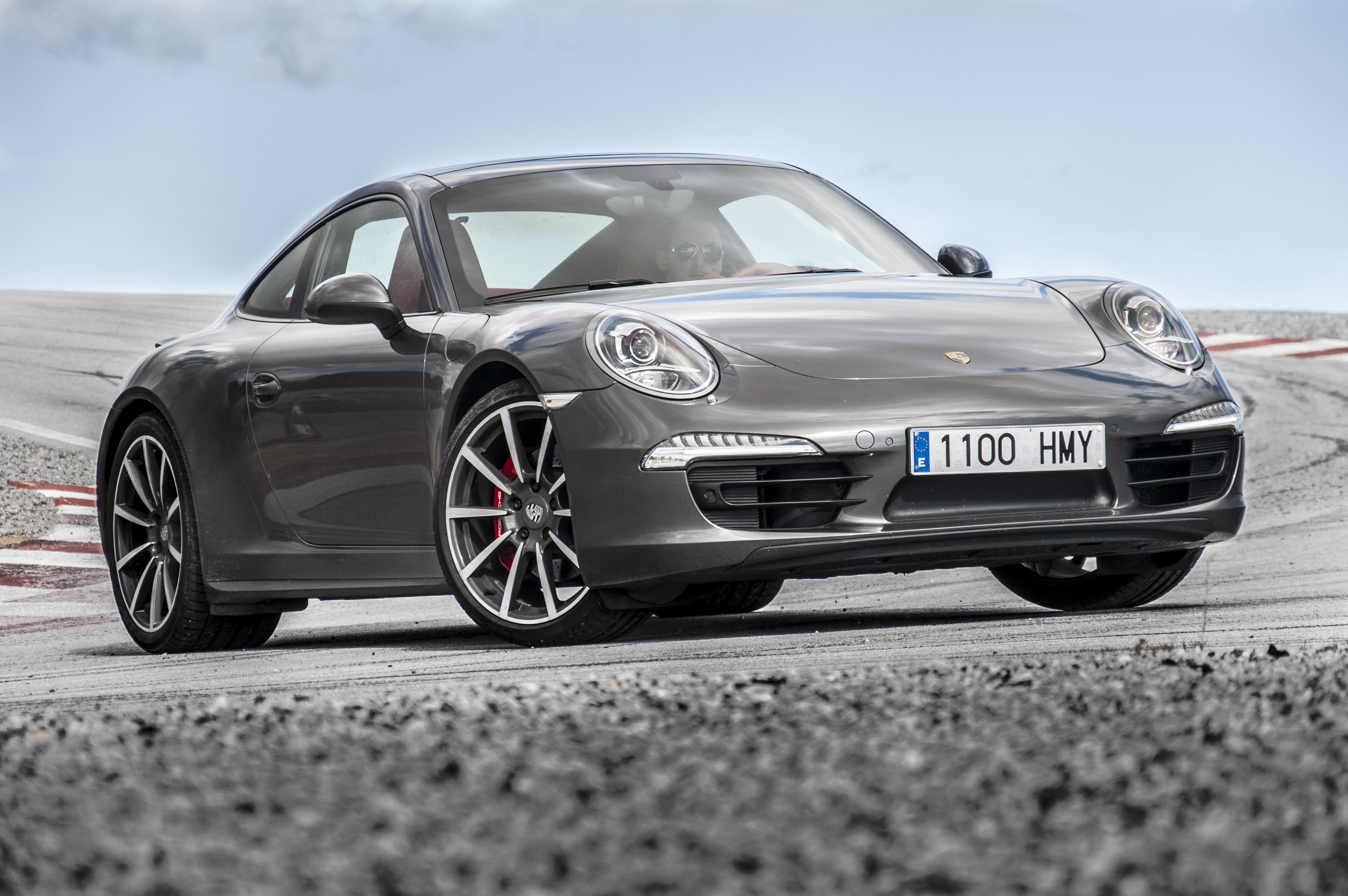
"I saw a couple of 911s. I saw a, an Alpha spider, beautiful, like 70s Alpha spider."
The Porsche 911 is a famous sports car that has been around for many years. It's known for its unique shape and powerful performance.
The Porsche 911 is a high-performance sports car that has been in production since 1964. It is known for its distinctive design and rear-engine layout, making it one of the most iconic sports cars in automotive history.
"...a spider. I did much better. I saw a Rolls Royce Silver Shadow just being driven around in London. Oh, I was go..."
The Rolls-Royce Silver Shadow is a very fancy car known for its luxury and comfort. It's made by Rolls-Royce, a brand famous for creating high-end vehicles.
The Rolls-Royce Silver Shadow is a luxury sedan produced from 1965 to 1980, known for its opulent design and smooth ride. It marked a significant shift in Rolls-Royce's production methods and is celebrated for its craftsmanship and elegance.
The Bentley S1 Continental is a fancy car made in the 1950s, known for being very stylish and comfortable to drive.
The Bentley S1 Continental is a luxury grand tourer produced from 1955 to 1959, known for its elegant design and powerful performance. It was one of the first Bentleys to feature a more streamlined body style.
"I saw a Rosso Dino, an orange Ferrari 246 Dino with flares and chairs just sitting in traffic."
The Ferrari 246 Dino is a classic sports car from the late 1960s, known for its great looks and performance.
The Ferrari 246 Dino is a classic sports car produced from 1969 to 1972, known for its mid-engine layout and beautiful design. It was named after Enzo Ferrari's son, Alfredino 'Dino' Ferrari.
"...my sort of first intro to Peugeot, Renault and all these other brands that we just didn't have in the U.S. And I've kept up with everything..."
Peugeot is a car brand from France that makes different types of cars. They have been around for a long time and are known for their unique designs.
Peugeot is a French automotive manufacturer known for producing a range of vehicles, including sedans, hatchbacks, and SUVs. The brand has a long history and is recognized for its innovative designs and engineering.
"...my sort of first intro to Peugeot, Renault and all these other brands that we just didn't have in the U.S. And I've kept up with everything..."
Renault is a car brand from France that makes many kinds of vehicles, including small cars and vans. They are known for trying new ideas in their designs.
Renault is another French automotive manufacturer that produces a wide variety of vehicles, from compact cars to commercial vehicles. The brand is known for its focus on innovation and sustainability.
"...we had weird cars. Yes. And Toyotas, foreign jobs..."
Toyota is a well-known car brand from Japan that makes cars that are usually very reliable and good on gas. They are one of the biggest car companies in the world.
Toyota is a Japanese automotive manufacturer known for its reliable and fuel-efficient vehicles. The brand is one of the largest car manufacturers in the world and has a strong reputation for quality.
"And we're up against like the F1 movie. And there's a movie with Tom Cruise, whatever, Top Gun or whatever the fuck."
F1 stands for Formula 1, which is a type of car racing that takes place on tracks around the world. It's known for fast cars and skilled drivers.
F1, or Formula 1, is the highest class of international auto racing for single-seater formula racing cars. It features a series of races known as Grands Prix, held on various circuits around the world.
"...cars are built and maintained and worked on and engineered and all that other stuff. Facility was 10 out of 10 gorgeous from start to finish..."
Engineering is the process of designing and building cars. It involves making sure the car works well, is safe, and looks good. Engineers think about how to make cars better in many ways.
Engineering in automotive terms refers to the design and development of vehicles, focusing on aspects like performance, safety, and aesthetics. It encompasses everything from the structural integrity of the car to the efficiency of its components.
"...because he's Gordon Murray. He designed everything in it. He did the interior decorating..."
Gordon Murray is a famous car designer and engineer. He is known for creating some really fast and special cars, like the McLaren F1, and is respected for his innovative ideas about how to make cars lighter and better.
Gordon Murray is a renowned automotive engineer and designer, best known for his work on high-performance cars, including the McLaren F1. He has a reputation for innovation in lightweight vehicle design and engineering excellence.
"from design to arrow to building an engine to building a transmission to making the user interface to making it sellable, saleable. The entire process from A to Z, there is probably one person on the planet. You can do it."
Aerodynamics is about how air moves around cars. Good aerodynamics helps cars go faster and use less fuel by reducing air resistance.
Aerodynamics refers to the way air interacts with moving objects, particularly vehicles. It plays a crucial role in vehicle design, affecting performance, fuel efficiency, and stability at high speeds.
"...that happened with the McLaren F1 and it's happening again now with the GMA. It's just such an incredible experience to interact..."
The McLaren F1 is a very famous sports car that was made in the 1990s. It's known for being really fast and having a unique design, making it one of the best cars ever built.
The McLaren F1 is a legendary supercar known for its innovative design and engineering, featuring a lightweight carbon fiber structure and a powerful BMW-sourced V12 engine. It is often regarded as one of the greatest sports cars of all time, with a focus on performance and driving experience.
"...if I driven either F1 or T50. And I said, no. And the reason I haven't driven an F1 yet is you're only a virgin once..."
The T50 is a supercar created by a famous car designer named Gordon Murray. It's built to be very light and fast, making it a thrilling car to drive.
The T50 is a supercar designed by Gordon Murray, known for its lightweight construction and high-revving V12 engine. It aims to provide an engaging driving experience with a focus on driver involvement and performance.
"...ars. I said, he asked me if I driven either F1 or T50. And I said, no. And the reason I haven't driven..."
The T.50 is a new supercar designed by a famous car engineer, known for being very light and having a powerful engine. It's made in very small numbers, so it's quite rare.
The Gordon Murray Automotive T.50 is a modern supercar designed by renowned automotive engineer Gordon Murray, known for its lightweight construction and high-revving V12 engine. It aims to deliver an unparalleled driving experience and is limited in production, making it highly exclusive.
"that Cosworth at 12,000 RPM Cosworth V12 sounded synthetic and it sounded tuned."
The Cosworth V12 is a powerful engine made by Cosworth, famous for making high-performance engines for racing. It can rev very high, which makes it sound exciting.
The Cosworth V12 is a high-performance engine designed by Cosworth, known for its engineering excellence in motorsport. This engine is capable of high RPMs, providing exceptional power and sound characteristics.
"that Cosworth at 12,000 RPM Cosworth V12 sounded synthetic and it sounded tuned."
12,000 RPM means the engine can spin very fast, which helps it produce a lot of power. Sports cars often have engines that can reach high RPMs for better performance.
12,000 RPM refers to the engine's revolutions per minute, indicating how fast the engine can spin. High RPMs are often associated with high performance and power in sports cars.
"He said, yeah, the LFA seems contrived. You can tell it's been tuned and..."
The Lexus LFA is a very special sports car made by Lexus, known for its powerful engine and unique design. It was made in limited numbers, making it quite rare and sought after.
The Lexus LFA is a limited-production supercar that was produced from 2010 to 2012, known for its high-revving V10 engine and advanced technology. It represents Lexus's foray into the high-performance market and is celebrated for its engineering and driving experience.
"...if there was a blanket rule that there would be no bolts with a larger than a 10 millimeter head on the entire car. If you needed something larger than 10 millimeter, you had to go to him and make your case."
A '10 millimeter head' is a measurement of how big the top part of a bolt is. In cars, using smaller bolts can help make them lighter, which is important for performance.
The term '10 millimeter head' refers to the size of the bolt's head, which is a common specification in automotive engineering. In this context, it indicates a focus on weight reduction by limiting the size of fasteners used in the construction of the car.
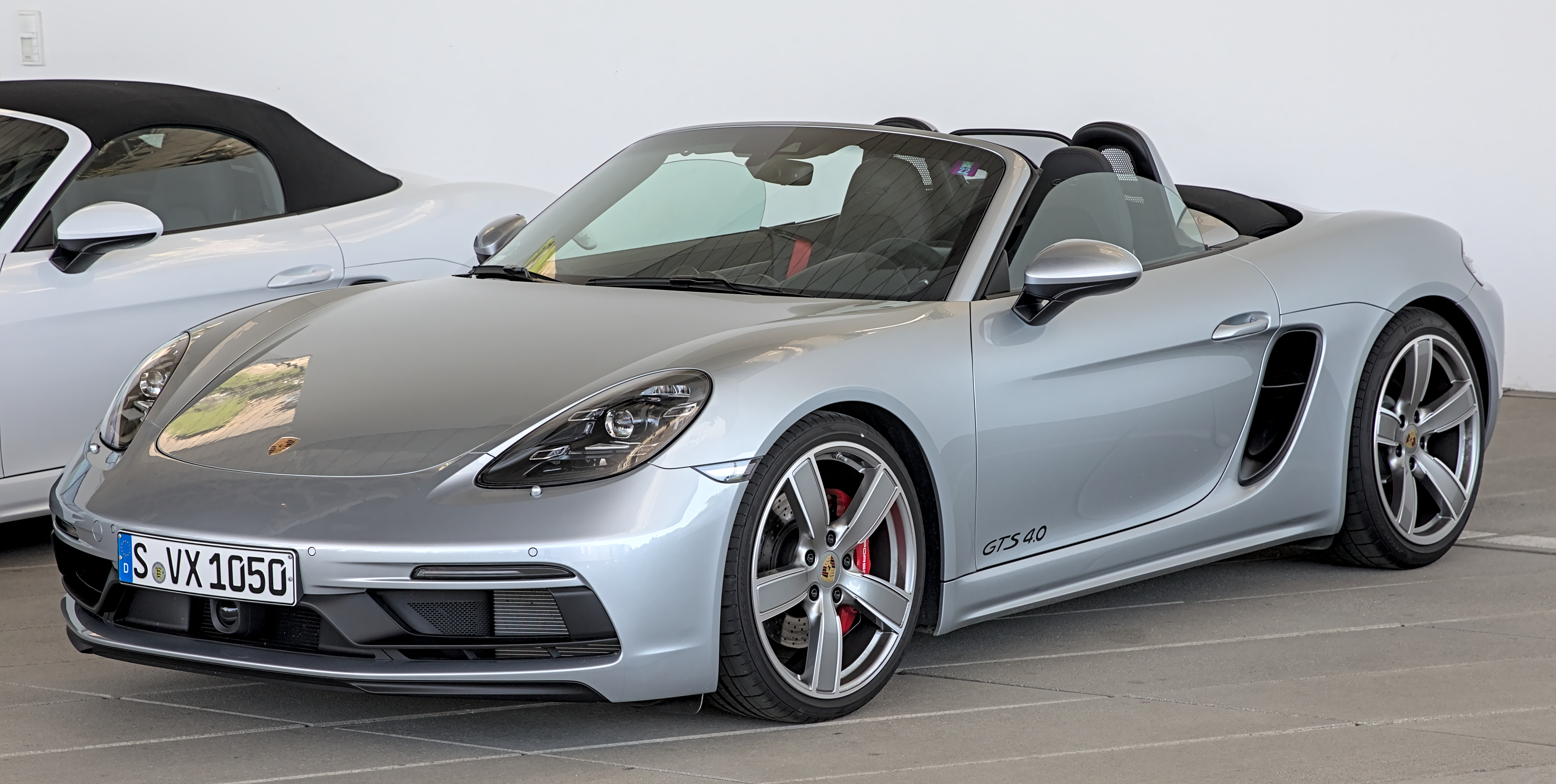
"about this car is that it is physically smaller than a new Porsche Boxster. Yet it has a 6.1 liter V12 in there."
The Porsche Boxster is a small sports car that is fun to drive. It's designed to be lightweight and has a convertible top.
The Porsche Boxster is a mid-engine roadster known for its sporty performance and handling. It's a popular model in the Porsche lineup, offering a balance of luxury and driving excitement.
"...wing. It's like, it's over a foot shorter than an XJ220. It's six inches narrower than an F40, even thou..."
The Jaguar XJ220 is a very fast and powerful sports car from the 1990s. It was designed to be super quick and was once the fastest car you could buy.
The Jaguar XJ220 is a supercar that was produced in the early 1990s, originally conceived as a race car before becoming a street-legal model. It was notable for its twin-turbo V6 engine and was once the fastest production car in the world.
"Like it's got a 48 volt motor generator in the back. The T50."
A 48 volt motor generator helps power the car's electrical systems and can also help save energy. It's used in some modern cars to make them more efficient.
A 48 volt motor generator is an electrical component that can both generate electricity and provide power to various systems in a vehicle. It's often used in hybrid and electric vehicles to improve efficiency and performance.
"he hopped into his blue Alpine A110 and fucked right off out of the parking lot."
The Alpine A110 is a small sports car that's very fun to drive. It's designed to be light and quick, making it great for sharp turns and fast driving.
The Alpine A110 is a lightweight sports car known for its agile handling and performance. It features a mid-engine layout and is designed for driving enthusiasts.
"Was the 308 GT4 there? The 308 GT4, yes, it was."
The Ferrari 308 GT4 is a classic sports car from Ferrari. It's known for being fast and has a unique look that many car fans love.
The Ferrari 308 GT4 is a mid-engine sports car that was produced in the 1970s and 1980s. It features a distinctive design and is known for its performance and handling.
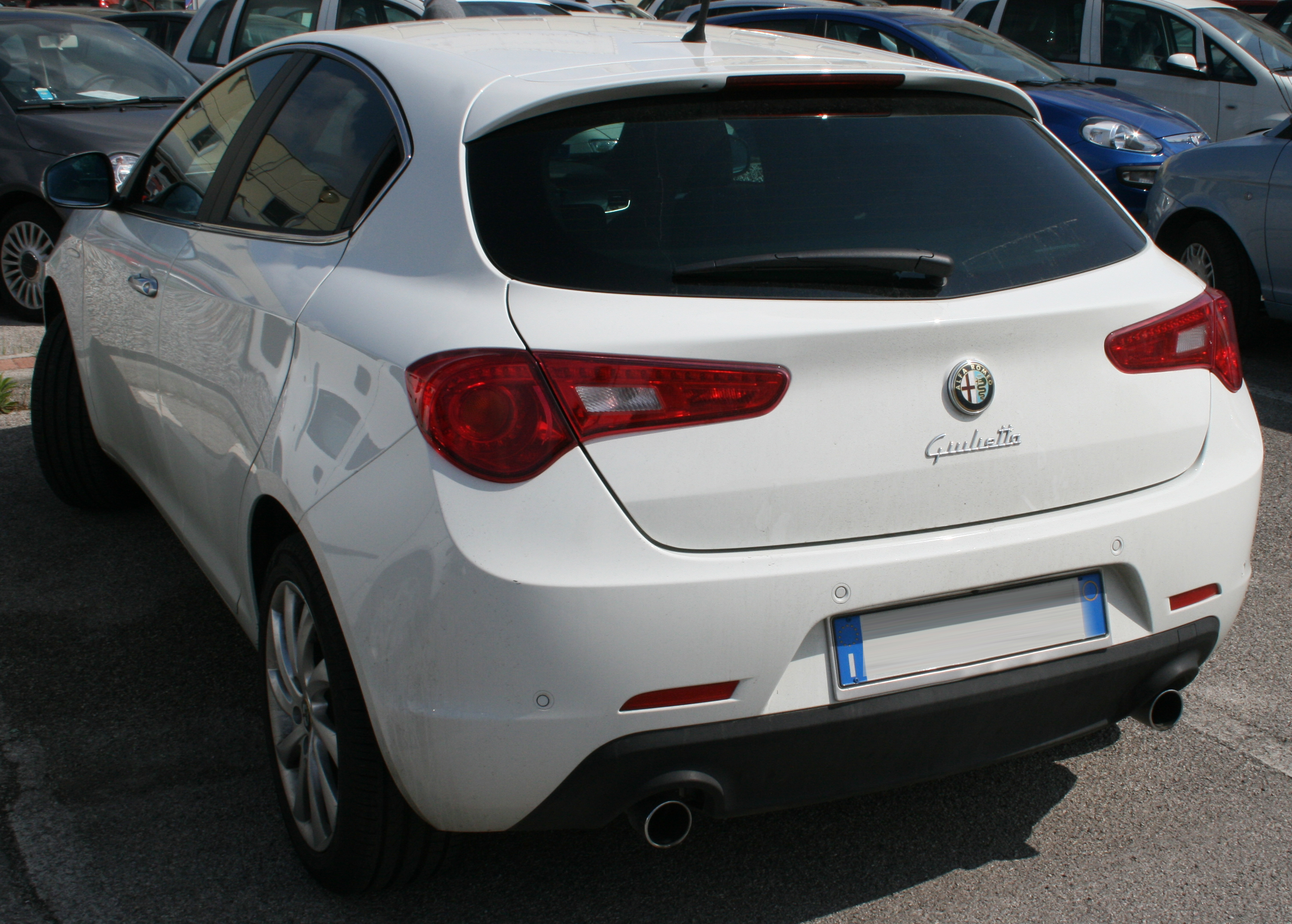
"But his favorite is the Alpha. The Busso twin cam four-cylinder, the Giulietta."
The Alfa Romeo Giulietta is a small car that is fun to drive and looks stylish. It has been made in different versions over the years.
The Alfa Romeo Giulietta is a compact car known for its sporty design and performance. The model has a rich history and has been produced in various forms since the 1950s.
"a large naturally aspirated engine. And so he instead, Lempreti designed a large, you know,"
A naturally aspirated engine gets its air from the atmosphere without any extra help from turbochargers or superchargers. This makes it simpler and often gives a smooth power delivery.
A naturally aspirated engine relies on atmospheric pressure to draw air into the combustion chamber, as opposed to using a turbocharger or supercharger. This type of engine typically offers a more linear power delivery and is often favored for its simplicity and responsiveness.
"It was used in the 250 Europa in three-liter form and it was used in the 410."
The Ferrari 250 Europa is a vintage sports car from the 1950s that has a powerful three-liter engine. It's known for its speed and beautiful design.
The Ferrari 250 Europa is a classic sports car that features a three-liter V12 engine, known for its performance and design. It is part of the iconic 250 series that Ferrari produced in the 1950s.
"It was used in the 410. And all those cars are really, really beastly, 340, 375."
The Ferrari 410 is a classic sports car that has a strong engine and is famous for its racing history. It's one of the notable models from Ferrari.
The Ferrari 410 is a high-performance sports car that features a powerful V12 engine. It is known for its racing pedigree and is part of Ferrari's rich history in motorsport.
"...ink of as the sort of classic 50s and 60s and 70s Ferrari 12 cylinder engines. And then that even became, jus..."
The Ferrari 812 Superfast is a very fast and luxurious sports car with a big engine. It's designed for people who love speed and high-end features.
The Ferrari 812 Superfast is a high-performance grand tourer that features a powerful V12 engine and advanced aerodynamics. Launched in 2017, it represents the pinnacle of Ferrari's engineering and design, combining speed with luxury.
"...ne ever. And so this engine was used in the Fiat 124 Spider, where it did rally a little bit, not terribly su..."
The Fiat 124 Spider is a small convertible car that is fun to drive. It has a sporty look and was popular in racing events.
The Fiat 124 Spider is a classic convertible sports car that was first introduced in the 1960s and is known for its stylish design and spirited performance. It has a rich motorsport heritage, including success in rallying.
"...t, not terribly successfully, because the Lancia Stratos arrived. And then the Stratos gave way to the 131..."
The Lancia Stratos is a famous rally car from the 1970s known for its unique shape and speed. It was very successful in racing and is loved by car fans.
The Lancia Stratos is a legendary rally car that was produced in the 1970s, famous for its distinctive wedge shape and incredible performance on the rally circuit. It won multiple World Rally Championships and is considered one of the greatest rally cars of all time.
"...l into the 90s, because that was also in the Tipo Quattro cars, Alpha 164, used the Lombardi. Yes, never s..."
The Audi Quattro is a sporty car that can drive well in all kinds of weather because it has all-wheel drive. It was very important in car racing and changed how cars are made.
The Audi Quattro is a revolutionary all-wheel-drive sports car that debuted in the early 1980s, significantly influencing the automotive industry and rally racing. It is known for its performance and handling, particularly in challenging weather conditions.
".... It's a little more... Hold on, I drove a Lancia Beta. Oh, yeah. A Scorpion, which is a 1.5, I think. ..."
The Lancia Beta is a small car made in the 1970s and 80s, known for its interesting design. It came in different styles, like a coupe or a hatchback.
The Lancia Beta is a compact car produced from the 1970s to the early 1980s, known for its innovative design and engineering. It was available in various body styles and is remembered for its unique styling and driving characteristics.
".... That's why. And people don't... You drive a BMW E30M3 and it's fucking wretched as an engine. So it's ..."
The BMW M3 is a fast and sporty version of a regular BMW car. It's known for being really fun to drive and has a powerful engine.
The BMW M3 is a high-performance version of the BMW 3 Series, known for its powerful engines and sporty handling. Since its introduction in the mid-1980s, it has become an icon in the sports sedan segment, celebrated for its driving dynamics.
"... take that same engine or even a two liter from a GTV and then you drive a later injected spider from ..."
The Alfa Romeo GTV is a stylish two-door car that is fun to drive. It has a sporty look and is known for being enjoyable on the road.
The Alfa Romeo GTV is a classic sports coupe that was produced from the late 1960s through the early 2000s, known for its stylish design and spirited performance. It features a range of engines and is celebrated for its engaging driving dynamics.
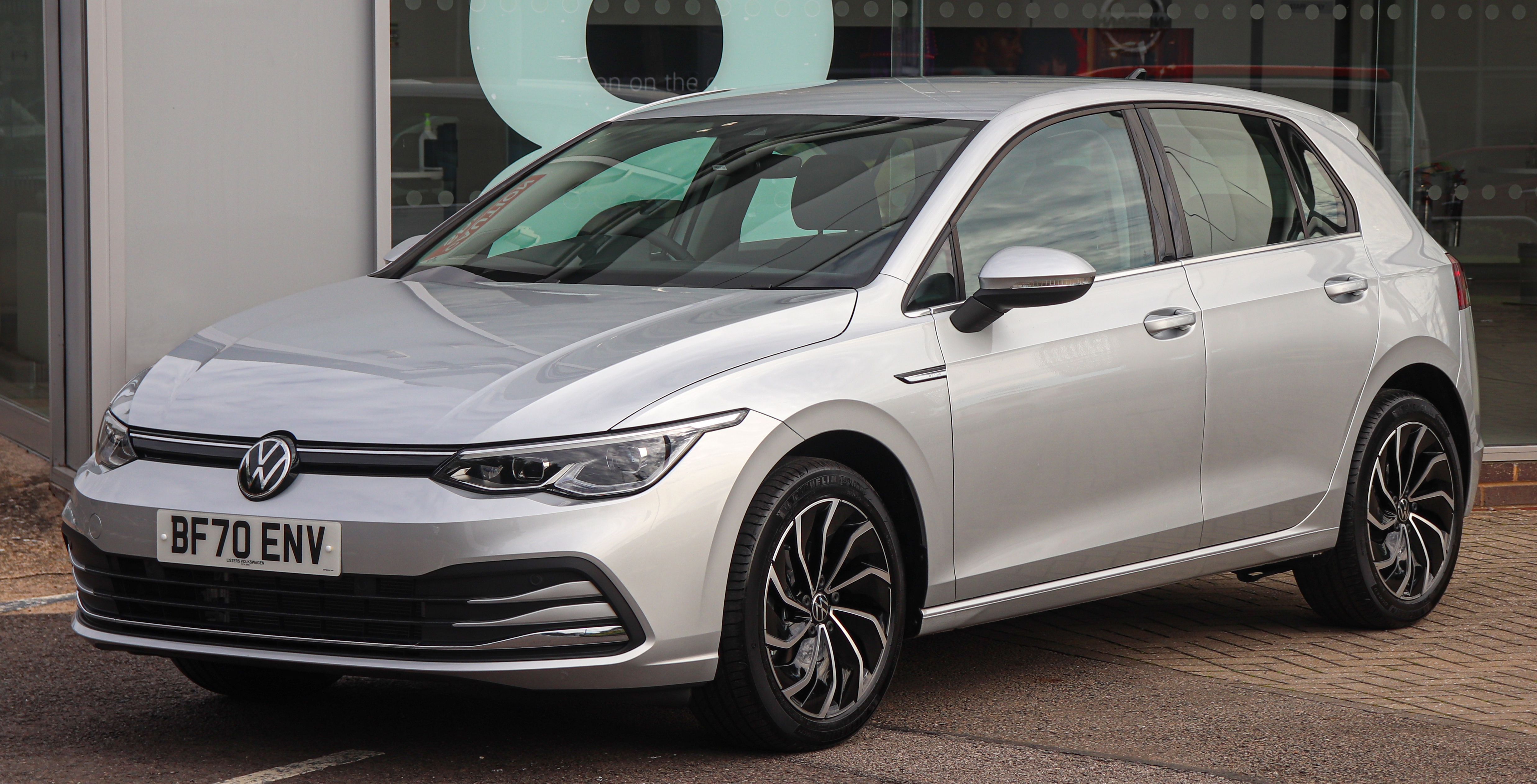
The Porsche Macan is a small luxury SUV that offers a sporty feel while being practical for everyday use. It's known for its stylish design and high-quality interior.
The Porsche Macan is a compact luxury SUV that combines sporty performance with practicality. Launched in 2014, it has quickly become one of Porsche's best-selling models due to its dynamic handling and upscale interior.
Select text to request an explanation
Hello. Hello. Good morning to you.
Afternoon, evening. Do we know?
Just depends on when one is consuming the Car Margin show.
We need to record multiple versions of this and have everyone's YouTube player slash
podcast provider automatically adjusted so we can say happy 132 p.m. to you.
Is that what the future holds for us? It could be done.
Okay, this episode of the Car Margin show is presented by the same Car Margin's that
usually presented Jason Camisa, Derek Tam, Hyphen Scott.
We talk about Jason's recent visit to the United Kingdom, including GMA and also the
recent passage, if we can use that term, of a motoring icon who was responsible for some of
the greatest rally car engines of all time and also Formula One and also motorcycles.
Don't tell them what it is. Okay.
They're going to have to wait till after the bumper.
Okay. We'll learn about who that was and what engines he did that are all fabulous and high
achieving hint. It's from Italy. Chalker.
Yeah. The land of great engines. All right. I will now clap and then we will get the jingle.
Do it again.
It's a bass. See, if you're an engine designer, it would be like the world's first tenor
four cylinders. Yeah. But I'm not. So instead, I'm just stuck here clapping poorly. Okay.
Onto the jingle.
Winter's coming, John Snow.
Is this some kind of TV reference of some kind? I don't watch TV. This is maybe not a secret.
I don't watch TV either. And yet I know that because everyone knows two things. Number one,
winter's coming. And that's Game of Thrones. Okay. Which is not just TV. It's like television.
Okay. You didn't. You genuinely don't know? No, no, no. I do know that's a TV show,
but I've never seen it. Normally, I'm the one who's just a completely miss all cultural references,
but even I saw Game of Thrones. But also ignore the fact that I'm in a t-shirt because winter's
coming. Also, winter is what destroys one of the things that destroys car batteries.
And cars generally. I winterized a car yesterday.
Is that what you have a jacket on? Yes. This is the hangover from winterizing a car
yesterday. No, I was in Maine yesterday and prepared a car for winter storage.
Did you put a battery tender brand battery charger on it? Of course. You did? Naturally.
Recently acquired and the car came with one. Oh, yeah. That's a smart owner. This episode of
The Car Engine Show is sponsored by a battery tender. A battery tender makes battery maintainers
and battery chargers and also jumper boxes that are built in with battery chargers.
So you get in your car and if you've forgotten to plug in your battery tender battery maintainer,
you can jump it. Or your car is just that sad that it has an incredible draw,
but if you leave it for an hour, it flattens the battery. Then battery tender is your solution.
Yes. Don't wait until spring to have to go buy a new battery. This is the time to go get a battery
tender. Battery maintainer and you can save 20% or more on your car insurance. No, on your battery
tender. We can't give a discount on Hagerty car insurance. No, on your battery tender using the
code Hagerty20 at battery tender's website. This is battery tender.com. Is that an HTTPS
colon forward slash forward slash? Don't you hate it when people say backslash because there are
no backslashes in URLs? In URLs, correct. They are elsewhere probably. Yeah, in file structures.
Yes, exactly. And that's DOS for the win. Okay. I apologize for my caffeinatedness. I am still a
bit jet lagged. Because? I've just come back from London. That must make your arms very tired.
Yeah. Okay. Here. Have my coffee sticker. Yes. I have some things to note about British cars on
the road. I've never seen such a lack of color in my life as the cars on it is everything is gray
or black. Isn't that true here? We add white and a little bit of blue and they basically toned. So
we walked around for a full day around London. I think I saw one car that it wasn't exaggerating,
obviously. But yeah, easily the most drab colored fleet of cars I've seen in recent memory. Also
Hamburg? More than Germany. Yeah. Germany, you'll occasionally see some really outrageous thing that
you know is the result of someone in the 90s having done Harlequin or something like that.
So there is that. And then there's the, the, the noted, the other thing I noticed is that traffic
moves at such an incredible pace when it finally like London traffic is horrendous. But when the
lights turn, everyone goes and you know, I haven't spent a lot of time in Europe in the last couple
years. And it was a lovely reminder that cars can accelerate and corner and spate, you know,
Americans travel with a big bubble of personal space and Europeans don't. And I love that.
Yeah. Did you see many old cars out and about? Because that was another thing that I noticed
when I was there. You don't. What? I did. You did? Yeah. I saw a lot of old cars being used.
I saw a couple of 911s. I saw a, an Alpha spider, beautiful, like 70s Alpha spider.
I did much better. I saw a Rolls Royce Silver Shadow just being driven around in London.
Oh, I was going to say, were you at Goodwood? No, no, no. I was just being driven around London.
Also in London Regents Park, I saw an S1, a Bentley S1 Continental.
Okay. I was in an area where one would not see such things.
And I saw a Rosso Dino, an orange Ferrari 246 Dino with flares and chairs just sitting in traffic.
Oh my God. So we were in a scummy, scuzzy location at a shitty hotel.
But so there were no nice cars. There were, however, many brands of cars that I had never
heard of. And this is like as an automotive journalist, like. Were they Chinese? Yeah.
Big demerit points that I've never, I didn't even know what the fuck they were. Like,
how do you pronounce these names? This is not good. So I need to. Well, the American
market is insular because we have protective tariffs. We could talk about tariffs again.
We did. We're not going to do that. But no, the, yeah, very, very, this is the first time in my
life that I've gone to Europe and said, what's that? You know, given I moved when I was 15,
moved to Germany. And that was my sort of first intro to Pugeot, Renault and all these other
brands that we just didn't have in the U.S. And I've kept up with everything. Despite the
fact that your family had a Pugeot. Okay. That's also true. And I saw, we had weird cars.
Yes. And Toyotas, foreign jobs. But I was in London for two things. Number one,
we were there for the International Motor Films Award ceremony. Congratulations.
Thank you. This is the fourth year in a row. Did you have to check a bag on your way back
because of all your hardware? Are they mailing it to you? No, but I'll do an insert of the trophy.
The trophy is quite dangerous looking. Not TSA safe. No, but so I do have to every year
I've had to talk my way through security. Oh, so you did bring it with you? I did. I brought it back.
It's a huge honor to win. So the Motor Films Awards, we are up against,
I should say we're up against our category. We were nominated six times in documentary short,
documentary episode, journalism film and a technical achievement award for cinematography.
And we're up against like the F1 movie. And there's a movie with Tom Cruise, whatever,
Top Gun or whatever the fuck. I don't even know. You don't watch TV shows, I don't watch movies.
I watch neither. And so it's really wild to go on stage and accept an award after F1 has just
accepted an award. But it's really, it means something that the best producers of automotive
content in the world are recognizing what we do. And so this was the Best Journalism Film Award
was for ZR1, which was kind of fun. Do you get to show them all of the stuff that you engineer?
No, you don't want to give out your secrets in terms of how you get stuff done. I just always
think it's amazing that your budgets are literally in order of magnitude smaller than
the sort of legacy production style. We are, the budget for an icons would be smaller than
the food budget on a 30 second commercial and we make a 30 minute video. And we beat them,
which is again, not necessarily in the same category. I mean, but yeah, it's just, it's,
it's wild. I'm guessing most of the film people in there understand how we do some of the things
that we do. But the general consensus is always they're running over to us going like, we don't
know how you guys do this on YouTube. The best part of this whole thing was for the first time
ever the international, the Best Journalism Film Award was split into two. There was a double win.
And when they came out with two trophies, we're like, oh no,
Lincoln, what's this going to be? And the other winner was Henry Catchpole also on the Haggerty
channel. And so I just immediately, I took a selfie of me and Henry and I send it right to
my boss. And I'm like, if you need to tell the powers that be at Haggerty that like, to show them
that we are absolutely shitting on the rest of the, the industry and that's no offense to the
rest of the industry, but we're shitting on you. Here, here you go. Henry has won. This is his
third. This is our fourth. So he won two in a row, which I don't think it had ever been done before.
And then we won now four in a row and, you know, the last one to split with him. So it's just,
it's really nice feedback. Congratulations. So yeah, big year this year, because we got six
nominations there, one one, we won six tellies in June, July, whenever that was a couple months ago.
And I've never been a trophy collector, but that's nice to have the recognition.
Yep. So anyway, so we're there for that. And since the flights were fortune and whatnot,
and I'm a whore, I thought, can I, let me just call GMA and say, right,
can I just have five minutes with Gordon Murray, please?
The answer to that was sure. And Gordon cleared his entire schedule for more than half a day for
us. So we landed, it was me, Anthony Esposito, who's my director, and Rob Sanders, who's our editor.
And the three of us got off the plane, rinsed off really quickly and went to GMA where Gordon
met us and we spent the day with Gordon Murray. Is there going to be a consumable output from
that experience? This was definitely the, the intention was to definitely establish a relationship
and we have irons and fires. Okay. But the, I don't, I don't know how to say this other than to
spend any appreciable time with him. He's everything Enzo fucking Ferrari wasn't. Yeah.
He's a genuinely nice first, first of, he's been very ill for the last couple of years.
Looks amazing. He had a feeding tube for a while. I mean, he was in, he had cancer.
Absolutely great shape running up and down flights of stairs, giving us a tour
of the entire facility as if it had been his very first ever tour, like smiling the whole time,
just so proud of what he's built. That facility is unbelievable. And he said, we want to build
this. We want, we encourage, he said, unlike other automakers who want to hide from, from our
customers and our buyers, we encourage them to come here. So they have a room where you
could throw a party, for example, you know, with your cars in the room or without your cars in
the room. There are a couple of bars. There's just like this unbelievable workshop where the
cars are built and maintained and worked on and engineered and all that other stuff.
Facility was 10 out of 10 gorgeous from start to finish. He designed the building
because he's Gordon Murray. He designed everything in it. He did the interior decorating. He chose
the colors and it's a lot of pastel, like 1950 diners vibe stuff. I took not one photo. They
said on the way in, please no photos once you're inside. And I took that to mean just put your
cameras away and enjoy the moment. So sorry, I don't have anything to show for this, but great
fun the entire time. He knows everything about this car, the weight of individual components.
Like, Oh, well, we saved 300 grams by doing this. And he's just kind of sort of handing us
like their cars that are being built. And he's like pulls off a piece and he's like,
feel that look at how light that is. And it's got 3.2 times the tensile. The man is amazing.
He is without question. As the PR guy put it this way, and I hate to repeat something a PR guy
said, but it was a genius line. If you walked around the industry and found one and looked for
a person who could design a car from start to finish, from design to arrow to building an engine
to building a transmission to making the user interface to making it sellable, saleable. The
entire process from A to Z, there is probably one person on the planet. You can do it. And it's
Gordon Murray. He is a God possible candidate for one of the greatest car. I don't even know
what you call him designers of all time. It's he's so accomplished that it's hard to even put a
familiar term on what he's able to do. I mean, I would do an icons episode on him,
except it's been done. There are a lot of people have said a lot of things and interviewed him
and they've done it better than I have the budget to do or could do, frankly. So I won't do
Gordon Murray icons, but he is the icon. He's the titan of this industry who we all should
be looking up to. And the thing that is most magnificent, and this was sort of the impression
that I came away from the McLaren F1 with, which is that they took, there's this great quote from
somebody who was an original F1 owner. And I'm going to try and paraphrase it or maybe even do
the best I can with it, which is that how often does one guy, one guy who is supremely qualified
at just absolutely everything that and does he get to have all the tools that he needs to make
the ultimate anything in the world, whatever it is, whether it's a firearm or a airplane or a
watch or a wrist watch, anything, how often does that happen? And that happened with the McLaren F1
and it's happening again now with the GMA. It's just such an incredible experience to interact
with those cars. And we can talk about this at some point, but I drove another F1 and that
experience really highlights how totally different of a league that car is in from anything else
that I have experienced. And that's why I'm very excited for at some point for you to drive one
of those cars. I said, he asked me if I driven either F1 or T50. And I said, no. And the reason I
haven't driven an F1 yet is you're only a virgin once. And this time I want that
de-virginization process to be on camera. And he, he laughed and he was like, fair enough. I said,
I want that smile or that reaction to be real. And so I've turned down F1 drives because I wanted,
I want to make it count. So we need to make that happen. But I need to, I wanted to count because
I want to capture that moment. I think everything he wants in these cars is incidental to all the
bullshit that all the other car companies are considering. So misguided. So we were talking
about the sound. And so Anthony Esposito has not heard one in person yet. And he said, so, you
know, I said T50 and I said to Gordon, listen, I got to ride in it with Dario Francketti driving it.
And I said, Gordon, I got to be honest with you. I don't do drive alongs and I know that sounds
shitty, but I'm like, I'm not going to ride in a fucking car. I did fly to LA to ride in the T50.
And I'm glad I did because just the experience in the passenger seat was far orders of magnitude
more exhilarating than any car I've driven, any new car I've driven in the last 10 years.
And he was all smiles about that. And Anthony, who's an unbelievable talent with sound is like,
well, what was your real impression of it? And I said, well, when I saw it on video,
that Cosworth at 12,000 RPM Cosworth V12 sounded synthetic and it sounded tuned.
And it didn't in person. They're so multi-layered and it's not like LFA. Gordon jumped right in.
He said, yeah, the LFA seems contrived. You can tell it's been tuned and whatever.
And we had a great conversation about this sound. He agrees that the LFA is one of the
best sounding cars of all time. And Anthony asked him, how much time did you spend tuning
the exhaust sound on T50? And he said, not one second. And Anthony was like, that can't be.
And he's like, it is what it is. He said, we took the runner length and volume
numbers from Cosworth and the intake plenum volume from Cosworth. And we gave it what it
needed to make. And those are specs for power. We gave it exactly what it needed. And that was it.
We heard it run when it was installed in the car. We heard what it would sound like when it was
installed and running on the car. That's it. Oh my God. But when you have a product that you
engineer fundamentally properly from the get go, you don't have to worry about tuning.
This is kind of like an iPhone in some sense. It does have a lot of complex things,
but it is extremely difficult to make those complex procedures happen in a way that is
easy for the user. And so if you put all this thought, all the thought needs to happen at some
point, either on the part of the user, if you make something that's shitty and then the user
has to do all the thinking, or you put all the thinking in, then the user doesn't have to do
any thinking. But all that has to happen at some point. And so if you put all the sort of thinking
in upfront, then the resulting product won't need any sort of refining or unfucking at the
end of the process. It's very authentic. It's very authentic. And he was talking about his
involvement. So he had meetings continually throughout the development. I could have done
a two hour special on T50. And I absolutely left with enough that I could have written a magazine
article on this whole thing. But I took no notes and took no photos. And
it was just to get to know him. But like, you know, he was talking about his obsession with
weight along every step that he was talking about, if there was a blanket rule that there would be
no bolts with a larger than a 10 millimeter head on the entire car. If you needed something larger
than 10 millimeter, you had to go to him and make your case. And he would un-make the case.
And so the bolts holding the suspension uprights on are six. So the actual bolt itself is a six
mil. It's tiny. And he's like, there's no mass. So everything is done by load path. They start
with load path. And he's like, if you're, if you're focused on the end goal from the get go,
you don't need all this inefficiency. It was fucking brilliant. Anyway, this was another thing
about the F1. I mean, this is present in the F1. And that was one of the most mind blowing things
about this car is that it is physically smaller than a new Porsche Boxster. Yet it has a 6.1
liter V12 in there. And it seats 50% more people and has space for luggage. And it weighs 600
pounds less while still being a V12 and holding three people than a Porsche Boxster, which is not
exactly like a car you think of as wasteful or efficient. The package of that car is so mind
blowing. It's like, it's over a foot shorter than an XJ220. It's six inches narrower than an F40,
even though it seats three people, like it's just totally physics defying. It violates physics or
the laws of nature or something. There are so many cool things. Like it's got a 48 volt motor
generator in the back. The T50. The T50 does, sorry. And that's partially to run the fan and
whatever else, but they did all these calculations to figure out what they would need to do,
you know, on all this other, all this other stuff and came to the conclusion
that this big motor generator was necessary to run the fan, but also to replace the starter
and alternator. And one of the reasons why is the engine's tolerances are so tight to be able
to spin to 12.4, which is what he said it spins to, that it needs to spin the engine at 1200 RPM
for three and a half seconds at every start. And so- Is that for it to light off or for oil pressure?
For oil pressure, because they want oil pressure before it lights off. And so that explains the
weeeeeeeeee, boom, you get. It's just, there's so much great shit in there. Anyway,
but that's not the point of this episode. We then left and drove, he hopped into his blue Alpine A110
and fucked right off out of the parking lot. Like the man does not drive slowly. And we caught up
and met up at his underground car park where he stores his car collection. And of course,
the first thing I did was- Was the 308 GT4 there? The 308 GT4, yes, it was. We just got a picture
of the two of us together. In front of that, just to talk about everyone who says 308 GT4 suck.
It's his favorite Ferrari. He likes it better than a 246, or any other Ferrari's ever driven.
And it's ride quality and overall just packaging. And he loves so much about it.
However, one thing really stood out, which led us to ask him what his favorite engine
configuration was. And it's definitely a V12. He said, we had a long conversation about V12s,
but almost every single car in his collection is a four-cylinder. And now almost every car
in his collection is under 1,000 kilos. Or sounds like one. Or sounds like a case in the 308.
Ferrari was the heaviest car in the collection other than he has a XP, so an experimental prototype
McLaren SLR. But that is such an outlier in that collection. Like everything is manual,
everything is four-cylinder, and everything is under 1,000 kilos. And so you realize there's,
so I asked him, is four-cylinder your second favorite engine configuration? And it 100% is.
It is mine too. A talkative, carbureted, or a talkative, he said they're all twin cams.
All of his favorite four-cylinders are twin cams. No single cam lights his wick in the same way.
And I kind of feel the same way. I don't know of any single cam four-cylinder that really makes
me giggle. But his favorite is the Alpha. The Busso twin cam four-cylinder, the Giulietta.
He owns more Alpha twin cams than anything else. And his second seems to be the Lempreti.
Oh, the Lempreti twin cam. That helps us our segue into another topic that I noted.
Um, this is now going to be slightly old news for when you're watching this, but
the Claudio Lombardi who died last week, who was the man responsible, I think, for all of the
world rally wins that happened with Fiat Launcher Group. So that Alpha twin,
there's the Fiat twin cam, was designed by Lempreti, who designed airplane engines in World War
II and then shortly after the war, went to work for Ferrari on the recommendation of a mutual
acquaintance. And he went to Ferrari, who already had a bunch of guys there working, including some
names that we'll know, Giuseppe Busso was there. And also, Giacchino Colombo was there who had
already designed a 12-cylinder engine. And this is probably late 40s, early 50s. Ferrari is running
these relatively small V12s, not relatively, absolutely tiny V12s, one and a half liters
and two liters and 2.2s and stuff like that. These are all the Colombo engines and they were
running them supercharged in Formula One and they were sucking. And so they concluded that,
instead of running small supercharged ones, they would instead, because you had a compensation
factor for forced induction, for displacement, or you could run a, you know, by equivalency,
a large naturally aspirated engine. And so he instead, Lempreti designed a large, you know,
I think it was four and then four and a half liter V12, which was used in Formula One.
And this engine got them, Ferrari, their first ever Formula One race win in 1951, I think.
So he was there for a while, which was, he actually came and left. He initially left
because Busso and Colombo were there and he said, there's too many cooks in the kitchen.
And then Busso left and went to Alfa Romeo and designed the Alfa Twin Cam engine, which was,
you know, really a remarkable engine because it was in the, let's see, probably came out in 54.
It was aluminum twin cam, dual overhead, you know, dual overhead cam, cross-flow heads, of course,
revved to 7,000 RPM in the early 50s. That was, you know, it was 1,300 cc initially. Then it went
to 16, 17, 50, two liters. And so then after Busso left to go to Alfa Romeo, then Lempreti came
and designed the big V12, which got Ferrari, their first F1 win. And then Lempreti V12 was used in
some road cars. Yes, it was used in some road cars. It was used in the 250 Europa in three-liter
form and it was used in the 410. And all those cars are really, really beastly, 340, 375.
They're all really beastly. It's a really incredible engine that sounds very different
from the other Ferrari V12s that you will have heard. Which are all Colombo's. Which are all
Colombo's. And that Colombo was responsible for the 250 engine and the 275 and 330 and all these
engines that we think of as the sort of classic 50s and 60s and 70s Ferrari 12 cylinder engines.
And then that even became, just to bring it a little bit more modern, the 365 was the largest,
I think, of the Colombo engines, right? No, they made the 400 and 412 engine evolution.
So it was produced into the early 90s. Well, right. And, but also the Testerosa
was a flattened version of that Colombo V12, the Testerosa flat 12. And the V8 that became the 308
V8 was also a shortened version of that Colombo V12, same architecture, basically.
So that was, Colombo really was the master, the maestro of all Ferrari engines up until
into the 90s. There was also another engineer by the name of Rocky ROCCHI, who also was,
you know, taking on development in later years. But yes, he laid the groundwork for Ferrari,
for decades of Ferrari engines. So L'Empreti designed this engine, the big engine, and then left
and went to Fiat, where he designed the twin cam. He designed a whole bunch of engines actually,
maybe the most famous and high achieving of which was the twin cam. But
there was also, there were two other four cylinder engines there, which were not twin cams. One was
a Pushrod 4 that L'Empreti designed there. And then there was a single overhead cam engine for,
these are all four cylinders. There were three different four cylinder engines. And then there
was also a V6 that used the same architecture, but in six cylinder form as the single overhead
cam engine. So the twin cam was by far the most sort of illustrious. And this is the engine that
Claudio Lombardi sort of evolved into the world's most successful rally car engine ever. And so this
engine was used in the Fiat 124 Spider, where it did rally a little bit, not terribly successfully,
because the Lancia Stratos arrived. And then the Stratos gave way to the 131 was sort of,
that was a political decision to replace the 131, because they wanted the cars that were rallying
to be more recognizable, like mainstream consumer purchased products.
Political within the Fiat group, which had bought.
Which owned Lancia since 1969. Yes. So they said, let's make, let's win rallies instead with something
that looks closer to something that consumers can buy so that we can have the racing magic
rub off on regular old cars. So that was the 131, which was a three box shape with a,
the same engine that was used in 124s, at least the, the Spider and Coupe 124. The original 124
sedan had a single, it had a single cam, cam and block pushrod version of the same engine,
which was, you know, again, a Lampretti engine. So Lombardi was responsible for turning these
engines into the fire breathers that they were. And so they did this initially through,
you know, the traditional race car things, high compression ratios, aggressive cam timing,
lots of carburetor, good exhaust system design. Eventually they started forced induction.
And so he was the father of the twin charging. They did supercharging also of this engine.
There was the volume X, which was available in the road going launches and Fiat 124s.
And the initial 037, the first group B car to win after the introduction of group B was a super
charged version of this engine. And then when they went four wheel drive, they went also to twin
charging with the Delta S4. And then of course we've talked about this before, how everyone was
dying in group B, and there were lots of serious crashes. And so then they came, they replaced
it with group A, which was much milder. And they used a turbocharged version of that same engine
in the Integrale. So between all those cars, that engine and all this development, of course,
is happening under the watchful eye of Lombardi while he's there. All of this sort of these rally
cars, I think, won a total of 10 World Rally Championships in lots of different configurations,
ranging from naturally aspirated to supercharged to twin charged to turbocharged. So every
forced induction or non-force induction, every induction strategy you could ever
employ on an engine was used on this engine. And in every form of the car, because as the
131 naturally aspirated at one rally championship, this is the 037, the Delta S4 did win a rally
championship, actually, yeah. And it won in turn. So every single configuration that the engine was
made in won a World Rally Championship at some point. And the last five of those were in the
Integrale. And so even, so this engine came was was was ancient by the time it wound up in the
Delta Integrale. Yeah, it appeared in 1966, initially in the 124 and was still in production
well into the 90s, because that was also in the Tipo Quattro cars, Alpha 164, used the Lombardi.
Yes, never sold. That was mainly they were used twin sparks, but there was a Lampretti version,
a Lampretti engine version also available. So it was used into the the 90s. And actually,
the single cam engine was used into the 2000s, I think. Yeah, like past 2000.
So really a in one of the greatest, I think, internal combustion engines of all time.
And I the other thing, you know, have you, you've driven this engine in many forms probably,
you've driven a 037, you've driven an Integrale. Have you ever driven a naturally aspirated Fiat
Twin Cam? I'm trying to think. Be like a Fiat 124 fighter or 131 or 125.
What else? That was my next question. So one of the most charismatic four saunters I've ever
driven is the Alpha Twin Cam. How do they compare to each other?
They are more same than different. It's a little more... Hold on, I drove a Lancia Beta.
Oh, yeah. A Scorpion, which is a 1.5, I think. It was gutless. All I remember was it was...
Yeah, this was a injected US market car. Yeah. And this was something that happened, you know,
this engine, of course, arrived in 1966 before there was any real
emissions laws in place. And so they could tune it in the way that an Italian engine
would be tuned if left to their own devices. And it's put in a sports car, the 124.
You know, we could maybe take a little time to talk about the 124. You've not driven...
I know only the modern 124, which is a Miata. Yes, and turbocharged.
No, the turbocharged 1.4. You know, this car was a competitor to the Alpha Spider,
but less expensive. They sold, I think it was 200,000 124 Spiders total,
of which 170,000 were sold in the United States. Oh my God.
This car was... It was an interesting position in the market in the sense that, you know,
there were the traditional British sports cars, which had these long stroke, you know,
engines that were really torque favored for forward, shall we say?
Yes, but not Revi and didn't breathe at high RPMs because they weren't cross flow engines.
And, you know, it varied philosophically different from the Italian engines that we like,
which would be the Alpha and the Fiat twin cams. And so these are high revving engines that don't
make a ton of torque that you really got to beat the piss out of and drive like an Italian.
And then they're really fun and it's gratifying to rev them out. And, you know, this engine was
done by Fiat, who is a mass market company. It is the largest, you know, at some point,
probably was the largest car company in the world or certainly possibly... I think that's true,
but I'm not entirely sure. But it was a mass company in the way that Alfa Romeo was not.
Alfa Romeo came from expensive cars and moved down market and Fiat did the opposite. They came
from mass market and occasionally went up market. Especially when they bought Ferrari.
Yes. And that's where the Dino engine, the quad cam engine came from, the V6 was the result of that.
So, you know, in typical Fiat fashion, they brought this exciting motor specification to the masses
and really brought it to the public in a way that was more accessible than the way that Alfa had done.
And all of these original engines, the Alfa engines and the twin cams generally in order to do valve
adjustments. And this is true of the 190 Cosworth too. You have to use shims and the cams have to
come out in order to do that because you have to remove the cams to get to the buckets which
where the shims go. The Fiat twin cam though, they decided on a different solution that worked,
I think, better was more sensible and reduced maintenance costs a lot. And basically what you
could do was there was a special tool that would depress the bucket so that you could,
and then you would put the shim on top of the bucket instead of underneath the bucket so that
you could do it with the cams in situ. So you didn't have to retime the engine and pull camshaft
out. So I mean, it just, I don't know, what is that a 75% reduction in the amount of time you
need to do a valve adjustment? Which is probably fairly often, right? In 20,000 miles or something
like that? Yeah. Maybe it was with a valve, a timing belt because it was a timing belt engine.
They were belt driven. All these twin cam Fiat engines were belt driven. And this is very early.
It's very early. I think Glasses V8 in the mid 60s was the first timing belt engine.
And this engine came out in 66. So very early timing belt engine, for better or for worse,
it seemed like a good idea at the time, but everybody has given up on it since.
What's the rationale for it? It's quieter. It's quieter. Is that really it?
I think so. It's quieter and lighter. I don't know. The only thing I've ever heard is it's
quieter. And yeah, it's quieter because the engine's on the side of the road,
not running with a rod sticking to the side of the block. Thanks to the belt breaking.
I mean, Honda made it work. Everybody more or less. They work. They're just,
they're 90,000, 100,000 mile belts at this point. They still need to be replaced.
Yeah. But I think the factory recommendations are fewer than that for the Italian cars.
For the Italian cars. Yeah. Now, nowadays, you'll see 100,000 mile belts, but yeah.
So it was a pretty innovative, but also sensibly designed for mass consumption and usability.
And so that's kind of what I mean when I say that this engine democratized twin camming,
even more so than the Alpha. The car, when it was new in the United States, was $1,000 less,
I think, than an Alpha, which is pretty surprising because I think it was like $3,500,
instead of $4,500, a meaningful price difference for something that was still Italian, still twin
cam, still five speed transmission, still disc brakes for the Spider, at least the, you know,
the spec on the sedan was less. So that those, those engines are, you know, in early form,
spicy, but then of course later on, you get emissions controls and they get strangled and,
you know, most of them are single carbs, but, you know, you add catalysts and less aggressive
cam timing and lowered compression ratios. And they put Bosch LJET on them in 1980 for the U.S.,
actually, and for the, I think, most of the rest of the world markets also. So they got,
later ones are not that spicy, but the early ones, especially hoted up, are really enjoyable
engines. So those cars remain cheap, widely available. And it's the winningest.
And it's the winningest rally car ever. And you could buy one for five grand, you know, some
distant variant of the engine for five grand. So it's a, it's a really cool engine. And that sort
of evolution was the brainchild of Mr. Lombardi, who afterwards, after, you know,
Lancia wound down their rally program when the Integrale ended in 1991, and I guess,
because the 92 championship was won by privateers, not by the works team, because the works team
had already gone home because they decided that five rally championships was enough and
someone then won a sixth one as privateers. So Lombardi then left and went to Ferrari,
where he designed, I think their last 12 cylinder Grand Prix engine and pioneered the use of
pneumatically actuated valves. And it was the last 12 cylinder Ferrari to ever win an F1 race,
was the engine he designed. And then after that, he went to Aprilia motorcycles and designed
what I think is one of the, my favorite motorcycle engines that I've ever interacted with,
which is their V4. There's, you know, some V4s sound like V twins, which is by design,
because they put, they offset the, the ignition to make them the front and rear banks alternate in
a way that makes it sound like a V twin, which is what Ducati does. But if you listen to a real,
it's, you know, the real, if you listen to an Aprilia V4, the one that Lombardi designed,
then it sounds like a sort of, I don't know, it's a much more character full noise that I
think sounds much more pleasant. Bunny Gordemarie was talking about that same exact thing. And
he's actually a huge motorcycle guy also. And I was saying that he, while he loves and appreciates
the silky smoothness of a Japanese inline four motorcycle, he said, I'll just get on an Aprilia
V4. I think he was talking about, talking about get on a V4 and just the character and the vibration
and the noise is so otherworldly. Yes. That makes you forget about the
it's a character a little bit like a good big American V8, but a motorcycle land,
but not as coarse as like a Harley V twin, which is just too coarse.
So it's really, it's really a pleasure. So anyway, Lombardi, we, you know, we lost him this year,
but he did a lot of really cool shit at a bunch of really cool motorsport. But also I should add
that the V4 in the, in the V4 R won a super bike championship. So he won Formula one rally and
super bike events. What year are we talking about for that? That engine would be 2000, 2010,
I think it was when it was raced or that was when it was developed and it still lives on in the
Tuono and the V4 R. Hell of a career. Yeah. An engine man and all really great engines.
And he didn't, you know, design the Fiat twin cam, but he certainly extracted a great deal of power
out of it because, you know, the original Fiat twin cams were making, you know, 80 horsepower or
something like that from, they were, I think initially 1500 cc's and then, you know, never
really grew beyond two liters, but obviously the twin charged ones were doing like five,
600 horsepower in rally form. Yeah. Almost what, two over 200 in two liter form for the street?
Yes. The Integrale made 215 allegedly in the Evo two and 210 in the Evo one. So yeah, it was
in road form, 200 horsepower. So all the way from 80 to 600 horsepower in that architecture. So
yeah, unfortunately he passed away, but I just wanted to take a moment to talk about, you know,
his legacy because I think it's pretty damn cool. And also just to talk about that, we've talked
at some length about the rally program of Fiat Lancia, but to specifically focus on the engine,
which I think is a, I like the democratization aspect of it. Well, and also I feel like a car
is nothing but a wrapper for an engine. Depends on the car. Yes. That's a very Italian philosophy.
Well, but there are cars that you buy for the car, for the wrapper, and then there are cars
that you buy for the engine. I'm typically an engine guy. Yeah. You know, that's first and foremost.
At the end of the day, an engine, a car is nothing without an engine. It's a sculpture.
And so the engine is by far the most important thing. And it's the one thing that defines
the character of the car more than anything else. Than any other single component. Even,
you know, even in cars where the engine is irrelevant, like we've talked about this in
the past, DS, Citroën, DS engines are relevant, but that's actually part of the definition of
the car, right? Your, your, the engine goes away and becomes work a day. So you can concentrate
on the suspension and the other magic. Well, and that wasn't their intent, of course. That was a
reality. It was a necessity of the situation, about their financial situation. But, you know,
they wanted to put a flat six in it. They wanted to put an air cooled flat six in the DS when it
was designed, but they, I think they struggled with cooling. They built a bunch of prototypes,
uh, but they just couldn't get it across the line in time. And they had so many delays and
other issues with the rest of the car that they just said, okay, we're going to sick with the
old traction on a volt engine from the 1930s. Have you ever driven a Tatra?
Tatra never did a flat six. No, they did V8s. They're air cooled. I don't think who else has
done flat sixes. And the only one that comes to mind is Subaru. And after experiencing Subaru
flat sixes, I can say that Porsche is the only one that I've driven that's actually gotten the
configuration right. Yeah. Has anyone else done flat sixes? Alphysud never did it, right?
Alphysud only flat fours. Those were flat fours. Yeah. Yeah. Interesting. I'd be curious to see
what I said to run flat six, but what I love about the DS is that the engine is not relevant.
Yeah, but it would be nice if it was like less coarse. It'd be nice to me. That's just the
perfect electric conversion to say that. Yes. No, we've talked about this. I totally agree.
Or put a Lampretty twin cam and rev it to eight grand and have it be nuts.
With a pair of downdraft webbers. That's the sad thing about the only, like I said,
the only Lampretty that I've driven was in that other than the Delta Negrale where it's a non-event
was that beta. And it was also a non-event. Once you put fuel injection on a lot of these
four cylinders. Well, especially in this, if the goal was to meet the California emissions,
which it was, because where are you going to sell a whole bunch of
two door convertibles in 1980? But you and I have talked about the sort of three
errors of the V12. You have the carbureted error where they were just magnificent,
and then you have the first fuel injected error where the engines are just...
But to be fair, that happened to almost all internal combustion engines.
It did, but less so to things like flat sixes and straight sixes. Six cylinders and V8s did
pretty well through the fuel injected... Through CIS.
Through CIS. You're talking about mechanical injection.
Well, through the emissions errors where V12s got, and four cylinders got really in,
and most of the four cylinders that we have today are still just work a day, nothing. And so
the reason that I wanted to bring up the Gordon Murray transition there is here's a man who
could have anything and does have a lot of cars. And he chooses four cylinders because
they're characterful. And of course, he's choosing carbureted Italian four cylinders.
And I think the only thing that we have today with any character whatsoever is the Honda K series.
I think I guess... Today.
Today, right? I mean, but I think a lot of our audience is young enough that they haven't
experienced some of these amazing four cylinders, and they're kind of like, why do you...
I get the question all the time, why do you have all these Volkswagen's? Well, it's the four
cylinders. That's why. And people don't... You drive a BMW E30M3 and it's fucking wretched
as an engine. So it's kind of, I think, hard for people to imagine how wonderful these...
They have to be hoted up though. I mean, they're so incredibly responsive to having the right
cam profiles and the right breathing. Even the 60s once?
Yeah. I mean, they built sleepy ones that were sort of like, they're fine, but when they really,
like, become sensational if you know what to do and build them up just right. And this was the
experience that, you know, Tass was talking about with his Alpha twin cam. You know, he built it to
127 horsepower from 1300 cc. I mean, it's 100 horsepower per liter, basically. Well, it's 1500 cc
now. Sorry. But it's a very high specific output. It's a spicy motor. And when they're spicy,
they get really interesting and exciting. You drive a 1600 alpha.
Yes, that is true. With carburetors on. It doesn't matter that it doesn't make any power.
My God, does it make the greatest noise? Yes.
And then you take that same engine or even a two liter from a GTV and then you drive a later
injected spider from the early 90s. Yes. And it's such a let down. Yeah. It is comparatively such a
let down. And so, yeah, I mean, there's lots of... And the nice thing is that you can do all this
stuff yourself. If you buy an early non smog car, you put, you know, good exhaust on it and good,
you know, carburation setup, which is not that different, honestly, from what Fiat did when
they were making the rally version of the engine in the 124 rally car. And it already wakes the car
up a great deal. So it's definitely an engine that everyone who likes cars, especially if you
like four cylinders, you should drive one of those. I wonder if you don't like four cylinders,
probably because you haven't driven something like this. That's my point.
Interesting. So anyway, well, sorry to have lost
engineer Lombardi, Claudio. Claudio Lombardi. Yeah. Yeah. How old was it? You know,
80 something? Yeah. I mean, good long life. Long, long career. Really long career. Yeah. Okay.
And he also participated in the reengineering of that engine for Chimera. That was one of the...
He really? Yes. Really? Yeah. So, so Luca Betti said, look, you know this engine extremely well.
Everything about getting lots of horsepower out of this thing. And we're going to do a sort of
clean sheet. What would you dream of being able to do if you're going to, you know, because the
integrales went to 16 valves, but early on they were all... Previously they were running eight
valves. But, you know, he knows the engine really well and they're going to recast everything and
sort of reengineer it. And so he said, would you like to participate in this project? And he said,
absolutely. And so I think he's a big part of that car's character. And the reason why that
engine is such a treat is because they involved the man who knew, you know, with the power
and the noise that that Chimera makes. Oh my God. That's amazing. So, yeah, that has happened.
Great engine. Go experience it for not much money, but, you know, make sure it's...
Don't write it off unless... Make sure it's carbureted or a really spicy late rally car.
Okay. Go drive a four-cylinder. There's your homework.
A good one. None of this garbage, two-liter turbocharged, Hyundai, Honda, BMW, Mercedes,
Porsche, Macan, nonsense. Volkswagen, Golf, Newfangled. Just going to be... That fade me out as I
continue to rant and get like clouds. Just bitching, yeah. Yes, okay.
Join us next week for another episode of Come On Junjo, where we bitch about everything.
This is what we do.
Request an explanation for:
25 cars
Scroll for more
25 cars featured
Request an Explanation
Heard something you'd like explained? We'll add it to this episode.
Sign in to request explanations for terms you heard.
Want to learn more?
Browse our glossary for plain-English explanations of automotive terms, jargon, and concepts.
See something that's not quite right? Our annotations are AI-generated and can sometimes miss the mark.
Click the flag icon on any annotation to suggest a correction.