A carburetor is a device that helps an engine get the right mix of fuel and air. It’s common on older cars; newer cars usually use fuel injection instead.
Sand doesn’t grip tires the same way pavement does. The tires can sink or slip, so you have to drive differently to keep traction and avoid getting stuck.
Momentum here just means you keep enough forward movement so the truck doesn’t sink into the sand. If you slow down too much, it can get stuck and harder to get out.
The Ford F-150 is a large pickup truck made for hauling and towing. People talk about it in terms of how it drives when you press the gas and how well it handles heavier use. It’s built to be capable for more than just commuting.
Term
recovery years
They’re talking about recovery gear—things like straps used to pull a stuck vehicle. The idea is to have the right equipment so you can get unstuck without improvising.
The “high tide line” is the area of sand left by the last high tide. That sand is usually packed down, so it’s less likely to let your tires sink and get you stuck.
They’re warning that putting something slippery on your tires (like tire shine) can make traction worse in sand. Less grip means it’s easier to get stuck.
Undercarriage spray is washing the bottom of the car. That matters because sand and salt often get stuck underneath and can cause rust if you don’t rinse it out.
The idea is that driving slower in sand reduces how much sand gets kicked up into the undercarriage and mechanical components. That helps protect things like cooling areas, suspension parts, and underbody seals from getting packed with grit.
Traction control is a safety feature that tries to stop your wheels from spinning uselessly. If you’re stuck in sand, it can sometimes make things worse by cutting power at the wrong time.
“Sand mode” is a setting that helps the car deal with sand. It changes how the car controls wheel spin so you can keep moving instead of getting bogged down.
Four-wheel drive sends power to all four wheels, which helps when the ground is slippery or soft. It’s usually better for sand than driving just on two wheels.
They’re also talking about Chevrolet Corvettes as another rear-wheel-drive example. In sand, rear-wheel drive can spin the tires more easily, so it’s not as easy as with a 4WD truck.
They’re using the Ford Mustang as an example of a car that’s usually rear-wheel drive. On sand, that setup can have a harder time getting traction than a four-wheel-drive vehicle.
This means the government is requiring something by law. Here, they’re suggesting rules are pushing cars to include more driver-monitoring features.
Term
insurance is paying a lot of money
They’re talking about insurance that may change based on what the car records. If the car tracks driving behavior, insurance could use that information to decide what you pay.
Term
the car scans you
They’re describing sensors in the car that can check the driver. The idea being discussed is that the car might detect impairment and then warn or report it.
They mean safety features that watch what’s going on—like whether the driver is paying attention or what the car is doing. The idea is to help prevent crashes and also provide evidence if something goes wrong.
Wireless backup camera kits transmit the camera image to a screen without running dedicated video cables. They’re often cheaper and easier to install than wired systems, which is why the hosts mention them as becoming mainstream.
They’re using VR headsets as an example of tech that can track where someone is looking very accurately. The point is that similar technology is becoming cheap enough to use in cars.
A dash cam records what’s happening on the road while you drive. After an accident, it can help prove what happened, but it can also be used in ways you might not like.
Sometimes governments require car features by law. The hosts are basically saying they don’t always think those rules lead to better cars or better experiences.
Seatbelts keep you from being thrown around inside the car during a crash. The hosts are saying this is one of the few mandated car safety things that actually works well.
The cigarette lighter is an old-style plug in the car that used to light cigarettes and later powered small accessories. They’re saying that kind of feature got replaced by newer options.
Auxiliary usually means a plug you can use to connect your phone or music player to the car’s audio system. They’re using it as an example of how car features evolve.
An insurance company is the organization that handles accident claims. They’re saying insurers might use the car’s recorded data to help determine what happened.
Track mode is a special driving setting for driving on a race track. It can change car behavior and, in this case, whether certain recording features are turned on.
A black box is the car’s built-in memory that can store important information during a crash. The hosts are saying the data already exists, but they want it to be harder for others to pull.
Vehicular homicide means someone caused a death while driving or using a vehicle. They’re using it as an example of a situation where accessing crash data might be justified.
They’re arguing that even though cars record information, other people shouldn’t be able to easily get it. Their point is that the owner should have more control over access.
The Toyota Corolla is a small, everyday car made for regular commuting. It’s often discussed in terms of how much power you need for typical driving. The focus is usually on being practical and easy to live with.
When you finance a car, the lender usually has legal rights in the car until you pay it off. That’s why they might be able to access information or take action if something goes wrong.
They’re talking about getting information from the car—like what it did or what sensors recorded—through the car’s connected systems. The question is who is allowed to request it.
Repossession is when the bank takes the car back because the loan isn’t being paid as agreed. It’s the point where the lender takes control of the vehicle.
Term
night writer
They’re using “night writer” like a comparison to something that watches and reads information automatically. Here it means the car could verify you using sensors instead of a normal key.
Concept
scan you
They’re describing cars that can use cameras and sensors to check what’s going on inside the vehicle. The idea is that the car could decide whether you’re fit to drive based on what it detects.
Term
breathe into the windshield
They’re talking about a car that could check if you’ve been drinking by using a sensor that reads your breath. If it detects alcohol, the car might not let you drive.
Concept
automation of driving is inevitable
They’re saying that cars will increasingly drive themselves or do most of the driving in the future. That means the way cars work—and what they can detect—will keep changing.
They suggest that older cars may be simpler and less connected, so you have fewer tech features that can track or restrict you. It’s presented as a way to avoid some of the downsides of newer cars.
Term
AI
AI here means the car’s computer “thinking” system. It uses information from the car’s sensors to make driving decisions, and the hosts think it needs to be improved for self-driving to work well.
Infotainment is the car’s main screen system for things like music, maps, and phone features. The point here is that it often ends up being buggy or annoying after a couple years.
Autonomous vehicles are self-driving cars. Instead of you doing all the driving, the car uses sensors and computer software to steer and follow the road.
An autonomous lane is a special lane meant for self-driving cars. The idea is that once the car is in that lane, it can drive itself more easily because the environment is more controlled.
They’re talking about software changes sent to the truck. After the update, the car’s safety/assist behavior felt different—like it was more sensitive to what it was seeing.
A recall is when the company says there’s a problem that needs fixing for safety or reliability. The annoying part here is getting told you have a recall before the repair is actually available.
Car
Ford Raptor
“Ford Raptor” refers to Ford’s high-performance pickup line known for off-road capability and aggressive styling. In this segment, it’s one of the trucks in the household receiving recall notices and software-related changes.
The A pillar is the structural post at the front of the car, near where the windshield meets the side window. They mention a modification there, likely related to the recall notices they’re getting.
A vanity mirror is the small mirror on the visor you use for checking your appearance. They’re saying there was a recall tied to that part, which is why they keep getting notices.
Term
patches
They’re talking about coverings they put on the visor area to block something bright. It’s basically a workaround, and they’re debating whether it addresses the underlying issue.
A radar detector is a gadget that can warn you when police are using radar to measure your speed. It doesn’t make you faster—it just helps you know when to slow down.
The Ford Ranger is a pickup truck that’s built to carry things and tow trailers. People mention it when they’re talking about using a truck for practical jobs. It’s designed for work and everyday utility.
A “gooseneck” trailer is a type of trailer hitch design where the trailer’s front rises above the towing vehicle’s bed and connects via a hitch mounted in the truck bed. The speaker’s “pinched it”/“goosenecked it” comment suggests they were discussing how the trailer’s tongue/hitch geometry affects loading and alignment.
Backing up with a trailer is tricky because the trailer swings behind you. The “science” is basically learning how turning the steering wheel changes the trailer’s angle, so you can correct it step by step.
Car
Reliant Robin
The Reliant Robin is a weird-looking three-wheeled British car. People bring it up because it’s light and can feel unstable, especially compared to normal four-wheeled cars.
Three-wheel vehicles don’t have the same “balance” as most cars. When you turn or shift weight, the vehicle can feel less stable and may tip more easily.
“Top gear” is the highest gear in the transmission. It usually means the engine is spinning slower, which can change how the car pulls and how it feels in a maneuver.
They’re talking about changing the car’s mirrors. Better or different mirrors can help you see more clearly, especially when you’re driving off-road or maneuvering around obstacles.
Headlights are the front lights you use at night. If you’re traveling far—especially off-road or in dark areas—upgrading them can make a big difference.
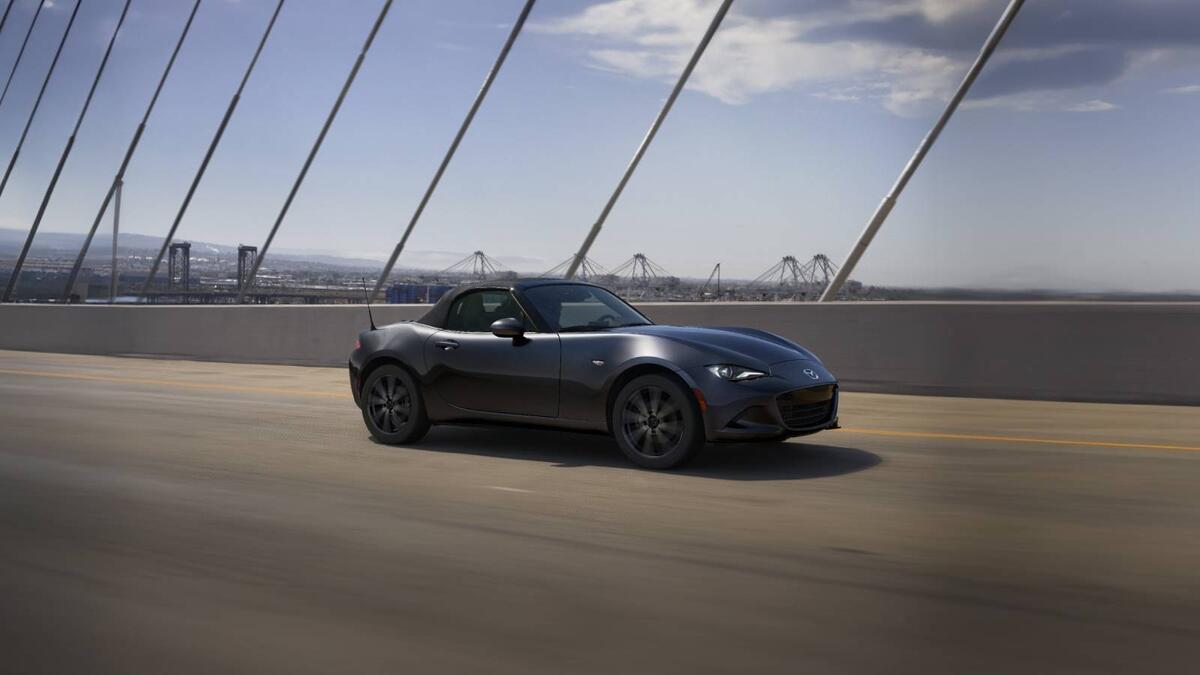
They’re referring to a Mazda MX-5 roadster, specifically the “Mark Two” version. It’s the car they’re discussing for an overlanding trip and how it was modified.
They upgraded from lap belts to a three-point seat belt. A three-point belt holds you at your shoulder and lap, which is much safer than just a belt across your waist.
They’re describing the power system for running electronics while traveling. The battery stores energy, and the inverter changes it into the kind of electricity most gadgets use.
They upgraded the suspension, which is the system that helps the car absorb bumps. For rough travel, better suspension makes the car handle bad roads more safely.
They’re saying the route went through a place where fighting is happening right now. That’s dangerous in a way that goes beyond car problems or rough roads.
A road trip is just a long drive away from home. People bring up cars on road trips because it’s when problems show up—like overheating, breakdowns, or running out of fuel.
They’re talking about a Mazda RX-7. It’s a sports car that some people love, but it can be picky—so it’s a good example when discussing what “unreliable” means on a trip.
“Exotics” means expensive, special sports cars that aren’t made in huge numbers. The hosts are saying they can be less dependable than regular cars, especially older ones.
Car
Duesenberg
They bring up a Duesenberg, which is a famous old American car brand. Cars like that are rare and can be a lot of work to drive long distances.
They’re talking about a long trip to Monterey, which is a big deal for car events. It’s used as an example of how hard it can be to drive special cars far.
They’re talking about an Audi R8. It’s a low, sporty supercar, not a typical off-road vehicle—so the interesting part is how they plan to take it on an overlanding trip.
“Overland” is basically road-tripping with a vehicle that can handle rougher areas and carry your gear. Think long trips where you’re prepared for remote places.
Black Bear Pass is a tough off-road route in Colorado. It’s steep and rocky, so you need the right vehicle setup and sometimes help if things get stuck.
A tow truck is what you call when a vehicle can’t make it under its own power. For off-roading, it’s a backup plan if someone gets stuck.
LIVE
Welcome to the advanced podcast. I'm Dan. I'm Nick. Not the almond podcast. Yeah. Okay. Yeah, Freudian slip. Yeah
How are you?
Pretty good. I
Think that you know one of these days
I know we don't probably have it like to release all the edits like to like all the oh, yeah
Yeah, I don't have many more. Yeah, I don't have most of them
But yeah, there's a lot of editing there's not as much as not nearly as much as it used to be
But every now and then what it used to be I can imagine what you're talking about like but now you have you have a
Idea a little bit of it. Don't you know not really? Oh, I thought there was I thought we had something that went through
We do. Oh, I have some stuff that takes out some filler and things like that
But we don't use it as often as we don't use filler words as often as we used to we still do
Yeah, but I've found a lot of the AI stuff. It's getting better, but it's a little over
Overzealous. Oh, well, I don't I don't want to put it out of a job. I'll start saying and
Trust me, you won't put it out of a job. Yeah. Yeah, it's it
it's
It takes a little too much of the nuance out of the show
I found fair like a lot of the stuff we say is kind of like a little under the breath or stuff like that
It's not it's funny how well it works for
Summarization like if you want to if you're if you want a good summary of the show or things like that
You can use the Apple even offers that it does a really good job of that
I can summarize the topics, but if we were so we were like a history podcast or something like that
It would be useful for that. We'd be history. Yeah, I would not go well
No, it wouldn't know nobody likes history. No, my father does he has no I love history
Nobody likes knowing history. Oh, just the future just gets more maddening. Yeah, but if you don't like 20 years ago
Yeah, if you don't learn from it, you're doing to repeat it as they say. So, yeah, exactly
Yeah, whether it's getting nicer the pollen is getting thicker
Yeah
Tell you I have never wanted to go cut down more trees around my house
Oh, I've cut down quite a few around here and get away with it
I am yeah, so well I cut them down because if I don't they will fall down eventually not because I want to I like the trees
But I have a homeowners association that doesn't oh, they don't even let me have a birdhouse
That's well, I have lots of birds. Thank you come take our birdhouse is that Brian's house Brian and Annie have our birdhouse
Because the way the wind let us but yeah
I'm just over it. I'm ready for this the the flowers have been pollinated. It's enough. Yeah, some horny trees out there, right? Yeah
Did you I'm surprised you didn't ride today?
I know you I knew we're gone today today was the day I will be honest. I was thinking about it
I'm in fact, I had the monkey has not been out and I need I need to get it out
I keep in but today was sort of a brain taxing day not that every day isn't it
I just didn't feel like my focus was there. I understand one of those like young me would have been there
I just but I was just like I walked out the garage and I was like
I just don't know if I'm like focus there. Also, I walked out the garage and forgot my keys
So I was like, ah, that's probably a pretty good sign to just take the truck
Yeah, I'm enjoying my ability to see again. Look at you. Yeah having glasses is it's great
You know getting older. Thanks. Are you gonna stick with the glasses?
The only reason I asked this is I'm literally taking my wife in on Friday morning. She's getting lasik. So no
If it all possible, no, I need to make sure this
Prescription is you know steady. Yeah, and then once it once I verify that after about a year or so
I'm definitely gonna get good surgery. Okay, the lasik done. There's new there's some new methods. Oh god. Yes
Yeah, so I'm very very near-sighted
Which means for those who don't know near-sighted is not a lot of people think it means like it's the everything and directly in front of me
Crystal clear to about three feet and then anything past that starts to get a little blurry
I guess I'll make out what objects are but I mean if I'm looking across the room the TV is blurry kind of thing
So yeah, yeah, most people are the opposite. Yeah, I can't I can't read without it and then I can see everything really clear
Yeah, so like work and everything. I'm great looking at a computer screen or my phone or reading magazine
But that's it. I mean, I mean, we found a really good place. This is not carburetor
We found a really good place in Bellevue that Kate's really happy with she did a ton of research
But I think I'm I'm gonna do it too because I'm noticing it like when I'm riding off-road
It I'm so all over the place. That's that kind of worries me. So that's that's the main reason I'm doing it as well
I don't mind I all my helmets fit glasses and all that just fine and I'll get some
Just for riding but at the same time like I that's where I noticed the most is driving and riding
Yeah, that's and that's why I have that's why I got these self-tinting lenses. I was
So it is carb-related in the sense that as you get older stuff like something to look into you
I waited too long because I had 20-20 vision up until I was probably 45 and it's been over last year
Yeah, it just went. Yeah, like one morning. I was like, huh, that's interesting like yeah
The morning dew didn't didn't rub off my eyes. It's right. Yeah, and so yeah
Yeah, it's weird having glasses though. I don't mind them
It's like says nice to be able to see but it drives me nuts in the sense that I just want to go out and drive
I'm with you. I'm with you. Yeah, I
Like to just go out and drive it all you went out and drove this weekend. I did a little trip
Yeah, we'll talk about that with the Carter automotive group tip. So went to the beach went to Long Beach took the Bronco
In its natural environment a couple things to know before visiting the beach
I'm not talking about the rust and all that we talked about driving on sand and on salt
The speed limit on Long Beach and it is a highway is 25 miles an hour road rules apply pass on the right
Stay on the hard sand. There was
We saw a recovery vehicles out there getting stuck
I mean and it's it's never you can drive anything out of the beach
You really can like you just have to have some a little bit of momentum when you get onto the beach to get through
The soft sand and then once you get in the hard sand, it's just not being stupid on the throttle
Yeah, but I mean if you're not experienced in driving on loose terrain it can be like oh, I just want to get gas
The same reason people get stuck in like just a little bit of snow because I think more gas is gonna help when it's actually being
Really smooth on the throttle. That's really gonna help you
The Raptor of course the Bronco 37s. I mean
Big big wide footprint and we're going on hard sand or we weren't really in a spot to worry about getting stuck
I brought the recovery years in case I had to pull somebody else out and it's got the winch too, of course
Yeah, but man, that's a great beach vehicle and then well
I mean the most experienced people in the world can get in trouble on beach
So just this last week one of the the fire vehicles in Cannon Beach got stuck right
Yeah, so I mean it's not like there's a lot of stupid people that do it
But the most experienced people can do it too. Yeah, you get into that soft
if you get just even just a little bit of a
High tide the high tide line is typically where you want to stay if you're driving on the beach
That's gonna be that thick compact sand and the reason the high tide line is like that is because it gets compacted over and over and over again
in every high tide and so
So I'm gonna say oh, yeah
So when you go down if you go down to drive to the beach a couple things you should definitely do one if you have any tire
Shine you're gonna that's gonna suck because you're gonna stick every piece of sand
That's ever been on that beach. I think you drive is gonna get stuck inside of your tires
And then to make sure you have equipment to air down
If you're going into an area where the sand is questionable
You want to be aired down like low low like I said the speed limits only 25 miles an hour
You can go pretty low in your tire pressures at 25
Well, we were doing didn't need to had all the recovery year in case we wanted to but if you're in one
Else places where you're gonna go thick sand soft sand, you know air down air down to like sub 20 down to like 15
And then have some we need to air up
Obviously don't go play in the water because it's salt water and salt water is probably the worst the single worst thing for your car
I would think you could drive through
Yeah, lava, but you know, yeah, besides a lava maybe
It's right and it's right after that. So it will just eat everything. Oh second. Yeah close second
And even if you don't go into the salt water if you're just driving on the beach
You have to go wash down your vehicle afterwards. No, there's no. Oh, I'll do it later
I mean end of the day end of the trip
I mean a couple days you're probably be okay, but it's gonna just eat all that sand is just getting places
So you want to find a car wash?
No, everyone is they only have a manual one without an automatic car wash by automatic. I mean touchless with undercarriage spray
You're gonna want to go get under there and spray all that off
There's more benefits to staying slow in the sand than going fast if you want to preserve your vehicle
You know vehicle that's made for it. If you're gonna go faster. Just gonna kick up more sand into your undercarriage. I
Thought it'd be a fun idea my dream and I'm gonna we're gonna do it some day
I want to own like an automatic car wash, but I thought it would be fun
Like to have one like at the beach that has a lift
Yeah, you'd have to man it because somebody it would fall off the lift with there
But I think that would be there's no better way to get all the sand and junk off the bottom of your car than have it lifted
Yeah, I thought about that down there
I don't think the Long Beach has the traffic for it in Washington. They say beach in general
I think like California stuff like that. Yeah, I don't know what beach you can drive on Long Beach
It's the longest beach you can drive on in the US. I want to say it's like 60 miles or
It's that long. It's long though. It's the longest beach you can drive. Yeah. Yeah, it's in the name exactly
Okay, and it's worth the trip just to go do it and you can have a fire on the beach
And they're pretty chill out there as long as you're not drinking and driving
There are patrols on that beach the state patrol patrols at beach a freeway. Yeah, it's a highway
You are subject to all the same laws. Yeah, so keep that in mind
But it's a great place to go with the family lots of great place to go with the dogs horses
I mean, they've everybody's enjoying the beach down there. It's it was a beautiful weekend. It's cold
The one thing I wanted to add to you your thing is if you start to get stuck and so many cars turn off your traction control
That will help you get out so many cars are limited in themselves because they slip and they go
Oh, I'm slipping and then they probably made it out. So yeah, yeah, yeah, it'll just kill the throttle
If you've got momentum, you don't want to kill that momentum
No, you don't want to just hit the gas dig into the sand either which is also really common
The a lot of the traction control modes have a sand mode in most modern four-wheel drives
I think
More to like I for some reason a bunch of traction stuff or people that take like rear-wheel drive Mustangs and Corvettes out there
Which don't do that. I know you can but I don't recommend it
Getting under there to clean it's gonna be hard. Yeah. Yeah, you just
Make for some cool photos that you will spend weeks cleaning up afterwards. Yeah, the Broncos pretty easy
You just place it all down lots of clearance lots of things to look under. It's already so how you just walk under it
Yeah, yeah, so I've washed it down there came back took it through the touch list came home and washed it again
Just sprayed it off again, and it wasn't bad
It wasn't that bad because we didn't go nuts out on the beach
But it was a fun drive. It's a beautiful time played with the drone a little bit
I didn't really capture anything. I was just playing with it out there on the beach and okay
Yeah, it's if you haven't been a long beach wash and you should go though
It's a great little destination and and if you're looking for a great highway the Moclips Highway out there really fun drive
Traffic can be kind of a pain. So it's becoming more and then you can work your way down to Cannon Beach, too
Yep, seaside and tell them I can all that's a great drive. Go see some puffins
Go see some elk have some ice cream has cheese. It's all about cheese factors pretty cool
We went I hadn't been to the new one. It was the food was excellent. Obviously the ice cream was great
I we didn't do the tour this time, but it was
it's really nice and
For like there's a great outdoor area. So if you have pets, it's it's pretty easy. Yeah
I was been there. I was there when they first opened. I think it's the new one. It's probably three or four years ago
Yes, yeah, I haven't been there in years. Yeah. Yeah, it's it's really cool
Yeah, well worth the drive if you're looking for a little destination as then it's right now
It's kind of between we were getting some of that nice weather, but it's still cold
So it's actually kind of a good time to go because it's not quite as busy and those places get packed
Places like that. I always encourage my parents to go because my mom's got a handy camp pass. So we park parking
Yeah
She earned it, but right. Yeah. Yeah
There's a lot of talk in the news that that the automotive industry and the government are trying to make our cars
Smart enough that when we get in the car, they know what we're doing and where we're looking driver monitoring and
Big brothers watching you this has I mean just so we're clear
This is already in cars Subaru's got a big time like Subaru will beep at you if your eyes aren't on the road a lot of cars
Will yeah, but this is starting to turn into a
Government mandated government mandated insurance is paying a lot of money. Yeah, they can blame you and not pay. Yeah
Yeah, that's it. And I mean and and there are some I
Can see some roads some paths of like getting the car and the car scans you and tells tells you that you're drunk
And you can't drive and won't start I get that but
I'm just saying I can see some of the monitoring systems that could be put into it that are better than the blowing things
So for people, right? Yeah, you know
But I don't know why it's all of a sudden floating to the surface or it's making the news more
And I think because if you don't know they've been trying to get it mandated in new cars in
2027 which is eight months away six months away. Yeah
Well one I think the technology is getting insanely cheap
Just like backup cameras getting a camera for a backup camera is used to be I remember they first came out
You wanted to add a backup camera. You were looking at like two three hundred bucks for the camera itself
Plus the wiring plus the head unit
Now you could install a backup camera with a Costco package and wireless for 80 bucks
You know if when they have them on sale there or even less if you buy one from Aliexpress, which is gonna be the same thing
And if you just want like I got one for the trailer for that matter
I got a auto box magnetic camera backup system and it was
I think 70 bucks on sale
Wireless operated solar. Oh, no solar on the camera. So it's charged all the time works fantastic and it was dirt cheap
And I just needed something. I just wanted something I could get the the trailer close to what I was backing up to yeah works
Great, so you can imagine how cheap it is when they buy this stuff in bulk and they're doing it internally and the internal
I monitoring and I monitoring and eye tracking has been around for quite a while and it's gotten even better if you think about
VR headsets like they have incredible eye tracking they you can look within you know
Less than millimeters
Yeah, where you're looking at and use that to change things around so all that technology is cheap available easy to implement and great for
Shifting blame to let's say, you know in many times where it belongs to drivers
Like I have dash cams in my car
So I'm acting as big brother to and those can work against you by the way
So if they do rip them out and smash them
Just saying but
Yeah, I think there's it I
Don't like you know when government mandates it, you know, it's not gonna be good
Even if it's for your bed, you know when's the last time anything they mandated in a car was really good since like what seatbelts a
Lot of us and no smoking. I think you can smoke in your car still well
I mean, you know, yeah, they went away from it went from an ash tray to a penny trade and it went from a cigarette lighter to a
Auxiliary yeah, yeah, I'm just not in favor of anything big brother
Cameras of any kind that I don't control her access to that's my information. That's my data
Because that it that is the world we're living in when you know, especially with these cars that have the systems like a
Lot of like the track cars like I'm gonna use your Corvette as an example
It had all those really good cameras like the insurance company could come in in an accident and pull that data, right?
It's not recording unless you're in track mode. Oh
Yeah, yeah, it wasn't that good of a camera either
It's better than not having a camera we talked about this before though
There there already is that black box data in your car
Like if you did a you know something terrible like vehicular homicide or something
They're gonna rip your car apart and figure out and grab all that data
and and rightfully so in cases like that, but I think the
The ability to get that data should be really really hard to get
And I should have the ability to get rid of it because it's my car
I mean like put it to you. Let me put it this way
If a zero 1x comes out or he comes into my shop
The last thing I want to do is have somebody looking over my shoulder and how I'm driving it true
I want to go have some fun and every now and then I'm gonna have a lot of fun. Let's be realistic
I'm not gonna drive a 13 horsepower car like with Corolla
But I wonder with that data and this is a gray area that I was I was reading about and it was kind of a neutral
Thread that says, okay, I go out and I buy a new ZR 1x. Okay, I finance it
Yeah, so it's mine, but the bank owns it, right?
Does the bank have a right to pull that data because they're the ones that hold the hold the title?
Hmm. That's a good question. I'm this is not one. I'm I'm I have an answer for I'm saying, you know
I would say as long as it's in my possession. No, yeah, if it gets repossessed. Yes
Well, but I'm saying like if I if I go out and I cause an accident in that car and they need the data and I
Refuse can they then go to the finance company and go technically the finance company owns it even though
I'm driving it and making the payments and the finance company says absolutely
Yeah, that's a good question. Yeah, um
I don't know
Yeah, I feel like they could just grab all that data remotely at this point anyway. Yeah, it's
You make a good point in the going back. I'm saying you wish you could delete your own data, but I
Don't think that's gonna happen. I think this is unfortunately as we speak about it
This is there's not gonna be any real stopping this. It's no
I don't think they're gonna make their deadlines and I don't I actually don't think the technology is good enough right now
For what they want it to do because they do they wanted you they want you to basically get in the car like night writer
It's gonna scan you make sure that you're you maybe you won't need a key. Let's see if you're drunk
You know breathe breathe into the windshield, sir
Yeah, I mean the automation
The of driving is inevitable
It makes a great case for buying an older car though. Yeah. Yeah
Last tech. Well, we're talking about last week. It's late, you know, roll down windows
What you want, you know, yeah knobs. Yeah, yes
I I would like to you know, I think they're just going out of the wrong way
I think if you want people to buy this off, you need to create better autonomous
Better AI use in the car. So if you want all this stuff to work
You need to get people more in the I'm thinking this purely from marketing perspective
Not from a moral quandary side or what I would do. Yeah, we don't have morals. So
Saying what they what they need is to get people more on board with their car doing what they actually want it to do
Instead, we have a bunch of technology. We don't want in our cars because it doesn't work well
Yeah, they want technology. They want people to adopt and let go of these
Liberties I should say then they need people they need to have people much more comfortable with the car doing the work for them
And right now it doesn't like infotainment is sort of a constantly running joke
It's always bad no matter how they implemented and it always goes bad two three years later
Is that's just, you know, it's inevitable
I
So like if I had a job where I had to go every morning and get there
I would I very much would support the autonomous idea where I could just get in the back of the car
The car takes me there. I don't have I can be distracted. I can work. I you know, yeah, and it's very I forgot what
Movie had that and he overrode the car and it killed somebody and they were trying to figure it out like
A sci-fi feature or something like that wasn't demolition man. It was something like that. But yeah, I can't remember
It's Minority reporter. I robot. I can't remember. I don't remember
Well, I robot he overrides the car because the robots are to attack him and I'm trying to think there's another one upgrade
I think there's one of them. I don't know. I mean, I like that idea
And I think that you know, you could very much implement that whether those autonomous vehicles have their own lanes
So, you know, they could go with their own
Yeah, I really think that's the that's the trick right there
Is you drive the car to the autonomous lane and then as soon as you get in the lane
It just takes over and then the cars even if they're not going at full speed with traffic
The fact that they would be autonomous like if they pay that lane is 45 miles an hour the rest of the freeway 60
But you don't have to do anything people are gonna step into that lane
Yeah, and it's gonna run great
And then it'll be like exiting and then let's be a massive warning you take over you take over then if you can it just
Shoves you off the road
Ford already does that put your hands on the steering wheel even when they are
It is
You didn't touch the right spot
I'm gonna be honest with you
I think I think they did something with that this week because I got an update on the truck and all of a sudden
It's really sensitive again interesting really sensitive. So or I'm just a space cadet either way one one one two
No, it's with the amount of updates Ford pushes out of your way. You think they were Tesla. Yeah, but it's just recalls
There was another one of those this week, too. Yeah, I know I got another I've so there's three forwards in this household
Yeah, and so every time there's a recall and then one's enough to 50
Luke's then the raptor and then the raptor and so did you get the vanity mirror one the a pillar body mod?
Yeah, yeah, got that and then I forget the other one, but we actually like three notices every time
I'm just the whole household lights up. Yeah, so we like once or twice a month. We get here's your here's this month's recalls from Ford
Again, and I said this last week don't send me that I need a recall and then say at the bottom
We don't have a fix yet. Yeah, tell me tell me I have a recall when you have a fix. Yeah. Yeah
Here's what's my here's what might kill you. We're gonna do nothing
I was talking to Brian Dallas about this. He's like it's the vanity mirror and I was like, but I can't not look at myself
Yeah, especially while I'm driving. He's like, wait, don't you have patches over that? And I was like, yeah, but that's not the point I
Patches to block out the on the raptor that that stupid yellow thing on the visor
I blocked those out because I hate the bright yellow as I'm looking up in the car. I agree
The covers. Yeah. Yeah, just get brighter in here speaking that. Oh, it might have. Okay. Oh
The motion lights the truck is listening the motion lights as I move the chair. Yeah, yeah
Yeah, I mean, I'm noticing there's there's so many more motorcycles out on the road now. That's a good point also look around
for those of us that are coming out of in a spring in a the Pacific Northwest a
Lot of your local police officers are now on motorcycles. Yeah, so they're hiding a lot a lot better. Welcome to the party. Yeah
So I'm seeing a ton of those these days. So be aware of that. Yep. Yeah, I've when we were driving back
It's funny how well that our radar detector works. I sold my R7 and I was I think that thing saved me three or four times
Just on that one drive, you know, if you don't have a radar detector and you love road trips
Just get one get the unit and get the unit in if you want and on a windshield one or the Valentine one v2. That's out
That's that's it
You just just get one. I'm just saying it's summer the first time you use it will pay for itself
You are you encouraging our listeners to break the speed limit? I am acknowledging what our listeners do. Oh, okay
That's fair. That's fair. I
Was I had to go move a trailer which I've never moved a trailer with the right the ranger like
Well, the point of it went well, I mean, I'm I'm somewhat qualified
But I was laughing with the person and I can't reveal too much because it's not that's not a real part of the story
But I was talking that I was helping a person move a trailer and I was selling him
I was like, I'm gonna hook this up. I need you to go away
I was like because when I do it by myself and there's nobody watching it's butter
But like it's sort of like loading a motorcycle, right? The minute somebody is watching me
I'm gonna trip and follow the bikes gonna fall in the bed
And he was laughing at me hysterically because he came back out and I and I saw him and instantly I about you know
Goose-necked it not goose-necked it, but I'm pinched it pinched it, you know, so we were laughing about that
But I
If there's just something about that like when you know some it's it's go to we used to laugh about it
I go to a boat ramp and just watch people. Oh, yeah, it's the funniest thing. You'll see, you know
Also, don't hesitate to help somebody
Yeah, yeah, okay. You need me to say before. Yeah, just ask him
A lot I would have taken that up when I first started backing in my boat. I would have taken that up every single time
It's it
the science of
backing a trailer
You can get it like if you just but it takes a minute to figure out like, okay
I need you know a half turn this way really will bring that trailer around so
Yeah, um, I wanted to that's funny. I wanted to bring up an article which I we talked about briefly which is just an awesome thing
Reliant Robin survives desert jungle war in 14,000 mile record breaking journey through Africa
Okay, so the reliant robin is that three-wheel thing that clarkston
Constantly tipped over in top gear, right? Yeah, and it's incredibly unreliable as well. Yeah, it's not even made well
Which I've never understood because it's like a backwards trike. No, it is a trike. It's a classic. It's a classic trike
Okay, yeah, and they drove it across
Africa
Yep
Why
A reliant robin overlancer
I think just because
They replaced the 92 forward fiesta mirrors the classic made 70 70 mirrors. Let's see here. Oh because the mirrors are the problem
No, there's a there's a bunch of stuff. They did this thing. So let's let's uh,
They replaced all the rusty and broken parts newer headlights
Uh with additional led lights to the front bumper
Uh, light bar only had one headlight up front, didn't it? And it has two. Oh, okay. Yeah
So it has but they gave it brighter headlights with led lights and then they got see the gazelles
Mazda mx5 mark two seats. Okay
More modern seat belts, of course, because it only had the lap belts. They went with the full three point which is thank god
Van life battery so inverter setup so they have for their electrical devices. They added a 30 liter fuel tank
And yeah
Uh, let's see here. Oh, yeah, they had to upgrade the suspension like mid-trip
Because it went out
I feel like though
In Africa that would be a good place to do that because I've seen some bush fixes for lack of a better words
Some of the people that are in the middle of Africa are incredible mechanics and can
Like if you've never seen there are certain areas of Africa where they build motorcycles out of like tree trunks and things like that
It's insane. Like they're incredible. Yeah, he goes
When they when the interview they asked would you ever do it again? Janks replied absolutely effing not
You know, everything seems like a good idea till you do it
Yeah, at one point a man with a shotgun strapped to his side helped push the dead Sheila. They called it Sheila back to their hotel
okay, so
you know
Props to him. I love adventures like that
14 000 miles. Yeah, let me see here. What was the total length of the trip the map to where they started when they finished
Yeah, I'll I'll link the article. Yeah
Let's see here. I'm trying to figure out the actual mileage. Sorry
You said 14 000 something
Yeah, the actual time I meant. Yeah, 300 miles of it. We're in an active war zone
Uh
That's probably where I'd be out right there. Yeah, I'm good with adventure. Yeah, not with getting blown up
Yeah, or shot. Yeah. Anyway, I'll find I'll I'll link the article and I'll show the
Interesting I you know, it's the guys from hold my gear if you watch their youtube
We've all as car enthusiasts thought. Oh, I should that would be fun to do. Hell. That's how we all ended up with monkeys
but
Pretty low risk though at a certain point though you go
You know what would be fun is if we took that unreliable three-wheeling piece of shit
Right and drove it across Africa
I guess that is the question I would love to ask the audience. What is the most unreliable vehicle you have driven on a road trip?
I don't mean like my rx7 where it, you know, went 200 miles at a time before it broke down
I mean, like what have you done an actual road trip with? That's what I want to know. Yeah
I'm trying to think if I've most of my stuff's been pretty reliable on road trips
I've always been I've always done a lot of prep for road trips because I was more interested in like the journey than
Don't just get there. Well the drive. Yeah
Okay, right that I wanted to enjoy the drive versus repair the drive
But a lot of people like that stuff and I think it's cool if they do
I don't mind do I don't think we've we've never really had a big
I mean really the only breakdown that I've had on if someone's even a road trip was when I met you
Yeah, that wasn't even that wasn't even like you weren't far from population or anything like that. No
Well, I was I was far enough that it was a $2,200 tow bill. Yeah, I mean it's twist. Yeah, but um still like I don't think I've
Every time I've gone on a road trip. It's been in a reliable car and I've had you know, yeah, I've got I've had flats
I've had low fuel, but but I mean I'm always prepared for that
Yeah
I pushed it big time low fuel when we were when I was driving to Moab
Yeah, I that was a little bit of a worrisome thing
Well on the last the rally that I I helped plan for the guys for Todd and his crew
They had a vintage Ferrari on that drive. Yeah, we've had some pretty interesting exotics
I mean the vintage vintage exotics
Exotics are typically unreliable compared to most cars as is but vintage exotics
That's a whole another game like the people who drive from here to Monterey. Yeah in like a Duesenberg
Well, if you've never seen that tour leave all the cars leave and then like nine trucks with trailers leave because somebody's
Right. Yeah, yeah, because they're gonna need them
A lot of those cars don't make it but I applaud them for doing it
I think it's great when they do that stuff
So if you've done something like that, I would love to hear your story
You should come on the show and talk about it
That seems like something Nathan months would do he needed he's been
He messes me back and he's come on the show and I just
I need to follow up with him for a time to come by but that's something he would totally do
That's also something what Brian would do Elish
Just to wear down the tires the alternator the yeah his old square body went up and he wrote drove that thing hard
Yeah, yeah, it's everything hard. Yeah, it's true. Yeah speaking of which he had a
He had a pretty interesting weekend. I don't know if he can talk about it
So I'm not gonna say anything
But yeah, he had a pretty good weekend with the vet and doing some sponsorship work
Yeah, good opportunities. He's a great photographer again
You know, I really expected more of Voss members to be coming to my house asking for our autographs to be signed
Hey, that's your truck taking that's a photo of your truck taken by somebody else in an article written by somebody else
You should sign this for me. I don't know what's happening. I expected to be mobbed at the safe ways
But hasn't happened yet, right? So, you know, turn those grocery stores won't even do me
I don't want your signature
Honey, sign my boobs. No
Yeah, I'm not going there. Yeah
So you have any other road trips planned? I know this one was kind of spot spontaneous this weekend
Yeah, this was just a quick we had some time and wanted to get away. It's been too much work and not enough
Not enough play. So we did that
This summer I'm hoping to take some time and get out to western colorado
I don't know if that'll happen
We've got a lot going on here of a lot of other things going on that might block that
But I hope toward the end of the summer I can get out there
So many roads out there that I want to take Sean on and drive the r8 on or even take the bronco off road out there
Some nice just pretty overland stuff. I'm hoping to do that
Western Colorado, so you're talking moab you're going to go moab and then into yeah junction there
Yeah, moab and then grand junction then then all the way south to like
Durango and everything between there. So you've got black bear pass
So you're just going to need like a brand new tow truck a brand new flatbed that'll carry the r8 and the bronco
Yeah, and then what I need is a half enclosed trailer that'll fit the bronco on the back of it
You know right in the front of you. I understand and then I need one of those aevf 250s. I think
Well, because 40s are great for mileage. You're telling your trailer. I can't wait
I'm interested to see the numbers because they just released that that you can now start ordering that
I'm interested to see how many people well, it's piece by piece
It's not a full package for me. I know but I want to see how many how many if if if that
Product line is working like did they get a great response?
It was a great response to everybody online going I want that I want that
But I'm wondering how many people actually went and started to put deposits down
Yeah, I keep going back to my use case. It wouldn't work for me
I would be fun, but if I I've been looking at f250s just to look I'm not shopping one
um
Well, if I'm doing an f250, it's going to be a dually and it's going to be a true tow rig
That'd be a two-wheel drive then
Yeah, I would get a four-wheel drive no matter what well, but if I have that I can tow the four-wheel drive
Yeah, I would just want it to you know as I go places. I wouldn't get a dually. I don't think I would need it
It's just such a I don't think I'd ever pull a fifth wheel. I might as I get older, but
Black wheels
Oh, no, it looks good. I'm not saying otherwise
I look more towards aesthetics, but yeah, yeah
The more I look at actually a tow vehicle the less I'm looking at like even the
The tremor package it just doesn't matter to me
Yeah, what I want is a nicer ride and I have no interest in off-roading that
With the Bronco around so I would just get an f250
Platinum
Platinum plus probably and then no because I want the most comfortable interior possible for long drives. Okay. The dog's got to be comfortable, you know
I wish I could say I don't know what you're talking about, but I oh, yeah, absolutely
You totally I absolutely know what you're talking about like I have a dog stroller remember
Oh, it's sad. Yeah, yeah, I'm still waiting for my bike by the way for those for those of you who
Who noticed? Yeah
Well, we said that didn't we say that it was I got a message me
They're like, oh, you're gonna like when we were riding and I'm like, uh when it gets here in like a month
Because they're not out yet air bike. Yeah air bike. Yeah. Well, that's nice. Yeah, that's nice. So I'm looking forward to doing that. Okay
Yeah
Anybody else gonna summer road trip plans? Where are you going?
Uh, we're going to Walla Walla for jelly roll. Oh, that's right. And then we're going to Silverwood. That's the first big trip
That's with the storyteller, right? Yeah, my parents are getting ready to go to glacier next week. We're gonna I'm gonna I gotta get it
Oh, that's right. Yeah, they're gonna take about six or seven days. So
Working out some kinks. It's still down there
We're working out the starlink because there's still not power up there
Which my dad needs if he's gonna go right my mother gonna drag him out of the house for seven days
He needs to work but uh, and then we're going to
We're going to Vancouver for acdc
Oh, awesome. So that'll be a lot of fun. I'm really looking forward to that. I
Kate I've always been an acdc fan anybody. I think our generation has you know, they're hard not to think about their music
But uh, kate was a huge fan and this this I think this is the last time they will tour and
say
Yeah, we're going up there in august for that
And I think you know, and then there's going to be a lots of like a little
Weekend stuff like where I go grab it on a the storyteller on a wednesday or thursday, and then we'll go friday somewhere
I want to go up to the peninsula
I want to spend more time in canon beach
Places like that, but you know probably littler stuff. It's it's tough. I mean my schedule obviously I like my father
I can go and just kind of work from anywhere
But kate they won't really let her do that. So and we have to kind of
Battle with the whole does she have pto? So right? Yeah, we have fun lives. So, you know, she uses her pto
Yeah, good. Yeah, I keep thinking about the rubicon and I keep thinking about the monkeys. I mean
I think we need an adventure like I mean we had we had joked about it
I don't think I need a monkey adventure this year. Okay. I'm going insane. Okay, so I gotta figure out some other logistics
Anybody ever told you know, no, it's you that goes. Oh, I don't know if we have the time but like yeah, that's the hard price
We talked about we remember we there was initial plan
Light plan of like leaving on a thursday
Getting to the rubicon doing the rubicon on the monkeys for like friday and then coming back saturday or sunday
So yeah, I've been looking at videos and I've been talking to some people who've done it on motorcycles because it's a very different experience everybody
On the four by four sizes. That's impossible. I would in motorcycles like I was actually kind of boring
Like it was really pretty but they're like it wasn't that hard of a ride because they could just ride around everything
Yeah, that makes sense like single track is a whole different story when it comes to
off-roading like
Even in moab
Yeah, there there's as usual. You were the monkey leader. So I mean if you if you know
It is my circus and my monkeys. It is your circus and your monkeys and your monkey riders, but uh
Yeah
I think you know, it would be fun to do some monkey riding in some single track
But wider single track something, you know, yeah, still single track. Yeah
Single track overland. I I still think that one of the best days even though
I hit heat exhaustion was that day that you and I and brian were outside of uh, mccall and we did that big loop
Oh, yeah into I forgot what's the name of that town out there?
Yeah, that was that was one of the best harmonica fest. Yeah
Yeah, yeah, I think you would find that ride a whole lot easier now
Yeah, absolutely. You wouldn't even have a problem with it now hundred percent
And that was that was just uh
Well, I think I would
Wear different protective gear and I would have a little bit less gear
So I wouldn't be overheating and I also would realize that it's not looking race
And I would have stopped and I would have like gotten in the river and enjoyed. I mean, you know
I would have enjoyed the drive a little bit more. Yeah. So yeah, I have been
Curious has anybody so back in the day I'm talking about headset communicators and I'm talking about communication in general
Back in the day, there was um, they're still around there's company called chatterbox and they make helmet headsets
They're very old school looking now
Really old school looking but they use standard standard gmrs frequencies. They communicate strictly on gmrs
I'm trying to figure out why more people have not adopted that for helmet headsets right now. They're bluetooth the range is terrible
Even in the city like and they've pretty much line of sight no matter what anybody tells you no matter
How much you pay for your headset? It's pretty much line of sight
You're better off with a cellular phone for most riding even off-road because most places have signals now
but
I'm is there anything else out there
Has anybody else tried that recently because one of that's one of the problems I have yet to solve with the group is when
When we're riding we typically we ride in fair weather
We ride in which means we ride naturally in dusty conditions
Which means you don't want to be close to the person in front of you
You want to be about
300 feet back to give yourself some breathing room. That's never a problem with you Dan because you're so far ahead of us
We can't see you
But there and we can't hear you
Even when you but you don't want to ride close like and the reason you do is because you want that communication
Like it's fun to talk to your friends and laugh when you almost die. Yeah
It's a lot of talking right. Yeah, so it's a lot of talking especially with us. We're old
so
Has anybody found a solution to that like seriously a helmet communication system?
I mean because right now it's almost easier to just like strike up a group call
Yeah, it's really
I'm surprised that this is still a problem on motorcycles. I really am
Especially with group rides
So, I mean technology is getting up there. In fact, I forgot about this. Kate and I drove
We went to we went to Vashon this weekend and just did a loop and had lunch
There was a group of riders that were
I
Ironically they got on on i5 about the same time
We did and we followed them all the way to the Vashon ferry onto the ferry
And they were a group of people that should be beaten with sticks because they ride like idiots
But a couple of them
Had that new technology. It was not the radios
But the new lights on the back of their helmet so that when they hit the brake lights on their bike
Which was incredible because they were riding stupidly and I didn't see them
But when I saw his helmet
His helmet lit up
But so I think technology like that is expanding and then you know, you're seeing a lot of companies that are coming out with their
Like, uh, what's the word? I'm looking for it's their communication system. So you have to have
but
I don't I is there a way to take our gsmr radios and just plug them in and do headsets from them into our
Yeah, that's what I keep wondering. Yeah, it's like I don't mind because I mean you can throw your radio in your backpack
You're still gonna have better range
Yeah on any old cheap balfang or any cheap gmrs radios or any of the bluetooth radios
But I'm saying and then we you just get the
The boom mics
It's I mean like I said gmrs radios are so cheap because we've got we've all got what sent us right now
Yeah, and I mean even with the upgrades. It's not yeah, they're okay at best when they're old
Yeah, they're not that old compared to technology wise. They haven't they haven't changed that much. Yes, they're physically old
But I mean five six years nothing has changed that much. So
I'm really curious who we're fighting with that. I don't know
It's just it seems like something that should be solved by now and yet it's not
I really love the idea of the helmet light though because if it's a it's a chase light in the dust
It absolutely is and I'll tell you and it was react
I don't know what the what the connection was because I didn't see a cable like going from his helmet
To his bike or anything like that
But when he hit his brakes the brake lights came on and then there was a there was a big red
Light there. I don't I don't he never used his turn signal. So I don't know if the turn signals work
But um, yeah, and if you are those people
You know what you did you made a lot of people mad and then you got on the ferry with them
Just fyi
So yeah
Don't be a jerk. Yeah, I'm just it just happened to be like
case like why are you following these people? I was like, I'm not I'm actually like holding back and then they suck as
Riders and then yeah, yeah, that's what we got a little bit of time
That's a topic for maybe a whole nother show
But it's a so when we when adam first started avance and we talked about the motorcycle stuff. Yeah
Uh, and people have asked for a long time. Is there an avance motorcycle plate plate frame? Is there an avance motorcycle group?
There's a lot of people in avance with motorcycles obviously us included
The reason when adam and I talked about it and I won't speak for adam
but I advised him that he should never have a motorcycle group for avance and
The reason being is because of motorcycle behavior. I've been doing this for so long
I've been riding with groups for so long. It's not it's a liability
Even when we had our motorcycle shows at cycle barn
There was always the guys doing burnouts and doing wheelies down the road and stoppies
All this is fun to look at no, we're wrong
I I watched all the same movies you guys did and the same youtube stuff
But what inevitably inevitably happens is that it's not a car
I mean if you're lucky you hit the end of the car crashes the shows or one thing they'll get there's a reason
Exotics is so strict about it motorcycles when that goes wrong
It goes a lot more wrong and a lot worse because you end up getting people pulled away and stretchers if you're lucky
Sometimes they don't get pulled away at all and I've seen it happen many times over the years
And then you have somebody set up a group ride and it's an avance name
And all of a sudden that stigma is attached to your group
um
Like I said, I'm as pro motorcycle as it gets I've got two looking at me right over there
And I'll probably have many more until the day I die or can't ride anymore
I'll probably still have them. I'll probably still have them. They'll be sitting here and who you know, somebody will be like
How am I getting rid of these things?
Yeah, I'll be like give me the neck. Yeah, but I'll be dead
They're burying the monkey with me
but
Yeah, there's no shaking that stigma unfortunately
And the only people who ride well are the really old guys on gold wings
And that's because they are not in a hurry to get anywhere. They're not aggressive
And they just are out cruising on a sunday ride and even they get in accidents, but
This has been said too. We said this in the car stuff
If you're gonna if your car is going to rock an avance plate you have a responsibility to be a responsible driver
Yeah, just be a nice person. Yeah, the person your your kid would be proud of your mom
You're doing a wheelie on a motorcycle with an avance plate. You probably won't be able to see it because it'll be pointed down
But
Yeah, but you'll probably find it as the bike is crashed into something else a few hundred
You know a few blocks later and unfortunately, that's just the way it usually goes
Um, and I don't think most riders are like that for the record. I think most aren't it's just that the name goes really bad
When somebody doesn't just wreck they die
Well, the bad ones stand out because yeah, and they don't stick around very long
Nobody comes home and goes god, I passed the guy on a motorcycle today and he was obeying the laws and doing the speed limit
Right. Yeah. Yeah. So yeah, we love you. We're with you
But we don't think you should your your groups are going very well across the country in general
There's not a whole lot of
Great motorcycle groups. Maybe those guys those bikers that protect kids the anti-bullying guys. I like those guys
A lot of the bigger bike the bigger Harley guys like the older guys that do that a lot of the combat vets that they're pretty good
Yeah, yeah, those guys the guys who do the fundraising
We like those guys
But even then those groups can get a little weird because you know
Got a sport bike pass them. They'll get pissed off for some reason like why who cares? Did you see the patch?
We got to get him. He's not our same patch. Yeah
Your patch is for god
Yeah
Two bikers for christ. Yep
He's beating
Yeah, yeah
Now if you're if you're if you're if you're bikers for god and you're beating up a hell's angel
I'm okay with that. No, I'm kidding
How about the nicest hell's angel in jackson last year? Did you yeah, he had a there are a lot of good hell's angels
I never thought I'd say that but no, I mean well, I mean they're organized crime. They don't really hide that but uh
I met this guy. There was a Harley
I forgot what the name is called this MSO like like claren
Anyway, they have a special division for harley davidson's where you can get like a completely one off
Oh cvo custom vehicle. It's their cvo program. Yeah, yeah
So he had one of those and I picked up on it as soon as I walked by I was like that's not a normal harley
It's like that thing is sick. Like it was
Beautiful and and then I came back by it again and he was standing on it and I was like dude
That is probably the nicest harley I've ever seen in my life like from the factory
Bill I mean I've seen some custom choppers don't gonna be wrong
But like for somebody who clearly rides their bike and I mean really rides their bike
That thing was incredible. I think I still have a picture of it somewhere and he was super nice about it
I was like I've like like that's clearly nice
Special edition ones like I watched Richard Rawlings take delivery. It's like 125,000 dollar starting. Yeah
Yeah, and this was custom everything
So yeah, he was super nice about it though. I talked to him for a little bit about his bike
Hell's angel. It's probably good legal money. He used to buy that so it's probably a lawyer for them
That's the best way to make money. Yeah, yeah, I'm gonna assume the best he was nothing but nice and uh, yeah
I was just an enthusiast and he clearly was like happy to talk about his bike. So I love that
Yeah, if you think you want to speed on a motorcycle get a monkey. You can't do it
It's it's the Miata theory on a bike
Clombs and the monkeys are the Miatas of motorcycles like once you have one
You can't believe you didn't live with it. You never didn't have one and you're like, but you don't ride it very much
When are you gonna sell it? Never never I will die ever ever ever ever
Took my parents a long time to get that. He's like, are you ever gonna sell that?
I was like, absolutely not like even if I never ride it again
Like it will always be and that monkey will never age
No, no as long as it stays running and even then like it's so pretty to look at with everything you've done to it
Tyres have I need two tires. It definitely is age. I keep going back and forth. I think I want to put like
Uh, Michelin city grips or some kind of really aggressive racing tire on the monkey because it's strictly a street bike now
The Grom is so much better off road. I'm sick of that. I mean, they both do fine, honestly
I ride them both well, but I prefer the Grom off-road and I think the monkey would you know
Some really nice street tires would do it better. You're gonna spend that much money on nice street tires for like 20 30
Yeah, I think they're like they're they're not cheap like if it was funny
I think they're not cheap and I still think it's like a hundred dollars for the pair
Not cheap man 56 dollars for one and 48 for the other. Yeah, right exactly
All right. Well, um, yeah, if you've got a road trip plan, let us know. Yeah, where you going and
More importantly, if you've taken a really long road trip or just a significant
Let's say a minimum 500 miles trip in a very unreliable car. I really want to hear the story. Yeah, so let me know
Yeah, all right. Well for this episode of the advanced podcast is always i'm nick and i'm dan and don't just get there
Enjoy the drive
About this episode
Beach driving tips, privacy worries, and absurdly ambitious travel stories all collide here. The hosts talk through Long Beach sand etiquette, tire pressure, and post-beach cleanup before moving into driver-monitoring tech and who might get access to vehicle data. From there, they dig into autonomous-car skepticism, Ford recalls, and a Reliant Robin that somehow survives a 14,000-mile Africa trip with major upgrades and a mid-trip suspension fix. The back half turns to motorcycles, safety, and why some group rides feel like a liability.
Dan took the Bronco Raptor down to the beach—and honestly, nothing happened. It handled everything like it was built for it, no drama, no stories… which, let’s face it, isn’t exactly great podcast material. Meanwhile, somewhere across the globe, two guys attempted the exact opposite: a 14,000-mile journey from London to Cape Town in a Reliant Robin. And as you’d expect, they would never do it again.
Naturally, that got us thinking—we might need to step up our own adventure game. So in this episode, we dive into that wildly ambitious road trip, swap stories about motorcycles and Avants, and start asking ourselves what it would actually take to make things a little more… interesting.
The Avants Podcast is brought to you by our friends at STEK USA and Carter Seattle!
Not an Avants member? https://www.avants.com/member-plans
Leave us a review on Apple Podcasts!
Leave us a voicemail or send us a text any time at 425-298-7873!
We're doing give aways! Leave us a review on Apple Podcasts and we'll pick a random name every 25th review!