
The Worst Overlander Ever Succeeds
About this episode
Beach driving tips, privacy worries, and absurdly ambitious travel stories all collide here. The hosts talk through Long Beach sand etiquette, tire pressure, and post-beach cleanup before moving into driver-monitoring tech and who might get access to vehicle data. From there, they dig into autonomous-car skepticism, Ford recalls, and a Reliant Robin that somehow survives a 14,000-mile Africa trip with major upgrades and a mid-trip suspension fix. The back half turns to motorcycles, safety, and why some group rides feel like a liability.
Dan took the Bronco Raptor down to the beach—and honestly, nothing happened. It handled everything like it was built for it, no drama, no stories… which, let’s face it, isn’t exactly great podcast material. Meanwhile, somewhere across the globe, two guys attempted the exact opposite: a 14,000-mile journey from London to Cape Town in a Reliant Robin. And as you’d expect, they would never do it again.
Naturally, that got us thinking—we might need to step up our own adventure game. So in this episode, we dive into that wildly ambitious road trip, swap stories about motorcycles and Avants, and start asking ourselves what it would actually take to make things a little more… interesting.
The Avants Podcast is brought to you by our friends at STEK USA and Carter Seattle!
Not an Avants member? https://www.avants.com/member-plans
Leave us a review on Apple Podcasts!
Leave us a voicemail or send us a text any time at 425-298-7873!
We're doing give aways! Leave us a review on Apple Podcasts and we'll pick a random name every 25th review!
carburetor
"But that's it. I mean, I mean, we found a really good place. This is not carburetor [240.8s] We found a really good place in Bellevue that Kate's really happy with she did a ton of research"
A carburetor is a device that helps an engine get the right mix of fuel and air. It’s common on older cars; newer cars usually use fuel injection instead.
A carburetor is an older fuel-delivery device that mixes air and fuel before it enters the engine. In modern vehicles it’s mostly replaced by fuel injection, but people still use “carb-related” as a shorthand when talking about older setups or engine-related issues.
driving on sand
"I'm not talking about the rust and all that we talked about driving on sand and on salt [316.0s] The speed limit on Long Beach and it is a highway is 25 miles an hour road rules apply pass on the right"
Sand doesn’t grip tires the same way pavement does. The tires can sink or slip, so you have to drive differently to keep traction and avoid getting stuck.
Driving on sand changes how the tires grip the road because sand can shift under the contact patch. It often requires different technique (and sometimes tire pressure changes) to avoid getting bogged down and to maintain traction.
driving on salt
"I'm not talking about the rust and all that we talked about driving on sand and on salt [316.0s] The speed limit on Long Beach and it is a highway is 25 miles an hour road rules apply pass on the right"
Salt can cause rust faster than normal road conditions. If you drive through salty areas, it’s smart to rinse and clean the underbody afterward.
Driving on salt usually refers to saltwater exposure or salt-covered surfaces, which can accelerate corrosion on metal parts and fasteners. It’s a common overlanding/beach concern because salt can get into seams and undercarriage areas.
hard sand
"[322.1s] Stay on the hard sand. There was [324.7s] We saw a recovery vehicles out there getting stuck"
Hard sand is firmer than soft sand, so it’s less likely to trap or slow your tires. Staying on it helps you avoid getting stuck.
Hard sand is the more compacted, firmer sand surface that supports vehicles better than soft, loose sand. Overlanding/beach driving guidance often emphasizes staying on hard sand to reduce the chance of sinking.
recovery vehicles
"Stay on the hard sand. There was [324.7s] We saw a recovery vehicles out there getting stuck"
Recovery vehicles are there to help cars that get stuck. They use tools like towing or winching to get the stuck vehicle moving again.
Recovery vehicles are specialized vehicles used to assist when another vehicle gets stuck or bogged down. They often use winches, tow systems, and traction aids to pull vehicles out safely.
momentum
"[330.9s] You really can like you just have to have some a little bit of momentum when you get onto the beach to get through [335.4s] The soft sand and then once you get in the hard sand, it's just not being stupid on the throttle"
Momentum here just means you keep enough forward movement so the truck doesn’t sink into the sand. If you slow down too much, it can get stuck and harder to get out.
In beach driving, “momentum” means carrying enough forward motion to avoid bogging down in soft sand. If you lose momentum, the tires can sink and you’ll need recovery help or more aggressive throttle control.
throttle
"[335.4s] The soft sand and then once you get in the hard sand, it's just not being stupid on the throttle [338.8s] Yeah, but I mean if you're not experienced in driving on loose terrain it can be like oh, I just want to get gas"
Throttle means how much you press the gas. On sand, you don’t want to mash it—spinning tires can dig you in, but gentle control helps you keep moving.
“Throttle” is the driver’s control of engine power via the accelerator pedal. On loose sand, too much throttle can spin the tires and dig in, while smooth, controlled throttle helps maintain traction and progress.

F-150 Raptor
"...n the throttle. That's really gonna help you The Raptor of course the Bronco 37s. I mean Big big wide fo..."
The Ford F-150 is a large pickup truck made for hauling and towing. People talk about it in terms of how it drives when you press the gas and how well it handles heavier use. It’s built to be capable for more than just commuting.
The Ford F-150 is a full-size pickup truck known for strong capability and a wide range of configurations. It often appears in discussions about driving performance and how throttle response can affect real-world control. When the conversation mentions it alongside other off-road or big-tire setups, it’s usually about capability under load and on uneven surfaces.
recovery years
"[360.7s] I brought the recovery years in case I had to pull somebody else out and it's got the winch too, of course [364.3s] Yeah, but man, that's a great beach vehicle and then well"
They’re talking about recovery gear—things like straps used to pull a stuck vehicle. The idea is to have the right equipment so you can get unstuck without improvising.
“Recovery years” appears to mean recovery straps/gear used for vehicle recovery. These are used to connect vehicles and safely pull when one vehicle is stuck, usually in combination with a winch or another vehicle.
winch
"[360.7s] I brought the recovery years in case I had to pull somebody else out and it's got the winch too, of course [364.3s] Yeah, but man, that's a great beach vehicle and then well"
A winch is like a powered rope-and-pulley that can pull your vehicle out if it gets stuck. It’s an important safety/recovery tool for off-roading.
A winch is a motorized cable system used to pull a vehicle out of trouble. On beaches and other off-road terrain, it’s a key recovery tool when traction is lost or a vehicle gets stuck.
high tide line
"[382.4s] if you get just even just a little bit of a [384.2s] High tide the high tide line is typically where you want to stay if you're driving on the beach [388.0s] That's gonna be that thick compact sand"
The “high tide line” is the area of sand left by the last high tide. That sand is usually packed down, so it’s less likely to let your tires sink and get you stuck.
The “high tide line” is the band on the beach where the last high tide deposited and compacted sand. Drivers often aim to stay near it because the sand there is typically more compact and less likely to cause deep sinking.
tire shine
"[399.0s] So when you go down to drive to the beach a couple things you should definitely do one if you have any tire [402.9s] Shine you're gonna that's gonna suck because you're gonna stick every piece of sand [406.2s] That's ever been on that beach. I think you drive is gonna get stuck inside of your tires"
They’re warning that putting something slippery on your tires (like tire shine) can make traction worse in sand. Less grip means it’s easier to get stuck.
“Tire shine” likely refers to tire shine/shine products or a coating that can make tires slick. The speaker’s point is that anything that makes tires less able to bite into sand can increase the chance of getting stuck.
tire pressures
"You can go pretty low in your tire pressures at 25 [423.1s] Well, we were doing didn't need to had all the recovery year in case we wanted to but if you're in one"
Tire pressure is just how much air is in your tires. In sand, lowering it a bit can help the tire spread out so it doesn’t sink as easily.
“Tire pressures” means how much air is in your tires, usually measured in PSI. Lowering tire pressure increases the tire’s contact patch, helping it float over soft sand instead of digging in.
air down
"Else places where you're gonna go thick sand soft sand, you know air down air down to like sub 20 down to like 15 [433.6s] And then have some we need to air up"
“Air down” means letting some air out of your tires for off-road driving. It helps the tires grip better in soft sand and reduces sinking.
“Air down” is the off-road practice of reducing tire pressure before entering soft terrain like sand. The goal is to improve traction and reduce the chance of the tire sinking by increasing the tire’s footprint.
air up
"And then have some we need to air up [436.9s] Obviously don't go play in the water because it's salt water and salt water is probably the worst the single worst thing for your car"
“Air up” means putting the air back into your tires after sand/off-road. It makes the tires safer and more comfortable to drive on regular roads.
“Air up” is restoring tire pressure after you leave soft terrain. Higher pressure helps the tire handle normally on pavement and reduces heat buildup and wear.
salt water
"Obviously don't go play in the water because it's salt water and salt water is probably the worst the single worst thing for your car [443.8s] I would think you could drive through"
Salt water is rough on a car because the salt speeds up rust. Even if you don’t see damage right away, it can start corroding parts underneath.
Salt water is especially damaging to vehicles because salt accelerates corrosion on metal parts and can get into seams, underbody components, and electrical connections. That’s why off-roaders emphasize rinsing/cleaning after exposure.
undercarriage spray
"No, everyone is they only have a manual one without an automatic car wash by automatic. I mean touchless with undercarriage spray [477.5s] You're gonna want to go get under there and spray all that off"
Undercarriage spray is washing the bottom of the car. That matters because sand and salt often get stuck underneath and can cause rust if you don’t rinse it out.
“Undercarriage spray” targets the underside of the vehicle, where sand, mud, and salt can collect. For overlanding on beaches, rinsing the underbody helps prevent corrosion and reduces the chance of sand staying trapped in suspension and drivetrain areas.
touchless
"No, everyone is they only have a manual one without an automatic car wash by automatic. I mean touchless with undercarriage spray [477.5s] You're gonna want to go get under there and spray all that off"
A touchless car wash cleans without brushes touching your car. That can help avoid scratches when there’s a lot of dirt or sand on the surface.
A “touchless” car wash uses high-pressure water and chemical cleaners instead of brushes contacting the paint. It’s often chosen to reduce the risk of scratching, especially when the car is caked with sand and grit.
staying slow in the sand
"There's more benefits to staying slow in the sand than going fast if you want to preserve your vehicle [485.2s] You know vehicle that's made for it. If you're gonna go faster. Just gonna kick up more sand into your undercarriage. I"
The idea is that driving slower in sand reduces how much sand gets kicked up into the undercarriage and mechanical components. That helps protect things like cooling areas, suspension parts, and underbody seals from getting packed with grit.
traction control
"The one thing I wanted to add to you your thing is if you start to get stuck and so many cars turn off your traction control [555.7s] That will help you get out so many cars are limited in themselves because they slip and they go"
Traction control is a safety feature that tries to stop your wheels from spinning uselessly. If you’re stuck in sand, it can sometimes make things worse by cutting power at the wrong time.
Traction control is a car system that detects wheel slip and automatically reduces engine power (and may apply brakes) to help the tires regain grip. On sand, it can sometimes make you bog down because it cuts power when the wheels start to spin.
sand mode
"The a lot of the traction control modes have a sand mode in most modern four-wheel drives [576.4s] I think"
“Sand mode” is a setting that helps the car deal with sand. It changes how the car controls wheel spin so you can keep moving instead of getting bogged down.
A “sand mode” is a traction-control/drive-mode setting that changes how the vehicle manages wheel slip on sandy terrain. It typically allows more controlled wheel spin and adjusts throttle/traction behavior so the tires can “dig in” rather than immediately cutting power.
four-wheel drives
"The a lot of the traction control modes have a sand mode in most modern four-wheel drives [576.4s] I think"
Four-wheel drive sends power to all four wheels, which helps when the ground is slippery or soft. It’s usually better for sand than driving just on two wheels.
“Four-wheel drive” (4WD) is a drivetrain setup that can send power to all four wheels, improving traction on loose surfaces like sand. Many modern 4WD vehicles also include specialized traction-control modes for different terrains.

Chevrolet Corvette
"More to like I for some reason a bunch of traction stuff or people that take like rear-wheel drive Mustangs and Corvettes out there"
They’re also talking about Chevrolet Corvettes as another rear-wheel-drive example. In sand, rear-wheel drive can spin the tires more easily, so it’s not as easy as with a 4WD truck.
The hosts mention rear-wheel-drive Corvettes being taken onto the beach. Like the Mustang example, a Corvette’s drivetrain can be less forgiving in sand than 4WD, so traction management matters a lot.

Ford Mustang
"More to like I for some reason a bunch of traction stuff or people that take like rear-wheel drive Mustangs and Corvettes out there"
They’re using the Ford Mustang as an example of a car that’s usually rear-wheel drive. On sand, that setup can have a harder time getting traction than a four-wheel-drive vehicle.
The hosts mention taking rear-wheel-drive Ford Mustangs onto the beach. It’s a relevant example because rear-wheel drive can struggle in deep sand compared with 4WD, especially if traction control intervenes aggressively.
driver monitoring
"There's a lot of talk in the news that that the automotive industry and the government are trying to make our cars smart enough that when we get in the car, they know what we're doing and where we're looking driver monitoring and Big brothers watching you this has I mean just so we're clear"
Some cars can watch the driver to see if you’re paying attention. If it thinks you’re distracted, it can warn you so you don’t drift or miss hazards.
Driver monitoring systems use sensors to watch the driver’s behavior—commonly eye position, head movement, and attention. If the system thinks you’re distracted, it can alert you or take other safety actions.
Subaru
"This is already in cars Subaru's got a big time like Subaru will beep at you if your eyes aren't on the road a lot of cars Will yeah, but this is starting to turn into a"
Subaru is a car brand. The point here is that some Subaru safety features can warn you if it thinks you’re not looking at the road.
Subaru is a car brand known for driver-assistance features. The hosts specifically mention that Subaru systems can alert the driver if their eyes aren’t on the road.
government mandated
"Will yeah, but this is starting to turn into a Government mandated government mandated insurance is paying a lot of money."
This means the government is requiring something by law. Here, they’re suggesting rules are pushing cars to include more driver-monitoring features.
“Government mandated” refers to rules that require certain technologies or behaviors by law. In this context, the hosts are talking about regulations that push cars toward more monitoring and data collection.
insurance is paying a lot of money
"Government mandated government mandated insurance is paying a lot of money. Yeah, they can blame you and not pay."
They’re talking about insurance that may change based on what the car records. If the car tracks driving behavior, insurance could use that information to decide what you pay.
The hosts are describing a pay-for-compliance or pay-for-risk model where insurance may reward or penalize drivers based on monitored behavior. The key idea is that vehicle data could influence insurance outcomes.
the car scans you
"Can see some roads some paths of like getting the car and the car scans you and tells tells you that you're drunk"
They’re describing sensors in the car that can check the driver. The idea being discussed is that the car might detect impairment and then warn or report it.
“The car scans you” describes in-cabin sensing that checks the driver’s condition or identity-related cues. In this segment, it’s framed as the vehicle detecting impairment (they mention being “drunk”) and communicating that status.
monitoring systems
"I'm just saying I can see some of the monitoring systems that could be put into it that are better than the blowing things..."
They mean safety features that watch what’s going on—like whether the driver is paying attention or what the car is doing. The idea is to help prevent crashes and also provide evidence if something goes wrong.
The hosts are talking about in-car systems that watch the driver and/or vehicle behavior to detect issues and reduce crashes. These can include driver attention monitoring, camera-based sensing, and other safety tech that can influence how blame is assigned after an incident.
backup cameras
"Just like backup cameras getting a camera for a backup camera is used to be I remember they first came out..."
A backup camera shows the area behind your car on a screen when you go into reverse. It helps you avoid hitting things you can’t easily see.
A backup camera is a rear-view camera that displays what’s behind the vehicle when you shift into reverse. It’s become common because it reduces backing accidents and is relatively inexpensive compared with earlier aftermarket installs.
wireless
"Now you could install a backup camera with a Costco package and wireless for 80 bucks..."
Wireless backup camera kits transmit the camera image to a screen without running dedicated video cables. They’re often cheaper and easier to install than wired systems, which is why the hosts mention them as becoming mainstream.
eye tracking
"...the internal monitoring and I monitoring and eye tracking has been around for quite a while and it's gotten even better..."
Eye tracking is technology that figures out where your eyes are looking. In a car, it can help detect if the driver isn’t paying attention.
Eye tracking uses cameras or sensors to determine where a person is looking. In vehicles, it can be used to confirm driver attention and adjust driver-assistance behavior if the driver appears distracted or inattentive.
VR headsets
"...if you think about VR headsets like they have incredible eye tracking they you can look within you know Less than millimeters..."
They’re using VR headsets as an example of tech that can track where someone is looking very accurately. The point is that similar technology is becoming cheap enough to use in cars.
The hosts reference VR headsets to illustrate how advanced eye-tracking can get. Modern VR systems can measure gaze very precisely, and that same sensing capability can be adapted for automotive driver-monitoring.
dash cams
"Like I have dash cams in my car So I'm acting as big brother to and those can work against you by the way"
A dash cam records what’s happening on the road while you drive. After an accident, it can help prove what happened, but it can also be used in ways you might not like.
Dash cams are cameras mounted inside a vehicle that record video while driving. They can provide objective footage after incidents, but the hosts note they can also work against you depending on what the recording shows.
government mandates
"Yeah, I think there's it I Don't like you know when government mandates it, you know, it's not gonna be good"
Sometimes governments require car features by law. The hosts are basically saying they don’t always think those rules lead to better cars or better experiences.
The hosts are talking about rules set by governments that require certain features or behaviors in cars. In this context, they’re questioning whether those mandated safety/tech features actually improve real-world outcomes.
seatbelts
"Even if it's for your bed, you know when's the last time anything they mandated in a car was really good since like what seatbelts a Lot of us and no smoking."
Seatbelts keep you from being thrown around inside the car during a crash. The hosts are saying this is one of the few mandated car safety things that actually works well.
Seatbelts are a primary vehicle safety system that restrains occupants during a crash to reduce injury. The hosts mention them as an example of a government-mandated feature that has proven effective.
no smoking
"Lot of us and no smoking. I think you can smoke in your car still well I mean, you know, yeah, they went away from it went from an ash tray to a penny trade"
They’re mentioning rules about smoking in cars. It’s part of their argument that not every mandated rule is necessarily helpful.
This refers to rules or policies that restrict smoking in vehicles. In the segment, it’s used as another example of mandated/regulated behavior that the hosts contrast with more controversial mandates.
ash tray
"I mean, you know, yeah, they went away from it went from an ash tray to a penny trade and it went from a cigarette lighter to a Auxiliary yeah, yeah, I'm just not in favor of anything big brother"
An ash tray is the built-in spot in a car for cigarette ash and butts. They’re saying cars used to include them, but that changed over time.
An ash tray is the built-in compartment used to hold cigarette ash and butts. The hosts use it to illustrate how car interiors changed as smoking restrictions and regulations evolved.
cigarette lighter
"they went away from it went from an ash tray to a penny trade and it went from a cigarette lighter to a Auxiliary yeah, yeah, I'm just not in favor of anything big brother"
The cigarette lighter is an old-style plug in the car that used to light cigarettes and later powered small accessories. They’re saying that kind of feature got replaced by newer options.
A cigarette lighter is a power/charging accessory historically used for lighting cigarettes, and later as a power outlet for accessories. The hosts mention it as an example of older car tech being replaced by newer inputs.
Auxiliary
"it went from a cigarette lighter to a Auxiliary yeah, yeah, I'm just not in favor of anything big brother"
Auxiliary usually means a plug you can use to connect your phone or music player to the car’s audio system. They’re using it as an example of how car features evolve.
“Auxiliary” here refers to an auxiliary audio input (often a 3.5mm jack) used to connect external devices for music. The hosts bring it up as part of the shift from older in-car hardware to modern connectivity.
insurance company
"it had all those really good cameras like the insurance company could come in in an accident and pull that data, right? It's not recording unless you're in track mode. Oh"
An insurance company is the organization that handles accident claims. They’re saying insurers might use the car’s recorded data to help determine what happened.
An insurance company is the business that investigates claims after accidents and may request or retrieve vehicle data. The hosts mention it as a party that could pull camera/event data from a performance car after a crash.
track mode
"It's not recording unless you're in track mode. Oh Yeah, yeah, it wasn't that good of a camera either"
Track mode is a special driving setting for driving on a race track. It can change car behavior and, in this case, whether certain recording features are turned on.
Track mode is a driving setting found on some performance cars that changes how the car behaves for circuit use—often including stability/traction calibration and sometimes how onboard systems record data. Here, it’s specifically tied to whether the camera/recording is active.
black box data
"There there already is that black box data in your car Like if you did a you know something terrible like vehicular homicide or something"
A black box is the car’s built-in memory that can store important information during a crash. The hosts are saying the data already exists, but they want it to be harder for others to pull.
“Black box” data refers to event data recorded by a vehicle’s onboard systems during crashes or other critical events. The hosts argue that this data already exists, but they want control over how hard it is to access.
vehicular homicide
"Like if you did a you know something terrible like vehicular homicide or something They're gonna rip your car apart and figure out and grab all that data"
Vehicular homicide means someone caused a death while driving or using a vehicle. They’re using it as an example of a situation where accessing crash data might be justified.
Vehicular homicide is a legal term for causing a death through the operation of a vehicle. The hosts use it as an extreme example to justify why authorities might access vehicle event data in serious cases.
data access should be really hard to get
"but I think the The ability to get that data should be really really hard to get And I should have the ability to get rid of it because it's my car"
They’re arguing that even though cars record information, other people shouldn’t be able to easily get it. Their point is that the owner should have more control over access.
This is the hosts’ privacy stance: even if vehicle systems record data, they argue that retrieving it should be difficult and controlled. It’s essentially a debate about consent, access, and ownership of onboard recording data.

Toyota Corolla
"...I'm not gonna drive a 13 horsepower car like with Corolla But I wonder with that data and this is a gray a..."
The Toyota Corolla is a small, everyday car made for regular commuting. It’s often discussed in terms of how much power you need for typical driving. The focus is usually on being practical and easy to live with.
The Toyota Corolla is a compact car known for practical everyday driving and efficiency. In podcast discussions, it may come up when comparing how much power you really need for normal use versus more performance-oriented vehicles. That’s why it can be mentioned alongside talk about horsepower and driving expectations.
finance company owns it
"Yeah, so it's mine, but the bank owns it, right? Does the bank have a right to pull that data because they're the ones that hold the hold the title?"
When you finance a car, the lender usually has legal rights in the car until you pay it off. That’s why they might be able to access information or take action if something goes wrong.
In an auto loan, the car is often titled in a way that gives the lender (the finance company) a legal interest until the loan is paid off. That can affect who has rights to certain vehicle data or actions if the car is repossessed.
pull that data
"Does the bank have a right to pull that data because they're the ones that hold the hold the title? Hmm. That's a good question."
They’re talking about getting information from the car—like what it did or what sensors recorded—through the car’s connected systems. The question is who is allowed to request it.
“Pull that data” refers to retrieving vehicle data from the car’s connected systems (often via telematics). The hosts are debating whether the lender can request that data because of their legal stake in the vehicle.
repossession
"I would say as long as it's in my possession. No, yeah, if it gets repossessed. Yes Well, but I'm saying like if I if I go out and I cause an accident in that car..."
Repossession is when the bank takes the car back because the loan isn’t being paid as agreed. It’s the point where the lender takes control of the vehicle.
Repossession is when the lender takes the vehicle back because the borrower isn’t meeting the loan terms (most commonly missed payments). The discussion implies that data access might change if the car is no longer under the driver’s control.
night writer
"because they do they wanted you they want you to basically get in the car like night writer It's gonna scan you make sure that you're you maybe you won't need a key."
They’re using “night writer” like a comparison to something that watches and reads information automatically. Here it means the car could verify you using sensors instead of a normal key.
“Night writer” is used as a metaphor for an automated, scanning/monitoring system that can identify and verify drivers without traditional interaction. In this context, it’s pointing to future vehicle tech that relies on sensors and automation rather than keys.
scan you
"because they do they wanted you they want you to basically get in the car like night writer It's gonna scan you make sure that you're you maybe you won't need a key."
They’re describing cars that can use cameras and sensors to check what’s going on inside the vehicle. The idea is that the car could decide whether you’re fit to drive based on what it detects.
The segment describes connected/automated vehicle systems that can “scan” the driver and cabin to determine eligibility to drive or detect conditions. This is an example of how modern cars can use sensors and software to monitor occupants.
breathe into the windshield
"Let's see if you're drunk You know breathe breathe into the windshield, sir"
They’re talking about a car that could check if you’ve been drinking by using a sensor that reads your breath. If it detects alcohol, the car might not let you drive.
This refers to an in-car breath-detection concept where the vehicle uses sensors to estimate alcohol impairment. The idea is that the car could require a breath sample before allowing driving.
automation of driving is inevitable
"Yeah, I mean the automation The of driving is inevitable It makes a great case for buying an older car though."
They’re saying that cars will increasingly drive themselves or do most of the driving in the future. That means the way cars work—and what they can detect—will keep changing.
This is the idea that automated driving systems (driver-assist evolving toward self-driving) will become widespread over time. The hosts connect it to how vehicle tech will change ownership and usage expectations.
buying an older car
"It makes a great case for buying an older car though. Yeah. Yeah Last tech. Well, we're talking about last week. It's late, you know, roll down windows"
They suggest that older cars may be simpler and less connected, so you have fewer tech features that can track or restrict you. It’s presented as a way to avoid some of the downsides of newer cars.
The hosts argue that buying an older car can reduce exposure to newer connected/automated features. It’s a practical takeaway in the segment about privacy and control.
AI
"I think if you want people to buy this off, you need to create better autonomous... Better AI use in the car. So if you want all this stuff to work..."
AI here means the car’s computer “thinking” system. It uses information from the car’s sensors to make driving decisions, and the hosts think it needs to be improved for self-driving to work well.
AI (artificial intelligence) in cars refers to software that interprets sensor data and helps with tasks like driving decisions, driver-assistance behavior, and adapting to situations. In this segment, they argue better AI use is needed for autonomous features to work reliably.
infotainment
"And right now it doesn't like infotainment is sort of a constantly running joke. It's always bad no matter how they implemented and it always goes bad two three years later."
Infotainment is the car’s main screen system for things like music, maps, and phone features. The point here is that it often ends up being buggy or annoying after a couple years.
Infotainment is the in-car user interface that combines media, navigation, phone connectivity, and vehicle settings—usually through a touchscreen. The hosts are criticizing it as unreliable or frustrating over time, even when manufacturers implement it.
autonomous vehicles
"So like if I had a job where I had to go every morning and get there... I would very much would support the autonomous idea where I could just get in the back of the car. The car takes me there."
Autonomous vehicles are self-driving cars. Instead of you doing all the driving, the car uses sensors and computer software to steer and follow the road.
Autonomous vehicles are cars that can drive themselves using sensors, software, and artificial intelligence. The idea discussed here is that you’d enter the car, and it would handle driving so the passenger can work or be less focused on the road.
autonomous lane
"you could very much implement that whether those autonomous vehicles have their own lanes... I really think that's the trick right there is you drive the car to the autonomous lane and then as soon as you get in the lane"
An autonomous lane is a special lane meant for self-driving cars. The idea is that once the car is in that lane, it can drive itself more easily because the environment is more controlled.
The “autonomous lane” idea is a traffic setup where self-driving vehicles operate in dedicated lanes with predictable rules and infrastructure. The segment suggests a workflow where the driver brings the car to the autonomous lane, then the car takes over driving once it’s in that controlled area.
update
"I think I think they did something with that this week because I got an update on the truck and all of a sudden It's really sensitive again interesting really sensitive."
They’re talking about software changes sent to the truck. After the update, the car’s safety/assist behavior felt different—like it was more sensitive to what it was seeing.
An “update” here likely means an over-the-air software update that changes how the vehicle’s driver-assistance systems behave. The hosts note the system became “more sensitive” after an update, implying software tuning affects alerts and takeover prompts.
recalls
"No, it's with the amount of updates Ford pushes out of your way. You think they were Tesla. Yeah, but it's just recalls There was another one of those this week, too."
A recall is when the company says there’s a problem that needs fixing for safety or reliability. The annoying part here is getting told you have a recall before the repair is actually available.
“Recalls” are official actions by a manufacturer to fix a safety-related or defect issue. The hosts discuss receiving multiple Ford recall notices and the frustration of being told there’s no fix yet.

Ford Raptor
"I've so there's three forwards in this household Yeah, and so every time there's a recall and then one's enough to 50 Luke's then the raptor and then the raptor and so did you get the vanity mirror one"
“Ford Raptor” refers to Ford’s high-performance pickup line known for off-road capability and aggressive styling. In this segment, it’s one of the trucks in the household receiving recall notices and software-related changes.
A pillar
"did you get the vanity mirror one the a pillar body mod? Yeah, yeah, got that and then I forget the other one"
The A pillar is the structural post at the front of the car, near where the windshield meets the side window. They mention a modification there, likely related to the recall notices they’re getting.
The “A pillar” is the front vertical support between the windshield and the side window. The hosts mention an “A pillar body mod” as part of a recall/notice situation, suggesting an exterior/interior trim or accessory area that may be involved in the issue.
vanity mirror
"I was talking to Brian Dallas about this. He's like it's the vanity mirror and I was like, but I can't not look at myself Yeah, especially while I'm driving. He's like, wait, don't you have patches over that?"
A vanity mirror is the small mirror on the visor you use for checking your appearance. They’re saying there was a recall tied to that part, which is why they keep getting notices.
A “vanity mirror” is a mirror in the sun visor area, and the hosts mention a Ford recall related to it. The implication is that a specific interior component can trigger a safety/defect notice even if it doesn’t affect driving directly.
patches
"He's like, wait, don't you have patches over that? And I was like, yeah, but that's not the point I Patches to block out the on the raptor that that stupid yellow thing on the visor"
They’re talking about coverings they put on the visor area to block something bright. It’s basically a workaround, and they’re debating whether it addresses the underlying issue.
“Patches” here refers to aftermarket or temporary coverings used to block light from a visor-mounted feature. The hosts connect it to their dislike of a bright yellow element and discuss whether that mitigates the recall-related concern.
radar detector
"It's funny how well that our radar detector works. I sold my R7 and I was I think that thing saved me three or four times Just on that one drive..."
A radar detector is a gadget that can warn you when police are using radar to measure your speed. It doesn’t make you faster—it just helps you know when to slow down.
A radar detector is a device that listens for police radar signals (and sometimes other warning signals) to alert you before you’re targeted. Enthusiasts use them to reduce the chance of getting a speeding ticket on road trips.
Valentine one v2
"...on a windshield one or the Valentine one v2. That's out That's that's it"
Valentine One V2 is a specific brand/model of radar detector. People choose it because they like how it alerts them.
Valentine One V2 is a specific radar-detector model known in the enthusiast community for its alerting features. When someone mentions it by name, they’re usually talking about a particular unit’s performance and settings.

Ford Ranger
"...ich I've never moved a trailer with the right the ranger like Well, the point of it went well, I mean, I'..."
The Ford Ranger is a pickup truck that’s built to carry things and tow trailers. People mention it when they’re talking about using a truck for practical jobs. It’s designed for work and everyday utility.
The Ford Ranger is a mid-size pickup truck that’s commonly used for hauling and towing smaller loads. It’s the kind of vehicle people bring up when talking about practical tasks like moving a trailer and getting the job done. That makes it relevant in conversations about real-world utility rather than just driving feel.
goose-necked
"...instantly I about you know Goose-necked it not goose-necked it, but I'm pinched it pinched it, you know, so we were laughing about that"
A “gooseneck” trailer is a type of trailer hitch design where the trailer’s front rises above the towing vehicle’s bed and connects via a hitch mounted in the truck bed. The speaker’s “pinched it”/“goosenecked it” comment suggests they were discussing how the trailer’s tongue/hitch geometry affects loading and alignment.
the science of backing a trailer
"[1416.4s] the science of [1418.0s] backing a trailer [1419.4s] You can get it like if you just but it takes a minute to figure out like, okay"
Backing up with a trailer is tricky because the trailer swings behind you. The “science” is basically learning how turning the steering wheel changes the trailer’s angle, so you can correct it step by step.
The hosts are talking about the practical technique behind reversing a trailer. Small steering inputs and understanding how the trailer pivots behind the vehicle are what make the maneuver predictable.

Reliant Robin
"[1435.2s] Reliant Robin survives desert jungle war in 14,000 mile record breaking journey through Africa [1441.9s] Okay, so the reliant robin is that three-wheel thing that clarkston [1445.8s] Constantly tipped over in top gear, right?"
The Reliant Robin is a weird-looking three-wheeled British car. People bring it up because it’s light and can feel unstable, especially compared to normal four-wheeled cars.
The Reliant Robin is a famous British three-wheeled car known for its narrow track and tendency to tip if pushed hard in corners. It’s often discussed as a quirky, underbuilt vehicle—so it’s a notable choice for an extreme overlanding-style journey.
three-wheel
"[1441.9s] Okay, so the reliant robin is that three-wheel thing that clarkston [1445.8s] Constantly tipped over in top gear, right?"
Three-wheel vehicles don’t have the same “balance” as most cars. When you turn or shift weight, the vehicle can feel less stable and may tip more easily.
A three-wheel vehicle uses a single wheel on one axle and two on the other, which changes stability compared with a typical four-wheel car. With a narrow stance, weight transfer during turns can make it easier to tip.
top gear
"[1445.8s] Constantly tipped over in top gear, right? Yeah, and it's incredibly unreliable as well."
“Top gear” is the highest gear in the transmission. It usually means the engine is spinning slower, which can change how the car pulls and how it feels in a maneuver.
“Top gear” is the highest gear ratio in a manual transmission (or the highest gear in an automatic). It’s often referenced in driving stories because the engine is turning slower and the car may behave differently under load.
mirrors
"[1468.3s] They replaced the 92 forward fiesta mirrors the classic made 70 70 mirrors. Let's see here. Oh because the mirrors are the problem"
They’re talking about changing the car’s mirrors. Better or different mirrors can help you see more clearly, especially when you’re driving off-road or maneuvering around obstacles.
In this context, “mirrors” refers to the vehicle’s exterior mirror setup being changed as part of the overland build. Mirror choice/placement matters for visibility when driving in tight terrain or when towing/using recovery situations.
headlights
"[1477.6s] They replaced all the rusty and broken parts newer headlights [1481.4s] Uh with additional led lights to the front bumper"
Headlights are the front lights you use at night. If you’re traveling far—especially off-road or in dark areas—upgrading them can make a big difference.
Headlights are the primary front lighting used for night driving and low-visibility conditions. Upgrading them (as the hosts describe) is a common overlanding modification because long routes often require reliable illumination.
front bumper
"[1477.6s] They replaced all the rusty and broken parts newer headlights [1481.4s] Uh with additional led lights to the front bumper"
The front bumper is the part at the front of the car. It’s also a convenient place to mount extra lights so they point where you need them.
The front bumper is the vehicle’s front impact-protection structure and also a common mounting location for auxiliary lights. Putting LEDs on the bumper helps keep lighting aligned with the road and can simplify wiring and aiming.
light bar
"[1481.4s] Uh with additional led lights to the front bumper [1485.0s] Uh, light bar only had one headlight up front, didn't it?"
A light bar is an extra set of lights on the front of the vehicle. People add them so they can see farther ahead when it’s dark.
A light bar is an auxiliary lighting unit mounted on the front of a vehicle to add extra forward illumination. Overlanders often add or upgrade light bars to improve visibility for unlit roads, trails, and recovery situations.
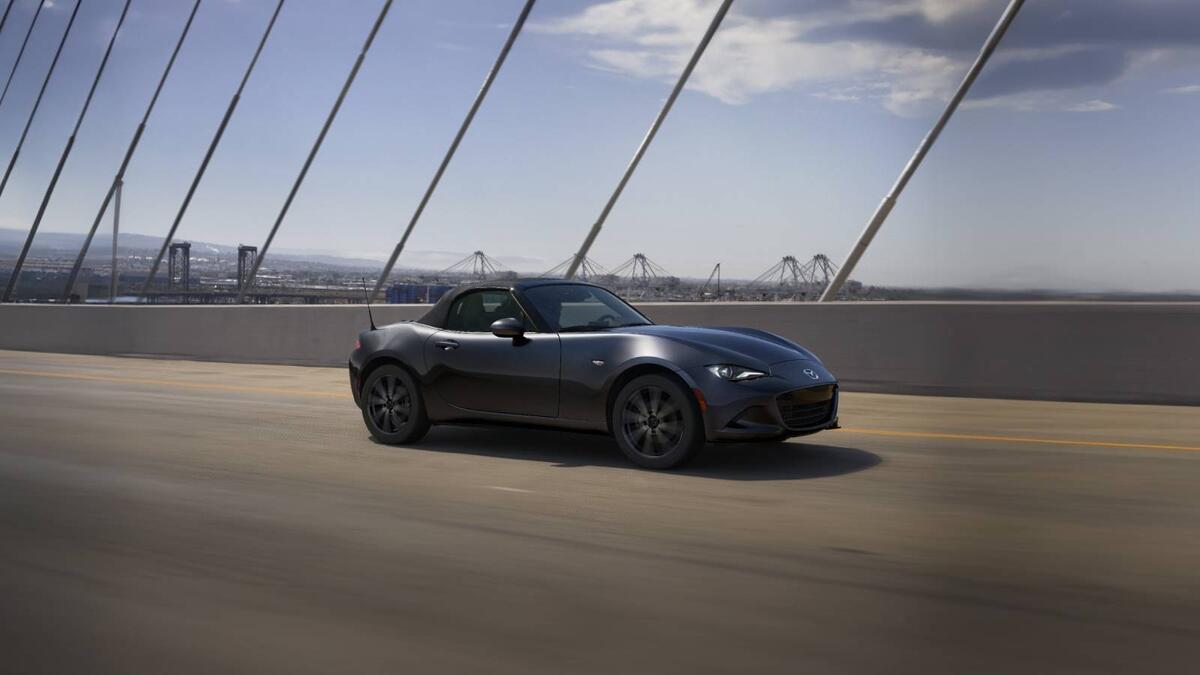
Mazda Mx5
"[1495.3s] Mazda mx5 mark two seats. Okay [1499.4s] More modern seat belts, of course, because it only had the lap belts."
They’re referring to a Mazda MX-5 roadster, specifically the “Mark Two” version. It’s the car they’re discussing for an overlanding trip and how it was modified.
The hosts are talking about a Mazda MX-5 “Mark Two,” which is a specific generation/variant of the MX-5 roadster. They mention it in the context of a conversion for overlanding, so the car choice matters for space, reliability, and how easy it is to modify.
three point
"[1499.4s] More modern seat belts, of course, because it only had the lap belts. They went with the full three point which is thank god"
They upgraded from lap belts to a three-point seat belt. A three-point belt holds you at your shoulder and lap, which is much safer than just a belt across your waist.
“Three-point” refers to a three-point seat belt system that secures the occupant at the shoulder and across the lap. Compared with older lap belts, it better restrains the body during crashes and sudden stops—especially important on rough roads.
Van life battery so inverter setup
"[1505.9s] Van life battery so inverter setup so they have for their electrical devices. They added a 30 liter fuel tank"
They’re describing the power system for running electronics while traveling. The battery stores energy, and the inverter changes it into the kind of electricity most gadgets use.
A van-life battery and inverter setup is used to run household-style electronics off the vehicle’s electrical system. The inverter converts the battery’s DC power into AC power so you can use devices like chargers, laptops, and small appliances.
30 liter fuel tank
"[1505.9s] Van life battery so inverter setup so they have for their electrical devices. They added a 30 liter fuel tank"
They added an extra fuel tank to carry more gas. That helps you travel farther before you have to find fuel.
A larger auxiliary fuel tank increases driving range between refueling stops, which is crucial for remote overlanding routes. The “30 liter” figure suggests a meaningful capacity add-on beyond the stock tank to reduce the risk of getting stranded.
upgrade the suspension
"[1515.5s] Uh, let's see here. Oh, yeah, they had to upgrade the suspension like mid-trip [1520.2s] Because it went out"
They upgraded the suspension, which is the system that helps the car absorb bumps. For rough travel, better suspension makes the car handle bad roads more safely.
Upgrading suspension means changing components like springs, shocks/struts, or related hardware to better handle rough roads and impacts. For overlanding, stronger suspension helps maintain control, reduces bottoming out, and improves ride stability when parts of the route are damaged or uneven.
bush fixes
"[1524.0s] In Africa that would be a good place to do that because I've seen some bush fixes for lack of a better words [1528.7s] Some of the people that are in the middle of Africa are incredible mechanics and can"
They’re talking about makeshift repairs done far from normal shops. It’s the kind of quick fix you do in the field to get going again.
“Bush fixes” refers to improvised repairs done in remote areas using whatever tools and materials are available. In overlanding contexts, this often means temporary fixes that get the vehicle moving again until a proper repair is possible.
active war zone
"[1581.4s] You said 14 000 something [1584.1s] Yeah, the actual time I meant. Yeah, 300 miles of it. We're in an active war zone"
They’re saying the route went through a place where fighting is happening right now. That’s dangerous in a way that goes beyond car problems or rough roads.
An “active war zone” is an area where armed conflict is ongoing, creating serious risks for travelers beyond normal vehicle breakdowns. In the overlanding context, it highlights that the trip’s danger level includes security threats, not just mechanical or terrain challenges.
road trip
"I guess that is the question I would love to ask the audience. What is the most unreliable vehicle you have driven on a road trip? ... Don't just get there. Well the drive."
A road trip is just a long drive away from home. People bring up cars on road trips because it’s when problems show up—like overheating, breakdowns, or running out of fuel.
A “road trip” is a long-distance drive where you’re traveling for hours or days, usually away from home. In car-enthusiast talk, it often becomes a test of how well a vehicle handles real-world conditions like heat, long stretches of highway, and limited repair options.

Mazda Rx7
"I don't mean like my rx7 where it, you know, went 200 miles at a time before it broke down"
They’re talking about a Mazda RX-7. It’s a sports car that some people love, but it can be picky—so it’s a good example when discussing what “unreliable” means on a trip.
The speaker references an RX-7 to illustrate a car that can run for a long stretch before failing. The Mazda RX-7 is known in enthusiast circles for its rotary engine, which can be sensitive to maintenance and cooling, so reliability stories often vary by year and upkeep.
tow bill
"Well, I was I was far enough that it was a $2,200 tow bill. Yeah, I mean it's twist."
A tow bill is what you pay when your car breaks down and needs to be hauled to a shop. It’s one of the big expenses when a trip goes wrong.
A “tow bill” is the cost of having a vehicle hauled to a repair shop after a breakdown. On long drives, towing can be a major part of the real-world cost of unreliability, not just the repair itself.
flats
"Every time I've gone on a road trip. It's been in a reliable car and I've had you know, yeah, I've got I've had flats"
“Flats” means a tire goes flat. It can happen from road debris, and it’s why road-trip prep often includes a spare tire or a plan to get help.
“Flats” refers to punctured tires that go flat, usually from debris or damage. On road trips, flats are common enough that many drivers carry a spare tire, tools, or roadside assistance to keep moving.
low fuel
"I've had flats I've had low fuel, but but I mean I'm always prepared for that"
Low fuel means you’re close to running out of gas. On trips, it’s stressful because you might not have a gas station right when you need one.
“Low fuel” means the vehicle is running near empty, which increases the risk of getting stranded if there’s no gas station nearby. On remote routes, low fuel becomes a planning issue—range calculations and knowing where fuel stops are.
Moab
"I pushed it big time low fuel when we were when I was driving to Moab ... Well on the last the rally that I I helped plan for the guys for Todd and his crew"
Moab is a well-known place for off-roading in Utah. Bringing it up usually means the trip involved rough terrain, not just normal driving.
Moab is a destination in eastern Utah that’s famous for off-road driving and rally events. Mentioning Moab signals the trip context is more rugged than a typical highway road trip.

Ferrari
"They had a vintage Ferrari on that drive. Yeah, we've had some pretty interesting exotics"
They’re talking about an old Ferrari. Older Ferraris are usually more complicated and can be costly to keep running compared with many modern cars.
The hosts mention a “vintage Ferrari,” referring to an older Ferrari model. Vintage Ferraris are often discussed in car culture because they combine classic design with complex, sometimes expensive-to-maintain engineering.
exotics
"I mean the vintage vintage exotics [1705.8s] Exotics are typically unreliable compared to most cars as is but vintage exotics"
“Exotics” means expensive, special sports cars that aren’t made in huge numbers. The hosts are saying they can be less dependable than regular cars, especially older ones.
“Exotics” is shorthand for high-end, low-volume sports cars—typically from premium brands. In this context, the hosts are saying exotics are often less reliable than mainstream cars, and that vintage versions can be even more challenging.

Duesenberg
"That's a whole another game like the people who drive from here to Monterey. Yeah in like a Duesenberg"
They bring up a Duesenberg, which is a famous old American car brand. Cars like that are rare and can be a lot of work to drive long distances.
The transcript references a “Duesenberg” as an example of a vintage car that people might drive on a long tour. Duesenberg is a classic American luxury/performance brand, and its older cars are known for being special—and often demanding—on long trips.
drive from here to Monterey
"That's a whole another game like the people who drive from here to Monterey. Yeah in like a Duesenberg"
They’re talking about a long trip to Monterey, which is a big deal for car events. It’s used as an example of how hard it can be to drive special cars far.
The hosts reference a long-distance drive to Monterey, which is a well-known destination in car culture. This kind of trip is often used to illustrate how vintage cars and exotics are tested under real-world endurance conditions.
alternator
"Just to wear down the tires the alternator the yeah his old square body went up and he wrote drove that thing hard"
The alternator is what keeps your car’s battery charged while you drive. If you beat on the car, it can contribute to wear or failures.
An alternator is the electrical generator in a car that keeps the battery charged and powers the vehicle’s electrical systems while the engine runs. The hosts mention it alongside “wear down the tires,” implying that hard driving can stress multiple components over time.

Audi R8
"...so many roads out there that I want to take Sean on and drive the r8 on or even take the bronco off road out there..."
They’re talking about an Audi R8. It’s a low, sporty supercar, not a typical off-road vehicle—so the interesting part is how they plan to take it on an overlanding trip.
The speaker mentions an “R8,” which is Audi’s mid-engine supercar. In an overlanding context, it’s notable because the R8 isn’t typically built for rough trails or towing-heavy setups, so it raises questions about how it would be transported and protected.
overland
"...some nice just pretty overland stuff. I'm hoping to do that..."
“Overland” is basically road-tripping with a vehicle that can handle rougher areas and carry your gear. Think long trips where you’re prepared for remote places.
“Overland” refers to long-distance travel using vehicles equipped for self-sufficient trips—often including rough roads, remote areas, and carrying gear for camping or extended stops. It’s more about the journey and logistics than racing or short off-road runs.

bronco
"...or even take the bronco off road out there... So you're just going to need like a brand new tow truck a brand new flatbed that'll carry the r8 and the bronco..."
They mean a Ford Bronco. It’s a rugged SUV made for off-road driving, which is why it makes sense for a trip that includes places like Moab.
The speaker refers to a “Bronco,” which is Ford’s off-road-focused SUV line. Unlike the Audi R8, the Bronco is designed for dirt roads, trails, and recovery scenarios—so it fits the overlanding plan much more naturally.
black bear pass
"...So you've got black bear pass So you're just going to need like a brand new tow truck a brand new flatbed that'll carry the r8 and the bronco..."
Black Bear Pass is a tough off-road route in Colorado. It’s steep and rocky, so you need the right vehicle setup and sometimes help if things get stuck.
Black Bear Pass is a steep, rocky mountain pass in Colorado that’s commonly discussed in off-roading circles. It’s the kind of route that can require careful traction management and sometimes recovery equipment, especially for vehicles not set up for trail driving.
tow truck
"...So you're just going to need like a brand new tow truck a brand new flatbed that'll carry the r8 and the bronco..."
A tow truck is what you call when a vehicle can’t make it under its own power. For off-roading, it’s a backup plan if someone gets stuck.
A tow truck is a specialized vehicle used to recover or transport another vehicle that can’t drive. In off-road planning, tow trucks (or recovery services) are part of the safety net in case a vehicle gets stuck or damaged on a difficult route.
Request an Explanation
Heard something you'd like explained? We'll add it to this episode.
Sign in to request explanations for terms you heard.
Want to learn more?
Browse our glossary for plain-English explanations of automotive terms, jargon, and concepts.
Help improve this episode
See something that's not quite right? Our annotations are AI-generated and can sometimes miss the mark. Click the flag icon on any annotation to suggest a correction.