
The worst things car owners can do to their vehicles
About this episode
Ordering a car isn’t as simple as people think—many brands don’t allow direct factory orders, and options can be delayed by constraints. The episode then pivots to trade-in value: accidents with paint work, sloppy masking, and lifted trucks can all hurt resale, while “chipping” via the OBD port can raise warranty risk. On the flip side, good maintenance records, proper reconditioning, and knowing your VIN and mileage help you avoid getting ripped off.
Email Lennie at [email protected]
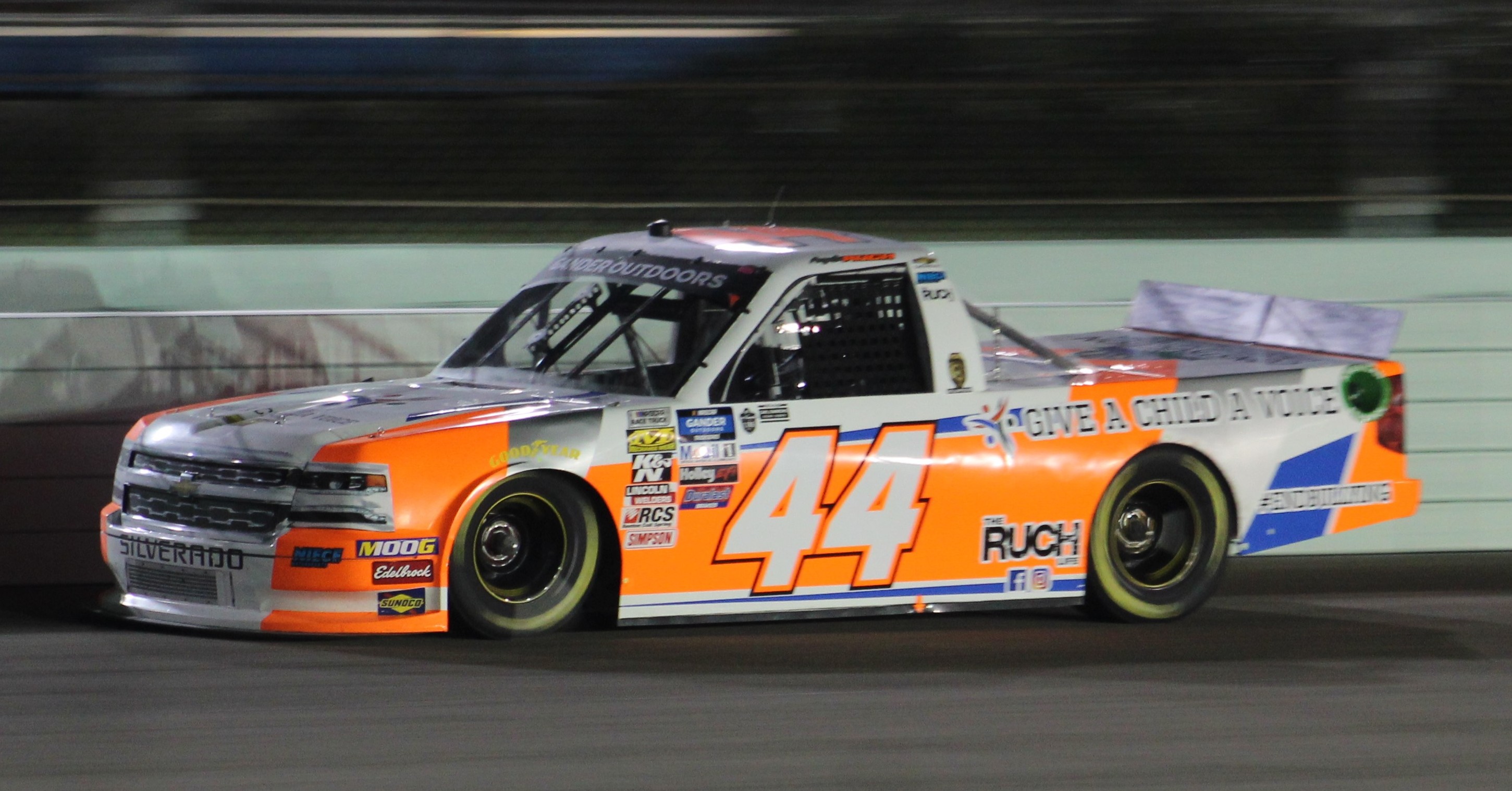
Chevrolet Silverado
"...ls them constraints. So let's say that you want a Silverado and you want a particular engine and you order it..."
The Chevrolet Silverado is a large pickup truck made for hauling and everyday driving. People talk about it a lot because you can choose different engines and options when you order one. The ordering choices can be complicated, so it’s a good example of how truck builds work.
The Chevrolet Silverado is a full-size pickup truck known for being highly configurable, especially when you order it with specific engines and options. It often comes up in discussions about how ordering guides work because the number of available combinations can be overwhelming. That makes it a common example when people talk about constraints and how to get exactly what they want from the factory.
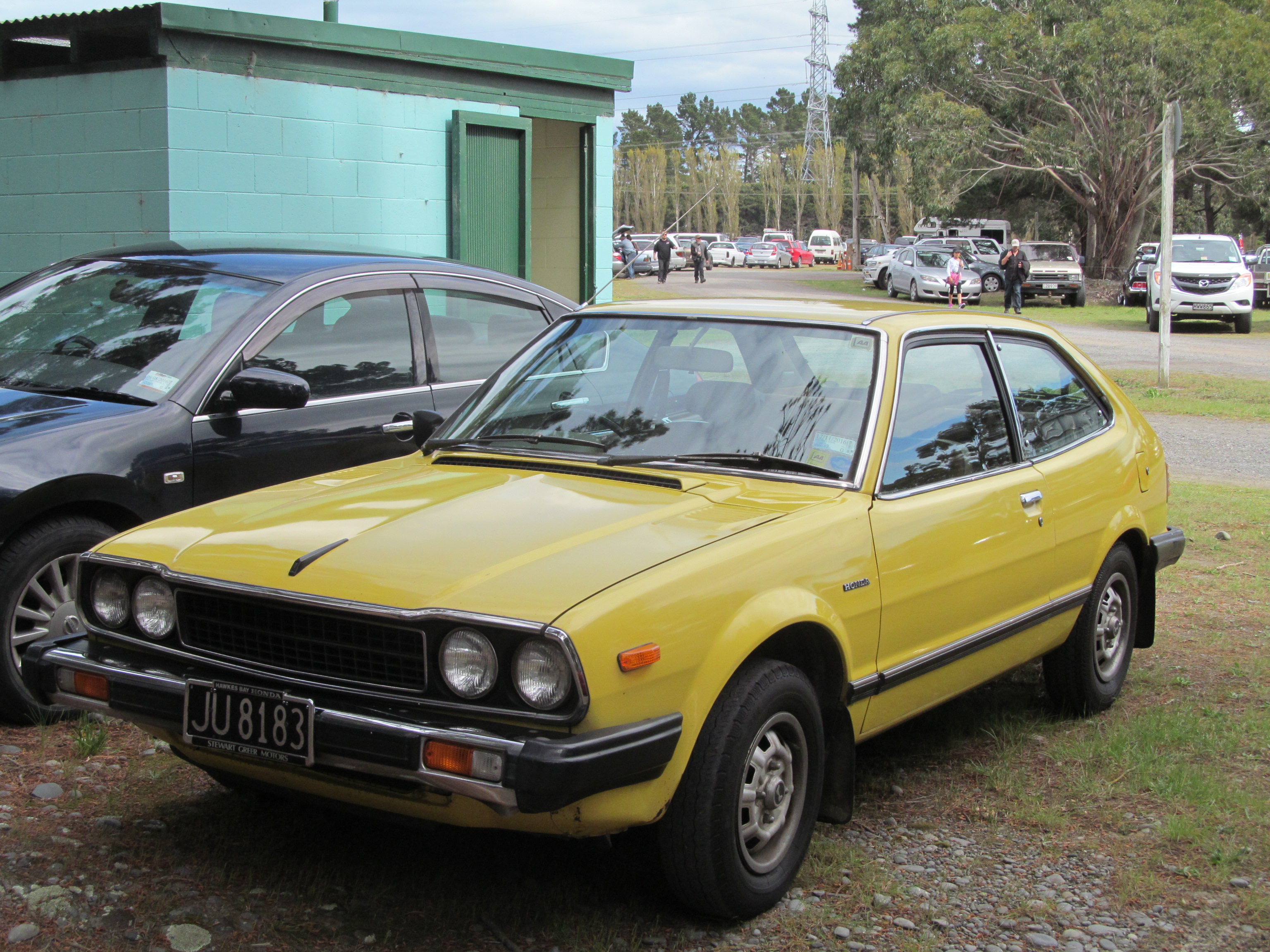
Honda Accord
"...member exactly when Honda came out with the Honda Accord. And then they came out with the Civic and the re..."
The Honda Accord is a midsize car made by Honda. It’s important because it’s been around for a long time and has helped define Honda’s car lineup. In the podcast, it’s mentioned to talk about when Honda introduced different models over the years.
The Honda Accord is a long-running midsize sedan that’s often discussed as a key model in Honda’s lineup. In podcast context, it’s mentioned alongside other Honda models to explain the timeline of when certain nameplates appeared and how the lineup evolved. That’s why it comes up when talking about the brand’s history and model development.

Honda Civic
"...the Honda Accord. And then they came out with the Civic and the rest is history. But they only had like f..."
The Honda Civic is a compact car made by Honda. It’s mentioned in the podcast as a model that came after the Accord and became a big part of Honda’s lineup. The discussion is mainly about how Honda’s cars evolved over time.
The Honda Civic is a compact car that became one of Honda’s most recognizable models. In the podcast context, it’s referenced as part of the sequence after the Accord, highlighting how Honda expanded its lineup. That makes it relevant when discussing the brand’s model history and why the Civic became such a major name.

Ford Expedition
"...ly sweet way. I say, remember when we wanted that expedition that you had and you wouldn't give it to us"
The Ford Expedition is a large SUV made by Ford. It’s built to carry more people and handle bigger tasks like towing. The podcast mentions it because the speakers were talking about wanting that specific SUV.
The Ford Expedition is a full-size SUV designed for family use, passenger space, and towing capability. In the podcast context, it’s referenced as a specific vehicle the speakers wanted and discussed in personal terms. That makes it relevant as an example of the kind of large, practical SUV people consider for their needs.

Ford Mustang
"...ler installed on it. Is that okay? Maybe it was a Mustang and it was a factory spoiler."
The Ford Mustang is a sports car made by Ford. In the podcast, it’s mentioned because some Mustangs can come with factory-installed features like a spoiler. The question is whether a spoiler was installed by the factory or added later.
The Ford Mustang is a performance-focused sports car that’s commonly associated with factory appearance options like spoilers. In the podcast context, it’s brought up in relation to whether a spoiler could be factory-installed, which matters for authenticity and how the car was originally equipped. That’s why the Mustang name is relevant in discussions about specific parts and build details.
tape lines
"And, you know, tape lines is another thing. You know, where they have to paint the door or the fender, and they use tape to kind of protect the rest of the vehicle from overspray."
Tape lines are the visible boundaries where masking tape was placed during painting or refinishing. Appraisers and inspectors can use them as evidence that a panel was repainted, which can affect valuation and insurance assessments.
overspray
"You know, where they have to paint the door or the fender, and they use tape to kind of protect the rest of the vehicle from overspray."
Overspray is when paint gets sprayed onto parts you weren’t trying to paint. Painters use tape to cover areas so the wrong spots don’t get paint on them.
Overspray is paint mist that lands on areas you didn’t intend to paint, like trim, glass, or adjacent body panels. In bodywork, tape and masking are used to prevent overspray during painting.
vehicle appraisal
"If they tape off around the door jam, a car dealer is going to pick that up when he's appraising your vehicle. He's going to be filling for those tape lines."
A vehicle appraisal is an estimate of what your car is worth and what condition it’s in. Here, the appraiser checks for clues that parts were repainted, which can change the value.
Vehicle appraisal is the process of estimating a car’s condition and value, often for insurance or resale. In this context, the appraiser looks for signs like tape lines to determine whether the vehicle has been repainted after damage.
lifting a truck or SUV
"Well, truck owners or SUV owners, they lift them. They lift them up. They raise the vehicle higher than it's supposed to be from the factory or than the way it was built."
Lifting a truck or SUV means raising it higher off the ground than it came from the factory. If it’s lifted too much, it can mess with how the wheels and suspension work together.
Lifting a truck or SUV means raising the suspension higher than the factory ride height, usually to fit larger tires or change stance. Bigger lifts can affect driveline angles, steering geometry, and ride quality, which is why the host calls it one of the worst owner habits when done too much.
leveling kit
"Sometimes they call those a leveling kit. And so, if you look at a brand new F-150 from this side, you're going to see that it's a little bit lower in the front than it is in the back."
A leveling kit is a modification that raises the front of a truck so it sits more even with the back. People use it mostly to fix the truck’s “front sits lower” look.
A leveling kit is a suspension modification intended to raise the front of a truck to match the rear ride height. It’s often done to correct the factory “nose-down” stance without going as far as a full lift.

F-150
"And so, if you look at a brand new F-150 from this side, you're going to see that it's a little bit lower in the front than it is in the back."
The Ford F-150 is a very common pickup truck. The host is using it to explain how changing the suspension height can change both the look and the way the truck drives.
The Ford F-150 is a popular full-size pickup, and it’s commonly modified because it has a simple, widely supported suspension setup. In this segment, the host uses it as an example of how front-end height changes can affect how the truck looks and drives.
spacers in the springs
"So, what we do is we put these spacers in the springs that lifts up the front end, and it makes it all look level."
Spacers in the springs are small parts added to change how tall the suspension sits. They raise the front of the truck to make it look more level.
Using spacers in the springs is a common leveling approach: it effectively increases the spring’s installed height so the front end sits higher. Because it changes ride height without a full suspension redesign, it’s usually less disruptive than a major lift.
driving dynamics
"But if you jack it up four inches and put big monster wheels and tires on it, when you trade it in, you'll be lucky if you recover any of that expense. You are completely changing the driving dynamics of the vehicle."
Driving dynamics means how the truck feels and behaves while driving. Changing the height and tires can make it handle differently than stock.
“Driving dynamics” refers to how a vehicle behaves—things like steering feel, stability, ride quality, and how it responds to braking and cornering. Raising a truck and fitting larger tires can change suspension geometry and weight distribution, which is why the host calls it a major downside.
gas mileage
"You are completely changing the driving dynamics of the vehicle. You are hurting the gas mileage probably by 20 to 25%."
Gas mileage is how efficiently the truck uses fuel. Bigger wheels and tires (and lifting it) usually make it burn more gas.
Gas mileage is the fuel economy—how far the vehicle can go per unit of fuel. Larger wheels/tires and a higher stance increase aerodynamic drag and rolling resistance, which can reduce fuel economy.
lift it
"So, if you can avoid it, don't lift it. Level it, that's okay. Just don't lift it."
Here, “lift it” means raising the truck higher than stock. The host’s point is that going too far can make the truck handle differently, cost more at resale, and use more fuel.
In this context, “lift it” means raising the truck’s suspension height beyond a mild leveling change, typically to fit larger tires. The host argues it can hurt resale value and alter handling and fuel economy compared with keeping the truck closer to stock ride height.
chipped
"Now we're saying don't chip it. Which is a programming chip."
“Chipping” here means adding a device that changes the car’s computer settings. It can make the car feel stronger, but it can also cause problems and may void coverage.
In this context, “chipping” means installing an aftermarket programming chip that changes engine control settings. It can adjust parameters like fueling and airflow targets, which may increase power but can also stress components or trigger warranty issues.
OBD port
"Which is a programming chip. It's a plug-in to the OBD port which changes the specifications of the engine."
The OBD port is a plug-in spot in your car that mechanics use to check problems. Some aftermarket devices plug into it to change how the car runs.
The OBD port (On-Board Diagnostics port) is the standardized connection in most cars used for diagnostics and reading trouble codes. When a device plugs into it, it can access vehicle data and sometimes alter how the car behaves.
turbo
"It can actually make the turbo work a little bit harder. It can change the fuel delivery, the amount of air it's going to the engine."
A turbo is a device that helps your engine breathe more air. If the car’s settings are changed, the turbo may be pushed harder, which can increase power but also increase strain.
A turbocharger uses exhaust gas to spin a turbine that forces more air into the engine. If an aftermarket chip changes engine settings, it can increase how hard the turbo is commanded to work, which can raise power but may also increase heat and stress.
fuel delivery
"It can change the fuel delivery, the amount of air it's going to the engine."
Fuel delivery is how the car decides how much gas to send into the engine. Tuning can change that to change how the car runs.
Fuel delivery is how much fuel the engine is commanded to inject, and when. Changing fuel delivery (often alongside airflow targets) is a common way engine tuning affects power and drivability.
warranty
"If you're under warranty, don't do it. People say, well, I'll just unplug it if I have a problem, take it into the dealership."
A warranty is the promise from the maker to pay for certain repairs. If you modify the car with something like a chip, the dealer may refuse to cover related problems.
A warranty is the manufacturer’s coverage for certain repairs, usually for a set time or mileage. The host’s point is that aftermarket “chipping” can be detected and may lead to denial of engine-related claims or even loss of coverage.
trade it in
"When you go to trade it in, dealers don't like that. [958.8s] Now, if it's done well, some will like it."
“Trade it in” means you give your current car to a dealer and use it toward buying another car. Dealers have to resell your car, so changes you made might lower what they’ll pay.
“Trade it in” is when you turn your current vehicle in to a dealer as part of the purchase of a new (or different) vehicle. Dealers then resell it, so modifications can affect how easily they can market it and what they’re willing to offer.
on the dollar
"But you're going to get about 10 cents, maybe 15 cents on the dollar for every dollar you invested in that. [968.2s] If you change the sound system, it's even less than that."
“On the dollar” is a resale-value comparison. If someone says you’ll get “10 cents on the dollar,” they mean you only get about 10% of what you spent back.
“On the dollar” is a way to describe resale value as a fraction of what you paid. For example, “10 cents on the dollar” means you typically recover only about 10% of your investment when you sell or trade the car.
Borla exhaust system
"Better to retain the old exhaust. [1005.5s] And when you get ready to trade it, take off the Borla exhaust system, put on the factory exhaust. [1012.9s] And now, again, that may not be the case with somebody that you're selling it to on Facebook Marketplace."
Borla makes aftermarket exhaust parts. The host is saying that if you put a Borla exhaust on your car, it might hurt your resale value because some buyers want the original factory exhaust instead.
Borla is an aftermarket exhaust brand known for performance-oriented mufflers and cat-back systems. The point here is that a Borla exhaust can reduce what you get at trade-in because many buyers prefer the original “factory” exhaust sound and setup.
factory exhaust
"And when you get ready to trade it, take off the Borla exhaust system, put on the factory exhaust. [1012.9s] And now, again, that may not be the case with somebody that you're selling it to on Facebook Marketplace."
“Factory exhaust” means the original exhaust system that came on the vehicle when it was new. Many buyers prefer it because it matches the car’s intended sound, emissions calibration, and fitment, which can make modified cars harder to sell.
Request an Explanation
Heard something you'd like explained? We'll add it to this episode.
Sign in to request explanations for terms you heard.
Want to learn more?
Browse our glossary for plain-English explanations of automotive terms, jargon, and concepts.
Help improve this episode
See something that's not quite right? Our annotations are AI-generated and can sometimes miss the mark. Click the flag icon on any annotation to suggest a correction.