After you do big engine work, you usually don’t drive it hard right away. A “500 mile break-in” means you drive it for a while more gently so the new parts can settle in safely.
“Diff” is short for the differential, which is part of the drivetrain that helps the wheels turn properly. They’re saying they installed a new one (or replaced it) during the build.
A piston is a key engine part that moves up and down to make power. If it cracks, the engine can’t run correctly and usually needs significant repair, not just a quick fix.
Car
LMM Duramax
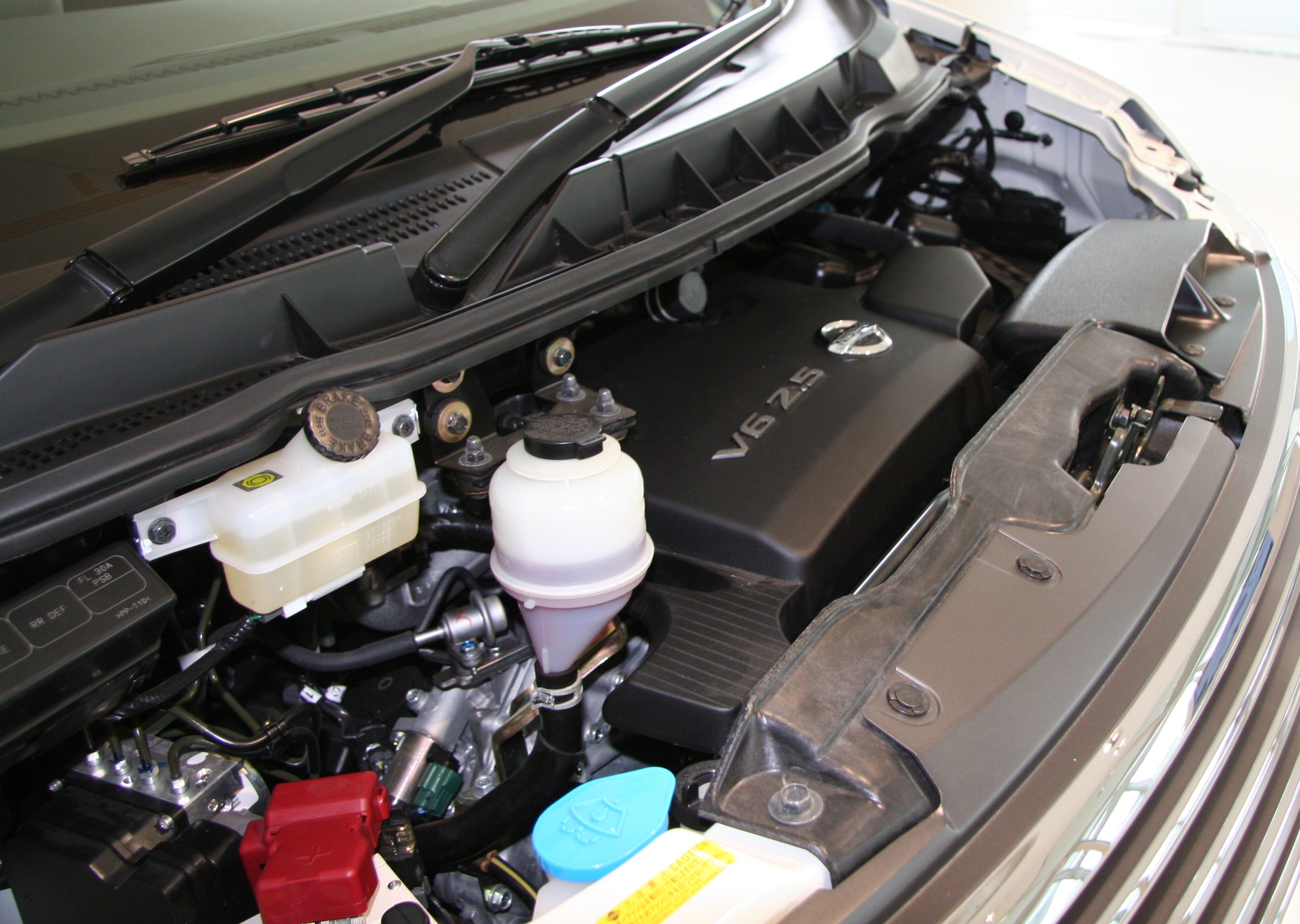
Duramax is GM’s diesel engine family. The “LMM” part is a specific version of that diesel used in certain years, and it has a different setup for how heat/coolant and emissions cooling parts are connected.
EGR is an emissions system that routes some exhaust back into the engine. The EGR cooler helps manage temperatures so the engine can run cleaner without overheating those gases.
Engine oil can get too hot. The oil cooler housing is part of the system that helps cool the oil, and in this case it also connects to how the EGR cooler gets its feed.
A heater core is a small heat exchanger used to warm the cabin by circulating hot coolant through it. The speaker describes how coolant flow is routed into the heater core via lines connected to the EGR cooler plumbing on the LMM.
An auxiliary pump is a second pump added to help coolant circulate faster or farther. Here, it’s used to try to get enough hot coolant to the heater core.
A gasket is a sealing component that prevents leaks between two mating surfaces, especially in coolant/oil passages. The speaker describes forgetting a gasket during reassembly, then having to tear it back apart and redo the line installation.
They’re saying past repairs were done in a sloppy way. Because of that, problems were hidden until later, when they finally got the vehicle running and started using it.
A gooseneck ball is the part that connects a gooseneck trailer to the truck. In this case, it was welded in a way that made it impossible to remove and swap the hitch setup.
A gooseneck trailer is a type of trailer that hooks to a truck using a hitch ball in the truck bed. Here, they couldn’t properly use the trailer because the hitch hardware was welded in the wrong way.
A chime box is what makes the truck beep when it detects warnings. If you disconnect it, the beeping stops, but the underlying problem may still be there.
ABS helps prevent the wheels from locking up during emergency braking. If it’s not working, the truck may warn you and braking may not be as controlled.
A brake warning is the truck telling you something in the braking system isn’t right. It could be a sensor issue, low fluid, or a system fault that needs checking.
Parts availability means how easy it is to find replacement parts when something breaks. If a truck uses a rare setup, you might have to wait longer or travel farther to get the right part.
The rear axle is the big mechanical part that helps deliver power to the rear wheels. If the exact axle version is hard to find, repairs can be slow and expensive.
Spicer is a company that makes parts for trucks, including axle components. The issue isn’t that it’s a bad brand—it’s that the exact axle you need is a weird size, so it’s hard to get locally.
“Problem ridden” just means the vehicle has a lot of issues. The speaker is saying they’ve seen the car/truck cause trouble for years, so it’s a risky purchase.
The Honda S2000 is a sporty Honda roadster that’s known for feeling fun and responsive. They’re saying a stock (unmodified) one is much less likely to turn into a long, expensive problem than a car that’s been messed with.
A “project car” is a vehicle that needs significant work—often because it’s been modified, repaired poorly, or has unresolved issues. The episode emphasizes the risk of buying someone else’s unfinished or incorrectly wired project, where you may have to undo lots of prior “patches” before doing it correctly.
“Wired wrong” points to incorrect electrical wiring—often causing intermittent faults, no-start issues, or unreliable operation. In project cars, bad wiring can be especially time-consuming to diagnose and may require ripping out prior work to restore proper circuits.
A pre-purchase inspection is when a mechanic checks a car before you buy it. It helps you find problems the seller might not mention, and it can save you from buying a headache.
This is a special version of the Volkswagen Golf from 1996. It’s famous for its unusual, colorful paint pattern, and it’s hard to find—so getting one is a big deal for collectors.
When buying a rare enthusiast car, a fixed budget can strongly shape what you’re willing to accept—especially if the market is thin and listings are scarce. The host describes dead ends and difficulty finding the right car within their budget, which is common for limited-production models.
They’re saying it’s hard to haggle because the owners already know what they want for the car. When a car is rare, there aren’t many alternatives, so prices tend to be firm.
This is a rare, special version of the Volkswagen Golf with a unique look. The key point here is that it was made for the North American market, so you can’t just assume you can import one from Germany like you might with other Volkswagens.
Consignment means the seller places the car with a dealer/importer to sell on their behalf, rather than the dealer buying it outright first. In this segment, the host is offered the car’s details before it’s officially listed, which is common with consignment inventory.
Mileage is a key ownership metric that affects expected wear items, maintenance history, and overall value. The host mentions 120,000 miles while emphasizing the car’s “immaculate” condition, suggesting low wear relative to the odometer.
Air suspension is a suspension system that can raise or lower the car using air. It’s often used to change the stance/ride height, and it can be a big part of how the car feels.
An aftermarket steering wheel is a different steering wheel than the one that came from the factory. People swap them for looks or feel, and here it’s mentioned as one of the few non-stock items.
Importing a car from Europe means buying it overseas and bringing it to your country. You usually have to deal with shipping and paperwork, not just buy it like a normal car.
Buying a car sight unseen means purchasing without personally inspecting it in person. The host highlights the risk with a rare vehicle—limited photos, no full view of key areas, and relying on photos/videos and the seller/transporter’s process.
Concept
air (seen the air)
They’re saying they didn’t really get to look at the car themselves before buying it. That’s why the process felt risky.
This refers to the car being physically placed onto the transport trailer, typically by a transporter/shipping company. It’s mentioned as the first video the buyer received, showing how the shipping process became the main “proof of condition” moment.
“Rolled the dice” is a risk metaphor—here it means taking a chance on a rare purchase with limited photos and slow communication. It ties directly to the uncertainty of buying a car sight unseen.
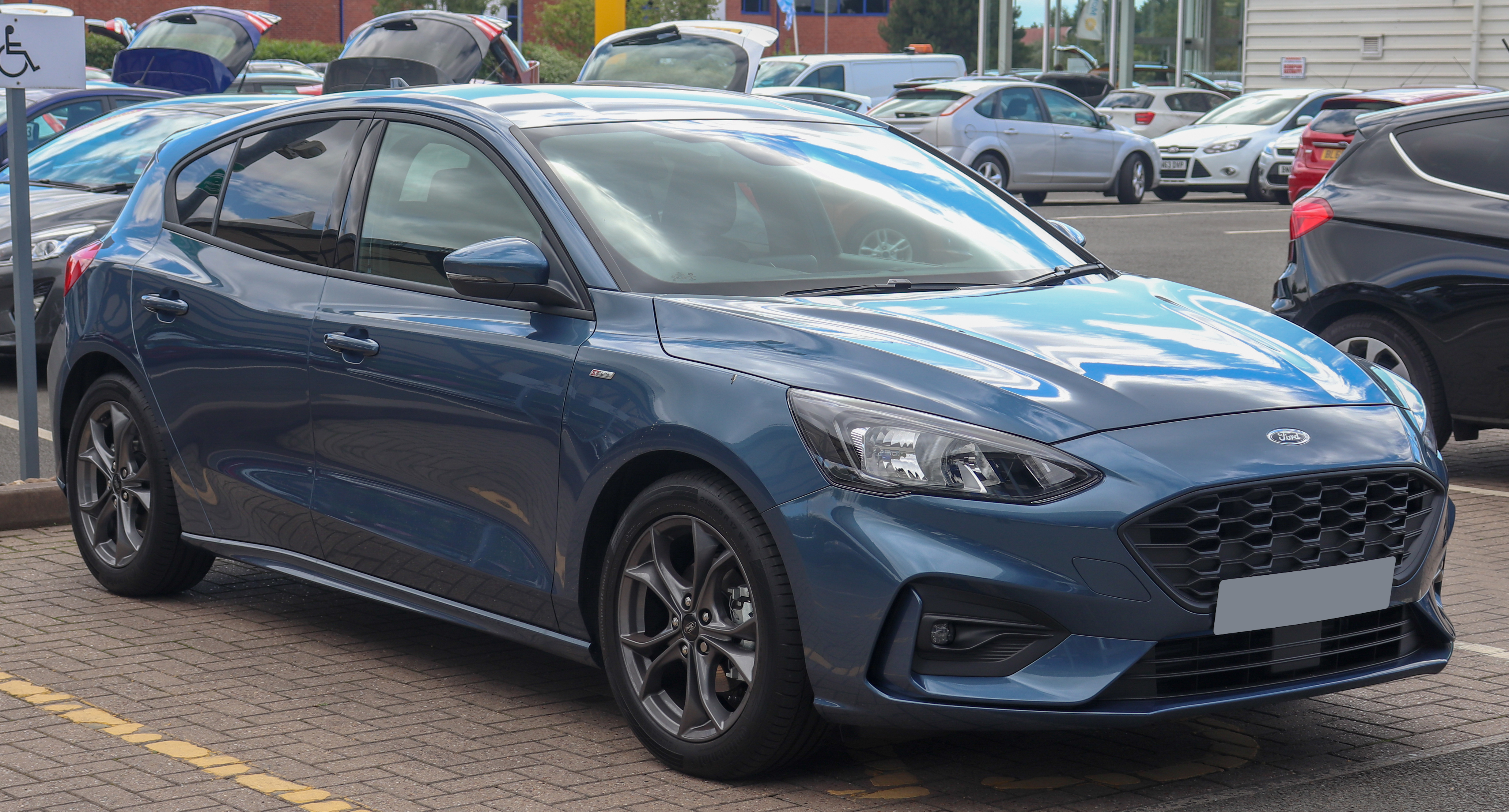
They mean the Ford Focus ST, a sporty version of the Focus. It’s a smaller car that’s meant to feel more fun to drive than a normal commuter hatchback.
“Stance cars” are cars modified mainly for how they look—usually with the car lowered a lot and the wheels positioned just right. People do it for the visual style, not just speed.
Car
Mark 4 GTI
The “Mark 4 GTI” is a Volkswagen Golf GTI from the Mk4 era. It’s a popular small performance car that a lot of enthusiasts modify.
“Air ride” means the car’s suspension uses air pressure instead of normal springs. That lets you change how high or low the car sits, sometimes at the push of a button.
A “dual compressor setup” means there are two air pumps working for the air suspension. More than one pump can help the car adjust height more quickly and consistently.
PSI is just a way to measure how much air pressure is in the suspension. Higher PSI usually means the car sits higher; lower PSI usually means it sits lower.
These gauges show how much air pressure is in the air suspension. If you can see the pressure for each side, it’s easier to set the car to the same height every time.
Brake lines carry brake fluid to the brakes. If the rubbery part gets old, it can swell when you press the pedal, making the pedal feel mushy—new lines help the pedal feel solid again.
Pedal feel is how the brake pedal feels when you press it. If it feels soft or squishy, it often means something in the brake system is flexing or not responding crisply.
Service records are paperwork that shows when the car was serviced and what was fixed. If you’re buying a used car, this kind of history helps you trust that it was maintained and can show if anything weird keeps happening.
An owner binder is basically a folder of receipts and documents. It’s useful because it shows the car’s past and helps you understand what maintenance it’s already had.
“History” here means the car’s background—who owned it and what happened to it over time. Better history usually makes it easier to trust the car’s condition.
The “original owner” is the first person who owned the car. If they kept good records, it can make it easier to know how the car was treated from the beginning.
Term
80 horsepower
They’re throwing out a rough power number—about 80 horsepower. More horsepower usually helps with acceleration, but how the car feels also depends on other things.
Concept
police chase scenario
They’re using a “police chase” situation as a dramatic way to describe the car while driving. It’s more about the vibe and excitement than about real-world police procedures.
They mention Nissan Skylines because it’s a well-known performance car. It’s basically them saying they’ve driven other exciting cars before and this one surprised them too.
Concept
factory-built vs owner-modified
The speaker corrects a misconception: people think they personally painted the “balls,” but they say “vw did this factory like this” and “Volkswagen produced it.” This highlights the difference between an owner’s custom work and a factory special/trim that came that way from production.
Concept
small tweaks to make it my own
The speaker says they’re planning “a few little small tweaks” to personalize the car. In enthusiast culture, this usually means reversible or taste-based changes (cosmetic or minor functional upgrades) that don’t erase the car’s identity.
Continental is a well-known tire brand. The host is saying they’ll likely buy Continental tires and encouraging listeners to use Continental’s selection tools.
The Morgan Plus Six is a sports car made by Morgan. It’s designed to be light and fun to drive. The podcast mentions it because the speaker wants to get one soon.
“Track” refers to driving on a closed course for performance testing and high-grip driving. The speaker contrasts track weekends with daily driving across seasons, which matters for tire choice and vehicle setup.
The Toyota Supra is a popular sports car. The host is talking about the exhaust on their Supra—how they removed the factory exhaust and are selling it.
Marketplace is an app/website where people sell used stuff to neighbors. The host is telling a story about selling an exhaust and how some buyers flaked or made complicated plans.
A Pontiac Vibe is a small everyday car. In this story, someone had a huge exhaust system mounted on top, which made it take up a lot of space and look unusual.
The episode describes a new organizer decision for Supercar Saturday: prohibiting VQ-platform vehicles due to prior complaints and incidents. This is an example of how car-show communities sometimes respond to safety and behavior concerns by changing eligibility rules.
“VQ” is Nissan’s engine family used in a bunch of popular sports cars. The organizers are banning those cars from the show because they think they’ve caused too many problems in the past.
The Infiniti Q40 is a luxury car model from Infiniti. In the podcast, it’s mentioned because the host is listing which cars are not allowed to attend a specific event. The reason given is that it falls under a certain platform/engine group.
The Infiniti Q60 is a luxury coupe made by Infiniti. The podcast mentions it because the host is saying certain cars are not allowed to attend an event. The stated reason is that it belongs to a specific platform/engine group.
The Infiniti G25 is a luxury car model from Infiniti. In the podcast, it’s mentioned because the host is listing cars that won’t be allowed at an event. The reason given is that it’s part of a specific platform/engine category.
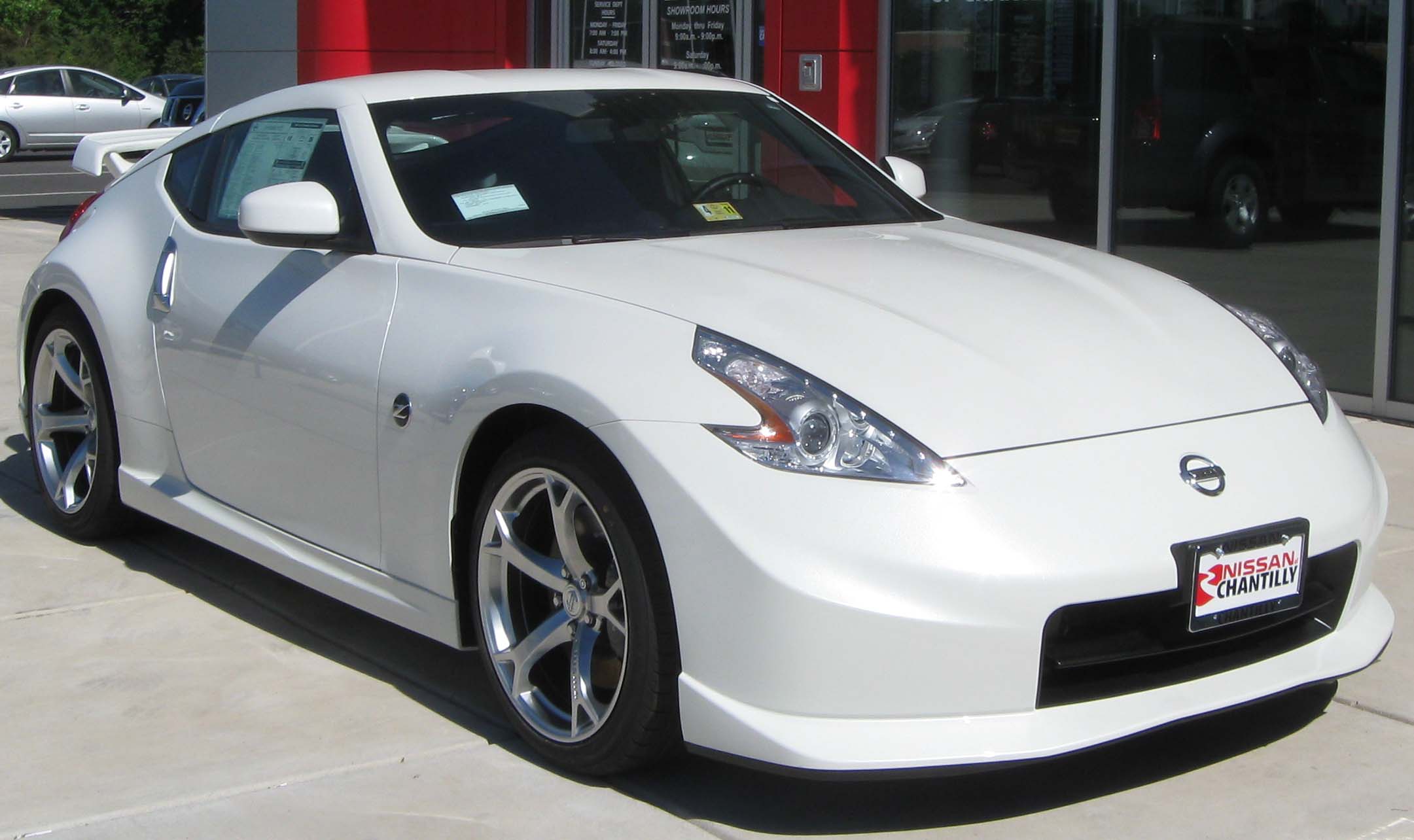
The Nissan 370Z is a sports car from Nissan’s Z line. It’s the kind of car enthusiasts bring to shows, so it matters when events decide to ban certain models.
The speakers are discussing event rules that restrict certain cars from shows, likely due to noise or aggressive behavior from a subset of attendees. They highlight the “gray area” problem: once you ban one platform (like VQ-powered cars), it becomes unclear where the line should be drawn and who decides.
Term
VQ
“VQ” is the name of a type of engine used in a lot of Nissan/Infiniti cars. The discussion is basically: if events ban cars with that engine, it could end up banning a huge range of models.
They’re talking about events banning certain car groups. The host is basically asking: if the problem is a few bad actors, does banning everyone with that car/engine really fix it?
Car
Nissan VQ
“VQ” is Nissan’s engine family that shows up in a lot of popular Z-cars. The speaker is saying that banning a whole group based on the engine doesn’t necessarily stop the people who cause trouble.
They’re mentioning the Infiniti Q50 as one of the cars whose owners they know personally. The takeaway is that most owners aren’t the ones ruining events.
They’re talking about the Infiniti G35, a car a lot of people modify and enjoy. The host’s point is that most G35 owners wouldn’t act like the “bad” group people blame.
“Slammed” means a car is lowered a lot for looks. The host is saying that certain trends can attract people who ruin events, even if the style itself isn’t the real problem.
“H2O” is referenced as an event that was “ruined,” likely referring to a specific car meet known by that shorthand. The speaker uses it as an example that problems at events can spread across different communities, not just one platform.
They mention Riverside as an example of a car event they’re worried about. The idea is that when events get bigger, the wrong crowd can show up and start ruining the experience.
Concept
banning platforms
They’re talking about restricting where people find out about car events or how they’re promoted. The hope is that fewer troublemakers show up, but the concern is that it could just make things worse instead of better.
Concept
enforce it super super heavy
They’re saying that if organizers clamp down too hard, people may get angry and resist. That can make the situation worse for everyone, even the people who were there for the right reasons.
They bring up Gatlinburg as a real-world example of a place that tried to clamp down on bad behavior. The point is that heavy rules didn’t make everyone happy and it turned into a fight instead.
“No tolerance” means there’s basically zero tolerance for certain behavior—if you do it, you get punished right away. They’re saying that even with that approach, people can still fight back and it doesn’t always fix the problem.
They’re talking about what happens when car events aren’t managed well. If people feel like they’re being shut out with no alternative, the situation can get worse instead of better.
They’re saying the best outcomes happen when the event organizers and the city work together. When everyone agrees on where things happen, the event runs smoother and stays safer.
A burnout pit is a specific spot at an event where people can do burnouts. If the event provides a place to do it safely, fewer people feel the need to do it on regular roads.
“Drift stuff” means cars sliding around on purpose, like in drifting competitions. The point here is that if events allow it in a safe place, people are less likely to try it on the street.
Stop-and-go traffic is when cars keep slowing down and speeding up because of congestion. The hosts are saying the event would make the strip more crowded and annoying for everyone.
A burnout box is a special spot at an event where people can do burnouts without causing problems elsewhere. The conversation is about what venues should reasonably provide for car fans.
LIVE
Welcome back to the martini works podcast. I'm Dakota and I'm here with Austin and gels. Hi. I'm over. How you guys doing good?
How are you Friday? Happy Friday Friday as of right now?
It's currently beautiful outside, but it's about to just rain for the rest of our lives. I guess. Yeah
Yeah, that's true. It's supposed to rain all week non-stop. Yeah, there's a flood warning today for the end of today
Even though it's beautiful out right now. It's like a flood watch tornado warning hail. What like?
What the fuck's what happened to this state bring the thunder. Yeah, dude
It's pretty wild
Alex is currently down in Mexico. Yeah, so we got Dustin fill in always a pleasure to have him on the podcast
So what's new with you? What have you been working on? I don't want to talk about it
Next question, please. No, you're on a podcast or a story of my life
I wish I was working on my stuff, but I just been working on the C4 500
Forever and always a project
Almost pushed it into the streets and
Lid it on fire. I didn't roast at a marshmallow before I called the fire department the other day
Like you should have just did it for those that don't see 4,500 is Alex's truck that you might not even know he has because it's just
You've probably never seen it. Yeah under the knife since they got it pretty much
What's gross is the other day? I did the math for funsies on the number of dollars per mile. We've driven
And it's it's it's dollars not cents. Oh, let's put it that way
Yeah, so like what what happened with it now because I thought the last update was it it's basically all there
We're doing the the 500 mile break and yeah, yeah
Yeah, that was after the diff went in, right? I think so
Yeah, okay, so so the good news is that the problems are getting smaller right there
It I explained something this is some on the other day
It's I think the only bit of encouragement is that you know, we started with really big problems
We started with we have a cracked piston then we needed a
Rear diff then we had brakes and we had this then we and so the problems are getting smaller, but there's still problems, right?
So like right now I
When we put
I'm gonna nerd out for a second. Let me do it. Okay, so that truck came with an LMM Duramax, right?
They produced in between 06 and 08 the LMM now Duramax's fundamentally are pretty much the same from
2003 and a half when they went to L a y all the way up to 2016. I mean they really didn't change much sure
The LMM is the only year model where the EGR cooler is fed from the oil
Oil cooler housing which sits on the back of the driver's block
Driver side of the block
So there's a elbow where the coolant comes through the cooler and then back into the block
And then there's a line that comes up around the back side into the EGR cooler and then that feeds your heater core
All the rest of them feed off the front of there's an outlet on the water
Around the thermostat outlet up in the top side. It just loops around super simple when we built the engine
We technically put an LBZ back into it
for a couple of different reasons it's
Basically what guys do like DHT takes it
The blocks and puts kind of the best pieces of all the generations together. So you solve all the issues. Yep
They did it better in GM surprise
So when they built it they built us an LBZ which had the didn't have the water outlet
So we thought okay, that's fine, right?
We'll put up an auxiliary pump in there to put heat, you know coolant through the heater core and then obviously have heat
the auxiliary pump doesn't have enough to do it so I had to get a new elbow and then I'd get the new line and then
Put it in and then I forgot a gasket because I realized there was two gaskets on it not one
So I put it in at least tore it back apart put it back together go to put the line in
and the manifolds on
The C4 500s are different than the pickup trucks and so they're the blind didn't fit and I defend it and it's just like
Fuck it's been a lot. Yeah, it's a
Curse and I think some of those things just need to go go away like the whole thing
Yep, the promise we're so deeply buried into this thing that it's like the promise
Has to work. I know
You can go as deep as you want get rid of it at any time. Yeah, I just will never financially recover from it
No, that was just a cursed vehicle. Unfortunately, it happens. I feel like there's vehicles out there
That are just problem-ridden. Yeah, I feel like I experienced it a bit with my mark for
GTI that I bought my 20th anniversary
It it had some stuff that needed to be done
But do I swear every time I put the key in the ignition a new problem out of nowhere
Would come up and I was just chasing chasing chasing and so is one of my favorite cars
That's kind of those old folks
The C45 runner when it drives, it's like God this thing could be so good the potential is there good
And it just keeps fighting me every fucking step of the way. Yeah, it's nothing you did wrong
You're putting your heart in it, dude. It's Ryan. You spent a lot of late nights on that
mm-hmm, you all
Literally you all the problem is I think we bought someone else's problem. We didn't yeah
Didn't know it at the time, but there's been some shoddy mechanic work done on that thing in the past
And so we're uncovering a lot of those gotcha, you know the other day. I went yesterday. I finally had it running
I went to go move our wedge trailer with it. Go to flip the gooseneck ball over motherfuckers welded tight
Someone welded the plate in upside down. So that way you can't get it out. I was like, oh
Okay, all right. All right, that's cool. So even when the truck is running it can't even pull our new trailer
That's awesome. Yeah, so we're gonna have to do well to put a new gooseneck ball of it, which is sick
It just
Fuck that truck. Fuck that truck dude. I know it. Did we figure out the thing where it just beeps constantly when it's on?
No, that's bottom
so
We did we did we did by disconnecting the chime box
But that's another nuance right so like I'm pretty sure the the ABS module is out on it
And that's why it's beeping because it has a brake warning
Which is not not the end of the world most like big rigs don't have ABS and whatever. It's fine
But it's just another but here's the thing you can't get the part. Why GM doesn't make them anymore
That's so weird. So it's like what the fuck do you do there? You know?
Yeah, you gotta go to the truck yard. Yeah, there's something light it on fire. That's I mean, I'm assuming it shared
parts with other GM some but not that's where it gets so difficult because it's a mid-sized truck
So it shares some parts with like the heavy-duty or the three-quarter ton and one tons like my truck
But then there's others like the rear axle it shares with a fucking box truck, right?
That's a spicer rear axle and the issue is it's too big to be small
So none of your local Chevy parts dealers have them and it's too small to be big
So all the big dealers don't want to touch it. Yeah, and so it's in this like weird middle grout. Do it
Don't buy one. Don't buy one. Don't buy one semi. I won't. I'm gonna buy a Peterbilt. Fuck it
Peterbilt would be sick. I could see Dustin ribbon up Peter. We'll have one in five years
Okay, pinky promise mark my words five years C4 500. Have you gone?
Peter comes in we had to hold on to the C4 500 for five. Oh, no, no, no
And to be honest with you with what the amount of money we got buried in that's we don't we're not legally
Binded to anything on that truck. Yeah, we're legally talk like you have to you don't have to that's true
I've been saying I I like there's a lot of support to even for like the s2k a lot of people are like no Alex like yeah
Do it you got it's like yeah, I think from an outside perspective it sounds good
But we've seen this car has been here for years and that is another just problem ridden
I'll die on that hill that car's not going anywhere. Yeah, that thing's I love that car and I cannot wait to drive that car
No, that can go. No, we have plenty of other good cars. We have s15. We have gtt. I would rather drive that car than the s15
Go drive it. I can't right now
Yeah, drive it last year. I couldn't yeah, you can
Because it's never done this because Alex keeps pulling Jackson to work on other projects
Yeah, I know we're gonna adopt there's a lot of projects going on and I love s2000s
But if you could give me a bone stock s2k or this s2k all fixed up and put back together
I would take the bone stock s2k a thousand. I would yeah, I would million percent. It's cool. It's cool
Trust me. I love the idea of it, especially when you got but it's just it's that's been nightmare car
That's the same thing though, right?
I think that that's another opportunity where we bought and I don't mean this in a bad way if Dale
If you're listening to this, I know it wasn't you right, but we kind of bought someone else's project there again
Or we bought someone else's, you know, maybe less than ideal work needed some love ray from the beginning
Yeah, and then it was it was wired wrong and it's just yeah, yeah
I know and then we got a new engine put in by shot and then there's some weird stuff with that even once that was done
There's just it never ends a lot of hands in the pot. Nobody's done it. It's the same thing
C45 and there's been a lot of people in there. Nobody's really done it the right way
They've all kind of patched and patched and patched and then eventually it comes to a head
And you have to kind of rip all of that back work off before you start again causes more of a headache than anything
Yeah, I think it's it's super important and sometimes it costs more but to just do it the right way for the beginning
We'll save you so much money long term
You know, I think even sometimes if you're you're a little bit nervous about picking up the vehicle
It's worth take to a shop and haven't inspected for the hundred bucks
They charge her hundred and fifty to do a vehicle inspection
Because they might uncover a lot of things you didn't know or the seller didn't tell you and it's also a big red flag
If this I was like, no, no, I don't want to I'm not doing that
Yeah, if you're not willing to take a car to the shop and have somebody else look at it
Uh-uh dude, I'm out so sometimes it sucks to spend the initial extra money
But it can save you a ton of money in the long term
But speaking of pick up vehicles
Yeah, big news. I fucking did it. Let's go
I'm gonna hit one and I'm really sorry. Hit it. Hit it. Hit it. Uh, better be the right one. Go. Which one do you want press?
Air horn it we're do both
Production value up ten
So yeah, I was about it a
1996 Volkswagen Golf Harlequin if you've listened to the podcast for a while, you know, I've been talking about it
If you followed me at all, you know, I've been talking about I found old photos from Dakota Stone
Photography back in the day where I was at a meet in like 2012 2014
And I was photographing them because I fell in love with them instantly and one of them even said like God
I want a Volkswagen Golf Harlequin in the worst way and
After all this time finally made it happen
Going to Riverside really pushed me to do it just because I love that atmosphere. I love the show and it's like man
I want to have something special that I can bring to something like this and enjoy with others and talk cars with people like I
Missed that
So the stars aligned. It was absolutely insane. I was putting out some posts looking for one
Kind of a lot of dead ends honestly because these these cars are very hard to find and then I had a budget that I had to stick to and
When you negotiate with Harlequin owners, you don't negotiate because yeah, kind of just is
Like they have their price that they want and there isn't much to go off of off that because if you don't like their price
They're like, yeah, go find another one. Good luck. Yeah, and that's about it. So I did talk to a few individuals
Couldn't quite meet or like one needed some more work done to it before it be drivable another one was
Damn near over 200,000 miles and it was quite a steep asking price
Even though it was in fairly good condition, but it was pretty dang far away and then out of nowhere
Shout out my buddy Edgar. He's the man. He messaged me. He's a hey. I seen you were looking for one message this company
They're called open air imports. I'm like, okay
Go on their page and check it out and why I didn't realize at the time is the Volkswagen Golf Harlequin was only made in North America
It was not made overseas. I can't import one from Germany or wherever like you'd think the polo was the polo
You could get from over there
So I look kind of stupid messaging an importer to find a car. That's just in the United States. Yeah
but
The stars aligned easy. It's so funny. You message me right now. He's like I have a personal friend that wanted to sell his
Consignment I'll give you the info if you're interested. We haven't listed it yet or anything like that
So here's here's some photos. I have of it and then I'll get you more info and I looked I'm like dude
This thing is perfect. Like this is fucking perfect. Perfect. I mean immaculate condition
120,000 miles
manual
pistachio green base number one one one so cool number alone is fucking sick
And down in Florida so Florida car and it's basically stock other it has air suspension wheels and
Aftermarket steering wheel everything else is completely stock in that car, which is also nice to see interior
Immaculate that's dope immaculate condition
So then it was like at that time because it wasn't listed for sale
I didn't price and I was like this one's gonna be fucking yeah, no way
It's gonna come together right the the price aligned with what I was looking for so I was like dude
I will put money down like lately. Yeah, this happened
And I got to say open-air imports was phenomenal to work with the communication
I've never worked with a brand they had better communication than what they did
They were messaging me at 11 at night because my paranoid ass is trying to get this all
Sorted and they would respond so please don't send them messages that'll have it
But they did and they helped me through all of the process and made it so simple hooked it up with transport from
Florida to Wisconsin. It was honestly a very fair price for what I thought for an enclosed trailer and stuff Florida
Yeah, and they just made everything
Extremely easy and simple. So shout out Edgar for telling me about them and then shout out Nate from open-air imports for making the process
Super easy. It wasn't like I was like cut a deal or anything to say this. They I'm just I had a genuinely really good experience
So I want to promote, you know places that I enjoy working with so if you guys are interested in
Checking out importing a vehicle from Europe. It's they actually sell super insanely cool stuff through there
And I everyone thinks of importing JDM stuff
There is a ton of really cool euro stuff that you can import too
So check out their stuff and if too if you're looking for something you can ask them and they'll go search for it and see if
They find you what you're looking for. I've always wanted a white silver mark 7 Soraka dude
So good. They're so good. That would be sick. I don't think we're there for import laws
Definitely not but we got to see one in Japan. That was rock. Oh, that was insane. It was the first time
I love those cars as well, but yeah
So a little bit nerve-racking because the owner very very very busy man
He had a lot of stuff going on so communication was kind of slow in between and I for buying a car sight unseen
Especially of like this rarity the nature of it
I didn't get like an absolute ton of photos like I never even seen the air. I'd set up before getting it
I never seen the rear seats. I didn't see the engine
No, I did see I got one photo the engine bay and then the first video I received of the car
Was a video of it being loaded onto the trailer and it was sent by the transporter
So I kind of had limited
Stuff all the guys like yeah, I rolled the dice a little bit in it, you know
I've talked about this for I've been burnt on sight unseen purchases and I've had some huge wins on sight unseen purchases
So I tried to do my best and really what did it?
Was open-air imparts just being so truthful honest and answering any question
I gave they they were able to do it. So I was like, okay
I think I I think I trust this like everything seems legit and yeah
I got delivered and dude it blew my expectations out of the water
it I
Don't have anything bad to say about it. It's phenomenal. I absolutely love it
I'm so stoked and it's truly a car that like I just want to keep for the rest of my life. Hell, yeah
That's super mega dude. Yeah, we'll find a car like that man. That's incredible
Yeah, I'm so happy and it feels so good too because it's like now. I got the Gulf Harlequin
I got the forerunner and I have the bike so it's like I think I checked all the box
If I need to go across country if I want to go camping if I need a haul something got the forerunner
If I want to go fucking fast, I got I got the bike
I want to go hang out a car show and take it low and slow on the weekends. I got that. Yeah, so as a
Vehicle enthusiast I feel like I've spent years figuring out what I liked
And I'm at a point right now where I went and picked the things I liked rather than like I want to hop into this platform
And try it sure it's more like I know what I like now. This is what I'm picking out of those things
I found that I've learned that's like it. That's a feel like a huge like stepping stone. It is a hundred percent like everything coming together
Yeah, yeah, because I've spent I've like never bought the same platform twice. Yeah
Because I've always wanted to experience. I've owned everything from Mustangs to focus STs
To Camaros all the way to Euro and GTI
Max you did truck stuff
Maxes
Supras
Evo 10
like I've really went all over trying to figure out. What do I really enjoy and
For some fucking reason can't really put my finger on we talked about the it factor a little bit old Volkswagen's have a weird fucking place in my heart
And I don't know if it's because of the first stance car
I ever seen in person was a 20th anniversary black magic pearl
Mark 4 GTI that was lowered roof rack in the snow had turquoise wheels. I can picture it right now yellow fog lights
And I was just taken back because I just didn't know about stance cars at that point
To the owning one and liking them
Something about those have always just sat right with me. Hell, yeah, it's a very Dakota car though
You know I'm saying like when I look in yeah, perfect
I don't that car. It looks like it just gives me Dakota vibes, right? That's good
I spent a lot of years figuring out what which car that would be and I feel like this is it
I I love dude legit. I'm not even just saying it to say like when I drive it. I'm just smiling
It's so goofy. It's it's so fun. It feels so right. It's so analogue
It's so frickin basic that thing is nothing, you know, it has a few knobs for air conditioning and
windows crank windows and it's just simple and I like that
I like it so much. I had the seat fucking recline like all the way back and just
Lounge and trying to get up to 70
My best and it's it's fun and I enjoy it and
The a couple of the cool things
Has like so the air ride. It's a dual compressor setup and the controller
That has a NES controller. That's sick as the
Our super Famicom controller as the air ride controller
So the buttons on the right control the the increase pressure and then the d-pad on the left lets it all out
Can control each corner and I was so surprised with how well it
It feels so natural and right to to use it and then to that's what the first time
I've ever had a fully like manual air ride setup. I've always had like 3p
Yeah, how is it with the manual? How is it like? Oh, I fucking love it. Do you have to just like?
Okay, I got to set it to this so I played around a thick cuz I didn't know again
There's something I didn't know is like I don't know what PSI is right height
So I just kind of played around looked at it was drive on the highway hit a bump and rubbed slightly in there
So I was like, okay, I may I'll do a little bit more and I found just 60 psi all four corners
And I have two manual airlift gauges
The each one has two needles and it's for the right and left side
And so now I just hold two buttons to the front 60 to the rear 60
That's sick enough. Yeah, it's pretty much
A preset pretty much just as quick as a preset
But rides really good and yeah needs minimal stuff. I probably a few things I'll do it to clean up
I think it could use brakes. The brakes are pretty soft and squishy, but
Other than that, yeah, maybe worth doing just on that note pro tip. It may be worth doing
Break lines. Yeah, specifically the soft line between the hard line and the caliper
I did those in the Duramax and dude my pedal feel is
300 times better. I need some pedal feel for sure in that I'd say that it's rubber like that
It just gets old and they get yeah
So what happens is when you hit the brake then you're the the line just expands first and it's like it gets mushy and gross and yeah
It's real mushy. I mean less brake lines older car and stuff, but I am just absolutely
blown away by the
Condition that it was kept in so Marco if you hear this podcast one day. Thank you for taking such great care of it
I am the third owner. That's incredible. Which is really cool, too
Because three is my lucky number damn. I have the three tattooed on my arm somewhere over here
And so I'm the third owner of it. It's number one one one, which is three and it's just so
Fucking sick. I couldn't be happier. I truly just lucked out like the stars fucking aligned for this car
I really did so shout out to everybody to that message me when I was looking for one and had some leads and stuff
I really appreciate that but we didn't let any of us know about this by the way. Oh, yeah
It was like zero. Yeah, he does this thing
It makes his big moves in silence
And I and I respect that
I'm cooking on something. I want to tell everyone so
That's I did want to tell you guys the thing was and I do like doing that because I
Why I want to make sure it all happens. Yeah, you know to be the guy. It's like oh, I'm doing this and then I get it
All the limited info that I had and stuff. What if I got this thing and it was he's a shit now
I'm embarrassed like I hyped this thing up. I did all this and now it's just a fucking another project
So it's like I got it. Everything's perfect. Let's go fucking take and show the guys. Yeah. Oh, now it's good
Yes, literally sense Riverside to now like I was talking every single day trying to get this
Planned out all this stuff. So yeah, it was super neat and it came with a ton of paperwork, too
So I have a binder. I was actually flipping through it because it's just like it's fascinating
It's history. I have records and receipts of any time it was brought in for service or some weird quirky stuff popping up with it
From the original owner
Work that dates back to 1996
2001
And it's so funny. One of my favorite things was going through all the service writers and looking how they labeled the color of the vehicle
Because they all do it differently. Yeah, so sometimes it was just labeled color all
Color and they would put every color like in their thing you could tell they just like copy and paste it
It's like going outside the box of what it feels like blue red green yellow and then sometimes I just read just you know
They pick a single color and label it but it was like each one was filling it out different for the color
So it was just cool to see that kind of stuff and you know the little quirks it had and taken in to get fixed and I
Imagine like imagine someone's in a first of all you have to imagine a lot a lot here because it makes like 80 horsepower
But imagine you're in like a police chase in the Harlequin, and they're like, uh, yeah suspects in a
Volkswagen golf. All right. Yeah dispatch copy. What color is it? Oh?
All all of them I think
And it's so funny too. I already
Obviously I expected this and I love it so much because I loved it. I can sit in the app about this thing all day
I love the history of them and stuff, but you drive this car. I've driven skylines. I've driven mark for Supras
This car when you are driving it. Oh my god. There's almost been accidents people are whipping out their phones and trying to record it
It's loud, right?
But not like not like audibly loud like the the multicolor thing is just it's so
Striking yeah, because it's so different than any but funny too though is a lot of people
Like I had a guy pull up. I was taking some photos a guy pulls up. He's like what the this thing's crazy
He's like you did all this yourself, huh? I was like no no vw did this factory like this
He's like you're fucking kidding me. I was like no Volkswagen produced it
So pretty much anyone that's not into cars thinks that I painted all the balls or like it's like no
This is a thing, but I love that conversation. I love having a vehicle that like gets people
Smiling about cars and stuff. I think it's so cool
And it's just it's fun already like I've only driven it for like two days and just the conversations
I've had people taking me in stories while I'm fucking driving it around town
Seeing people go through it. There's a slow way down and they're taking like nervous. I'm gonna cause an accident with how
Many people are looking at it, but it's everything I wanted. It's what I expected
And I'm excited to do a few little small tweaks to it just to make it my own
So that's a little congratulations, man. I'm very very happy that you you found one. Yeah, it's like the perfect one
Yeah, I'm super stoked and honestly too shout out to the harlequin community. They're small
But they've already been so kind I had guys message in me and they're like, hey, I'm gonna send you a little harlequin gift pack
Welcome to the the group and stuff like that
And it's neat to see all the little collectible pieces and stuff they collect throughout the years that they get real
A neat little like niche group. Yeah, it's super and because again, there's about a hundred left
They assume and of that obviously not all of them have
Facebook profiles are part of the group. So it's like it's a very very very small community
But um the mark three golf community also has been really cool
And I've been starting to join those pages too and uh, it's it's just really neat. Um
The mark three golf community very different than the mark four. Oh, yeah, very different
I don't I wonder there's there's some science behind that or something like there needs to be some investigation
It's hard to find them. Maybe that's just that's just less people. I don't know
You got to clear this up before we move on. Yeah. Yeah. Is it
Harlequin or harlequin? Great question. Actually, because I know vw guys are very fucking specific
I I think my answer both are correct
Okay, because I feel better in Germany where it was originally originated
Was uh the polo harlequin and it is spelled h a r l e k i n
Harlequin when it was brought to america for whatever reason, you know how
Companies do marketing. They thought we need to change the spelling. That's to german
They probably thought it was too aggressive and they changed it to harlequin
In the spelling. I've just always said harlequin harlequin. It is got it. That's how it originally was but um,
Both are accepted. I've heard people say both and probably in north america. It's more right to say harlequin
But I want to give a huge shout out and thank you to continental Conti Conti Conti if you're sponsoring the martini works podcast
I gotta get some dw s o six plus is asap on that thing
I probably could use some new tires and that's what I'll be going with if you guys are interested in running continental head
On over to martini works filtered by continental and then um, if you guys need help picking out
Let us know shoot us a message with what you're looking to do whether you're like, hey, I do some summer daily driving
I go to the track on the weekends or I have a car that I drive in the midwest and I ride through every season
I need something
Let us know we can help you and continental has a tire for every situation. That's why we love them because all of them are top
Pick two they all just kill it in each of their own categories. So thank you to continental for sponsoring martini works podcast
So we'll be right back
All right, before we get in the next segment here, which is a heater and a big burning thing that just happened
I have a quick little story. Uh, so spring clean
It's getting a little nicer out gotta clean out the garage gotta get some shit out of my house make room
Have a nice spot for the harlick in the park. I've had a mark five Toyota Supra exhaust in my garage
Since the beginning of time like a stock one. Yep. My stock exhaust I took off because it's all one piece. So it's huge
I don't know how to get rid of every new exhaust the type are exhaust like that too. They're just huge
So I put it on marketplace at 50 bucks and I got a couple
people
Messaging and they kept flaking
For 50 bucks. Yes. So I marked it down to 10 because I'm like, I just want it gone gone, right?
Dude that turned into even bigger shit show. Oh my god
These people are they're like trying to get me to drive across country to deliver it to them drive across a state to deliver it to
Trying to meet up with different
So finally the guy messaged me yesterday and he's like
Hey, you got the exhaust for 10 bucks. Is this real? I was like, yeah, please just take it just if you take it
It's yours. He's like, okay. I can come get it. I was like, I will literally put it on the curb right now
You can have it for free. Just come get it out of my car. Get it out of here. Yeah, he's like, okay
I'm gonna do some dirty things to a Pontiac vibe with it. I'm like
Oh, okay. What? Okay. Sure. Just take it and go do that. Yep. Um, so sure. Shit. I've said this. I hear Carter's do
Yeah, it's like
It's taking a while. Oh, no. I keep hearing noises banging. I'm like, what the fuck? Oh, no
I peer out my window. I'm looking waiting. It was a weird spot where I couldn't see what was happening
Finally starts driving away. He had that whole fucking thing strapped to the roof of his
Pontiac vibe and the exhaust was longer than the car
Holy shit. So dude, if somehow you hear this podcast, I would love to see that exhaust on the car and what that ends up being
But thank you for getting rid of it. Dude really wanted that because that was a pain in the ass
And it took up so much space in my garage. So hey, it's gone. It's gone. All right into the heater into the heater. Okay
So now we have a hot topic. Um, that's controversial very I'd say this is a 10 out of 10 could change
What happens with car shows? Oh moving
So super car saturday is a show
Held in I think it was new england from what I was seeing
It's not like a massive massive show
But it looks like good amount of people
Turn out to it and they made a new rule that I haven't really seen implemented anywhere else
And I am curious if this is going to start making some waves around the us at shows
They said after careful discussion as a group
We have made the difficult decision to officially prohibit all vq platform vehicles from attending supercar saturday
Clarification this includes 350z 370z g25 g35 g37 q 40 q 50 q 60
Cars from attending. Uh, this was not an easy decision
However, due to the number of complaints and incidents that have occurred at previous shows
We believe this step is necessary to help maintain a safe and enjoyable environment for everyone
Whoa, so now
Shit we discuss
Looking at the comments on that post I was expecting a shit show
People are rejoicing people seem excited. They are so happy that this is happening
Okay, all right, however, I think it opens up a big door and obviously for the right people this sucks
This is a huge bummer. Yeah, I think of like alex king, right? You guys know alex?
Got that white q 60. I think that is or something and that car's 50 years
It's gorgeous. It's incredibly well done. You know, he's he's got a lot of attention to detail there. Yeah, that's interesting
immaculate
370z that you always go to my like hometown car show and something like to think of a place banning them
Because a couple of dickheads are revving and doing browns. It sucks and then but also it's opening the door because now
It's like you can pick and choose platforms potentially. Yeah, I didn't expect it to like
Because you kind of brought it up before this. Yeah
And I kind of overheard a little bit, but I was like, okay, they're banning like 350. Yeah, 350
And like g35 to open the door up into like the newer like infinity stuff is crazy
What else is wild is like so where do you draw the line then exactly does a glory account a glorious got a vq
Right a sedricks got a vq. You know a bunch of those cars have vqs in them, right?
So it's like where do you
If you're banning all vqs, does it include jdm stuff? Is it you know, it's really weird. Yeah, it's it's obviously such a huge
Gray area and it's going to be up to the discretion of whoever the hell is letting things in and that's just gonna on my opinion
That's just going to cause a huge someone's gonna get pissed off. Yeah
I feel like yeah, they're going to be around the event doing even more stupid
being loud and
In almost like protest of it or something, you know
So I got two thoughts on this one. My one thought is that something
Obviously led up to this being a thing. Yeah, right now. There's a back. Is there is there like a group of vq
enthusiasts out there in that area that we're constantly causing a ruckus at this show
Then that would probably make more sense to me as to why like
Everything in that platform has gotten banned. It's like, hey, there's this group of enthusiasts that they they all you know
How like facebook car pages are, you know, it's like hey the vq owners group of new england vqs something
Right and it's like, oh, well this group always shows up and causes an issue
But but I don't see that because then it's like, okay. Well, they would just say that anyone
Yeah, they would say those guys. Yeah, anyone that's a part of this or has like, you know, whatever
My other thought of this is that it almost
Seems like an internet meme just gone too far. That's yeah, that's where I it's just like, oh well vq
Like, you know, it's just like the stereotypes of the internet like just blown incredibly out of proportion
Yeah, because again, I know so many owners of 350s and q50 g35s that would never do any of this
So they can't go to this event now. Uh, I'm looking through their page a little bit more
It's pretty pretty fair sized show like this is pretty uh big. I've definitely heard of it. Oh, yeah
It's no small slouch one note. I will touch on this does seem like a more higher end show
This is meant to be super car Saturday
So it has a lot of lamborghini's mclaren's and things like that
I will say looking through the photos a little bit of everything is showing up to these
So it's still, you know
It's not like, oh, we only have exotics that are coming. It is a little bit everything
I just I get it. I get it because people are what ruined those events
Look at slammed enough gatlenberg and what happened there h2o. I mean all of them, right ruin events
But I don't necessarily think you can ban an engine platform and now you're you're
You're safe. You're good. I don't think that's necessarily the answer how it works
However, it sucks too because I don't I don't think I have better feedback. I don't think I have a solution
No for them either. I mean, maybe maybe it'll work
The thing is oh, I've seen idiots and lamborghini is doing the same
But because it's a lamborghini or because it's a Porsche. It's fine. It's cool. That drives me nuts
I did. I hate that so much like just because you you have an expensive car doesn't mean you get to be a piece of shit
No, no, so it's a really weird one
I think it's a good discussion point and I I do think
Something needs to happen because I don't want to see shows keep getting ruined. It's like riverside for example
I am so scared of something happening. Yeah, I don't and it sucks too because like we talk about it a lot because
We love it so much and we want people to go
But when things are getting big when it starts getting popular you start
Like reaching out of the car community and people are like, what's this event?
I keep hearing about what's going on and then you start getting like these groups of people that aren't
enthusiasts
They just like loud cars are showing off or whatever and then that starts slowly destroying things
So it's like it's so tough. But what do you guys think? Do you think banning platforms will help?
I mean
Here's the thing like kind of like I mentioned before
They they sought out this specific platform for a reason. There was something that led to this being
A rule that they are implementing. So will it help in the short term?
Maybe but like you said at the same time
It's like if these people are already the people that are showing up to these events and doing dumb shit and causing an issue
You just gave them more of a reason to show up and do dumb shit
And unfortunately, that's the case with a lot of this stuff. It's like the more you enforce it
The more that like the pushback is against it
It in my opinion, it's the same exact thing that happened at Gatlinburg
It was like the city pushed against it. They like tried to enforce it super super heavy
That they said no tolerance and everyone fought back against it and like it just turns into this no one wins in this situation
No, listen, it sucks for all the the good people. Yeah, it hurts everybody
It does we've been at this a long time right hosting car shows is not new to us
You know wcc celebrates its yeah, so it's interesting here your perspective too like 13th year this year
And we've hosted events everywhere including auto motion, right and and I think
This this reminds me so much of the auto motion thing we went through right as a as a club and as a community
and
Really what we've learned over the years is that if you don't give people an outlet, right?
If you don't give them a place to do stuff and you just kick them out
They only want to do more of it, right? Because it's like it's it's that whole fuck the system thing, right?
You told me I can't do it. So I'm gonna go do it anyway. Um
In like
And I don't know if they're working with the city not with the city, right?
But when I look back at every single of every single time that you saw a car show get out of control h2o
Auto motion Gatlinburg each time the city drew a hard line in the sand and said nope
We're not doing this and it that was the turning point to the downfall
110 percent every time what I can tell you chat does really well for example
And why riverside is so successful chat negative pt takes no shit
None, I mean they are they are concrete iron fisted
But they also work with the show, you know, we want you to go here host and after meet there
Exactly do this here because what happens is when you have that collaboration
It becomes a mutually beneficial thing and you you find outlets for that stuff, right?
Um, it's the same reason why you see some shows doing like drift stuff now or burnout pits or stuff
People don't have to go do that show in the street. They can do it right there
But if you take that away, there's nowhere else for them to go
What the streets and then I mean it causes a whole bunch of issues
Yeah, because I remember auto motion had like the burnout pit
Like that was like, okay
I literally anyone can show up and just fucking row some tires in this
Area let it rip if you want to go do dumb shit go do dumb shit. Yeah
So it was like it was like no excuse to do it on the strip then yeah other than just being a fucking douchebag
Like our thing with with auto motion was you know, they they came to us and said we don't want you to host a show
Because it's bringing too much traffic the strip is back to back and it's gonna stop and go traffic
I was like guys, we're taking 400 cars off the strip on saturday afternoon
That's helping you not hurting you right people have a place to go. They have something to do
But if you don't do that if you don't give them something to do, yeah, they're just gonna go cruise
What else is there to do? I don't think they're like that's a reasonable expectation either
It's like i'm not expecting supercar series to have a burnout box because no no no no i agree
I agree, you know, it's it's tough. It's like what do you do in that situation?
Is this the right reaction from them to ban a platform because now imagine
You know dude or girl shows up with their 350z. They didn't see the facebook post that it's just one post
I looked it's not like they're consistently talking about this
And uh, they pull up and they're like, oh, yeah, no, you're not allowed here. It's like what why?
Yeah, what the fuck is that about I think 350z
I think it's it's one of those things where it's like
If you know the show's called supercar saturdays if that's what they're focusing on and it's like these
350z's and vq platforms are causing an issue, you know, it's like, okay
Then maybe it's like you do only limit it to supercars then. Yeah, you know, it's like I don't think it's it's fair
to pick and choose
platforms
Then if like, okay, uh, the ford mustang could get in but my you know q 60 could yeah, right like, you know, like
Where the line is the line is very weirdly drawn
Like you said, I think it's like the first instance that we've seen where it's like
Yes, this whole anything that has this engine in it. Like that's such a weird thing and why I keep coming back to
I think it's just
An internet meme that has gone to it's like infected our brains a little bit with the stereotypes and so it'd be like
Oh, well, no mustangs can come anymore because they always hit crowds at the end of the show
It's like
Okay
You see this in the truck scene right like we see
Modification based limitations. So there's a lot of shows that won't do squatted trucks. It doesn't matter what it looks like
Okay, they'll like they'll measure bumpers if they have to if it's more than like four inches of difference
Why is that? Is it because how they typically be because of how they typically behave?
And and to be fair, they also usually stem or usually reference the safety issues
Right because if you're pointed way up in the air, you cannot see anything in front of you
And so there is there is a natural safety risk there. Yeah, but yeah, we've never seen someone's like oh, we have 350s
Uh-uh, none can't do them. You know, is there is there a vq platform of the truck scene? Uh
It's like this is a group second gen comments probably real it's gonna piss a lot of people
I'm so sorry, but it's it's uh, no, let me take that back. Let me take that back. It's probably the six liter power stroke guys
Okay, because they're just they're cheap and you can beat the shit out of them
And they're very unreliable, but it does not matter
Because guys will buy them for five six seven thousand bucks beat the hell out of them
You know rocol race hell praise dale type shit. You more so need a truck that sounds like a trombone. I think that's what we're going
I mean the six liter does have a very distinct noise. There you go. You know what it is though boys
I I realized we found the answer
We know how to avoid this how and it's a very simple solution lay it on me what you need to do is host the show
earlier
Honestly earlier. Yes. Like and I mean that in the sense of 7 a.m. Oh 100 percent. Yeah
It is magical what happened that is a correlation a super early show that doesn't overextend or you know overstay
It's welcome and it goes from like let's say 6 30 to 9 30 at the longest
The cars and coffee style in the morning
The cars and coffee style shows you see so much less of the bullshit
And I think it's because them young dumb kids, which we all were one day
They just typically don't get up that early and they're going to it's also just like I don't know. It's kind of just also
It's morning. I feel like you don't you don't naturally quiet
Don't fuck around in the morning like that is a thing like you're half awake. You're not ripping a big old burnout you can
Absolutely a hundred percent seat is like a day gets later
Night starts to come once the sun goes down
Shit just gets
Crazy at that time day. Yeah, and it's like in the morning. It's like no ever
For some reason there's like an unwritten rule. Everyone's on the same page. You just don't fuck around in the morning
Yeah, I don't know what it is. But like we've seen it chill. I'll knock on wood
For for early birds and it's been phenomenal. Everyone's been so respectful. Yeah, they've been really good and um
I think back to all the cars and coffees
I've attended and it's like I just really didn't see this issue happen
But no go anywhere else at any me even some of our like favorite shows of all time
You still get a couple people for whatever fucking reason they start revving or also
Audio guys are getting almost as bad as these fucking kids revving and burning out. No, no not getting bad. They have I don't know
I feel like it's getting worse. I feel like it's truly getting worse like audio
I like systems. I like audio system
I like that setup
But you can be just as annoying if not more annoying
Then doing a burnout and revving and that shit. There's people that have played
You're piercingly loud music and it's for extended periods of time. Nobody wants to listen to your fucking music
There's music at the vendors at the events. Let me crash out once you're done. Oh go for it. I'm gonna keep going otherwise
This is the same thing. It's the same thing, right? So you look at at car shows and again
We've been doing this a little while right? I feel like a broken record and I promise I'm not ancient but
It's always the audio guys that roll in
And they always want to be parked right up front because they want to be by people
And then they want to blast whatever music they have going and I get it you I like audio demos
I think they're sick and some of those things are crazy. Do you talking whole walls and giant batteries and like
There's a lot of work and a lot of money in that
Good on them. Dude like the type of guys that can bend a window the sound. Yeah, that's nuts. It's crazy
But they roll in they want to park up front. They want to be the center of attention. They want to blast music
And it's like homie. We paid a dj. Yeah
Yeah, I have a dj here music while you're doing this shit. Yeah
No, go to the back of the lot
Yeah, go do that over there and the people that want to hang out and do it go
Or it's like do like a 30 second demo. Don't do a five minute
Oh, bro, there was one dude. They played multiple songs back to back to back and it's insane
I will say though last year we had our two years ago to opener
Um had this this dude that rolled in I forget his name. Super cool guy. He's got a Silverado like a
46 drop Silverado beautiful truck nasty wide wheels looked really good
Uh, and he's got a sound system in it and before the event. He's like, hey, can I do a demo inside?
I was like, well, no, you know, I don't really want to play with that game
Whatever, blah, blah, blah. We show up the morning of the event and the pa system is broken
Scott I think his name is and I go to Scott and I say homie
I know I said no, but I got no music do dj to live set at the show
I was like, that's so sick. That's cool. Yeah, and it's like at the same time too. It's like, I know that's like
That that's a part of the community. I know there's a big following. Yeah, it's like there are are there not events
Specifically for that that you know audio events, right?
And it's like typically it's like these cars aren't like stock either
So it's like they still look like you can still go to a car show
And I can how they do it but still appreciate it without
Having my eardrum shit and it's like like you said if there's like a time set aside like hey, they're doing an audio demo
We got like five audio guys here. They're gonna do a demo like one o'clock. Yes, fucking awesome. Yeah, cool
Do a power hour or something. Yeah, exactly
It it like because it's like the three songs in a row like every like half hour. It's like
It's just too much and like it's just
overwhelming
And uh, you don't want to beat it because again like the audio people all for it do more of it
But like there's a time and place
Same same with anybody that makes a ton of horsepower and they want to fucking do a huge burnout or
Rev up their car. There's a time and place for that in the middle of the show doing it for fucking three minutes
Is not the time or place to be doing that. Yeah, so yeah, it's just like yeah, like you said
It's just no different than talking about yeah a big power build or something that really crazy exhaust like I love hearing that
Shit, I love seeing that shit
Middle of a show is not the time for that
The promise to your rev bomb one car and then everyone with a Honda rev bomb their shit and it's like guys
Exactly well, uh, we're gonna take a quick break here
Let us know your thoughts on that in the comments below though. I'd love to hear what you guys think of
potentially banning platforms
From car shows what it looks like and what you think the solution is i'ma ban harlequins. No
band
Banned to only martini work shows now we get all 100 of them
I said I ban them only to our shows. All right. Yeah, jealous leaders to our next sponsor
All right our next sponsor, of course is fortune auto
We've been
Long time followers support of fortune auto before we even started this venture and running on our cars for years
They make some very high quality aftermarket suspension for a lot of different platforms out there including vqs. They don't they don't ban vqs
So let's hope with that out there
So they make some incredible stuff. I got them on my 240 dakotas random on multiple cars
Dustin you put in uh fortune autos any truck anytime soon
Are you probably good because they are expanding into the off-road stuff, which I think is pretty freaking low key
Have your people call my people that would be cool
They're focusing a lot some stuff into like the overland stuff, which I think is really neat
But uh, you've heard us talk about it before we have to go down and and see how they were assembled right in virginia there
The attention to detail the quality just like before they go out the door the checks that they do
It's insane. They literally will tear down an entire set of coilovers if it does not fit the specs
That they are supposed to before going out the door and that is super awesome
Um, he hasn't customized pretty much whatever you're doing. I told him. Hey, I'm gonna be drifting my 240
What do you recommend for that? I'm also gonna street drive it. They're like perfect. Here's the valving we recommend
Here's the spring rates. We recommend we'll build them for you
Super cool stuff. Obviously you're gonna be paying a little bit more for that
But in my opinion it is a thousand percent worth it
And that is you know the kind of businesses and kind of companies that we like to support
So very uh, fortunate for fortunate to be a sponsor of this podcast
And of course if you're looking for a new set of coilovers, we couldn't recommend them enough go check them out
All right, we got some breaking news. Unfortunately, it's not the best breaking I have a hot
Topic for us today. All right boys. Let's talk about right to race. What is that?
Yeah, I was gonna say do you guys know what right to race is? Lay it on me explain it to me like I'm five
It sounds a self-explanatory. Yeah, let me hear. Okay. So dakota. Yeah, we're in a racetrack and race cars love each other
Because I asked for
No, here's the scoop. So um
SEMA the SEMA organization everyone knows SEMA for the show the SEMA the SEMA the specialty equipment manufacturers association the SEMA
They know for the show what they a lot of people don't realize is SEMA as an organization
Is insanely involved in in
Political matters, right?
their their whole goal as the specialty equipment manufacturers association is to advocate for
The automotive aftermarket, right? So they do everything from
You know ados testing and and data cleanliness to
Advocating for right to repair for example, you know, so you can fix your own stuff and and all of that
Which another big win on that one? John Deere actually just got hit with a massive settlement, which was crazy
Conversation for another time
one of the biggest things that the their action network has been taking care of though is this these bills called right to race
and this uh, this bill essentially these bills essentially layout and say
that um
If a racetrack is existing right if it already exists and you buy a parcel of land next to a racetrack
And you build a house that you can't call and complain because there's a lot of noise on race days
Right, right, you know this stems from like Laguna's very fair. I agree, right?
Laguna sake is probably the biggest example. There was all that drama
Yep, yep, yep, and and lawsuits and stuff like that. We've seen this a ton in small towns everywhere
everywhere you see it at local dirt tracks you see it at
um at local drag strips at at dirt at circles and and like v ir's had some issues and stuff
You see it everywhere and so seema said fuck that we're going to do something about it
and so they started um, they started laying bills in in states and I think they're up to
10 or 12 states with with past bills that basically just say
You know, it's not a scot-free pass for your your racetracks
But if you buy a house or build a house that was that's around a racetrack that was already there
You can't get upset that it's doing racetrack things, right? Yeah
This came to Wisconsin back in
January, I think it's it's been recently, right? I met with the action network at PRI this year
Lauren is my contact there and she's incredible
But she was kind of telling us about
All of this stuff and how it was coming to Wisconsin. I was really excited, right?
Obviously motorsports is huge in Wisconsin both on the large scale at like rote america and the small scale
Bill goes to vote whatever passes the house passes all sorts of stuff gets all the way to governor evers desk and he vetoes it
It just shuts it down. I was like first of all, fuck you like to
Respectfully, you know to to not take into account the the sheer impact that motorsports has on the wisconsin economy
crazy to me
Again, you know, you look at the the large scale things like indy car comes to to uh, rote america every year
And nascar has been there before and and imsa is coming back for a six-hour endurance race event this year, which is crazy cool
That's awesome. Um
And like that's one whole side of it
But the other side of this is it's it's really disappointing
Not so much for the big race tracks because obviously they kind of have the gusto and the oomph to to work on stuff
Yeah, like rote america is like pretty solidified. Yeah, it's been there a long time
It's the dirt tracks around the area. It's places like us air. This place is that's where it gets scary
That's where wir boys. Yeah. Yeah, wir is in kakawana, right right across the way and and sure they're out in the middle of nowhere now
Yeah, but in 10 years that'll be sitting houses been houses and apartment complex has been going up over here like crazy
So it's like wir does not have the money to to lawyer up against the lawsuit
And I think that's the biggest thing too
It's like they they see the legal fees to even save it and they're like well
They just fold they shut the track down and go didn't uh didn't cletus not to derail didn't cletus kind of go through something
100% that's part of the reason this came from is is from when he bought that place
And then everyone was super pissed off that he bought a racetrack and he was doing race tracks. Yeah, it's like
What are you doing? You you know
Leads to the other thing we need an outlet for
And if you take it away, it's gonna get worse. It's like and all the street racing and like all the street
Activities on the roads have gotten crazy
I wonder why I wonder why so so what was uh, um the reason I guess was there a reason that so
Toad it like so SEMA
SEMA sneaky, you know, they're usually pretty I would say
On the straight and narrow very respectful very PC right because they have to be an organization that big
SEMA action network did some digging and they found some dirt on our boy, tony
Oh, oh, don't take these my boy. Well, metaphorically our boy our boy of the conversation
Uh, apparently tony evers has some very
successful lawyer friends
That have have been involved in racetrack cases. Oh, no, right and ironically enough
Mr. Evers vetoed a bill that wouldn't allow people to create lawsuits around racetracks
Ironic, yeah, so I'm not pointing any fingers because I don't have any concrete evidence
But I'm just saying it's a weird coincidence that that happens to be
So it's like I'm trying to because anything political right whenever something sways one way or the other
There's there's supposed to be some sort of like
Benefit as to why they why would you not do it whether that's personal benefit or whether it's benefit for whatever they're doing
I I don't understand
What what that benefit of vetoing a bill of protecting literal industry?
I'm trying my best to look at it from a perspective from a non car person, right, right and I don't
Even slightly begin to understand it because does that mean what if I live near the highway?
Can I file a lawsuit on the the city for having a highway close to my house?
Yeah
For noise for highway noise or if there's a train track nearby and a train goes through it there in the morning
Do I sue the train company?
Even though the train track's been there forever and my house is close to it and it woke me up
Do I sue them now a legion flies over my house every every, you know, yeah 30 minutes
I'm not going to sue the airport because I think that was another thing too back in the day
It was like people moving towards airports and they're complaining about all while the jets are allowed. It's like, yeah
Do you do research about the location of your home before you buy it?
Like do you understand so I I don't I don't get it
The problem is we're relying on the common sense factor. Yeah, yeah
I'm trying to find the post
He
Might have they may have taken it down. Oh, yeah, they posted a there was a
Like I remember you shared in shot of the official bill or of his official statement
But I don't
See it now. Yeah, I just back into april 2nd
I wonder if I wonder if maybe you pulled it down because he got got a ton of flak
Let me see if I can find it. Keep talking. I'm gonna think so
But yeah, that's what I mean. It's like what what would the benefit of
This denying this sort of bill or law like protect against or like benefit anyone noise noise
Okay, that's the only thing I can really think of
Like I don't know why they would think it's bad to have race like you said motor sports is
People's livelihood, right, you know, it not only is it a hobby, but it's a livelihood for a lot of people
Um, and I don't get how you can it's like we joke at how expensive motor sports is and it's like
The cost of like running something like that and like the the financial impact. It's like dude
There's so much fucking money even in something small like dirt track racing or whatever
There's so much fucking money in that
How why would you be against that?
Yeah, so I can't find his official statement. I think he may have he may have removed it to be honest with you
Um, but his official statement basically quoted something along lines of like
We don't want race tracks to be able to do whatever they want to and we want to be able to protect the people
Blah blah blah blah blah and it's like shut up, dude
You know why doesn't race tracks to do whatever they want to when there's a race track ever been out of line?
That's what I'm saying, dude. What is it right outside of like? Oh
We ran programming late and and we're racing till midnight not not 11. Yeah
Oh, no, you know when has it been like outside of like a noise issue
Man that race tracks causing a bunch of problems
Again, just to be painfully clear here. We're not talking about new race tracks
This law does this bill does nothing has nothing to say about if you wanted to go build a race track down the road here
Next to someone's house that you'd be protected. It's nothing about that. Yeah, it simply says that if you
Go out go out and build a house right next to the dirt track in Plymouth
You can't complain that you can't bitch about it being a race track on saturday night
I think that should be a pretty self-explanatory law. It's so dog
Yeah, I think that's so fair and it goes like not only for motorsport, but it goes with a bunch of things
Yeah, if you build a house next to a highway that's already there you can't build it and then be confident about the noise
the police because there's highway noise, but
It it's this isn't new. Yeah, right
It's not new and it's for everything. We talked about airports even the
The rc hobby been impacted like this. There's there's cities and stuff where you can't even fly
Gas or glow airplanes anymore. You can only fly electric because of noise pollution issues
Or like fields that have been completely like shut down
Because people were you know, they they moved in and they're like, hey, I don't like those noisy little rc planes
So knock it off and then it's now the club's fault that's been there for 50 years
That's crazy. People are too ordinary dude. They are it's like fucking get a hobby
Dude, I'll fly you'll probably like it. They're not hurt. Go race
Let them be you let the fucking and don't if you don't like the hot don't move right next to it
Yeah, if you if you're very against a hobby, don't put yourself in the center of that
Save that area for people that actually want to be there
You know, many people would kill to live right next to a racetrack and would love what I'm saying and would be there every fucking week
That's what I loved about Plymouth
There's there's houses all the way around the Plymouth air track because it's in at the county fairgrounds
And there's a bunch of houses on turn one where guys built platforms
And they just sit out on their porch and drink beer with other buddies on Saturday night
Let those people buy those
Yeah, I don't know it's it's interesting, but I think it's it's a good
It's a good reminder that that your voice matters as an enthusiast, right?
And so like, you know, I think we we share a lot of of issues on the podcast
We talk about a lot of stuff in news
Um, and I think sometimes it can it can feel like one person won't change the world
Um, but you know, if you're like if you're hearing this and it makes you as fired up as we are
You know, I would encourage you to do something about it, right?
Right, you're you know, either an email or a letter or something write your representative call your representative
You know, share that stuff on facebook like all of that makes a difference. Um, no matter what your political view is
Yeah, this is not a partisan. No, it's not a partisan thing. This is literally just hey, this is pretty fucking stupid decision
And it you know impact something that we're very passionate about
Yeah, and again just to provide like kind of an overarching thing here
Uh, I forget SEMA posted the the economic impact of racing in in wisconsin. It's something like 40 billion dollars annually
I mean, it's a gigantic chunk of our annual gdp not only wisconsin, but motorsports are a part of american history
Yeah
So like to do things against it. It feels so wrong feels yucky, dude
It is super yucky
And I sure I'm trying my best too to take myself out of my hobbies out of it and look at it from an outside perspective
and it's like
You just don't get it. Yeah, you just got to be really a grumpy person to to not
Understand it. I don't know. I'm trying to think of another hobby
Like if there's a hobby out there that I don't do that I get annoyed with
And if it bothers me and I can't it's like I just let people do whatever the fuck
Yeah, just do your thing bro. It ain't my jam. They're not bugging me. I'm not going out and finding it and then standing out front saying
It's annoying me. Yeah
Crazy
Yeah, my favorite. It's the same
It's the same conversation as guys at buy or build homes next to farms and then complain about farm smell. Yeah
Yeah, it's like my dude. Like I said, it's it's literally everywhere, you know
No matter what the situation is there's someone it's just like the common sense if you're just look where you're fucking moving
Yeah, yeah, do a little bit of research do a little bit of something actually really smart to do that
You should like you shouldn't just buy the first house
If you find a house you like go and look at reports in the school system and the the block you're on and your responsibility
Yeah, that is like the same way you'd research buying a car. I mean, we don't gotta tell the people listen
No, but like
It's so I people are stupid dude. They're so goddamn stupid
It hurts. Oh, it does hurt. It really does. That one gets me all fired up
It makes me so indescribably angry. It should it absolutely should but uh, we won't end on a bad note
I'll give you guys a little bit of a good note as you head into the weekend
We have been looking at do you're supposed to leak those? Yeah
Lars gave me the go ahead
So I'm gonna tease this podcast always gets special things. That's why you guys listen you hear here first typically
um right now we're working on some
Martini works lug nuts, but we all know that we really want good ones
Like enthusiast ones because we've used ones we've liked and we've used ones that sucked
So we're going through the trial and error process right now of finding which ones we do like these ones seem pretty good
These ones seem good. Those are titanium titanium
But we're also looking at doing some like normal ones. Yes. Yeah. Yeah, but I know we want to have some really nice ones too
Crazy expensive. Yeah, they have like the spinning seat on them and the nice loading seat
Nerling on the tip and I like this look like the tuner style look to them
But we're going through we're gonna be contacting the factory that produces these and makes these and add in some tweaks
If we can but we'll keep you guys updated on that
I think it's always super cool when we're able to like we're like making our own
Yeah, yeah, we started with the the valve stem caps, which a lot of you guys and gals have picked up and uh,
I really like those. I think those are really cool touch. So we're trying to expand that a little bit
There's thinking of things that like
You get when you're buying like wheels and tires for your car or just parts for your car that can like help with just like
quality of life because
I know how many fucking times I've bought wheels and tires and then it's like I go to put them on the car and it's like
Oh my god, I forgot. I need to run and go get the shitty ones from like a railies or something like that
It's like there's honestly not a ton of options out there for like really nice ones or good ones
So we want to just be able to offer that
So if you guys have any feedback too or something you're looking for let us know
We listen to our audience
That's what sets us apart from a lot of others too is like we're going through the comments
We're hearing what you guys are saying and we want to give you guys the best things possible too
Because at the end of the day we're enthusiastic just like you so we want good stuff
We want to make good stuff and we want to provide the right car mods for you
So thank you guys for listening. The last sponsor of today's podcast is moteggi
They have extremely
Cool finishes on their wheels. You can see it behind us and some of the content we do
But also too these wheels come in at a bit more of affordable price
You're not going to be spending tons and tons to get these which is nice
I think moteggi hits the sweet spot for finding a nice set of wheels without breaking the bank
They have a ton of different models some really good looking ones
Some of my personal favorites. I would say are the moteggi battles and then also, uh, jels
What's the name of the three spoke again?
The three spoke there the koshin koshin. Yeah, I always forget the name but I really like that one
And that's the one we're slapping on the s15
And using it to drift with so these these can absolutely hold up to do in a little bit of motorsport action and stuff too
They're built really nice. Again. They just don't break the bank
So head on over to martin work. See if there's any moteggi wheels that you enjoy if you have any questions
Let us know. Thank you guys so much for listening to the podcast dustin. Thank you for coming on
Having me boys. Yeah jels. Thanks for being here. I'm here and uh, we'll talk to you guys same time next week on friday
Have a great weekend. Bye. Bye
About this episode
The MartiniWorks crew digs into three big threads: Alex’s C4 500 Duramax project continues to shrink its problem list, but parts availability and past “shoddy work” keep turning fixes into new setbacks. Dakota then celebrates finally buying a rare 1996 Volkswagen Golf Harlequin—manual, pistachio green, mostly stock, air suspension—sight-unseen from Open Air Imports, and it’s already winning over strangers at town. The hot topics shift to car-show politics: Supercar Saturday bans vq-platform cars, sparking debate about stereotypes vs safety, plus a broader discussion on “right to race” laws protecting existing tracks from noise lawsuits.
Enjoy having the pod every Friday? Keep it going by modding your car at https://martiniworks.com/
A recent car show has stirred some controversy because it started to ban certain car makes from showing up at its shows. Today Dustin, Gels, and Dakota cover this and more! From Dakota picking up his dream car, to laws about racetracks, sit back, relax, and hang with the boys on the MartiniWorks Podcast. #cars #automotive #podcast
Pick up our Coffee here! https://martiniworks.com/products/other/show-merch
A HUGE thank you to Continental, Motegi, and Fortune Auto for being the official tire, wheel, and suspension of the MartiniWorks Podcast! Let us know if you need a set of tires or coilovers.
Shop Continental tires here https://martiniworks.com/products/wheels-tires/tires?brands=continental
Shop Motegi wheels here https://martiniworks.com/aftermarket-car-parts-brands/wheels/motegi
Shop Fortune Auto suspension here https://martiniworks.com/products/suspension/coilovers?brands=fortune-auto
Check out the main channel! @MartiniWorksOfficial
We also have an unboxing channel @MartiniWorksUnboxed