
These Cars Aren’t Allowed at Shows Anymore
About this episode
The MartiniWorks crew digs into three big threads: Alex’s C4 500 Duramax project continues to shrink its problem list, but parts availability and past “shoddy work” keep turning fixes into new setbacks. Dakota then celebrates finally buying a rare 1996 Volkswagen Golf Harlequin—manual, pistachio green, mostly stock, air suspension—sight-unseen from Open Air Imports, and it’s already winning over strangers at town. The hot topics shift to car-show politics: Supercar Saturday bans vq-platform cars, sparking debate about stereotypes vs safety, plus a broader discussion on “right to race” laws protecting existing tracks from noise lawsuits.
Enjoy having the pod every Friday? Keep it going by modding your car at https://martiniworks.com/
A recent car show has stirred some controversy because it started to ban certain car makes from showing up at its shows. Today Dustin, Gels, and Dakota cover this and more! From Dakota picking up his dream car, to laws about racetracks, sit back, relax, and hang with the boys on the MartiniWorks Podcast. #cars #automotive #podcast
Pick up our Coffee here! https://martiniworks.com/products/other/show-merch
A HUGE thank you to Continental, Motegi, and Fortune Auto for being the official tire, wheel, and suspension of the MartiniWorks Podcast! Let us know if you need a set of tires or coilovers.
Shop Continental tires here https://martiniworks.com/products/wheels-tires/tires?brands=continental
Shop Motegi wheels here https://martiniworks.com/aftermarket-car-parts-brands/wheels/motegi
Shop Fortune Auto suspension here https://martiniworks.com/products/suspension/coilovers?brands=fortune-auto
Check out the main channel! @MartiniWorksOfficial
We also have an unboxing channel @MartiniWorksUnboxed
Follow Dustin @dusti_lbz
Follow Dakota @dakotastonee
Follow Gels @akagels
500 mile break-in
"We're doing the the 500 mile break and yeah, yeah ... Yeah okay, so so the good news is that the problems are getting smaller"
After you do big engine work, you usually don’t drive it hard right away. A “500 mile break-in” means you drive it for a while more gently so the new parts can settle in safely.
“500 mile break” refers to a break-in period after major engine work or a rebuild, where the engine is driven gently to help new components seat properly. The idea is to reduce stress early on so wear patterns develop correctly and reliability improves.
diff went in
"Yeah, that was after the diff went in, right? I think so ... so so the good news is that the problems are getting smaller"
“Diff” is short for the differential, which is part of the drivetrain that helps the wheels turn properly. They’re saying they installed a new one (or replaced it) during the build.
“Diff went in” means the differential (the gear unit that lets the wheels turn at different speeds) was replaced or installed as part of the project. Differential swaps are common when a setup is damaged, worn out, or upgraded for better traction and durability.
cracked piston
"We started with we have a cracked piston then we needed a"
A piston is a key engine part that moves up and down to make power. If it cracks, the engine can’t run correctly and usually needs significant repair, not just a quick fix.
A “cracked piston” is a serious internal engine failure where the piston develops a fracture, often requiring engine teardown and repair. It can be caused by overheating, detonation/knock, oiling issues, or mechanical stress, and it typically leads to major drivability problems until fixed.
LMM Duramax
"Okay, so that truck came with an LMM Duramax, right? They produced in between 06 and 08 the LMM now Duramax's fundamentally are pretty much the same..."
Duramax is GM’s diesel engine family. The “LMM” part is a specific version of that diesel used in certain years, and it has a different setup for how heat/coolant and emissions cooling parts are connected.
“LMM Duramax” refers to a specific generation of General Motors’ Duramax diesel used in certain Chevrolet/GMC trucks. In this segment, the speaker focuses on a notable cooling/EGR-related difference unique to the LMM year range.
EGR cooler
"The LMM is the only year model where the EGR cooler is fed from the oil cooler housing which sits on the back of the driver's block..."
EGR is an emissions system that routes some exhaust back into the engine. The EGR cooler helps manage temperatures so the engine can run cleaner without overheating those gases.
An EGR cooler is part of the exhaust gas recirculation system that cools exhaust gases before they’re reintroduced into the engine. In this segment, the speaker explains that on the LMM, the EGR cooler is fed from the oil cooler housing, which is a unique plumbing arrangement.
oil cooler housing
"The LMM is the only year model where the EGR cooler is fed from the oil cooler housing which sits on the back of the driver's block..."
Engine oil can get too hot. The oil cooler housing is part of the system that helps cool the oil, and in this case it also connects to how the EGR cooler gets its feed.
The oil cooler housing is where engine oil is routed through a cooling circuit to help maintain proper oil temperatures. Here, the speaker notes that on the LMM Duramax, the EGR cooler is fed from this oil cooler housing, changing how coolant/oil heat management is plumbed.
heater core
"...then that feeds your heater core. All the rest of them feed off the front of there's an outlet on the water..."
A heater core is a small heat exchanger used to warm the cabin by circulating hot coolant through it. The speaker describes how coolant flow is routed into the heater core via lines connected to the EGR cooler plumbing on the LMM.
auxiliary pump
"So we thought okay, that's fine, right? We'll put up an auxiliary pump in there to put heat, you know coolant through the heater core..."
An auxiliary pump is a second pump added to help coolant circulate faster or farther. Here, it’s used to try to get enough hot coolant to the heater core.
An auxiliary pump is an extra coolant pump added to move coolant through a circuit when the factory pump flow isn’t sufficient. The speaker explains they added an auxiliary pump to push coolant to the heater core after swapping in an LBZ, but it wasn’t enough without further changes.
gasket
"...then obviously have heat the auxiliary pump doesn't have enough to do it so I had to get a new elbow... and then I forgot a gasket because I realized there was two gaskets on it not one..."
A gasket is a sealing component that prevents leaks between two mating surfaces, especially in coolant/oil passages. The speaker describes forgetting a gasket during reassembly, then having to tear it back apart and redo the line installation.
shoddy mechanic work
"Didn't know it at the time, but there's been some shoddy mechanic work done on that thing in the past And so we're uncovering a lot of those gotcha, you know the other day. I went yesterday. I finally had it running"
They’re saying past repairs were done in a sloppy way. Because of that, problems were hidden until later, when they finally got the vehicle running and started using it.
“Shoddy mechanic work” refers to previous repairs or modifications that were done poorly, leading to hidden problems later. The speaker suggests they bought a vehicle with someone else’s issues and only uncovered them after getting it running.
gooseneck ball
"I went to go move our wedge trailer with it. Go to flip the gooseneck ball over motherfuckers welded tight Someone welded the plate in upside down. So that way you can't get it out."
A gooseneck ball is the part that connects a gooseneck trailer to the truck. In this case, it was welded in a way that made it impossible to remove and swap the hitch setup.
A gooseneck ball is the hitch ball used on gooseneck trailers, which couple to a truck’s bed-mounted hitch. The speaker says the ball was effectively immobilized by poor welding, preventing them from switching or using the trailer properly.
gooseneck trailer
"I went to go move our wedge trailer with it. Go to flip the gooseneck ball over motherfuckers welded tight Someone welded the plate in upside down."
A gooseneck trailer is a type of trailer that hooks to a truck using a hitch ball in the truck bed. Here, they couldn’t properly use the trailer because the hitch hardware was welded in the wrong way.
A gooseneck trailer is a trailer design that connects to a truck using a hitch ball mounted in the bed, allowing a lower and more stable towing setup. The speaker’s problem is specifically about being unable to use or adjust the gooseneck coupling due to the welded hitch plate.
chime box
"We did we did we did by disconnecting the chime box But that's another nuance right so like I'm pretty sure the the ABS module is out on it"
A chime box is what makes the truck beep when it detects warnings. If you disconnect it, the beeping stops, but the underlying problem may still be there.
A chime box is an electronic module that controls audible warning tones (like beeps) for various vehicle alerts. Disconnecting or bypassing it can silence warnings, but it may also mask important safety faults.
ABS
"...that's why it's beeping because it has a brake warning Which is not not the end of the world most like big rigs don't have ABS and whatever."
ABS helps prevent the wheels from locking up during emergency braking. If it’s not working, the truck may warn you and braking may not be as controlled.
ABS (anti-lock braking system) uses sensors and a control unit to modulate brake pressure during hard stops. If ABS isn’t functioning, the vehicle may fall back to reduced braking capability and warn the driver.
brake warning
"...ABS module is out on it And that's why it's beeping because it has a brake warning"
A brake warning is the truck telling you something in the braking system isn’t right. It could be a sensor issue, low fluid, or a system fault that needs checking.
A brake warning chime typically indicates a fault in the braking system or related sensors/ECU inputs. Common causes include ABS faults, low brake fluid, or other brake system issues that the vehicle flags to the driver.
parts availability
"...here's the thing you can't get the part. Why GM doesn't make them anymore That's so weird..."
Parts availability means how easy it is to find replacement parts when something breaks. If a truck uses a rare setup, you might have to wait longer or travel farther to get the right part.
Parts availability is how easily you can source replacement components for a specific vehicle configuration. The segment emphasizes that rare or niche commercial-truck setups can become “parts orphaned,” meaning dealers don’t stock them and aftermarket sourcing is limited.
rear axle
"...there's others like the rear axle it shares with a fucking box truck, right? That's a spicer rear axle and the issue is it's too big to be small"
The rear axle is the big mechanical part that helps deliver power to the rear wheels. If the exact axle version is hard to find, repairs can be slow and expensive.
The rear axle is the assembly that transmits power to the rear wheels and supports the vehicle’s driveline. In this discussion, the rear axle is described as shared with other truck types, but the specific version is hard to source due to size/fitment.
Spicer
"That's a spicer rear axle and the issue is it's too big to be small So none of your local Chevy parts dealers have them"
Spicer is a company that makes parts for trucks, including axle components. The issue isn’t that it’s a bad brand—it’s that the exact axle you need is a weird size, so it’s hard to get locally.
Spicer is a brand associated with driveline and axle components, commonly found in commercial vehicles. Here, the speaker points out that the truck uses a Spicer rear axle, but the specific axle size makes it difficult to source from local dealers.
problem ridden
"...we've seen this car has been here for years and that is another just problem ridden"
“Problem ridden” just means the vehicle has a lot of issues. The speaker is saying they’ve seen the car/truck cause trouble for years, so it’s a risky purchase.
“Problem ridden” is used to describe a vehicle that has repeated issues or ongoing reliability problems. In this context, it’s part of the argument against buying the truck because the speaker has seen it struggle over time.

Honda S2000
"Yeah, I know we're gonna adopt there's a lot of projects going on and I love s2000s But if you could give me a bone stock s2k or this s2k all fixed up and put back together"
The Honda S2000 is a sporty Honda roadster that’s known for feeling fun and responsive. They’re saying a stock (unmodified) one is much less likely to turn into a long, expensive problem than a car that’s been messed with.
The Honda S2000 is a lightweight, high-revving roadster famous for its naturally aspirated performance and enthusiast following. The speakers discuss wanting a “bone stock” S2000 versus one that’s been heavily worked on, highlighting how modifications and prior repair quality can make ownership a nightmare.
project car
"we kind of bought someone else's project there again Or we bought someone else's, you know, maybe less than ideal work needed some love ray from the beginning ... And you have to kind of rip all of that back work off before you start again"
A “project car” is a vehicle that needs significant work—often because it’s been modified, repaired poorly, or has unresolved issues. The episode emphasizes the risk of buying someone else’s unfinished or incorrectly wired project, where you may have to undo lots of prior “patches” before doing it correctly.
wired wrong
"Or we bought someone else's, you know, maybe less than ideal work needed some love ray from the beginning Yeah, and then it was it was wired wrong and it's just yeah, yeah"
“Wired wrong” points to incorrect electrical wiring—often causing intermittent faults, no-start issues, or unreliable operation. In project cars, bad wiring can be especially time-consuming to diagnose and may require ripping out prior work to restore proper circuits.
vehicle inspection
"It's worth take to a shop and haven't inspected for the hundred bucks They charge her hundred and fifty to do a vehicle inspection Because they might uncover a lot of things you didn't know or the seller didn't tell you"
A vehicle inspection is a mechanic’s check of the car’s condition. It’s a way to spot hidden problems before you hand over your money.
A “vehicle inspection” in this context refers to a paid mechanic/shop check meant to catch mechanical or safety issues before purchase. They frame it as a cost-effective way to reduce risk when buying a used or previously modified car.
pre-purchase inspection (PPI)
"It's worth take to a shop and haven't inspected for the hundred bucks They charge her hundred and fifty to do a vehicle inspection Because they might uncover a lot of things you didn't know or the seller didn't tell you"
A pre-purchase inspection is when a mechanic checks a car before you buy it. It helps you find problems the seller might not mention, and it can save you from buying a headache.
A pre-purchase inspection (PPI) is having an independent shop inspect a car before you buy it to uncover hidden problems. The speakers argue that spending a few hundred dollars can prevent much larger costs later, especially when sellers may not disclose issues.
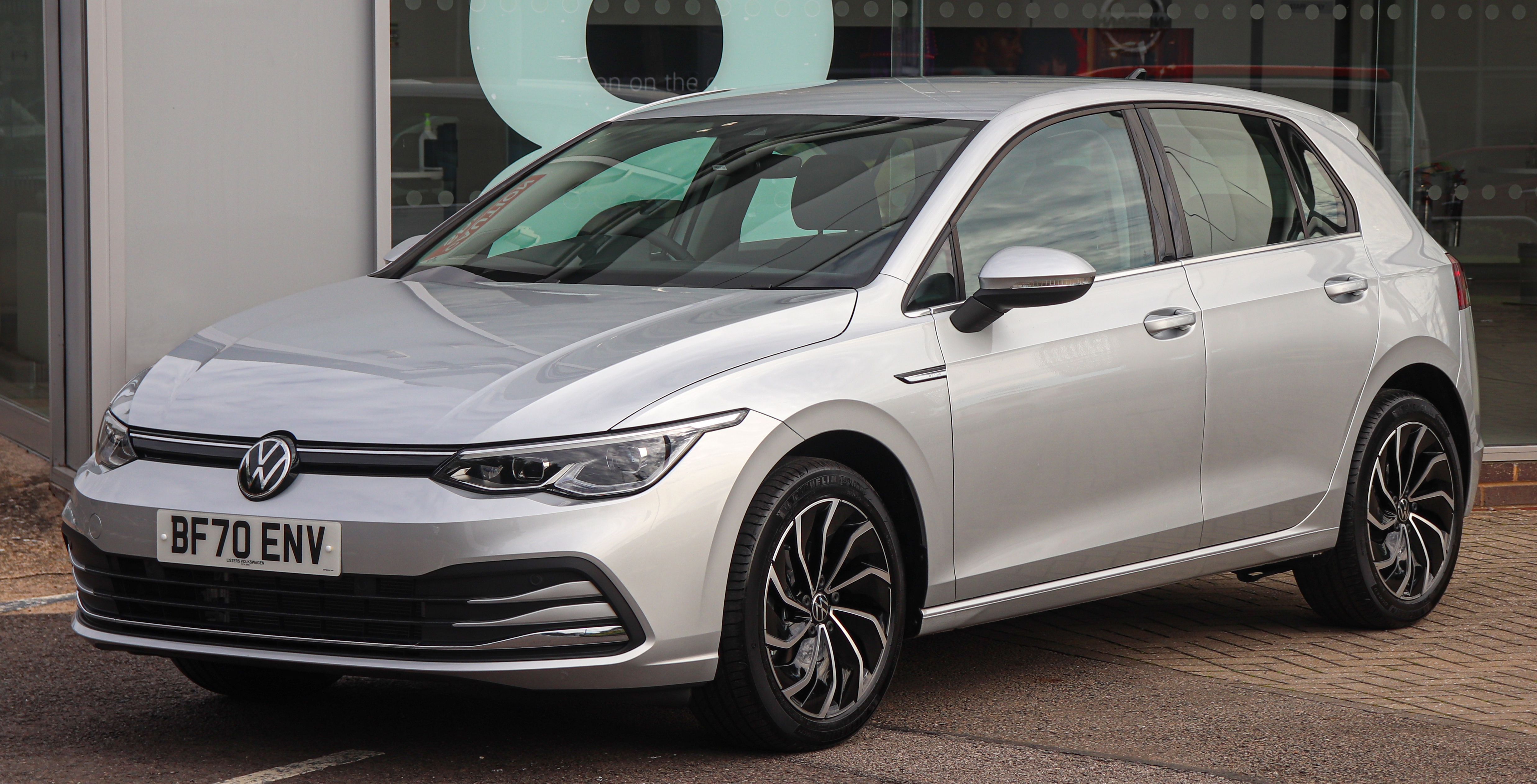
1996 Volkswagen Golf Harlequin
"So yeah, I was about it a [595.4s] 1996 Volkswagen Golf Harlequin if you've listened to the podcast for a while, you know, I've been talking about it"
This is a special version of the Volkswagen Golf from 1996. It’s famous for its unusual, colorful paint pattern, and it’s hard to find—so getting one is a big deal for collectors.
The Volkswagen Golf Harlequin is a rare, enthusiast-focused Golf variant known for its distinctive multi-color “patchwork” paint scheme. In this segment, the host is celebrating finally acquiring a 1996 example after years of searching, which highlights how uncommon these cars are in the real world.
budget constraint when buying a rare car
"So the stars aligned. It was absolutely insane. I was putting out some posts looking for one [639.6s] Kind of a lot of dead ends honestly because these these cars are very hard to find and then I had a budget that I had to stick to"
When buying a rare enthusiast car, a fixed budget can strongly shape what you’re willing to accept—especially if the market is thin and listings are scarce. The host describes dead ends and difficulty finding the right car within their budget, which is common for limited-production models.
negotiating with Harlequin owners
"[647.1s] When you negotiate with Harlequin owners, you don't negotiate because yeah, kind of just is [652.2s] Like they have their price that they want and there isn't much to go off of off that"
They’re saying it’s hard to haggle because the owners already know what they want for the car. When a car is rare, there aren’t many alternatives, so prices tend to be firm.
The host suggests that negotiating is difficult because Harlequin owners often have a firm asking price and limited comparable sales to anchor bargaining. This is typical in niche markets where supply is low and demand is driven by collectors.
open air imports
"They're called open air imports. I'm like, okay ... And I got to say open-air imports was phenomenal to work with the communication I've never worked with a brand they had better communication than what they did"
This is the company the host worked with to help find the car. They’re being praised for how easy and responsive the communication was.
“Open Air Imports” is the company the host contacted to find the Volkswagen Golf Harlequin. The discussion highlights the practical role of a specialty importer/consignment network in locating rare cars and coordinating communication.
Volkswagen Golf Harlequin
"Go on their page and check it out and why I didn't realize at the time is the Volkswagen Golf Harlequin was only made in North America. It was not made overseas. I can't import one from Germany or wherever like you'd think the polo was the polo"
This is a rare, special version of the Volkswagen Golf with a unique look. The key point here is that it was made for the North American market, so you can’t just assume you can import one from Germany like you might with other Volkswagens.
The Volkswagen Golf Harlequin is a special-edition Golf known for its distinctive, multi-color “harlequin” styling. In this segment, the host points out an important sourcing detail: it was only made for North America, so importing one from Germany isn’t straightforward.
consignment
"He's like I have a personal friend that wanted to sell his Consignment I'll give you the info if you're interested. We haven't listed it yet or anything like that"
Consignment means the seller places the car with a dealer/importer to sell on their behalf, rather than the dealer buying it outright first. In this segment, the host is offered the car’s details before it’s officially listed, which is common with consignment inventory.
manual
"Immaculate that's dope immaculate condition ... 120,000 miles manual pistachio green base number one one one so cool number alone is fucking sick"
“Manual” means you drive by using a clutch and shifting gears yourself. Some buyers prefer it because it can feel more engaging than an automatic.
A “manual” transmission means the car uses a clutch and gear shifter rather than an automatic gearbox. For enthusiast cars like special-edition Golfs, manual availability can significantly affect desirability and resale.
120,000 miles
"Immaculate that's dope immaculate condition ... 120,000 miles manual pistachio green base number one one one so cool number alone is fucking sick"
Mileage is a key ownership metric that affects expected wear items, maintenance history, and overall value. The host mentions 120,000 miles while emphasizing the car’s “immaculate” condition, suggesting low wear relative to the odometer.
air suspension
"And down in Florida so Florida car and it's basically stock other it has air suspension wheels and Aftermarket steering wheel everything else is completely stock in that car"
Air suspension is a suspension system that can raise or lower the car using air. It’s often used to change the stance/ride height, and it can be a big part of how the car feels.
Air suspension uses air springs instead of traditional steel coil springs, allowing the car to adjust ride height. The host notes the Golf Harlequin is “basically stock” except for air suspension, which is a meaningful modification because it affects ride quality and appearance.
Aftermarket steering wheel
"it's basically stock other it has air suspension wheels and Aftermarket steering wheel everything else is completely stock in that car"
An aftermarket steering wheel is a different steering wheel than the one that came from the factory. People swap them for looks or feel, and here it’s mentioned as one of the few non-stock items.
An aftermarket steering wheel is a replacement installed from a manufacturer other than the car’s original equipment. The host uses it to describe how the Golf Harlequin is mostly stock, with only a few tasteful changes.
enclosed trailer
"hooked it up with transport from Florida to Wisconsin. It was honestly a very fair price for what I thought for an enclosed trailer and stuff Florida"
An enclosed trailer is a covered truck/transport that shields the car during shipping. It helps keep the car cleaner and safer from rain and debris.
An enclosed trailer is a shipping method that keeps the vehicle covered during transport, protecting it from weather and road debris. The host mentions it while discussing the price and logistics of shipping from Florida to Wisconsin.
importing a vehicle from Europe
"So I want to promote, you know places that I enjoy working with so if you guys are interested in Checking out importing a vehicle from Europe. It's they actually sell super insanely cool stuff through there"
Importing a car from Europe means buying it overseas and bringing it to your country. You usually have to deal with shipping and paperwork, not just buy it like a normal car.
The host is talking about importing a car from Europe, which usually involves finding a specific vehicle abroad, handling paperwork, and arranging shipping back to the U.S. It’s different from buying domestically because you’re coordinating transport, compliance steps, and sometimes language/market differences.
JDM
"And I everyone thinks of importing JDM stuff There is a ton of really cool euro stuff that you can import too"
JDM means “cars made for Japan.” People often associate importing with Japanese cars, but you can also import cars from other countries.
JDM stands for Japanese Domestic Market, referring to cars made for Japan’s market. The host notes that people usually think of JDM when importing, but there’s also a lot of interesting European (non-JDM) stuff you can import.
buying a car sight unseen
"So a little bit nerve-racking because the owner very very very busy man He had a lot of stuff going on so communication was kind of slow in between and I for buying a car sight unseen Especially of like this rarity the nature of it"
Buying a car sight unseen means purchasing without personally inspecting it in person. The host highlights the risk with a rare vehicle—limited photos, no full view of key areas, and relying on photos/videos and the seller/transporter’s process.
air (seen the air)
"Especially of like this rarity the nature of it I didn't get like an absolute ton of photos like I never even seen the air. I'd set up before getting it"
They’re saying they didn’t really get to look at the car themselves before buying it. That’s why the process felt risky.
The speaker appears to mean they didn’t see the car in person (“I never even seen the air,” likely “seen the car”). This reinforces the theme of limited information when buying a vehicle sight unseen.
engine bay
"I didn't see the engine No, I did see I got one photo the engine bay and then the first video I received of the car"
The engine bay is the area under the hood where the engine lives. They’re saying they didn’t get much detail about it before the car arrived.
The engine bay is the compartment where the engine and related components sit. The host notes they only received one photo of the engine bay, illustrating how limited the pre-purchase inspection materials were.
loaded onto the trailer
"Was a video of it being loaded onto the trailer and it was sent by the transporter So I kind of had limited Stuff all the guys like yeah, I rolled the dice a little bit in it, you know"
This refers to the car being physically placed onto the transport trailer, typically by a transporter/shipping company. It’s mentioned as the first video the buyer received, showing how the shipping process became the main “proof of condition” moment.
rolled the dice
"So I kind of had limited Stuff all the guys like yeah, I rolled the dice a little bit in it, you know"
“Rolled the dice” is a risk metaphor—here it means taking a chance on a rare purchase with limited photos and slow communication. It ties directly to the uncertainty of buying a car sight unseen.

Camaros
"“...Mustangs to focus STs To Camaros all the way to Euro and GTI”"
They’re talking about the Chevrolet Camaro, another popular American performance car. They’re listing it as one of the cars they’ve owned.
The speaker references owning “Camaros,” meaning Chevrolet’s Camaro muscle/pony car line. Mentioning it alongside Mustangs and Focus STs suggests they’ve sampled both American V8-style performance and European-style hot-hatch driving.
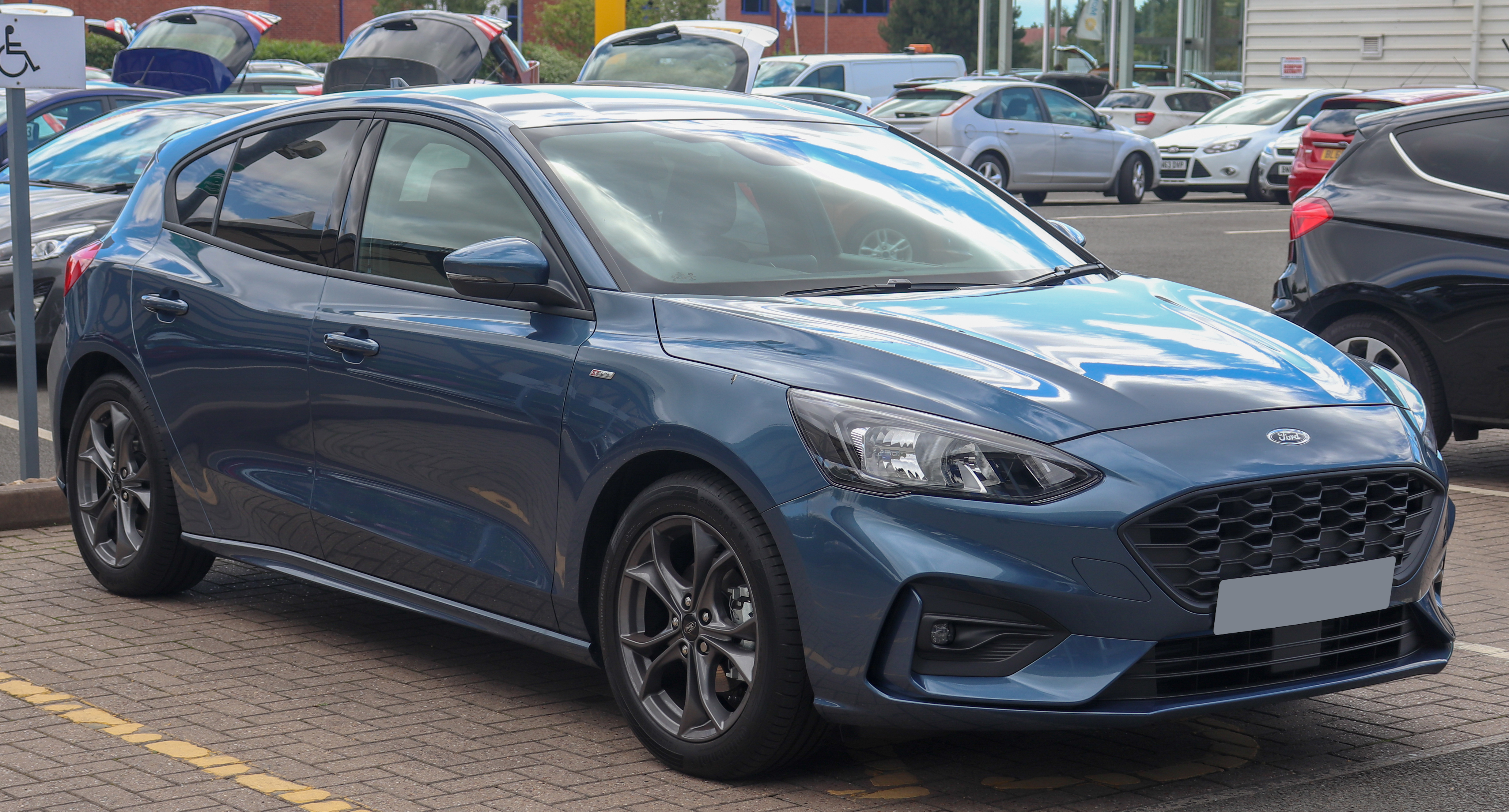
focus STs
"“...I’ve owned everything from Mustangs to focus STs To Camaros...”"
They mean the Ford Focus ST, a sporty version of the Focus. It’s a smaller car that’s meant to feel more fun to drive than a normal commuter hatchback.
“Focus ST” refers to the Ford Focus ST hot hatch, a compact car tuned for sharper handling and stronger performance than the standard Focus. It’s commonly chosen by enthusiasts who want a practical daily driver with a more engaging drive.
stance cars
"[1033.6s] I ever seen in person was a 20th anniversary black magic pearl [1039.4s] Mark 4 GTI that was lowered roof rack in the snow had turquoise wheels. I can picture it right now yellow fog lights [1045.6s] And I was just taken back because I just didn't know about stance cars at that point"
“Stance cars” are cars modified mainly for how they look—usually with the car lowered a lot and the wheels positioned just right. People do it for the visual style, not just speed.
“Stance cars” refers to a style of modifying a vehicle primarily for fitment and appearance—most notably very low ride height, wheel/tire positioning, and a clean, intentional look. In the scene, it often overlaps with air suspension and careful alignment to achieve the desired stance.

Mark 4 GTI
"[1033.6s] And I don't know if it's because of the first stance car [1035.8s] I ever seen in person was a 20th anniversary black magic pearl [1039.4s] Mark 4 GTI that was lowered roof rack in the snow had turquoise wheels."
The “Mark 4 GTI” is a Volkswagen Golf GTI from the Mk4 era. It’s a popular small performance car that a lot of enthusiasts modify.
“Mark 4 GTI” refers to the Volkswagen Golf GTI (Mk4 generation). It’s a classic hot hatch that became a major tuner favorite, especially in the stance and wheel-fitment communities.
air ride
"[1102.4s] The a couple of the cool things [1105.3s] Has like so the air ride. It's a dual compressor setup and the controller"
“Air ride” means the car’s suspension uses air pressure instead of normal springs. That lets you change how high or low the car sits, sometimes at the push of a button.
“Air ride” (air suspension) uses compressed air instead of traditional steel springs to control ride height. It allows the car to be lowered for show and raised for driving, often with electronic controls.
dual compressor setup
"[1105.3s] Has like so the air ride. It's a dual compressor setup and the controller [1110.1s] That has a NES controller. That's sick as the"
A “dual compressor setup” means there are two air pumps working for the air suspension. More than one pump can help the car adjust height more quickly and consistently.
A “dual compressor setup” means the air suspension system uses two compressors to build and maintain air pressure. This can help the system recover faster after changes in ride height and handle more frequent adjustments.
NES controller
"[1105.3s] Has like so the air ride. It's a dual compressor setup and the controller [1110.1s] That has a NES controller. That's sick as the"
They’re using an NES-style game controller to control the air suspension. Buttons control things like raising and lowering the car.
Using an “NES controller” as the air-ride control interface is a custom, playful way to operate the suspension. It typically maps buttons to functions like raising pressure and venting air to lower each corner.
super Famicom controller
"[1115.0s] Our super Famicom controller as the air ride controller [1118.5s] So the buttons on the right control the the increase pressure and then the d-pad on the left lets it all out"
They mention using a Super Famicom controller as the suspension control. It’s basically a gamepad repurposed to operate the air suspension.
A “super Famicom controller” is another Nintendo-era gamepad used as the air-ride controller. The key point is the custom mapping of controls (buttons and D-pad) to suspension pressure and venting.
controller...increase pressure...d-pad...lets it all out
"[1118.5s] So the buttons on the right control the the increase pressure and then the d-pad on the left lets it all out [1125.7s] Can control each corner and I was so surprised with how well it"
They explain that the controller has one input to add air pressure and another to release it. That’s what makes the car go up and down.
The transcript describes how the air-ride controller maps inputs to suspension behavior: one control increases pressure, while another (the D-pad) vents/releases air. This is the basic logic behind electronic air suspension operation.
control each corner
"[1125.7s] Can control each corner and I was so surprised with how well it"
“Control each corner” means the car can be adjusted at each wheel independently. That helps you set the car’s height and stance more precisely.
“Control each corner” means the air suspension can adjust ride height independently at each wheel. That’s typically done with a multi-channel air management system, allowing more precise stance and better compensation for uneven surfaces.
PSI
"So I just kind of played around looked at it was drive on the highway hit a bump and rubbed slightly... So I was like, okay... I found just 60 psi all four corners"
PSI is just a way to measure how much air pressure is in the suspension. Higher PSI usually means the car sits higher; lower PSI usually means it sits lower.
PSI (pounds per square inch) is the unit used to measure air pressure in the air suspension system. Setting a target PSI (like “60 psi all four corners”) determines ride height and how firm/soft the suspension feels.
airlift gauges
"And I have two manual airlift gauges... The each one has two needles and it's for the right and left side... now I just hold two buttons to the front 60 to the rear 60"
These gauges show how much air pressure is in the air suspension. If you can see the pressure for each side, it’s easier to set the car to the same height every time.
AirLift gauges are commonly used in air suspension systems to monitor air pressure. In this setup, the gauges have multiple needles to track left/right side pressures so the driver can keep the car level and repeatable.
preset
"That's sick enough. Yeah, it's pretty much A preset pretty much just as quick as a preset But rides really good"
A preset is a saved “height setting” for your air suspension. Instead of adjusting pressure every time, you can switch to a saved setup quickly.
A preset in air suspension is a stored ride-height/pressure setting that can be recalled quickly. The speaker compares their manual control to presets, noting it’s nearly as fast while still allowing fine adjustment.
soft line between the hard line and the caliper
"It may be worth doing Break lines. Yeah, specifically the soft line between the hard line and the caliper... my pedal feel is 300 times better."
Brake lines carry brake fluid to the brakes. If the rubbery part gets old, it can swell when you press the pedal, making the pedal feel mushy—new lines help the pedal feel solid again.
Brake lines connect the master cylinder to the calipers, and the “soft line” section (flexible hose) can expand under pressure. Replacing worn or aged rubber sections can restore firmer pedal feel because the system flexes less when you brake.
pedal feel
"my pedal feel is 300 times better. I need some pedal feel for sure... So what happens is when you hit the brake then you're the the line just expands first and it's like it gets mushy and gross"
Pedal feel is how the brake pedal feels when you press it. If it feels soft or squishy, it often means something in the brake system is flexing or not responding crisply.
Pedal feel describes how the brake pedal responds—how firm it is, how much travel it has, and whether it feels consistent. When brake lines or fluid are degraded, the pedal can feel mushy because the line expands before the calipers clamp.
service records
"So yeah, it was super neat and it came with a ton of paperwork, too. So I have a binder... I have records and receipts of any time it was brought in for service or some weird quirky stuff popping up with it"
Service records are paperwork that shows when the car was serviced and what was fixed. If you’re buying a used car, this kind of history helps you trust that it was maintained and can show if anything weird keeps happening.
Service records are the documented history of maintenance and repairs, usually including dates, mileage, and what work was performed. For a used car, they help you verify how well it’s been cared for and can reveal recurring issues or “quirky” problems.
paperwork binder
"So yeah, it was super neat and it came with a ton of paperwork, too. So I have a binder. I was actually flipping through it because it's just like it's fascinating"
An owner binder is basically a folder of receipts and documents. It’s useful because it shows the car’s past and helps you understand what maintenance it’s already had.
A “binder” of receipts and records is a common enthusiast way to track a car’s ownership and maintenance history. It can be especially valuable for cars with long-term ownership, because it provides continuity and evidence of consistent care.
vehicle history / provenance
"It's history. I have records and receipts of any time it was brought in for service or some weird quirky stuff popping up with it"
“History” here means the car’s background—who owned it and what happened to it over time. Better history usually makes it easier to trust the car’s condition.
The speaker emphasizes the car’s “history” and records, which is essentially its provenance—where it’s been and how it’s been maintained. Strong provenance can increase confidence in condition and can matter a lot for enthusiast cars.
original owner
"From the original owner. Work that dates back to 1996. 2001"
The “original owner” is the first person who owned the car. If they kept good records, it can make it easier to know how the car was treated from the beginning.
Referencing the “original owner” highlights that the car’s early history may be more complete or consistent than later owners’ records. When the original owner kept documentation, it can make the car’s provenance and maintenance trail easier to verify.
80 horsepower
"“...because it makes like 80 horsepower...”"
They’re throwing out a rough power number—about 80 horsepower. More horsepower usually helps with acceleration, but how the car feels also depends on other things.
The speaker claims the car “makes like 80 horsepower,” which is a power figure describing engine output. Horsepower is commonly used to compare how strongly a car can accelerate, though real-world feel also depends on weight, gearing, and traction.
police chase scenario
"“...imagine you're in like a police chase in the Harlequin...”"
They’re using a “police chase” situation as a dramatic way to describe the car while driving. It’s more about the vibe and excitement than about real-world police procedures.
The speaker frames the car’s character using a “police chase” scenario, which is a storytelling device to convey how the car feels in motion. It emphasizes urgency and attention—like what you’d imagine during a chase—rather than giving technical details.

Nissan skylines
"“...I love the history of them and stuff, but you drive this car. I've driven skylines...”"
They mention Nissan Skylines because it’s a well-known performance car. It’s basically them saying they’ve driven other exciting cars before and this one surprised them too.
The speaker says they’ve driven “skylines,” referencing the Nissan Skyline line. The Skyline is a famous Japanese performance car nameplate, so mentioning it sets expectations for how the Harlequin feels compared to other enthusiast cars.
factory-built vs owner-modified
"“...he's like you did all this yourself, huh? ...no vw did this factory like this... Volkswagen produced it...”"
The speaker corrects a misconception: people think they personally painted the “balls,” but they say “vw did this factory like this” and “Volkswagen produced it.” This highlights the difference between an owner’s custom work and a factory special/trim that came that way from production.
small tweaks to make it my own
"“...I'm excited to do a few little small tweaks to it just to make it my own...”"
The speaker says they’re planning “a few little small tweaks” to personalize the car. In enthusiast culture, this usually means reversible or taste-based changes (cosmetic or minor functional upgrades) that don’t erase the car’s identity.
Continental
"[1583.1s] Both are accepted. I've heard people say both and probably in north america. It's more right to say harlequin [1589.2s] But I want to give a huge shout out and thank you to continental Conti Conti Conti if you're sponsoring the martini works podcast [1596.0s] I gotta get some dw s o six plus is asap on that thing"
Continental is a well-known tire brand. The host is saying they’ll likely buy Continental tires and encouraging listeners to use Continental’s selection tools.
Continental is a major tire manufacturer, and the host is thanking Continental for sponsoring the MartiniWorks podcast. They also mention using Continental tires (“new tires”) and point listeners to a Continental-filtered page to choose tires.

Morgan Six Plus
"...he martini works podcast I gotta get some dw s o six plus is asap on that thing I probably could use some ..."
The Morgan Plus Six is a sports car made by Morgan. It’s designed to be light and fun to drive. The podcast mentions it because the speaker wants to get one soon.
The Morgan Plus Six is a modern British sports car known for its lightweight design and driver-focused feel. It’s the kind of car enthusiasts bring up when talking about getting into a specific “feel” or experience quickly. In the podcast, it’s mentioned as something the host wants to get “asap,” indicating excitement about the car’s character.
new tires
"[1596.0s] I gotta get some dw s o six plus is asap on that thing [1599.7s] I probably could use some new tires and that's what I'll be going with if you guys are interested in running continental head"
New tires means replacing worn-out tires. It matters because tires are what actually contact the road, so fresh ones usually improve grip and braking.
“New tires” is a practical ownership topic—tire condition affects grip, braking, ride comfort, and even safety. In the segment, the host ties it to choosing a specific tire brand (Continental), suggesting a planned replacement rather than an emergency swap.
track
"I go to the track on the weekends or I have a car that I drive in the midwest and I ride through every season"
“Track” refers to driving on a closed course for performance testing and high-grip driving. The speaker contrasts track weekends with daily driving across seasons, which matters for tire choice and vehicle setup.

Toyota Supra
"Have a nice spot for the harlick in the park. I've had a mark five Toyota Supra exhaust in my garage Since the beginning of time like a stock one."
The Toyota Supra is a popular sports car. The host is talking about the exhaust on their Supra—how they removed the factory exhaust and are selling it.
The Toyota Supra is a performance sports car, and the speaker specifically references a “mark five” Supra, which is the modern-generation Supra. Here it’s relevant because they’re talking about swapping exhaust parts and selling the stock exhaust.
exhaust
"I've had a mark five Toyota Supra exhaust in my garage Since the beginning of time like a stock one. Yep. My stock exhaust I took off because it's all one piece."
The exhaust is the system that carries fumes out of the engine. People swap exhausts to change how the car sounds and sometimes how it performs.
An exhaust system routes engine gases out of the car and can be swapped for different sound, fitment, and performance characteristics. The speaker discusses removing a stock exhaust (noting it’s one big piece) and then selling an aftermarket-style exhaust.
Marketplace
"So I put it on marketplace at 50 bucks and I got a couple people Messaging and they kept flaking"
Marketplace is an app/website where people sell used stuff to neighbors. The host is telling a story about selling an exhaust and how some buyers flaked or made complicated plans.
Marketplace refers to an online classifieds platform where people buy and sell used items locally. The speaker’s story is about listing the exhaust for sale, negotiating, and dealing with no-shows or unrealistic delivery demands.

Pontiac Vibe
"Finally starts driving away. He had that whole fucking thing strapped to the roof of his Pontiac vibe and the exhaust was longer than the car"
A Pontiac Vibe is a small everyday car. In this story, someone had a huge exhaust system mounted on top, which made it take up a lot of space and look unusual.
The Pontiac Vibe is a compact car from Pontiac that was built on a shared platform with the Toyota Matrix. In the segment, it’s used as the example vehicle carrying an extremely long exhaust setup on the roof.
Supercar Saturday show rule banning VQ cars
"So super car saturday is a show... They made a new rule... officially prohibit all vq platform vehicles from attending supercar saturday... due to the number of complaints and incidents that have occurred at previous shows"
The episode describes a new organizer decision for Supercar Saturday: prohibiting VQ-platform vehicles due to prior complaints and incidents. This is an example of how car-show communities sometimes respond to safety and behavior concerns by changing eligibility rules.
vQ platform vehicles
"We have made the difficult decision to officially prohibit all vq platform vehicles from attending supercar saturday. Clarification this includes 350z 370z g25 g35 g37 q 40 q 50 q 60"
“VQ” is Nissan’s engine family used in a bunch of popular sports cars. The organizers are banning those cars from the show because they think they’ve caused too many problems in the past.
“VQ platform” refers to Nissan’s VQ-family engine architecture (most famously used in the 350Z/370Z and related models). The show rule is specifically targeting cars powered by that VQ engine family, implying the organizers associate those vehicles with prior incidents or complaints.

Infiniti Q40
"We have made the difficult decision to officially prohibit all vq platform vehicles from attending supercar saturday Clarification this includes 350z 370z g25 g35 g37 q 40 q 50 q 60 Cars from attending. Uh, this was not an easy decision"
The Infiniti Q40 is a luxury car model from Infiniti. In the podcast, it’s mentioned because the host is listing which cars are not allowed to attend a specific event. The reason given is that it falls under a certain platform/engine group.
The Infiniti Q40 is referenced in the podcast as part of the VQ-platform vehicles that are being officially prohibited from attending “Supercar Saturday.” The key point is that the car is being grouped with other models under the same platform/engine family for event eligibility. The discussion is therefore administrative/classification-focused.

Infiniti Q60
"We have made the difficult decision to officially prohibit all vq platform vehicles from attending supercar saturday Clarification this includes 350z 370z g25 g35 g37 q 40 q 50 q 60 Cars from attending. Uh, this was not an easy decision"
The Infiniti Q60 is a luxury coupe made by Infiniti. The podcast mentions it because the host is saying certain cars are not allowed to attend an event. The stated reason is that it belongs to a specific platform/engine group.
The Infiniti Q60 is a luxury coupe from Infiniti, and the podcast includes it in the list of VQ-platform vehicles being barred from “Supercar Saturday.” This matters because it indicates the car is part of the same platform/engine family as the other listed models. The mention is about which cars qualify for the event rather than a technical review.

Infiniti G25
"...r saturday Clarification this includes 350z 370z g25 g35 g37 q 40 q 50 q 60 Cars from attending. Uh, ..."
The Infiniti G25 is a luxury car model from Infiniti. In the podcast, it’s mentioned because the host is listing cars that won’t be allowed at an event. The reason given is that it’s part of a specific platform/engine category.
The Infiniti G25 is referenced in the podcast as part of the VQ-platform vehicles that are being prohibited from attending “Supercar Saturday.” The important detail is that it’s included in the same eligibility list as other Infiniti/Nissan models under that platform/engine grouping. So the mention is about event rules and classification.

Nissan 350Z
"Clarification this includes 350z 370z g25 g35 g37 q 40 q 50 q 60 Cars from attending."
The Nissan 350Z is a well-known Nissan sports car. The hosts mention it because the show is banning 350Zs along with other VQ-powered models.
The Nissan 350Z is a popular VQ-powered sports coupe that helped define the modern “Z-car” enthusiast scene. In this segment, it’s explicitly named as one of the cars included in the new Supercar Saturday ban.
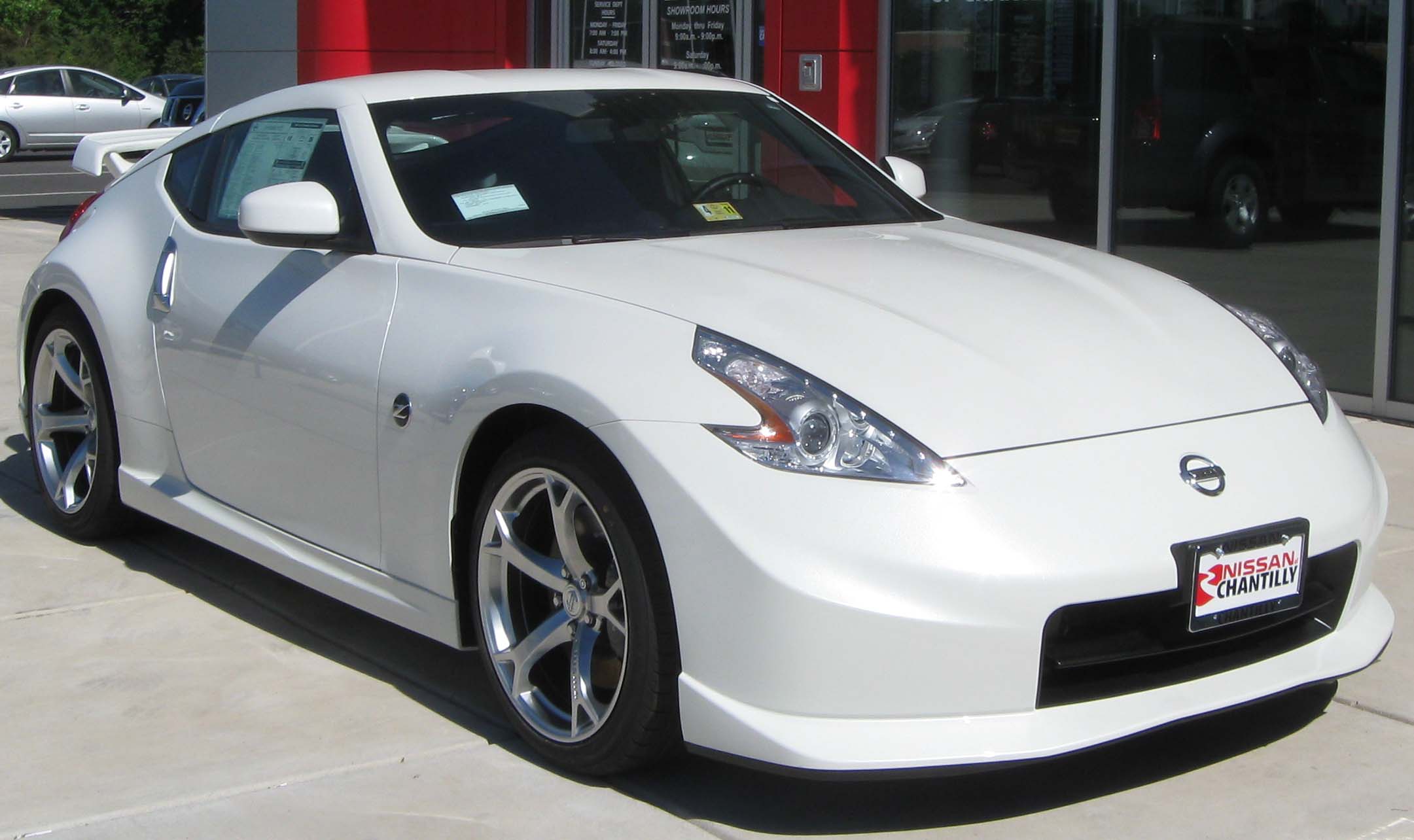
Nissan 370Z
"370z that you always go to my like hometown car show and something like to think of a place banning them Because a couple of dickheads are revving and doing browns."
The Nissan 370Z is a sports car from Nissan’s Z line. It’s the kind of car enthusiasts bring to shows, so it matters when events decide to ban certain models.
The Nissan 370Z is the modern Z-car in the long-running Z lineup, known for its sporty handling and enthusiast following. Here it’s brought up in the context of show bans, implying that certain Nissan performance cars are being targeted.
show bans for specific car platforms
"370z that you always go to my like hometown car show and something like to think of a place banning them Because a couple of dickheads are revving and doing browns. It sucks and then but also it's opening the door because now It's like you can pick and choose platforms potentially."
The speakers are discussing event rules that restrict certain cars from shows, likely due to noise or aggressive behavior from a subset of attendees. They highlight the “gray area” problem: once you ban one platform (like VQ-powered cars), it becomes unclear where the line should be drawn and who decides.
VQ
"What else is wild is like so where do you draw the line then exactly does a glory account a glorious got a vq Right a sedricks got a vq. You know a bunch of those cars have vqs in them, right?"
“VQ” is the name of a type of engine used in a lot of Nissan/Infiniti cars. The discussion is basically: if events ban cars with that engine, it could end up banning a huge range of models.
“VQ” refers to Nissan’s VQ engine family (a V6 design) that’s used across multiple Nissan and Infiniti models. In this segment, the speakers are debating whether banning “VQ” cars is fair, since many different cars share that engine family.
banned
"Everything in that platform has gotten banned. It's like, hey, there's this group of enthusiasts that they they all you know"
They’re talking about events banning certain car groups. The host is basically asking: if the problem is a few bad actors, does banning everyone with that car/engine really fix it?
The episode segment discusses banning specific car communities or “platforms” from events. The speaker questions whether restricting an entire group is an effective solution versus targeting the actual bad behavior.
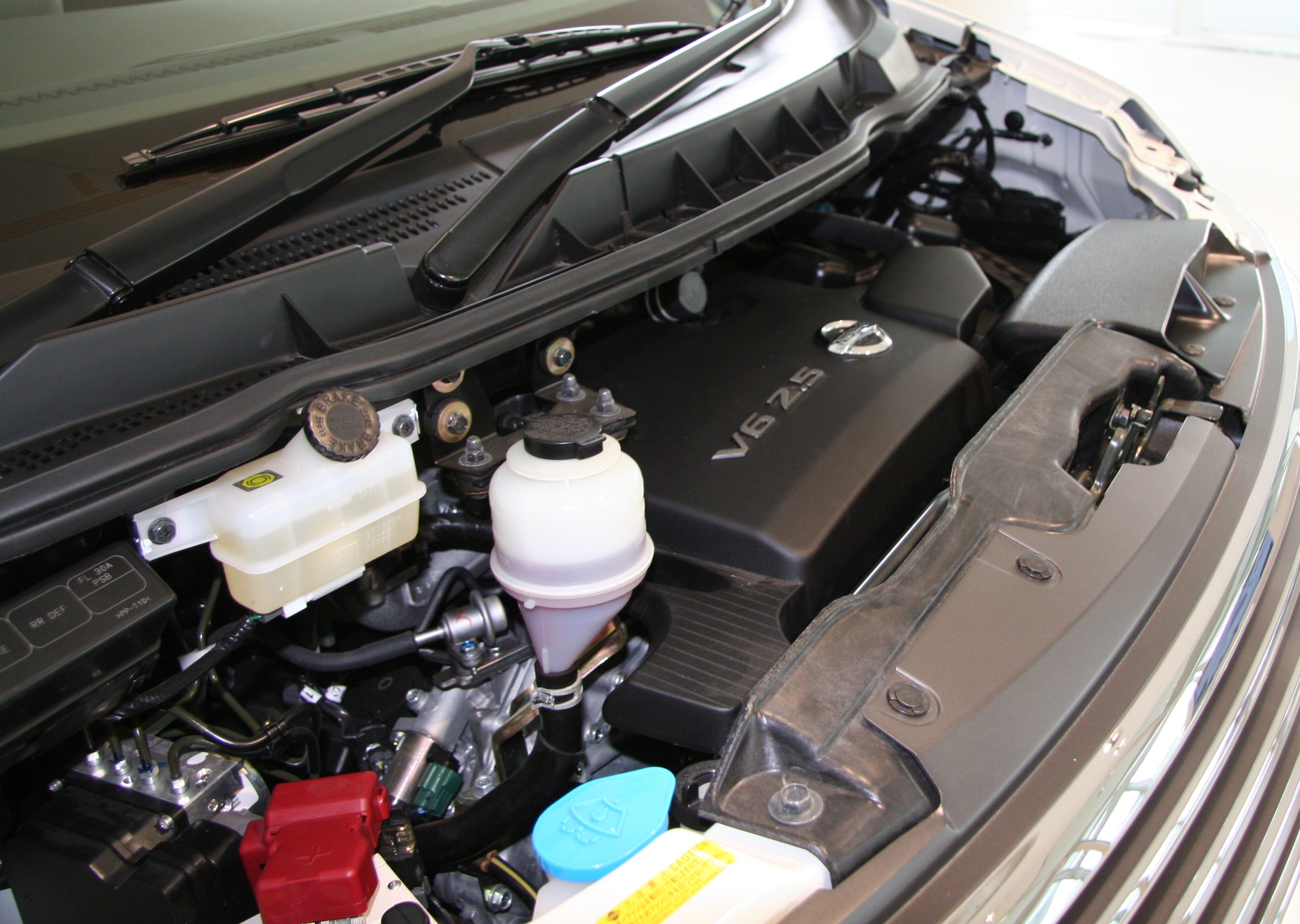
Nissan VQ
"How like facebook car pages are, you know, it's like hey the vq owners group of new england vqs something"
“VQ” is Nissan’s engine family that shows up in a lot of popular Z-cars. The speaker is saying that banning a whole group based on the engine doesn’t necessarily stop the people who cause trouble.
“VQ” refers to Nissan’s VQ-series engine family (most famously used in cars like the 350Z/370Z). The discussion is about banning an engine-platform/owner group from events, and whether that actually solves the underlying behavior problems.

Infiniti Q50
"Yeah, because again, I know so many owners of 350s and q50 g35s that would never do any of this"
They’re mentioning the Infiniti Q50 as one of the cars whose owners they know personally. The takeaway is that most owners aren’t the ones ruining events.
The Infiniti Q50 is a compact luxury sedan that’s popular with enthusiasts, especially in performance trims. The speaker uses it as an example of an owner base that doesn’t necessarily cause problems at events.

Infiniti G35
"Yeah, because again, I know so many owners of 350s and q50 g35s that would never do any of this"
They’re talking about the Infiniti G35, a car a lot of people modify and enjoy. The host’s point is that most G35 owners wouldn’t act like the “bad” group people blame.
The Infiniti G35 is a popular enthusiast sedan/coupe platform known for aftermarket support and tuning culture. Here, it’s mentioned to argue that “platform” stereotypes don’t represent all owners.
slammed
"I just I get it because people are what ruined those events Look at slammed enough gatlenberg and what happened there h2o."
“Slammed” means a car is lowered a lot for looks. The host is saying that certain trends can attract people who ruin events, even if the style itself isn’t the real problem.
“Slammed” refers to cars lowered aggressively for appearance, often associated with fitment culture. The speaker mentions “slammed” alongside other event-disrupting behavior, implying that certain styles draw the wrong crowd or create chaos.
H2O
"Look at slammed enough gatlenberg and what happened there h2o. I mean all of them, right ruin events"
“H2O” is referenced as an event that was “ruined,” likely referring to a specific car meet known by that shorthand. The speaker uses it as an example that problems at events can spread across different communities, not just one platform.
riverside
"It's like riverside for example I am so scared of something happening."
They mention Riverside as an example of a car event they’re worried about. The idea is that when events get bigger, the wrong crowd can show up and start ruining the experience.
“Riverside” is mentioned as an example of a car show/event that the speakers worry could be affected by disruptive crowds. It’s used to illustrate the broader theme: as events get more popular, they can attract non-enthusiasts who cause damage to the scene.
banning platforms
"But what do you guys think? Do you think banning platforms will help? ... They they sought out this specific platform for a reason. There was something that led to this being A rule that they are implementing."
They’re talking about restricting where people find out about car events or how they’re promoted. The hope is that fewer troublemakers show up, but the concern is that it could just make things worse instead of better.
The hosts are discussing banning certain “platforms” (likely social media or event-related platforms) as a way to control who shows up and how events are promoted. The idea is that limiting exposure could reduce disruptive behavior, but it may also backfire by giving the wrong crowd more incentive to show up.
enforce it super super heavy
"It's like the more you enforce it The more that like the pushback is against it ... They like tried to enforce it super super heavy that they said no tolerance and everyone fought back against it."
They’re saying that if organizers clamp down too hard, people may get angry and resist. That can make the situation worse for everyone, even the people who were there for the right reasons.
This refers to strict enforcement of rules at car events, with the claim that heavy-handed enforcement can create pushback. In the hosts’ view, the result can be a cycle where nobody wins: good attendees get inconvenienced while bad actors still find ways to cause problems.
Gatlinburg
"It's like the same exact thing that happened at Gatlinburg ... everyone fought back against it and like it just turns into this no one wins in this situation."
They bring up Gatlinburg as a real-world example of a place that tried to clamp down on bad behavior. The point is that heavy rules didn’t make everyone happy and it turned into a fight instead.
Gatlinburg is referenced as an example of a city that tried to crack down on a problem and faced backlash. The hosts use it as a cautionary parallel: strict enforcement can escalate conflict rather than solve the underlying issue.
no tolerance
"It was like the city pushed against it. They like tried to enforce it super super heavy That they said no tolerance and everyone fought back against it."
“No tolerance” means there’s basically zero tolerance for certain behavior—if you do it, you get punished right away. They’re saying that even with that approach, people can still fight back and it doesn’t always fix the problem.
“No tolerance” is a strict policy stance where certain behaviors are met with immediate consequences. The discussion frames it as a well-intended approach that can still lead to conflict if the community pushes back, especially when enforcement targets are unclear or perceived as unfair.
car show get out of control
"But when I look back at every single of every single time that you saw a car show get out of control h2o Auto motion Gatlinburg each time the city drew a hard line in the sand and said nope We're not doing this and it that was the turning point to the downfall"
They’re talking about what happens when car events aren’t managed well. If people feel like they’re being shut out with no alternative, the situation can get worse instead of better.
The hosts are describing how car events can escalate when organizers or cities shut them down abruptly. They frame “a hard line in the sand” as a turning point that can lead to a show’s downfall or disorder.
collaboration
"But they also work with the show, you know, we want you to go here host and after meet there Exactly do this here because what happens is when you have that collaboration It becomes a mutually beneficial thing"
They’re saying the best outcomes happen when the event organizers and the city work together. When everyone agrees on where things happen, the event runs smoother and stays safer.
The hosts emphasize collaboration between show organizers and the city/venue as a key factor in keeping events successful. They describe it as mutually beneficial because it creates clear, acceptable places for activities.
burnout pits
"it's the same reason why you see some shows doing like drift stuff now or burnout pits or stuff People don't have to go do that show in the street. They can do it right there"
A burnout pit is a specific spot at an event where people can do burnouts. If the event provides a place to do it safely, fewer people feel the need to do it on regular roads.
A “burnout pit” is a dedicated area at a sanctioned event where drivers can do burnouts safely and legally. The hosts argue that offering controlled outlets reduces the incentive for people to do similar driving on public streets.
drift stuff
"it's the same reason why you see some shows doing like drift stuff now or burnout pits or stuff People don't have to go do that show in the street."
“Drift stuff” means cars sliding around on purpose, like in drifting competitions. The point here is that if events allow it in a safe place, people are less likely to try it on the street.
“Drift stuff” refers to drifting as a motorsport-style driving activity, typically done in controlled areas at events. The discussion connects it to the idea of providing sanctioned outlets so enthusiasts don’t take the behavior to public roads.
stop-and-go traffic
"...they came to us and said we don't want you to host a show / Because it's bringing too much traffic the strip is back to back and it's gonna stop and go traffic..."
Stop-and-go traffic is when cars keep slowing down and speeding up because of congestion. The hosts are saying the event would make the strip more crowded and annoying for everyone.
“Stop-and-go traffic” describes congestion where vehicles repeatedly slow down and accelerate. The speaker says the strip is back-to-back and will create stop-and-go traffic, which is part of why an organizer wanted to stop hosting the show there.
burnout box
"...it's like i'm not expecting supercar series to have a burnout box because no no no i agree..."
A burnout box is a special spot at an event where people can do burnouts without causing problems elsewhere. The conversation is about what venues should reasonably provide for car fans.
A “burnout box” is a designated area at an event where drivers can perform burnouts safely and legally. The speaker argues that expecting a supercar-focused event to provide one may be unrealistic, tying the discussion to how venues manage crowd control and safety.
Request an Explanation
Heard something you'd like explained? We'll add it to this episode.
Sign in to request explanations for terms you heard.
Want to learn more?
Browse our glossary for plain-English explanations of automotive terms, jargon, and concepts.
Help improve this episode
See something that's not quite right? Our annotations are AI-generated and can sometimes miss the mark. Click the flag icon on any annotation to suggest a correction.