
I Flew 4,500 Miles for This Car Show
About this episode
Lars shares his first trip to Poland for the second Old Trace car show, flying roughly 4,500 miles for a scene that felt like a continent-wide gathering. He compares the event to Germany: more stance/build-focused, less OEM, and a huge drifting paddock with nonstop V8/RB/2J noise. Lars highlights the high quality of cars, the DIY/garage-built mindset, and the welcoming, open conversations—even with language barriers. He also notes the lack of “true” Polish food he loved, but praises the variety of BMWs, Volkswagens, and surprising Corvettes (plus a Need for Speed–liveried M3).
Enjoy the podcast every Friday? Support it by getting your car mods at https://bit.ly/4vtk1kyLars traveled all the way to POLAND for one of the most insane car shows on the planet. Ultrace. Now if you've been around you might know we were just in Germany for Ultrace, but Poland is where the show originated. The boys talk about that and more on todays episode of the MartiniWorks podcast! #cars #podcast #automotivePick up our Coffee here! https://bit.ly/3PIFl6JA HUGE thank you to Continental, Motegi, and Fortune Auto for being the official tire, wheel, and suspension of the MartiniWorks Podcast! Let us know if you need a set of tires or coilovers.Shop Continental tires here https://bit.ly/4ecbfAKShop Motegi wheels here https://bit.ly/4vp7VcgShop Fortune Auto suspension here https://bit.ly/4fnfqM8Check out the main channel! @MartiniWorksOfficialWe also have an unboxing channel @MartiniWorksUnboxedFollow Lars @lars.martiniworksFollow Dakota @dakotastoneeFollow Gels @akagels
drift cars
"“[118.1s] But even like the quality of those drift cars was out of this world [121.5s] You know, there's some friends we've made before like the night ride guys were there”"
A drift car is a car set up to slide sideways on purpose. It usually needs special tuning so it can keep control while the tires are slipping.
“Drift cars” are vehicles set up to perform sustained oversteer and controlled sideways slides. They’re typically modified with steering/suspension tuning, tire choices, and drivetrain adjustments so the car can maintain traction while rotating through corners.
carbon fiber hood
"“[180.4s] Like the stuff we take for granted here in america [182.8s] Um seems to be trickier over there and it leads to like interesting results and that's specifically like access to parts [188.8s] Yeah, so here right the the common thing is you you buy a set of like a like a hood like a carbon fiber hood or something”"
A carbon fiber hood is a body panel made from carbon-fiber composite material. It’s used to reduce weight and can also help with heat management, while offering a distinctive look compared with stamped steel hoods.
headliner
"“[198.2s] was a [198.9s] Lady with a knee 36 m3 [202.1s] She custom like stitched like sewn to I don't know what you would call it [205.6s] She created her own custom interior like headliner seats shift knob the whole nine”"
The headliner is the material on the inside of the car’s roof. Customizing it is a common way to make the interior look more unique.
The headliner is the interior fabric/trim panel on the roof of the car. Custom headliners are popular in show cars because they let owners match the cabin theme and improve the overall finished look.
shift knob
"“[205.6s] She created her own custom interior like headliner seats shift knob the whole nine like everything [212.0s] Um, and she did that herself and I don't think I've ever seen that in america and I you know”"
A shift knob is what you grab to change gears. People upgrade it for comfort and style.
A shift knob is the handpiece on a manual or sequential shifter used to select gears. Aftermarket shift knobs are often swapped for better grip, feel, and appearance, especially in cars built for shows or spirited driving.
drift paddock
"Yeah, yeah, yeah, so one of the parking lots off to the side [378.7s] Um, yeah, it was entirely a drift paddock. So they had like, you know, the K rail setup"
At a drifting event, a drift paddock is the special parking/holding area for the cars. Drivers and teams use it between runs, kind of like a pit area for drift cars.
A drift paddock is the dedicated area where drifting cars stage, park, and often queue between runs. It’s typically set up like a motorsport “pit area,” but focused on drift events rather than road racing.
K rail setup
"Um, yeah, it was entirely a drift paddock. So they had like, you know, the K rail setup [382.4s] It was just kind of like an in and out setup"
K-rail is a type of heavy barrier used at events. It helps keep cars in the right area and adds safety by separating the track from other areas.
A K-rail setup uses interlocking concrete barriers shaped like a “K” to create a temporary track boundary. In drift and other events, it’s used to control where cars can go and to improve safety around spectator and run-off areas.
blowoff valve noises
"Again, it sounded like jet engines like there's these crazy blowoff valve noises [397.5s] Because there's like it was a crazy mix of v8s and like I don't like rb and and 2j cars"
On turbo cars, a blow-off valve releases extra pressure when you lift off the gas. The quick release makes a loud “whoosh” sound that’s common on turbo setups.
Blow-off valves (often on turbocharged cars) vent pressurized air when the throttle closes. That sudden release creates the distinctive “whoosh” or “popping” sound many people associate with turbo cars, especially when modified.
RB cars
"Because there's like it was a crazy mix of v8s and like I don't like rb and and 2j cars [403.0s] And you could just I don't know. This is just the biggest thing."
“RB” is shorthand for a Nissan engine family that many people modify for drifting. It’s popular because there are lots of parts and it can make a very distinctive sound.
“RB” refers to Nissan’s RB-series inline-six engines (a popular platform for tuning and drifting). Enthusiasts often shorthand the engine family as “RB,” which is known for strong aftermarket support and a characteristic sound when modified.
2J cars
"Because there's like it was a crazy mix of v8s and like I don't like rb and and 2j cars [403.0s] And you could just I don't know. This is just the biggest thing."
“2J” is shorthand for Toyota’s 2JZ engine, especially the turbo version. It’s popular for drifting because it’s built to be modified and can make a lot of power.
“2J” refers to the Toyota 2JZ engine family (most famously the 2JZ-GTE turbo inline-six). It’s a drift and drag favorite because it can handle big power with the right supporting mods and has a huge parts ecosystem.
V8s
"Because there's like it was a crazy mix of v8s and like I don't like rb and and 2j cars [403.0s] And you could just I don't know. This is just the biggest thing."
A V8 is an engine with eight cylinders arranged in a V shape. People often recognize it by its strong, deep sound—especially when the exhaust is loud.
V8s are engines with eight cylinders arranged in a “V” shape. In car culture, V8s are often associated with a deep, aggressive exhaust note, and they’re common in performance and drift builds.
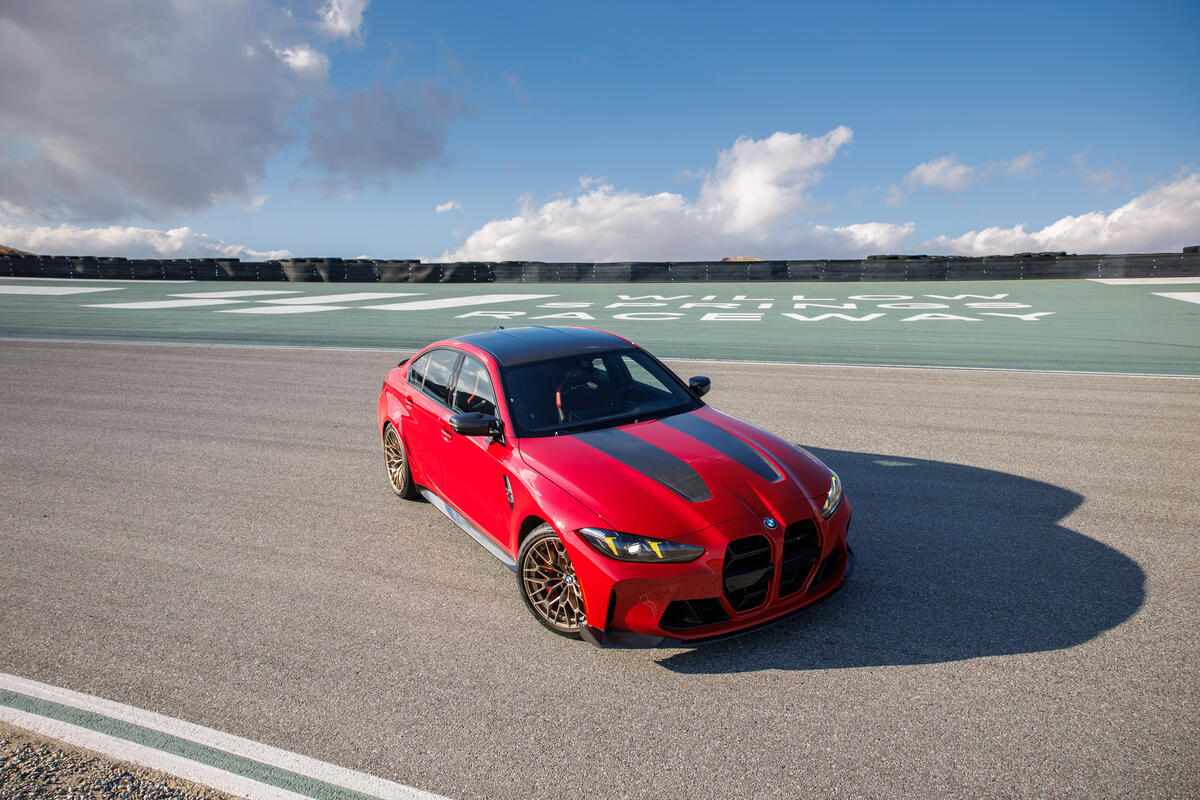
BMW M3 CS
"Actually, it's so much so that um, I saw one of the new manual m3 cs's the g80s that I was so excited about [464.3s] You know last time I was on the podcast [465.8s] Um, I thought it would be there and it was except there was a persons and it was already modified"
The BMW M3 CS is a more special, more performance-focused version of the BMW M3. In this clip, the host is excited because it’s a manual M3 CS and it even had aftermarket wheels already installed.
The BMW M3 CS is a track-oriented, limited-production variant of the BMW M3, known for being lighter and more focused than a standard M3. Here, the host specifically mentions a “new manual” M3 CS (the G80 generation), and notes it had already been modified with aftermarket wheels.
aftermarket wheels
"Dang, so like that was pretty sick. Um, I literally looked inside and then noticed this aftermarket wheels [476.2s] Yeah, I was like that was pretty dope and then the need for speed most wanted m3"
Aftermarket wheels are wheels that weren’t installed by the car’s manufacturer. People swap them for style, better tire options, or sometimes improved handling.
Aftermarket wheels are non-factory wheel sets installed to change appearance and/or performance. They can affect grip, ride comfort, and unsprung weight, and they’re often chosen to fit a specific look or tire setup.
wide body
"You know, I thought it was just gonna another, you know m3 with a wrap and a wide body hit or something [494.5s] Yeah, but like this is the iconic car like of all the cars you were ever gonna turn into that car"
A wide body means the car’s fenders are widened, usually to fit wider tires. It also gives the car a more aggressive, track-inspired look.
A wide body is a bodywork modification that increases the car’s fender width to fit wider tires and create a more aggressive stance. It’s commonly used in motorsport-style builds and can also be part of visual “kit” conversions.
American Le Mans Series
"Like this is the one so it was number 42 that raced in the american limon series [505.0s] With delivery that I copied from my m3 was there covered in the need for speed wrap"
The American Le Mans Series was a big U.S. sports-car racing series. The host is saying the car actually raced in that real competition, which makes the “Need for Speed” wrap more meaningful.
The American Le Mans Series (ALMS) was a major U.S. sports-car racing championship that followed the Le Mans-style rules and classes. The host points out the car’s race number and that it competed in the ALMS, framing it as a real championship-winning vehicle rather than a replica.
livery
"With delivery that I copied from my m3 was there covered in the need for speed wrap [510.8s] So this isn't just again a kit car or something like like that like this is the actual championship winning car [517.2s] Wrapped in a need for speed livery and you know, that's I I never thought I would see that"
A livery is the car’s racing look—its colors, graphics, and decals. It’s basically the “design” on the outside of the race car.
A livery is the specific paint and graphic scheme used on a race car—logos, numbers, colors, and sponsor decals. In this segment, the host describes copying the delivery/livery from their M3 and then seeing the race car covered in a “Need for Speed” livery.
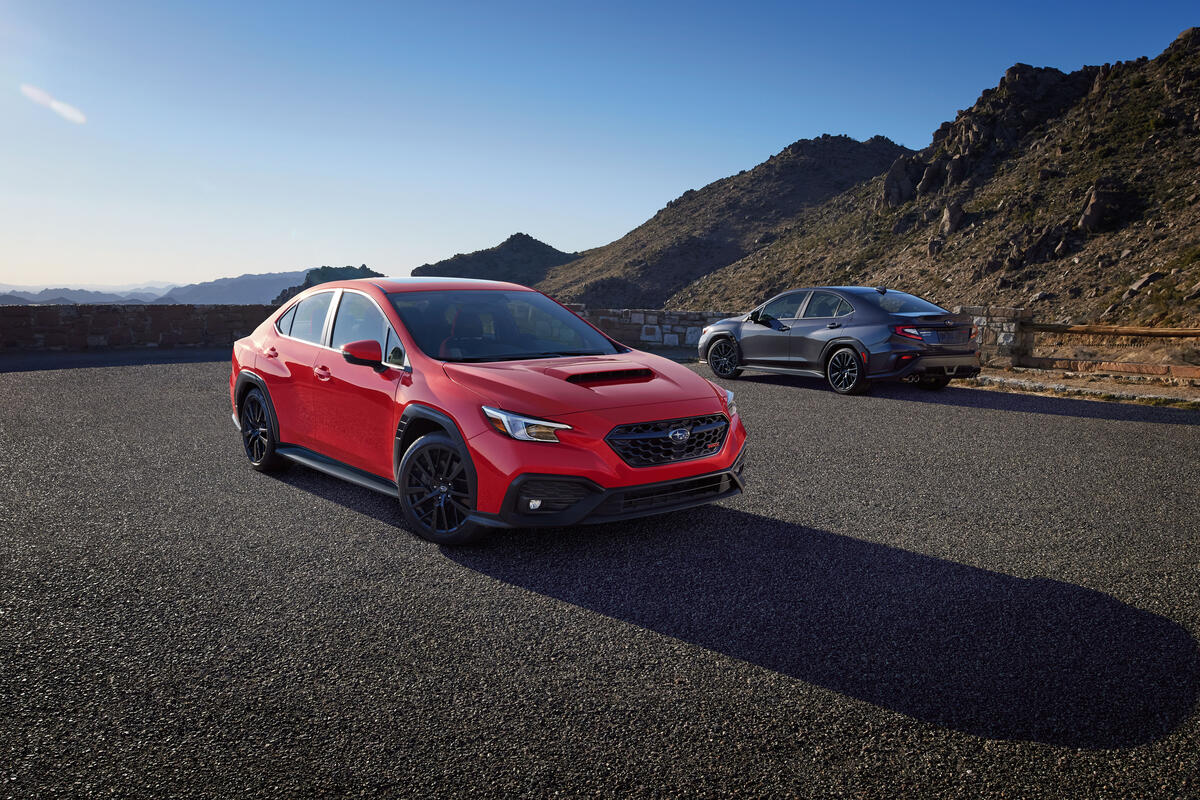
WRX
"The most common car is modified there. I feel like when we go to shows it's like GR 86 is WRX is stuff like that."
The Subaru WRX is a turbocharged Subaru that many car people modify. It’s popular because it’s already built to be quick, and there are lots of parts available to upgrade it.
The Subaru WRX is a turbocharged performance sedan/wagon that’s especially common in enthusiast circles and at car shows. Its popularity comes from the factory turbo setup and the huge aftermarket for modifications like suspension, brakes, and engine tuning.
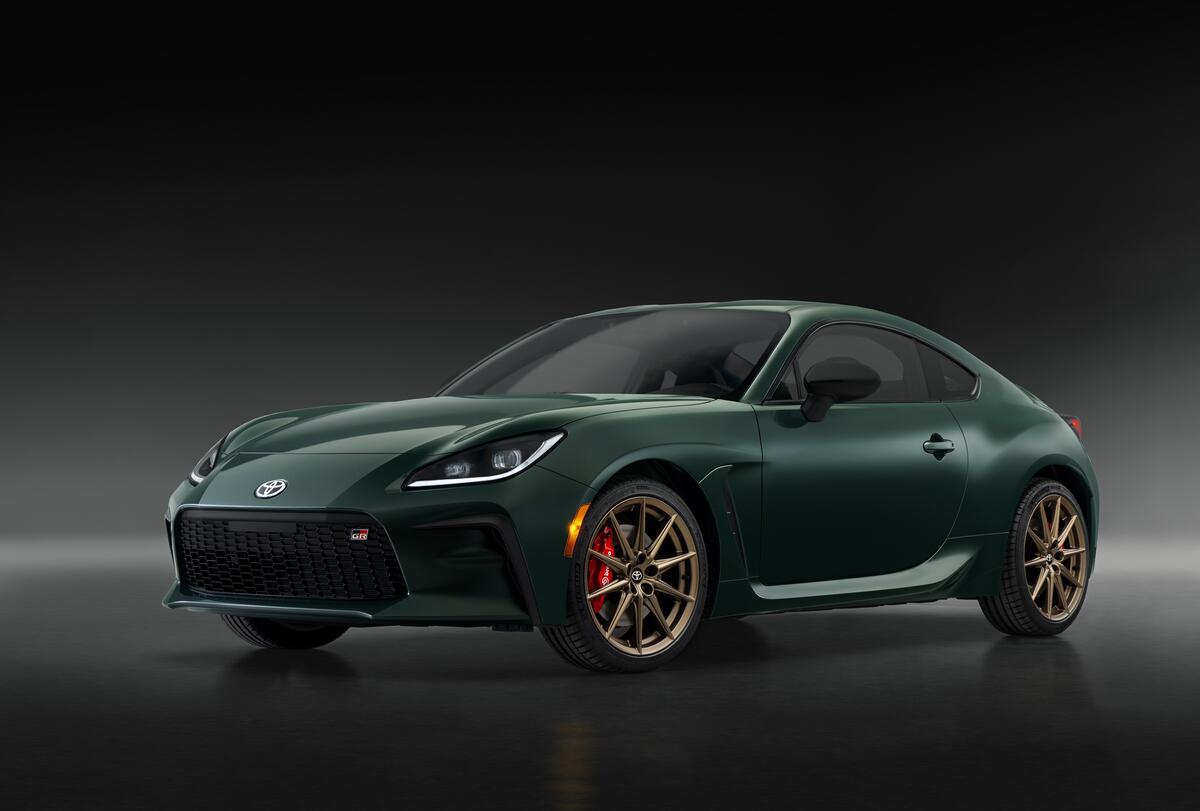
GR 86
"The most common car is modified there. I feel like when we go to shows it's like GR 86 is WRX is stuff like that."
The Toyota GR 86 is a fun, sporty Toyota coupe that’s known for handling well. People like it at car shows because it’s relatively affordable and easy to customize.
The Toyota GR 86 is a modern, lightweight sports coupe built around a balanced, driver-focused chassis. It’s popular at car shows because it’s affordable compared to many sports cars and has a strong aftermarket for suspension and wheels.

BMW E46
"if you had like, you know, A lot of e46 is for sure. You know the whole nine yards"
The BMW 3 Series E46 is an older BMW that a lot of car enthusiasts still love. It’s popular at shows because there are lots of aftermarket parts and it’s a common base for customizing.
The BMW 3 Series (E46) is a well-known enthusiast platform from the late 1990s to early 2000s. It’s a common sight at shows because it’s rear-wheel drive, has a big parts ecosystem, and many owners modify them for stance, wheels, and handling.
stanced
"even though you put like the seven e30s that were there, you know Stanced on cool wheels and everything"
Stance is a car-mod style where people lower the car a lot and set the wheels up for a certain look. It’s more about the visual “fit” than everyday comfort.
Stance refers to a style of car modification focused on very low ride height and specific wheel fitment. It often prioritizes appearance—like how the wheels sit in the wheel wells—over ride comfort or track performance.
bbs
"even though they were like all on bbs's let's say"
BBS is a brand that makes wheels. Enthusiasts often choose BBS wheels because they look good and are considered high quality.
BBS is a well-known wheel brand in the enthusiast world, especially associated with classic and performance BMW fitments. When someone says cars are “on BBS,” they’re usually talking about aftermarket wheels that are prized for their design and build quality.

Chevrolet Corvette
"Yeah, just just a really really good variety of good mix. Good mix. That's cool to hear and the most surprising [646.4s] Corvette [647.7s] I saw a lot of Corvettes like way way more than I expected and that ridiculous"
A Corvette is a famous American sports car made by Chevrolet. It’s known for being fast and having a classic look, and the speaker says they saw several different versions of it at the show.
The Chevrolet Corvette is an American sports car known for its fiberglass body, rear-wheel-drive layout, and performance-focused engineering. In this segment, the host highlights that they saw a lot of Corvettes and even multiple generations at the event.
rollers
"And then I heard of some people doing rollers and stuff on the highway [699.3s] Which became like a like a pop-up thing or like people found them and joined them and stuff"
“Rollers” is slang for cars that show up for cruising or meetups, sometimes even if they’re not fully set up to run like a normal car. The speaker is describing a spontaneous highway meetup that grew when people joined in.
In car-scene slang, “rollers” usually refers to cars that are being driven or moved around without a full, running setup—often used for meetups, photo sessions, or informal gatherings. In this segment, the host says they heard people were doing “rollers” on the highway, which then turned into a pop-up group activity.
car spotting
"Um, and then one of the days when we first got there actually we tried to go like car spotting [707.4s] Yeah, we ran into a couple cars. Uh, they were just parked along apartments and stuff like that."
Car spotting is basically looking for cool cars in the wild and taking note of them (often with photos). The host says they tried it and saw a couple cars parked around town.
Car spotting is the hobby of finding and photographing interesting cars in public places, like streets, parking lots, or neighborhoods. Here, the host describes trying to do that when they arrived, running into a few cars parked around apartments.
side shows
"But outside of that, I think the city over there [715.5s] It's kind of the same mindset as over here where you know, everybody tries to stay away from the side shows [720.2s] And it's not really a thing especially with old trace in town and so much going on"
“Side shows” here means unofficial car activity happening off to the side of the main event. The speaker says people were trying to keep that kind of stuff shut down in town.
“Side shows” in this context refers to informal street events—often car meetups, cruising, or stunt-like activity—happening outside the main organized event. The host compares the local mindset to their own, saying people try to keep those side activities away from the city during the show.
drift corvette
"they was looking for a piece for his corvette his drift corvette And uh, they could have saw that and sent it to me."
“Drift” means sliding the car sideways on purpose while keeping it under control. A “drift Corvette” is a Corvette that’s been modified to do that kind of driving.
A “drift” build is a car set up specifically for drifting—driving with intentional oversteer so the rear slides while maintaining control. When they say “drift Corvette,” they mean a Corvette that’s been modified for that style of driving.
overnighted
"So yeah, we we overnighted This piece from uh from a supplier of ours to my house and then arrived the morning."
“Overnighted” means they shipped the part so it would arrive the next day. That’s useful when you need the part quickly to keep a car or event on schedule.
“Overnighted” here means the part was shipped with an overnight delivery service so it arrived the next day. For car parts, this is often used when a build or event schedule is tight.
non perishable drive
"We'll still get to do the non perishable drive and make a donation"
It’s a food donation event. People bring shelf-stable items like canned or boxed food, and the car group uses the event to collect donations.
A “non perishable drive” is a community fundraiser where people bring shelf-stable food items (things that don’t require refrigeration). In this episode it’s tied to a car event, where attendees donate as part of the outing.
continental
"Our sponsor of the martin air's podcast continental Absolutely love their tires can't recommend them enough"
Continental is a well-known tire company. They make different tires depending on whether you’re driving on the street, going to the track, or dealing with winter weather.
Continental is a major tire brand that supplies tires for passenger cars and performance applications. The host is emphasizing that Continental offers tires for different uses—track, street, daily driving, and winter—so listeners can match tires to how they drive.
winter
"Whether it's track whether it's street Daily driving fun daily driving or even winter go take a peek if you need help picking out a set"
“Winter” here means winter tires. They’re made to grip better in cold weather and on snow or ice compared with regular tires.
In tire talk, “winter” refers to winter tires designed for cold temperatures, snow, and ice. They use specialized rubber compounds and tread patterns to improve grip when the weather is too cold for normal all-season tires.
e46 m3
"About the the e46 m3, you know, why that car so near and dear to me"
The BMW E46 M3 is a classic BMW sports car from the E46 generation. Enthusiasts love it because it has a strong, exciting engine and feels fun to drive in a more “old-school” way.
The BMW E46 M3 is a performance-focused version of the 3 Series from the late-1990s/early-2000s, known for its high-revving inline-six and driver-focused feel. It’s a major enthusiast benchmark because it’s relatively analog—more about steering feel and engine character than modern turbo/traction-control complexity.

Mitsubishi Eclipse
"That's crazy. I almost did that with my eclipse back in the day."
The Mitsubishi Eclipse is a sporty car model. Here, the speaker is just using it as an example of a time they almost let the dealer take their old car for very little money.
The Mitsubishi Eclipse is a sports coupe/convertible line known for its performance variants and strong tuner culture. In this story, the speaker mentions almost doing the same “just give them the old car” move with their Eclipse when buying something newer.

Scion Frs
"...ike 50 bucks for that because I when I bought the frs from the dealership I'm like, would you take this..."
The Scion FR-S is a small sports car. People like it because it’s fun to drive and it’s often used as a car to modify. In the podcast, it’s brought up because someone was shopping for one and discussing the deal.
The Scion FR-S is a compact sports coupe that was popular with enthusiasts for its lightweight feel and mod-friendly platform. It’s mentioned in the podcast in the context of buying one from a dealership and the negotiation around price. That kind of story is common with cars like this because they attract buyers who want a fun base for ownership and upgrades.
trade and
"If they would just offer me like 50 bucks for that because I when I bought the frs from the dealership"
A trade-in is when you give your old car to the dealership to help pay for the new one. The speaker is saying the dealer wasn’t offering much, even though the car might be worth more if you sold it yourself.
A trade-in is when you hand your current vehicle to the dealer as part of the purchase price of a new car. The speaker is describing how the dealer’s offer can be low compared to what you could get by selling it yourself.

BMW 6 Series (E24)
"it was almost like remembering what I wanted the same thing with the the e24 [1528.2s] I just bought it's like remembering that. Hey, there's something cool out there still like how do I make this happen?"
E24 refers to an older BMW 6 Series generation. The speaker is using it as a personal example of how they remembered they wanted something cool and then figured out how to make it happen.
The BMW E24 is the 6 Series generation (a classic 2-door grand tourer), and it’s often brought up by enthusiasts as a “cool old BMW” that still feels special. Here, the speaker compares their current BMW shopping mindset to buying an E24—using it as an example of remembering what they wanted.
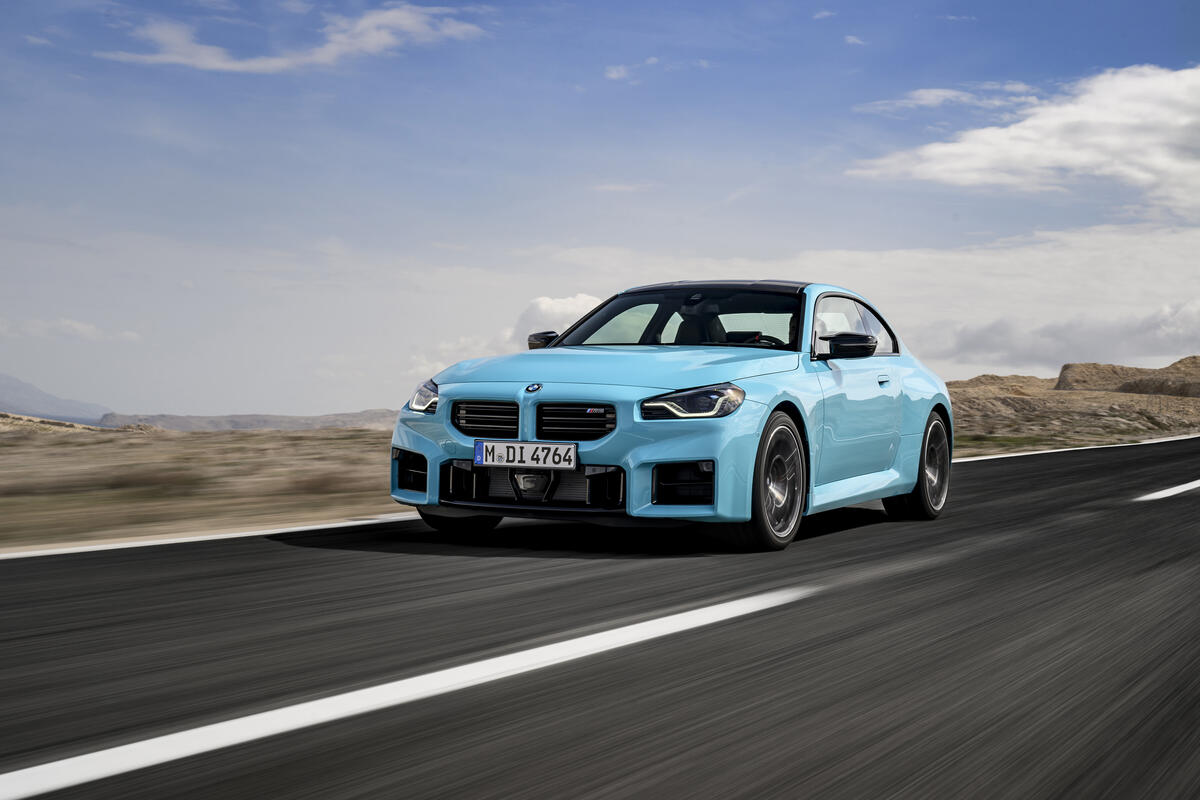
BMW M2
"We got these m2s [1559.5s] You want to you want to take it for a rip and this was inside the showroom like it was, you know"
The BMW M2 is a smaller, sportier BMW performance car. It’s meant to be more nimble and exciting, and in this story it’s the next “M” car the dealership offered to let them drive.
The BMW M2 is a smaller, more compact BMW “M” performance coupe/track-style car, designed to feel agile and fun rather than huge and heavy. Here, the speaker is offered a chance to drive an M2 right after driving an M3, highlighting how the M2 fits into their BMW “M-car” wish list.
specced
"[1586.8s] And you ordered one that was the blue one that you got right? [1589.4s] Yeah, yeah, so the orange one that I test drove was specced to ridiculous"
“Specced” means the car was ordered/configured with certain options. So when someone says it’s “specced to ridiculous,” they mean it has a lot of expensive or high-end factory add-ons.
“Specced” is shorthand for “specified,” meaning the exact factory configuration of options and parts on a car. Enthusiasts use it to talk about how a particular build is optioned—like whether it includes carbon-fiber pieces or other upgrades.
performance carbon fiber
"[1589.4s] Yeah, yeah, so the orange one that I test drove was specced to ridiculous [1592.8s] I had all the end performance carbon fiber on it and stuff. I didn't I couldn't afford any of that stuff"
Carbon fiber is a lightweight, strong material used on some performance cars. When a car has carbon-fiber performance parts, it’s usually for weight savings and a more special look, and it often costs extra.
“Performance carbon fiber” refers to carbon-fiber components used for weight savings and a more aggressive look. On BMW M cars, carbon-fiber options are often offered as trim or aerodynamic pieces, and they can be expensive enough that buyers may choose a less-optioned build.
miss the boat
"[1611.4s] um, so [1614.5s] I ordered in like april and then it was gonna the car would miss the boat [1618.3s] Apparently they get shipped from BMW in germany to america in like batches"
“Miss the boat” just means the car didn’t make the scheduled shipment. So instead of arriving when expected, it shows up later.
“Miss the boat” is a shipping idiom meaning the vehicle missed a scheduled transport departure, causing a delay. In car ordering, this often translates to the delivery window moving back by weeks or months.
shipped from BMW in germany to america
"[1614.5s] I ordered in like april and then it was gonna the car would miss the boat [1618.3s] Apparently they get shipped from BMW in germany to america in like batches"
This is about how the car gets built overseas and then transported to the U.S. If it misses the shipping schedule, the delivery date can slip by a lot.
This describes the logistics of importing a factory-built car: production in Germany, then ocean/transport shipping to the U.S. The speaker uses it to explain why their build missed a delivery “boat” and slipped months.
timing belt
"Uh, because when I got that car it had a busted engine in it like the timing belt went so like it was toast"
A timing belt is a belt inside the engine that keeps the engine’s moving parts in sync. If it breaks, the engine can get badly damaged, which is why it’s such a big deal.
A timing belt synchronizes the crankshaft and camshaft so the engine’s valves open at the correct time. If it fails, many interference-style engines can suffer severe internal damage because the pistons and valves may collide.
turbocharged vehicle whistle
"I've never heard a turbocharged vehicle whistle up blow off valve"
Turbo cars can make a noticeable whistle as the boost pressure changes. If the car has a blow-off valve, the sound can be even more dramatic.
This refers to the characteristic sound turbo cars can make as boost pressure changes. When paired with a blow-off valve, the pressure release can produce a high-pitched whistle and other pops.
subwoofers
"I think the first modifications [1984.1s] I ever did was probably just like interior leds and subwoofers"
Subwoofers are the speakers that make the deep bass sounds in your car. They’re part of the audio system, not the engine.
Subwoofers are speakers designed to reproduce low-frequency bass. The host mentions installing them as part of their early “interior” modifications before getting into engine/performance upgrades.
interior leds
"I think the first modifications [1984.1s] I ever did was probably just like interior leds and subwoofers"
Interior LEDs are small LED lights you add inside the car for style. They’re an easy early mod compared to engine upgrades.
Interior LEDs are light-emitting diode lighting upgrades inside the cabin, often used for accent lighting. The host lists them as one of their earliest modifications.
hood scoop
"And a stick on hood scoop from auto zone because I didn't know what the fuck I was doing at all"
A hood scoop is a raised opening on the hood. It can help bring air toward the engine area and it also changes the car’s look.
A hood scoop is an opening on the hood designed to route air toward the engine bay. Depending on design, it can help with cooling or intake airflow, and it’s also a common visual mod on performance cars.
auto zone
"And a stick on hood scoop from auto zone because I didn't know what the fuck I was doing at all"
AutoZone is a store where you can buy car parts and accessories. They mention it because they grabbed a hood scoop there for their first mods.
AutoZone is a major U.S. retailer of automotive parts and accessories. In the segment, it’s where the host bought a stick-on hood scoop as an early, low-commitment modification.
12 inch alpine type all around
"Um, so I'm like, you know trading shit with my friends like trading a pair of drabeets [2002.9s] For a 12 inch alpine type all around"
They’re talking about a 12-inch Alpine subwoofer. Bigger subwoofers usually make louder, deeper bass sounds.
This refers to an Alpine-branded 12-inch subwoofer setup. A 12-inch subwoofer is a common size for producing strong bass, and the host is describing trading parts to get one.

Ford Mustang
"Uh, a lot for me too [1980.4s] And then to get in my first car. I think the first modifications [1984.1s] I ever did was probably just like interior leds and subwoofers ... [2017.6s] With cars I'd say once I I got out of that air [2020.5s] I got my Mustang put some wheels put an exhaust on it put an intake on it"
The Mustang is a popular Ford sports car with a big parts community. In this story, they start upgrading it with things like an exhaust and intake to make it feel faster.
The Ford Mustang is a long-running American sports coupe/convertible known for its V8 heritage and huge aftermarket support. Here it’s used as the host’s first step into performance mods like wheels, exhaust, and an intake.
bolt-ons
"That was where I first did like some actual like performance oriented mods bolt-ons"
“Bolt-ons” are car upgrades you can install with basic tools, without taking the whole engine apart. People use them to get more power or better sound.
“Bolt-ons” are aftermarket performance parts that can be installed without major fabrication or engine rebuilding. They’re often used to improve airflow or exhaust flow, and they’re a typical first step before more involved tuning.
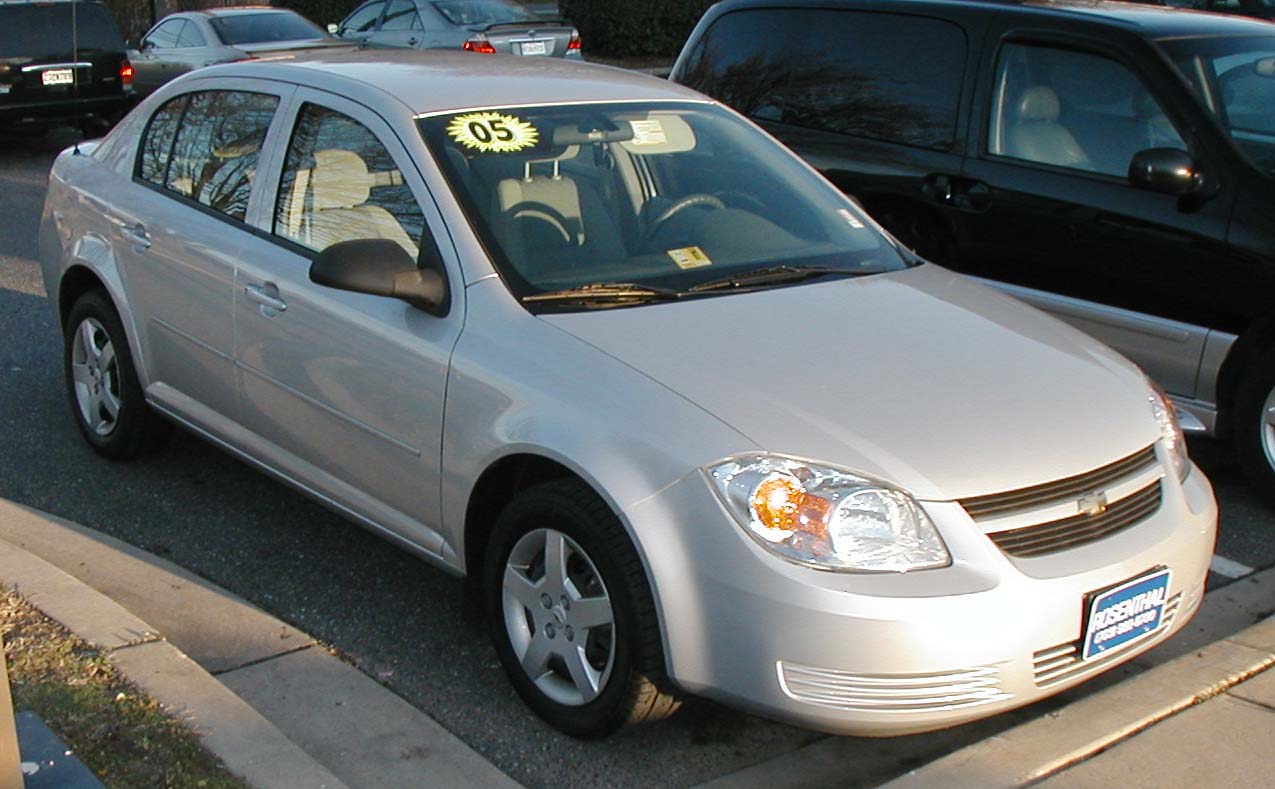
cobalt ss
"And then my cobalt ss I did bolt-ons and a tune"
The Cobalt SS is a sportier version of the Chevy Cobalt. They upgraded it with performance parts and a tune to make it feel stronger.
The Chevrolet Cobalt SS is a compact performance trim known for being a popular platform for bolt-on upgrades. In the segment, the host says they added bolt-ons and a tune, which is a common path to wake up the car’s power and drivability.
tune
"And then my cobalt ss I did bolt-ons and a tune"
A tune is software changes for the car’s computer. It helps the engine run better with the new parts you installed.
A tune is an adjustment to the engine control unit (ECU) calibration to better match the car’s hardware changes. With bolt-ons, a tune can improve throttle response, boost/fuel targets, and overall drivability.

Dodge Neon SXT
"We had a dodge neon that I essentially like inherited. You know, it was an sxt [2067.4s] so [2068.7s] It was automatic automatic four cylinder non-turbo"
The Dodge Neon SXT is a small Dodge car that usually came with a basic four-cylinder engine. Here, the speaker says theirs was automatic and not turbo, and they’re talking about how cool it felt as a first car.
The Dodge Neon SXT is a compact car from Dodge that was commonly sold with a naturally aspirated four-cylinder engine. In this story it’s described as automatic, non-turbo, and “inferno red,” which helps listeners picture the specific flavor of Neon and why it felt special to the speaker.
four cylinder non-turbo
"It was automatic automatic four cylinder non-turbo [2073.4s] But it was still cool was like is the inferno red had the wing on it, you know, that's it looked it looked"
A “four-cylinder” engine has four cylinders working together. “Non-turbo” means it doesn’t use a turbo to boost power, so it relies on normal airflow and engine design for its performance.
“Non-turbo” means the engine doesn’t use a turbocharger to force extra air into the cylinders. A “four-cylinder” engine uses four pistons/cylinders, which is typical for compact cars and generally makes the car simpler and more predictable than turbo setups.

Chevrolet Avalanche
"...o we would work on, you know, he had like a Chevy avalanche and like an s10 and stuff And you know, we'd get ..."
The Chevrolet Avalanche is a pickup truck that’s designed to be more comfortable for daily use. Many versions have a special bed setup that can change how the truck space works. It’s the kind of vehicle people talk about when they’re discussing trucks they’ve owned or repaired.
The Chevrolet Avalanche is a full-size pickup truck with SUV-like comfort and a unique “folding” bed feature on many models. It’s often discussed as a versatile vehicle that can handle both hauling and everyday driving. In the podcast, it’s mentioned as a car someone worked on, alongside other GM trucks.
intake
"So it's like anytime we do something to the car is like an intake or an exhaust or [2126.2s] Uh, something like that. I just like look look. I'm stopping by because it was on the wind [2129.8s] Stop it by I got a new part on the car. Let's go check it out. He's okay. I remember like I put the intake on"
An intake is how air gets into the engine. Swapping it can change how the engine breathes and can also make the car sound louder or more aggressive.
An intake is the air path and components that deliver air to the engine. Changing an intake can alter airflow and engine sound, which is why the speaker noticed a big “sound difference” after installing one.
exhaust
"it's like I'm so excited to like get some stuff on on the rx7 now And it's like even though I love it as is it's like I know as soon as I'm able to hear the exhaust"
The exhaust is how the engine gets its burned gases out. Upgrading it often makes the car sound better and more engaging, even if you’re mostly doing it for the feel.
An exhaust modification changes the flow of exhaust gases out of the engine. Beyond power potential, it strongly affects sound and character—exactly what the speaker is excited about for the RX-7.

Mazda Rx7
"It's like I'm so excited to like get some stuff on on the rx7 now And it's like even though I love it as is it's like I know as soon as I'm able to hear the exhaust"
The Mazda RX-7 is a sports car famous for its unique rotary engine. Here, the speaker is saying that upgrading the exhaust makes the car sound better and makes the whole driving experience feel more exciting.
The Mazda RX-7 is a rotary-engine sports car known for its high-revving character and distinctive sound. In this segment, the host is talking about how adding exhaust changes the car’s feel and how it sounds when they walk away from it.
downpipes
"And that was the first car like actually modified with the intake the downpipes and stuff like that tune"
Downpipes are parts of the exhaust that help get exhaust gases out of the engine more efficiently. People upgrade them to improve flow and often to get a different, more aggressive exhaust sound.
Downpipes are exhaust components that route gases from the turbo (or exhaust manifold) toward the rest of the exhaust system. They’re commonly upgraded on turbo cars to reduce restriction and change sound, and they’re often paired with a tune.
logging
"Or like romping on the first time I did a I still remember I did a logging right You tune a car you like send it and see how the logs aren't stuff"
Logging means recording what the engine is doing while you drive, like how it’s running in real time. People do it after a tune to make sure everything is behaving the way they expect.
Logging refers to recording live engine data (often via an OBD-II interface) while driving or under load. Enthusiasts use it after a tune to see how the car is performing and whether key values look healthy.

frs
"And I was like the frs first car like I said that I'm like I'm gonna I'm gonna put like good stuff on it because like the eclipses like the parts I put on the eclipses and the neon ... because frs like I threw the unequal length header on it too"
The Toyota FRS is a small rear-wheel-drive sports car. The host is talking about modifying it with exhaust parts to make it sound more exciting at car meets.
The Toyota FRS is a compact, rear-wheel-drive sports coupe known for being lightweight and very mod-friendly. In this segment, the speaker describes adding exhaust hardware and headers to change the sound and character, including an unequal-length header for a more distinctive “rumble.”
unequal length header
"because frs like I threw the unequal length header on it too So it was like it was very like subi like rumble"
An unequal-length header is an exhaust manifold where the exhaust runners have different lengths. That design can change exhaust pulse timing, often producing a more noticeable “rumble” and a different sound/feel than equal-length setups.
Suzuki GSX8R
"It's it's been really fun too. I picked up the the Suzuki GSX8R last summer and it's been fun doing stuff to that as well"
The Suzuki GSX8R is a sport bike made by Suzuki. The speaker is saying they’ve been modifying it—like changing the exhaust and getting a tune—to make it sound better and feel stronger.
The Suzuki GSX8R is a sport motorcycle from Suzuki, known for its aggressive riding position and track-inspired styling. In this segment, the host treats it like a platform for personalization—specifically exhaust and tuning—to change how it sounds and how it feels to ride.
couple horsepower
"For the exhaust and it's like even that dude like adding like a couple horsepower to a bike is fucking wild"
Horsepower is how much “push” the engine can make. The speaker is saying that even a small power bump can make the bike feel noticeably different.
Horsepower is a measure of how much power an engine produces. Even a small increase—like “a couple horsepower”—can be noticeable on a motorcycle because it changes throttle response and acceleration feel, not just top speed.
lowering your car
"Or lowering your car and putting wheels on it. Like you can get so much enjoyment out of that You don't need to do this full insane fucking build to enjoy your car"
Lowering a car means reducing ride height, usually with suspension changes like lowering springs or coilovers. It can improve stance and handling feel, but it also affects ride comfort and can increase wear if the setup isn’t done carefully.
simple mods
"Because some of my best memories ever are like doing the simplest mods with my friends and just you know, having a good time See the difference."
“Simple mods” are small upgrades you can do to a car without going overboard. The idea is that even basic changes can make the car more fun and memorable to drive.
“Simple mods” refers to small, relatively low-cost changes to a car—like basic upgrades or minor adjustments—that can still make the car more enjoyable. The host’s point is that you don’t need a “full insane build” to create fun memories and a stronger connection to the car.
clutch out
"I revved it. I didn't even rev it. I just like, you know, touch the gas and clutch out backing up out of a parking stall And they're like"
“Clutch out” means letting the clutch pedal back up so the car can start moving. When you do it quickly with a little gas, the car can sound and feel more exciting.
“Clutch out” describes the moment you release the clutch pedal to engage the drivetrain. In a manual-transmission car, that action—paired with a quick throttle blip—can produce a noticeable launch or bark that people on the street react to.
touch the gas
"I revved it. I didn't even rev it. I just like, you know, touch the gas and clutch out backing up out of a parking stall And they're like"
“Touch the gas” means a quick press on the accelerator. It can make the engine rev slightly and sound more exciting, even if you’re not going fast.
“Touch the gas” means a brief throttle input—just enough to change engine speed and sound. Enthusiasts often use small throttle blips to make a car feel responsive and to create an attention-grabbing moment without doing a full acceleration run.
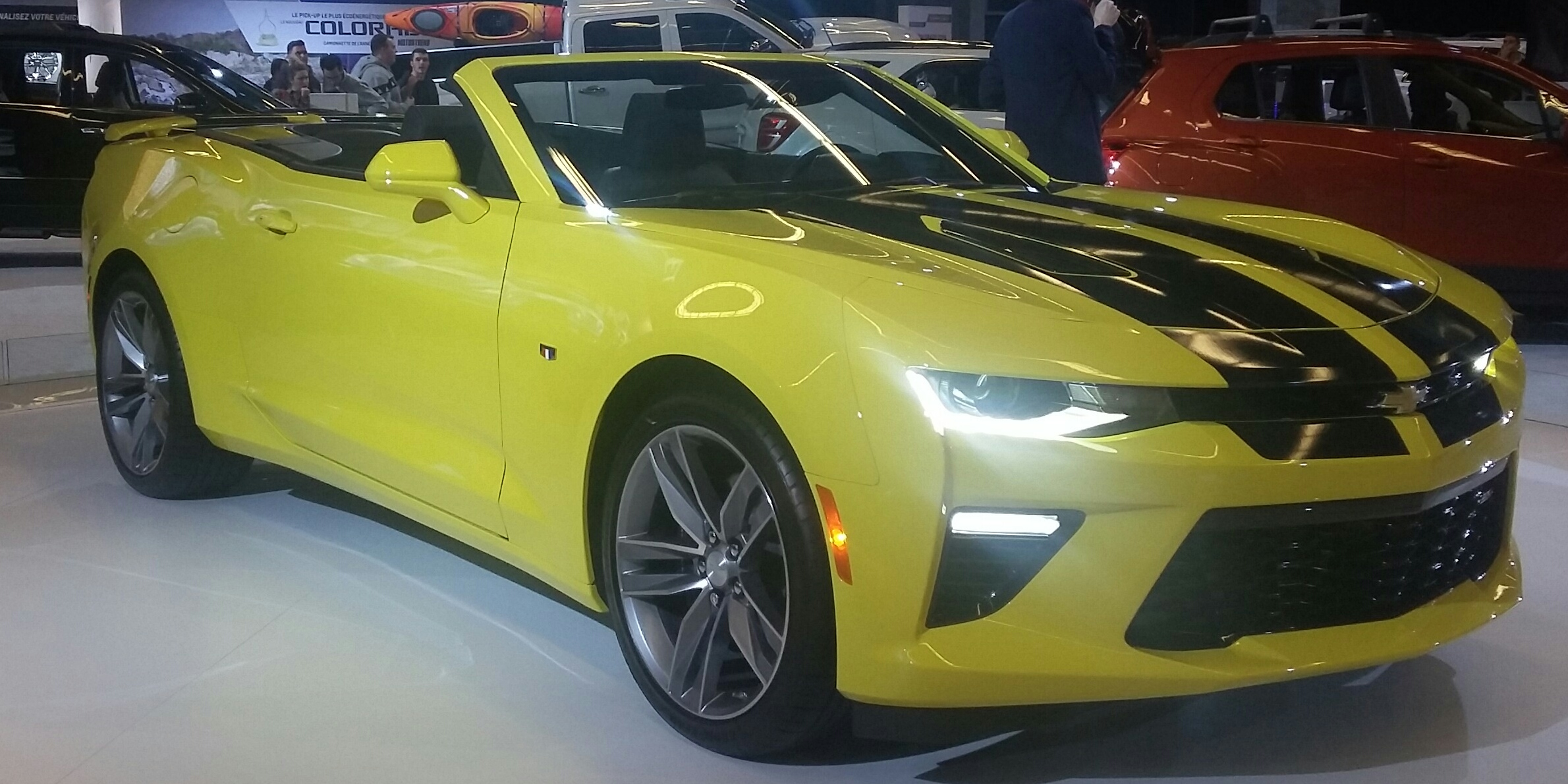
Chevrolet Camaro
"Yeah, I think sometimes and not that I don't think [2645.8s] 800 horsepower and 1,000 horsepower cars are cool like for example [2648.8s] We have our buddy johnny over there and he's been building his thousand horsepower Camaro"
A Camaro is a popular American muscle car from Chevrolet. Here, they’re talking about a Camaro that someone is building to make extremely high power, and how fun it is to watch that enthusiasm.
The Chevrolet Camaro is a long-running American muscle car known for big V8 power and a huge aftermarket. In this segment, the host specifically mentions a friend building a very high-power Camaro, using it as an example of the excitement people get from extreme builds.
car scene
"It's like yeah faster than anything. It's like all the cars I've owned combined into one [2672.8s] It's insane [2674.3s] but [2675.4s] Sometimes I think with that like I feel like [2679.0s] When people are going for super insane not johnny [2681.3s] But other people that are going for super insane numbers are trying to win awards or doing anything like that [2686.3s] It gets too serious and I think at the end of the day [2689.3s] You gotta remember like the car scene ain't that serious and it doesn't have to be that serious"
“Car scene” means the community of car people—meetups, shows, and builders. The host is saying it’s supposed to be fun and not take itself too seriously.
“Car scene” refers to the community around cars—events, builds, and the culture of enthusiasts. The host’s point is that it shouldn’t become overly serious or competitive, even when people chase extreme numbers.
customize your suspension
"[2810.0s] Building your car because not everyone's doing it for the same reasons and they offer the ability to [2815.7s] Essentially customize your suspension. So you're already customizing your car."
Your suspension is what connects the wheels to the car and controls how the car rides and handles bumps. Customizing it lets you tune the car to feel better for your driving style—street comfort, or sharper track handling.
Suspension customization means changing how the car’s wheels are controlled—typically ride height, spring rates, damping, and sometimes alignment settings. The goal is usually better handling, ride quality, or track performance tailored to the driver’s needs.
1990 Mitsubishi Eclipse GSX
"[2841.7s] today's build thread of the week comes in the form of a 1990 mitzvah [2847.3s] Eclipse g s x this is c whitworth 93s 1990 mitzvah eclipse"
This is a Mitsubishi Eclipse GSX from 1990. It’s a turbocharged sports coupe that’s popular with car people because there are lots of parts and it has a strong enthusiast community.
The Mitsubishi Eclipse GSX is a late-1980s/early-1990s turbocharged performance coupe known for its 4G63 turbo engine and strong aftermarket support. In 1990, the GSX is part of the first-generation Eclipse (often called the “first gen”), which enthusiasts seek out in clean, original-looking condition.
first gen eclipse
"[2853.1s] And I thought this thing was really cool because you don't see a lot of these first gens [2856.8s] Really around anymore, especially in this kind of shape."
“First gen Eclipse” means the earliest version of the Eclipse model line. Car fans often like the first generation because it has a classic look and a big enthusiast following.
“First gen Eclipse” refers to the first-generation Mitsubishi Eclipse platform. Enthusiasts often treat early generations as more desirable because of their specific styling, parts availability, and how they fit into the classic turbo-era Eclipse scene.
coilovers
"[2863.4s] Specimen of a first gen eclipse. Uh, so we are looking at some 17 by 9 rpf ones on some petrol 595 ss [2871.4s] some bc br series coilovers and then we got some looks like front mount intercooler"
Coilovers are upgraded suspension parts that let you adjust how high the car sits and how it absorbs bumps. People use them to make the car handle better, especially if they drive on track.
Coilovers are adjustable suspension units that combine a spring and shock absorber in one assembly. They’re commonly used to fine-tune ride height and damping for handling—especially on cars that see track driving.
front mount intercooler
"[2871.4s] some bc br series coilovers and then we got some looks like front mount intercooler some other [2878.2s] Turbo work and then some carbon fiber"
An intercooler cools the air coming from the turbo before it goes into the engine. Cooler air helps the engine run better and can support more boost safely.
A front mount intercooler is an air-to-air heat exchanger placed at the front of the car to cool turbocharged intake air. Cooler intake air is denser, which can improve throttle response and helps reduce the risk of heat-related engine knock.
turbo work
"[2878.2s] Turbo work and then some carbon fiber and actually euro [2882.3s] Corners and taillights again the euro corners and taillights were a big thing in the eclipse crowd"
“Turbo work” usually means the car has been modified to make the turbo system perform better. That can include upgrades that help the turbo deliver more boost and keep the engine happy.
“Turbo work” is a broad enthusiast term for modifications related to the turbo system—such as upgrading the turbo, intercooling, piping, and supporting fueling/engine management. It generally indicates the car has been tuned or upgraded beyond stock boost levels.
euro corners and taillights
"[2882.3s] Corners and taillights again the euro corners and taillights were a big thing in the eclipse crowd [2887.5s] I'm not entirely sure why that was such a song."
This means the car has European-style turn-signal/side lights (“corners”) and rear lights. People swap them in because they look different from the original U.S. lights.
“Euro corners and taillights” refers to European-spec lighting pieces swapped onto a car that originally came with different (often U.S.-spec) lamp designs. Enthusiasts often do this for the look and because the European lighting housings can be a recognizable styling cue in certain model communities.
pop-up headlights
"There and these are so weird though. Like it has headlights, but then it has pop-up headlights. I was just noticing that ... secret pop-up headlights"
Pop-up headlights are headlights that slide or lift out of the front of the car when you turn them on. They’re mostly a styling/engineering feature you see on certain older sports cars.
Pop-up headlights are headlamps that pivot upward from the front of the car when activated, instead of being fixed in the body. They were common on some older sports cars and can affect how the front fascia is designed and how aftermarket parts fit.
fitment
"shout out to your your fitment there because the rpf ones and the tire setup you have going on is perfect ... these cars are tricky to get like fitment even like the second all generations of eclipse"
Fitment means whether wheels and tires actually fit the car without rubbing and whether they sit right in the wheel wells. Some cars are harder than others to get the “right” fit.
Fitment is how well wheels and tires physically fit a car—clearance to suspension, fenders, and brakes, plus whether the stance looks right. The hosts are emphasizing that Eclipse fitment is tricky, especially when using different wheel widths/offsets and tire sizes.
wheel offset
"So it looks like 17 by 9 plus 35 with 245 35. It's solid ..."
Wheel offset is basically how far the wheel sits inboard or outboard relative to the car. Changing it can make the tire rub or can help it clear the body and suspension.
Wheel offset is the distance between the wheel’s mounting surface and its centerline, usually measured in millimeters. Offset strongly affects whether the tire sits tucked in or sticks out, and it’s a key factor in fitment problems on cars like the Eclipse.
tire size
"So it looks like 17 by 9 plus 35 with 245 35. It's solid"
Tire size is the tire’s measurements, and it affects whether the tire fits the wheel and the car. The right tire size helps prevent rubbing and supports a clean stance.
Tire size is the tire’s dimensions (like width and aspect ratio) that determine how the tire fits the wheel and clears the car. In the segment, the hosts mention a specific tire size alongside wheel width and offset to explain why the setup works.

Eagle Talon
"I didn't I didn't know what car that was at first the back reminded me of like a talon ... Like I couldn't tell what the front was so same thing."
The Eagle Talon is an older sports car that’s related to the Mitsubishi Eclipse. The host is saying the Eclipse looks a bit like it, especially from certain angles.
The Eagle Talon is another late-1980s/early-1990s sports coupe that’s closely related to the Mitsubishi Eclipse platform family. The host compares the Eclipse’s front/rear cues to a Talon, showing how these cars share similar styling DNA.
12 cylinder
"Like that was so cool how they brought out like the the 12 cylinder Was x5 or whatever and like just arriving in the BMW texture like getting the audience go."
A “12-cylinder” engine has 12 combustion chambers working together. More cylinders usually means smoother power and a more upscale feel.
A “12-cylinder” engine means the engine has 12 separate cylinders arranged to produce power smoothly. In BMW’s lineup, a 12-cylinder is typically associated with high-end performance and smooth, refined power delivery.

BMW X5
"...how they brought out like the the 12 cylinder Was x5 or whatever and like just arriving in the BMW tex..."
The BMW X5 is a luxury SUV, meaning it’s a larger family-style vehicle with comfort and power. Some versions can have very large engines, which is why people sometimes talk about the “big engine” X5. It’s the kind of car that gets attention for being both practical and powerful.
The BMW X5 is a mid-size luxury SUV, and it’s notable in BMW’s lineup for offering a wide range of powertrains depending on the model year. The podcast mention of a “12-cylinder” X5 points to a higher-performance variant that stands out for its engine character and presence. It may come up when discussing BMW’s more extreme or special editions of the X5.
Hyundai
"That's why honestly, I've given a lot of respect to Hyundai too. Yeah, like I know Hyundai's for a while has been trying to kind of dig themselves out of the hole that"
Hyundai is a car brand from South Korea. The speaker thinks Hyundai has been working hard to improve and change how people see the brand.
Hyundai is the Korean automaker the speaker says deserves respect for improving its reputation over time. The comment frames Hyundai as working to “dig themselves out of the hole,” implying a turnaround in product quality, brand perception, or both.
Genesis
"It was like I'd say like the genesis was probably like the only one like the genesis coop was like the only one that was"
Genesis is Hyundai’s luxury car brand. In this part of the episode, the host is saying Genesis was the first Hyundai-linked brand that really grabbed their attention.
Genesis is Hyundai Motor’s luxury brand, positioned above mainstream Hyundai models. The host credits Genesis with being the first Hyundai-related name that felt relevant to enthusiasts, and connects it to the brand’s push into motorsport and event presence.

Hyundai Veloster
"... radar even with like the like the newer like the Veloster and that kind of stuff It was like I'd say like t..."
The Hyundai Veloster is a small car with a hatchback body style. Newer versions can include driver-assistance features, which is why it may come up in a conversation about safety tech. It’s generally meant to be practical while still looking different.
The Hyundai Veloster is a compact hatchback that’s known for its distinctive styling and practical size. It’s mentioned in the podcast alongside radar-related discussion, likely referring to driver-assistance features available on newer models. That makes it relevant when talking about modern tech and what equipment comes on these cars.

Hyundai Genesis
"...d that kind of stuff It was like I'd say like the genesis was probably like the only one like the genesis c..."
The Hyundai Genesis is Hyundai’s luxury car line. It’s meant to feel more premium and comfortable than a typical Hyundai. People bring it up when they’re looking for a nicer car to buy.
The Hyundai Genesis is a luxury car line from Hyundai, positioned to compete in the premium segment with more upscale features and a comfort-focused ride. In the podcast context, it’s referenced as being “on the radar,” suggesting it’s considered as a serious option rather than just an economy choice. That makes it relevant when discussing what people cross-shop for a nicer driving experience.

Genesis G80
"...e that was Like on my radar the rival to like the g80. Yeah, they're that platform, right? And so it wa..."
The Genesis G80 is a luxury sedan, meaning it’s built for comfort and nicer features. It’s often compared to other luxury sedans because it’s meant to compete in that same category. In the podcast, it’s mentioned as a direct alternative people consider.
The Genesis G80 is a full-size luxury sedan within the Genesis lineup, known for offering a premium interior and a more upscale driving experience. The podcast mentions it as a rival to another model, and it’s also described as being on the same platform—meaning it’s part of the same overall engineering family. It’s brought up because it’s a serious luxury alternative people consider.
Laguna Seca
"We were at the IMSA event at um Laguna seca."
Laguna Seca is a well-known race track in California. The host is talking about an event there where they heard and saw cars running on track.
Laguna Seca is a famous road course in California, best known for its dramatic “Corkscrew” corner. Here, it’s the venue for an IMSA event where the host hears and sees Genesis cars running.
IMSA event
"We were at the IMSA event at um Laguna seca."
IMSA is a big U.S. sports-car racing organization. When someone says “IMSA event,” they mean a real race weekend with serious teams and cars.
IMSA refers to the International Motor Sports Association, which organizes major North American sports-car and endurance racing series. Mentioning an “IMSA event” signals the host is talking about a professional racing weekend rather than a casual car meet.
Michelin
"Yeah there with michelin and like I remember walking around with Dakota"
Michelin is a well-known tire brand. In racing, tires matter a lot for how fast and how well a car grips the track.
Michelin is a major tire manufacturer, and in racing it’s often referenced because tire choice strongly affects grip, wear, and lap times. The host’s mention suggests the event involved Michelin tires, reinforcing that this was a high-level motorsport setting.
track
"It's cool to see Hyundai Ripping around a mantras on the track like that was really neat"
A “track” is the race course the cars drive on. Here, it’s just describing the racing circuit where the cars were going fast.
In motorsport talk, “track” means the specific racing circuit layout where cars are driven at speed under controlled conditions. The host uses it to describe Genesis cars “ripping around” during a racing weekend.
man transmissions
"Like it's not even about being enthusiastic. No, it's just it's all everything doesn't have to be, you know [3466.5s] 400 horsepower real drive v8s with man transmissions [3469.1s] But like you can make something that's fun like a miata is fun"
They mean a manual gearbox. Instead of the car shifting for you, you choose the gears yourself, usually with a clutch pedal—so it can feel more fun and connected.
“Man transmissions” is shorthand for manual transmissions, where the driver selects gears with a clutch and gear lever. Enthusiasts often prefer manuals because they add driver involvement and can make the car feel more engaging.
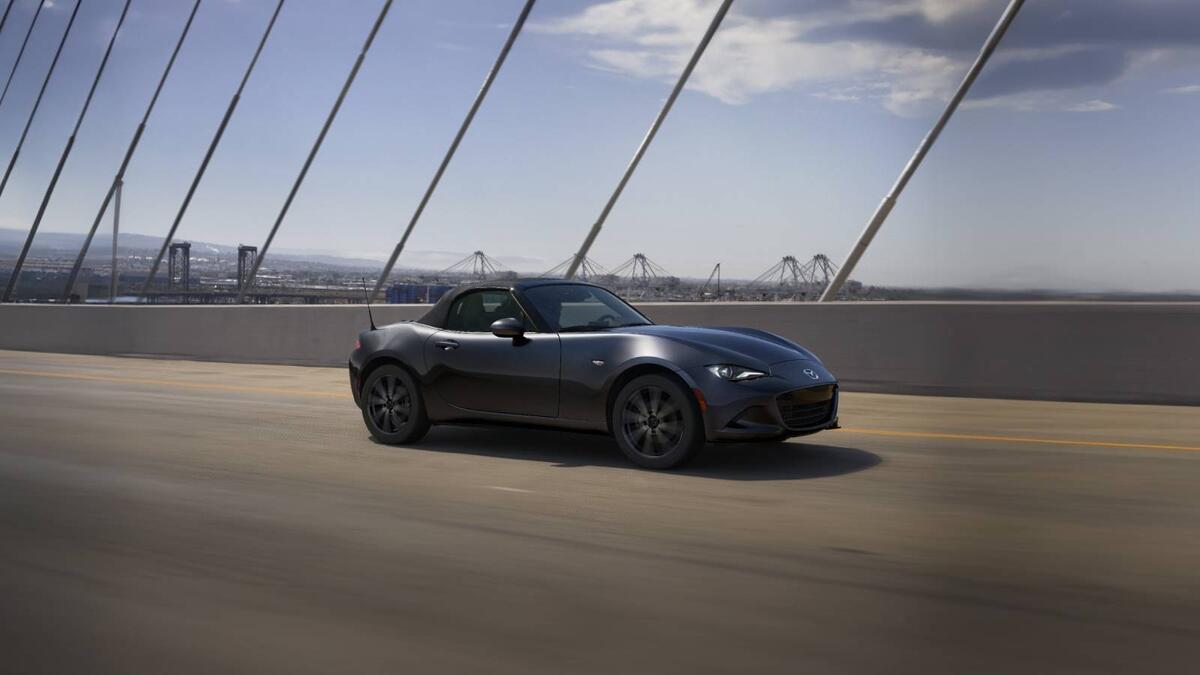
Mazda MX-5 / Miata
"[3469.1s] But like you can make something that's fun like a miata is fun [3472.7s] Right, right and then they can smalls they can still sell cx 70s all day long. Yeah, you know the same"
They’re talking about the Mazda Miata, a small lightweight roadster. It’s famous for being easy to drive fast and fun, even if it’s not the most powerful car on paper.
The Mazda Miata is a lightweight, driver-focused roadster known for its nimble handling and “smile per mile” character. In this segment, the speaker uses it as an example of how a car can be fun even without chasing huge horsepower numbers.
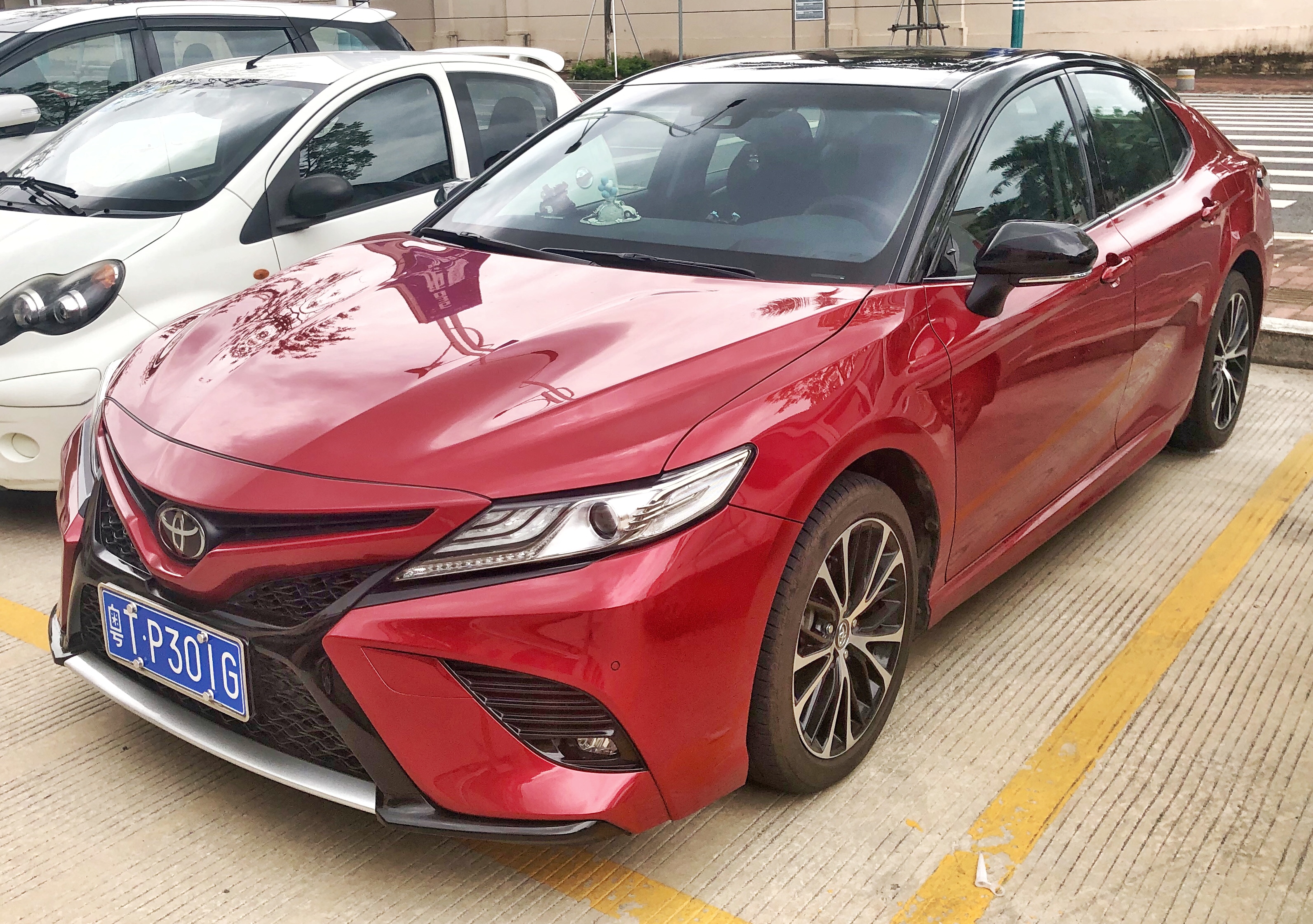
Toyota Camry
"...was really fucking cool. So now you want a toyota camry Because it's toyota right, you know, like that's ..."
The Toyota Camry is a regular, everyday car in the midsize sedan category. People often consider it because it’s a well-known Toyota model and is meant for daily driving. It’s not primarily a sports car—it’s more about practicality and comfort.
The Toyota Camry is a mainstream midsize sedan known for comfort, everyday usability, and broad appeal. It’s often discussed in car conversations because it’s a common choice and can be a practical alternative to more performance-focused cars. In the podcast context, it’s brought up as a “Toyota” option that someone might consider.
enthusiast driven vehicles
"[3504.1s] Yeah, they my my car was based on just feels like there's less and less love every year [3509.3s] Um towards enthusiast driven vehicles, but I don't know toyota did do a lot of cool stuff [3514.4s] I love the whole gr lineup and I think in a"
They mean cars made for people who really care about driving. Instead of just being practical, these cars are designed to feel engaging behind the wheel.
“Enthusiast-driven vehicles” refers to cars engineered to reward the driver—things like steering feel, manual/driver involvement, and chassis dynamics—rather than focusing mainly on mainstream comfort or cost. The speaker is arguing that fewer of these are being offered over time.
gr lineup
"[3509.3s] Um towards enthusiast driven vehicles, but I don't know toyota did do a lot of cool stuff [3514.4s] I love the whole gr lineup and I think in a [3517.5s] A decade or two we'll look back at it and be like damn the gr line"
“GR” is Toyota’s performance lineup. It’s Toyota’s way of making more enthusiast-focused cars, and the speaker thinks that era will be remembered as a great time for car fans.
“GR” refers to Toyota’s GR performance line, which includes enthusiast-oriented models and trims aimed at driving feel and motorsport-derived engineering. The speaker suggests that in a decade or two, people will look back on the GR era as a particularly exciting time to be into cars.
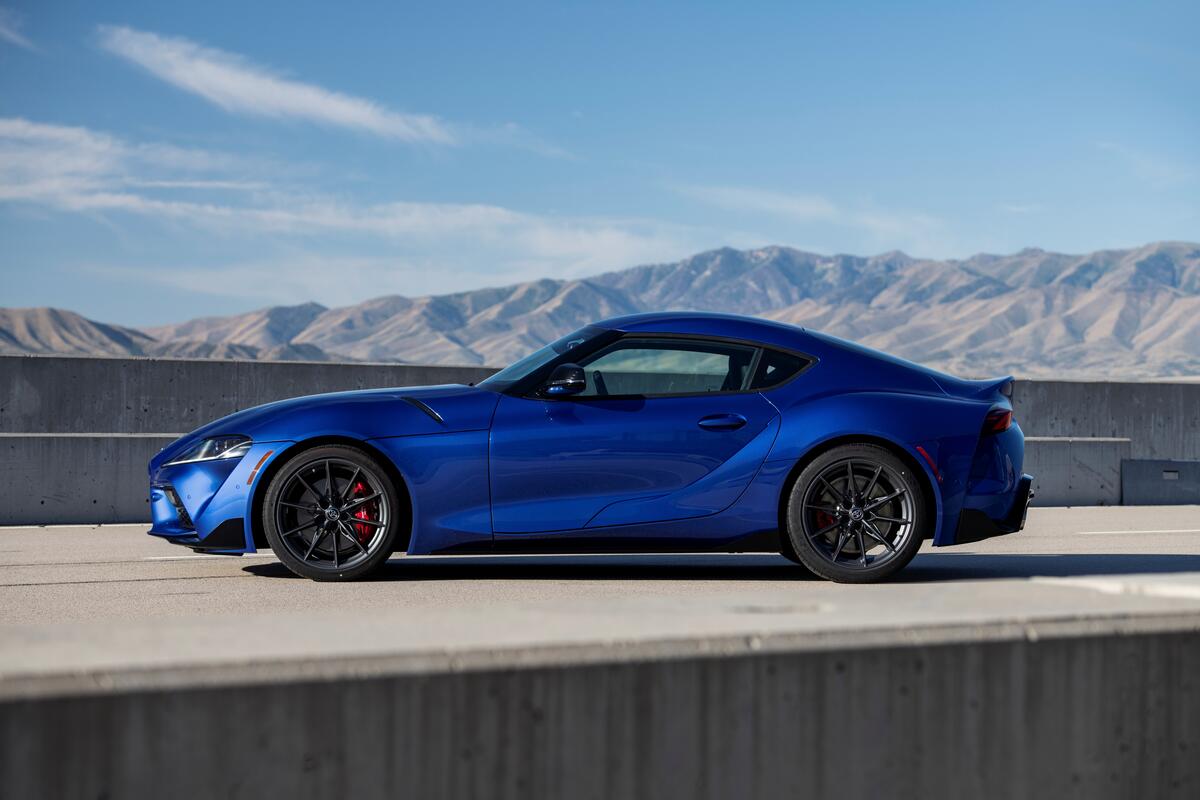
Toyota Supra
"[3517.5s] A decade or two we'll look back at it and be like damn the gr line [3521.3s] Like that was a bang in time to be into cars at the the yards the 86 the supra and everything like that [3527.2s] Speaking of I don't think we talked about this the last time then by the time this comes out"
They mean the Toyota Supra, one of Toyota’s most famous sports cars. It’s known for being quick and for having a big enthusiast community, which is why it comes up in “best era” conversations.
The Toyota Supra is a performance sports car known for its strong enthusiast following and, in modern form, a turbocharged engine and track-capable tuning. The speaker groups it with the Toyota 86 as part of the era that made it exciting to be into cars.
price of said vehicle
"[3530.5s] It'll probably be a week or two older, but slate [3533.7s] Finally like yeah at least like their vehicle and the price of said vehicle and it kind of has people not so happy about it [3542.3s] Yeah, it's like the the steam machine knows like yeah, they came out with the idea everyone's like, yes"
They’re talking about how the price of a new car changes how people feel about it. If it’s more expensive than expected, some buyers get unhappy.
This segment shifts to how the vehicle’s price affects buyer sentiment—people react negatively when the cost rises beyond what they expected. It’s a discussion topic about pricing and perceived value for a new release.
roll-up windows
"Basic basic literally nothing roll-up windows. No radio Uh, you know that is what you're getting for $25,000"
Roll-up windows are the kind you move by hand, usually with a crank. They’re cheaper than power windows, which move with a button.
“Roll-up windows” usually means manual, crank-operated window glass instead of power windows. It’s a cost-saving interior feature that reduces convenience compared with modern cars.
power windows
"It's like I mean what you can yeah, yeah But it's so much more than I was like I'm going through it I'm like, dude, I feel like I'm going through like a fucking like midnight club menu right now with the amount of shit that I literally like"
Power windows open and close with buttons instead of a hand crank. If a car doesn’t have them, it’s usually a more basic, lower-cost setup.
“Power windows” are electrically operated window regulators controlled by switches. They’re a common baseline convenience feature, so mentioning them highlights how stripped-down the base configuration is.
Request an Explanation
Heard something you'd like explained? We'll add it to this episode.
Sign in to request explanations for terms you heard.
Want to learn more?
Browse our glossary for plain-English explanations of automotive terms, jargon, and concepts.
Help improve this episode
See something that's not quite right? Our annotations are AI-generated and can sometimes miss the mark. Click the flag icon on any annotation to suggest a correction.