
BEST Cars That Still Come In Manual
About this episode
Manual-transmission availability takes center stage as the hosts kick off with the idea that “some of the last manual cars that are available” are getting rarer. They debate “manual by wire,” compare real manual feel versus automatics, and argue Europe still keeps sticks alive. Along the way, they geek out on diesel BMWs—especially the 335D’s torque, DEF heater issues, and real-world mpg—then pivot back to modern picks like the Civic Si, Elantra N, and Miata’s manual identity.
Enjoy the podcast every Friday? Support it by getting your car mods at https://bit.ly/4vtk1kyManual cars are getting more rare by the day. So who is still making manual cars and which ones are actually worth picking up? Lars, Gels, and Dakota sit down to talk about this and more on todays episode of the MartiniWorks Podcast! #cars #podcast #automotivePick up our Coffee here! https://bit.ly/3PIFl6JA HUGE thank you to Continental, Motegi, and Fortune Auto for being the official tire, wheel, and suspension of the MartiniWorks Podcast! Let us know if you need a set of tires or coilovers.Shop Continental tires here https://bit.ly/4ecbfAKShop Motegi wheels here https://bit.ly/4vp7VcgShop Fortune Auto suspension here https://bit.ly/4fnfqM8Check out the main channel! @MartiniWorksOfficialWe also have an unboxing channel @MartiniWorksUnboxedFollow Lars @lars.martiniworksFollow Dakota @dakotastoneeFollow Gels @akagels
horsepower
"How much horsepower does it make? Are you going to slam it?"
Horsepower is a number that describes how strong the engine is. Higher horsepower usually means the car can accelerate harder, but it’s not the only factor.
Horsepower is a measure of engine power—how much work the engine can do over time. It’s often used as a quick shorthand for how strong a car feels, though real-world acceleration also depends on weight and gearing.
fuel
"And what type of fuel does it run? Why does that matter?"
Fuel is what the car uses to make energy. Different fuel types can change how expensive the car is to run and how it drives.
Fuel is the energy source a vehicle uses to make power (for example, gasoline, diesel, or electricity). In automotive discussions, the “type of fuel” affects cost, emissions, and how the powertrain behaves.
EV
"Oh, OK. Because it's an EV. So I went out and bought the cheapest 335D in the country."
EV stands for electric vehicle. It’s a car that runs on electricity from a battery instead of using gas.
EV means “electric vehicle,” a car powered by an electric motor and battery rather than a gasoline engine. It matters here because the host is contrasting it with the kind of daily driving they’re considering.

E24
"And with the E24 in the garage and the M3, kind of the track car"
“E24” means a BMW 6 Series from a specific generation. People like these because they’re rear-wheel drive and have a classic BMW feel.
“E24” is BMW’s 6 Series generation code. It’s a classic BMW platform known for its long-hood, rear-wheel-drive layout and enthusiast appeal, which is why it shows up in garage conversations alongside other BMWs.
diesel drag race
"[95.5s] Truck guy, Dustin, start going to diesel drag racing events. [99.8s] And apparently, one of my old favorite cars"
Diesel drag racing is drag racing for diesel-powered cars. The goal is to launch and accelerate as fast as possible, and diesel engines are known for strong low-end pull.
Diesel drag racing is a form of drag racing where the cars are powered by diesel engines. Diesel builds often focus on maximizing torque and fueling control to accelerate hard from a standstill.
deleting
"[109.3s] So people are tuning, deleting, and upgrading those cars [113.1s] and just straight up for track use."
“Deleting” typically refers to removing emissions-related hardware on a diesel (for example, components tied to exhaust aftertreatment). Enthusiasts do it to reduce restrictions and sometimes to support higher power levels, but it can be illegal depending on local emissions laws.
tuning
"[109.3s] So people are tuning, deleting, and upgrading those cars [113.1s] and just straight up for track use."
In this context, “tuning” means changing the engine control settings (often via ECU software) to alter fueling, boost, and throttle response. On diesels, tuning is commonly used to increase torque and improve performance for track or drag use.
track use
"[109.3s] So people are tuning, deleting, and upgrading those cars [113.1s] and just straight up for track use. [114.6s] Yeah, just whooping everybody's ass in the diesel world."
“Track use” means operating the car in a racing environment where sustained high loads and repeated hard acceleration/braking are common. Builds for track use often prioritize cooling, durability, and consistent power delivery rather than just peak numbers.
daily it
"[117.4s] So I was like, man, you can get one of these for like, [120.2s] not that much money. [121.3s] So why don't we just get one, then I'll daily it. [123.7s] And then Dustin and I can work together"
“Daily it” is enthusiast shorthand for using a car as a regular everyday driver. It matters here because the speaker wants a build that can handle both commuting and racing without becoming a full-time track-only car.

2011 335D
"Yeah, you know something wrong. [157.0s] So it's a 2011 335D. [159.7s] It's a, again, for those who don't know, it's an M57."
This is a BMW 335D, a diesel version of the 3 Series. The big reason people like it is that diesel engines make lots of pulling power, especially at lower speeds.
The BMW 335D is a 3 Series diesel variant, and this one is notable because it uses the M57 engine. It’s a manual-friendly enthusiast pick in a market where diesel BMWs are relatively rare, and the appeal here is the strong low-end pull.
M57
"[159.7s] It's a, again, for those who don't know, it's an M57. [162.2s] So it's a six cylinder twin turbo diesel."
M57 is the name of BMW’s diesel engine (an inline-six). It’s the engine that gives this car its diesel “grunt,” especially when you accelerate.
The M57 is BMW’s inline-six diesel engine family. In this context, it’s the engine behind the 2011 335D, and it’s known for producing strong torque thanks to turbocharging.
six cylinder twin turbo diesel
"[162.2s] So it's a six cylinder twin turbo diesel. [165.1s] Fan is."
That phrase means the engine has six cylinders and uses two turbochargers on a diesel. The turbos help the engine make more power and pull harder when you step on the gas.
“Six cylinder twin turbo diesel” describes a diesel engine with six cylinders and two turbochargers. Two turbos are used to improve boost response and overall power/torque delivery compared with a single turbo setup.
torque
"[167.5s] Three, well, 280-ish horsepower, but like 350 pound [171.6s] feet of torque. [172.4s] So fun fact, I'm a big E90 fan."
Torque is the engine’s “pulling force.” More torque usually means the car feels stronger when you accelerate, especially at lower speeds.
Torque is the twisting force an engine produces, and it strongly influences how quickly a car accelerates from low speeds. The host highlights torque figures (about 350 lb-ft) to explain why the diesel feels especially strong.
N54 stock
"[179.1s] But the diesel actually has the most torque of all the E90s. [182.1s] Wow. [182.9s] More than the N54 stock."
N54 is BMW’s turbo gas engine used in some 3 Series models. “Stock” means it’s not modified—so the host is claiming the diesel still makes more torque than the regular factory N54.
The N54 is BMW’s turbocharged inline-six gasoline engine used in certain E90 3 Series models. Saying “N54 stock” means the comparison is against the N54’s factory (unmodified) output, emphasizing that the diesel’s torque is higher even without tuning.
lowered suspension
"It's an M Sport package. So it's got the lowered suspension. It's got the cool steering wheel."
Lowered suspension means the car sits closer to the ground. It can make handling feel more responsive, but it often rides a bit firmer and you may scrape easier on speed bumps.
Lowered suspension means the car’s ride height is reduced by using shorter springs and/or different suspension components. This usually sharpens handling response and steering feel, but it can also make the ride firmer and reduce ground clearance.
paddle shifters
"It's got the nicer seats. It's got the paddle shifters. Because every one of these came in automatic."
Paddle shifters are the little levers behind the steering wheel. They let you tell the automatic transmission when to shift, without needing a clutch pedal.
Paddle shifters are steering-wheel-mounted controls that let you manually command gear changes without using a clutch. On an automatic, they typically override the transmission’s normal shifting strategy for a more driver-focused feel.
six-speed automatic
"Yeah, six-speed automatic and all that stuff. Interesting."
A six-speed automatic is a gearbox that shifts on its own and has six different gear ratios. It can help the engine stay in the right range for smoother acceleration and efficiency.
A six-speed automatic is a transmission that automatically selects among six forward gear ratios. More gears can help keep the engine in a better efficiency or power band, but the driving feel depends heavily on the specific transmission design and tuning.
check engine
"The check engine just came on, and it felt like it was down on power a bunch when I was driving it home."
The “check engine” light is a warning that something in the engine or pollution-control system isn’t working right. Sometimes it can also make the car feel weaker until the problem is fixed.
“Check engine” is the dashboard warning light that indicates the engine or emissions control system has detected a fault. When it comes on, the car may limit power or run in a protective mode depending on the severity of the issue.
battery voltage
"it was just some battery voltage thing, because I assumed the car sat around for a while."
“Battery voltage” is basically how much electrical power the car’s battery is providing. If it’s low or unstable, the car’s computers can act weird and throw warnings.
“Battery voltage” refers to the electrical system’s measured voltage, which can affect how sensors and control modules behave. Low or unstable voltage can trigger fault codes or cause warnings even if the underlying mechanical issue is minor.
emissions
"it was just some battery voltage thing, because I assumed the car sat around for a while. And one of the emissions things isn't working."
“Emissions” here means the systems that reduce pollution from the exhaust. If one of those systems fails, the car can warn you and sometimes run differently.
“Emissions” in this context means the car’s pollution-control systems that reduce harmful exhaust gases. The speaker later identifies a specific emissions-related component that isn’t working, which can also affect drivability and warning lights.
DEF heater
"So it's the DEF heater. So the DEF right here is exhaust fluid."
The “DEF heater” is a device that warms the car’s DEF fluid so it can work properly. In winter, the fluid can get too cold, and the heater helps keep the emissions system functioning.
The “DEF heater” warms the Diesel Exhaust Fluid (DEF) so it can be properly delivered and dosed into the exhaust aftertreatment system. In cold weather, DEF can gel or not atomize correctly, so a heater is important for emissions compliance and consistent operation.
urea
"Deionized water and high purity urea? ... Wait, what is urea?"
Urea is the main ingredient in DEF. It’s the chemical that helps the exhaust system clean up diesel pollution.
Urea is the key chemical in DEF. In diesel emissions systems, urea is converted in the exhaust into ammonia, which then reacts with NOx to reduce emissions.
deionized water
"He doesn't trust me. Deionized water and high purity urea?"
Deionized water is basically purified water with minerals removed. In DEF, it helps dissolve and deliver the urea properly.
Deionized water is water with dissolved minerals removed (ions taken out). In DEF, it acts as the solvent that carries the urea so the fluid can be dosed consistently into the exhaust system.

X five diesel
"[478.0s] So I had the white F 30 wagon and then I had an X five diesel. [483.0s] Oh, that's right. [483.8s] Yeah, that was that was a diesel also. [486.1s] And dude, I loved every single one of them."
The X5 is BMW’s SUV. This one was a diesel, which usually means it feels strong and can get good mileage on the highway.
“X5” is BMW’s midsize SUV line, and the host specifies they owned an X5 with a diesel engine. Diesel X5s are often chosen for their torque and highway efficiency, which matches the fuel-economy talk in this segment.

TDI wagon
"[502.0s] Yeah, you're what did your TDI wagon get? [504.2s] Dude, I was getting between 50 to 60. [506.7s] And then I put a roto forms on it,"
A TDI is a Volkswagen diesel engine (turbo + direct injection). The host is saying their Volkswagen wagon got very good mileage, and they’re comparing it to their BMW diesel.
“TDI” refers to Volkswagen’s turbocharged direct-injection diesel engines, and the host is comparing their fuel economy to a TDI wagon they owned. TDI wagons are popular with enthusiasts because they combine diesel torque with strong real-world highway mpg.
roto forms
"[506.7s] And then I put a roto forms on it, [508.2s] dropped down to low fifties, high forties, [510.5s] because they were like fucking 25 pounds a wheel."
“Roto forms” sounds like a brand of aftermarket wheels. The host is saying the wheels were heavy, and that affected how efficiently the car could drive.
“Roto forms” appears to refer to a wheel brand/model (aftermarket wheels). The host is linking the wheel choice to fuel economy and ride/handling feel by discussing wheel weight and how it changed their mpg.
25 pounds a wheel
"[508.2s] dropped down to low fifties, high forties, [510.5s] because they were like fucking 25 pounds a wheel. [513.2s] The LQ's are crazy."
Heavier wheels take more energy to spin. That can make the car use more fuel, which is why the mpg dropped after the wheel swap.
Wheel weight matters because heavier wheels increase rotational mass, which can hurt acceleration feel and fuel economy. In this segment, the host attributes a drop in mpg to the wheels being about 25 pounds each.
LQ's
"[513.2s] The LQ's are crazy. [514.9s] They're like 30 pounds a wheel. "
“LQ’s” is mentioned as another wheel/tire-related setup, with the host emphasizing their weight (“crazy” and about 30 pounds a wheel). Without additional context, it likely refers to a specific wheel model/brand or wheel style.
autobahn
"There's like no cons. The four series I drove on the Autobahn"
The Autobahn is Germany’s highway system. It’s known for very fast driving, so it’s a good place to see how a car behaves at highway speeds.
The Autobahn is Germany’s high-speed highway network, famous for long stretches where speed limits may not be posted. It’s often used by enthusiasts as a real-world test of sustained cruising, stability, and fuel economy.
daily drive
"Are you just going to daily drive it and so be it? I want to clean it up."
“Daily drive” just means you plan to use the car every day for normal errands and commuting. That usually makes things like ease of ownership and costs more important.
“Daily drive” means using a car as your regular, everyday transportation rather than keeping it as a weekend toy. That changes what matters—comfort, reliability, and running costs—more than pure track performance.
black E 90
"I'm like, why is there a black E 90 sitting next to me? Like, who's fucking cars this? It threw me for a little because like the E 90"
“E90” is BMW’s internal code for a specific generation of the 3 Series. It’s a common BMW sedan shape, so from a distance it can look like other 3 Series cars.
The speaker is referring to a BMW 3 Series generation often called the “E90.” The E90 is the 2005–2011 era of the BMW 3 Series sedan, and it’s known for a distinct front-end look that can resemble other BMW 3 Series generations at a quick glance.
15 foot rule
"It's it's it's definitely a I had to explain what the 10 foot rule is to my wife. Yeah. She's like, it looks pretty good. I was like, it's a 10 footer."
The “10 foot rule” means a car looks great from far away, but when you get close you notice problems. People use it to describe cosmetic flaws that aren’t obvious at a quick glance.
The “10 foot rule” is a car-enthusiast joke meaning a vehicle looks good from about 10 feet away, but up close you can see flaws like paint issues, dents, or mismatched panels. It’s often used when judging cosmetic condition without doing a detailed inspection.
carbon fiber frame
"It's got like this carbon fiber tape on the front. I don't know if it's holding something together or if that's just aesthetic."
Carbon fiber tape is a sticky strip made to look like carbon fiber. People use it either to reinforce something or just to make the car look cooler, so you’d want to check if it’s doing a real repair job.
Carbon fiber tape is a strip of carbon-fiber-reinforced material used either for cosmetic styling or to reinforce/repair a specific area. In car projects, it’s sometimes applied to help hold parts together, but it can also be purely aesthetic, so you’d want to inspect what it’s actually securing.
headlights
"You know, this little stuff, like I'm clean up the headlights. I want to get like the super not actually bright ring lights that everybody gets in the 90s."
Headlights are the lights at the front of the car that help you see at night. If someone says they want to clean them up, they usually mean making the lens clear again or fixing them so they work well.
Headlights are the front lighting units that illuminate the road at night and in low visibility. When enthusiasts “clean up the headlights,” they often mean restoring clarity to the lens or replacing degraded components so the beam pattern looks correct again.
M Sport package
"Yeah, I don't have that. M sport package."
The M Sport package is a BMW option that makes the car look and feel more sporty. Depending on the year, it can include things like sportier seats, suspension, and exterior styling.
The M Sport package is a BMW option that typically adds sport-oriented styling and chassis components, such as a more aggressive body kit, sport seats, and sometimes firmer suspension and steering calibration. It’s a trim/package identity rather than a single part, so the exact contents can vary by model year and market.
slapstick
"I have this stupid little slapstick thing. Yeah."
Here, “slapstick” isn’t about comedy—it’s the host jokingly describing the way the car’s shifting feels. They mean it feels like quick, lever-y gear changes.
In this context, “slapstick” is being used to describe a manual-style shifting setup (often a clutchless or semi-automatic feel) rather than literal comedy. Enthusiasts sometimes use “slapstick” to refer to quick, lever-based shifting behavior.
turbo six cylinder diesel
"Wind turbo six cylinder diesel. It's pretty gnarly."
This means a diesel engine with six cylinders, and it has a turbocharger. The turbo helps it make more power and torque, especially at lower RPMs.
A “turbo six cylinder diesel” describes a diesel engine with six cylinders that uses a turbocharger to force more air into the cylinders. That boosts power and—more importantly for diesels—low-end torque, which is why these engines often feel strong off the line.

Honda S2000
"The post-exorcism. We're talking about the S2000, by the way. It sucks."
The Honda S2000 is a small two-seat sports car. It’s known for revving high and feeling very driver-oriented. The podcast mentions it because the speaker has a strong opinion about it.
The Honda S2000 is a two-seat sports car known for its high-revving character and driver-focused design. In the podcast, it’s referenced with a negative reaction (“it sucks”), which indicates the speaker is discussing personal impressions or a specific point about the car. It’s still a notable model because it’s widely remembered for how it drives at higher engine speeds.
Manual by wire
"Fake automatics, crystal balls, fake manuals, manual by wire, manual by wire."
It’s a “manual” that doesn’t use all-mechanical connections. Instead, electronics tell the car what gear you want, and motors/actuators do the actual work.
“Manual by wire” refers to a car that uses electronic signals to control what would normally be mechanical linkages in a manual transmission. The driver still selects gears, but the clutch/shift actions are managed by actuators and sensors rather than purely mechanical cables.

Acura Integra
"Starting off hot, Acura Integra. Oh, the new one. Yeah."
The Acura Integra is a small Acura that’s popular with enthusiasts because it can be had with a manual transmission. Here they’re pointing to the newer Integra as one of the remaining manuals you can still buy.
The Acura Integra is a compact, driver-focused hatchback/sedan line from Acura that’s known for offering a manual transmission on some trims. In this segment, they’re highlighting the “new one” as a current example of a car still available in manual form.
Integra Type S
"... Type R, just higher trim. So yeah, they have the Integra Type S and then they just have base model Integra's, I b..."
The Integra is a compact car, and it comes in different versions. The podcast mentions the Type S as a higher trim and also talks about base Integra models. That’s why it’s included—people are comparing what you get depending on the version.
The Acura Integra is a compact performance-oriented model, and the podcast specifically references the Integra Type S and base Integra trims. The mention of “Type R” and “higher trim” suggests the speaker is talking about how different versions compare in equipment and intent. It comes up because enthusiasts often care which trim offers the best mix of performance and practicality.

Cadillac CT for the Blackwing
"Next up, this one, I think is banger, Cadillac CT for the Blackwing. So good. Yeah. Such a good car."
Cadillac’s Blackwing cars are their high-performance models. In this part of the show, they’re saying the Blackwing is one of the best choices if you want a fun performance car that still comes with a manual.
The Cadillac Blackwing line is known for high-performance V8 models with a driver-focused setup, and this segment highlights the Cadillac CT/Blackwing as a standout manual-enthusiast pick. The hosts call it a “banger” and say they want one, emphasizing its desirability as a manual-capable performance car.
MSRP
"So that's coming in at MSRP of $65,945. That's kind of why they're expensive."
MSRP is the sticker price number the manufacturer recommends. It’s not always the final price you pay, but it’s a common reference point for how expensive a car is.
MSRP (Manufacturer’s Suggested Retail Price) is the price automakers publish as the starting point for what a car should cost. In this segment, the hosts connect MSRP to why the discussed manual cars are “expensive,” implying that rarity and demand keep transaction prices high.
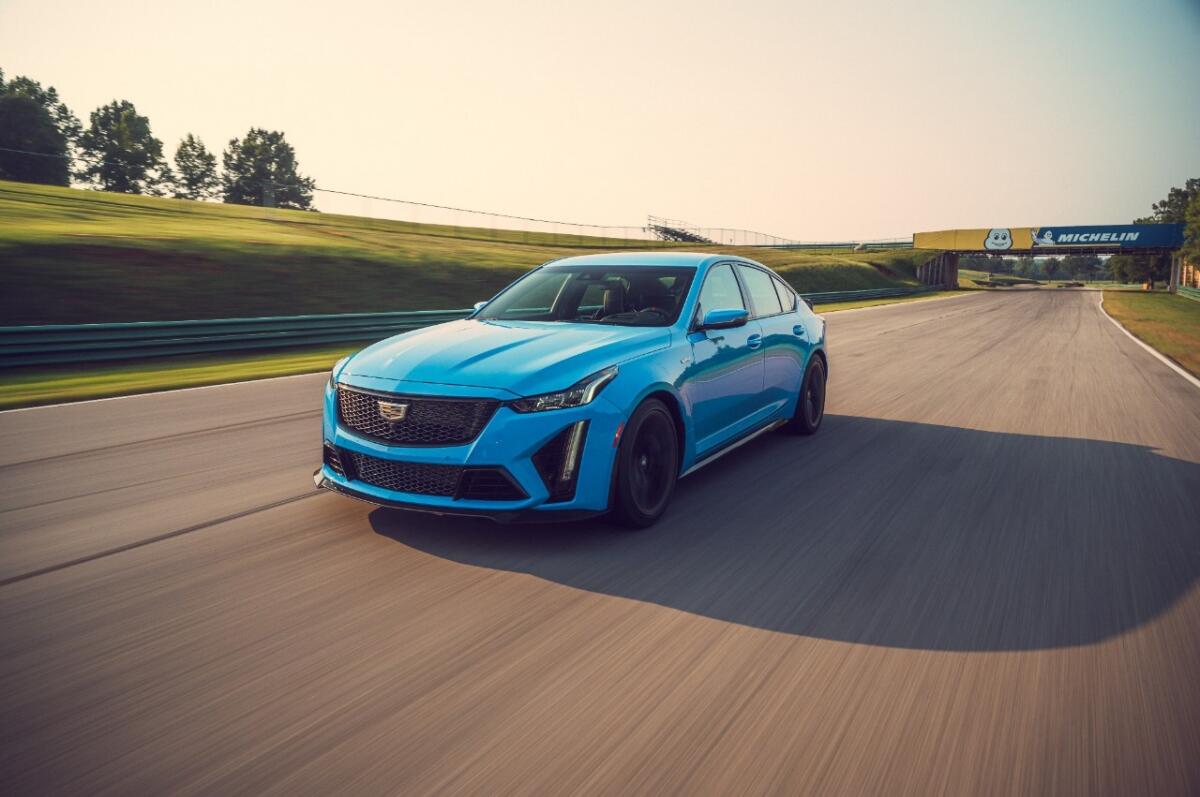
Cadillac CT5
"Along with that is the CT5 V Blackwing. Yep, sure. Those are also sick because those are the, that's the 20 over V8 or Supercharged V8."
The Cadillac CT5-V Blackwing is a fast, performance-focused version of the CT5. It uses a supercharged V8, and people compare it to other big performance sedans like the BMW M5.
The Cadillac CT5-V Blackwing is a high-performance sedan from Cadillac, built around a supercharged V8. In this segment, the hosts frame it as a direct performance comparison point to BMW’s M5, which helps listeners understand its intended “top-tier” role in the lineup.
supercharged V8
"Those are also sick because those are the, that's the 20 over V8 or Supercharged V8. I don't know."
A supercharged V8 is a V8 engine that has a device (the supercharger) that pushes extra air into the engine. That extra air helps the engine make more power.
A supercharged V8 is an engine with eight cylinders in a V layout that uses a supercharger to force more air into the cylinders. More air generally allows more fuel to be burned, which can produce higher power than a similar naturally aspirated V8.

BMW M5
"But anyway, that's like the M5 equivalent. Speaking of BMW, M2, M3, M4."
Calling it an “M5 equivalent” means it’s meant to compete with the BMW M5—another high-performance sedan. It’s about who it’s trying to impress, not just one exact part or number.
When the hosts say the CT5-V Blackwing is an “M5 equivalent,” they’re comparing it to the BMW M5’s role as a high-performance, V8-powered executive sedan. The point is not a technical spec match, but the market positioning: both are meant to be serious performance sedans.
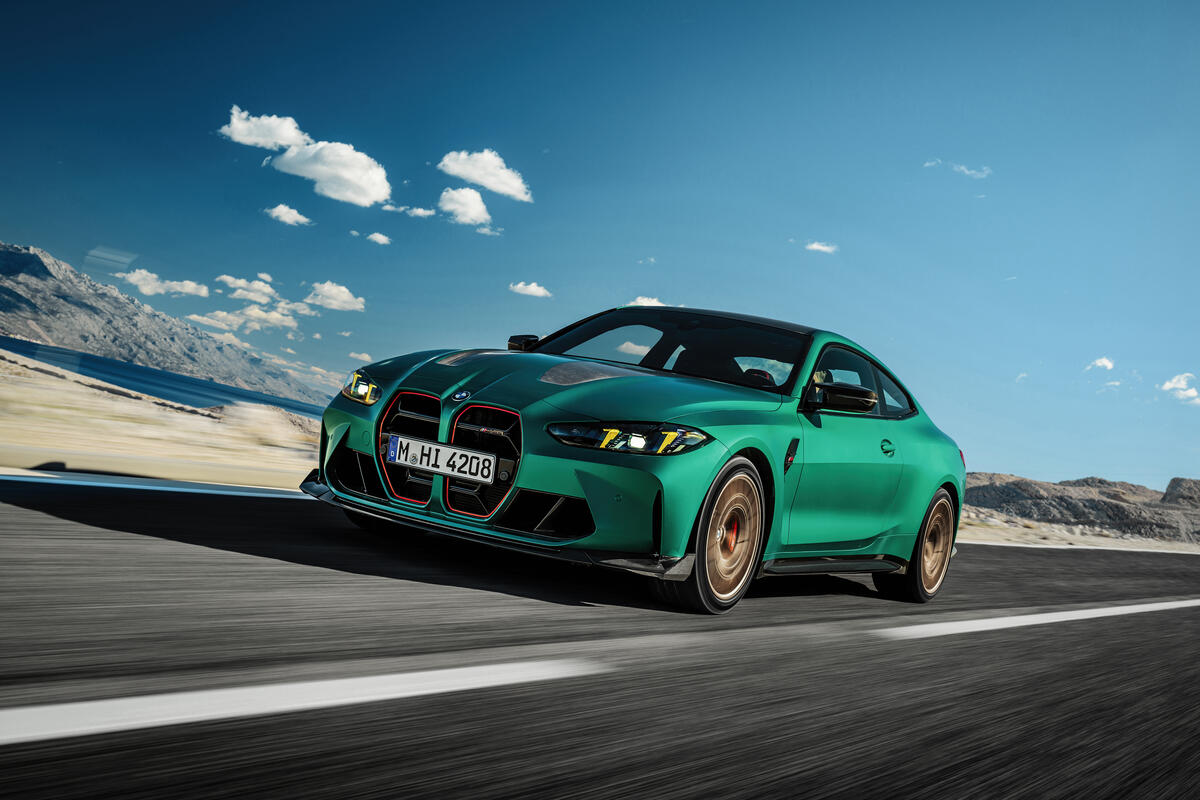
BMW M4
"... like the M5 equivalent. Speaking of BMW, M2, M3, M4. Hell yeah."
The BMW M4 is a sporty BMW model built for performance. The podcast mentions it alongside other M models, which suggests they’re talking about the BMW performance lineup. It’s meant to be more exciting to drive than a regular BMW.
The BMW M4 is a performance coupe version of the BMW 4 Series, part of BMW’s M lineup. The podcast groups it with other M cars like the M2 and M3, which is why it comes up—people often discuss the differences within the lineup. It’s significant because it’s designed to deliver the “M” performance feel in a more compact, sporty body style.
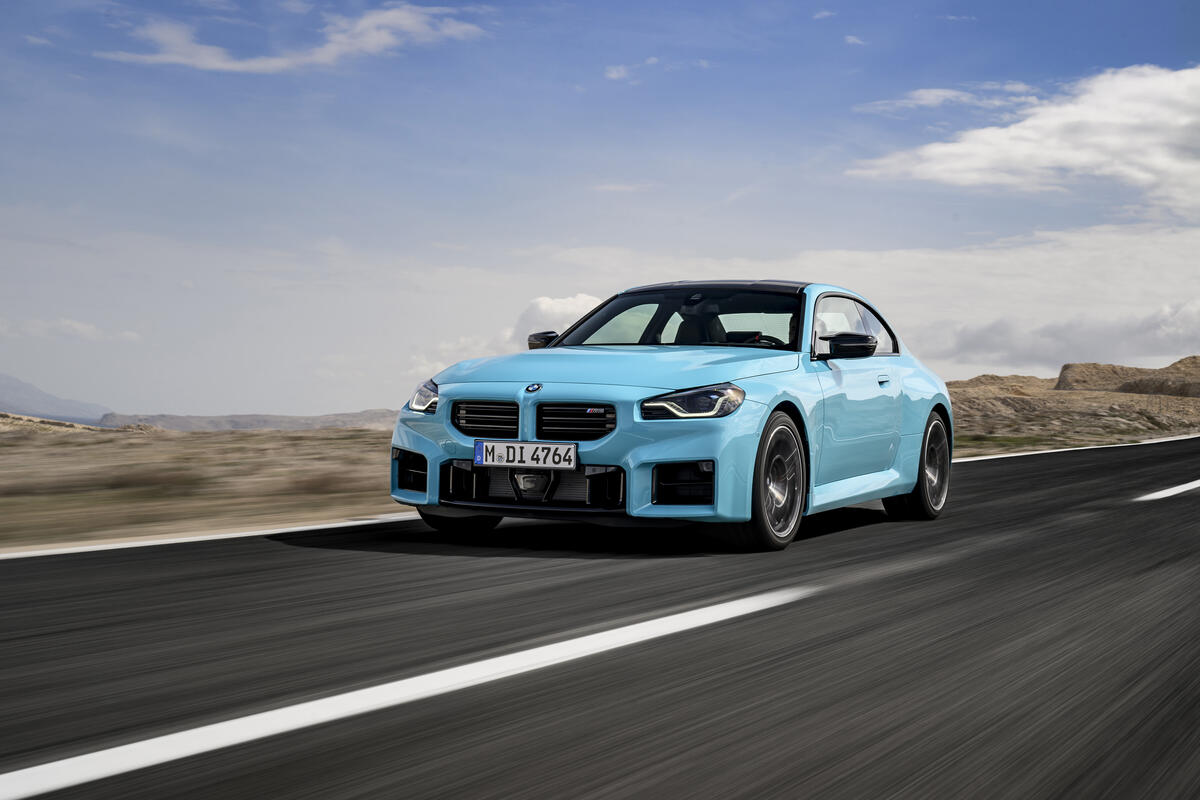
BMW M2
"Speaking of BMW, M2, M3, M4. Hell yeah. Coming in manual still, baby."
BMW’s M2, M3, and M4 are all performance versions of BMW cars. They’re popular with enthusiasts, and the hosts are using them as a baseline for what “manual still” performance looks like.
BMW’s M2, M3, and M4 are the brand’s performance “M” models across different sizes and body styles, but they share the same enthusiast focus: sharp handling and strong engines. The hosts mention them together to set a familiar performance-car reference point before discussing manual availability.

Ford Bronco
"The Ford Bronco. Hell yeah. What? Yeah. Yeah. You got the EcoBoost one, Susan. You get an EcoBoost like manual Bronco."
The Ford Bronco is a rugged SUV made for off-road driving. Here, they’re talking about the Bronco with a manual transmission and why that feels like a good match for a vehicle meant to be used like a tool.
The Ford Bronco is a modern off-road SUV built around the idea of being a capable, go-anywhere “utility” vehicle. In this segment, they’re specifically talking about a manual-transmission Bronco variant and how that pairs with the Bronco’s rugged, trail-oriented personality.
3.3 liter
"You get an EcoBoost like manual Bronco. 3.3 liter. They're kind of FocoBoost."
“3.3 liter” is the engine size—how big the engine’s cylinders are in total. Bigger numbers usually mean more potential power, but with turbo engines like EcoBoost, a smaller displacement can still feel strong.
“3.3 liter” refers to engine displacement, meaning the total volume of all cylinders combined. In this segment it’s tied to the EcoBoost Bronco, and it helps listeners understand the engine size they’re discussing (a smaller-displacement turbo setup rather than a large naturally aspirated V8).
utility-vehicle
"I like it in like utility vehicles. Like I've owned a few pickup trucks in my day that were manual. There's something about driving a manual truck or SUV that I like it."
“Utility vehicles” is a category of vehicles designed to be used for practical tasks—hauling, towing, off-road access, and everyday chores—rather than just commuting. The hosts connect manual transmissions to that “tool-like” purpose, arguing it feels more natural in trucks/SUVs than in typical passenger cars.

Ford Mustang
"[1056.0s] Ford also has the Mustang. [1058.0s] You know that. [1059.1s] So W Ford for Mustang Bronco manuals. [1062.2s] I thought the Mustang died or was that like the special? [1065.7s] Yeah, they were just kidding. [1067.0s] Oh, I don't know. [1067.9s] They have the S650. [1069.0s] Ford offers two different manual transmissions for the Mustang."
The Ford Mustang is a popular American sports car. Here, they’re talking about which versions of the Mustang you can get with a manual gearbox.
The Ford Mustang is a long-running American sports coupe/convertible known for offering enthusiast-focused powertrains, including manual transmissions on certain trims. In this segment, the hosts discuss Mustang manual options and how Ford packages them with different engines.
G-TRAG six speed
"[1069.0s] Ford offers two different manual transmissions for the Mustang. [1071.9s] Oh, what the? [1072.2s] You can get the the G-TRAG six speed and the five liter V8 or a six speed"
“G-TRAG” is the name of a particular manual transmission Ford uses in some Mustangs. The hosts are saying you can choose between different manual gearbox options.
“G-TRAG” refers to a specific manual gearbox family used by Ford for certain Mustang applications. The key point is that Ford offers different manual transmission options, and the G-TRAG is one of the named gearboxes in this setup.
five liter V8
"[1072.2s] You can get the the G-TRAG six speed and the five liter V8 or a six speed [1077.4s] Trey Mech in the 500 horsepower dark horse."
A “five liter V8” is a big engine with eight cylinders arranged in a V shape, with about 5 liters of total displacement. Here, they’re linking that engine to a manual Mustang option.
A “five liter V8” describes an engine that displaces about 5.0 liters total and uses a V-shaped cylinder layout with eight cylinders. In this segment, it’s tied to the Mustang’s manual-transmission configuration.

Honda Civic Si
"Oh, well, next up, another W from Honda, the Civic Si. Right. Trident true. Great car for a manual."
The Honda Civic Si is a sportier version of the regular Civic. It’s meant to be a fun-to-drive daily car, and in the past you could get it with a manual transmission.
The Honda Civic Si is a performance-focused trim of the Honda Civic, built to be a practical daily driver that still feels engaging with a manual gearbox. In this segment, the hosts specifically call out that the Civic Si was available with a manual transmission “a couple of years back,” making it a straightforward choice for manual fans.

4Runner Forerunner
"Nothing more, nothing less. Kind of like a forerunner. Like you buy a forerun knowing what you're going..."
The 4Runner is a Toyota SUV designed for tougher driving. The podcast describes it as simple and focused on what it’s meant to do. People often buy it when they want an SUV that can handle rough roads.
The Toyota 4Runner is a body-on-frame SUV built for rugged use and long-term ownership. The podcast describes it as “nothing more, nothing less,” which points to its straightforward, no-nonsense purpose. It’s discussed because many buyers choose it specifically for durability and off-road capability rather than luxury features.

Hyundai Elantra N
"And I didn't put two and two together, but the Hyundai Elantra N. [1149.4s] Oh, yeah, yeah, I suppose Civic Si competitor makes sense. [1152.7s] W Hyundai for doing that. [1155.5s] Those are cool cars."
The Hyundai Elantra N is the sporty version of the Elantra. In this conversation, it matters because you can still get it with a manual gearbox, which many newer cars don’t offer anymore.
The Hyundai Elantra N is a performance version of the Elantra built around a turbocharged engine and a driver-focused chassis. It’s notable here because the speaker points out it as a “Civic Si competitor” that’s still available with a manual transmission, which is increasingly rare in this class.

Hyundai Veloster
"...underrated. I would rather have an Elantra than a Veloster and that's coming from a hatchback. Guy. Yeah, I ..."
The Hyundai Veloster is a small hatchback car. In the podcast, the speaker says it’s underrated but that they personally prefer another Hyundai model instead. It’s being mentioned because they’re comparing which hatchback makes more sense to them.
The Hyundai Veloster is a compact hatchback that’s known for its distinctive styling and practical layout. In the podcast, the speaker calls it underrated but says they’d rather have an Elantra than a Veloster, which is why it’s being discussed—comparing value and preference within Hyundai’s lineup. It comes up often because it’s a less common alternative to more mainstream hatchbacks.

Jeep Wrangler
"How many of those cool things with color to get good colors on the cars? [1178.6s] Jeep Wrangler. [1180.0s] So those are still coming in manual, I guess."
The Jeep Wrangler is a popular off-road SUV. In this conversation, it’s mentioned because it’s one of the vehicles that can still be bought with a manual transmission.
The Jeep Wrangler is a rugged, off-road-focused SUV known for its removable doors and open-air capability. The speaker mentions it in the context of manual availability, implying that the Wrangler is one of the mainstream vehicles that still offers a manual transmission option.
manual transmission
"The $112,000 V6 112 grand. [1192.0s] That's what this is saying. [1193.5s] $100,000 mid-engine manual transmission sports car."
A manual transmission is the kind of car where you change gears yourself using a clutch and a stick. The hosts are talking about cars that still let you drive this way.
A manual transmission is a gearbox where the driver selects gears using a clutch pedal and a gear lever. In modern cars, manual transmissions are less common, so the episode’s theme highlights models that still offer them.
mid-engine
"That's what this is saying. [1193.5s] $100,000 mid-engine manual transmission sports car."
A mid-engine car puts the engine closer to the middle of the vehicle. That can help the car feel more balanced and easier to handle when you drive it hard.
A mid-engine layout places the engine near the center of the car, typically behind the driver and ahead of the rear axle. This positioning helps balance weight distribution, which can improve handling and steering response—especially in sports cars.
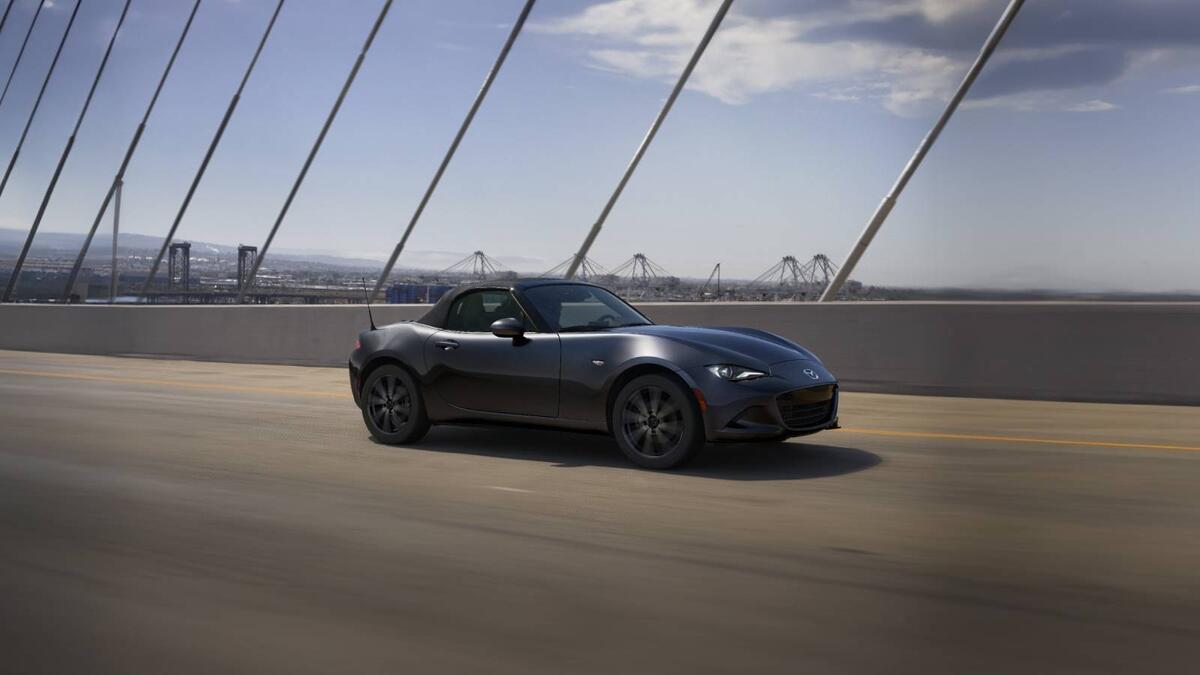
Mazda MX-5 / Miata
"Yep, I really like his. And with that, the Miata. Of course, classic."
The Miata (MX-5) is a small two-seat roadster designed to be fun and easy to drive. It’s known for being lightweight and simple, which makes it enjoyable even without huge horsepower. The podcast mentions it because it’s a classic choice for enthusiasts.
The Mazda MX-5, commonly called the Miata, is a lightweight, fun-to-drive roadster that’s popular with enthusiasts. The podcast calls it “classic,” which reflects its long-standing reputation as an accessible car that’s easy to enjoy. It often gets discussed because it delivers a lot of driving feel without needing extreme power.
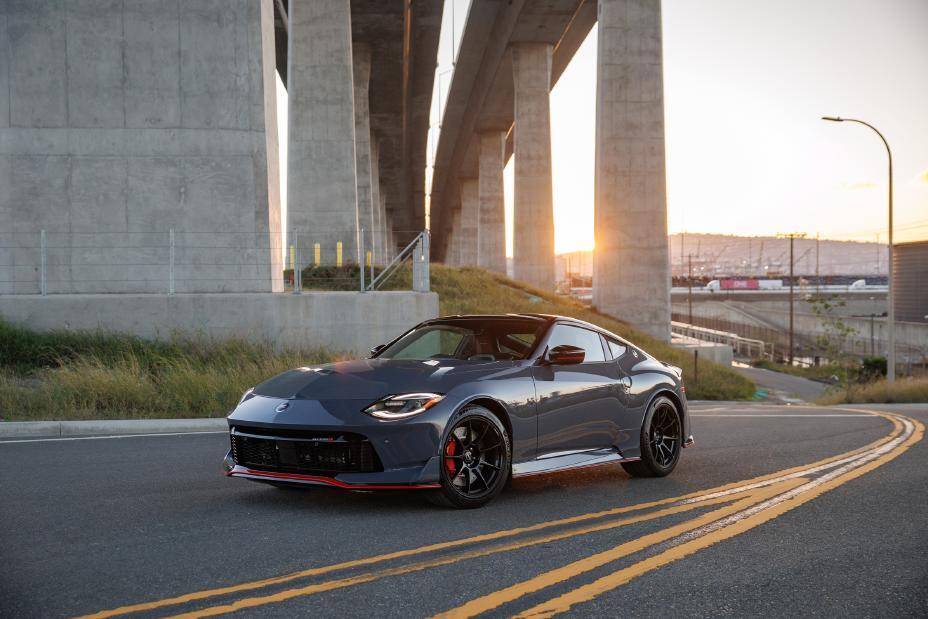
Nissan Z
"The Nissan Z, as we know, they drop their auto and they have the auto. They released the Nismo initially, and it was only in auto. But then they released the Nismo manual as well."
The Nissan Z is a sports car, and here they’re talking about how the gearbox choice changes how good it feels. They’re saying the automatic wasn’t satisfying, and the manual is what makes the car work better.
The Nissan Z is a modern revival of the classic Z-car formula, and this segment focuses on how its transmission choices affect the driving experience. The hosts say Nissan dropped the automatic for a time, then brought back an automatic, and that the Nismo version initially arrived only with an automatic before a manual variant was added.

Porsche 911
"[1257.5s] Porsche 9-11. [1259.4s] OK, so that's actually a little deceptive, because I think that's [1262.0s] certain trims only."
The Porsche 911 is Porsche’s famous sports car. Here they’re talking about whether you can still get it with a manual stick shift, or if it’s mostly automatic now.
The Porsche 911 is the iconic rear-engine sports car from Porsche, known for its distinctive handling and long-running evolution. In this segment, the host is specifically discussing whether certain 911 trims can be had with a manual gearbox versus Porsche’s dual-clutch automatic.
PDK
"[1266.4s] I think those are all PDK now. [1268.8s] GT3s are all PDK. [1270.2s] RSs are all PDK."
PDK is Porsche’s automatic gearbox system. It changes gears quickly by using two clutches, so you don’t have to shift manually.
PDK is Porsche’s dual-clutch automatic transmission. It uses two clutches to pre-select the next gear, so shifts can be very fast and consistent—often making it feel more “instant” than a traditional automatic, and sometimes even quicker than a manual.

Porsche 911 GT3
"[1266.4s] I think those are all PDK now. [1268.8s] GT3s are all PDK. [1270.2s] RSs are all PDK."
The 911 GT3 is the more track-oriented version of the 911. Here they’re saying the GT3 is usually only available with Porsche’s PDK automatic, not a manual.
The Porsche 911 GT3 is a track-focused 911 variant built around high-performance driving. In this segment, the host notes that GT3 models are “all PDK,” meaning they’re typically paired with Porsche’s dual-clutch automatic rather than a manual.
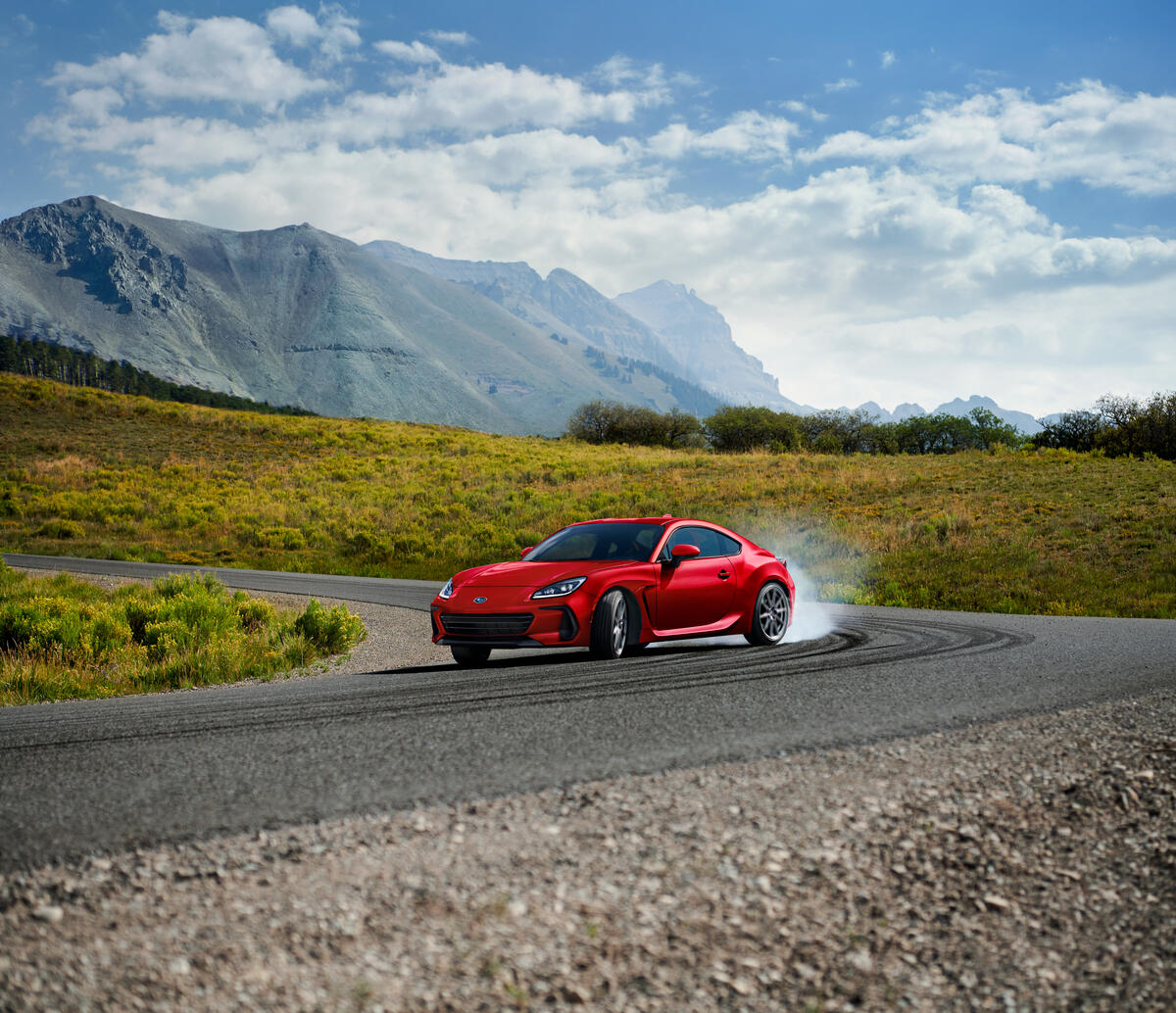
Subaru BRZ
"[1271.4s] I think that's like the Carreras. [1273.5s] The Subaru BRZ and the Subaru WRX along with the Toyota GR 86. [1278.5s] Great car."
The Subaru BRZ is a small, fun sports car meant for enjoyable driving. The host is basically saying it’s a great choice if you want to have fun without chasing very high power numbers.
The Subaru BRZ is a lightweight, driver-focused sports coupe co-developed with Toyota. In this segment, it’s grouped with other affordable sports cars as a “good use case” for enjoying driving without needing huge horsepower.
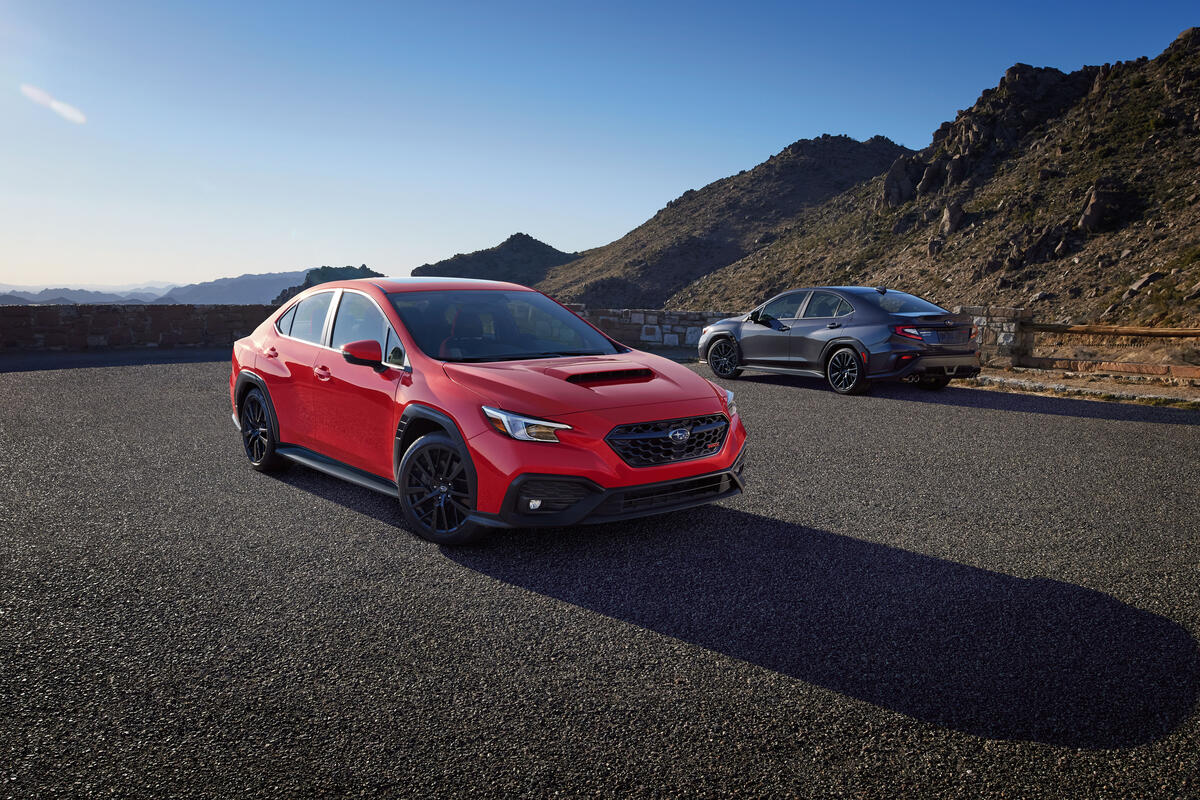
Subaru WRX
"[1271.4s] I think that's like the Carreras. [1273.5s] The Subaru BRZ and the Subaru WRX along with the Toyota GR 86. [1278.5s] Great car."
The Subaru WRX is a turbocharged Subaru built for spirited driving. The host is grouping it with other cars that are fun to drive without needing extreme power.
The Subaru WRX is a turbocharged performance sedan/wagon line known for rally-inspired driving dynamics. Here it’s mentioned alongside the BRZ and Toyota GR 86 as another practical “enjoy it when you use it” option rather than something defined by massive power.
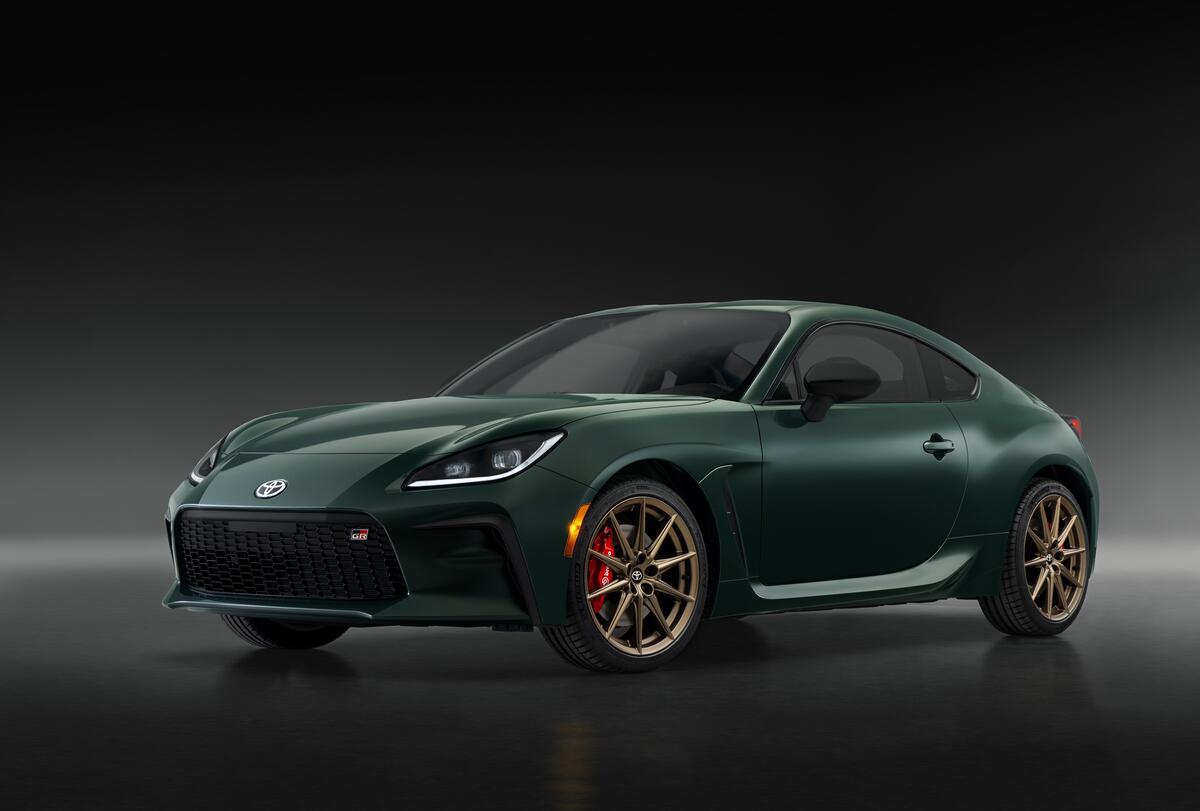
Toyota GR 86
"[1271.4s] I think that's like the Carreras. [1273.5s] The Subaru BRZ and the Subaru WRX along with the Toyota GR 86. [1278.5s] Great car."
The Toyota GR 86 is a fun, lightweight sports car. The host is saying it’s a good pick if you want to enjoy driving, even if you’re not chasing very large horsepower.
The Toyota GR 86 is a lightweight rear-wheel-drive sports coupe designed for balanced, engaging driving. In this segment, it’s included as part of a set of cars that make sense if you want to enjoy the driving experience without relying on “huge amount of power.”
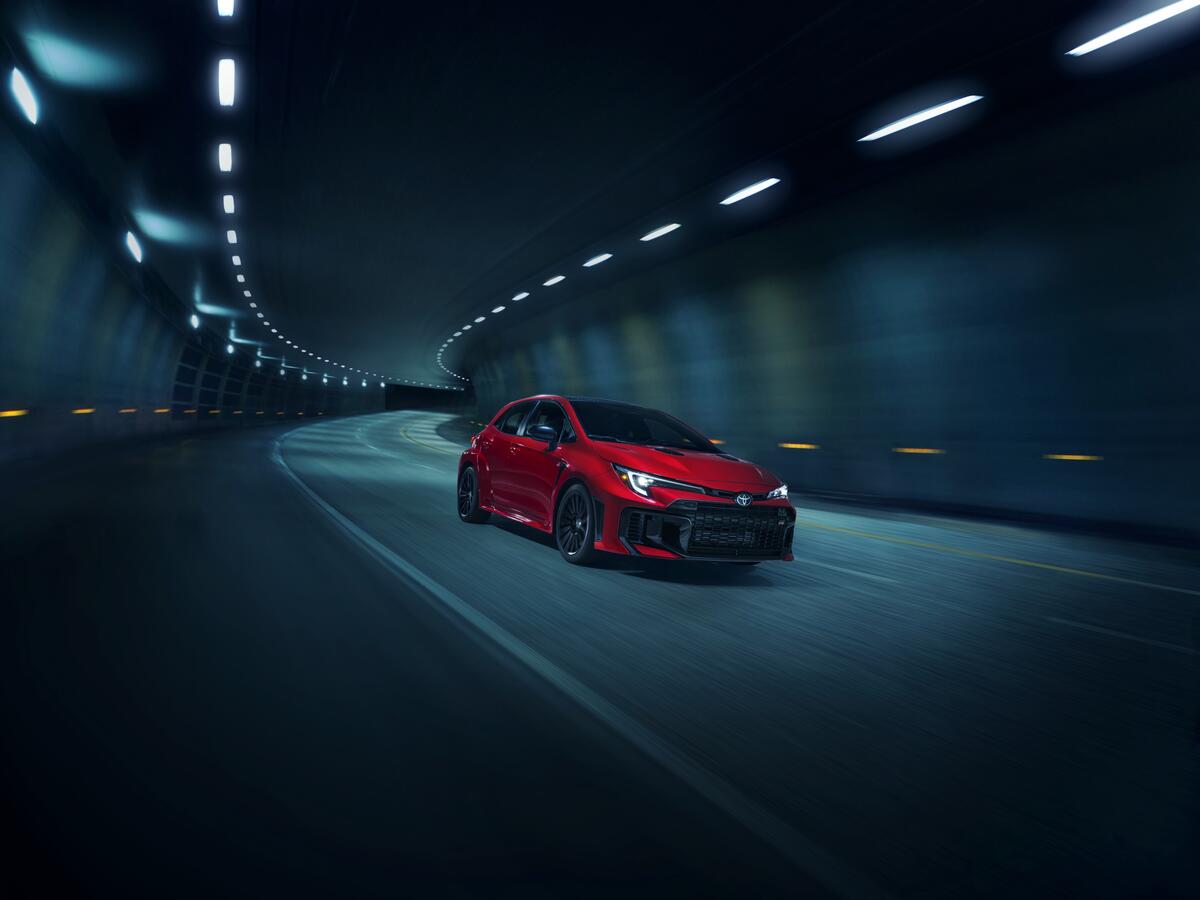
Toyota GR Corolla
"Great car. GR Corolla. That's good."
The GR Corolla is a sporty version of the Corolla, but in a hatchback body. The podcast is basically saying it’s a great car. It’s meant to be fun and fast while still being usable day to day.
The Toyota GR Corolla is a performance hatchback from Toyota’s GR line, designed to be quick and capable while still being practical. The podcast calls it “Great car” and “GR Corolla,” which is why it’s included—it's being praised as a strong overall choice. It’s significant because it targets drivers who want a hot-hatch experience with real performance.
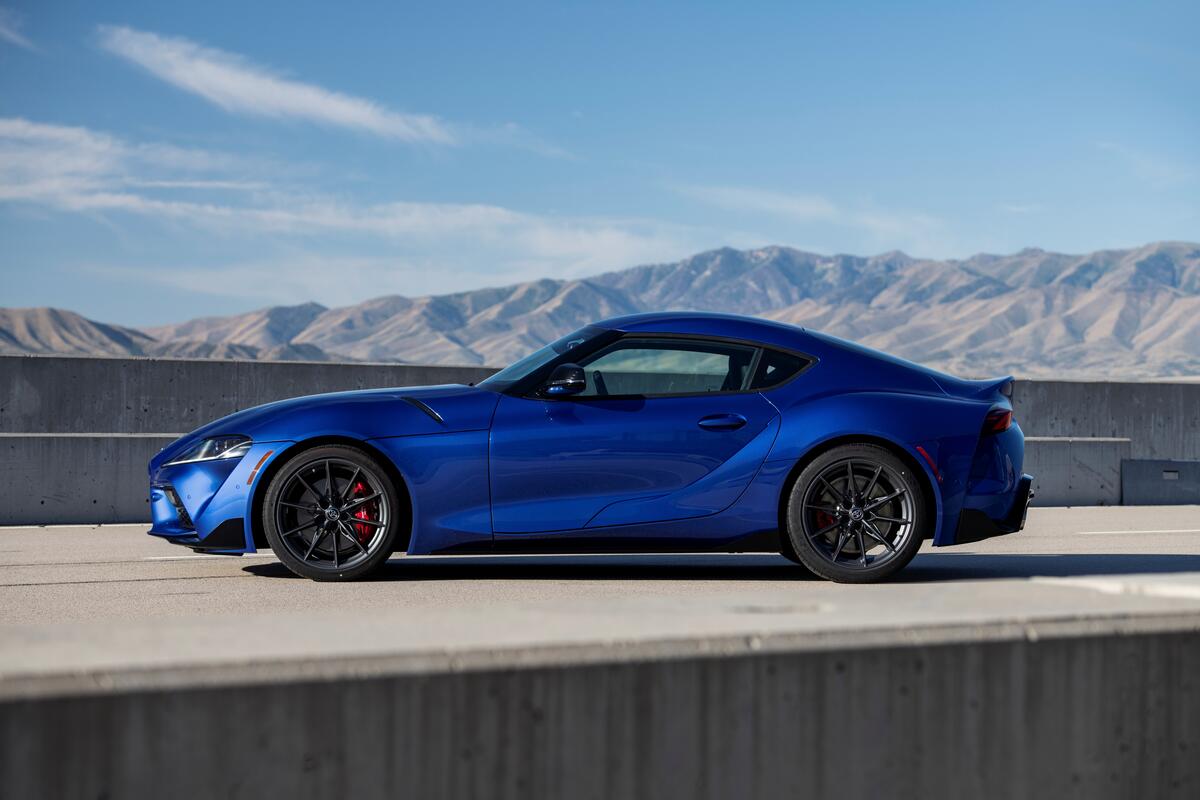
Supra Gr Supra
"That's good. GR Supra. OK, I think the Corolla is another great use cas..."
The Supra is a Toyota sports car made for fast, fun driving. The podcast mentions it as a good option for the right situation. It’s brought up because people are comparing different performance cars and what they’re best at.
The Toyota Supra is a performance sports car that’s frequently discussed in enthusiast circles for its driving dynamics and popularity. In the podcast, it’s mentioned alongside the GR Corolla as another “great use case,” which is why it comes up—people are weighing what kind of performance car fits different needs. It’s significant because it’s become a modern benchmark for sports-car buyers who want something fun and capable.
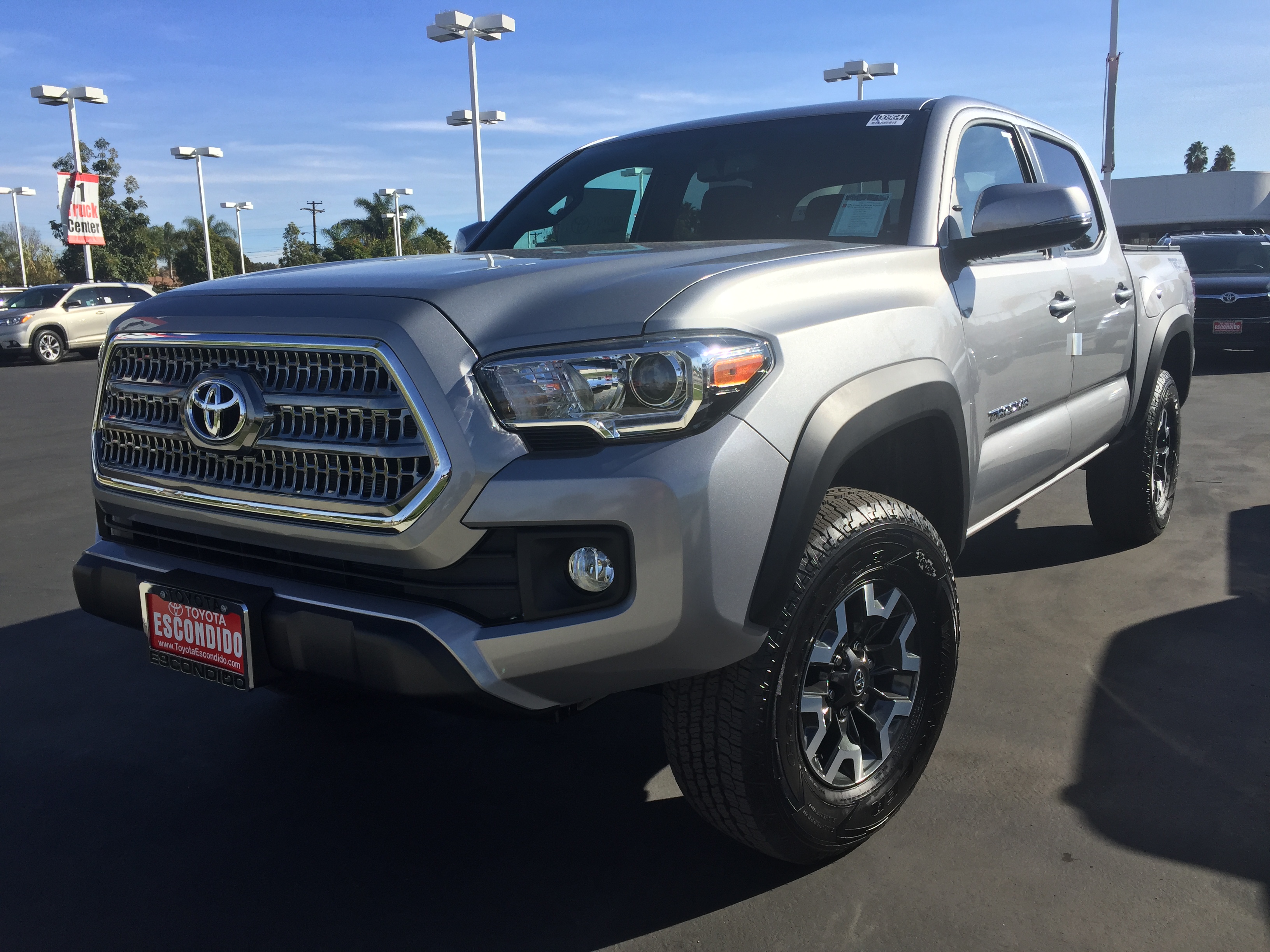
Toyota Tacoma
"[1294.2s] The Toyota Tacoma. [1295.5s] That's cool. [1296.0s] Can still get manual."
The Toyota Tacoma is a popular pickup truck. The cool part here is that you can still buy some versions with a manual transmission.
The Toyota Tacoma is a midsize pickup known for off-road capability and a strong manual-transmission option historically. In this segment, it’s mentioned as an example of a truck that can still be had with a manual gearbox.
overlander style stuff
"[1297.3s] Yeah, so like all of these like little like off-road, like [1299.9s] overlander style stuff coming in manual still. [1302.7s] I think that's cool."
“Overlander style” means cars or trucks set up for road trips that can include dirt roads and remote areas. Here, they’re saying some of those off-road-travel models still come with a manual.
“Overlander style” refers to vehicles and setups aimed at long-distance, self-supported travel—often on rough roads—rather than just short off-road runs. In this context, it’s describing off-road-oriented models that still offer manual transmissions.

Volkswagen Jetta GLI
"[1304.5s] Volkswagen Jetta GLI. [1306.4s] I really like GLIs. [1307.5s] I think they're sick. [1308.2s] I'm curious to see. [1308.8s] I didn't know they were still coming in manual."
The Volkswagen Jetta GLI is the sporty version of the Jetta. In this episode, they’re pointing out that you can still get it with a manual.
The Volkswagen Jetta GLI is a performance-focused version of the Jetta, typically positioned as a “sporty” compact sedan. The hosts are highlighting that it’s still available with a manual transmission, which is notable because many Volkswagen performance models have been moving away from manuals.
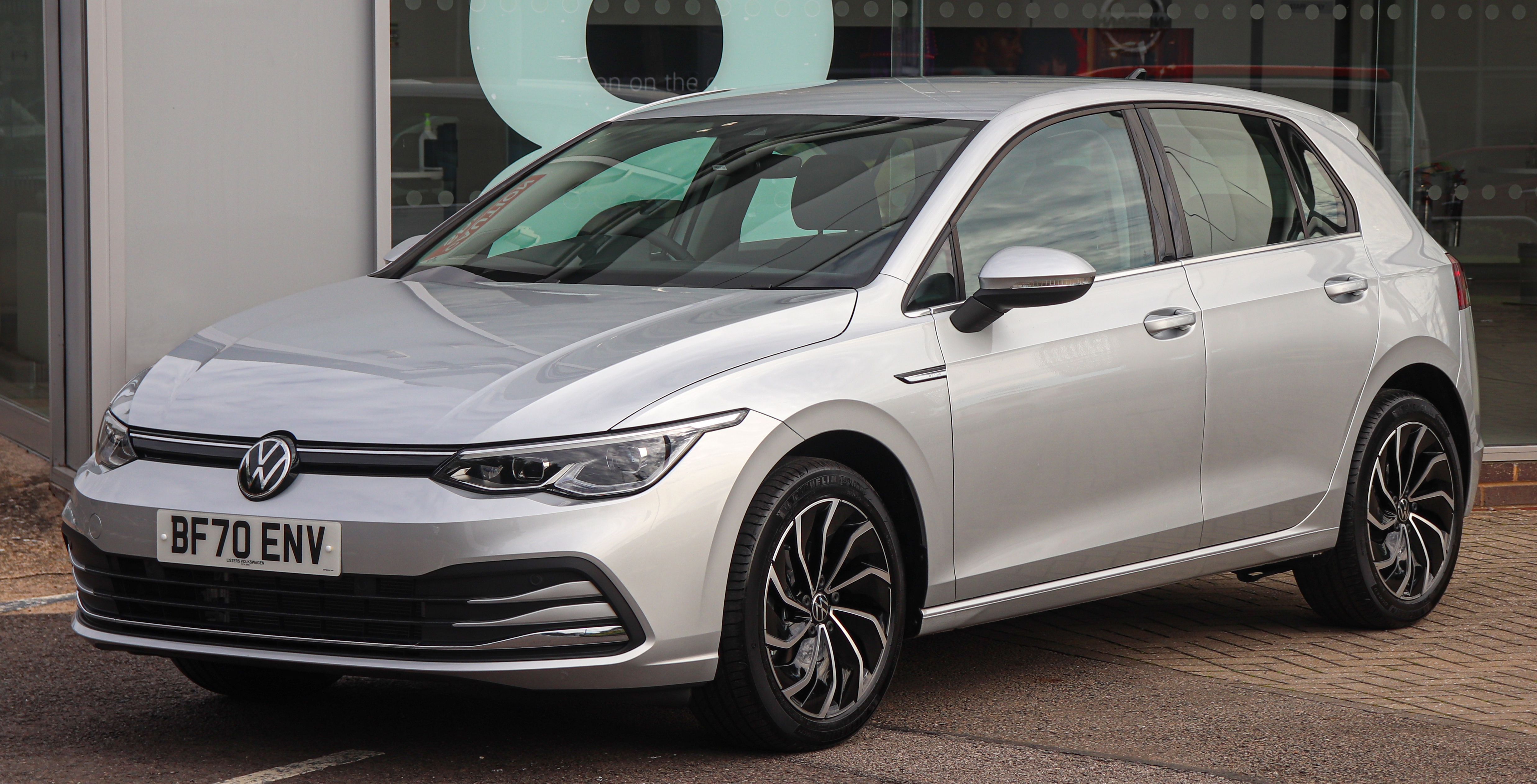
Volkswagen Jetta Gli
"I think that's cool. Volkswagen Jetta GLI. I really like GLIs."
The Volkswagen Golf is a compact car that’s meant to be practical for everyday driving. The podcast mentions it because the speaker likes Golf performance versions like the GLI. It’s being discussed as a car they find appealing.
The Volkswagen Golf is a compact car line known for being practical and widely used, with performance variants that attract enthusiasts. In the podcast, the speaker mentions liking GLIs and calls the Golf “cool,” which is why it’s included—there’s a preference for the Golf platform in general. It comes up often because it’s a common base for sporty trims and modifications.
Golf R
"[1317.3s] Yeah, and Golf R. [1318.9s] They are all automatic moving forward, I believe, unless there's like [1322.4s] 2027 was the last one, something like that."
The Golf R is Volkswagen’s fast, performance version of the Golf. They’re saying it’s likely going to be automatic instead of manual in the future.
The Volkswagen Golf R is the high-performance, all-weather-oriented version of the Golf. The hosts suggest it’s moving toward automatic transmissions going forward, contrasting it with the manual options that enthusiasts look for.

Chevrolet Corvette
"...ut there's some that are missed that are big. The Corvette. Well, no, no, no, no."
The Chevrolet Corvette is a sports car made by Chevrolet. It’s known for being fast and for having a big fan base. The podcast brings it up because the speaker thinks it should be included in the conversation.
The Chevrolet Corvette is a long-running American sports car known for performance and a strong enthusiast following. In the podcast, it’s mentioned as something “missed” and then emphasized with repeated “no,” suggesting the host is correcting or pushing back on a point about what should be included. That kind of discussion is common because the Corvette is often a benchmark in sports-car conversations.
DCT
"No new Corvettes are in. They're all DCT."
DCT means a dual-clutch automatic transmission. It shifts gears quickly by preparing the next gear in advance.
DCT stands for dual-clutch transmission. It uses two clutches to pre-select the next gear, so shifts can feel very fast and smooth compared with a traditional automatic.
loppy paddles
"Loppy paddles. What about the Minis?"
They’re talking about the steering-wheel paddle shifters. The comment suggests the paddles don’t feel super sharp or immediate when you use them.
“Loppy paddles” is a casual way of describing paddle shifters that feel a bit slow, vague, or not very crisp in how they respond. In practice, it’s about the feel of the shift action rather than a specific transmission type.

Cayman
"I think the big one that was missed was the Cayman. Oh, you're right. Maybe the incorrect."
The Porsche Cayman is a mid-engine Porsche sports car. They’re saying it should have been on their list because it’s one of the cars you can still get with a manual.
The Porsche Cayman is Porsche’s mid-engine sports coupe, known for its balanced handling and driver-focused layout. The hosts mention it as a “big one” that was missed on a list of cars that still come in manual, implying it’s relevant to the manual-transmission discussion.
seven speed manual
"Yeah, yeah. And those are like seven speed manuals, right?"
It means the car has a manual gearbox with seven forward gears. You shift it yourself, and the extra gears can make the engine feel smoother or more efficient, but you’ll still be doing more shifting than in a 5-speed.
A “seven-speed manual” is a manual-transmission car with seven forward gear ratios. More gears can help keep the engine in its best power/efficiency range, but it also means more shifting and a more complex shift pattern than older 5- or 6-speed manuals.

Dodge Neon
"I think the only automatic one that I've ever had has been my Neon [1426.7s] and my BMW."
The Dodge Neon is a small, older-style car. Here it’s just being used as an example of the one automatic the speaker has owned, compared with their usual manual cars.
The Dodge Neon is a compact car from Chrysler’s lineup that many people remember from the late-1990s to 2000s era. In this segment, it’s mentioned as the speaker’s only automatic, contrasting with their usual manual cars.
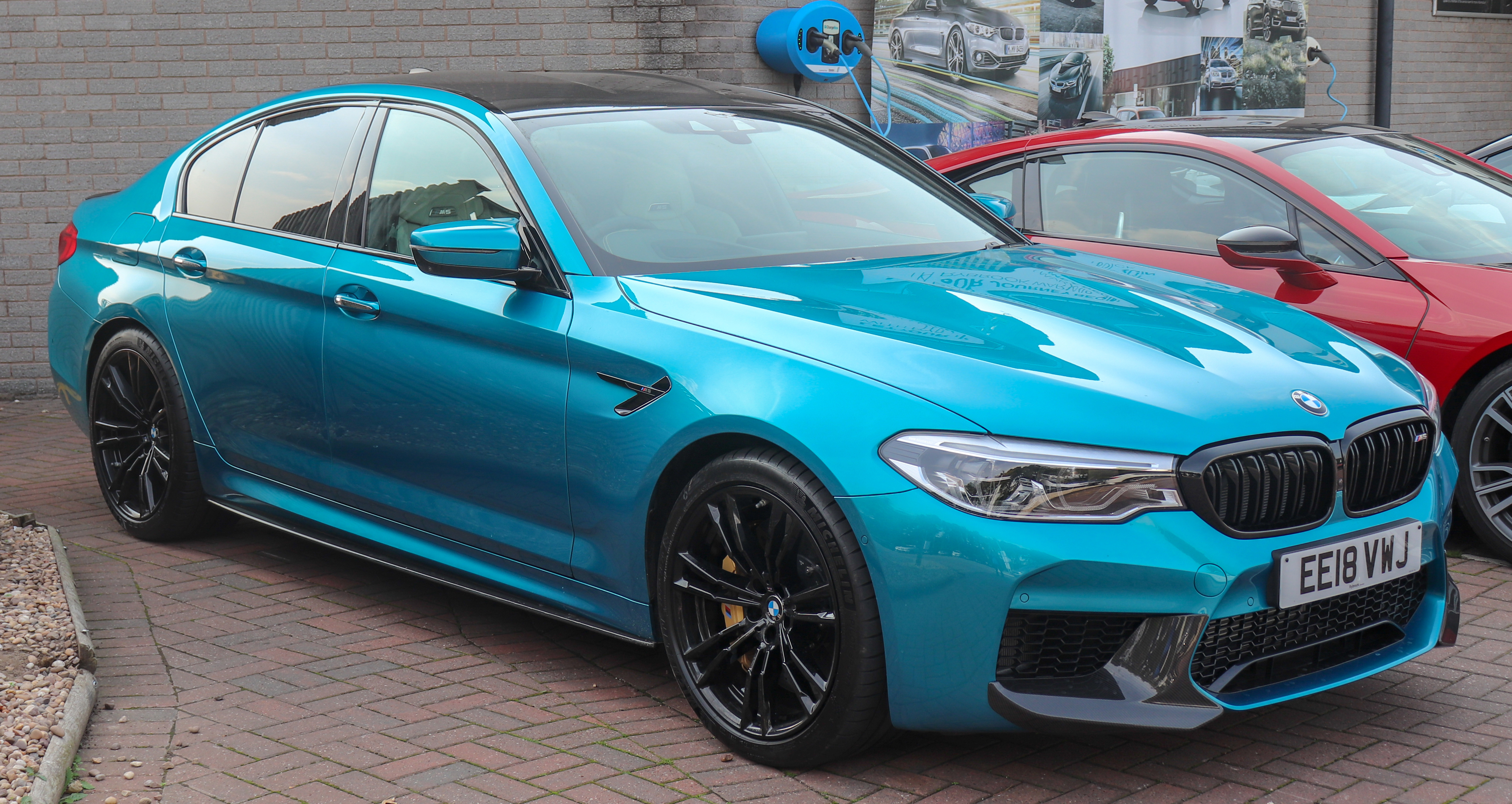
BMW
"I think the only automatic one that I've ever had has been my Neon [1426.7s] and my BMW."
BMW is a well-known German car brand. In this part, they’re just saying they’ve had an automatic BMW, without getting into which model.
BMW is a German automaker known for driving-focused cars, and the speaker mentions it as their other automatic. Since no model is specified, it’s mainly a brand reference in this slice.
manual truck
"It's fun to drive a manual truck. [1429.1s] It's like you're a big rigger."
A manual truck is just a truck where you shift gears yourself. The speaker is saying it’s fun because it takes more driver involvement.
A manual truck refers to a pickup or truck equipped with a manual gearbox rather than an automatic. The speaker is emphasizing that driving a manual truck can be especially engaging due to the extra coordination required.
EcoBoost
"I think the Bronco is really cool, too. [1437.5s] I think having a manual like EcoBoost Bronco would be fun."
EcoBoost is Ford’s name for turbocharged gas engines. It’s basically Ford’s way of saying, “more power than you’d expect, but still efficient,” and here it’s tied to the Bronco they’d want.
EcoBoost is Ford’s branding for turbocharged gasoline engines designed to deliver strong power while improving fuel efficiency. In this context, it describes the engine family the speaker wants in a manual Bronco.
GR Supra
"I think that's where I'd go is GR Supra, honestly. [1448.6s] Yeah."
The Toyota GR Supra is a sporty Toyota coupe. They’re saying the manual version would be more fun than the automatic, because it feels more like an enthusiast car.
The Toyota GR Supra is a modern performance coupe known for its sporty, driver-focused character and availability with a manual transmission. The speaker specifically prefers the manual Supra over the automatic, framing it as a more “enthusiast” choice.
FL5 Type R
"Or FL5 Type R. [1451.1s] Yeah, Type R would be really good."
The Honda Civic Type R is a hot hatch meant for fast, fun driving. “FL5” is the generation code, and they’re saying the manual version of that Type R would be really good.
The Honda Civic Type R (FL5) is the latest-generation Type R in this naming scheme, known for being a high-performance front-wheel-drive hot hatch with a strong enthusiast following. The speaker calls out the FL5 Type R as another manual option they’d want.
fanfare
"I love that they went through the effort of doing it because it is just fanfare. Like we all knew it was going to fit, right?"
Here, “fanfare” means hype—extra attention and excitement around a feature. The host is suggesting the manual option is often offered to please car fans, not because it’s a brand-new idea.
In this context, “fanfare” means the marketing and attention manufacturers generate around offering a manual gearbox. The host argues that because it’s expected to “fit,” the manual option can become more of an enthusiast-focused headline than a genuinely new engineering challenge.
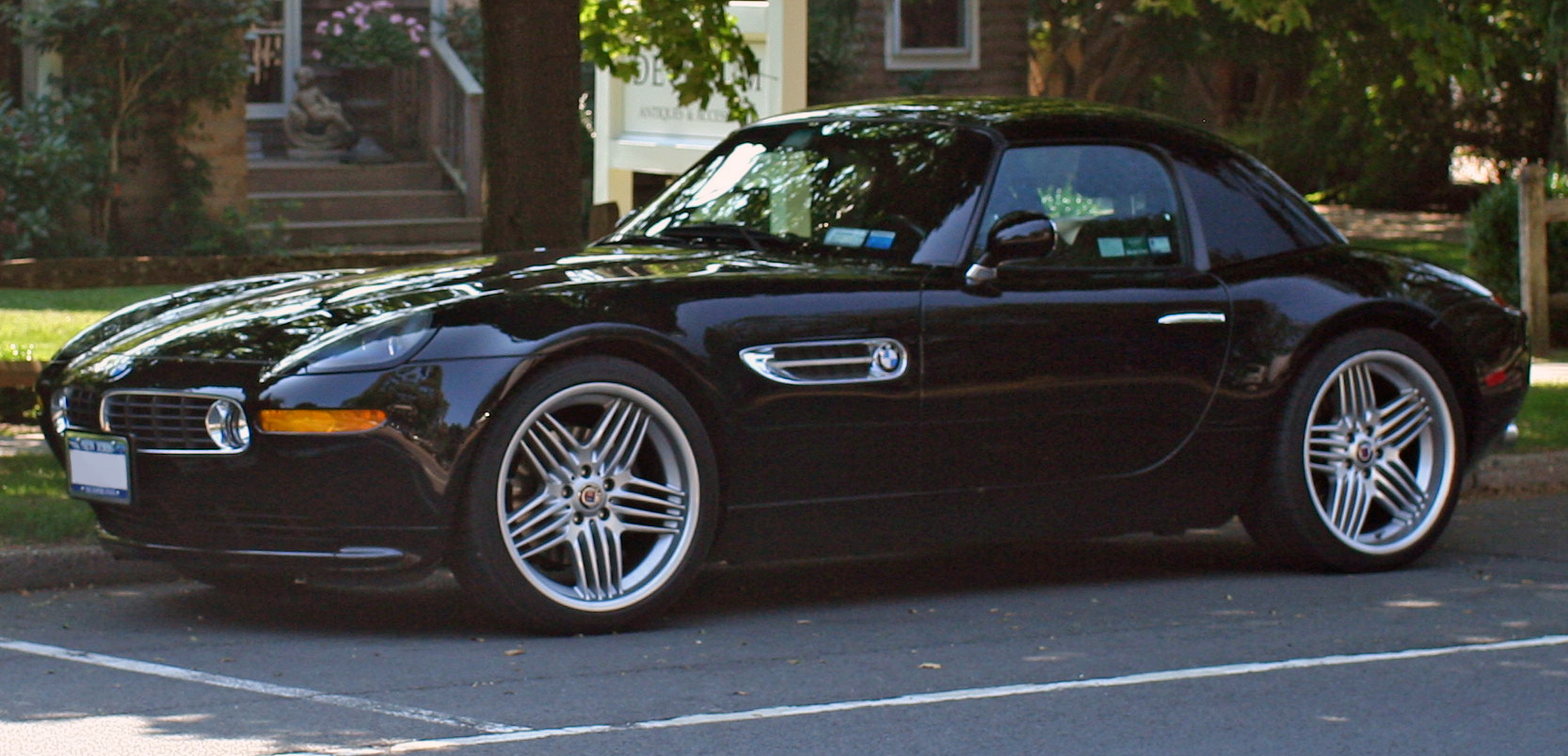
Alpina Z8
"...s doing. You know, and like the, what was it, the Z8 came in a manual. So like we knew, everybody knew..."
The Alpina Z8 is a special version of the BMW Z8 roadster. The podcast talks about it being available with a manual transmission, which makes it more interesting to certain drivers. It’s mentioned because it’s a rare, enthusiast-focused car.
The Alpina Z8 refers to an Alpina-tuned version of the BMW Z8, which is a rare, performance-oriented roadster. The podcast mentions that the Z8 came in a manual and that “everybody knew,” suggesting they’re discussing specific details and desirability. It’s significant because Alpina builds are often sought after for their refinement and tuning compared to a standard model.

the Z8
"You know, and like the, what was it, the Z8 came in a manual. So like we knew, everybody knew it would fit."
The BMW Z8 is a classic BMW roadster. In this context, the host is pointing out that it was available with a manual gearbox, which is part of why it feels more engaging to drive.
The BMW Z8 is a roadster known for its classic, enthusiast-focused character, including being offered with a manual transmission. Mentioning it alongside the Supra point is used to show that manuals have historically been part of the “fun” appeal for certain BMW models.
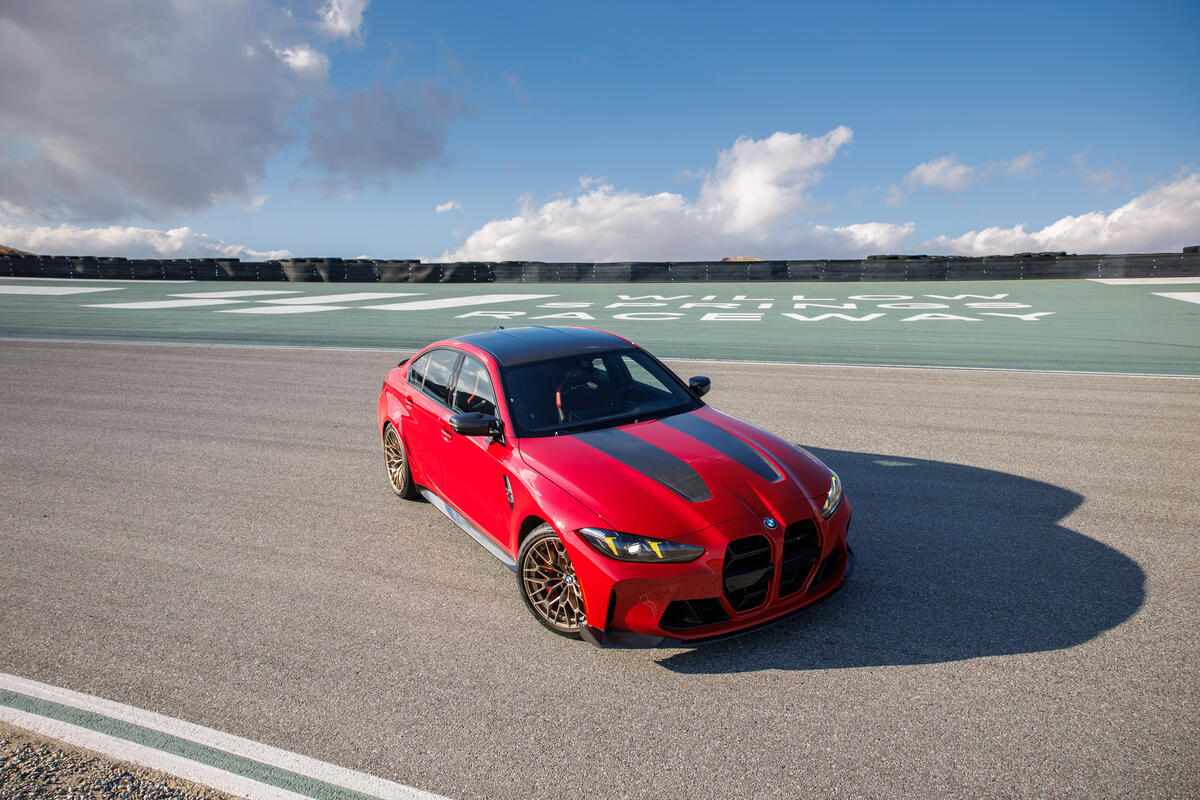
G80 M3
"That's why of that whole list though, that's, I still, someday I will still get a G80 with [1536.0s] the M3 with a manual. [1537.4s] That was like the, a really base model, base spec, just carbon buckets and manual transmission."
The BMW M3 (G80) is a newer BMW performance model. The interesting part here is the idea of finding one with a manual gearbox, because most newer M3s are automatic.
The BMW M3 (G80) is the current-generation M3 and is known for being a modern, high-performance sports sedan/coupe platform. In this segment, the hosts specifically talk about getting a manual-transmission version with a base-spec setup, which is notable because manuals are rare on newer M3s.

Mazda Rx7
"Obviously been driving the RX7 a lot and drove a Magies type R last night. [1559.0s] Because a freaking thing gets rocks stuck in its heat shield."
The Mazda RX-7 is a sports car known for its unusual rotary engine design. They’re saying that when they drive it, rocks can get stuck around a protective shield and cause annoying noise.
The Mazda RX-7 is famous for its rotary engine (Wankel) design, which is different from the piston engines most cars use. In this segment, the RX-7 is the car they drive often, and they’re describing a recurring issue where rocks get stuck around a protective shield area.
heat shield
"Because a freaking thing gets rocks stuck in its heat shield. [1563.1s] Like every damn time we drive it, it's insane. [1565.3s] I don't understand what they did with that car to make like, it sees a rock on the road."
A heat shield is a protective cover that helps keep heat from spreading to nearby parts. If something like rocks gets caught near it, it can rattle and make a terrible noise.
A heat shield is a protective panel mounted near hot components (like exhaust parts) to reduce heat transfer to surrounding areas. If rocks get caught in/against it, it can rattle and create loud, unpleasant noises while driving.
dust shield behind the brakes
"So it's like, sorry. [1575.7s] Yeah. [1575.8s] Not the heat shield, the dust shield behind the brakes. [1578.7s] Oh my God."
Behind the brakes there’s a small protective cover that keeps dirt and debris away. They’re saying the rocks are getting caught there, which is what makes the noise.
The dust shield behind the brakes is a thin metal cover near the brake rotor/caliper area that helps block dust and debris from reaching the braking surfaces. In this segment, the host corrects themselves: the noise problem is caused by rocks getting into that shield area rather than the exhaust heat shield.
notchy
"“...this thing is like so like notchy and it’s like so fucking just assisted.”"
“Notchy” means the gear lever feels like it clicks into place with clear steps. Instead of feeling mushy, it feels precise and easy to line up.
“Notchy” is enthusiast slang for a shifter/gearbox that has distinct, tactile detents as you move the lever between positions. It usually means the engagement points feel crisp and defined rather than vague or rubbery.
gated transmission
"“Like everything you think of like, like a Ferrari with a gated transmission, all that stuff.”"
A “gated” manual has a shift pattern that physically guides the shifter into the right gear slots. It helps the shifter feel more accurate and reduces mistakes.
A “gated transmission” uses a shift pattern with physical gates that guide the shifter into the correct gear positions. This typically improves precision and reduces the chance of selecting the wrong gear, which is why it’s often associated with performance cars.
throws
"“The throws like two inches from like from first to second, you know, like it’s super gated.”"
Here, “throws” means how far the gear stick moves when you go from one gear to another. Short throws usually feel quicker and more precise.
In manual-transmission context, “throws” refers to the shifter travel distance between gears (how far you move the lever). Short, consistent throws are often described as “tight” or “super gated” because they make shifting feel faster and more precise.
driver feel
"I appreciate that trying to keep like that driver feel around. [1689.1s] I think we kind of talked about it and one of the previous episodes we were talking about"
“Driver feel” means how connected and responsive the car feels to your inputs. Here, they’re saying some tech is meant to keep the car feeling engaging, like older manual cars.
“Driver feel” is the overall sensation and response a car gives the driver—how directly controls connect to motion, including shift quality, clutch engagement, steering feedback, and throttle response. In this context, it’s used to argue that some manufacturers try to preserve the engagement of a manual even as technology changes.
main transmission
"I do think there's hope because the main transmission going away and this is going to [1705.3s] Europe taught me at least is a very American problem because over there,"
They’re talking about the car’s main gearbox—the part that changes gears to control how the engine’s power reaches the wheels. The concern is that if the traditional manual gearbox disappears, the “manual feel” might not be real anymore.
“Main transmission” here refers to the primary gear-changing hardware used to move the car (typically a conventional manual gearbox or an automatic/dual-clutch type). The speaker’s point is that as manufacturers move away from traditional manuals, the remaining “manual-like” solutions may become less meaningful.
diesels
"where it's the [1717.1s] base models, the diesels, you know, the economy cars, the hatchbacks and stuff."
Diesel engines work differently than gas engines and usually make a lot of pulling power at low speeds. The speaker is using diesels as an example of the kinds of cars in Europe that still come with manuals.
Diesels are engines that use compression ignition rather than spark ignition, typically producing strong low-end torque and often better fuel economy. In many markets, diesel “economy cars” have been offered with manual gearboxes longer than in the U.S., which is why the speaker says Europe still has manuals in everyday vehicles.
Request an Explanation
Heard something you'd like explained? We'll add it to this episode.
Sign in to request explanations for terms you heard.
Want to learn more?
Browse our glossary for plain-English explanations of automotive terms, jargon, and concepts.
Help improve this episode
See something that's not quite right? Our annotations are AI-generated and can sometimes miss the mark. Click the flag icon on any annotation to suggest a correction.