
Best Daily Driver Cars That Are Still Fun
About this episode
MartiniWorks Podcast runs a fast tour of “still fun” daily drivers, mixing real ownership stories with track-day lessons and practical buying advice. They swap lineup updates, then geek out on classic BMWs, rotary quirks, and mod philosophies like “OE plus” and period-correct upgrades. The show also lands on modern daily picks—Accord Sports, Golf GTI/Golf R, and even a winter-daily Supra—plus tire and suspension recommendations. Between Road America track checks and windshield/rotor/brake talk, the theme stays simple: keep it usable, keep it engaging.
Enjoy the podcast every Friday? Support it by getting your car mods at https://bit.ly/4vtk1kySometimes you just need 1 car that can do it all. What are the best daily driver sports cars? As car enthusiasts having a car that scratches the itch but is reliable enough to get you to your destination is important. We talk about that and more on todays episode of the MartiniWorks podcast! #cars #podcast #automotivePick up our Coffee here! https://bit.ly/3PIFl6JA HUGE thank you to Continental, Motegi, and Fortune Auto for being the official tire, wheel, and suspension of the MartiniWorks Podcast! Let us know if you need a set of tires or coilovers.Shop Continental tires here https://bit.ly/4ecbfAKShop Motegi wheels here https://bit.ly/4vp7VcgShop Fortune Auto suspension here https://bit.ly/4fnfqM8Check out the main channel! @MartiniWorksOfficialWe also have an unboxing channel @MartiniWorksUnboxedFollow Lars @lars.martiniworksFollow Dakota @dakotastoneeFollow Gels @akagels
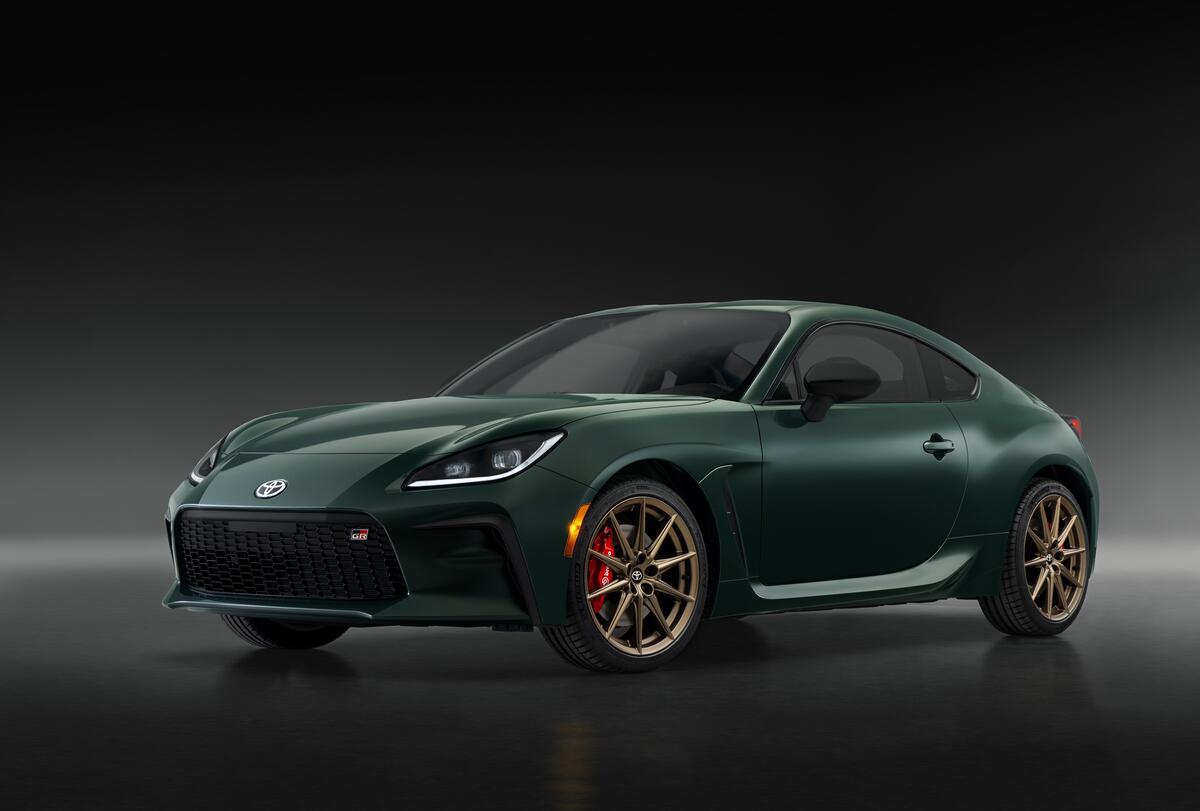
Toyota Gr86
"... there's been a lot of shuffling. The M5 is gone, GR86 out of here. I think they have that for sale at t..."
The Toyota GR 86 is a small two-door sports car. It’s built to be fun to drive, especially on twisty roads. The podcast mentions it because it’s part of a lineup change and may be for sale.
The Toyota GR 86 is a compact sports coupe known for its lightweight feel and engaging driving dynamics. It’s frequently discussed by enthusiasts because it’s designed to be fun and relatively simple compared with more complex performance cars. In the podcast, it’s mentioned as part of the same “shuffling” where the M5 is gone and the GR 86 is being considered for sale.

BMW M5
"So there's been a lot of shuffling. The M5 is gone, GR86 out of here. I think they have that..."
The BMW M5 is a fast, performance-focused BMW sedan. It’s meant to drive like a normal car day to day, but with much stronger power. The podcast brings it up because it’s being moved or replaced in their lineup.
The BMW M5 is a high-performance version of the BMW 5 Series, built for fast acceleration and confident highway driving. It’s often discussed because it blends everyday practicality with serious power and handling. In the podcast, it’s mentioned as part of a “shuffling” of cars or availability.

BMW 633 CSI
"So then M3's alive and I bought finally an E24, a 633 CSI. What year is it? It's a 1980. Let's go."
This is a classic BMW coupe (the 633 CSI) from around 1980. It’s a rear-wheel-drive BMW with a smooth, old-school feel, and the host says theirs is mostly original and not heavily modified.
The BMW 633 CSI is a classic 6-series coupe from BMW’s late-1970s/early-1980s era, known for its long-hood, rear-wheel-drive layout and straight-six character. In this case, the host specifically has a 1980 BMW 633 CSI, and they highlight it as “stunningly original,” meaning it’s largely unmodified from how it left the factory.
four speed manual
"Is it got a four speed? Four speed manual, chestnut red. It's a really, really pretty old color."
This means the car uses a stick shift with four forward gears. You have to shift more often than in newer cars, which can make it feel more hands-on while driving.
A four-speed manual is a gearbox with four forward gears operated by a clutch and gear lever. Compared with modern cars, it typically means more frequent shifting and different gearing for highway cruising, which can make the driving feel more mechanical and engaging.
stunningly original
"It's a really, really pretty old color. I've never seen before in person. It is stunningly original. I think the only thing aftermarket on there is a little head unit on there."
In car-speak, “original” usually means it still has a lot of its factory parts and look. The host is saying this BMW still feels very close to how it was when new.
“Original” in enthusiast talk usually means the car retains much of its factory equipment and appearance rather than being heavily restored or modified. When someone says a car is “stunningly original,” they’re praising how close it is to how it left the factory.
aftermarket
"I think the only thing aftermarket on there is a little head unit on there. And that's even old because it doesn't even have Bluetooth or anything."
Aftermarket just means it’s not the original factory part. It’s something added or changed later, like a different stereo.
Aftermarket refers to parts or accessories installed that are not supplied by the original manufacturer. In car terms, it often implies a modification—like a different stereo—rather than factory equipment.
head unit
"I think the only thing aftermarket on there is a little head unit on there. And that's even old because it doesn't even have Bluetooth or anything. Still has like a CD changer in it."
The head unit is the car’s main stereo screen and controls. It’s what you use to play music, and older ones may rely on CDs instead of phone streaming.
A head unit is the main control and display for the car’s audio system (radio, media inputs, volume, and settings). Older head units may use technologies like CD changers rather than modern streaming and phone integration.
CD changer
"And that's even old because it doesn't even have Bluetooth or anything. Still has like a CD changer in it. But yeah, the car is awesome."
A CD changer is a device that holds several CDs and lets the car automatically switch between them. It’s an older type of music system compared with Bluetooth and streaming.
A CD changer is an in-dash or trunk-mounted mechanism that automatically loads and plays multiple compact discs. It’s a feature commonly found in older factory or period-correct audio setups before Bluetooth and streaming became standard.

BMW M6
"...m like 10 years ago in La Crosse, Wisconsin of an M6 sitting at this like classic car dealer."
The BMW M6 is a performance BMW meant for fast driving with more comfort than a typical sports car. It’s a bigger, more “grand touring” style car. The podcast brings it up because someone saw one at a classic car dealer.
The BMW M6 is a high-performance BMW grand tourer, known for combining strong power with a more comfortable, long-distance driving style. It’s often discussed because it’s a rarer, more upscale M model than the more common M3/M5. The podcast mentions an M6 they saw at a classic car dealer in La Crosse, Wisconsin.
Bring a Trailer
"And Gels had just bought the ARC7 on Bring a Trailer. [184.9s] And I became hilariously addicted to that."
Bring a Trailer is a website where car enthusiasts bid on and buy cars. It’s known for having lots of details about the cars being sold.
Bring a Trailer is an enthusiast-focused online auction site where people buy and sell cars, often with detailed listings and community commentary. It’s especially popular for older, interesting, and performance-oriented cars because listings tend to be thorough.
odometer
"There's the odometer works, even. Which, again, on these cars, all the other ones I was looking at had broken odometers."
The odometer is the number that shows how many miles the car has traveled. If it’s broken, the mileage display may not be accurate, which makes it harder to judge the car’s history.
An odometer is the vehicle’s mileage counter. When the host says the odometer is broken on other cars, they mean the displayed mileage may not be updating, which can complicate maintenance history and resale trust.
force speed manual
"The force speed manual. I was gonna say what's weird about it. The force speed manual is bizarre."
They’re describing a manual gearbox that feels strange in how the gears are spaced. It sounds like the car doesn’t change engine speed the way you’d expect, so it can feel like you’re mostly stuck in one “main” gear.
“Force speed manual” appears to be the host’s way of describing a manual transmission with unusual gear spacing or behavior—specifically, they’re saying it feels like it has very few effective speeds. They’re pointing out that the gear ratios make the car act oddly, such as cruising in a higher gear that stays “long” (or behaving like a two-speed).
RPM
"The fast I've gone at so far is like 50. And it's, I'm at like, I don't like 3000 RPM or whatever."
RPM tells you how fast the engine is spinning. They’re saying that at normal city speeds, the engine isn’t revving very high because the gearing keeps it calm.
RPM (revolutions per minute) is how fast the engine is spinning. The host is using RPM to explain how the car behaves in fourth gear—staying at relatively low engine speed while cruising around town.
gears make no difference
"[305.7s] But yeah, the gears make no difference. [307.5s] You just get it going at first and put it wherever you want."
This is describing how the car’s power/torque makes it easy to drive without worrying much about which gear you’re in. In practice, a torquey engine can pull strongly from low rpm, so the driver can stay flexible and “just get it going” rather than constantly shifting.
keep it stock
"[312.6s] Are you going to keep it stock forever? [314.6s] You might do a couple of things to it. [316.5s] What are you thinking?"
“Keep it stock” means leaving the car’s factory configuration unchanged—no aftermarket engine, suspension, wheels, or other modifications. Enthusiasts often choose this to preserve originality, maintain predictable behavior, and protect the car’s value.
BBS wheels
"And my goal was always to like get some nice BBS wheels on [333.8s] or something and slam it and then just do like simple stuff,"
BBS is a well-known wheel brand (German-made) that’s popular with enthusiasts because its wheels are typically lightweight and strong. When someone says they want “BBS wheels,” they usually mean upgrading the car’s look and handling feel with a higher-quality, performance-oriented rim.
slam it
"And my goal was always to like get some nice BBS wheels on [333.8s] or something and slam it and then just do like simple stuff,"
“Slam it” is car-culture slang for lowering a car’s ride height so the wheels sit closer to the fenders. It’s usually done with suspension changes (commonly lowering springs or coilovers), and it can make the car look more aggressive, though it may reduce ride comfort and increase scraping risk.
hail damage
"But the problem with that one is it's got a bunch of hail damage and aint fading and clear code issues"
Hail damage is when hail hits the car and dents the metal. It can also hurt the paint, and repairs can get pricey even if the engine and drivetrain are fine.
Hail damage is impact damage from hailstones striking the body panels, often leaving dents and sometimes cracking paint or clear coat. Even if the car still runs well mechanically, hail damage can be expensive to repair and can affect resale value and corrosion risk if the paint is compromised.
clear code issues
"of hail damage and aint fading and clear code issues and stuff. It was pretty bad."
This sounds like the car is throwing error codes on its computer, and they’re not going away cleanly. That can mean something is wrong with a sensor or another electronic component.
“Clear code issues” likely refers to trouble codes that appear in the car’s diagnostic system and may not clear normally, or may keep returning. On older BMWs, persistent diagnostic codes can point to sensor or module problems that may be straightforward—or could require deeper troubleshooting.
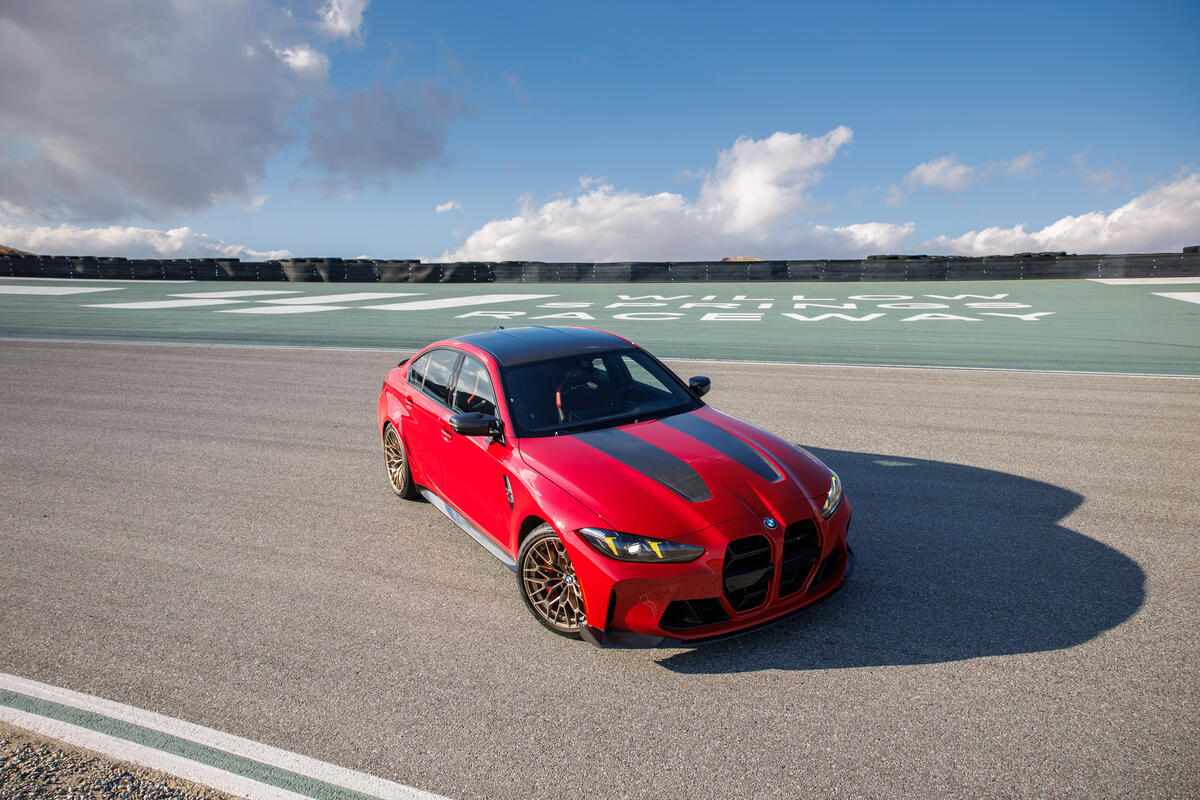
BMW M3
"Yeah, absolutely. So, but the M3 is back up running and driving yet at Road Americ..."
The BMW M3 is a high-performance BMW made for driving hard and handling well. It’s the kind of car people talk about when they care about how it feels behind the wheel. In the podcast, they’re saying it’s working and ready to drive again.
The BMW M3 is a performance sedan/coupe from BMW’s M division, famous for strong handling and a driver-focused feel. It’s a common benchmark car in enthusiast circles, which is why it shows up in many car conversations. The podcast notes that the M3 is back up and running and driving at Road America.
shakedown
"And I was like, I guess, we haven't really done a shakedown yet. So we changed the oil and drove it to Road America"
A shakedown is like a first test to make sure everything is working before you push the car harder. It’s meant to find issues early, not after you’re already committed.
A shakedown is an initial test run to catch problems early—checking that the car is mechanically sound before doing harder driving. In motorsport and track use, it often means a short, controlled outing rather than full-on laps.
oil
"So we changed the oil and drove it to Road America, nothing broke and we took it"
Changing the oil before track driving helps the engine stay properly lubricated and cool when you’re driving harder than usual.
In track prep, changing the oil is about ensuring the engine has fresh lubrication and heat-handling capacity for sustained high load. Track driving can stress oil more than normal commuting, so starting with clean oil helps reduce risk.
Elkhart Lake
"Like literally went from, I don't think this can make it to Elkhart Lake to I love my car"
Elkhart Lake is the area in Wisconsin that’s home to Road America. If someone says they might not make it to Elkhart Lake, they mean they might not be able to get to the track.
Elkhart Lake is the town in Wisconsin where Road America is located. Mentioning it usually signals a specific upcoming track event or trip to that circuit.
regular track day
"So it took twice the beating it would normally take on a regular track day with me."
A regular track day is when people go to a race track for driving sessions. Here, they’re saying the car got more hard use than it normally would in a typical day.
A regular track day is a scheduled event where drivers get time on track, typically in multiple sessions. The host is comparing how much harder the car was worked—two drivers and back-to-back use—versus the usual single-driver pace.
paperweight
"cause that dude, I know how it gets like with vehicles, they're down for so long and you're just like, it's just as a fucking paperweight."
They mean the car feels like it’s just sitting there doing nothing—like a decorative object—until you get it running and driving again.
“Paperweight” is a metaphor for a car that’s not being driven—something that just sits and doesn’t get used. The point is that long downtime can make a vehicle feel unreliable or forgotten until it’s actively exercised again.
booster delete
"Cause for those that don't know, you went for, [517.6s] you did a booster delete. [520.1s] Yep. [520.8s] So it's just the master cylinder."
A booster delete means removing the brake assist that helps you press the brake pedal. After that, you have to push harder, and the pedal usually feels more direct. It’s a common mod when someone wants a more “mechanical” driving feel.
A booster delete removes the brake booster (the vacuum assist that makes the brake pedal easier to push). That leaves braking to rely more directly on the master cylinder and your leg force, which changes pedal feel and effort. In this case, it’s paired with other electronic-safety removals for a more “manual” brake/traction experience.
master cylinder
"[520.8s] So it's just the master cylinder. [522.9s] Correct. [523.3s] No ABS."
The master cylinder is the part that turns your brake pedal push into brake pressure. When it’s the main thing doing the work (like after a booster delete), the pedal can feel firmer and more direct. You’re relying more on your leg strength.
The master cylinder is the hydraulic pump that converts brake pedal movement into pressurized brake fluid for the brake calipers/wheels. With a brake booster removed, the master cylinder becomes the primary source of hydraulic pressure, so pedal effort and feel change noticeably. That’s why the host connects the mod to “brake feel.”
ABS
"[523.3s] No ABS. [523.8s] It's like a direct, yeah, no ABS. [525.5s] No ABS, no traction control, no stability control."
ABS is the system that stops your wheels from locking when you brake hard. Without ABS, it’s easier to lose traction and slide, especially on wet or loose roads. On track, some drivers prefer the more direct feel.
ABS (anti-lock braking system) prevents the wheels from locking up during hard braking by modulating brake pressure. Removing ABS typically increases the chance of wheel lockup on slippery surfaces, but it can also make braking feel more consistent and “pure” for drivers who prefer direct control. The speaker explicitly notes “no ABS” as part of the track-focused setup.
stability control
"[525.5s] No ABS, no traction control, no stability control. [528.5s] Everything's gone. [529.8s] So yeah, it's basically manual."
Stability control is the system that helps stop the car from sliding or spinning out by automatically braking individual wheels and reducing power. Turning it off means the car won’t correct itself as much. That can make driving feel more direct, but it’s riskier on low-grip surfaces.
Stability control (often called ESC) helps keep the car going in the direction the driver intends by detecting yaw/steering mismatch and then braking individual wheels and/or reducing engine torque. Disabling it removes those corrective interventions, which can make the car feel more “raw” and allow more rotation. The speaker’s “everything’s gone” line indicates multiple electronic aids were removed together.
traction control
"[525.5s] No ABS, no traction control, no stability control. [528.5s] Everything's gone. [529.8s] So yeah, it's basically manual."
Traction control helps prevent the drive wheels from spinning when you accelerate. If you turn it off, the car can spin the tires more easily, and you’re relying on your throttle control. That can feel more connected for experienced drivers.
Traction control reduces wheel spin by cutting engine power and/or applying brake pressure to the slipping wheel(s). Disabling it removes that intervention, so the car can rotate and accelerate more like a mechanical setup. The host groups it with ABS and stability control removals to describe a more driver-controlled, “manual” feel.
basically manual
"[528.5s] Everything's gone. [529.8s] So yeah, it's basically manual."
“Basically manual” here means the car isn’t using as many electronic safety helpers. So you have to control braking and traction yourself. It can feel more connected, but you need to be careful because the car won’t step in as much.
Here, “basically manual” means the car’s electronic driver-assist systems (ABS, traction control, stability control) have been removed or disabled, so the driver has to manage braking and grip without those interventions. The result is a more direct, less filtered feel—especially noticeable on track. It’s not about the transmission type; it’s about driver control vs electronic control.
manual brakes
"It's just a manual brakes like any other full on race car would be, except, you know, in an older platform."
It means you press the brake pedal yourself, and the car doesn’t do as much of the work for you. That can make the pedal feel different and require more leg effort. It’s the kind of setup you might see on track-focused cars.
“Manual brakes” means the braking system is operated by the driver’s foot rather than relying on power-assist systems. In practice, it changes pedal feel and how much effort you need, especially under repeated hard stops. The host is comparing it to what you’d expect in a race car setup.
lock up
"I could not get the car to lock up. So, of course, very sticky tires, hot and all that stuff."
When you brake too hard, the wheels can stop spinning and start sliding. That usually makes the car harder to steer. The host is saying they couldn’t make the wheels slide like that.
“Lock up” refers to the wheels stopping rotation during braking (skidding). When tires lock, you lose steering control and braking efficiency can drop depending on conditions. The host says they couldn’t get the car to lock up, implying strong brake modulation and grip.
sticky tires
"So, of course, very sticky tires, hot and all that stuff. So slap a bunch of all seasons on there or get it wet,"
“Sticky tires” are tires that grip the road really well. When they’re warm, they often grip even better. That extra grip helps the car brake and turn without sliding.
“Sticky tires” means tires with high grip, usually from the rubber compound and temperature. Hotter tires often provide better traction, which helps braking and cornering. The host links sticky tires to why the car resisted wheel lock-up.
all seasons
"So slap a bunch of all seasons on there or get it wet, you know, raining might be a very different story."
All-season tires are made to be decent in many kinds of weather instead of being best in just one season. They usually don’t grip as aggressively as performance tires when you drive hard. The host is saying tire choice can change how the car behaves.
“All seasons” are tires designed to work across a wide range of temperatures and weather, trading some ultimate grip for year-round usability. Compared with track-focused or summer performance tires, all-seasons typically have less traction when pushed hard, especially in heat or wet conditions. The host suggests swapping to all-seasons could change the braking/handling outcome.
front rotors
"We lost two, we cracked both front rotors, beating on a dead brake."
Front rotors are the metal discs the brake pads squeeze to slow the car down. If you brake hard over and over, they can get damaged or crack. The host is saying their front brake discs cracked after heavy use.
“Front rotors” are the brake discs at the front wheels that clamp under the brake pads to slow the car. Repeated hard braking can overheat or damage rotors, leading to cracking or warping. The host says they “cracked both front rotors,” which is a notable track-related brake wear/failure mode.
dead brake
"We lost two, we cracked both front rotors, beating on a dead brake. Yeah, but I need better rotors."
A “dead brake” means the brakes aren’t working right, so you don’t get the stopping power you expect. If you keep pushing the pedal anyway, you can overheat and damage the other brake parts. The host is implying that’s what happened.
“Dead brake” here likely means a brake that isn’t working effectively—such as reduced hydraulic pressure, a stuck caliper, or a failed component—so the driver compensates by braking harder. That can overheat the remaining brakes and contribute to rotor damage. The host connects it to cracking rotors.
windshield
"And then I cracked a windshield, but that's all replaceable stuff. Nothing of the world."
The windshield is the front glass you look through while driving. If it cracks, it usually needs replacement for safety and visibility. The host is saying the crack was bad enough to replace it, but it wasn’t a bigger problem.
The windshield is the front glass panel that forms part of the car’s safety structure and provides visibility. Cracking can happen from impacts (road debris) or thermal stress, and it’s typically replaceable rather than repairable depending on the damage pattern. The host notes they cracked it but considered it “replaceable stuff.”
track days
"It's a thing with track days, right? [580.1s] You get stuff thrown at you. [581.3s] Yeah, that's fair."
Track days are events where people drive their cars on a real race track instead of public roads. Since everyone’s going fast and there can be debris, small damage like windshield chips can happen.
Track days are organized events where drivers take their own cars onto a closed circuit for practice and fun, usually with coaching and groups by skill level. Because cars are driven at higher speeds and run close to each other, small debris or tire contact can lead to chips and cracks in windshields or other exposed surfaces.
chip
"You're going that fast. [583.9s] And yeah, a little chip can happen then it spreads. [586.2s] What was the track day?"
A “chip” here means a small spot where something hit the windshield. On a track day, that tiny spot can grow into a bigger crack because of the stress from driving fast.
In track-day context, a “chip” usually refers to a small impact mark—often on a windshield—caused by road debris or small stones kicked up by tires. The concern is that a chip can spread into a larger crack due to vibration and temperature changes during repeated high-speed runs.
Road America
"So it's called Drive and it was at Road America [592.6s] and it's in partnership with the American Cancer Society."
Road America is a famous race track in the U.S. It has lots of twists and elevation changes, so it’s a great place for track days and events where people drive their cars hard in a controlled setting.
Road America is a well-known road course in the United States, famous for its long, flowing corners and elevation changes. Track-day and charity-event organizers often use it because it’s challenging enough to be fun for drivers while still being accessible for a wide range of cars.

Mazda Rx7
"Makes me happy. Gels, how is the RX7? Beautiful."
The Mazda RX-7 is a sports car made by Mazda. It’s known for having a rotary engine, which is different from what most cars use. The podcast is praising it as a great-looking, desirable car.
The Mazda RX-7 is a legendary sports car known for its rotary engine design and strong enthusiast following. It’s often discussed because the rotary setup gives it a distinctive character and driving feel. The podcast reaction (“Beautiful”) highlights that it’s being admired as a standout car.
drain plug gasket
"So it's probably just like either the drain plug gasket"
The drain plug is where oil comes out during an oil change, and the gasket is the rubber/metal seal that keeps it from leaking. If you see small oil leaks, checking the drain plug gasket is a good first step.
A “drain plug gasket” is the sealing piece under the oil pan drain plug that prevents oil from leaking out around the plug. If a rotary (or any) car is “leaking just a little bit of oil,” a worn or improperly seated drain plug gasket is one of the common places to investigate.
metering pump
"or the gasket for the oil pan or maybe something [731.3s] with like the metering pump or that system. [734.4s] So it shouldn't be too bad to really track down."
A metering pump is like a fuel “measuring” pump—it helps the engine get the right amount of fuel. If it doesn’t meter correctly, the car can stumble or run poorly, especially when you’re asking for more power.
A metering pump controls how much fuel (or sometimes another fluid) is delivered to the engine. If it’s failing or out of spec, the engine can run rich or lean, which can cause rough running, hesitation, or intermittent drivability issues.
carb
"So I don't know if it's just something with a carb that [756.4s] needs to be adjusted. [757.4s] I don't know if it's just like needs clean."
A carburetor is the part that mixes fuel and air for the engine. If it’s dirty or out of adjustment, the engine can run unevenly or stumble, especially when you accelerate.
A carb (carburetor) mixes air and fuel before it enters the engine. If a carb needs adjustment or cleaning, it can cause intermittent misfires or “break up” under certain throttle or RPM conditions.
catalytic converter
"It's something with the catalytic converter [762.5s] or something like that. [763.4s] It's getting clogged or something because I"
The catalytic converter cleans up exhaust gases. If it gets clogged or starts failing, the engine can feel off and the car may show warning lights because the exhaust isn’t behaving normally.
The catalytic converter is an emissions-control device that uses heat and catalysts to reduce harmful exhaust gases. If it’s clogged or failing, it can affect exhaust flow and trigger warning lights or cause odd running behavior.
exhaust temperature light
"or something like that. [763.4s] It's getting clogged or something because I [765.0s] notice randomly the exhaust temperature light [768.1s] will come on for a very short amount of time."
That light is the car’s way of saying the exhaust is getting hotter or behaving differently than expected. If it only flashes for a moment, the cause may be intermittent—like a sensor glitch or a temporary fueling/misfire issue.
An exhaust temperature light indicates the car has detected an abnormal exhaust temperature condition, usually via sensors in the exhaust system. If it comes on briefly and then goes away, it can suggest intermittent sensor readings or a temporary exhaust-flow/combustion problem.
coolant level sensor
"I think the coolant level sensor on top of the radiator looks like it's been leaking a little bit of coolant for some time because there's like dried crusty stuff around it."
This sensor checks how much coolant is in the cooling system. If it’s leaking or not reading correctly, the car may warn you and you could run low on coolant, which can lead to overheating.
A coolant level sensor monitors the engine’s coolant level to help the car detect leaks or low coolant. If it’s leaking or failing, it can cause warning lights and may contribute to overheating risk.
radiator
"I think the coolant level sensor on top of the radiator looks like it's been leaking a little bit of coolant for some time because there's like dried crusty stuff around it."
The radiator is what helps keep the engine from overheating by cooling the coolant. If you see coolant residue around it, it often means something is leaking.
The radiator is the heat exchanger that removes heat from the engine coolant before the coolant circulates back to cool the engine. When coolant is leaking around the radiator area, it can indicate a failing seal, sensor, or hose connection.
rotaries
"It's so interesting how those rotaries are just fricking smooth."
Rotary engines are a different type of engine where a spinning rotor does the work instead of pistons. People often say they feel smooth because the motion is steadier than a typical piston engine.
“Rotaries” refers to rotary engines (most famously Mazda’s Wankel design), which use a spinning rotor instead of pistons moving up and down. Because of the rotary’s smooth, continuous motion, they’re often described as unusually smooth for an engine.
four gears
"So it's made for high speed cruising with four gears. [892.5s] Yeah, with four gears."
“Four gears” means the car’s transmission has four forward speed settings. That can change how the engine runs when you’re cruising on the highway.
“Four gears” refers to the number of forward ratios in the transmission. Fewer gears can mean wider spacing between ratios, which can affect how the engine sounds and how smoothly the car cruises at highway speeds.
caliper issue
"So I imagine it'll be just fine once I get that [896.9s] caliper issue fixed."
The brake caliper is part of the braking system that squeezes the brake pads. If there’s a caliper issue, it can mean the brakes aren’t releasing or working evenly.
A brake caliper is the clamp that squeezes the brake pads against the rotor to slow the car. A “caliper issue” often points to problems like sticking, uneven pad wear, or reduced braking performance.
corrosion
"Yeah, it might just be more that. [909.2s] Or that had some like build up corrosion or something."
Corrosion is rust or metal damage caused by moisture and chemicals. It can make parts move poorly—especially if the car hasn’t been driven much.
Corrosion is the gradual deterioration of metal due to chemical reactions, often accelerated by moisture and road salts. In brake-related contexts, corrosion can cause components to stick or move less freely.
center exit exhaust
"Also, it's got like a center exit exhaust on it from factory. Like that."
That means the exhaust tip comes out near the middle of the car instead of the sides. It’s mostly about how the car is built and how it looks/sounds.
A center-exit exhaust routes the exhaust outlet to the middle of the car rather than the left or right side. It’s a visible styling/packaging choice that can also affect how the exhaust is routed under the body.
blast pipes
"Some really quirky stuff. Looks like it's got blast pipes on it."
“Blast pipes” is a nickname for exhaust tips that make the exhaust come out more aggressively. People usually mention it when the car sounds louder or more dramatic.
“Blast pipes” usually refers to short, open exhaust outlets (often on the sides or rear) that create a more dramatic sound and flame/pressure effect. Enthusiasts often associate them with older performance or show-car exhaust setups, though the exact design can vary by vehicle.
four wheel disc brakes
"It's got like weird modern stuff, like four wheel disc brakes, which is pretty modern for 1980."
That means the car uses disc brakes on all four wheels. Discs tend to work more consistently, especially when braking hard or repeatedly.
Four-wheel disc brakes mean all four wheels use disc brake hardware instead of rear drum brakes. Disc brakes generally provide more consistent stopping and better heat handling, and having them on all wheels was less common on some 1970s/early-1980s cars.
power windows
"It's got power windows, power sunroof. Yeah, and it's a coupe."
Power windows are windows you move with a button or switch instead of turning a handle. They use a motor inside the door.
Power windows are windows moved by electric motors and switches instead of manual cranks. They’re a convenience feature that also affects how the door mechanisms and regulators wear over time.
power sunroof
"It's got power windows, power sunroof. Yeah, and it's a coupe."
A power sunroof is a roof opening you can control with a switch. Because it moves, it has parts that can wear out or leak if they’re not maintained.
A power sunroof is a roof panel that opens and/or tilts using an electric motor. It adds complexity (tracks, drains, seals, and wiring), so it’s often something owners check for proper operation and leaks.
coupe
"Yeah, and it's a coupe. It's a coupe. And it's got power rear windows."
A coupe is usually a two-door car with a sporty roof shape. It’s a specific body style, not just a general description.
A coupe is a body style typically defined by a two-door layout and a more streamlined roofline than a sedan. In enthusiast discussions, “coupe” often implies a specific packaging and driving feel (visibility, seating position, and roof shape).
power rear windows
"Power rear windows, yeah. Power rear windows, yeah."
Power rear windows are electrically operated rear side windows, not manual. In some older coupes, the rear window mechanism can be a quirky detail worth checking because it may use different regulators or linkages than the front windows.
windows roll up and down
"One thing I've noticed is Lars, make sure to check out how the windows roll up and down. And any vehicle he gets, it's very important about that."
They’re talking about how smoothly the window glass moves when you open and close it. If it’s slow or makes weird noises, something in the door mechanism may be wearing out.
“Windows roll up and down” refers to the window regulator and motor operation—how smoothly the glass moves through its tracks. In older cars, slow, noisy, or uneven movement can hint at worn regulators, weak motors, or misaligned tracks.
premium used
"And now suddenly, after you sell yours, there's your exact car listed as premium used out on the corner."
“Premium used” basically means the seller is charging more than you’d normally expect for a used car. The host thinks the price is unfairly high for the GR86 listing.
“Premium used” is a market phrasing meaning a used car is being priced higher than typical used-car pricing, often because demand is strong or the seller believes the car holds value. Here, it’s used to describe a listing for the same car the speaker previously sold/traded, which they see as overpriced.

Dodge Dakota
"...e were like parked next to each other. It's like, Dakota pointed out, it's like, dude, the size of like, t..."
The Dodge Dakota is a pickup truck. It’s designed to carry things and handle everyday truck tasks, but it’s not as large as the biggest pickups. The podcast mentions it because they’re talking about how big it is compared to something else.
The Dodge Dakota is a midsize pickup truck known for its truck practicality in a smaller package than full-size pickups. It’s often discussed because it’s a straightforward, usable truck platform. The podcast mentions it in a comparison about size while describing two vehicles parked nearby.
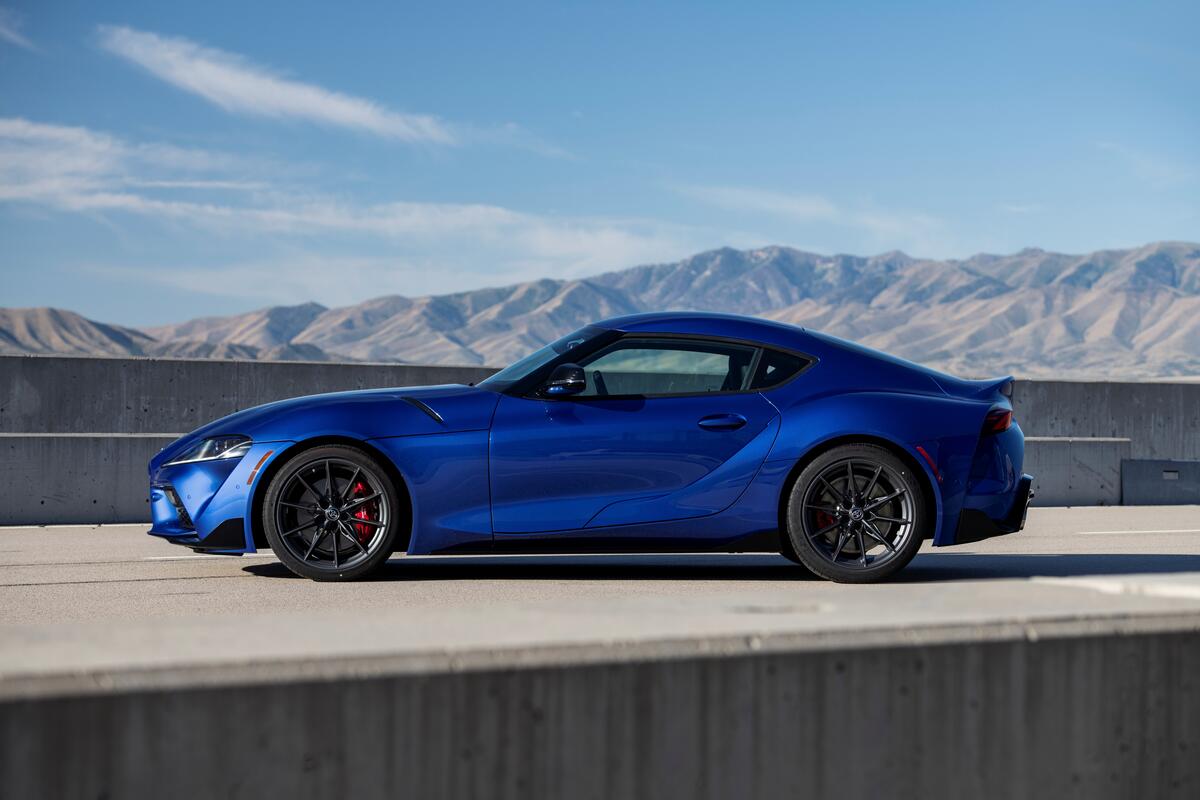
Toyota Supra
"And the Supra is like twice the fucking size. I don't know. I never thought of the Supra as a big car. No. But when you put them next, it's like that thing is massive."
The Toyota Supra is a sports car that enthusiasts love. Here, they’re mainly talking about how big it looks compared with other coupes when you park them side-by-side.
The Toyota Supra is a Japanese sports coupe known for its performance-focused packaging and strong enthusiast following. In this segment, the hosts compare its physical size against other coupes, emphasizing how large the Supra looks when parked next to smaller sports cars.
Mazda RX7
"Yeah, it's gigantic. The RX7 is just tiny. The RX7 looks like a matchbox car compared to the Supra. It's crazy."
The Mazda RX7 is a sports car from Mazda that’s known for being small and fun to drive. In this clip, they’re pointing out that it looks much smaller than the Supra when parked next to it.
The Mazda RX7 is a lightweight Japanese sports coupe famous for its rotary engine heritage and compact dimensions. The hosts use it as a size reference, saying it looks tiny—like a toy—when compared directly with the Toyota Supra.
clay bar
"Quick detail it. Like I did a full wash and then clay bar and then wax. So it's like, it's set now."
A clay bar is a special detailing “rubber” pad that you wipe over paint to pull off tiny stuck-on grime that normal washing misses. It helps the paint feel smooth and makes wax stick and shine better.
A clay bar is a detailing tool used to remove bonded contaminants from a car’s paint surface—things like industrial fallout and overspray that washing can’t fully get rid of. After claying, the paint is smoother, so wax or sealant can bond better and look more glossy.
wax
"Like I did a full wash and then clay bar and then wax. So it's like, it's set now."
Wax is a protective layer you put on your car’s paint. It helps the paint look shiny and makes it easier to keep clean by adding a barrier against grime and water.
Wax is a protective coating applied to paint to add gloss and create a barrier against water, dirt, and UV exposure. In detailing routines, wax is typically applied after steps like claying so the surface is clean and smooth.
OE plus
"It's like pay homage to the original car. It's like OE plus, but it's aftermarket parts, you know?"
“OE plus” is a style of modifying a car so it’s better than stock, but still feels like it belongs there. You use aftermarket parts, but you try to keep the vibe close to what the car originally was.
“OE plus” means upgrading a car with aftermarket parts while keeping the overall look, feel, and function close to original equipment (OE). The goal is to improve drivability or aesthetics without turning the car into something that feels out of period or radically different from how it left the factory.
period correct
"And it is somewhat like period correct to that time era."
“Period correct” means the changes you make should look like they fit the car’s original time period. The idea is to keep it feeling authentic to when the car was new.
“Period correct” refers to modifications that match the era of the car—using parts, colors, and styling cues that would plausibly have been available or appropriate at the time. It’s a common enthusiast approach for preserving the car’s historical vibe while still making it enjoyable to drive.
Continental
"Conti Conti Conti Continental Tires. [1426.5s] Head on over to martiniworks.com, [1428.6s] filtered by Continental."
Continental is a well-known tire brand. They make tires for regular commuting, but also for drivers who want better grip when driving more spiritedly.
Continental is a major tire manufacturer that makes both performance and all-season tires for everyday cars. In this segment, the host is highlighting Continental’s specific tire lines as suitable for daily driving and more aggressive use.
ECSO2
"And look at things like the ECSO2, the DWSO6 Plus. [1433.1s] And some of the other tires, they've"
ECSO2 is a particular tire model from Continental. The host likes it for everyday driving and says it works well even when you drive more enthusiastically.
ECSO2 is a specific Continental tire model/line mentioned by the host. The segment frames it as a tire you can buy in many sizes and use confidently for daily driving, with the implication that it also handles more spirited driving.
DWSO6 Plus
"And look at things like the ECSO2, the DWSO6 Plus. [1433.1s] And some of the other tires, they've"
DWSO6 Plus is a particular Continental tire model. The host says it’s great for regular commuting and can also handle harder driving when you want more grip.
DWSO6 Plus is a specific Continental tire model/line called out by the host. They present it as one of their favorites, emphasizing availability in many sizes and suitability for both daily driving and track-style or spirited driving.
track driving
"They're great for just daily driving. [1453.0s] And or if you do some spirited driving, track driving, [1456.7s] they have been phenomenal."
Track driving is when you drive on a race track instead of regular streets. Tires that are good for it usually grip better under harder cornering and heat up in a controlled way.
Track driving means using a car on a closed circuit (or track event) rather than normal public roads. It typically demands tires that can handle higher sustained loads, repeated hard cornering, and faster temperature changes.
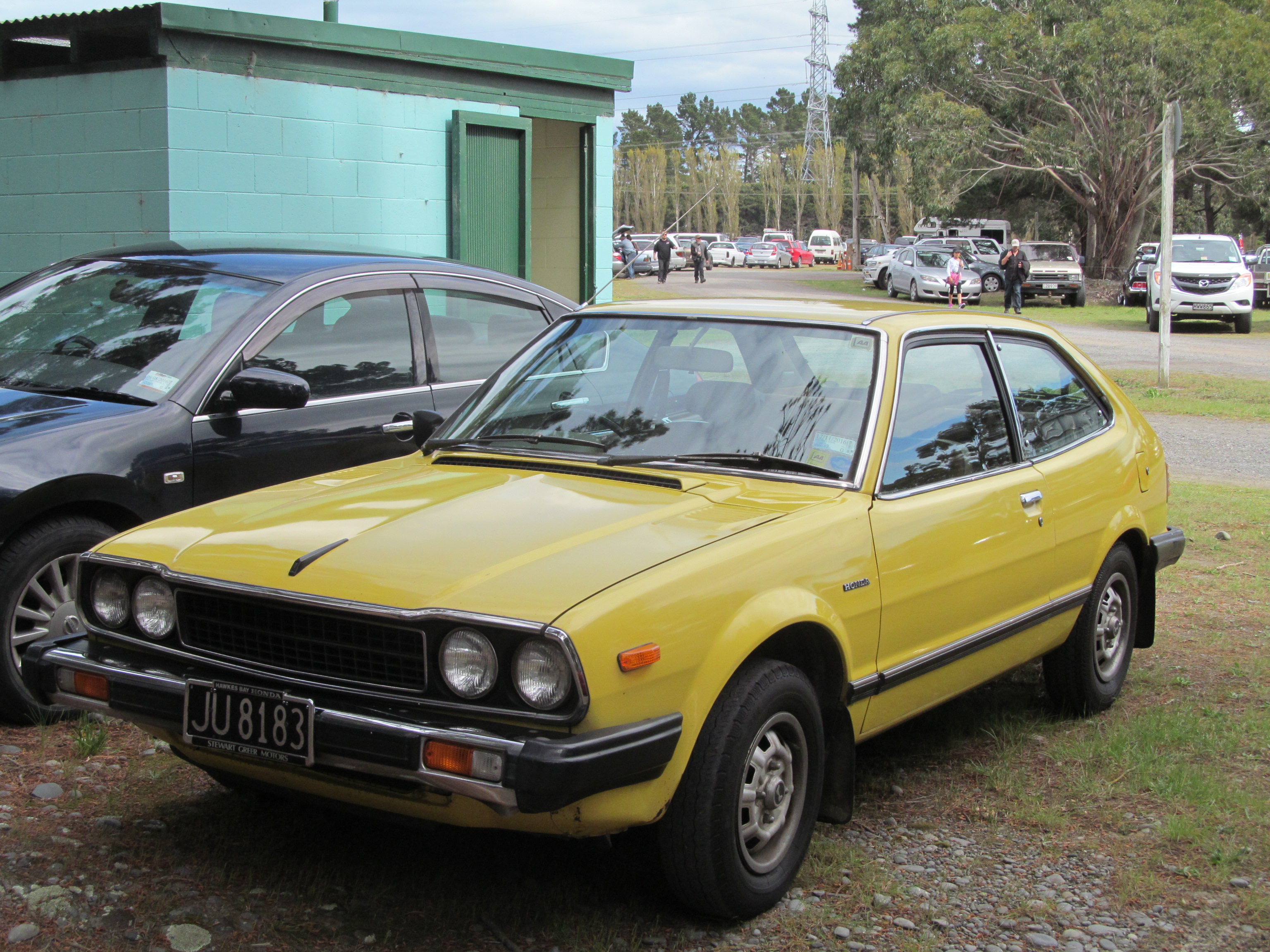
newer Accord sports
"OK, honestly, I really love what I've been seeing with the newer Accord sports. I think those cars have been fucking awesome. Big ol' four-door cars, lots of tune ability."
The Honda Accord is a normal daily car, but some versions (like the Accord Sport) are popular with car people because you can modify them. The host is saying the newer Accord Sports are fun to drive and still practical.
The Honda Accord is a midsize sedan that’s become popular with enthusiasts because it’s easy to modify and can still work as a daily. In this segment, the host is talking about the newer Accord Sport variants—four-door cars that respond well to aftermarket upgrades like wheels and suspension changes.
tune ability
"Big ol' four-door cars, lots of tune ability. The mods for them go crazy."
“Tune ability” means the car is easy to upgrade and adjust with aftermarket parts. People can change settings and add parts to make it feel more fun to drive.
“Tune ability” refers to how easily a car can be improved with aftermarket modifications, especially engine calibration and supporting hardware. On modern cars, it often means there’s a large parts and software ecosystem, so owners can safely chase better throttle response, power, or drivability.
lowered
"And they look insane lowered on some wheels. We've seen a couple people even here that come to our shows, have bought wheels from us,"
“Lowered” means the car sits closer to the ground than stock. It often looks better, but it can make bumps and parking harder because there’s less clearance.
“Lowered” means the car’s suspension has been adjusted so the body sits closer to the ground. Enthusiasts do this for looks and sometimes handling feel, but it can also affect ride comfort and clearance for daily driving.
multi-piece wheels
"have bought wheels from us, threw them on some multi-piece wheels or something like that, throw it on air."
Multi-piece wheels are constructed from multiple components (typically separate rims and barrels) rather than being one solid piece. They’re popular in enthusiast circles because they can offer more customization options for fitment and appearance, and in some cases can be repaired by replacing a section.
air
"threw them on some multi-piece wheels or something like that, throw it on air. It looks so good."
Here, “air” means the car uses an air suspension system. That lets you change how high or low the car sits, sometimes at the push of a button.
In this context, “air” refers to an air suspension setup that uses compressed air to adjust ride height. It lets owners raise or lower the car on demand, which is why it’s often paired with show-car wheel fitment and “stance” aesthetics.
Honda reliability
"And then you've got Honda reliability, you've got the tune ability for it, because they all share the same freaking stuff nowadays."
“Honda reliability” means people generally expect Hondas to be dependable and not break down as often. The host is using that as a reason the Accord is a good daily car even if you modify it.
“Honda reliability” is a shorthand for Honda’s reputation for durable powertrains and generally low rates of major mechanical failures compared with many competitors. In daily-driver discussions, it’s often used to justify choosing a mod-friendly platform that can still be dependable.
turbocharged
"here at Accord may just think. [1536.4s] They're turbocharged. [1537.5s] Yeah, traffic."
Turbocharged engines use a device that squeezes more air into the engine. More air usually means more power, so the car can feel quicker and more fun.
Turbocharged means the engine uses a turbocharger to force more air into the cylinders. That lets a smaller engine make more power, often improving acceleration and making a daily car feel more lively.
sharing parts
"[1537.5s] Yeah, traffic. [1538.3s] But it's like, yeah, a lot of it's sharing parts [1540.5s] with a lot of other platforms. [1541.8s] And now there is so much modability to the Accords"
“Sharing parts” means different cars use some of the same components. That can make it easier to find replacement parts and upgrades.
When cars “share parts,” they use common components across multiple models or platforms. That often makes repairs and upgrades easier because parts are more widely available and aftermarket support can be stronger.
modability
"[1541.8s] And now there is so much modability to the Accords [1544.7s] that it is, I wouldn't say sports car, but it is definitely. [1548.7s] That is definitely one of the ones where it's like,"
“Modability” means how easy it is to upgrade or change the car with aftermarket parts. They’re saying the Accord is a good base if you want to tinker and make it more fun.
“Modability” here refers to how easy and supported a car is for modifications. The host is arguing that the Accord has enough aftermarket options and platform support that you can personalize it and make it more fun without it being a dedicated sports car.
daily driver
"[1578.0s] or three generations of three series, [1579.3s] I think, are phenomenal for this. [1580.7s] Like that's the epitome of what I think of as a daily driver [1584.5s] that you can go do whatever you want with."
A daily driver is the car you use most days for regular driving. They’re saying these models can handle everyday life but still be fun enough to upgrade.
A “daily driver” is a vehicle you use regularly for everyday errands and commuting. The host’s point is that these cars can be practical for normal life while still offering enough driving enjoyment to justify modifying them.

BMW 340Is
"...you want with. And I think like all variants, the 340Is are awesome because you have the B58, but there's..."
The BMW 3 Series is a popular BMW sedan that’s known for handling well. The “340i” is a stronger version of the 3 Series with more power than the base models. The podcast mentions it because they think that particular version is especially good.
The BMW 3 Series is BMW’s compact executive sedan line, and it’s one of the brand’s most important models for driving feel. The podcast specifically calls out the 340i as being awesome because it uses BMW’s B58 engine, which is known for strong performance and smooth power delivery. It’s mentioned as part of a broader discussion about which variants are most appealing.
B58
"because you have the B58, but there's diesel options. [1593.0s] There's automatics, there's manuals,"
B58 is BMW’s engine family used in a lot of their “i” models. It’s a turbo inline-six that’s known for being quick and pleasant to drive day to day.
B58 refers to BMW’s inline-six turbocharged engine family. It’s widely praised for making strong power with good real-world drivability, which is why many BMW “i” models feel lively without needing extreme revs.
convertibles
"Yeah, convertibles, sedans, like you can literally [1600.9s] include in the four series in that."
A convertible is a body style with a roof that can be opened to let air in. It’s a specific category of car configuration, and the host is using it to highlight how many different 3 Series variants existed in that era.
X-Drive
"because like, yeah, like mine's like E90, [1621.0s] it's just four-door, X-Drive, all-wheel drive,"
xDrive is BMW’s name for its all-wheel-drive system. It helps the car grip better by sending power to the wheels with traction.
xDrive is BMW’s branding for its all-wheel-drive system. It’s designed to manage traction by distributing torque to the wheels that have the most grip, which can improve confidence in low-traction conditions.
rear-wheel drive
"if you wanted a manual one, [1629.2s] if you wanted a rear-wheel drive one,"
Rear-wheel drive means the power goes to the back wheels. Many drivers like it because it can feel more fun and predictable when you’re driving.
Rear-wheel drive (RWD) sends power to the rear wheels. It often gives a more traditional “balanced” feel and can make the car more engaging to drive compared with front-wheel-drive layouts, especially when traction is good.
flip of a switch
"[1676.9s] And I think this is where BMW comes in [1678.2s] because they're really good at making a flip of a switch [1680.5s] and then transforming your car essentially [1682.0s] while you're in it."
The host means the car can change its personality fast. Many cars have drive modes that you can switch between to make it feel more relaxed or more aggressive.
“Flip of a switch” is the host’s way of describing how some modern cars let you rapidly change driving behavior. Typically this is done with selectable drive modes that alter throttle response, steering feel, shift behavior, and sometimes traction control settings.
proximity sensors
"It has all the like proximity sensors [1685.3s] and everything you need, adaptive cruise control."
Proximity sensors are the car’s “distance detectors.” They help the car sense when something is close by, like another car or a wall.
Proximity sensors are sensors that detect nearby objects by measuring distance, often used for parking assistance and collision-avoidance features. They help the car “know” when something is close, which can trigger warnings or automated braking depending on the system.
adaptive cruise control
"It has all the like proximity sensors [1685.3s] and everything you need, adaptive cruise control."
Adaptive cruise control is cruise control that “watches” the car in front of you. It automatically slows down and speeds up to keep a safe distance.
Adaptive cruise control is a driver-assistance feature that automatically adjusts your car’s speed to maintain a set following distance from the vehicle ahead. Instead of holding a constant speed like traditional cruise control, it can slow down and speed back up as traffic changes.
eighth gear
"But yeah, I mean, if you have the automatic, [1706.8s] you can go up to eighth gear and just cruise [1709.1s] and it's super comfortable."
“Eighth gear” refers to an 8-speed automatic transmission’s gear ratio steps. More gears can keep the engine operating closer to its most efficient range during steady cruising, which can improve fuel economy.
hatchback
"There's tons of bedroom. [1722.6s] I was gonna say the hatchback. [1726.0s] So it's like storage wise too."
A hatchback is a car where the back door lifts up and opens the cargo area. It’s often easier to load things in and out than a regular trunk.
A hatchback is a body style where the rear door opens upward and the cargo area is integrated with the passenger compartment. This layout usually makes loading and unloading easier and can provide practical storage compared with a traditional trunk sedan.
four cylinder
"but there is the four cylinder Supra too, [1755.9s] which those come, yeah. [1757.0s] And they're very affordable. [1758.4s] I didn't know."
A “four cylinder” engine has four combustion chambers. It’s usually a simpler, lighter setup than bigger engines, and that can make the car more affordable.
“Four cylinder” means the engine has four cylinders, which typically makes it lighter and cheaper to run than larger engines with more cylinders. In this context, it’s used to describe a smaller, more affordable Supra variant.
B48
"They're two liter, right? [1760.5s] Yeah. [1761.5s] They're four cylinder. [1762.3s] Oh, it's the little B48 or whatever."
B48 is the name of a specific BMW four-cylinder engine design. The point here is that the smaller Supra is using a BMW-sourced style of engine, not a bigger, more expensive powerplant.
B48 refers to BMW’s B48 engine family, a modern inline-4 design used across multiple BMW models. The host is connecting the “four cylinder Supra” idea to BMW’s inline-4 architecture, which is why they mention the engine being “the little B48.”
BMW engine
"you're playing a lot with the BMW engine in the Toyota. And then you take it even further away by putting a four cylinder BMW engine in a Toyota. And it's just like, is this even a Supra?"
A “BMW engine” here refers to using an engine from BMW in a different car platform, which changes the car’s character and engineering balance. The host is specifically criticizing the idea of putting a BMW four-cylinder into a Toyota and questioning whether that still feels like a proper Supra.

Ford Mustang GTD
"is S550 Mustang GT or even the four cylinder [1823.0s] for that banner. [1823.9s] I think those cars do an incredible job"
This is a Ford Mustang from the S550 generation, and the “GT” means it’s the V8 model. The host is saying it’s a popular car with lots of aftermarket support, so you can use it for normal driving but also do more aggressive stuff if you want.
The S550 is the 2015–2017 generation of the Ford Mustang, and the Mustang GT is the V8 version. This matters because it’s a common “do-everything” platform: it’s easy to find parts for, and it supports a wide range of driving styles from daily commuting to track use.
super well supported platform
"So obviously, the potential with them, [1838.8s] they can sound absolutely crazy. [1840.9s] You can do some crazy mods with them. [1842.5s] It's a super well supported platform. [1844.7s] You can track them, you can drift them,"
When someone says a car is a “well supported platform,” they mean there are lots of parts and people who know how to modify and work on it. That makes it easier to customize for different driving styles.
A “supported platform” means there’s a large aftermarket and community around the car—parts, tuning options, and know-how are widely available. That’s why the host can mention lots of different uses (tracking, drifting, drag racing) for the same base car.
drift them
"It's a super well supported platform. [1844.7s] You can track them, you can drift them, [1846.7s] you can drag them, you can daily drive them."
Drifting is when you steer the car while the rear tires are sliding, so the car goes sideways through a turn. It usually takes the right setup and tires so you can do it safely and consistently.
Drifting is a driving technique where the car is intentionally steered while the rear tires lose grip, causing the car to slide sideways through a corner. It typically requires the right tires, suspension setup, and often brake/traction tuning to keep the slide controllable.
drag them
"You can track them, you can drift them, [1846.7s] you can drag them, you can daily drive them. [1849.5s] I think they do a really good job in that."
Drag racing is racing in a straight line where you accelerate as fast as possible over a short distance. The car needs good grip and strong acceleration to do well.
“Drag them” refers to drag racing—accelerating hard in a straight line over a short distance to achieve the best elapsed time and top speed. Cars suited to this typically benefit from traction (tires and suspension) and power delivery that launches well.
Request an Explanation
Heard something you'd like explained? We'll add it to this episode.
Sign in to request explanations for terms you heard.
Want to learn more?
Browse our glossary for plain-English explanations of automotive terms, jargon, and concepts.
Help improve this episode
See something that's not quite right? Our annotations are AI-generated and can sometimes miss the mark. Click the flag icon on any annotation to suggest a correction.