
BEST Cars For Under $15,000
About this episode
MartiniWorks Podcast tackles “BEST Cars For Under $15,000” with a mix of budget picks, buying strategy, and real-world ownership stories. They kick off with a Midwest homework challenge, then review specific cars like a 2013 Mazda 3 (turbo, mostly stock), a 1991 MR2 Turbo (manual, T-top), and multiple Volkswagen/GTI options with inspection red flags. Along the way, they share shipping/auction frustrations, “slow car summer” philosophy, and practical upgrade talk from coilovers to tires.
Enjoy the podcast every Friday? Support it by getting your car mods at https://bit.ly/4vtk1kyToday the boys do a marketplace challenge to see who can find the best car for under $15,000. Not only that, but Gels new to him FB Rx-7 HAS FINALLY ARRIVED! #cars #podcast #automotivePick up our Coffee here! https://bit.ly/3PIFl6JA HUGE thank you to Continental, Motegi, and Fortune Auto for being the official tire, wheel, and suspension of the MartiniWorks Podcast! Let us know if you need a set of tires or coilovers.Shop Continental tires here https://bit.ly/4ecbfAKShop Motegi wheels here https://bit.ly/4vp7VcgShop Fortune Auto suspension here https://bit.ly/4fnfqM8Check out the main channel! @MartiniWorksOfficialWe also have an unboxing channel @MartiniWorksUnboxedFollow Alex @alexmartini__Follow Dakota @dakotastoneeFollow Gels @akagels
coilovers
"You can get yourself wheel and tire coilovers. Stroke? I might have."
Coilovers are suspension parts that let you adjust how high or low the car sits. People use them to improve handling and to get a more aggressive stance.
Coilovers are an adjustable suspension setup that combines a coil spring with a shock absorber. Enthusiasts use them to lower the car and tune ride height and damping for handling.
tunes
"Wheel and tire packages, coilovers, intakes, exhausts, tunes, cooling systems, and just recently now,"
A tune is a change to the car’s computer settings. It helps the engine run better with modifications like intakes or exhausts.
Tunes are software calibrations for the engine control unit (ECU) that adjust parameters like fuel and ignition timing. On many cars, tunes are essential to get the best results from intake/exhaust changes.
exhausts
"Wheel and tire packages, coilovers, intakes, exhausts, tunes, cooling systems, and just recently now,"
An exhaust upgrade changes the way gases leave the engine. It can change the sound and can help performance when matched with other mods.
Exhausts (often meaning aftermarket exhaust systems) change how exhaust gases exit the engine. They can affect sound, backpressure, and—when combined with tuning—engine performance.
intakes
"Wheel and tire packages, coilovers, intakes, exhausts, tunes, cooling systems, and just recently now,"
An intake is the part that brings air into the engine. Upgrading it can help the engine breathe better, especially when paired with a tune.
Intakes are aftermarket air intake systems that replace or modify the path air takes before it reaches the engine. The goal is usually to improve airflow and throttle response, sometimes paired with tuning.
cooling systems
"Wheel and tire packages, coilovers, intakes, exhausts, tunes, cooling systems, and just recently now,"
Cooling system upgrades help keep the engine from getting too hot. That can matter more when you drive hard or add performance mods.
Cooling systems in the modding context usually means upgraded components that manage engine heat, such as radiators, intercoolers, or coolant hoses. Better cooling helps prevent heat soak and can support more aggressive tuning.
Saibon
"cooling systems, and just recently now, Saibon parts, which is pretty cool. That carbon fiber."
Saibon is a company that makes aftermarket car parts. The host is saying they’ve recently started carrying their stuff, but they don’t detail the exact part in this clip.
Saibon is mentioned as a parts brand being added “just recently now.” The excerpt doesn’t specify which specific components, but it’s clearly part of the aftermarket catalog being discussed.

Volkswagen GLI
"If you have a Volkswagen GLI, you'll be happy to know that we're also working on getting CTS,"
The Volkswagen GLI is a sportier Golf with a turbo engine. It’s popular with car modders, so there are lots of parts and tuning options available.
The Volkswagen GLI is a performance-focused version of the Golf, known for being a practical daily driver with a turbocharged engine and strong aftermarket support. It’s a common platform for mods like intakes, exhausts, and ECU tunes.
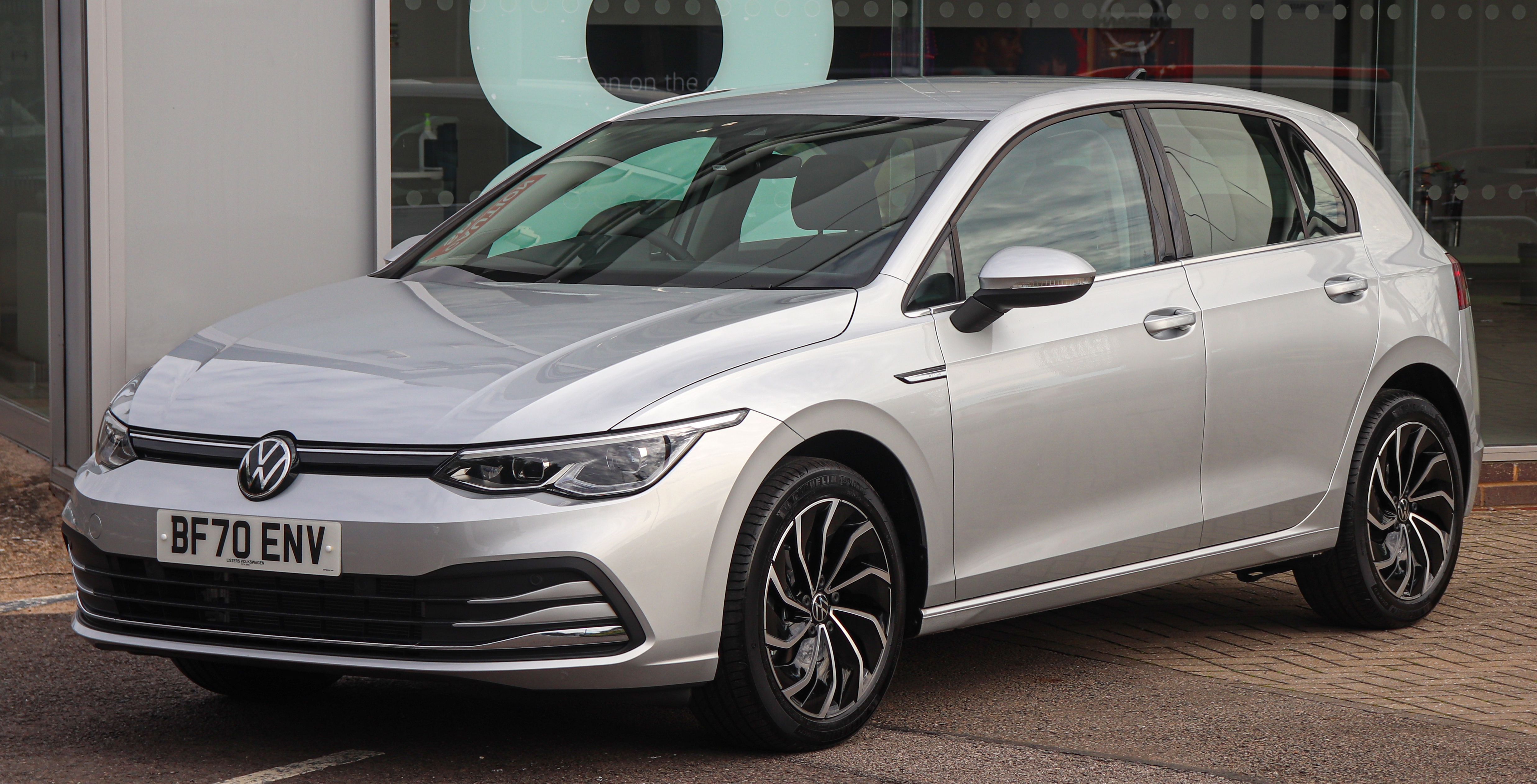
Volkswagen Gli
"That carbon fiber. If you have a Volkswagen GLI, you'll be happy to know that we're also working ..."
The Volkswagen Golf is a compact car. The GLI is a more performance-focused version of the Golf. The episode mentions carbon fiber, likely referring to upgrades or parts that can be added to a GLI.
The Volkswagen Golf is a compact car platform with multiple performance and trim variations, including the GLI. The podcast context mentions “carbon fiber” and specifically references a Volkswagen GLI, implying the discussion is about parts or upgrades that use carbon fiber materials. It’s brought up because the Golf/GLI is a common base for enthusiast modifications.
CTS
"If you have a Volkswagen GLI, you'll be happy to know that we're also working on getting CTS, i.e., a couple of other ones that all are acronym based companies."
CTS here sounds like a company that makes car parts. The episode doesn’t say exactly what CTS stands for or which parts they’re bringing, so it’s best to treat it as a parts brand mentioned in passing.
CTS is referenced as an acronym-based company/brand in the context of parts availability. In car circles, CTS commonly refers to a tuning/parts vendor, but the exact product line isn’t specified in this excerpt.
034034
"Or numbers. Our numbers are 034034 onto the website here very soon. So if you can be patient with us, we promise that more parts are coming."
034034 is a brand name the hosts are talking about adding to their site. They don’t explain what parts it makes in this short segment, just that it’s coming soon.
034034 is referenced as a brand name/identifier for parts being added to the website. The host implies it’s an acronym/number-based company, but the excerpt doesn’t spell out what products it will cover.
JDM
"Yeah, we've worked really hard on getting the JDM guys and girls taken care of. And then we realized that there's a lot of other cars out there than JDM cars."
JDM means “Japanese Domestic Market.” It’s a term people use for cars and parts that come from Japan, and for the style of modding that’s popular in that scene.
JDM stands for Japanese Domestic Market, referring to cars, parts, and tuning styles that originated in Japan. In the aftermarket world, “JDM” often also describes the aesthetic and performance culture around those platforms.
weather contingent
"[318.3s] Like this is not like a joke. [319.8s] This is like weather contingent. [321.8s] It was cold this morning."
They’re saying the car feels different depending on the weather. Things like hot/cold air and humidity can change how the engine runs, so it can feel better on some days than others.
“Weather contingent” here means the car’s feel and performance change with conditions like temperature and humidity. For cars with rotary engines and older tuning/maintenance histories, intake air density and how the engine is running can make the driving experience noticeably better or worse depending on the day.
time capsule
"[417.7s] And I think it's just super cool. [419.3s] It's like a little time capsule. [420.6s] You have such a beautiful car because to me, that Mazda era is like"
A “time capsule” car is one that feels like it’s from the past and hasn’t lost that original look and vibe. The host is basically saying the car feels like a preserved piece of that older era.
“Time capsule” is a car-enthusiast way to describe a vehicle that feels like it’s preserved from a specific past era—its design, vibe, and condition make it seem frozen in time. In this context, the speaker is using it to praise an older car as a snapshot of how people built and styled cars “back in the day.”
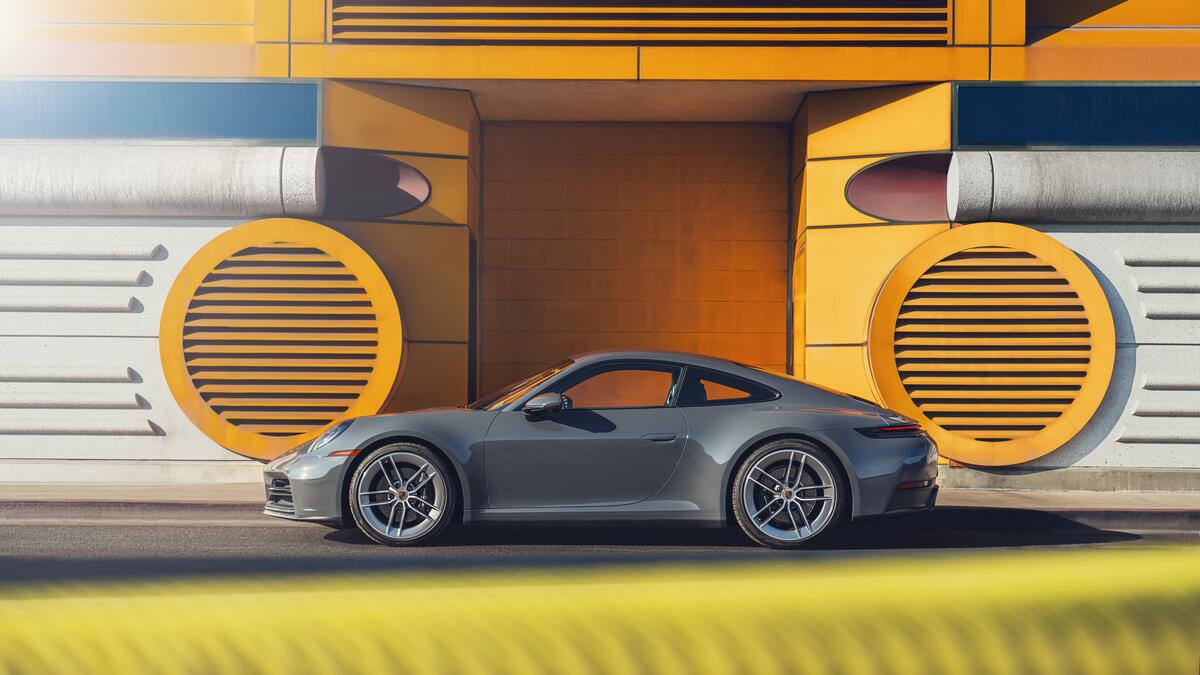
Porsche 911
"which is like that Porsche 911 II market. [435.1s] You know, the Porsche 912 market is is one of my favorite car models to keep an eye out for because it was the more affordable version of the 911."
The Porsche 911 is Porsche’s famous classic sports car. In this segment, the host is saying that the 911 is the more expensive, more sought-after version, and the 912 is the cheaper alternative. So the 911 is the benchmark for what people want from that era.
The Porsche 911 is Porsche’s iconic rear-engine sports car, and the speaker is specifically contrasting the expensive “911 II” market with the more affordable Porsche 912. That “911” label matters because it represents the core performance and desirability baseline that the 912 was meant to undercut. In other words, the 912’s appeal is tied directly to being a less expensive way into the 911 world.

912 Porsche 912
"...is like that Porsche 911 II market. You know, the Porsche 912 market is is one of my favorite car models to kee..."
The Porsche 912 is an older Porsche sports car. It’s related to the 911, but it’s considered a different model with its own identity. The episode mentions it while talking about how these cars are collected and priced.
The Porsche 912 is a classic model closely related to the Porsche 911 family, but it’s known for being a more accessible entry point within that lineup. The podcast compares it to the “Porsche 911 II market,” indicating they’re discussing how these models are valued and collected. It’s mentioned because the 912 has a distinct place in the classic Porsche market.
EPA
"So they're coming off the EPA stuff. They're trying to make this thing and you get these really funky cars."
EPA is the U.S. agency that tests and reports things like a car’s fuel economy and emissions. The host is saying they just finished talking about those official test results.
EPA refers to the U.S. Environmental Protection Agency, which publishes vehicle testing results like fuel economy and emissions. The host says they’re “coming off the EPA stuff,” meaning the discussion just shifted away from those official government numbers and into car styling/value talk.

Mazda RX 7
"I think if you put a Porsche 912 right next to a Mazda RX 7, I think they both look equally gorgeous and one is a fraction of the cost. ... it's got a little rotary under the hood."
The Mazda RX-7 is a sports car known for its unusual rotary engine. In this clip, the host is basically saying it can give you a similar vintage-cool vibe to an older Porsche, but it’s powered differently.
The Mazda RX-7 is famous for using a rotary engine (a Wankel design) instead of the more common piston engine layout. The host ties it to the “old Porsche vibes” idea by saying it has a similar look/feel, but with a rotary under the hood—highlighting what makes it mechanically distinctive.
rotary
"It feels like it's what it is, but it's got a little rotary under the hood."
A rotary engine is a different type of engine than the normal piston design. Instead of pistons going up and down, it uses a spinning part, which is a big part of what makes some Mazda sports cars special.
A rotary engine (often called a “rotary” in car talk) uses a spinning rotor instead of pistons moving up and down. The host mentions a “rotary under the hood” to point out Mazda’s RX-7’s distinctive engine design, which helps explain why it feels and sounds different from many piston-engine sports cars.
slow car summer
"You have 30 seconds to explain yourself and you need to convince the viewer to get involved in slow car summer. Go listen. Social media really hyped up horsepower and really fast things."
“Slow car summer” is basically a challenge to enjoy driving a less-fast car. Instead of chasing attention online for the newest, quickest stuff, you take time to enjoy the car you have and the moment you’re driving.
“Slow car summer” is a social-media and driving mindset that encourages people to enjoy older, slower, or less flashy cars instead of chasing constant hype for the newest, quickest vehicles. The idea is to disconnect from the algorithm-driven pressure to buy and post performance, and focus on the experience of driving.
horsepower
"Go listen. Social media really hyped up horsepower and really fast things."
Horsepower is a number that describes how much power a car’s engine can produce. Higher horsepower usually means the engine can push harder, but it doesn’t tell the whole story about how fast or how fun a car is.
Horsepower is a measure of engine power—how quickly an engine can do work. In car talk, it’s often used as a shorthand for how strong the car feels, even though real-world performance also depends on weight, gearing, traction, and aerodynamics.

Cadillac Fleetwood
"The music was on. Yeah, you listen to like Fleetwood Mac and you're like, all right. Yeah, I will say ..."
The Cadillac Fleetwood is a big luxury car made by Cadillac. It’s designed more for comfort than for sporty performance. The episode brings it up as a familiar luxury car name.
The Cadillac Fleetwood is a large, full-size luxury car line known for comfort and traditional styling. In the podcast, it’s mentioned in the context of music and general conversation, suggesting it’s being used as a recognizable luxury reference rather than a technical deep dive. That kind of mention often comes up when discussing classic American luxury cars.
stock and factory
"Yeah, I will say I threw my up because it's everything is stock and factory in there. So there's you know, it's got the cassette player in it, but my Bluetooth transmitter works well."
“Stock and factory” means the car hasn’t been heavily modified. It’s basically how it came from the factory, so it tends to feel more original and consistent.
“Stock and factory” means the car is largely unmodified from how it left the manufacturer. That usually implies original or near-original parts and systems, which can make the car feel more predictable and “tight.”
cassette player
"So there's you know, it's got the cassette player in it, but my Bluetooth transmitter works well."
A cassette player is an old kind of car stereo that plays music from cassette tapes. It was common before phones and Bluetooth audio became standard.
A cassette player is an older in-car audio system that plays music recorded on magnetic tape. Many cars from the late 20th century had them, and they’re now mostly replaced by modern head units.
Bluetooth transmitter
"So there's you know, it's got the cassette player in it, but my Bluetooth transmitter works well. Oh, yeah."
A Bluetooth transmitter is a gadget that lets your phone send music wirelessly to your car’s stereo. It’s useful when the car stereo is older and doesn’t have Bluetooth built in.
A Bluetooth transmitter is a small device that takes audio from a phone (or another source) and broadcasts it over Bluetooth to a nearby receiver. In older cars, people often use transmitters to get modern phone audio into a factory stereo that lacks Bluetooth.
power steering
"I mean, obviously like no power steering in the car car going in power steering. So that's new."
Power steering helps you turn the wheel with less effort. Without it, the steering is usually much heavier, especially when you’re turning slowly.
Power steering is a system that uses a motor or hydraulic pressure to reduce the effort needed to turn the steering wheel. If a car has “no power steering,” steering at low speeds can feel noticeably heavier, and it changes how the car feels in parking lots and tight turns.
reupholstered
"I love how like it was updated in the 90s. Like I think the interior was gone through and like reupholstered and like"
Reupholstered means the seats or interior coverings were redone with new material. It can make an older car feel much newer inside.
Reupholstered means the interior upholstery (like seats or panels) has been removed and replaced with new fabric or leather. It’s a common way to refresh a car’s interior while keeping the original structure.
blocky 15 inch tires
"It's a gorgeous car. I can't wait to see what you do to it too. Because it's like it's such a good era of wheels. Such a good era of, you know, blocky. You can get the blocky 15 inch tires that give it that really like squared off look."
They’re talking about a tire-and-wheel setup that looks more chunky and squared-off. “15 inch” means the wheel is 15 inches across, which changes how the car looks and how the ride feels.
“Blocky” here describes a tire sidewall/tread look that reads as squared-off and chunky, which often comes from a taller sidewall and specific wheel/tire sizing. The “15 inch” part refers to the wheel diameter, which affects ride feel and how the car visually sits.
stock steering
"The stock was they're not that bad. You're saying that the stock was in stock steering. I was like kind of sick."
“Stock steering” means the steering is still the original factory setup. People like it because it keeps the car driving the way it was designed, and it can make the car easier to sell later.
“Stock steering” means keeping the steering system in its original, factory configuration rather than swapping in aftermarket parts. Enthusiasts often prefer stock steering because it preserves the car’s intended feel and can help maintain buyer interest if the car is ever sold.
power windows
"I was honestly super surprised that the RX 7 has power windows. It has power windows and power mirrors."
Power windows are windows you move with a button instead of turning a hand crank. In older cars, having them can be a sign of a higher trim or a different version.
Power windows are window regulators driven by electric motors instead of manual cranks. On older cars, whether they have power windows can help identify trim level and how “modern” the cabin feels compared with more basic versions.
power mirrors
"It has power windows and power mirrors. I'll have you know that my RX 7 that I had did not have."
Power mirrors let you adjust your side mirrors with a switch, instead of moving them by hand. It’s another feature that can differ depending on the car’s trim.
Power mirrors are side mirrors adjusted using electric motors and controls, rather than manually moving the mirror by hand. Like power windows, this is often tied to trim level and can vary between model years and packages.
GS
"It was manual. Was it a GS?"
“GS” is a trim level name—basically a package of features. Different trims can have different equipment, like power windows versus manual windows.
“GS” is a trim designation used on some Mazda RX-7 models to indicate a specific equipment level. Trim codes like this can affect features such as whether you get power windows/mirrors versus manual controls.
hatchback
"It's the hatchback, but it's just the glass. [883.7s] It's just the glass and the clasp is underneath the glass and it's just the badges."
A hatchback is a car where the back opens like a door that swings up. Here, the person is saying the opening is mainly the rear glass, not a whole separate back panel.
A hatchback is a body style where the rear door lifts upward and provides access to the cargo area. In this case, the speaker emphasizes that it’s “just the glass,” meaning the opening is focused on the rear glazing rather than a full separate tailgate panel.
RX 7
"I think he said a buddy has had a first gen RX 7 back in the day, but he would, they were, you know, we were up in northern Wisconsin."
The RX 7 is a Mazda sports car. It’s known for having a special engine design, and here they’re talking about an older (first-gen) one and how the rear hatch/glass area can be a problem if something goes wrong.
The RX 7 is a Mazda sports car famous for its rotary engine, which is different from the piston engines most people are used to. In this segment, the host mentions a first-generation RX 7 and a specific hatch/glass failure story that shaped their fear of the rear glass area.
struts
"whenever I close, I'm like, oh, is it like, you know, push it down the struts for the back like need to be replaced to like the actual like supports need to be replaced."
Here, “struts” means the support parts that help hold the hatch up. If they’re worn out, the hatch can fall faster than you expect, so you may have to hold it up manually.
In this context, “struts” refers to the gas-charged supports that help hold up and control the movement of the rear hatch/glass. When these supports wear out or fail, the hatch can drop unexpectedly, which is why the host describes having to hold it up.
choke lever
"The car is a bunch of just really neat things like you have to choke it to start. [956.7s] It's actual choke lever. [957.9s] Hey, yeah."
On older cars, a choke is a lever you pull to help the engine start in cold weather. It makes the fuel mixture richer so the engine can catch and keep running.
A choke lever is a manual device used on many older carbureted engines to help the engine start when it’s cold. It changes the air/fuel mixture so the engine gets enough fuel to run instead of stalling.
carburetor
"Essentially just feeds more fuel into what? [975.0s] Into the carburetor, which is, which is yeah. [979.6s] What does that do?"
A carburetor is the part that mixes fuel and air before it goes into the engine. When it’s cold, the choke helps send extra fuel so the engine starts and runs.
A carburetor is the fuel-mixing device used on many older engines. The choke enriches the mixture by feeding more fuel into the carburetor so the engine can idle and warm up reliably.
idle high
"Essentially, you know, like in modern cars, when you start it up, you know, like it'll [983.8s] idle high and then it'll come down. [985.1s] Essentially, you're doing that manually because there's no computer in this damn car"
When an engine is cold, it often needs to idle faster than normal to keep running. As it warms up, the idle speed can drop back down.
“Idle high” means the engine is intentionally set to a higher-than-normal idle speed when it’s cold. That extra speed helps the engine stay running until the temperature rises and the mixture becomes easier to manage.
computer choke the engine
"[985.1s] Essentially, you're doing that manually because there's no computer in this damn car [988.1s] to tell it what to do computer computer choke the engine."
Modern cars use a computer to control how the engine starts when it’s cold. Older cars often don’t have that help, so you have to do things like choke it yourself.
This refers to engine control computers (ECUs) that manage cold starts on modern cars. Instead of a manual choke, the ECU adjusts fueling and idle speed automatically so the engine can run smoothly while warming up.
manually because there's no computer
"Essentially, you're doing that manually because there's no computer in this damn car [988.1s] to tell it what to do computer computer choke the engine. [992.7s] So essentially, yeah, you're just giving it some more gas on startup when"
Some older cars don’t have a computer to handle cold starts. So you have to use the choke yourself and keep the engine running until it warms up.
This is the concept of a carbureted, non-computer-controlled cold start. Without an ECU, the driver must manually adjust the mixture (via the choke) and often accept a higher idle until the engine is warm enough to run normally.
lowering springs
"I think obviously some, some coilovers or even just some lowering springs for the time being something to drop the ride height, some decent wheels, good tires."
Lowering springs are springs that make the car sit closer to the ground. That can look better and feel more stable, but it can also make the ride a bit firmer.
Lowering springs are aftermarket springs designed to reduce a car’s ride height. They typically make the car sit lower for styling and reduced body roll, but they can also change ride comfort and may require matching shocks/struts for best results.
ride height
"I think obviously some, some coilovers or even just some lowering springs for the time being something to drop the ride height, some decent wheels, good tires."
Ride height is the distance between the car’s body and the ground. Changing it affects aerodynamics, ground clearance, and suspension geometry, which can influence handling and how easily the car scrapes on driveways or speed bumps.
coolant level sensor
"There's like a, I think it's a coolant level sensor is dripping a little bit on the top of the radiator."
The coolant level sensor checks whether the engine has enough coolant. If it’s leaking or not reading correctly, the engine can overheat, so it’s something to fix soon.
A coolant level sensor monitors the amount of engine coolant in the cooling system. If it’s dripping or failing, it can indicate a leak or faulty sensor, which matters because low coolant can lead to overheating.
radiator
"There's like a, I think it's a coolant level sensor is dripping a little bit on the top of the radiator. So just some, just little things to clean up."
The radiator is part of the cooling system that helps keep the engine from overheating. If coolant is leaking near it, you should address it quickly.
The radiator is the heat exchanger that helps remove heat from engine coolant before it circulates back through the engine. If coolant is leaking around the radiator area, it can reduce cooling efficiency and raise overheating risk.
Motegi racing wheels
"…talking about our partner of the Martini Works podcast, which is Motegi racing wheels."
Motegi Racing is a company that sells aftermarket wheels for cars. The hosts are saying their wheels fit well and are made strongly.
Motegi Racing is a wheel brand that makes aftermarket wheels, and the hosts are discussing why they like the product. They specifically mention wheel “fitments,” sizing, and a forged construction approach.
fitments
"They continue to give awesome fitments to a lot of their different wheel models."
In wheel talk, “fitment” means whether a wheel and tire combination properly fits a specific car—clearing the suspension/brakes and matching the correct offset and bolt pattern. Good fitment avoids rubbing and helps the wheel sit correctly in the wheel well.
lined grain structure
"The barrel is forged like it's got a lined grain structure inside the barrel…"
This is about how the wheel’s material is shaped internally during forging. The host’s point is that the internal structure helps the wheel resist damage when you drive hard.
A “lined grain structure” refers to the internal grain flow created by forging, which can improve strength and toughness compared with some cast wheels. The host is using this to explain why the wheel can handle aggressive driving (“thrash”).
thrash on them
"…which means you can actually thrash on them and not have to worry about them a lot."
“Thrash on them” just means drive really hard. They’re saying the wheels can take that kind of abuse.
“Thrash on them” is enthusiast slang for driving aggressively—hard acceleration, hard cornering, and generally stressing the car. Here it’s used to argue that the forged wheels can tolerate that kind of use.
autocross
"If you guys and gals don't know, all wheels look perfect when they're not used and then you drive on them and then you maybe go to an autocross and then you notice like paint fades or clear fades..."
Autocross is a timed driving event on a course made with cones. It’s hard on tires and wheels because you’re turning quickly and stressing the car a lot in a short time.
Autocross is a motorsport where drivers run timed laps on a closed course marked with cones, emphasizing quick steering response and traction. Because wheels and tires get lots of lateral load changes, cosmetic issues like paint/clearcoat fading and chipped areas can show up quickly.
lug socket
"...you go to put the lug socket in and you chip the lug hole and you're like, how the hell I barely touched it... I sometimes smack the ever living crap out of a lug hole with my lug socket..."
A lug socket is the tool you use to tighten the lug nuts that secure your wheel. If you hit the wheel while using it, it can chip the wheel’s paint or finish.
A lug socket is the tool (socket) used to tighten and loosen the lug nuts that hold a wheel to the hub. The host mentions smacking the lug area with the socket, which can chip paint or damage the wheel’s finish if it’s not durable.
clear fades
"...you maybe go to an autocross and then you notice like paint fades or clear fades or the paint chips..."
Many wheels have a clear protective coating on top. “Clear fades” means that coating starts to lose its shine or look uneven after lots of heat and use.
Clearcoat is the transparent protective layer on many wheels and body panels, and “clear fades” refers to that layer losing its gloss or color over time. Heat, sun exposure, and repeated track/abrasion can accelerate clearcoat degradation and make the wheel look worn.
ref tracks
"I like my cars to look nice. Even we thrashed them at the ref tracks."
“Ref tracks” sounds like test driving locations where they run the cars hard to see how things hold up. The host is saying the wheels still look good afterward.
“Ref tracks” appears to refer to reference track sessions—places where the host tests or evaluates cars/wheels under real driving conditions. In this context, it’s used to explain that the wheels still look good after being used hard.

1980 Mercedes-Benz 450 SL Roadster
"Might I interest you in a 1980 Mercedes-Benz 450 SL Roadster? Ready to cruise with the V8. Damn. She's got a V8 in it."
This is a classic Mercedes-Benz convertible (a “roadster”) from 1980. The big deal here is that it’s a V8-powered version, which gives it a more exciting feel than smaller engines.
The Mercedes-Benz 450 SL Roadster is a classic R107-era SL that’s known for its open-top “grand touring” vibe and V8 power. In this segment, the host highlights the car’s V8 and ties it to the R170 generation they’ve been hyping, framing it as a standout under-$15k style pick.
V8
"Ready to cruise with the V8. Damn. She's got a V8 in it. Yeah. 60 horsepower V8."
A V8 is an engine with eight cylinders. More cylinders usually means smoother power and often stronger acceleration than smaller engines.
A V8 is an engine with eight cylinders arranged in a “V” shape. It’s commonly associated with smooth power delivery and strong low-to-midrange torque compared with smaller engines.
R170 generation
"This, my friends, is the R170 generation that I've been hyping up for a long time. This actually is really sick."
“R170” is Mercedes’ internal label for a particular generation of the SL. It helps people know which version it is, since different generations have different parts and layouts.
“R170” is a Mercedes-Benz internal generation/chassis code used to identify a specific SL model generation. These codes matter to enthusiasts because they correspond to distinct bodywork, engineering, and parts fitment.

Mazda 3
"... more modern, cheaper, turbocharged, a 2013 Mazda Mazda 3. Oh, I actually saw this one."
The Mazda RX-3 is an older Mazda car. It’s known for using a rotary-style engine, which is different from what most cars use. In the episode, it’s mentioned while talking about cars that might be easier to get into and how they compare.
The Mazda RX-3 is an older Mazda model that’s part of the rotary-engine family, which is known for a distinctive feel compared with conventional piston engines. The podcast groups it with other “turbocharged” and more modern, cheaper options, suggesting the speaker is comparing how different rotary-era cars fit into a budget or ownership plan. It’s mentioned because the RX-3 represents a classic rotary experience.

2013 Mazda Mazda 3
"So we're going more modern, cheaper, turbocharged, a 2013 Mazda Mazda 3. Oh, I actually saw this one. I didn't pick it. 7,500 bucks. Here's the kicker though, guys."
This is a 2013 Mazda 3, a small car that can be a good value. The hosts are saying it’s a turbocharged, more modern choice for around $7,500, and it hasn’t been heavily modified.
The 2013 Mazda 3 is a compact, turbocharged option the hosts are recommending as a budget-friendly way to get modern driving dynamics. In this segment, they’re emphasizing that it’s a relatively unique find at about $7,500 and that it’s still mostly stock.
O2 sensor
"They do say it has a check engine light due to the O2 sensor because the muffler's cut off."
The O2 sensor checks the exhaust to help the car burn fuel correctly. If it fails or is reading wrong, the car may run poorly and trigger the check engine light.
An O2 sensor (oxygen sensor) measures how much oxygen is in the exhaust. The engine uses that information to adjust the air-fuel mixture and keep emissions and fuel economy in spec.
check engine light
"They do say it has a check engine light due to the O2 sensor because the muffler's cut off."
The check engine light is a warning that something isn’t right with the car’s engine or emissions system. A mechanic can read the code to see what the problem actually is.
The check engine light is the dashboard warning that the car’s engine management system has detected a fault. It can be triggered by emissions-related issues, sensor problems, or other engine control problems.
muffler's cut off
"They do say it has a check engine light due to the O2 sensor because the muffler's cut off."
Cutting off the muffler changes the exhaust system, usually making the car louder. It can also cause warning lights if the exhaust/sensor readings end up outside what the car expects.
When the muffler is cut off, the exhaust system is altered to remove or bypass sound-damping components. That can change exhaust flow and backpressure, and it may also affect how sensors (like the O2 sensor) read the exhaust.
unmolested
"7,500 bucks and it's under 100K and it's unmolested."
“Unmolested” means the car hasn’t been modified much. For buyers, that’s often a good sign because it’s more likely to be in original condition.
“Unmolested” is enthusiast slang meaning the car hasn’t been heavily modified or messed with. In a buying context, it usually implies the car is closer to factory condition, which can make it easier to assess and maintain.
torque steer
"These things got torque steer from hell. They're fun as hell to drive."
Torque steer is when a front-wheel-drive car’s steering feels like it wants to pull to one side under acceleration. It happens because the two front wheels don’t always get the same twisting force.
Torque steer is a handling effect where steering pulls or wanders due to uneven drive torque reaching the front wheels. It’s most common on front-wheel-drive cars with high power because the left/right drivetrain can apply different forces.

Acura Rsx
"...hat really got me into cars back in the day. 2002 Acura RSX, Type S, SportCoupe, St. Paul, $10,000, right? OG..."
The Acura RSX is a sporty compact coupe from the early 2000s. The Type S is the stronger version of that model. The episode mentions a 2002 RSX Type S as a car that sparked someone’s interest in cars.
The Acura RSX is a compact sports coupe from the early 2000s, and the Type S is the higher-performance trim. The podcast context frames a 2002 RSX Type S as something that helped “get into cars,” indicating it’s a memorable entry point for enthusiasts. It’s discussed because it’s a recognizable, approachable performance car from that era.
mileage
"The fucking mileage. It's a Honda. She ain't worried about nothing. 290,000 miles."
Mileage just means how many miles the car has been driven. Here, they’re saying the number is high, but the car still looks well-kept underneath and in the engine area.
Mileage is the odometer reading—how far the car has been driven. In the context of a used Honda, the host is emphasizing that high mileage can be a dealbreaker, but cleanliness (especially underbody and engine bay condition) can offset some of that concern.
prices do get a bit inflated sometimes
"The biggest thing though, the biggest thing, and this is why up here in the Midwest, it gets very difficult and prices do get a bit inflated sometimes, is look at how fucking clean the underbody."
They’re saying used car prices can be higher in some regions. So even if a car seems expensive, it might be because the local market is charging more.
The host is describing regional market pricing behavior—how certain areas can have higher used-car prices due to local demand and supply. They connect this to the Midwest context, saying it can make it harder to find fair deals under $15,000.
underbody
"is look at how fucking clean the underbody. It doesn't look like a 290,000 mile vehicle at all, especially the underbody photo and the engine bay."
The underbody is the bottom of the car. If it looks clean (not rusty or neglected), it usually means the car has been cared for and isn’t hiding serious corrosion.
The underbody is the underside of the car, including areas where rust can start and spread. The host argues that a very clean underbody photo is a strong sign the car wasn’t neglected, even if the odometer shows 290,000 miles.
engine bay
"It doesn't look like a 290,000 mile vehicle at all, especially the underbody photo and the engine bay. This thing has been taken care of for 290,000 miles."
The engine bay is the area under the hood. If it looks clean and well-kept, it can be a sign the car was maintained instead of being ignored.
The engine bay is the compartment where the engine and related components sit. The host uses the engine bay’s condition—along with underbody cleanliness—as evidence the car was maintained over its 290,000-mile life.
Facebook Marketplace
"Facebook introducing comments on Marketplace is a terrible idea. The first comment, bro, you got scammed if you paid 10K for that POS."
They’re talking about Facebook Marketplace, where people sell used cars. They’re warning that it’s easy to get misled or overpay if you don’t verify the details.
The host is discussing Facebook Marketplace as a used-car listing platform and calling out how comments and buyer skepticism can affect the buying experience. They mention it in the context of potential scams and overpaying.
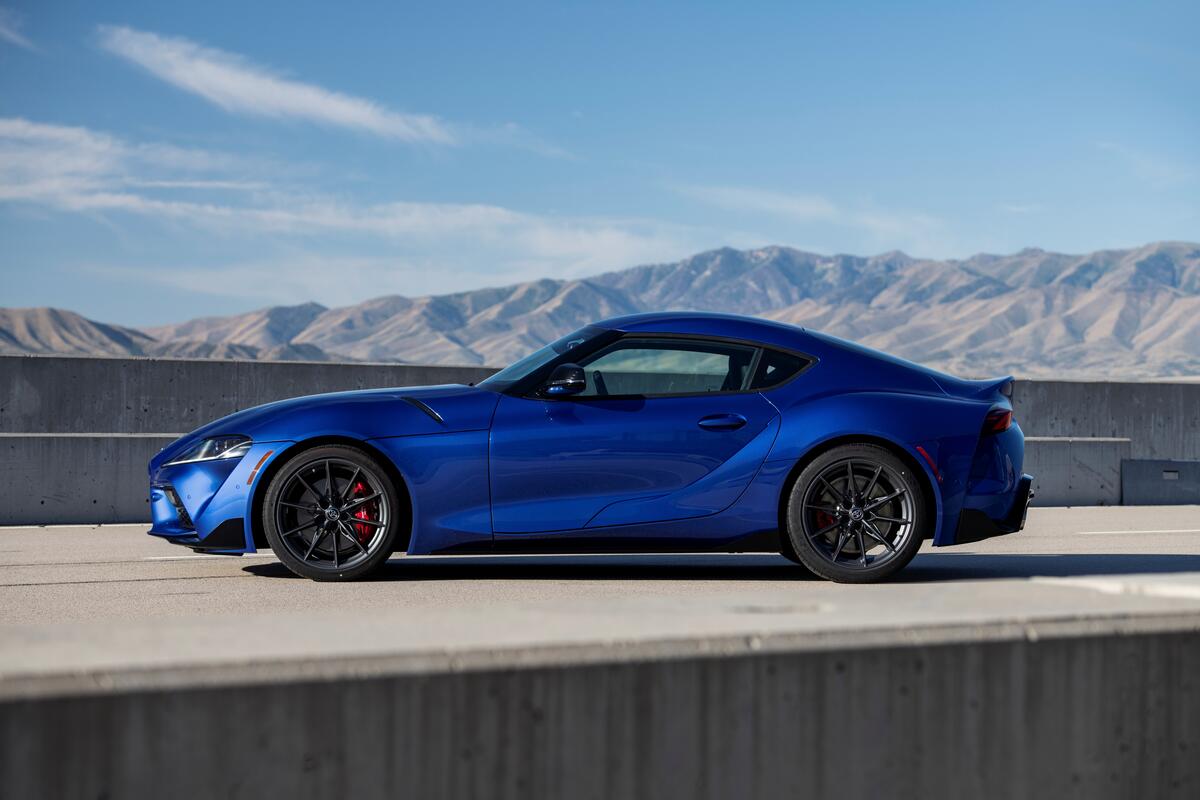
Toyota Supra
"...e of the best cars Toyota ever made that is not a Supra, the 1991 Toyota MR2 TurboCoupe."
The Toyota Supra is a sporty Toyota car made for performance and driving fun. People talk about it a lot because it’s known for being quick and exciting. In the episode, it’s mentioned as a comparison point to other Toyota cars.
The Toyota Supra is a performance sports coupe known for its strong engine options and long-running reputation in the enthusiast world. In this podcast context, it’s brought up as a benchmark for “best Toyota” cars, with the speaker steering the conversation toward other Toyota models instead. That makes it a useful reference point for what people consider a standout Toyota.
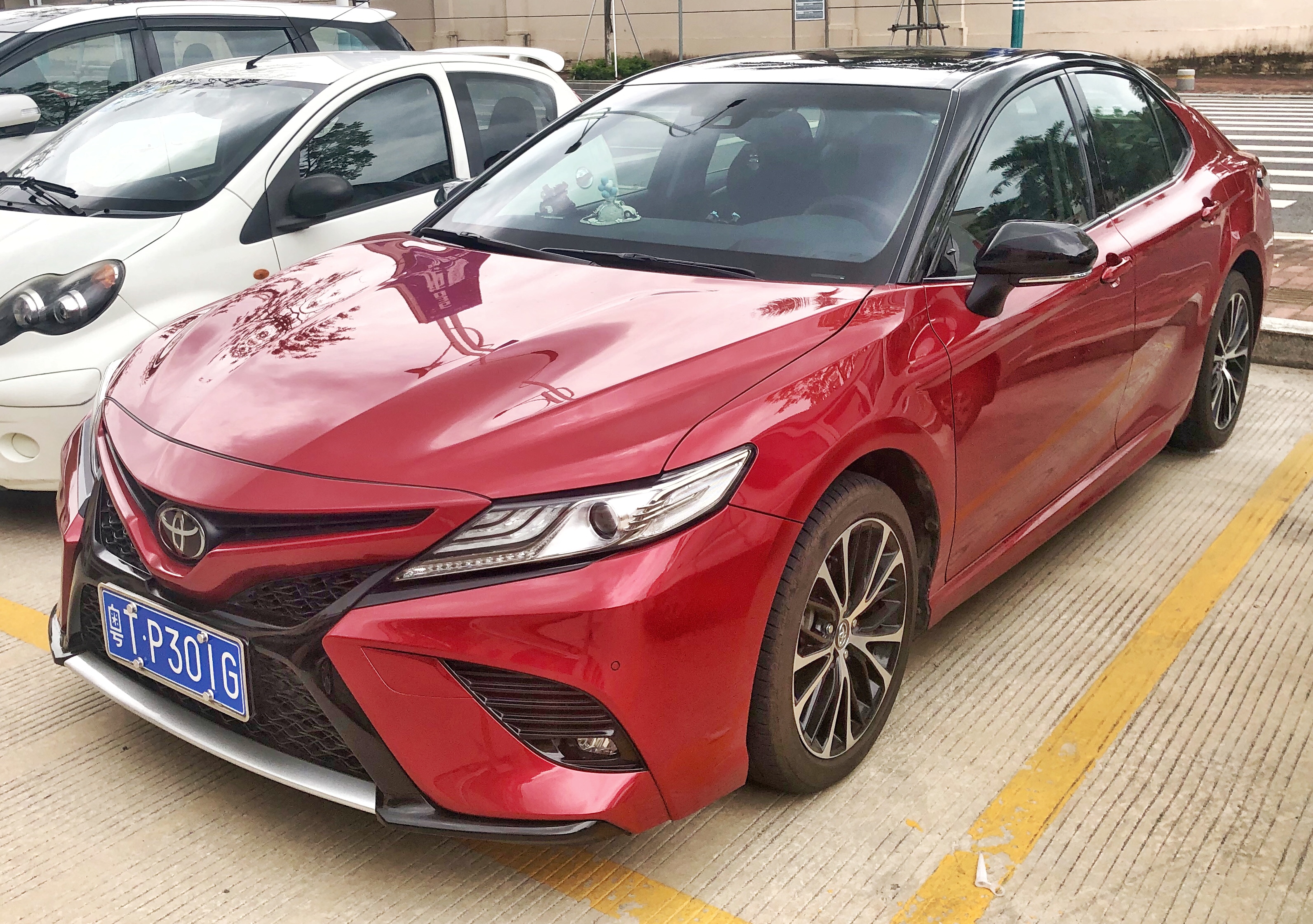
Toyota Cars Toyota
"...eal car. Might I introduce you to one of the best cars Toyota ever made that is not a Supra, the 1991 Toyota MR..."

1991 Toyota MR2 TurboCoupe
"Might I introduce you to one of the best cars Toyota ever made that is not a Supra, the 1991 Toyota MR2 TurboCoupe. Now, this thing is originally Turbo, 118,000 miles on the chassis, 76,000 on the motor"
This is a 1991 Toyota MR2, a small sports car with the engine placed near the middle for better balance. The “turbo” means it uses a turbocharger to make more power, and the T-top roof gives you open-air driving. The host is saying it’s a great deal for the money.
The 1991 Toyota MR2 Turbo is a mid-engine sports car, meaning the engine sits behind the driver for a balanced feel. This particular one is described as a turbocharged MR2 with a T-top roof, and it’s being pitched as a strong under-$15k pick because it combines the manual-transmission driving experience with forced induction.
T-top
"with associated paperwork, T-top convertible, clean for its age, some small imperfections, some small imperfections, nothing a good buff and a little elbow grease might be able to fix for you."
T-top means the roof has removable panels. You can take them out to let in more air and make the car feel more open, like a partial open-top experience.
T-top refers to a roof design with removable panels, typically leaving two “T”-shaped sections that can be taken out for an open-air feel. On the MR2, it’s a distinctive styling and usability feature that the host calls out as part of the car’s appeal.
under 15
"So a manual turbo T-top MR2 in that generation under 15 is a good starting point if you want to get into my car."
“Under 15” here means the car is supposed to cost less than $15,000. The host is saying this MR2 fits that budget while still being a fun, desirable setup.
“Under 15” is shorthand for the episode’s budget target: cars priced below $15,000. In this context, it frames the MR2 Turbo as a value-focused choice where the host believes the combination of manual + turbo + T-top is achievable within that price ceiling.
second gear grind
"That's another thing. Does it have a second gear grind? I feel like that's pretty common. Yeah, because people drive these hard."
A “second gear grind” is when the car makes a rough/grinding sound when you try to shift into second gear. It usually means something in the transmission or shifting system isn’t working smoothly, so it’s worth checking on a test drive.
“Second gear grind” is a symptom where shifting into second gear causes a grinding noise, often indicating wear or adjustment issues in the gearbox or shift linkage. The host notes it as “pretty common” on these cars, implying it’s something to check before buying.

Honda Civic
"...e first or second car. Like you got done with the Civic era. Maybe you picked up a domestic VA and you're..."
The Honda Civic is a small, everyday car made by Honda. It’s often a first car because it’s easy to live with and parts are usually easy to find. In the podcast, it’s referenced as a phase in someone’s driving history.
The Honda Civic is a compact car line that’s popular for being practical, efficient, and widely available. The podcast mentions a “Civic era” as part of someone’s personal car journey, suggesting it was an early or formative ownership experience. That kind of reference is common when discussing how a driver’s tastes evolve over time.
rear bumper
"Yeah, it can't be too bad to get a new rear bumper for this. No. That's all it really needs."
The rear bumper is the part on the back of the car that takes hits in low-speed accidents and protects the body. They’re saying it shouldn’t be too expensive or hard to replace if you need one.
A rear bumper is the impact-absorbing exterior panel at the back of the car, often including cover material and mounting brackets. Body-part availability matters for budget builds because it affects how expensive it is to repair minor damage or refresh the look.
low-ball
"12. 10 bucks says you can low-ball them to 10. People that mark their cars at 12,000 really only want 10."
A “low-ball” is when you offer a seller a price that’s noticeably lower than their asking price. They’re saying if a car is listed at $12,000, the seller probably expects offers closer to $10,000.
A “low-ball” offer is an intentionally low purchase price offered to a seller to see if they’ll accept. In used-car shopping, it’s a negotiation tactic—especially when the listing price is higher than what the seller is realistically willing to take.
2013 Volkswagen Golf R
"We're at a 2013 Volkswagen Golf R. It does have 150,000 miles, but it's making over 400 horsepower, and it's relatively clean."
This is a sporty Volkswagen hatchback (the Golf R) that’s built for strong acceleration, not just commuting. Here, they’re saying you can find one for around $13,000 even with high miles, as long as the condition is decent and the price is right.
The 2013 Volkswagen Golf R is a hot hatch built around a turbocharged performance setup, and it’s known for being a practical daily car that can still feel quick and track-capable. In this segment, it’s highlighted as a budget find because it’s making over 400 horsepower despite having high mileage and some rust.
rust spots
"And it's got a little couple of rust spots. There is a couple of little rust spots on it, but I was willing to have that because of"
Rust spots are places where the metal has started to corrode. Where the rust is located (like near a door handle) can hint at whether it’s from normal wear or from water getting in after a repair or accident.
Rust spots are areas where corrosion has started on the bodywork, often indicating moisture intrusion and potential metal loss if left untreated. In this segment, the hosts discuss whether the rust near the door handle could be related to an accident or a seal/window leak, which is important for judging structural and repair quality.
Engine was replaced
"Engine was replaced on it. Yeah."
This means the car’s engine has been swapped out for a different one. That can be a good thing if it was done properly, but you’ll want to know what engine it was and whether the work was done correctly.
When a host says the engine was replaced, it usually means the original powerplant had a failure or was swapped out for a different engine. For a used-car buyer, this matters because it can affect how trustworthy the car is, how well the swap was done, and whether the car’s history is documented.
signs of ... accident
"It could be signs of, no, I usually rust like that would form from an accident."
Sometimes rust can show that a car was damaged and repaired before, especially if water got into the area after the repair. The hosts are trying to figure out whether this rust is from normal leaks or from a past crash repair.
Rust patterns can sometimes be a clue that a car was repaired after an accident, because bodywork may have been reassembled with imperfect sealing or different materials. The hosts suggest the rust near the door handle might indicate an accident-related issue rather than just normal corrosion.
window seal leak
"It's not like, it's got to be just like a window seal leak or something."
A window seal leak means the rubber seal around the window isn’t keeping water out. If water gets in, it can cause rust in the metal underneath over time.
A window seal leak means the weatherstripping or seal around a window isn’t sealing properly, allowing water to enter the door or body cavity. That trapped moisture can cause localized rust, especially around seams and door hardware areas.
compression
"The only thing I would really want to know before would be compression. Yeah. I like the license plate."
Compression is a way to check how well an engine’s cylinders are sealing. If the numbers are low, it can mean the engine is worn out or has leaks, which matters a lot before buying.
Compression refers to the engine’s internal cylinder pressure, which is a quick indicator of how healthy the engine is. A compression test helps catch issues like worn piston rings or leaking valves before you buy a used car.

2000 BMW 3 Series 323i wagon
"So we're looking at a 2000 BMW three series, three 23 I wagon, 10 grand in green lowered with some really good stuff."
This is a BMW 3 Series wagon from 2000 with the 323i engine. It’s the kind of car enthusiasts like because it’s practical (wagon) but still feels like a driver’s BMW.
This is a 2000 BMW 3 Series wagon (the 323i) with a manual-friendly, enthusiast-focused layout. The key detail here is that it’s a late-1990s/early-2000s E46-era 3 Series wagon that’s being modified and kept under about $15,000.
pre-facelift
"So it's a pre-facelift. He wants to trade for trade for a nice chassis."
“Pre-facelift” just means it’s the earlier version of the model, before BMW made a mid-cycle update. The car can look slightly different and may use different parts than the later version.
“Pre-facelift” means the car is from before BMW updated its styling and some equipment for a model-year refresh. On the E46 3 Series, that usually affects exterior details and interior/tech differences, which matters when you’re buying parts or comparing values.
M3 front seats
"It has a ton of stuff done to M3 front seats, M3 cluster, M3 style bumper. Short throw shifter, JBL speakers, breaks done 5,000 miles ago."
These are front seats taken from a BMW M3. They’re often more supportive for driving and can make the interior feel more like an M car.
“M3 front seats” refers to seats sourced from BMW’s M3 model, which can differ in bolstering and comfort/support compared with non-M seats. When a non-M 3 Series gets M3 seats, it’s usually done to improve driver feel and to give the interior an M-style look.
M3 cluster
"It has a ton of stuff done to M3 front seats, M3 cluster, M3 style bumper. Short throw shifter, JBL speakers, breaks done 5,000 miles ago."
The “cluster” is the instrument panel/cluster of gauges behind the steering wheel. An “M3 cluster” typically means swapping in the M3’s gauge layout and sometimes different warning/indicator behavior, which is a common interior upgrade on enthusiast BMWs.
Short throw shifter
"Short throw shifter, JBL speakers, breaks done 5,000 miles ago. Dude, this car is fricking."
A short throw shifter makes the gear lever move less distance to change gears. That can make shifting feel faster and more accurate in a manual car.
A short throw shifter reduces the lever travel between gears, so shifts happen with less movement. That can make a manual feel quicker and more precise, especially in spirited driving, though it can also increase the chance of mis-shifts if you’re not used to it.
JBL speakers
"Short throw shifter, JBL speakers, breaks done 5,000 miles ago. Dude, this car is fricking."
JBL is a well-known brand for car audio. Saying “JBL speakers” means the car has better speakers than the original ones.
JBL is an audio brand, and “JBL speakers” indicates the car’s sound system was upgraded from the factory setup. In enthusiast builds, audio upgrades are often paired with other interior mods to make the car nicer for daily driving.
S chassis
"And then I saw the fact that he was a wants to trade for an S chassis. "
“S chassis” is an enthusiast nickname for a Nissan platform (the 240SX/related cars). It usually means they’re thinking about trading into a Nissan that’s popular for modifying and driving hard.
“S chassis” is a shorthand enthusiasts use for the Nissan S-chassis platform (commonly the 240SX/180SX/200SX family, depending on context). In a trade discussion, it implies the seller wants to swap into a Nissan platform known for rear-wheel-drive, drift, and swap potential.
GTI SE six speed manual
"It's a GTI SE six speed manual, clean title, runs great, always been serviced on time."
This is a Volkswagen GTI, a sporty “hot hatch.” The SE trim is a nicer equipment level, and the six-speed manual means you shift the gears yourself, which many enthusiasts prefer.
A Volkswagen GTI SE is a hot-hatch built around a turbocharged engine and a driver-focused chassis. The “six speed manual” matters because it’s the enthusiast setup—more direct control than an automatic and typically more engaging for daily driving.
clean title
"It's a GTI SE six speed manual, clean title, runs great, always been serviced on time."
A “clean title” means the car’s paperwork looks normal—no major damage or legal status flags. That usually makes it easier to insure and resell.
A “clean title” means the vehicle’s ownership paperwork doesn’t show major legal issues like salvage or rebuilt status. For buyers, it generally indicates fewer complications with registration, insurance, and resale.
stage two daily clutch
"It's got a stage two daily clutch, BC coils, EQT stage one,"
A clutch is what lets you smoothly start and shift gears. A “stage two” clutch is a stronger, upgraded version, and “daily” suggests it’s meant to feel reasonable for everyday driving.
A “stage two” clutch is an upgraded friction setup intended to handle more torque than the stock clutch. “Daily” usually means it’s tuned to be livable in normal traffic—less harsh than more aggressive track-focused clutches.
EQT stage one
"It's got a stage two daily clutch, BC coils, EQT stage one,"
EQT is a company that tunes cars. “Stage one” usually means a software update that makes the engine produce more power without changing a bunch of parts.
EQT is a tuning brand, and “stage one” typically refers to an ECU software calibration that increases power using the car’s existing hardware. It’s usually the first step in a mod path—often focusing on drivability and torque while staying within limits of stock components.
BC coils
"It's got a stage two daily clutch, BC coils, EQT stage one,"
BC makes coilovers, which are adjustable suspension parts. They can help the car handle better and let you set how low or high it sits.
BC is a suspension brand known for coilovers—height-adjustable shocks paired with springs. On a GTI, coilovers are commonly used to improve handling and dial in ride height for a more controlled, less “squishy” feel.
Apple CarPlay
"It's got Apple CarPlay, 13K."
Apple CarPlay is an in-car interface that mirrors a compatible iPhone’s apps onto the vehicle’s infotainment screen. It’s commonly used for navigation, music, calls, and text responses while keeping your phone functions integrated with the dashboard.
RPF ones
"It's wrapped, Dennis and Green, you know, it's got, it's got some good looking wheels. They look like RPF ones."
They’re talking about aftermarket wheels. Wheels like these are popular with car people because they look good and can improve how the car feels to drive.
“RPF” here refers to a wheel style/brand commonly associated with lightweight, performance-oriented aftermarket wheels. The point is that the wheels are a recognizable enthusiast upgrade that can change both appearance and (sometimes) unsprung weight.
shift knob
"It's got Dakota's favorite shift knob in it. It looks good for us industry shift. Those are pricey."
A shift knob is the part you grab to change gears in a manual car. People upgrade them because they can feel better in your hand and look nicer.
A shift knob is the driver interface for manual transmissions, and aftermarket knobs are often chosen for feel and ergonomics. When someone says it’s a specific “favorite” knob and calls it pricey, they’re highlighting that it’s a noticeable, tactile upgrade rather than a performance part.
accident reported
"Yeah, it does say clean title, but it also on the car facts, which he screen shot says accident reported. So this vehicle has been in some type of an accident."
“Accident reported” means the car has been recorded as having been in a crash. Even if the paperwork still looks good, the repairs might not be perfect.
“Accident reported” indicates the vehicle has been logged as having been in a crash, typically via insurance or reporting databases. Even if the title is still “clean,” an accident can affect repair quality, alignment, and long-term wear.
wrapped
"I would personally hate to buy a vehicle that is wrapped. Yeah, I would always kind of. Because I want to see the original paint condition and stuff, and then you don't know how it was wrapped, who wrapped all this shit."
A wrap is a vinyl covering put over the car’s paint to change the look. They’re saying it can be risky because you can’t easily tell how good the original paint is until the wrap is removed.
A vehicle wrap is a vinyl film applied over the original paint to change color or add graphics. The hosts are warning that wraps can hide paint condition and that removal can reveal issues like poor prep, trapped moisture, or adhesive residue.

Subaru Forester 2008
"OK, so I picked a Subaru. I went against everything I've ever said. A Subaru Forester 2008."
The 2008 Subaru Forester is a small SUV/crossover that’s popular because it’s practical and good in bad weather. People often recommend it for the money because you can sometimes find one within a tight budget.
The Subaru Forester (2008) is a compact crossover known for its practical, family-friendly layout and Subaru’s all-weather reputation. It’s a common pick for buyers who want something usable year-round, and it often shows up in budget lists because it can be found for relatively low money compared with many competitors.
Request an Explanation
Heard something you'd like explained? We'll add it to this episode.
Sign in to request explanations for terms you heard.
Want to learn more?
Browse our glossary for plain-English explanations of automotive terms, jargon, and concepts.
Help improve this episode
See something that's not quite right? Our annotations are AI-generated and can sometimes miss the mark. Click the flag icon on any annotation to suggest a correction.
1 community members have helped improve this episode.