00:00
Hello and welcome to the Truth about Cars podcast. I am Tim Healy, the managing editor, and today
00:14
we're talking about how Consumer Reports test cars intriguing new Cadillacs and more. Alex
00:20
and Isaac from Consumer Reports hops on to tell us how the outlet tests and how to
00:23
new Cadillacs and the Volvo EX30 fared in testing. T-Tech contributor Matthew Guy and
00:29
I discuss box ratchet wrenches and we dive deep into our NASCAR drivers spin so darn much.
00:35
But first, buying a car should feel secure. Start to finish. That's why you should buy
00:40
your next ride on eBay. See, eBay has got everything from classics to trucks and
00:44
imports. Now with secure purchase, sellers and titles are verified and financing,
00:48
delivery and insurance options are built right in. Plus, eligible vehicle
00:53
purchases are backed by up to $100,000 in protection. So buy your next car in
00:57
eBay. eBay, things people love. Secure purchase is powered by Carmall dealer services LLC in
01:02
eBay subsidiary. If you like what you hear on the Truth about Cars podcast, please go ahead
01:07
and leave us a review. And you can also find us online at t-tech.com is t-t-a-c dot com or the
01:12
truth about cars all spelled out dot com. We are your home for car reviews, car news,
01:17
opinions, and so so much more. Here on the Truth about Cars podcast, we are always
01:23
talking about the stuff that we use in our homes, in our cars, on our cars, tools,
01:27
cleaning products, cleaning supplies, that sort of thing. And we're going to be talking about a
01:32
tool today, a very common one with Matthew Guy, a t-tech contributor. Matthew, how are you doing
01:36
today? Hi, pretty good. How are you doing? I'm doing well. So this, we are talking about
01:41
what you call box ratchet wrenches. Did I get that right? Yeah. And I know a lot of
01:47
gear heads, we use different terms for the same tools, you know? Yeah. And also your Canadian
01:53
American. So we've got that slang difference going as well. I promise not to add too many
01:59
use to it. I already I already chop a lot of your use in your copy as it is. Absolutely.
02:05
So I guess what I'm talking about to use as global terms as I can is a wrench set that
02:12
would have the typical crescent on one end, you know, just U shaped crescent. And then on
02:17
the other end, it would be just a complete circle, right? So that it would go all the way over
02:22
the fastener that you're trying to tighten or remove. And I call those box end because, you
02:27
know, they're completely enclosed like a box. Sure. And some people have other terms for them as
02:33
well. Yeah, okay. So with these being a normal toolkit, like, even though I don't own a car
02:38
currently, and don't do I don't wrench on test cars, because they're not my cars, I do
02:42
have in my utility closet in my small little condo two, two boxes of tools that are meant for
02:48
putting together furniture, fixing things that break around the house, and of course could be
02:52
used on a car if necessary. Right. Would I have one of these in that set?
02:56
Probably, especially with the, especially with the sets that come with, you know,
03:01
all of these different pieces, right? So I mean, it might not come with a socket set,
03:06
but it probably would come with a general tool set for sure. But the variant of these
03:12
wrenches that I want to focus on is a cool craftsman set that I picked up off eBay. And
03:17
it has a ratcheting function in that box and and it's really, really handy. I wasn't
03:25
completely sold on them until I got them. But they've turned it to be a super, super help.
03:30
Because with either, you know, the the open ended wrench or the box end of the wrench,
03:36
once you turn, you know, that wrench, however far you can, you might be working in an enclosed space
03:43
or there's just a whole point of wrenches. Exactly, right? You need more leverage or anything like
03:48
that. The ratchet part, the ratcheting part of these tools are a lifesaver for just speeding
03:54
up the process. And I find them to be really good for getting into some tight spots where the
04:00
clearance isn't great in front of the bolt. And I can't fit a, you know, a big normal ratchet that
04:08
we've talked about on the on our podcast in the past. So, right, let them out of them too. They
04:15
were easily doubled the price. The one I got, they were $62.99 American. And it came with
04:21
the came in one, two, three, four, five, six, seven, eight, nine, I'm just counting them here,
04:24
came with 16 different sizes, which was absolutely just basically what I needed. And
04:31
I bought them about the metric ones, but you can also get the standard sizes too,
04:35
from the same, from the same brand. So I would absolutely recommend these or any sort of ratcheting
04:42
box type wrenches. I gravitate towards brand names just because it's what I know and I've
04:48
been bitten, especially with these ratcheting type ones, I've got cheap ratchets in the past
04:53
and the gearing and the teeth inside just wasn't of good quality. They would either, you
04:59
know, I would try to put too much torque on them and they would strip. And of course, that leads to
05:05
bad words and skin knuckles and that type of stuff. And then your tool is broken too. So,
05:11
I do try to stick to brand names for this particular type of tool, at least.
05:15
That seems to be a theme when it comes to wrenches and sockets on this on this podcast. It seems
05:21
like every time you talk about that kind of tool, you recommend, and I agree with you,
05:24
I'm not pushing back at all, I recommend brand names. And I think this is one of those things
05:28
where a little more money up front saves you money and trouble and headache get on the line.
05:33
And so, you know, I have brand name stuff. I have Craftsman, I think, which is,
05:37
okay, they're probably better brands, but Craftsman is known. I don't think anyone thinks
05:41
Craftsman's cheap or poor quality. I mean, there might be some partisans who prefer
05:45
a competitor to think that, but I think in general, Craftsman is well respected.
05:49
And I think, you know, as long as you buy a respected name brand, you should be okay.
05:54
I agree. And when you're looking at these different tools, some of them will have,
06:00
you know, really good stats in terms of what's in there. And I've noticed that like 72 tooth is
06:05
a pretty good number to try and tooth meaning the number of gears that are inside the ratchet,
06:11
not the ones that you can see on the outside, but what is inside the mechanism. So
06:15
looking for that might might be a bit of advice, you know, if someone is just getting into
06:19
wrenching on their cars. And this is a really affordable way to try to, to try to build up
06:24
your toolbox. There's another set that I have that I've had for a long, long time. And the
06:29
reason why I chose to get another set as well, I kept this other one in my box,
06:35
is that they're just a little bit offset. So if you look at them, they kind of look like,
06:41
I don't know, kind of look like a, kind of look like an escalator, right? There's got
06:45
a flat part on the bottom and then it goes up probably about 20 degrees and then the
06:48
top, each head is offset by about 15 or 20 degrees. And it's useful. But I do find that the straight
06:55
ones are probably the ones I reach for first, whether that's out of habit or not, but they
07:00
do seem to work a little bit better in a lot of situations. Okay, cool. Yeah. So is there
07:03
anything else we should talk about? And this is kind of a straightforward stuff we use segment.
07:08
So is there anything else that we should go into? I mean, obviously you get these
07:12
wrenches off eBay motors, I'm sure, but anything else that we haven't talked about?
07:15
No, not really other than, you know, by something that, like you said, is going to last you for a
07:20
few years. And don't be afraid also to just check out some ones that are a bit unique. I have seen,
07:27
but have not used the Crescent ones that have a ratcheting action in them. I think that will
07:32
be kind of cool to try. And ones that you can also turn 90 degrees, right? So the head of the,
07:37
some of the ones that I have are angled, permanently angled at 20 degrees, but you
07:41
can angle some of some of the other ones manually up to 90 degrees. And I think that might be a
07:46
big help to some of our listeners too, if they're trying to work their way into a very tight spot. So
07:51
check out a lot of the different options that are out there and try to find a set of
07:56
these wrenches that are best for the type of job that, you know, you're going to be doing.
08:00
And of course, you can find on eBay motors. Absolutely. So yeah, so let's go ahead and
08:05
and wrap this, this story, the excuse me story, wrap the segment on the truth about cars
08:12
podcast. Thank you, Matthew. Thank you, Tim.
08:35
eBay has reinvented vehicle buying from click to curb. Everything's covered.
08:41
It's all thanks to their new secure purchase. Ever try to buy a car and end up in a parking
08:46
lot with a stranger and some blind trust? Or spend half the day at a dealership talking
08:50
to pushy sales people and signing paperwork? Or maybe worst of all, wait for hours at the
08:55
DMV just a chance to the title. That air is over. For years, eBay has been the go to for
09:01
gearheads collectors and DIYers. Because whatever you're into from classics to SUVs and trucks to
09:06
imports, eBay's got it. And now a secure purchase. eBay isn't just where you find your next ride.
09:12
It's where you can buy it start to finish. Sellers and titles are verified, paperwork is
09:16
handled by experts and payments are traceable and digital. So you know exactly who you're
09:21
dealing with and exactly what you're getting. Plus, you can finance insure and register
09:25
your vehicle all in one place. No more hours at the dealership. No more trips to the
09:29
DMV. Get your vehicle plates and paperwork shipped to your door ready to drive. And it's all part of
09:35
one seamless process designed to feel as easy as buying anything else online. And eligible vehicles
09:40
purchased on eBay are backed up by up to $100,000 in purchase protection. Thinking about selling your
09:47
ride, secure purchase makes that simple too because you know your buyer and their funds
09:50
are verified. If you still own your car, the financing payoff is fully integrated
09:55
so you're not chasing paperwork or waiting for checks to clear. And with secure purchase,
09:59
you get paid fast and you're not going to be stuck chasing no shows or answering the fifth
10:03
still available message. This is what modern car buying looks like. Skip the DMV, skip the
10:09
sketchy meetups, buy it on eBay. eBay, things people love. Secure purchase is powered by Carmo
10:15
Dealer Services LLC in eBay subsidiary. On today's Truth About Cars podcast, we are talking
10:21
Alex Nizik from Consumer Reports. He is the Associate Director of
10:25
Auto Testing Development. Did I get that right, Alex? That's a mouthful. That is correct. It's
10:29
pretty long. Yeah, yeah. So we're talking about a few things today. We're going to start with kind
10:33
of how Consumer Reports does its testing because it's a little bit different than most of the
10:37
way than most of the rest of the automotive journalism industry. And then we will get
10:41
into a few cars you guys are driven lately that I have not driven. I don't know if
10:44
anyone at TTAC has. So I wanted to pick your brain about a couple cars and more importantly,
10:49
the bigger picture when it comes to those cars. Sure. The Volvo EX90 and two Cadillacs,
10:54
I want to say, I believe you said the Optique and the VISTIQ. Yeah, absolutely. Yep.
10:59
Yeah, so let's start with how you do your testing over at Consumer Reports. So
11:03
a lot of our listeners probably know, but for those who don't, can you walk us through it
11:07
and then I'll kind of bounce back how different it is from how everyone else does it.
11:11
Yeah, of course. I love talking about this, but one of the things that really makes
11:17
CR different as a whole and certainly our automotive testing division is that
11:22
first and foremost, we're a nonprofit organization. So, you know, we're really
11:27
dedicated to our mission, which is to provide a fair marketplace for consumers, you know, really
11:34
to put it broadly, equip people with all the information that they need to make
11:37
some of these larger purchases in their life. And cars, of course, are one of those things,
11:41
right? And so when it comes to the car testing, what makes us different more specifically is we
11:47
are buying all of these test cars, you know, ourselves and quite literally myself or
11:54
some of the folks here at CR, we kind of share this responsibility. So we'll go out once the car
11:58
is on sale. We will buy a mainstream version of that car, right? So not necessarily the
12:05
base trim, not necessarily the most loaded, fully optioned version. We're, you know, trying to get
12:11
the one that is going to be the most representative of what the average person shopping for a particular
12:16
vehicle or model is going to get. So we go out to the dealership, we purchase it. That way,
12:21
we're not getting anything that's, you know, potentially been augmented or prepared in a
12:28
special way or anything like that. It also protects a little bit against that too. So
12:33
so that actually means that we are, you know, not necessarily the first ones out with our information
12:40
because we're not testing press cars. We will get press cars just so that we can get an early
12:46
taste or experience on a certain vehicle. But we won't do any formal testing until it's on a
12:51
purchased one that we went out and bought ourselves. So we'll do that. And yeah, then,
12:56
you know, we take in that car, we put about 2000 miles on it, just rotating it through
13:00
all the engineering staff and testing staff. And you know, that's driving it around our facility,
13:05
which I'll get to in a moment. But that's also just taking it home, go into the grocery store,
13:10
go into work, all these different things, right? Putting your family in, seeing what they comment
13:13
on. So we're just collecting all of this, you know, early insights into the car. And then
13:18
once we break it in, so to speak, we do the formal testing, which takes place at our facility
13:24
here in Colchester, Connecticut. And we have our own test track here, which is amazing.
13:29
You are even remotely into cars having a, you know, essentially drag strip and then road course in
13:35
your backyard is, I don't mean to brag, but it's pretty, pretty awesome. But really just lets us
13:40
do controlled testing and yeah, really take that vehicle throughout. We have about 50 plus
13:46
different tests, some out on the road, some on the highways, for example. But then a bunch
13:51
of tests here at our facility as well. So goes through that whole process. And then, yeah,
13:57
if you go on to CR.org, you'll see we have ratings for all these cars, all the individual tests,
14:03
and they roll up into a road test score for that vehicle. And then we'll incorporate other things
14:08
like owner satisfaction and reliability. Reliability is huge for us. So we get that from
14:14
our members. So every year, we are surveying CR members and basically asking them what types
14:21
of problems they had with their vehicles over the last year. And, you know, big problems
14:25
are treated more severely in our scoring system than minor things. So let's say, you know,
14:30
you had a major engine issue versus a paint and trim issue, those things aren't held with equal weight,
14:36
powertrain, much larger of a bummer if you have something go wrong there for sure. So yeah, so
14:41
you have, excuse me, protest, which is derived from all of that testing and on track driving,
14:47
I mentioned, then you have reliability, owner satisfaction, and then we incorporate safety
14:51
as well as, you know, certain safety features we are expecting and pushing for to be standard.
14:57
And then that basically all comes together to form what we call an overall score,
15:00
which you'll see on that car. And then if that overall score is within a certain threshold
15:04
for that vehicle in its particular category, it'll get a CR recommended badge. And those are,
15:10
you know, the basically top or best in class vehicles within a certain category.
15:14
So that's, that's it in a nutshell, but a lot of a lot of work and process to go into ultimately
15:22
those numbers and ratings that come out at the end. Yeah, and you don't you don't crash test
15:26
of course though, right? No, we do. Yeah, no, that's a good, a good question. No, we do not
15:31
do crash testing. So there are certain sources where we'll rely on partnerships or other,
15:36
you know, organizations, information, IHS, or, you know, Insurance Institute,
15:41
Highway Safety is another one where we'll pull crash testing data, for example.
15:46
No, since we are a nonprofit, when we buy these cars, we are selling them later, you know,
15:51
keeping for about a year or two. But we need to recoup some of those costs so we do not crash them.
15:56
Makes sense. Yeah. And so just to give our listeners, people in the curtain,
15:59
every, every, obviously, you guys, you just went really in detail on how consumer reports
16:04
does it. And we want to spend some time on a few other things. So we won't get too deep into
16:09
this. But every outlet does things differently. The so-called buff books or car drivers own
16:14
tracks, they do instrumented testing. Do you guys do instrumented testing zero to 60?
16:18
If you said that I missed it. Yes, we do. Yep. Yeah, among other things too. But yes,
16:22
there is instrumented testing. If you said that I apologize, I may have missed that. But
16:28
yeah, so a lot of the buff books will do that kind of thing. They'll either rent a
16:31
track. I don't know if they all have their own facilities. They may just rent a drag strip
16:35
or a private track like a gingerman in Michigan, that sort of thing. Right. For those of us at T-TAC
16:40
and a lot of automotive journalists, we don't have that access to those kind of facilities.
16:45
The resources involved are pretty intense. So a lot of us just drive cars the way, this is
16:49
how I drive most cars, the way that a normal person would. That being said, if I have a
16:53
sport of your car, I do have a certain, I will not say where they are because a police
16:57
presence is already heavy as it is. But there are some public roads in the Chicago area that
17:02
I will take a sport of your car too if the weather permits me, as well as some interchanges
17:06
off the freeway that make for some really good cornering tests. Excuse me. That being said,
17:12
most of the cars that I test, I drive the way everyone else does. Although my driving is a
17:16
little different because I live in the city. So it's a little bit slower, a little more stop and
17:19
go than if I lived when I did live in the suburbs in the past. And that's a little bit
17:24
different type of driving, a little more, a little higher speeds, a little less,
17:28
a little less time, right, or a little more time between braking and between stop lights,
17:32
a little more distracted stop lights. But so just for our listeners' sake, I don't get the
17:36
chance to own a car like you guys at Consumer Reports and we get our cars,
17:41
myself and those at T-TEC who are contributors who do get access to the press fleets,
17:46
typically a week long loan. And then also we have what we call, you know, press launches
17:51
which we fly to and the automaker hosts us. And of course our listeners know we disclose
17:56
the considerations given to us and we get a chance to drive the car for typically 60 to 100 miles
18:02
in a given day and I might get to drive more than one type of a car. And as you said, Alex,
18:06
you guys don't do press cars because you're looking for cars that are off the lot and not
18:11
especially made. My understanding is that that automakers can't really rig a test car because
18:16
it would require too much work on the assembly line. But that being said, a lot of press cars
18:20
are pre-production, which skews things a little. And then also a lot of press cars are top trim
18:29
levels, not what the most popular trim level is. And this is something that myself and a lot of
18:33
other journalists have pushed back on automakers and said, hey, please put the mid trim in the
18:37
fleet. Please put the base model in the fleet. And it does happen, right? Yeah, it does happen
18:41
a lot. It's not completely unheard of. But yeah, just we're trying to maintain that independence
18:48
and kind of neutral unbiased standpoint. Yeah, and so are we. And we do try to stay neutral. I do
18:54
realize we get considerations by being flown to an event. I do my best to compartmentalize,
18:59
and I don't think about the hotel or the meals or the fact that somebody else paid for it.
19:03
Because if it was not being paid for by an automaker, it'd be paid for by my company. So
19:07
either way, it's not coming out of my pocket. And then I also don't think about when we get
19:13
a loan. I don't think about Oh, this is a free new car. I don't think about that way. I just think
19:19
about the car and how it drives. Now the problem with with testing on our level that you guys
19:26
can kind of can kind of adjust for a compensate for especially the longer term. And I did work
19:33
at a publication that did have longer term test cars that they did. They were loaned
19:37
before six months to a year. They were not bought. They were loaned. Okay. This
19:41
publication no longer it still exists, but it's down to just a few people now. It's much smaller
19:46
than it used to be. And I know other publications will buy long term vehicles, but we'll accept
19:52
press loans for short term cars. So it's done a little differently depending on the size of your
19:56
outlet and the location of your outlet. But the one advantage consumer reports I think has
19:59
and some of your competitors like cars.com had this advantage of a t-tech and something I
20:04
wish we could change that there's just not physically possible is that if I have a problem
20:08
with the car, I can't tell if that problem is representative of the car or just unique to that
20:13
unit sample size of one. So it breaks. If it's not, you know, if it's a if it's not my fault,
20:19
if it's something that, you know, obviously sometimes we have issues that are self-inflicted,
20:24
you know, occasionally scrape a wheel parking or something like that, which is right. I admit
20:28
to it and I take the take the necessary shame. But if that happens, but if say if I'm driving
20:35
a car and the infotainment just goes away after that, I'll test cars. I might make mention of
20:40
the review at the same time that maybe only specific to that one unit. So I can't I can't
20:46
ding a car for that. But yeah, Alex, I appreciate the look into how Consumer Reports does its
20:53
testing. But I wanted to, before we run out of time, talk about three vehicles you've driven
20:57
recently and will segue from how you test to what you found when you tested these vehicles.
21:02
So during our pre-show prep, it was mentioned to me that the Volvo EX90 didn't do well. And then I
21:10
also really wanted to talk to you about the Cadillac, Optique and VISTIQ, because those are
21:15
important vehicles for Cadillac. And no one at TTAC, to my knowledge, has had the chance to
21:19
drive one yet. Okay. So let's start with the Volvo. Yeah, the Volvo, you know, is really
21:25
interesting. So we're actually still in the process of testing, excuse me, the EX90.
21:31
So it's still working through the formal testing process that I mentioned. But
21:36
we put those 2000 miles on it. We've been in it quite a bit. We've had some issues where we've
21:41
had to actually send the car back to the dealer for a few updates and fixes and things like that.
21:47
So, you know, what Volvo is trying to do here is really kind of rewrite what they've
21:54
done as far as EVs up into this point, right? So far, we've seen things, you know, if you
21:59
pull stars one thing, but let's look at, for instance, the C40, right? They kind of took the
22:07
XC40 platform, which is an internal combustion car or a hybrid, and they turned it into an EV,
22:13
right? Which is potentially good in terms of saving some money and things like that and
22:18
potentially speed to market with an EV in a segment that's really dynamic and changing
22:23
really quickly. So they needed to get some product there. But ultimately, when you do
22:28
something like that, the vehicles, at least from what we've seen, tend to be a little bit
22:31
compromised, right? You may be, because you're converting a platform, you don't get the range,
22:34
you don't get the charging and so on and so forth. So the EX90 and by extension to the EX30,
22:41
which were also in the process of testing. So that's the smaller one. These are, you know,
22:47
new platforms are at least updated to be electric first and new battery technology
22:54
and motors and kind of really them putting their best foot forward in terms of this EV technology.
23:00
And I'll be honest, where we didn't see the issues necessarily with what makes it an EV, right?
23:07
The batteries and the motors and the inverters and all that stuff, pretty well done. It's a
23:14
lot of the other stuff that we start seeing issues with because they're really trying to
23:17
rewrite all the software and make this more of a software defined experience, right? We're
23:23
hearing this buzzword all the time or phrase software defined vehicles and that's really what
23:27
they're trying to do here. And yeah, from our experience, not without its issues, it had to
23:34
go back a few times. It wouldn't recognize the charger at one point. So it wasn't necessarily a
23:42
hardware fault where it wouldn't charge, but it was just something in the software not
23:45
allowing it to charge. A lot of infotainment related issues you mentioned earlier,
23:51
infotainment system going out. This was happening routinely on our car and things like that. So
23:57
we were just having issues and then they also are trying to, and we see this a lot with EVs in
24:03
general, inject all of the latest and greatest technology into it, right? And it starts to become,
24:09
especially if you're doing this for the first time, some issues, right? Maybe Tesla's got
24:13
some of these things down because they've been at it for a decent while now, but
24:17
when you're doing the pop-out door handles and the key card access and the no start button,
24:21
all of these things are opportunities for issues. And we started to see that with this Volvo,
24:27
you know, the place, the key card and like this very, very specific place on the door handle,
24:34
which is not the spot that's marked, for example, to get it to pop out. So you're just like
24:39
kind of left a little bit confused when you're just trying to get into the car.
24:43
And unfortunately, at least as of when we were going through this process, you couldn't
24:49
just use your phone as a key, right? That's one of these kind of technologies, right? Okay,
24:53
they ship it with a key card instead of a fob. But like a Tesla, it's supposed to be used
24:58
with your phone, right? But even that was causing issues and wouldn't unlock the vehicle on
25:02
approach, for example, things like that. So yeah, but, you know, beyond that, it's like
25:08
the hardware is here, right? So it's a well-sized three row SUV, comfortable seats,
25:15
decent driving dynamics, tons of power, like most EVs have range, even though we haven't range
25:21
tested it yet, which we do do on the highway, but range seems pretty competitive. So I think,
25:27
yeah, where we're seeing a lot of these issues and the the X30 was really no different
25:31
is on the software side. So hopefully, you know, they'll iterate on that software, but
25:37
the the EX90 was delayed a few times, right? So it does give the impression when you're in this car
25:43
and experiencing it for the first time. And if you know that, you're thinking, okay, they
25:47
they couldn't keep delaying this, they had to get something out there, right? Because they invested
25:51
and they got to start seeing some kind of return on this. So maybe they pushed out the door
25:56
before that software was really polished to the point where most people would probably
26:00
expect. Does this speak to any larger issues with Volvo and a brand that has been known for
26:04
safety and is trying to be one of the automakers that's at the forefront of EVs? Or is this this
26:10
or is this just a case of one particular model not being designed particularly well?
26:16
Well, I think, you know, let's see where it goes. But if you think about the EX90 and the 30
26:22
together and the 30 is actually a little bit worse for this because it has no
26:26
driver's display, they're really taking this Tesla style approach where it's just one screen in
26:31
the center. But what, you know, I don't want to go as far as to say that it's unsafe, but without a
26:36
doubt, these systems are pretty distracting in these two cars. Because, you know, just if you
26:42
start playing around these menus and all the systems and you're trying to access features
26:46
while you're driving, it is very, very distracting, which is just taking your eyes off the road.
26:51
And in the EX30 specifically, you're taking them off the road and putting them towards the
26:55
center, you know, part of the vehicle. So yeah, so it does kind of go against that safety first
27:03
mindset, right? Just by removing that simplicity and injecting,
27:07
you know, it looks minimalistic, sure. But when you're actually interacting with it,
27:10
it is not something that's easy or simple. You could draw the conclusion that that's
27:16
not the safest approach. Yeah, yeah. And I'm sure that the engineers,
27:21
when they built the car probably thought it was fine, but this is why we exist. It's not just to
27:26
tell consumers what to buy or what our professional opinion on what to buy, but also automakers do
27:32
pay attention to consumer reports and T-TEC and car and driver and the drive and gelopting.
27:37
And everyone in between, they pay attention to, I'm sure there's not many newspaper writers
27:41
left out there, but there's still a newspaper auto section in Podunk, Nebraska or something.
27:46
They pay attention to that guy too, right? It does matter. Yeah, it doesn't matter.
27:49
Absolutely. No, this feedback matters. But speaking of feedback, I wanted to transition
27:53
away from Volvo to another luxury brand. One that really is driving a lot of conversation that
27:57
has been for the past half decade to maybe longer, maybe even 20 years at this point. Cadillac. We
28:03
don't know, you know, Cadillac's been in a weird spot for a long time because the old, the Cadillac
28:07
of old, that just, that world is no longer. We don't live in that world any longer with
28:11
the big Eldorados and stuff. My generation grew up watching their parents and grandparents
28:18
drive. So, you know, Cadillac has tried to take steps in terms of design. We all know the art and
28:26
science thing and more European influence and all that sort of stuff over the past however many
28:31
years, as long as I've been doing this at least, so at least 13 years. And then, you know,
28:36
Cadillac's trying to really push on EVs as well and try and be a leader there. So you drove
28:41
the Optique and the VISTIQ and obviously Cadillac is really, like I said, really pushed forward
28:48
on EVs. They're really trying to keep themselves in that conversation as a luxury maker and
28:54
trying to keep pace with BMW and Mercedes, Lexus and Infiniti. But, you know, they've also taken
29:01
a lot of lumps on the chin lately. I think I mixed the metaphor there, but taken a lot of
29:05
lumps over the past few years. So do these two vehicles stack up in terms of luxury and
29:11
design and the sort of things that luxury buyers are looking for?
29:14
You know, I think so. You know, broadly speaking, both of these vehicles have
29:20
impressed us so far. And these, kind of like the EX90, are still going through our testing
29:25
process. So I can't speak, you know, to any formalized results or scores or anything like
29:30
that necessarily. Go to our website in a few weeks or a month or two and it should all be
29:35
there. But yeah, just, I mean, broadly speaking, Cadillac is covering a lot of ground when it comes
29:41
to EVs, right? They are really hitting the ground running. I think we see so many brands,
29:48
if you think back a few years early, you know, excuse me, early days of the pandemic and
29:52
everybody starts, all these brands start to really commit heavily to EVs, right? With,
29:57
you know, by 2030, we're going to be 100% EV or this or that. A lot of them kind of
30:03
adjusting and pulling back in some cases, those plans now and Cadillac hasn't, maybe to some degree,
30:08
but they've really stayed the course, which isn't always a GM strategy in general, let's be honest,
30:13
but they are putting out a lot of EVs, just GM wide, but Cadillac specifically, right? And
30:20
it's interesting to see that they're, for the most part, having a gas or, yeah, a gas version
30:29
and an EV version within whatever segment we're talking about, right? You have OPTIQ, which is kind
30:35
of like the, oh, remind me what the name of their smallest crossover is, it's the X-T4, right? Yes,
30:41
X-T4. Lyric, you could maybe draw the conclusion that that's somewhere similar to X-T5. And then
30:47
this Vistik that we're talking about is the 3-row, right? And it's, you know, maybe comparable
30:53
to their X-T6. And I know the lifespan of those vehicles is in question, some of those,
30:58
but the ICE versions. But just as we're recording this, we got some news that the X-T5 is going to
31:02
stick around a little bit longer. Okay. Hey, there we go. So yeah, kind of, and that's the strategy
31:07
we've seen with other automakers too, right? Particularly the Germans. So they are still
31:12
following that model to some degree, BMW, right? You have I4 and the four series and, you know,
31:19
kind of doing, hey, which powertrain flavor do you want? But I think Cadillac's doing it in an
31:25
interesting way where you do get something pretty different when you choose the EV version.
31:29
And these two cars, I personally, pretty impressed. I mean, that Vistik is really comfortable. I think
31:37
it looks very stylish and good. And you have pretty good materials. I mean, there's still
31:41
some of those areas, you know, like we're kind of used to seeing from
31:45
Cadillac or other GM brands where you really start to like lift the veil and you're like,
31:48
okay, this isn't quite finished the way I would expect or whatever. But,
31:53
you know, they have the software down pretty good. They're relying on Google integration,
32:00
which Volvo is to some degree, but generally their software is working pretty well. They have
32:05
the EV powertrains tuned quite impressively. They're very satisfying to drive, I'll say. And
32:11
I used to tell people, you know, Tesla really would have the tuning of the electric powertrain
32:17
down better than anybody else. They've been doing it the longest, powerful, well-tuned,
32:22
all that stuff. And kind of like really, I think, giving that a run for their money there with
32:27
how they have the one pedal driving integrated, for example, and just the tuning of that
32:33
accelerator pedal, it's easy to kind of roll on and be smooth. And it gives you that
32:37
luxurious experience, I think, when you're driving it. So, and, you know, all that to
32:42
say, these were two cars where after driving them for a couple of days and putting a couple
32:47
hundred miles on them, I go and I try to not look at how much a car costs right away.
32:53
Yeah. And so I looked at these window stickers and I was like, wow, okay, not cheap. Let's be
32:58
real. These are not affordable for most people, but in the world of EVs and for what you're
33:03
getting, I was surprised at the vehicles, the cost, right? So our OPTIQ, for example,
33:08
paid about $55,000 after, you know, destination and options and all that stuff. And that's a,
33:14
you know, pretty well-equipped. It's not the base one. It's not the OPTIQ V or anything like that,
33:19
but $55,000 and then that the Vistik is in the 70s, which, okay, again, not an inexpensive
33:28
vehicle by any means, but if you go and look and see what a Hyundai Ionic 9 costs, for example,
33:34
you can start getting into the 70s pretty quickly. So yeah, offering a lot of vehicle, I think, for
33:41
the relative cost and that Vistik in particular, you know, the three row EV segment is kind of
33:48
just starting to heat up with some pretty interesting competition and Cadillac has a
33:52
pretty serious contender, I think. So overall, yeah, pretty excited about both of those cars.
33:58
Yeah, so I always hate to extrapolate from one or two models to kind of see how a whole brand is,
34:05
but we're gonna do it anyway. So these two cars being fairly impressive, does that speak to
34:14
Cadillac as a whole being getting kind of getting back in the game? Has Cadillac finally found its
34:19
groove after 15 and 20 years of just kind of not quite being there?
34:24
Yeah, it's a good question. I think so. I mean, at least what I'm seeing with these
34:31
two cars, and we've tested the Lyric as well, and that followed in a similar path, granted it was
34:36
kind of the first one to get released. The more compelling than previous Cadillacs in my
34:42
experience have been, you know, outside of something like a CTS-5 V with a manual or
34:46
something like that. Yeah, the CTS-V is the only exception of the rule, because there's some
34:50
good input. Yeah, but I really do think that it's helping them find their place. I mean, just getting
34:55
inside one of these cars, the use of materials is interesting and kind of unique and the layout
35:01
of things. So it doesn't feel so much like copying something that somebody else is doing,
35:07
for example. Now, the one thing I will say and something for, you know, people who are
35:13
interested in these vehicles or Cadillac as a whole in their EVs, you know, really check out
35:19
consumer reports and our information, because we have seen with this Ultium platform, which they're
35:23
relying on, which, you know, platform is used in a lot of different ways in the industry, but
35:28
really it's the building blocks here in terms of like the battery modules and motors and things
35:32
like that. These EVs have not been the most reliable. Our survey data shows it, whether
35:38
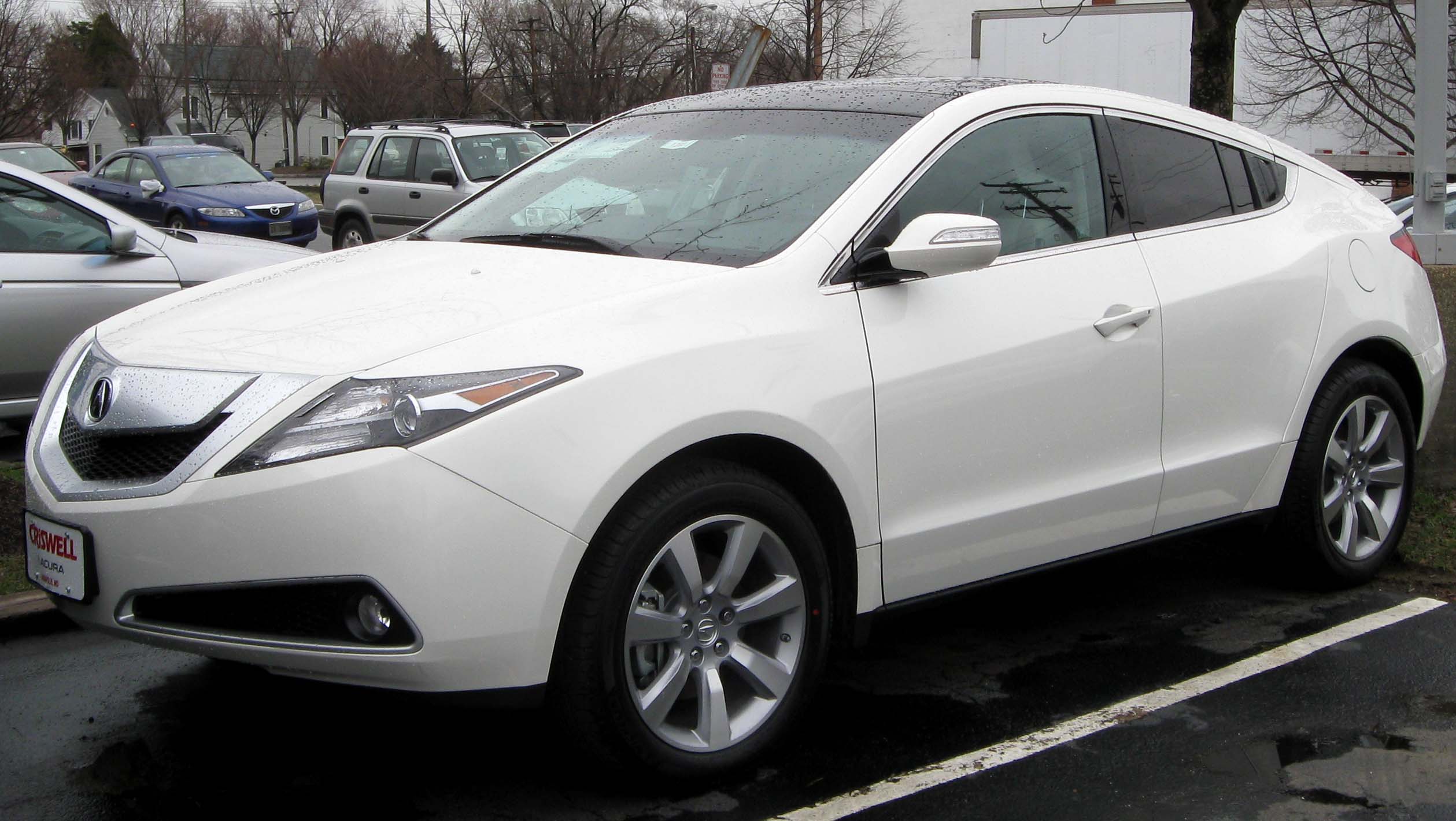
we're talking about a Blazer EV or a Lyric, and we've actually seen it ourselves. You
35:45
know, we've tested a bunch of Ultium based cars, whether it's the Acura ZDX, which, you know,
35:51
borrows that platform from GM or some of the other GM products too, and they've had to go back to
35:57
the dealer a bunch. We've even had batteries replaced on some of these cars. So yeah, so I
36:02
think that's where, you know, the product itself, when it's functioning as designed,
36:07
seems great. So let's see, hopefully, they can work out some of this reliability issues
36:13
that we've been seeing, and then that'll certainly make the product even more compelling.
36:18
Yeah, yeah. And before we go, we have about 10 minutes left, a little 10 minutes. So before we
36:21
go, I just wanted to ask if you, and obviously this would be more clear as time goes on, but have you
36:29
run into any issues with, you know, GM kind of getting away from Apple CarPlay and also,
36:37
this is a separate question, do you think tariffs are going to be a problem for Cadillac?
36:44
Um, yeah, I mean... It's kind of a loaded... No, it's okay. Just the CarPlay one,
36:51
I mean, this is more anecdotal to a sense, or at least within our walls of testing,
36:58
just because we don't have any user or survey data or anything like that yet on this issue,
37:04
other than maybe some of the comments we get, but doesn't seem like the best choice.
37:09
I'll just put it that way, right? I mean, the amount of people... I would hate it.
37:13
It just, it feels like a money grab, if I'm being honest, because they want you to use
37:20
you know, the Google built-in, which requires a subscription and this and that. So
37:24
it just doesn't necessarily feel like it's the best decision, you know, or really even done
37:30
in faith, to be honest. And it's awkward too, right, because it's still there in all
37:34
their gas powered vehicles, they just left it out of the EVs. So if you really thought
37:38
that from a usability and user experience perspective, that was the best thing to do.
37:43
Why wouldn't you do that across all of your vehicles? Absolutely. Yeah.
37:48
Oh, yeah. So I know we're not, we're not too thrilled about that here. A lot of people
37:52
relying on CarPlay. So that's a bummer. I love CarPlay, personally.
37:55
It's actually a, you know, we have a logbook, just to lower the curtain even a little more,
38:00
we have a logbook for every car that people are just constantly putting notes into and it
38:03
gets pretty extensive towards the end. And it's too bad how many times a GM EV will be great.
38:10
And then people just say, well, it's a deal breaker, though, because it has no CarPlay,
38:14
wouldn't buy this or recommend it. Yeah. And CarPlay, for those who don't use it or don't
38:18
have an Apple, I can't speak to Android because I never use the Android system. But CarPlay,
38:22
and I'll keep the shorts running tight and tight. But CarPlay, I often find that Google Maps
38:27
or Apple Maps, which you can, or Waze, which are all accessible through CarPlay,
38:31
tend to be better at navigation than a lot of factory systems. It's a lot easier to play your
38:35
music off your phone. It's nice to have, it's just easier to get text read to you. And if you have
38:41
to make a Bluetooth call, I mean, I try and avoid making too many calls on the road, but it happens
38:46
sometimes. And sometimes you want to get text read to you because you don't want to
38:49
look at your phone when you're driving. So I just find CarPlay, I find CarPlay better
38:53
than just about any automakers, including Solantis, which has UConnect, which might
38:57
be the best one. I think CarPlay just works better than anything that automakers offer from the factory.
39:02
Yeah, yeah. Yeah, I can't, I can't disagree. I mean, it just, it's a familiar interface and all of that.
39:08
So yeah, definitely a curious choice to say the least. Yeah, and then to your other question
39:16
you were asking about tariffs for Cadillac. Yeah, we may not have enough time, but if you
39:21
Well, I think just, yeah, at a high level, it's hard to know exactly, you know, which brand is going
39:28
to be affected, you know, in which way specifically, it depends on where cars are made and where the
39:32
factories are in Cadillac, you know, is building things in different areas like most brands. So
39:36
I think it's just, it's more about that GM as a whole is going to be affected, right?
39:42
All of these automakers are going to be affected. And they have to amortize these costs,
39:47
you know, and bear the burden somehow. And, you know, the best inclination right now that we have is
39:53
that they're going to kind of spread that across different models, right? So, meaning that you,
39:58
as a Cadillac buyer, could end up fronting some of that increased cost that GM's having to deal
40:03
with due to the tariffs. Will it affect certain cars more than others? I guess it remains to
40:09
be seen, but certainly, you know, tax incentives going away and things like that. I mean, that's,
40:18
that's, I think, going to impact things even more upfront or more obviously for people,
40:23
right? Than even the tariffs themselves. So a lot changing in the EV market right now to
40:29
make them compelling and affordable for people. Yeah, that makes sense. So we've been talking
40:34
with Alex Nicely from Consumer Reports. And let me make sure I get this title right because
40:39
we're about to sign off here. It is Associate Director for Auto Testing Development. Yeah, you got
40:44
it. Okay, awesome. So, Alex, thank you so much for your time here on the Truth About Cars podcast.
40:48
And you said you guys had something for TTEC listeners. Yeah, absolutely. Yeah, thank you.
40:53
Yeah, we have a link here. So if you go to cr.org slash ttac or TTEC, we'll give you 10 years
41:01
off of a, sorry, 10 years, $10 off a full year subscription to CR. So that was going to
41:07
say 10 years would be pretty awesome. I know, right? That was, sorry. You can definitely
41:11
subscribe for 10 years. So yeah, so 29 instead of 39. And that'll give you access to, you know,
41:16
not only just our full car ratings and reviews and reliability, everything we talked about,
41:21
but everything else that CR does too, right? So if you're shopping for a
41:25
refrigerator or other appliances and many things beyond that, I don't have any hand in
41:30
testing refrigerators just to be clear, we only do cars here. But yeah, so that's
41:34
subscription and membership gives you access to everything. And I think what's cool about it is
41:38
you can contribute to that reliability and owner satisfaction survey that we talked about. So
41:43
you can kind of have a direct influence on some of these results. That's awesome.
41:47
Thank you so much, Alex. Thanks for your time. All right. Thank you so much. Appreciate it.
42:04
Ever try to buy a car in line and end up in a parking lot with stranger, a paper, title,
42:19
and some blind trust? With Secure Purchase and eBay, you don't have to. Secure Purchase means
42:24
sellers and titles are verified, financing covered, registration handled, delivery,
42:29
get your ride, plates and paperwork shipped to you so you can skip the DMV and sketchy
42:33
meetups. Buy your next car on eBay. eBay, things people love. Secure Purchase is powered by
42:39
Cardinal Dealer Services LLC in eBay subsidiary. Here on the Truth About Cars podcast, we are
42:44
always talking NASCAR just about every week. This week is a little bit different due to some travel
42:50
issues and well, issues just vacation and business trips and that sort of thing.
42:54
We're not really going to talk about Richmond right now because we're going to record ahead
42:57
just because we may not be able to watch the Richmond race this weekend. If there is
43:02
podcast worthy stuff from Richmond, we'll hit it separately. You might get a different segment
43:11
or hear a little bit tacked at the end of this segment, but for now, we're going to do some
43:15
off-track talk with Matthew Guy, our T-track contributor, and NASCAR fan extraordinaire who's
43:22
here today. Matthew, how are you doing? Sounds like a good plan. I'm doing well today.
43:27
Yeah. I don't know about you. I don't know if you'll be able to watch Richmond,
43:30
but I'll be on vacation and I'll be in a spot. Unlike my, I was also on a short vacation a
43:33
month ago. That one, I was able to see the race. This one, I'm not sure I'll be able to. I'm not
43:37
sure I'll have access to the cable channels that the race would be on. So anyway, long story short,
43:43
let's talk about something that I found very interesting. It was in the athletic, which
43:48
covers NASCAR very heavily. The athletic is kind of, it's a sports-focused website that's
43:53
owned by the New York Times. Sort of replaced the New York Times sports section in a way,
43:57
and they have two NASCAR beat riders, at least Jeff Gluck and Jordan Bianchi, who I've gotten to
44:02
know a little bit when I've been at NASCAR races, both nice guys and both good at covering NASCAR
44:07
good riders. And Gluck did a story talking to a bunch of different drivers, basically
44:14
talking about how easy it is to spin these cars, the next-gen cars, even professional
44:21
race car drivers. And I've been thinking about it since I read it, not just because
44:25
it's an interesting story, which it is, but also on the level of, with the way the racing
44:32
schedule has gone in the Cup Series this past month, we've had, it's been since Father's Day,
44:38
a bit road course heavy. I think it was Father's Day itself that we had this Mexico City race,
44:43
we had the Chicago Street race over the Fourth of July holiday, then we had Sonoma,
44:47
I think, the exact week after, and then just recently the Watkins Glen race. And so
44:52
these cars spin on oval, so they also spin on road courses too. And sometimes you see a little
44:56
bit more on the road courses, which is why I'm bringing them up, because they, you know, that's
44:59
when drivers sometimes miss a marker, come in too hot or whatever and spin a car out without
45:03
contact. But I've also noticed a lot of drivers spinning even at the Dover race, it was either
45:09
Christopher Bell or Chris Buscher, I think it was Bell, or it might have been Chase Briscoe,
45:12
was one of the CB guys, spun twice, the 20 car, the 20 car, he spun twice without
45:19
contact, and even cost himself a chance at winning the race. So, you know, people wonder, Matthew,
45:27
why it was Christopher Bell, I had the wrong, sometimes I get the CB, you guys mix up my head,
45:31
but it was Christopher Bell. People wonder why these drivers, these best in the world drivers
45:37
with all this experience, many of these guys started as literally as little kids in go-karting.
45:42
And when I say go-karting, I don't mean the K1 speed stuff or what you have great America,
45:47
I mean like fast go-karts that are tough to control, fast being 50, 60 miles an hour or more.
45:53
These guys have all this experience, they've been driving cars since before they could even
45:57
think about getting a driver's license, they've been racing cars anyway, not driving on the
46:00
street. And they spin all the time without even being touched by another car. And people wonder
46:07
why. And so the article gets to the bottom of it. Basically, well, first of all, anyone
46:13
can spin a race car, no matter how the car is set up, right? You go too fast, you lose grip,
46:18
you break it the wrong time, you have to set the chassis, you can spin. We all know anyone
46:21
as a car person knows that. You can, if you're driving hard and you don't have electronic
46:26
nannies like ESC or VSC, you can spin a car by going just too fast into a corner. You
46:33
overwhelm your tires, grip, you come around. When I was in my teens, I spun a car because
46:37
I let the clutch out on what leaves in a corner and second gear. I wasn't even going that
46:42
fast, but that torque hit the rear tires, which were worn and I went around. I didn't hit anything
46:47
and just went around. It happens. Bad weather, you lose grip, right? So, but the thing is with
46:54
a lot of performance cars, whether there's road cars or race cars, especially if you're on a
46:59
racetrack in that controlled environment, especially for your professional driver,
47:03
you can start to feel when a car is getting loose and getting ready to spin.
47:07
And you can catch it. And a lot of these cup series drivers were saying that with
47:12
the truck car, the NASCAR fastbound trucks they race on Fridays and the Xfinity cars,
47:16
which are different than the next-gen cup cars, when they slide, whether it's an oval or a road
47:21
course, they can oftentimes feel the tires losing grip and they can catch it. They can
47:27
opposite lock the steering back off the gas with the brake as the case may be.
47:31
Now, one thing too I should mention is that some of these cars will spin because of aerodynamics.
47:34
They catch dirty air and that can upset a chassis too, so that's part of it. But
47:38
what they said is, and you have to read the athletic article to really go into all the details, but
47:42
that's why the chassis and suspension is set up in the next-gen cars is they spin
47:48
without warning in a lot of cases. So, the driver can be in a corner and he can feel like
47:53
he has grip and all of a sudden he doesn't. He doesn't get warning, he's going to spin.
47:56
So, with a lot of race cars, if you're a professional driver, you can sort of feel
48:00
the car sliding, catch it. In this case, it's everything feels fine and then it doesn't.
48:05
Anyone who's spun in mid-western snow has experienced that, where you feel like you're fine and all of
48:09
a sudden you catch a little bit of ice and you go around. So, it's kind of the same concept.
48:13
So, Matthew, I've talked long enough. I wanted to kind of get your thoughts on that,
48:19
and especially since you actually do race cars on an amateur level on the weekends,
48:24
kind of walk me through your thoughts on these cars spinning on their own when
48:28
a driver thinks he's got it and that he doesn't.
48:30
Absolutely. And for any of our listeners who haven't read the article, it's over on the
48:34
Athletic, written by Jeff Glock, came out August 7th. So, if anyone's searching for it,
48:39
there it is, great article. I recommend that everyone go and read it. And I suppose the
48:45
crux of the matter is, just like you said, Tim, anyone who has driven quickly,
48:51
you know, especially on a racetrack, will know that some cars are easier to quote-unquote
48:56
safe than others. And that extends even to very slow, because I enjoy off-roading, you know,
49:02
and rock caroling and things like that. Oh, yeah, it can happen off-road,
49:05
because you lose fuel and scrap, absolutely. Big time. And some, you know, off-roaders,
49:09
just like some on-road race cars, and I'm sorry, on-road sports cars, and then race cars
49:14
on the track, are just simply more complimentary than others, right? Whether it's the
49:18
chassis setup or the tire selection or whatever. And so, I find it super interesting
49:24
to read this article that's quoting race car drivers who are far more, you know, able than I,
49:33
have way more skill than I will ever have, you know, on a racetrack, saying that this car,
49:39
meaning the current quote-unquote next-gen car that has been in use in NASCAR for some spell now,
49:46
is super easy to spin. And we see that, you know? If not week in, week out, then a lot
49:51
of weeks. We'll see top drivers like Kyle Larson, you know, spinning out on their own,
49:57
you know? Some people spinning out in practice or qualifying, and that so rarely happened
50:03
in the past. And speaking to what you said, it was Carson Hosefair, who is quoted here as saying
50:09
exactly what you said to him in the truck series, or just about anything else I've driven,
50:13
Hosefair said. It's like you get loose and hold the wheel, and you can save it a little bit.
50:18
But whereas here in the cup series, you lose the downforce, the looser you get, and it starts,
50:23
he says, chattering the rear, because the sidewall of the tires is so short. So
50:29
I forgot to mention that, that's a big reason, yes. Big reason, right? So there's so end quote
50:33
thereafter, so short. And I think that that is a fascinating, I think there's a bit of a
50:37
perfect storm here, because you do have a car that is aerodynamically different
50:42
than other cars that we've had in NASCAR in the past. We've had the switch to these tires along with,
50:50
I don't know if this has much to do with it, but it is a change. You have the single lug nut now.
50:56
Yeah, yeah. We've created the difference. The tire itself is different, of course,
51:00
the sidewall and whatnot is not as meaty quote unquote, as some of the tires in the past.
51:05
But you also got to think about the power that they don't have anymore. And one of the,
51:12
see, you think about, this doesn't work in all situations, of course, especially if you're rock
51:17
crawling, but the old saw, when in doubt, power out, right? Hitting the gas, of course, doesn't
51:26
work all the time, but these, and it can end quite badly when you do so, but top tier drivers that
51:33
we see in the NASCAR series, in the Cup Series especially, they are able to use that
51:40
throttle to get them out of situations. And I also wonder if the relative lack of power compared to
51:46
some of the cars in the past might not be part of this, because that straightening things out with
51:53
the gas pedal is not as strong of an option as it was in years past. That's a really good point.
52:00
And I probably should have had you lead off the segment because you actually race cars. I
52:03
have not really had the chance to race real cars. I've raced air quotes here for those
52:08
who can't see me. I've raced go-karts in a fun environment. They were not professional go-karts.
52:14
They were, Road America has a go-kart track, and I've raced a couple other tracks where
52:21
there's a faster than your great America car and they're a little more difficult to drive,
52:24
but they're not really the racing cars that professional drivers using. Anyone can jump in
52:30
and drive. I mean, they're not, you don't have to have talent to drive them, but they
52:35
are a little faster and a little more challenging than a kiddie go-kart. These are probably 40
52:40
mile an hour to 50 mile an hour top speed. A K1 speed go-kart is probably 25, 30, and K1
52:46
speed karts are a little easier to drive. They don't snap around quite as easily.
52:50
So these go-karts are probably closer to coming to racing, but they're still not
52:55
really racing karts, so I don't want to oversell it. But one thing I will say about the
52:59
karts at Road America is they are, like the next gen car, super easy to spin. Now partly because
53:04
they only have one brake, they have brakes only on one wheel, so if you lock a wheel,
53:08
you're going to go around. So I should have had you lead off, but I have driven on a track,
53:13
I have driven in inclement weather, I've lived my entire life in the Midwest,
53:18
rain and snow, which it's a different type of cause of a spin, but similar physics,
53:25
losing grip if you're going too fast or break at the wrong time or turn the wheel the wrong way
53:29
at the wrong spot. I mean, I have, I'm trying to think of every spot on that track. I don't
53:35
believe, well there is, there was an incident that I wrote about on T-Tech that was an
53:39
understeer incident where a car did not turn and I went into a wall. I've not, I've
53:46
definitely gone sideways on that track, definitely fishtailed. I don't recall top of
53:50
my head if I've gone around full 360 or even a 180 on a track, but definitely have gotten
53:57
the limit of the car, of the car's grip at times and every, I'm not trying to brag because I think
54:02
every professional automotive journalist has gotten there at some point. In some cases,
54:05
because the driver's really good and also to find the limit in other cases, because a guy
54:09
pushes too hard and runs out of talent or it can be one or the other. So I'm not bragging,
54:14
just saying it's something we've all experienced. If you've driven a car, if you are an amateur
54:18
racer, you've experienced it. If you're an automotive journalist, if you are
54:22
someone who does what they call HPDE, high performance driving experiences where you take,
54:26
maybe you've got a Corvette or a Mustang and you take it to a place like Road America or Lime
54:31
Rock. Even if it's a stock, bone stock from the factory car with all the electronic minis,
54:36
you've probably experienced it. If you've gone to a performance driving school,
54:39
you've experienced it. I've done a defensive driving school where they take a
54:44
mat. This is to teach you how to control a car in inclement weather. They take a mat and throw
54:49
water on it. You drive at a cone at a certain rate of speed and the last second the instructor
54:53
tells you to go left or right and sometimes you spin and you're trying to learn how to control
54:57
the car and spin or you do a skid pad where you're going around a circle trying to get
55:01
the car to kind of drift. So the reason I bring all that up, it's not just to give you
55:05
my resume. It's to mention that, to say that a lot of us, myself included in Matthew,
55:11
I know you have, have this experience where we've had a chance to control a car at the limit,
55:17
over the limit. And like you said, Matthew, whether it's a sports car or a race car,
55:22
there are a lot of cars, and I said this earlier too, where you can sort of feel that you're
55:26
losing that grip and you can kind of be in the knife edge. And for the average driver on
55:30
the road, it doesn't really matter. But if you're a race car driver, it matters. You're
55:34
pushing the car as hard as you can. And if you slow down, you might lose position.
55:39
And that's why these guys are spinning the next gen car. So there was a, there was a method to
55:42
my madness with going to that background. The reason these guys are spinning these cars is
55:48
they're pushing really, really hard. And instead of the, instead of finding the limit,
55:53
like they do in Xfinity series or the Craftsman series, where this car gets a little bit loose
55:58
and they say, okay, well, I can't go any faster than X because if I do, I'm going to lose
56:04
grip. And if I lose too much grip, I'm going to spin. If I spin, I might hit the wall,
56:08
even if I don't hit the wall, even if I catch the car and don't damage anything,
56:11
I've just lost a lot of track position. And even sliding will actually cost you time.
56:16
So these guys are pushing it really hard. And then they do it in Cup series and they're
56:21
pushing really hard, pushing really hard. And there's no, there's that really fine line,
56:26
but there's no warning. And the way I think of it is almost like in baseball,
56:30
when a fly ball is hit to the warning track and outfielder feels with his feet
56:34
that switch from grass to gravel and he knows that wall is coming up and he knows he may have
56:38
just slowed down with what hit in the wall or he may have jumped or whatever, you know, because
56:42
he's tracking the ball with his eyes. Well, I think of that for a race car driver. That's,
56:45
it's a weird analogy, but I think it's, I think it's going to make sense.
56:50
And the cars where, where the driver can feel the loss of control, it's like being
56:54
on the warning track, they get a little warning, okay, you can't go any faster than this,
56:57
or you're going to spin and you're going to lose track position.
57:00
The cop car, it's like there's no warning track. And they're, you know, they go into a corner
57:06
fast as they can, you know, pushing it as fast as they can at the edge of their limit.
57:13
And they think they're okay. And they go around and all of a sudden you're like, well,
57:15
hide a car to Larson, one of the best drivers in the world, go around. Well, that's hot.
57:20
Absolutely. Because, you know, these, these drivers, Jeff Clark said it quite well in
57:26
his article, right? They're so close to the edge of disaster on every single lap around the track,
57:32
right? So, you know, why not just back off a little bit, you know, the anyone who's
57:36
nude and ask her might say, well, if you know that that is where you're about to go, then,
57:41
you know, why don't you back off? And you can even if you don't have a speedometer in front
57:45
of you, you have a tachometer. So that's how these drivers try to tell how fast they're
57:50
going. But that in the spotter in their ear. Exactly. True. Yes. The spotter is there
57:54
as well. Telling you what's up. And I mean, the problem with that line of thinking is that
57:57
every driver in the cop series are already going all out. So if you play it even just a little
58:02
bit safe, right? Yeah. You said, right, you're running 30th every week, right? Yeah,
58:08
excuse me, 38 or 40 cars. Have you experienced this in your run racing? I don't know exactly
58:12
what type of racing you do and what type of tracks you're on. But I believe you said
58:16
you've done kind of stock car and quarter mile tracks and like that. Have you experienced
58:20
it or are you just going not quite fast enough, not quite long enough of a track?
58:25
Yeah, I'm not going fast enough, you know, to be on the bleeding edge as these guys.
58:31
Generally, you know, when, not if I spin out, it's me screwing something up at a speed that
58:37
someone else would probably have saved it, right? So I'm certainly not, certainly not at these
58:44
guys' levels. But, you know, these cars, unlike some other series back to NASCAR,
58:52
it's not like they have traction control. It's not like they have, you know, or not supposed to
58:56
anyways, right? I mean, you look at some other series. I mean, there's all kinds of
59:00
electronic aids that are helping, you know, the drivers. That doesn't take away from
59:07
their skill set, but it does, you know, prevent some of these incidences from happening. And
59:15
right if you are always up against that virtual wall, of course, they're going to be up against
59:21
the physical wall too, but they're always up against the virtual wall of spinning. I mean,
59:26
that's how you win races, you know, that's, we've talked about Shane Van Gisburg and so many
59:32
times this season in this podcast, because he knows how to feel, for however, you know,
59:41
he races on all the other tracks, he knows how to feel that car on a road course. And
59:47
that's a huge skill. So whether it's because some of the drivers might still be translating
59:53
what they know from driving the old cars to driving these new cars, I think that might have
59:59
a little bit to do with it too. You talked about at the beginning of this segment of the podcast,
00:07
right? Kyle Busch is someone who's always criticized the next gen car. And he has points,
00:13
you know, about, you know, this car and some of the tweaks that they've made to it. NASCAR has
00:17
listened, you know, to some of the criticism that has been thrown at that car and, you know,
00:22
made some changes on the fly even the middle of the seasons. But someone who has a point
00:27
of reference like Kyle Busch who has raced many different generations of cars in NASCAR,
00:34
you know, they bring that sort of, they bring that sort of, I guess, perspective to it,
00:42
that someone like Shane who jumps into this car and the only car he's ever known,
00:47
he's kind of like, I guess, what are you talking about, right? I mean, this is just the way the
00:50
car is. So making that transition is certainly difficult for any driver coming out of a different
00:59
type of car or coming out of a completely different series. So it's something that,
01:06
you know, they're just trying to make your stuff go faster than it's capable of going.
01:10
Yeah, and obviously it's racing, go faster than the other guy. I really like how you said
01:14
it's a matter of when, not if, when you spin. That's really true with racing. I, with the exception
01:20
of my one really bad incident a few years back that I wrote about in TTAC, which was a bit of a
01:25
case of pushing the car a little too hard and a bit of a case of panicking when the brakes were
01:30
not quite there. And I made a mistake. I should have just gone over the gravel trap and try
01:34
to save it. I shouldn't have. But I don't think I've spun on a track in a press car
01:40
because I'm not quite pushing. I'm a conservative track driver, partly because I just don't have
01:45
the racing experience. And I'm, I didn't grow up with driving go-karts, serious racing go-karts.
01:51
So I just don't have as much experience as some of the other folks out there. But it's also not
01:54
my car. So I'm, I'm not going 10-10s in an un-timed one car at a time on the track situation.
02:03
Or even, or you see that I'm in the lead follow and the lead follow is holding back a
02:07
little bit for safety's sake. So I don't have a, I mean, there are times, like I said, I've gone
02:13
sideways. And there are times I've definitely been on the limit or close to it. You're pushing a car
02:19
pretty hard. And the more experience I've gotten doing this job over 15 years, the better I've
02:23
gotten at pushing cars hard, especially after having instruction from some pros. But that being
02:29
said, you as a race car driver are going to be pushing even harder. It's so when I'm
02:35
evaluating a press car at a track like Road America or, or a Sonoma on a press launch,
02:42
I'm going to be pushing maybe close to the limit here and there, but maybe most of the time a little
02:47
bit under that. You as a race car driver, trying to beat the other guy, even if it's just for fun
02:52
on Friday night, will be pushing a little bit harder. So you're definitely going to have the
02:55
inevitability of a spin. And I will say to these next-gen cars, the only time I've ever
03:00
driven an S-car stocker, and I've talked about this before in the podcast, I won't go too
03:04
deep into it. I had a chance to do the Richard Petty experience a decade over a decade ago.
03:08
Those cars are probably from the 1990s. So they were pretty old at the time. On a banked oval,
03:14
the Chicago Land Motor Speedway with a spotter in my ear telling you what RPM to go to and what
03:19
speed to go to. I never came close to losing grip because I think I was at the right speed.
03:26
And they told us on a banked oval with those cars, if we as long as we weren't going too
03:29
fast or too slow, we'd be okay. And as long as we didn't cross under the white line and put
03:33
half the car on a flat ground and half the car on the banking, which would cause a spin,
03:37
we'd be fine. So I found that car, there were difficulties driving that car, but I never
03:42
did feel loose, which is the fishtailing, the rear end braking loose. So, and I'm sure that car
03:48
was detuned for the fact it was public people driving it as opposed to some of them had never
03:53
driven anything fast before. So the reason I brought that up isn't to brag about
03:59
sitting at it 12 years ago. It's to point out that setup matters. Yeah. And these cars were
04:04
set up so they wouldn't get loose easily. And if they did, you could catch it. So that brings
04:09
us right back to the next gen cars. They are set up to be in that knife's edge.
04:13
They are because in, you know, this, this, this is a world where the cars are all super,
04:19
super close in terms of their capabilities. So the cars and the drivers, you know,
04:24
the drivers need to take that and then differentiate themselves somehow, you know,
04:28
some people will fairly or not say, Oh, you don't want to ask cars to suspect series these
04:32
days with different stickers on the nose. No, there are differences, but there are a lot,
04:38
a lot of similarities. The cars are super, super close. And so is the car level the drivers.
04:44
Right. And so that's what sets it apart. And if you're able, if you are on the edge,
04:48
you're able to separate yourself from the guys who aren't or can't get their cars to do that.
04:53
So after having this car on the track for X number of years, I'm sure one of our listeners will
05:01
chime in somewhere on the website and tell me exactly how many years we've had the next gen car
05:06
now. You know, maybe it's time for NASCAR to start looking at, because they have responded.
05:11
We know they can respond and they have a willingness to respond to some criticism about
05:17
this car. Some of our listeners might be old enough to remember when they eased this car into
05:27
usage. Remember, they didn't do the full year with this car right away. That sounds familiar.
05:32
I wasn't paying as close to potentially NASCAR that particular year, but it does sound right.
05:36
Yeah, right. They were doing some and then the first person to win and someone can correct
05:42
me on this, but my brain tells me it was Kyle Busch and in that car, in the next gen car and
05:47
came out and said, now these cars suck, right? And you know, there was a lot of hand wringing
05:54
in the NASCAR hauler at that. Watching that come out of his mouth on TV.
06:00
Yeah, for sure. Come out of his mouth on TV. But just with some of the other criticisms
06:07
that have come out from racing and such of this car, NASCAR has had a willingness to
06:12
listen to some of it and they have enacted some changes. So maybe it's time to start making some
06:17
changes to address this, whatever it might be. Tires are a tangly thing because you're working
06:23
with another entity. You're working with Goodyear so that there's two cooks in the kitchen there.
06:30
But when it comes to the car itself, there's probably some things that they can do. They
06:35
can free up a little bit more horsepower. That might help. Of course, then you're back to,
06:41
if you're on the edge and it does brake loose, then it's going to be a faster speed at which it
06:45
brakes loose. But the argument is there that they might be able to catch it and power out of the
06:51
scenario. Sure. Right, with a few more horses. So it's not all loss for the next gen car.
06:58
I do think there will be more tweaks. And especially if we get a new manufacturer
07:06
in the series. If Dodge returns, yes, yes. That's a topic for another day for sure. Well,
07:12
we've already kind of touched on it a little bit. But yes, if Dodge returns,
07:17
which we know they're coming into truck. Matthew, we just about out of time. Is there anything
07:20
else you want to add real quick? No, no, just other than I enjoy conversations like this. It's
07:25
really good. Yeah, we'll have more of this kind of bigger picture stuff is when we get into the
07:31
off season. After the after the playoffs and championship are determined. So Matthew guy,
07:36
thank you so much for your time here on the truth about cars podcast talking NASCAR.
07:39
Yes, thank you for the forum to do so Tim, I appreciate it.
07:42
That's all for today's tech podcast. I am Tim Healy, the managing editor.
07:46
You can find us wherever you get your podcasts or at ttac.com or the truth about cars
07:51
all spelled out.com. We think Alex and Isaac and Matthew guy for their time and Matt Poskey
07:56
for editing. Most of all, we thank you for listening. We'll see you next time.