
station wagon
A station wagon is a car with extra cargo space behind the back seats. The roofline keeps going back, so you can haul bigger items than in a typical sedan.
manual
“Manual” here means you shift gears yourself using a clutch pedal and a stick. It gives the driver more control over how the car drives.
five cylinder
A “five cylinder” engine has five cylinders arranged to produce power in a specific firing order. Compared with four- and six-cylinder engines, it often feels smoother than a typical four, while being more compact than a straight six.
turbo diesel
A turbo diesel is a diesel engine with a turbocharger. The turbo helps the engine make more pulling power and can be more efficient than a non-turbo diesel.
slick top
“Slick top” means the car has a solid roof and no sunroof. Enthusiasts sometimes prefer it because it looks simpler and more factory.

S class
The S-Class is Mercedes’ top-tier luxury sedan. They offered it to the speaker as an alternative, but they didn’t want it.

E 400 D
This is a Mercedes-Benz E-Class diesel. The big deal is that the engine makes strong pulling power (torque), so it feels quick and effortless when you drive.
OM 656
OM 656 is the name/ID for the specific diesel engine Mercedes used in that car. It helps enthusiasts know exactly which engine design they’re talking about.
inline six
“Inline six” just means the engine has six cylinders lined up in a row. It’s often known for smoothness and good low-speed pulling power.
mild hybrid diesel
A mild hybrid means the car has a small electric assist system, but the diesel is still the main power source. It helps the car feel more responsive and can save fuel.
hot diesel
“Hot diesel” is a way of saying “a diesel that feels sporty,” not just a fuel-saver. In Europe, that’s been a real trend for years.

BMW M550
The BMW 5 Series is a mid-size luxury car from BMW. The podcast mentions that diesel versions existed in Europe for this category. It’s brought up to explain what kinds of engines were available on these cars.
M550 D
This refers to a BMW 5 Series diesel that’s tuned to be fast, not just efficient. It’s one of the well-known examples of “sporty diesel” in Europe.

Audi S6
The Audi S6 is a faster, sportier version of the Audi A6. The podcast says it was also sold with a diesel engine and could be found as a wagon. That’s the main point—different versions existed depending on market and body style.

A7 and A6 TDI
Audi made diesel versions of the A6 and A7 called “TDI.” “TDI” generally means a turbo diesel engine that injects fuel directly into the cylinders.
1750 RPM
RPM is how fast the engine is turning. If the car makes its torque at 1750 RPM, it means it pulls strongly without needing to rev high.
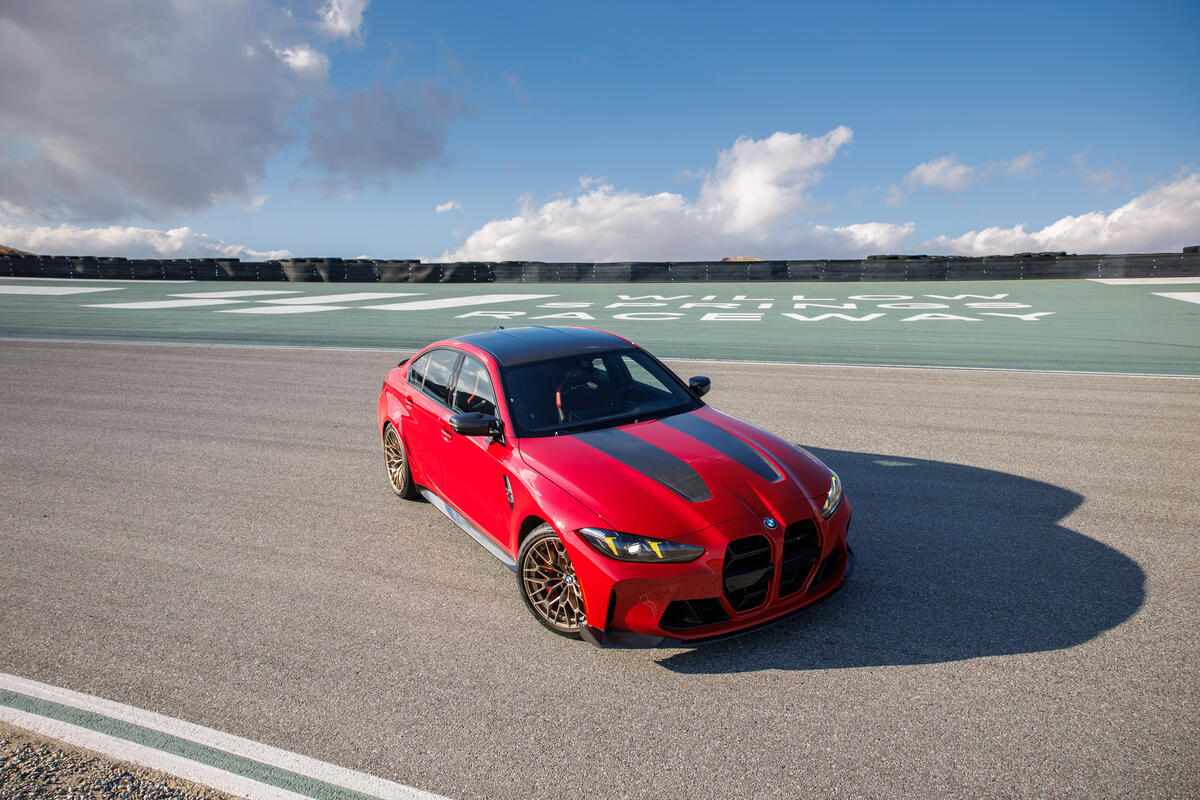
BMW M3
The BMW M3 is a performance-focused model, and the host uses it as a benchmark for torque. Here, the comparison is about how the diesel’s torque curve (available at lower RPM) stacks up against the M3’s peak torque figure for the same generation.
OM605
OM605 is a specific diesel engine used by Mercedes-Benz. It uses a setup with two camshafts and four valves per cylinder, and it came in different cylinder counts.
Doolover head cam
The phrase is referring to DOHC, which means the engine has two camshafts up in the cylinder head. That helps control the valves more precisely, which can improve how well the engine can breathe.
four valve per cylinder
Four valves per cylinder means there are two valves for intake (air/fuel in) and two for exhaust (gases out). That can help the engine move gases more effectively, which can translate into stronger power.
OM606
OM606 is another Mercedes-Benz diesel engine in the same family as OM605. It shares the same general valve and camshaft layout and can be found in naturally aspirated or turbo versions.
high compression ratios
Compression ratio is how much the engine squeezes the air/fuel mixture. Diesels use high compression because the squeeze helps ignite the fuel by heat, not by a spark plug.
flame front
A diesel engine doesn’t burn like a spark-ignition engine. The “flame front” is the moving zone where the fuel starts burning, and if the engine spins too fast, the piston moves away before the burning can add much power.
pistons
Pistons are the parts inside the engine that move up and down. If the engine spins fast enough, the pistons can move away before the fuel finishes burning well, so power drops.
peak torque
Peak torque means the engine’s strongest “pulling force” at one specific moment. It helps explain how hard the car feels when you accelerate.
turbocharger
A turbocharger is a device that uses the car’s exhaust to cram more air into the engine. More air usually means more power when you press the gas.

C43 Amg
The C43 AMG is a faster, sportier version of the Mercedes-Benz C-Class made by AMG. The podcast mentions a wagon version with a V8 engine. It’s brought up because it’s a particular performance model and body style combination.
straight six
A straight six means the engine has six cylinders in a single row. People like it because it tends to run smoothly compared with some other layouts.
W124 E 300 diesel
This is a Mercedes-Benz E-Class wagon/sedan-era car (the W124 generation) that could be had with a diesel inline-six. The point is that it’s a specific, enthusiast-leaning Mercedes diesel setup rather than a generic “diesel Mercedes.”
diesel's NA
“NA” means naturally aspirated, so the engine doesn’t use a turbo or supercharger to push extra air in. That usually changes how the power feels compared with turbo engines.
low revving
“Low revving” means the engine doesn’t have to spin very fast to move the car. That’s often how diesel engines feel—strong at lower speeds instead of needing high RPM.
contrarian
They mean “contrarian” as in going against the crowd. The car isn’t what most people want, but that’s exactly why the enthusiast likes it.
forbidden fruit
They’re using a metaphor: it’s “forbidden fruit” because it’s unusual and not what most people go for. That makes it more exciting to enthusiasts.
20 valve
“20 valve” means the engine has 20 valve openings that control how air and fuel enter and exhaust leaves. It’s a design detail that can affect how the engine breathes.
rust
Rust is when metal starts corroding because of moisture and chemicals. It can start on the surface, but if it keeps spreading it can weaken the car’s body over time.
non-structural
Non-structural means the rust or damage is on parts that don’t really hold the car together. It’s usually less dangerous than damage to the main frame, but it still needs fixing so it doesn’t get worse.
superficial
Superficial means it’s mostly on the surface—like the outer skin of the car. That’s generally better than rust that’s eaten into the parts that support the car.
dynamics
“Dynamics” here means how the car feels when you drive it—how it turns and stays stable. Taller cars can feel different because their weight sits higher.
violated physics
That phrase is basically saying the design can’t really beat the basic rules of how cars work. Even with modern engineering, physics still affects how a tall car handles.

G-Class Gwagon
The G-Wagon is a Mercedes-Benz SUV with a very boxy, rugged look. The host is saying they’d pick something like that if they wanted an SUV that’s all about function.

Land Rover Range Rover
The Range Rover is a large luxury SUV made by Land Rover. It’s designed to be comfortable and to look very distinctive, with a more squared-off shape. People bring it up when they want a premium SUV rather than a smaller or more mainstream one.
center of gravity height
Center of gravity height means how high the car’s weight balance point is. The higher it is, the more the car tends to lean when you turn.
weight distribution
Weight distribution is how the car’s weight is split between the front and the back. Better distribution can help the car feel more balanced when you drive and turn.
roll moment
Roll moment is what makes the car’s body tilt/lean to the side when you’re turning. More roll moment usually means more “lean” in corners.

E30 wagon
An E30 wagon is a BMW 3 Series from the E30 era, but in wagon/estate form. The host is talking about how the car’s cornering “lean” behavior can be influenced by the suspension geometry at the rear.
roll center
Roll center is a suspension design idea that helps predict how the car will lean in turns. If the rear roll center is high, the rear can lean more, affecting handling feel.
anti-roll bar
An anti-roll bar is a bar in the suspension that helps stop the car from leaning too much when you corner. A stiffer one can make the car feel more controlled, especially in a wagon with rear geometry that promotes roll.
high-reving
High-revving means the engine is happy to spin fast (high RPM). Some engines are built to do that smoothly, and it can make them feel more energetic.
clattery
“Clattery” means it sounds kind of rattly and noisy, not smooth or refined. They’re describing the diesel’s start-up sound as more mechanical than pleasant.

Mercedes 300D
This is a Mercedes diesel model that many Americans remember from the 1980s. The big thing here is that it has a recognizable sound because it uses a five-cylinder diesel engine.

Mercedes 300SD
This is another Mercedes diesel model from the same family as the 300D. In this conversation, it’s mentioned because it uses the same kind of five-cylinder diesel engine and has a similar sound.
diesels mean slow
The phrase reflects a common enthusiast stereotype: many older diesel engines were tuned for low-end torque and durability rather than high revs, so they often feel “slow” compared with gasoline performance. In this segment, it’s also linked to the idea that “diesel” in the U.S. meant Mercedes in the 1980s.
Volkswagen EA827
EA827 is an internal Volkswagen label for a specific family of engine designs. The host is saying it started as a diesel-style design and later got used in gas engines too, which is why it lasted so long.
VR6
VR6 is a Volkswagen engine design where the cylinders are packed very close together in a narrow V shape. The idea is to get the feel of a bigger engine without needing a huge engine bay.
water-cooled
Water-cooled means the engine uses coolant (liquid) to carry heat away. The host is comparing this to air-cooled engines and suggesting conversions can cause problems.
Vosser Boxer
A boxer engine is a flat engine where the pistons move left and right. The host is talking about a Volkswagen-style flat engine layout.
coolant
Coolant is the fluid that helps an engine stay at the right temperature. If it shows up where it shouldn’t, it usually means something is broken inside the engine.
CAFE standards
CAFE standards are government rules in the U.S. that require car companies to hit certain average fuel-economy numbers. If they don’t, they can face penalties.

Chevrolet Caprice
The Chevrolet Caprice is a large, full-size car from Chevrolet. The podcast describes it as part of the era when cars were very big and comfortable. It’s mentioned as an example of that kind of “land yacht” style vehicle.
turbocharged
Turbocharged means the engine uses a turbo to push extra air in. That usually makes the engine feel stronger and quicker to respond.
World's first production passenger car turbo
This is a historical brag: it’s saying this Mercedes diesel was among the earliest turbocharged cars you could actually buy for everyday driving. It matters because turbos became a big part of modern car power.
cafe regulations
“CAFE” (Corporate Average Fuel Economy) regulations are U.S. rules that require automakers to meet fleet-wide fuel-economy targets. The speaker is saying Mercedes-Benz used diesels because they were better positioned to hit those targets than gas-powered cars at the time.
efficiency benefits
They’re talking about using less fuel than comparable gas cars. Mercedes-Benz was basically selling the idea that diesel would help you spend less on fuel.
smog choked early 80s gasoline-powered cars
The speaker is describing a time when many gas cars were causing a lot of pollution and were hard to clean up. They’re using that history to set up why diesel suddenly looked attractive in the U.S.
0 to 60
“0 to 60” means how fast a car can go from standing still to 60 mph. It’s measured in seconds and used to compare acceleration between different cars.

380 SL
The 380 SL is a Mercedes-Benz roadster. Here it’s mentioned because the host is comparing its acceleration to other cars from the same time period.

Alpha Spider
The Alfa Romeo Spider is an Italian roadster. The host is using it in a comparison to show that acceleration numbers back then weren’t as impressive as people might assume.

Ford Mustang
The Ford Mustang is a sports car made by Ford. It’s known for being fun to drive and for having a long history. The podcast mentions it while talking about how quickly an older Mustang could accelerate.

Chevrolet Corvette
The Chevrolet Corvette is a sports car from Chevrolet. It’s designed to be fast and exciting to drive. In the podcast, it’s mentioned because someone looked up how quickly a Corvette could reach 60 mph.

SD1 Rover Sd1
The Rover SD1 is a mid-size car made by Rover. The podcast talks about one version that had about 133 horsepower from a 3.5-liter engine. It’s mentioned because the speaker is using it to discuss engine performance numbers.
V8 engine
A V8 engine is a type of engine with eight cylinders arranged in a V shape. In this conversation, it’s mentioned because the host is explaining why having a V8 in certain cars felt special in Europe.
GM 350 diesel
The “GM 350 diesel” is a diesel engine from General Motors that people refer to by its size (350 cubic inches). The host is using it to explain what kind of engines were common where he grew up.
ancillaries
“Ancillaries” are the extra parts that go along with the engine. When you swap or adapt an engine, you often have to change these supporting components so everything fits and works together.
V8
A V8 is an engine with eight cylinders arranged in a V shape. More cylinders usually means smoother power delivery and a more “big engine” feel.
ignition system
The ignition system is what makes the spark that starts the engine. If the right ignition parts aren’t available, getting the engine to run correctly is a big problem.

Rolls-Royce
Rolls-Royce is a luxury car brand. In this story, it’s mentioned because V8 cars were so rare in the UK that the only option was basically Rolls-Royce.

Chevets
The Chevrolet Chevette is a small American car. The host is saying some of them were four-cylinder engines, not V8s.
Trophy four
“Trophy Four” is the name of a four-cylinder engine option. The host is explaining that it was designed to feel like a smaller version of a bigger V8 engine family.

Pontiac Tempest
The Pontiac Tempest is a Pontiac model. The host is saying it could be ordered with a special four-cylinder engine called the Trophy Four.
big block V8s
“Big block V8s” are large, powerful V8 engines. The host is saying the four-cylinder they’re talking about was conceptually connected to those bigger V8s.
transaxle
A transaxle is a combined transmission and final-drive unit. It’s basically the drivetrain “middle box” that sends power to the wheels.
rope drive
A rope drive is a way of moving power using a rope/cable instead of a solid metal shaft. It’s not common in modern cars.

Delorean DMC-12
The DeLorean DMC-12 is a sports car with a very unusual look, including doors that open upward. The podcast also talks about where key drivetrain parts are placed, including the transmission setup near the back. That layout is part of what makes the car different.

Mercedes-Benz 190D 2.5
This is a Mercedes-Benz diesel model that uses a five-cylinder engine. The host is pointing out that five-cylinder diesels were unusual in the U.S. back then.
single cam
Single cam means the engine uses one camshaft to operate the valves. It’s a basic engine design detail that changes how the engine is built.
naturally aspirated
Naturally aspirated means there’s no turbo or supercharger. The engine just breathes on its own.

Mercedes-Benz 190E
This is a Mercedes-Benz 190E model. The host is saying Mercedes offered a turbocharged version of the five-cylinder diesel concept in that lineup.
turbo version
A turbo version adds a turbocharger. That helps the engine make more power by pushing extra air in.
two valve
Two valve means each cylinder has two valves—one for intake and one for exhaust. It’s a design detail that affects how the engine breathes.
twin cam
Twin cam means there are two camshafts controlling the valves instead of one. That can help the engine manage airflow better.

OM603
OM603 is a Mercedes-Benz diesel engine code. In this segment, it’s described as a 3.0-liter inline-six diesel.
2JZ
2JZ is a well-known Toyota engine from the Supra. People use it as a comparison because it’s famous for being a great engine to modify and build.

Toyota Supra
The Toyota Supra is a sports car from Toyota. It’s known for having an inline-six engine, and the podcast specifically mentions the 2JZ, which is a famous engine used in Supras. People talk about it because it’s well-regarded among car enthusiasts.
bolt-ons
“Bolt-ons” are car upgrades you can add without tearing the engine apart. Think of parts you bolt on like exhaust pieces to make more power.
turbo downpipe
A turbo downpipe is the pipe that carries exhaust gases away from the turbo. Upgrading it can help the turbo breathe better and make more power.
engine management
Engine management is the car’s computer controlling things like fuel and timing. When you add performance parts, you often need to tune the computer so everything works together safely.
rolling coal
“Rolling coal” means a diesel spits out a lot of black smoke when you accelerate. It’s usually something you see on modified diesels, and it’s treated like a dramatic “look at me” effect.
swap
A “swap” means putting a different engine into a car than it originally came with. People do it to get a different feel—here, diesel torque and big-power potential.
super turbo
“Super turbo” here means a boosted turbo-diesel setup that makes more power than the base version. The host is saying it’s the important keyword to find the right engine.
injection pump
The injection pump is what meters diesel fuel and sends it into the engine under pressure. Changing it is one way tuners add more power to a diesel.
injector elements
Injector elements are part of the diesel injector that help spray fuel into the engine. Upgrading them can help the engine burn more fuel efficiently when you’re chasing more power.
glow plugs
Glow plugs are diesel’s cold-start heaters. When they’re worn out, the car can be hard to start, particularly when it’s cold.
deferred maintenance
Deferred maintenance is when routine car upkeep gets put off. If you wait too long, small issues can turn into bigger, more expensive problems.
kilometers
Kilometers are just another way to measure distance. Saying a car has “400,000 kilometers” means it’s been driven a huge amount over its life.
suspension component
Suspension components are the parts that help the wheels stay in contact with the road and control how the car rides. If they’re all replaced, the car should feel tighter and more predictable.
brakes
Brakes are what make the car slow down and stop. If the host says the brakes are all new, it means the stopping system was refreshed so it should work properly.
tune up
A tune-up is a set of maintenance tasks to make the engine run the way it should. It’s often done when a car has lots of miles or hasn’t been maintained well.
drive line
The driveline is everything that transfers power from the engine to the wheels. If it gets serviced, the car should feel smoother and be less likely to have driveline problems.
driver's bolster
The driver’s bolster is the side part of the seat that supports you while driving. If there’s a big hole there, it usually means the seat area or the metal underneath is badly damaged and needs repair.
reliable and functional
He’s saying the first goal is to make the car dependable and usable every day. Only after it’s sorted mechanically do you start adding performance or style upgrades.
straight legal
“Straight legal” means the car is legal to drive under local rules. In California, that usually involves inspections and emissions requirements. People say it when they’ve modified the car and are trying to get it approved.
wheel spacers
Wheel spacers are parts that sit between your wheel and the car so the wheel sits farther out. People use them to fix fitment or change how the wheel looks. They’re usually cheap, but you want them installed properly so the car stays safe.
tail light integrated into the same contour of the fender
The host is talking about how the rear lights blend smoothly into the shape of the body panel. Instead of the lights looking stuck on, the lines flow together, which makes the car look more stylish.
201 Soco design language
The host is using “design language” to mean the recognizable style cues a car maker uses across models. They’re saying this newer car takes those older styling ideas and updates them.
clear blinkers
They’re talking about the turn-signal light covers. Some cars use clear lenses instead of amber ones, which changes the look of the front end.
Euro lights
They’re referring to European-style headlights/lighting. The lights can look different from US versions, and sometimes the beam pattern is different too.
C 43
“C 43” is a Mercedes-AMG performance version of the C-Class. In this context, they’re saying the wheel design is the one you’d see on that kind of AMG car.
monoblocks
They’re talking about a type of wheel design. “Monoblock” wheels are made as one piece, and people like them because they can feel more solid and performance-oriented.
17s
“17s” means the wheels are 17 inches wide/diameter. Bigger wheel sizes usually change ride comfort and how the car feels over bumps.
15s
“15s” means 15-inch wheels. Smaller wheel sizes often let the tires have more sidewall, which can make the ride feel less harsh.
sport pack
A “sport pack” is an options package that makes the car look and/or drive more sporty. In this case, it affects what wheel size you get.
steelies with hubcaps
Steelies are the plain steel wheels you often see on cheaper trims. Hubcaps are the decorative covers that go over the wheel center to make them look nicer.
Euro 5s
They’re talking about wheel options and what they look like on a Mercedes E-Class. “Euro 5s” sounds like a shorthand for a specific wheel style/option, not something you’d normally think of as a car “rating.”
255s
“255s” is tire width, measured in millimeters. Wider tires can look “meatier” and can grip better, but they also need the right wheel/clearance to fit properly.
lower the car
To “lower the car” means making it sit closer to the ground by adjusting the suspension. People often do it when they install bigger wheels so the car doesn’t look too tall.

Lotus Esprit
The Lotus Esprit is a sports car made by Lotus. The podcast mentions that there were different versions (trim levels) available. That means not every Esprit is exactly the same in equipment and specification.
lowered suspension
Lowered suspension means the car sits closer to the ground. People do it to improve handling and to make the car look more aggressive. It’s usually done by changing the springs or related parts.
springs or spring pads
Springs are the parts that help the car bounce and keep the wheels in contact with the road. Spring pads are like spacers that can change the ride height. Both can be used to make a car sit lower.
sidewall
The sidewall is the part of the tire that you can see on the side. A taller sidewall can make the ride feel smoother because it absorbs more bumps.
150 horsepower
Horsepower is a number that roughly tells you how strong the engine is. They’re saying the car feels a little slow with about 150 horsepower right now.

Toyota Corolla
A Toyota Corolla is a very common, practical car. The host is using it as an example of a car that doesn’t lose its value as fast as you might expect.
depreciate
Depreciation just means how much a car is worth less over time. The host is saying some cars (like a Corolla) don’t drop in value as badly as others.
depreciation
Depreciation is the percentage of a car’s purchase price that it loses in value over a set period. The host frames it with a three-year example and compares typical outcomes for a $50,000 car versus a Corolla.
mileage
Mileage means how much distance the car has been driven (or how much you plan to drive). The host is saying diesel is a better match if you’re racking up lots of miles.
incremental cost
“Incremental cost” means the extra price difference between two choices. Here it’s the extra upfront cost of buying a diesel instead of a gas car, and whether you’ll earn that back with cheaper fuel over time.
bill of materials basis
A “bill of materials” is a detailed list of the parts and components that go into building a product. “On a bill of materials basis” means the comparison is being made by looking at the cost of the underlying parts, not just the final retail price.
decontented
“Decontented” just means the car has fewer features than a higher-priced version. In this case, some things that were standard on the gas car were made optional on the diesel to keep the price competitive.
range left on the tank
This is the car’s estimate of how many miles or kilometers you can still drive with the fuel you have left. It updates based on how you’ve been driving.
fuel economy
Fuel economy is how efficiently the car uses fuel. Higher fuel economy usually means you spend less money and stop for gas less often.
liters per 100k
This is a way to measure fuel use in Europe: how many liters the car burns to go 100 kilometers. Less fuel per 100 km means better mileage.
zero to 60 time
This is a stopwatch-style measure of how fast the car accelerates from 0 to 60 mph. Faster times usually mean quicker acceleration, but it’s only one aspect of performance.
headliner
The headliner is the material on the inside of the roof. If it’s missing, sagging, or damaged, it can make the cabin look bad and can sometimes hint at water problems.
salvage title
A salvage title means the car was badly damaged at some point and an insurance company decided it was a total loss. Because of that history, the car is often worth much less than a clean-title car.
air filter
The air filter is a small maintenance part that keeps dirt from getting into the engine. Changing it is one of the easier, routine things you can do to keep a car running well.
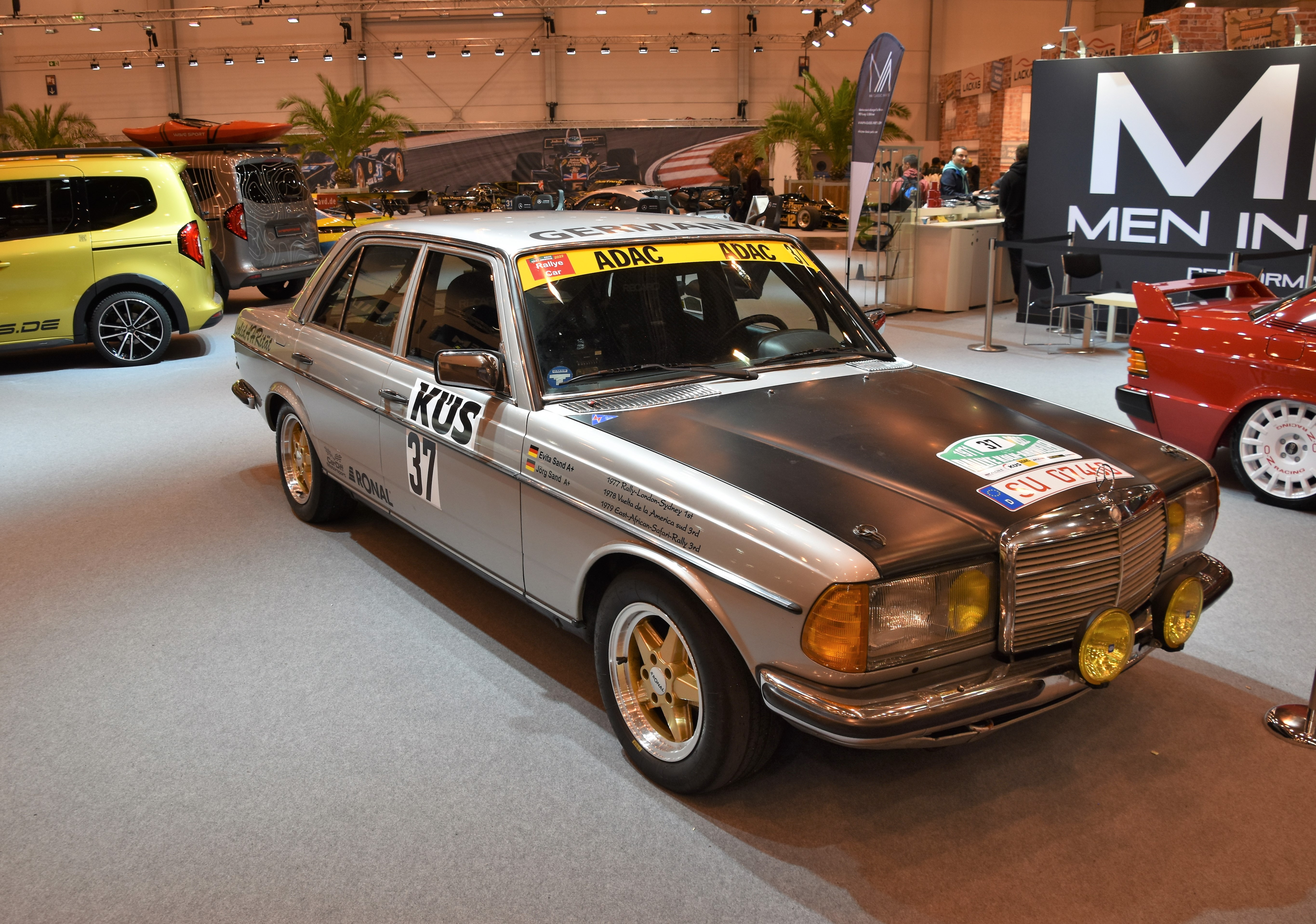
E320 wagon
This is a Mercedes-Benz E-Class wagon with a 3.2-liter engine (the “E320”). The host is talking about it as a practical daily car that could also be modified for more power.
rally car
A rally car is built for rough, twisty roads and different traction surfaces, like gravel. The idea here is that this wagon could be modified to handle that kind of driving.
617
Here “617” is a shorthand comparison for another engine’s sound. The speaker is basically saying the engine they’re talking about has a similar “character” in how it sounds.
counterweighted
“Counterweighted” means the engine uses extra balancing weights to reduce shaking. That balancing can add some weight to the engine.
NA
“NA” means the engine is naturally aspirated, so it doesn’t use a turbo or supercharger. It usually makes power in a smoother, more gradual way.
VR six
“VR6” is a Volkswagen engine design where the cylinders are squeezed together in a way that makes it fit like a smaller engine. It’s basically a compact V6 layout.
VR five
“VR five” is the speaker’s way of talking about a Volkswagen-style five-cylinder engine layout. They’re comparing it to other swap options and how it behaves.
inline five
An “inline five” is an engine with five cylinders in a straight line. It’s one of the common ways to build a five-cylinder motor.
V six
A “V six” is an engine with six cylinders arranged in a V shape. They’re comparing it to an earlier engine type, and that can change how the car runs and drives.

BMW M5
The BMW E39 M5 is a famous BMW performance car from the late-1990s/early-2000s era. The host is saying the other car feels like it delivers what people love about an M5, but in a different package.
Continental Sport Contact
Continental SportContact is a performance-oriented tire line from Continental. The host mentions it because tire choice strongly affects grip (“grippy enough”) and therefore how well a car can feel fast and controlled, especially for rally-style driving.
PS4S
PS4S is a brand/model of performance tire (Michelin Pilot Sport 4S). It’s designed to grip well, especially in dry and wet driving.
Contis
“Contis” means Continental tires. They’re saying these tires are really good and fit the car without problems.
5S
“5S” is another Michelin performance tire option they’d choose if the PS4S isn’t available in the right size.
left bolster
A bolster is the padded side of a seat that keeps you from sliding around. If there’s no left bolster, you may feel less held in during hard turns.
high revving
“High revving” means the engine can spin fast (high RPM). Some engines feel more exciting because they respond strongly as you rev them up.
laggy
“Laggy” means the car doesn’t respond right away when you press the gas. With turbos, there can be a delay before extra power shows up.
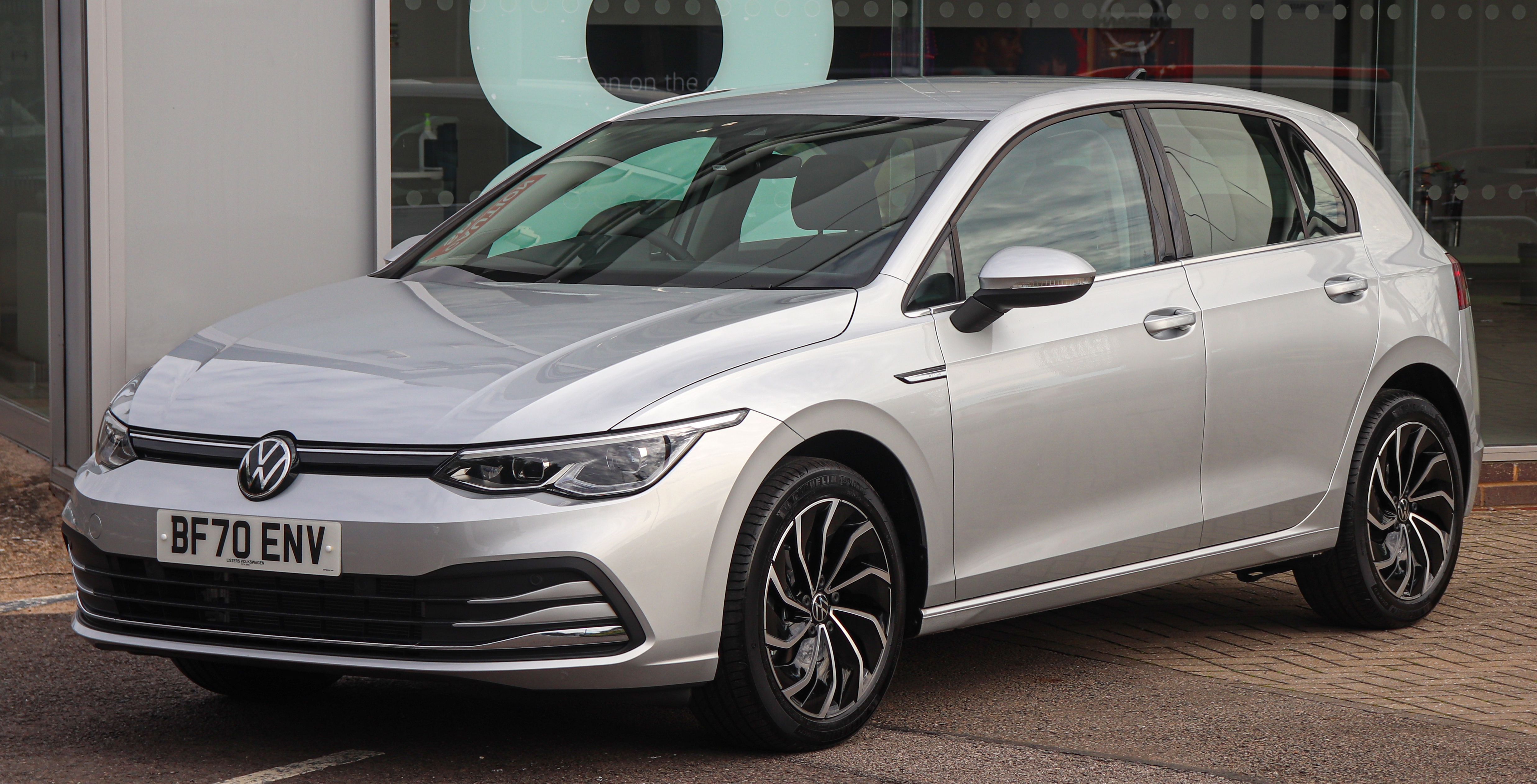
Golf Gtd
The Golf GTD is a Volkswagen Golf that uses a diesel engine, but it’s tuned to be more fun than a basic diesel. The host is bringing it up as an example of that “diesel but interesting” vibe.
transverse front wheel drive
It means the engine sits sideways and powers the front wheels. That setup affects how the car feels when you turn and accelerate compared with rear-wheel-drive cars.
rear wheel drive
Rear-wheel drive means the back wheels get the power. That can change how the car handles and feels compared with front-wheel drive, especially on twisty roads.
Volkswagen Golf
The Volkswagen Golf is a common compact car. They’re using it as a baseline to explain how long the wagon is compared to a typical car.
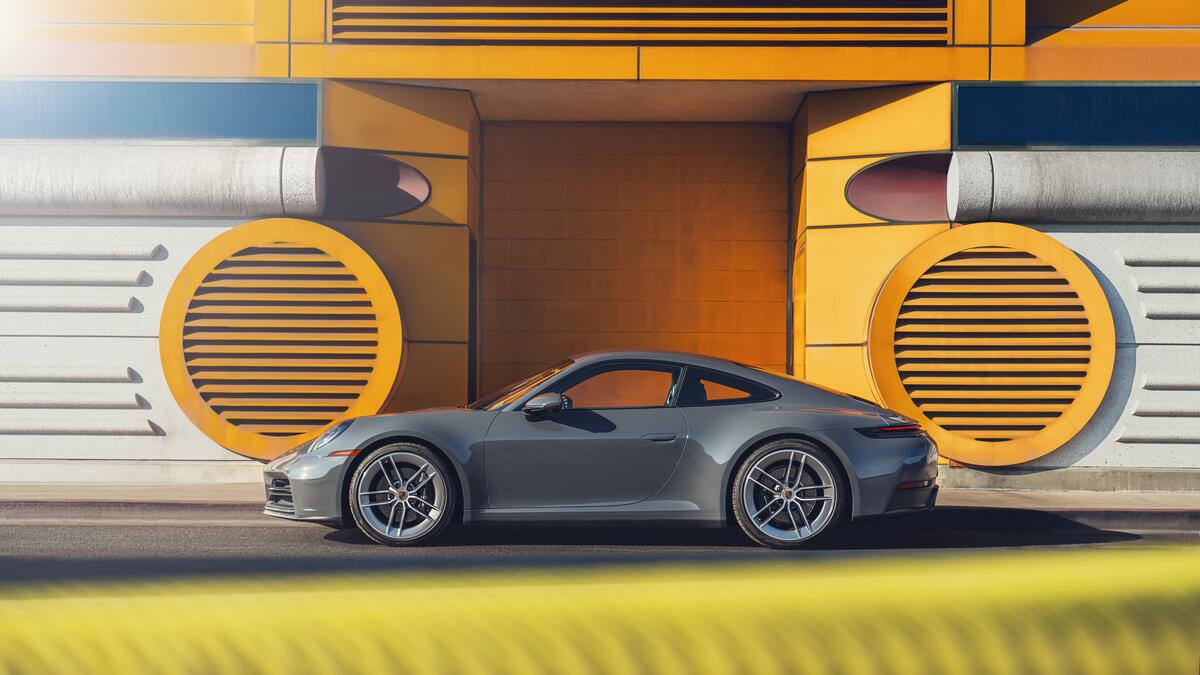
Porsche 911 (964)
The Porsche 911 (964) is one particular generation of the 911. In this discussion, they’re using it as a length reference because its bumpers make it measure a bit longer.
pre-facelift
A “facelift” is a mid-life update a car gets. “Pre-facelift” just means the version made before those styling/tech changes.
rear active steering
Rear active steering is when the back wheels also steer, not just the front. It’s meant to help the car turn better, but if it responds slowly, the car can feel weird or delayed when you’re turning in a parking lot.
skid steer
Skid steer is when a vehicle seems to slide sideways a bit instead of turning smoothly. The tires lose grip briefly, so the car feels less precise—especially during slow, tight maneuvers.

Bentley Continental GT
The Bentley Continental GT is a luxury performance car. In this story, the host is saying its rear-wheel steering didn’t respond the way he expected when turning tightly, especially on wet paint.
slip, grab, slip, grab
That phrase describes the tires repeatedly losing grip and then catching again. On wet surfaces, it can make the car feel unpredictable when you’re turning.
four-wheel steering
Four-wheel steering means the back wheels can also turn, not just the front wheels. That helps the car “pivot” more easily at low speeds, so it needs less space to make tight turns. It’s why some cars feel much easier in tight city driving.
turning radii
Turning radius is how much space a car needs to make a full turn. A smaller turning radius means you can turn in tighter spots, like in busy city streets. That’s why the host says it’s easier to use every day.
San Francisco
San Francisco is the city the host is driving in. They’re explaining that the streets there often force tight turns and U-turns, especially on hills. So a car that turns easily is much easier to live with.

Fiat Abarth
The Fiat Abarth is a sporty Fiat variant. The host is saying it needs a lot of space to turn around, which can be inconvenient for tight city driving. It’s basically the opposite of a car with a very small turning radius.
three or four or five or six-point turn
A multi-point turn is how many times you have to reposition the car to turn around in a small area. If you need more points, it usually means the car is harder to maneuver in tight spots.
full lock
“Full lock” means you turn the steering wheel all the way to the left or right. It matters because it determines how tightly the car can turn in a small space.
turning radius
Turning radius is how tight the car can turn. A smaller (tighter) turning radius makes it easier to get through narrow spaces and reduces the number of times you need to reposition.
A Dakar
The Porsche 911 Dakar is a special 911 made to handle rougher roads. In this segment, the key idea is that it’s less likely to scrape on the ground, while still driving like a 911.

e-golf
The e-Golf is an electric Volkswagen Golf. The host is saying that, in their experience, it sometimes scrapes on the front when the road dips or ramps up.
high center
“High center” means the bottom of the car gets stuck on the ground over a bump. It happens more on low, long cars because the middle sits lower relative to the road.
long wheelbase
Wheelbase is how long the car is from front wheels to rear wheels. A longer wheelbase can make it easier for the middle of the car to hit the road when the terrain is uneven.
spare tire
A spare tire is the backup tire you use if you get a flat. In this story, it’s mounted low enough that it can rub or get damaged when the car hits big bumps.
fiberglass
Fiberglass is a lightweight body material used on some cars. Here, the spare tire rubbed enough to wear through it, which can damage the car’s bodywork.

Lamborghini Temerario
This is a Lamborghini supercar. It has a button that can raise the front of the car to avoid scraping on driveways or speed bumps, but in this story it still scraped the front lip.
front end lift button
That button raises the front of the car to give it more clearance. It helps prevent the front lip from dragging when you go over bumps or steep driveways.
carbon fiber splitter
A splitter is the low front lip on the car that helps it handle better by shaping airflow. Since it hangs close to the ground, it can get scraped on driveways and ramps.
itty-bitty spoilers
These are small aero add-ons near the front of the car. They’re close to the ground, so they can get scraped and need replacement.
parking stops
Parking stops are the little barriers at the end of parking spots. If a car sits very low, the front bumper can hit them when you pull in.
Dogleg
“Dogleg” is a quirky way some manual cars are shifted. Instead of the gears lining up in a simple grid, the pattern is offset, so 1st gear is reached differently than you’d expect.
SES problem
The host is talking about a known issue with these diesel BMWs that causes carbon to build up. They’re using “SES” as a label for that problem, but the exact meaning isn’t clarified in this excerpt.
carbon build-up
Carbon build-up is when soot and deposits collect inside parts of the engine. The host is saying it happens in the emissions system (EGR) and can cause clogging.
EGR system
EGR is an emissions system that helps reduce pollution by sending some exhaust back into the engine. The host is saying it can get clogged with carbon, so the car may need more aggressive driving to keep it clean.
take the motor head off
This means removing the cylinder head on the engine. The host is pointing out that the repair can be major and expensive, not just a quick fix.
clean diesel era
People hoped diesel engines could be made “clean” using new technology. The goal was better gas mileage without the dirty exhaust problems older diesels had. Later, it turned out the real-world results weren’t as good as advertised.
diesel gate
“Diesel gate” is the nickname for the Volkswagen diesel emissions scandal, where software was used to cheat emissions testing. In practice, cars could emit far more nitrogen oxides (NOx) on the road than they did during official tests. The fallout reshaped diesel regulation and consumer trust.
335D
“335d” is a BMW 3 Series diesel. It’s designed to feel quick because diesel engines make lots of pulling power. Here, it’s mentioned as the starting point for BMW’s diesel engine plan for the U.S.
homologate
To “homologate” means to get official approval to sell a car or engine in a country. It’s about passing the government’s rules, especially emissions and safety. BMW is described as doing this for the U.S. market.
automatic
An “automatic” transmission changes gears by itself. You don’t have to use a clutch or shift manually. The speaker is saying they switched to automatic because the engine’s torque didn’t work well with the manual gearbox.
four cylinder
A “four cylinder” engine has four cylinders. The speaker is saying that, for enthusiasts, this particular change made the car less exciting—even if the numbers weren’t dramatically worse.

BMW X5 35D
This is a diesel BMW X5. The “35d” name refers to the diesel engine setup, and it’s the version people talk about when they want diesel torque and efficiency.
fetishized
In this context, “fetishized” means a small group of car people become really obsessed with a specific kind of car. It’s not about being practical for everyone—it’s about being rare and different.

Porsche Cayenne diesel
This is a diesel version of the Porsche Cayenne SUV. The point is that some people really want the diesel because it’s uncommon, so those cars can end up being more valuable to the right buyers.

diesel G-Wagon
The G-Wagon is a very tough, box-shaped Mercedes SUV. A diesel version tends to feel torquier and more relaxed for a heavy vehicle, which is why the host likes the idea.
short-wheelbase
Short-wheelbase means the truck’s wheel spacing is shorter than usual. On a G-Wagon, that can make it feel more maneuverable, especially in tight off-road situations.
NA1
“NA1” here likely means a naturally aspirated version—basically a diesel without a turbo. The host is saying you might find that simpler setup in Europe instead of the turbo version.
multiplicative
This isn’t really an automotive concept here—it’s just part of a joke. The host is saying they can’t explain why they like something, even if they use fancy-sounding words.