A “Dealer Transparency Index” is a way to judge how honest and clear a car dealership is. It helps you spot dealers that explain the full price and terms upfront, instead of hiding extra costs.
Acriman Toyota is a specific Toyota dealership. The guest is a salesperson there, and the hosts are using his dealership to talk about how Toyota sales work.
It’s a way to measure how many days of car stock a dealership market has left. If the number is low, it usually means cars are selling fast and dealers don’t have much sitting around.
Cox Automotive is a company that collects and publishes data about the car market. Here, they’re the ones providing the inventory numbers the hosts are discussing.
This is a comparison of how many cars different brands have available. If one brand has less inventory, it often means shoppers are buying them faster than they’re arriving.
Conquest customers are people who normally buy another brand, but decide to switch and buy Toyota instead. Dealers often try to win them when they have cars available when other brands don’t.
Concept
allocated inventory
Allocation inventory means dealers get a limited number of cars from the factory, and those cars are assigned ahead of time. That’s why you might be able to buy a car before it even arrives at the dealership.
Overproducing means making too many cars for what people are actually buying. If there are too many cars sitting around, prices usually drop and dealers make less money.
Gross profit is basically how much money a dealer makes on the sale of a car before their other costs. If cars are scarce and priced well, dealers can sometimes keep more of that profit.
Normally you might think you can pick exactly what you want and the factory builds it. In this market, that’s often not how it works—you usually buy what’s already coming, and you can’t always customize it.
They’re saying where the car is built can affect how customizable it is. Some cars built in Japan may have fewer option changes available compared with cars built locally.
Factory options are the features and packages the car is built with from the factory. If you can’t order directly, you often have to pick from cars that already have those features.
Sometimes the factory can’t make enough cars for everyone, so it “allocates” them to dealerships. The dealer then offers those limited cars to customers when they come in.
Concept
ordering a car vs going directly to Toyota
The speaker contrasts dealer-facilitated ordering with ordering directly from the automaker. In practice, many “orders” still depend on factory production slots, allocations, and dealer processing rather than a guaranteed build date.
They’re comparing how many Toyota Camrys were being built versus other models. If the factory makes fewer of a popular car, dealers may have less inventory and longer waits.
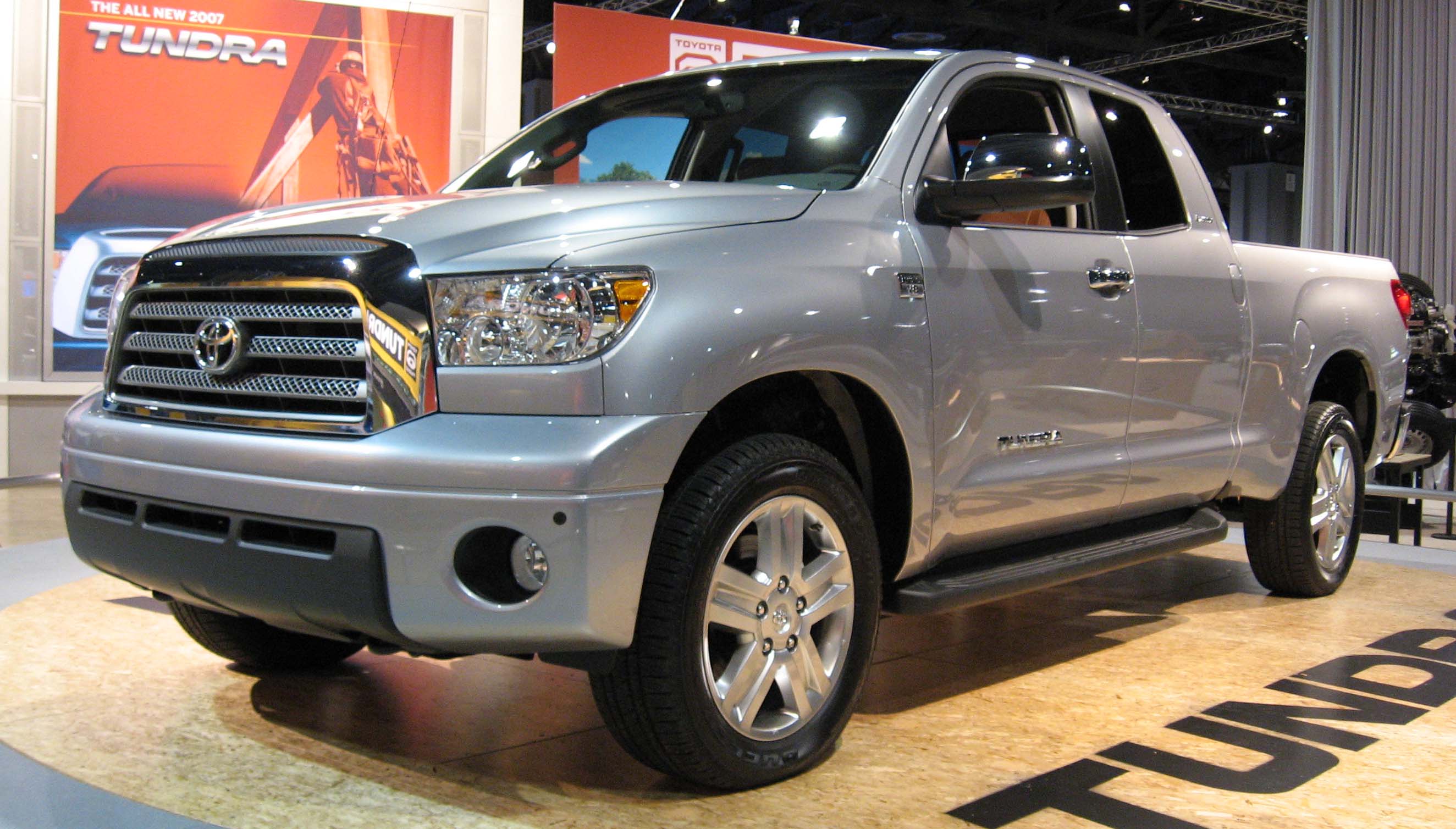
They’re saying they get some Toyota Tundras, but their local area doesn’t buy big trucks as much. So inventory can build up depending on what people in that city want.
A major redesign can create a temporary supply backlog because production lines and parts sourcing switch to the new model. Even if demand stays high, inventory can lag until the new configuration ramps up.
This is Toyota’s hybrid version of the Highlander SUV. Hybrid models can sell quickly, so dealers may not have many cars sitting on the lot at any given time.
This describes a sales approach that focuses on managing expectations when inventory is constrained—explaining what’s actually available, when it might arrive, and what trade-offs the buyer can make. In a shortage, the “sales process” shifts from selling a specific car on the lot to guiding the customer through availability and timing.
“Inventory stats” are the dealer-level numbers that show how many vehicles are available, how quickly they sell, and how often certain models are in stock. In a low-inventory environment, these stats strongly influence how dealers set expectations and manage customer demand.
Ackerman Toyota is the dealership being referenced as the source of the “verified OTDs.” The segment uses it as an example of transparent pricing and low extra fees compared with other Toyota dealers.
A dock fee is an extra charge some dealers add on top of the car price. In this segment, they’re saying their dock fee is lower than what’s typical in the area.
Dealer add-ons are extra add-on items or fees the dealer tries to include in the deal. The point here is that this dealer says they don’t tack on surprise add-ons.
“Negotiate” refers to bargaining over the final purchase price and deal terms rather than accepting the first quote. The hosts highlight that the dealership is willing to negotiate, which can reduce the out-the-door cost even when advertised pricing is already competitive.
The word “limited” is pointing to low inventory. When there aren’t many cars to choose from, some dealers may try to make extra money with extra charges or pressure.
Pricing power means sellers can charge more because customers still have to buy. When cars are hard to find, dealers often have more leverage on price.
Repeat customers are people who buy from the same dealer more than once. If the dealer treats them well (or not), it can change whether they come back.
Concept
long-term vs short-term sales strategy
They’re talking about two ways a dealership can think. One is to make the most money from every customer right now. The other is to keep customers happy so they come back later and recommend the dealership.
They’re looking at a chart that estimates how long the current cars on lots will last. If the number is high, it usually means cars are selling more slowly than expected.
A Toyota Tacoma is a popular midsize truck. In this segment, they’re talking about how many Tacomas dealers have sitting around for a long time, which usually means buyers aren’t snapping them up as fast as expected.
“Days on the lot” measures how long a specific vehicle has been sitting unsold at a dealership. Extended days on lot often correlate with discounts, incentives, or weaker demand in that market.
A hybrid powertrain is the system that lets a car use both a gas engine and an electric motor. They’re saying that hybrid versions might be harder to find even when some other versions are available.
“Brand risk” here means the possibility that customers lose trust or switch brands when a manufacturer can’t supply enough vehicles to meet demand. In practice, persistent shortages can lead to frustration, lost sales, and reputational damage.
Concept
franchises
In dealership terms, “franchises” refers to the authorized dealer network that sells a manufacturer’s vehicles in a territory. The hosts are implying that franchise dealers may be taking advantage of shortages, affecting how the brand manages customer experience.
A general manager (GM) at a dealership is typically responsible for overall store performance, including sales strategy and approvals. The discussion suggests salespeople may need GM approval for certain deal terms, depending on the store’s policies.
A used car manager oversees the pre-owned inventory strategy, pricing, and sales process for a dealership’s used vehicles. In this segment, they’re used to frame how deal approvals and internal authority can differ between roles.
“Customer satisfaction scores” are metrics used to quantify how happy customers are with the buying process and dealership experience. The speaker implies their process reduces friction and improves these scores over time.
They’re talking about the traditional negotiation style where you keep negotiating for a long time. The point is that it wastes everyone’s time and can make the deal feel worse afterward.
A “campaign” is Toyota (or another maker) telling dealers to fix a known issue on certain cars. If the car is still on the way, they may hold it to do the fix before you get it.
A rail yard is a place where trains and rail cars are parked and organized. Cars can sit there temporarily, especially if they need a required fix before delivery.
They’re asking whether cars are actually sitting at dealerships so customers can drive them. It’s about what the current market makes it like to get a test drive.
When a car gets redesigned, it often takes time for dealers to get enough new cars in stock. That can make it harder to test drive the newest version right away.
An order backlog means lots of people have placed orders, but the cars aren’t arriving quickly enough. So you may have to wait months before you can drive or receive the new one.
The Toyota Crown Signia is a Toyota crossover that isn’t as common as the brand’s biggest sellers. Because fewer are made or sold, it can be harder to find one to test drive.
A used car inventory shortage happens when there aren’t enough trade-ins or used vehicles available on dealer lots. The hosts say used car prices are very high and inventory is hard to keep, which can make shopping harder and reduce negotiating power.
They’re saying used cars cost more than they used to, and that affects the whole market. If used cars are pricey, people may delay buying or look harder for new ones, which can make new-car shortages worse.
A backlog means people have placed orders, but the cars aren’t arriving fast enough. So customers wait longer, and it feels like there are fewer cars available.
It means the dealership doesn’t have enough cars to last very long at the current pace of sales. When that happens, cars sell faster and prices can go up.
They’re using Stellantis as an example of a company that raised prices a lot and is losing sales. The point is that not all brands react the same way when the market gets expensive.
Inventory turns is a way to measure how fast a dealership sells its cars. If they sell a lot of cars quickly, that’s “high turns,” and it usually means buyers are competing for limited supply.
Concept
cell 65 out of the 70
This sounds like a quick sales rate: selling most of the cars the dealer had (65 out of 70). They’re using it to show cars are selling fast because there aren’t many available.
Concept
tariff related
They’re wondering if tariffs—taxes on imported goods—are messing with how easily cars and parts can be made or shipped. That could lead to shortages and longer waits.
Oversupply inventory means there are more cars available than people are buying right now. If a model has oversupply, it’s usually easier to find; if it’s under supply, people wait longer.
A three-month wait list means you can’t just walk in and get the car—people have to wait. That usually happens when lots of people want the same model but there aren’t enough available.
This refers to consumer-protection advertising guidance that limits marketing claims to what’s truly available for purchase. For car dealers, it can force changes to how they list incoming models, “in transit” inventory, and future model-year vehicles on websites and ads.
The FTC is a U.S. government agency that helps enforce fair advertising rules. The point in this segment is that dealers may not be allowed to advertise cars that customers can’t actually buy yet.
The Toyota RAV4 is a popular Toyota SUV. The hosts are talking about the 2026 RAV4 and how dealers might advertise it even though it won’t be available for a few months.
CarEdge.com is a website they use to help people research cars. It can estimate things like how a car’s value changes over time and what it might cost to own and insure.
Depreciation is how much a car’s value drops as it gets older. If you know that, you can better guess what you’ll pay overall and what you might get when you sell.
“Cost to own” means what a car will cost you over time, not just what you pay at the dealership. It usually includes things like insurance and routine upkeep.
Dealer reviews are ratings and written feedback from customers about their experience with a dealership. They can highlight patterns in sales transparency, service quality, and how issues are handled after purchase.
A warranty is a contract that covers certain repairs for a set time or mileage. The hosts mention warranty support as part of what they can help with, which typically means guidance on coverage options.
Checking what your car is worth means estimating how much you could sell it for (or get in a trade). It helps you avoid overpaying or accepting a low offer.
LIVE
It's noon here in Venter City, New Jersey, and our nation's capital, Washington, D.C.
And this is Car Edge Live for Monday, April 27th with your hosts, me, Ray here in my condo
and Venter and Zach hanging out in Washington, D.C. today.
How are you today, handsome?
Doing fantastic.
Happy Monday, April 27th, everyone.
Thanks so much for tuning in to another episode of Car Edge Live.
Today's show is brought to you by none other than CarEdge.com.
Me, my dad and our incredible team can help you out with our car buying services back at CarEdge.com.
And dad, today, as you know, we have spent a lot of time working on the Dealer Transparency Index.
We actually have a real life, breathing, sentient, human Toyota dealer joining the show today.
Dad, from Acriman Toyota, let me pull him in here, Tyler Baker.
How does it feel to be referred to as a sentient real life Toyota dealer, Tyler?
That's got high praise.
That's the first.
I'll have to take a minute to tell you how to adjust that.
Yeah.
I'm taking a minute to process why I even went there.
Pops, we've got Tyler with us here today.
Tyler, take a second to introduce yourself from Acriman Toyota, one of the leading sales
professionals in the United States of America for Toyota.
Share your creds with our community, Tyler, pretty please.
Yeah, I've been with Acriman Toyota for 18 years now.
I'm one of the top Toyota salesmen in the entire country.
And yeah, I'm not going anywhere anytime real soon.
Awesome.
Yeah, so you're one of those guys that moves around a lot, Tyler.
Yeah, right.
So before we get into this here, just want to remind everyone in our community, you can
ask questions to Tyler who's going to be with us for about 15, 20 minutes.
We're going to talk about at least to kick things off here, Tyler.
First and foremost, congrats to you guys on having an A rating on the Dealer Transparency
Index. If anyone is interested in the St. Louis area to learn more about what
Acriman's up to, you can go to their website, links down below, and you can
reach out to Tyler directly.
But here's where I want to start, Tyler, which is Cox Automotive.
Every single month puts out the day's supply of inventory for the car market,
both new and used cars.
And me and my dad have been talking about this for years, and we're going to scroll
all the way down here to the chart that shows day's supply of inventory by brand.
Toyota has a 36 days supply of inventory.
Can you talk to us about what does day's supply mean?
What does 36 days supply mean?
What does it mean to be a Toyota dealer right now?
What are you seeing in your world when it comes to inventory and sales?
Yeah, well, that's the average days that a car's on the lot before it's gone.
And yeah, that number is so low because of the amount of cars that we sell before they
ever hit the lot.
So there's a lot of different models that for the last five years,
we've had none of or close to none of hit the lot because everyone's buying them
two, three, four months in advance.
It's not like it was five years ago, where every car was six, eight months in advance.
It's usually in the weeks to a couple of months right now.
But yeah, demand is still really, really, really high.
We've had a lot of conquest customers since COVID, and we're selling more cars
before they're built than we are actually cars here on the lot.
How has Toyota managed to have such an understanding of what they need to produce
for demand while not overproducing so that, if I hate to say this, you guys can hold
gross profit more so than most dealers?
Well, I think a lot of the different manufacturers taste trends and styling and
technological and whatnot, but reliability and dependability are pretty much always
going to be there. And everyone's always going to look for those things.
And Toyota's always been the king of that and still is now.
Zach, your turn.
Yeah. I mean, Tyler, talk to us a little bit about what it actually means to buy a Toyota
in today's market because last time I checked, you can't order a new Toyota.
You're one of the manufacturers where you can't factory order a vehicle.
So what does it mean?
And also share a little bit about what vehicles are actually sitting on the lot.
So what does it mean to actually buy a Toyota today and where are there opportunities?
Where is there a little bit more supply?
Sure. So as far as ordering one, you're right. You don't just send in an actual order sheet
and Toyota builds that car. But from the customer's perspective, you kind of can order a car.
If it's a Japan-built car, it's a little more complicated because you can't change factory
options and things of that nature. But if it's a domestic or a Canadian-built car,
most of those vehicles, we can change colors on. We can change factory options on.
We can certainly change port and sold options always.
And we can also trade for cars that are allocated. So really, from the customer's side,
it is just ordering a car. I want these colors. I want these options.
And we can get that exact car. That's what separated us actually and why we've had such
a good run the last few years from all the other dealers, at least in our area,
is since they know they're going to sell these cars anyways, they just take basically a list of
what you want and put you on the docket. And then when they get cars allocated,
they'll offer those to you when your name is up. And if it fits what you're looking for,
great. And if not, they just move to the next person. But we haven't approached it that way.
The reason they're doing that is because they're going to sell the cars anyways,
and it's a lot more work to actually change the cars. But we do change the cars for people.
And if it's a domestically-built car, we can pretty much get exactly what someone wants
about 100% of the time. So from their perspective, they can order the car, even though your order
is not like going directly to Toyota. But yeah, from their perspective, it's the same thing.
As far as what cars are on the lot, Tacomas, part of that was earlier in the year,
or in the middle of last year, there was a big stretch where Toyota built more Tacomas than
they did RAV4s and Camrys combined, which is insane, considering the RAV4s are best-selling
car in America and the Camrys best-selling sedan in America. But I don't know if they had to do
with tariffs and things of that nature, and if Toyota was trying to get ahead of things. But
there was a several-month period where there were more Tacomas in allocation than any other car by
a gigantic margin. And because of that, we still have a good amount of those. We have a lot of
tundras, but we're also in the city. So we don't do as well with the big trucks. We have some
Corollas that kind of comes and goes, a couple Camrys. But RAV4s especially, because they just
redesigned the RAV4 for the first time in six years, those are a pretty big backlog.
And Highlander hybrids, Grand Highlander hybrids, most of the hybrids really are
not sitting on the lot. Wow. It sounds to me, and I only spend 43 years in a repel automotive.
It sounds to me when the situation is like this, that there's not a tremendous amount of
selling that goes on. It's more counseling a customer as to what's available, when it might be
available, what can you live without, or what do you absolutely have to have. And it's just
spending time explaining to the customers what's actually available as opposed to the
fantasy that some customers might have in mind. Yeah. I mean, the process is a little different
than what people are used to. So them being comfortable is a big factor, but that's really
a big factor, no matter what. I mean, when people walk into a car dealership, they're not doing
something. It's not something we're looking forward to most of the time. So making someone
feel comfortable and understand that they have someone in front of them, that's not going to
jerk them around effectively is kind of always been the key. And it's even more so when they
have to go through this process, because I can't tell you how many times I've heard the words
I have never had to buy a car this way. And the best thing you can do, at least for my position,
is understand that and understand exactly where that customer is coming from and just approaching
it the right way. And if I may, Tyler, just want to take a second, because I want to dig into more
the inventory stats, but I also want to demonstrate something really quick here. 29 verified OTDs
from Ackerman Toyota. Look at this pops. $299 dock fee is $230 below the Missouri average of
529. At Ackerman, we have never detected a dealer add-on. The price you see online is the price
you're going to get. And Tyler and his team, they're willing to negotiate. You can literally
come down here and see there are multiple negotiations where you can save some money,
never an add-on and a low dock fee. I think that's part of the reason, as well, Tyler, if I may,
why some Toyota dealers are doing really well right now and there are others. I mean, you actually
share your experience with us. Are there dealers out there? It's a bit of a leading question. Are
there Toyota dealers out there who are taking advantage of the fact that there's limited
inventory right now, adding markups, add-ons, things like that? Is that happening in today's
car market still? Yes. And this dealer will remain nameless, but there was a dealer that came in and
bought. They have several dealerships across the country and they bought one of the local dealers
and they are the add-on king as far as different products that they just try to shove down people's
throats. But the administrative fee is a really good thing to point out. Missouri changed their law
a few years ago and allowed dealerships to raise their administrative fee to $600. And part of
that rule change was the state takes $100 of it every time. So our administrative fee was $199
for 38 years and we changed it to $299 because the state takes $100. Most of the other dealers in
the area changed theirs to $500, $600. And actually just this year in January, Missouri allowed the
dealerships to up it to $620. So they added $20 more and half of the dealers actually in the area
made it exactly $620. So I think it's a great example here that when the car market gets tight,
I mean, Dad, you and I talk about it like it's a high school economics class pretty much every
week. It's supply and demand. But when supply goes down and demands high, there's pricing power,
but there's also a short game and a long game. The short game is I can jack up my dock fee,
I can jack up the add-ons, I can make more money today. But what's going to happen when that customer
gets educated? Do they go back and buy their next vehicle there, et cetera? And obviously,
different strategies for different dealers here.
And Tyler, can I ask you a silly question? And I know as you described it when we first met,
you're just a salesman. Okay. And so you might not be privy to all the data,
but what would you say is the percentage of repeat customers that Ackerman gets?
And can you also share, because I have no idea how long Ackerman Toyota has actually been
in business? We've been in business for 43 years. That number actually was a little bit higher
a few years ago. We built a new building seven years ago. So we got a lot of new customers when
we built the new building. But it's over 60% what our repeat customers are as far as new car sales
are concerned, because we did stay in the city. And yeah, it's because of the exact things you've
just pointed out. I mean, you can try to, especially in this market, the last five years,
you can definitely try to maximize every single person that walks on the door if you want to,
but that's a completely short-sighted way of doing things. The biggest advantage we have at
our dealership really when it comes down to it is the general... You're going to be shocked
being in the industry this long. We've been number one or number two in volume for the last six years
in St. Louis. And we only have a general manager and a youth car sales manager. And that is it
as far as the management team is concerned. And you know, being in the business that long,
that's kind of crazy to have that low number. But the new car or the general manager has been here
for 34 years and the youth car manager has been here for just under 40. And the biggest advantage,
the reason that gives us such a big advantage is if you're at one of these dealers where you've
had four different general managers and a whole bunch of different sales managers of the last
decade, whoever sitting in that seat knows that this quarter, this year, this month, whatever
it might be, has to look good or their job might be in jeopardy. And it's totally reasonable for
that person to maximize every customer that comes in the door because who cares if five years from
now that customer comes in and doesn't want to work or buys another car or what have you.
But when you've been sitting in that seat for 35 years and you know that one bad month or one bad
year even isn't going to be a risk to your job, you can really look out for the dealership's best
interest, which is long-term, which is making sure that when a person comes in, ultimately,
if they're happy with their experience, that's way more important than actually maximizing every
dollar you're going to make from that person in that instance. So then can we go macro for
a second here? Toyota has a brand. That's a little bit of the risk that they're running
right now with their customer base. And I'm going to show an example of this, Tyler. We have a little
bit of like a heat map here that shows the day supply of vehicles. This is the heat map for
the Tacoma, the vehicle that you said earlier in the show. Toyota produced so many of these
vehicles. And you can actually see quite a bit of red on this screen, which would be it's not a
buyer's market, but there is some green, meaning there are some markets in the United States right
now. For example, in North Carolina where there's actually a significantly high day supply of Toyota
Tacomas in the Winston-Salem area, for example, there's one dealer that has 31 Toyota Tacomas on
the lot right now, some of them sitting for 268 days. That's great. But if I go back here, Tyler,
instead of looking at Tacomas, what do you say? You want to do the RAV4?
Sure. Good one. We'll do the RAV4. We'll come to the heat map for the RAV4. Drum roll, please.
A lot of red. A lot of red on this screen here. And we've got some markets where there's some
RAV4 supply, but I'm doubtful that's going to be the supply of those hybrid powertrains, for
example. If you're in Arizona right now, it's all red. There's really not a great opportunity as a
shopper. Is this not a little bit of the risk where you were just describing short-term thinking
versus long-term thinking that Toyota is running into right now? Because in many markets for many
types of vehicles, they actually don't have enough supply to match consumer demand. Is this a little
bit of a brand risk for Toyota? Yeah, I guess it is. But I don't know how they specifically
are going to address those with the franchises that are taking advantage of people. I can't even
conceive of having a Tacoma on the lot for 270 days. I don't know how that happens.
There's things in this business I can't conceive either. I want to ask you a follow-up question
to what we were just discussing before. And having just a general manager and a used car
manager, I take from that that you as salespeople are given a little more leeway to just go ahead
and make deals without having to run to a manager to get it approved through. Is that a correct
assumption on my part? It is. It is. I might be in a little bit different of a unique position
just because of my record and how long I've been doing it. But yeah, in general, yeah, that back
and forth doesn't really happen here. We don't hire green peas not to use the inside word,
but yeah, the general manager here will not hire a new person without experience.
And I'm 42 and I'm the second youngest salesman here. And I've been doing this for 20 years with
Toyota. And I think I'm the third least experienced salesman here. So yeah, everyone we have here
has been doing a long time. They know what they're doing. And again, since we're not trying to play
any of those side games, there's not a lot of going back and forth. Well, I would imagine
your customers must love that. I'm just guessing I have no way of knowing. You can verify this
for me if it's so. But I'm going to assume that you guys probably have very high customer
satisfaction scores. Yes, yes, we excel in all of those areas. I think that's changed over the
last probably 10 years too, as far as people really liking that. Because I mean, you probably know
there are still people around that want the back and forth. They live for the back and forth.
The old salty dogs that want that. I had an adoptive father, Harry, God bless him.
Okay. And Harry, for him, the whole thing was it had to take two or three days. And you had
to go back and forth, back and forth, back and forth. And I remember one day he's in my office
at Admiral Nissan in Pleasantville, New Jersey. And Harry's going off on me and the owner walked
down the steps and I said to him, Harry just made a crazy offer and Herman said, take it.
And then Harry didn't know what to do and he couldn't buy the car. Because it was just too easy.
Okay, for him, it was sport. Sure. Yeah, there's people like that. No, yeah. They're fewer and
far between nowadays and people don't like that. One, because it's just silly. I mean, let's just
say what it is. It's silly. You don't buy other things that way. And secondly, it doesn't respect
their time and it makes bad use of my time. I mean, I don't want it to take two hours,
two and a half hours to buy a car. First, because you're not going to be happy with what happened.
And secondly, that costs me money and deals. I have things to do. If it takes me two, three
hours to sell every car, that's going to have a huge detrimental effect on my overall results.
I want to circle back to kind of that macro level for Toyota for a second.
And a great question from Bubble, which are there, Tyler, how often do your customers get
frustrated waiting for inventory and buy something different? Is this happening often
at your dealership or is this, you know, few and far between?
That does not happen very often. And it's because the key to that is you got to set it up the right
way. If it's going to take three months, you say it's going to actually, if it's going to take
three months, you say it's going to take three and a half months or four months is what you do.
But you got to set it up the right way. Now, there are things that happen. Okay.
There's rail delays. There's rail strikes. There's campaigns that come on cars. For people that
don't know, campaigns on a car is like a recall on a car, right? So if there's a recall on a car
and that car is in transit, they stop that car and it's one of the rail yards. They fix that
recall before you ever get the car. And if there's no fix for the recall, it sits in that rail yard.
And those do happen. So there are circumstances where, okay, this car is supposed to be here
in six weeks, and then it gets stuck at the real yard for four or five extra weeks. And
I mean, as long as you maintain good communication with the customer and let them know what's going
on, that really doesn't happen too often. I think if people fall into that, that being an issue,
it's just because they don't have communication with the customer because ultimately people just
want to know what's going on. If something's delayed and they don't hear from you,
that's going to be a problem. And I totally understand that if I don't hear from someone,
and my car is supposed to be there already, I'm going to be pissed off and think that person's
on top of what's going on. But as long as you call the people and they understand everything
that's going on, that really doesn't happen that often. The only time really that that's happened
is big life changes. And a lot of times, negative events, people lose jobs, people get divorced,
things like that. And in those circumstances, I mean, we're all people, we understand that,
and that's really unavoidable. For sure. For sure. Dad, my gears are spinning,
but I'll let you jump in here. I know you're going to have to file for a couple more minutes.
You're on a roll, young man. Well, I'm curious, Tyler. You said that some opportunities earlier
on the inventory side were the Tacomas and also maybe in your particular area, the Tundras.
Are there actually vehicles on the ground for customers to test drive? If I want to test drive
when you rap for, how do I do that in today's market? And this is like a great picture Toyota
car shopper advice. How do I test drive some of these models? Yeah, that's the tough part with
the RAV4 is it's a redesign. So if it's a different vehicle where it's a carry over year,
there's minor refresh or something like that. It's simple. You probably have something
pre on the person in drive that's going to be a fine analog for the new one they're ordering.
But when it's a redesign like the RAV4, that is a tough spot. And all you can say is I just
don't have a good option for you. But people buy them without drive. Like you see, no one has to,
no one that I know, at least anywhere here, has tested a new RAV4 outside of people that already
own theirs. And we still have a three month backlog of orders. So I guess to answer your
question on most models that aren't the RAV4 that aren't a fresh redesign, it's just you find a used
car. And if you don't have that used car, I will find that used car at a different dealer that's
the perfect one for them to drive and tell them where to go to drive it. But on something like
the RAV4, it's just a tough spot. You just have to have faith in Toyota and order the car if that's
what you want. That's awesome. Can I follow up on something? Crown Signia. Does that sell at all?
They do. They don't make a ton of them, which makes sense because it's the Avalon SUV now,
just like the Crowns. But the Crown placed the Avalon and then the Crown Signia is the Avalon
SUV. They don't make a tremendous amount of them. They're great cars. I'll tell you this. I've driven
so I drove nothing but Venza's for demos for the last four or five years. Basically,
right when they came out, I took one as a demo and I said, this is the only thing I want this.
So I just kept driving that over and over. And I just got into a Crown Signia early this year
because I miled out of the very last Venza we ever got. And I absolutely love them. They're
awesome cars. They are. But they sell. We're not sitting on a bunch of them, but they just don't
Twitter doesn't produce a ton of them. They're not like a Corolla or a Camry or a RAV4.
I got one more for you, Tyler. That would be the used car side of things. Everywhere we look,
everyone we talk to, used car prices are through the roof and hard to keep inventory.
What's your experience at your dealership like on the used car side? Do you guys sell
many used cars or customers looking to buy used cars? And what's your inventory situation like
on the used car side of things? So we probably have a smaller used car inventory by a little bit
based on how many new cars we sell. We typically carry between 70 and 120 used cars. They fly.
And I mean, we turn our used inventory quickly and used car prices are higher and that totally
makes sense if you really think about it because the same thing is driving both things. Last couple
months we turned our entire inventory. We had like 70 used cars on the ground and we sold 65,
which is crazy. But that's the biggest driver of the shortage of new cars because used cars
are more expensive. By the amount, you would probably expect them to be more expensive by over
the last five years. It's the same ratio that if you go out to eat or you go to blows or you go
anywhere like that and you go, well, all this stuff is so much more expensive. Used cars are
more expensive by about that amount and new cars are not. New Toyotas, depending on the model,
are between 6% and 11% more expensive than they were in 2021, which is crazy when you consider
how everything else is inflated. And that's been the biggest driver of these new cars
having backlogs on orders, having short day supply is because the used car market
is inflated much, much more than the new car market is. So the new cars present a greater
value to people. And if I may, not all brands are created equal. We did some research recently,
Tyler Stellantis, for example, over the last decade have increased their prices by almost 60%.
And to be clear, Toyotas nowhere near that. And that's significantly higher than the CPI,
than inflation rates. So not all brands are created equal. Maybe that has something to do
with why Silat. Stellantis' sales are down so much at the same time where Toyotas' sales
are up so much. Can you believe that, Dad? I'll shut up in a second. 70 cars on a lot
and 650 in the month. That is insane turns. No wonder they use car managers in there for 40 years.
Yeah. It's a wonderful thing. Tyler, if people want to get in touch with you,
what's the best way for them to do that? Obviously, they can go on CarEdge.com and
search there and they'll see Ackerman Toyota. They can go to the website. How else can they
get in touch with you? Yeah, that's the two main ways I would say. You can go on the website,
you can email me directly, you can go to AckermanToyota.com, you can go straight to CarEdge
and you can just type in AckermanToyota on CarEdge and it'll come to me and we'll
help you out the best we can. Tyler, we really appreciate your time here today with us. Thanks
for the transparency. Thanks for sharing what's going on in your neck of the woods. And I hope
you do not get those hail and thunderstorms that you're anticipating later today.
wow. Can you believe that, Dad? In your career, did you ever turn over used car inventory that
quickly? Not that quickly, but yeah, you'll love to hear it, to have the cell 65 out of the 70.
I mean, you know, that just indicates to me that there's still just this huge shortage of used
cars. And when you're at a Toyota dealer, you combine a huge shortage of used cars with a huge
shortage of new cars and you've got like the mint. Yeah, it's a printing press.
Yeah, it's unbelievable. And yeah, I don't blame him for not leaving. I mean, 18 years at that
dealership, why would you go anywhere when, you know, because of his sales abilities, that he
probably has more authority there than if he went somewhere else ever. And he can just talk to him
and tell him. He understands people and tries to make it as easy as possible for them as he can.
I was fascinated by that stat about Toyota producing more Tacomas than Camry's and
RAV4's combined earlier this year. That must be tariff related in some way, or maybe it was last
year that he was referring to, but that's crazy because there is actually that is like the one
area than Tundras. Tacomas and Tundras are the two areas, the trucks, where Toyota actually
has an oversupply inventory everywhere else, dramatic under supply, three month wait list
for the newly redesigned RAV4's. I mean, there was something else he said that I think every sales
person and every sales manager in America needs to understand. Let's hear it. And that was,
I don't want each sale to have to take two and a half to three hours because that cuts into what I
have to do and how many cars I can sell. The whole concept is, if you speed up the process,
if you make it as easy as possible from Jump Street and you speed up the process,
everybody wins. The customer wins because there's less games played. Sales people win because
they have the opportunity to sell more cars. If it only takes an hour to sell a car,
well, that means you can be talking to your next customer an hour later as opposed to three hours
later. It's better for the dealership. So that to me, that was the most important takeaway
that all sales people and all sales managers should take from this interview. Make it as
easy as possible and as quick as possible for your customers so everybody can go about the
business of selling more cars because of that. Yeah. One other thing I'm thinking of,
just at this moment in time, coming off the FTC pushing all these proposed rules that would gain,
you can't actually advertise cars that aren't for sale. I'm sitting here and I can't help but wonder,
Dad, if I'm a Toyota dealer trying to advertise and merchandise my 2026 RAV4s that don't exist
because they won't exist for three months. And then the reason this is coming up for me is because
I'm on the CarEdge car search and I see that between our two Toyota partners that we have,
there's five RAV4s here that are being advertised for sale and it just doesn't really make sense
because we know they're not actually available. I would just said it. So it's interesting how the
market for Toyota in particular will have to abide by proposed rules from the FTC when these cars
don't even exist. So you can advertise cars not prices. It'll be interesting because ultimately
their sales model is no longer, hey, land on a car, come test drive. It's crazy that people don't
test drive these cars. Yes. The sales models now, I wanted to know brand new redesigned RAV4,
going to figure it out. So it's just fascinating talking to Toyota dealers from Matthew here.
Thanks for this, Matthew. Thank you. I appreciate your kind contribution. I think I've test driven
one of the 10 plus cars I've purchased in the last 10 years. You just have to trust the Germans
when ordering the new M-Series or Porsche cars. Yeah, I think Matthew's on something here.
Well, apparently that's the same thing when it comes to Toyotas.
Toyota, BMW, M-Series and Porsche. What do they have in common? You can't test drive them. You
just got to trust them. Folks, if we can help you out with anything, me, my dad and our incredible
team back at CarEdge.com are here to serve you. Check out the website. A few things to call out
here. Shop cars. You can shop for newer used cars. You can look at CarEdge Pro as well. Under
research, we have so much stuff. You want to know how cars depreciate. You want to know what it's
going to cost to own a vehicle. You want to see what it's going to cost to insure it. Check that out
under research. Dealer reviews. Dad, we spent some time looking at dealer reviews today because,
again, Tyler, who joined us today, is from Ackerman Toyota. They get an A great and awesome
score here for the team over at Ackerman Toyota. So you should look at the dealer reviews. If you
want to save money, we've got CarEdge, Concierge, CarEdge Pro. We can help with insurance and
warranty as well. If you want to check what your vehicle is worth, you can do that back
at CarEdge.com too. All right, folks, that's the show. We're back tomorrow with more CarEdge Live.
Looking forward to it then. Yeah, me too. Me too. Hopefully, if there's thunder storms and the
hail storms that are scheduled to hit the St. Louis area. They don't make it this way. Yeah,
stay away from us. But typically, those storms go from west to east. So we'll have to see what
happens. Bob, enjoy the afternoon. I love you and I'll see you back tomorrow. Absolutely. See
everybody. See you back here at noon tomorrow. If you like the show, please take a moment to rate,
review, and subscribe. It really does help the show to grow. Thank you for listening.
About this episode
Toyota dealer Tyler Baker from Ackerman Toyota joins Ray and Zach to explain why Toyota inventory is so tight, how customers effectively “order” cars without a true factory-order system, and why the brand’s reliability keeps demand high. The conversation digs into Tacoma and RAV4 supply, hybrid shortages, used-car turnover, and how Ackerman avoids add-ons and high fees. They also debate dealership transparency, faster sales processes, and the long-term risks of short-term pricing tactics in a supply-constrained market.
Today on CarEdge Live, Ray and Zach are joined by Tyler from Ackerman Toyota. Tune in to learn more! Hosted by Simplecast, an AdsWizz company. See https://pcm.adswizz.com
for information about our collection and use of personal data for
advertising.