The “Bush Series” is an older name for NASCAR’s second-tier series. It’s a stepping-stone series that many drivers use before they move up to the top NASCAR Cup level.
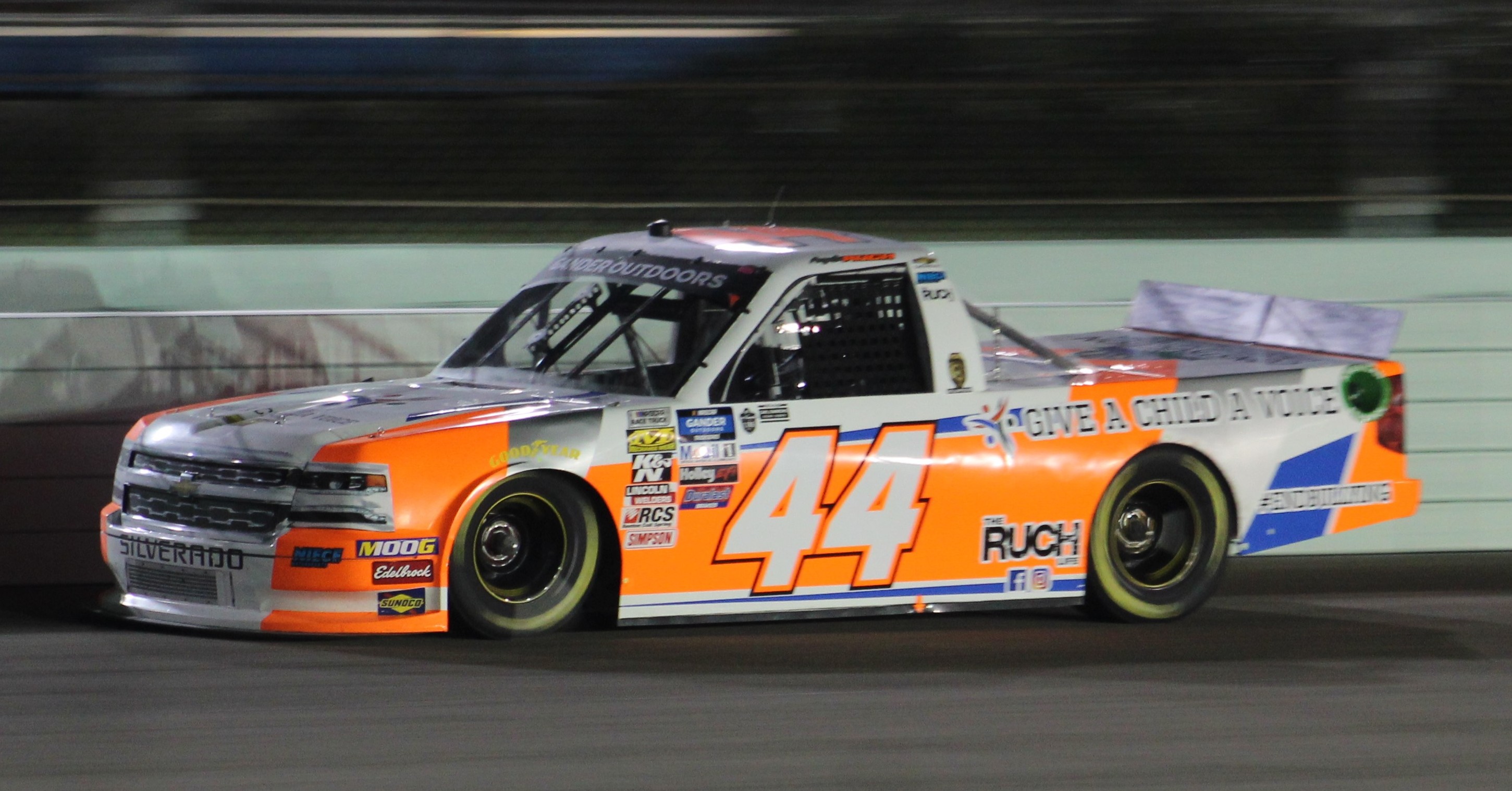
A Chevrolet Silverado is a big pickup truck. This one is a 1997, and the story says it was customized with a supercharger, so it could feel much faster than a normal truck.
In NASCAR, a “Cup car” refers to the stock-car platform used in the NASCAR Cup Series. It’s the top-level national series, so driving a Cup car is a major step up from lower NASCAR divisions.
A “straight” is the part of the track where the car goes mostly straight and can build speed. The “last straight” is the final long acceleration section before the next big corner.
A “right hander” is a turn where the track curves to the right. Saying it’s the “last” one means it’s the final right turn before the next section of track.
The Ssangyong Kyron is a type of SUV, meaning it’s a taller vehicle meant for both regular roads and tougher conditions. In a podcast, it may be mentioned because someone is talking about how a specific car model fits into their driving or simulation plans. The key point is that it’s an SUV platform people can reference for real-world driving behavior.
A go-kart track is the course where people race small cars called go-karts. The host is saying they were involved in improving their local track, which helped them learn racing.
A grandstand is where spectators sit to watch a race. The host is saying their go-kart nights became big enough that people could watch from proper seating.
“Building motors” means putting an engine together and getting it ready to run. For go-karts, it’s also a learning process because you can see how engine parts affect how the kart runs.
The head gasket is a seal inside an engine that helps keep important fluids and gases from leaking. If it goes bad, the engine can overheat or start running poorly.
“Chevy 350” is a famous Chevrolet V8 engine size. The host is using it like a comparison—saying the parts they were looking at resembled those from that well-known engine.
“Flathead” is an older engine design where the valves sit in the engine block. It’s a simpler setup, but it doesn’t breathe as well as newer engine designs.
Go-karts are small race cars that many people start with when learning to drive and race. They’re a common first step because they’re easier to handle and race.
“Hemmy” is a reference to a HEMI-style engine, commonly associated with Chrysler’s HEMI V8s. HEMI engines use hemispherical combustion chambers, which can improve airflow and combustion efficiency—often making them popular for high-performance and racing builds.
The NASCAR rulebook is the official list of rules for what a race car is allowed to be. Building “by the rulebook” means the team followed those limits so they wouldn’t be at a disadvantage.
A weight rule is a rule about how heavy the race car has to be. If there’s no weight rule, teams can build lighter or heavier; if there is one, everyone has to meet the same minimum so it’s fairer.
Term
Ford engine
They’re saying the car used a Ford engine. In racing, people often swap engines to get more power or better parts support.
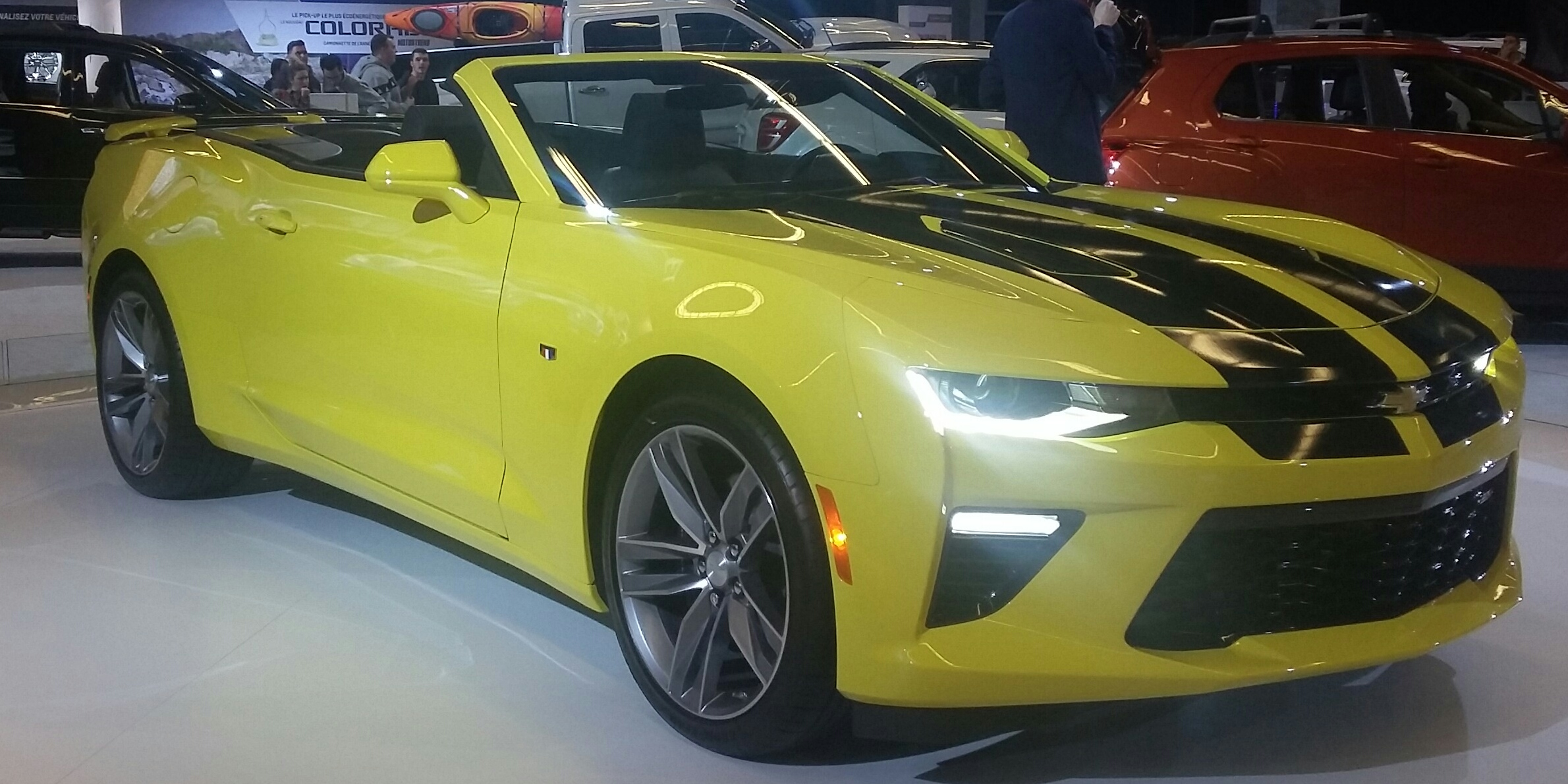
The Chevrolet Camaro is a sports car made by Chevrolet. It’s a popular model that has been used in racing and special events for many years. When someone mentions a specific Camaro color or year, they’re usually talking about a particular car entry from that time.
A fiberglass seat is a racing seat made from fiberglass composite rather than traditional steel or aluminum. Composite seats can be lighter and can be shaped to fit the driver, but they’re also subject to racing rulebooks that limit materials for safety and consistency.
Carbon fiber is a very strong, lightweight material used a lot in racing. Here they’re saying Corey is building seats with it, building on the same idea of making racing seats from composites.
Concept
make something round out of something that's flat
They’re talking about shaping material into a curved seat shape instead of leaving it flat. The point is to make the seat fit and support you better while you’re driving and in hard situations.
Powder coating is a way to coat metal with a protective finish. It’s baked on so it’s tougher and lasts longer than simple paint—useful for parts that get lots of wear.
Short track racing is racing on smaller tracks, usually ovals. The cars go fast, but the track is tighter, so drivers deal with more close-quarters driving and crashes—so safety gear matters a lot.
Racing seat belts have to be buckled and set the right way. If they’re not locked in properly, they may not protect you as well in a crash.
Concept
LCQ, dual race
“LCQ” is a last-chance race. If you didn’t qualify the normal way, you race again to try to get into the main race. The host is saying Daytona’s setup was basically like having two races worth of action over a long stretch.
The “Goodyear tower” is a track control/viewing area tied to Goodyear’s racing role. It’s where people watch what’s happening and help teams with information during practice and events.
“Sideways” means the car starts sliding and the back end swings out. The advice is basically: steer to control the slide and keep the car stable instead of letting it spin.
“Wide open” means you’re pressing the gas all the way. In racing, that’s how you go as fast as possible, but you still have to keep the car under control.
Richard Petty is one of NASCAR’s biggest legends. The host is saying they got an engine from Petty’s side of the sport, which shows how connected the racing community can be.
An open-face helmet is a helmet that covers your head but doesn’t have the full chin/face guard. In racing, it can still have a visor and a mic for talking to the team.
A concussion is a brain injury from a hit or hard jolt. It can make you feel awful—like headaches or confusion—and you may need time before you’re back to normal.
The transmission is the part that sends power from the engine to the wheels using different gears. In this story, it’s mentioned because the crash pushed him into that area of the car.
They’re talking about a particular race track, and the track layout influences how drivers brake and turn. That’s why the same kind of move can be safer or more dangerous depending on the track.
Trail braking means you’re still braking a little while you start turning into the corner. That can help the car turn in more smoothly and stay controlled as you move from slowing down to accelerating.
Blocking is when a driver moves to make it harder for someone else to pass. Instead of just driving their line, they’re trying to “shut the door,” which can sometimes cause crashes.
A T-bone is when one car hits the side of another car. In a race, it can happen if someone gets into your path while you’re turning or accelerating out of a corner.
Sidestepping the clutch means you let the clutch out fast to get moving right away. It’s a quick way to restart the car when you need to get going immediately.
A caution is when something happens on the track and the race slows down. Drivers have to be careful and usually can’t race at full speed until it’s safe again.
Pit road is the special area beside the track where teams stop to work on the race car. Drivers go through it carefully because the crew is right there.
A lap car is a car that’s not on the same lap as the front runners. Because they’re slower or faster by a lap, they can create traffic and change how drivers race.
Shock travel is how much your suspension shock can move up and down. Racers measure it so the car doesn’t run out of suspension movement or slam into the limit during bumps.
A tire check is an inspection of tire condition and/or wear after a run to see how the car is loading the tires. In short-track and dirt racing, it’s used to confirm whether the setup is giving the intended contact patch and grip.
A bump stop is like a safety cushion for the suspension. If the car goes too low, it hits the bump stop; racers try to time that so it doesn’t happen too soon.
Development is the trial-and-error process of tweaking the car and then checking what changed. The goal is to dial in the setup so the car behaves correctly on that specific track.
“Drift stuff” means the rules and scoring for drifting. Judges look at things like speed, how sideways you are, and whether you follow the course without spinning out.
RTR is a racing/performance brand tied to Vaughn Gittin Jr. The speaker is saying the drift cars they’re talking about are built under the RTR program.
A sprint car is a lightweight open-wheel race car that’s built for short, fast races. Because it’s so light and powerful, it can feel like it’s moving even faster than you’d expect.
“Transfer” is about how the car’s weight shifts when it turns or brakes. Good drivers manage that shift so the tires keep enough grip to stay on the right line.
A midget is a small race car used on short tracks. It’s built to be fast and nimble, so it can look and feel really intense even though it’s not a big car.
A road course car is set up for tracks that have lots of different turns and braking. The goal is to keep the car stable and grippy through corners, not just go fast in one direction.
Restarts are when the race starts back up after a caution. Everyone tries to get a good launch and position because grip and timing can be different right away.
Krispy Kreme is a well-known doughnut brand. Here it’s used like a fun analogy for what they’re excited about.
Concept
Watkins Lynn is the statistically hardest place to pass
They’re saying Watkins Glen is a track where it’s really tough to pass other cars. Even if you’re faster, you often can’t find a clean spot to get around someone.
Concept
ride on his cage
“Ride on his cage” is a colloquial way to describe running extremely close to another car’s rear/side so the other driver feels pressure. In racing, that can be used to influence positioning without necessarily intending contact.
“Boxed in” means you’re stuck with nowhere to go. If there’s another car beside you and a wall or slower traffic in front, you can’t safely change lanes.
Racing “to the wall” means running extremely close to the outside barrier to maximize cornering line and exit speed. It’s a high-risk move because it reduces room for error if the other car is alongside or if grip changes.
LIVE
Welcome to Stag & Penny's. I'm excited about this one because we've been on a heater with some guests the last couple of weeks, man.
We've had a lot of feedback on Ryan Blaney's. A lot of good conversation on that. Okay, let's go.
Stagging them deep, selling them cheap. It tastes like gasoline, grubber, and victory. Where's that here Stag & Penny's?
Join by the right-hand man Ryan Flores. Happy to be here. And a familiar face to most who have been around NASCAR in the last 40 years.
Please help me welcome one of NASCAR's 75 greatest drivers and also my dad, Randy Lajol. Hall of Fame Ballot.
Hall of Fame. He's on the ballot. That's right. Nominated. Nominated. How does that work? No clue.
Does Mike Helton say, hey man, you're on the ballot again?
Well, you're always on the ballot. Once you get brought up, you're always on the ballot.
I remember last year me and Mom were down at a function for the Hall of Fame after I got nominated
and Ricky Rudd got put in. He said it took him seven years being nominated.
That's been a hot topic. Dale Jr. was at odds against his other co-host or something.
Yeah, he said that Justin Allgaier wasn't a, he shouldn't be in the Hall of Fame because he just ran the Bush Series.
And Dale was like, what? Like, I've seen this twofold because when we talk about guys in the Hall of Fame, we talk about
Richie Evans, Mike Stefanik, Larry Phillips, right? There's a lot of people that never made it to the Cup Series,
but it's not the NASCAR Cup Series Hall of Fame, it's the NASCAR Hall of Fame. And our sport's unique in that.
And like, you've won so many races in all forms of NASCAR, whether it's NASCAR North, Bush Series.
So like, I don't know, what is your take on people that think that way?
You're always going to have haters and that's something that I'm glad I didn't race in the social media days
because it wouldn't have been pretty. I would have been outlawed pretty darn quickly.
But like I said, it's a NASCAR Hall of Fame, man. It's not necessarily just what you do on the Cup side.
You look at what Jack Ingram did to the old Bush Series. I mean, he put that thing on his back and
him and about four guys, that's all he wanted to do was race on Saturdays. They didn't want to race on Sundays.
And I didn't either. I had a taste of that in 95 and I didn't like it.
So I went back. What did you like about it?
The team aspect, if it wasn't 100% guys plugged in, if you had two guys that weren't plugged in out of the
20 that were there, you weren't going to win. And it was hard to get that. And
it was difficult. I had a great career in the Bush Series, great race teams and had a lot of fun.
But Sundays is that's a seven day a week job. And I wanted a five day a week job.
There was a story and I'm curious on how you recall it. We were in the back seat of your truck,
right? You just don't pick up truck. You got like a, you know, chop roof 90 with a 97 Silverado
or something. Flame paint job, right? It has supercharger on it. You just floor every time,
everywhere we went. And you had a deal on the table. This has been like 98 or 99, right? You
were off two Bush Series championships and you had a deal in place to go drive the seven cup car.
And it was actually over in the old Quickie building where Spire first was. What was that deal?
Jim Smith owned Ultra Wheels. Yeah. Michael was going to Earnhardt. He was like,
Joe, I come dry for him. I'll give you 2000000 bucks. And I was like, whoa, this is a lot of
money. Yeah, that's another zero. That was 10 times what I was making. Yeah. Well, I had asked
Corey, let's see, you were probably nine, 10. I said, Hey, what about driving for those guys?
And you said, well, I know Bobby. Bobby Kennedy was a crew chief. There were a bunch of guys on
that team that we knew. And you're like, yeah, yeah, those guys are cool. He's, well, we'll be
able to do this on Sunday. Nope, we'll be able to do this. No, we had a go kart track back there.
We've run four or other tracks. That was our day. It was Sunday. And you know, we went on a motorhome
trip for two weeks, you know, and wouldn't be able to do none of that stuff. And you said,
I'll think about it. I think I was game for it. I was like, Hey, man, that's a lot of money.
Yeah. So I asked Casey, he says, why do you want to do it? I do remember this. I said,
I can make a lot of money. He says, well, don't you make a lot of money now? And compared to what
I was making at the junkyard, I was making a lot of money. And I said, yeah, he goes,
why do you need more? Like, why do you need more? And, you know, on one hand, I look back and say,
you know, I could have gave Corey a lot more if I would have weren't racing cup. But I think I
would have big myself up. You know, you come off of being a top five team walking through the garage
area, your chest is a little bit bigger. You know, you're okay. You see, all you suckers are
going to have to beat my ass to win today. And I didn't feel I was going to be that on Sunday.
95. Bill says, Bill Davis, Carl, and say, Hey, I'm going to ship you out to California. So you
get up with the track. I said, Okay, sure. No problem. I went out the year before
Lobani, that group of guys come through, Ricky Craven, Jeremy Mayfield, Steve Grissom,
myself and a bunch of West Coast guys. And the year before,
they had a big wreck. All of NASCAR guys got crashed. So they said, we're not doing that,
we're doing something else. And while we're in the meeting, the instructor was going on and
this is where Michael Schumacher come in because we're sitting there and old Grissom,
you get Steve Grissom laughing, he gets the chuckling, bouncing. Well, he got to
doing that in this driver's meeting. And that instructor looked at him and says, Who the hell
do you think you are? Freaking Michael Schumacher? Oh, that's where you got that line from. So we
went out after lunch and I was having fun. He had three groups. I'm at the, I'm at the front of one
group and I said, man, I like that group better. So they believe and I fire up and I take off.
So I catch them and Mayfield is in front of me. I catch them right, coming down the last straight
away, the last right hander. 10. And I come through there wide open and it's okay. I'm going to run
with these guys. This is the corner where you see guys run off the dirt on the left before 11.
Because they were all saying, Oh, we're going this fast. I was like, man, I ain't that fast with my
group. I got to, I'm going to go with these guys. So away I go. Well, Mayfield spins out. They just
pulled his car out of the garage. I don't know if something broke on it or what, but he spins out
in front of me. And I climb right where in these little open wheel pinto motors, right over the
top of them. All I see is black. And then there's white. I hit the frigging concrete wall right
through the tires, hit the concrete wall head on. And I was like, Oh, that hurt. And I couldn't see
nothing. All of a sudden I hear Ricky Craven, Randy, Randy, and he frigging screams. And I still
couldn't see nothing. Yeah, my helmet spun and all he could see was hair. Oh, I was like, Oh,
so I get out my tailbone still hurts. And they say, You want to rain again? I said, No, I'm good.
I was done. It was a second day. And they said, Well, you're gonna have to pay for that. You know,
yeah, well, I think I send 50 bucks a month for a long time.
Payment plan like your sponsor and Ethiopian kid on a field like a meal program. Yeah.
Because that's what that we had, you know, that you go to a driving school,
well, now with all the simulation and this and that, you know, need for none of that.
Oh, you just go to go promoterplex and get rent a garage like half these guys do and run a shifter
car every week. There's so much more access. And even if you don't have that, right, you go,
these guys go to their spare room and run a simulator, right on the Simrig. So
Kyron's asking about the old filler filler fairgrounds. So some context on that. You've got
the shop built at 956 somewhere in there. And this was like the hangout, right? You
race bush cars out of here for a couple of years now to see companies out of here.
And you got some renters and all sorts of stuff. So this was like fantasy land. It was
anything you wanted to build anything you wanted to do was here. All of our high school buddies,
middle school buddies. This was like the hangout. You've had everything from weddings to stag parties
and prom parties and everything in between. This is sacred grounds, if you will. You know,
there was a bush team out here the first first year you raced base was out of here. So you had
your fabricators and mechanics and you would just get like a backhoe and just cut a racetrack in
back. Like how did that idea had a runner had a bobcat. So I said, okay, we're going to cut a
little dirt track in here, cut a little track in and it worked out great. I mean, but you had to
water it and it was dirty. At the end of the day, it was dirty, dirty, it was fun, but dirty. We had
1234 racks with three carts in them that were I ended up with carts through the
yeah, I got one send it. Yeah, I got one. I think Jackie is still cashing my checks from
checker flag. That was a straight run parts run. We're going to checker flag every day. Yeah.
So then you drove so it's dirt track for a year to then you drove both filled in for Ricky Craven.
Yeah. And I got my first check and I brought it back. I got the checklist. Hey, look at this
from driving the 50 cup car for like $26,000. And I was like, I don't get the whole thing. I just
get a percentage of it. There's 26,000 on a bush race. I mean, you won the race.
Like you need to run second, you won the race to get that much money. So I brought it back down
here, walked in secretary says, what's up? I say here, I says, I need a percentage of that.
She goes, that is your percentage. Hmm. I was like, Oh my God. I mean, first thing I did when I got
in the car, I was like, I'm paving the go-kart track call up the asphalt. I'm paving the trash.
It was like the sandlock. We talk a lot almost every week the last couple of weeks of just
dads teaching kids unlike how to race, right? And I've been to the quarter minute track with Ryan
and Harper and there's so many different ways for you to teach your kid how to race and your kid
to get some quality reps in. And when I look back at it, the most reps you can get for your money
was back there. I mean, that's where I learned how to race. Then we took when we started getting
older at 15, 16, that's when Ryan and I started kind of hanging out. We had a little bit of money
to go spend at Jackie's a checkered flag and we'd go buy our own. So it was like, you guys got done
racing and everybody they laid dormant for about a decade. And they shut the, you shut the door
and there's a little metal building back there by 20 by 10. And we one day were just back there
messing around and open that. And there was a bunch of go-karts in there. And we were like,
yeah, oh, it's like Narnia. So then we get it spun up, right? And then we start doing next thing
you know, on Wednesday nights, during the summer, we'd have 400, 500 people here. Easy, easy. And
we ended up with a grandstand. Well, we had grandstands. We had sponsorship the whole thing.
And we were like these walls, walls and it was this full blown thing. But the best part was we'd
be in here working on our go-karts on like building motors. That's where we like, we would build our
own motor. I remember Corey being like, man, what valves got in there? Oh, they're just stock. And
that's all way, no change of head gasket. They look like they're out of a Chevy 350. I was like,
this is so big. The valves of my motor, but that's where you learn that's where we all learn how to
work on them, how to fabricate drive them. That season more or less came to an end
because we had a big fourth of July. You're listening to this podcast. So I know you've
got a curious mind. Here's a helpful fact you might not know yet. Drivers who switch and
save with Progressive save over $900 on average. Pop over to progressive.com, answer some questions,
and you'll get a quick quote with discounts that are easy to come by. In fact, 99% of their auto
customers earn at least one discount. Visit progressive.com and see if you can enjoy a little
cash back. Progressive Casualty Insurance Company and Affiliates, national average 12 month savings
of $946 by new customers surveyed who saved with Progressive between June 2024 and May 2025.
Potential savings will vary. We drive over to Charlotte Motor Speedway. And I think you just
like hooked up. We put a hitch on the back of our truck. We just hooked up these musko lights,
like the generator lights. We just brought them back. We'll bring
back. We're just borrowing them. Thanks, Marcus, for your listen. So we bring them there. We get
the lights set up and this is like the event. He goes down to Carowinds, South Carolina, and
the fireworks are legal. He's spent like three grand in fireworks. So we do the whole thing.
We have the race and we light off a bunch of fireworks. And we're right next door to 600
somebody's bedroom is 40 feet from the race in the apartment buildings. So first thing
cop rolls in everybody there was under 18. Right. So mom was the only person kind of
responsible for the property. And they threw her ass right in the back of the cop car.
That's when go car racing stopped when she got me on the line was not happy. You know where I'm at
in the backseat of a cop car. You're a kid. What did you do wrong? You're a kid. Yeah. Got fireworks.
It was a hell of an event. Yeah, we're just we're just really impressive. I think everybody
learned how to build cars, promote, run a race. I got marketing sales experience there from that
little season. So a couple years go by and we weren't really using it. I got started. I started
racing more. We all got a little busy life cut in the way, right? And one day you've got a bobcat
out just literally buck it down, chunking it up. I'm like, what the hell are you doing? It's
it would leave it's like the comparison would be somebody just tearing up a sand line. That's
what it was. Whenever you get some money to pave one for your own kid, you do it yourself.
That's okay. And now here we are. I've got grading plans. We're going to do our own
because Levi's getting a little bit older. He's interested in driving some stuff like I want
people to bring their kids here to learn how to race. And now we're to the point now we have a
little bit more time to be able to spend on that. So we could take it any which way. But I wanted
to go, you know, behind me. I've snagged these two helmets from your from your office, the top two
right up got Pepe's helmet. And I got Ronnie's helmet, who's your brother. Yeah, I wanted to
talk about I mean, I'm third generation race car driver year second. So give a the fans who
don't really know the LeJoy Northeast racing story. Pep's what Pepe is 86, 88. So I grew up
around racing. You know, dad was a racer, built all his own stuff. He's the only one I knew of
up in the Northeast. He put a chassis dyno in when they had these old flat heads. I mean,
five horsepower was five horsepower. Oh, yeah. And I think every Wednesday night, they would have
dyno night. So I always seen him working on his stuff, making it better. I see him win a feature
next Tuesday or something, I go down after school. And there's a front clip off the car.
And he's rebuilding it, do doing something different. If you run a 17 Oh, he wanted to run a 16
nine. And the only way to do that was change up something. So he was always getting better,
making it better. And sometimes it didn't work. Sometimes it did. So I mean, I think I got a lot
of that from there's a lot of stuff that you throw out there and some sticks and some don't. I said,
okay, I mean, when I started with go carts, I had an older brother started with go carts, Ronnie.
I don't know. He was probably 1415. And he built his own go cart. Really? We would go down the
island West Hampton and race two cycles with those guys, four wheel disc brakes. I mean, this
thing was trickered and hail. He went down and kicked their ass with his own go cart that he built.
So he was a sharp cat. And he got killed in a car wreck. How old was he in the car? 17 street car,
not a race car. Street car. How old are you? 15. And he never got a chance in a race car because
Danbury you had to be 18. So he was just gearing himself up. I mean, he built this friggin mock
one that big motor built the motor on the thing. And then, you know, he's not here no more. Your
father was the first to start the racing. But where did he get it from? Drag sort of drag racing.
Yeah, the old 32 we got in there. He started with that. They had clubs. You know, he was, I don't
know. Yeah, it was like something read the wrenches, the dirty rotters. Kind of like grease
lightning. Yes. Yeah, it's exactly right. I mean, there was clubs and all around
Nalwalk with three or four different ones. And I guess that's where he found Memay. My mom
was another club guy had dated her. He said, I'm uh, uh, you ain't dating her. You're out. Yeah,
that's my girlfriend. Slip on the old ladies. So it was really cool that they all had jackets and
stuff. And a couple of them said, Hey, guy called me was racing at Danbury and something happened.
And he said, Hey, you want to go drive this thing? And my father got kind of put up as the driver
of the drag car when they were drag racing. And I guess they said they built a seven. They built
that 32 in like seven days. They were having a 10,000 a win drag racing. And so let's go. They
had a Hemmy motor and he went down there 11 this thing and you talk about shaky looking.
Bro, I've seen some pictures. It was literally like you put a seat on the bell housing.
Yeah, good luck. Yeah, what could possibly go wrong? But everybody went right. And then he
went to Danbury. A guy says, Hey, I don't want to race. You want to race? And I guess that lit the
fuse. And one of the things that really helped him, he left Danbury. He said, Okay, I'm going
NASCAR racing. So he went and got the NASCAR rulebook. He said, we're going to go to Stafford.
We're going to run all the big shows, all the tour stuff. And they built the car by the rulebook
about a third way through the season. I mean, he's had a trouble running 10th.
And I was like, man, that ain't like me. I'm watching the 7 11 not win. And that's like,
what the hell's going on here? There was no weight rule, no weight rule. His car was 3,000
pounds. The other guys rig 200. Yeah. Yeah. And so that got him to read the rulebook a whole lot
different because if you didn't have to have it, yeah, that's right. It wasn't, you got to read it
for the words aren't in there versus. Yeah. So he was gone for Danbury for two years. And then they
built this gremlin. God, that thing was fast. That thing was fun to watch. You got a Ford engine
out of Long Island, motive engineering down there. I mean, it was amazing to watch. I mean,
that thing was quick. At some point in time in there, didn't Don, your dad, my grandfather,
like pass cross with Mark Donahue, Penske trade show. Okay. Trade show in Hartford Civic Center.
Hell, Ronnie was still alive. So I was 14 right around there. We go to Hartman. This is, you know,
pops already been racing and he's a champion. He's a good runner. We went and they had Mark
Donnie who's was a MSA car or SCC, whatever the MSA car, like a TA2 car. There was a 68 Camaro
red, a blue car with snoco on it. Last year's winner, Transam winner, champion. And he had that
the seat that we're selling today sitting in the car. My dad's like, wow, that looks like a nice
seat. He's gonna go get in it. My dad got in and says, Jesus, he said, I'll tell you one. He said,
I'll make them. You know, Mark was probably the first engineer into racing. If you ever read that
unfair vintage, I think it's might be the only book I ever read, cover to cover. He bought this
seat and Mark had a big headrest on it, went all the way down to your legs. Damn near the leg braces
were built in. So he brought it home, puts it in and modified it. Don't fit. Okay, cut it off. Cut
this, cut that, cut that. Okay, it fits. Well, he also had a buddy in the fiberglass business. Okay,
make this seat. Okay, so when I started, that's the seat I used. And that was I think 1971.
We went to that trade show. So it all goes full circle because now fiberglass become carbon fiber
and Corey's going to start a carbon fiber business building seats. Yeah, that's been the passion
project lately. So then you take the glass seat, right? Then you start to get some traction. This
I'm fast forwarding a bit, right? But then you go bush north racing, you hooked up with Bob Johnson,
turns into, you know, driving for Rob Moroso's old man, Dick Moroso, right? So you come down
south, you start messing around. And then you had this fiberglass seat in which in the rule book,
you couldn't have fiberglass seat had to be a little good. No, no, you could 94. They changed
rule that you couldn't have fiberglass no more after 94. Okay, so then would you just you get
somebody to English wheel a seat? Yeah. Oh, Dick Myers, Dick down here. Was it up here here?
Really? Yeah, it's like you were doing it out of necessity because I want this feel of a seat.
They don't make it. There's square seats. There's econolined bus seats with a, you know,
side tried making it. Okay. And he says Randy is this thing is too hard to make. He says that
and the one I used it really wasn't that comfortable. So I said, okay, we got to do
something different because it's not not even close to the same feel because we're trying to
make something round out of something that's flat. So then you make your own people start
being interested. Michael Walter was one of your first customers, right? Well, like, how did the
ball get going? Because it wasn't even like a business idea, right? Just like I want this.
I need an aluminum. Yeah, it was a lot more comfortable. I thought, you know, I was a lot
more comfortable sitting in that thing than everybody else's seats that I sat in and drove
their cars. So now you've probably built, I mean, what do we have for serial numbers now? 10,000.
10,000 seats. Yeah, we have the powder coat business and we powder coat your seats and
now Butler and victory. You kind of do a little bit. Everybody's crazy to see how many seats come
through. But because like a lot of people in the short, there's a couple of questions here about
short track seats in general, but like a lot of people think you buy a seat and then you're
done. You have a seat forever, but there's a lot of different. There's always changing and moving
and getting safer. You're very tapped in on short track racing. You go to a lot of short
track races. You've been here, they're everywhere. What are the biggest things that you see for our
short track fans that you see them do wrong that they need to probably check right now?
There's still people out there that don't lock the belts properly. You know, I mean,
I've gone to cars and taken the shoulder belt right off. What are you doing here?
What the hell are you doing? That's what would happen if you've right front this thing. And I
was like, I'm just seeing, I'm showing you what the hell's going on. I mean, they get mad at you
for trying to help them. They don't know what they don't know. The industry since 2001, there's been
a lot of stuff, bro. Support for this podcast comes from Progressive, America's number one
boat insurer. We've all made mistakes on the water, but there's one mistake you shouldn't make,
being uninsured. With Progressive Boat Insurance, you can choose coverage for most mistakes you
or other boaters can make, helping you float carefree all season long. Quote today. Progressive
Casualty Insurance Company and Affiliates, number one rating based on 2024 filings with State
Departments of Insurance. This is freaking wild of a crash. Big wreck, dude. So give some context.
So this is the LCQ, dual race. This is when Daytona was legitimately two weeks long.
And there was probably 80 cars down. So you were driving Bob Johnson or Kai Snellmans. Snellmans
Johnson. Snellmans Johnson. Easy enough. So go down to Daytona. Do you know you're bringing a knife
to a gunfight. You feel pretty good about it. Like what's how do you gauge? January,
you always had testing. Okay. So you go down here and test. So we went down there for 34 days
and you do your runs and you have all experienced guys come talk to you in the old Goodyear tower.
And that was your rookie meeting. And who did the rookie meeting? It was old Beatty, the NASCAR guy.
And at the time, the King, Richard. Richard did a lot of talks, you know, to the to the young
guys. So you've been 23, 24. Yep. And I was that old. This is 83, 22, 23. And they always said,
Richard always said, if you get sideways here, just turn it left and lock it down. Either you're
going to hit something quickly and slide or you're going to slide and then hit something.
And if you can remember why you're sliding, reach down and tighten your belts and take a deep breath
because it's going to blow the wind out of you after you hit. I run. But then they said, okay,
keep it wide open. Well, we had gone down there and we burned up three motors. We only had about
20 laps total. Bought a motor from Richard Petty and he lined up for this race lined up last like
28th. And here I am. I'm we're coming back up and I'm coming up behind Sterling Marlin.
And I go arrow loose. Yeah, right over the bump. I took a deep breath right before I hit.
When it thing landing, I don't remember none of it. I got knocked out as soon as it hit
bottom first. I go back. That was Thursday. Yeah, Friday, get out of the hospital Saturday,
go back to the track, walking around on pit road, fireman fire suit all suited up. He said,
you know, I am. I said, no, he is fireman. He goes, yeah, he says, well, I was there when we
pulled you out of the car. Because we pulled you out, laid you on the stretcher. He goes, and you
were not breathing and the microphone, he said, your open face helmet, your microphone was stuck
in your mouth. I said, well, let's take that out. So he says, I opened your mouth to take the
microphone out. He says, and there was a clump of dirt in there the size of a tennis ball.
He goes, I took that out. He goes, you opened your eyes and you were good. So I was vaping.
You're choking. So I said, well, thank you. I held on. I remember tightening the belts
and I remember taking a deep breath. You know, that was probably three o'clock in the afternoon.
And I woke up like the six o'clock news. I remember the next day. Yeah. I was, okay,
I'm on. And then after that, I realized what a concussion was because we went to the Bahamas
and I lived on a bottle a day of headache stuff, Tylenol or whatever. Was that was at the top
of your list terms of reckon? Yeah, I had a couple good. I don't remember it. So it is what it is.
You know, I mean, the ones that really hurt and, you know, you have to drive six hours home from
Oxford, Maine. I wrecked hard right side hit in that fiberglass seat before I had a steel frame
around it. And it broke the seat, you know, and I ended up on top of the transmission.
And okay, I think that was the first time I turned myself black and blue. You turned your
body black and blue. I mean, Buckshot got me. I was gonna bring up. Yeah, he got me at New Hampshire,
turned my body black and blue. Right rear jet. Yeah, he just drove into me left side fence.
Now we're going back to Dover this week, though. Isn't that where the beef started?
Was it Dover with Buckshot? No, that's Tal Daga. He got mad. I dumped him at Tal. Well,
the pack dumped him. I had the pack behind me. And he decided to block. So work so well.
So some context to you and Buckshot late 90s had like a Dale and Jeff Gordon esque rivalry.
There's always been guys that come in and buy the people and, you know, have like he was the
first pay to play guy. He was like, whatever it cost, he was big money. Yeah, fiber optics in Georgia,
right? So he had he was good cars, press. I mean, the Pearsons. Yeah, the Pearsons, they had
being our motors, which was Rick Hendricks is R&D shop. Yeah. Oh, I mean, it was more jealousy
because the car was so good, you know, and he was a dart without feathers. Did he
rub finish you first? So you're like, I'm going to teach this rookie a lesson.
No, it was Tal Daga. And it was early in the race. And I said, okay, I ain't screwing with Buckshot.
I'm going to get rid of them. So back stretch, I trail break, got our line backed up, coming out
of four. He was five car lengths ahead of us. I thought, okay, this is going to be easy.
Well, he decided to come up and block and somebody was going to get wrecked.
Was it going to be me? Yeah, it wouldn't. That's right. And I said, okay, I'm not lifting here.
You know, I got guys pushing me and I was like, okay, I ain't lifting and running the back of him.
He ended up wrecking. Well, then he then he got me at the end of the race. He I was going down
to backstretch probably 100 mile an hour was all done. I took the helmet off, hung the helmet up,
slung the belts off. I was mad because we had one Daytona. And I think we put the car in the
garage, we covered it up to take it to Tal Daga and you know, it should have got whatever miles
we got. We run out of fuel twice. I was like, what the heck are we doing here? You know, so I
was aggravated and I'm just whistling down the back stretch. I said, okay, I'm getting in the
motor home. We're going home. And that sucker was waiting for me in turn three. And he frigging
t boned me. And I was like, what the hell have I ended up in the middle of the infield and then
he ain't 20 feet away. And I put that sucker in first gear and sidestepped the clutch and it was
wet. The track was mud and I could I said, okay, let me get out of this first. There was a Bristol
moment in there or something. Oh yeah, I think he got me next to Nazareth, wrecked me at Nazareth
big time. Second lap of the race, rear clipped it frigging fuel cells on the ground fuel everywhere.
You know, okay, so I owed him one. I thought, well, Bristol was the coolest thing ever, which
here we are. We're running top five. We got a yellow. Oh, oh, yeah, he caused that wreck.
Okay. So buck shots in the double up the double aquifer aquifer. Whoever hit the fence there
left side. Well, during the race, okay, yellows out. And else I see a pit crew on the wall
flipping somebody off. I was like, what happened there? Buckshot wrecked the guy. Okay. And you
look on the board. Elton, that's Elton. So we're there. The double double is coming up the leader
board. So okay, couple laps later, caution. What's going what happened there? Oh, buck shot. You
look big guy, McLaughlin's guy. We're standing there. He was middle of pit road. He was an easy
mannered guy and he was hot. What happened? Buck shot got him. You know, we hadn't understanding.
I thought, okay, you don't hit me. I won't hit you. I'm good with that. So we go.
He gets to me and he just punched me out of the way. I was like, dude, I told you don't do that.
He didn't pump me out far enough. So when I come off of four, I come right, I was right through
his tail. And we go down into one and he lifted early. You know, I think I back into you. Yeah,
I think I told I think my TV interview was there was a lap car. And he lifted early and I haven't
lifted yet. And he went up and made his car look like a pinto. So next lap around,
the spotter is like, Hey, you better watch out. He's looking for you. He's going down the back
stretch and his freaking car jumping up and down. So okay, I tried to hide alongside a Presley.
Presley was in front of me and he wouldn't let me up. So I got behind him. And as soon as I get to
him, he frigging you hear whoop. He gasses it up and turns right. Well, I gas it up. He misses me
and tried straight into the fence. So now only is his rear clip crash. His front clip is gone.
And the place is absolute. It was one of these places were wrapped. I mean, it was spring break
every weekend. The place went nuts. I end up we finished third. And we come down pit road and his
crew was flipping me off. And we stopped state cops at air. I remember being there on the back
of a golf cart, leaving golf cart up the track. And they go through the hole in the grandstands.
People were throwing beers and hot dogs. What race was that? Yeah, I mean, it was it was cool.
I mean, it was at least as all scared. I mean, this is short track racing. I loved it back then
because I remember going to Dover. Joe Bessie, he won Dover. I was in the grandstands. I remember
sitting in the grandstands right behind the flag stand. He's the one that dumped. He dumped
the double. He dumped them and they the picker was standing in front of victory lane wouldn't
let them in and they all started pushing each other. I'm like, damn, these guys are into it.
But now now you're kind of disconnected. Like the teams are all kind of intermingle and it's
definitely different. But I do love watching the old races and the pit crew flipping the guys off
and how everybody was kind of on their own team. Well, because they were all invested. I mean,
because we didn't have a road crew, you know, our road crew was there every day of the week, you
know, so they're they're temperament is to messing with the driver. You know, your family was a lot
tighter back then. The O'Reilly series and the truck series and like the O'Reilly series especially
has been just notably great racing this year. What do you think of the state of you do it for
so long? It's your life and then you get out of it. But you still I'm sure you still watch it with
a keen eye. If I don't have to rank, kids, I'll watch. It's hard because at least on Sunday,
the cars change so much. It's very hard to pick out cars, at least for me. I mean,
okay, some pain schemes, pain schemes and numbers, some numbers you can't see. You know,
it's just like, wow, you know, it's unrecognizable sometimes. But you know, I mean, there's a lot
of talent. Like you said, Brent Cruz, I mean, he's a gasser. There's a lot of pay to play guys that
get it done. You know, I want to say William Byron was the first one. You know, a lot of these
pay to play guys come in and they can't drive a lick, you know, but they're just here because
they got really good stuff and they got a lot of money. You know, whether it's
Riley Herbst or, you know, he's been doing better this year.
Yeah, you gotta figure it out. About 80 million investment into his racing career,
you would think he would get better. So I mean, there's a lot. I say Byron was the first kid
that come in and paid and did good. Won races. Now you see that were Cruz, a couple of the Toyota
guys. I mean, you're seeing where Bell is gone. I think getting kids around, regardless if you're
paying or hired, which most of the time the door has to be opened by yourself. You have to figure
out how to bring funding. You gotta some way or another. You bring money or you get money. You
have to find it to get surrounded by the right group to give you the tools to help you grow
into what your potential might be. And you get these tools that are available even way more
than what I mean. I'm 34. These kids are half my age, literally, with tools and they are getting
reps at 15. Tristan McKee. Correct. Right. These guys are talking to Josh Wise and Scott Speed,
you know, former F one guy, like they're getting that at 15. I didn't get the house 32. Yeah.
You know, like so, of course, they're going to develop into race car drivers. And ultimately,
that's like the level, the median level of talent of getting these cars on the limit
is just continue to rise and as these guys start to be Sunday guys.
So I think it's hard to make a paid guy versus hired guy argument because at some point in
time, somebody had to get the financial break. Right. So it's hard to articulate that. Yeah.
It's unfortunately a necessary evil. If you have money, you get through with better people
and faster cars, and you look like you're a better driver, or you look like you are a good
driver. Technology has changed so much. I mean, 2001, Kevin Harvick before he married Delana,
Delana was my PR girl. So Harvick says, Hey, LeJoy, he says 2006, he says, Hey, I need you
to drive post car car nine times. And I didn't have I was driving for a guy at Oklahoma a dozen
times. And I said, Yeah, I'll do it. I said, But Kevin, I ain't got fit. He needed you to practice
and qualify the car on on Friday. Yes. When he was cup racing, he would fly in on Saturday.
So I said, Sure, I'll do it. He says, I told myself, I wouldn't fit. He goes, We'll lose weight.
And I say, Oh, it's a Harvard cancer. Yeah. So okay, I got down to the lightest I've ever been,
I think, right about 195. And I said, Okay, we can do this. And I sat in the seat.
His shoulder was three inches wider than mine. I was like, What the hell? I said, Okay, put the
belts in. Okay, we had to change the left side belt. You're only allowed 11 length. So we
had to change the left side belt. But we were flying to Milwaukee. And going up there to the
crew chief, Shane, Shane Wilson, Shane Wilson, and they had three or four other guys on the team
that are all crew chiefs today. They were talking about how much your car is going to travel. So
what do you mean? What are you talking about? They said, Well, you know, we're going to have
two and an eighth on the right front and 33 and a quarter in the right rear. I was like,
Ain't no way. Ain't no way you know what the shock travel is. Oh, yeah. I said, I'll take you all
the dinner if you get within a quarter of an inch. And they laughed. They said, We'll give you an
eighth. I said, Okay, I said, Mark down with the travel is going to be after the first run. Okay,
you know, Kentucky fast and it's bumpy. So okay, we get going, get in the car, strap in, go out,
run about 10 laps. I look up after 10 laps, we're second on the board, getting the tire check,
tire checks, come in, push the car in, clean shut off, roll in. He says, We're done for a while. Okay.
I get out. It was within an eighth inch. I was like, How in the hell do you guys know that?
And I said, Okay, it's a lot to this game knowledge stuff. Yeah. Yeah. And now you're trying to get
within about 15,000 on the left for a bump stop. I mean, that's what the range is right between
getting it to where you can't drive it on the left first stop too hard in a cup car versus
feeling like it's perfect is about two hairs. Yeah. Oh, I mean, you go any short track racing
when you're dirt racing. I mean, these guys are pulling corn out of the ground, not a grip they
got. I mean, going to Longhorn last week, talking to Rumley, like he knew it abraded up dirt track
within an eighth of an inch where the right front's going to be on. Okay, that's some development.
Yeah.
Do you have the formula drift stuff? So friend of the show Vaughn getting to you,
do you have a video of it? I don't know how do you get points for that drift stuff? I think they
have AI now the amount of speed you have the angle and then there's two different things when
you're chasing. Yeah, how close you can get but then you think there's rules on if you can hit or
spin out and then there's little there's sections where you need to get your wheels into where you
like that. Okay, I got markers on the track. They got to hit. Both RTR cars built right over here
at a trader shop. Okay, that's where RTR is. If you run it, James Dean, world champion last year
and Vaughn Gittin, who runs part time, he came back, he owns the deal, came back, put it in the
finals and beat James Dean. This was at Road Atlanta and he got lost in the smoke there and
shortcut it. See that little block there? That's where you got to get your right here in there.
And then it says then how close you can get to that the little pole they have down there.
That's sick. It's sick. It's electric and it's sick at night. We went to the one last year at
Raceway Park and it's a great event and like it's like one of those things like a sprint car. You
could just watch it go around by itself and it's cool. Yes. You're like that is that is not how
tight he was tucking on the transfer. Yeah, he lost. Yeah, because he missed up. But you can get lost
in the smoke reels and Scott Davidson, who you've seen, he's been here working on the midget. He
crew chiefs James Dean. The intricacies of it, he said we basically built a road course car and
just overpower the hell out of it. And it's really cool to watch. I've been watching, you need to
watch it, the Jim Conifiles. I've watched all those. Have you? I just started on the plane this
week. So sick. My plane intake has been peaky blinders. I've been through that twice. I've
watched it twice. I'm like halfway through the second season. It's good stuff. Let's give SVG's
flowers right now because what he did yesterday was impressive. He ran like, I don't know, where
was his average running position? It seemed like not on TV. Yeah, He was on new tires
and he was able to have a couple good restarts there. And shout out to Ross Chastain because
I don't want to say this, but I'm going to say he goes back and runs shit boxes. He makes people
better. And that's what got him there, right? Underfunded teams. And he goes back and he drives
for them and makes them better. I mean, you've seen what he's done. The Nice truck that SVG was
in obviously wasn't that good, but being there, it elevates their game. And then you see Nice run
better throughout the season. Well, when Parker and I were at the Ram stage before Texas, one of
the questions was your career trajectory. I said, Parker, myself and Ross Chastain look for
underfunded teams like we look for the hot now at Krispy Kreme. That's what just tickles our fancy.
Yeah, I think he did okay. I think he wrecked. He was right behind me when he got
my my mode par minute was drove to like 14th, 15th, had a tough day on pit road, lost a bunch
of stops, kept going back and forth, back and forth. We weren't on TV very much. I don't think
had some break issues. Fought through all that finish 12th, not a not a sexy day blue collar day.
Good day overall for the college guys because they they stayed out like 12 to go. A.J. Almanair,
he was in the top seven or eight all race, of course. He's a he's a dude. Brendan and mini Tyrell,
they stayed out. They were on the front side of it. They weren't in the schmutz right there.
Where'd they finish 7th and 8th? Maybe that's good. So it was a good day. Both think I was
many hard past when you get back there. Watkins Lynn is the statistically hardest place to pass
on the schedule. SPG made it look easy. Yes. You know, like everybody just automatically gives him
the win and like in the O'Reilly race, right? But you still have to go race. That was intentional
from Conner. Not going to think so. Yeah. Really? Yeah. Not so much. Like just pin him in or but
not so much to wreck him. No, he didn't mean to wreck him. He just wanted to ride on his cage. But
the one he was three or four pit boxes behind him and he had two lanes to the left. But
SPG was boxed in and he just didn't give him a lane to leave. Oh, okay. Took his left front off.
Yeah. Yeah. I don't want to say I don't know the intention, but you just said it was intentional.
Why would you go all the way to the wall? Why would you not?
It's got to be awkward, man. And I asked Ty Gordon this yesterday, like how awkward is it when you
go to the racetrack when you know that your biggest competitor is right there next to you? It's your
teammate that you spend all the time with, right? So I don't know. They seem to handle it well.
Great weekend in a race. And it was colder than hell. Don't bring me back to upstate New York in
May. Did you see the change in it in September? Yeah, they're changing it. But like the mud,
all the people, it was, it was brutal. So shout out to the fans that came, shout out to the
person that lost their tent. Hope they got that back. There was multiple tents flying around.
Yeah, just one ended up on the racetrack. Oh yeah, let's give Caden Honeycutt his flowers. That guy
was four for four this weekend. Bummer, he kind of moved us out of the way in the truck race because
I wanted to win that was ill, but we finished second. Caden wins his first truck race, saw Scotty's
hip. We both, I don't know what he did to his legs. Bro, he mangled them. But he was like just
waddling down to kind of help me get off the pit box. Happy for him. And then he flies home to
Ultima. Ultima. Wins the pro race at the cars tour weekend there at a, at a speedway and then
wins a layoff stock race, which like that is so freaking hard to do to begin with, let alone win
both races at Walkins Glen. So the cars for a late mile series is like the Hooters pro cup series.
Yes. Yes. And that was a really hard. I mean, they had a lot of cup guys, a lot of,
back in the mid 2000s. Corey Heim was there. there this weekend in a good car. Yeah,
there's a lot, a lot of good guys. So the old Hooters pro cup was like Shane, Shane Huffman, Bobby
Gill, a kid that works over R. E. Clay Rogers. Like it was the who's who of short track guys would
like that was a short track guys cup series. Right. If you made it to a good CC boilers car,
if you made it to Marty Lindley, Marty Lindley, that's right. Like if you made it to junior
mo junior had two cars, you know, Trevor Bain ran the Hooters cup a little bit before my time.
I remember going Hickory. I mean, these guys would go all over Lakeland, Florida. This was like a huge
traveling series back then and car store. Now there's a lot of the same people,
short track racing, still going to car store late model. So those guys do it right. Right. They
got the they got the show tight and organized and it rolls good. So it's cool to watch a car store
race on flow. Three questions. That's been a while since I've been on the show. Three questions.
If you're going to pick one car and one racetrack to race at the rest of your life, what do you do?
Ellie May was a short track car.
Has a bush car. 74. Yeah. Ellie May. That was a good car.
Where do you think that chassis ended up now? Andy Missioning was an Indy car guy
and he rented the car from Bill and the team. He was going to be a pay to play guy the next year.
Went to Homestead and just left sided friggin destroyed it. So I don't know where old Ellie
May is. But that was our first drops now car. Okay. And that thing worked. Worked real good.
Yeah. It was a junior had a car like that back in the bush days.
It was a red chassis car when you when he brought that red chassis car.
Hard to get in trouble. You say, oh boy, where would you run it? Where would you run it?
Yeah, I'm saying Rotal Beach. Okay. There you go. Question number two. What's the most
embarrassed you've been on the racetrack? Other than the time court ran over the scales of Concord.
That's Casey. Oh, that was Casey. It was Casey. I did that. was crew chief from Mike
Wallace jumped in the car destroyed the cup scales. Destroyed them. Buster was standing here.
I come out. It was the old fuel pumps. And right alongside the fuel pumps was a scales.
I come around. Ain't nobody guys that I left fronted that friggin scaled blue the scales.
Oh, it's like Buster just, oh, he was mad. I'm glad we didn't know that when Casey,
when Casey did it, you were mad as hell. He could have, he could have hit you. It was dark.
If I had the men in black pens up to all of your memories, what did Blaine call it? The
Neuralizer? And you only got to keep one race in memory. What do you keep running second to the
old man at New London to his last feature win? I mean, everything he taught me, put the mirror
up, concentrate right in front of you. The guy hits you in there, but wave your fist at him.
Yeah, that was cool. Did he knows you run second? No, not till after the race. He said,
who the hell was being my bumper off? And they said, yeah, it was your kid. That's pretty cool.
That's awesome. Yeah, that was cool. We're going to land this bird. If you want to see more or hear
more meme reactions or the like, go on YouTube. We've been putting a long form stuff on there.
Been getting a lot of positive feedback. If you want to see all the stuff, see us on video,
go check us out on our stack and penny performance YouTube page for the full thing.
And if not, we appreciate you guys listening to us on Sirius XM channel 90
or wherever you listen to your audio platforms. Appreciate that. So that's all we got today.
Ladies and gentlemen, any parting words? That's it. That's it. Yeah. If you only are hearing 40
minutes of this show, whether it be on Spotify or Apple or Sirius XM, there is a full show
waiting for you at YouTube with videos and everything I like and reactions. So
make sure you're not cheating yourself. Go on there and check that out as well.
And then clips on that underscore stack and pennies on Instagram. We're going to be putting
some good stuff up for you guys each and every week. So keep stacking pennies, guys,
each and every day. Get you where you want to go. Appreciate you. Dad, hope you had a good time.
Appreciate it for joining us today. Thanks. Love it. All right. Y'all have a great day.
About this episode
Debates over NASCAR Hall of Fame eligibility lead into a story about a young driver turning down a huge Cup-level offer tied to a custom, supercharged truck. The conversation then bounces through real racing moments—spins, wall hits, fuel-cell damage, and rescue details—plus the practical side of building and practicing locally with simulators, rented garages, and go-kart engine work. Corey’s carbon-fiber seat business connects to how rules changed fiberglass seat allowances, while safety reminders focus on properly locking belts.
This week on Stacking Pennies, Corey LaJoie sits down with a guest fans have been asking for: his dad, Randy LaJoie.
Randy talks about being on the NASCAR Hall of Fame ballot, why the Hall should recognize more than just Cup Series greatness, the Cup deal he turned down after his Busch Series championships, the backyard go-kart track where Corey learned to race, and the seat company that became a major part of his legacy.
Plus, Corey, Randy, and Ryan Flores break down Connor Zilisch’s wild Watkins Glen win, SVG’s road-course dominance, Formula Drift, IndyCar push-to-pass drama, Buckshot Jones stories, Dover memories, and the safety lessons short-track racers still need to hear.
Drop your favorite Randy LaJoie memory in the comments, and let us know: Does the NASCAR Hall of Fame give lower-division racers enough respect?