A 2019 Ford Escape is a small SUV. Here, the discussion is about changing the transmission fluid and whether the fluid turning dark is normal or a sign of trouble.
A trans-drain means you drain some of the transmission fluid and refill it. It doesn’t necessarily replace all the old fluid at once, so the new fluid can still look dark.
They’re saying the transmission is set up so you can’t just open a drain pan like on some cars. That changes how the fluid gets drained and replaced during service.
A complete flush is when you try to replace transmission fluid throughout the whole system, not just what you can drain. It can make the fluid look cleaner, but it’s a bigger job than a simple drain-and-fill.
Change intervals are the recommended schedule for when to change the transmission fluid. The idea is to change it often enough to keep the transmission healthy, even if the fluid darkens.
“Drain and fill” means you drain out some of the old fluid and add new fluid back in. It usually doesn’t replace 100% of the old fluid because some stays in the system.
An oil change replaces engine oil to remove contaminants and replenish additives that protect engine parts. The host is emphasizing a frequent interval (every 3,000 miles) due to the presence of a turbo, which can increase heat and stress on oil.
A turbocharger (“turbo”) forces more air into the engine, which increases power but also raises operating temperatures and stresses. That’s why the host ties more frequent oil changes to the turbo’s higher demands on engine oil.
Transmission fluid lubricates internal transmission components and helps control hydraulic pressure for shifting. Changing it on a schedule can reduce wear, but the “right” interval depends on the transmission design and how the car is used.
Motorcraft Mercon LV is a special kind of fluid used in some automatic transmissions. It’s made to match a specific Ford requirement, so the transmission can shift correctly. If you use the wrong fluid, the car may shift poorly or wear out faster.
A “twisted lifter” is a special lift setup in a shop. It positions the car so fluids can drain out more completely during service or disposal. It’s basically a tool to make draining easier and cleaner.
Superior Recycling Systems is the company that provides the lifting system used in the episode’s high-volume bay. In this context, they’re supplying equipment for draining and handling vehicles destined for recycling or disposal. It’s a vendor mention that helps listeners understand where the gear comes from.
Fluid evacuation devices are machines/tools that pull fluids out of a car. In this shop, they use them to remove things like oil, coolant, brake fluid, and windshield washer fluid. The goal is to drain the car safely before it’s recycled or crushed.
A catalytic converter is a part in the exhaust that helps clean up the car’s fumes. Taking it off usually breaks emissions rules and can cause the car to fail inspections.
Clutch slippage means the transmission’s clutches aren’t gripping properly. Instead of transferring power cleanly, they slip, which can make the car feel like it’s not accelerating smoothly and can damage the transmission over time.
Torque loss means the car isn’t transferring power as it should. With a failing transmission, the car can feel weaker, and the computer may notice signs of that power loss.
This is a 2004 Jeep Wrangler Rubicon, a trail-ready version of the Wrangler. The big problem they’re dealing with is the engine sometimes shutting off unexpectedly and then acting up when they try to restart it on rough trails.
“Intermittent ignition” means the car’s spark/starting system works sometimes and then randomly fails. That can cause the engine to stall and restart problems, especially when you’re driving hard or on uneven ground.
A misfire is when the engine doesn’t burn fuel correctly in one or more cylinders. It can make the engine run rough or shut off, and it usually triggers diagnostic trouble codes.
Two-wheel drive (2WD) means only one axle is powering the wheels, which can reduce traction compared with four-wheel drive on loose or steep terrain. On trails, that can make stalling or loss of momentum more likely if the engine cuts out at the wrong moment.
The crankshaft position indicator (sensor) tells the engine control unit exactly where the crankshaft is, which is critical for timing spark and fuel injection. If it’s faulty or intermittent, the engine can stall and be difficult or impossible to restart.
Tow ropes are used to pull a stuck or disabled vehicle out of trouble. On a trail, they can be the difference between waiting for help and getting moving again.
A rebuilt computer means the car’s electronic control box is repaired and tested, rather than replaced new. You usually turn in your old one and get a repaired unit back.
Aftermarket parts are replacements made by other companies, not the car’s original brand. They’re often used when the original parts are no longer available.
Company
a company in California
They mention a shop in California that repairs and rebuilds the car’s engine computer. It’s the kind of place you might use when new replacement parts aren’t available.
The engine computer is the car’s main brain for the engine. It usually doesn’t fail on its own—problems are more often caused by something else, like a sensor or damaged wiring.
A wiring issue means there’s a problem with the car’s electrical connections or wires. It can cause weird engine problems, and it often takes time to track down exactly where the fault is.
The factory harness is the car’s original set of wires connecting all the electronics. If a connection inside that wiring is bad, it can cause electrical problems that are tricky to find.
A ground wire is the car’s electrical “return path” to the body/chassis. If it’s loose or broken, the lights or other electronics can stop working or act weird.
A relay is like an electrically controlled switch. If a relay is bad, it can stop power from getting to the lights even if the rest of the wiring looks okay.
The check engine light is the car’s way of warning you that something is wrong with the engine or emissions systems. If it doesn’t work, you might miss important warnings.
A scan tool is a device that plugs into the car to talk to its computers. It can read codes and sometimes help set up a replaced part so the car recognizes it.
This means the new electronic part has to be set up inside the car, not just installed. The car needs to “learn” the replacement so it can communicate with it properly.
A “hot spare” is an extra part someone keeps on hand so they can replace a failed component quickly. It’s especially useful when you’re far from help and need the car back running fast.
“OE fix” means the replacement part or repair is designed to solve the same kind of problem the car originally had. It’s meant to be a better fix than simply swapping the old part again.
A salvage yard is where wrecked or unwanted cars get taken apart so parts can be sold. If a part is rare, it usually costs more because fewer cars have it.
Scarcity means there are fewer available parts than buyers want, which typically pushes prices higher. In the context of salvage yards, scarcity often comes from how many vehicles are being parted out and how quickly those parts get bought up.
Concept
market might be
The “market might be” refers to estimating what buyers will pay based on observed listings and sold prices across different regions. This helps sellers and shoppers avoid overpaying when a single quote (or a brokered part) doesn’t reflect true supply and demand.
In automotive diagnostics, a “code” usually refers to a stored trouble code that identifies the system or sensor involved in a detected fault. The car may store codes even if the driver never sees a warning light.
A scanner is a tool that plugs into your car to read what the computer has detected. It can help find the problem even if the dashboard light isn’t on.
Stock tuning is the factory computer setup the car came with. It’s the default way the engine is programmed to run.
Concept
repairable vehicle
A repairable vehicle is one that was wrecked but can be fixed and driven again. Damage from the crash can still cause warning codes or odd behavior until it’s properly repaired.
Protective shutdown is when a vehicle’s computer limits or stops operation to prevent damage or to ensure emissions compliance. Many diesel trucks will enter a restricted mode or shut down when critical inputs (like DEF) are missing or when emissions-related components can’t function correctly. The goal is to protect the engine and aftertreatment system from harm.
The Ford F-750 is a heavy-duty work truck used for commercial jobs. People use it for things like construction and towing. In this conversation, it’s connected to the truck warning about DEF and system protection.
A gooseneck is a special trailer hitch where the trailer’s front part locks into a hitch on the truck bed. It’s used for heavier trailers because it connects more securely.
A fifth wheel plate is the flat mounting area in the truck bed for a fifth-wheel trailer hitch. It’s what lets the truck tow big trailers more securely.
The McLaren 650S is a very fast, high-end sports car made for performance driving. It’s not a pickup or a truck—it's designed for speed and handling. When people mention it as a “starting” model, they mean it’s the entry point within that supercar lineup.
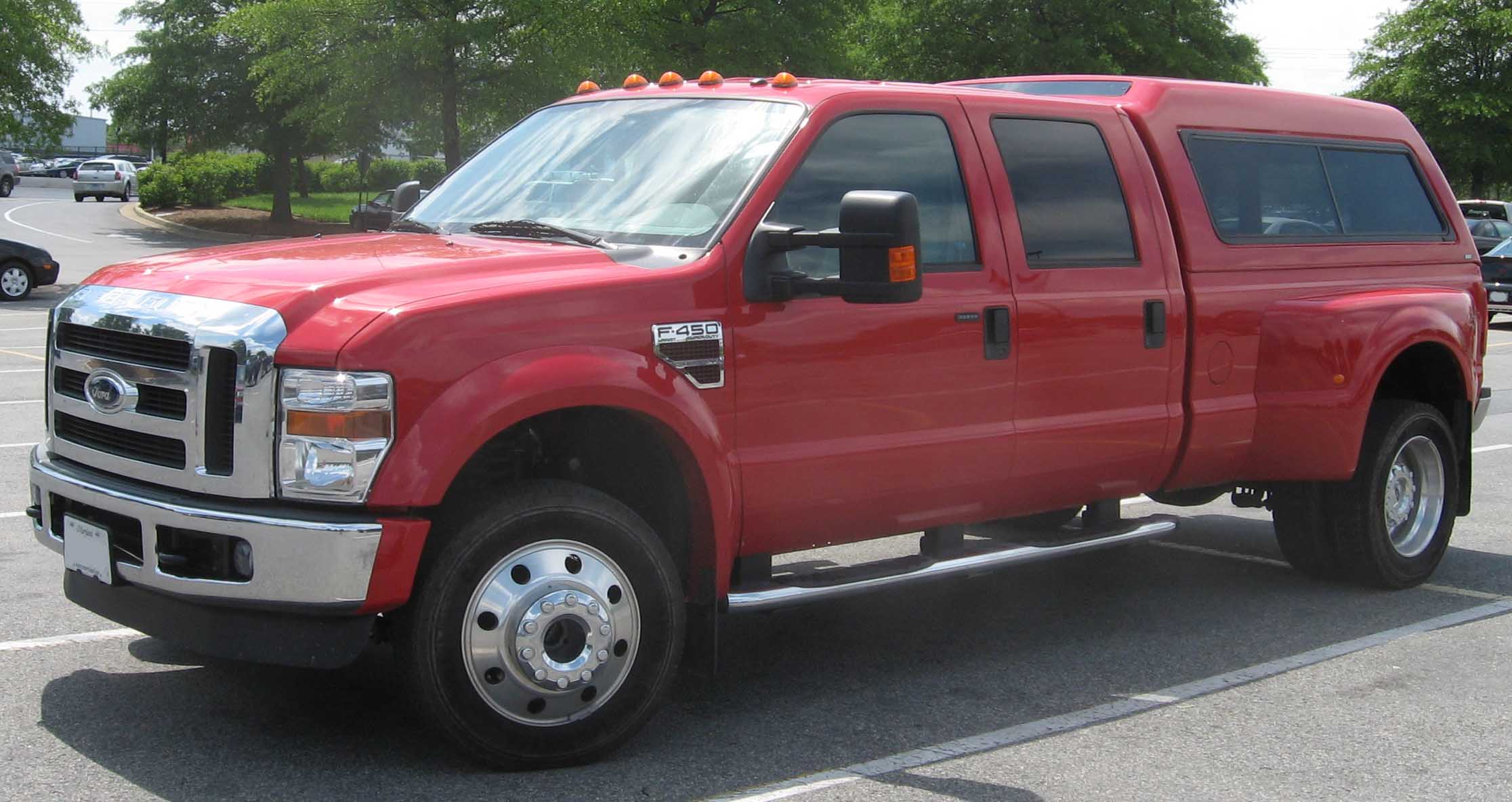
The Ford F-450 is a heavy-duty pickup truck made for work like towing and carrying heavy loads. It’s larger and stronger than regular trucks. People talk about it in terms of “levels” because different versions can be set up for different kinds of heavy-duty jobs.
A brake control recall is when the maker says there’s a problem with something that helps control the brakes. Owners are supposed to get it fixed, but sometimes dealers can’t get the parts right away.
A factory recall means the car maker admits there’s a problem and tells owners to get it fixed. If it’s a safety issue, the dealer usually has to fix it and provide the parts as part of the recall process.
A safety recall is a recall for something that could affect how safe the car is to drive. That’s why the fix is treated as urgent and handled through the official recall process.
Term
analog brake control
Analog brake control is a way of controlling brakes using older-style electronics that don’t rely on digital computer logic. The exact setup depends on the car, but it’s describing the type of brake-control system involved.
This means the part is being obtained from a different supplier than the one the car maker normally uses. It can help when the dealer can’t get the part quickly, but you’d want to confirm it’s the correct fix for the recall issue.
Term
factory one
They’re talking about using the exact part the car maker intended for that model. It usually fits right and matches the car’s specs better than cheaper alternatives.
Here, “manufacturer” means the car company that built the vehicle. They set the rules for what parts are considered acceptable for repairs.
Concept
safety repairs
Safety repairs are the kinds of fixes that keep the car safe to drive. If something affects braking, steering, or crash protection, the rules for parts are usually more strict.
They’re talking about Mercedes-Benz and how the company handled parts shortages. The takeaway is that Mercedes approved using other parts so repairs could still be done safely.
In some cases, which cars get a free fix depends on what was included in legal action. So even if the same part is used in many cars, only some may be covered.
A non-hydraulic brake system is one that doesn’t use brake fluid pressure like most cars do. It uses electronics to control the brakes instead, which can change how the system is designed and tuned.
Brembo is a company that makes brake parts for cars. They’re known for performance braking, and here they’re talking about a newer type of braking that doesn’t rely on traditional hydraulic fluid.
Hydraulic brakes are the normal kind of car brakes that use brake fluid. When you press the pedal, the fluid pressure helps push the brakes to slow the car down.
Electric brakes are brakes that use electronics (and often motors) to help apply the braking force. Because of that, engineers can design the braking control differently than with traditional brake fluid systems.
Your brake system is what makes the car slow down when you press the pedal. It turns your foot pressure into force at the wheels so the car can stop.
Term
self-regenerating
“Self-regenerating” here sounds like a brake design that can renew itself instead of wearing out like normal brakes. Most brakes use pads that slowly wear down over time.
The master cylinder is the part that “creates” the braking pressure when you press the brake pedal. If the system doesn’t use hydraulic fluid, it usually can’t use the normal master-cylinder setup.
Regenerative braking is when the electric car slows down and also recharges the battery at the same time. That’s why lifting off the gas can slow the car without using the brake pedal as much.
Term
modulate
To modulate just means to control something smoothly. Here it’s about using the pedal in a gentle, precise way so the car slows the way you want.
The Ford Mustang Mach-E is an electric car. The way you drive it can let you slow down mostly by lifting off the gas, which is why the brake pedal can feel less necessary.
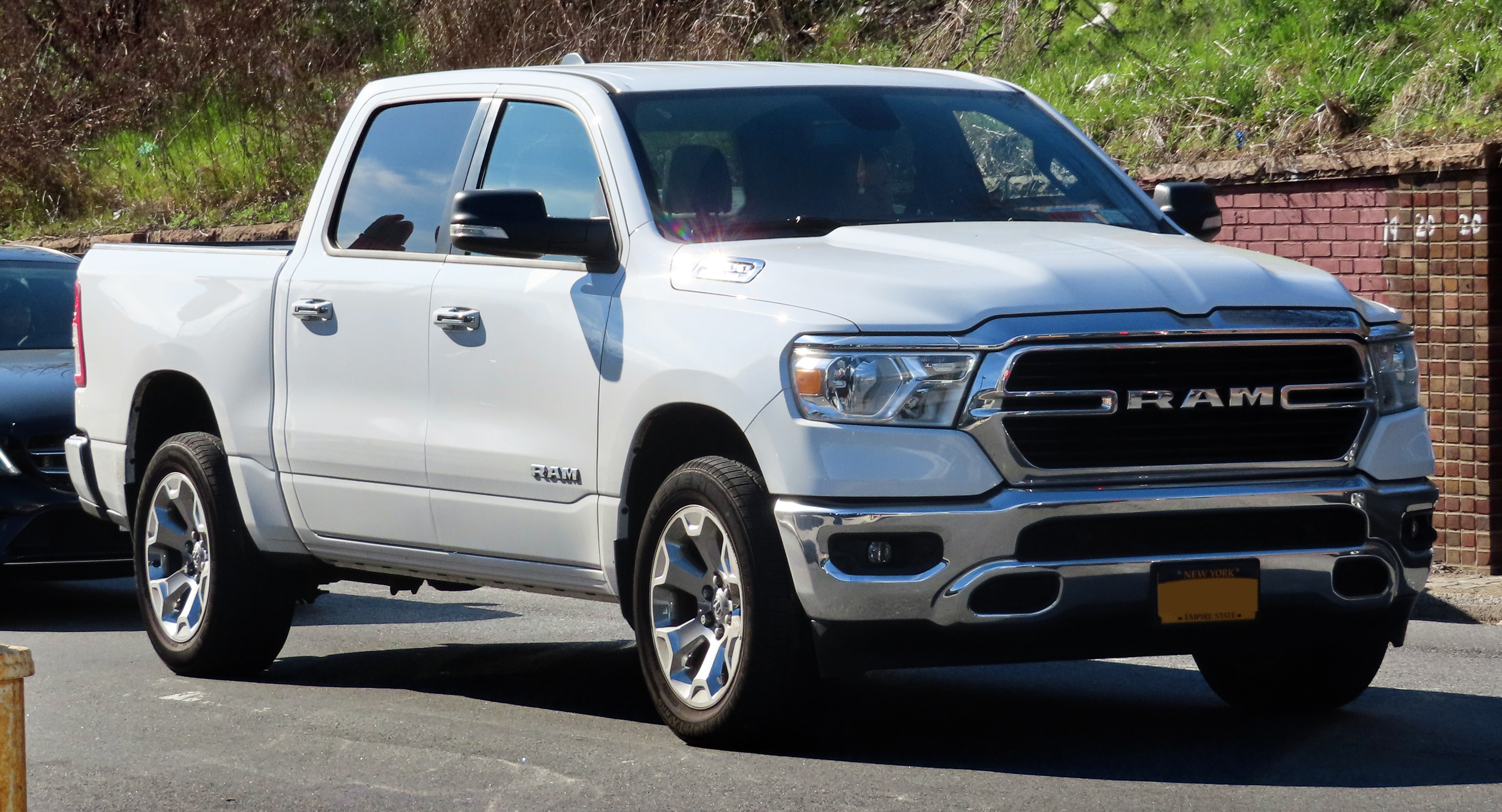
This is a 2019 Ram 1500 pickup truck. The person talking says it has a problem where the car’s sensors don’t always communicate correctly, and it seems to get worse in cold weather.
“Sensor communication” means the car’s sensors are sending information to the computer. If that stops working in the cold, it often comes down to wiring, a connector, or the sensor itself not behaving reliably.
Term
32 or colder
They’re saying the problem shows up when it gets to freezing temperatures. Cold weather can make electrical connections and sensors act up, especially if something is slightly loose or failing.
If a sensor isn’t communicating, the car isn’t getting the signal it expects from that sensor. The problem could be the sensor, the power/voltage it gets, or the wires connecting it.
A reference circuit is like a steady “power source” the car gives to sensors. It helps the car read sensor signals correctly because the starting voltage stays consistent.
The car often gives sensors a steady 5-volt signal to measure with. If that signal gets weak or interrupted, the sensors can start “reading wrong,” and the engine computer can get confused.
The ECU is the engine computer. It sends signals to sensors and uses their readings to control things like fuel and timing—so wrong sensor data can trigger warning codes and poor running.
The MAP sensor measures how much air pressure is in the engine’s intake. The engine computer uses that info to decide how to run the engine, so a bad signal can cause problems.
Think of the data bus as the car’s internal communication network. If that network is acting up, different modules (including TPMS-related ones) may not talk correctly.
Tire sensors are small devices in/for the tires that tell the car information about the tires. The episode says using the wrong type of sensor (or mixing brands) can make the car think something is wrong.
A factory sensor is the same type of tire sensor the car came with. They’re saying swapping in a non-factory sensor (even just one) can cause problems with the car’s tire monitoring.
Car
Toyota
Toyota is the brand they say they see tire-sensor problems with more often. The main idea is that sensor issues can be more common on some Toyota setups.
Car
Honda
Honda is mentioned as a brand that may not use tire sensors the same way. The point is that different cars handle tire monitoring differently.
LIVE
Protect your pet. With insurance from PetsBest, plans start from less than a dollar a day.
Visit PetsBest.com.
Pet insurance products offered and administered by PetsBest Insurance Services LLC are underwritten by
American Pet Insurance Company or Independence American Insurance Company. For terms and conditions,
visit www.petsbest.com backslash policy.
Products are underwritten by American Pet Insurance Company, Independence American Insurance Company,
or MS-Transverse Insurance Company, and administered by PetsBest Insurance Services LLC.
$1 day premium based on 2024 average new policyholder data for accident and illness plans, Pets age 0-10.
Do you want to find a stress-free way to buy your next car?
Start at CarMax and shop your way.
If you want to browse with confidence, get pre-qualified online with no impact on your credit score
and shop cars within your budget, from luxury cars to family rides.
CarMax has options for almost every price range, including more than 25,000 cars priced under $25,000.
So hey, want to get started? Just head to carmax.com for details and get pre-qualified today.
Want to drive? CarMax.
Thanks for listening to the Under the Hood Show podcast. Here's the show.
This is Under the Hood.
Welcome to the Under the Hood Show. We are glad to have you with us. Russ Evans is here to answer your automotive questions.
Hey, thanks for joining us under the hood.
Shannon Nordstrom is here to do the same.
Welcome, Hoodies. Thanks for tuning in so we can help you tune up.
I'm Chris Carter here to answer your calls at 866-594-4150.
Got some calls coming in, but welcome back, Shannon.
Was I gone?
Yeah, weren't you?
Yeah, you were gone last week.
Was I gone?
Yeah, I was gone.
I'm sorry about that, guys. I have been like a guest on the show lately, more so than a regular.
And next week, I'm going to be in Washington, D.C.
I'm looking forward to an opportunity to meet with one of the head people.
I don't know the exact level. I haven't researched it yet with the National Highway Traffic Safety Administration.
Oh, OK.
Someone that's involved with defects.
OK.
So this could be an interesting meeting.
Our governmental affairs advisor from the Trade Association and our executive director and I got an invitation to meet with them through some other industry cohorts.
And we're going to meet on a point next week.
And so I've got to be there for that.
And then we're going to go do our annual hill days where we get together as a group of auto recyclers from all across the country.
And we have an issues brief and we sit down for a day and we kind of do a crash course on the issues that are in front of our industry.
And we pick a certain number of them.
This has already been predetermined with research ahead of time for the most part.
We can be changed by our group.
And then we go to the hill and we have an appointment scheduled with our legislators from across the country.
So somebody that's in Arizona goes and meets the Arizona people.
And mine's easy.
South Dakota.
I go meet my South Dakota people.
I've got just a very few.
And sometimes you get to meet with the actual senator representative.
And other times you meet with a legislative aide or it's always really nice.
And we had a White House tour lined up.
It was hoping to be a big draw for a group to get people there.
And it was subject to cancellation and it got canceled.
That was kind of a bummer.
So there's always something going on in my world, but it's no different to others.
You guys all got a lot going on too.
But I just raised my hand for another opportunity.
And it has drawn me away from the show a few times.
So I do apologize for that.
Do you ever meet with someone and then their eyes turn steely and tell you not to mess with them or they'll destroy you?
No.
They say that I think quietly as I'm walking out of the room.
No, I get this guy a hat.
Yeah.
No, I actually get your photo up.
Here's your picture.
No, I usually have pretty good meetings, but it's very hard.
It seems like to get the traction you hope you go in and like, oh, that was great.
Yeah.
And you don't know whether it goes into file 13 or if it...
Right.
You know, we're...
And then the next person they meet is a great guy too.
And it goes great.
Yeah.
So it's interesting though, because I do get a lot of follow-up letters and I've made some good connections that have been helpful.
Senator Thun's office has helped us with some other people also a number of years ago to get an amendment put onto the...
I believe it was the traffic or the safety bill for vehicles and that was kind of a neat deal.
Transportation bill, excuse me.
Sure.
And so in regards to recall information.
So it bears fruit.
It very much does, but sometimes it's...
You wonder.
An opaque process sometimes.
That would be a great way to put it.
Nice word.
Thank you.
Thank you very much.
Yeah, I will keep that one.
866-594-4150.
Let's go to Michigan and talk to Jeff.
Jeff, you're on the end of the hood show.
What can we do for you?
Hey, how are you doing guys?
I love your show.
I'm a listener, a longtime listener, and I really appreciate everything that you do for us.
Cool.
Thanks, Jeff.
Thanks for calling us.
Yeah.
So this is what I have.
I have a 2019 Ford Escape.
It has the 1.5-eagle boost on it, and it has 82,000 miles.
And I do trans-drain.
It has the closed system, so you don't have any drain pan, you know, a pan or gasket or
anything like that.
Sure.
So I'll drain it and fill it.
And it's approximately a nine-court capacity, but it drain it fills like 4.25 quarts.
I've done it, and it's got 82,000 miles, and I've done it eight times.
And every time that I do it, it comes out just black.
Should I be concerned, or should I maybe take it into a deal and have it a complete flush,
you know, the whole system, all of it out?
I just, you would think would be coming out of it.
There's no problems with the trans.
It shifts perfect.
Everything's fine.
I just wanted to get your guys' take on that.
That trans and the Mazda transmission as well have always been known to turn their fluid
a little bit darker right away.
It's just how they work, but I think what you're doing is pretty good for, you know,
the change intervals.
It's drain and fill system on that, but I think you're doing pretty good.
You're not going to be able to flush the thing completely the way it's designed.
I want to predict what Chris is thinking right now, and I'm thinking just, Chris, were you
thinking anything about what he said?
Kind of, but there's no way you were thinking the same thing I was.
Should we try?
Go ahead, because yours is probably relevant.
Mine is not.
Was yours about a 19 escape?
No.
So how many miles did you say you had on it?
I got to make sure my comments in line here.
So it's 82,000 on it.
We bought it with 19,000.
And then when we did buy it, the Carfax had great maintenance history, and I changed oil
in this.
I know it's obsessive, but every 3,000 miles I changed the oil because it has the turbo.
Okay, so by my math, you're changing the transmission fluid every 10,000 miles?
Absolutely.
Yeah.
That to me is a lot.
You want to know this, it is so simple to do because I know specifically how much goes
back in and the drain plugs near the drain plug for the oil, and it's just, oh, it's
so fast.
I can do it faster than an oil change.
How many times do you take a bath?
It's really not that expensive for a 5-4 gallon of the fluid.
You know, $24, I think, is for the Motorcraft Mercon LV.
So, you know, it's fast, but maybe I'm too excessive with it.
I think that if you were in California, you might get arrested.
Right?
Yeah.
Because at one time, they had passed a law for over-maintaining your vehicle because
of the fluids that it would generate, which we thought was a crazy law.
But, no, I'm giving you a hard time.
That is definitely an aggressive maintenance schedule.
For sure.
For sure.
So, Chris, what were you thinking?
I was thinking, could you put this vehicle or any vehicle on the twisted lifter and do
a better job of draining it without, which maybe needs some explanation?
Yeah.
In our high-volume bay where we drain vehicles that are going to be put into our self-service
yard or crushed, we have a lifting system from Superior Recycling Systems that we called
it lovingly with the help of a listener that helped me name it.
It was a listener and a Facebook contributor, but it was the Mighty Blue Dragon Twisted
Lifter.
And it's a device that, it's a platform that we can put the vehicle on.
Then we have fluid evacuation devices that we can suck out oil, antifreeze, brake fluid,
washer fluid, and then the vehicle gets lifted in the air.
They remove the catalytic converter, they pull the oil drain plug, they typically puncture
the transmission pan in a corner because it's not going to be sold that way.
And then they are able to tilt, dive the nose of the vehicle forward 45 degrees, give or
take, and they can shift the vehicle the same sideways.
So you can make sure you tilt it to the point where the fluids can get out.
And so he would get a little more fluid out of this one, but they've got a pretty good
job of having that.
Well, I want that.
Yeah.
But if I had to do that every 10,000 miles, we'd never get any other cars drained, Jeff.
You'd hog the rack.
So you're thinking my transmission should be okay.
I mean, I know that's excessive to be doing it like that.
But again, we want to keep it as long as we can keep it on the road.
Yeah, I think that what Russ has seen in his personal experience, this sounds like it's
fairly normal.
Because if you were truly, if you took an older transmission and you had one that was
turned the fluid dark that quick, a typical back, I say older, 70s, 80s, and it was dumping
the fluid black that quick, you were probably slipping clutches and you'd be feeling the
results of it.
And on a newer vehicle, if the transmission was having problems and starting to slip to
the point where you were you were dirtying the fluid because of clutch slippage or other
problems, the sensors on the input, output, drums and everything, they would pick that
up.
They would be picking that up and saying that this thing's got excessive torque loss or
RPM loss from front to back for whatever gear it's indicated to be in.
I mean, the computer's that smart to know all that stuff and it gives it a range of
what's acceptable.
And if it was truly slipping, you'd be falling outside of that acceptable range by a long
shot.
So I think that as, as I say at times, letting out your heart be troubled.
I appreciate it.
Well, that's reassuring.
And I really think you could go to 20,000 and be okay and you could buy your wife some
flowers.
20,000?
I don't, he wouldn't, he, I don't see him going further than that.
If he's doing 10.
Good point.
I can't tell him to go 30.
It'd break his heart.
But what would you go?
50.
I don't know.
I don't, I would look at what the manufacturer's recommendation is and it's not 10.
Jeff, thanks very much for the call.
866-594-4150, that's the number to reach us here at the under the hood show.
Let's talk to Dean, you're on the under the hood show.
Dean, what can we do for you?
Thank you for taking my, my call.
My concern is with a 2004 Jeep Wrangler TJ Rubicon that I purchased last year.
It has about 120,000 miles on it and it is equipped for going off road, which we do.
We went for an Arizona.
So I took it, I took it out of the desert every week and enjoy it a lot.
Problem has been some intermittent ignition issues.
Sometimes it'll just stop for no reason.
I shift it to neutral, shut it off, turn it on, starts right up.
One time it had a intermittent ignition where everything in your cylinder misfire.
I have a little reader that's where it showed.
The worst one was when we were driving on a trail and I was in two wheel drive.
So it wasn't that difficult, but then it got difficult and steep and it shut off and would not start at all.
What happened then was, who checking it out, we have a party of about six or eight of us experienced that go out.
One recommended unhooking a battery.
We did start it up ran flawlessly the rest of the day.
And so I've taken it to several companies down there and of course they all said it would be a lot easier if it was doing it now.
But we have replaced the crankshaft position indicator, cleaned the throttle plate and also had the throttle plate position though, big tail replaced.
It normally runs just fine, but occasionally it still acts up.
And I did drive it to Arizona from South Dakota, 1500 miles without a single blip.
Sounds like it's fixed.
Traded in while it's working good.
You were in the worst.
The very part is when we go trail riding, we go into the desert and we're like five miles from a good road on a rocky trail.
And that's where the dilemma can start.
But yeah, I've had confidence enough to keep taking it, but no one has really put a finger on what it could be.
Well, the good news is, is that on a trail ride, if the people are, you know, real trail people, they all have tow ropes.
So you're good.
If they're not, if nobody has a tow rope, then they either don't like you or they just aren't true trail people.
So yeah, you're, you are in a world of hurt because if you cannot get that vehicle to duplicate its problem,
shop's just going to look at you and say, well, can't do anything for you or give me your money.
I'll pretend to do something.
Well, you can replace known suspects, you know, for that sort of a problem is so difficult, you know, in people come into our place every week with that.
Yeah, we checked out buying a getting a rebuilt computer.
Well, one thing too is that being that old a vehicle, Chrysler no longer supports a lot of the repair parts.
So you have to go to the aftermarket and like the crankshaft position indicator was a dormant, which I, I feel is a good brand.
Yeah.
There is a company in California where we'll rebuild the computer or the motor control and it's about $600 exchange, but even they didn't recommend me doing that.
She said it just doesn't sound like it's a computer.
No, it had.
That would be rare.
I don't know if I've ever put a computer in a Jeep that wasn't damaged physically, you know, they just don't fail.
Most cars, the computers don't fail unless something else causes damage.
Realistically, the engine computers in most cars will last like forever.
I mean, 50 years, 100 years, I don't know, they're going to last a long time.
There's no moving parts unless something damages it externally, a bad sensor, shorts, something kills it.
Water gets inside of it and it's all epoxied inside if you take one apart.
So they're pretty, pretty solid.
That's going to be rare.
It's going to be more of a wiring issue.
Ignition switch, a wire chafed somewhere, a poor solder joint in the factory harness where they put the thing together, but you're going to have to find it.
You know, tracking down those kind of things can be difficult.
We had one yesterday in our shop.
The customer said, these lights don't work.
Well, what happens?
As soon as we turned them on, they all worked, right?
Well, let's take them out.
Just take a peek at them.
Somebody's been back there before.
Tech took them out and as soon as he pulled it out, one of the ground wires just came apart.
They were like, well, that's no good and that will cause his symptoms.
So let's repair that while we got it apart.
You could physically see something.
Yeah, it just pulled right out.
So we fixed that and then went through the rest of the system just to be sure.
Pulled on everything and everything was tight.
Put a bulb in that looked bad and then we were good.
But, you know, that's about as far as you want to go.
If we had looked at it real quick, took it apart just to physically do an inspection and didn't see anything.
All we could do is put it back together, save the customer money at that point, say, look, this is as far as we went.
We're going to stop because we're not seeing anything obvious.
Now we could spend all day and check every wire and pull the relays out and see if we find something.
Charge you 1300 bucks and say, well, we couldn't find anything.
And then you go home and it acts up in the next 10 minutes.
We don't want to do that.
We're going to do the obvious stuff.
But on the other hand, one thing that one thing I didn't mention is that the check engine light does not function in their vehicle.
And they said, well, we could replace that.
But, you know, that's not the easiest thing on a 22 year old, 24 year old vehicle either.
Yeah.
But Russ, does that code?
Does that computer need to be programmed in that four?
It would.
But the scan tools on those, most of those you can read the VIN out of the computer, then take it out, put a new one in,
program it back in with a simple scan tool.
I was just wondering if he had a hot spare that he kept on the trail with him because you could go to Cartash part,
you know, one of our partners and find a computer.
Less than 200 bucks.
I would think unless there's a, unless it's gone crazy.
If you happen to go online to Cartash part and you look up a used computer for your Jeep and see that it's bringing like 700 or $1,000.
There's something wrong.
There's an indication that the, and that that might track with the guy that says he wants $600 to rebuild one.
There could be a bogey here that we don't know about or hasn't been identified, that there is something weird out there.
That's that same thing I said before.
If you look up, now of course, Dorman makes a lot of the replacement sensors and the common things that fail on vehicles.
But of all sudden you're looking at a, you go to their website and you look up an 04 Wrangler and you see that they have a rear.
Well, I'll pick a better one windshield wiper motor.
They usually don't fail.
If they have one, it's because they're failing on a consistent basis.
Dorman makes OE fixes for problems.
OE fix means it's having an OE problem.
So they're going to repair it and try to make it better.
So that's just a thought.
You might do that search and just see if you look in there and they're $100 or $75 or $200, that's fairly normal pricing.
Does that make sense?
I did.
I did.
Yes, I did call a local salvage yard, which you're quite familiar with and they don't have them because they're very rare.
And he said, if we did have one to be $500.
Well, one thing to consider there though, I'm just going to say this because I run one of these businesses is if you called someone else and they didn't have it and they were brokering it for someone else,
there would be shipping, markup and it may not be a true indication of what the actual value of the part is.
It might be valid.
It might be valid, but it might not be the same as if you had one in your hand.
Right.
And you have a Jeep.
This Jeep Wrangler is one that likes to stay away from auto recycling yards because everybody wants one.
Everybody fixes them.
They'll buy them broken.
You can fold them up into a ball and they'll buy them and use them.
Definitely scarcity on Wrangler salvage overall.
We try to buy as many as we can.
Interesting.
But it's not, we don't see as many O4s.
We're buying, now we're buying 10s and 14s and 12s and 17s and 20s in that range.
That's what we're buying now.
But I would check on Kardashian part and you can see a range across the country of what these parts sell for and use that as kind of an indication where the market might be.
Does that make sense?
I can certainly do that.
You bet.
In fact, to back up your statement, I was at a place called you pick up last year and they brought up on the computer.
A big bad zero appeared.
Yep.
Exactly.
Well, good luck and go out there and shake them harnesses around and see if you can, you know, just wiggle a bunch of stuff.
See if you can make something fail.
Wiggle it.
Just a little bit.
See if like rolling down a hill, like upside down, we'll shake it, shake it back.
I don't.
I'm not loose.
Not good advice, Chris.
No, I know, but I mean, at least there's a positive to it.
The under the hood show podcast is brought to you by exclusive sponsors like Berkeley one classics celebrating 50 years, your key to collector car insurance and by car dash part.com with over 200 million parts.
Find them online at car dash part.com and by road ready wheels.
OEM replica wheels at a huge savings road ready wheels.com.
Thanks for listening to the under the hood show podcast.
This is Martha Stewart from the Martha Stewart podcast.
Ever wonder how to make hosting look effortless?
Here's a secret getting ahead of the mess with new Reynolds kitchens countertop prep paper.
Just lightly wet the counter beforehand so the paper grips and stays in place and lay down the Reynolds kitchens countertop prep paper.
So drips and spills stay on the paper, not all over your kitchen counter.
You can roll out dough, prep a party spread or cook alongside family.
When you're done, cleanup is as simple as lifting the paper and revealing that clean counter underneath.
Effortless.
You can use it for cooking and baking prep and even crafting, especially when you need extra working space.
Because when the mess is already handled, you can focus on what matters, the food, the people and the moment.
It may look effortless, but now you know it's Reynolds kitchens countertop prep paper.
Take a tip from me, wet it, set it, prep it, done.
Make it easy.
Make it with Reynolds kitchens countertop prep paper.
Available now in the Reynolds wrap aisle and Walmart, Target, Amazon and Costco.
Let's talk about modern home shopping.
It's sort of become a fun side hobby, right?
Scrolling listings at night, dreaming about kitchens you've never seen or backyards you haven't even stepped foot in.
All from the comforts of pretty much anywhere.
Redfin knows a lot of people like you want to own but are stuck in this browsing mode loop.
That's where Redfin lips the script.
With listings that update within minutes and tours you can book right from the Redfin app,
you can see your dream home the moment it appears.
Now liking a listing is easy, but actually landing it, that's where Redfin comes in.
Redfin has over 2,200 agents with local expertise.
And Redfin agents close twice as many deals as other agents.
That means they want to help you win, not just window shop.
Redfin is built to help you go from just looking to wait.
This could actually be home.
So become the newest neighbor on the block.
Visit redfin.com to start finding and start owning.
That's redfin.com.
This is Tamara Judge from Two Tees in a Pod with Teddy Mellencamp and Tamara Judge.
Can we take a moment to talk about Chewy?
I get everything for rugby from Chewy, his food, the treats, I'm constantly reordering,
the toys he destroys in minutes, even his supplements.
And it always shows up fast.
Chewy also handles the serious stuff.
Prescriptions, pet insurance, telehealth, vet visits,
and they're even rolling out vet clinics across the country.
Their 24-7 customer service actually understands dog moms like me,
and cat moms, bird moms, reptile moms, all of us.
And with Chewy's one-year satisfaction guarantee,
trying something new is never stressful.
For life with pets, the answer is Chewy.
Save $20 on your first order with free shipping at ChewPanions.Chewy.com.
I'm Russ Evans with Shannon Nordstrom and Chris Carter.
When we needed protection for our own personal collectibles and performance vehicles,
we turned to Berkeley One Classics, and here's why.
Berkeley One Classics has over 50 years experience
and they're dedicated to serving their customers.
They will work with you to help determine the amount of coverage a vehicle like yours should have,
and that coverage is agreed-valued coverage,
so there is no disagreement on what your vehicle is covered for.
They also have discounts for car club members.
Berkeley Classics ensures a wide range of vehicles from sports cars and rare exotic cars
to antique vehicles including cars, trucks, tractors, military vehicles, and antique motorcycles.
Over 50,000 of them a year.
Visit BerkeleyClassics.com today and get a free quote and find out firsthand
what they can save you and how well they can cover your valuable investment.
It takes just a few minutes using their easy online quote tool on their website.
Visit BerkeleyClassics.com, that's BerkeleyClassics.com, or call 800-603-3330.
That's 800-603-3330.
If you need parts, whether it be for a brand new car or going back about 20 years, it doesn't matter,
check out car-part.com.
It's fast and it's easy.
Over 200 million parts strong all across North America.
Over 4,000 recyclers to choose from, giving you the largest selection available.
Whether it's an engine, transmission, doors, seats, or wheels, you can find them on car-part.com.
We even let you know what parts from other models and years fit your car.
Many recyclers supply pictures of their parts too.
We even have a mobile app.
Search US and Canada or buy from your local independent recycler.
Whichever you choose, buying recycled is good for the environment and good for your wallet.
If you're a repair shop, there is a professional version available for you at no charge.
That's car-part.com.
Car-part.com. Check it out today.
Or maybe you want a set of spare wheels that you can install on your vehicle over the winter months
with snow tires to avoid damaging your nice summer wheels.
Road-ready wheels has replacement wheels for many OEM manufacturers at substantial cost savings.
These wheels look and perform like OEM wheels, so save money and go with road-ready wheels when you need a replacement.
Are you tired of needing to add air to your tires every few days because your wheels have been eaten away by road salt and corrosion?
A new set of wheels from road-ready wheels is the cost-saving way to go.
A new set of road-ready wheels will stop the leaks.
Do you have factory steel wheels and have shopped in the seemingly endless and expensive aftermarket wheel scene,
not knowing what to get, but you want a better look?
Road-ready wheels can help you upgrade to factory-looking OEM aluminum wheels.
Over 40,000 wheels with free shipping available and returns with a one-year warranty.
Under-the-hood listeners, save 10% when you use the code HOODY at checkout.
These wheels are a direct fit, so your factory caps and TPMS sensors will fit.
Find out more and or yours at road-ready-wheels.com.
Welcome back, everybody. It's time to get back under-the-hood with our motor medics.
866-594-4150, that's the number to reach us here at the Under-the-hood show.
Don't forget, if you miss an episode, you can find it wherever you get your podcasts,
and you can watch the show on our YouTube channel.
If you subscribe there and join the Hoodie fan club at Under-the-hoodshow.com, you could win a hoodie.
Like Jacqueline Dowes, congratulations from our friends over at Berkeley One Classics.
They're celebrating over 50 years of collector car coverage.
That's a long time, folks, so they know what they're doing.
And if you've got a car that's a collector car, a performance car, give them a call.
Get on the internet, get yourself free, quote, you're going to be surprised to find out how affordable it is
and how much coverage you get, because it's all going to be agreed values.
So check them out, BerkeleyOneClassics.com.
If you bought a non-collectible car on day one, it now would be a collectible car.
Let's find the nearest car covered by BerkeleyOne that is to the date that BerkeleyOne started.
There you go.
I was just going to tell you guys, when you talk about a hoodie, I don't know if this is an approved practice,
but in this case, it may work, and I'm not encouraging this activity.
But Ralph sent us a gift that we didn't ask for, so that's why it's a gift.
Tell me weird.
Good point, yes.
And said gift comes with a note that says he would like to exchange it for a hoodie.
So do we condone this activity or not?
That's not what the gift is.
Is it a check?
Is it a car for Chris?
It's in this bag.
You don't know what it is yet.
What is it?
What do you think is in here, Chris?
You want to feel it?
I'm going to let Chris feel it.
Don't open it, and then you feel it.
You might be able to guess it.
It's a dead blow hammer.
The world's smallest dead blow hammer.
You might be able to guess it.
Give it to Russ, too.
I think I...
Okay.
If you're watching us on YouTube, you could see this craziness.
Right?
That's a little...
Well, now I should start to guess, because it's gone through all of it.
It feels like some kind of a ratchet strap kind of feeling, some kind of strap.
I was thinking it was just a belt.
Just a good old fashioned belt.
Well...
Now when Chris says that,
it feels like a belt with one of those push buttons sliding in.
Oh, it's got the button.
It's a belt, or a ratchet strap.
Take it out, Russ.
Oh, I'm doing it.
It's a seat belt belt.
Oh, nice.
That's a seat belt belt
with a Chevrolet bow tie on it.
That's beautiful.
Okay, that's cool.
That didn't get to you.
So, do they get a hoodie?
I think so.
I think it is.
My neighbor used to get some...
I'm kind of curious what size the belt is.
I have a feeling it's not going to be my belt in an hour.
My neighbor used to get some free gifts that were...
I'd call them extravagance, like some cars
and a boat and some other things when we were in Texas.
And he's like, oh, it's so cool.
Everybody gives you this free stuff.
You're going to give it away.
You know the worst part about getting free gifts like that?
You have to pay taxes on them.
They're not a tax deduction. They're a gift.
Right. Yeah, that's the worst part.
Oh, wait. There's some room here.
Chris, Chris could wear it.
Functions well.
You don't have to say anything about that belt in me.
Chris and Doug could wear it together.
Listen, Russ, look at me.
You don't have to say anything about
what size belt.
You can just...
I like that. That's nice.
Should we talk to Jason now?
Yeah, I just...
Where's Ralph from here?
Belcher kids in the car, not at home.
Right. That's very cool.
Oh, no, I have a problem here.
I might have lost...
I might have lost Ralph's address.
We'll come back to it.
No, this might be a problem.
Ralph, he's an avid listener.
Yeah.
He could send it to...
He could call the show, call Doug.
Yeah, because I got rid of the envelope
that was on the outside of this.
And don't cheat because we know...
I have your last name.
I just don't have your address.
We'll know.
Sorry, Ralph. We lost it.
But it's very cool.
Let's talk to Jason.
Jason, thank you for hanging with us.
What can we do for you? You're on the end of the hood show.
Hey, guys.
I've got a 2017 F750
with a
6-7 hour stroke diesel in it.
And
every once in a while, when I start it up,
then take off.
It'll
pick into reduced power mode.
And if I pull over,
shut it off,
turn it back on,
usually it'll come out of it.
But sometimes it happens
two or three times.
I've never had a code thrown
for it.
So I just like some insight
on
what you think.
Well, the way it's acting,
I would sure,
as a first start, I would put
a scanner on it and read it and try to see
what is...it'll tell me what's putting it
into the limp mode as I'm driving it.
Even if it doesn't throw a check engine light,
it should say disabled for this.
And if I had to guess, I'd probably be
leaning something towards the def system
in there unless it's been
reprogrammed to take that off.
It actually fell off.
Yeah, it fell off.
Okay, as I was saying.
It fell off, must have fallen off.
Unless it's been reprogrammed
to compensate for that,
then it could be in the programming software
because there have been a number of those
that had problems.
Let's say they were legal to do
and people were doing it legally.
Well, this would be a case where
the software needs to be updated
because there's a problem and the vehicle
says, hey, somebody removed
the def. Go into limp mode.
Oh, wait a second. No. Oh, no. Everything's good.
Everything's good. Start it back up. You're fine.
Oh, are you sure?
No, shut off.
So it might need to be
reflashed. And if someone still
had the
tuner that was used to reflash
that, then if it was legal, then they
would put it back to stock
and then reflashed again with the same
tuner if that was possible.
If that happened to be laying alongside
the road when the U.S. fell off.
Right.
Perfect.
So if the truck is warmed
up,
like if I start it, idle it for
5, 10, 15 minutes
and then take off,
it seems to not do it.
Is that change your opinion at all?
No, because that's about how a vehicle acts
if we
if we have a repairable
vehicle in our shop
and it's not moving anywhere and we clear
the codes and the exhaust is mangled
from a wreck and it still
has stock tuning and we start it up,
it'll sit there and run all day.
As soon as we put it in gear and try to go down
the road with it, it'll say, hey,
there's no def on here, something's not right
and it'll start shutting down and we got to go
clear it all again. So it sounds
to me like it might be acting
in a way that it thinks it should.
That's interesting.
Perfect. Because otherwise it'd be
something transmission related
it could be trying to protect.
I think it'd throw a check engine light pretty
clear. Yeah, it would more than likely.
I think it's
in the machine.
So I'm looking over the shoulder.
What are we doing with an F-750?
Anything you want.
Is it a dump truck? Is it a trailer?
What do you got on it?
So I run a construction company
and I do some hot-shotting.
All my equipment and then
do some hot-shotting.
So it's got a gooseneck
or fifth wheel plate on the back type of thing.
Yeah, aluminum bed.
Yeah, dual boxes.
Fun truck.
It's a beast. It's flip forward hood on a
750, correct?
Yeah.
I think they start that at the 650s
and that's a work truck.
It's a big medium duty work truck.
So it's bigger than like when you
see a Super Duty F-450 or 550.
This is like the next level.
Could be a dump truck.
They make utilities out of them. Utility trucks.
Up-fitter trucks.
Jason, thanks very much for the call. Good luck.
866-594-4150.
Steve
has, Steve in Indiana
has a
2000 RAM
brake control recall.
Dealers said they couldn't get parts.
Took it in. Then they called back
and said they could get the part
but
Steve would need to pay for it.
Well, my
hunch, oh boy, I'm guessing here.
I got a guess.
Factory recall.
If truly a factory recall, the dealer
is required to
if it's a safety recall, they're required
to get a part and replace it.
And brake control you would think
could fall into that.
Oh gosh, yes. If it's an analog
brake control or something like that.
Either one could fall into that.
So here's my thought.
Currently unavailable from the dealer maybe.
Manufacturer doesn't have it.
Dealer knows it's a problem.
They found another vendor
that's rebuilding them, making them outside
of the factory channel.
It's available if you want to get the problem fixed.
That's a thought.
Or you can wait for the factory one.
That's a thought.
Okay, yeah, that makes sense.
They're seeing it as an opportunity yet
within the
lack of opportunity because they don't have a part.
I don't know what the manufacturer
would think about that. That's interesting.
And some manufacturers
at times will go outside
of the normal channels.
They'll go outside of the normal channels to find parts
to do
safety repairs.
And like even during COVID, when we couldn't get
parts, remember Mercedes
in one of those craziest things.
Well, there was others that were doing it.
But for Mercedes to do it, blew us away.
That they were authorizing the use
of other parts.
Even some used parts.
Which they should.
It's an OEM part. It's just off another car that works.
Until they could
get the car fixed with regular parts.
I know a lot of people never went back and had other parts.
Because they were working just fine.
But yeah, why would you
alienate a group?
It's all politics.
That's why you do that.
And there could be
I'll say they get this in. They look at it.
They say you need this part. But it needs another
part that is not covered under the recall.
Or they made a mistake
and somebody jumped the gun.
A service advisor said, oh yeah, we're doing those all the time.
Bring it in. We'll cover it. They got the part
and then ran his VIN.
Sorry, your VIN
is not included even though it's the same model number.
It just wasn't in the lawsuit.
Which happens a lot.
There's the same part used on
dozens of cars.
It's only recalled on this model vehicle for some reason.
866-594-4150.
That's the number to reach us here
at the Under the Hood show.
Show contributor Rodney
sent me a link to
Brembo Breaks
with the first
non-hydraulic setup
on brakes in a road car.
Okay.
Brembo is
let's see, in the early
20s, first production with hydraulic brakes
rolled off the Dusenberg assembly line.
Electric brakes are causing
changes in how braking systems are developed.
Brembo now has
Sensify, Brembo's intelligent
braking system that does away
with hydraulics.
There was a movie
that I watched with my wife. She caught it because it was
love story
thing or something. But the whole premise around it
kind of small.
A guy was killed
over his design
in the beginning, a guy gets killed over his design
of a brake system
that was self-regenerating, did not
have any wear parts
and did not use hydraulic fluid.
So his partner killed him to get the money,
you know, of course. That took off there.
But this idea,
I thought it was a love story. This idea,
I think this was like 1995. So this idea
was in somebody's mind
conceptually. And this is another thing where we see
something go from
like all the Star Trek stuff, fantasy stuff
to now actually
being used.
I like the idea
of it. I mean, I looked at that
when I saw the movie. I thought in my head
I started researching, does anybody do this?
No. Nobody could make
anything like this work. But it's a kind of a neat idea.
If you get rid of the
hydraulic fluid, you don't have the master cylinder
anymore. You don't have the lines to rust
out. You don't have any failure points
like that. You have to convert it
to something else that kinetically makes it
work.
I know how camper brakes, boat brake, where those are
horrible, unless they're hydraulic, you know, so I don't know.
Did it give any more details about it
other than just because that's
very intriguing. Could you just
more detail than you wanted to get into? Yeah, for sure.
Yeah, yeah. Okay. What it does talk about though
is it would, the goal
of course, their goal is zero
accidents, but it would
be able to
match with the acceleration
possibilities of EV
but add this
comparable stopping power, which we don't
have now. We have EVs that
can take off. They stop pretty quick, but not that
quick. Right. They can go, but if you're throwing a
you know, 6,000 pound car
that fast. You got to use a little regular
braking too in there. Right. But it is amazing
the one pedal on those. If you're not
driving, in town driving, slow, it'll
stop itself just fine.
It is weird how quickly you get used to that
too. Because it's the first time you drive
one pedal, you're like, well, how am I going
to be able to modulate
that? Yeah. And then by the time
I mean, it's a learning curve. A half hour later
Yeah. It's
normal.
Isn't that weird? Yeah. I was
using that most of the way in that
Mach-E we had when we were on the
on the trip to Barrett Jackson and it
because it was already in that mode. I was like, where's the
I couldn't find it on the first
drive. So I just left it and I
found myself not using the brake pedal
after a while.
You're like a NASCAR driver. That's
what Chris said. He's like, why are you
driving? You start drafting in behind
just, you know, finding out about where you need
to slow down. All the pedals
all the time. All the
pedals. I mean, he was
aggressive couple extra that weren't there.
How many times did the collision warning go off
in that card? A dozen?
That was pretty shocking.
I remember the one time I was like, whoa,
what?
What I looked over at Chris and I said,
what person?
The lady at Barrett Jackson, she literally
the security guard, she jumped
in front of my car and I
was taken off. So I looked, there was nobody
I looked to the right over at the building and I
stepped on the gas and she literally just
jumped out in front of my car with her hand up
like, mall cop, stop,
you cannot proceed. And the car did its job.
The car stopped and we were like, what?
And I, what are you doing?
Thank you car.
Let's talk to Joshua.
Joshua, you're on the end of the hood show. What can
we do for you?
I got a
2019 Ram 1500
and
something going on with
my
so
I think it was last year it started
right around when it got started getting
really cold outside and
once the temperature dropped about like
32 or colder it started
to losing
sensor communication
but then once it got
warmer the sensors came back
but now
this year, this last
winter it
it's taking
turns on which sensor wants to read
versus not and
now
as it's warmer
it's
continuously doing it. It's not
just hanging on to one
sensor that's not communicating.
Now is that like a module
or is that like some sensors
that I need to get replaced?
Well, it could be
either one or even
wiring. There's what they call a reference
circuit, usually a 5 volt reference
circuit and there can be
many of them or one depending on what kind
of vehicle you have and that reference
circuit is there to
give a steady voltage so
if the voltage can never fall below it
so it's if most of them is 5 some of them are 7
volts but they know that the car
is not going to operate with less than
about 10 and a half volts anyway so if they
make all the sensors run with a 5 volt
signal and then return from that
from 0 to 5 from nothing to
wide open then
they know they're pretty safe. They can always
keep a steady 5 volts to this thing
and I've seen some as low as 3 volts
but if you've got a fault in that circuit
little corrosion little open
in the circuit you can
reduce that voltage quite a bit and it'll throw
all the sensors into disarray
now with that said
any one of the sensors on
this truck that are shorted can
short the reference line of that signal
so if we pull off a map sensor and put
on a shorted one every
signal that uses that 5 volt signal
is going to have a weird signal
so one sensor could do it
so what we like to do is scan
the vehicle see if
any sensors are not showing up if it
shows faulty readings from 3 sensors
but one sensor doesn't even
show up it's not there or it has a code for it
that's probably the bad sensor
a lot of times we can just unplug that sensor
and see if the rest of them come back to normal
if they do that sensor is bad
so it's all a
game of hide and seek
but in this case with a TPMS
sensor when the sensor is in the tire
you can't just unplug it
you
I suppose you go around the wand and just check
the sensors individually to see if many of them are wonky
well you'd be looking at a couple things
you'd be looking at the wireless
interface in the vehicle
and that can be interrupted by any sensor
in the vehicle
I mean you do look at the tire sensors
first of course when you bring them in you get your tire
pressure monitor scanner
you read that you see what's going on but if all
those show if you had them replaced
and they're they you think they're fine
and they all show correct when you're reading with a scanner
then you need to go look at other things
and see if you got anything in that data bus that's causing
issues with that wireless scanner
or with a wireless interface module which does
your door locks anything wireless door locks
tire sensors all of that
is this 19 the
the classic style RAM or is it
the new generation
it's the new generation
so it's got a little more sophisticated electronics
in it than the old generation
even though they all had pretty good stuff
overall though we find more vehicles
that just have faulty sensors
than anything else and they've got to be a good quality
aftermarket sensors
if you mix and match sensors
you could have a problem
even though it's reading each one individually
even if you've got a spare tire
if you
replace just one at a time
and you don't use a factory sensor
we have had some issues on some vehicles
Toyota seem to be the worst
that have the sensors in them
some cars like the Hondas they don't even use a sensor
and some of the crisis don't use a sensor at all
which throws people off they say
oh I know what's wrong with my car the sensors
they say I don't have a sensor in my tire
it's like well then how did it work for the last five years
so they try to put sensors in
and program them and they say I can't somebody call me
the other day I said I tried to program my sensors
I had put in they couldn't get them to work
oh your old ones fail
well no there weren't any in the tires
well how long were they working
well since I got the car
years they were working but now it's not
why would you put sensors in it
oh yeah
you don't need sensors
does that help you out there Joshua
yeah
he's not confident
right right right right
you are also talking about a vehicle
seven years old
that the sensors
I guess
I call it wandering
the brush has got a scanner that you can scan
each sensor and you can see the health of it
that'd be a starting point
you just use your hand and feel it
I mean you're just like
think about it think real hard
mine only works for engine misfires
yeah I've seen that in action
before I'm gonna replace this coil
but
that'd be a starting point but after that
it's probably gonna take somebody with a
another level of understanding
of low voltage circuits
reference circuits
Joshua thanks very much for the call good luck
I got a question on the chat here
looking at buying a 2017-2018 Colorado
V6 2-wheel drive
is the 6-speed
or 8-speed transmission better and how reliable
can I expect it to be I'm hoping for
200,000 miles out of it
the 6 has been more
reliable for how many we
replace
compared to the 8 but
we don't do many of either one
on that vehicle it's been really reliable
in the Colorado in the Chevy trucks it's a different
thing but in the Colorado
it's been pretty good it's a little lighter truck
for me I would go with an 8-speed
because I like the extra
torque and pulling power it has
plus it's a little smoother driving
mileage I think is a little better personally
it's what I'd go with
8-speed
I know that when we were looking for
transmissions that would be
similar to the 6L
80
that's in the full size truck that could be used
at one of the technical schools
when our manager Benji and myself were talking about
this because we were trying to help them with a project to get
a bunch of similar transmissions they could train on
that were more modern than what they had there
and we ended up getting
I believe Colorado and Canyon
transmissions that they're the same
basic transmission
and those other trainings in the full size
trucks are problematic but
Russ hit it right on the head we haven't seen the problems
in the Colorado's and Canyon's because
of the fact that there's not as much
torque not as much power
a little bit lighter vehicle people aren't
pulling as much with them they're more
driving them so you just don't see the problems as much
so I think that
does that make it easier for you guys to
get those for the school
yeah they were more attainable and more affordable
both words kind of come together
because nobody was dying to get one
right because if you take and try to buy
even a used
6L90 you're spending a couple grand
plus a very expensive core
and the Colorado Canyon ones can be
purchased for less than that
we have a guest on the under the hood show
from CRC the CRC technical
service rep Ben Sisyelski
Ben thank you for joining us on the under the
hood show
we've talked about this all the time
CRC brake clean when
we're talking about CRC
using the right tool for the
job using the right specialized
electronic stuff that it's very
important to do that isn't I mean how does that
why is it so important when we're using CRC
so it's definitely
good to select the right product
in this particular case we're
going to be talking about the QD electronic
cleaner and the reason why you want to use
something like that as opposed to
brake clean which a lot of people will be
quick to grab for cleaning
anything would be because
this product number one
most importantly is going to be plastic
safe it's going to be fast
evaporating and also
because it's fast evaporating like that
it's not going to leave any residue behind
and it's not going to harm
any of the electrical components
you're going to be spraying it on especially
plastic parts of those electronic components
so in our shop cars come in
check engine lights glowing
engines missing something's wrong
and we go we find out
it's a oil pressure
sensor it's a crankshaft sensor
we pull that connector off
it's dripping with oil
because the sensor went bad
oil's coming through the sensor and it's getting into my
connectors on the
harness and hopefully it hasn't seeped all the way up the
harness but it's in my connector what do I do
what do our listeners do
because you can't just leave it
can't just leave it dripping with oil when you put the new
sensor in right you definitely want
to clean those connectors
when they have the oil in there or grease
and a product like this
you can use the mechanical
force that comes out of the can
to clean the terminals
out and also we have the straw
that's attached on the side you can use the straw
sometimes you might need to grab
an old toothbrush
or even a toothpick
or a q-tip to help clean out
those pins just make sure you got all your
oil residue out of there
make sure it's nice and dry sometimes you need to blow it out with
air
and something very important guys
when you're doing this take it from a guy
who does this everyday
put some glasses on seriously
if you're spraying
if you're spraying a brake rotor it's one thing
with brake clean but if you're spraying
an electronic part where you're
putting that straw into a hole
it's coming right back out glasses
so just talking again about the
product these parts
are sensitive mass airflow sensors
oxygen sensors
you don't want to get contamination
so tell me how the product helps there
yeah so this will definitely help
to clean any of that contamination
out of there and then after
you clean it and dry it
it's going to leave no residue behind
so you don't have to worry about
anything impeding your connection
or shorting out between
terminals it's not
conductive or anything like that so
it's going to leave a nice
clean surface behind after you clean
the terminals out
so then that will just go on to make sure that that circuit
is working properly I mean the computer has got to
talk across the network to all this stuff and it can't
be impeded so
there's so many people that call or show
that are wanting to just throw
parts darts but sometimes they just need
to probably clean things up and make sure all the
connectors are working right?
right sometimes it could be a perfectly good component
but if you've had a power steering
or a transmission fluid line leak into your
connector it could be causing
an issue with communication between
the ECM and those sensors
and definitely a good cleaning
might resolve the issue once you
get everything cleaned you got it all scrubbed
up you've got all the green
corrosion off the connector from
you know waters gotten in there some oil and stuff
like that you can't just
leave it right because if you clean it
all and now it's bare and unprotected
you plug it back in
what do we need to do there's another step
yeah there's a couple options you either have
some people you know prefer dielectric
grease which would be like a silicone paste
that we offer you can
use it sparingly in the connector
the product itself is
an insulator but when you connect
your male and female terminals
together they'll have enough tension
to displace the grease out of there
or we also offer
a multi-purpose lubricant
and corrosion inhibitor called 226
which would be a plastic safe product
that could be sprayed in there
lightly and that'll
provide the same function with
protecting against moisture in the future
also going back to the
fuzz how many people have seen
battery terminals this is probably the most
common corrosion thing when you open a hood
I know my son's got one right now on a vehicle
we got to deal with tractors vehicles
basically anything that uses a battery
even home things what if you got
an old radio or a flashlight or something
that's turned green you guys have
something that works on all those
electronic terminals
messed up by battery acid don't you
yeah we do make the battery cleaner
which is a foaming cleaner you spray
on the surface it actually comes
out of the can as a yellow color
and then as it hits the acid
it'll turn pink
which is great because you can see
whether it's cleaning
or not and then
in some cases you need to let it sit there
for a while some cases you actually
might need to let it brush it off
and then you can hose it off
once you've cleaned it off and dried it
and your terminals are nice
and tight and all you can go back and you can
spray a battery terminal protector
on the surface which will leave a red
coating that helps
to prevent any moisture from getting
to the terminals in the future
the good thing about the red coating is that when you're under your hood
months later you can still see
it's there it's red and if you're
down the line it's not anymore you can just
recode it again
you want to do that don't you
well what did I say to you the other day
I got to bring in the Honda to get the terminal
clean let's clean those up
see how old the battery is
well this work like on my remote in my garage
it's been sitting over the winter too
I took the batteries out the other day and I
had to use a little
spit on it to try and get them to
connect again no good little
CRC battery terminal cleaner be better
yeah I bet
Ben Cisalski
our guest from CRC
technical service rep Ben how can
we find out more information when we
talk about these different products we can find
out how to use each product
and in what application can't we
yeah on our website is
CRCindustries.com
we do have a lot of information on there available
for people to see videos and links
and one more thing with the electronics
cleaner if you're having any
problems with your
buttons on your radio or even at home
you're it really can make
a huge difference just to try it with
the straw you'll be amazed sometimes
at the at just how cleaning it
out with CRC electronics
cleaner will will help that I just
went through like eight
cans of
electronic parts cleaner on my boat
cleaning up connectors oh I bet
and so much dielectric
grease
it was it was the test
of the product to see if it would work
and thankfully
some reason they were all wet
but they were not green so I
was able to clean them dry
them protect them
put them all back together and I felt like I'm
not going to have another issue with it because
after spending probably more money than I
should have on new computers
and a couple modules
a couple staters and
yeah I didn't want to have this problem
again so I mean it's all
good now so
Ben give us the website one more time
sure CRCindustries.com
Ben C.S. Helske our guest
here on The Under the Hood Show
Ben thanks for joining us thanks for having me
that'll do it for this hour of The Under the
Hood Show and don't forget you can go to our
YouTube channel and watch the show live while
we're doing it and anytime you want on
YouTube with Russ Evans this is Shannon
Nortz from thanking you for tuning into the
Nortz's Under the Hood Show have a great day
and remember PTLA.
About this episode
The live “Under The Hood” show bounces between listener questions, shop stories, and industry talk. CarMax ads kick things off, then the hosts discuss NHTSA and auto-recycler “hill days,” plus recall logistics and parts shortages. The technical heart covers transmission fluid that turns black, why drain-and-fill can’t fully flush, and how scanners and sensors (including 5V reference circuits) help diagnose limp mode, stalling, and electrical gremlins. It also gets into TPMS, connector cleaning, and battery corrosion prevention.
We are Americas' Favorite Car Talk Show. On podcast and over 250 radio stations YouTube and TV we have been doing this for a long time. We also work full time in an automotive repair shop, have built hot rods and performance engine packages and own a large auto recycling facility. You might call them Junk Yards, but we don't. Who wants junk... Call us to get on the show for some free car repair advice.Here are todays callers. How often should I change my Escape Transmission Fluid? My 04 Jeep Wrangler cuts out 17 F750 goes into limp mode, it's deleted 00 Ram recall on brakes 19 Ram TPMS issue 17 Colorado which trans is best?