The Ford Mustang is a sporty Ford car, usually with a powerful engine. The podcast mentions one with a bigger V8 engine, and how it was fun to drive. People talk about Mustangs because they’re built for performance and driving enjoyment.
A Dodge Challenger is a big, V8-powered muscle car. Here, the discussion is about a 2019 version and a problem people can have with the engine’s valve lifters.
Full synthetic is a higher-end type of engine oil. The host is using it and changing it more often, hoping it will help protect the engine’s moving parts.
A drag strip is a track where cars race in a straight line. It’s where you do quick acceleration runs, which can be harder on the car than normal driving.
A lifter is part of the engine that helps open and close the valves correctly. “Lifter collapse” means that part can fail to work as intended, which can cause engine problems if it isn’t fixed.
A hydraulic lifter is an engine part that uses oil pressure to keep the valve timing/clearance correct. Since it depends on oil, good oil and regular changes can help prevent lifter problems.
MDS is a system that can shut off some cylinders when you don’t need full power, to save fuel. The question here is whether turning that system off (deleting MDS) helps with lifter problems.
The camshaft controls when the engine’s valves open and close. Changing it can change how the engine makes power, and in this segment it’s mentioned as part of fixing lifter problems.
An 8-speed automatic is a car transmission that has eight gears and shifts by itself. Here it’s mentioned because it affects how the car responds when you change engine parts.
Headers are upgraded exhaust parts that help gases leave the engine more easily. People add them to make the car sound better and sometimes feel stronger.
On an automatic, the torque converter helps the engine and transmission work together. A “stall converter” is tuned to let the engine rev higher for launches, which can make the car feel quicker with certain engine upgrades.
The Pontiac Firebird is a classic muscle car. The podcast talks about how it sounds and suggests that if you like the Firebird’s sound, you’ll like the setup being discussed. It’s mainly about the driving experience and exhaust tone.
This means a part that helps open and close the engine’s valves isn’t working right. When it “collapses,” the engine can run badly and may get damaged if it’s not fixed.
Dakota Digital is an aftermarket company that makes electronics for cars. Here, they’re mentioned because they helped develop an exhaust “cutout” control system.
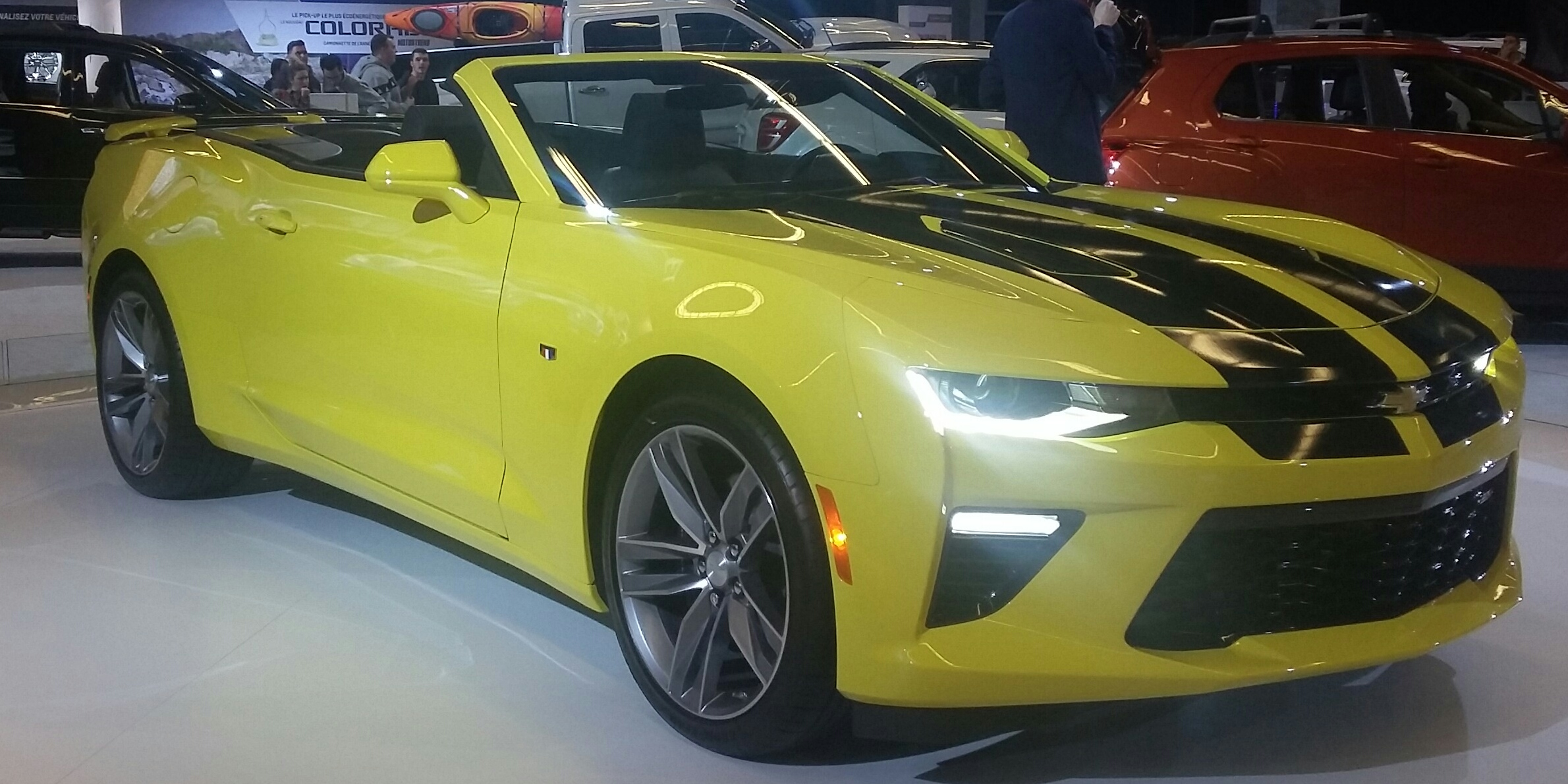
The Chevrolet Camaro is a sporty, performance car. It’s often discussed alongside other muscle cars because it’s made to be fast and fun to drive. In the podcast, it’s mentioned in that same comparison context.
Additives are liquids you pour into the car (like fuel or engine treatments) hoping to improve how it runs. They might help some symptoms, but they can’t fix a real mechanical problem by themselves.
The ECM is the car’s computer. “Opened up to tune” means it can be reprogrammed so a shop can adjust how the engine runs for mods like a cam or exhaust.
Term
Wildcat tunes
A “tune” is the computer settings for the engine. “Wildcat tunes” here means random or generic tune files that might not fit your exact car and mods, which can lead to problems.
HP Tuners is a tool that lets shops change how a car’s computer behaves. It can be used to adjust settings, but many newer cars need special unlocking before you can do it.
Exhaust cutouts are switches in the exhaust that can make the car louder. When they open, the muffler’s effect is reduced, so you hear more engine sound.
The Chevrolet Corvette is a sports car built for strong performance. The podcast mentions it because you can change how it sounds depending on what you’re doing. That makes it stand out for people who care about the exhaust sound.
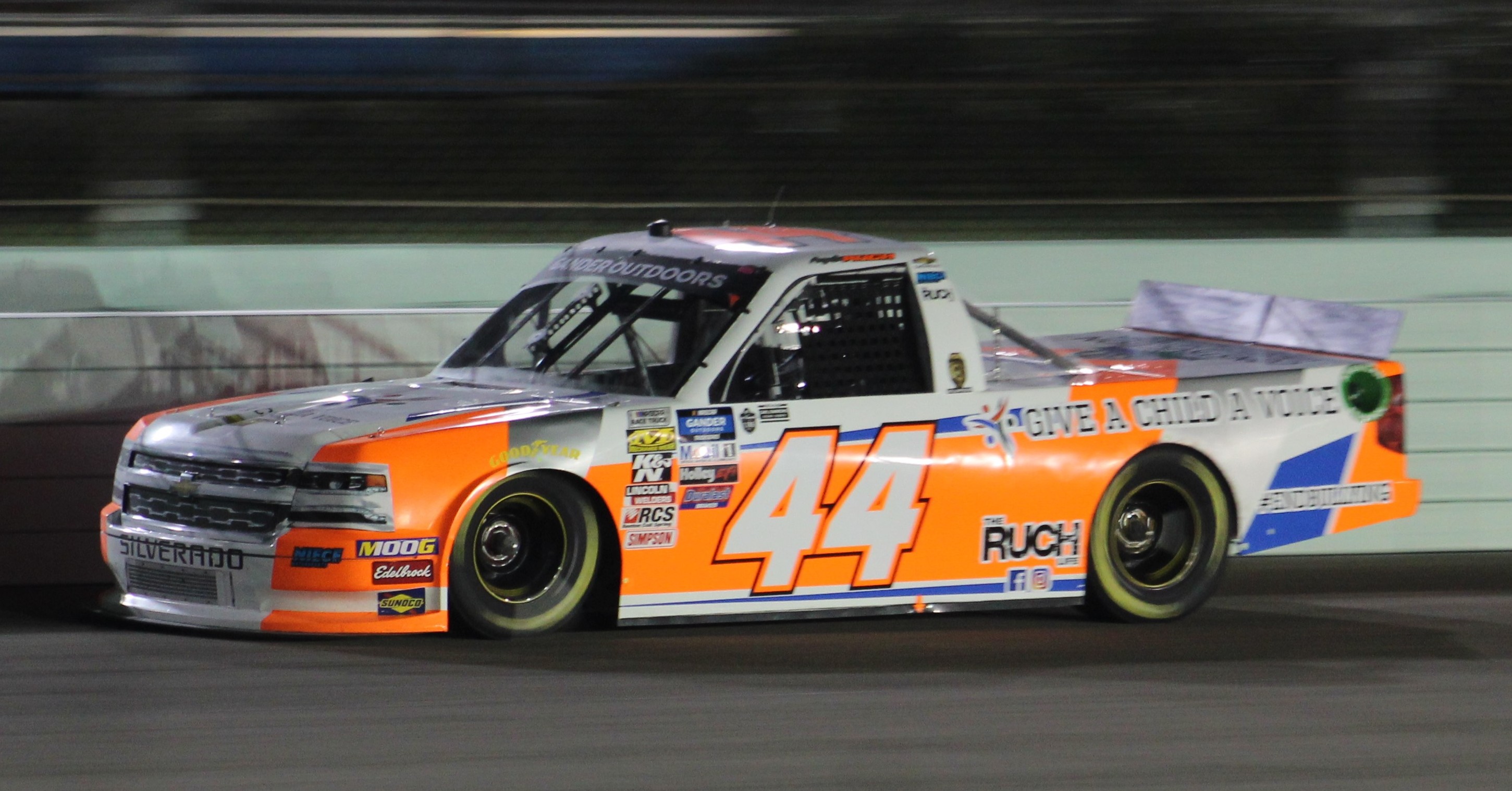
The host mentions Chevrolet Silverado trucks with factory exhaust cutouts. The idea is that the cutout is integrated into the muffler so the truck can go from muffled to louder exhaust sound.
The Ford Bronco is an SUV made for rough roads and off-roading. The podcast talks about it changing from a quieter exhaust to a louder one. That’s something people notice because it affects how the vehicle sounds while driving.
Optima is a battery brand. In this call, they’re talking about a battery maintainer—something that keeps a car battery healthy when the vehicle isn’t used constantly.
Deltron is the name of a company that made a battery-charging/maintenance unit. The caller is saying their department used a Deltron unit before switching to other options.
Deep-cycle batteries are made for repeated “use and recharge” over time. They’re better than regular car batteries for situations where a vehicle sits and still powers accessories.
“110 volts” is regular home electricity. They’re talking about using a normal wall plug to keep the battery charged instead of attaching clamps each time.
A battery tender is a device you plug in to keep a car battery charged while the car sits. It’s meant to prevent the battery from slowly going flat over time.
A battery maintainer is a device you plug into a car battery to keep it charged when the car isn’t being driven. It’s made to be left connected for a long time without damaging the battery.
CAN bus is the car’s internal wiring network that different computers use to communicate. When those computers wake up, they can draw power and drain the battery if the car isn’t used.
The Chevrolet Tahoe is a big SUV. The host is pointing to a 2007 Tahoe because newer GM cars around then started using more computer networks, which can pull power from the battery.
The BMW 1 Series is a small luxury car. The podcast mentions it while discussing whether certain fuel blends with high ethanol levels (like E-88) are okay to use. The main issue is whether the car is designed to handle that fuel.
Octane is a rating that helps prevent engine knocking. Higher octane generally means the fuel is better at resisting knock, but it’s not the same as how much ethanol is in the fuel.
Vapor lock happens when fuel boils or turns to gas in the fuel system, so the engine doesn’t get the right amount of liquid fuel. It’s more likely when fuel pressure is too low or the fuel system is worn or clogged.
Fuel pressure is how strongly the fuel pump pushes fuel through the lines to the engine. If it gets too low, the engine may run poorly and issues like vapor lock become more likely.
The Jeep Compass is a compact SUV. The podcast talks about fuel octane, like using 87, which is the standard fuel rating for many vehicles. The point is to use the fuel type the car is designed for.
The BMW 3 Series is a luxury car (a sedan) made for everyday driving with a sporty feel. The podcast mentions it while talking about fuel types, especially fuels with different ethanol levels like E-15 or E-30. The key point is whether the car can use those fuels.
The check engine light is a warning that something in the engine system isn’t right. If the fuel blend doesn’t agree with the engine, it can trigger this light.
A flex-fuel vehicle can handle different ethanol levels in the gas. If you have one, it can adjust to fuels like E-85; if you don’t, using E-85 can make the car run badly.
Car
350 Chevy motor
“350 Chevy” means a Chevrolet V8 engine with about 350 cubic inches of displacement. If it hesitates or loses power when you start moving, it’s often related to ignition or the carburetor setup.
This is a 1972 Chevrolet pickup truck. The conversation is about a problem with how it runs when you accelerate, even after rebuilding parts like the carburetor and ignition components.
Vacuum advance changes the timing of the spark based on how much vacuum the engine is making. If it’s not working correctly, the engine may hesitate when you accelerate.
The distributor is part of the ignition system that sends spark to the cylinders in the correct order. If it’s not set up right, the engine can stumble when you take off.
“Points” are an older ignition system part that helps control when the spark happens. If they’re worn or not adjusted right, the engine can act like it’s skipping or stumbling.
A carburetor rebuild is when the carburetor is taken apart and serviced so it mixes fuel and air correctly. If it’s not tuned right afterward, the truck can stumble when you accelerate.
Berkeley One Classics is an insurance company that focuses on classic or collector cars. They’re sponsoring the show, and the host is pointing you to them for that kind of coverage.
Road Ready Wheels sells replacement wheel sets for cars. The pitch is that they’re made to fit like the original wheels and help fix problems like slow air leaks.
Snow tires are tires designed for winter weather. They help with grip in snow and cold, and the host is suggesting using them so you don’t damage your nicer summer wheels.
OEM aluminum wheels are replacement wheels that match what the car originally came with, just made to fit your model. They’re aluminum, and the host says they’re cheaper than many aftermarket options.
TPM sensors are tire-pressure monitoring sensors that measure tire pressure and alert the driver when pressure is low. Many modern cars require the sensors to be compatible with the vehicle’s system, so wheel swaps must account for them.
“High energy ignition” means the car’s spark is made stronger than stock. That can help the engine start easier and run more reliably, especially on older ignition systems.
A “condenser” is an electrical part that helps the ignition system work smoothly with the older points. It helps prevent problems like weak or inconsistent sparks.
HEI is an older-style ignition upgrade used on some GM engines. It helps the spark be stronger and more consistent, which can fix problems like misfires or weak ignition.
A “four barrel” refers to a four-barrel carburetor (or four-barrel throttle body) setup that uses multiple throttle bores to supply fuel/air. It can affect how the engine transitions from light throttle to heavier acceleration, which is relevant when diagnosing flutter or hesitation.
“Flutter upon acceleration” is a drivability symptom where engine speed or combustion feels unstable as you apply throttle. It’s often caused by ignition issues, fuel/air mixture problems, or vacuum leaks rather than a purely mechanical failure.
Low ignition voltage means the ignition system isn’t getting enough electricity to make a strong spark. When that happens, the engine can stumble or act like it’s misfiring.
Top dead center (TDC) is a specific position in the engine where the piston is at its highest point. Timing is measured relative to this point when setting up the ignition.
Pertronix makes an electronic ignition kit that replaces the old mechanical points. It’s meant to make starting and running more consistent without changing the whole distributor.
The Land Rover Range Rover is a luxury SUV. The podcast mentions it while describing a simple step like removing a cap and accessing something under it. That suggests the discussion is about how to handle a routine check or maintenance task.
A high energy coil makes a stronger spark than a basic ignition coil. Stronger spark can help the engine run more smoothly, especially if it’s misfiring or stumbling.
Resistor wire is a wire with built-in resistance used in some older ignition systems. It helps keep the electrical current from being too high and damaging ignition parts.
A resistor coil is a spark-coil design that includes built-in resistance. That resistance helps protect the ignition system, especially the older mechanical points.
It’s a carburetor setup that has two little fuel “pumps” to squirt extra gas when you press the gas pedal. The goal is to keep the engine from hesitating when you accelerate.
Secondaries are the “extra” part of the carburetor that only starts working when you’re asking for more power. If they open too soon or don’t deliver enough fuel, the engine can bog or shake.
The Chevrolet Volt is a plug-in hybrid, so it can run on electricity and also has a gasoline engine. The podcast mentions checking voltage, which is a basic step when diagnosing electrical problems. It’s relevant because the Volt has important electrical components that need correct readings.
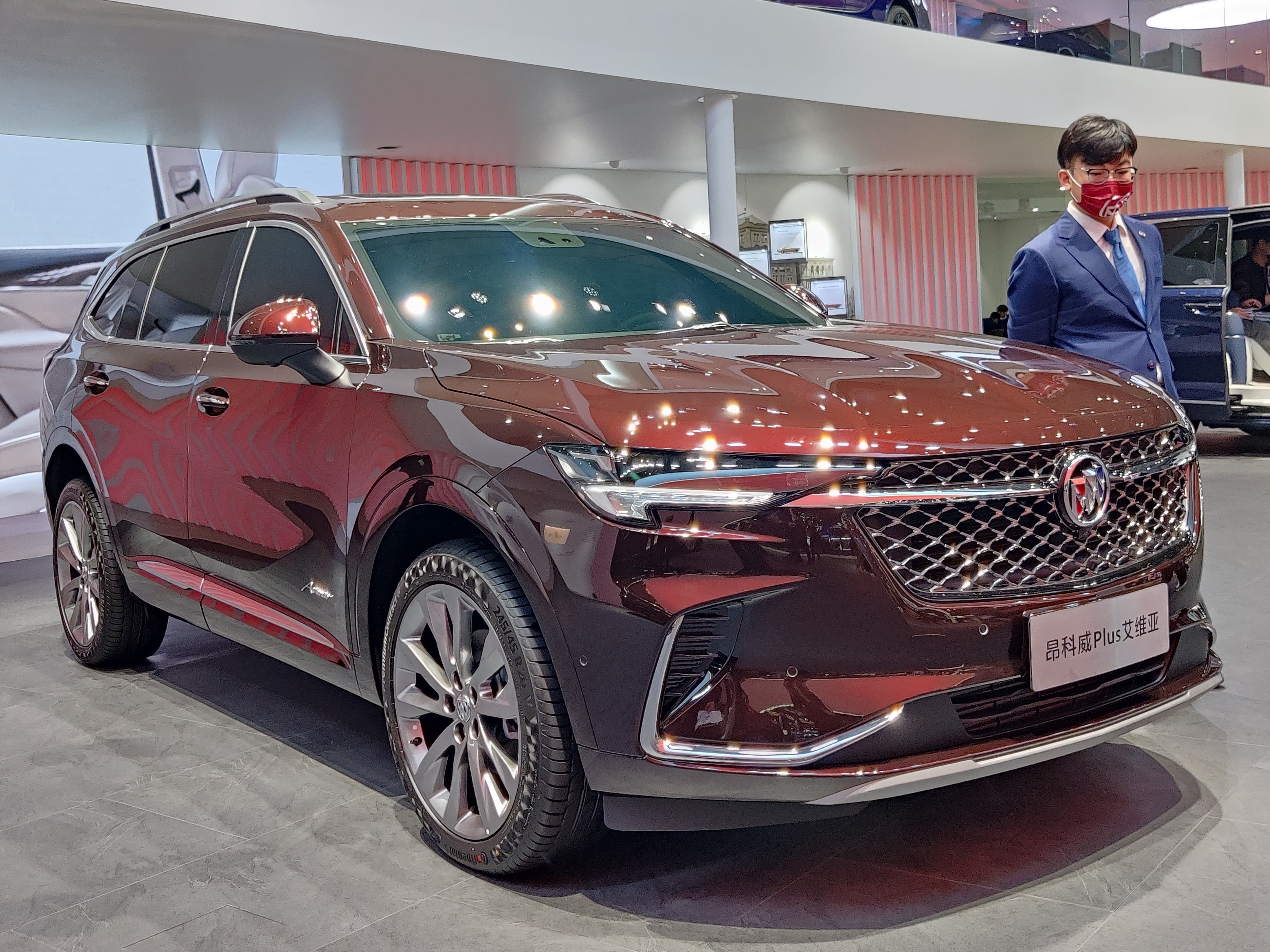
The Buick Envision is a midsize SUV. In this call, the host is guessing it might be the source of a knocking noise the owner can’t find after checking tires and looking under the car.
Road-speed noise is a sound that gets louder or changes as you drive faster. If it’s mostly tied to speed (and not just bumps), it can point to something like trim vibrating from airflow instead of a tire or suspension problem.
Windshield trim is the plastic/rubber edging around your windshield. If it’s loose or cracked, the wind at higher speeds can make it rattle or buzz and sound like something else is wrong.
A Honda CR-V is a common Honda SUV. Here it’s used as an example of how something simple—like trim on the windshield—can make a noise that sounds like it’s coming from the tires or suspension.
Painter’s tape is a gentle tape you can peel off later. Here it’s suggested as a quick test: tape parts of the trim to see if the noise stops, helping you pinpoint the source.
Fender liners (also called splash guards) are plastic panels inside the wheel well that help protect the body from water, dirt, and debris. Loose or damaged liners can rattle and create noises that sound like deeper suspension problems, so they’re worth checking when diagnosing knocks and bangs.
Stress testing just means trying the car in a way that makes the problem happen again. The goal is to recreate the noise so you can find what part is causing it.
This is a small suspension link that helps keep the car from leaning too much. If it breaks, the rear suspension can clunk or bang over bumps because the parts can move and hit each other.
All-wheel drive means power goes to more than just one set of wheels. Because of that, there are extra parts that can make noise, so it’s important to inspect the drivetrain and suspension together.
Amperage is the amount of electricity flowing to the car. Starting needs a lot of electricity at once—if the connection is bad, the car can light up but still won’t crank.
Battery terminal corrosion is gunk on the battery connection. It can stop enough electricity from reaching the starter, so the dash lights work but the car won’t start.
A ground is the electrical “return path” that lets electricity complete the circuit. If the ground connection is bad, the car may light up but still won’t start.
A stud is a metal post with threads. In this case it’s used to attach a cable to the transmission, and if it’s not installed correctly, the connection can be unreliable and the car may not start.
The negative cable is the main wire that completes the circuit back to the battery. If it’s loose or corroded, the car can lose power when you try to start it.
Terminals are the metal connection points where wires plug in or bolt down. If they’re dirty or corroded, electricity can’t flow consistently, and the car may act like it’s turning on and off.
An automatic transmission is the part of the car that shifts gears for you. You don’t have to use a clutch pedal, and the conversation here is about a Saturn that has had transmission trouble.
This phrase means Saturn was trying to follow Toyota’s way of doing things—like building cars with a strong focus on consistent quality and efficiency. The host is saying Saturn was GM’s attempt to adopt that philosophy.
A Saturn Vue is an SUV model. The host is basically saying that even if a car looks like it’s in decent shape, you can still have safety concerns when you see something wrong while it’s driving fast.
The control arm is a metal link that helps hold the wheel in the right position. If it rusts through or comes loose, the wheel can move unpredictably, which is very dangerous.
A Toyota Corolla is a very common everyday car. Here, the host is talking about a dangerous suspension problem—parts under the car were rusted and not properly attached, so the car could lose control.
An inspection sticker is proof a vehicle passed a required safety/emissions inspection in its jurisdiction. The host claims that in Texas, some cars are being seen without inspection stickers, implying they may be operating with serious issues that should have been caught.
A ball joint is a small but critical joint that lets the suspension move while keeping the wheel pointed the right way. If it breaks, the wheel can suddenly shift and the car can crash.
A chassis inspection is a mechanic looking at the car’s main structure and underbody to make sure it’s still solid. It’s especially important for older cars because rust can weaken the parts that hold everything together.
The Dodge Avenger is a car model that can rust as it gets older. Here, the host is pointing out rust on the front cradle area, which can make the suspension mounting unsafe.
The front cradle is like a sturdy mounting frame under the front of the car. If it rusts badly, the suspension parts may not be held securely and the car can become unsafe.
The Ford Escape is an SUV that can rust over time. Here, the host is saying moisture can collect in certain spots and cause rust that weakens important mounting areas.
The rear frame is the strong metal structure under the back of the truck that holds everything together. If rust destroys it, the truck can become unsafe, especially when you tow something heavy.
A used vehicle inspection is when a mechanic checks a used car before you buy it. It helps find serious issues like rust that could make the car unsafe.
Rocker panels are the body panels along the lower sides of the car, between the front and rear doors. Surface rust here can be cosmetic, but rust that spreads into structural mounting areas can reduce safety.
Fender wells are the areas around the wheel openings. They get sprayed with road water and salt, so rust can build up there and sometimes spread to more important parts.
The Lucid Air is an electric car, meaning it runs on a battery instead of gasoline. The podcast mentions it while talking about keeping the car’s systems working and what to do if something isn’t right. It’s part of a troubleshooting or maintenance conversation.
Place
northwood tack up in michigan
The host mentions Northwood in Michigan as part of the guest’s background. It’s a place reference, not a car or part.
The “Saturday Night Main Event” refers to the headline race of a dirt-track weekend. The host ties it to a large winner’s payout, emphasizing its importance compared with other races.
“VIN match pro” sounds like a tool/service that helps match a car’s VIN (its unique ID number) to the right information. The host is about to explain it.
Xenon headlights use a different lighting system than halogen bulbs. The parts are usually not interchangeable, so matching the car’s original setup matters.
In this context, “standard” means a manual transmission. Manual vs automatic drivetrains can require different parts and hardware, so VIN/build-sheet matching helps ensure the correct transmission-related components are ordered.
Eight cylinder means the engine has eight cylinders. Parts can differ between engine sizes, so matching the car’s original configuration helps avoid mistakes.
Crew cab is a truck cab style with more doors and more passenger space. Because it’s a different cab layout, some exterior parts won’t fit correctly if you order for the wrong version.
Mega Cab is a name for a bigger truck cab. Because the cab is larger, some parts and measurements won’t match smaller cab versions.
LIVE
Welcome to the Under the Hood Show Podcast. Thank you very much for listening.
Also, check out our YouTube channel and the Facebook page. We do the show live on video
as we record the podcast you're about to hear, which is brought to you by Berkeley One Classics,
your key to collector car insurance, and Road Ready Wheels, replica OEM wheels at huge savings.
Use the offer code hoodie for even more. And by car dash part, over 200 million used parts ready
to ship to you fast. Here is the Under the Hood Show Podcast. Thank you very much for listening.
This is Under the Hood. Welcome to the Under the Hood Show. We are glad to have you with us.
Russ Evans is here to answer your automotive questions. Thanks for joining us under the hood.
Shannon Nordstrom is here to do the same. Welcome, hoodies. Thanks for tuning in so we can help you
tune up. I'm Chris Carter here to answer your calls at 866-594-415. We've got calls coming in
from all over, so we want to get to those because the Watts line bill is through the roof these days.
I used to reference the other day in the shop with a couple of our team members that got no
reaction. And it's not that big of a deal, but I realized that the one was a 20-something and
the other one was, I don't know what his excuse was. It was Jim. He had no excuse for not knowing
when I made a KnoxBlox reference. That's going back a ways.
Some of the really young ones are getting more than you think though because I got one that's in
his 20s in our shop and I'll make a reference just to see if he gets it. I asked him the other day,
I said, do you know who Hong Kong Fu is? And you were, and why did he know?
I guess his stepdad taught him a lot, watched a lot, made him watch a lot of stuff because I
bet these people in this room, except for one, you do not know who Hong Kong Fu is, do you?
But everybody else does, right? Exactly. The world's greatest superhero. Yeah.
You don't know, do you? KnoxBlox is out the window.
I guess. Let's go to Idaho and talk to John. Ross was looking at me like he doesn't know.
You're on the end of the hood show. Save us, John. What can we do for you?
Not a problem. I know who Hong Kong Fu is. There we go. Nice. We all had three channels growing up
and that was one of them. No kidding. And being mad when Lawrence Welk came on, I get it.
I got that one. Yeah, no offense against Lawrence Welk. But anyway, I'm 62 years old
and I refuse to grow up. So I am used to working on GM cars, hot rod cars. I sold 69-fire,
but which I beat myself to death every day for. And then went through a phase, 20 years, didn't
have. I was raising kids, getting them done. And so when I got older, I bought a Mustang with
the five-liter, had a good time with it, but I couldn't fit the grandkids in the backseat. So
I bought a Challenger, 2019 Challenger with the six-four-liter Hemi.
It gets about 2,500, 3,000 miles, maybe a year. I change the oil every 2,500 miles with the full
synthetic. But first Dodge hot rod I've got, did a lot of research on that motor. Super impressed
with the power and the torque. I don't rod it, but maybe four or five passes a year. I'll go out to
the drag strip on Grudge Night and race the kids and teach them what it's all about. But
my question is to you guys, pretty well-documented lifter issues that can occur anytime between
30,000 to 100,000 miles just depends. So I'm doing the extra oil change, sacrifice the oil,
not the motor, trying to do everything I can to keep the lubricity up. So my question is,
if I change the cam and lifters and delete the MDS, that multiple displacement system,
will that take care of that lifter collapse issue? They're heavy. I mean, it's just,
it's documented. I'm not bashing on Dodge. I love the car. It's the funnest hot rod I've ever
driven. But will that take care of that issue? Is this an automatic or a manual?
It's an 8-speed automatic. Okay. Well, the only way it's going to fix is if you put a louder exhaust
on it, headers and a larger cam in it at the same time in a stall converter, then you'll be happier
and the car will be happier and you won't have a problem with it. Yes, the problem is the cam
and the lifters. Throw them away. I mean, this doesn't go for everybody, but for your case,
I would definitely, yeah, I would, because of what you do with it, I would change the exhaust
slightly. I would put a different cam and lifters in it. You'll be happier with the way it sounds.
If you like the Firebird, you're going to like that a lot better. Plus, it's not going to have
the failure. You're not going to have the problem with the lifter collapsing. Let me ask you with
the exhaust, why would that make a difference other than just like in the rubble? I mean,
I'd drive it during the summer. There you go. You've got us home. Wouldn't your smile be worth it?
The smile is always worth it. It's brown on the white space. I can't get fast. They do make
some really nice cutouts for that car too, so you can turn it on and off if you want. They make
some electric cutout system. We first saw it, our friends over at Dakota Digital were developing it
with a company for a while, and then they don't do that anymore. The other company does. I'm not
sure who that was, but they had it for the Camaro. They had it for the Mustang. They had it for the
Challenger, and it just dumped it out to another set of pipes and went around the mufflers.
Worked great. It was a really nice system, but it's always nice to hear it. As long as it's not
too loud and you can still hear it, but getting rid of that other Cam, it's an expense, so people
don't do that. They're asking us on the show a lot how to fix that, and there's additives and
things you can put in there, but really, to fix that, and you've got such low miles. If you've
got the time and you're not running it that much anyways, you could go with a Cam Swap and really,
you'd be more happy with the, you get a little more power out of it, a little different sound out
of it. Even with the stock exhaust, it's going to sound different than better.
Yeah. The, the issue that I have with this is when I went, I asked about a Cam
Lifter Swap, and of course I was going to bump it. There's just something so sexual about a
choppy Cam Lope. I can't explain it on air. I don't want to bring that up.
You went right after that.
Well, you know, but, but they said the biggest issue is finding the right tuner,
because there's so many Wildcat tunes out there that if, and apparently Dodge, you've got to go
to Dodge to get that ECM opened up to tune. But if I get rid of that Lifter Collapse issue with
a little bigger Cam, it's probably worth the $8,000 they quoted me to change that.
You could get somebody to do it for less than that with the tune, the Cam parts and labor and
everything. You find a custom tuner that does it. If they don't, they know everybody that does,
they can get it done for you and then they can get it tuned. But you have to send that computer in
on that one to get it unlocked, not to Dodge. You can send it into the tune. I think HP tuners
offers that on that model vehicle. But yeah, you're right. A lot of these computers are locked now.
You can't touch them until you have them unlocked. And some of them, they're illegal to unlock,
so they just won't do it with like the diesels with some of the emissions. They won't, they won't
allow you to do it. The Canadian ones are already and a lot of those get snuck across the border,
but you cannot do it on a United States, one of the modern ones. I like that a lot of the newer
vehicles are doing the exhaust cutouts right from the factory. So you can just change the tone
like the Corvette for the situation. New Silverados have it. They're in the muffler. They just go
from a muffler to no muffler. Our Bronco has it. Maybe it's kind of fun. John, thanks very much
for the call. Good luck. That's the happiest call we're going to have in months. Unless it's
Pat with the 96 year old Mustang. He wants to soup up his car even more. You're saying,
yeah, do it. Do it, do it. And he gets to tell his wife, no, they said, I have to do it. And
it's got the cutout, so she's going to be, this really, oh man, this was a good one.
866-594-4150. That's the number to reach us here at the end of the hood show. Let's go to
Minneapolis and talk to Greg. You're on the end of the hood show. Greg, what can we do for you?
I got an oddball question for you. I worked in law enforcement and after the end of our shifts,
we used to plug in all of our squad cars. And with all the talk, you guys have been
mentioning about the battery tenders. I'm just wondering if that's what it was that we were
plugging in. Some type of battery maintainer, our partners over at Optima make a really nice
battery maintainer that does all modes, all cars. For what you're specifically talking about,
fleet vehicles and in law enforcement, things like that, a lot of times, if they were along
the wall where the cars would park, they've got 20 spaces and they've got cords coming out all the
way, there was a different battery maintaining unit that Deltron used to make that would do
20 to 80 cars and they would just run the lines down the wall and plug in, but it was
maintaining the car. It was a same concept, but not your consumer grade. We used to have at the
radio station with all those deep cycle batteries and all that. And the cars, if you're driving them,
they had power, but when you've got a lot of accessories or a lot of idle time on the police
cars, they slowly lose their charge. They may start every time, but it's really hard on the
battery to try to float that thing and keep it maintained. So therefore, they plug them in
and keep them at optimal voltage all the time and it just makes the batteries last longer.
We would see cars, years ago, we'd see them come in that were that type of fleet vehicle.
The batteries, every year, they put a new battery and they're like, well, it never goes
dead. And then all of a sudden one morning it's dead. What's going on? It's because it's so low,
all of its life, that if you keep it maintained, you won't have that problem. And then they go up
to a three or five year battery. And a lot of those. So my other question is then, is something like
that available to purchase? I don't want one to clamp onto the battery every time I park. I'd rather
just, you know, when it's installed where I can just plug it in 110 volts. I can answer that one.
Like the Optima, they'll do the same thing. Chris, everything. Everyone I've ever seen
comes with leads that you can just bolt right on the thing and you can stick the
wire out the front, you know, out the grill. Yep. Just so you can plug it in. And are you
able to leave the car plugged in for years? How long? I live in Minnesota, but we've also got a
house in the Bahamas. So we're here and there every six months. I don't think you had to,
I don't think you had to bring that up. That was a nice flex you threw in there. Yeah, I don't
think you could have just said we live in Minnesota. You know, it's so hot all the time down there.
Bring the car with you. Shut up, Greg. So do you have battery tenders in the Bahamas on the vehicles
there? Or what do we got down there? Let's talk about these. I just disconnect the batteries on the
car and every time we move back down there in the fall, I hook it up and charge it up. But what
about the yacht? When you leave down there, do you leave it plugged in? The helicopter battery's
got to be, that's got to have a draw. But in all seriousness, when you get a proper,
like the Optima battery maintainer, you can leave them plugged in for years. It's going to sit
there and it's going to pulsate that battery. It's going to just float it and electronically
keep it happy. It's going to be a happy battery and you don't have to unplug it all the time. You
just leave it alone. And it's a good thing. It's just for people of certain generations,
they just can't imagine that because they're used to the battery charger that weighed 40 pounds and
maybe smoke came out of it every once in a while. The only thing to draw was the clock that was
broken two days after you bought the car so you could literally leave it sitting a year and a
half and it would start. I think my first experience with a newer vehicle that I noticed
was an 07 Tahoe that we had. And that was some of the first years where GM was really getting
active with CAN bus networks and different things. And my wife went into a store and I said,
I'll just sit in here because it was a Sunday and I was going to listen to the Vikings football
game on the radio, nothing better than listen to a radio game sometimes. But we weren't out there
for very long and all of a sudden, dead battery. We were out there for probably 20 minutes with
the radio on. And like, this isn't right. But these newer vehicles, they'll drain a battery down in
a hurry. Once you wake up that system and all these modules start coming alive, you're pulling
a lot of amps through that circuit. I had stereos that could kill a battery in two minutes.
Does that help you out there, Greg? All eight of them. It did. Yeah, I appreciate that.
Thanks very much for the call. And thanks for calling from Minnesota
in summer versus from the Bahamas. Saving us all that long distance charges, right?
It's still hot down here. I got a feeling that we're going to get a call from Greg
from the Bahamas at some point. I think I sure hope he does. Or from Husan in Bahrain.
Yeah, there you go. 866-594-4150. Let's talk to Brian. You're on the end of the hood show. Brian,
what can we do for you? I got a 2019 Jeep Cup with Trailhawk. But my question is,
and I've heard some team different versions about putting E-88 in that vehicle. Some say,
yeah, some say no. You might end up with a paper lock. And I think, well, I'll come to the experts
to find out exactly if a guy can or should stay away from it. Let's start with the term
E-88 versus E-85. Because those are 88. Just 88. That's where I think we're having a lot of
confusion lately. The pump label when you pull up. E-85 is what we call that product. That means
ethanol 85. E-88 is just the octane of that. Any number printed on a pump without a letter
or a letter, prefacing it, is the octane. If it's on the button to start, 91, 90, 88, 87.
So 88 and E-85 are completely different things. E-85 is ethanol content up to 85%. 88 on a pump
is an octane number. But it also is synonymous with E-15. E-15. Always. Never anything different.
It's always E-15. So yes, you're fine. It won't do a thing to that vehicle to run perfectly.
You're not going to get vapor lock because you've got fuel pressure. You can't have a vapor lock
when you have, you can have 100% alcohol in that tank. E-100. You cannot vapor lock it on a modern
fuel injected engine because you're under pressure. If you've got at least 10 pounds of fuel pressure,
you can't vapor lock E-100. But if you have no fuel pressure, it's not going to run
and you'll get a vapor lock. Vapor lock was very common on cars back in the early 90s even with
running E-10. The 91, 90, 88. That could still happen. We were talking about cars with very
low fuel pressure. Sometimes they'd be down on an old worn out fuel pump, clogged fuel filter,
six pounds, four pounds. It was pretty bad on throttle body. So people were getting a bad
taste and they still remember that. So just to be clear, Brian, are you talking about 88 on the pump
or E-85? Well, right where we had the car, I always put that E-87 at. But I come out here to,
I live in Minnesota. We come out here one day, out here in Chicago one day and I was going to get,
I was going to fill up the car. And I went to the truck stop and the only thing they had on
there was either premium or E-88. And there I thought, wow, I always put an 87 in. People were
there to say, oh, it's not good for the car. 87 is better. You can't. Okay, just I'm going to
just say this just in a different way probably. But if you have that Jeep Compass and you see the
pump says 87, that's the standard fuel. 88 says 88. That's E-15. If you look at the fine print,
it probably says it's somewhere nearby. That's E-15. No problem. If you go to a pump that has
blenders, then you start seeing the E-letter and you might see E-30. You might see E-50. You might
see the E-85. And those are much higher alcohol contents and you'd probably start, the higher
you go up that scale, you'd start having some issues with how the vehicle would run. You'd
turn on a check engine light initially because of the alcohol content. And then eventually,
it would start not running right. As the higher up that scale you get, I believe your vehicle
could probably take E-30 without much of a hiccup. Yeah. But just stick to the, stick to either the
88 on the big button or 87. You'll be just fine in that vehicle. It'll run just, it'll run well.
Nothing with an E in front of it would be best. Right. And ignore that. There's a lot of it saying
right now, go with the lowest at the pump. Well, the lowest dollar at the pump is E-85 and you
don't want to do that unless you have a flex fuel vehicle and you don't. So don't do that.
By the way, good job industry. Way to confuse everyone all the time.
Brian, good luck. 866-594-4150. Let's go to California and talk to Michael. You're on the
end of the hood show. Michael, what can we do for you? I have a 350 Chevy motor, you know,
a 72 Chevy pickup. And it's got a fresh motor in it. It's got about 60,000 miles on it now.
And I did it to complete tune up, wires, distributor, vacuum advance. Of course,
I came on the distributor. So it's got points. And I got this flutter in it when I take off.
It fires right up. Okay. And then when I take off, it's got this flutter in it. And also we just
had the carburetor rebuild. And I cannot figure out why it flutters. It's like it doesn't cut out
all the way, but it just kind of loses power. And I even checked the cam. I pulled the valve
covers off and measured each lifter. And it seemed like they were like within tolerance.
But I can't figure out why this thing does it. All right, Michael, stay right where you are.
We're going to take a quick break. When we come back, we'll see if we can solve this problem.
I say we, we, the three of us, I mean, you know, it's Russ, it's equal.
Russ, you work on that though, while we're in the break. I'll think about it.
The end of the hood show podcast is brought to you by exclusive sponsors like Berkeley One Classics,
celebrating 50 years, your key to collector car insurance. And by car dash part.com with over
200 million parts. Find them online at car dash part.com and by road ready wheels. OEM replica
wheels at a huge savings road ready wheels.com. Thanks for listening to the under the hood show
podcast. This is for those of you who need a new wheel or a set of wheels due to damage or leaks.
You've heard people call our show with wheels that are constantly leaking air have been damaged in
some way. Maybe that person is you, or maybe you want a set of spare wheels that you can install
on your vehicle over the winter months with snow tires to avoid damaging your nice summer wheels.
Road ready wheels has replacement wheels for many OEM manufacturers at substantial cost savings.
These wheels look and perform like OEM wheels. So save money and go with road ready wheels when
you need a replacement. Are you tired of needing to add air to your tires every few days because
your wheels have been eaten away by road salt and corrosion. A new set of wheels from road ready
wheels is the cost saving way to go. A new set of road ready wheels will stop the leaks. Do you
have factory steel wheels and have shopped in the seemingly endless and expensive aftermarket
wheel scene not knowing what to get, but you want a better look road ready wheels can help you upgrade
to factory looking OEM aluminum wheels over 40,000 wheels with free shipping available and returns
with a one year warranty under the hood listeners. Save 10% when you use the code hoodie at checkout.
These wheels are a direct fit. So your factory caps and TPM sensors will fit. Find out more
and or yours at roadreadywheels.com. If you need parts, whether it be for a brand new car or
going back about 20 years, it doesn't matter. Check out car-part.com. It's fast and it's easy.
Over 200 million parts strong all across North America. Over 4,000 recyclers to choose from,
giving you the largest selection available. Whether it's an engine, transmission, doors,
seats or wheels, you can find them on car-part.com. We even let you know what parts from other models
and years fit your car. Many recyclers supply pictures of their parts too. We even have a
mobile app. Search US and Canada or buy from your local independent recycler. Whichever you choose,
buying recycled is good for the environment and good for your wallet. If you're a repair shop,
there is a professional version available for you at no charge. That's car-part.com.
Car-part.com. Check it out today. I'm Russ Evans with Shannon Nordstrom and Chris Carter,
When we needed protection for our own personal collectibles and performance vehicles,
we turned to Berkeley One Classics and here's why. Berkeley One Classics has over 50 years
experience and they're dedicated to serving their customers. They will work with you to help determine
the amount of coverage a vehicle like yours should have and that coverage is agreed-valued
coverage so there is no disagreement on what your vehicle is covered for. They also have
discounts for car club members. Berkeley Classics ensures a wide range of vehicles from sports cars
and rare exotic cars to antique vehicles including cars, trucks, tractors, military vehicles and
antique motorcycles. Over 50,000 of them a year. Visit BerkeleyClassics.com today and get a free
quote and find out firsthand what they can save you and how well they can cover your valuable
investment. It takes just a few minutes using their easy online quote tool on their website.
Visit BerkeleyClassics.com that's BerkeleyClassics.com or call 800-603-3330. That's 800-603-3330.
Welcome back everybody. It's time to get back under the hood with our motor medics.
866-594-4150 that's the number to reach us here at the end of the hood show. Don't forget
if you miss an episode you can find it wherever you get your podcasts and you can always watch
the show at our YouTube channel. If you subscribe to that and join the hoodie fan club
at UnderTheHoodShow.com you could win a hoodie. Like Bryce Kellogg congratulations from our friends
over at Berkeley One Classics celebrating over 50 years of collector car coverage and just like
today's show, lots of collector cars. 866-594-4150 we're talking to Michael from California. Recap
what we got going here Shannon. Well I'm pretty sure when we finish this call we'll be talking
to Michael about his Berkeley One Classic. He's got a 72 shivvy pickup with a 350 in it
and if I remember how he said it right he's done some work to this. He's got high energy ignition
in it I think is what he got rid of the points and condenser. You did say that didn't you Michael?
No. Oh you didn't. Okay all right I thought you had HEI yet. Okay switched it over. That's what
most people do. That's what most people do. That's one of the first things to help with this.
Is this a four barrel vehicle or is it a two barrel vehicle?
It's a four barrel. Okay and he's got a flutter upon acceleration
and he's been playing around quite a bit and just hasn't been able to quite get rid of that flutter.
Well is this camshaft a stock lift and duration cam or has it been upgraded?
Stock. Okay well that's good. And I use the zinc every oil change. That's even better.
So you've got that we've got that down so hopefully we still have plenty of
vacuum so that shouldn't affect some things because vacuum leaks will do this also low
ignition voltage will do this or a dwell problem will do this. So I would
I would get rid it's not going to hurt anything to get rid of that point distributor and get
yourself an HEI distributor like a 1976 to 7980 before they went computer controlled just
you take it out you drop it in on top dead center you're fine it works.
Time it and you're you're good. That'll help with any low voltage.
Is that the same as Pertronix? It's electron. Well no you can buy a Pertronix for it that'll
work just as well too. I got one of those in Shannon's Range Rover. It's you just okay take
the cap off and boot you bolt it on and it's an HE now it's an HEI. You've got a high energy
coil sitting next to the distributor instead of the high energy ignition coil mounted in the
distributor cap which is fine then you don't have to take it out you don't have to read you can
time it but you don't have to move it. And if you want to keep the original look of the vehicle
if that's something you would do otherwise the the General Motors HEIs rebuilt and
some are widely available used to be hard to get Pertronix unit is going to be so much better.
That thing is amazing when it works. I'm real familiar with Pertronix as a matter of fact
in California because I thought I had the the tolerance on the adjustment on the Pertronix
inside the distributor a little bit off so I adjusted that and that didn't fix it either so
that's why I went back to the point so I got a brand new coil and distributor
but the distributor is on point and I got that set at about 18. All right so back up
you had the problem with that you thought it might be ignition so you tried adjusting that
which is the right thing to do because it comes with a little piece of plastic to adjust that
you can just eyeball it too if you're really good the but you switched the points thinking
you were going to fix that I know somebody with a Range Rover had the same thing and they had been
going back and forth trying to figure out this with a box of parts it's a 68 Land Rover same thing
they're both red so the if you have low voltage like this one did it was only getting like eight
volts down to that thing it didn't matter what you put in it it's not going to work and that
thing fluttered for sure oh it fluttered like crazy and when you got it under a load it would get
jerking yeah it was it was bad okay so yeah so you're talking about the voltage coming from the
coil you want to check the voltage going into the positive side of the coil the ignition voltage
that should be battery voltage there with the engine running if it's way low if it's seven or
eight volts you got a problem and a lot of those had a resistor wire built into the the power wire
if it had a non-resistor coil from the factory you're right on the edge okay I actually I actually
put a resistor on the dash to go to the coil because one of my tech told me I'd try my points if I
didn't have it on that no you only put the resistor in if you don't have a resistor coil any modern
coil is going to say resistor on it so you either need a resistor if it doesn't have a resistor coil
or if it doesn't have one do it the other way to prevent the points from burning up you turn the
key off when it's you leave it off if you turn it on and not on accessory with the engine not
running you'll burn those points up and you'll see that pretty quick or even melt the wire but
if you've got a coil that says resistor on it that's not required do you want to make sure you have
proper voltage but once that's done make sure you don't have a vacuum leak and then make sure that
carburetor is not trying to crack open the secondaries too early there's adjustments on those
carburetors to when they start to open as you're opening the throttle because if it's not a
twin pump carburetor the double pumpers it is not going to dump enough fuel in for the secondaries
if you start accelerating you've got a 30% throttle and you've got secondaries that are
cracked open already it's going to fall on its face and flutter until it gets enough vacuum
by engine momentum to pull that fuel in from the secondary so you've got to you got to watch that
real close but a few things to mess with it it sounds like it's just a fine tuning issue but
i'd check that voltage first what voltage should there be coming through battery voltage if you've
got with the engine running if you've got 13.2 volts there you should have within a half volt
of that whatever that battery is running at with the engine running and if like i said if it's down
to 10 or 8 something's wrong okay all right i think this uh this 72 shivy pickup
is going to be orange today i think is it i have a question don't tell us what color it is
is it uh one color or two colors uh it's battleship grain that's in a 34 international pickup
i was gonna say gray game over
me too great battleship gray from an international that's what i was thinking
michael hold on a second we're gonna get you a hoodie that is a berkman that's all sorts of
berkeley classic there it is 866594415 oh let's go to
mississippi and talk to tim you're on the end of the hood show tim what can we do for you
yes sir i've got a 2020 due to condition it had 112 miles on it when i bought it uh six months ago
uh uh let's give 13 grand for just cash out and after about four months driving it i mean it
runs like it's brand new i mean the whole i mean it's like a brand new car to me
best car i've ever had by far and i'm 54 years old but i've got a knocking sound somewhere
and it sounds like right outside of my uh my uh driver's side door i've taken it to four or five
different tire shops and had them to check the tires all the way around they've had it on the lift
looking for something that would would cause a knocking sound and we can't find anything what on
earth could it be 2020 buick envision and i'm assuming you met 112 thousand miles
yes okay because if you had 112 miles and you found that thing that good good
good hell of a buy good price yeah is the knock steady and increases with road speeds or is it random
and does it does increase with road speed it sure does okay but is it is it a steady knock knock knock
is it random yes it sounds like that it sounds exactly like a wheel
off like it but it's steady but faster and slower as you go okay and that's important
because if it comes and it could be different things uh does it matter where you're driving
does sometimes it seemed to not be there as much as others uh if i'm just driving around town uh
you don't hear it that much unless you hit a bump or something uh then you can
you can slightly hear it but the worst that the worst is when you get it on the highway and you
get up to a 30 or 40 mile over 30 or 40 miles an hour and you can hear it super bad that just
puzzles me man like i said and i tell the people in the tire shop i said you know i just want to
be safe you know i know that's like i'm crazy i don't think it's tired but at first they didn't hear
it uh but now they do because it's over time it's gotten louder i think it's i it's a
body part it's probably not a tire it's probably either the windshield trim or the molding or
something i had one the other day in a honda crv and a little piece of the windshield trim was torn
and only one direction it depended on the wind so only one direction i could really hear it at
70 miles an hour the other direction i couldn't in town i couldn't hear but when you hit a little
bump you could hear it because it's plastic that window trim and it had a big crack in it the air
would get under it and it would make the noise and they said that can't be it but i i could hear
where it was at and i rolled down the window and grabbed a hold of it and they quit and they're like
huh so in tim's case maybe that you've got a piece of trim somewhere that's loose get out the
blue masking tape if that was the case you can do that too use painter's tape and go around the
trim on the window a little spot at a time don't do the whole thing and see if you can find it or
under on the side when wouldn't you think you i'm going to look at tim tim when you'd probably
notice wouldn't you think if it was more of a clatter clatter than a knock knock
you're defining something that sounds pretty pretty deep well if you got a fender
liner too or something fender liners are bad the the trim underneath but my daughter-in-law
has an envision and she had a noise now this is i'm just telling this because it was a my
own personal life experience she kept hearing this noise and and we're like nobody else could hear it
and uh finally we took this thing stress tested a little bit on the drive right around the
salvage yard here and i found it and it was the left rear sway bar link was broken and it was
broken in such a way that it had just jointed and it would just hammer
against the sway bar in certain situations and it was making a knock and it came from the kind
of the the driver's side it felt like under your feet but it was actually coming from the left rear
and it was unusual that that one was broken they i don't know if it was
something that got hit or if something happened but the left rear sway bar link was broken on
the Camaro too the left rear and every once in a while just go bang yeah but this sounds so steady
but if he's got a tire that's slightly out of balance you've seen him going on the road yeah
if it's slightly out of balance it might be popping that sway bar that's good very very well
my sway bar link that was broken was sitting on top of itself that's exactly what you could not
see it I looked underneath there from every direction it's attached and finally I had Riley I
go jump on this thing and he was jumping on the we had the door open we were hanging from one side
and also there it is and it's right there it was it was just a weird thing they're hard to find
sometimes oh yeah but uh is that an all-wheel drive envision or a front just a front wheel drive
it's all all-wheel drive you know they're they're gonna want to inspect and make sure they've looked
at the the you know the shafts going to the back and and all I'm sure they're inspecting all that
stuff if it's rotating with noise that still makes me think we got something like that going on
but check that left check the sway bar links in the back and then fender liners and all just all
that kind of stuff rattle things up down there yeah 866594415
oh that's the number to reach is here at the end of the hood show let's go to Mississippi and talk
to Ricky you're on the end of the hood show Ricky what can we do for you oh yeah so I'm got a 2008
Saturn view and the car was running great and we parked it and didn't get back in the car to
Frank for about five or six weeks and now we're not turning over you all the dash come on and when
you turn the key everything goes off and it will keep it up and you let go of the key and off
yeah his phone is plugged into that Saturn he's right now yeah when he talks it cuts out when
stops it comes back your phone's chopping up a little bit there you've got a
a power problem coming from at some point is disconnecting and it's and it's reconnecting
so what's happening you turn the key everything lights up but you go to the start position it
goes dead you let the key back it comes back because when it needs that extra demand for the
amperage you can't do it and you either got corrosion in a battery terminal right on the end
like right where it hooks to the battery you can't see it because it's down inside the terminal
that's pretty common on those cars or the other place these cars had a huge problem with especially
if they've ever had a transmission or an engine put in them there's a stud bolted into the transmission
and then to that stud there's a nut that holds the cable on well people screw in the studs by hand
and they tighten up some of them or they'll put the nut on and when they put the nut on it moves
the stud so now the studs loose in the case but the nuts on there good and tight so you pull on the
cable and say oh that's good and tight but there's grease in the hole and it doesn't work and it loses
contact or the ground has the same thing it's grounded to the stud and then the engine mounts
isolate all that so you don't have power and you're you're losing it and then it comes back
so I would say you know check those very thoroughly you can break it down and get a voltmeter out
check and find out exactly which connection it is it's bad but I think that in this case
check follow the negative cable from the battery down to the transmission wiggle it make sure that
that's tight the studs tight that is hooked to and then take the cables off the battery both of them
isn't it just dead I mean it's got enough juice the light the lights but not starting
because it's been sitting it's on but you click he says everything goes off they disappear if it was
dead they go dim so he's got power is what I'm with what we're assuming they're going away and then
they come back usually that's an indication of either that terminals got some green you can
peel the cover back on those GM ones and look at it or it's going to be that ground it almost sounds
like it's that ground on that stud I see so many like that I don't think so I think he's saying it
goes away and it's not it's just fading I think it's just a conversation here a phraseology
Ricky what do you right keep going Chris you're on to something maybe here does it
totally shut off and come back or does it start to dim like it's trying to start
it totally shuts off and comes back that's what I thought
I agree you got it we got we got him a good connection though yeah I have to ask him some
questions about this Saturn view okay and it's not a Berkeley one classic no no no we're not doing
that refuse but have you owned this vehicle for a long time I have not I have actually purchased
it from a friend of mine and it was blown to his mother she went to hospital for four or five weeks
and and they parked it and then after she got out the hospital stay that's when they decided
they were going to use it and it wouldn't do anything so I purchased it okay this is what I
you know so is it a four cylinder with an automatic transmission
yeah okay all right it works good
looks great amen
keep it keep it going oh I just I've got some friends in the room here right now that we have
been involved in Saturn views that had transmission problems that had to be taken off the face of
probably had a transmission or two put in it and that's probably what happened is a good chance
so no that's good that's really good it's uh I hope you can get that figured out because
when they worked good they were they were good cars and you know Saturn was kind of trying to
copy the Toyota GM was trying to copy the Toyota mindset with the Saturn brand when they started
that and I think they worked pretty hard at it but just I don't know there was one last night
on the highway and it you saw behind me okay and it was actually it's kind of
scare anybody in this room when you're going down the highway and we're 80 here so you set the
cruise on 85 right and you see a certain model of vehicle you're 95 but when you see a certain
model of vehicle and you say that car is not safe to be following me at the speed I am going
I don't worry about if they're behind me right ahead of me if I'm passing them or they're ahead
of me that I'm getting by really fast an 08 Saturn view traveling at 85 miles an hour gives me a
little concern sure if it's good shape no but the shape that literally I told you guys
about the control arm on the guy with the Toyota no I don't if you did I forgot it oh you were gone
I told him two weeks ago I'm going down the highway I'm doing 80 so I'm speed limit
I'm going on the highway I look at this car and I see it kind of do a thing so it catches my eye and
I'm like what's hanging underneath the car and as I get a little closer my curiosity gets me and
I'm looking the control arm where it mounts on the rear end of the driver's side control arm
on this Toyota Corolla Corolla was off who's just hanging there oh so there was nothing
so there was nothing on the rear of the control arm to the body you know they're rust out there
it was just hanging and the guy driving the car of course you know it's doing like this too but
he's trucking along at that speed like everything was great and it is not uncommon since they pulled
the inspection stickers on cars in Texas this last year a year ago my friends that have shops
there have told me more cars have they see them in weird places wrecked and just like how did that
happen no inspection sticker and that some of the stuff that should never be on the road well I've
been you know out and about in different places and trying to remember where we were we were going
on a hike and we had to go up seven miles of windy mountain road to get there and halfway up
Iowa Hawaii and Iowa trying to remember where we were Hawaii yeah halfway up was a Toyota pickup
and lower control arm ball joint snapped and it was just plowed into the curb on this right into the
side of the road he was he was taking up a whole lane he was just it was dead in the water right
there so we went up and did the hike and the way back we met a wrecker at the bottom of the hill
it took like 45 minutes to get up there because it was so windy it was like a part gravel part
paved thing and I'm thinking I said to Tammy I said and where it's going and I wonder what that
record bill is going to cost because they're going up to get that dead Toyota with the the ball joint
had just snapped and I've seen a few more like that every once in a while he started off said oh we
get $2.85 a mile and when he got to the bottom of that hill he said we get $90 an hour yeah well I
I'll guarantee you that tow company knew where they were going that's when you switch to buy the hour
when you know that because you're going to get up there and it that normal hour drive to get up
there and back is now probably three if well let's take a second here as we wrap up the show
because chassis inspection is something you mentioned the safety inspections do it free
but it's in our part of the world we're seeing more and where the underbodies
of the cars are rusting at the crucial points where they can't hold their parts on anymore yeah
it's it's it's getting to be a these cars get used and used and the average age of a vehicle is
getting you know 12 years old on the road and we just had a Dodge Avenger with the front cradle
rusting we see Ford escapes they got places where moisture pools on them and then it rust out the
mount and that's the whole the body looks great yeah the vehicles look good one out of every 20
vehicles that comes into our shop for an engine or transmission they're ready to spend thousands
of dollars and get that job done because the car still sells for 10,000 or more they come in they
tell me I can't fix it why it's rusted beyond repair you cannot drive this car I can put my
hand through the frame on your Toyota your Chevy pickup your Toyota yep we had one just recently
we had a very low mileage uh uh 2001 Silverado 2500 like 130,000 miles on it and rear end the
rear frame rear frame was just gone you know it was just totally gone not safe at all if you
hooked a trailer to it it would broken half and we're just seeing more and more of that so if
you're going to buy an older vehicle definitely take it somewhere and have them get a used vehicle
inspection done a physical inspection and have them check it's okay if there's rust on the rocker
panels and there's rust on the box and the fender wells but when it starts getting into those crucial
points that are that's your safety going down the road it's good and safe people still put engines
and stuff in those because if they if you've got a farm truck and it's beat up and it's rusting the
outside but it's still secure and solid you might be better off spending five or 6000 bucks
and putting a reman engine in that to keep working that truck if the air and everything works or fix
it then to go spend 30 to 40 grand on another one that you're just going to go beat up and do the
same thing to unless you got extra cash line around like Chris yeah i i just he's replacing
chuck it yeah give a vibe yep new vibe yeah they're the best just keep rolling and do some
after with these instead of coming back again we'll just um well we the we have no calls coming in
yeah this is the after show by the way we have guest in tell us who's here i just thought if we
maybe i thought before we do the prod before but it makes more sense to keep the feed rolling
and then we can do our production afterwards because we've got a we got to record some commercials
and stuff it takes just 15 10 minutes whatever it is i would say the opposite on that but i'll
let i'll yield to you i would say the opposite but you should introduce our guests okay yeah we've
we've got our guest here with us that are our a r a scholarship auction winners that are here to
spend the weekend with us here in south dakota uh they're they they're selling my birthday the
birthday experience so we've got mike kunkle here from profit team out of texas and we've got
gnr auto parts representing the three generations is alan green his son greg green and his son
nate and then we've got from florida here representing vin match pro and easy poll you
pull it in pasco florida uh we've got jc k hill and his wife holly and they're also consultants
in our industry that have been involved in a lot of things so um so that there's the introduction
so now now what are you going to do now i think we should go and do our stuff and you guys have
stuff to do afterwards right yeah but yeah but i was going to talk to these guys all right so i
just say we keep that going let's go so i just we only got two microphones so let's bring the g
and r gang up first we're gonna put you guys on first i think they're the shyest um no they're not
russ is going to do a little bit of housekeeping here to me right over there were
headsets all the chef are they won't need them you don't need the headsets right
now just yeah there's another stool over here if you want or i don't know how comfortable i'm gonna
let them get because greg'll greg'll talk all day right but uh no we're sitting here is this good
are we good yeah okay we're sitting here in our studio and we've got our our industry guests here
we're you know for those of you that i haven't listened before if you tag down we know we don't
get a bunch of live listeners on this all the time but the residual is pretty good uh we've got our
industry is the professional automotive recycling industry and so we have late model vehicles we
dismantle for parts and we offer those money saving sustainable parts to people to save a
bunch of money on oem replacements uh they just don't test it a little bit and they work out great
we we sell tons of stuff to repair shops and to dealers and to do it yourself first and body
shops and everything in between and so in this business like any business and you start getting
involved in the trade associations there's a lot of great families and there's a lot of great people
that have been in it for a long time we it's a it's a big industry but a small community
and so uh sitting with us right now we've got alan and greg and nate green and uh who wants to
talk first and give us the elevator speech about g&r auto parts uh i might start get right up to
that microphone alan yeah right here this young this young man is only 42 years old yeah just that
just i'll be uh 43 in november plus 40 83 i guess but my dad started g&r in 56
and this past april 15th uh we celebrated our 70th year in business at the same location
same business same family amen and um my son greg started uh joined me i joined in 61 out of high
school and then greg joined in 93 and my daughter julie 93 and then nate decided he um i'll let him
tell you how he got involved but he's our fourth generation and uh it's been very i keep saying
third generation you guys are correcting me right there well it is a fourth generation my my dad who
started in 56 and i joined him in 61 but the unique thing about a family or a business like this
is that it's very unusual for a continuation of legacy you see a lot of 20 30 year old businesses
and then all of a sudden that second or third generation doesn't want to continue or doesn't
have the work ethics to follow the founders and i've been very blessed in having a family
that wanted to get involved and continue that so i'll let you maybe talk to nate here well and
and alan i've just got to tell you guys i mean i've known these guys since 99 2000 somewhere in
there and he definitely has dick clark disease he doesn't age every time i see him he looks the same
and uh it's awesome him and my dad are the same age and um when they get together and able to do
some talk and it's always fun fun to listen to them guys chat about how things have moved along
and how proud they are of and i might say one thing back in 75 i went to my first uh
a r.a meeting in kansas city and was sitting on a bus and um with a gentleman and he was asking
me questions i was 32 years old and he's asked me questions about our business and i couldn't
answer one thing so we go to the uh ceremonies and the dinner and in that the fellow that was
sitting next to me they introduced as a incoming president herald tram and through that i got
acquainted with the trams i got involved with a r.a i became a regional director and i met some
wonderful people and stole a lot of things from everybody that i went and visited our industry
definitely we steal ideas from everybody back and forth to the california the florida i've been
all over was regional director so i'll pass this on all right the guy that doesn't like to talk yeah
get into that my great the first correction i started in 91 i've been in 35 years full-time
i just coming after school for an hour and a half things like that i uh i went to college for a
couple two and a half years i figured i think i know what i'm gonna do i think this is what i'm
gonna do i don't i don't know if you i don't know if you start the salvage business you kind of fall
into the salvage business a lot of times you know but uh but i feel like that's what i know and i i
love it my my best friend shan i consider you a great friend you know i haven't been here in about
20 years or so right and so i'm super excited to be here this place is amazing everything that you've
done here the you know the nate coming in he he was a little bit smarter than me he decided he
didn't want to go to college about midway through his senior year he said i don't think i want to
go to college i said oh yeah i've got a college fund set up for you everything sounds like bonus money
i was really concerned you know i i said you know he's he's got the smarts he can do the
education but he said i want to come to work and i was real concerned because he didn't do a damn
thing at home he didn't clean up his room he doesn't do nothing no work he didn't do his own laundry
and so uh but i'm super excited he gets to work 637 o'clock he's earned the respect
of the guys in the back he works with the guys in the back he doesn't point and tell him what to do
he's caught on fast he's lashed onto ai he's redoing job descriptions and we're having meetings with
employees so it's it's turned out 10 times better than i could expect it and having him and the
opportunity to be here right now with my dad and nate here's is something really special you know
that's cool i'm super excited all right nate you're on the mic and so i'm the fourth generation
and i graduated high school in 2025 and so midway through high school i kind of just i was doing a
concurrent class for college i was doing a o triple c concurrent class i was doing principles of
health and disease because there's the only one left at the time that i had only one that i could
do actually and so i was taking it my class was super easy man i was just getting through it with
my resources that i had and i was just flying through i finished the class for like a 93
of all my other friends i saw their classes were impossible like one of my friends he was an
eke like um macroeconomics and his class it would take him 20 hours a week to do all of his assignments
and didn't even feel like his teacher was teaching his class if he just gave him videos to do and he
each video had like 20 questions and there was 10 videos a day and i was like dude i don't want to
do five of those classes a week and i was just like man and that's when i made the spot like i made
that basically within a week that i don't want to go to college anymore and so then luckily my school
had the opportunity for me to do a thing it's called what was it called internship and so i did
that internship class and i interned with a friend of my dad's mark and he does phone systems like
your yeah link phone systems he does like big business phone systems and interned with him
it was all right i learned a lot of stuff from him and things like that and then finally i was like
now i'm gonna go internet g and rb's it's a little bit of a different business style it's the
salvage business and it's more kind of hands-on and things and so i was like man that seems like
something i could do and so i got in there and recently at the time that i started we had a guy
he'd been with us for like how many years 44 44 years and so he had a stroke and he was doing all
the inventory in the back you know i forgot that you guys had a big loss there just his ability
to help with this but he came to work on a friday and he wasn't able to come back on a monday so
but i mean he's not still with g and r he just he's unable to work we have that same situation
with a 20 year plus employee recently with the guy that managed our our self-service for carl
he had a stroke well and so just to interject sorry real quick and nate says i want to talk
with you and and pop i'm gonna talk to you i said okay i said nate wants to come in and and talk with
this so he said i want to come work here i said what are you gonna do what are you gonna do you
gonna sweep he's gonna help me you guys don't realize how familiar the story sounds i'm telling
you that i this is so familiar i thought he was gonna help me with inventory and i said well
nate what do you have in mind he said well i'll take davis place i looked at greg and i didn't say
anything and i thought son you don't know how many moving parts there are back there were seven
different employees and inventorying the cars and the evaluation the pricing the cores the return
but i'm like greg i've been very very amazed hey nate you probably don't know this because i know
we've talked a little bit but um i went to school for like five months for telecommunications for
phone systems cellular phones that's what i was going to do because i didn't want to
do the dairy farm and so we we got into our we were the ken temple in electronics class
and we started talking about semiconductors and what was inside of them i didn't care anymore
i was a car guy we grew up with cars and that's when i quit school and came back and called my mom
same thing it said i want to come work at the business she says why would you want to do that
so i just wanted to just ironic when you said phone that was like oh my that's funny too because
originally i didn't want to work at the business because i was always working there kind of part
time since i've been like 12 you did all the crap jobs yeah and so i was like man i did not like
this at all i was like this is not something i want to do and then finally i was like man let's
let's give it another try and what it like kind of the position i was in with day being gone he was
the inventory manager and stuff and so i just kind of filled in that role and it was something i
really enjoyed so as we okay we got to get to the next group here but as you stand here right now
i've been putting eight on the spot are you uh are you a hundred percent in or are you 85 or
where are you at man i've showed that i'm a hundred percent in okay all right that's awesome
and i'm gonna i'm gonna just want me to retire is that you're you're like my dad i'm working
you're like my dad and that's you'll be around the business i'll still get there between six and
seven yeah it's my dad's the hardest working guy here and uh that's an example well thank you for
being here gnr all the parts let's pull up mr mike conklin get him on the mic here thank you
shannon mike on the mic thank you guys you know he's and mike's been in south dakota for he's in
south dakota for the first time he told me this morning when he got here his wife rachel's going
back to do some other stuff so she's she was she's with him here this is state number 46 for me yeah
i'm down four to go uh into the deal so it's kind of a big deal on the bucket list i missed uh
50 by 50 i don't know if anybody's aware of that right but i went to a business college a lot of
travel in the deal and there's a club all 50 states by 50 years old missed it a little late to that
didn't but i'm still getting but you know he's been to all these states and we see each other in
denver was the last place we were together and we're sitting at a table the big lunch area and
mike's holding court because when mike starts talking it's kind of like e f hutten people
are listening would that be true guys yeah i mean he's if it's a lunch table and
i'll sit by mike on purpose every once in a while but i'm kind of curious what's going on
but um he asked me about coming to south dakota because you know he was involved in this auction
and uh he said rachel wanted to see mount rushmore and i said i go here's my advice
fly into rapid city go see all that stuff and then drive across the state one time and that's
enough no yeah he flew into sue falls over twice are we are we broken off are we cut off oh he uh
he he flew into sue falls drove across our state and drove back and so he wins the award for
uh fortuitous it was fun right i mean my 46 states keep in mind that that's not
you know just visit 46 states that see an auto recycler in all 46 states right so
you in there so auto recyclers are located in one of two places they're in a inner city
scary environment where you really don't want to be after dark get the list where you find the
uh
and then we used to upgrade you know oh you went to prison for stripping cars you're my
guy you're my guy right but uh but the other place that reconars are located at is the middle
of cornfields right uh of the stuff those corn cars you know flying into an airport and driving
for a couple of hours to get to a recon yard is kind of sort of my well mike has been all over
the place and he has been involved in i would say some of the biggest changes in our industry
mike's been at the table and um he's been involved with so many independent operators
to help them they all learn from each other and he's taken that years of experience and now
tell us about your company and then we can just talk a little bit about you and but let's let's
we don't have a ton of timer but like i might get might get to a warning like i do when it
comes up to speak a profit team is is a very old company right it was originally started a
long time ago by jim counts probably by all accounts the greatest consultant in the history
of the auto recycling industry so good to see him in denver it was good to see him in denver
in there so uh so uh profit team uh really look we're entrepreneurs at heart very dedicated to
the independent business you know in there the stuff that really kind of keeps america on the
path is the family owned businesses and coming back in and doing that so what we really do is work
with independently owned auto recyclers primarily that uh are are looking at you know look everybody
wants to grow sales but we're not here to make sales we're here to make money um in there so
that's primarily what we hence the name hence profit team i mean in there you hear when you
ask people why they're in business you hear a lot of things good for the community and do
but the truth of the matter is it's to make money well i mean i will have our employee
meetings and i tell our staff often that profit is not it's from the whatever movie it was profits
not a dirty word but was that from uh oh gosh okay i i've got a movie reference there somewhere
but these guys know how bad i am with movie references but you got to make money at what
you do or else good companies have to do bad things to good people that's correct and so you
gotta you you want to help a company be profitable if at all possible because it's at the american
dream right to start a company build the company up become very prosperous with the company that's
kind of what sort of all of us have kind of you know driven and as family businesses right it's
really important us to be a fourth generation you can listen to alan with the pride he has in
talking about nate coming in of course we could see why i didn't talk about great that's a little
different story right of coming in right you know jc and i have a very similar backgrounds in the
places that we have you know bounced through or across across the united states in coming in so
the impact and that you have on people's lives in order to make it better is really a big you
know a big deal and when you start talking about an auto recycler i mean my mother uttered the
deal says i want to work for a computer company installing systems in in wrecking yards and it
was my son works in the computer industry made sense when i took a yard a job running a yard
in henderson nevada uh my mother uttered four years of college for this you haven't even been to prison
have a you know that that preset thing because you're an auto recycler right when's water
recycling make the news tire fires body disposal you know those types of things is when we make the
television for stuff when in reality we take a group of people that are just really good people
and then make a big impact in their life in upgrading the overall you know performance
with something that doesn't take a college education doesn't hurt you
doesn't set you back doesn't necessarily give you a head start it's just a wonderful i i guess one
thing i could say just looking at you right now mike and jc's in this boat but they have the ability
to take ordinary people and help them do extraordinary things and um you know that that's
that's a pretty cool mission you can be on so you've got uh is there in profit team is there four
or three consultants right now there's four of us we have rob rainwater we have gerbanta and uh and
and rich tyler are all under the umbrella and everybody's kind of working with different areas
that they kind of specialize in and uh and work with but there's basically not a single job
in the autorecycling industry that we haven't personally done to some extent we have a network
that we're part of called team prp and team prp gives nordstroms here in south dakota
sit in the middle of a cornfield the ability to get parts from partners over 300 partners around
the entire united states predominantly center to a little bit west and then all the way east
and i'm able to trade with greg in oklahoma city i'm able to trade when holly and and jc had new
england auto and truck recyclers neater uh we could trade with them up in new england um and
mike was at the table when the initial parts of that network were being put into place and that
that's to me that's when you talk about historic stuff that's a big deal
well mother is the necessity of all inventions right of the mother of all inventions is a necessity
right so so yes look the used auto parts business is really really unique i mean if
every grocery store in the world went out of business but one that grocery store would
smile from ear to ear because where would everybody go to get groceries if every auto
recycler in the world but one went out of business that one would go out of business also because
you can't handle the volume you can't handle it's too cluttered it's too messy and come in
so it's an industry where we rely on each other and we do things that are completely abnormal
than any other industry as far as open knowledge and sharing because it's everything i do and the
way that i do it and let me show you how exactly how i do it down to the letter of the law so that
we can go back and replicate that because we do truly understand that when you know alan's dad
started this business it was a really little bit of a nano-cosm of something and now you run
into auto recyclers that are doing 60 70 million dollars a year in annual revenue it's you know
fortune 500 you know company has found it uh or found it and come out of it private equity groups
have found it so it's kind of that last vestige of american entrepreneurship that is dominated by
family businesses that you still have an unbelievable opportunity to work your way from
any position you want from the weed eater to the buyer to actually owning the facility pass that
you know something like jc took holly you know into the same same same deal not all of us were
born into it some of us worked our way in it from the outside mic and jc both if you want to hear
their story deeper if you're intrigued uh the trade association has a podcast which you can
find on youtube and all the podcast sites called a r a unscripted and mic has been interviewed
jc's been interviewed i've been interviewed and you can jump onto that podcast and hear a lot of
that story from northwood tack up in michigan all the way to uh visiting all these states and being
highly highly respected in the industry it's it's exciting interesting side note right but my family's
numbers always been number eight and uh a r a unscripted episode number i didn't know that's
awesome that's awesome episode five episode eight just by pure happenstance of numbers that that
landed it was i thought that was pretty interesting well and and i've gotten to know mic to know enough
that he's a huge racing fan and so he's probably more excited to be here for the high bank nationals
than he is to see nordstroms absolutely he's seen a lot of salvage yards seen a lot of nice
and seen a lot of nice not nice ones but there's only one race in the history of dirt track racing
that pays 300 000 million it's saturday night yeah and and for those of you that are probably still
hanging on they've got it they've upped the ante now and if a local non-world of outlaws
racer wins that saturday night main event they're thrown in another hundred grand so 400 000 to win
and they'll be they'll be bumping each other for that wreck your mother for that kind of
or we're going to bring the k-hills up here so thank you mic
all right so we got jc and holly and these two have just recently at our national convention
sat down and did a a dueling interview of kind of the keynote speech at our at our facility and
and i think any one of us sitting in this room could could go on and on for for an hour or so
about just kind of where they've been and what they've done in our industry but jc too your path
involved even being involved with an auto manufacturer and getting some of that experience
and but anyway just tell about vin match pro let's let me go back to the beginning i was jumping
ahead you know we've moved our way through the through the process we've been in the space for
a long time grew up what is vin match pro so is let's start with that let's start
so my business partner Todd endsworth came to me one day and he was a big e-belly seller and his
his thought thought was how do i solve the problem of a customer ordering the wrong part
regardless of what they give me and he said well we're going to take the vin from the original
car and take the vin from the customer and we're going to match it and say hey this information
matches so motor transmission headlight taillight whatever we got from the build sheet from the
car to match to the other car to say hey this matches now there's reiterations to that but the
reality was the customer was ordering a halogen for a xenon an automatic for a standard of six
cylinder for an eight cylinder and so on ebay they were struggling to get this information right and
our problem was we were in new england and we were the largest takeoff bed dealer in the country
so we would keep over 1500 beds in stock pick up beds we're talking pick up boxes truck beds
and we would if you've ever been in this business you've ever had a truck bed that you bought and
sold and it grew two feet and shrunk two feet so you know look where the fuel cap's at
around gas doors got a flare above the side does it how many when you walk on the
side of it how many steps does it take you to get to 18 every iteration we've tried i mean there
is it a mega cab or a crew cab is the door handle inside or outside does it do this and so asking
those questions 977 times and the final straw for one of my salespeople did you check the bed he says
yes i did and the and if you've ever you know scott robertson there's there's a point there's
called province town which is literally on the tip of Cape Cod and by the time from our facility
to the tip of Cape Cod is nine hours and a tow truck and the guy said i have to have this it's
the only bed it's the only body shop in princestown it's the only place there and literally the bed
the they bring the bed they drop it off they paint it they go to install the truck it's the wrong
color oh gosh so the salesman learns a lesson he decides i say guess the wrong color the wrong
size wrong wrong size yeah i'm wrong wrong size and he learns to dry he gets he gets
a field trip to drive and pick up the bed and returns to get the second never made that mistake
again yeah so vin match pro has filled a void that has been in our industry for ever yeah um when
you call a franchise dealer to buy a part they have the build data for the particular vehicle
that you have so that when you give them your vin number they can say you have this mirror most
likely on your vehicle because that shows what part was put on your vehicle we don't have that
information and vin match pro has came in and filled the void and they're building that
connections and the relationships in the database to fill that void for our industry absolutely and
so part of the relationships from my prior life's life cycle and from Todd's things
and the work and use cases and legal to get what we are today is pretty significant
and it's taken years we've been at this for four years and the the next iteration of things that
we've got coming forward for our for all of us in this industry are really exciting I mean I'm
going to say life changing and truly for the first time ever I can actually say that the the next
round of what's coming next is going to change how we all do business like overnight instantaneously
because the information that we're going to be able to gather and put together has been
let's just say it's been everywhere and now we're going to be able to put it here and it's we're
going to be able to put it at our fingertips so we all know what's going on i'm i'm so excited
jc's starting to evangelize i'm getting excited to hear someone back in my
neck or standing up well okay jc's talking too much you got this beautiful life i'm sorry so holly
get closer to the mic and and uh where did okay let's just get into this where did you guys meet
we don't want to do the whole story but where did you guys meet and and how did you get into
salvage business together uh we met in florida actually we met uh through through mutual friend
friend i went to college with went to high school with jc um we met we kind of started our journey
we moved out west we moved around i love the podcast here in your guys's story all that we were
always up we never had kids on purpose and we were always up for the adventure we moved around a lot
just to you know hey we you know he was kind of mickey likes a guy for corporate like hey jc this
place is messed up can you fix it i'll go there we'll do that so we moved a lot i worked for
coca-cola and then frito lay after that i worked for frito for about 15 years so i was always able
to transfer so we always had a spot for me so it was it was good and it kind of had a deal
whoever got the best promotion or made the most moneys where we went so we moved around the country
a lot um it was good we were always out for the adventure um and then in 2011 he said i want to
put my name on a on a store on a building and and we bought with the the browns we bought the facility
out in massachusetts um we were living in washington state had a beautiful house beautiful view of the
bay in uh seattle awesome and then we're now we're in central armpit massachusetts so that that's fine
it all worked out fine so sounds perfect it was beautiful i flew into boston just outside boston
just outside boston i i flew her into boston we had the most romantic weekend it was gorgeous and
i'm like we're just just a little bit ways away from here we drive you sold
boston oh i sold boston the red sox game went to yeah we're driving and
driving and the town literally has one stoplight and one like like 11 thing and we're fine
like we're here she's like where are we so anyways i work for pre-delay there we had we had played
with working with each other and we're like i don't know if it's a good idea you know it's a lot
right working with your spouse like i don't know and so we kind of went back and forth on it and i
kind of tip my toe into the business um i started working on some buying stuff i really enjoyed the
buying part of the business and so i kind of got addictive it is it is well tell a woman that she's
get to be a buyer that was how holly said she was always gonna be a buyer so you know i kind of was
spending more time at the salvage yard than i was at free delay so i was doing that so then
i finally said hey we're gonna come in full time that was in 2015 so i made the jump um best thing
we ever did we work great together we've been you know off to the races since then so it's been
you know it's been great and it's you know it's not for everybody but uh we we work we like working
with each other we we we think we said in the air ideal we stay in our lane we don't play in
jaylor sandboxes and we you know we get the job done okay so just a fast forward as you guys built
new england auto and truck recyclers ended up selling that off to another larger organization
and everybody thought okay what's what's what's jc and holly gonna do now and uh you know it's because
he's nervous sitting here and so um we took 90 days off we had a whole 90 days and it was the
worst 90 days of my true life like the worst tell us about the self-service that into things you're
working on down in florida so so we we kept it we had a minority ownership in a yard in florida
called uh pasco pasco autosavage and we converted it to called pasco easy pull it and our theory was
that there's a lot of opportunity left in the self-service space that there's whether you're
gonna hybrid it whether you're gonna do these different models whether you can take care of
the customers better i had worked for pick and pull back in the day um and one of the when green
they've got sold i had worked for them i built the first true hybrid facility in phoenix arizona
we were processing over 2000 cars a month um and cars going right cars going left with new
part store very centralized cool kind of like the old john's yep back in the day at my hero
yeah and so so that being said i thought there was an opportunity this and then with todd my partner
my strategic business partner and then doug gross who was my business partner down there he'd
came from pick and pull and we all agreed that there's a you can build a better self-service you
can build a better version you can build better stuff so the things that we thought were we're
gonna make it really easy to do business there super easy easy to buy their car easy to do sales
and just make it no part on left but no part unsold so things that traditionally in self
services people are difficult about we just want to make it fun and easy and so we started
building the business and it's and it's just turned out to do really well now we've got technology
involved and we're we're listing the like the full the full operational build sheet of the car on
every car and you can search physically from our website you can search say you want to look for
6.0 instead of going through all the interchanges and all the questions that are hard you just type
in 6.0 and it shows you the vehicles have a 6.0 in it little things like that that make it more
fun and and and more engaged with the customers what we're doing and so and we and I have my
two nephews that are involved in the business and that's awesome they're fantastic so they love it
they love it we didn't have kids but we fortunately enough have two nephews that are just they and
they love you guys it's perfect yeah that's awesome well they uh so they've got hands-on
experience with with the self-service um had their own facility and so when I sit here with
jc and holly and mike and the greens here and we're going to spend the next day and a half just
walking around our facility and talking shop I'm very very I'm just going to say this to you guys
I'm nervous because I've told jc this I never let anybody get past hey it's the chamber of commerce
tour um and so having these guys here I'm sure they've got to have a lot of questions about just
how we do things and I I want to be able to lean on to them just to be able to say what do you think
about this and and this is going to be fun I mean I think we're going to have a good time we're
going to have some meals we all like to laugh together we all know each other and so looking
forward to the next uh next couple of days I to me it just thank you all because it boggles my
mind that you spent money to come here and and take two or three days out of your week
and well look in the mirror shan and no but it does it both you got everybody here that the work
that you've done is really I mean you you people are drawn to you now you draw a good crowd thank
you for your hospitality it's been you know great so far did uh I got to thank uh you you mentioned
the the gift baskets in the hotel room you're going to meet Chrissy in our business office and
and I I have to thank her she 100 took care of that for me that was first class yeah and she'll
have to tell you the story about how they about didn't get in your room all right well we're
going to break it off here and we want to thank these folks for being here and we're going to do
some production and we'll segment this little piece off and we'll get it out so we can share it in
the industry too this little segment we just did at the end here too maybe they'll post it on the
on the air a podcast as a drop in on the I don't think Vince will do that oh he's pretty structured
how he wants to do all that that's awesome he's he's got a good good thing going there but check
that out area unscripted podcast and but we'll get this out there so it can get shared around too
so this is awesome thanks guys thank you so much thank you with Russ Evans this is Shannon
Orts from thanking you for tuning into the Nordstrom's Under the Hood show have a great day and remember
PTLA the opinions heard on this program based on the many years of experience of Russ and Shannon
are offered for entertainment value only and as a guide to your repair needs no claim to repair or
cause is given or implied always consult with your own certified technician and follow all safety
procedures before attempting any repair to be a part of the show call 866-594-4150 find out more
by visiting under the hood show dot com under the hood is produced by prairie house productions
all content is the property of Nordstrom's automotive incorporated and may not be used
without our permission copyright Nordstrom's automotive Inc.
About this episode
Listener questions drive a wide-ranging live Q&A: Mopar Hemi lifter-collapse gets discussed alongside exhaust cutouts, cam/lifter changes, and the reality of ECM tuning access. The show also tackles battery-drain causes in modern CAN-bus cars, why fleet vehicles rely on maintainers, and how to interpret ethanol vs octane fuel labels (plus vapor-lock basics). Later, older-truck flutter is traced to ignition voltage, vacuum leaks, and carb secondary behavior, while road-speed “knocks” turn out to be loose trim or suspension links.
19 Challenger hoping up the cam Using a Battery Tender 19 Jeep Compass E15 or no? 72 Chevy 350 flutters on acceleration 20 Buick Envision knock sound not the engine 08 Saturn View Power cuts off when cranking it up The after show interviewing Shannon's friends from the ARA Auto Recycling Association live in the studio with us today.