Yolanda Biswah, President of Canadian Black Book, shares insights on the importance of transparency in vehicle appraisals and the evolving dynamics of the automotive market. She discusses how consumer perceptions can create disparities in trade-in values and emphasizes the role of data in making informed decisions. The conversation touches on the impact of economic conditions on vehicle valuations, the significance of maintaining strong dealer-consumer relationships, and strategies for managing aged inventory. Yolanda's extensive experience provides a unique perspective on the intersection of data and customer experience in the automotive industry.
Topics:trade-in appraisalsconsumer perceptionsdata-driven decisionsmarket dynamicsdealer-consumer relationshipsaged inventory managementeconomic impact on valuationstransparency in appraisals
How should Canadian dealers REALLY be using data to price, appraise, and move inventory in 2025?
In this episode of The Dealer Playbook, Michael sits down with Yolanda Bishwah, President of Canadian Black Book (CBB), the data backbone behind used vehicle valuations and residual forecasts for OEMs, lenders, and retailers across the country.
With 65+ years of market data at her fingertips, Yolanda breaks down how Canadian Black Book reads the market, what’s really happening with wholesale and retail values, and how dealers can use valuations more strategically instead of just “checking a number.”
We get into:
How CBB blends wholesale auction data, upstream OEM/lender data, and retail listing data to forecast values
Key differences between the Canadian and U.S. wholesale markets (and why Canada moves more gradually)
How to use residual value forecasts to build better remarketing and equity-mining plans
Practical ways to reduce pain around aging units using data instead of gut feel
Why consumer confidence, supply & demand, and economic signals matter for your next 90 days of inventory decisions
How Canadian dealers can tighten the gap between consumer-facing trade tools and in-store appraisals
If you’re a dealer principal, GM, used car manager, or lender trying to make smarter decisions with every unit on the lot, this conversation will change how you think about values, equity, and remarketing.
"90 day forecast moves things are changing interest rates and there's some you know different regulations so my questions are like if if rates ease or incentive spend ticks up which leading valuation indicators. Blink first is it segment days supply is it auction conversions MMR delta is like what what are you looking at to say okay here's here's here's the data I'm paying attention to to give me an understanding of a 90 day window. Supply and demand always is the data we're looking at and I think when you talk about 90 day forecast although we do do that we look at a short term because it is changing and because right now we're in."
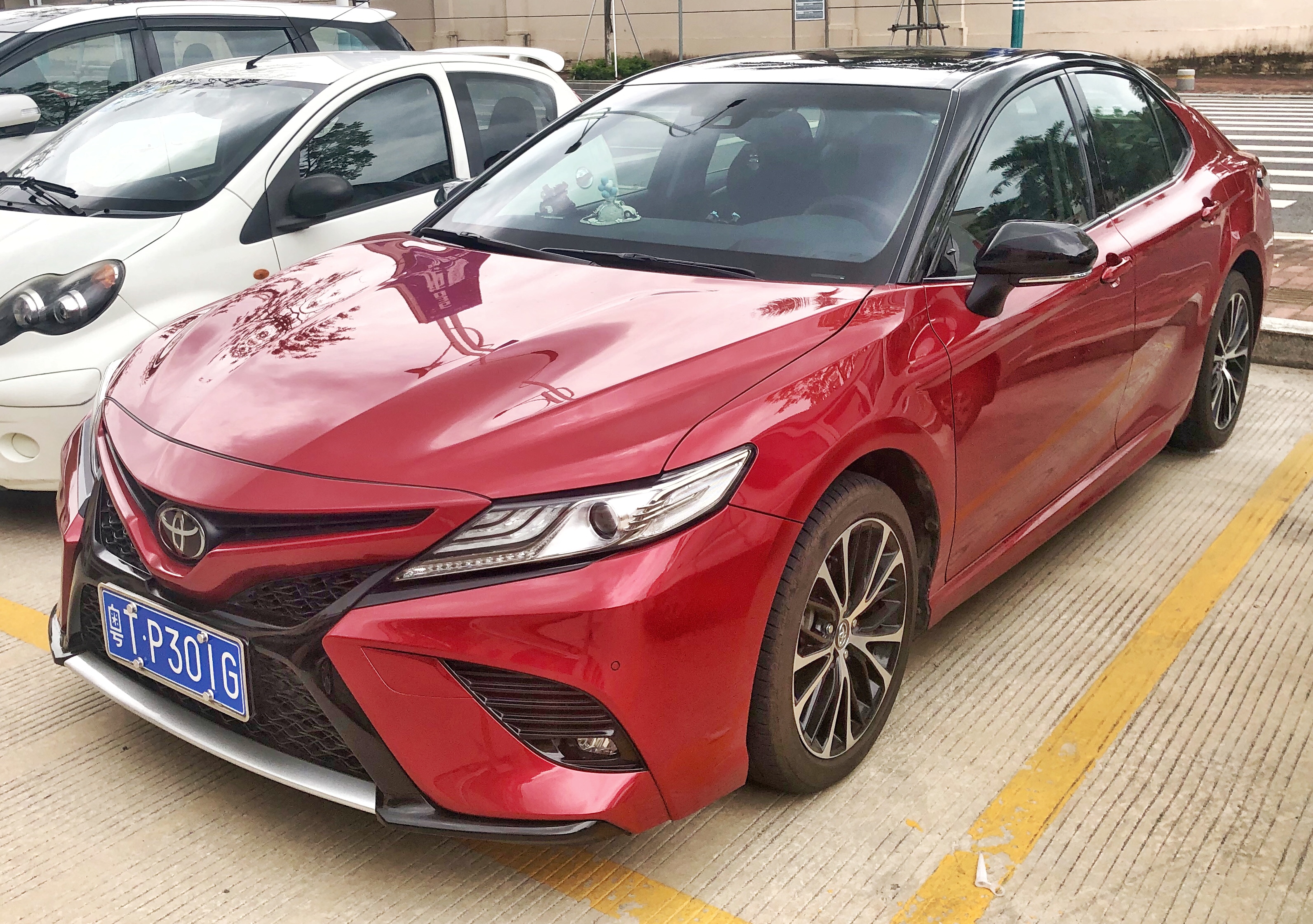
"...oo many visceral but I feel like I need a maroon. Camry we know you know we know what people are buying a..."
Select text to request an explanation
What do we do, Yolanda, to minimize the disparity between what a customer sees and maybe expects, and what might actually happen once they drive onto the lot and get an appraisal on their trade? I think it's the transparency and language you use to describe the process to consumers. Because every consumer, including myself, think my car is clean, and trust me, my car is not clean right now, but I do think it's an extra clean.
It's a big part of disparity, and also, you know, as a consumer, we don't recognize like certain, I guess, what they say scratches and dents in our car and what they're really worth. So if there is this perception that when you're going to a dealer, you're automatically going to be told your car is worth less.
For the general consumer that might be tuning in because they're intrigued, what do these insiders talk about? I know a question they're asking is, does it make a difference if there's a dirty diaper in the back of my car?
Absolutely.
One of the things that I enjoy most about producing the dealer playbook is hearing from you the messages that I get of people who are getting so much value out of the podcast, applying it to their day-to-day workflows and finding a thriving career rate here in the retail auto industry.
And you know, one of the ways that we make doing this possible is through my agency flex dealer. And of course, in the spirit of providing value, I think this is a perfect time to head over to triple w dot flex dealer com to show even further support for you.
My beloved dpb gang right now, if you go to my website flex dealer com, you can get a full free PDF of my number one best selling book don't wait dominate.
And the reason I think it's so special is that a lot of the topics that are discussed in this book are even more relevant today than ever with this surgeon popularized AI and people wondering, well, what can I do next? How can I have a competitive advantage?
Well, that's all here in this book. And so I'd love to be able to offer you a free copy of this if you go to flex dealer comma would mean the world to me because that is how we continue to produce this show for you.
You'll want to miss wise the president of Canadian black book Canada's leading provider of used vehicle valuations and residual value forecasts.
She joined CBB in 2015 rose through sales and customer experience leadership, which we're going to have to dig into a little bit, including VP of sales and SVP slash GM and was promoted to president in June 2023.
Under her leadership CBB continues to publish its annual best residual value awards, a bell weather for long term asset performance used by OEMs, lenders and retailers across the country.
This was a frequent industry voice on data driven decision making talent development and market dynamics, Yolanda, thanks so much for joining me on the dealer playbook.
You're welcome. Thank you for having me. I'm wanting to go in so many different directions, because there's things just in your bio. I'm like, I need to know about, especially because I think they directly apply to, you know topics we talk about the impact of customer experience, the impact on customer experience for buying decisions on retention value propositions unique placements in the market.
I mean, there's so many things, but then there's also, see, I'm torn already. There's also the data side of this. I'm like, from your vantage point, maybe we'll start here. Your vantage point is president CBB. I mean, you are seeing so much data. You have access to so much data for 65 years.
Absolutely 65 years of data. Okay. So just a little data pool.
What are you looking at specifically that kind of gives you an indication of where the markets headed.
Yeah, absolutely. So we look at multiple different things. So, you know, the base or the foundation of Canadian blockbook is the wholesale market. So, which is the wholesale data that comes through auctions and we get data from Canadian auctions across Canada.
And also we get upstream data from OEM partners, captives, different lenders, fleet companies as well that goes into our, you know, our proprietary methodology to determine that the term is a wholesale value.
Well, importantly, what changed during COVID is when there was no option data or no upstream data, we had to pivot and we started looking at the retail market.
And the retail market data is really become a big part of how we are able to mirror the two, track the trend of the wholesale market against retail market data.
Specifically, when we say retail market data, we're talking about, you know, data or retail listens data that's put out in the market by dealers, not private consumers, but by dealers and what they are, like what they're listening out in their websites.
What is, what does that trend look like because you know, they also dealers have a very good at, they're very good at forecasting really fake that there are the values of their cars are going to be as well in their own.
So, so yeah, and we also look at economic data, I have a team of economics majors and graduates, we keep track of the Canadian economy, where the prediction is going, what are companies like venture in the same.
And we have like literally daily meetings to talk about the economy, which is a big part what we're doing in automotive that's impacting everything that we do.
I think it's probably the number one concern for everyone in automotive, because that's really changed a lot, like we're not able to forecast long term as we used to know it's very short term forecasting because we have to pivot all the time, based on things that are changing.
So yeah, I hope I answered that question.
Yeah, you definitely did. And you've got me thinking about, I mean, obviously growing up in Canada.
Canada is, I don't have better words, it's like an international throughput for so many different things.
Every time I talk to somebody in Canada, they are definitely looking at the Canadian market, but they have a very keen eye on European markets on the US market.
When you look at Canadian data in particular wholesale data, what contrasts or similarities are you seeing to south of the border?
I would say probably there is, you know, in terms of how values are changing in regards to whether the wholesale market is going down, there are similarities, but our timelines are very different.
And Canada is not as like our progression is gradual. You don't see huge steeps as you do in the US where much more gradual, much more stable market in terms of valuing values, you know, going down or going up.
There is much more of a trend to that, whereas in the US, as you see, like a huge fall and a huge, you know, trend going up, whereas in our market, we don't see that.
And I think that's the difference, but in terms of stimulus similarity, it's pretty much follows the same curve, but we're slower behind to question.
Is that, is it just differences in consumer sentiment? Is it financial, like is it strictly financial based? Is it population based?
Like what do you think some of the contributing factors to why Canada can kind of move through it a little bit more?
People are not as reactive, but that's just my opinion.
I'm okay with an opinion. I don't think we're not as reactive in terms of in harsh payments and changes.
Canadian consumers are cautious. I think that, you know, if you talk about consumer experience, we know that, you know, our Canadians are not online, put into our credit information all over the place looking for if they're approved for credit, right?
Because it's still something that companies struggle with. I hear about it all the time, right? You know, how do we get consumers to complete a credit process online whereas, you know, sort of auditing to this very regularly since standard practice.
So we're a little bit more, I think cautious. So you see that even with, you know, when you saw inventory was down and new car inventory was down, Canadians were holding on to their car.
They were taking the longer time to, you know, to go out and look for a new car or sell their current car, whether or not they decided to repair it or keep it longer.
You're just, I think, more strategic and our decision making and our spending, you know, we hear all the time that we're with huge amount of credits.
But I think we choose wisely at how we use those credits here. I think, you know, my opinion, but, you know, it is true.
Yeah.
It is true. I mean, I think in my 39 years living in Canada.
Yeah.
I can't remember, and I'm sure it happened, but I just can't remember a single time somebody where, where my phone was just getting blown up from people who had gotten my information from some sort of credit app that I had filled out that now all of a sudden in the four and a half years that I've lived in Texas.
I've thought about changing my phone number at least seven times a day.
Yeah, it's very.
And I think that is the proof point to what you're saying, which is, you're right. Like I even know moving here.
People are very quick to put their personal kind of secure information into any website that promises to give them.
Yeah.
And then what they should be promising, the best promises, we will call you 4,000 times a day and sell your information. That would be a promise they could all deliver on.
Yeah, absolutely.
Yeah.
I want to talk a little bit about this as it pertains to how the economy moves and or the economy of automotive moves.
One of the things that CBB does is shows residual values, right.
How should dealers use the CBB residuals to set day one price, day 15 adjustments, so on and so forth?
Walk us through the cadence that you find works as a dealers considering how to price units.
Well, I don't really want to comment how they should price unit, but I think how you use the forecast values to determine, you know, what that equity of that, that car is going to be as you price and sell a vehicle, right.
If you know it's a brand that retains equity, then I think your remark in plan needs to have shorted time lights, right.
In terms of like bringing that can bring that client back because I've been going to the same dealership probably for the last 12 or 15 years.
Part of it is because of the relationship you build a dealerships and I think and dealer groups which I think have that advantage now because you have multiple different brands within that group and I think you cultivate that relationship with that consumer.
And dependent on the brand dependent on the model and dependent on the equity that that car is going to have you decide what that remarketing plan of a look like for that consumer for.
You know to bring that back get them into a new vehicle and that's how you keep you know the circle of life going right within within that consumer vehicle purchase and process and also circle of life within their relationship with your dealership and your dealer group right I think that's something that.
In Canada I think that we can improve upon you know I have a lot of family in the US and when I go out to visit them they talk about when they go into a dealership to just do.
Tire change but you're immediately like you know upsold into a new car and I've gone in many many service center and not upsold you know been upsold a new car.
And I think it's one of the things that dealers you know and I don't want to be the one to tell them how to run their businesses and do better and a part of that is using the forecast you know residual value forecast to say hey you know this specific brand holds a value long term this person is two years into the term this car has got equity.
Why don't I just you know go and then say hey how would you like to to you know what's your next car purchase what do you what do you think it a vine or do you want to get a newer brand the newer model to what you have is you know refreshing up and upgraded do you want to test drive it.
I think that's how you use the residual value process in your decision making and I do think there's a lot of opportunities in that.
Hey does your marketing agency suck listen before we hop back into this episode I know you know me as the host of the dealer playbook.
But did you also know that I'm the CEO of Flex dealer an agency that's helping dealers capture better quality leads from local SEO and hyper targeted ads that convert.
So if you want to sell more cars and finally have a partner that's in it with you that doesn't suck visit flex dealer.com let's hop back into this episode.
You got my brain spinning I immediately go from there to I think what's what's powering a lot of the market I mean even just still the spill off from supply chain shortages where a lot of franchise dealers have become essentially used car dealers right stocking up his menus.
which brings me from appraisal to or sorry residual appraisals to the trade in lane from your vantage point what kind of what recommendations because I know CBB is consumer facing as well right I can go to the CBB website I can look up you know and get all the information about my vehicle and have an idea.
What do we what do we do you want to to minimize the disparity between what a customer sees and maybe expects and what might actually happen once they drive on to the lot and get an appraisal on their trade.
You know I see multiple trading solutions out there and then when I see these previous wishes I mean which it's in in all sort of water.
Yeah I think it's the the transparency and language you use to you know to describe the process to consumers because every consumer included myself think my car is clean and trust me my car is not clean right now but I do think it's an extra clean and I think that's a big part of disparity and also you know as a consumer we don't recognize like certain.
I guess what they say scratches and dense in our car and what they're really worth so if there is this perception that when you go into a dealer you're automatically going to be told your car is worth less.
But in my experience and most part dealing with my this is my own scientific you know analysis of my family they're always wrong and majority of time dealers are right because I think that perception that dealers are always trying to steal a trade I think that's gone I don't think that's there anymore I think that dealers do want to have.
Relationships with consumers that are that are coming back and forth and also that consumers are going to recommend their friends and family to come to their dealers because that's how most dealerships within your community operate I live in Durham you know where you have a certain German brand and almost everyone in that region has you know that that brand because they perform relationships with the dealership partners within that region.
And I think that dealers have become more wise or much better at that real tone in our relationship and making our relationship better and I think that we just have to make sure that consumers understand that in that trade in process that you know that they're going to evaluate your car and let you know what was actually worth yeah.
I mean it goes back to what you were just saying earlier about the relationship that that fosters loyalty I mean a lot of us are still trying to wrap our head around the fact that the best marketing we can do is provide a good honest transparent and open communicative buying process the first time because like you just mentioned you linda you're you're going to go home you're going to share the experience you had because you're excited about it and the vehicle you bought and they're going to now be intrigued whoever they are and they're going to want to turn around and come to the dealership.
I mean to the dealership in it and it's to your point there's so many different touch points it's not just the initial transaction it's how I'm being dealt with in service it's how I'm being dealt with when I want to trade in.
Yeah and it's taking the time with consumers like in that when you take your trade in it before you know I remember like 10 or 15 years ago you would just be told oh this is what your car is worth you know what you got in the website is incorrect.
Now the relationships that I've seen and experience is like they walk you around your car and say well did you see this or did you notice this that you got a chip in the window and you know things like that and I think that that is made foster in a relationship better because now you're able to really show the consumer here is why your value is different than what my value is right rather than just say oh what you got in the website is wrong you know here is what the correct value is.
So consumers is more information you all know that yeah social media is all about information right yeah for the general consumer that might be tuning in because they're intrigued what are these what are these insiders talk about I know a question they're asking is doesn't make a difference if there's a dirty diaper in the back of my car when I bring it in for a trade are they going to care because I'll tell you back in the day when I was doing merchandising for dealerships I can't tell you how much garbage.
Was in some of these cars is that going to impact the number you think or could it potentially impact should the consumer be thinking about getting their car vacuumed and detailed before they bring it to the dealership.
Absolutely. I think you shouldn't be getting a detail or cleaned as you know you shouldn't have garbage in your car because I think that adds to you know is this this car have a smell that's not necessary to go away.
They're like look we're getting marketed as a family vehicle but we didn't need to smell that it's a family.
We don't need to smell the other family.
I love it. I'm curious about this this seems to be a conversation I hear a lot about as we're going around in dealerships.
It's you know aging policies and when I have aged units on my lot that aren't moving for whatever the reason might be.
How can I get out of these units and in a way that's not completely destroying my finances people are always concerned about it and rightfully so what do you see from your you know perhaps best practices or ideas that you've seen work well for dealers that can.
There I say equitably move out of age units yeah absolutely it's data then you have to I think they have to have.
They have to have you in access to data that tells them like you know you can you can dispose of this specific people and.
And Thunder Bay because there is you know there is a need for Honda Civics and Thunder Bay right I think that you know that you can just think just within Ontario within the region or you have to expand across Canada on how you can dispose of vehicles.
You know and utilize that data to do that I think that you know no one wants to take a loss no one wants to have to.
You know lower price in just to get get rid of a vehicle they want to be able to maximize that I just think it's you know I'm utilizing there lots of data partners out there.
That do things separate from Canadian black book that shows you how to best remark it's your vehicle in other provinces or other regions and I think those are some really good tools yeah quick side bar here before we forget.
For those of you that are listening or watching I need you to drop me a comment have you ever heard of a different place in the world that has a more bad name than Thunder Bay.
Talk about like that is under my whole life but for some reason you want to you just set it up like that is a wicked name for a place where you from Thunder Bay.
You know I grew up in Vernon yeah I grew up in Vernon as like Thunder Bay talk about it I love I love it you bring it back to the data my question is this for someone such as yourself that has access to seemingly infinite amounts of data from over 65 years.
How do you then avoid or I won't say avoid but but mitigate the potential for analysis paralysis.
You know I'm not the right person to ask you this because I I would say more data is the better or analysis is the better.
If you're not making the decision from the analysis that you're doing that you're definitely in the paralysis you have to be making decisions are about the data.
And back to my question when I back to the previous question where we talked about you know having data that shows you how to remark it that's part of what we do with our.
We have detailed data we have that information that helps dealers tell you like we're a car set we're a specific vehicle solid but you have to be able to make decisions in regards to you know this you're doing and sometimes you know we work with clients were like well I want to see another analysis and I want to see another analysis and I want to see another analysis right.
I think I knew at some point you have to determine how many analysis you need to do to make a decision because that's where the paralysis insert my opinion.
Yeah that's great I think you are the right person to answer that question I think that was great as we kind of start winding into the last parts of the questions I have here.
90 day forecast moves things are changing interest rates and there's some you know different regulations so my questions are like if if rates ease or incentive spend ticks up which leading valuation indicators.
Blink first is it segment days supply is it auction conversions MMR delta is like what what are you looking at to say okay here's here's here's the data I'm paying attention to to give me an understanding of a 90 day window.
Supply and demand always is the data we're looking at and I think when you talk about 90 day forecast although we do do that we look at a short term because it is changing and because right now we're in.
The current environment where are two or one word can literally shift the market shift consumer behavior and we haven't seen that happen we thought that we were over that during COVID and we're back in I don't know if back in but we're in this new economic era of where things change so drastically.
Part of what we had to change with our team is how they forecast we do it on a daily basis and not that we're forecasting the values every day we have to look at it every day because it changes so drastically and if we don't.
If it and change then all of a sudden we can be on the downturn or severely on the outside up turn of where it should be.
So I would say we have you have to look at every area you have to look at every data you have to look at every aspect of what goes into decision making in terms of.
We have to look at the situation process you know looking at economic data looking at.
You know auctions looking at consumer behavior a considerable confidence is isn't the part what we do right now because that's in the Canadian market that's very telling now.
And especially going into Q4 where you're going into the holiday season right and you know typically you know consumers will tend to be looking for new vehicles and you know you see a lot of new vehicles coming out now you know what's that confidence look like what does that mean for new car sales.
Yeah all all of that is what we talk about in a daily basis here.
To be a fly on the wall.
This is so valuable I mean we need to be paying attention to it obviously I have an affinity for inventory data and data workflows and and you know we're building.
You know some solutions are trying to build some solutions on the merchandising side in particular so I think a lot about this stuff for those that are listening and watching I mean guys we gotta be paying attention to like you long to just said the market buying sentiments supply and demand.
We have enough data that we don't need to be making too many visceral but I feel like I need a maroon.
Camry we know you know we know what people are buying and I think you know the data can actually alleviate a lot of the pressure that we might be feeling and get rid of some of those.
We have a lot of visceral feelings that we have you'll under this minute delight how can those listening and watching connect with you.
I think connect connect with me on LinkedIn I have I'm probably wanted a few people to have my phone number visible on LinkedIn but I have nothing to hide that's what I tell anyone.
You can send me a LinkedIn and I will be happy to connect with you so I love connecting with people.
I think one of the important message for me and black book and my team is we always want to get feedback right you know we hear our bodies are too high our bodies are too low and that's why we know we're right.
But if we hear it's only one way then we know we have a problem but we like to get feedback because we are still we're still a team of people who are actually.
Impact and valuations and we they want to know what they're doing if it's to be done correctly or not and they like to hear feedback so.
Thank you so much for joining me on the dealer playbook.
Thank you.
Hey thanks for listening to the dealer playbook podcast if you enjoyed tuning in please subscribe share and hit that like button.
You can also join us and the BPD community on social media.
Check back next week for a new dealer playbook episode.
Thanks so much for joining.
Request an explanation for:
3 cars
3 cars featured
Request an Explanation
Heard something you'd like explained? We'll add it to this episode.
Sign in to request explanations for terms you heard.
Want to learn more?
Browse our glossary for plain-English explanations of automotive terms, jargon, and concepts.
See something that's not quite right? Our annotations are AI-generated and can sometimes miss the mark.
Click the flag icon on any annotation to suggest a correction.