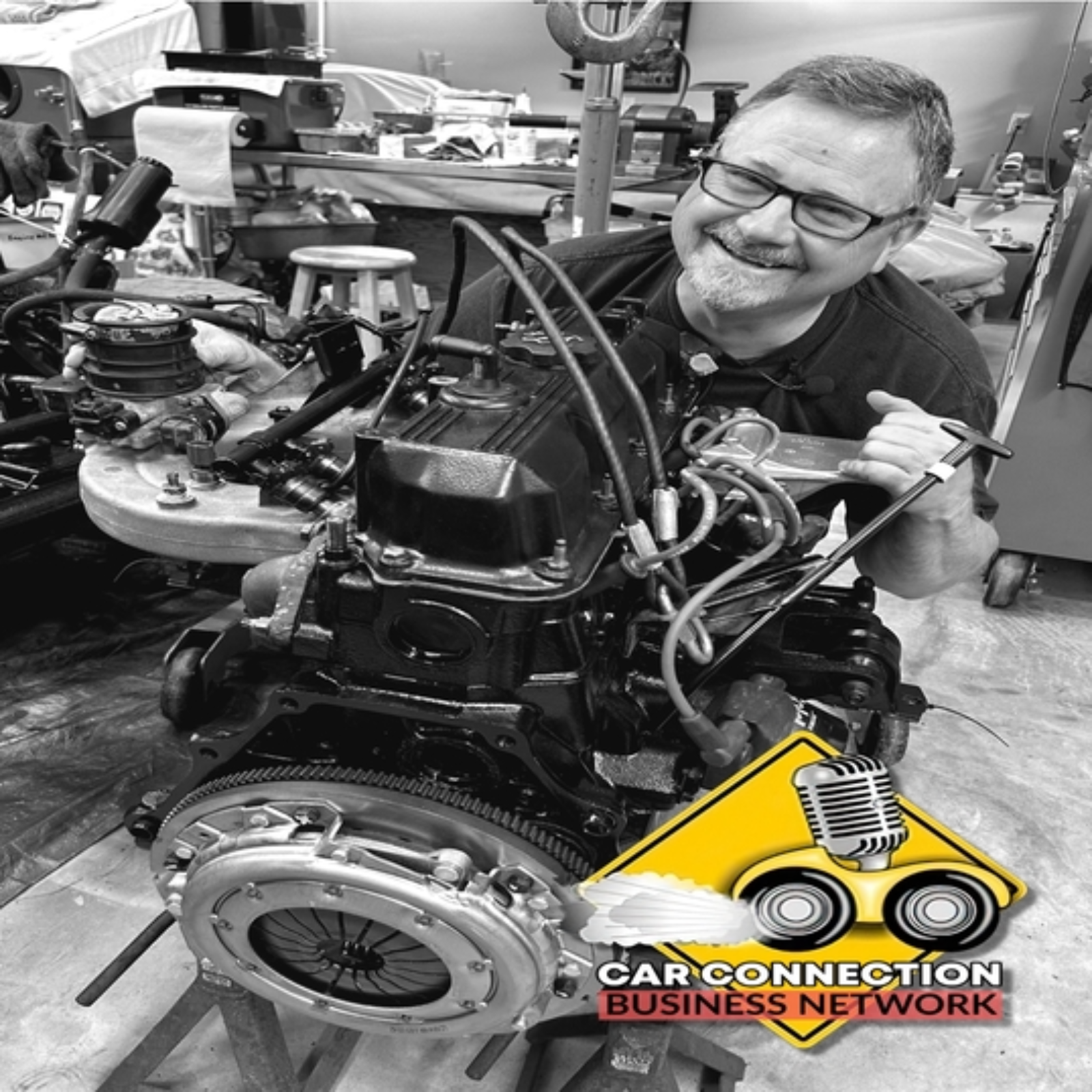
Before you buy a used car, you can pay a mechanic to inspect it. They look for problems you might not notice, so you don’t get stuck with expensive repairs right after buying. It’s basically a “check it first” step to protect your money.
It means the basics of taking care of a car. If you know what to watch for and when to service it, you’re less likely to get surprised by expensive problems.
Concept
$200 repair that's been neglected ends up costing $5,000
Sometimes a small problem is cheap to fix, but if you ignore it, it can get worse and damage other parts. Then the repair costs a lot more later.
It means you service your car on a regular plan instead of waiting for something to break. Doing that helps prevent small issues from becoming big, costly problems.
A vehicle evaluation is basically a careful check of a car to see how it’s really doing. Instead of guessing, it looks for problems that could affect safety or cost you money later.
This is about how people drive day to day. It looks at risky behaviors—like not signaling or driving too aggressively—because those habits can lead to accidents and expensive problems.
They’re comparing bad real-world driving to racing on an oval track. The point is that the driving would be too unsafe even for a high-skill racing setting.
Using a “car length” as a distance unit is a practical way to estimate following distance. Two and a half car lengths is a buffer that helps account for reaction time and longer stopping distances at higher speeds.
Safety space just means you keep more distance than you normally would. That way, if the car in front of you does something sudden, you have time to slow down or steer away.
An evasive maneuver is when you quickly steer or change your path to avoid hitting something. It only works if you have enough space around you.
Concept
vehicle lasting beyond three to five years
They’re basically saying that if you drive really hard all the time, your car won’t last as long. More stress on the car means more parts wear out sooner and you end up paying for repairs earlier.
They’re talking about the money you pay each month to own a car. If you wreck or wear out the car early, you may still be stuck paying while the car is worth less or needs expensive repairs.
They’re calling out driving in a reckless, show-off way all the time. That can beat up your car faster and it’s also more dangerous for everyone on the road.
They’re referring to big trucks. Big trucks take longer to slow down and stop, so if you drive recklessly near them, you’re much more likely to cause an accident.
Mack Trucks makes big trucks used for hauling goods. The host is mentioning their work there to show they know how trucks behave and what can go wrong.
Term
Peterville
This sounds like they meant Peterbilt, which is a company that makes heavy trucks. They’re basically saying they’ve worked around big commercial vehicles.
Term
brake applications
This is about how brakes can get less effective after you use them a lot. With heavy trucks, repeated braking can heat things up and make stopping take longer.
Commercial rigs typically require significantly more stopping distance due to higher mass, drivetrain and brake system characteristics, and load effects. This is why safe following distances and speed management matter more around trucks than around passenger vehicles.
A jackknife happens when the trailer starts to swing around sideways relative to the truck. Once it happens, it can quickly get out of control and hit the cab area.
They’re talking about a used-car dealership called City Auto Sales and Leasing. The point is that they want you to feel confident buying there because they say they’re honest and fair.
Earl Louise Grant is presented as the person to contact for vehicle sourcing and purchasing guidance. The hosts credit Earl with knowing how to pick quality used vehicles and having resources to find good options.
They’re describing a shop that sells used cars. Used cars can be a great deal, but you usually want to check the car’s condition and history carefully.
It’s basically a month-long experiment to spend less money on gas. You pay attention to what you’re doing—like where you buy and what fuel you use—and see if your costs drop.
Premium is a higher-octane gas than regular. Higher octane helps some engines run smoothly, but if your car doesn’t need it, premium often just costs more for no benefit.
BTUs are a way to measure how much energy is in the fuel. If one gas has more energy than another, it can sometimes go farther even if it costs a bit more.
This is about the concept of managing risk and expectations when owning an older car. Older vehicles can be perfectly fine, but they often require more attention to maintenance and season-specific needs (tires, battery health, heating, etc.).
A coil spring is a metal spring in a car’s suspension that helps smooth out the ride. In this sentence, they’re using it as a comparison to say they feel tense or “tight.”
The handbrake is the parking brake that keeps the car from rolling. If it’s not fully released, it can cause extra resistance and make the car feel off.
In the context of older-car ownership, “strategy” implies a maintenance and repair plan rather than reacting after something breaks. This can reduce downtime and help prevent small issues from turning into costly failures.
The idea is simple: if you don’t plan ahead, car problems tend to cost more. With an older car, planning maintenance helps you avoid surprise breakdowns.
GPS is the navigation system that tells you where to go. Sometimes it can freeze or struggle to find an address, and that’s when it feels more annoying than helpful.
The hosts are pointing out a key financial advantage of owning an older car that’s already paid off: you avoid monthly loan payments and can redirect that money toward maintenance. This is often the foundation of the “save money by keeping it running” approach.
Concept
miles vs kilometers
The segment contrasts miles and kilometers to emphasize that the evaluation approach should be consistent regardless of the measurement system. For vehicle assessment, the key is the vehicle’s usage intensity and maintenance, not whether the odometer reads in miles or kilometers.
They’re saying you should think of your car like a work tool. Instead of caring only about how it looks or what it is, you focus on whether it’s actually fit for what you need.
An odometer measures how far a vehicle has traveled, typically in miles or kilometers. It’s a key data point for estimating wear items and planning maintenance, but it’s not the only factor—condition and service history matter too.
Cars can measure driving in miles or kilometers. Either way, the number helps you estimate when certain services are due, though some maintenance is based on time too.
Some car maintenance is scheduled by how long it’s been since the last service, not just how many miles you’ve driven. That’s because parts can wear out from age and time even if the car sits or you drive very little.
Deferred maintenance means putting off needed car upkeep. Small problems can grow into bigger, costlier repairs if you wait too long.
Concept
"throwing money at an old car" vs "new car not needing anything"
They’re arguing against the belief that older cars are automatically a bad deal and that newer cars never need work. All cars need regular maintenance—just different parts and different schedules.
Concept
U-Pullet yard
They’re talking about a place where old wrecks get dismantled for parts. Instead of repairing everything, people buy usable pieces from the wreck.
Concept
aircraft pile of junk
They’re basically saying that once something is too far gone, it ends up as scrap. The point is that “old” doesn’t automatically mean “worthless,” especially for parts.
A wrecking yard is where damaged or retired vehicles are dismantled so parts can be reused or sold. The speaker’s anecdote is used to make a broader point about evaluating equipment/parts by what’s inside and how it was handled, not just by age.
Airplanes have to pass official inspections before they can keep flying. The hosts are saying the same mindset applies to cars: don’t just look at age—focus on whether it can pass the checks that matter.
“Game plan” here means having a structured approach to vehicle evaluation and ownership—what you’ll check, what you’ll fix, and what standards you’re targeting. It reframes buying decisions from “how old is it?” to “what’s the plan to keep it safe, reliable, and compliant?”
This is basically a maintenance checklist made by Car Connection. The idea is to keep track of what needs doing and when, so you don’t forget things that can get costly later.
This is cleaning the inside of the car—like shampooing the seats and doing a deeper clean. It doesn’t fix the engine, but it can make the car feel newer and help when you sell it.
A cooling system flush is basically cleaning out the old coolant in your car. Coolant can get dirty or break down, and fresh coolant helps keep the engine from overheating.
They’re talking about fixing problems early, before they become emergencies. If you notice something small and handle it right away, you’re less likely to get stranded and it usually costs less.
They recommend checking the car twice a year, usually in spring and late fall. The idea is to look for small problems early so they don’t turn into bigger repairs later.
A multi-point inspection is a thorough “checklist” of your car. Instead of waiting for something to break, it looks for early problems so you can fix them sooner.
The Toyota FJ Cruiser is a tough, long-lasting SUV. In this segment, they’re saying that with regular upkeep and inspections, a high-mileage one can keep going.
Concept
400,000 K mile club
They’re talking about a big mileage milestone—basically, a “very high miles” club. It’s meant to show that the car can last a long time if it’s cared for.
Winter tires are only meant to be used during the cold/snow season. Around a certain date, you’re expected to switch them back, and some insurance companies give discounts if you run winter tires.
The alternator is what keeps your battery charged while you drive. If it’s starting to fail or loosen, you may hear odd sounds and the car can eventually lose electrical power.
Odd noises like chirping or squeaking can be an early warning sign that something under the hood is starting to go wrong. The hosts are saying the sound was a clue that the alternator problem was already well underway.
If a belt starts squealing, it often means it’s not running smoothly—either it’s slipping or something it drives is stuck. That can quickly turn into smoking if the problem gets worse.
Having a small toolbox can help you handle small problems on the spot. But if something like an alternator is failing, you’ll still want to fix it properly afterward.
Hitting the alternator with a hammer is sometimes used to unstick something so you can drive home. It’s not a real repair, though—if it’s failing, it can break again soon.
This is the metal bracket and bolts that hold the alternator in place. If it breaks, the alternator can move around, and that’s when the belt and other parts can start getting damaged.
The serpentine belt is the main belt that turns several parts on the engine. If the alternator isn’t held firmly, the belt can pull it around and that can lead to belt damage or other expensive repairs.
They’re saying to check the car regularly, about every six months, so small problems get found early. Fixing something minor early is usually much cheaper than waiting until it causes more damage.
Preventive maintenance means you look for problems before they turn into breakdowns. The point here is that a small repair done early can stop a much bigger (and pricier) failure later.
Rust-proofing is a coating used to stop rust. If some of it gets onto cooling parts, it can turn into sticky buildup that makes the radiator work worse.
Concept
cooling system maintenance (100% cooling vs partial)
The point is that you can’t just “kind of” fix cooling. If the radiator or passages are still restricted, the engine may still run too hot.
Topic
series on the FJ
They’re pointing you to another video/series about an FJ that shows what to check during an inspection. The goal is to help you find problems early instead of guessing later.
Regular inspections every six months are presented as a proactive habit to catch problems early. Early detection typically prevents small issues from turning into expensive repairs, aligning with the episode’s “save money” theme.
They’re talking about the brakes, which is part of the car’s safety system. In a vehicle inspection, brake work often comes up alongside other checks under the car.
The segment discusses inspecting hoses and finding ones ready to replace. Hoses can degrade from heat, age, and fluid exposure, and replacing them before failure can prevent fluid loss and secondary damage.
Transmission fluid is the special liquid that helps the transmission work correctly. If you spill or lose it while fixing a line, the transmission can get damaged and you may end up paying for major repairs.
A transmission hose is a fluid line that carries the transmission’s special liquid. The right hose is important because the wrong one can leak or break, and then you can damage the transmission.
Not all hoses are the same. Transmission fluid needs a hose that’s compatible with that fluid, so using the wrong hose can cause leaks or failures that turn a small job into a costly repair.
An EVAP hose is used for fuel vapors from the emissions system. It’s not meant to carry transmission fluid, so using it in that job can cause leaks or failures.
An oil change is scheduled maintenance where the engine oil is replaced to keep lubrication and engine cleanliness at the right level. Many shops tie other services—like tire rotation—to oil change intervals so maintenance stays consistent.
Driving less doesn’t always mean the car is safer. When a car sits, rubber parts and other materials can still break down from time and weather, so you still have to maintain it.
The fuel filter is like a screen that keeps dirt out of your gas system. If it gets clogged, the engine may not get enough fuel and can start running rough or stop.
The fuel pump is what pushes gas from the tank to the engine. If the fuel filter is clogged, the pump has to fight harder to move fuel, and that extra stress can burn it out.
Restricted fuel flow means the fuel can’t move through the system as easily as it should. That makes the pump work harder and can eventually cause it to fail.
They’re using a metaphor: the clogged filter is like putting something over the pump’s “breathing” so it can’t move fuel easily. The pump keeps trying, which stresses it.
Term
positive terminal blew right off
The positive terminal is an electrical connection that carries power. If the fuel pump is under heavy stress, the extra current and heat can damage that connection.
This is a check to make sure your car can keep its battery charged. They test the alternator output and confirm the battery is in good shape so you don’t get stranded.
Checking whether the battery is healthy means testing its ability to hold charge and deliver power. Even if the alternator is fine, a weak or failing battery can cause hard starts, dim lights, and eventual no-start situations.
They’re talking about preventing breakdowns before they happen. By checking the battery, charging system, and starter early, you’re less likely to get stuck and need a tow.
A brake inspection is a check of how healthy your brakes are. It helps find worn parts early so your car stops safely and you don’t get bigger problems later.
They’re basically saying: check your car’s air filter before the worst season starts. If you swap it early, you avoid bigger problems like weak airflow or a smelly cabin.
Your car can have a filter that catches pollen and dust before it gets into the cabin. When it gets clogged, the air doesn’t flow as well and the inside can start to smell bad.
The cabin air filter cleans the air that comes into the car’s interior. If it’s dirty, you’ll get less airflow and more dust/allergens inside, so replacing it helps the HVAC work normally again.
LIVE
Good morning, Niagara, you're tuned in to Car Connection, where the coffee's hot, the tools
are ready and the talk is always tuned up.
I'm your host, Nile Motormouth Jenkins, coming to you straight from the Car Connection Workshop,
where we mix a little humor, a little know-how, and a whole lot of horsepower.
Here it's not just about fixing cars, it's about keeping you rolling, saving you money,
giving you the confidence to understand what's under that hood.
From the classics, to the commuters, the weird noises, to the what the heck moments, we've
got you covered.
So grab your coffee, sit back, join the crew, because this is Car Connection, your Monday
through Saturday morning, 8am, Motormouth pit stop for stories, smarts, a few good
laughs.
I'm Nile Motormouth Jenkins, and we are shifting into drive this morning, well, good Thursday
morning to you, we're just on the cusp of another weekend.
We have the daily weather coming up and our morning swiggy, so if you're just scooting
through the drive-through, double check your order, lock it down, keep an eye on
the road, one eye on the road, one eye on your beverage, to make sure it doesn't
leave the cup holder and end up on the passenger side floor.
Just saying, it's just in a, you know, never mind, anyhow, that does happen.
It does.
If you have a co-pilot this morning, hand them the 16 pack of Crayola crayons and
a nicely ironed leaf bag to take some notes this morning, if you miss getting
the information, all of it, all the podcasts are now uploaded to our YouTube channel
every single day, so everything we talk about lives at our website.
It is the biggest drawer in our toolbox, so that's carconnectionbusinessnetwork.com.
We're revamping our business network after 20 plus years, bringing more businesses
into the fold so that you have referral businesses.
Perhaps, maybe not in your exact area, but we'll do the best we can to find some
businesses that I vet myself to make sure that they are doing the right thing.
And there's, you know what, even though it's kind of tough out there in different
professions, there still are people in their profession that really enjoy what
they do, how they do it, and providing some amazing products, goods, and services.
So if that sounds like you, you need to get in touch with us so we can find out who you
are, where you are, and what you do.
And you can email me directly at motormouth.jankins at gmail.com, or Nile, N-I-L-E, no S, okay?
Not like Nile's Crane, no, no, no S, N-I-L-E, at ccbusnet.com, and I always put that
information.
Every time I remember, I make sure it's in the description box of our YouTube videos,
which three videos go up each and every week, with another video dropping tomorrow.
Late afternoon, we've got some really good series coming in, different things going
on, and you get to see the bird's eye view of what it is, where it is, how it works,
how it breaks, and how could you have learned some basic vehicle ownership fundamentals
that will save you not hundreds of dollars a year, thousands of dollars a year in needless
repairs.
So quite often we see $200 repair that's been neglected ends up costing $5,000, and that
happens a lot.
So let's jump into this morning, if you're joining us for the very first time, welcome
aboard, you'd probably not be the same, but it's okay, it's all right to be
abby normal.
It sure is.
How long would you keep your car if you had a proper maintenance schedule to follow?
We're going to crack it open a little bit this morning.
The title of today's program is, What does a vehicle evaluation look like?
What is that?
Like, exactly.
So we're going to break that down for you into bite size chunks, so you get
a really good bird's eye view of what's going on with that.
It is very simple, actually, but if you've never seen it before, it probably sounds foreign.
What does a vehicle evaluation look like?
Well, I can tell you after yesterday's road trip, I can tell you what watching driving
habits evaluation looks like.
I'm still shaking my head.
I honestly can't, I just can't, I cannot wrap my head around how many, how many people out
there are driving like idiots, like there should be hundred car pileups every day.
How that doesn't happen, I don't know, I don't have the answer.
I watch this bobbing in out of traffic and someone just can get the nose of the car into
a hole and they don't signal, they just bloop, push their way in at high speeds.
And I just sit back, you know what, and I just kind of, it's almost like watching a
video game.
It's like, wow, like, where do you have to be that you're taking that big a risk?
Hey, it's one thing you're taking a risk with your life and your occupants and your vehicle,
but what about me?
Yeah, they don't think about that.
The driving habits out there are lousy.
They're absolutely lousy.
This is, you wouldn't even qualify many of you to even drive on an oval in NASCAR.
You'd be wrecked in a half a lap if you make it that far.
It's not a highway, it's some kind of road course.
And I watched the vehicle yesterday, I'll just share this with you quickly.
Three lanes.
Or was it four lanes, it might have been four lanes.
The guy scoots past me is doing at least 140, at least, maybe even a tad more.
Link is moving at a minimal pace.
Everyone is chock-a-block, bumper to bumper, but we're moving.
And I'm not bumper to bumper.
I leave two and a half car lengths and I don't care if somebody slides in in front of me
and I don't care if somebody honks the horn behind me.
I want safety space.
So should one of these idiots that passed me goes right down the center of the road
and then jams himself in at high speed and I'm waiting for pieces, parts to go flying.
Because this guy's moving in between traffic and I'm thinking one person makes either a
slight jog to the right or to the left.
What is that going to look like?
Thus and so why I stay back two and a half car lengths.
I want lots of room for me to have to make an evasive maneuver as not to get caught up
in your stupidity.
I hope you're not driving like that.
Honest to goodness.
And not only that, the safety factor, but man you have to buy a vehicle every five years.
So you folks are in the car game not understanding the rules.
Because if you changed some things in your life, you'll change some things in your life.
If you have to drive like that to get somewhere, you got problems.
It's not the car.
You got real life problems.
And there's no way and no hope in hell of your vehicle lasting beyond three to five years.
No stinking way driving it like that.
There will be nothing left of it by the time you make the last payment.
So you you folks that drive like that.
You deserve everything you're getting, but just don't hurt anybody.
You're going to be working a long time and making car payments, folks.
Wow.
I don't know how you do it every day.
I used to like driving and now that that ain't driving.
That is stunt driving all day every day.
I don't know how you do it.
Honest to goodness.
My hat goes off to all of you.
I feel I feel for it.
If you're one of those conscientious drivers out there in that rat race, I really feel for
you and I wanted to share that this morning.
It's unreal.
It absolutely is unreal.
And those folks, they're going to be making car payments and working their high knees
off to do so until they retire.
If they make it that far because in amongst tractor trailers, yeah, they can't stop on
a dime and give you change.
They have about two, just so you know, trucks.
I worked for Mack Trucks of Canada and Peterville of Ontario.
They have about two really good brake applications and after that, not so good.
So if you're in the way, you're going to get scrunched and flattened out like some Reynolds
aluminum foil and there's going to be plastic and pieces and parts flying everywhere.
There'll be nothing left and there might not even be much left of yourself either.
Trucks cannot maneuver like cars.
They do not stop like cars.
They need quite a large distance to get that rig stopped, just so you know.
And if the trailer jackknifes, you might as well put your head between your knees and
kiss your butt goodbye because you're done.
That trailer is going to come round and just scoop you up and scrunch you up like
something going into the recycle bin, the blue box, precisely.
All right, let's jump in this morning.
Let's have our morning swiggy.
We thank Niagara Block at 5,000 Montrose Road, Niagara Falls, Building Canada.
Since 1931 with amazing building supplies, they make every block, designer block, from
designer blocks to just your plain old cinder block, they create all of that on site.
They have angle iron and rebar and steel bracing and all that kind of stuff so you can get
those supplies there.
So if you have a building project, get Niagara Block on it right away.
Hardscape, landscaping, you want to create that outdoor space, that amazing outdoor
living space you've always been thinking about, Niagara Block.
Connect with Kathy Greenwell at the front office.
If you're looking for a contractor to do the work, they have a referral list of contractors
that will estimate, start the job, finish the job, and you can enjoy that beautiful
project that you've always wanted to have created.
So check that out.
You will certainly find products to make that outdoor space absolutely outstanding.
So thank you to the Greenwell family, to Kathy and Dan and Dave for doing such a great job
building Canada since 1931.
So grab your favorite morning beverage, whatever that is.
That's your deal.
I've got my deal.
We count it down on three, two, one, and have a swiggy together.
You ready?
This beautiful Thursday morning.
Let's find out what the weather's going to be in just a moment.
Three, two, one.
Mmm.
It is much better when it's hot.
That was really hot.
Not used to that.
All right.
Let's move on this morning.
And thank you to City Auto Sales and Leasing for bringing us the morning
weather, the daily weather today, yesterday.
Woo!
That was a capital day.
Yeah, I had the sunroof open.
And I was on the, uh, I was on the auto pond, apparently.
That's what I was thinking.
He gets.
I can't get over that.
My heart goes out to all of you that do that commute every day.
You guys are crushing it.
Be careful out there.
That's all I can tell you.
Be very, very cautious and careful.
It only takes a second for life to completely change.
It really does.
And seeing that is just, I used to commute 90 minutes one way.
So I've, I've spent my time on the road and I never saw driving like that.
So anyways, here's what we got.
If you're looking for an automobile, you, someone you know,
some of your peeps, your circle of friends,
sojourners, whatever, you can send them over to Earl Louise Grant
at City Auto Sales and Leasing where they can buy with confidence,
be treated with nothing less than honesty and integrity.
Low mileage quality vehicles at fair prices.
Greater Toronto area's premier pre-owned auto store.
Earl Louise Grant, her husband wife team, their car guys.
And let me tell you, Earl knows how to pick them
and they have the resources to find amazing quality vehicles.
So if they don't have what you're looking for on their website,
they have a pretty decent inside inventory and outdoor inventory.
But if they don't have the specific vehicle you're looking for,
let them know.
They won't just grab something that's not good enough
and bring it in for you.
If it's not good enough, it's not going to be at City Auto Sales
and Leasing because they don't sell any junk there.
So say hello to Earl Louise Grant.
They have in-house leasing and financing available to you.
Great place where you can just feel comfortable
and make that vehicle purchase and know
that you're getting yourself a great deal.
38 degrees right now and partly cloudy.
It feels warmer, about 39.
Sunny conditions coming.
Yes, yippee!
9 a.m. to 4 p.m. with mostly cloudy conditions
expected around dinner hour, around 6 p.m.
Well, your dinner hour could be 8 o'clock too, I don't know.
So 6 p.m.
Today's temperature range is going to be from 38 to 66 degrees
Fahrenheit and it will feel more like 39 to 67 degrees.
Precipitation today is I'm proud to say zero.
Yes, that's very good.
Because it's time to cut the grass.
So today's high temperature will be 66
and yesterday we cracked open a 62.
So we are getting close now to things kind of simmering down,
leveling out so that we can stay at 60 to 65
and then we can roll out the 30-day fuel savings challenge.
You know, I had to fuel up after my trip yesterday,
my road trip, it was $75 later.
And I'm just looking, I'm looking at the pricing,
I'm going like, where's, hey fella,
where's the big price drop here, fella?
I didn't see it, did you see it?
Let me know in my email.
Did I miss something?
Was it just a daily quick special?
Like, you know, a flashing blue light gas special at the pumps?
I don't know, I didn't see any, I wasn't excited.
Yeah, it was like a buck 90, call it a buck 91.
I use premium, I don't use any of the cheaper stuff
because it's not, it's no good.
And we'll talk about that.
I think I did spend some time on fuel.
You have to understand fuel
and you have to understand blends.
But the biggest thing you have to understand is BTUs.
Yeah, British thermal units.
We'll talk about that in another program
because once you understand BTUs,
then you'll understand that I get better gas mileage than you do.
Yup, I do, because it's a chemical composition deal
and when you understand that, you'll go,
oh, I can save money doing that.
Cha-ching.
Yup, yes you can.
But you have to understand the three letters, BTU.
Let's jump in to our morning topics, I should say,
because I want to get through as much as I can.
I don't want to confuse you.
I don't want you dazed and confused out there on the roadway.
That can happen.
I really believe that.
So we talk about different seasons when it comes to automobiles
and we kind of have to lighten up a little bit, you know?
Owning and operating an older automobile is not a big deal.
It's not a big deal, folks.
I don't know what it is.
Either the planet's vibrating or the handbrake is slightly on,
we're wound up tighter in a coil spring.
We're just talking about that yesterday.
There seems to be a ton of anxiety
and the automobile has definitely taken the brunt of it
when you see how people are driving.
I think there's anxiety behind the wheel.
That's what I think.
I'm not bringing a lot of that on, but my goodness.
When it comes to owning and operating an older automobile
and wanting to squeeze every possible mile out of it,
it's very doable, but you have to have a strategy.
You do. You have to have a plan.
You know, as people, it's not that we plan to fail,
it's that we always seem to fail to plan.
You know, if you don't have a plan,
then how are you going to get to your destination?
It's like having a, you know, before we had GPS,
which sometimes I just want to throw my stinking unit right out the window.
Yeah. The GPS thing sometimes acts up.
Is it just me?
It's like, can you just find the stinking address?
Yeah, I don't want to continue on to the interwebs.
Just get the map up. Let's get going.
Yeah. Anyhow, I'm not going to digress on that,
but that's why they make hammers and more phones.
So we have to kind of unload the anxiety.
It's not a big deal.
If you got an older vehicle and it's paid for,
you're already ahead of the other guy.
Way ahead.
Making car payments and trading time for money is crazy.
You know, being home with family is where you really need to be as much as possible,
but sometimes it doesn't work out that way.
I was on the road a lot for many, many years.
Many years. I put 16,000 kilometers on a vehicle in six weeks, if that.
No problem. Just give me your car.
I can put 16K on that in four weeks.
Very easily.
But that doesn't matter.
If you have a game plan to really seriously look at your vehicle as a tool,
a piece of equipment,
once you have that mindset locked in,
it doesn't matter what color it is,
it doesn't matter what model it is,
and it doesn't matter how old it is,
and it does not matter how many miles around it,
or kilometers, whichever one you're working with.
It doesn't matter.
It's like my mentor used to always say,
if we didn't know when we were born,
how would we know how old we are?
And you think about that, and you go,
that's kind of a quirky thing to say.
Well, if you didn't have an odometer that was working,
how would you know how many miles or kilometers are on your car?
Would it bother you?
It wouldn't bother me a bit,
because I just keep up the same maintenance.
Right? I would just go by time.
Month. How many?
Well, this has to be done in so many months.
This has to be done in so many weeks.
And just keep it up. Just keep going.
Keep moving in the right direction.
That's what you've got to do.
You've got to move in the right direction.
But the mindset has to be there first.
That you're not listening to the outside white noise.
Well, you know that thing's getting kind of old.
You really ought to be thinking about getting rid of it.
You know, you don't want to be throwing money at an old car.
Oh, so I should throw money at a newer car,
because, or does the newer car not need anything ever?
Because that's not true.
We've already talked about that many times.
That is alive from the pit of hell and smells like smoke.
It's not true.
There is absolutely nothing
on the face of this planet that doesn't need
some kind of maintenance.
In automobiles, they're tools.
It's a piece of equipment.
And it doesn't matter how old it is.
Do you know, like, when you climb on an aircraft
to go somewhere, do you ask the captain,
well, how many miles it got on it, how old is it?
You might poop your pants
to find out how old that aircraft is.
It's not a couple of years old, folks.
They, like, don't just tear them down
and put them in a U-Pullet yard.
When they get to that point, yeah, that's what happens.
They go into the aircraft pile of junk.
And I've walked one of those.
It's very interesting, actually.
As I went into an airplane wrecking yard
and you can buy stuff,
and this particular fellow was in the movie industry
buying stuff and making custom furniture
out of pieces of aircraft parts.
And it took me to a hangar
where he had some of the stuff he's working on,
and it was crazy good.
Yeah.
Imagine sitting at a table
that is actually the front of one of those engines
that hangs on the plane.
A circular banquet.
All polished.
It was outstanding.
And with neon lights on it and everything.
It was crazy good.
But anyways, I digress.
But I'm saying, if you take a look
at aircraft that people are buying
and selling all the time,
they're flying stuff from the 50s,
the 60s, the 70s,
and into the 80s.
You don't see anything 2026.
These airplanes are getting refurbished and sold,
refurbished and sold, refurbished and sold.
And the engines, whatever it has to have,
they do it in order for it to pass
the airplane inspection certificate.
So our automobiles are exactly the same.
It doesn't matter how old it is.
What matters is your game plan.
What's your game plan?
So let's jump right into the evaluation.
I got with me a copy of the
Car Connection Fleet Maintenance System with me
so that I don't miss anything.
And this gives you a game plan.
You don't need to develop it.
You don't need to redo it.
It's all done for you.
So that all you have to do is follow it along.
So when I go down the list
and I get to pretty much the bottom of the page,
we even cover interior shampoo and detailing
once a year.
Keep the vehicle up.
Because at the end of the day,
if circumstances change for you
and you take care of that older vehicle,
I'll tell you right now,
if you put it out by the road,
you probably have 20 people stopping to make a deal
because people are in financial ruin.
And you're not the only one in the canoe.
Hello.
I'm still digging out of COVID.
Yeah, that put me thousands in the hole.
Let me tell you, it wasn't a good time.
But we're still here and rebuilding.
But I never thought I'd be doing that
at this time in my life.
But anyway, I just wanted to see
the cooling system flush once yearly
or maximum 24 months
and our FJs getting that done as we speak.
I'll be putting that back together this evening.
All the pieces parts are here now.
So it's getting its spring evaluation.
And there was some stuff going on
and stuff ready to go on.
So you catch it and nip it in the bud
and then it doesn't leave you on the side of the road.
So every six months, here's,
I'm going to run down the list of the
every six months inspection.
So you're going to do two evaluations a year.
And I usually recommend a spring and late fall
like late October.
Really don't push it into November.
If you can't, if you can afford to do so.
But you got to stay on top of it.
And when you do that, it's going to save you a ton of money
because you're not making payments every month.
Okay, multi-point inspection.
Here it is.
Inspect every six months.
And you say, well, every six months,
you know what?
It's surprising what goes wrong
or is starting to go wrong
and you don't know anything about it
in six months.
And that's why the series that's coming out,
we coming out on our very own 07 FJ Cruiser
that's about 42,000 kilometers away
from the 400,000 K mile club.
I don't care what's on the odometer
because it gets what it needs
and keep it going.
It's paid for.
It's paid for a long time ago in Bethlehem.
It's paid for.
So take care of it
and you can just keep going.
That's the point.
So it was all inspected.
I did an evaluation back in October
and here we are now in, you know,
April, middle of April,
which is a perfect time
because the 15th of April
is the cutoff time for snow tires
to winter tires.
So you get your 5% discount on your insurance, right?
Are you getting that?
You might want to talk to somebody.
Yeah.
If your agent might not be telling you
that they can give you a discount
for running winter tires.
So 15th of April, they have to be off.
So that's the perfect time
to get vehicles into the shop
and check them over and evaluate.
So with the 07 FJ,
we've found a number of things
that started with the alternator
wanting to snap off.
It was almost there, folks.
And what gave, what was in my clue
was the chirping sound,
more like a squeak.
And I was away from home,
not too far, I was just in town here.
And I'm like, I know that noise.
I've heard that before.
And I got to get this thing home
because the last time that happened
I pulled up to a napper store
that was here in town
in a little town called Ridgeway
and they don't have the store there anymore.
I pulled up, I went in to grab some
part-side order, came out
and the alternator locked up.
And the belt is squealing
and smoking.
So good thing I had my toolbox.
I had my little hammer in there
and I gave that alternator real good
and whacking and it freed off.
Got me home anyway.
So this time the noise
was pretty much the same.
It was saying, I'm getting ready
to do a nasty.
Well this time the alternator broke
and I didn't know that.
So there's two mounting points
for the alternator on the 07FJ cruiser.
The bottom mounting bolt,
the main mounting bolt bracket
broke right off the alternator.
So then the engine
and the serpentine belts trying to pull
the alternator into itself.
And you'll have to watch that video
how far it bent the bolt.
And if I had taken that vehicle
out of the driveway one more time
the nasty would have been
extremely expensive.
So thus and so
the reason to have
that inspection
every six months.
Because you can catch stuff
before
it gets to the next level.
Like I said before, $200 repair
ignore it
just say, you know,
la la la la la la la la la.
I don't see it. I don't know,
I don't want to know.
Don't tell me
that gets you into trouble
every single time.
That'll cost you
a lot of dough.
And just imagine if I had
not been paying attention
in here
and not listen to that
squeak, squeak, squeak, squeak
that would have been
doom and gloom.
So it's only been, let's say
October was my evaluation
fall evaluation
October, November
December, January
February
March
and we're halfway into April
and the snow has come off
and
there's that much to do
it needs a cooling system flush
I pulled the radiator right out
because it's coated with
the rust proofing
product and it's sticky
and it's hairy. Got to get that
stuff off so the radiator
is breathing properly.
We want 100% cooling
not just partial, that's not good either.
So
you'll have to watch that series
on the FJ because that'll show you exactly
what happens
during an evaluation
what you can find
and it's
accepting being in the know
instead of
wondering what's next
or is everything
okay
every six months
having the vehicle checked over
that means tires off
getting the brakes
we're taking a look at belts
hoses
and that's where I found
and you'll see in the videos I found some hoses
that are ready to replace
it's time to get them off
before I lose all the transmission fluid
which is extra expensive
and makes a huge mess
and you could damage the
transmission so
it costs like 20 bucks
for 5 feet
for a proper transmission hose
because you got to make sure you're using
the right
parts for that because
it's hydraulic oil
you can't use gas line or evap hose
it has to be the right hose
otherwise you will end up with problems
bigger than you had before
tire rotation
every 10,000 kilometers
so I
for my own customers when I had to shop
our shop on the Hamilton Mountain
in the city of Hamilton
the big smoke
I'd have them down for
tire rotation every second oil change
so I monitored that for them
so that's how you get
maximum wear life
out of your tires don't leave them in the same spot
now that doesn't
apply to shoes
I've tried it it's uncomfortable
you're turning left
and turning right it doesn't work
you can't go forward
it works for tires side to side
front to the back back to the front
and every 10,000 kilometers
that's going to get you
maximum wear life
out of those tires
so you're not going to waste
a single dime
what else have I got here
belts and hoses inspect
every 4 months because they change
belts and hoses are good
for 2 years
about 2 years
your vehicle sits a lot
the hoses and the belts
they rot away
if you think you're saving
your car by not putting a lot of mileage on
no you're not
you're actually ruining the car
your vehicle falls
in a totally different category
if you do very limited driving
you're thinking you're
hibernating the car
and we're saving it
no you're not
your car needs a lot more maintenance
than my own
seriously
because things rot off
wear off, seize up
and that's what happens
kind of like us
if we don't get in motion
things start
falling apart don't they
fuel filter
ideally
twice a year
if it's not one of those stupid filters
in the tank
those are really dumb
you don't want to ask us
as service techs
do you think it's a good idea
to put the fuel filter in the tank
no
absolutely not
what's wrong with putting them in external
so that we can get to them
when I first got the FJ
in December
December 27th 2013
in one month
the fuel filter was plugging off
and the fuel pump burned out
because of that
and the manufacturers say
oh no the in tank fuel filter is good for life
no it ain't
that's a lie
it plugs up
and the FJ was proof of that
the filter was
about 90% plugged up
which was causing extra strain on the fuel pump
because it doesn't know it has a pillow over its face
and it's trying to breathe
it doesn't know that
there's no monitors for that
so the pumps trying to push fuel
through the pillow
over its face
and it's working it hard to the point where
the positive terminal
blew right off
it blew apart
I don't know why it didn't set the tank on fire
but I'm glad it didn't anyways
pollen filter
this is the time of year
and this is all written
off our car connection
fleet maintenance system
it keeps you on track
charging system inspection
every six months
just let the guys hook it up to the machine
check and verify the alternator
is putting outputting
the right amperage and voltage
and that the battery is healthy
that the starter motor is healthy
this way we can prevent those three items
from leaving you on the side
of the road or stranded somewhere
unless you like that
I don't know maybe you know
playing on your phone until the battery goes dead on it
waiting for the tow truck
to come but you know I got better things
to do I don't know about you
the list is long the days are
short
brake inspection
every 10k
so every second oil
change and I always had that
scheduled for my clients as well
at the shop
it would go in the file
you know 9 times out of 10
before our clients left
they had a next appointment
just like hair appointments ladies
before you leave the salon
you do what?
book another seat
otherwise you may not get one
so you got to go back
for a touch up
or whatever
5 or 6 weeks right
so you want to make sure you got
your date and time
booked
so this time of year we're heading into
the pollen season
my body knows that very well already
that the pollen
the pollinators are out there
I'm trying not to mow the grass
because it's
the rule of thumb is
no mow may
the dandelions
the grass flowers
are there for the bees
but it's starting to look kind of tatty
we may have to
make an adjustment there
so springtime
lots of pollen in the air
you might think
well shouldn't that filter last
like 25 years?
no you'd be surprised
how fast that thing gets plugged up
so if your vehicle has a pollen filter
now would be the time for us
to enter the cavity
take it out
and see how bad it is
it will need replacing
because the cabin air filter
is filtering all the air
inside the cabin
so everything that's floating around in there
so you don't like when you waft your clothing
brush your hair
you got pets in there
pet dander it all gets sucked
into that HEPA filter
and that's what it is
cardiovascular issues
breathing issues
or allergies
you better make sure that that pollen filter
HEPA
it has so many names
let's call it a cabin air filter
just for fun
that cabin air filter is an air purifier
so it captures all that stuff
dander
pet hair, human hair
all the dust bunnies in the car
off your clothing
and everything
it's airborne and it traps it in there
and then it becomes bacteria
it even takes out
that's why they call it a HEPA filter
it takes out bacteria
so if you have someone who has
respiratory issues
having a clean cabin air filter
will be very helpful
for them in your car
and very helpful for your blower motor as well
because again
the blower motor doesn't know
and it has a pillow over its face
it just keeps pushing air
and it causes the blower motor
to burn out prematurely
so would you rather
wait for that to happen
or
change the cabin filter
twice a year
it's not a big deal
it will save the
cabin air filter
and the labor to change it is far less
than replacing the blower motor
yeah
very easy
if I were a betting man
I would bet on the cabin air filters
far cheaper than the blower motor
any time of the day
a fault code review
every six months when it comes in the shop
I would just throw on the scan tool
and just check their computer
make sure that it's clear
that there aren't any fault codes in history
that there wasn't anything that was going on
you weren't being aware of
where you weren't paying attention
because the music was too loud
or listening to your favorite podcast
like Car Connection Workshop
I don't know
but just a quick check
allows me to say
and tell the customer
there's no faults found in history
computer saying everything else
all monitor systems
are go
so rust proofing
once a year it's on the list
what needs to be done
we don't do a whole lot of
headlight aiming anymore
but it should be done
because the roadways
are very very rough
some of them
rougher than a stucco toilet seat
cooling system flush
once a year is ideal
every 24 months
and don't buy into this
long life antifreeze
there's several videos
on my channel
so that you can see me testing
and talking about antifreeze
and explaining it out for you
I'll give you a very good detailed explanation
why that is nonsense
and it has been since 1992
yeah
it's not a new package
it's just rebranded
they just recirculate it
and bring the same trash back to the
to the shelf
you gotta know this stuff
yes we still tune up vehicles
we will talk about that in a separate
podcast what that looks like
in today's modern day vehicles
do we still tune them up
yes there's certain things
we can still do
that we should be doing
and there's other things that the computer
does it for us
one more
I will give you one more
okay
okay
break inspection
did I talk about that already
I have to go back to the podcast
break inspection should be done every 10k
so every second oil change
unless you hear
something
and this is the big nugget
today for you
if you
hear something
on your vehicle that sounds
abnormal
it most likely
is abnormal
ignoring it
could take you from a $200 repair
to a $5000 repair
and I use the FJ as the example
imagine
and I already said it today
imagine I just didn't
I ignored that little mouse
that I could hear
under the power barn
under the hood
and I just well
it's nothing
she walks by and she saw me
I opened the hood and she goes
I go I got a mouse in here
she goes you got a mouse in there
I said yeah hear it
oh
when my husband was alive
he would just put some soap on that
okay
so her recommendation was
get a bar of soap
when I get home and just
put some belt dressing on there
with some
springer ivory soap
yeah
it was much the problem
was much turned out to be much
bigger than that
so you got to watch the video on that
holy smokes
I don't think the soap was
she was just being nice so I was
you know I said thank you I appreciate that
well I will be checking into
the little mouse
I have a little further
so those are just some of the ideas
that is an example
of our car connection
fleet maintenance
system
it's all written down for you
you don't have to think about it
the boxes are here tells you
when and what
and when you get to the bottom
you start again at the top
of the next month
so you have January right through
December
and your inspections and all you need to do
is follow the description
and then
the mileage or increment
and it's all written out for you
and use your dry erase marker
and put an X
or a happy face or whatever your icon
is going to be
that signifies that that
service has been done
so we've included services on here
for much older vehicles
as well that have other
components that the newer vehicles
do not have but those vehicles are
still out there
so we decided to include
some components
that maybe perhaps your vehicle does not
have but that's okay
you can put just a line
through that box it doesn't apply
to your vehicle
so
there you have it
if you have questions remember
Q&A Saturdays coming up
we're not that far away
but by noon on Fridays
I've changed it
the cutoff time
for getting your questions in
email them to me
I select three questions to talk about
in detail on Saturday
so that's a full one hour show
on Q&A questions and answers
so get your questions in by noon on Friday
tomorrow is
Fun Friday
I never know what we're going to talk about here
in the car connection workshop
make it a great day
the sun is going to be shining hopefully
where you live and you're listening to your podcast
so remember our podcast
can be found on any platform
anywhere including
Podbean
I'm still waiting for somebody
to answer me on that one
if you were to use
the word Podbean
what kind of car would
you attach that name to
I have one in my mind
I'm looking to see if somebody matches
so if you had a car
and you needed to name it
and you had to use the name
Podbean
what kind of car would that be
that would suit that name
got it
put that in the comments
on our YouTube channel
or send me an email
motormouth.jankins.gmail.com
or nile.ccbusnet.com
make it a great day
keep it under 100
and keep your eye on the other guy
and remember leave a space
this isn't NASCAR
we're not drafting
and you certainly don't want to draft with an 18 wheeler
because you may not be home for dinner
and I mean that in a nice way
back off
back off
and don't ride beside an 18 wheeler
if you're going to pass
the 18 wheeler
test it and get out of the way
because if you want
you got a moment
google what an exploding
tire looks like on
an 18 wheeler
when you got a chance
so you'll find a video
and you'll be shocked
and odd
and how much power
one of those tires lets go
when you're riding beside it
you will not be on the road
it will take you right off the road
instantly
so play safe
don't ride on the back of truckers
don't ride beside them
get around them
get out of their way
okay
when you understand
the rules of 18 wheelers
you folks like I do
you would not
play with them
on the highway
play with the big riggers out there
get around them
get out of their way
if they can't see you in the mirror
they don't know you're there
just so you know
here's the rule
how do you know you're close enough
and not too far away
if you can't see
the driver
in his mirror
his driver side mirror
he can't see you
so how close is too close
if you can't see the driver
in his mirror
you're too close
that's the rule of thumb
play safe out there okay
don't want to hear about anybody getting hurt
or loss of life
it's not worth it folks
I've driven a lot of miles
in 90 minutes one way to get to work
for many years and I'll tell you
I've seen a lot of stuff going on
and it's what's going on out there
right now is so unsafe
I cringe
I really do, I just absolutely cringe
so play safe
be safe
arrive alive
is the saying
happy healthy motoring
peace patience and kindness always
thank you to our certified financial planners
Tony Miele, Larry Tietro
50 years experience
as fiduciaries they're my personal
financial planners for the last 20 years
I can tell you this
your life will change
when you sit down
with either Tony or Larry
and have that discovery meeting
we call the hour and the coffee
leave your wallet, leave your purse at home ladies
no one's selling you anything
they want to listen
to what your needs are
they're going to listen to where you are
and where you want to be
and formulate a game plan to get you there
if you're interested
they don't need any more clients
they've been at it a long time
but they want to help you
because they want to be a part of car connection
so check in with my brothers from other mothers
certified financial planning
professionals Tony Miele, Larry Tietro
let them know you heard all about them
right here in the car connection workshop
on our podcast
and we'll see you tomorrow morning
tomorrow morning
8am sharp for fun
Friday
bye for now
About this episode
Nile Motormouth Jenkins rants about aggressive, unsafe driving and ties it to the bigger theme: a smart maintenance strategy prevents small issues from turning into $5,000 repairs. The core segment breaks down what a “vehicle evaluation” looks like—two multi-point inspections per year (spring and late fall), plus routine checks like belts/hoses, cooling flushes, cabin/pollen filter swaps, brake and tire intervals, charging system tests, and fault-code reviews. He shares a real FJ Cruiser alternator failure caught by listening for abnormal squeaks, plus practical buying and fuel-saving chatter.
What does a vehicle evaluation actually mean-and why are so many drivers missing it?
In today's episode, Motormouth breaks down the real - world meaning of a proper vehicle evaluation using the Car Connection Fleet Maintenance System. No guesswork, no complicated jargon-just a simple, repeatable way to stay ahead of costly repairs.
We dig into a powerful mindset shift: Stop relying on mileage alone. Start maintaining your vehicle based on time, observation, and routine evaluation.
Because here's the truth - your odometer doesn't tell the whole story. And if it stopped working tomorrow, would you still know how to protect your investment.?
Using a real example from a 2007 Toyota FJ Cruiser, we show how catching a small squeak early can prevent a catastrophic failure that could cost thousands.
This episode is about control, awareness, and making smarter decisions as a vehicle owner-so small issues never turn into financial disasters.
#CarMaintenance. #AutoRepair. #VehicleEvaluation
Thank You for grabbing some Motormouth Merch in our online store at (ccbusnet.com) proceeds to Total Freedom Addiction Campuses Canada & USA where a New Life Awaits those struggling with addiction & ready to break free for good. Friends, we value you support always. Skippy & Motormouth
More Episodes and...project Details are available at Car Connection Business Network.com (ccbusnet.com) you'll find everything on our home page if you'd like to follow the build & repair work we do, connect with our program partners click their logo to meet them! Thank You for giving them your business, much appreciated! Nile Motormouth Jenkins.
Help us to grow Friends: Like,Share,Subscribe, Leave A Comment, Ring the Notification Bell for New videos miss nothing, Join our online community, Watch & Listen. We Love You Guys! Skippy & Motormouth