VW Chaos, New Dad/Old Motorcycle, Pairing With A Diesel Benz | Episode 1,055
About this episode
Volkswagen dominates the news and debate: the hosts talk “slashing jobs and slashing models,” Dieselgate fallout, and how EV plans and SUV naming confusion play out across Europe and the U.S. The conversation then pivots to family life and commuting—new dad logistics, child-seat airbag rules, and choosing a second car (from BMW roadsters to a Fiesta ST manual). Later, they tackle fun-vs-practical car shopping, including a diesel Mercedes wagon paired with a weekend Boxster, plus rotary RX-8 vs 370Z takes.
Volkswagen Group
"Starting off with what I mentioned, Volkswagen group has announced gas powered versions of the 718 Boxster and Cayman."
Volkswagen Group is the big company that owns several car brands. So when they announce changes, it can impact cars from more than one brand, like Audi and Porsche.
Volkswagen Group is the parent company behind multiple car brands, including Volkswagen, Audi, Porsche, and others. When it announces model changes (like gas vs EV versions), it can affect several brands at once.

718 Boxster
"...n group has announced gas powered versions of the 718 Boxster and Cayman. Maybe the Taycan, the Cayenne Coupe."
“718” is Porsche’s name for a generation of mid-engine sports cars, including the Boxster and Cayman. The podcast mentions it because Porsche is talking about different engine options for these cars. It’s essentially shorthand for that Porsche sports-car family.
“718” refers to Porsche’s 718 Boxster and 718 Cayman generation, which are mid-engine sports cars. The podcast context mentions gas-powered versions, indicating discussion about what powertrains Porsche may offer for this platform. It’s brought up because the 718 line is a key part of Porsche’s sports-car lineup.
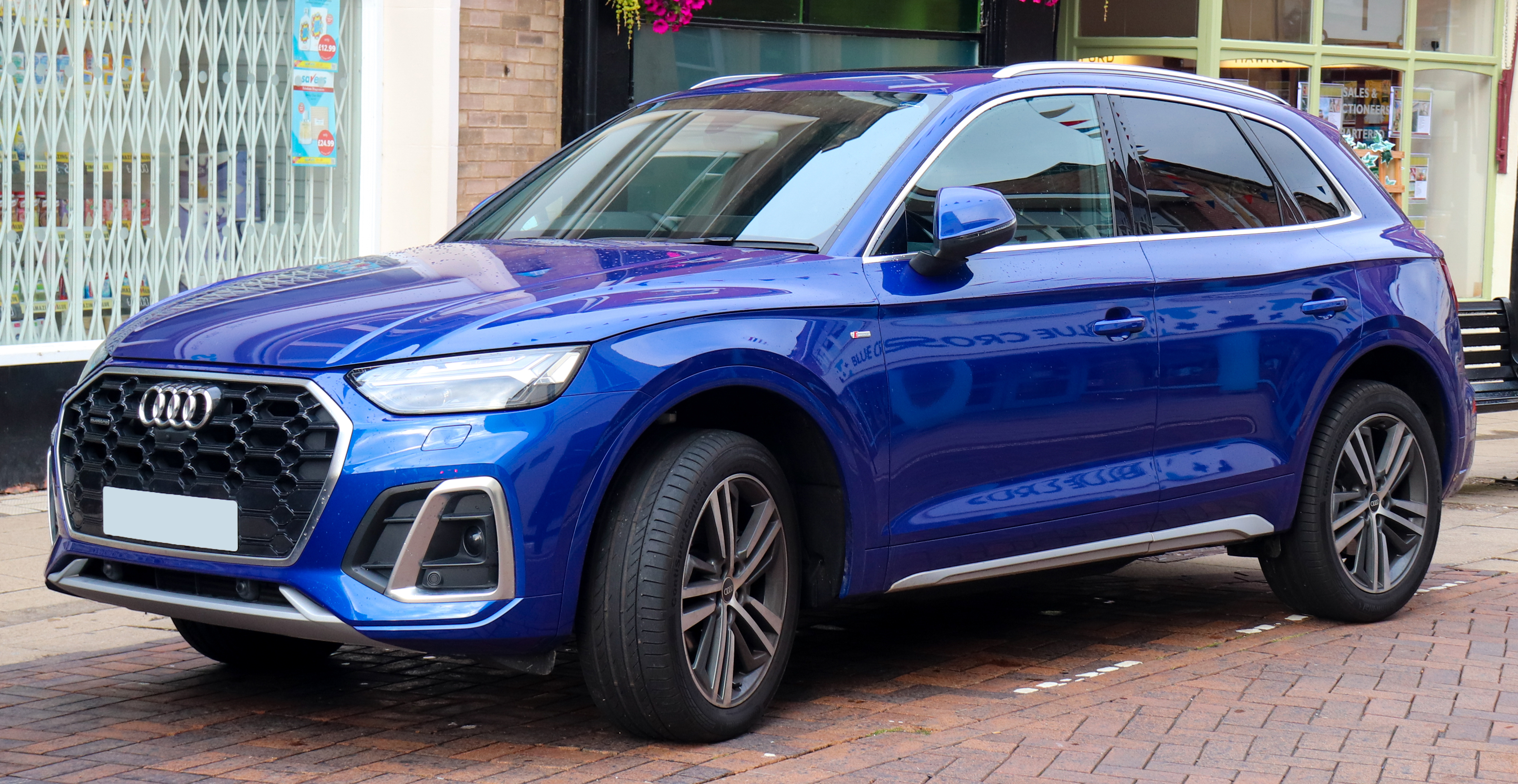
Audi Q5 Sportback
"But here's the EV version of that, the Audi Q5 Sportback and Q6 e-tron Sportback, which I didn't know existed."
The Audi Q5 Sportback is an Audi SUV with a more stylish, sloped roof shape. Here it’s being mentioned because Audi is talking about EV versions and lineup changes.
The Audi Q5 Sportback is a compact luxury SUV with a sloping “sportback” roofline that prioritizes a coupe-like silhouette over maximum cargo boxiness. In this segment, it’s mentioned as part of an EV lineup strategy alongside the Q6 e-tron Sportback.

Audi Q6 Etron
"But here's the EV version of that, the Audi Q5 Sportback and Q6 e-tron Sportback, which I didn't know existed."
The Audi Q6 e-tron Sportback is an electric Audi SUV. It has a sleeker roof shape than a typical SUV, and the host is saying they didn’t realize it existed.
The Audi Q6 e-tron Sportback is an electric SUV with a coupe-like Sportback roof shape, combining EV packaging with a more aerodynamic, stylish profile. The host’s surprise highlights that it’s a newer/less widely known model in the Audi EV lineup.

Volkswagen Jetta
"Maybe the gas models to the Volkswagen Jetta and the Taos."
The Volkswagen Jetta is a common, mainstream Volkswagen sedan. They’re talking about whether gas versions of models like this will still be offered.
The Volkswagen Jetta is a compact sedan that’s often used as a volume model in Volkswagen’s lineup. The host mentions it in the context of “gas models” being considered for future availability, implying powertrain and market positioning changes.
Volkswagen Germany website
"so you know this is the Volkswagen Germany website. And I just wanted to see this because Oliver Bloom, the CEO with his Restruction Plan has decided to reduce the model line up by half"
They’re looking at Volkswagen’s website for Germany. That matters because the cars Volkswagen sells in Europe can be different from what you see in the U.S.
This refers to Volkswagen’s German-market online model lineup page. It’s where Volkswagen publishes the current range and trims sold in Germany, which can differ from the U.S. lineup.
Oliver Bloom
"And I just wanted to see this because Oliver Bloom, the CEO with his Restruction Plan has decided to reduce the model line up by half"
They mention Oliver Bloom as the CEO. The point is that he’s associated with a plan to shrink Volkswagen’s number of models.
Oliver Bloom is mentioned as the CEO driving Volkswagen’s “Restruction Plan” to cut the model lineup. In this segment, he’s used as the authority behind the lineup-reduction decision.

Volkswagen T-Cross
"I'm going to read the SUV ones real quick, go up. I want to read the SUV ones. I'm going to skip the EVs. I'm going to skip the actual hatches related to the Gulf. These are the SUVs that the Tygo, TAI Geo, the T cross, the T rock,"
The Volkswagen T-Cross is a small SUV. The host is grouping it with other Volkswagen SUVs that look similar, which is why it can be confusing to tell them apart.
The Volkswagen T-Cross is a small, five-seat SUV positioned below the Tiguan in Volkswagen’s lineup. In this segment it’s listed as one of the many similar-looking SUVs the host is trying to differentiate.

Volkswagen Tiguan
"the T rock Cabriolet, which yes, that exists. The Tiguan, the Tehran, they do still have a Toreg. Those are all five seat SUVs of various sizes"
The Volkswagen Tiguan is a popular compact SUV. The host is listing it along with other SUVs that look similar, which is why people may confuse which one they’re seeing.
The Volkswagen Tiguan is a mainstream compact SUV and one of Volkswagen’s most common models in Europe. Here it’s part of the host’s list of similarly sized five-seat SUVs that can be hard to distinguish at a glance.
Wolfsburg
"And it is one of Wolfsburg. Seriously, it is one of the like cornerstones of German productivity is Volkswagen."
Wolfsburg is a city in Germany. It’s closely tied to Volkswagen, so when Volkswagen changes plans, it can have a big impact on the area.
Wolfsburg is a German city that’s strongly associated with Volkswagen’s headquarters and major manufacturing operations. When the hosts say Volkswagen is “one of Wolfsburg,” they’re emphasizing how central the automaker is to the local economy.
plant closures
"Yeah, closing full plants, getting rid of a lot of these. And again, I have to touch on it again."
Plant closures mean a factory stops operating. When a car company does this, it can lead to fewer cars being made and major changes for workers and suppliers.
Plant closures are when an automaker shuts down manufacturing facilities, which can reduce production capacity and disrupt supply chains. In the segment, the host frames job cuts and closures as part of a broader cost-cutting and restructuring effort.

Taycan
"Taycan didn't sell very many. Cayenne, Coupe doesn't sell very these are all niche."
The Taycan is Porsche’s electric car. The host is saying it hasn’t sold in big numbers, and that’s part of why they think Porsche’s overall situation is tougher than people assume.
The Porsche Taycan is Porsche’s all-electric performance sedan. The host says it “didn’t sell very many,” using sales performance as evidence that Porsche’s broader lineup is struggling while one model is holding up better.

Cayenne
"Taycan didn't sell very many. Cayenne, Coupe doesn't sell very these are all niche."
The Cayenne is Porsche’s SUV. In this segment, the host is saying even models like the Cayenne aren’t selling as strongly as you’d expect, which supports their point about Porsche’s broader sales decline.
The Porsche Cayenne is Porsche’s high-volume luxury SUV. The host groups it with other Porsche models as “niche” and says sales are weak, using that to argue Porsche’s lineup performance is down overall.

Formentor Cupra For Mentor
"...kswagen lineup. And we've talked before about the Cupra for mentor. It is essentially a small SUV built on the Gulf,..."
The Formentor is a small SUV-style car. The podcast describes it as a sportier take on an SUV. It’s mentioned as part of a list of possible cars being considered.
The Formentor is a compact SUV/crossover model associated with the Cupra brand, positioned as a sportier alternative within its lineup. In the podcast, it’s described as “essentially a small SUV” built on the same general platform idea as other related models. It’s mentioned as part of a discussion about what to buy and how the car is categorized.
Denza
"BYD's premium brand called Denza began as a joint venture with Mercedes made [602.0s] their Z introduction at Goodwood Festival of Speed."
Denza is a “premium” car brand created by BYD. The hosts mention it because it has ties to Mercedes and is now building new electric performance cars.
Denza is BYD’s premium brand. In this segment, the hosts connect Denza to a Mercedes joint-venture origin and then pivot to Denza’s newer performance EV platform and models.
Mercedes
"BYD's premium brand called Denza began as a joint venture with Mercedes made [602.0s] their Z introduction at Goodwood Festival of Speed."
Mercedes is a major car company. In this clip, they’re mentioned because Denza started as a joint venture involving Mercedes.
Mercedes refers to the automaker Mercedes-Benz in the context of a joint venture with Denza. Here, it’s used to explain Denza’s corporate/ownership roots rather than a specific Mercedes model.
Goodwood Festival of Speed
"BYD's premium brand called Denza began as a joint venture with Mercedes made [602.0s] their Z introduction at Goodwood Festival of Speed."
Goodwood Festival of Speed is a big car event in the UK. Car companies go there to show off new models and new tech.
The Goodwood Festival of Speed is a major UK motorsport and automotive event held at the Goodwood estate. Automakers use it to debut new cars and technologies to a highly car-focused audience.
triple motor
"This is the new E3 sports car platform that the Z is built on with a range [611.5s] of technologies expected to feature across future models, including triple [615.7s] motor, drivetrain, cell to body, battery integration, magnet ride and integrated"
A triple-motor EV has three electric motors working together. More motors can help the car launch harder and put power down more effectively.
A triple-motor EV uses three electric motors to drive the vehicle. This can improve acceleration and traction by distributing torque more precisely than a single- or dual-motor setup.
cell to body
"including triple [615.7s] motor, drivetrain, cell to body, battery integration, magnet ride and integrated [620.8s] vehicle control system."
Cell to body means the battery is built into the car’s structure more directly. That can help with space, weight, and how solid the car feels.
Cell to body is a battery-architecture approach where the battery cells are integrated into the vehicle structure rather than sitting in a conventional pack. This can improve packaging, reduce weight, and potentially increase stiffness and crash performance.
magnet ride
"including triple [615.7s] motor, drivetrain, cell to body, battery integration, magnet ride and integrated [620.8s] vehicle control system."
Magnet Ride is a suspension system that can stiffen or soften the shocks electronically. The goal is to make the ride smoother when you want it and more controlled when you drive hard.
Magnet Ride (often referring to magnetorheological dampers) is an adaptive suspension system that changes damping stiffness electronically. It aims to balance ride comfort with sharper handling by adjusting how quickly the shocks resist movement.
battery integration
"including triple [615.7s] motor, drivetrain, cell to body, battery integration, magnet ride and integrated [620.8s] vehicle control system."
Battery integration is how the car’s battery is built into the vehicle—how it’s mounted, cooled, and connected. Good integration helps the battery stay healthy and safe.
Battery integration refers to how the EV battery is packaged and integrated with the vehicle’s structure, cooling, and electrical systems. Better integration can improve thermal management, safety, and overall efficiency.
76 kilowatt hour second generation blade, battery
"The EV using a 76 kilowatt hour second generation blade, battery and support [648.3s] with their charging technology, allowing 10 to 97 percent recharge in nine minutes."
This is the battery type and size: a 76 kWh BYD Blade battery. “Blade” is BYD’s design that uses long, flat cells to help with safety and space efficiency.
This refers to BYD’s Blade battery, specifically a “second generation” version with a 76 kWh capacity. Blade batteries use long, flat cells designed to improve safety and packaging in EVs.
10 to 97 percent recharge in nine minutes
"with their charging technology, allowing 10 to 97 percent recharge in nine minutes. [658.1s] 10 to 97 in nine minutes, 10 percent to 97 percent."
They’re claiming you can charge the battery from about 10% to 97% in roughly nine minutes. Real-world results can vary based on the charger and conditions.
This describes an ultra-fast charging claim: going from 10% state of charge to 97% in about nine minutes. It depends heavily on charger power, battery temperature, and the vehicle’s charging curve.
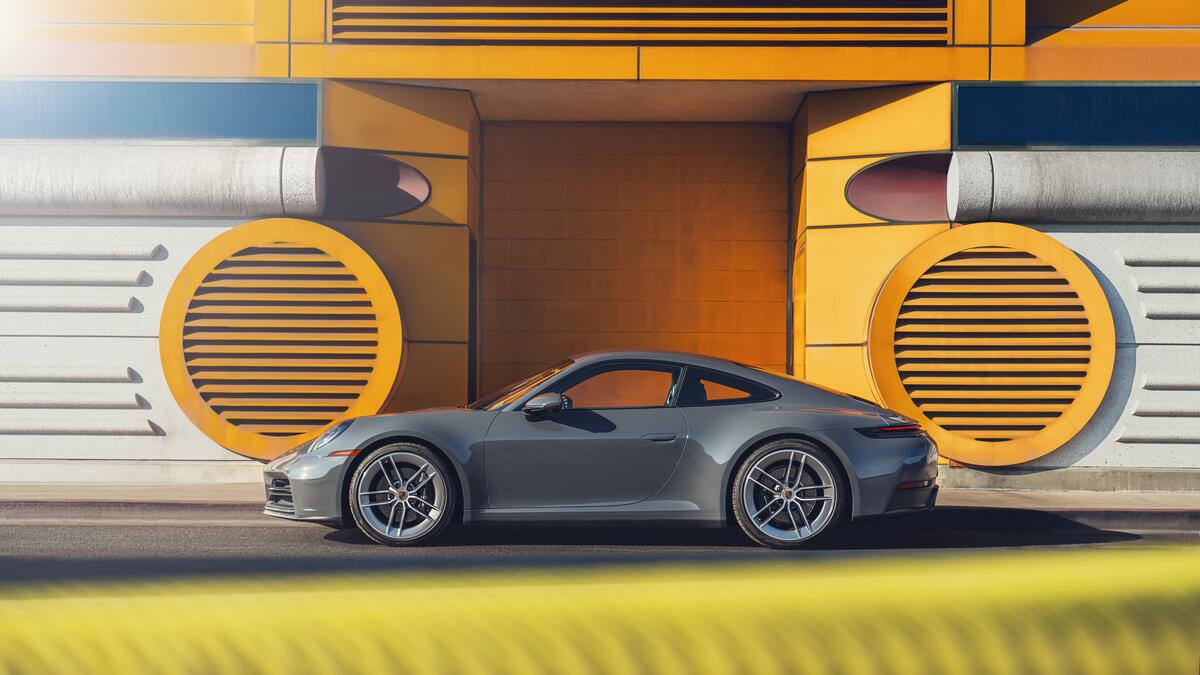
Porsche 911
"If you're going to design a sports coupe that is coming for the Porsche 911. I see all the cars in this."
The Porsche 911 is one of the most famous sports cars ever made. Here, it’s being used as the reference point—other cars are being described as trying to look like they’re aiming at the 911’s style.
The Porsche 911 is a long-running sports-car icon known for its rear-engine layout and distinctive silhouette. In this segment, the host uses it as a benchmark target for other cars’ “sports coupe” styling direction.
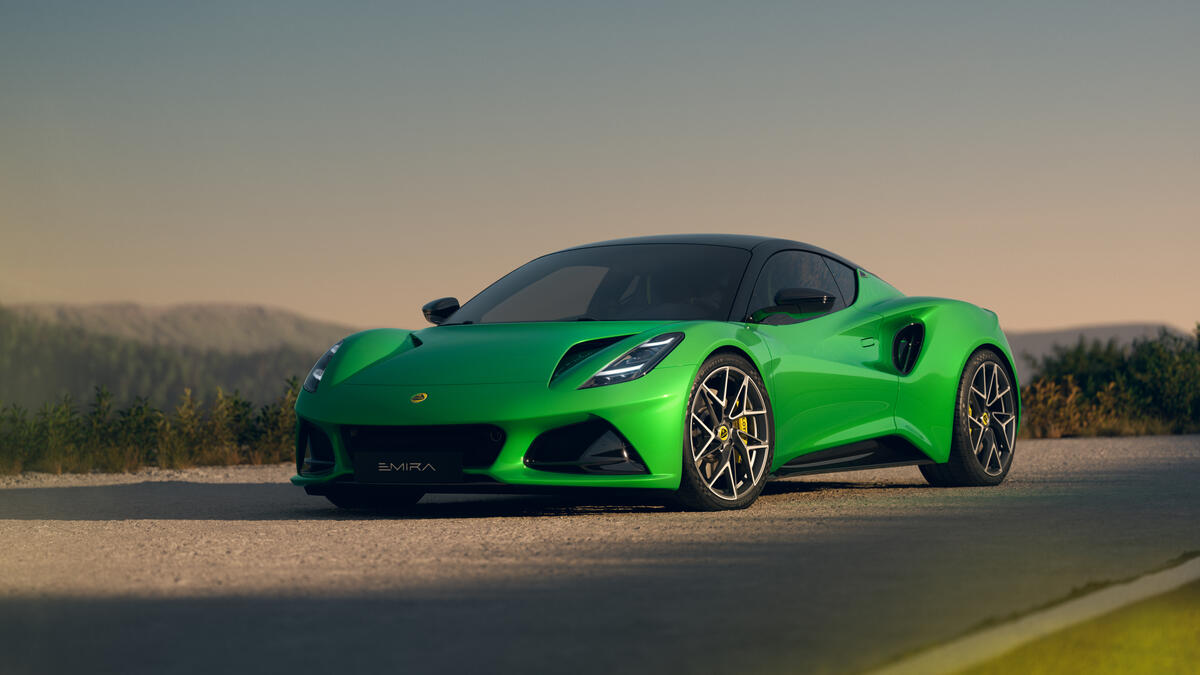
Lotus Amira
"... all of the modern mid-engine cars, including the Amira in this, depending on the photo, I pick out a dif..."
The Lotus Emira is a sports car with the engine placed near the middle of the car. It’s designed to feel agile and fun to drive. The podcast mentions it while talking about modern mid-engine cars.
The Lotus Emira is a modern mid-engine sports car from Lotus, designed to keep the brand’s lightweight, driver-focused character. It’s discussed because it represents a newer generation of Lotus performance compared with older models. In the podcast, it’s mentioned while someone is identifying cars in photos, including the Emira as a mid-engine option.
mid-engine sports car
"I see all the modern mid-engine cars, including the Amira in this, depending on the photo, I pick out a different styling element from a different brand. This has been an issue with Chinese cars to this point. At some point they're going to grow out of it, I realize, but it has that kind of it has that kind of design by AI thing where we took all the info in and we spit out, please present to me a mid-engine sports car."
A mid-engine sports car is designed so the engine sits closer to the middle of the car. That can help the car feel more balanced and “tighter” when you steer, compared with engines placed at the front or back.
A mid-engine sports car places the engine near the center of the vehicle, typically behind the driver but ahead of the rear axle. That layout helps balance weight distribution and can make handling feel more responsive compared with front- or rear-engine designs.
design by AI
"And at some point they're going to grow out of it, I realize, but it has that kind of it has that kind of design by AI thing where we took all the info in and we spit out, please present to me a mid-engine sports car."
The host is using “design by AI” to mean a car design that feels like it was generated by combining lots of existing design ideas. Their complaint is that it can look less original and more like a mash-up of what already exists.
“Design by AI” here is a shorthand for using AI tools to generate or assemble design directions from existing references. The host’s point is that the resulting styling can feel like a collage of familiar cues rather than a distinct, original design language.
Jensen Button
"Here it is. [792.4s] Jensen Button is representing at Goodwood Festival of Speed as it's being [795.8s] introduced by the CEO."
Jenson Button is a famous race car driver from Formula 1. He’s a World Champion, and here he’s being used to help promote a car at a major car event.
Jenson Button is a former Formula 1 World Champion (2009) known for his smooth driving style and racecraft. In this segment, he’s mentioned as representing a car at the Goodwood Festival of Speed, which signals the event’s high-profile motorsport connections.
tires
"We are reaching the limits of speed and tires. [824.4s] Zero to sixty or 662 in 2.2 seconds or 2.32 for the for the [829.6s] spider."
In extreme acceleration and top-speed attempts, tires are the limiting factor because they must generate enough grip without overheating or losing traction. The segment suggests that as power rises, the tires can’t reliably handle the additional force, capping performance.
zero to sixty
"[824.4s] Zero to sixty or 662 in 2.2 seconds or 2.32 for the for the [829.6s] spider. The ZR1 is just barely broken."
Zero to sixty is how fast a car goes from stopped to 60 mph. It’s a simple way to compare acceleration between cars.
Zero to sixty (0–60 mph) is a common performance metric measuring how quickly a car accelerates from a standstill to 60 mph. It’s especially useful for comparing cars with very different powertrains because it reflects traction, gearing, and launch control—not just horsepower.
all wheel drive
"[833.0s] Two seconds, all wheel drive, 1200 horsepower. [836.9s] We clearly must be reaching the threshold where for the moment,"
All-wheel drive means the car powers all four wheels. That usually helps it grip the road better, especially when accelerating hard.
All-wheel drive (AWD) sends power to both the front and rear axles, improving traction. In high-acceleration cars, AWD can help put down huge horsepower more effectively, reducing wheelspin during launches.
all-EV
"it'd be this beast [844.3s] right here with 1500 horsepower and all EV and the fact that it can't break [847.5s] "
“All EV” means the car runs on electricity only. Electric cars can accelerate quickly because the motor gives power right away, but they still need good grip from the tires.
“All EV” means the car is fully electric, using an electric motor (or motors) instead of a gasoline engine. In performance debates, electric drivetrains can deliver instant torque, but they still face limits from traction, tires, and battery power delivery.
air bags
"because AI, the crazy and marginal, but very 90s movie demolition man, that was how their airbags work. That's right. Just the car just filled with foam."
Airbags are safety cushions inside a car. If you crash, they inflate very quickly to help keep you from hitting the steering wheel, dashboard, or windshield.
Airbags are inflatable safety cushions that deploy extremely fast in a crash to help protect occupants. They are designed to reduce injury by cushioning the body and managing how the occupant moves during impact.

Mercedes CLA 45
"And from the last episode, Mercedes bringing out their new CLA 45 with 400"
The Mercedes-Benz CLA 45 is a sporty version of the CLA, made by Mercedes-AMG. In this clip, it’s mentioned as another example of a brand using a big headline number.
The Mercedes-Benz CLA 45 is a performance-oriented CLA variant from Mercedes-AMG, typically powered by a high-output turbocharged engine and tuned for sharper handling and acceleration. Here, the hosts reference its claimed 400 figure in the context of comparing “long range” marketing across brands.
FCP Euro
"If you own a European enthusiast car, you need parts from FCP Euro. Founded in 1986, this family company is celebrating its 40th year serving DIY enthusiasts..."
FCP Euro is a store that sells replacement parts for European cars. They also offer help from advisors and a long warranty-style guarantee on the parts they sell.
FCP Euro is a parts retailer focused on European cars, selling replacement parts and kits for DIY owners. The host highlights their “guaranteed for the life of your car” parts program and support from service advisors.
OE parts
"there's no better place for genuine OE parts for your European car. And yes, even your sob."
OE parts are the same type of parts the car maker designed for the vehicle originally. They’re meant to fit correctly and work like the factory parts.
OE parts means “original equipment” parts, made to match what the car’s manufacturer used when the vehicle was new. Using OE parts is often about fitment, compatibility, and restoring factory-spec performance and reliability.
track day
"It's the back half of summer, which means there are the track days. There are so many track days going on right now with hooked on driving."
Track days are events where drivers bring their cars to a circuit to drive them on-track for fun and practice, usually with coaching and organized sessions. They’re distinct from racing because the focus is driver experience and safe on-track learning.
Portland International Raceway
"July 25th, that's hooked on driving Pacific Northwest is at Portland International Raceway. We have not been, but we're going later this year."
Portland International Raceway is a real race track in Portland, Oregon. People go there for track days, and sometimes nearby residents complain about how loud cars are.
Portland International Raceway is a motorsports venue in Portland, Oregon, used for track days and racing events. The host connects it to the “noise at the racetrack” issue, which is common at public venues with community noise limits.
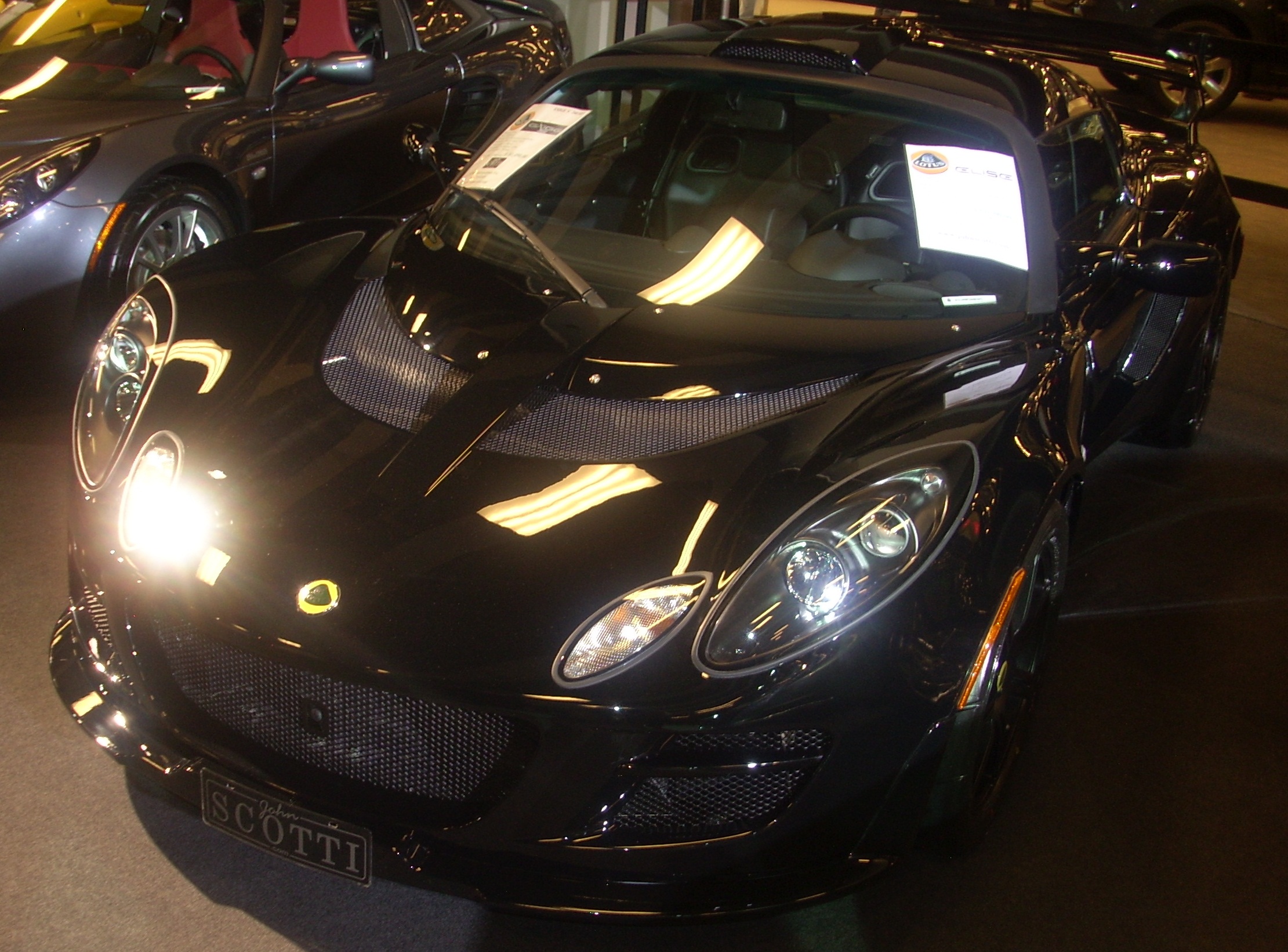
Lotus Elise
"...ybe maybe Bodie goes with me. I had him drive the Elise of late. He has liked that a lot, which is pretty..."
The Lotus Elise is a very light sports car built to feel quick and responsive. Because it’s small and simple, it’s often chosen by people who want a “pure” driving experience. The podcast mentions it because someone had seat time in one and enjoyed it.
The Lotus Elise is a lightweight, driver-focused sports car famous for its minimalist design and sharp handling. It’s often discussed because it delivers a very direct connection between the driver and the road. In the podcast, it’s brought up as a car someone has driven and liked a lot.
Hooked On Lotus and friends
"we at Hooked On Driving are getting along with our Lotus people. [1199.7s] It's going to be Hooked On Lotus and friends. [1202.4s] The full track at UMC, the full four and a half mile track."
That’s the event name they’re promoting—an organized Lotus get-together. They’re inviting people to come and bring cars.
This is the name of the event the hosts are promoting, centered on Lotus cars and community participation. It’s framed as a gathering that follows a larger Lotus event.
UMC
"The full track at UMC, the full four and a half mile track. [1206.7s] I looked it up. It's 23 corners."
UMC is a race track in Utah (Utah Motorsports Campus). They’re saying the event will use the whole track, not just a short section, so it should be more fun and more challenging.
UMC here refers to Utah Motorsports Campus, a racing facility in Utah. The hosts are emphasizing that the event will use the full circuit length, which matters because longer layouts typically include more variety in corners and speeds.
four and a half mile track
"The full track at UMC, the full four and a half mile track. [1206.7s] I looked it up. It's 23 corners."
That “four and a half mile” number is how long the track is for one lap. A longer lap usually means more turns and more driving variety in each lap.
A track length like “four and a half miles” describes the total distance of one lap on the circuit layout being used. Longer laps usually mean more corner variety and more time for tires and brakes to work through different load conditions.
23 corners
"I looked it up. It's 23 corners. [1209.2s] That's a lot. So cool. Yeah."
“23 corners” means the lap has 23 turns. More turns usually means you’re constantly steering and braking, which makes the track more demanding.
“23 corners” is a count of how many distinct turns are in the circuit layout. Corner-heavy tracks tend to reward braking consistency, steering precision, and maintaining grip through repeated direction changes.
Lotus United Gathering
"This is the culmination of the Lotus United Gathering [1224.9s] at the end of their event that is again, Monday, September 28th, but full track."
This is a Lotus-focused gathering/event. They’re saying their event is the culmination of that bigger Lotus weekend, and it will use the whole track.
The Lotus United Gathering is described as the larger Lotus event that this “Hooked On Lotus and friends” culminates from. The hosts are positioning it as an end-of-event celebration using the full track.

Mazda Cx5
"Current fleet is that bike, his wife's 2021 Mazda CX-5 carbon turbo. They bought CPO. They love it."
This is a Mazda CX-5 crossover SUV. The “Carbon Turbo” wording means it’s a specific trim level, and it includes a turbocharged engine option, which tends to feel stronger than the non-turbo versions.
The 2021 Mazda CX-5 is a compact crossover, and the “Carbon Turbo” trim indicates a more upscale appearance package paired with the CX-5’s turbocharged engine option. The host mentions they bought it CPO and like it as part of their current family fleet.
CPO
"They bought CPO. They love it."
CPO stands for “Certified Pre-Owned.” It usually means the dealer checks the car carefully and offers extra warranty coverage compared with buying a regular used car.
CPO means “Certified Pre-Owned.” It’s a used-car program where the dealer inspects the vehicle and typically adds a warranty or coverage beyond a normal used purchase.

Chevrolet Chevelle
"He also, as a side note, has a 1967 Chevelle. He's had since he was 19 hot rod with a big block for 54 four speed manual."
This is a 1967 Chevrolet Chevelle, a classic muscle car. The host says it’s a big-engine, four-speed manual car that the owner has had for decades and has been restoring.
The 1967 Chevrolet Chevelle is a classic American muscle car, and this one is described as a hot rod with a big block V8 and a four-speed manual. The segment highlights the car’s long-term ownership and restoration work, including that the engine wasn’t built by the owner.
big block
"He's had since he was 19 hot rod with a big block for 54 four speed manual."
“Big block” is a nickname for a large V8 engine. In older muscle cars, it usually means the car has a bigger, stronger engine than the smaller V8 options.
“Big block” refers to a family of large-displacement V8 engines used in many classic American muscle cars, typically associated with higher power and heavier-duty internals. In this segment, it describes the Chevelle’s engine choice.

Ford Fiesta
"...r. The top contenders include a 500 Bart, Fiat or Ford Fiesta ST. Minis, however, are right out because his wif..."
The Ford Fiesta Active is a small car with a crossover-style look. It’s meant to feel a bit more rugged than a regular Fiesta. The podcast mentions it as one of the small-car options being compared.
The Ford Fiesta Active is a crossover-styled version of the Fiesta, aimed at buyers who want a slightly taller, more rugged look than a standard hatchback. In the podcast, it’s included among contenders in a short list of small-car choices. That makes it relevant to the debate about what fits a specific everyday needs profile.
1990s-ish Mercedes SL320
"he thinks maybe like a 1990s-ish Mercedes SL320 would be a cool ride, [1485.4s] but he's concerned about maintenance or like a BMW Z4 appeals."
A Mercedes SL320 is a luxury convertible/roadster from Mercedes. The idea here is that it could feel more special than a normal family car, but the host is worried it might be expensive to maintain.
The Mercedes-Benz SL320 is a luxury roadster (SL-class) that’s known for comfort and a more “special” ownership experience compared with a basic commuter. The host specifically calls out a 1990s-era SL320 as a possible choice, while also noting concerns about maintenance.
1990 to 98 Chevy 1500 4x4
"He might also ignore all of this and just go buy a clean 1990 to 98 Chevy [1504.5s] 1500 4x4 because it's his favorite truck and he's wanted one since he was a teenager."
This is a Chevy full-size pickup truck (the 1500) with four-wheel drive. The point is that Taylor might choose the truck instead of a smaller car because he’s always wanted that exact kind of vehicle.
The Chevrolet C/K 1500 (often just called “Chevy 1500”) is a full-size pickup known for being a straightforward, capable truck platform. Here, the host says Taylor might ignore the car debate and buy a clean 1990–1998 Chevy 1500 4x4 because it’s his favorite truck and he’s wanted one for years.

1998 Honda VFR 800
"We have a 1998 Honda VFR 800 cool bike from the 90s. You're looking at a 90s Mercedes SL320,"
The Honda VFR 800 is a motorcycle from Honda. It’s known for having a smooth V4 engine, and here it’s mentioned to show Taylor already has a 1990s-style bike.
The Honda VFR 800 is a sport-touring motorcycle known for its V4 engine and its balance of everyday usability with real performance. The host brings up a 1998 VFR 800 to highlight that Taylor already has a 90s “cool bike” in the mix.
rear-facing car seat
"It is fully allowable, even with a rear-facing car seat, to take a child in a two-seat car."
A rear-facing car seat is the baby seat where the child looks toward the back of the car. It’s designed to protect the baby’s head and neck better than facing forward in a crash.
A rear-facing car seat is a child seat installed so the infant faces the back of the vehicle. Rear-facing positions are designed to better support the baby’s head, neck, and spine in a crash, and they’re commonly used from birth until the child reaches the seat’s height/weight limits.
two-seater car
"But if it's a two-seat car, that's the car you have. If you happen to have a two-seat car and you need to take a child, this is how it works."
A two-seat car is made mainly for just two people. If you’re trying to bring a child along, you may need special car-seat setup or it may be less practical than a car with back seats.
A “two-seat car” is a vehicle designed primarily for two occupants, typically with limited rear seating (or none). In practice, it affects how easily you can carry a child or additional passengers, and it can change how the car fits your daily life.
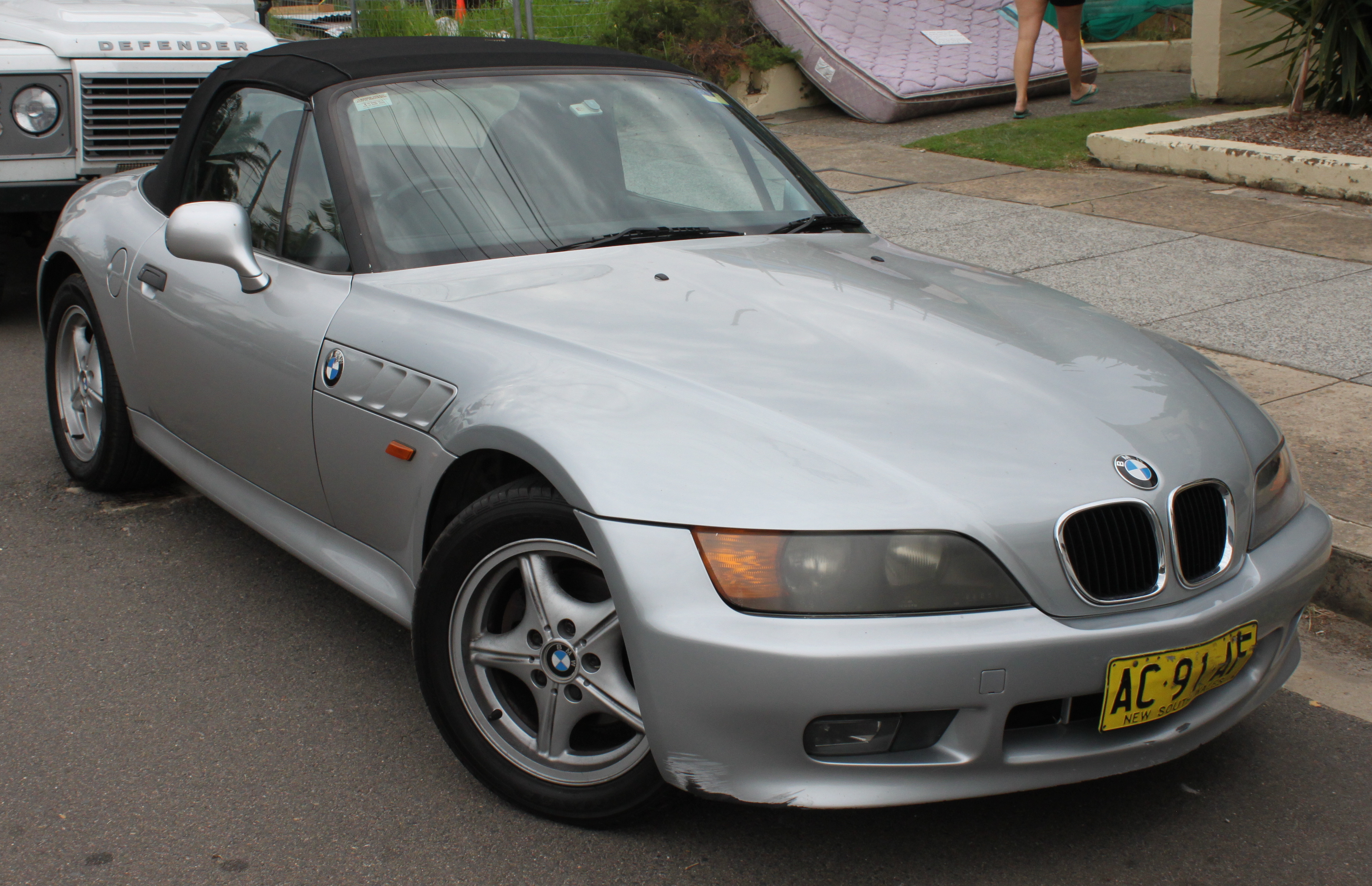
BMW Z3
"So I am starting out with the BMW Z3 because these are very inexpensive. They can be found and they're fun and they're small."
The BMW Z3 is a small two-seat BMW roadster. It’s often chosen because it’s relatively affordable and feels fun to drive, thanks to its light size.
The BMW Z3 is a small, lightweight roadster that’s known for being an approachable “fun” sports car—especially compared with pricier BMWs. In this segment, it’s framed as an inexpensive way to get that lightweight, playful driving feel, which is why the host suggests it as a practical choice.
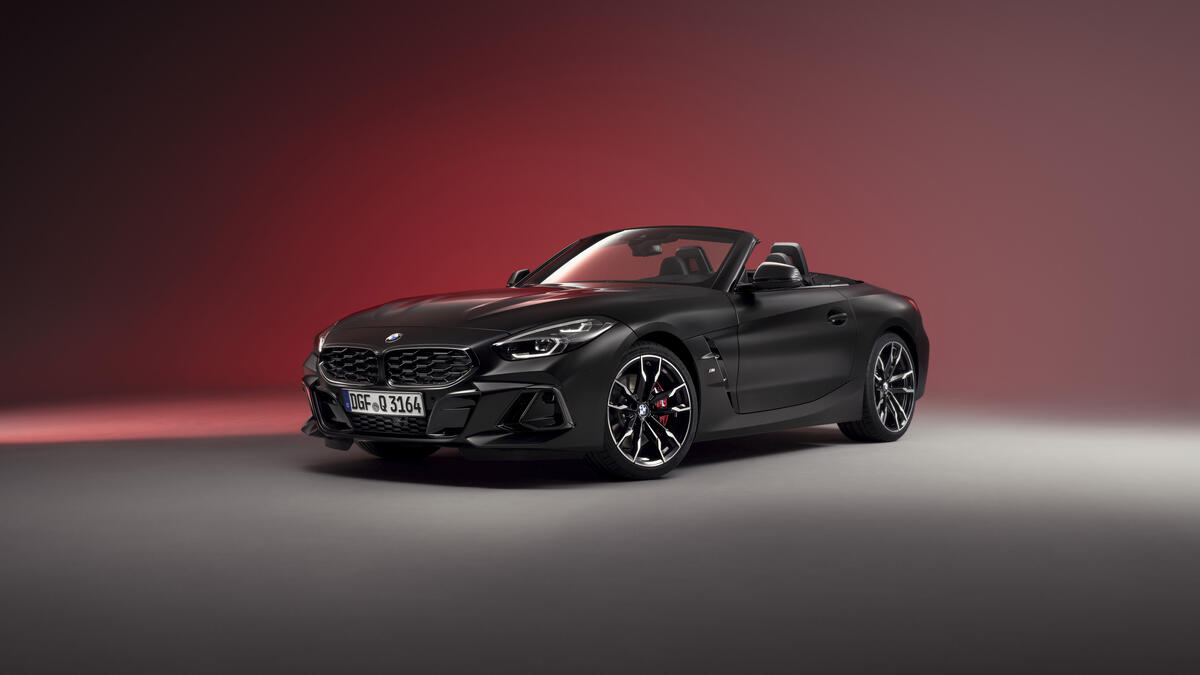
2012 Z4 S drive, 28i
"And I went looking for you and found for under $15,000, $12,799 with 94,000 miles, a 2012 Z4 S drive, 28i. This was the refresh."
This is a BMW roadster meant to be fun to drive. The “28i” version uses a turbocharged 4-cylinder engine, and “S drive” means it’s set up to drive the rear wheels, which usually makes it feel more sporty.
The BMW Z4 is a compact roadster built for driving feel, and the 2012 Z4 28i uses a turbocharged four-cylinder rather than a traditional straight-six. In this context, the “S drive” trim indicates the rear-wheel-drive setup, which keeps the car feeling more like a classic sports roadster.
retractable hardtop
"And this had the retractable hardtop. So that was, that made it the E89, I think it was."
That means the car’s roof is a hard roof, not fabric, and it can open and close. When it’s closed, it usually feels quieter and more solid than a soft-top.
A retractable hardtop is a roof made of rigid panels that can open and close, usually powered by motors. Compared with a soft-top convertible, it typically offers better insulation and a more solid feel when the roof is up.
turbo four-cylinder
"And the 28i had the turbo four cylinder, which is a surprisingly good engine actually."
This is a 4-cylinder engine with a turbo. The turbo helps it make more power, so it can feel quicker even though it’s not a big engine.
A turbo four-cylinder is an engine with four cylinders that uses a turbocharger to force more air into the cylinders. That lets a smaller engine make strong power and torque, often feeling punchier than you’d expect from the displacement alone.
small block
"So a C4, just a base Corvette 350 small block, 61,000 miles for just under $11,000 is kind of interesting."
“Small block” is a nickname for a particular Chevy V8 engine design. When someone says “350 small block,” they usually mean a 5.7-liter V8 that’s known for being straightforward and widely supported.
“Small block” refers to Chevrolet’s compact V8 engine family (the classic Gen I/II “small-block Chevy” architecture). In this context, “Corvette 350 small block” means a 5.7-liter V8, which is a common, parts-supported setup for older Corvettes.

2012 BMW 328i convertible
"But the car that I think has the right balance for you is 2012. BMW 328i convertible. And I love this because it's still a fun BMW sports car. But it's got a back seat."
This is a 2012 BMW 328i, and it’s a convertible (top down). The point the host is making is that it’s still enjoyable to drive like a sporty BMW, but it also has a back seat so it can work for family life.
The 2012 BMW 328i convertible is a 3 Series model that combines BMW’s sporty driving feel with an open-top body style. It’s notable here because the speaker highlights it as a “fun” BMW that still has practical space, including a back seat for a child.

Honda VFR
"Yeah. [1876.9s] And these Honda VFR, this is a cool bike. [1879.3s] This is a very cool bike."
Honda’s VFR is a motorcycle model line that’s known for having a V4 engine (four cylinders in a V shape). People like it because it’s sporty, but it’s also meant for longer rides, and the styling still looks cool today.
The Honda VFR is a sport-touring motorcycle line known for its V4 engine and comfortable-but-fast riding position. In the 1990s era, it became a “do-it-all” bike that still looks modern because of its clean fairing and purposeful stance.

Ford Fiesta ST
"There is no better answer than a Ford Fiesta ST. I found you one right here, 2018."
The Ford Fiesta ST is a small “hot hatch” that’s meant to be fun to drive, not just get you from A to B. Here, the hosts like it because it’s easy to handle and the manual makes it more engaging.
The Ford Fiesta ST is a hot-hatch built around a sporty turbocharged engine and a compact, tossable chassis. In this segment, they frame it as a “dad fun” hatchback because it’s small enough to be easy to drive and can still feel engaging—especially with the manual gearbox.
downshift
"And it is so chuckable. And this is downshift, downshift. Totally throw it in."
Downshifting is when you switch to a lower gear to get more pull from the engine. It can also help slow the car down using the engine, especially on hills.
Downshifting means selecting a lower gear to raise engine RPM, usually to regain acceleration or engine braking. On a manual car, it’s typically done by pressing the clutch, moving to a lower gear, and releasing the clutch smoothly.
red line
"Like not anywhere near red line. I'm talking like the three to 4500 range of the tack."
The “red line” is the top RPM range your engine is designed to safely reach. If you go past it, you risk damaging the engine, so most drivers keep the revs under it.
“Red line” is the engine’s maximum safe RPM range, marked on the tachometer. Past it, the engine can be damaged quickly, so performance driving usually stays below that limit.
tack
"I'm talking like the three to 4500 range of the tack. And you're going just barely above what the speed limit sign said."
“Tack” means the tachometer, which shows how fast the engine is spinning (RPM). Higher RPM usually changes how responsive the car feels.
The “tack” here refers to the tachometer, the gauge that shows engine RPM. RPM is a key driver of how an engine makes power and how it feels in everyday driving.
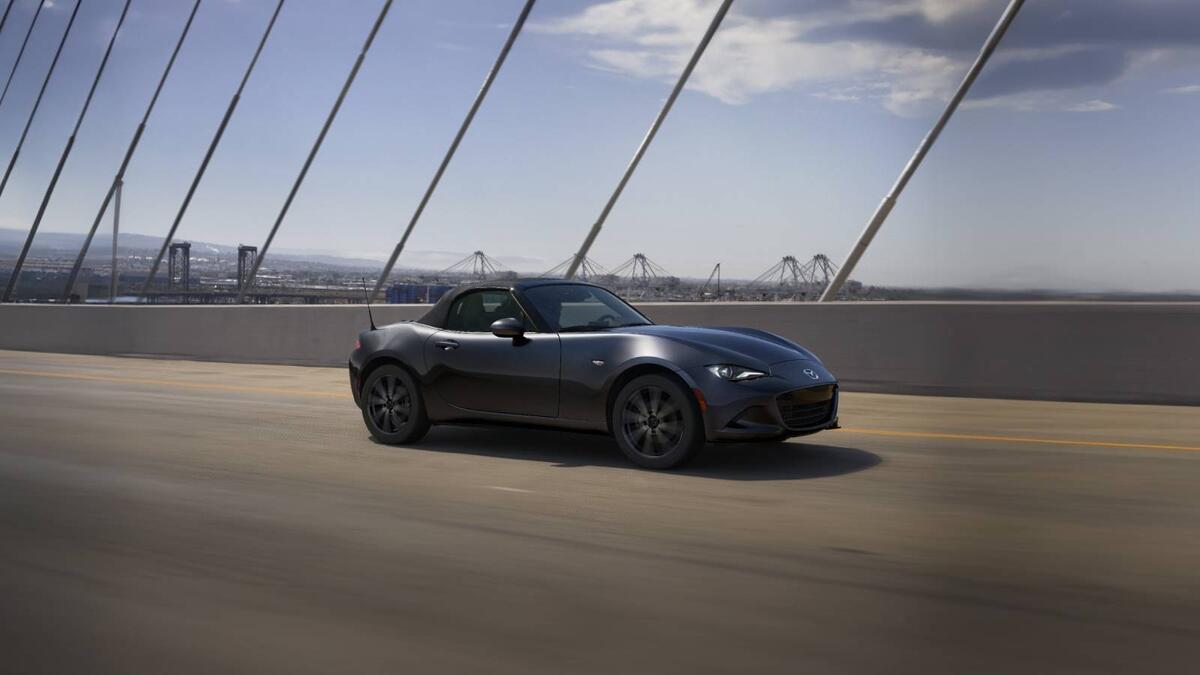
MX-5
"So I don't think there's any other hatchback consideration here. If you're going to go fun hatchback for you that's manual, I think this is the end. That's the start. But I want to run through your other options. MX-5 is out because it's too small."
The Mazda MX-5 is a small, sporty car designed to feel nimble and fun. Here, the speaker says it’s too small for what they want, so it’s not the right pick.
The Mazda MX-5 is a lightweight, driver-focused roadster that’s known for being small and nimble. In this segment, the host argues it’s “too small” for their “fun hatchback” use case, so it doesn’t fit the criteria.
Auto
"This is an auto. [2042.6s] The BMW auto you would both love. [2044.4s] What I was trying to do, if I was going to go away"
In car talk, “auto” usually means the car shifts by itself (automatic transmission). They’re pointing out this one is the automatic, which can make it easier to drive every day.
“Auto” here refers to an automatic transmission, as opposed to a manual gearbox. The host is highlighting that this BMW Z4 example is the automatic version, which matters for daily drivability and how “sporty” it feels day to day.

Audi Tt
"How about an Audi TT? Oh, it's good color. $12,000, $100,000 miles. Look, these have a mixed reputation for reliability. But this isn't your primary car. It's only going to get a few thousand miles a year. This is a convertible Audi TT. ..."
The Audi TT is a small sporty Audi that can come as a convertible. Here, they’re saying the TT can be a fun second car, but you should be careful because some versions have a mixed reliability reputation, especially when they’re higher-mileage.
The Audi TT is a compact sports coupe/roadster known for its styling and “everyday sports car” feel. In this segment, they’re discussing a convertible Audi TT with a wide price range and noting that Audi TT reliability can be mixed, especially if you buy one with higher mileage.

Porsche Boxster
"And then, of course, Porsche Boxster. [2116.1s] This is me thinking about you and your wife [2118.5s] are going to have a date night. [2120.7s] This is an auto. [2121.7s] Love that. [2122.2s] This is a 987."
The Porsche Boxster is a sporty two-seat roadster with the engine placed near the middle of the car. That layout helps it handle well, and here the host is talking about a specific older Boxster generation and what makes it a safer choice than some other versions.
The Porsche Boxster is a mid-engine roadster known for its balanced handling and driving feel. In this segment, the host is specifically discussing a 987-era Boxster and why it can be a more approachable buy than higher-risk variants from the same general period.
IMS
"This is a base boxer. [2124.6s] So the base boxer doesn't have the engine with the IMS [2128.6s] or the bore scoring issues. [2130.5s] And they're cheaper."
IMS is short for a Porsche engine part called the intermediate shaft. Some versions of these engines had a known problem with the bearing inside that part, so buyers pay close attention to it when choosing which used Porsche to buy.
IMS stands for Intermediate Shaft, a component in some Porsche flat-six engines. On certain engines/years, the IMS bearing has a reputation for premature wear or failure, which is why enthusiasts often treat it as a key reliability risk when shopping used.
bore scoring issue
"So the base boxer doesn't have the engine with the IMS [2128.6s] or the bore scoring issues. [2130.5s] And they're cheaper. [2131.9s] Yes."
“Bore scoring” refers to damage/scoring on the cylinder walls (the bores) inside an engine. In some Porsche flat-six engines from this era, it’s discussed as a reliability concern because it can contribute to oil consumption and internal wear if the cylinders are damaged.
flat six noises
"Teach her about flat six noises early in life. You know, you'll have the Chevelle burnouts."
A “flat six” is an engine where the cylinders sit in two opposing rows. People recognize it by the unique sound it makes.
A “flat six” is an engine with six cylinders arranged in two banks lying opposite each other (like a boxer). The phrase “flat six noises” refers to the distinctive sound and mechanical character that comes from that engine layout.
buyer's remorse
"We don't get too many emails about buyers remorse. Very few, actually. ...the goal for us is to get you into something so you don't have buyers remorse, and we encourage you to test drive a lot..."
Buyer’s remorse is regret after you buy something. In this segment, they’re saying test driving helps you make sure the car feels right so you don’t regret it later.
“Buyer’s remorse” is the regret people feel after purchasing something—here, a car. The hosts are discussing how test driving and doing enough driving can reduce the chance that a buyer later feels they made the wrong choice.
1974 Dodge D100
"he believes he bought the wrong car, but he's going to start out with car history. First, he bought a 1974 Dodge D100, and I pulled photos."
This is a 1970s Dodge pickup truck. In the story, it’s the first older “beater” car someone bought as a teenager—basically a practical, not-too-expensive truck to learn with.
The Dodge D100 is a classic full-size pickup from Dodge’s D-series, and the 1974 model is from the early-1970s era of American trucks. It’s notable here because the host is using it as the first “beater truck” for a teenager, which frames how these older trucks get used and maintained over time.
ECU immobilizer
"He taught himself how to crack the ECU immobilizer, tune it, so it was a fun little rocket, but it broke so many times, so that's unfortunate."
An ECU immobilizer is an anti-theft system that uses the car’s engine control unit (ECU) to prevent the engine from starting unless the correct key/authorization is present. The host’s point is that he learned how to bypass or “crack” that immobilizer so the car could be tuned and run differently.
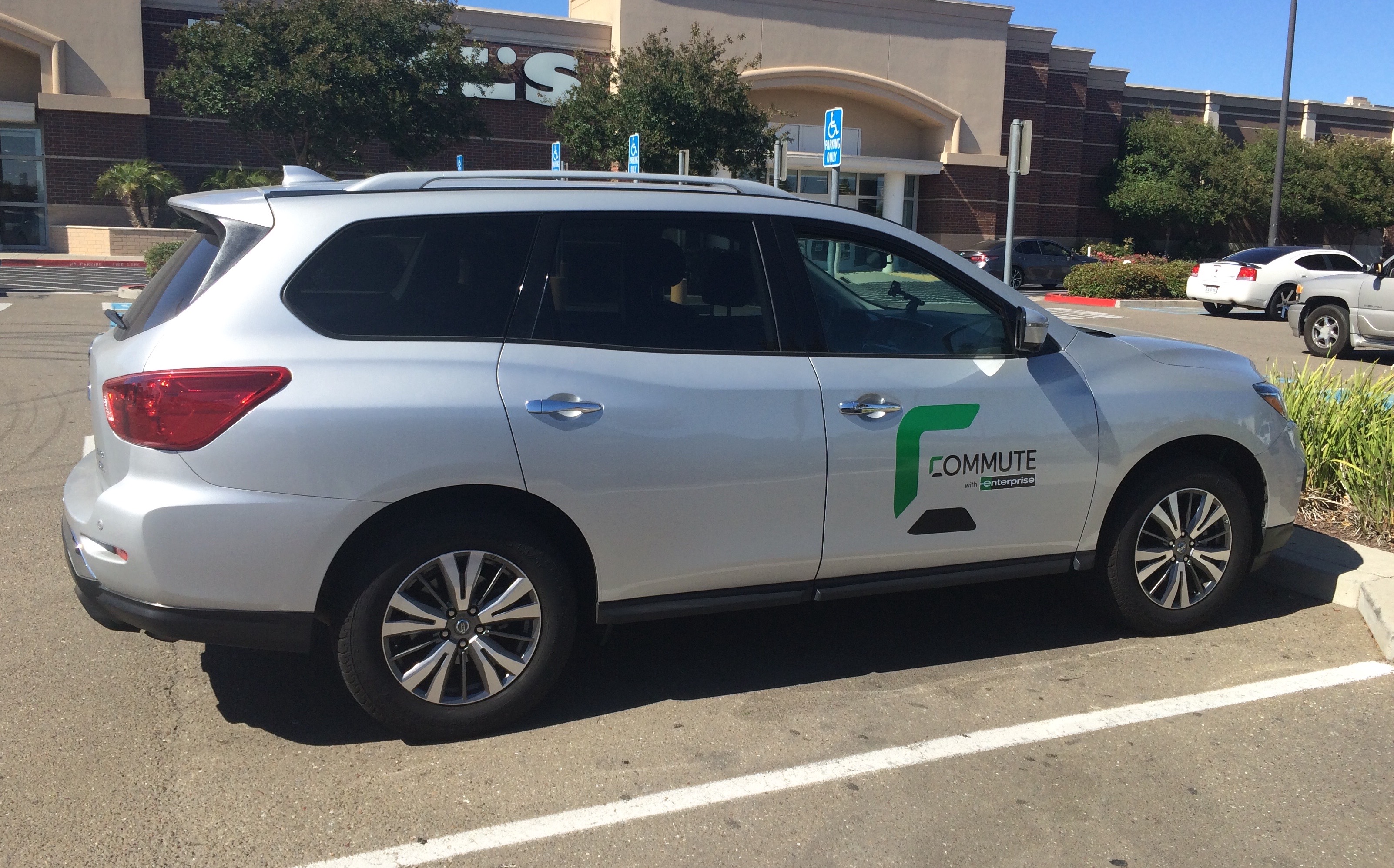
Nissan Pathfinder
"as well. He also had a Pathfinder. Ooh, the old classic Pathfinders."
The Nissan Pathfinder is a larger SUV meant for families and everyday errands. It’s designed to carry people and cargo comfortably. The podcast brings it up because someone had one before.
The Nissan Pathfinder is a family-oriented SUV known for practicality and space. It’s discussed in the podcast as a “classic” example someone has owned, suggesting it’s part of their personal vehicle history. The mention is brief, but it highlights how some people consider SUVs for everyday use.
2017 Lexus RC350 F Sport
"He got, in April, a 2017 Lexus RC350 F Sport, [2368.1s] very well optioned, has four-wheel steering,"
This is a 2017 Lexus RC350 in the F Sport trim, which is the sportier version of the RC. It’s a luxury coupe, and the big deal is it has advanced handling features that change how it steers and rides.
The 2017 Lexus RC350 F Sport is a rear-wheel-drive luxury coupe built around a V6, tuned for a sportier feel than a base RC. In this discussion it’s notable because the speaker lists multiple chassis and handling features—like four-wheel steering and active dampers—that strongly affect how it drives.
four wheel steering
"very well optioned, has four-wheel steering, [2370.2s] variable steering ratio, active dampers, LSD,"
Four-wheel steering means the rear wheels can steer too, not just the front wheels. That can make the car easier to turn in tight spaces and more stable at speed.
Four-wheel steering (4WS) uses steering inputs at both the front and rear axles. At low speeds it can improve maneuverability, and at higher speeds it can help stability and reduce the “turning feel” lag by coordinating the rear wheels.
LSD
"variable steering ratio, active dampers, LSD, [2373.1s] a bunch of other stuff he says that Lexus nerds care about."
LSD means limited-slip differential. It helps prevent one wheel from spinning uselessly when traction is low, so the car can put power down more effectively.
LSD stands for limited-slip differential, a differential that reduces wheel spin when one drive wheel loses traction. By biasing torque to the wheel with grip, it improves traction and can make the car feel more predictable when accelerating out of corners.
active damper
"variable steering ratio, active dampers, LSD, [2373.1s] a bunch of other stuff he says that Lexus nerds care about."
Active dampers are shocks that can change their stiffness automatically. That helps the car ride smoother and also handle better when you’re driving hard.
Active dampers are shock absorbers that can adjust their damping force in real time. By changing how quickly the suspension resists motion, they can improve ride comfort while also reducing body motion during cornering or braking.
variable steering
"has four-wheel steering, [2370.2s] variable steering ratio, active dampers, LSD,"
Variable steering ratio means the steering “leverage” changes depending on how you’re driving. It helps the car feel easier to turn at low speeds and more controlled at higher speeds.
Variable steering ratio changes how much the steering wheel movement translates into wheel angle depending on speed or steering input. The goal is usually to make parking and low-speed turns easier while keeping high-speed steering precise and stable.
pounds per horsepower
"Acceleration is good. [2399.3s] It's right at 12 pounds per horsepower. [2401.6s] You have listened."
“Pounds per horsepower” is a quick way to compare a car’s weight to its power. If the number is lower, the car usually accelerates better because it has more power for its size.
“Pounds per horsepower” is a simple power-to-weight metric: how many pounds the car weighs for each horsepower it makes. Lower numbers generally indicate stronger acceleration potential because the engine has more power relative to the vehicle’s mass.
exterior mount
"and needs to carry his mountain bike, [2453.7s] but he can just do an exterior mount like a C-sucker."
An exterior mount is a bike rack or bracket that attaches to the outside of the car. It lets you carry the bike without taking up room inside.
An exterior mount is a hardware setup that attaches to the outside of a vehicle to carry an item—here, a mountain bike. It’s typically a rack or bracket that avoids using the car’s interior space.
C-sucker
"but he can just do an exterior mount like a C-sucker. [2455.6s] He said he was happy to put a mountain bike, [2457.5s] C-sucker, or something else on anything."
A “C-sucker” is a bike carrier that sticks to the car using suction cups. It’s meant to be a quick, non-permanent way to carry a bike.
“C-sucker” refers to a suction-cup style bike carrier that mounts to the outside of a car using suction rather than permanent brackets. It’s often used on vehicles where you don’t want to drill holes or install a traditional roof rack.
high-revving engines
"Lightweight, rear-wheel drive, high-revving NA engine. [2473.3s] So hang on, let me stop real quick."
An “NA engine” is naturally aspirated, meaning it breathes air without a turbo. “High-revving” means it’s designed to spin faster and make power higher in the RPM range.
“NA engine” means naturally aspirated, so it doesn’t use a turbocharger or supercharger to force air into the engine. A “high-revving” naturally aspirated engine is tuned to make power as RPM climbs, often giving a sharper throttle response.
5,600 RPM
"You love that 8,600 RPM SI. [2477.2s] What you really think you want is lightweight, [2481.2s] rear-wheel drive, manual."
RPM tells you how fast the engine is spinning. Mentioning 8,600 RPM means the engine is meant to rev very high, which many enthusiasts enjoy.
RPM (revolutions per minute) is how fast the engine spins. An “8,600 RPM” reference signals a high-revving engine characteristic—meaning the engine is designed to make power at very high engine speeds.
under 30K
"Under 30K, we are limiting ourselves [2489.1s] to the first two things that he thought up."
“Under 30K” just means they’re trying to keep the car price below about $30,000. It helps narrow down which models make sense to consider.
“Under 30K” is a budget constraint used to narrow the shopping list to cars that fit a target price ceiling. It’s a common way enthusiasts define a “realistic” shortlist before comparing specs.
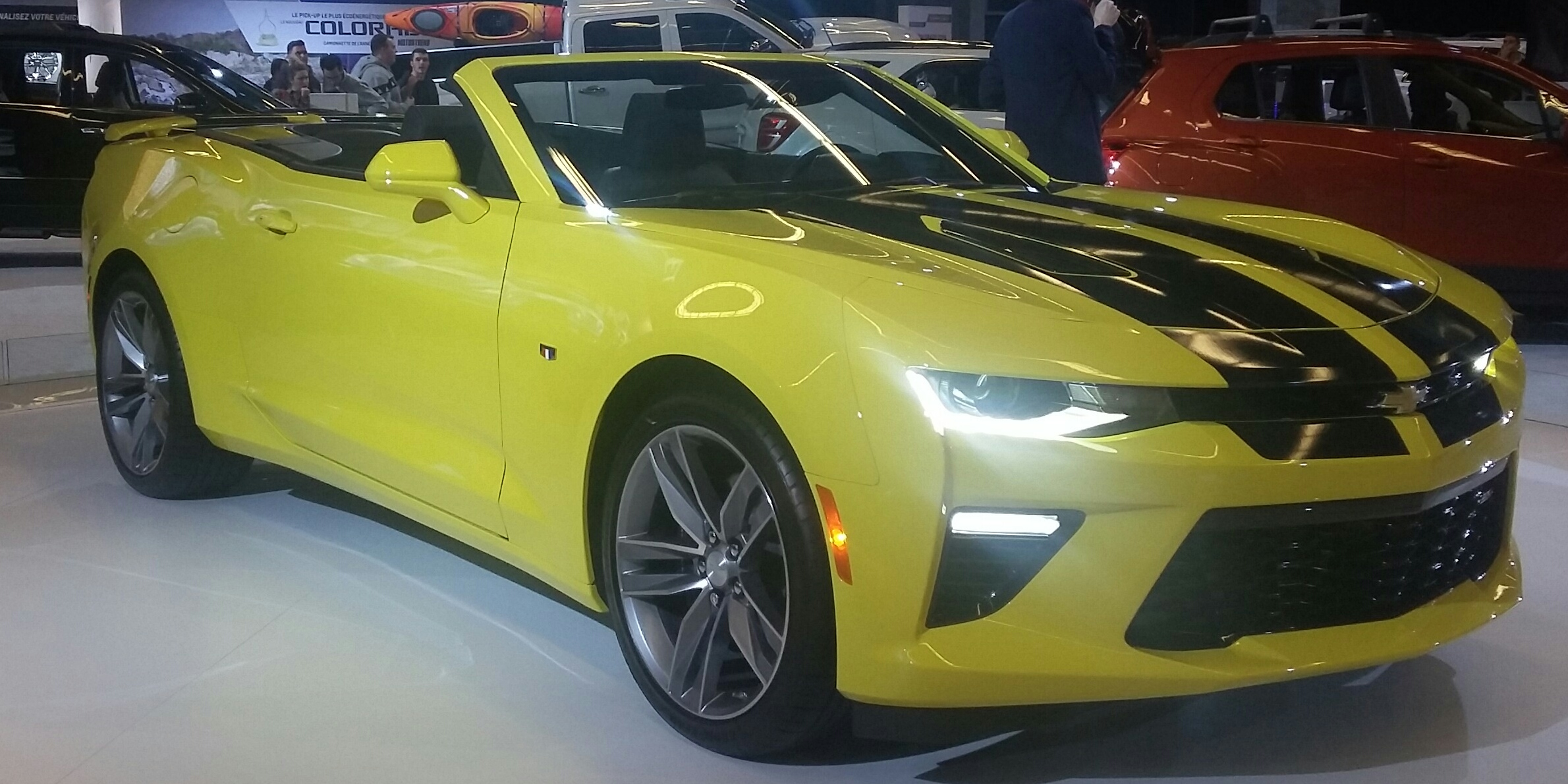
Chevrolet Camaro
"I don't care. Chevy, what's the car under the Camaro? They teased that years ago and then walked away."
The Chevrolet Camaro is a sporty American car, often associated with strong engines and a bold look. People sometimes talk about it in terms of what parts it’s built on. The podcast mentions it because the host is trying to figure out what’s actually underneath the Camaro.
The Chevrolet Camaro is a classic American muscle car that’s known for its styling and performance-focused trims. It’s discussed in the context of what’s under the body and how the platform is evolving. In the podcast, the Camaro is brought up because the host is curious about the car’s underlying details after teasing and then moving on.

Pontiac Solstice
"Kupra would be a perfect brand to do that. The Solstice, bring the Solstice back. The Saturn Sky or what?"
The Pontiac Solstice is a small sporty roadster that Pontiac made in the past. The podcast mentions it because someone wants Pontiac to bring that kind of car back. It’s discussed as a revival idea rather than a current purchase.
The Pontiac Solstice is a sporty roadster that’s remembered as part of Pontiac’s lineup during its run of smaller, driver-focused cars. In the podcast, it’s mentioned as a model someone wants to see brought back, alongside other brand ideas. That makes it a “what if” topic about reviving a specific kind of car.
powertrain
"He has driven an FRS before in LA, [2541.2s] loved the handling but didn't like the powertrain."
Powertrain is the parts that make the car move and send power to the wheels. That includes the engine and the gearbox. When the host says he didn’t like the powertrain, he means the car didn’t feel right when accelerating.
Powertrain is the set of components that generate and deliver power to the wheels—typically the engine, transmission, driveshaft, differential, and related controls. When someone says they “didn’t like the powertrain,” they usually mean the engine’s response, gearing, and how smoothly the car accelerates. In this segment, it’s contrasted with the car’s handling.
turbocharge
"Cole, you could turbocharge an NC. This is Jordan Schieffer's car, Ghosty Miata, and he brought it to us"
Turbocharging adds a device that forces extra air into the engine. That usually makes the car faster because the engine can burn more fuel and make more power—assuming it’s tuned correctly.
To turbocharge an engine means using a turbocharger to force more air into the cylinders. More air (with the right fuel and tuning) typically allows more power than the same engine without boost.
steering geometry
"mainly because of all the revisions the steering geometry, the steering rack rate, the calibration"
Steering geometry is how the front suspension is set up so the wheels turn the way they do. Changing it can make the car feel more precise and predictable when you turn.
Steering geometry is the set of angles and relationships in the front suspension that determine how the wheels move when you turn the steering wheel. Small changes can noticeably affect turn-in feel, steering effort, and how the car behaves as speed and grip change.
steering rack rate
"the steering geometry, the steering rack rate, the calibration, of course, the more power from the ND2 already."
Steering rack rate is basically how “quick” the steering feels—how much you have to turn the wheel to get the tires to turn. It affects whether the car feels slow and smooth or quick and responsive.
Steering rack rate describes how much the wheels turn for a given steering-wheel movement, determined by the steering rack’s internal gearing. A higher/lower rate changes steering quickness and how much steering-wheel input is needed to reach a certain cornering angle.
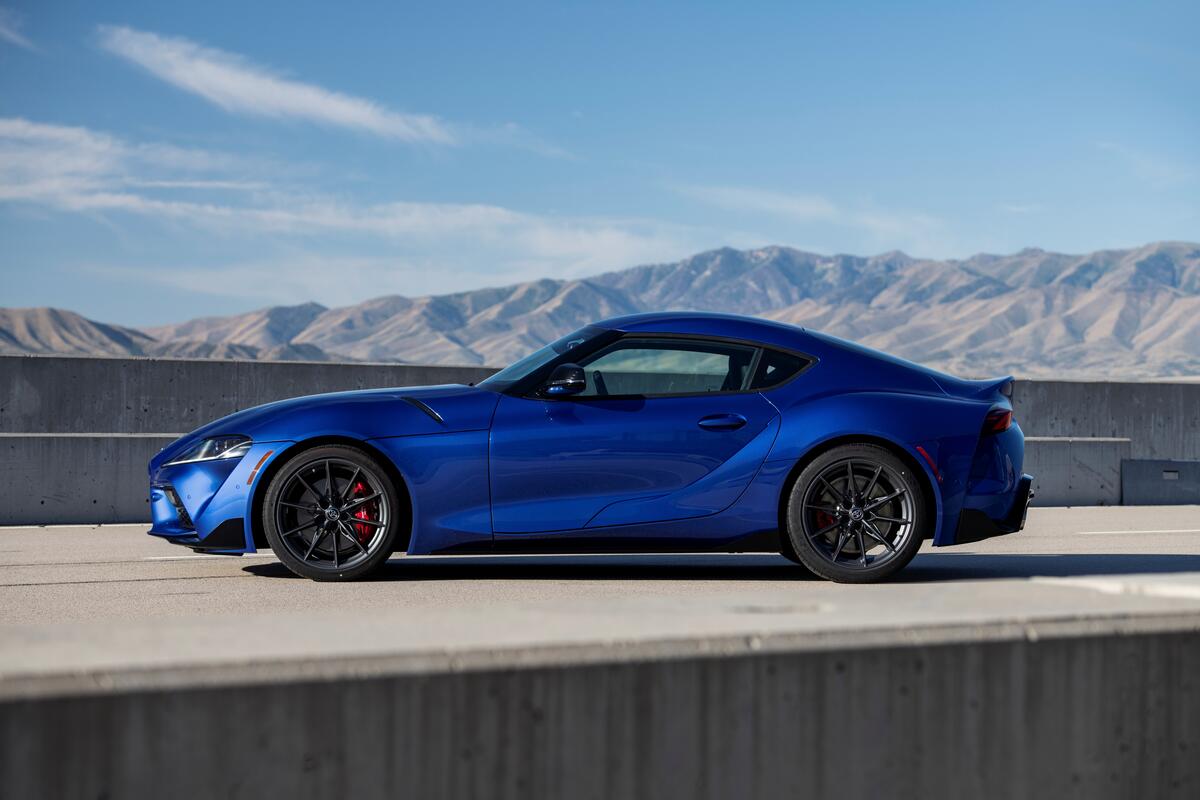
2023 Toyota Supra 2.0
"So I found a 2023 Toyota Supra 2.0. Can you believe this? Those are down under 30 grand. Here's the problem. They're not manual. It's an automatic."
This is a newer Toyota Supra sports car, but with a smaller 2.0-liter engine. The host points out that the engine layout affects how the car feels and how the weight sits over the front wheels.
The Toyota GR Supra is a modern sports coupe known for its performance-focused chassis and straight-six heritage. In this segment, the host is specifically talking about a 2023 Toyota Supra 2.0, which uses a smaller four-cylinder engine and changes the car’s balance compared with the traditional Supra powertrains.
front axle
"its four cylinder sits a little bit back behind that front axle. And the weight balance in the nose is just a little bit more delicate, I feel like."
The front axle is basically where the front wheels are. Where the engine sits compared to that point affects how the car feels, especially the balance at the front.
The front axle is the line/assembly associated with the front wheels, and it’s a reference point for measuring where major mass sits in the car. Moving the engine rearward relative to the front axle changes weight distribution, which can make the nose feel more or less delicate.
weight balance
"And the weight balance in the nose is just a little bit more delicate, I feel like."
Weight balance means how the car’s weight is spread out. If more weight is toward the front (or shifts slightly), the car can feel different when you turn or brake.
Weight balance refers to how a car’s mass is distributed front-to-rear and side-to-side. The host connects the Supra 2.0’s engine placement to a more delicate front-end feel, which is a handling characteristic enthusiasts pay attention to.

S2000
"Because what you're really looking for [2767.7s] is a new version of an S2000. [2769.4s] Small, manual, lightweight, rear-wheel drive, [2771.9s] and high-revving engine doesn't really exist currently."
The Honda S2000 is a classic roadster known for revving very high and feeling very connected to the driver. The host is saying there isn’t a modern car that perfectly recreates that same recipe.
The Honda S2000 is a lightweight, rear-wheel-drive roadster famous for its high-revving engine and manual-friendly driving feel. Here, the host argues that a “new version” of that exact formula—small, manual, lightweight, rear-wheel drive, and high-revving—doesn’t really exist in today’s lineup.
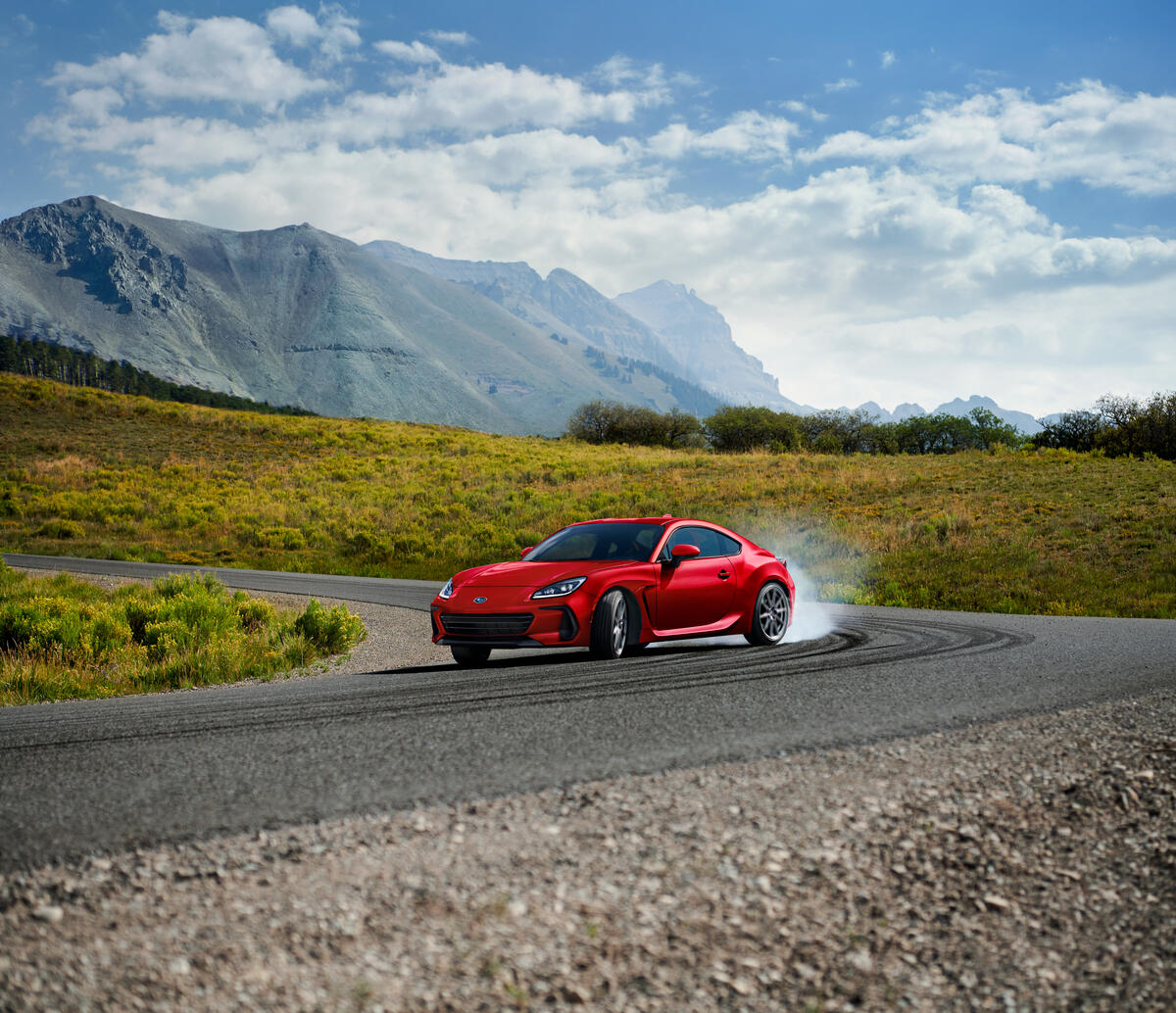
2023 Subaru BRZ Premium
"I've got a 2023 Subaru BRZ Premium for 28.7 with 25,000 miles."
The Subaru BRZ is a small sports car that’s made to feel fun and balanced, especially in how it turns. Here, they’re talking about a 2023 BRZ Premium and whether the engine is happier when you don’t change it.
The Subaru BRZ is a lightweight, rear-wheel-drive sports coupe built around a naturally aspirated boxer engine and a focus on steering feel. In this segment, the host is discussing a 2023 BRZ Premium as a practical alternative in the BRZ/GR86 family, including how the engine behaves when left stock versus modified.
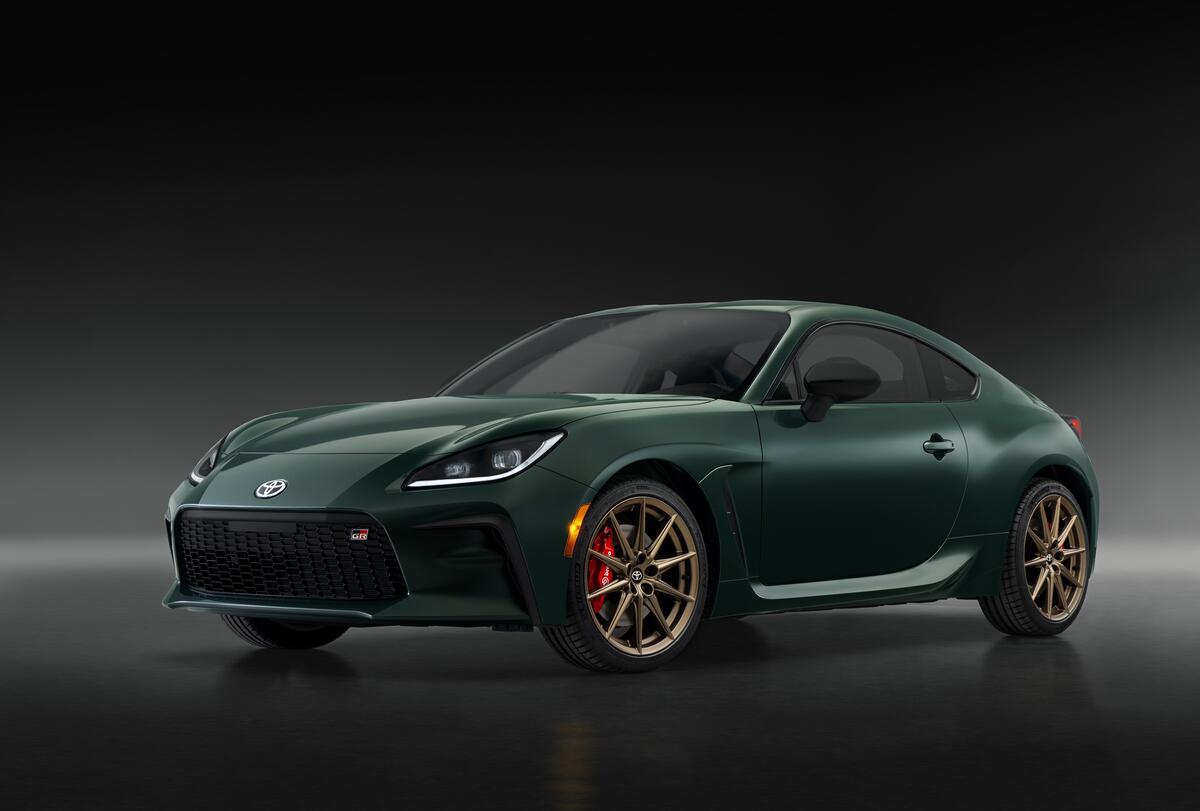
2023 GR86 Premium
"Or get yourself a 2023 GR86 Premium for 26.3 with 23,000 miles."
The GR86 is Toyota’s version of the same kind of fun, small sports car as the BRZ. In this segment, they’re recommending the 2023 GR86 Premium and saying the newer generation is better and less likely to have issues if you don’t mess with the engine.
The Toyota GR86 is the Toyota-branded twin of the Subaru BRZ, also built around a naturally aspirated boxer engine and a driver-focused chassis. The discussion contrasts first- vs second-generation behavior and argues that the second-gen GR86 is improved enough that you’re less likely to need engine tuning to avoid problems.
first gen
"You said you drove a first gen. You loved the handling, but you thought the engine was uninteresting."
“First gen” means the original version of that model, before the newer redesign. They’re saying the early BRZ/GR86 was fun to drive, but the engine felt less exciting than what came later.
“First gen” refers to the first production generation of a model line, before later updates. In this segment, the host says they drove a first-generation BRZ/GR86 and liked the handling, but found the engine less compelling—then argues the second generation improved the engine and overall ownership experience.
Request an Explanation
Heard something you'd like explained? We'll add it to this episode.
Sign in to request explanations for terms you heard.
Want to learn more?
Browse our glossary for plain-English explanations of automotive terms, jargon, and concepts.
Help improve this episode
See something that's not quite right? Our annotations are AI-generated and can sometimes miss the mark. Click the flag icon on any annotation to suggest a correction.