Manual Ferrari 12Cilindri, New BMW X5, What’s After Subaru? | Episode 1,053
About this episode
The hosts return with a lively mix of listener-driven data talk and fresh automotive news. A big focus is Ferrari’s new “manual” 12Cilindri setup: a gated-feel shifter and clutch/shift-by-wire inputs layered onto an existing dual-clutch gearbox, aiming to recreate the classic Ferrari engagement without a true mechanical manual. They debate whether it’s magic or “fakery,” and tie it to Ferrari’s broader product turbulence, including the controversial Luce EV. The episode also nods to BMW’s X5 news and asks what comes after Subaru.
gated manual
"Ferrari I think contributed to not saving the manuals back when they Discontinued transmissions because 2% of their buyers were actually opting in right and I also want to say that something We've said a couple times is that Ferrari? Missed some magic by getting rid of the gated manual"
A gated manual is the classic stick-shift setup where you move the shifter into specific gear slots. It feels more mechanical and direct than automated shifting systems.
A gated manual is a traditional manual transmission where the shift lever moves through a defined “gate” pattern that matches the gear positions. It’s the classic feel of mechanically selecting gears, rather than using an automated system to do the shifting.
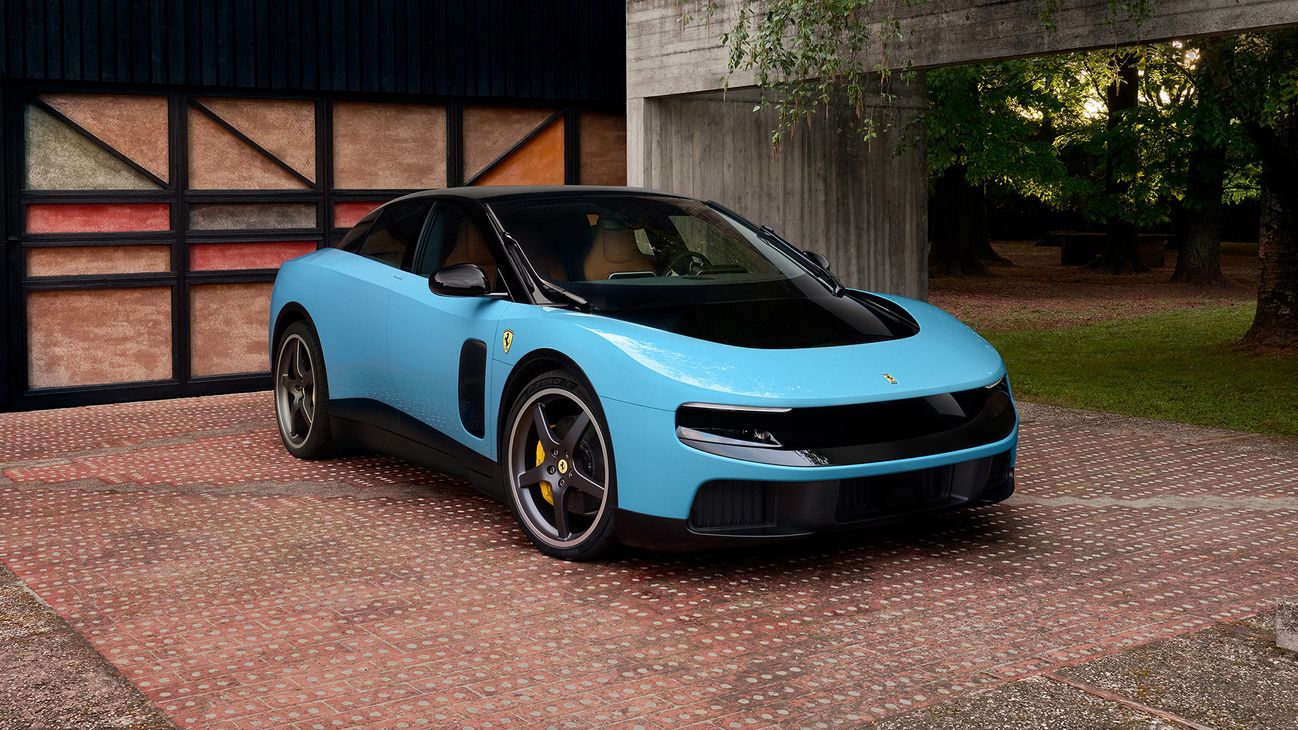
Ferrari Luce
"...nyway, let's move on yeah We don't know about the luce and it it's a Honda minivan that weirdly has a Fe..."
The Ferrari Luce is mentioned as a car the hosts aren’t sure about. They describe it as having a strange, minivan-like look. The episode doesn’t provide much detail beyond that uncertainty.
The Ferrari Luce is referenced in the podcast as something they don’t know much about, with the comparison made to a minivan-like form factor. The hosts treat it as uncertain or unfamiliar, suggesting limited details in their discussion. It’s brought up briefly as a curiosity rather than a deep technical topic.
dual clutch transmission
"they're saving it so hard saving it so hard The thing they're they're faking it, but anyway, let's move on yeah ... it's an overlay of manual engagement On the same dual clutch they already have without actually making a full manual"
A dual-clutch transmission is an automatic that shifts very quickly. It uses two clutches so it can line up the next gear ahead of time.
A dual clutch transmission (DCT) uses two clutches to pre-select the next gear, allowing very fast shifts with minimal interruption to power. It’s common in performance cars because it can shift quicker than a typical human can with a conventional manual.
clutch by wire pedal
"This is a very interesting mix of technology going on here and they're gonna sell every one of them ... This is an eight-speed F1 dual clutch transmission with a clutch by wire pedal and"
Clutch-by-wire means the pedal isn’t mechanically connected to the clutch. Instead, it sends electronic signals, and the car controls how the clutch engages.
A clutch-by-wire pedal replaces a direct mechanical linkage with electronic control signals to operate the clutch. This lets the car’s software manage clutch engagement precisely, which is useful for blending “manual feel” with automated hardware.
manual by wire control lever
"A six-speed manual by wire control lever No mechanical linkage for either So the shift lever and clutch only provides signals for the shifting of the first"
Instead of cables or rods physically moving the gearbox, the shifter sends electronic signals. The computer then tells the transmission what to do.
A “manual by wire” setup uses electronic signals instead of mechanical linkages to control the gearbox. The shift lever doesn’t directly move the transmission internals; it sends commands that the car’s control system translates into gear changes.
mechanical linkage
"No mechanical linkage for either So the shift lever and clutch only provides signals for the shifting of the first Six gears of the eight-speed DCT plus reverse"
Mechanical linkage is the physical connection between your controls and the gearbox. If there’s no linkage, the car uses electronics to make the change happen.
“Mechanical linkage” refers to the physical parts (like rods/cables) that directly connect the shifter/clutch to the transmission. When it’s absent, the car relies on sensors and actuators to perform the gear change.
eight-speed DCT
"So the shift lever and clutch only provides signals for the shifting of the first Six gears of the eight-speed DCT plus reverse You can also switch to automatic mode when you want to take advantage of the remaining two gears without paddles on the steering wheel"
A DCT is an automatic gearbox with two clutches. It can line up the next gear ahead of time, so shifts feel quicker.
DCT stands for dual-clutch transmission, which uses two clutches to pre-select the next gear for fast shifts. An “eight-speed DCT” means it has eight forward ratios plus reverse, typically delivering quicker, more consistent shifts than a conventional automatic.
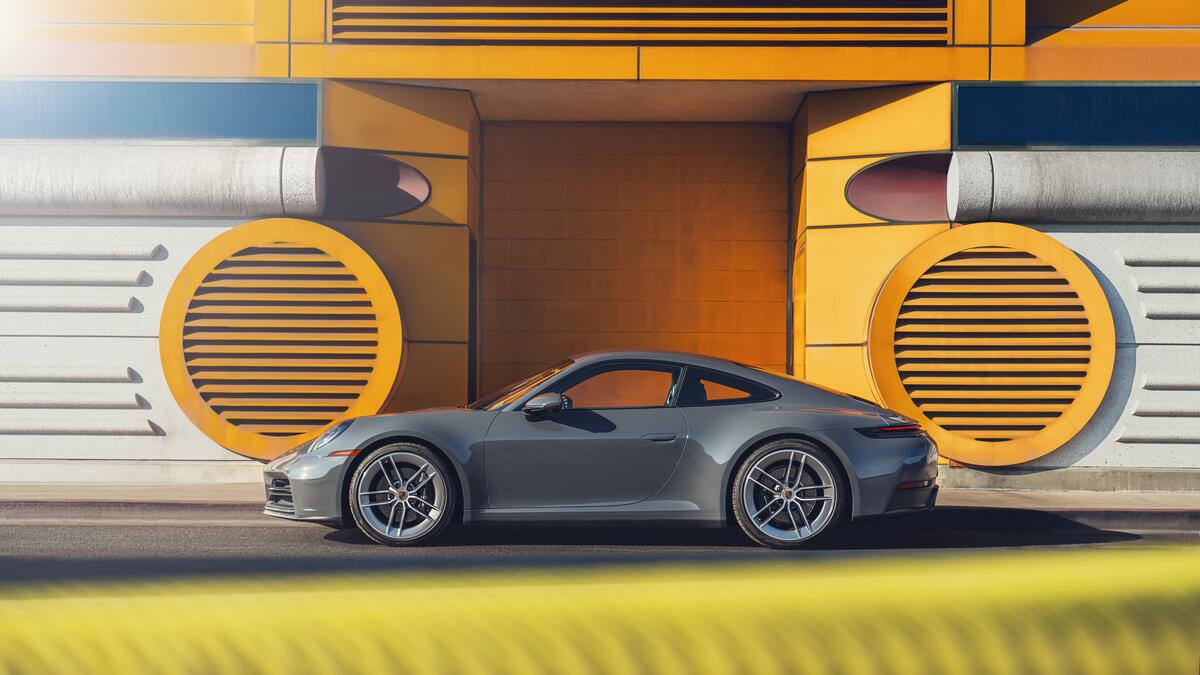
991 generation cars
"And on 991 generation cars when those came out Porsche made a seven-speed manual transmission Out of shared parts from the 997.2 DCT the PDK the main shaft output shaft differential some of the gears and the synchronizer mechanisms were shared from that"
“991” is Porsche’s internal generation code for the 911. The point here is that Porsche offered a seven-speed manual on those 911s, and the discussion is about what manual feel was lost or changed.
The “991 generation” refers to the Porsche 911 (991). In this segment, the host is discussing how Porsche used a seven-speed manual transmission on those cars when they were introduced, and how that relates to the current debate about bringing back a more traditional manual feel.
main shaft output shaft differential
"DCT the PDK the main shaft output shaft differential some of the gears and the synchronizer mechanisms were shared from that But this strikes me is still a little bit different and even more complicated because"
These are key parts that move power from the transmission to the wheels. The differential is what lets the wheels turn at different speeds when you’re cornering.
This phrase points to core drivetrain components: the main shaft and output shaft that transmit torque through the gearbox, and the differential that allows the driven wheels to rotate at different speeds. Sharing these parts can reduce development cost while keeping performance characteristics similar.
synchronizer mechanisms
"DCT the PDK the main shaft output shaft differential some of the gears and the synchronizer mechanisms were shared from that But this strikes me is still a little bit different and even more complicated because"
Synchronizers help the gearbox gears spin at the right speed before they lock together. That’s what makes shifting smoother instead of crunchy.
Synchronizer mechanisms are parts in manual transmissions that match gear speeds before engagement, making shifts smoother and preventing grinding. In dual-clutch or hybridized systems, related mechanisms may still be used depending on the gear-selection strategy.
gated shifter
"what if we created a button that tells you I'd like this gear now in the form of a gated Looking manual in the form of a gated looking shifter and a button in the form of a clutch pedal that tells you okay We're about to change gears now."
A gated shifter is the normal manual-gear pattern you feel through the lever. The shifter physically guides you into the right gear slots.
A gated shifter is a traditional manual-style shift lever with a physical “gate” pattern that restricts lever movement to the correct gear positions. Enthusiasts often associate the feel of a gated shifter with classic mechanical manuals.
product problem
"But anyway that kind of experience with ugly, too [526.8s] But I also want to say this though the luce's issue is not a marketing problem. That's a product problem."
The host is saying that if people don’t like the car, it’s not just because the company didn’t advertise well. The car itself has to be good enough to sell.
“Product problem” is the idea that poor sales or negative reception come from the product itself—its design, performance, features, or overall appeal—rather than from how it’s marketed. The host contrasts this with “marketing,” arguing that even strong promotion can’t fix a fundamentally unappealing car.
EV
"Ferrari Bringing back the manual, but it's simulated and providing their first EV"
An EV is an electric car that runs on electricity from a battery. The hosts are pointing out that Ferrari is making its first electric car, which is a big deal for the brand.
EV stands for “electric vehicle,” meaning the car is powered primarily by one or more electric motors instead of a gasoline engine. The segment frames Ferrari’s “first EV” as a notable product milestone, especially because it’s being discussed alongside a manual-like experience.

Ferrari 12Cilindri
"So continuing on with Ferrari's apology to her [614.8s] Very good very good good news everyone. Yes, it's back the manual week ... [717.3s] They figured out a way to introduce a manual keeping the same level of power"
The Ferrari 12Cilindri is a Ferrari with a 12-cylinder engine. Here, the hosts are talking about how Ferrari is trying to make the car feel like a real manual to drive, even though some parts are controlled electronically.
The Ferrari 12Cilindri is a modern Ferrari with a 12-cylinder engine and a focus on driver feel, which is why the “manual week” conversation matters. In this segment, they’re discussing how Ferrari is bringing back a manual-style experience while still using electronic clutch and shifting control.
clutch engagement
"My questions have to do with a clutch engagement because again the center block apparently is the [636.4s] Engineering the the centerpiece that the engagement and the feel is centered around for this as is the clutch"
Clutch engagement is the moment the clutch starts grabbing as you engage it. If it feels abrupt or smooth, that’s what people mean by clutch engagement.
Clutch engagement is how the clutch transitions from disengaged to fully connected when you move the pedal/command. It strongly affects drivability because it determines how smooth the take-up feels and how quickly the car responds.
shift by wire
"And so they've worked very hard on the shifter feel even though it's still clutch by wire and shift by wire [648.9s] Now on the clutch by wire, I was thinking about the powered clutches on sim rigs"
Shift by wire means your gear changes are handled electronically. Instead of a purely mechanical connection, the car translates your shift input into electronic commands.
Shift by wire is an electronically controlled gear-shifting system where the driver’s input is converted into commands for actuators. It allows precise control of shift timing and can be calibrated to mimic traditional manual behavior.
shifter feel
"And so they've worked very hard on the shifter feel even though it's still clutch by wire and shift by wire [648.9s] Now on the clutch by wire, I was thinking about the powered clutches on sim rigs"
Shifter feel is how the gear lever feels in your hand—how heavy it is, how it moves, and how it responds. Even if the system is electronic, manufacturers can tune that feel.
Shifter feel refers to the physical and tactile characteristics of the gear lever—how it moves, how resistance changes, and how it “communicates” the shift. With electronic clutch/shift systems, engineers can tune shifter feel to better match what drivers expect from a conventional manual.
powered clutches
"Now on the clutch by wire, I was thinking about the powered clutches on sim rigs and had a conversation with a friend [656.0s] Just recently and she and I were discussing"
Powered clutches are the electronically controlled clutch systems you might find in a racing simulator. They can be adjusted to feel more like different cars, which is why the host brings up the comparison.
Powered clutches are motor-driven clutch mechanisms used in sim racing setups to replicate real clutch behavior. The point here is that sim rigs can let users adjust clutch engagement/feel, raising the question of whether a real car can be similarly tuned.

550 A550 Marinello
"It just it feels like this because we say it does you're right because clutch by wire and the manual on this Well, does it feel like a 550 marinello? Well, no, it feels like a 12-cylindry Cylindry manual. What does that feel like this? You're right. You're right. Oh, okay"
The Ferrari 550 Maranello is a high-performance Ferrari sports car with a V12 engine. The podcast talks about how the driving controls feel and how it compares to what you’d expect from a V12. It’s mentioned because it left a strong impression while driving.
The Ferrari 550 Maranello is a V12-powered Ferrari sports car known for its classic feel and performance character. The episode specifically mentions clutch-by-wire with a manual setup and compares how it feels versus expectations, describing it as feeling like a V12 experience. It’s discussed as a memorable driving impression tied to the car’s engine and controls.
PDK
"Porsche is going to look at their PDK and be like well Ferrari did it with their DCT"
PDK is Porsche’s dual-clutch automatic transmission. It can shift quickly, and the car can be programmed to feel more like a manual when you use the shifter or paddles.
PDK is Porsche’s name for its dual-clutch transmission. The key idea is that Porsche can use the fast-shifting DCT hardware, then tune the software and controls to mimic a manual’s feel.
clutch feel
"There is something about the actual engagement you pushing on a clutch and you feeling it connect to things or disconnect things"
Clutch feel is how the clutch pedal and engagement “bite” when you press it. The hosts are saying that even if the gearbox isn’t a true manual, the car can be tuned to make that pedal feel more like a real clutch.
Clutch feel is the driver-perceived sensation of the clutch engaging and disengaging—how the pedal resistance and bite point behave. Even with automated gearboxes, manufacturers can tune clutch actuation and pedal response to simulate that engagement sensation.
clutch springs
"A lot of owners didn't like the clutch feel and there was a standard way for you to Change the springs on the back of the clutch and a lot of people liked it better"
Clutch springs help determine how heavy or light the clutch pedal feels and where it starts to grab. Swapping or adjusting the springs can make the clutch feel better to some drivers.
Clutch springs (in this context, pedal/actuation springs) affect the resistance and “bite” characteristics of the clutch engagement. Changing spring weight or removing one can alter how the pedal feels, which is why owners may prefer one setup over another.
automatic mode
"So this is white when it's in automatic mode and it turns amber when you push in the clutch"
Automatic mode is when the car decides the shifting for you. They’re describing how the car’s display changes color depending on whether you’re in that automatic behavior or actively pressing the clutch.
Automatic mode is the gearbox/drive mode where the car controls shifting on its own rather than waiting for driver commands. The segment uses it to describe how the car’s interface changes state when the clutch is pressed.
mechanical lockout
"I would also like to see a nice little Mechanical lockout for that reverse there [852.1s] I think that would really add to it and then you see once you're in the sixth gear you go to drive mode"
A mechanical lockout is a built-in safety feature that stops you from accidentally selecting the wrong gear. Here, the idea is to make reverse harder to engage by mistake.
A mechanical lockout is a physical safety mechanism that prevents an incorrect gear selection—like blocking reverse from being engaged accidentally. In this context, the host wants a lockout specifically for reverse to reduce confusion and protect the drivetrain.
drive modes
"You've got the drive modes down here So you can go to reverse or drive mode for the top two gears for cruising [865.8s] And then ostensibly launch mode for the L button I guess if you want to go to launch"
Drive modes are different settings you can choose that change how the car feels and responds. For example, they can make the throttle more aggressive or more relaxed.
Drive modes are selectable settings that change how the car behaves—typically throttle response, shift behavior (on automatics), steering feel, and sometimes traction control calibration. The host is describing how the car’s mode selection changes what the car does after you’re in a certain gear.
launch mode
"And then ostensibly launch mode for the L button I guess if you want to go to launch [871.1s] Yeah, I can't imagine it's gonna be the old low mode that you had an old automatic"
Launch mode is a setting meant to help the car accelerate harder when you start from a stop. It adjusts the car so it’s ready to “go” quickly.
Launch mode is a driving setting designed to maximize acceleration from a stop by optimizing engine response and drivetrain behavior. The host ties it to an “L button,” implying a dedicated mode for getting the car moving quickly.
manuals are super duper saved
"Future cars are going to be even more desirable because manuals are super duper saved They're like so extra saved. It's not even funny a speaking of things saved or coming back [931.4s] I have to jump to something real quick"
The host is basically saying manual cars are getting harder to find, so people value them more. It’s an enthusiast “save the manuals” sentiment.
This is the host’s playful way of saying manual transmissions are becoming rarer and therefore more desirable. The underlying concept is that “manuals” have become a niche enthusiast feature worth preserving.

Hyundai Elantra
"Hyundai has shown in their in their home market. They have shown an updated Elantra ... So the new Elantra supposedly has got these really crazy extra fenders and looks pretty cool"
The Hyundai Elantra is a common, everyday compact car. Here they’re talking about a new version with a more dramatic look—especially around the fenders.
The Hyundai Elantra is a mainstream compact sedan that Hyundai updates frequently with new styling and tech. In this segment, the hosts focus on a new Elantra design direction with more aggressive bodywork, including “extra fenders.”
rear-wheel drive
"This is the actual Hyundai launch photos for their local looks rear-wheel drive ... It doesn't really drive, but okay."
Rear-wheel drive means the back wheels get the power. It can make the car handle differently than cars where the front wheels do the driving.
Rear-wheel drive (RWD) means the engine sends power to the rear wheels. That typically changes how the car feels in cornering and traction compared with front-wheel drive, because the rear axle is doing the work.

Honda Element
"the rumor mill suggests that Honda really is bringing back the element ... They're talking about it being a hybrid which makes sense"
The Honda Element was a weird-looking but super practical Honda with a flexible, cargo-friendly interior. The hosts are excited about rumors that Honda might reintroduce it with modern tech, possibly as a hybrid.
The Honda Element is a boxy, highly practical compact SUV/crossover known for its “camping” vibe and flexible interior—especially the seats that fold down to create a flat, cargo-friendly space. The hosts are discussing rumors that Honda could bring it back in a modernized form, potentially as a hybrid.
hybrid
"Because this would be such a cool thing to have back in a modernized form. They're talking about it being a hybrid which makes sense"
A hybrid uses a gas engine and an electric system together. The idea here is that a new Honda Element could use that combo to be more efficient than the original.
A hybrid vehicle uses both an internal-combustion engine and an electric motor/battery to improve efficiency and reduce fuel use. In this context, the hosts are saying a modern Honda Element could return as a hybrid to fit today’s regulations and consumer expectations.
fuel cell electric
"Drive train options gas powered battery electric vehicle plug-in hybrid diesel and fuel cell electric powered by hydrogen"
A fuel-cell electric car makes electricity using hydrogen. It still drives like an electric car, but it “refuels” with hydrogen instead of plugging in.
Fuel cell electric vehicles (FCEVs) generate electricity onboard using hydrogen. Instead of storing electricity from a plug-in charge, they convert hydrogen into electricity through a fuel cell to power the electric drivetrain.
battery electric vehicle
"Drive train options gas powered battery electric vehicle plug-in hybrid diesel and fuel cell electric powered by hydrogen"
A battery electric vehicle is a fully electric car. You charge it by plugging it in, and it doesn’t use gasoline.
A battery electric vehicle (BEV) is powered entirely by an electric motor drawing energy from a large battery. It’s recharged by plugging into charging equipment rather than using a gasoline engine.
estimated range
"It's got an estimated range 435 miles 570 horsepower and 593 pound-feet of torque this"
Estimated range is how far the car thinks it can go before it needs charging or refueling. Real-world results can be different depending on driving conditions.
Estimated range is the projected distance a vehicle can travel on a full battery charge (or full tank, depending on the powertrain). It’s an expectation based on testing and assumptions, not a guaranteed real-world number.
torque
"It's got an estimated range 435 miles 570 horsepower and 593 pound-feet of torque this"
Torque is the “pulling strength” that helps the car accelerate. Higher torque usually means the car feels stronger when you start moving or press the pedal.
Torque is the twisting force the drivetrain produces, and it strongly influences how quickly a car accelerates, especially from low speeds. The host quotes torque in pound-feet, which is a common US unit for engine and motor output.
winglet
"I do have to come down on one thing real quick and I have to say you know what these little winglet Fin things that we're doing as door handles were a disaster on the Mustang Mach-E."
A winglet is a small fin meant to affect airflow. Here, the host is saying the fin-like door-handle design looks bad and didn’t work well on another EV.
A winglet is a small fin-like aerodynamic piece used to shape airflow. In this context, the host is criticizing “winglet fin things” used as door handles, arguing they look and function poorly compared to a previous implementation on the Mustang Mach-E.

Mustang Mach-E
"these little winglet Fin things that we're doing as door handles were a disaster on the Mustang Mach-E."
The Mustang Mach-E is Ford’s electric SUV. The host is using it as an example of a door-handle design they think looks bad and doesn’t make sense.
The Ford Mustang Mach-E is Ford’s electric crossover, and this segment references it as an example of a design the host dislikes. Specifically, they call out the Mach-E’s door-handle “winglet fin” styling as a failure they don’t want repeated on the BMW.

New BMW X5
"But I always felt like it was not a good way to execute a door handle, but okay... look at what they're doing the interior. I think the Neue class interior is very successful already... Hydrogen the reality of these is they're all gonna be crazy fast and the V8 powered M Performance version is forthcoming."
The BMW X5 is a popular luxury SUV. In this part, they’re talking about the newest version and how it’s being offered with different powertrains, including an electric model and a mild-hybrid gas model. They also mention a future high-performance M version with a V8.
The BMW X5 is BMW’s midsize luxury SUV, and this segment focuses on the latest generation’s design and powertrain lineup. The host compares the electric and mild-hybrid variants, plus the upcoming V8-powered M Performance version, which is a big deal for enthusiasts who want traditional engine character in an SUV.
aerodynamic
"They look touch sensitive here and they look a little bit more aerodynamic instead of just like a button"
Aerodynamic just means the car is shaped to move through air more easily. Less air resistance can help efficiency and how the car feels at speed.
Aerodynamic refers to how air flows around the vehicle, which affects drag, stability, and efficiency. The host connects the BMW’s design choices (like winglets and cleaner surfaces) to a more aerodynamic shape rather than purely decorative features.
touch sensitive
"They look touch sensitive here and they look a little bit more aerodynamic instead of just like a button"
Touch-sensitive means you interact with a surface by touching it, instead of pressing a physical button. The host is saying the BMW’s exterior control areas look like they work this way.
Touch-sensitive controls use capacitive or similar sensing so the driver interacts with a surface rather than pressing a traditional mechanical button. In exterior design, this can be used for elements like door-handle areas or lighting controls, changing both usability and the look of the car.
wheels up to 23 inches
"Instead of the double X or you can choose that wheels up to 23 inches in size and the X5 50 EX drive bumps to"
Wheel size is how big the wheels are. Bigger wheels (like 23 inches) usually change the tire shape and can make the car look sportier, but they can also affect ride comfort.
Wheel size is measured in inches across the wheel diameter, and larger wheels typically allow for lower-profile tires. The host mentions up to 23-inch wheels as part of the new X5’s spec range, which can affect ride comfort, steering feel, and appearance.
B58 engine
"the regular Gas-powered X5 using an updated B58 engine and new turbocharger makes 394 horsepower"
The B58 is BMW’s inline-six engine used in a lot of their cars. Here, the host is saying the X5’s gas version uses an updated version of that engine.
The BMW B58 is a well-known inline-six engine family used across multiple BMW models. In this segment, it’s referenced as the updated gas engine behind the X5 40’s output, and it’s paired with a new turbocharger and mild-hybrid system.
turbocharger
"using an updated B58 engine and new turbocharger makes 394 horsepower 428 pound-feet of torque"
A turbocharger is a device that squeezes more air into the engine. More air lets the engine make more power, especially when you accelerate.
A turbocharger forces more air into the engine using exhaust-driven turbine power, which helps it make more torque and power from a smaller displacement. The host mentions a new turbocharger on the gas-powered X5 as part of the updated powertrain.
Crank-shaft mounted starter generator
"with a 48 volt mild hybrid system a Crank-shaft mounted starter generator and those are the X5 40 miles"
This is a motor-generator connected to the engine. It helps start the car and also helps add power when needed, while also recharging the battery when you slow down.
A crank-shaft mounted starter generator is an electric machine integrated with the engine’s crankshaft area. It can start the engine and also generate electricity during deceleration, while in mild-hybrid mode it can provide torque assistance.
hydrogen
"then diesel Hydrogen the reality of these is they're all gonna be crazy fast"
Hydrogen here means a car that uses hydrogen to make electricity onboard. It’s different from a gas engine and different from a battery-only electric car.
Hydrogen in automotive usually refers to hydrogen fuel-cell vehicles, which generate electricity onboard by combining hydrogen with oxygen. The host mentions hydrogen as part of the broader X5 powertrain future, alongside EV and conventional fuels.
V8 powered M Performance version
"the reality of these is they're all gonna be crazy fast and the V8 powered M Performance version is forthcoming."
BMW’s M Performance versions are the sportier, higher-output versions of certain models. The host is saying a future X5 will get a V8 engine, which is notable because many new cars are moving away from big engines.
An M Performance version is BMW’s performance-focused trim line that typically sits between regular models and the full M cars. The host specifically highlights a forthcoming V8-powered variant, implying a traditional high-output engine choice even as the lineup expands into electrification.

Neue Class
"...k at what they're doing the interior. I think the Neue class interior is very successful already Whatever you ..."
“Neue Klasse” is being talked about mainly for its interior design. The podcast says the inside of these new cars looks successful already. It’s mentioned as evidence that the new approach is paying off.
“Neue Klasse” refers to a new vehicle platform or program being discussed in terms of interior design success. The episode focuses on how the interior looks and how it’s already proving effective. It’s mentioned as a sign that the new direction is working.

4Runner Forerunner
"... might be a little large But you know, I've got a forerunner with a giant screen in it So at least this looks ..."
The Toyota 4Runner is an SUV made for everyday driving and rougher conditions. It’s known for being a bit larger and more rugged than many crossovers. The podcast mentions it because the host has one with a big screen and is comparing that experience.
The Toyota 4Runner is a midsize SUV known for rugged capability and a body-on-frame feel. In the episode, it’s referenced as a personal comparison point, with the host noting they have a 4Runner with a large screen. The mention is about how the vehicle’s size and tech feel in real life.
HUD
"look what they've done to get rid of the HUD and just integrate your speed"
HUD means head-up display. It shows important driving info on the windshield so you don’t have to look away from the road. The host is saying the new BMW interior is moving away from that.
HUD stands for head-up display, which projects key driving information onto the windshield so you can see it without looking down at the instrument cluster. The host says BMW is getting rid of the HUD and instead integrating the speed information elsewhere in the cockpit.
four spoke steering wheel
"But to this point I cannot connect with the four spoke steering wheel yet. It looks weird to me"
A four-spoke steering wheel is just a steering wheel design with four arms/spokes. They’re saying it looks a little unusual to them and affects how the dashboard and driver position feel.
A four-spoke steering wheel is a steering wheel design with four distinct spokes instead of the more common three. The hosts are reacting to how that layout visually frames the driver’s view and how it “feels” in the cockpit design.
door handles
"You just have handles you open the door you close the door. I think it's really great looking it does look good ... because there's no door handles to visually break it up"
Door handles are what you grab to open the car door. Here they’re talking about how removing or hiding the handles can make the car’s side look smoother and more streamlined.
Door handles are the exterior latch controls for opening a car door, and their placement can strongly affect a vehicle’s body-line design. This segment discusses a design approach that reduces visible door-handle clutter, making the side profile look cleaner and taller.
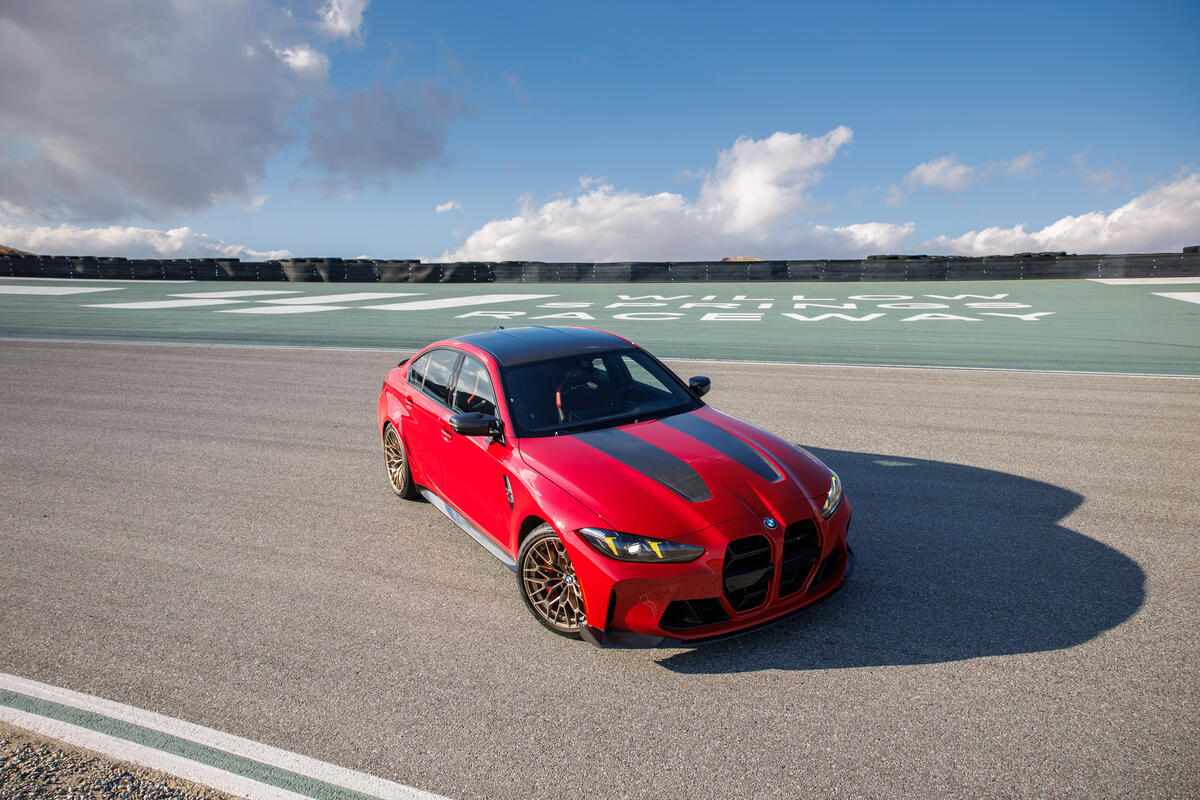
BMW M3
"We talked a couple podcasts ago about the new M3 that was teased at Le Mans"
The BMW M3 is BMW’s high-performance version of the 3 Series. They mention a new one that was teased at Le Mans, which is a big motorsport event—so it’s a hint that the car is aiming for real performance.
The BMW M3 is BMW’s performance sedan, and the hosts reference a “new M3” that was teased at Le Mans. That matters because BMW’s M models are typically engineered and marketed around track-derived performance, so a Le Mans tease signals a serious performance direction.
Le Mans
"We talked a couple podcasts ago about the new M3 that was teased at Le Mans"
Le Mans is a famous endurance race in France. Car companies use it to show off or tease performance cars because it gets huge attention from racing fans.
Le Mans usually refers to the 24 Hours of Le Mans endurance race in France, one of the most prestigious events in motorsport. Automakers use it as a high-visibility stage to tease performance cars and racing technology.
FCP Euro
"This family company is celebrating its 40th year serving DIY enthusiasts and remains focused on giving you a better ownership experience"
They’re talking about FCP Euro as a business that sells car parts and also helps customers with advice. The pitch is that it makes owning and maintaining a European car easier.
FCP Euro (as a company) markets a parts warranty/guarantee program and offers service-advisor help for DIY jobs. The hosts mention it as a way to improve the ownership experience for European enthusiasts.
genuine OE parts
"There's no better place for genuine OE parts for your European car and yes, even your sob [1407.1s] FCP Euro only sells products. They'd put on their own cars. So find the right part for yours"
“Genuine OE parts” are the same type of parts the car maker would use. They’re meant to fit correctly and work like the original parts.
“Genuine OE parts” means original equipment manufacturer components—parts built to the same specifications as what the car’s maker installed at the factory. For European cars especially, using OE-equivalent parts can matter for fitment, longevity, and how systems behave.
dream cars not good YouTube cars
"[1438.9s] But Carlos is saying that he thinks that dream cars are not good youtube cars [1445.2s] He has a small channel that he's working on that is called Carlos auto lab where he does a lot of long-term ownership reviews"
They’re talking about which cars are fun to own but not as fun to watch on YouTube, and which “boring” cars actually get the most views.
The hosts discuss a viewer-engagement question: which “dream cars” don’t translate well into YouTube content, versus which more boring cars tend to generate the best engagement. This is framed as a debate about what makes cars interesting on camera.

Ford Mustang GTD
"He's had for a while [1460.3s] He's driven a lot of other things [1461.8s] But he has a love for the Mustang and a few years ago [1464.6s] He sold a 2001 Mustang GT to get his dream car"
The 2001 Ford Mustang GT is a classic American V8 muscle car. Here it’s mentioned as the car Carlos sold to buy his dream car.
The Ford Mustang GT is a V8-powered “GT” trim known for being a popular enthusiast platform. In this segment, it’s used as the car Carlos sold before moving to a more niche “dream car.”

Datsun 240Z
"What are the most boring cars that somehow [1489.0s] Generate the best engagement and most watch videos 82 silicon my friend the video that we did on it just blew up [1494.8s] Well then an old 240 old 240z. We have that one did well as well"
The 240Z is a classic sports car from Datsun/Nissan’s Z lineup. In the discussion, it’s used as an example of a car that can still get views even if it’s not the most modern or flashy choice.
The Datsun 240Z (often just called the 240Z) is a classic early Z-car that became famous for its sporty styling and driving feel. Here it’s brought up as an example of an older, less “YouTube-friendly” car that still draws attention when featured.

Chevrolet Corvette
"Portia and Corvette content will always play the better numbers for u..."
The Chevrolet Corvette is a sports car made by Chevrolet. It’s built for fast driving and performance. The episode mentions it because people seem especially interested in Corvette-related content.
The Chevrolet Corvette is a sports car known for its performance and its long-running role as a flagship from Chevrolet. It’s often discussed because it attracts attention for strong numbers and enthusiast appeal. The podcast references Corvette content as tending to perform well with listeners.
first drive videos
"And now it's a little bit behind us. It'll happen another wave when you get the first drive videos of that [1745.4s] Oh, yeah, the the and the problem I'm pointing right at us"
“First drive videos” are the early review videos people post right after a new car comes out. They’re usually filmed during the first time reviewers get to drive the car and show what it feels like.
“First drive videos” are early review clips filmed when a new car is released to journalists or creators. They typically focus on initial impressions like acceleration, steering feel, braking, and how the car behaves in real-world driving.

Terminator Cobra Mustang
"The problem is your [1798.1s] Terminator cobra Mustang is and I'm not coming down on it because I mean people love the terminator"
The “Terminator Cobra Mustang” is a nickname for a particular era of Ford Mustang Cobras that are especially popular with enthusiasts. They’re known for being very fast and for having a supercharged V8.
“Terminator Cobra Mustang” refers to the late-1990s/early-2000s SVT Cobra Mustangs that became famous for their supercharged V8 performance and aggressive styling. In Mustang culture, it’s a specific, enthusiast-beloved generation rather than just “a fast Mustang.”

Toyota MR2
"The mr2 of any generation never got a lot of love Interesting. They're pure drivers cars. Yeah. Yeah the 12 cilindry manwally manual Is the purest expression of driving so as an mr2 spider"
The Toyota MR2 is a small, lightweight sports car that’s meant to be fun and engaging to drive. They’re saying the MR2 is one of those cars enthusiasts love because it feels connected and nimble.
The Toyota MR2 is a lightweight, driver-focused sports car known for its balance and “pure driving” feel. The hosts compare multiple MR2 generations and specifically call out the MR2 Spider, framing it as a car that’s fun to drive even if it’s not widely loved.
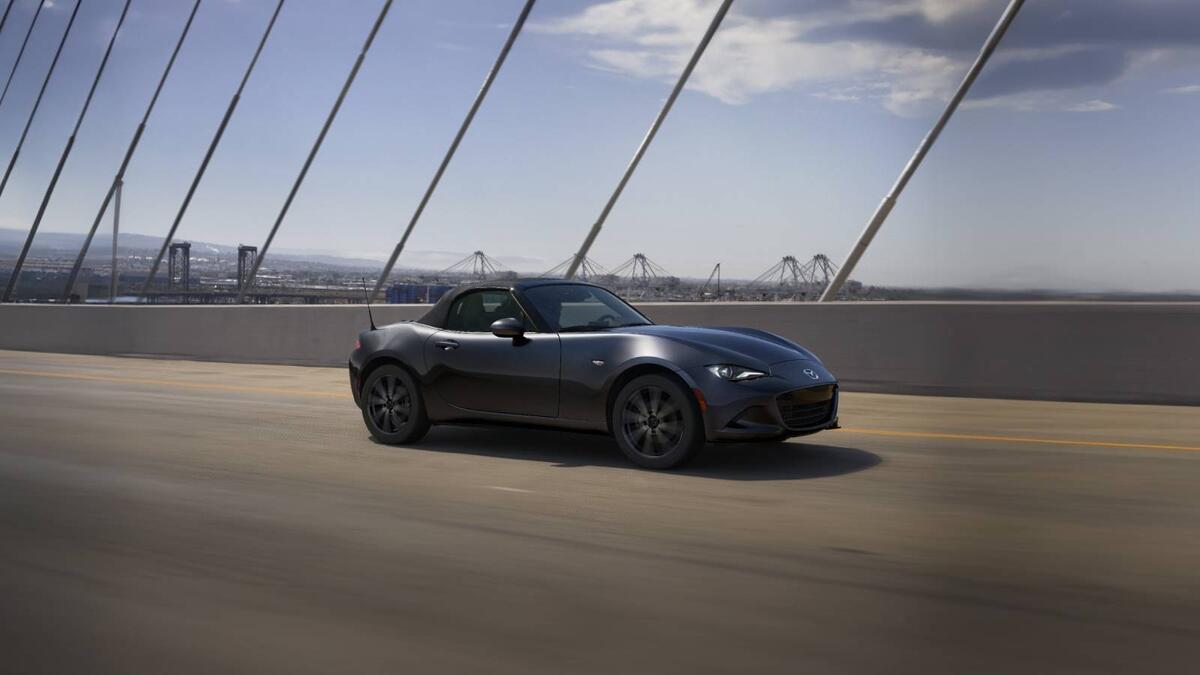
Mazda MX-5 / Miata
"...un driving experience. We don't shut up about the miata. No one cares Well, except for the people that al..."
The Mazda Miata (MX-5) is a small two-seat convertible. It’s made to be fun and easy to drive, with a focus on the driver. The podcast mentions it because they keep bringing it up as a great driving experience.
The Mazda MX-5, commonly called the Miata, is a lightweight two-seat roadster focused on driver engagement. It’s a frequent podcast subject because its simple, fun driving experience stands out to many enthusiasts. In this episode, the hosts emphasize how much they talk about the Miata and how it keeps coming up.

Dodge Neon SRT-4
"And then every time the dodge neon srt4 comes up everybody's like, oh, yeah [2087.4s] That's that's really quite good. I you know, I heard great things about it. I'm like, huh? [2091.9s] Yeah, I don't want ever want to"
This is a small Dodge hatchback that was tuned to be fast for the money. The speaker thinks it’s fun and well-liked by the right people, but it’s not a “viral” car for most viewers.
The Dodge Neon SRT-4 is a hot hatch built around a turbocharged engine and a performance-focused package that made it a surprisingly quick, budget-friendly alternative to pricier sports cars. The host’s point is that it’s a niche enthusiast car—great fun, but not the kind of mainstream subject that reliably gets huge YouTube views.

Toyota Prius
"Well, we we mw portion of these boxes when we did our six months long term on the new updated toyota prius Mm-hmm new Controversial etc etc"
The Toyota Prius is a hybrid car that’s famous for saving fuel in normal driving. Here, the hosts are talking about a long-term test of an updated Prius and how people’s opinions about it can make them less interested in watching videos about it.
The Toyota Prius is a hybrid car best known for popularizing high-efficiency everyday driving. In this segment, the hosts discuss a long-term test on an updated Prius and how its reputation affects whether people will watch content about it.
supercharger intake
"So you've got a battle that no the supercharger intake is taller than the roof now look watch Possibly."
A supercharger intake is the part that brings air into the supercharger. It matters because it’s part of how the engine gets the extra air needed for boost.
A supercharger intake is the ducting and inlet path that feeds air into a supercharger. Its height and shape can affect packaging, airflow, and how the car’s engine bay is designed.
Griot's garage
"The reason cars look great on our show comes down to one thing Griot's garage Whether you're a meticulous cleaner like me or a quick fumbler like Todd"
Griot's Garage makes car cleaning and detailing products. The hosts are saying they use these products to keep cars looking very clean and polished for the show.
Griot's Garage is an automotive detailing brand known for car-care products used to clean and protect paint and interior surfaces. The hosts mention it as the reason their cars look good on the show, highlighting products like foam cannons and headlight restoration.

1990 mazda miata
"1990 mazda miata classic red. This is a dedicated autocross car."
The Mazda Miata is a small, light sports car that’s famous for being fun to drive. This one is a 1990 model, and they’re using it for autocross, which is racing on a small course with lots of turns.
The Mazda Miata is a lightweight, rear-wheel-drive roadster known for being fun and easy to drive. A 1990 Miata is an early NA-generation car, and in this segment it’s described as a dedicated autocross setup, meaning it’s tuned for tight, short-course competition rather than comfort.
autocross
"1990 mazda miata classic red. This is a dedicated autocross car. He's got a 2013 Focus st in performance blue. That's the daily also pretty competitive in autocross"
Autocross is a kind of racing where you drive through a course made of cones. It’s usually on a flat area like a parking lot, and the goal is to be fast through lots of turns.
Autocross is a motorsport where cars race through a temporary course marked with cones, usually on a parking lot or airfield. Because the course is tight and low-speed compared to track racing, setup choices like tires, suspension, and brakes matter a lot for grip and responsiveness.
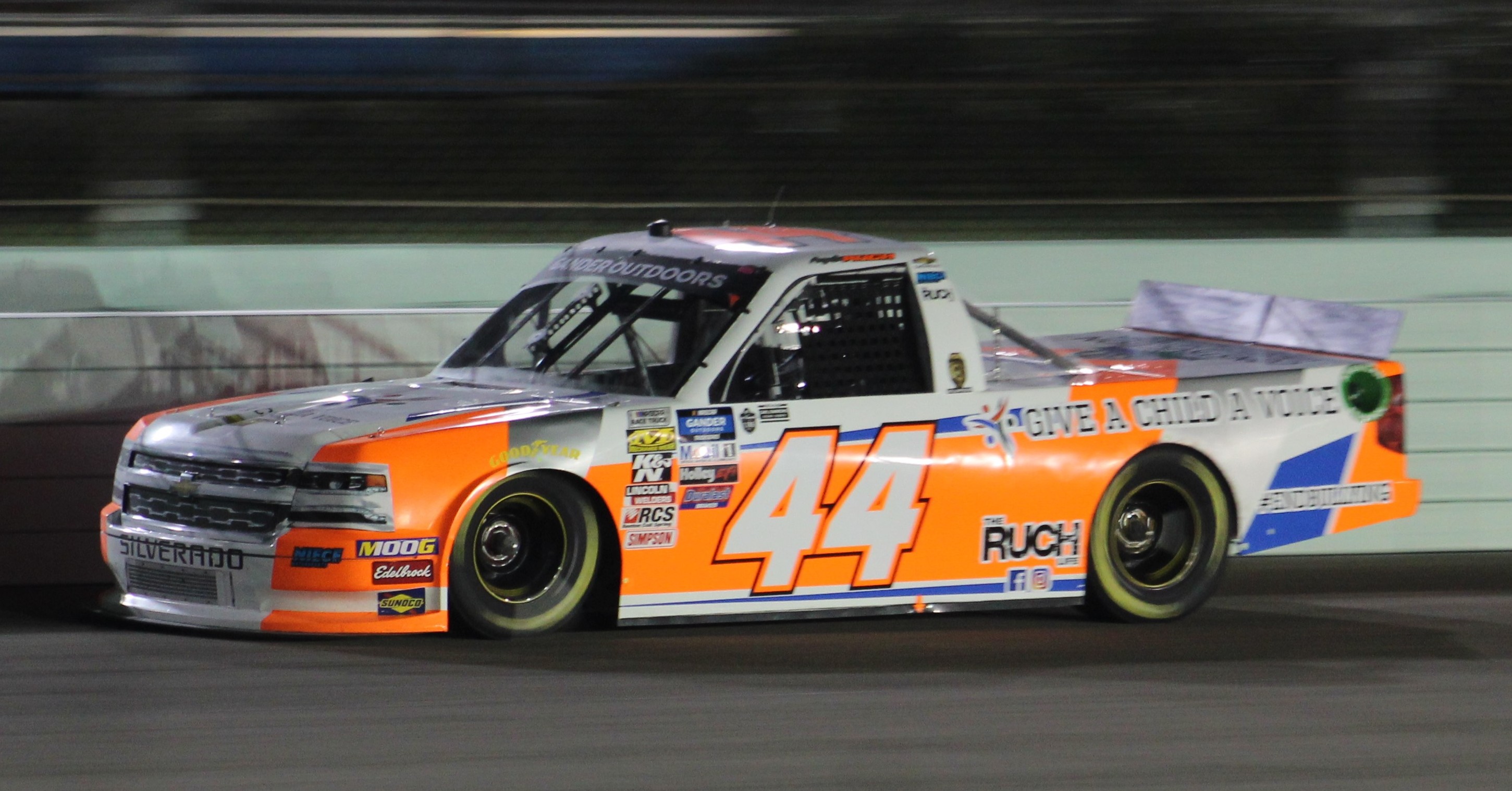
2004 chevy silvarado
"2004 chevy silvarado in champaña. That's the tow pig with 357 Thousand miles still has the original motor and transmission"
The Chevrolet Silverado is a big pickup truck. They’re describing this 2004 example as a tow truck that’s been kept for a very long time, even with the original engine and transmission.
A 2004 Chevrolet Silverado is a full-size pickup known for durability and heavy-duty use. In this segment it’s framed as a tow vehicle (“tow pig”) with a long-mileage example that still has its original engine and transmission, emphasizing the truck’s longevity when maintained.

Chevrolet Suburban
"...et's fix this come on chevy What you do is v it's suburbans corvettes and v8s. That's all they do. I know any..."
The Chevrolet Suburban is a large SUV designed to carry lots of people and gear. It’s often chosen when you need space and towing capability. In the episode, it’s brought up as a big V8-style vehicle.
The Chevrolet Suburban is a full-size SUV built for space and practicality, often used for family hauling and towing. It’s mentioned in the context of V8s and big American vehicles, highlighting its role in the lineup. The podcast frames it as part of the “what they do” category for certain Chevrolet models.
mod wise
"The sti is pretty far gone mod wise. Well, it sounds like so is the wrx not fun to drive on the street anymore"
“Mod wise” just means “how modified it is.” They’re talking about what upgrades or changes have been done to the car.
“Mod wise” is shorthand for how modified a car is—what aftermarket changes it has received. In enthusiast talk, it usually refers to performance and handling modifications rather than cosmetic changes alone.
rallycross wheels
"It's got rallycross wheels and track wheels"
Rallycross wheels are wheels chosen to handle the specific demands of rallycross-style driving, which often involves mixed surfaces and frequent acceleration/braking and cornering loads. They’re mentioned here alongside track wheels, implying the car has been set up with competition-oriented hardware.

Ford Focus ST
"He likes the focus st Does it stay or go he's not sure his commute is 12 minutes with no highways just town roads"
The Ford Focus ST is a sportier version of the Focus hatchback. They’re deciding if it’s worth keeping it for their daily commute.
The Ford Focus ST is a hot hatch built for driver engagement, typically featuring a turbocharged engine and a chassis tuned for sharper handling than a regular Focus. The host is weighing whether it stays or goes based on commute time and how often it gets used.

Jeep Grand Cherokee
"He regrets selling two of them a 94 Cherokee and a mint 99 grand Cherokee"
The Jeep Grand Cherokee is a bigger Jeep SUV. They’re mentioning a 1999 one they had that they really liked.
The Jeep Grand Cherokee is Jeep’s larger SUV, often chosen for comfort plus off-road ability. The host calls out a “99 grand Cherokee,” suggesting it was a particularly nice example they owned before selling.

Subaru Outback
"This could be the Replacing for the outback and it'd be a little more interesting as I was saying but that outback's brand new. It's 2025"
The Subaru Outback is a practical Subaru with all-wheel drive that’s great for trips and rougher roads. They’re talking about a brand-new 2025 one and whether it should stay in the lineup.
The Subaru Outback is a wagon-based crossover known for standard all-wheel drive and a strong reputation for road trips and light off-road use. Here it’s described as “brand new” (2025), and it’s central to the host’s vehicle replacement/commute discussion.

Porsche Cayenne
"maybe he sells the truck in the outback and gets his wife something like a Porsche Cayenne"
The Porsche Cayenne is Porsche’s SUV. They’re tossing it out as a possible “upgrade” option if they sell one vehicle and want something more interesting.
The Porsche Cayenne is Porsche’s performance-oriented SUV, known for having real driving dynamics compared with many luxury crossovers. In this segment, it’s mentioned as a potential replacement for the wife’s vehicle if the Outback/truck situation changes.

Ford Ranger
"Yeah, or does he keep the outback and grab a newer ford ranger? He's not sure. He's thinking out loud"
The Ford Ranger is a midsize pickup truck. They’re considering it as a newer alternative if they change what they drive day to day.
The Ford Ranger is a midsize pickup truck, often chosen for its practicality and off-road-friendly capability compared with smaller trucks. Here it’s part of the host’s “what should replace the truck” decision alongside the Outback and a Porsche Cayenne.
track days
"I will jump right in and ask you how many track days per year Do you run Michael? How much autocrossing are these cars?"
Track days are events where you drive your car on a real race track, but it’s not a competition. They’re usually about learning and having fun safely on a closed course.
Track days are events where drivers take their own cars onto a closed circuit to practice driving at speed, typically with coaching and open sessions. The host is asking how often they do track days versus autocross, which helps gauge how seriously they drive their cars.
tow rig
"You drive your autocross car to the autocross and then you don't need a tow rig Or maybe you're getting more into track days"
A tow rig is the truck/trailer setup you use to pull a car. If your autocross car can be driven on the street, you might not need to tow it at all.
A tow rig is the vehicle setup used to tow another car—typically a pickup plus trailer or tow equipment. The host is arguing that if your autocross car is street legal, you may not need a tow rig.

Audi Rs3
"But what if [2703.4s] You got an rs3 outie. I didn't expect that keep going. I mean if it's subaru all-wheel drive subaru out back or sorry [2710.3s] wrx owner, what if you graduated to one of these also quite unique?"
The RS 3 is a fast, sporty Audi hatchback. In this conversation it’s mentioned as a possible upgrade after owning a Subaru, suggesting you’d keep the fun but move into something more upscale and powerful.
Audi’s RS 3 is a high-performance compact built around a turbocharged engine and a sporty all-wheel-drive system. Here, “RS3 outie” is used as a hypothetical next step for someone coming from a Subaru WRX/STI-style ownership path, implying a move toward a more “grown-up” performance-luxury vibe.
whittling things down
"But I don't think you need the focus. I think we're whittling things down [2735.7s] And you entertain an rs3 outie which could be really unique and fun and"
It just means trimming down—choosing fewer cars and keeping only the ones you really want. The host is talking about simplifying a driveway by getting rid of some cars.
“Whittling things down” is a metaphor for reducing your collection or options to a smaller set. In this context, it’s about narrowing the number of cars you keep as you move on from “all the Subaru is going away” toward a more curated lineup.

Audi RS5
"Yep, wx right What about a 2027 the forthcoming rs5 sedan? Hybrid technology lots of power everything..."
The Audi RS5 is a performance version of an Audi model. The podcast mentions a future RS5 sedan and says it will include hybrid technology and strong power. It’s brought up as an example of a high-performance car with new tech.
The Audi RS5 is a high-performance version of the Audi A5, typically known for strong power and a sporty driving setup. The podcast mentions a forthcoming RS5 sedan and highlights hybrid technology and lots of power. It’s discussed as an example of how performance models are evolving.
skid rails
"He's got the rack. front bumper lights the yellow headlight covers the skid rails here the rocker rails. He told me that in the exhaust back here note the exhaust Super sweet."
Skid rails are guards along the bottom of the car. They help protect the underside if you hit bumps, curbs, or rough ground.
Skid rails are protective metal or plastic strips mounted low on the vehicle to help shield the underbody from impacts. They’re especially useful if you drive on rough roads, trails, or parking areas with curbs and obstacles.
rocker rails
"the yellow headlight covers the skid rails here the rocker rails. He told me that in the exhaust back here note the exhaust Super sweet."
Rocker rails are protective pieces along the lower sides of the car. They’re meant to help prevent damage from scraping curbs or rough ground.
Rocker rails are side-impact/undercar protection pieces mounted along the lower “rocker panel” area of the body. They can help reduce damage from minor scrapes and improve durability for off-road or rough-use driving.
exhaust
"He told me that in the exhaust back here note the exhaust Super sweet. He told me his wife loves to drive this"
They’re talking about the exhaust system, and it sounds like it’s been modified. A different exhaust can change the sound and may help the engine breathe a bit better depending on the parts used.
“Exhaust” in this context likely means an upgraded exhaust system (they say “note the exhaust” and “super sweet”). Exhaust modifications can change sound and sometimes improve flow, which can affect throttle response and power on some setups.
brush fire
"So it's you know out of the way so it doesn't cause a brush fire and this could be as sweet [2864.0s] Imagine yourself michael driving this i mean great for dogs great for the trails great for"
A brush fire is a small wildfire that starts from something hot or spark-like. The host is saying the exhaust routing is positioned to reduce the chance of igniting anything nearby.
A brush fire is an uncontrolled fire that can start from hot surfaces or sparks. In an exhaust context, the concern is that exhaust heat or exhaust components could ignite dry vegetation or nearby flammable materials if routing/clearances aren’t right.
forerunner
"Sedona those those trails out there and then I also I do love my forerunner [2874.6s] So you could consider a forerunner too [2877.3s] So now we've got"
The 4Runner is Toyota’s rugged SUV that’s built for rough roads and trails. Here it’s mentioned as a good vehicle for that kind of use.
The Forerunner refers to the Toyota 4Runner, a body-on-frame SUV known for off-road capability and durability. It’s being positioned as a “trail truck” option that fits the kind of driving described in the segment.
streetable
"You and you said it's still streetable [3016.9s] So use that for your you got a 12 mile commute use that for your commute [3020.0s] Use the yellow sti just get it driven get it seen by the world"
“Streetable” means the car can be driven on regular roads. They’re saying you can drive it to autocross instead of hauling it.
“Streetable” means a car is legal and practical to drive on public roads, not just track-only. The hosts use it to argue the WRX/other cars can be driven to autocross rather than requiring towing.
tow pig
"It can work fine on the street. So the question becomes I don't think the tow pig has to exist anymore because what you haven't told us is [3031.9s] I don't get the sense that the miata [3034.3s] Can't be driven to autocross"
A “tow pig” is slang for a truck or trailer setup people use to haul a car to events. They’re saying you might not need to tow if the car can be driven there normally.
A “tow pig” is enthusiast slang for a vehicle used to tow another car (often to track or autocross events). In this context, the hosts argue you may not need a dedicated tow vehicle if the car is truly streetable.
tow tires
"So drive it to autocross and if you say to me [3051.3s] I need to tow tires [3052.1s] I have seen blunty of first gen miata owners with little tiny"
“Tow tires” means bringing special tires to the event instead of using your regular street tires. People do this because the special tires usually grip better for autocross.
“Tow tires” refers to bringing dedicated tires (often track or autocross tires) to an event rather than relying on street tires. The idea is to swap to more grippy tires for competition, then swap back afterward.
tow hitch
"Rack on the back that they put on a little tiny tow hitch and they carry their own tires, which I actually think is amazing [3061.0s] So drive them the other autocross. I love it. So that works the tow pig can go away"
A tow hitch is the metal receiver on the back of a car/truck that you can attach towing gear to. It’s what lets you pull a trailer or mount certain accessories.
A tow hitch is the receiver-mounted hardware on a vehicle that allows towing accessories or trailers. The host mentions a “little tiny tow hitch” as part of a setup that supports carrying tires and enabling towing-related utility.

Ford Maverick
"I think you could do [3112.7s] A ford maverick [3113.9s] Well now get the get the trimmer version of this good for off-roading [3118.1s] This to me is the blend between your outback love and your jeep interest is a maverick"
The Ford Maverick is a small truck that’s meant to be simple to drive like a normal car. The host is saying it can do everyday stuff like the Outback, but still has truck utility and can handle light off-road use.
The Ford Maverick is a compact pickup that’s often chosen for its easy everyday driving and practical utility. Here, the host frames it as a “blend” choice—replacing Outback-style life practicality with the ability to go off-road when needed, without being expensive or fussy.
off-roading
"Well now get the get the trimmer version of this good for off-roading [3118.1s] This to me is the blend between your outback love and your jeep interest is a maverick [3124.4s] It's got good street ability."
Off-roading means driving on rough ground like dirt, gravel, or uneven trails. The host is saying the right version of the Maverick can handle that without giving up everyday usability.
Off-roading refers to driving on unpaved or uneven terrain where traction and suspension travel matter more than on-road grip. The host uses it to describe why a “trimmer version” of the Maverick would be a better fit than a purely street-focused vehicle.

Ford Bronco Sport
"I think that this maverick works really well [3151.7s] I also think in the same lineup if you want something more suv you could do bronco sport [3156.5s] Oh, sure"
The Ford Bronco Sport is a compact SUV that’s designed to handle rougher roads than most regular crossovers. The host is suggesting it as the “more SUV” option compared with the Maverick.
The Ford Bronco Sport is a smaller SUV aimed at buyers who want more off-road capability than a typical crossover. In this segment, it’s offered as an alternative if the host wants something more SUV-like than the Maverick, while still keeping the “go anywhere” vibe.
off-roaders
"These have proven to be better little off-roaders that I think we all expect them to be Especially when you're comparing it to your outback or your or your maverick trimmer They're definitely in that world. They do well here and they've got some personality"
Here, “off-roaders” just means vehicles that can handle dirt, bumps, and rougher roads better than a normal car. They’re talking about small SUVs/pickups that are capable enough for light off-road adventures.
In this context, “off-roaders” means vehicles that are better suited than typical cars for rough, uneven surfaces—often using higher ground clearance and traction-focused setups. The host is using it to describe small SUVs/pickups like the Bronco Sport that can handle light off-road use in everyday life.
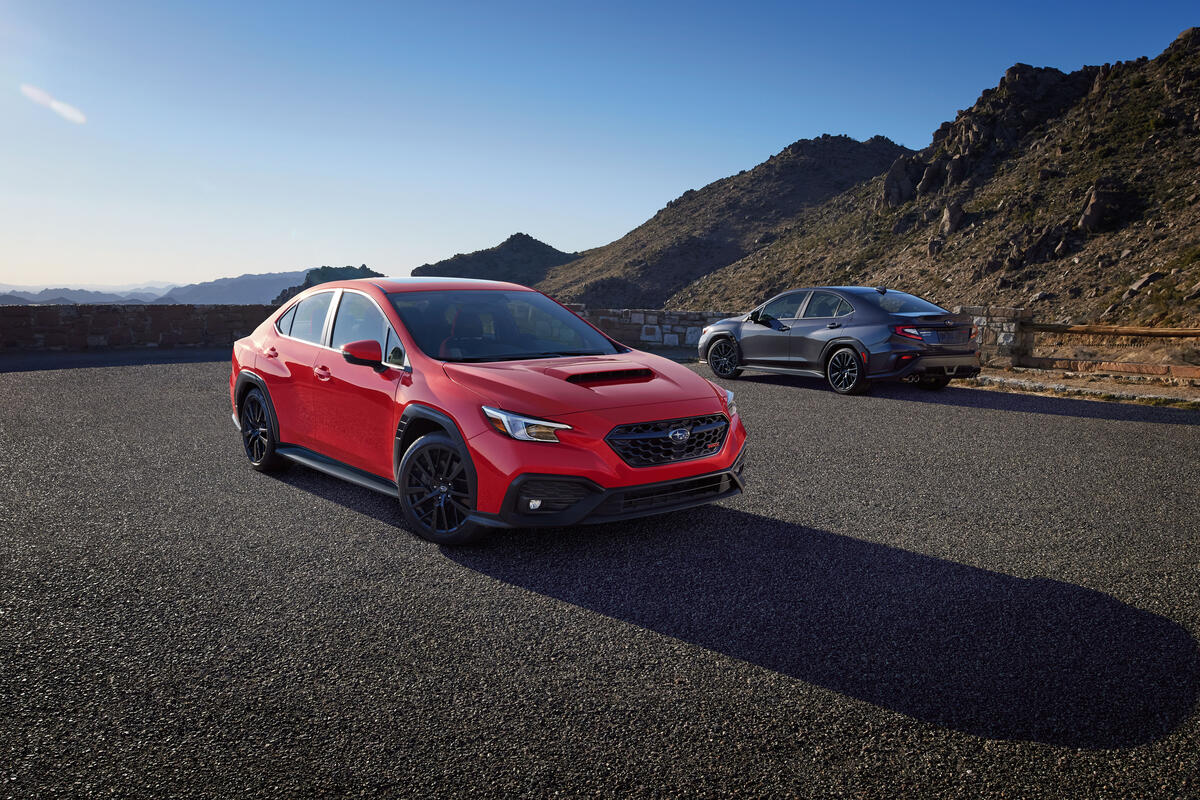
Subaru STi
"So I think that one stays with your miata and we've cleaned so I've kept miata and the sti Pardon me in the wrx and we have some sort of new Street off-roader like the maverick. That's three cars."
The Subaru STi is the sportier, more hardcore version of the WRX. They’re talking about keeping it for a bit, then deciding to get rid of it as they change what they drive day to day.
The Subaru STi (WRX STi) is the high-performance version of Subaru’s WRX family, typically featuring a more track-focused setup and rally-bred hardware. The host references it alongside the WRX and then says they’re getting rid of it, which signals a move away from a dedicated performance car toward a lighter, more “drive-to-fun” setup.
decision-making
"Anyway, all right, Michael, you've got some decision-making. You've got some drive homework in there."
Here, decision-making just means figuring out what car fits your needs. They’re using a checklist—like budget and how easy it is to work on—to choose the best option.
In this context, decision-making refers to the process of narrowing down a car purchase using constraints like budget, drivability, and ownership practicality. It’s essentially the episode’s framework for choosing an “everyday driver” candidate.
manual transmission
"I'm gonna try and most importantly It needs to be a manual transmission."
A manual transmission is a car where you change gears yourself using a clutch pedal and a stick. It can feel more engaging because you control when the engine revs up and down.
A manual transmission is a gearbox controlled by the driver using a clutch pedal and gear lever, rather than an automatic system. Enthusiasts often prefer it because it gives more direct control over engine speed and driving feel.
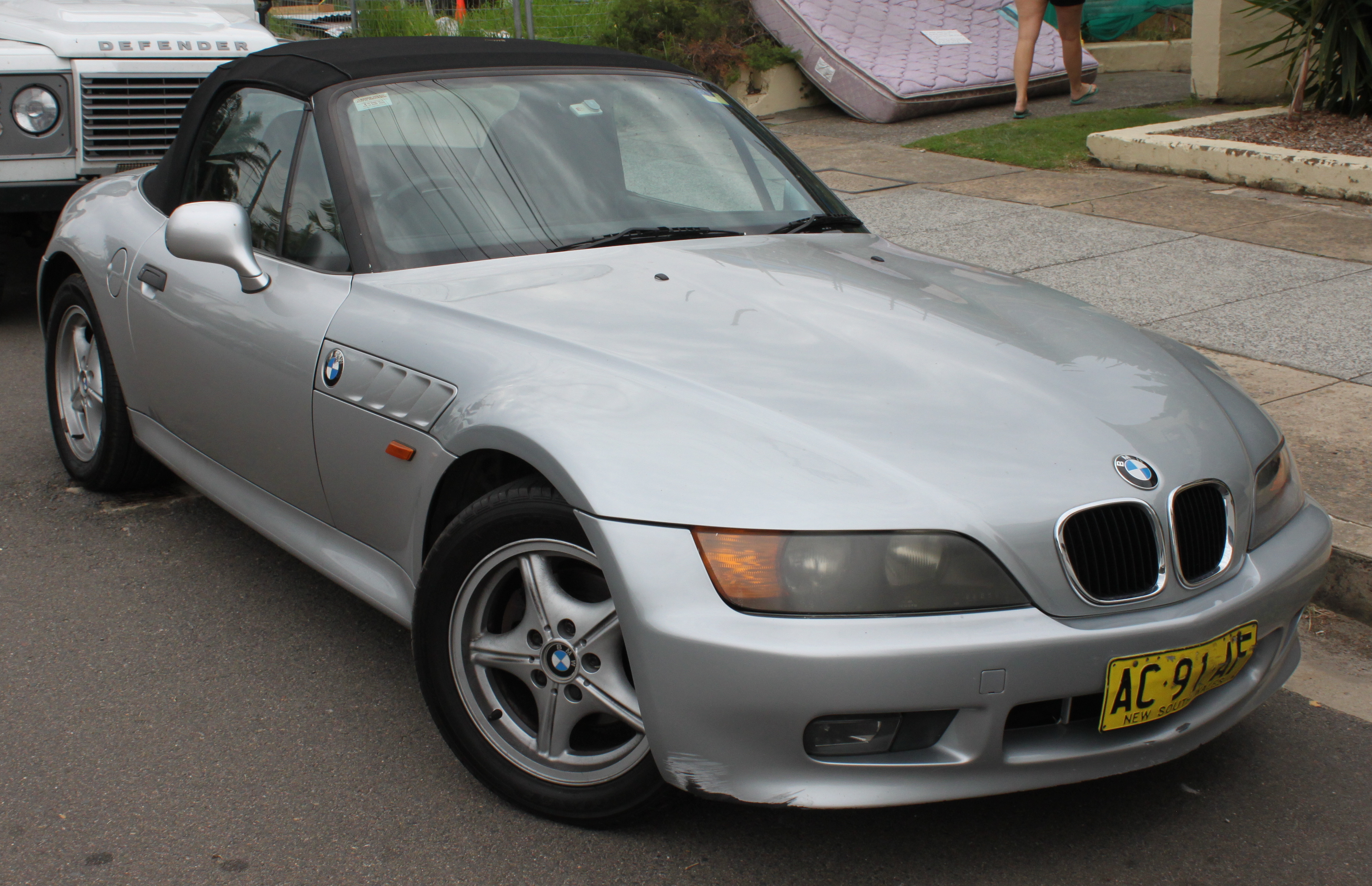
bmw z3 1.9
"He has looked into a few cars including a bmw z3 1.9 the portion 944 r 53 mini cooper and toyota selica The bmw stands out because it's the most available in his price range"
The BMW Z3 1.9 is a small BMW roadster with rear-wheel drive. People like it as a beginner project car because parts and know-how are fairly easy to find, and it can be fun to drive.
The BMW Z3 1.9 is a compact, rear-wheel-drive roadster that’s often chosen as an entry-level enthusiast project because it’s relatively simple and widely supported in the aftermarket. In this segment, it stands out as a candidate because it may fit Jacob’s budget and availability.

mini cooper
"He has looked into a few cars including a bmw z3 1.9 the portion 944 r 53 mini cooper and toyota selica"
The Mini Cooper is a small car that’s fun to drive and has lots of parts and upgrades available. Here it’s being considered as a budget-friendly project that can be worked on and modified.
The Mini Cooper is a small, front-wheel-drive car that’s popular with enthusiasts because it’s compact, tossable, and has a large aftermarket. In this segment it’s mentioned as a possible manual, modifiable project option within a tight budget.

toyota selica
"He has looked into a few cars including a bmw z3 1.9 the portion 944 r 53 mini cooper and toyota selica The bmw stands out because it's the most available in his price range"
The Toyota Celica is a sporty Toyota that some people pick as a project car. In this episode, it’s mentioned as another possible manual option that could be worked on and modified.
The Toyota Celica is a sporty coupe/hatch from Toyota’s lineup that’s often considered for enthusiast projects because it’s relatively straightforward and has a strong community. Here it’s included in Jacob’s list of manual, modifiable cars under $2,500.

Porsche 944
"Also the 944 those are a little bit harder to find in good shape Have you considered a branded title?"
The Porsche 944 is an older Porsche sports car. It’s the kind of car people look for used, and the host is saying the good ones can be harder to find.
The Porsche 944 is a front-engine, rear-transaxle sports coupe from Porsche’s 1980s–early-1990s era, known for its near-50/50 balance and classic 911-adjacent engineering. In this segment it’s discussed as a used-market target that can be harder to find in good condition.
branded title
"Have you considered a branded title? or I mean some of these are parts cars, but if you would consider a branded title, I mean it's It's exciting because it's less money upfront"
A branded title means the car’s paperwork shows it had a major problem before. It can be cheaper to buy, but you might find issues later and have to pay to fix them.
A branded title is a vehicle title marked with a history flag (commonly salvage, rebuilt, or similar), which signals the car has had a serious issue in the past. The tradeoff is lower purchase price up front, but you may uncover hidden problems and spend more to get it right.
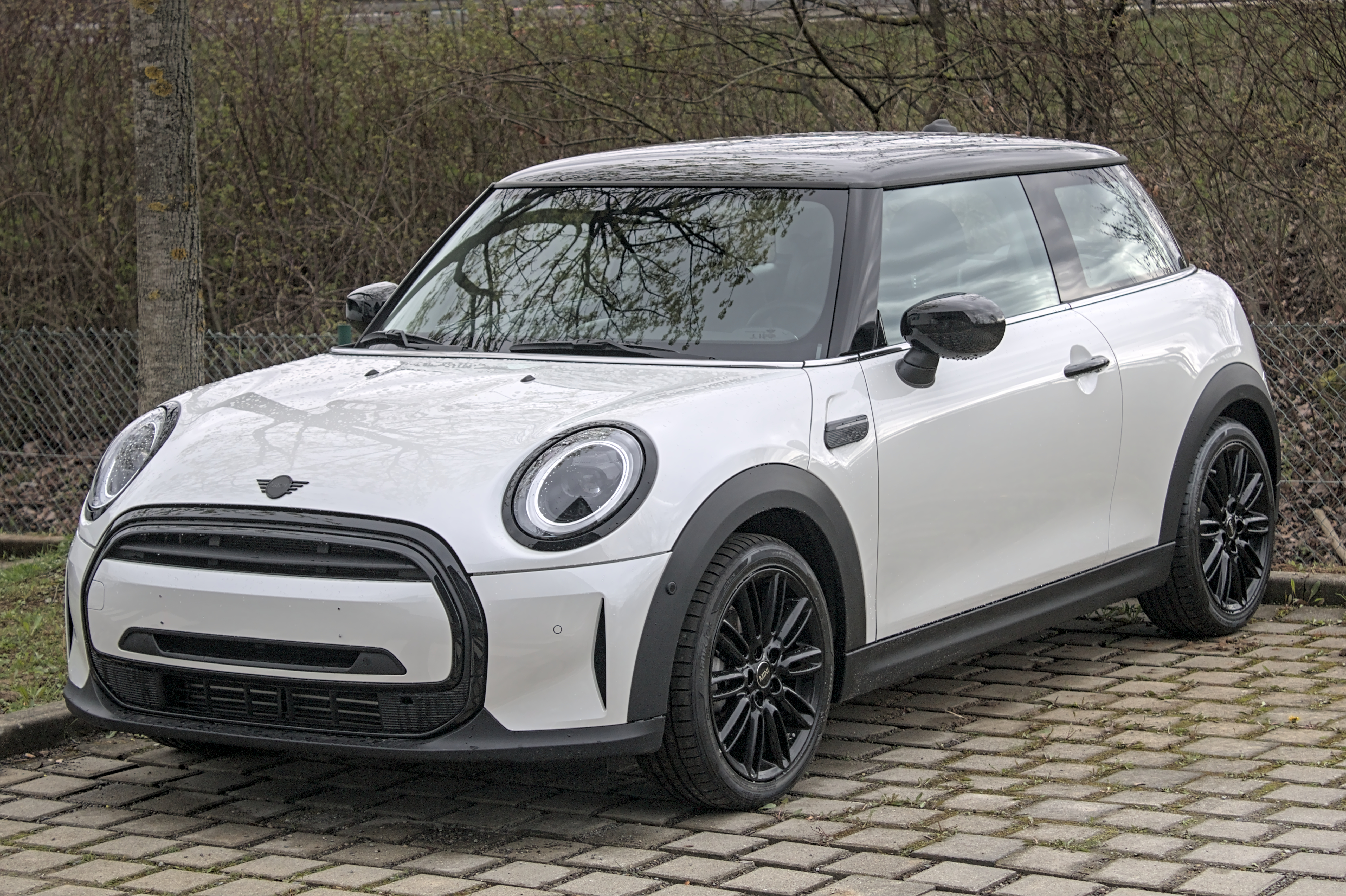
Mini Cooper S
"I found you a mini cooper s again. This was an ebay listing. So only listed 1100 right now But you know it's going to go for more than that. But if you can find just the non s r 53 mini cooper"
The Mini Cooper S is the sportier version of the Mini Cooper. The host is talking about it as a used listing and how much it might cost.
The Mini Cooper S is the higher-performance trim of the Mini Cooper line, typically positioned as the sportier option with more power than the base model. Here it’s discussed specifically as an eBay listing and compared against the “non-S” variants in terms of what you might pay.

Ford Fiesta St
"I love that that bmwz 3 for you and also jakeb. Don't forget about the fiesta st Problem is these are also more expensive and this might double your budget"
The Ford Fiesta ST is a sporty, performance-focused version of the Fiesta. The host is saying it might cost more than you want, which could double your budget.
The Ford Fiesta ST is a hot-hatch version of the Fiesta, known for being a compact, enthusiast-focused daily with a sporty chassis and steering. Here it’s brought up as another candidate, but the host warns it may be more expensive and could strain the budget.
modifiability
"[3494.5s] But I also want to touch on the modifiability [3498.3s] Word that you used [3500.1s] You want it to be modifiable"
Modifiability just means how easy it is to change or upgrade the car. If lots of parts and upgrade options exist for that model, people say it’s more modifiable.
Modifiability is how easily a car can be changed with aftermarket parts or upgrades. In enthusiast terms, it usually means there’s enough support (parts availability, tuning options, and known compatibility) to improve performance or fix design shortcomings.
shift linkage
"[3511.8s] Because modding a car. Yeah, you can upgrade parts and [3514.9s] The things that will make it run better or the companies that have brought forth a product that improves a badly designed piece [3521.9s] A shift linkage or you know brakes or something like that."
Shift linkage is the set of parts that connects your gear shifter to the transmission. If it’s worn or poorly designed, shifting can feel vague or notchy, and fixing/upgrading it can make shifts better.
Shift linkage is the mechanical connection between the gear selector and the transmission. On many cars—especially manual ones—it can feel sloppy or wear out, and upgrading or correcting it can improve shift feel and precision.
brakes
"[3514.9s] The things that will make it run better or the companies that have brought forth a product that improves a badly designed piece [3521.9s] A shift linkage or you know brakes or something like that."
Here, “brakes” means the parts that help the car stop. People upgrade them to improve stopping power and how confidently the car brakes.
In this context, “brakes” refers to upgrading the braking system for stronger stopping power and better pedal feel. Enthusiasts often do this with performance pads/rotors and sometimes brake lines or calipers, depending on the car.

Honda Civic
"[3533.4s] Is find one of these find any one of these cars that you suggest [3536.6s] I love all these suggestions and they're a little bit more performance oriented than just going to get a [3541.4s] Honda Civic or a Mazda 3 or something like that that could also be in your price range"
The Honda Civic is being used as an example of a common, affordable car that might fit someone’s budget. The host is contrasting it with more performance-focused choices.
The Honda Civic is mentioned as a more budget-friendly, widely available option compared with the more performance-oriented cars the host is recommending. It’s used as an example of a car that could fit the listener’s price range even if it’s not the same “modding target.”

Mazda 3
"[3536.6s] I love all these suggestions and they're a little bit more performance oriented than just going to get a [3541.4s] Honda Civic or a Mazda 3 or something like that that could also be in your price range [3546.1s] Make it new refresh renew."
The Mazda 3 is mentioned as another everyday, budget-friendly car option. The host is basically saying you don’t have to buy a super-special car to stay within your budget.
The Mazda 3 is brought up as another budget-friendly alternative to the more performance-oriented cars being discussed. It’s part of the host’s point that you can still keep a car in good shape and make it feel “new,” even if it’s not a dedicated performance model.
restore
"[3541.4s] Honda Civic or a Mazda 3 or something like that that could also be in your price range [3546.1s] Make it new refresh renew. I'm not using the word restore, but I'm saying [3552.3s] The center console that's worn away and you find a new piece or the buttons and switches"
The host is talking about “restoring” a car—making it look and feel new again. Even though they don’t use the word exactly the way collectors do, the goal is the same: replace worn parts and refresh it.
“Restore” here is used as a concept for bringing a worn car back to a like-new condition. The host clarifies they’re not using the word “restore” in the strict sense, but the idea is renewal—replacing worn interior pieces and refreshing the car so it looks and feels new again.
center console
"[3546.1s] Make it new refresh renew. I'm not using the word restore, but I'm saying [3552.3s] The center console that's worn away and you find a new piece or the buttons and switches"
The center console is the part between the front seats with the controls and storage. If it’s worn out, replacing it can make the inside feel fresh again.
The center console is the interior structure between the front seats that typically houses controls, storage, and the shifter/armrest area. Replacing a worn center console can be a big part of making an older car feel “new” again without changing the car’s mechanicals.
seat bolsters
"[3552.3s] The center console that's worn away and you find a new piece or the buttons and switches [3557.6s] Or the seat bolsters or maybe the seats are reupholstered to the point then in all your maintenance"
Seat bolsters are the padded sides of the seat that hold you in place. If they’re worn out, reupholstering them can make the seats look and feel much better.
Seat bolsters are the padded side sections of a seat that support your torso during driving. If they’re worn or collapsed, reupholstering them (or replacing seat upholstery) can dramatically improve comfort and the car’s “like-new” appearance.
power mods
"Because the concern I have is you're going to make it run just well enough and then you're going to modify something [3701.8s] And it's going to break something big [3704.6s] Modifications have a tendency to break things especially power mods"
“Power mods” are upgrades people do to make the car faster. The concern is that pushing for more power can cause other parts to fail if the car isn’t set up for it.
“Power mods” are aftermarket changes intended to increase engine output (more boost, better fueling, freer breathing, etc.). The hosts are warning that chasing extra power often stresses components that were designed for stock performance, which can lead to failures.
gremlins
"But especially with 944s, there's so many cool mods to do to 944s [3767.9s] money money [3769.9s] Tons of parts lots of work gremlins to chase"
“Gremlins” means annoying problems that are hard to find and fix. The idea is that with older cars, you can keep running into weird issues that take time and money to diagnose.
“Gremlins” is a slang term for mysterious, hard-to-diagnose problems that keep returning—often electrical or intermittent mechanical issues. The speaker uses it to describe the kind of ongoing troubleshooting that can come with older cars and lots of aftermarket changes.
front-wheel drive
"Paul brought up a picture of one of the new front-wheel drive ones, which is a possibility [3790.4s] But what I I read this I thought you're going to go old you're going to go back to the rear-wheel drive ones, which is cool"
Front-wheel drive means the front wheels do the work of both steering and moving the car. The host is comparing it to rear-wheel drive to talk about what kind of driving feel and safety tradeoffs you get.
Front-wheel drive (FWD) means the engine’s power is sent to the front wheels, which handle both steering and propulsion. The speaker is contrasting this with rear-wheel drive, tying it to how “new” cars vs “old” cars might feel and how they’re discussed in terms of safety and drivability.
modern safety tech
"Fantastic really cool cars drive well, but you're chasing down parts and I it's got no modern safety tech [3816.7s] So I think that one's out as well the r53 mini no one's surprised."
“Modern safety tech” means the newer crash- and driver-assist features that help prevent accidents or reduce injury. The host is basically saying older cars don’t have these, so they feel riskier today.
“Modern safety tech” refers to newer driver-assistance and crash-avoidance systems that became common in recent decades. In this segment, it’s used to explain why older cars—despite being enjoyable—can be a safety risk compared with newer vehicles.
2010 Subaru wrx
"Here is a [3849.6s] 2010 Subaru wrx [3852.8s] Limited 200,000 miles $1,300 on our local website here"
The Subaru WRX is a sporty Subaru that’s built for grip and fun in bad weather. This 2010 version is a popular used-car choice because people know how to fix and modify them.
The Subaru WRX is a turbocharged, rally-bred compact sport sedan/hatch that’s known for all-weather traction and an enthusiast tuning scene. In 2010, it’s part of the GR-generation WRX era, and it’s often bought used because parts and community support are widely available.

2010 infinity g 37
"Locally here. I found a 2010 infinity g 37 being sold for $2,000 [3918.4s] It's got 178,000 miles. What's wrong with it? it is it needs a serpentine belt"
This is a 2010 Infiniti G37, a sporty car with a V6 engine. The host brings it up because it’s being sold very cheaply, mainly because it needs a serpentine belt replacement.
The Infiniti G37 (2010) is a rear-wheel-drive (or all-wheel-drive on some trims) sports-sedan platform known for a strong V6 and easy enthusiast access. In this segment it’s used as an example of a “cheap but fixable” car because the seller lists a serpentine belt issue.
serpentine belt
"It's got 178,000 miles. What's wrong with it? it is it needs a serpentine belt [3923.4s] And the person that's selling it needs money for college"
The serpentine belt is a belt that runs several important parts of the engine. If it’s bad, the car may not charge the battery or run key systems, so the car can be sold cheap until it’s replaced.
A serpentine belt is the long, single drive belt that powers multiple engine accessories—most commonly the alternator, power steering pump, and air-conditioning compressor. If it’s worn or broken, the car can lose charging and other functions, which is why it’s a common “easy fix” item on cheap listings.
mechanic specials
"The point I'm making here is what you're looking for jacob is a car you can work on find one of these [3938.4s] And I've heard people refer to them as mechanic specials find one of these cars that's super cheap because it needs stuff"
A “mechanic special” is a car that’s being sold cheap because it needs work. If you’re able to fix the problem yourself (or pay a shop to do it), the car can end up being worth much more than the asking price.
"Mechanic specials" are cars priced far below market because they need repairs or maintenance that the seller can’t (or won’t) handle. The idea is that once an enthusiast fixes the known issues, the car’s value can jump back toward normal.
airbags
"But if you're going to need to shop newer than 2000 maybe newer than 2005 to get airbags and that kind of stuff I'd love to see you in a z3."
Airbags are safety cushions that pop out during a crash. The host is saying newer cars are more likely to have them, which makes them safer.
Airbags are supplemental restraint devices that deploy in a crash to help reduce injury. The host’s point is that you may want to shop newer than a certain year so the car is more likely to have airbags (and related safety equipment) as standard.
price trends tool
"You can save your search get alerts and even compare prices with their price trends tool Plus auto tempest was our first sponsor"
A price trends tool shows how the price of a car changes over time. That way you can tell if you’re seeing a good deal or just a random listing.
A price trends tool tracks how a car’s listed prices change over time across many listings. It helps shoppers understand whether a model is getting cheaper or more expensive, rather than relying on a single listing.
tinnitus
"I'm always amazed people with tinnitus like one car that I think is going to be really loud"
Tinnitus is when you hear ringing or buzzing sounds that aren’t coming from the outside world. In this episode, it’s why the person is trying to find a car that isn’t uncomfortably loud.
Tinnitus is a condition where a person hears ringing, buzzing, or other sounds without an external source. In car shopping, it matters because certain vehicles can be perceived as too loud or harsh, making symptoms feel worse.
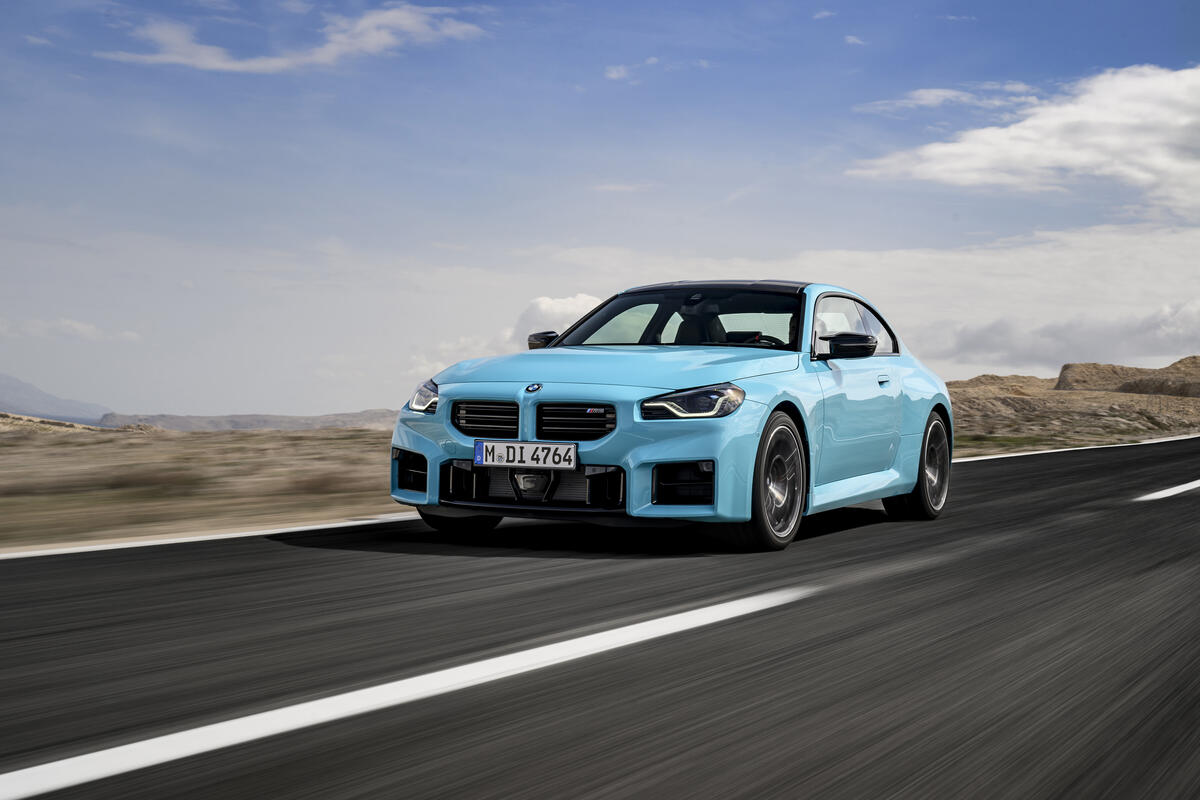
2020 m2 cs
"So he first drove that 2020 m2 cs. It was really good, but he noticed the price was similar to the new m2"
The BMW M2 CS is a sportier, more performance-oriented version of the M2. They mention it because he drove it and liked how engaging it felt, but he compared pricing against the newer M2 he ended up choosing.
The BMW M2 CS is a track-focused version of the BMW M2, built to deliver sharper steering and more aggressive performance than a standard M2. In the segment, it’s important because the listener tested it at a BMW Performance Driving School and found it engaging, even though the price felt close to the newer M2 options.
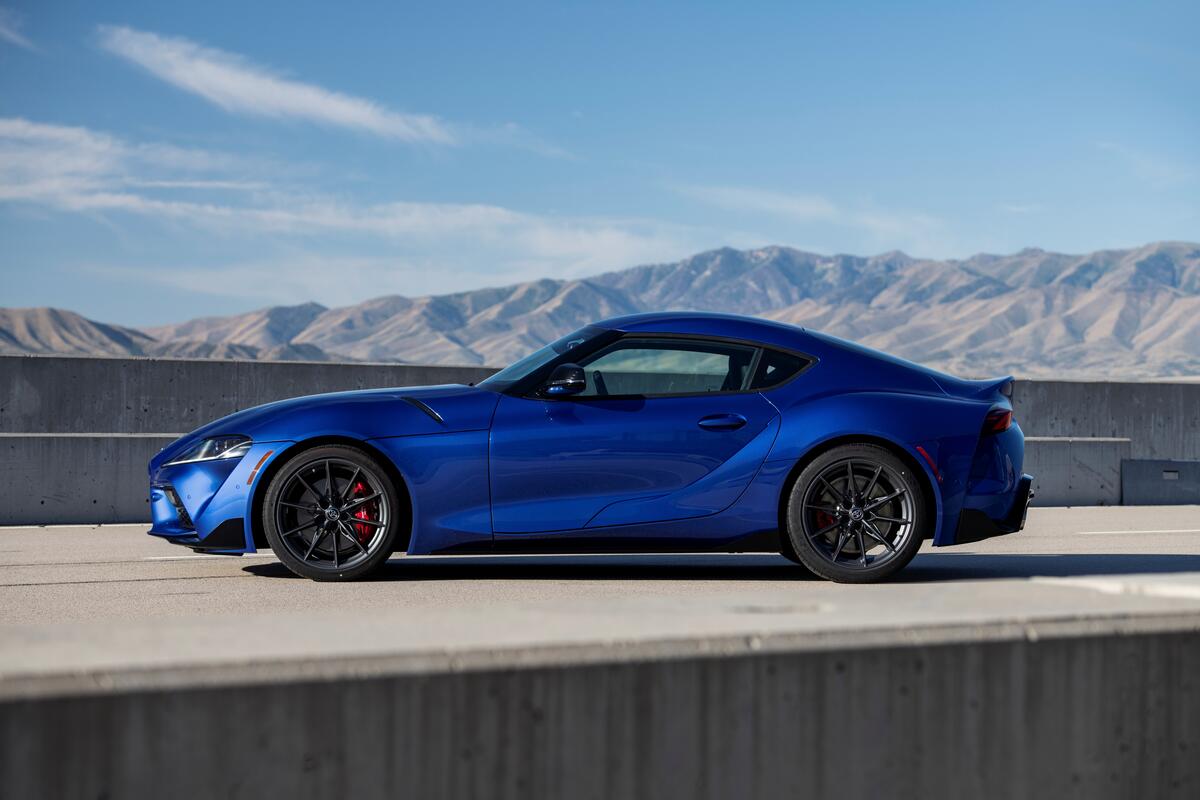
Toyota Supra
"...where he landed He'd considered the Porsche 718 a supra used 911 But with his price point and the criteri..."
The Toyota Supra is a sports car made by Toyota. It’s designed for performance and driving enjoyment. The podcast brings it up while talking about which sports car makes sense for a certain budget.
The Toyota Supra is a sports car known for its performance-focused design and enthusiast following. In the episode, it’s mentioned as part of a comparison involving other sports cars and price points. The discussion centers on where the Supra fits in a buyer’s criteria.

718 Porsche 718
"He'd considered the Porsche 718 a supra used 911. But with his price point and the criteria where our m2 recommendation was just right for him"
The Porsche 718 is a sporty Porsche that’s known for handling well and feeling lively. He considered it, but his final choice was the BMW M2 because it fit his budget and needs better.
The Porsche 718 is a mid-engine sports car lineup (commonly the Boxster/Cayman family) known for sharp handling and a sporty driving character. In this segment, it’s mentioned as a contender he considered before settling on the BMW M2 based on his budget and tinnitus-friendly criteria.
run flats
"Well, and he replant plants replace the run flats to make it quieter"
Run-flat tires can keep you driving for a while even if they’re punctured. They can feel harsher or louder, so he replaced them to reduce noise.
Run-flat tires are designed to keep supporting the vehicle even after a puncture, so you can drive to a safe location without changing the tire immediately. They often feel firmer and can be noisier, which is why the listener replaced them to make the car quieter.
out the door
"And he bought it on the last day of the year at a volume dealership got it out the door for about 8k under msrp"
“Out the door” price means the total cost you actually pay at the end, including taxes and fees. They’re saying he got the car for about $8k less than the sticker price once everything was included.
“Out the door” (OTD) price is the total amount you pay to purchase the car, including the vehicle price plus taxes, registration, and dealer fees. The segment uses it to quantify the deal: he paid about $8k under MSRP after negotiating at a volume dealership.
MSRP
"And he bought it on the last day of the year at a volume dealership got it out the door for about 8k under msrp"
MSRP is the price on the car’s sticker that the manufacturer sets. They’re saying he paid about $8k less than that sticker price once the deal was done.
MSRP (Manufacturer’s Suggested Retail Price) is the sticker price the automaker recommends for a vehicle before taxes and dealer fees. In this segment, it’s used as the benchmark to describe how much below sticker price he paid.
Lucid
"zoe, thank you for writing He's got a quick addendum to his car debate Submission because he was able to lure his wife into a lucid dealership here here."
Lucid is an electric-vehicle brand best known for its EVs and technology-focused approach to electric luxury. In this segment, Lucid is central because the listener’s wife is persuaded after visiting a Lucid dealership and experiencing the Gravity’s interior and test drive.
performance test drive
"And they did the performance test drive shout out to tahai at lucid north atlanta RIP to the local roundabout"
A performance test drive is a more spirited evaluation than a typical dealership drive, where the driver checks how the car accelerates, brakes, and responds under load. In this segment, it’s used to show the Lucid Gravity’s real-world “try it and see” impact on the buyer’s mindset.

Mazda Cx5
"... over replacing their third car, which was a 2016 cx5 grand touring or maybe it still is and you're Sti..."
The Mazda CX-5 is a compact SUV for everyday driving. It’s a practical size for commuting and family use. The podcast mentions a specific CX-5 as an example of a car someone already owned.
The Mazda CX-5 is a compact crossover SUV known for a comfortable ride and practical everyday size. In the episode, it’s referenced as a vehicle someone had (a 2016 CX-5 Grand Touring) while discussing whether to replace a third car. That context makes it part of a real-world ownership and replacement decision.

Land Rover Range Rover
"... for you His wife has always dreamed of driving a Range Rover because she loves the design language But the dis..."
The Range Rover is a luxury SUV from Land Rover. It’s built to feel comfortable and high-end, especially in how it looks and drives. The podcast mentions it because someone has wanted one for a long time.
The Land Rover Range Rover is a luxury SUV known for its upscale design and comfort-focused driving. It’s referenced because the host’s wife has long wanted one specifically for its styling and presence. The episode frames it as a dream vehicle tied to design language and luxury appeal.

Lexus RX 550 h plus
"They test drove lexus rx 550 h plus and that lucid gravity. It's the minivan wild card, but they love the test drive"
This is a Lexus luxury SUV that uses a hybrid system. The “550h+” naming usually means it can run on electricity for part of your driving, then switch to gas when needed.
The Lexus RX is a midsize luxury SUV, and “RX 550h+” indicates a hybrid powertrain with an added “+” plug-in capability in Lexus naming. That means it’s designed to run on electricity for some trips while still having a gasoline engine for longer range.
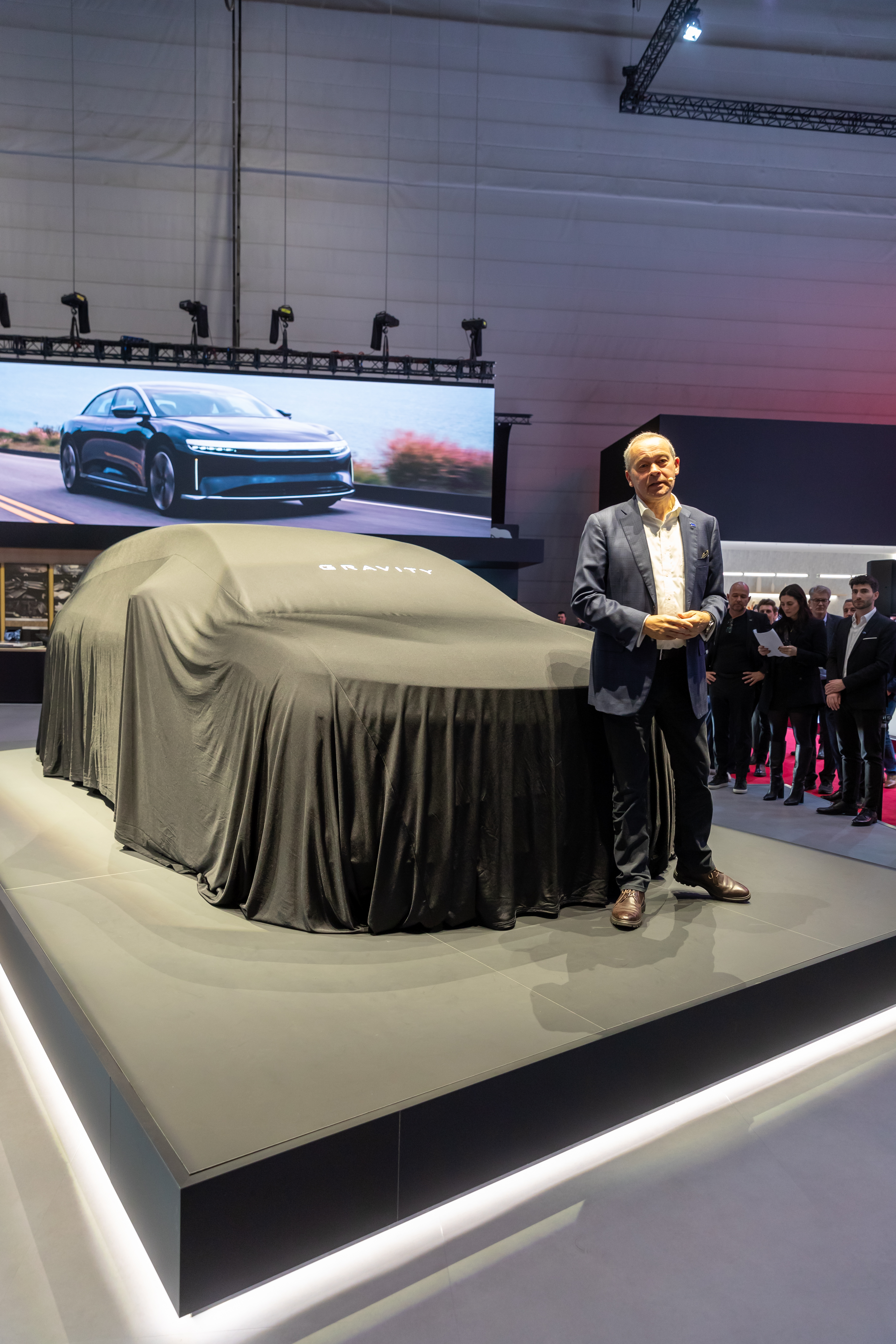
Lucid Gravity
"They test drove lexus rx 550 h plus and that lucid gravity. It's the minivan wild card, but they love the test drive [4358.5s] They'd love to throw in the bmw x7, but no ph ev option because"
Lucid Gravity is an all-electric SUV. They’re treating it like a surprising family option because it’s roomy, and it ended up becoming a real consideration for them.
Lucid Gravity is Lucid’s electric SUV, positioned as a “minivan wild card” because it targets family space and practicality with an EV layout. The discussion frames it as a serious contender once it wasn’t previously on their radar.
ph ev option
"They'd love to throw in the bmw x7, but no ph ev option because [4363.0s] They're family of 43 kids"
They mean a plug-in hybrid. It’s a car that can use electricity for some driving, but it also has a gas engine for longer trips.
“PH EV” is shorthand for a plug-in hybrid electric vehicle option. A plug-in hybrid can run on electricity for short trips (when charged) and uses a gasoline engine for longer driving or when the battery is depleted.

BMW X7
"They'd love to throw in the bmw x7, but no ph ev option because [4363.0s] They're family of 43 kids"
The BMW X7 is a big, luxury family SUV. They’re considering it, but it doesn’t work for them because they want a plug-in hybrid version.
The BMW X7 is BMW’s large luxury SUV, typically aimed at families who want three rows and a comfortable ride. In this segment, it’s mentioned as a candidate, but the hosts say it doesn’t fit their needs because of the lack of a plug-in hybrid option.
cupra
"That I don't understand why they don't sell here is cupra It's a more aggressive better-looking suv shape that is essentially the golf r underneath."
Cupra is a sportier brand from the Volkswagen family. The host thinks it would sell well in North America because it looks more aggressive and it’s based on the same kind of hardware as the Golf R.
Cupra is a performance-focused brand within the Volkswagen Group, known for sportier styling and driving dynamics than mainstream VW models. In this segment, the host argues Cupra could succeed in North America because the lineup is visually distinctive and mechanically related to the Volkswagen Golf R.
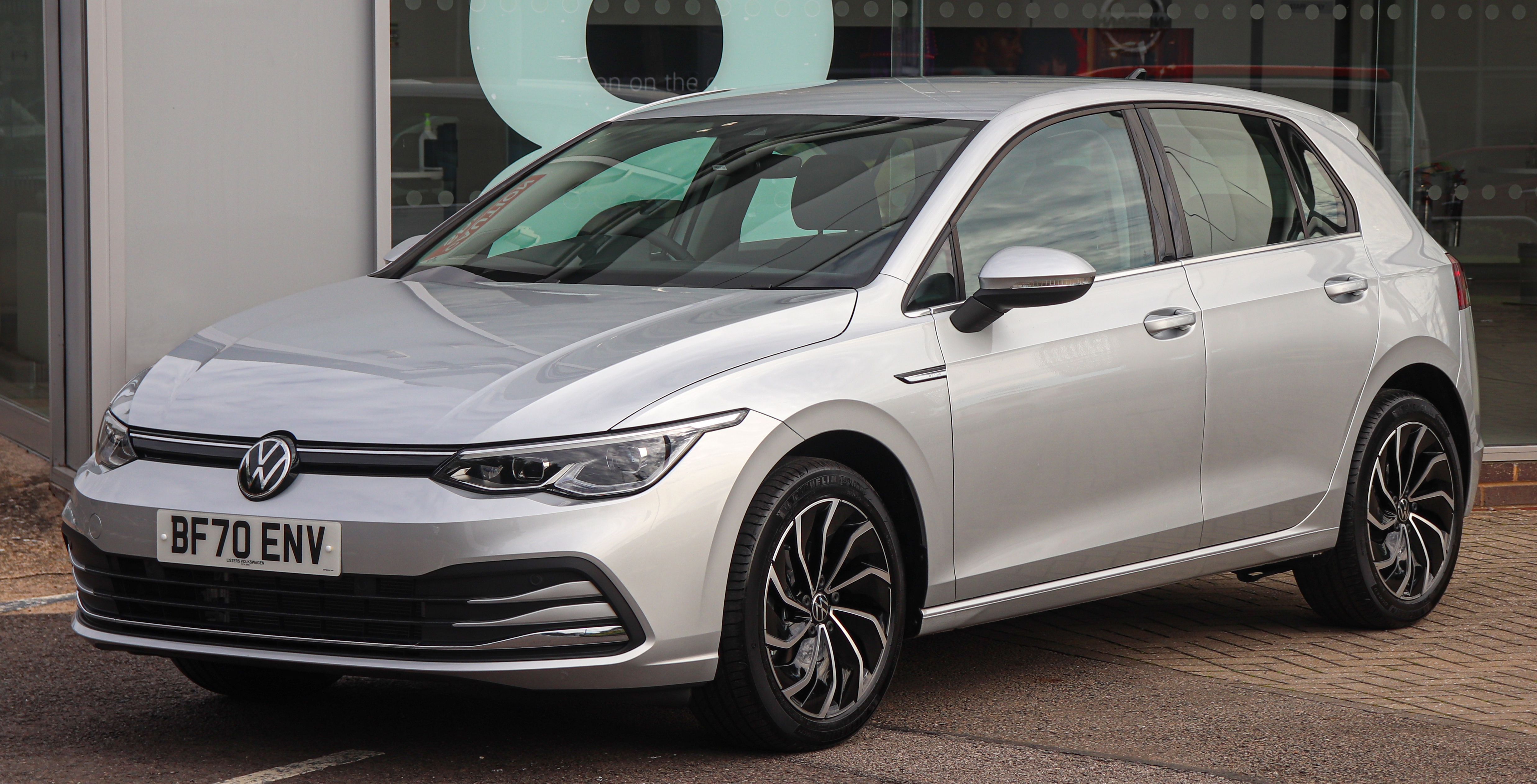
Volkswagen Golf
"... better-looking suv shape that is essentially the golf r underneath We saw a lot of them. They've got a ..."
The Volkswagen Golf is a compact car, usually in a hatchback form. The podcast is saying that a certain SUV-style model is closely related to the Golf R underneath. In other words, the core engineering comes from the Golf family.
The Volkswagen Golf is a compact hatchback platform that’s offered in many performance and equipment variations. The podcast references it in relation to a “better-looking SUV shape” and notes that it’s essentially based on the Golf R underneath. It’s brought up because people recognize the Golf’s engineering even when the body style changes.
chassis
"It really does golf r chassis underneath it, which is awesome Which means space and good gearbox and good power."
A chassis is the vehicle’s structural foundation—how the body and key mechanical components are mounted and supported. When the host says the Cupra has a “Golf R chassis underneath,” they mean the structural/engineering base is closely related.
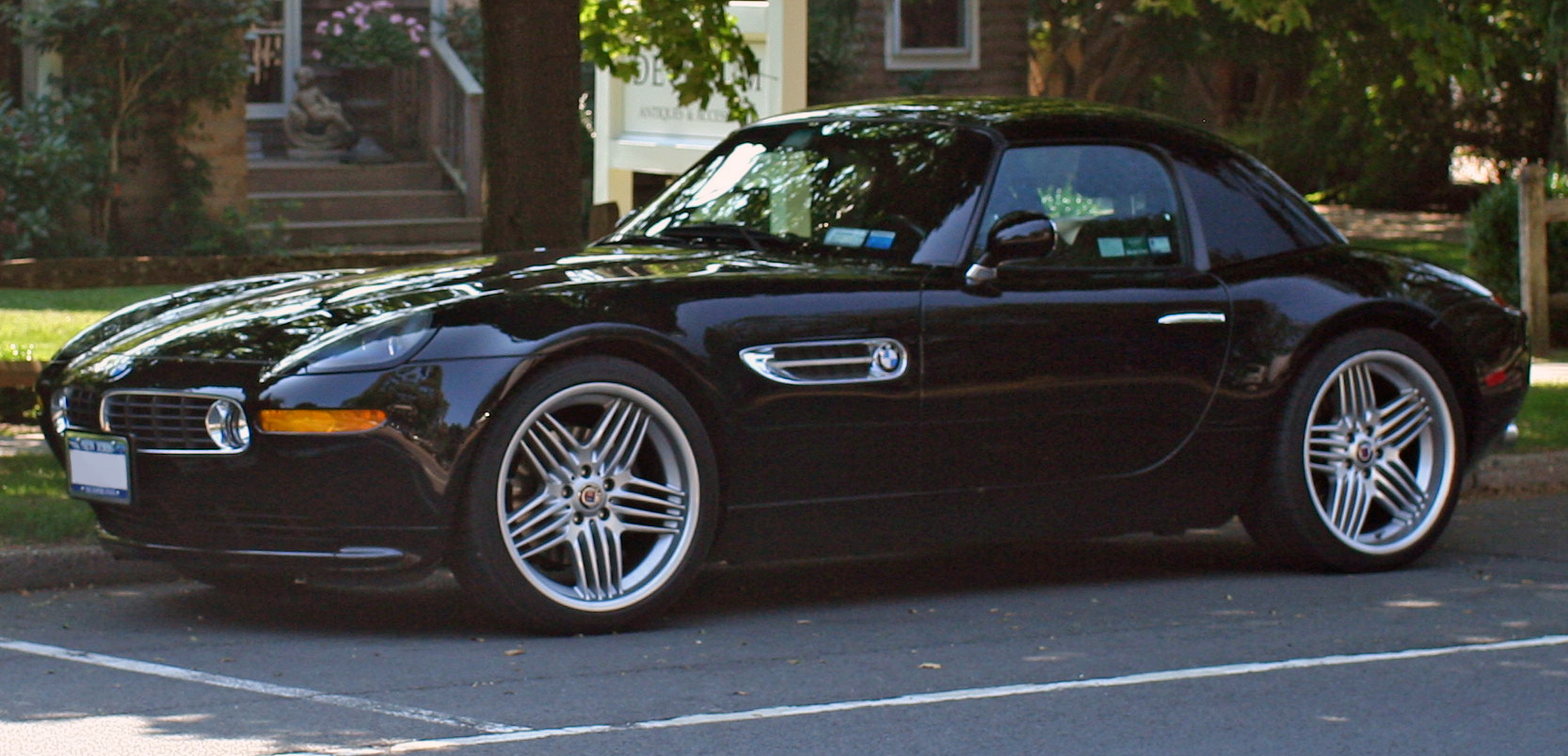
Alpina Z8
"other forbidden fruit, but Man that bmw z8 in person. I've never seen a z8 Like truly being ..."
The Alpina Z8 is a rare, special version of a BMW roadster. The podcast mentions it because seeing a Z8 in person is exciting and uncommon. They don’t go deep into specs, just that it’s a standout car.
The Alpina Z8 is referenced as another rare “forbidden fruit” type of BMW-related car. The episode emphasizes how impressive it is to see a Z8 in person, suggesting the Alpina variant is similarly special and uncommon. It’s brought up as a standout find rather than a detailed ownership topic.

Bmw Z8
"other forbidden fruit, but Man that bmw z8 in person. I've never seen a z8 Like truly being ..."
The BMW Z8 is an older BMW roadster, meaning it’s a two-seat convertible. It’s known for being rare and special. The podcast mentions it because someone was excited to see one in person.
The BMW Z8 is a rare, classic BMW roadster known for its distinctive styling and collectible status. The episode calls it “forbidden fruit” and emphasizes how impressive it is to see one in person. It’s mentioned as a standout car they haven’t encountered often.

BMW M5
"...any it's unbelievable insane, but we did see this m5 touring this bmw e 61 m5 Touring that was on the ..."
The BMW M5 is a very fast, performance-focused BMW sedan. An M5 Touring is the wagon version of that performance model. The episode mentions it because they saw one and it stood out as something special.
The BMW M5 is a high-performance version of the BMW 5 Series, built for serious power and fast driving. The podcast specifically mentions an M5 Touring, tying it to the E61-era wagon concept. It’s discussed as an example of a rare, exciting variant they encountered.

BMW E61
"You stopped counting. They're just like this blur or this like wall of gt3's ever There were so many it's unbelievable insane, but we did see this m5 touring this bmw e 61 m5 Touring that was on the euro rally. It is on our social media instagram and facebook"
The BMW 5 Series is a luxury sedan that comes in many versions. The podcast mentions it because they saw a lot of them and also talked about a high-performance wagon version. It’s used to set the scene for what they encountered.
The BMW 5 Series is a mid-size luxury sedan line, often used as a base for performance variants. The episode mentions seeing so many 5 Series cars that it felt like a blur, and it specifically ties the conversation to an M5 Touring they encountered. It’s discussed as part of a broader observation about how common and varied the lineup is.

Lotus Carlton
"... see that and a lotus Omega also known as a lotus carlton the sedan with the inline six and a turbo the siz..."
The Lotus Carlton is a performance sedan. The podcast describes it as having an inline-six engine and a turbo. It’s mentioned because it’s a specific kind of car that’s interesting to enthusiasts.
The Lotus Carlton is a performance-focused sedan known for combining a larger-car layout with Lotus-style tuning. In the episode, it’s mentioned alongside the idea of a Lotus Omega, with the Carlton described as having an inline six and a turbo. It comes up as a specific, enthusiast-interest “sedan with performance hardware.”
Oradea, Romania
"And the owner was revving it in the parking lot in oradia romania [4620.6s] And"
Oradea is a city in Romania where the host says the Lotus Carlton owner was revving the car in a parking lot. Mentioning the location matters because it frames the sighting as a real-world, off-the-usual-track event. For listeners, it also helps visualize how rare these cars are outside major car-show hubs.
turbo boost
"Yeah, they did revving it and then you know the turbo boost blasting off and and it was so loud [4636.8s] But just the fact that it was you know running it was really cool looking"
Turbo boost is what happens when a turbocharger forces extra air into the engine. That extra air helps the engine make more power, so the car feels like it suddenly “jumps.” The host is describing that dramatic boost moment and how loud it was.
Turbo boost is the extra air pressure a turbocharger forces into the engine, allowing more fuel to be burned and producing more power. When the host says “turbo boost blasting off,” they’re describing the moment the turbo spools and the car suddenly makes strong acceleration. It’s a key part of how turbocharged engines feel and sound.

Dacia Duster
"...o I I didn't realize this. I knew I've seen desia dusters every time we're over there But I I think that mi..."
The Dacia Duster is a compact SUV. It’s made to be a practical, budget-friendly option. The podcast mentions it because they’ve noticed them a lot while traveling.
The Dacia Duster is a compact SUV designed to be practical and affordable. In the episode, it’s referenced because the hosts have seen many of them and are surprised by how often they appear. That makes it part of a conversation about common, everyday vehicles.

Dacia Logan
"...heir names The big stir the room stir the all the logan. They've got some really cool names actually Yeah..."
The Dacia Logan is a low-cost car model. The podcast mentions it mainly because the hosts are talking about the names and how they stand out. It’s presented as a practical, everyday kind of vehicle.
The Dacia Logan is a budget-oriented car model, typically aimed at affordability and practicality. The episode mentions it in a playful way, focusing on the names and how they “stir the room.” It’s referenced as part of a broader conversation about everyday, recognizable vehicles.

fiat panda
"Yeah, I think those would work and you know what the fiat panda the new fiat panda is cool looking It's cool looking It's a fiat panda."
The Fiat Panda is a small Italian car that’s meant for everyday driving. Here, they’re saying the newer one looks cool, not just “cute and basic.”
The Fiat Panda is a small, practical Italian city car that’s popular for being simple, compact, and easy to live with. In this segment, the hosts mention the “new Fiat Panda” as a design surprise—proof that even mainstream cars can be interesting to look at.
long road trip
"Kyle asked about uh, best long road trip vehicle Is there a best vehicle car truck scv anything? Take on a long road trip like chicago to quebec"
A long road trip is just a big drive over lots of time and distance. They’re saying the best vehicle is the one that stays comfortable and doesn’t cause problems.
A long road trip is a planning category where you optimize for sustained comfort and low-stress driving over many hours and days. In this segment, the hosts frame it as a use-case where dependability matters as much as outright performance.
massage
"You need to find seats that you love and ideally seats in a car that does massage If it does I do you want seats that are massage and ideally ventilated Yeah, that if what you're looking for is like long road trip because what you're saying here is"
Some cars have a built-in seat massage. It uses motors to press and move in your seat to help you feel less tired on long trips.
Seat massage systems use built-in motors and air bladders or rollers to apply pressure to specific areas of the back and/or seat. The goal is to reduce fatigue during long drives by periodically changing pressure points.
ventilated seats
"Yeah, that if what you're looking for is like long road trip because what you're saying here is You're doing a four to six week trip hitting tourist spots. This is not a in search of great roads So some Used sedan That has phenomenal seats That are ventilated and have massage"
Ventilated seats have fans that blow air through the seat. It helps keep you cooler and more comfortable on long trips.
Ventilated seats use small fans and ducts to pull air through the seat cushions. That helps reduce heat and sweat on long drives, especially in warm weather.
smart cruise control
"But I think and I also think depending upon your usage you might want smart cruise control as well. It's good So I think you shop for those features versus the car And that might put you into some of the large luxury sedans"
Smart cruise control is like regular cruise control, but it can automatically slow down if the car in front of you gets closer. It helps reduce stress on long highway drives.
Smart cruise control is an adaptive cruise system that automatically adjusts your speed to maintain a set distance from the car ahead. It typically uses radar or cameras to slow down and speed back up as traffic changes.

genesis g90
"You know what? If you I don't know what your budget is, but a genesis g90 would be a phenomenal long road trip car I mean, they're a hundred grand new find one for 70 80."
The Genesis G90 is a big, luxury sedan built for comfort. The host is saying it can be a great long-trip car, especially if you care about features and comfort more than sporty driving.
The Genesis G90 is a full-size luxury sedan aimed at comfort and long-distance cruising. In this segment, the host recommends it as a road-trip car, citing its value relative to the new price and implying it offers the kind of seat comfort and tech features people want for long drives.

lexus ls
"But if you're if you're so I mean obviously lexus ls is if you're going into older cars But I really think it's about seats ventilated massage seats and smart cruise control"
The Lexus LS is a top-of-the-line luxury sedan. The host is suggesting it as a good older-car choice if you want comfort for long trips.
The Lexus LS is Lexus’s flagship luxury sedan, often chosen for quietness and comfort on long drives. Here it’s mentioned as an option when the host is talking about older cars that still deliver a high level of ride comfort and features.
Apple CarPlay
"So maybe that's apple car play android or whatever"
Apple CarPlay lets you connect your iPhone to the car’s screen. Then you can use things like maps and music through the dashboard display.
Apple CarPlay is a smartphone integration system that lets you use certain iPhone apps through the car’s infotainment screen. It’s commonly used for navigation, calls, and music playback while keeping your phone functions in a more driver-friendly interface.
android
"So maybe that's apple car play android or whatever"
They’re talking about the Android phone connection for the car’s screen. It usually means Android Auto, which brings your music and navigation to the dashboard.
In this context, “Android” refers to Android-based smartphone integration for in-car infotainment—typically Android Auto. It provides a similar dashboard interface for navigation, calls, and media from your phone.

Ferrari Ff
"We saw stig with his ferrari ff from norway [4902.2s] peter with his f4 30"
The Ferrari FF is a Ferrari that’s built for long drives and has all-wheel drive. That means it can put power down more confidently on different roads than many other Ferraris.
The Ferrari FF is a grand touring Ferrari known for being a four-seat, all-wheel-drive (AWD) V12 car. It’s notable because it brought Ferrari’s performance to a more usable, traction-friendly layout than many of the brand’s traditional rear-wheel-drive cars.

E 63 wagon
"[4907.3s] amg wagon [4909.3s] e 63 wagon and it just it felt really fun to"
An E 63 wagon is a high-performance Mercedes-AMG wagon. You get strong acceleration and handling, but with the extra room you’d expect from a wagon.
The “E 63 wagon” is a Mercedes-AMG E-Class wagon variant, known for combining a powerful AMG engine with a long-roof wagon body. It’s a rare blend: big performance plus cargo space, which is why it stands out in a car group like this.

BMW E63
"amg wagon e 63 wagon and it just it felt really fun to Really experience this without having the pressure, but I also felt pressure to go meet people and"
The BMW 6 Series is a luxury car line meant for comfortable, enjoyable driving. In the episode, it’s talked about in terms of how it felt to drive and how it fit into social plans. The focus is on the experience, not specific mechanical details.
The BMW 6 Series is a luxury grand touring model line, and the episode references wagon-style variants and the feeling of driving without certain social pressure. It’s mentioned in a personal context about meeting people and experiencing the car in a relaxed way. The key point is the emotional/comfort side of the driving experience rather than technical details.
Continental
"That is an ultra high performance all season from continental"
Continental is a tire brand. The host is comparing different Continental tire models and how they feel in rain.
Continental is a major tire manufacturer, and here it’s the brand behind the specific tire models being debated. The host compares Continental’s ExtremeContact line versus all-weather options based on wet-weather confidence and traction.

Acura Integra
"...ental extreme sport contact dws 06 pluses for his integra type s now That is an ultra high performance all ..."
The Acura Integra is a compact car from Acura. The Type S is the more performance-focused version. The podcast mentions it in connection with high-grip tires used to improve handling.
The Acura Integra is a compact performance-oriented car, and the episode specifically mentions the Integra Type S. It references using ultra high performance tires, indicating a focus on grip and handling. The discussion is centered on how the car is set up for sporty driving.
ultra high performance all season
"That is an ultra high performance all season from continental"
That phrase describes a tire meant to be good in more than one season. It’s usually built to feel more “sporty” than regular all-season tires, but it’s still not the same as a tire made only for winter or only for track use.
“Ultra high performance all season” describes a tire category that aims for sporty grip and steering response while still being usable year-round. It usually means a compromise: better handling than typical all-seasons, but not as specialized for heavy snow or extreme wet as dedicated winter or track-focused tires.
Lotus Amira
"...e tires I've had on my Elyse But I had some on my amira and they were fine Until there was like a spit of..."
The Lotus Emira is a sports car made by Lotus. It’s built to be fun to drive. The podcast mentions it because someone talked about tires they used on it and what happened while driving.
The Lotus Emira is a sports car from Lotus, designed for driving feel and a lightweight, performance-oriented character. The episode references tire experiences on an Emira, noting that tires were fine until a specific issue occurred. That makes it part of a practical ownership or driving discussion.
hydroplane
"I actually have some on my lotus Elyse right now There's a lot of cars that don't come ... I have never hydroplane so much in my life"
Hydroplaning happens when water builds up under the tire and the tire loses grip. The car can feel like it’s sliding even though you’re still driving normally.
Hydroplaning is when a tire rides up on a layer of water instead of maintaining contact with the road surface. It reduces traction dramatically, which is why the host’s experience of “hydroplane so much” is a serious warning sign about wet-weather confidence.
Request an Explanation
Heard something you'd like explained? We'll add it to this episode.
Sign in to request explanations for terms you heard.
Want to learn more?
Browse our glossary for plain-English explanations of automotive terms, jargon, and concepts.
Help improve this episode
See something that's not quite right? Our annotations are AI-generated and can sometimes miss the mark. Click the flag icon on any annotation to suggest a correction.