Authentic connection means being real with customers instead of using the same scripted pitch. In car sales, it’s about building trust so people feel understood, not pressured.
Company
ASOTU
ASOTU is referenced as the founder/CEO’s company in the episode context. In a marketing-focused episode, it likely represents the business platform or brand behind the host’s work.
Concept
brand story
A “brand story” is the narrative a company uses to explain who it is, what it stands for, and why customers should care. In retail automotive, a strong story can make marketing feel more meaningful and help buyers remember the dealer or manufacturer.
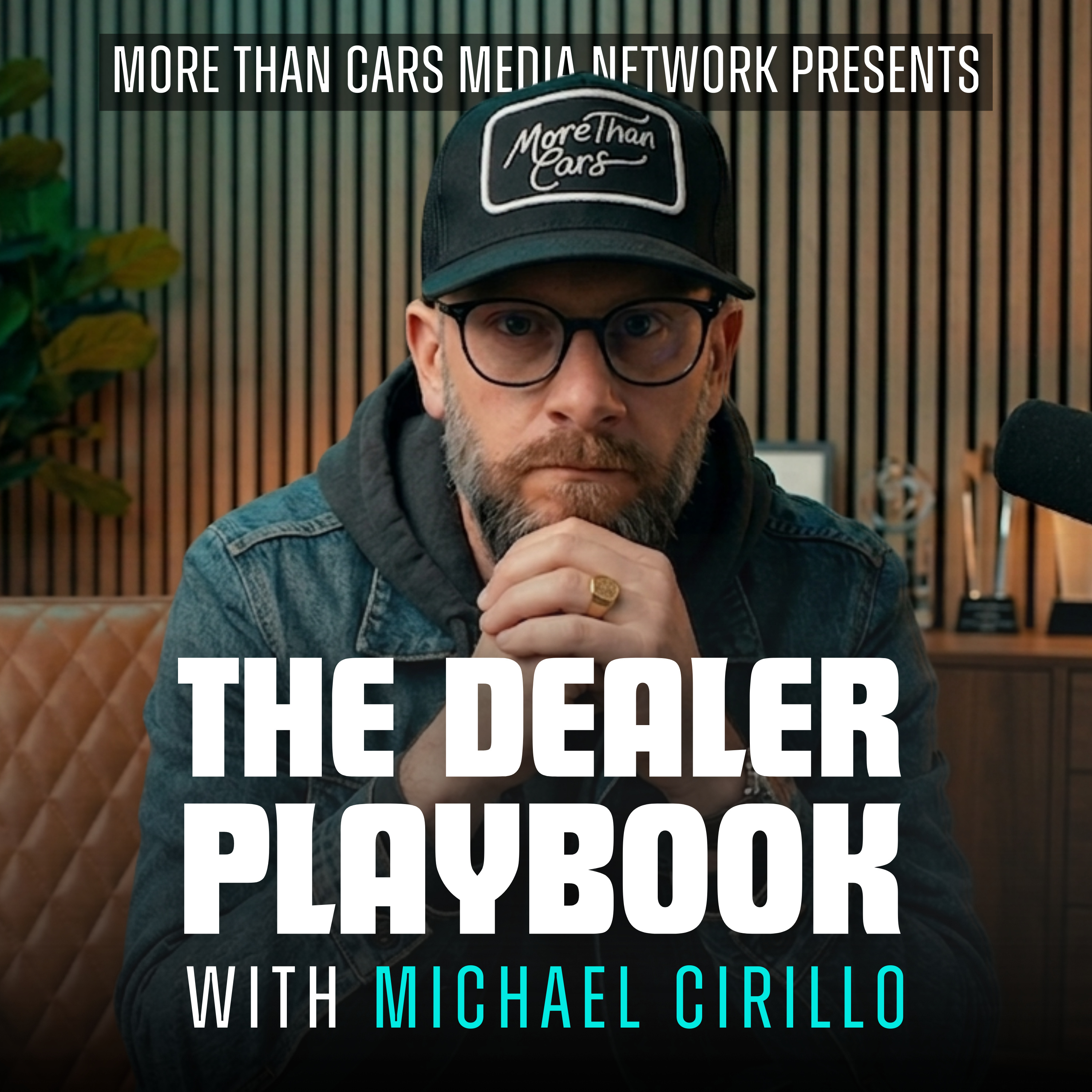
A dealer playbook is like a guidebook for how a car dealership should run its marketing and daily processes. The goal is to help dealers improve results using proven steps.
A competitive advantage is what helps a business stand out and get more customers than others. In car sales, it’s often about how you market and connect with people, not just the cars you have.
They’re talking about how sticking with something (like posting regularly) helps people understand what you’re about. Over time, that consistency can lead to more connections and opportunities.
The “dealers compressed podcast” is mentioned as the host’s first podcast, which later evolved into “clarity compressed.” This matters in the context of the episode because it illustrates how content positioning can shift while still building an audience.
They talk about a podcast called “clarity compressed” that started as something automotive-focused and then broadened out. It’s part of the story of how the host built their brand over time.
The segment frames personal or business branding as a “beacon,” meaning it attracts the right audience and opportunities. The idea is that credibility and visibility compound as more notable guests or partners get involved.
Company
Jaco
“Jaco” is referenced as a guest on the show, but the transcript doesn’t provide enough detail to identify the person or company. It’s still relevant as part of the hosts’ argument about using guests to build brand momentum.
Company
Gary Vaynerchuk
They mention a well-known marketing figure as someone who was on the show. The point is that having famous guests can help build credibility.
Kawasaki is mentioned among guest names, but the transcript doesn’t clarify whether it’s the motorcycle brand or a person with that name. Given the episode’s marketing focus, it’s likely a name-drop rather than a technical automotive reference.
Inbound means people find you first. Instead of you chasing leads with ads or cold outreach, your content (like a podcast) builds trust so prospects reach out on their own.
An outbound sales team refers to salespeople who actively seek prospects—through cold calls, emails, direct outreach, or scheduled pitches. The speaker contrasts this with a podcast-driven inbound approach, implying a different cost structure and sales process.
A wait list indicates demand is high enough that new prospects can’t be immediately served, so they’re queued. In the context of the segment, it’s used to illustrate how consistent inbound interest can build momentum for automotive-related businesses.
A pitch deck is a slide presentation used to persuade prospects with key points, visuals, and proof. The segment highlights that the team could run sales calls without a formal pitch deck, implying the podcast/brand narrative did much of the selling.
It means picking a very specific group of customers and speaking directly to them. Instead of trying to be for everyone, you become the “best fit” for one type of buyer.
It’s about finding the smallest audience you can work with and still make your business succeed. You don’t need huge numbers if the people you reach are the right customers.
Lifetime value means how much money a customer is likely to bring you over the years. If you can reach the people who will keep buying and using the dealership, you don’t need millions of followers.
A “tech stack” is the set of software tools and systems a dealership uses to run operations—often including CRM, marketing automation, lead tracking, and inventory/website platforms. The hosts emphasize that even dealerships selling similar cars can have very different stacks, which affects how they market and convert leads.
Instead of selling a car like it’s just numbers and features, a people-centric approach focuses on what the buyer actually cares about. It tries to make the brand feel personal and trustworthy.
The phrase means the real value is the meaning behind something, not just how expensive it is. Applied to cars, it’s about selling the feeling and personal connection, not only the specs.
They’re talking about dealers using podcasts to connect with customers. If you post consistently and share real stories, people start to trust you more.
It means the brand should have a real, interesting reason for existing—not just flashy ads. When people feel like they understand the “why” behind a product, they’re more likely to want it.
Concept
Strativarius story (real vs fake)
It’s a story about how people can tell the difference when they believe they’re using the real, special item. The point is that how something is presented and the meaning behind it can affect how good it feels.
“Micro brands” are small, niche brands that typically don’t have the mass-market recognition of big luxury names. In the watch example, the point is that a compelling story can make an unfamiliar brand feel desirable—an approach that can apply to niche automotive brands or specialty trims.
Rolex is a very famous luxury watch brand. The speaker mentions it to show the difference between big, well-known brands and smaller ones that rely more on their story.
Omega is a well-known luxury watch brand. It’s brought up to compare big-name recognition versus smaller brands that need a stronger story to stand out.
They’re saying podcasts work because they feel human and trustworthy. Instead of sounding like an ad, it feels like real conversation, which helps people trust what you’re selling.
The hosts use a watch story as an analogy for how “what you’re buying” is less important than “why you’re buying it.” The takeaway for automotive retail is to connect the vehicle to a personal narrative (adventure, community, identity) so the customer remembers the reason, not just the product.
Concept
brand hype vs authenticity
Sometimes companies get famous just because people are talking about them. The point here is that real trust usually comes from doing the work, not just marketing noise.
“Churn” means customers don’t stick around. The idea is that hype alone can bring short-term interest, but loyalty usually needs real value and consistency.
Company
Vincue
They mention Vincue as an example of a brand that’s popular right now, but they argue it’s not just marketing—there’s real effort behind it.
They’re talking about a specific event called “soda con.” The point is that it’s designed to feel more welcoming and community-driven than a typical car-industry conference.
“Vendors” are companies that supply products or services to dealerships (often marketing, software, or automotive services). The speaker implies that typical events can feel vendor-driven, while this one is structured differently.
Concept
elevate the experience across the board
The phrase “elevate the experience across the board” refers to improving how customers and industry participants experience the buying journey and dealer ecosystem. In automotive marketing, that usually means aligning people, process, and communication so the experience feels consistent everywhere.
Concept
mechanics of this formula
“Mechanics of this formula” suggests the hosts are moving from high-level storytelling to the practical steps that make the marketing approach work. In automotive retail, this often means defining repeatable processes for lead handling, follow-up, and customer experience.
LIVE
Okay, I have a controversial question. Yes, I'm gonna put you on the spot. Okay, and just for everyone listening
I know just cuz I know Paul there are gonna be
Names coming to his mind that he wishes he could say but he won't
And then there will be whichever one he uses as an example
I'm gonna turn this camera off right now, so I don't give you any tells here's the question stretchy pants
What's a brand that most people in automotive think is strong that you actually think is kind of hollow
One of the things that I enjoy most about producing the dealer playbook is hearing from you the messages that I get of people who are
Getting so much value out of the podcast applying it to their day-to-day workflows and
Finding a thriving career right here in the retail auto industry
It means the world to me and you know one of the ways that we make doing this possible is through my agency flex dealer
And of course in the spirit of providing value
I think this is a perfect time to head over to triple w dot flex dealer comm to show even further support for you
My beloved dpb gang right now if you go to my website
Flex dealer comm you can get a full free PDF of my number one best-selling book
Don't wait dominate and the reason I think it's so special is that a lot of the topics that are discussed in this book are
Even more relevant today than ever with this surgeon popularized AI and people wondering well
What can I do next? How can I have a competitive advantage?
Well, that's all here in this book
And so I'd love to be able to offer you a free copy of this if you go to flex dealer comm
It would mean the world to me because that is how we continue to produce this show for you
I
Want to ask you this before the internet. I was the only Michael Cerello in the world
And I also feel like
Early on I was the only dude. I knew
Who was actually building something on the back of a brand that I didn't even know I was building at the time
And then I meet you and fun fact like the first time you were on the show
We were not co-workers
No
Like we were kind of strangers
Mm-hmm
And it's a super fun way to be on a show by the way
Yeah, but well, yes, and it got me thinking about
What other things have come because of this thing we both decided to do call the podcast like when you really zoom out of that
You're like, how strange it's a podcast
And in my case for many many years
It's just the podcast with not that many people listening to it
I mean if you take it in the broader context of
What we see and the numbers we see in the Joe Rogan's and all these big influencers that you see
It's like it's a relatively small number of people listening
To whatever comes out of my mouth on a recording once a week, right?
well, but yeah, yes, and that's what fascinates me about it because
because of a podcast
I've written a best-selling book right because of a podcast. I've spoken all over the world like literally
From Australia to Kazakhstan and everything in between I've heard about this because of a podcast like
You know because of a podcast dot dot dot so many things have come of it and then
One of those things is helping other people produce podcasts, right?
We I've got a handful of people that I help do this now because I've got the formula after 14 years
I know you've got the formula
My point is this though
That
When people come to me and they're like hey, I was thinking about doing a podcast
I'm like, okay. You're like, yeah, because I want to be the next Joe Rogan and I'm like
stop pause
Joe Rogan was a celebrity for 35 years. Yeah, that's like saying I'm gonna start playing football
So I can be the starting quarterback of a Super Bowl team
Right. Well, and that's why I want to ask you based on what you you just said. Yeah, you know
Yeah, if I'm comparing
To Joe Rogan, I'm gonna look like a complete and abysmal failure, but if I look at the context of
My ecosystem that I can like pull a soap box over and stand on it in the middle of my town my town
Yeah, and start talking and in a group of people rally around
You know to the point of what you've experienced so tell me
From from your vantage point because we're gonna talk about branding
We're gonna talk about some of the things that have come because of your podcast to so do con obviously being one of those things
What have you noticed
by simply putting yourself out there in that way and
Knowing that there is a cure rated group of people that start circling around
I like how you just call it a town because like with air quotes because that really is I
Think a great example of what any podcast
can be
Amidst of various sizes of towns, right?
There are all types of towns and you're probably you've probably visited a lot of these like I have and
In my opinion the coolest towns I've ever been to are never gigantic
Right, they might not be tiny, but there's a size in there that we've been to these great towns where you're like
This town is pretty amazing
I would love to live in this town because it has this and it has this and the people are this way and it's right in this
Geography or it has these kinds of shops as it's kind of vibe. So I think anyone who starts to podcast has the opportunity to then
Kind of decide and maybe shape the type of town that other people want to live in and that really is that kind of is what brand is
brand is like a beacon that other people are attracted to or
You know people I say well your brand reflects is about your values and telling people about your values and I disagree with that
I think a brand
It's it's important and the only thing that makes a strong brand is a brand putting its values out there and saying this is what we believe
But a brand is just a reflection mechanism and people who see it
They see themselves reflect back or they don't and that's what it does
It allows them to say I see myself in that brand and that makes them move forward to toward it
Or that makes them say I don't really see myself here
And the same the town metaphor holds up
right you go to a town and
Some people might love it, but you might be like you know what it's a little too wild for me
I like it more laid back or it's a little too laid back
There's not a lot going on or you know and so that is what like the podcast that we have the ability to record something
Just words coming out of our mouth and distribute it gives us the opportunity to kind of like define
Define like a town center and say this is the town that I want to live in and the other people that want to live in this
Place get to say like I want to subscribe for whatever reason and as I started a podcast
I just started it. There's what is it if there's like a new it's not that new I guess it's a couple years old, but it's it's like a
Prequel to the Hunger Games. I can't remember what it's called
but
I think no, I don't know something that I don't think you're right there
Yeah, and and there's one character in there and he's kind of the predecessor of the TV announcer
that's always got the smile on his face and
He has this saying and I heard it and it stuck with me and it's not he's not like a profound character
I mean he's actually kind of like just a sheer opportunist right looking to get fame or his moment and
Find some leverage and importance and I always say this to miles because he we saw and I always say it
But he goes see what happens when you do things and
That that's what he said and he would just like try the randomest stuff and sometimes something would happen
He's see what happens when you do things as I say that all the time to miles and with a podcast
I think it's also like see what happens when you do things and just starting a podcast and staying consistent
You kind of define what it is that you're about and you get your a chance to flesh out your thinking and you attract the other people
Who think that way as well and so many of the relationships and opportunities and business businesses and
Connections and opportunities. I've had
Have I can map directly back to the fact that I did thing that I did a thing that I started a podcast
I was consistent with it
My the first podcast I started was called the dealers compressed podcast
Which then morphed into clarity compressed because I branched out just from automotive. It was just got a little bit a
Little bit of a higher level in the sense of like talking broader brand and broader strategy and personal development
And I did that every week for five years and then I took a break from it. I just fired it up
probably a month ago
But that was a connecting point that I made two speakers if you look back at the clarity compressed podcast and look at the
Guests I had on I way outkicked the coverage. Oh, yeah, but only because it's like way
Like gosh if they knew how many people were actually listening to that show in in the in the beginning of it, right like but
You know how it goes you get one guest and then you use that guest to say this person was on and now you have two notable guests
So when you ask the third notable guests, you say, oh these other two and then you have three or five
Yeah, well, and it's like what you just said. It's like your brand is a beacon. It's a reflection back
I think a lot of the reasons because I mean gosh who have you had I know Jaco, right?
You've had Jaco on the show. Oh, Gary Vaynerchuk guy Kawasaki Donald Miller
Yeah, unreal unreal heavy hitters, right?
Heavy hitters, right? Like they're all they're all like in our world. They're and I think they say yes
I mean, you're right. Like I've experienced something similar. They say yes because of brand
They see a reflection back of something that resonates with them. And I mean, this is what you're saying hits me because
This
This isn't about a podcast it is about brand
Right when I think Paul daily, I always think brand like I go
Oh, he's the he's the guy that understands and can articulate brand better than I can you know, but it is it is the
Effect of that beacon
You know a podcast is like a mechanism that helps articulate
The the beacon is the way I kind of am hearing it. Yes
And and that's why this works for anybody
I think dealers need to have their own podcast and they can't be about selling cars
They need to be about something else that is adjacent to right
I also think yeah, I think of like what's happened with my own business like, you know with flex with our agency over there
What we're experiencing with more than cars
You could go kind of back to the beginning like because of a podcast we have
One of the most incredible live events I've attended in my 20 almost 24 years in automotive
Right because of a podcast I have an inbound
Sales mechanism with no outbound sales team. Yes and a full pipeline that has a wait list now
Because every time we get on a call
You know, I remember this you've met Emer our CRO over at flex when he first joined the team and he was coming from outside of
Automotive, he's like, okay, we got dude. We got a sales call coming up and like we have no pitch deck
We got no thing and I'm like
Slow slow down. He's like no, like how do you do this without pitch deck?
I'm like just I don't I've never met these people don't know who they are
Just watch we show up to the call and I go hey, what brings us to the call today
And they're like, oh my gosh, I didn't think I was actually gonna pay you
For six years and we just know we got a bubba bubba bubba and Emer's learned now three three plus years later
He's been with me
That's how it goes. Hmm because nothing more valuable than that
There is no way to nurture a lead that is better than that and I'm so glad down
I'm so glad that I kind of I didn't know I was doing it now. I have a formula and you have the formula
I didn't know I was doing that all these years ago. I didn't know
That there was there were mechanics to all of this that you could create an inbound engine for a business
Let me tell you a fun story because it's super recent. I
Got cancer was a mess last week and
Either way, I'm on a flight
Like a rebook set next to some guy. We start talking. It was a short flight. It's like an hour and
I asked what he does and so he used to be in the military and then he became the CEO of a business and now
He gets hired by boards of directors to come in and kind of give the CEO like a last shot before they fire the CEO
So they call this guy to come in get to the bottom of it and and so like that that was fun in and of itself
That was fun in and of itself. He's like, yeah, this guy I'm working with right now
He's like I can't figure out what it is, but he's hiding something. I was like, what a fun job
But either way so then I you know, he asked me what I do and he's like, oh, that's funny. He's like my son
He manages a finance or he's like kind of number two in command or the president of a finance company that lends specifically to
Like contractors like larger contractors do like concrete work and they offer high interest loans like credit cards to finance very quickly
You know a concrete company gets a huge order and they need to buy the raw materials to make the thing
So they'll come in and it'll be like hey
Here's a credit card with 17% interest, but you know, you're gonna pay it off in 90 days
So it really doesn't matter you just care about getting it funded quickly
Don't want to go through all the paperwork of a bank
And he goes, you know how he gets all his business. I was like, no, he goes it's got this podcast
And he goes yeah, he's like and he gave it to me and I wish I remember the name of right now
And I was like, I can't believe that you sell to those people on a podcast and it's a it's a niche little industry
He goes, but boy do people show up and listen he goes
He just talks about topics around the industries that he served he never once talks about that he offers financing yet
Every episode they record he goes that we just get a long list of people
Signing up and inquiring about financing and I think that's just a hey if it can niche down to concrete contractors. Oh
Yeah, do you think that like we've kind of hit hit the point where it's like you can no longer say that this is not a viable means of
The developing and growing your business pipeline. I want to pick your brain
I saw this guy on there's this guy, you know, you do the scroll on LinkedIn. You see the same guy every now and again
I can't remember his name. He's not even in our industry, but he's like
Podcasting doesn't work anymore. You got to do long-form
YouTube content and you go to the comments and people are like, isn't that a podcast?
You know, he's obviously selling something right about why you shouldn't do a pie
What's he look like? Ah, do you have a beard? I do a goof. I don't
Use a Canadian words. You look like a hoser. It looks like a damn hoser
Yeah, shout out to my Canadian. Yeah friends and family
But I mean we're kind of experiencing the opposite and I I see it as an entry way
that that just opens up so many opportunities, but
It really comes back to
Brand and message and like what do you stand for you brought down like niche or niche?
I don't know what we say. We say I've heard both. I used to say niche now. I say niche
I don't know
The more sophisticated it hurts almost that was I remember the big podcasters when I first started like the John Lee
Dumas and
Flynn and these guys. Oh my gosh, I forgot. I was on his show once. Yeah, Amy
I can't Amy Porterfield and like all the big big and
Breakouts. Yes, and they were making six figures a month from podcasting and it was crazy and they all had courses
But John Lee Dumas was the first guy that said to me you got a niche down till it hurts
Hmm. I fully agree. I think I know Seth Godin calls it this but it's it's it's like you have to find
the minimal viable audience
How small can you get it and be like this is the smallest audience?
I can possibly talk to and still accomplish my business objectives
And that is that is counter to what the allure of being an influencer or the internet or
Podcasting numbers that's it's counterintuitive to that because that that game tells your head
You're not successful until you and every headline and every one of these posts like hey if you want
2000 followers or 2000 download the reality is you don't need that many especially if you work with anybody that's got a high
like a high lifetime value customer which you know
You and I are in the automotive industry and like we know we have a good
Like the the core product is something that spins all the wheels is the fact that a consumer needs to buy a car and drive a car
It's moving molecules. It's not tech based. It's hard asset based
So that's the foundation of this industry and then how can we deliver that car in a better more efficient more productive ways?
And then we have all these tech companies and service companies
So like our foundation of our industry in general is really solid. It's never going away
It's a staple of the economy of the United States of America, right?
Good start, right? Yeah, but then within that there are no two dealerships that are alike
And there are 16,000 new car dealers in the US and countless other independence like no two letters same. Yes
No to do like even if they sell the same car in the same type market the tech stack
They use is different the solutions the people the company culture
Which means we have all these opportunities to niche down within our industry for the people that look and think and want to live in
The town that we want to live in and for us you myself
Flex more than cars. We have like this people-centric approach, right?
I remember you had you had bracelets before it said people over profit, right?
In the car you remember that because you gave me one I
Because you gave me one
You the flex watch that you gave me I only wear that on special occasions. I wore it once last one gosh
Thank you. It's like yeah. Yeah, it's I feel I feel like a baller when I wear it
You don't know like I for me you're a watch guy so but for me. I feel like that's my fancy watch
Dang what see that? Look look Michael. This is such I can't use your whole name right there. Um
This is exactly what I'm talking about
Because the way I feel when I put that watch on is
Only is the only thing that matters
It doesn't matter how much you paid to have it made it matters that you gave it to me
And it carries value because you and your beliefs and the respect I have for you and the entrepreneurial nature
The fact that you love watches and I know that because I've seen you talk about it in your content, right?
It now
I don't find a way to write them off
That's fine. That's a great
Whatever
But the point is it's like what I'm I'm not wearing the watch. I'm wearing the story and
And that's what a podcast could to bring it all the way back
That's when you said dealer should have a podcast and his partner should have a pocket
Like if you can or if you can find somebody help you should have a podcast because it allows people the opportunity
To potentially if you're consistent to
Wear the story and that's really what a great brand is like I'm not
You know what a Strativarius is the violin?
Yeah, you heard the story you've heard the story about like they got a pro violinist and they said hey listen
We've restored this Strativarius and we're gonna let you play it and for every like concerto violinist
It's like that the pinnacle you can't play a better instrument than that and the whole story about mister Strativarius and the family and why
These are the best sound sounding instruments and what they did is they had a Strativarius and then they had a fake Strativarius and
They split the groups and they said you're gonna play the real one. You're gonna play the fake one
Or they would give one the fake one. Here's the Strativarius
Here's the other one and then they hand on the real Strativarius and to a person every single one said the non-Strativarius
Sounded better. Wow because they were playing the story at that moment when they played it. They were in it
You're blowing my mind. I'm thinking about
Okay, so I speak in a watches and the Strativarius story. I
Yeah, let's go buy some watches. I went to a watch fair
And I didn't know you could buy watches there
So I wasn't going with the intention to buy but it was micro brands micro brands being
Yes niche down brands right they're not a Rolex. They're not an Omega. They're not a long gene
They're not a whatever and so I go and all of a sudden I'm exposed to brands
I've never heard of France and German brands and so on and so forth and the one brand
I can't remember the name
But it would be easy for me to find out because I was so captivated by the story first. It was the founder the guy who
Created the watch brand standing there and he's like from Norway and he's like so all of our brands come from
Adventures I've been on and he pulled up an iPad. He's like this one inspired by the Arctic Glacier
I'm just here for the accent at this. Yeah, dude
And he pulled up an iPad and he's like you might think that I have not been on the glacier
But here is footage of us climbing the and I was like dude. He's like this one is from a lava field
Where he's like here's a video of us on the I was like I want it in give it a watch
And then he was like they're $2,500 and I was like slow
I need to ask my wife. I'm never coming back
But to your point you're right like there's a connection there similar to why I think when people come to a sales call for our our company
They're they're connected to the story. They're not they're not connected to a podcast. They're connected to a
relationship to a story to a relationship a belief a
Connection I'll tell you this though if you were the kind of person that liked to hike glaciers and lava fields
I bet you would remember the name of the company. It'd be at the top of your list for watches
I need to get that's true, right and and so yeah people when they connect to the story they connect to us as people
human
To human connection. That's all that's why podcasting. It's like it's you it's real
That's why I think like when people start to fake stuff with AI like fake podcasting fake content
It'll serve some sort of purpose like it it will move the needle
especially the super advanced stuff that you're seeing already where you just like spinning up influencers or regular right people to
promote your product but
Humans are really good at smelling out the BS and I I know
That it's just so quickly. It's going to turn back to people understanding
What's real and what's not being skeptical of everything and it's very hard to duplicate a real person over time
Because the way you live out your life in the especially in a smaller industry like people see us like we go they can
But they pinch your cheeks, you know, like a grandma and
No, so that this ties it all back it the watch story is the cleanest example
It's like what were you enamored with well the watch was cool. I'm sure
But the story behind the watch
Curiously through this dude that was doing stuff that I know I never will want to do because it sounds like camping
You did and you didn't buy one in the moment, but that doesn't mean you're never gonna buy one
You're telling every everybody that's listening to this right now
Maybe there's somebody that's a watch person that's on a glacier, right?
And it's like the power of that story and that brand that person being there with a minimal viable audience now is
Getting more airtime across thousands of listeners because they were they were them. Okay, I
This ties into what I want. I have a controversial question. Yes, I'm gonna put you on the spot
Okay, and just for everyone listening. I know just cuz I know Paul there are gonna be
Names coming to his mind that he wishes he could say but he won't
And then there will be whichever one he uses as an example
That's gonna be a different podcast turn this camera off right now, so I don't give you any tells here's the question
Stretchy pants. What's a brand?
What's a brand that most people in automotive think is strong that you actually think is kind of hollow and why?
And it might not even have to be an automotive brand just a brand that you're like. Oh, yeah, everybody like
Thinks this is like or general belief thinks this is a good brand and I think it's kind of hollow
You're right
Therapy is actually
Your prediction is correct
I'm gonna start by saying this I believe that if a brand is hollow it's because
The business model does not prioritize an
authentic brand and it's hard to say
Like I can't make a moral judgment on whether or not that's good or that's bad because business is about
Transacting and if anyone says business isn't about the money
Well, they don't have a business because if you don't have any money you don't have any business, right?
So I think businesses make all kinds of decisions on what they're going to invest in I think the biggest
I'm not gonna give you name, but by the way, but I will say you've been hanging out with senators. I can tell
Man, they are they are wiggly
But I also see how much heat they take in the comments whenever we have a set it's a porpoise man. It's it's brutal out there
What I will say is that I think from a hollow standpoint one of the probably like eight out of ten times
The more hype there is around the brand the more hollow it actually is
Mmm, and so like brands that get by on hype hype hype hype hype hype
I actually think the meaning behind that brand is is one of the fastest brands that people will run from or leave
Whenever there's any kind of conflict tension or even a small misalignment there and I think we've seen this in pop culture
We've seen it across big brands
I think it's the bigger the brand gets the harder it is for them to be authentic and have a depth
Because just the nature of a big business
I think some companies have done it well and then you know just market dynamics take over and you know shifts
But I think I'm always leery whenever there's a lot of hype that there's much depth
But doesn't mean hype doesn't grow your business. It doesn't mean hype doesn't make you money
It doesn't mean hype doesn't get people to try a product
But I think the products that probably have the most hype probably also have like
Like a high level of churn and a low level of loyalty and then and then you get the you get the companies that have both
Right, they have hype and they have depth and typically there's a critical mass that happens
I think one of the companies I'm gonna shout this one out because I've seen it
I think Vincue is a company that's got has had has a lot of hype right now because people are talking about it
But I also think when you meet the people you know the people there's actually a lot of depth there
And then typically when a company has hype and depth at the same time
You can easily backtrack and see they've been doing the work another influencer Russ flips whips
I think there's another person who's got a ton of hype right now and people could easily just say
Oh, he's just another influencer his time of going but when you go back seven eight nine years and Russ posts this stuff
And you watch like oh Russ was making videos eight years ago
And he's sitting in a car kind of awkwardly trying to talk his way through it and saying um every other word
Right and then getting to know the person a little bit and realizing like oh
That's a that's a pretty open-handed person who generally wants to help people and isn't just about
Look at me. Let me get the views
But it's also about look at me and let me get the views so I think there's there's some kind of crossfade there that happens
But I feel satisfied in your diplomacy. Thank you. I like that and and it kind of ties into I've got two questions
I know you got a hop, but I want to ask you this one
So because it kind of feeds in what you're saying feeds into this this next question, right?
There's a difference between being known kind of like the hype mm-hmm and being trusted, right?
Yeah, and we know relationships of trust are incredibly important to us. So how do you know?
When you've when you've crossed that line like what actually gets you from being known to being trusted. Mm-hmm. That's a good one. I
Think being trusted is this combination of
Individual experience and the precursor to individual experience is like
Second-layer like it's like your second-layer network like Michael if you came to me and you were like listen, here's this company
Here's this guy
He's trustworthy because you had an experience
Right that would move from being known to being trusted because someone I trust said I trust them, right? The second thing is
repetition
Right and like you have not okay. Maybe repetitions are wrong. Let me back that up for a second
interaction mm-hmm
You cannot really trust somebody until you've interacted with them a little bit
You can build trust but still at when the first moment of interaction come is when you find out
How much you actually trust them and I would argue that your trust can't go much deeper until you've kind of
find out personally that
There they're the real thing or the company's the real thing because for instance a I don't know
We talk about and I've never been to 11 Madison Park
It was will Godera's restaurant and now he doesn't own it anymore, but I
Have trust in the 11 Madison Park brand because of all the things I've heard
So I can say all that that seems like a great place you should go there
But there there's they'll come a moment when I actually go there and in that moment that very fragile bit of trust that I have
Could actually go away in an instant
Conversely if I went to 11 Madison Park three times by now and I go again and I have a little bad experience
That trust doesn't fully fall apart
Right, and so I think you need to have some level interaction and that's the only time where it can actually transition into actual trust
But there's like a lot of steps that go from there and I think consistency repetition
I say, you know a lot of people say we have integrity
I think integrity is integrity is really just a synonym for predictability if I can predict
Successfully and accurately what your next move will be or what when presented with a situation how you will decide
Then I would say oh that person or that brand has integrity because it's predictable
There's something about the experience and I want to just turn this back over to you as we wind down to end here
Experiencing somebody and and taking what you see in the digital and marrying it to what's happening in real life
I feel like
For me, that's one of the reasons why I enjoy going to events like a so-do con so much because I can I can go wait like I
Met you and I feel like I know you and now here's a real opportunity in the right setting to connect with you and get to know that
That wasn't all fake. It wasn't all hype that you can be trusted
For you, I mean tell me a little bit about a so-do con. It's coming up here shortly
Why is it that you desire people to come and experience a so-do con?
Well, I got one of the best compliments for a soda con at the last one
I generally walked up to me that I didn't know and
One of the coolest part was he really didn't know who I was until he came to a soda con
Which is in my mind is the pinnacle if someone comes to a soda con and they don't know who I am
As the founder and has been the face
I feel like the culture has just won
Because he was attracted there and he said this he's like, oh, I had a I saw you and I found out who you are
I had to come say this a lot of people say they have a culture a
Culture around an organization event. He was this place actually has one and
Because he knew it he got he didn't get it for me
He got it from everybody else and the reason I want people to come to a soda con because we can say all we want
That this is a different event that it's different than every other industry event that the people are so open-handed from the beginning
They want to help they want to help one another that you don't have to put the body armor on as a dealer and worry that you're
Going to get like barrage by vendors just wanted to look at your badge and scan your badge like that is not a part of this event
But you can never know it until you come and I think that in order for to elevate the experience across the board across the industry
I think you have to prove that you're not idealistic
Because it actually exists and so I want people to come because when they step in there the whole mind space
The whole intentionality is different when you step in the floor and I you cannot accurately
Communicate it through a video through sessions and we record and release all the sessions
But it's almost like whenever you try to take a picture of a landscape
You're always disappointed when you look at the picture. You're like this
I mean, this is a good camera
But it cannot even come close to the feeling that I have when I'm in the landscape
So a soda con is the part where it's the landscape and anybody who goes
Feels that immediately and then gets to become again say this is this is a cool town. I think I'd want to live here, you know
Yeah, I don't know. I was okay to cry at a automotive event
One last question I want to turn back to you. I mean we've we've covered a lot of territory
I think there's people out there that are like man
I need to put the mechanics of this formula in place
But I don't even know what the formula is how do how do those listening that are like man
I want to create that engine. I want to yeah longevity in that trust
How do they get in touch with you so that you can convey to them what the formula and mechanics are? Yeah
It's very simple. My email address is paul at more than cars.com
actually
Orients start to orient more than cars in the way that it's part of our mission to help as many people as possible do
These things and communicate better. I think that's the future of marketing and brand
Is being able to create the media necessary to start to work it out and flesh it out
So my email paul at more than cars.com. Let's go. All right, buddy. Love you. We'll see you at work later
Hey, thanks for listening to the dealer playbook podcast if you enjoyed tuning in please subscribe share and hit that like button
You can also join us and the dpb community on social media
Check back next week for a new dealer playbook episode. Thanks so much for joining
You
About this episode
Paul J Daly and the host dig into how podcasting becomes a branding engine, not just a content channel. Using the “town” metaphor, they argue that strong brands act like beacons that attract people who see themselves reflected in the message. The conversation connects podcast consistency to unexpected outcomes: speaking gigs, books, relationships, and even inbound business leads. They also touch on ASOTU, More Than Cars, and how authentic, adjacent content can build a loyal community without chasing celebrity-scale numbers.
Is your dealership marketing feeling hollow? Are you chasing digital trends only to find your message falls flat? Many in automotive retail are struggling to cut through the noise, constantly investing in strategies that fail to build genuine connection or long-term loyalty.
This isn't just about selling cars; it's about building a brand that resonates deeply with your community and stands the test of time.
In this episode, you’ll learn:
How to build an authentic brand that attracts customers who *choose* your dealership.
The difference between fleeting "hype" and lasting, trustworthy dealership leadership.
Why a targeted approach to automotive sales content creates a powerful inbound lead engine.
How even a small audience can translate into massive dealer growth and business opportunities.
The essential truth about connecting with customers: people buy stories, not just products.
Paul J. Daly, Founder and CEO of ASOTU and host of Automotive State of The Union, shares his insights on why authentic connection is the ultimate marketing advantage in today's landscape.
Timestamps
00:00 Controversial Brand Question
00:36 Intro
05:10 Your Podcast Town
07:15 See What Happens
09:03 Big Guests Build Credibility
10:36 Inbound Sales Engine
14:30 Does Podcasting Still Work
15:50 Niche Down Till It Hurts
17:31 Dealerships Are Unique
18:37 Wearing The Story
19:40 Stradivarius Story Effect
22:31 Real Vs Fake Content
28:15 Known To Trusted
33:49 Contact And Wrap Up
Follow The Dealer Playbook so you never miss an episode.