
A deep dive into the implications of recent import tariffs on the automotive market, particularly for classic and collector cars. Jason Cammisa and Derek Tam-Scott discuss the volatility in car values, the potential impact on the market, and the challenges faced by enthusiasts looking to import vehicles. They also touch on the legal issues surrounding Volkswagen's removal of features from their cars, stirring a debate on consumer rights and corporate responsibility. The episode is filled with insights on the economic landscape affecting car enthusiasts today.
A barrage of tariffs are foisted onto the automotive marketplace and throw a wrench into the car importing business (including Derek’s OTS and Co.). Are used cars affected? Not even ChatGPT knows. Jason wants to file a class action suit against VW for sunsetting 3G functionality in Mk7 cars, and Jay Leno puts his name behind California SB 712 to reduce the smog check burden on California-based classic car owners.
We’ll start off with 1980s turbocharged lag-mobiles: the Saab 99 Turbo, BMW 2002 Turbo, and Porsche 930. At the time, Lotus deemed this power curve and response time unacceptable and managed to create a significantly better turbocharged experience in the Esprit Turbo. So good in fact that it may be on par with the W124 Mercedes-Benz 300E with a Mosselman twin-turbo setup that Jason recently drove.
Next, Jason thinks a class action lawsuit is in order against VW of America. That’s because after 3G cell networks were shut down in 2022, VW failed to maintain the functionality of its Car-Net app that allowed for remote lock/unlock, cabin pre-heating, break-in alerts, charging start/stop and automatic crash notifications. Now, 3 years later, VW has admitted defeat, and has told owners that no fix will be provided. This is quite different from Tesla’s approach, who called in owners and upgraded their modems to run on the newer networks. Derek also notes the class action lawsuit against Mercedes when it was discovered that the clear coat on their Mars Red paint didn't last.
Then we dive into the tariff chaos. Mainly the 25% tax on all imported automobiles, which may be permanent like the “chicken tax” on imported trucks, or it may last a few hours? Does it apply to used vehicles? No one is sure. But Derek wasn’t waiting around to find out when OTS was facing a $700,000 duty on a car it was actively importing for a client. Ronald Reagan briefly weighs in on the effectiveness of tariffs, and EU-allergic Switzerland enters the chat. Plus Ford and Mercedes-Benz both have extensive experience evading tariffs from their time importing non-tariffed “passenger” vans into the States, only to have their technicians immediately convert them into cargo trucks by removing the seats and windows then shipping the pieces back to Europe for the next batch.
We’ll also cover various shipping methods (container vs "RoRo") as both Derek and Jason have experienced shipping cars overseas – both Derek’s W116 and W124 wagon made the voyage across the Atlantic, as did Jason’s E30 Touring and 190E 2.3-16. We’ll talk Boeing 747 8F cargo planes, RoRo cargo ships, 20- and 40-foot containers, and all of their associated pros, cons and costs.
We’ll also dive into the used car market and recent auction results. Why are similar cars fetching wildly different prices at major auctions and on websites like Bring A Trailer? Derek and Jason both weigh in on the factors at play, including two recent BMW 850CSi sales.
Lastly, we’ll touch on California SB712, now nicknamed Leno’s Law. A new law working its way through the California legislature that aims to reduce the smog check burden on classic car owners and collectors (as well as the repair shops burdened with maintaining dynamometers for a dwindling pool of cars requiring one for proper smog testing).
Learn more about your ad choices. Visit megaphone.fm/adchoices
"I drove something recently that was turbocharged that I had expectations of shitness for and was actually surprisingly good. And surprisingly, so it's a 1980s turbocharged carbureted car."
A turbocharged engine has a special device that helps it produce more power by pushing in extra air. This makes the engine stronger and more efficient.
Turbocharged refers to an engine that uses a turbocharger to increase its power output by forcing more air into the combustion chamber. This allows for better performance without significantly increasing the engine size.
"surprisingly good. And surprisingly, so it's a 1980s turbocharged carbureted car."
A carbureted engine mixes air and fuel using a device called a carburetor. This was how cars used to get fuel before newer systems were invented.
Carbureted refers to an engine that uses a carburetor to mix air and fuel for combustion. This technology was common before fuel injection became the standard in modern vehicles.
"surprisingly good. And surprisingly, so it's a 1980s turbocharged carbureted car."
The 1980s is a time period that includes all the years from 1980 to 1989. Cars from this time often had different styles and technologies compared to today.
The 1980s refers to the decade from 1980 to 1989, a period known for significant changes in automotive design, technology, and performance, including the rise of turbocharged engines and increased focus on fuel efficiency.
"British. Yes. British carbureted turbocharged early 80s."
British cars are those made in the UK. They often have special designs and are known for their history and style.
British cars are vehicles manufactured in the United Kingdom, known for their unique designs and engineering. Brands like Aston Martin, Jaguar, and Mini are examples of British automotive heritage.
"I'm an old man. The Esprit, when they were engineering and they wanted it to..."
The Lotus Esprit is a stylish sports car from Britain that was made for many years. It's known for being fun to drive and even appeared in a James Bond movie, which made it quite famous.
The Lotus Esprit is a British sports car that was produced from 1976 to 2004, known for its sleek design and agile handling. It gained fame for its appearances in films, particularly as James Bond's car, making it a significant part of automotive pop culture.
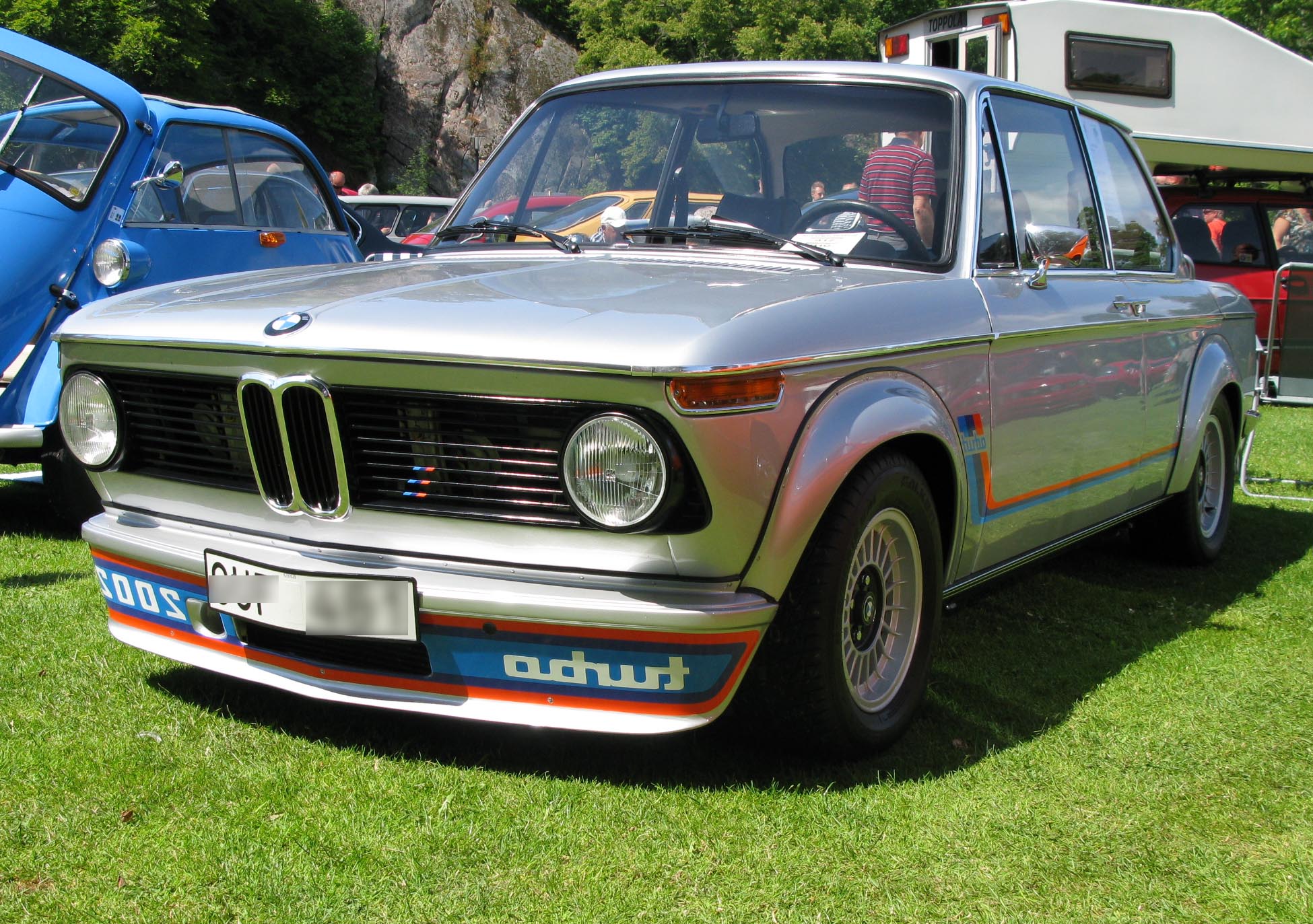
"benchmark other turbocharged cars, which were like the BMW 2002 turbo and the Porsche 930 and the SOB-99 turbo..."
The BMW 2002 Turbo is a small, sporty car that was one of the first to use a turbocharger, making it faster and more powerful. It's a classic model that many car enthusiasts admire.
The BMW 2002 Turbo was one of the first turbocharged production cars, known for its sporty performance and compact design. It played a significant role in establishing BMW's reputation for performance-oriented vehicles.
"benchmark other turbocharged cars, which were like the BMW 2002 turbo and the Porsche 930 and the SOB-99 turbo..."
The Porsche 930 is a famous version of the 911 sports car that has a turbocharger, giving it extra power and speed. It's well-known among car fans for its performance.
The Porsche 930 is the turbo variant of the G-Series 911, produced from 1975 to 1989. It is known for its distinctive styling and powerful turbocharged engine, which contributed to its iconic status.
"And so they said, let's run pretty light boost pressure. I forget what it was like six or seven or eight pounds of boost, fairly high compression ratio."
Boost pressure is how much extra air is pushed into the engine to help it produce more power. It's usually done with a turbocharger, which helps the engine run better and faster.
Boost pressure refers to the increase in air pressure supplied to the engine's intake, typically achieved through a turbocharger or supercharger. Higher boost pressure can lead to more power but requires careful management to avoid engine damage.
"So we talked about this on the podcast, but I drove that W124-300E with a Muslim on twin turbo setup."
The W124 300E is a model of Mercedes-Benz known for being reliable and well-built. It's part of a series that many car lovers appreciate for its performance and comfort.
The Mercedes-Benz W124 300E is a part of the W124 series, known for its durability and engineering. It features a straight-six engine and is highly regarded among enthusiasts for its balance of performance and comfort.
"I think remember it's three liters of displacement with two turbos on it."
Displacement is how big an engine is, measured in liters. A bigger displacement usually means more power.
Displacement refers to the total volume of all the cylinders in an engine. It's usually measured in liters and gives an idea of the engine's size and power potential.
"It just felt like a fuel injection system that wasn't immediate and responsible. Or like a delayed thought."
A fuel injection system is a part of the engine that sends fuel to it in a very controlled way. This helps the engine run better and use less fuel compared to older systems.
A fuel injection system is responsible for delivering fuel to an engine in a precise manner. It replaces older carburetor systems and allows for better fuel efficiency and performance by controlling the amount of fuel injected based on engine needs.
"look, it's all about the volume of air you have to accelerate."
The volume of air is how much air an engine can take in. More air means the engine can burn more fuel, which helps it produce more power.
The volume of air refers to the amount of air that an engine can intake, which is crucial for combustion. More air allows for more fuel to be burned, leading to greater power output and efficiency.
"And so they were like, we put everything really close to the carburetors so that there's just a very small, minimized volume and like a small intake manifold."
Carburetors help engines get the right mix of air and fuel to run. They're mostly found in older cars since newer ones use a different system called fuel injection.
Carburetors are devices that mix air with a fine spray of liquid fuel for internal combustion engines. They were commonly used in older vehicles before fuel injection became the standard.
"...there's just a very small, minimized volume and like a small intake manifold. So there's not a lot of air in there that has to be accelerated."
The intake manifold is a part of the engine that helps send air and fuel to the engine's cylinders. It's important for how well the engine runs.
The intake manifold is a component that distributes the air/fuel mixture to the engine's cylinders. It plays a crucial role in engine performance and efficiency.
"...in the case of the e-Golf. So internet connectivity for the car..."
The e-Golf is a version of the Volkswagen Golf that runs on electricity instead of gasoline. It's designed to be more eco-friendly and has features that help with driving and charging.
The Volkswagen e-Golf is an electric version of the popular Golf hatchback, designed for environmentally conscious drivers. It features electric motors and battery technology, providing a sustainable alternative to traditional gasoline-powered vehicles.
"...it's Volkswagen's product called Carnet, which was incredibly poorly done, but still worked..."
Carnet is a service from Volkswagen that helps you connect your car to the internet and use features like tracking where your car is or accessing certain apps.
Carnet is Volkswagen's connected car service that provides features like remote vehicle access, location tracking, and internet connectivity for their vehicles. It aims to enhance the driving experience through technology.
"It also has break-in alerts. And for me, the most important thing with the eGolf was you can manage charging."
Charging management is about controlling how and when you charge your electric car. It lets you set times for charging and check how much battery you have left.
Charging management refers to the systems and features that allow drivers to control how and when their electric vehicle charges. This can include scheduling charging times, starting or stopping charging remotely, and monitoring battery status.
"And specifically, doesn't have a climate control system that's different from the gas burning Mark Seven Golfs."
A climate control system helps keep the inside of the car warm or cool. It controls the air temperature and flow to make sure everyone inside is comfortable.
A climate control system in a vehicle regulates the temperature and airflow inside the cabin, allowing for a comfortable driving experience. It can include features like air conditioning and heating, which are essential for passenger comfort.
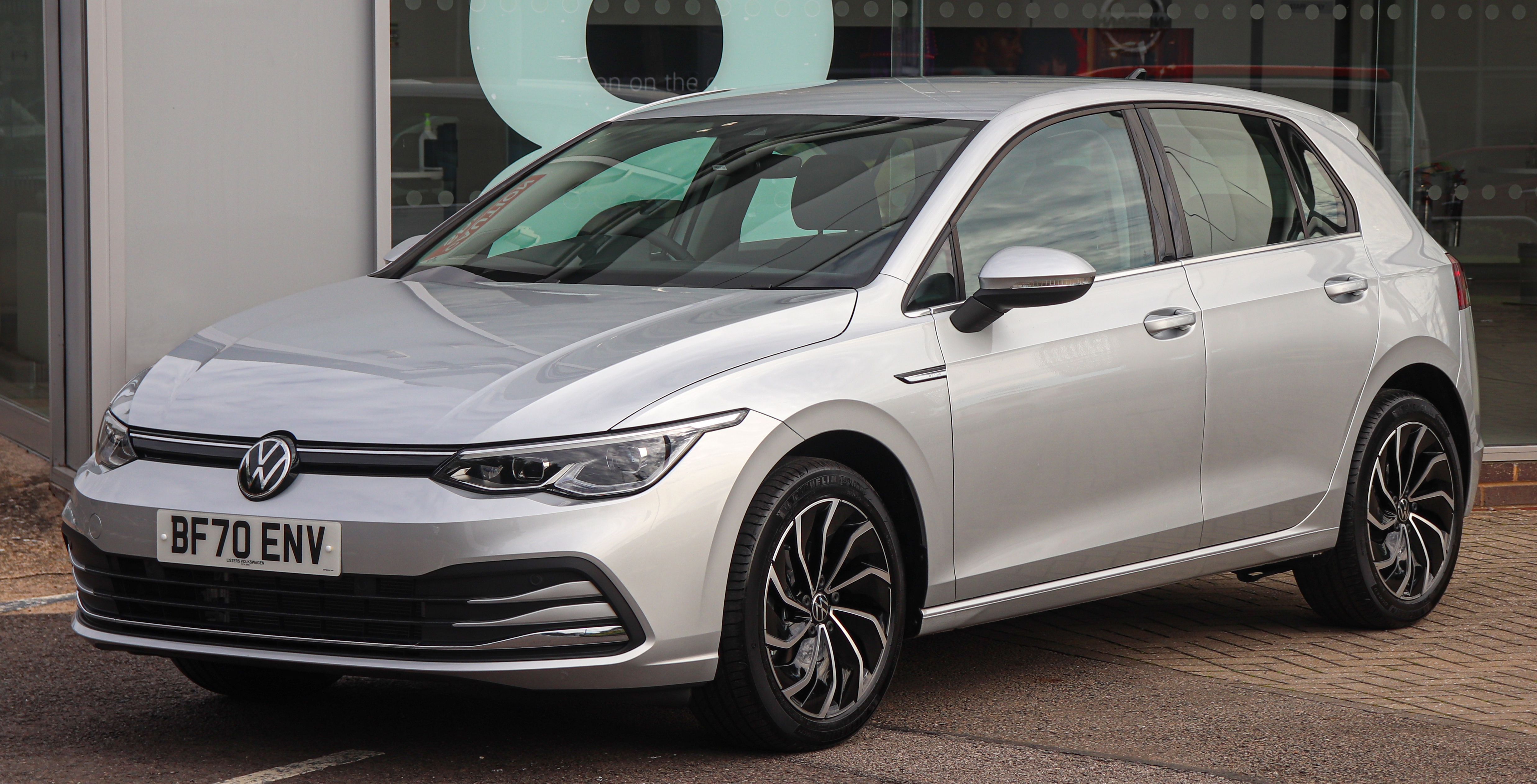
"that's different from the gas burning Mark Seven Golfs. It just has a small coolant reservoir"
The Mark Seven Golf is a version of the Volkswagen Golf, a small car that many people use for everyday driving. It's known for being reliable and easy to handle.
The Mark Seven Golf is a generation of the Volkswagen Golf, a popular compact car known for its practicality and performance. The Mark Seven refers to the seventh iteration of this model, which was produced from 2012 to 2019.
"It just has a small coolant reservoir and a five kilowatt heater."
A coolant reservoir is a container in your car that holds a special liquid called coolant. This liquid helps keep the engine from getting too hot while it runs.
A coolant reservoir is a tank that holds the coolant fluid used in a vehicle's cooling system. This fluid helps regulate the engine temperature and prevents overheating by circulating through the engine and radiator.
"and a five kilowatt heater. And it circulates this coolant through that system"
A five kilowatt heater is a device that makes heat using electricity. It's used in some cars to warm up the inside quickly, especially in electric vehicles.
A five kilowatt heater is an electric heating element that can produce a significant amount of heat, typically used in electric vehicles or as a supplemental heating source. It converts electrical energy into heat to warm the cabin or other components of the vehicle.
"It's wasteful because of how it's done. It's not heating the air directly."
When something is called 'wasteful' in cars, it means it's using more energy or resources than it should. This can make the car less efficient and cost more to run.
In automotive terms, 'wasteful' refers to processes or systems that consume more energy or resources than necessary, often leading to inefficiency. This can apply to fuel consumption, energy use, or other operational aspects of a vehicle.
"...ent away. As did the automatic, you know, calling 911, sort of on-star. He kind of the thing."
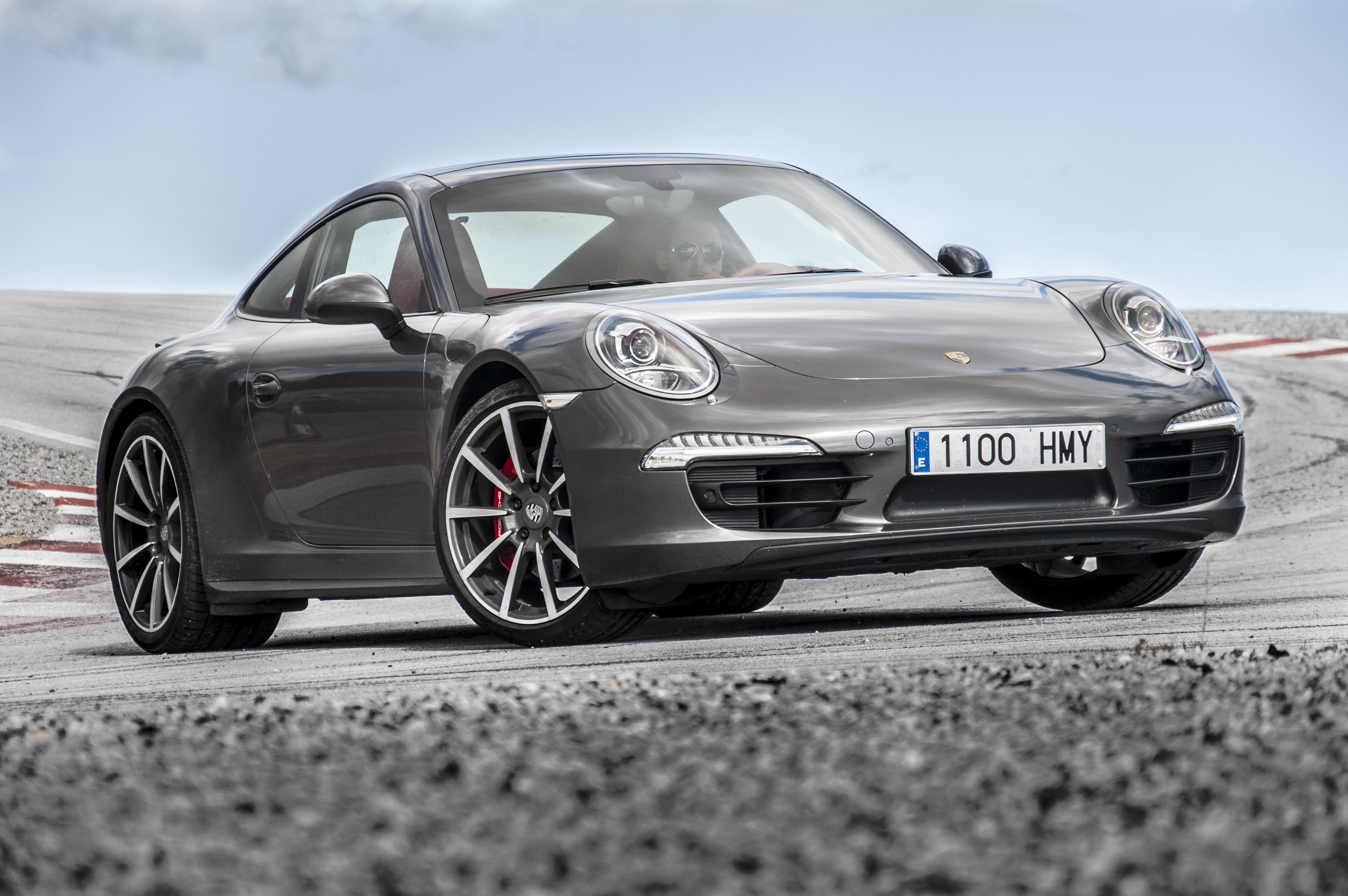
The Porsche 911 is a famous sports car that many people admire for its speed and unique shape. It's been around for a long time and is known for being very well-made and fun to drive.
The Porsche 911 is a high-performance sports car that has been in production since 1964. Renowned for its distinctive design and rear-engine layout, it has become an icon in the automotive world, often discussed for its engineering excellence and racing pedigree.
"...like on-star or whatever they call it, equivalent in terms of accident notification actually has like a meaningful safety implication."
OnStar is a service that helps drivers with safety and information. It can call for help if there's an accident and gives directions or checks the car's health.
OnStar is a subscription-based service that provides in-vehicle safety, security, and connectivity features. It includes services like automatic crash response, navigation assistance, and vehicle diagnostics, enhancing safety and convenience for drivers.
"...the service was included for X amount of time while my car was under warranty for charging purpose."
A warranty is like a promise from the car maker that they'll fix certain problems for free if they happen within a certain time or distance. Here, it lasts for four years or 50,000 miles.
A warranty is a guarantee provided by the manufacturer or dealer that covers certain repairs or services for a specified period or mileage. In this case, the warranty lasts for four years or 50,000 miles, meaning the car owner is protected against certain defects or issues during that time.
"...this would be now my niece's GTI, which is also a 17,..."
The Volkswagen GTI is a fun and fast car that many people enjoy driving. It's a hatchback, which means it has a lot of space inside, making it practical for everyday use.
The Volkswagen GTI is a sporty hatchback known for its performance and practicality. It has a strong following among car enthusiasts and is often praised for its engaging driving experience.
"...we informed you of AT&T's decision to sunset its 3G network, including in the loss of connectivity..."
A 3G network is a type of mobile internet that was commonly used for smartphones and connected cars. It's being replaced by faster networks like 4G and 5G, which offer better speeds and connectivity.
A 3G network is a third-generation mobile telecommunications technology that provides faster data transfer speeds compared to previous generations. It has been widely used for mobile internet access but is being phased out in favor of newer technologies like 4G and 5G.
"So last week, a Euro spec, 34,000 kilometer, 850 CSI, that looks very much like my same color combo. Sold on Brake Trailer for $211,000, plus fee."
The BMW 850 CSI is a special version of the 8 Series car that has a very powerful engine and is designed for both speed and comfort. It's a luxury sports car that many enthusiasts admire.
The BMW 850 CSI is a high-performance variant of the 8 Series, known for its powerful V12 engine and luxurious features. It represents a blend of sports car performance and grand touring comfort.
"and so it would detox, you know, 2.5%, rather than 25%. And so Mercedes-Benz, and I think Ford also used to bring passenger cargo vans with seats over, and they would come in as passenger vans, they would then remove the seats,"
The Mercedes-Benz SL is a fancy convertible car that has been around for a long time. It's known for being stylish and fun to drive, making it a symbol of luxury.
The Mercedes-Benz SL is a luxury roadster that has been a part of the Mercedes lineup since 1952, known for its performance and elegant design. It is often discussed for its status as a symbol of luxury and engineering excellence.
"...ving your car. You're like, so when I brought the E30 in, I rode it. But I pulled the fuel pump relay."
The BMW 3 Series is a popular car that combines luxury and sportiness. It's known for being fun to drive and is often chosen by people who want a nice car for both work and play.
The BMW 3 Series is a compact executive car that has been a staple of the BMW lineup since 1975. Known for its sporty handling and luxurious features, it is often discussed for its balance of performance and everyday usability.
"...car, which would be, you know, your kuntoshes and F40s and Shorako's 2300 pounds and low."
The Ferrari F40 is a super-fast sports car that was made in the late 1980s and is famous for being very light and powerful. It's considered a classic and is loved by car fans around the world.
The Ferrari F40 is a legendary supercar produced between 1987 and 1992, celebrated for its extreme performance and lightweight design. It is often discussed for its status as one of the last cars personally approved by Enzo Ferrari and its iconic design.
"...paid for by Ferrari because I was going to drive 599 GTO. I will never forget that just to get my fat has over there and back was less expensive than..."
The Ferrari 599 GTO is a fast sports car made by Ferrari. It's designed for racing and has a really powerful engine, which makes it exciting to drive.
The Ferrari 599 GTO is a high-performance sports car that was produced by Ferrari. It is known for its powerful V12 engine and track-focused design, making it one of the most celebrated models in Ferrari's history.
"...ars that I really would like to do this with is a Fiat 130 sedan. A great Fiat 130 sedan, 20,000 euros."
The Fiat 130 3200 Coupe is a vintage car from Italy that was made in the 1970s. It's known for looking nice and being comfortable to drive, making it special for collectors.
The Fiat 130 3200 Coupe is a classic Italian grand tourer produced in the 1970s, known for its elegant design and comfortable ride. It is often discussed among classic car enthusiasts for its rarity and unique styling.
"... say this is true for Ari's two of this era, like 550s and stuff. A US car is probably more valuable, be..."
The BMW 5 Series is a nice car that offers a mix of luxury and sporty driving. It's popular among people who want a comfortable car that also performs well.
The BMW 5 Series is a mid-size luxury sedan that has been in production since 1972, known for its blend of performance, comfort, and technology. It is often discussed for its role as a benchmark in the executive car segment.
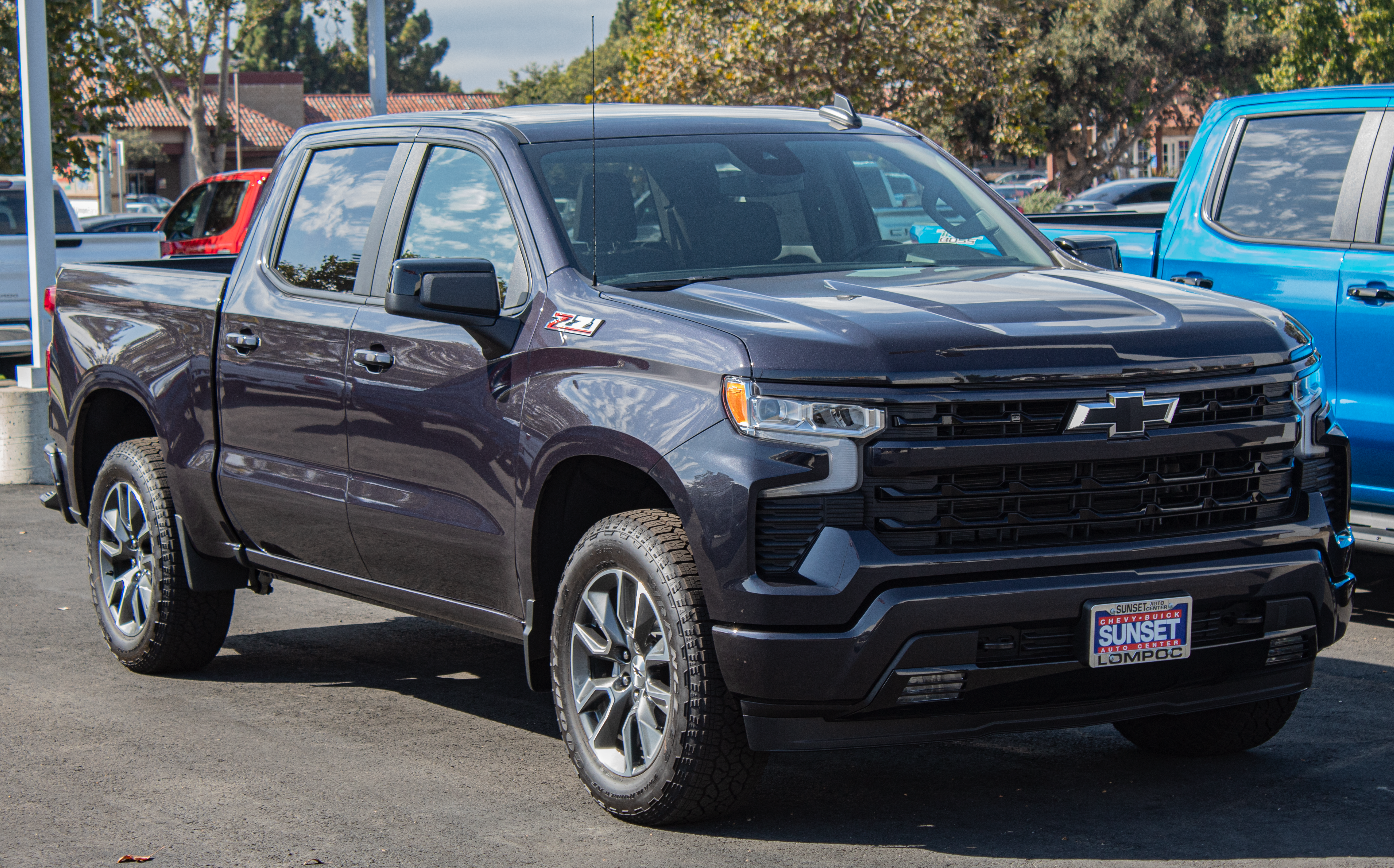
"...op? Derek, the gardener from registering his 1989 Silverado, work truck as with classic car insurance on it a..."
The Chevrolet Silverado is a big truck that people use for work and everyday tasks. It's known for being strong and able to carry heavy loads, making it a favorite among truck lovers.
The Chevrolet Silverado is a full-size pickup truck that has been a leading choice for both work and personal use since its introduction in 1998. Its durability and versatility make it a common topic of discussion among truck enthusiasts and those looking for a reliable work vehicle.
"...ver L3-22s, and really extraordinary BMW 7 Series E38s, or this stuff that transitioned from being $7,50..."
The BMW 7 Series is a large, fancy car that offers a lot of comfort and high-tech features. It's known for being very luxurious and is often chosen by people who want a top-of-the-line vehicle.
The BMW 7 Series is a full-size luxury sedan that has been a flagship model for BMW since 1977. It is often discussed for its advanced technology, luxurious features, and powerful performance, representing the pinnacle of BMW's engineering.
"...as much of that. What was it recently that I, oh, E46M3s, E39M5, so worth half of what they were a year ag..."
The BMW M3 is a super sporty version of the regular BMW 3 Series. It's known for being really fast and fun to drive, which makes it popular with car fans.
The BMW M3 is a high-performance version of the BMW 3 Series, first introduced in the 1980s. It is celebrated for its powerful engines and sporty handling, making it a favorite among car enthusiasts and racers.
"... generated our own storm clouds. It keeps getting rainier and stormier here on the Car Mudge Show. Join us ..."
The Buick Rainier is a comfortable SUV that was made in the early 2000s. It's known for being nice to drive and has a lot of space for families.
The Buick Rainier is a mid-size SUV that was produced from 2004 to 2007, known for its comfortable ride and upscale features. It is often discussed for its blend of practicality and luxury, appealing to families and those seeking a refined driving experience.
Select text to request an explanation
Hi, I'm Lexi, your friend and jeweler at Shane Company. If you're planning to propose this holiday, we're ready to make creating your engagement ring a warm, welcoming experience. At Shane Company, we're all about your style, your budget, your dream engagement ring. Explore the widest selection of diamonds and ring settings ready for you to see in person, or visit us at shaneco.com. You'll have your ring in days, not weeks. Our friendly jewelry consultants don't work on commission. There's never any pressure, just perfect proposals. Shane Company, your friend and jeweler.
Hello, and welcome to another episode of the Carmudge and Show podcast. My name is Jason Camisa. That is a Derek, damn it, Scott. And we will bring you maximum uplifting this week. Not at all. Just kidding. Hope you're taking your SSRIs kids, because it's going to be a long depressing look at import tariffs. Yes, but if you're not importing cars, then it won't stress. Yes, I was doing the setup there for you. It could potentially affect you, even if you're not importing cars.
Unfortunately, it was for reasons that we will discuss shortly. The car market, the used car and collector car market, is a little bit of rough waters right now with a ton of volatility.
Unless in between the three, four days between which we recorded this and when you are consuming it or later, the federal government has decided to alter course, which is entirely feasible.
It could happen 60 or 70 times each and that I think that government is changing its mind at a rate of something of 50 or 60 hertz.
Yes, cycles per second.
We need 60 hertz here, because you know the rest of the rest of the world.
Yes, because we use three cycle 60 hertz to electricity and the rest of the world there is that crappy 50 hertz stuff.
More is better in America.
America first stop it. This will not evolve into a political discussion. We will talk about economics but not politics.
OK, but only really briefly about economics because really we just want to talk about cars.
Well, all that and more after the jingle that is the car margin, jingle and the clap of Derek.
About it. Thank you.
I drove something recently that was turbocharged that I had expectations of shitness for and was actually surprisingly good.
And surprisingly, so it's a 1980s turbocharged carburetid car.
Yes. Is it Japanese or American?
Neither of the above. Italian. Nope.
Swedish? Nope. British. Yes.
British carbureted turbocharged early 80s.
Yes. I thought it was produced in this form I think until 86 or 7.
At least until 85 for sure.
I haven't.
How many cylinders?
Four. Oh, Lotus.
Oh, fantastic. So Lotus is free turbo.
Yes.
Early first year for the US market, turbo is free.
Can I just point out that that was pretty good that I got that?
Yes. It only took 740.
Is it bigger than a bread box?
Is it designed by your generator jar?
That's still pretty obscure.
Is the company is the company start with an L and does it run with Otis?
Is that where Otis is not?
It is not.
It is not.
I quite like 80s turbocharged cars.
I don't want to say that.
I actually prefer the driving experience of 80s turbocharged cars to modern turbocharged cars.
Because they're so outspokenly turbocharged and you can hear what's happening.
Yes.
And where modern stuff tends to try to emulate NA cars and getting responses quickly as possible.
And so you get nothing, nothing, thwomp.
And the turbos hit really, really hard and upset the chassis.
Yes.
I'm an old man.
The Esprit, when they were engineering and they wanted it to have a lot better response
because when they benchmarked other turbocharged cars, which were like the BMW 2002 turbo
and the Porsche 930 and the SOB-99 turbo, they were like, this is totally unacceptable.
We cannot put a car in production like this.
And so they said, let's run pretty light boost pressure.
I forget what it was like six or seven or eight pounds of boost, fairly high compression ratio.
The other thing was like obviously mixture management was very difficult with carburetors.
Right.
And so they wanted to run relatively light boost and a small turbo to get the thing to be responsive.
And it is actually as cars of that turbocharged cars that year ago, impressively responsive,
which is to say you get something within a second instead of within like three seconds.
That's not bad.
So that was an interesting.
We're thirty seconds in the case of a Porsche 930.
So we talked about this on the podcast, but I drove that W124-300E with a Muslim on twin turbo setup.
And that was the single best turbocharged application I've ever driven.
Other than when you get to the modern stuff with torque fill, where you are compressed both the turbocharged cars.
So it's better than like a three liter 991.2?
Oh yeah.
Which is actually a really good engine in terms of turbo response.
But this genuinely felt naturally aspirated.
Even at like a thousand RPM.
I think remember it's three liters of displacement with two turbos on it.
So each turbo is only dealing with three cylinders and one and a half liters.
Not a lot of displacement, not a lot of air.
And the turbos were tiny.
Literally this big and ran 7.8.
I think pounds of boost.
And they just built so...
It just felt like a fuel injection system that wasn't immediate and responsible.
Or like a delayed thought.
It was amazing.
Reading about what the way Lotus did it, I thought was super interesting, where they said,
look, it's all about the volume of air you have to accelerate.
And so they were like, we put everything really close to the carburetors so that there's just a very small,
minimized volume and like a small intake manifold.
So there's not a lot of air in there that has to be accelerated.
There's a whole bunch of clever stuff.
I mean, this reflects Lotus engineering's sort of like engineering consultancy business
where they're really used to being clever.
I mean, of course, turbocharging or rather,
carburetion is a clues together solution.
But, you know, I think Bosch quoted them three years to develop something and they're like,
oh, we'll fuck off.
We'll figure something else out, which they did and they did a pretty good job of it.
That's cool.
I was impressed by that experience.
Anyway, that's not what we set out to talk about.
No, we were going to start out on me bitching about a lawsuit.
I just want to take the audience's pulse on this one thing.
I think as a fan of Volkswagen
and the owner of a lot of Volkswagen products,
I think I want to start a class action lawsuit against VW.
And not for...
When you say stuff like that, you have to mean it.
So I guess the question now is, do you mean that?
Okay.
Or do you want someone else to start it so that you can join it?
Oh, I would totally...
No, no, no, no.
I mean, the whole point of a class action, you hire some, you know, bloodthirsty lawyer
who goes on a contingency basis.
Works on a contingency basis.
But I really do think I'm owed something by VW.
And I think all owners of Mark's Heaven course...
Yes, you endlessly fillate them as you say.
So I imagine that...
Unless you're willing to work for free.
What are you talking about?
Oh, for free.
You can give it away, Derek, but you can't charge.
That's illegal.
Oh, so sorry.
So, yeah.
So a lawsuit...
So let me explain what happens
because I think this is kind of important.
And I'm curious to see what the audience thinks, right?
I'm not one...
I'm not litigious.
I've never sued anyone.
I hope to never be sued or sued anyone.
And I don't think this is particularly carony.
When you buy a Mark's Heaven Volkswagen, new.
You were given a number of features.
When you did buy.
When I done did had bought.
One of the features that is included in that car
is internet connectivity.
And in the case of the eGolf.
So internet connectivity for the car.
And it's Volkswagen's product called Carnet,
which was incredibly poorly done, but still worked.
And creatively named.
And incredibly creatively named.
And it did certain little things
like allow you to lock and unlock the doors remotely with the app,
which seems like a small thing
until you're going to the clerk.
That's a nightclub or a disco tech
for people of your generation.
Disco tech.
Disco tech.
Yes, okay.
I've heard of those.
And you can leave your cellular telephone in your pocket.
But leave your car keys locked in the car.
And so I enjoyed that feature.
You can also see where you parked for those episodes
where you're coming out of the clerk
at two o'clock in the morning
and don't remember how your car is.
Or it got towed.
And you can see where it is in the map.
It also has break-in alerts.
And for me, the most important thing with the eGolf
was you can manage charging.
You can tell it to start or stop.
And pre-heat.
You can pre-heat the cabin wall on mains electricity.
Since the feature there is a battery.
You're not using the battery.
Range.
So you're getting in the car.
And specifically, doesn't have a climate control system
that's different from the gas burning Mark Seven Golfs.
It just has a small coolant reservoir
and a five kilowatt heater.
And it circulates this coolant through that system
so that it can use the regular climate control.
It's wasteful because of how it's done.
It's not heating the air directly.
And heating all of that coolant up takes time and energy.
Hashtag compliance car annoyances.
Yes.
Listen, I understand why Volkswagen did it that way.
In Europe, they did where they probably didn't lose tens of thousands
of dollars on each one of these cars.
They did put a heat pump in, which was a better,
much more efficient solution.
But neither here nor there.
That feature totally went away.
As did the automatic, you know, calling 911, sort of on-star.
He kind of the thing.
When AT&T sunset it's 3G cellular network.
3G.
Wow.
And so very retro at the time.
VW gave us all notice.
Like, hey, here's some notice that your car is going to be losing a feature.
We're working on it.
A feature.
A feature.
A tens.
A bunch of features.
Some of which are really kind of important.
Yeah, like on-star or whatever they call it, equivalent in terms of accident.
Notification actually has like a meaningful safety implication.
Yeah, absolutely.
And so I got the notice and I was just about to pay for the service.
Because the service was included for X amount of time while my car was under warranty
for charging purpose.
And that's a four year, 50,000 mile warranty.
I think this was 336 this year.
That's right.
They went after, they started in 19.
They switched to 450, I think.
My car is in 672.
It was.
There was some really outrageously long warranty period that they added for a year
because as a sort of hangover or repentance for diesel to get.
My car's got 10 year, 100,000 power train warranty.
Yeah.
Or whatever it is.
Unfortunately, they took away a substantive feature.
And so they said they were going to be working on it.
That was included in the car and was part of the car when you paid for it,
when you bought it new.
While the car was still under warranty.
And I think that's a key point, right?
So this is still a new car.
The car's two years old when this happened.
And so they said in letter, we're going to work on it.
And then I got a follow-up letter saying, hey,
electric powered cars never getting an update.
Fuck off.
Kindly fuck off.
Kindly fuck off.
Gas powered cars, like my mom's car that I bought for her,
which I would love to have this sort of feature on,
they were working on a solution.
And this would be now my niece's GTI, which is also a 17,
my mom's golf, all of these cars.
Well, they just sent a letter to a friend of mine who also has one of these cars.
And it says, in early 2022, we informed you of AT&T's decision to sunset its 3G network,
including in the loss of connectivity of the car net telematic system in your GTI.
In addition, we communicated our hope to be able to offer a technical solution
that would restore your vehicle's connectivity,
including as many car net features as possible.
And they were going to charge for this, but you know, which I think you wanted it.
If you wanted it, then you could.
Right.
I think that was bullshit, frankly, that they were going to charge for it,
but whatever.
After several years of effort, we have concluded there is no permanent technical solution
that meets all our stringent safety and security requirements,
and would offer the value we consistently strive to provide.
This means, if you're subscribed to Carnet prior to the 3G sunset and network sunset,
we are unable to restore your connected vehicle service, including your Carnet emergency assistance,
anti-theft alerts, and automatic crash notifications.
This is not the outcome we'd hope for.
Please know that your safety security and satisfaction is our priority.
Except it's not.
Except it's actually not.
So I just sort of wonder.
I think a company removing functionality from a product that you paid for
should be compensated with some sort of like you either fix.
For example, imagine Tesla saying, oh yeah, we don't care.
All of those cars, please choose a different car company.
Okay, the only one I know about though is Tesla.
And when they sunsetted those things, they said, bring your car in,
and we will just upgrade the modem for free.
It was a 10 minute fix.
It was done.
And the Tesla's continued to function.
If I'm sorry, Volkswagen, if you want to fancy yourself a tech company and a modern car,
like whatever, you need to play by the fucking rules.
And oh, all of a sudden your iPhone doesn't work anymore while it's still under warranty.
And you know, it's like three days old, tough.
I just don't.
I think there should be a class section lawsuit against Volkswagen of America
to reimburse all of us for some value of what that feature should be worth.
And could be, especially if they were willing to charge for it previously,
and that tells you that they thought it had value.
Ooh, you should be a lawyer.
Anyway, so discuss that in the comments below, please.
Okay.
That is awesome.
This is Jason stirring the pot.
I'm just curious.
Maybe the audience will feel that I'm being caronesque.
And it's not a big deal.
I think it's important to note that this feature was originally included in the car when you bought it
and was listed as a benefit to, you know, the potential selling point to people
as opposed to like being signed posted from the beginning,
like the subscription heated seats for BMWs or whomever else.
Like, they were clear at the beginning how it was going to work as opposed to the old bait and switch
or the failure to, you know, breach of some contract where they're obliged to provide
a list of features and functionality.
By the same way that other types of class action lawsuits happen where like Mercedes
had this thing where their Mars red paint would fail like the clear coat would just completely peel off
and there were some big class action suit about that.
Like, there's some baseline expectations about what the car should do
and that was determined to be outside of them.
And I think probably this is too, especially if it's been included.
And paint is sort of, you know, you understand that paint will fade in the sun in whatever else.
I think the idea that there's a certain timeline under which we expect such things to happen
it's not like three years and, you know, specific to a certain color
where all other colors don't do that in the same environment.
And all of competitor vehicles.
The expectation is that during the warranty period or the first five or seven years of your car's life,
all of the substantive safety features that it came with will continue to happen.
And convenience features too.
But the safety thing is.
I think I don't think this is frivolous.
Maybe some other things that have ever happened have been frivolous,
but this doesn't feel frivolous to me as a human.
I don't know what I want out of this.
I mean, I certainly want an apology.
99 a month.
What I want them to do is fix the fucking problem.
Or just say, you know what, we can't do the 3G thing,
but we've, you know, we allow you to pair a phone to it and leave it in the car.
So Bluetooth it.
Or it's capable of Wi-Fi.
So for example, at least when my car's at home, if it can connect to my Wi-Fi,
then I can connect to it and see battery status, charging status, and turn that kind of stuff on.
Sure.
And by the way, they'll do the pre-heating thing.
There is no way to do the pre-heating thing on the car directly.
That's the other thing.
It's not like I can walk outside in the freezing cold northern California winters.
Yes.
Because it's my greatest 50th.
No, I have plenty of times where there's ice all over the car in the morning.
But it's not like I can walk out, hit a button, and have it start the process.
It can't do that.
I've lost the ability to pre-heat the cabin without it running anyway.
Anyway, that is certainly a third world problem.
Third world problem.
That's what we need.
Yeah, meaning doesn't even reach the level of, you know.
I thought third world problem is like shelter and food.
Yeah, exactly.
Well, okay, so other way around.
So it's like a zero.
It's a problem.
It's a, yeah.
It's above first world.
It's above first, yeah.
0.8th world problem.
Anyway.
Right.
You wanted to congratulate me on the sale of my 850.
I did not.
Many other people did, but I did not.
Because I immediately looked at it and saw that it was not your car.
Yeah.
So last week, a Euro spec, 34,000 kilometer, 850 CSI, that looks very much like my same color combo.
Sold on Brake Trailer for $211,000, plus fee.
So what, 216?
It's $7,500 now.
Oh, okay.
218 and a half.
218 and a half.
I did not have a 218 and a half, $1,000 a day yesterday.
But I'm, I'm not surprised at that value.
So the highest transaction ever for a CSI on Brake Trailer was $266,000, plus fee.
And I think this car was nicer.
So the market's gone down.
Oh, the market has definitely gone down.
I promise you, I was aware of this.
Generally, as a person whose job is to follow the market.
So that I think was the, that's the, that sort of gives us now the perfect he's used to
talk about a market update.
Yes.
Because it's all over the place.
It's a little wacky right now.
There's a lot of stuff happening right now that's changing the car market.
And there's a lot more.
That's around the corner.
I am, of course, most approximately talking about the tariffs, which it's see.
Today is Monday, the 31st, if Monday is the 31st.
Well, the day that they're seeing this.
Yes.
Yes.
You, you, dear viewers are consuming this on Monday, the 31st, on April later.
Or later.
Certainly not prior.
Maybe.
Maybe I'll set it to launch on Sunday.
Just to make me wrong.
Great, splendid.
So April, second, our dear glorious leader.
Sorry.
We're not using that type of terminology yet.
This is not a political show.
This country, I thought at some point we would have to start calling him that.
Is that not going to happen?
That could happen.
Yes.
Anyway, the president of the United States has introduced tariffs because it's one of the few things
that the president can do directly by executive order as opposed to passing through Congress.
And so this is one of the levers which he can pull, which he is delighted to pull
by introducing 25% tariffs on cars.
There's a lot of lack of clarity at this moment about what that includes.
Obviously, it includes new cars.
This is like a continuation of the chicken tax which we've talked about before.
There is an existing 25% tariff on trucks, which has been in effect since 1964,
and is oriented towards protecting the United States truck market.
And then historically, the car rate has been 2.5% instead of 25%.
Well, as of April, second, unless this has changed in the intervening days,
which is entirely possible because we were recording this last week at the end of last week.
It's Thursday today.
So we have five days in which things could change in which case this could all be complete bunk and mooch and irrelevant.
In which case, you'll still...
I don't think it's moody rather.
So I think we can discuss the merits of tariffs.
I would love to actually have Ronald Reagan do that because there's this great clip of video of him talking about.
The effects of tariffs, we may even include an insert of it.
If you'd like to get that political.
Yeah. I mean, well, it's not political.
It's just a historical discussion by a former president about his view about tariffs.
You see, at first, when someone says, let's impose tariffs on foreign imports,
it looks like they're doing the patriotic thing by protecting American products and jobs.
And sometimes for a short while it works, but only for a short time.
What eventually occurs is, first homegrown industries start relying on government protection in the form of high tariffs.
They stop competing and stop making the innovative management and technological changes they need to succeed in world markets.
And then, while all this is going on, something even worse occurs.
High tariffs inevitably lead to retaliation by foreign countries and the triggering of fierce trade wars.
The result is more and more tariffs, higher and higher trade barriers and less and less competition.
So soon because of the prices made artificially high by tariffs that subsidize inefficiency and poor management, people stop buying.
Then the worst happens. Market shrink and collapse, businesses and industry shut down, and millions of people lose their jobs.
I think the bigger issue, if this whole thing does go away between the next five days before this launches,
the question has been on my mind whether the US government is using the tariff discussion,
is actually planning on instituting the tariffs as part of an economic plan,
or is using this as leverage in negotiations with other countries?
Other countries.
Yes, and that has been strategy we have observed.
Correct, it is a Freudian slip because we are now treating countries.
Constitutional law like an employee handbook that is changeable.
Employee handbook that is changeable.
Okay, so this is getting...
That's just a fact, right?
Whether you like the government or not, it's right now things are being done.
Things are being done that you can definitely argue need to be done and you could definitely argument shouldn't be done,
but there's no...
I don't think there's a chance of disagreement that the Trump administration is really pushing the limits of what's possible
and all of the thousands of lawsuits that have been followed are there as part of the check and balance system.
That's how this country was sort of designed to operate.
And the tariff's one I did think for a while was a negotiation tactic.
Yes, because we have certainly...
And that has proven to be the case in the case of Canada and Mexico where there's a month per reprieve
when the country in question bent, basically, submitted.
And that situation is obviously clear.
In this situation, it's a little bit less clear who the adversary is, who is meant to bend.
And this isn't a car podcast.
And so I don't know that we necessarily need to add too much color there, but there is some obvious discussion
and discussing this with a person who is a Trump supporter.
I said, what is your view of what the mission is here?
He said, I believe it's a bluff. I believe this is a tactic to try and exert force,
and I said against whom unclear.
But this appears to be some sort of tactic to exert force of one kind or another.
The primafacia goal of a tariff, which is on its face,
is to help encourage the domestic economy by encouraging companies to produce their stuff here rather than report it.
I think the clip that you're referring to from Reagan talks about how that may help short-term,
but ultimately tends to hurt long-term.
Yes, reduces consumer choice, etc.
But I think the bigger issue here is the unclarity.
First of all, the sort of waffling back and forth is one thing, but the lack of clarity.
It was my understanding before you texted me last night in a tizzy about over this whole thing.
That this was a tariff that was to be placed on new cars produced outside of the U.S. and then imported.
But it doesn't, and Chachi B.T. was like, I don't know, I mean that was its answer.
And the language does say all cars.
And then it was later clarified the following evening, Wednesday evening,
that also it includes parts.
Because immediately in this, you know, you start to think about,
perhaps we've talked about this before, where Mercedes-Benz,
is when they used to bring sprinters over.
If it was a passenger van, it was not categorized as a truck,
and so it would detox, you know, 2.5%, rather than 25%.
And so Mercedes-Benz, and I think Ford also used to bring passenger cargo vans with seats over,
and they would come in as passenger vans, they would then remove the seats,
ship them back to the factory where it was produced in Germany, in the case of Mercedes.
I think Ford was making some in Turkey, probably some in England,
or something, and probably continental Europe.
And then the seats would just flow back and forth in containerships across the Atlantic,
being recycled to get around that.
And now, you know, I think Ford got slapped with a substantial fine because of this,
and, you know, they probably make them here now,
and Mercedes opened a facility in one of the Carolina states,
where they make sprinters now, or at least assemble sprinters from complete knockdown kits.
I don't actually don't know how they make them.
But in any case, the final assembly point is now definitively in the United States
as opposed to this whole work-around situation.
The sprinter thing was amazing, because that was the sprinters,
where they not only would send, they'd pull the seats back out,
and send it back to Germany and put them in another car for that trip,
but also they had to remove the glass.
So, as a passenger van, it had to have windows,
so they had windows in the van, they would remove the glass,
put it in the container with the seats, send it back to Germany,
and weld in steel panels, and then repaint it,
all to get around this 10X.
Because it's still cheaper than 22.5% of the delta,
22.5% to see how that's helping anyone.
Correct, yes.
And so now all these people are saying, well, OK, parts are taxed too,
and so that eliminates the loophole where people were like, well,
I will take the engine out of it and send that separately,
and it's not a complete car and blah, blah, blah.
So, the dust is very much not settled,
and just the fact that they had to clarify after the announcement
indicates that they weren't super clear.
And then in our particular case, we had a car,
an inaccessive $3 million car that was scheduled to fly on 4.2,
and the language is, it goes into effect on 4.2.
And so we're like, I'm not really sure what to do with this.
My understanding, you know, from talking to the importers,
was that as long as it is dispatched by 4.2, it's OK,
and then I just, the delta, we calculated the difference in duty,
and it was inaccessive $700,000 increase in duty.
So we're a lot of shit.
We, our company, my company is quite anxious about 4.2,
and then there was some language on the actual White House website
that said, as enters after 1201 AM on 4.3,
Eastern Daylight Time, and there's also, apparently,
the car can, this is all a level of detail I've never needed to know before,
because you bring the car over, and it doesn't matter.
It arrives when it arrives, you pay the duty when it gets here,
or after, or before, or whenever you want.
But apparently, you can clear customs as soon as the plane lifts off,
and it's like, OK, is the plane lifting off on 4.2,
Eastern Time, or is it 4.1?
We did the math, it was still 4.2.
So I quite literally jumped through my own asshole yesterday
to, yeah, I was quite the contortion,
to get the car onto an earlier flight,
which I was really surprised I was able to do,
because there's a lot of people who are in the same boat
and freaking out, and I know so many people right now
who are like, I'm just getting my, trying to get the car in
before 4.3, or 4.2, or whatever the day is,
but we did get the car on an earlier flight.
So that was a huge relief, but it was an extremely stressful experience.
There's three quarters of a million dollars at stake.
Well, and it's still not entirely clear whether it includes old cars.
The language, if you really literally seems to imply
that it doesn't include old cars, I've heard that it doesn't include old cars,
which is probably people wishfully thinking, I agree.
I mean, if your goal is to protect manufacturing in the United States,
then how does including old cars in this do?
Is it any important subject to 25% duty used in this country?
It would be very strange.
Probably maybe trucks, or maybe if it's a used truck,
I don't know, actually I've never imported an old truck.
I suspect it's probably not.
I think we did when we were talking about the rover.
I think hold on, don't we have a friend who imported like a defender
or something from Canada, or something I was worried about?
I don't know.
Whatever.
I just, to me, the idea of a 25% import tariff on something old accomplishes nothing.
Yeah.
I mean, it makes money for the government,
and it troubles people whose livelihood is associated with the movement
of old cars around the world, dealers, the transporters,
and enthusiasts, and collectors who want more choice.
The counter-argument in your case is going to be well,
if somebody can afford a $3 million car, then tough shit.
There's a sort of ether rich side of that.
Yes, but it does, you know, you have to look at the downstream impact
on the rest of the, there's an entire industry built around this
that is not composed of the super rich.
People like me who are just trading cars, or, you know, the people who...
To be clear, this is a car that you don't own.
This is a car that I'm bringing before a client.
Yes, that's correct.
And all the transporters who, you know, make their livelihoods importing an exporting car.
Customs, brokers, and carriers themselves, and sort of just the benefits of global trade.
Well, and then, you know, trickling down to the restoration shops
and the mechanics and all that stuff, right?
Everybody who is involved.
And so, this was...
So, yeah, it seems half-baked to include old cars in this,
and from my perspective.
And it may not, and it may be amended, or who the heck knows.
There's a lot of stuff to be confirmed still.
You know, and does it include race cars or not?
Race cars historically have been, in some sort of taxation schemes,
been treated separately from road cars as well.
And obviously, some of these cars are race cars that this would impact.
And so, you know, the question of what is the market doing?
This is all a lead-in to this general market discussion,
which is to say the market is a little bit uncertain and variable.
I mean, the long-term effects of this scheme would be quite substantial.
I think it would...
And you see this in certain countries.
Like, for example, Switzerland is in the middle geographically.
It is surrounded all sides by the EU.
And so, you end up with a very insular market in Switzerland.
Switzerland is famously xenophobic in the...
Like, we keep to ourselves, and sort of the border really means something there,
whereas the goal in most of the EU has been to make the border
become decreasingly material as a barrier to commerce
and the flow of humans and goods and all that stuff.
So, Switzerland has a unique car market because it is not part of the EU.
And so, they've been...
They're historically very restrictive about registering cars there
that were not originally sold in Switzerland.
And it has its own sort of insular market,
and values are quite different of cars in Switzerland,
even from five miles across the border in Italy or wherever else
because the...
As a Swiss national, you basically have to be willing to pay a substantial duty.
And I don't know what the number is, but, you know,
I'm sure it's above 20% or around 20%.
And so, it has its own market, and that's what would happen to the United States.
Historically, we've enjoyed one of the lowest duty rates in the world of two and a half percent
for old cars, which means that oftentimes, if you're a Swiss person
and you have a car, you want to sell it to a European,
you actually have a better chance of selling a Swiss car to the United States
than to a European or vice versa.
Like, as a Swiss person, you'd rather...
Or as a person with a car in Switzerland that you want to sell internationally,
you're more likely to sell it to an American than you are to an Italian
who is across the street, practically.
Because the import duty is...
Because the duty here...
Yes.
And the treatment or the barrier between Switzerland and the EU.
And so, you know, the US has been able to access...
American consumers have been able to access cars.
And this applies in virtually any country, you know.
Obviously, there's a substantial amount of Japanese cars that get imported here
and from wherever cars may exist.
And so, Americans have been able to absorb a lot of cars
that were sort of had a duty problem.
And what will happen at sort of really high-level car deals,
and like this happened within a 50 deal that we were involved with,
was that the car sits in a warehouse,
which is a bonded warehouse.
And the car cannot leave that warehouse,
and it is not imported technically into that country,
even though it's physically in that country.
It cannot leave that warehouse in the moment it does,
then duty becomes due.
And so, the car could be sitting in there for months,
for whatever reason,
because somebody doesn't want to pay the duty,
or they're trying to sell it, or whatever.
And the sort of...
We as Americans have been there to pick up the pieces,
because we say, yeah, we'll take that at two and a half percent,
and then it solves you the problem of 17 percent,
or whatever these specific...
You know, every country in the EU,
and that based on the age of the car, you know,
if it's more or less than 30 years, it varies.
And so, we as Americans have been able to sort of pick up
the untouchable cars to a lot of other markets,
and it has allowed American consumers
to, you know, get cars at attractive numbers,
because you say, well, look,
as long as it's less than 17 percent less,
you know, I would take a 10 percent haircut
on what this car could otherwise sell for,
if it means that I can sell it to an American
who pays two and a half percent duty instead of 17,
or 20, or whatever it is, percent duty.
So there have been benefits for enthusiasts.
Admittedly, you have to be the type of enthusiast
who has the scratch to import a car,
but you know, people bring over...
Yeah, on to be imported cars.
Right, I didn't import it.
It was already here when I got it.
Yes, but somebody did.
Somebody did,
and I think they painted something
on the order of $5,000 for the car.
Not even that.
It was less than that in Japan,
because I found the auction receipts for it.
But, you know, you're still talking on it.
Let's say the car was worth $4,000 when it was shipped over.
It's an additional $1,000.
And that's still actual money.
Yes.
And I mean, even if you were to say, you know,
because the cost of bringing a car over in a container is,
you know, call it $5,000 to $10,000,
depending where it's coming from,
and if you do roll on, roll off.
So normally, expensive cars are shipped one of...
Expensive cars are shipped one of two ways,
which is in a 40-foot or 20-foot container,
which just goes on to a container ship.
And it's the kind of container you see on the back of a semi,
or a lorry, if you're elsewhere,
or it gets air-frated.
And then, if it's in less expensive car,
you're more incentivized to do what's called roll-on-roll off.
And roll-on-roll office, it's like a big parking garage of a boat,
and that's how, like, new, almost all new cars are sold.
Porsche is, for example, right?
They just... it's a big parking garage.
Some person in... there are probably dozens of people in a port
are just driving thousands of cars into a boat,
and then the same thing happens when it arrives,
as opposed to it getting at a freight forwarders warehouse...
Did you know that at Chevron,
you can fuel up on unbeatable mileage and savings?
With Chevron rewards, you'll get 25 cents off per gallon
on your next five visits.
All you have to do is download the Chevron app
and join to start saving on fuel.
Then, you can keep fueling up on other things,
like adventure, memories, vacations,
vacations, quality time,
and so many other possibilities.
Head to your nearest Chevron station to fuel up
and get rewarded today.
In terms of play, see ChevronTexcorewards.com for more details.
I'm getting all into the import process here.
At a freight forwarders warehouse, you drop the car off,
and then they put a packet inside of a container
with another car, if it's a 40-foot container,
or by itself, if it's a 20-foot container,
and it gets strapped down and materials get put around it,
and it gets secured properly inside the container
at a warehouse that's hopefully close to a port.
Then it gets put on a semi that brings it to the port,
and then it gets loaded onto a ship,
and then the exact opposite of that happens once it gets here,
if it's containerized.
Roro, as it's called, roll on roll off, is cheaper,
but people driving your car,
and if it's a wacky car for it doesn't run,
then imagine some unknown person at a port driving your car.
You're like, so when I brought the E30 in, I rode it.
But I pulled the fuel pump relay.
Oh, so they had to push it?
Well, they must have loved that.
But you're not driving the car.
Yes.
But then when I did the Mercedes,
this was back in 2012.
Funny, I just ran a carfax on the carfax on the carfax,
and it shows it was exported from Oakland,
and then imported three months later to Oakland.
It's the bizarras thing to see on the carfax.
But the carfax went out on its own in a 20-foot container,
and then came back with my Cosworth 190 together in a 40,
which I just purchased over there.
I will say, had there been a 25% duty instead of a two-and-a-half,
I wouldn't have done it.
I wouldn't have bought that car.
It wouldn't have been worth it.
Yeah, the funny thing is, so I've done it both ways,
and one of the cars got damaged,
and it was the fucking Mercedes in the Roro.
When they were strapping it down.
Mercedes in the container.
In the container.
I'm sorry, not Roro.
Yeah, the E30 was fine in Roro.
Pulled off looked absolutely fine.
The thing back in.
It just started and drove away.
But the stuff can happen anyway, but yeah.
Yes.
Containers are much more expensive than Roro.
Three times the price.
Yeah, I would say that a shared container right now
coming from the port of Rotterdam,
which is one of the big ports, is about $7,500.
To the west coast.
To the west coast.
That's coming through the Panama Canal.
So it's going to take a little while.
Maybe close to us at any moment.
Sure, yes, if we antagonize, yes, or we annex.
We built this thing in the first place.
It was always ours or some nonsense like that.
And so yeah, it's about $7,500 to bring.
It's cheaper to go to Europe because there's less demand for it
because of the tax rates.
And so a container to Europe might be like half or less that.
But 7,500 or so to come to the west coast for us.
Anyway, and I'm sure it's less if you're going to the east coast.
Half that.
I remember correctly.
Yeah, but I've done, I've run the numbers before.
And now transporting on a truck across the country
is quite expensive.
$2,500 and closed.
And then if you're doing air freight from Europe,
it's variable and it really depends on what level of service
and availability and whether they have slots they're trying to fill.
Or how tall the car is.
There's a different rate.
Ironically, like a lot of the exotic cars that are low are cheaper
to ship because they're not as tall.
And so if you're on the lower deck,
because there's only certain quantity of cars or types of cars
they can put on the lower deck.
Usually these are 747s.
747-400s or 8Fs, 8 freighters.
Because they have the big nose door that folds up,
which a passenger car does.
The passenger plane doesn't, but then they get converted
after they're retired by airlines.
Anyway, so if a cheaper to do a lower deck car,
which would be, you know, your kuntoshes and F40s
and Shorako's 2300 pounds and low.
It was so cheap to air freight.
It was barely-
You air freight didn't, I didn't, but we looked into it.
Yeah.
Just for timing one, this is for the story for automobile.
We looked into it for timing it was we didn't need to
so it didn't do it.
As it turns out, the ship got delayed by a hurricane.
And so I was supposed to have three weeks with my car in Germany
and I had three days.
Yeah.
So air freighting over would have been saving,
but it wasn't that much more because the car's so light and so low.
Yes.
Because airplanes you pay per pound,
much more, so it's, weight is much more important
when you're flying than when you're in a ship.
But you can usually do 10,000 bucks one way.
10 is on the light side now and 20 for a lower deck
and 25,000 is possible.
During COVID all sorts of wacky stuff was happening.
I heard noises about people paying a hundred grand
for air freight at that time.
I did get a quote from Japan about a year ago
and it was 60 or 50,000 to come over for a low car.
The crazy thing to me was that time when I did so I did
remember a 20 foot over and a 40 foot back with two cars in it.
The total round trip fare for that whole thing through
Kostel which is the sort of official transport,
international transport.
I am a transporter for like cars that are coming up.
How about a couple of each example?
Right.
The total bill for that was less than my business class
ticket to Europe and back to do that which was paid for by Ferrari
because I was going to drive 599 GTO.
I will never forget that just to get my fat
has over there and back was less expensive than...
It's the capy-art.
No, I know you're not going to be drinking champagne
and you're not going to be eating capy-art.
We're always that on me.
So you're a high profit margin customer.
They like you because you're not consuming enough champagne.
I just want to sleep so I can land and work.
Yes.
All right, so shipping.
We're done.
Yes, we discussed the mechanics.
Anyway, so all that to say that if you are bringing over
a $10,000 car or a $30,000 car or sort of these more accessible
price points that more consumers will be bringing cars over,
the duty is impactful because it would go from $1,000 or something
like that.
If the car is...
Let's see.
Have I done that?
Oh, gosh.
It's just $40,000.
On a $40,000 car, $1,000 of duty as opposed to...
Well, there'll be $10,000 of duty.
It was $9,000 additional to your local government.
To your federal government.
Your local person who's standing there with a handout.
Oh, yes.
I'm not a fan of tariffs.
I don't have an economics degree.
But I don't believe they work long-term.
So, yeah, the reason why I was talking about the Swiss market and how
it's unique is that given the high duty rates that are now going to be
in effect for old cars, assuming that is indeed what ends up happening,
the US market is going to become insular.
It's going to become individual.
There's not going to be a lot of cars flowing across that.
And it's going to change the values of cars that are already here
in a big way that historically we have been free of.
And it's been really enjoyable.
I don't know, one of my favorite idle activities,
because I am just completely whack-a-doodle,
is to look at classified cars that are for sale in Europe,
because there's all sorts of weird stuff over there that you can't find here.
And I fantasize, and sometimes not fantasize,
but actually execute bringing cars in from overseas.
And so, you know, that freedom to bring interesting things
that we never got here is going to end as a result of this.
And the cars that are here, whatever of them exist, if there are any.
I think I've said before that one of my cars that I really would like to do this with
is a Fiat 130 sedan.
A great Fiat 130 sedan, 20,000 euros.
Now, I would be less inclined to bring one over
given what the duty rates are doing.
And so, the market here is going to change.
And you're going to see a value gap up here
that did not historically exist for cars that are here already,
versus cars that aren't.
And that gap, that trend of prices is not going to be down.
It's going, those cars will become more valuable here.
So, if you own one already, it's good for you,
but if you are interested in sort of transacting them,
or bringing them in and out of the country,
it's going to limit choices.
And so, we're working on a deal for an old car
that, even more expensive than the $3 million,
and that deal has just completely ceased to be viable any longer.
This is what I worry about.
Is that the uncertainty of what is coming,
what's been bluster, what's strong-armed tactics,
what's going to stick, what's going to change,
all of that will just depress, not only prices,
well, ultimately prices, but everyone's willingness
to transact anything, houses, anything.
I mean, right now, we're just in a period of uncertainty
at the point where we don't know what the rules are for sure.
For sure.
And that is also applying, I mean, to the stock market.
The stock market is now presently, I think,
right around where it was, around the time of the election.
And so, all of that post-election boost has been returned
to the ether, or the people who shorted, or whatever it is.
And so, we now, the car market is reacting to that.
And so, we are now, a month after the Florida auctions,
which are one of the big primary bellweathers
for especially European cars transacting.
The US, there's three of them, basically three times a year,
a meaningful number of these high-end cars transact.
That's in January.
It's got still, March and February and Florida.
And then, yes, at the Emilia and also in Miami,
because there's now sales in Miami within a week,
and at Monterey Car Week.
And so, you could start to see the impacts of this in Florida
where most cars, I would say, that did sell,
did so below their low estimates,
or just inside of the low estimates,
there are a few exceptions.
And this is always the rule, which I will come back to,
which is that it's extraordinary, unrepeatable stuff
always does magical numbers.
And if you have people who have deep enough pockets
who just have to have it, then they will do insane things.
And this doesn't, this happens with all sorts of cars,
at all price points.
If something's really magical and unrepeatable,
like we did this with a lotus spree that we sold it has
to have been the best series when a spree in the world.
And it sold for an insane number,
because it was really hard to repeat that car.
And so, numbers that are outrageous,
where you're like, holy shit, will continue to happen.
But if you go back to 2022, that was very routine,
because everybody just wanted a piece of the action,
everybody had money, and money was cheap, and blah, blah, blah.
And so, that was happening very frequently,
like you would just every result,
like very few no-sales on a regular trailer,
or anywhere else, in that period,
and every time you'd see something,
so you'd just be like, that's an insane number
that makes my eyes water.
And now that pissed off at the time, you were frustrated.
Yeah, I mean, I knew that it wasn't sustainable,
and it frustrated me that people were drawn into the market
who were maybe there for the wrong reason,
i.e. speculation, and trying to make a buck,
as opposed to true hardcore enthusiasts.
I will be into these cars no matter what they cost,
whether they are deeply depreciated,
and basically free, or while they expensive,
my value and enjoyment of these cars doesn't change,
but it annoys me when people get drawn into the space
and drive prices up, who are not into the cars
for the same reason, who are clout chasing
because it's magenta, or whatever the heck things are going on
that are sort of peripheral.
And, I mean, even that's a form of enthusiasm
about the car itself, as opposed to treating as an investment.
That's true.
That's where I agree with you.
Yeah, so...
Probably wrong with it, record, but just not.
Well, it's annoying, or it's a lack of justice,
I suppose, that the people who get true, like, unbridled value
about the object itself are no longer able to participate
because there are a bunch of people who are,
I think, in my obviously non-objective value assessment,
perverting the value of the car
because they're engaging with it for the wrong reasons,
for reasons that aren't intrinsic to their enthusiasm for cars,
generally.
And I think that's regrettable and disappointing,
especially for all the enthusiasts who would get so much value
out of having that car, but can't, because of...
But that is the nature of wealth and its distribution
not being equal, and it exists in every object,
not just cars, anyway.
So, the market is doing a lot of weird stuff right now,
as a result of that, but generally fairly soft,
I think it's a good buyer's market,
but if you have something really extraordinary,
you can still hit a home run, but generally speaking,
for commodity cars, and commodity just means,
could you find another one like it?
You know, a Ferrari Testerosa, if it's red,
with 20,000 miles, is a commodity car,
because they made 7,000 Testerosis,
and most of them were red.
You know, if it's a 200 mile blue one
that has never been titled, then it's harder to repeat,
and it'll do a stupid number,
even if it's a car they may have comparatively large quantity of.
Or, and it happens like your Shoraka would do this,
because it's a car that there's repeatability.
How would you find another one?
And so this happens at all value points,
and all genres of cars, it just has to be unrepeatable.
And this is one of the things that I always talk to people
about, like, should I buy this one or let it go?
Or, you know, what should I do here?
It's, I always say, how important is this particular car?
What is your, there's this term that is used in negotiation,
where it is called Bata.
Best alternative to negotiated agreement.
The Bata is your walk away.
What do you left with if you walk away from a deal?
And negotiated agreement there means like,
yes, you do the transaction.
So, you know, what is your Bata?
Are you willing to walk away is what that actually means?
If the car is so special, so unrepeatable,
so magical in some way that's really important to you,
and your Bata is like, oh, I'm not willing to walk away,
because I would just be the one that got away for the rest of my life.
And I'd rather have this car than live with a life of regret saying,
man, I let that one get away.
And you have to, as a consumer, ask yourself,
is this a car that I could somebody nearby must have indicated the...
Are the lights in the background?
Are the lights to be full brightness?
Signals?
Just any ether.
Okay.
So, yeah, you have to ask yourself,
am I willing to live?
Would I live a life of regret about this one being the one that got away
or will another one that is similar turn up in six months,
nine months, 12 months, you know,
or am I getting too old to enjoy this?
And does the opportunity cost of not enjoying this car for the months or years
that it takes to find when similar to it, like, not worth it to me?
Or do I have this list of cars that I need to get through?
And so, like, you know, you have to make all of that calculus.
But this is a way that I like to help people make decisions about,
like, am I willing to walk away?
Like, if it's a car that there's just obviously,
another one will come along in some point in the future,
then you say, that has to be a good deal,
or I just want it now, and this one is here,
and it's really well maintained, or it's super well-documented,
or whatever the things are about it that make it unruly.
Take the boxes and...
Yes, they're important.
I'm not going to find another one, and then the price just...
And the tough thing is, is having the information at the time to make that decision.
And so many times, I have concluded after the fact that a car was a one that got away,
but I didn't have the intelligence or information or knowledge to know that in retrospect.
And being able to figure that out on the spot while you're making the decision
is a acquired skill talent or takes some naval gazing and self-awareness.
I think a lot of people never get there.
Yeah, sure.
And a lot of people buy things out of convenience.
And one person's buy thing out of convenience,
and I just happen across this as another person's like a holy grail,
and that's all incredibly personal and subjective,
and specific to using individual and your priorities and values,
and what you had on your walls, a kid, or what your dad,
or neighbor, or uncle, or best friend's dad drove when you were a child,
or wherever, all of these weird affinities that we developed for this or that,
or that color, or whatever, as children.
So, yeah, the market generally is...
I don't understand it.
Because a month apart, so at the Amelia, there was that gorgeous white 850 CSI.
It was a US car, and I think had 34,000 miles on it,
or 30 something, I probably should have looked this up before we recorded.
But I know we included a picture on the past.
I have a picture of it. The car was absolutely spectacular.
It was lowered and had died in suspension on it, and some of the couple mods.
But it's a US car, which I don't think makes it any less desirable,
but it makes it registrable in California.
Yeah, and there's a lot of car people here.
And so I would say this is true for Ari's two of this era, like 550s and stuff.
A US car is probably more valuable, because there's fewer hoops to get in.
So here's a car that was just stunning, and it sold for...
Do you remember what it sold for?
No, it was cheap, though.
Remember it was quite cheap.
I mean, I think estimate was a 110 to 150, and I think it sold for 60 or 80 or something.
And then, you know, a few weeks later, you have a Euro car.
It's all about...
Not observable, and...
Well, yes. And this highlights another, I think, it's a really great point to raise.
And we see this happen all the time.
There was, for example, a US 512TR that was black with red interior with 10,000 miles,
and it just sold like stupid cheap.
And that...
I mean, all of those cars are red, and so the fine one that's black is pretty cool,
and people want black ones, because MJ, Michael Jordan had one, and it's sinister, and whatever.
And usually they're black inside, or maybe Kramer or Tan, but with red interior's needs.
So like a US car, low miles, in a great color combination,
should be like a home run, and it's sort of sold weekly for week, W-E-A-K,
or sold light for what it was.
And this happens sometimes with physical in-person auctions,
is that, you know, there's only so many people in the room,
and a handful of people online, and every so often things can go through that are great deals.
But, you know, for every one of those, there's also one where you're like,
wow, those guys were really drunk, and it was a dick measuring contest,
and the car went insane, or this car is so extraordinary, and special,
and a lot of what auction companies do, the physical ones, especially for the big lots,
is they try to make sure that there's a guy, or ideally, more than one,
who wants it at a number that'll get it sold, and they try to, as much in advance,
as possible, do the diligence to get, make sure that guy's in the room,
and forgot what he's willing, and he's registered as a bidder,
and that all his questions and hesitations are addressed in advance,
and just eliminate as many barriers to transactions as possible,
but they will really do that.
You know, the more expensive the car is, the more they're going to do that,
and for some of the lighter, or less expensive, lots that go through,
especially if they're no reserve, there's definitely potential for deals,
and I saw a fair number of no reserve cars go through as deals,
because it's not like online where you can get it from anywhere in the world,
and there's a more likely to be a huge audience,
but it does happen occasionally on bringing a trailer also,
especially if there's some car that there's one every week,
so you're just saying, I'm not paying super close attention,
I'm not ready to buy this week, and then...
There'll be another one.
There'll be another one that'll come along,
so occasionally things will sell light.
And so there are potential for sure for deals,
especially right now in today's market, and there's stuff where it doesn't,
it's not rational.
These are not interchangeable items completely the way the stock market is,
where there are...
Basically, the price gets set by this huge signal of gigantic quantity of buyers and sellers,
and so the transactions happen almost instantly,
like you have to have the person an individual in the room,
versus, or wherever the venue is.
And so it's stuff that is not rationalizable,
you're like this is a perfectly average car that's sold strongly,
or a perfectly excellent car that's sold lightly.
It just happens, and it sort of noise about who was there
and paying attention at that time.
Yep.
What strikes me about the strangeness of the market right now,
so we have a couple weeks apart, we had two E31 CSIs,
right, one sold for three, four times,
what the other one sold for, they should have been within a couple of percent of each other.
Okay, one was a white...
US white car with black interior, and the other one was a Tobago Blue car.
That's...
I don't think that's going to count for a three and a half time.
Three and a half X purchase price multiple.
And then, so you think, wow, the market must be really, really, really strong.
Then again, on BAT, two weeks ago, 87 Mercedes 2.316 Euro car,
106,000, 109,000 kilometers, 68,000 miles,
somebody stole this car for $39,000.
Yeah, there was another one in France that sold really lightly.
That was a very nice car that subsequently got imported to the United States.
That happened with two.
And for these cars, and bring a trailer, especially the lighter,
the less expensive cars import is a much more substantial portion of the car's value.
Right.
And so you see hesitance for people to import cars that are less expensive,
because they're factoring in the fact that by the time it gets here,
it's probably $10,000, call it, to get the car here.
And now, for 30 or 40,000...
Yeah, it was historically $10,000 to get the car here.
Right.
And now that number goes a lot higher.
It's up by 25% of the purchase price of the car.
Yeah.
22 and a half, technically.
Whereas with more expensive cars, so there's a reluctance to import
because people don't understand the process,
because there is some complexity to it, although it's not as complex as people say.
It's not as complex as you think, but it is also scary, right?
Yes.
I don't have the idea.
We should do an episode in the next couple on PPI's, right?
Yeah.
The value of that.
We've had a couple of really great reminders recently.
Yes.
But yeah, how do you go get someone to look at this car
or, you know, can you get yourself over there to physically look at the car
in person for $5,000 a car in $8,000?
You know, again, this...
I think that sold it auctioned in the twos, right?
There's $2,000 a car.
Well, no one is going to Japan.
And at that point, you're like, well, worse comes to worse.
It's $2,000 I've thrown away, but I probably haven't done that.
But hopefully that's not what happened.
But it could have happened.
And you're like, your loss is capped at some number.
Whereas cars get more expensive.
There's this sort of uncomfortable medium.
When the car's very expensive, then you're going to...
It's worth the trouble to spend whatever it takes to go diligence the car,
which is what I did.
I flew to England to evaluate this car, which is now being air-frated here.
Like, that's worth doing.
It's easy to rationalize it when you're spending...
Or someone is spending that kind of money.
And when it's a $2,000 car, you're like...
Well, we'll find out.
What's the worst import that you've done?
Or the cheapest car that you've imported?
Uh...
20-something thousand probably?
Yeah.
I'm trying to think if I've brought in...
Oh, no.
My one-sixteen.
My one-sixteen was around ten.
Okay.
So mine was my...
I mean, I paid 1,500 for my...
Yeah.
Which is why I wrote it.
Well, yeah.
I also...
I mean, I was 1,500 euro.
Yeah.
Which at the time was $1,500.
Like, okay.
What if it gets scratched?
Yeah.
Like it was already...
It came pre-scratched.
And I have to worry about that.
But buying a car over there, it's a scary sort of proposition
to buy something that you can't see.
I mean, I did see both of those cars in person.
Well, and you also hope that when you send the money
that it's not going to just disappear and never hear anything again.
Also, so that's...
That's true.
I was...
Everyone got cash for me when I did it for that reason.
But that's...
There's definitely many ways to think about importing cars.
That's why you go to work and do it.
That's why you...
That's why you have a job.
I...
And you just know the right people saying, like...
When I brought my purple wagon over, like,
there was no business...
Like, a case for doing that.
That was done purely out of passion.
But I knew somebody who was on the ground there
and I said, can you just like evaluate this thing for me
because I want this so badly that, you know, it was one of those...
Get away.
It was one of those, I knew I was going to kick myself forever
if I let it get away.
I will kick you forever.
If you ever sell that car.
Oh, really?
So I shouldn't be thinking about it.
Are you thinking about selling it?
I have thought about it.
Oh, no.
It's a dog-like slick time.
You know, I know.
I know.
It's just...
There was a fat...
An AMG...
An actual AMG built car, as opposed to my car, which, you know,
Matt Quick built.
That was a manual AMG car with the body kit and everything
that sold in Florida for, like, over $100,000.
And I was like...
I know that my car will not sell for that much,
but I do think the car could sell for some number
where I'm like, oh, that leaves a lot of change left over to buy.
This is why you and I are so different.
I mean, if I look at the amount of cars
that I bought for under 5 grand, right?
1,500 for the Shorako.
1,500 for the 2,000, 2,000 for the cabbie.
That, like, all down the line, those cars
are now worth many, many, many, many, many, many,
many multiples of what I...
It doesn't matter to me.
What I like about them being worth more money is that
then people are incentivized to sell parts for them to make sure.
The parts prices go up.
Everything goes up.
The insurance premium goes up.
All of that happens.
But that just means it's easier for me to keep them.
You do it the other way around.
You're like, oh, it's worth 10x what I paid for it.
It has to go.
I'm happy.
Oh, it's worth 10x.
Yes.
I mean, I am happy too, but for different reasons.
Well, it's not...
I mean, it's just like...
You think about the opportunity cost of the money, I guess,
is when it becomes valuable enough.
I think about the opportunity cost of the money.
Yeah, I don't.
Like, what else could you do with that money?
I guess I have thought about that.
I mean, I did sell the Lotus.
Yeah.
And now I have a roof on my house.
Is that?
I'm getting solar, yeah, being an adult.
Yeah.
But I don't...
I think I get too emotionally attached to cars.
Yes, I don't really get emotionally attached to cars.
I'm just thinking if that's true, yeah.
We talked to this about a couple weeks ago and you said no.
And I thought...
Yeah, I don't really.
If it's something really hard to replace,
I get attached to it just because it's hard to replace.
Not because I'm attached to the object.
This is my problem with the Rover.
Yeah.
Because the Rover I should have already sold.
Right?
We had our fun.
We did this stupid road trip.
The three of us went and bought the car together.
And we get it home and you two were like,
all right, if we ever see it again, yay, if not, whatever.
Yeah.
And I'm like, well, I'll buy you out.
And now I have it.
And I've thought a couple times about selling it.
And then I thought, I'm never going to see another one.
That has to be okay if you get to see some other thing instead.
But this whole thing started because I mentioned on the podcast
that it's been 30 years since I've seen one.
And so now here's my opportunity not to see one to own one.
And then I have it.
And it's pretty.
And it sits there and leaks such a lovely amount of oil.
And it, which is quite light, I think, for one of those cars.
Yeah.
It's getting worse.
Lovely.
I think.
Well, I guess you should pull the engine out of it and address that.
We can discuss that.
That's annoying.
That's totally happening.
Yeah, it needs to have an oil leak.
It's got an oil leak.
Time to pull the motor.
I mean, it could use a resale.
It could also use twice as much horsepower.
But again, the power in there,
while we're in there, it could also use a scope creep,
7,000 RPM, like Roller Rocker.
Anyway, no, the problem is that I just know I'll never be able
to replace that car.
Here, find me another.
I didn't know the car came in that color.
Like I wasn't sort of aware of it.
And I think this rover is perhaps maybe a little bit more saturated
of a blue than it was originally supposed to be.
I think, like, what am I going to get?
Like a gold one or yellow one?
I don't like them in any other color, really.
And find me a US car or North American car
that I can actually register in California.
That's a whole other discussion.
This whole Leno's law thing.
I'm sure you've heard of this.
Of course.
For everyone outside who have this room who hasn't heard about it,
there is pending legislation in California that's on the books
that will come to head on whether 35-year-old
and older classic cars will be exempt from smoke.
Emissions check.
By annual.
So you'll still have to smoke the car when you buy it,
but then every two years.
You have to do it once when you buy it.
Well, it's a separate law.
So I don't think that counts here.
But this sort of every two-year smog requirement
is a pretty big problem for a lot of classic car owners.
And that's in California from 1976 through 1995.
Because now in 1996 and later cars are just an OBD-2 plug-in scan.
And so it just becomes, that's just a lot less complicated to do.
And what happens is what we should do a whole episode on this.
What happens is that the 76 through 95 cars need to be put on a dyno.
And the amount of cars on the road that's,
that now are subject to dyno tests is shrinking and shrinking and shrinking and shrinking.
And so the businesses don't want to continue to maintain and own a dyno.
And so you have fewer and fewer options.
And the price of emissions checks on those cars is like insanely high.
It's getting, it's getting to the point where it's untenable.
And so here's another sort of, I would say, government overreach.
But other people might phrase it differently.
There's another government plan that's basically affecting, effectively,
making our lives as collectors more difficult.
In the state of California's example, it's actually making,
it's hurting California's revenue because everyone's solution is just register it
in the state outside of California and give the middle finger to California.
And so a law was written, the Congresswoman I think she is.
The person who wrote, whose team wrote the law presented,
it's Jay Leno, Jay was interested in, he's helping push the word out for it.
So now they're nicknaming it Leno's law.
It did have some requirement for collector car insurance.
I was asked to help on the whole thing and I revved up my law degree
and I pointed out that there is no such thing as a collector car insurance policy.
And requiring that would then require defining what constitutes
with the legal definition of a collector car insurance policy.
And that is now opening up, opening this whole thing up to years of arguing about
does that mean it has to be housed in a garage?
Does that mean you have a mileage restriction?
And it will never go through.
So I've pushed back and asked for them to revise the, this is SB712,
revise the text and not require classic insurance.
But to require a classic car registration, IE historical vehicle plate,
which is then outwardly visible to law enforcement.
So that stops the argument that says, well, what's to stop?
Derek, the gardener from registering his 1989 Silverado,
work truck as with classic car insurance on it and then not having to smog it.
And then driving 40,000 miles a year with no catalytic converter.
So if it has historical vehicle plates on it, well, then the cops can see it right away.
And hey, Derek, this is the third time this week.
I've been driven by at 5.30 in the morning with you with a lot of lawn mowers
in the back of your Silverado, perhaps you should get that plate off of your truck.
So what I've heard is that there will be a point at which we set up
sort of automated mailing systems for representatives and probably a petition
and whatever else to push this through.
But California is a really difficult state to own old cars in to begin with
and not getting any easier.
Yeah, we can discuss this at length, for sure.
I think we should have revised text on that.
But Jay Leno is great for participating in this.
Of course, he's got 180 cars or whatever it is.
And I'm sure he's imagined that.
That's a car every four days is due for smog.
I can't do that math.
If every car is every two years and there's two hundred, that's 90 cars.
Yeah, that's 90 cars a year he would have to smog.
If they were all over in the past 1775.
Any of most of them probably are not.
But still, I mean, for me, when I had 12 cars, it was one month or one every two months,
which is a lot.
It's a lot of stress.
And it's mostly, it's not passing the test.
It's not the cost.
It's the, oh no, what did I miss this time?
What is this moron in a smog suit going to find and say,
that's not the correct vacuum hose.
And you can't use that.
This is supposed to have a third catalytic converter.
No, it's not.
There's that level of stupidity.
Yes.
I've been there.
Yeah.
All Californians have.
Oh, California stuff.
Yeah.
But more importantly, a huge amount of uncertainty and volatility in the car market,
which I don't like.
Yeah.
It's quite inconsistent because the, I directly affected by the performance of the stock market.
So some buyers are just not in the room at the moment because they're like, oh my gosh,
I have ruined.
And so those people aren't there.
And so some stuff goes down and is light.
Other people are still playing because it doesn't affect them as much for how they've structured their wealth.
And it's just, but the ultimate number of people buying and transacting cars has gone down.
And so the numbers are, the values are going down generally.
And I also have noticed that it's very pronounced in the sort of segment of cars that went up very rapidly,
which we'll call, in Europe, they call them young timers, which are sort of last 20 years or so of cars.
Stuff like, I don't know, Range River L3-22s, and really extraordinary BMW 7 Series E38s,
or this stuff that transitioned from being $7,500 Craigslist cars into being like, holy shit,
so for 25 grand, I'm bringing a trailer in 2022.
And then they're kind of slipping back into this sort of like, oh, we're back in Facebook Marketplace Craigslist territory,
because those cars were the last to go up and they were being driven by people who,
a value increases were being driven by people who were sort of, I don't know, able to buy them relatively recently,
all simultaneously driving the prices up for nice ones.
So those cars are slipping, I think, the most against stuff like,
air-cooled 911s are expensive, and they're desired by enough people that they're not doing as much of that.
What was it recently that I, oh, E46M3s, E39M5, so worth half of what they were a year ago?
There's some stuff that I just don't understand.
To me, those types of cars that have gotten sort of dragged out,
that got briefly, momentarily, temporarily dragged off of Facebook Marketplace
and into bring a trailer, or bringing worse, and now enough of those people are gone for various economic reasons,
or whatever, or because they're distracted now by all the things that they used to do before the values of those cars went up
because it's not the pandemic anymore, or whatever the reason is,
there's fewer people out there driving the values of those cars.
I think what I think that's resulted into the huge buying opportunities to make money for somebody.
I mean, a $25,000 E39M5 for a really, really, really nice one at this point is a steal.
Yeah, steal.
That should be twice that.
Those cars are desired by enough people,
and good ones will be hard enough to find in the future that I, that's a bet I would make.
I wouldn't necessarily do it with a car that doesn't have really inarguable, enthusiast appeal.
You know, some stuff that got kind of really crazy valuable, then there aren't enough,
there's not an enthusiastic enough car to really justify that,
and that's where I would get apprehensive.
You know, an E39M5 as being what it is, I think, is a safer place to make the M cars generally.
A naturally aspirated manual M cars, I think it's a safe place to do that.
But I would be less sure about W-12 fattens or, you know, slightly more esoteric stuff
where like are there going to be enough collective sedans generally,
especially non-sporting sedans, I would be more concerned about doing that with fair point.
So it depends what it is.
Anyway, interesting times for sure.
The tariff adventure is going to be a big one for those who do a lot of import business.
I mean, I think...
It comes as a surprise to a lot of people who don't, who probably don't realize that this...
Yeah, the market is going to change domestically as a result of that.
But I mean, I think we did $7 million of imports so far,
and so it'll definitely change the landscape for us.
A lot of our big deals are import deals.
And that's the talent of finding stuff in weird places that people here want,
but don't know how to get in is kind of our deal.
So it should be quite inconvenient for us,
but adapt, improvise, overcome.
Inconvenient for you guys, expensive for your customers.
Well, they're just going to stop bringing them in.
We'll have to find them domestically.
I mean, I just can't imagine my customers being willing to spend an additional 700
or million or whatever, multi-million of dollars of additional duty.
I guess it just gets eventually priced into the market.
Correct.
The cars that are here will become more expensive.
Probably not by 25%.
Yeah, I mean, that's what they would have to be 25% more expensive here.
22 and a half percent more expensive here than they are in Europe, for example,
in order for someone to say, well, I would rather buy that one in Europe
and pay the 25% duty to get it here than any of the candidates that are here
because I really want the car that, you know, raced at them all in 1964 or whatever.
Unsettling times.
Yes.
Good times to be a car person just kidding.
Or you could just sue Volkswagen.
Sure.
Why not both?
Anyway, thank you for joining us in this episode of the Car Mudge and Show
where we covered a wide variety of topics.
All of them uplifting.
None of them uplifting this week.
No, this week one.
Okay.
Well, maybe we'll do better next week.
Okay, probably not.
Remember the Car Mudge and Show, right?
It's not the...
We're supposed to be complaining about that.
Sunshine and Rainbow Automotive Podcast.
It's raining outside, I don't know.
Yeah.
Well, why should we be sunny when it's raining outside?
That's right.
Okay.
Thank you.
I hear water dripping over there occasionally, so I think it's raining in here, too.
See?
We generated our own storm clouds.
It keeps getting rainier and stormier here on the Car Mudge Show.
Join us next week.
Please.
Thank you.
Request an explanation for:
16 cars
Scroll for more
16 cars featured
Request an Explanation
Heard something you'd like explained? We'll add it to this episode.
Sign in to request explanations for terms you heard.
Want to learn more?
Browse our glossary for plain-English explanations of automotive terms, jargon, and concepts.
See something that's not quite right? Our annotations are AI-generated and can sometimes miss the mark.
Click the flag icon on any annotation to suggest a correction.