00:00
Oh, God, another one.
00:03
Another episode of the Corimagine show.
00:06
Happy Monday if you are consuming on Monday.
00:07
Unhappy Monday if you're not.
00:09
I think that's a little rude, don't you?
00:11
I wish you a poor Monday.
00:13
I wish you a happy whatever day of the week it is.
00:15
Why am I the one ray of fucking sunshine this episode?
00:20
You know, Jason, the ray of sunshine, obviously.
00:25
Welcome to the Hagerty driven podcast of the Corimagine show
00:30
presented by Jason Camisa and Derek Tam, Hyphen Scott.
00:35
It was an original composition that I made on the spot,
00:37
if you couldn't tell.
00:38
This episode is about, what is it about?
00:42
It's about choosing when peak car was.
00:45
When was peak automobile?
00:48
Or, I'm not that way.
00:52
We do, and then we don't, then we do,
00:54
There's a lot of actual authentically objective thinking
00:58
in this episode, which hurts my brain a lot.
01:02
It certainly hurts the brain.
01:04
But well, for thought.
01:05
So, Derek, we'll clap and we're gonna get right into it.
01:10
That's two weeks in a row.
01:11
Yeah. Congratulations.
01:13
We've got another one, there we go.
01:14
Actually, we're gonna have to add a full clap track to this.
01:17
So, audience, applaud.
01:24
So, they're still going.
01:32
What happened in 1965?
01:37
Yeah, with my big bonus that you're,
01:39
I bought a Volkswagen square back.
01:45
I thought you were gonna say
01:46
you bought a battery tender, battery maintainer.
01:49
Since battery tender has been around since 1965.
01:52
And they're the sponsor of this episode
01:54
of the Carmanjin Show.
01:56
And they're the innovators in this space
01:58
having made a advice that can be used to both charge your car
02:03
and start it and compress air
02:07
such that you might put it in your tires.
02:09
You could probably also blow up a beach ball.
02:11
You could, yeah, or a basketball.
02:13
And they made this bobble head and gave it to us,
02:15
which I find endlessly amusing.
02:17
Don't forget, you can get 20%
02:18
off your battery tender purchase at batterytender.com
02:21
by using the code Hagerty20.
02:24
Which brings us to the other sponsor of this episode,
02:27
Not technically not the sponsor, the owner.
02:33
Patron saint driver.
02:34
Because Carmanjin Show is driven by Hagerty.
02:37
Speaking of things that Hagerty is driving,
02:40
no one has driven my Rover in quite some time.
02:43
Because as you remember, I crashed it
02:45
to the back of a pickup truck,
02:46
thus starting this whole JasonSemi.com thing
02:49
to go get quotes on insurance.
02:52
It was drivable to be clear after the crash.
02:55
That's not why no one is driving it.
02:56
No one's driving it because it has no engine in it.
02:59
So the body, I don't know how much we've talked about,
03:02
This has been going on for many months,
03:04
but the car went over to Hagerty's garage
03:07
in Driver City and I flew over there
03:10
and I pulled the engine out with David
03:11
who does our red line rebuild, engine rebuilds.
03:14
We are now two episodes public on that?
03:16
I possibly three by the time this one goes live.
03:19
But more importantly, at some point around the time
03:22
that this episode goes live,
03:23
I will be back in Traverse City and most likely
03:26
you should cross be putting the engine back in
03:29
and starting it for the first time.
03:31
That's quite exciting.
03:32
Yeah, we're on a bit of a time crunch.
03:33
So unfortunately it can't.
03:34
It'll be snowy potentially.
03:37
If it's not, it'll be smoky
03:38
because we're gonna do a burnout.
03:42
In either case, visibility does not look good
03:44
Exactly, I've been told it might have
03:45
a limited slip differential in it now.
03:47
It might, you'll find out, I guess.
03:50
Well, I did one hell of a fucking burnout.
03:53
It was, yes, it was very, very much one.
03:57
You gotta rotate your tires.
04:00
So yeah, no, I'm super excited about that.
04:03
Fredestine Sprint Classics.
04:07
Fredestine Sprint Dust.
04:09
Yeah, I can't wait.
04:10
I can't wait to drive this car.
04:11
I'm very excited about it.
04:12
I'm interested to see it again.
04:15
Yeah, I'm interested to see it post crash repair
04:18
because it is, it's going to look very different
04:22
with very totally different front end.
04:26
Full Euro conversion, which means.
04:28
The world's finest SD1 just keeps getting finer.
04:32
I did see actually a really beautiful,
04:34
like Pristine Vitesse SD1 when I was in England.
04:38
So maybe it's the second world's finest.
04:40
I don't really know if my car is.
04:43
America's finest SD1.
04:45
I'm sure somebody has a Concord level one
04:47
without a crack dash, but I don't know.
04:51
All I know is now this is as,
04:52
at least as the designers intended
04:54
because the front end has a small early chrome bumper
04:57
with the correct series one headlights
05:00
with the correct series one grill
05:01
and front cross member.
05:03
And then rear bumper, I also did.
05:05
So can't wait, can't wait.
05:08
The world's finest sports sedan at your disposal.
05:10
Well, that leads me to the question.
05:11
Is that peak sports sedan?
05:16
What kind of question is that?
05:17
It's a question to bring us
05:18
around to the topic of this episode.
05:20
All right, next question.
05:24
No, that's not a sedan.
05:26
However, it does share some underpinnings
05:28
with a car that some might say is the peak sports sedan.
05:35
It shares some of its underpinnings
05:36
with the thing that someone might say
05:38
could possibly be the world's best sports sedan.
05:40
Such underpinnings.
05:42
What is that technically?
05:43
That's an E-90 underneath?
05:45
Is that an E-90 underneath?
05:46
Or is that an E-64 underneath?
05:47
It's got a fucking S-64 in the hood.
05:49
Yeah, so that's now a sedan.
05:54
It's a two-door sedan.
05:54
This is like the Beetle sedan
05:55
when they called the Volkswagen Beetle a sedan.
05:58
Hey, the E-32 door was considered a sedan also.
06:04
It's a two-door, I see it.
06:07
All right, so this week, this past week,
06:10
depending on when you see this most likely
06:12
this done past week had done,
06:14
there's a new show that debuted
06:16
on the Hagger to YouTube channel that I did.
06:18
It's called Retrospective.
06:20
Mentioned this a couple of weeks ago
06:22
in the roasting episode.
06:25
But we loved, Anthony Esposito and I
06:28
were brainstorming things,
06:29
loved the idea that we should go back
06:32
and look at rivalries from the past
06:35
and see if the magazine sort of got it wrong
06:37
or if time has gotten it wrong, right?
06:39
Or revisiting some of these comparison tests.
06:41
Because you guys enjoy torturing yourselves
06:43
by requiring you to get more than one car
06:47
because one car isn't hard enough.
06:49
So now you have to do two, three.
06:51
Studio is relatively easy on a racetrack
06:54
allowing us to do with those cars what we please.
06:57
So at the same time, we were talking about
06:59
to the guys over, guys and girls are over
07:01
at Haggerty Marketplace and Haggerty Marketplace
07:03
is Haggerty's sort of online auction.
07:06
So, you know, Haggerty has broad arrow,
07:08
which is the sort of in-person auctions.
07:11
And then Haggerty Marketplace, which is online auctions.
07:16
And we were talking about them and they said,
07:17
hey, can you help us out and give us some coverage?
07:20
We're relatively new.
07:20
And I'm like, yeah, sure,
07:22
but I don't know anything about you.
07:23
Can you do me a favor and go find 32,008?
07:29
And just listen for auction when we're done with them.
07:32
And to my absolute surprise, everyone involved
07:35
is like, yeah, that's really cool.
07:36
So we found they, someone,
07:40
someone found three 2008 cars.
07:43
So 2008 was the one magical year
07:46
where you had your choice of three German compact sports
07:48
sedans with a V8 engine and a manual.
07:51
Sorry, not a manual.
07:52
We talked about that last week, should be manual swapped.
07:57
The annoying thing is after a week after this,
07:59
I drove a C63 AMG giving them,
08:01
giving that away with a manual swap.
08:03
And the results of that episode
08:06
could have been a little bit different
08:07
if I had one of the manual swap theirs.
08:09
But we sort of postulate that 2000,
08:12
that era of sports sedan was peak.
08:14
So you had the E90 BMW M3,
08:19
With the high revving four liter V8.
08:22
Still the highest revving,
08:24
naturally aspirated cross-plane crank V8 ever made.
08:29
8,250, I think it was, 83.
08:32
And the, isn't the RS for?
08:37
So it all depends on how you-
08:39
It's 50, I think it is.
08:40
Yeah, so 80,250 versus 80,300.
08:42
I think something like that or 80.
08:43
So I have numbers bouncing around my head
08:45
because different places have talked about red line
08:51
In either case, I believe the BMW wins by 50 or 100 RPM.
08:58
which did come a year earlier that came in 2007
09:01
was the highest specific output and the highest revving.
09:04
And then the BMW beat it in both measures.
09:07
Because it got similar horsepower.
09:08
Same German horsepower, right?
09:12
420PS from four liters versus four two in the Audi.
09:15
And it's one just slightly higher.
09:18
And then of course, Mercedes came in same year, 2008
09:20
with a absolute hammer and it's like 4.2 liters.
09:23
4.0 liters, fuck you.
09:25
He has 6.2 and just to shove it in further
09:31
So that is the Magnificent M156 engine.
09:35
So in the Audi RS4.
09:37
And they have a C63.
09:38
So we have, she's Christ.
09:40
We should have had lunch.
09:42
We should have had lunch before this.
09:43
We're experiencing hypoxia or whatever it happens
09:46
when you don't eat enough.
09:46
That's a lot of oxygen.
09:48
That's a lot of oxygen.
09:49
Hyphoodia, hypolysis.
09:53
No, that's not enough sugar.
09:55
Which is what do you get when you eat?
09:58
Sugar, depends on what you eat.
10:00
Yeah, chocolate isn't it?
10:01
Anyway, more importantly.
10:05
It's a bunch of letters and numbers.
10:06
A bunch of letters and numbers.
10:07
Because they're all German cars.
10:08
And we, my question is what then happens.
10:12
So let's revisit and this comparison test
10:15
and then let's pitch it against,
10:17
pitch these three cars up against,
10:18
put them up against, not pitch,
10:20
pitch them up against today's best driving sports sedan.
10:26
Which is not the BMW M3.
10:28
The BMWs could be, I could argue either way,
10:31
but I could argue that the M3 is currently
10:33
the best sports sedan on the market.
10:34
That's gas powered.
10:36
But I would argue that the overall is an overall package
10:39
that the Cadillac CT4V Blackwing
10:41
is the best driving sports sedan at the moment.
10:44
And so my question was,
10:47
how does, does do any of these three cars
10:50
have a snowball's chance in hell against today's best?
10:53
And if so, why and how?
10:55
And so we examined all that.
10:58
Next week, there is a second episode
11:01
with those three cars.
11:03
That's maybe about a drag race
11:05
to see if anything's gotten faster than them.
11:08
But that's a different story.
11:09
So that's this coming Thursday, I think.
11:13
Scheduling is not my job.
11:16
But it was a really, really interesting question.
11:20
So my question to you and go watch the video
11:23
because we had a lot of talk.
11:26
Maybe I'll give you a sneak preview after this
11:29
because it would have been very helpful
11:30
for you to have seen it before.
11:33
My question is, when was peak car?
11:38
Who is asking and what do they care about?
11:40
You fucking idiot, what the fuck?
11:42
No, I mean, is that not obvious?
11:45
Was that harsh calling you fucking?
11:47
No, but the point I was trying to make
11:51
was that it's a subjective question
11:54
and that everyone has,
11:57
the era that someone prefers resonates differently
12:01
You know, you and I care about things
12:03
that not every person who likes cars will care about.
12:07
And there's, I'm sure after us,
12:08
an entire generation of people for whom E-Pass
12:11
is perfectly sufficient and not objectionable.
12:13
That's because they're fools.
12:16
The world is composed of fools.
12:18
This is one of the fundamental premises
12:20
of the Carmudgeon show.
12:22
It's our belief that everyone else is an idiot.
12:25
Well, like people who aren't into cars,
12:27
you know, are idiots obviously
12:29
and there's lots of wrong ways to be into cars.
12:34
But it's all subjective, right?
12:35
What do you care about?
12:37
Well, I'm glad you said that
12:38
because actually I just brought my handy notepad out
12:41
that's actually just a scrap of paper
12:42
with nothing written on it yet
12:43
with a little clicky pen.
12:46
Let's try to make this objective
12:47
and let's think about actually what would make peak car
12:50
or peak sports sedan.
12:52
Because I think obviously, like if you look at my collection
12:56
of cars, the model years of cars that I own, 75, 80, 85, 87,
13:00
88, 89, 90, 91, 94, 96.
13:06
A little bit of a pattern there, right?
13:07
Nothing from the 60s, nothing from the 40s,
13:09
nothing from the 2010s, except my Peter E. Golf.
13:13
Which I would say is a better car than most
13:15
but it's electric and so that's a completely
13:20
Your owner, the cars you own, 1863, 1865, 1901.
13:25
Civil war was really a peak moment for me.
13:29
Yeah, let's see, 1957, 1969, 1972.
13:34
I don't have them all in order by year.
13:38
1982, 1990, I think I have two from 99, 94, 95,
13:45
294s, 195, N and 08.
13:53
Oh, forgot about that.
13:56
Yeah, so we both have, both of our most modern vehicles
13:59
is a Volkswagen Golf.
14:01
Very different functions.
14:04
Yours is a track rat and mine is a grocery getter.
14:07
I, yeah, hold on, I'm gonna write down
14:10
another episode concept that I just remembered.
14:15
So you're, so my time, the dawn of time for me
14:19
is actually, and I would own older cars.
14:21
I purposely prevent myself from buying older cars
14:24
than even the 1950s because I know that they are
14:27
completely illiquid and will only depreciate
14:30
but left to my own devices, I would have older cars
14:36
I tend to not have cars that old
14:38
because they don't drive the way I want them to.
14:42
So let's set aside, but our preferences,
14:44
I think it's really fascinating that you own cars
14:46
that are, that spend 51 years.
14:49
And if I did that math or whatever, 50 something years,
14:52
that's really cool.
14:54
But when we're talking about the engineering of a car
14:58
and the purpose of it, which is transporting
15:00
and you add in build quality and reliability and joy.
15:03
So let's talk about the things that make a good car.
15:06
I think first of all, it's ability to transport, right?
15:10
To, well, that's what a car does, right?
15:14
At the end of the day, it's there.
15:15
This is transportation device by definition.
15:17
Automobile, it moves itself.
15:19
If a car fails to proceed, it's a bad car by that measure.
15:26
No, you don't think?
15:29
There's a lot of cool shit that may,
15:31
that'll fail to proceed.
15:35
That makes it a terrible car.
15:38
See, that's my point.
15:39
So what are the standards by which we are measuring
15:43
where our car is good, are flawed in my opinion then.
15:48
I think there's a minimum.
15:50
Is an Alfa Romeo, Julia Super, therefore out of contention?
15:58
What is the question we're answering?
16:00
The greatest sports sedan?
16:01
When did the car peak?
16:03
When did the car peak?
16:04
The sports sedan, look, I've-
16:06
But what is the car doing?
16:07
This is the question I first asked.
16:09
Who's judging everything?
16:12
It's the combined, the sum total of all of its abilities.
16:17
Right, so you have all of these curves
16:18
and when did the aggregate of all of those things peak?
16:21
So one of them is going to be its ability to move.
16:24
Okay, so then it has to be fuel injected.
16:26
I would agree with that.
16:28
I would agree with that, because carburetors,
16:29
which I love all the hate that you got
16:31
on that Instagram reel.
16:36
So we, the Haggerty's social media guy does these clips,
16:42
they reels and it takes clips of our,
16:44
of the Carman Giro puts them on Instagram
16:45
and some of them get a lot of views and comments.
16:49
And one was, we were talking about,
16:53
I don't remember which episode it was,
16:54
but you said something like, you take,
16:58
like you're washing machine or something.
17:00
And if people who were buying,
17:02
we were talking about EVs, obviously,
17:03
and you were saying, if you subjected to someone today
17:05
to all of the fuckery that you had to deal with
17:07
and dealing with a carburetor,
17:09
people would say, absolutely not, no way.
17:11
And they just wouldn't be willing to put up
17:13
with all of that shit.
17:16
And there were people who were commenting like,
17:17
this fucking guy is the reason why everything
17:19
is an appliance these days.
17:20
And I'm like, do you understand the shit piles
17:23
Like that was taken totally at a context
17:25
for someone who doesn't know you
17:26
and know that you're total petrolhead
17:28
and everything you like best as carburetors.
17:32
I thought that was so hilarious.
17:33
I'm like, let the hate come in, go right ahead.
17:35
Like learn who you're listening to here.
17:38
You are clearly not a fan of.
17:39
But I was also talking about the average consumer.
17:41
That you literally said those words.
17:43
Okay, well then they're, like we said,
17:45
what are we returning to the premise of foolishness.
17:47
Fools, yes, exactly.
17:49
But yeah, a car's ability to function as a car.
17:54
Okay, so you're leading the class to the answer,
17:58
which is that it has to be fuel injected.
18:00
You came to that conclusion,
18:01
but I would agree to that.
18:02
Well, if you're treating the ability of the car
18:04
to function reliably as an important metric.
18:08
So when did a car's ability to start run
18:11
and not give you any shit peak in terms of reliability?
18:18
In terms of not necessarily reliability, but-
18:21
It's just sort of the, it's not too complex,
18:24
but it's EFI, early EFI.
18:27
I don't think early EFI.
18:29
No, no, no, not 70s.
18:30
Like 80s, 80s, 90s EFI, like Bosch Petronic.
18:32
I'd say even later,
18:33
because you had self-diagnostic capability and redundancy
18:36
and they hadn't quite figured that out.
18:38
So once you get to the era of EFI,
18:40
where the computer will say,
18:42
oh, crank position sensor went out,
18:43
I'll just use the cam position sensor,
18:45
lock the cam timing, throw a light on
18:46
and continue to run and get you home,
18:48
is really, is a step change over any one of this-
18:53
This is also subjective though.
18:54
I just, it's how do you do,
18:56
like what is your weight you place on this versus that?
19:00
Like the weight that you place on getting home
19:02
is higher than some other person
19:04
might declare the weight on getting home.
19:06
Like you could also say that, oh,
19:07
a carbureted car is actually more reliable
19:09
because there's no electronic parts in there to break
19:12
and then you can sort of fix it on the side of the road
19:14
with a bag of sand and a shoe or whatever it is that,
19:17
you know, you need to fix a car.
19:19
Like you could say, okay, well,
19:20
then you should be driving a carbureted 1960s car
19:24
and then the Julia Super is actually the ideal answer
19:27
Okay, I understand where you're coming from,
19:30
which is a slight defensive standpoint
19:32
because you like your carburetors,
19:34
but I think if we looked objectively
19:35
at reliability data, percent uptime,
19:38
how many times out of a hundred does someone,
19:41
Sally, cue, save, driver, get out-
19:42
But the person who is deciding
19:44
that that's important in a car to them,
19:48
We're gonna have plenty of other categories.
19:50
This is just, it's a car's ability,
19:52
I can't believe you're fighting me on this,
19:53
I love this, a car's ability to start and run
19:58
and get you to your destination.
19:59
Have you been on the side of the road?
20:02
First of all, you probably actually aren't old enough
20:04
to really remember pre-sale phone days.
20:06
Breaking down is a stressful event,
20:08
especially for people who don't know what's going on,
20:11
for whom a car is a black box of scariness.
20:15
It threw a light and it turned off
20:17
and it made the sound and I don't know what's going on
20:18
and now I'm gonna be bankrupt
20:20
and I'm gonna have to walk to work
20:21
and I'm never gonna make it to work
20:22
and I'm gonna lose my house.
20:23
Yeah, but this is like an average consumer
20:24
and not an enthusiast.
20:25
Like why are you judging what the ideal enthusiast car
20:28
is like when it's for the audience
20:33
I answered the question.
20:34
It's impossible to answer the question
20:36
is what I'm trying to say.
20:37
I'm gonna say, I answered the question of whether,
20:40
if 2008 was peak sports sedan
20:42
or we're actually better off today,
20:44
I answered that in the video,
20:45
you didn't get to watch the video
20:46
so maybe you're at a disadvantage here.
20:49
I have my beliefs that's not relevant here.
20:51
I'm asking when did car peak
20:53
and I think reliability peaked.
20:55
So who's the consumer?
20:56
Is it an enthusiast?
20:58
Are they twisted like us?
21:00
It's an average just person who doesn't wanna walk.
21:03
Let's give it, if we are a 10 on the autism scale of
21:08
auto-motions and enthusiasm.
21:10
And a zero is a Prius slash super driver
21:13
who just needs basic transportation.
21:15
Let's give them a four, five.
21:18
Middle of the bell curve.
21:20
Maybe 70th percentile of the bell curve.
21:24
Person needs to get to work.
21:26
A car has to get to somewhere.
21:28
If it doesn't move, it's not a car.
21:31
It's not an automobile.
21:32
It's a yard art, like that shit.
21:34
Volkswagen, then I have my front yard rotting.
21:36
So in that case, we're just really looking at
21:40
reliability is maybe the wrong word here.
21:42
It's ability to just get you where you need to go,
21:45
which is a function of reliability.
21:47
I have my thoughts about where they peaked.
21:49
But do you and you have experience
21:51
with modern cars too
21:52
and you hear stories about people
21:54
having modern cars explode,
21:55
lights going on, whatever.
21:57
Where do you think?
21:59
It's the 10 year period between 95 and 05, I think.
22:05
I would say I'm gonna push to the later part of that
22:08
because once when computers took over,
22:13
I think there was a little bit of over reliance on them
22:18
and cars started to get less reliable there
22:22
because that one sensor could pull the whole thing down
22:24
or one can bus failure could pull the whole thing down
22:27
and they got a little bit better.
22:29
So I'm gonna say somewhere between 2000 and 2010.
22:34
So we're sort of in the same era.
22:36
So we're 2000s effectively, say 2000 somewhere on.
22:40
I think that's important, right?
22:41
I think we took a step down in complexity.
22:44
You didn't have cars having turbo issues
22:47
when they didn't have turbos on them
22:49
and you didn't have hybrid system faults.
22:50
Although Toyota has really ruined that argument
22:53
because Toyota makes incredibly reliable hybrids
22:56
but some other car companies don't.
22:57
And so now you have these cars that just brick themselves
23:01
And I think we've definitely taken a step back in that.
23:05
Now, some of them will get you home
23:07
but a lot of them brick and they just didn't do that
23:12
Next objective criteria of automotive engineering
23:16
in a car is has to be safety.
23:19
Do you die in the thing that gets you to work?
23:25
Where do you feel on that?
23:27
Isn't it just the more modern it is, the safer it is?
23:30
Has there been any retrenching?
23:33
Have we given up anything in safety ever?
23:41
But if you've started to think about the disparity
23:43
of mass on the roads in the last couple of years
23:46
with where you have 7,000, 8,000 pound
23:48
electric pickup trucks and five, six, 7,000 pound
23:52
cars going up against smaller, I think the spread
23:55
of in the market of masses of cars and bumper heights
23:59
and sort of all these other factors in safety
24:02
are contributing to a differential in death rates
24:07
in real world death rates.
24:08
And then when you factor in the distraction numbers
24:13
But that has nothing to do with cars.
24:14
Oh, you mean stuff in the car.
24:15
Of infotainment, pillar thickness.
24:18
So we're actually seeing rise in death rates in cars.
24:21
Huge rise in pedestrian death rates in cars,
24:23
which is also part of it,
24:25
but also even death rates from people
24:28
from distracted distraction techniques, right?
24:30
Or distraction factors like infotainment systems
24:34
in the car, all these fucking idiots driving
24:38
That was not a problem 15 years ago.
24:40
It's a real problem now.
24:41
I don't know if it's resulting in deaths,
24:43
but I can't imagine it's not.
24:45
So I do think we peaked in terms of automotive safety,
24:48
even though the cars are likely better
24:50
in a crash. Survivable.
24:52
Now I can't see what's coming to my left
24:55
when I'm at a stop sign crossing a street
24:59
because I have this massive pillar there
25:01
that will help me in a rollover,
25:03
but now caused me to pull out in front of a tractor trailer
25:05
doing 70 miles an hour and I die.
25:09
So I think we did peak.
25:10
I mean, objectively, I don't hold me to the years,
25:13
but probably 2010 is when the tide started shifting
25:20
I mean, the data would be the most definitive way
25:25
I don't even have my phone here.
25:26
I would ask the GPT of Chattness,
25:29
but we should probably do our homework before we do.
25:34
So those are the sort of, I think two of the big factors.
25:37
I think economy is another factor, right?
25:40
Did from a consumer oriented perspective,
25:45
if your car gets nine miles per gallon on your commute
25:48
versus one that performs the same way
25:50
and gets 20 miles per gallon,
25:51
I think one is a better product.
25:54
Is that a fair factor?
25:56
Yes, you could also call it efficiency
25:58
and then it has less of a negative connotation
26:00
in the eyes of a car enthusiast.
26:03
We like efficiency.
26:04
Lotus is all about efficiency.
26:08
I don't, I think we've now peaked
26:10
because my feeling on this is the current government's
26:15
sort of knee capping of CAFE standards,
26:19
it means we're going to take a step back in efficiency.
26:22
I'm not sure that's necessarily the case
26:23
for most consumer products.
26:26
I think it's going to just allow
26:27
a lot more enthusiast products,
26:29
big burbly V8s and shit like that.
26:32
I'm also not convinced that a lot of these downsized
26:34
turbo cars are really actually delivering much better
26:38
real world economy.
26:39
Yes, this is like that top gear thing
26:41
that they did where they ran at Prius flat out
26:43
around a race track versus a M3
26:45
that was going the same speed.
26:47
And Prius used more gas.
26:49
I mean, they, I'm sure engineered that outcome
26:51
because Jeremy Clarkson,
26:52
but the point he was trying to make
26:53
is that if you adjusted for pace,
26:57
the M3 is not wildly inefficient.
27:00
It's just capable of doing more things or more.
27:02
Many years ago when the EcoBoost F-150s first came out,
27:06
there was a company called, they're gone now,
27:09
I believe, Automatic.
27:10
And it was a $19 OBD2 reader that was Bluetooth in.
27:18
If I, I think this was automatic,
27:19
but there was a company that did this.
27:21
And essentially their business on,
27:24
from the consumer standpoint was you plug this thing in
27:26
and it monitors all your shit
27:28
and just talks to your phone, whatever.
27:30
In the background, what was really happening
27:32
was all of that real world data
27:33
was being fed into a database.
27:35
And so they were starting to capture
27:36
actual real world data on all of these different cars.
27:40
And so they can see everything that was available
27:43
from the OBD2 plug.
27:45
And someone who worked there told me
27:47
that they were seeing that the two,
27:49
the three and a half liter EcoBoost F-150s,
27:52
which were invented basically to match,
27:55
to make better for better EPA numbers,
27:57
were using vastly more gas in the real world
28:03
And so they were, they wanted to be this repository
28:06
of real world actual data.
28:08
Did the cars do better or trucks do better in the EPA tests?
28:12
The EcoBoost did way better, right?
28:15
And you saw this sometimes with like, you know,
28:18
some manufacturers was downsized
28:19
in turbocharged cars like Porsche.
28:21
Porsche, when the, when the Cayman went to the 718
28:24
and went from a naturally aspirated six to a turbo four,
28:27
in every single trim level on EPA tests,
28:30
the four cylinder did worse than the six had done.
28:33
Oh, but that's EPA verified.
28:34
That was EPA verified.
28:36
And in the real world, you can absolutely believe
28:40
that the four cylinders would do way worse.
28:42
In the case of the EcoBoost, the F-150s,
28:45
the V6s were done to bring down their CAFE
28:49
and their average fuel economy
28:50
because they did far better bring down the CAFE penalties,
28:55
bring up their MPGs, right?
28:56
They did better in testing, turbocharged,
29:00
small engines do really well in testing
29:02
because in testing, you're using light throttle,
29:05
low boost, but once you go to heavy boost,
29:08
you need enrichment, which means you're running fat,
29:11
which means you're wasting fuel.
29:12
And in fact, in most cases, in most load scenarios,
29:16
a heavy load scenarios, a naturally aspirated engine
29:19
will do better than a turbo or a boosted engine.
29:23
And so I would love to know
29:25
if anyone's looking at actual real world efficiency,
29:29
but I suspect as the fleet moves more and more automatic
29:32
where car companies can play tricks
29:33
on the NEPA testing to achieve that.
29:36
And as the computers in the cars have more levers to pull
29:39
with more sensors and more variability,
29:41
very variable file timing stuff,
29:43
that the differential between real world fuel economy
29:46
and NEPA rating is growing.
29:48
So I think we've also peaked there.
29:51
Now, once you go electric, you're talking about
29:54
a sea change, you're talking 120 miles per gallon
29:56
equivalent in the real world versus 20 or 30.
30:00
And so that changes.
30:01
But I think once, when you're talking about combustion cars,
30:03
I think we also peaked probably somewhere in the late teens.
30:09
Experience with this stuff?
30:11
I mean, you are crafting an argument right now
30:16
to frame the goodness of a car in the terms
30:18
that an enthusiast may not care about.
30:21
Oh, we haven't gotten to the enthusiast yet.
30:23
I just think in order of the mass market, right?
30:26
People are, if you look at what people,
30:28
the consumer of the automobile looks at,
30:31
Steering Hill's not going to be one of them.
30:33
We're going to add that back in.
30:34
We're going to, so, but I,
30:35
that's why I've got little handy dandy piece of paper
30:38
because I think there are a lot of categories that we should.
30:41
Yes, for the average person who's looking to get
30:43
from A to B efficiency matters, certainly.
30:46
All right, so let's, we'll go a little bit,
30:49
a little bit down the road of enthusiasm,
30:53
diversity of offering.
30:56
I think that's a really interesting thing to look at.
31:00
So can I, as a consumer of cars,
31:03
go buy something that's different,
31:05
or that's unique, or that speaks to my personality,
31:09
like in the way that someone would go buy a Honda Element
31:13
or a Saab 900 instead of an Acura Legend, right?
31:21
Or I mean, you know, if you think on the surface,
31:22
something like a Scion XB that's just, you know,
31:25
a Scion XA with a cool box shape on it.
31:30
But on the other hand, a Saab is a perfect example.
31:32
This is a car that shares,
31:34
no, you're talking about the original, not classic,
31:37
that shares nothing.
31:38
It's just fucking batshit.
31:39
The engine's backwards upside down,
31:41
you know, wrapped around the rear bumper
31:42
and belt driven by Satan or something.
31:48
Chain driven underneath the transmission,
31:50
not wrapped around the back bumper.
31:52
But the exhaust is wrapped around the battery, basically.
31:55
Goes forward and then back.
31:57
Like a Bentley Turbo R.
31:59
Right, you know, I'll let you talk on this one
32:02
because you brought up the Saab, diversity of offering.
32:05
Yeah, but does the average consumer, you know,
32:08
like I think that there was certainly a lot of that,
32:11
if you like, I'm struck by this when I read old magazines
32:14
from the 1990s about, you know,
32:16
there were certainly wacky Saabs and Stirlings
32:20
and Alfa Romeo 164s,
32:22
even in the sort of pedestrian car form factor,
32:24
there was more variety back then, you know,
32:27
Did consumers benefit from that?
32:30
In the near term, at time of buying, sure,
32:32
but like the experience of owning an orphaned car
32:34
after a Pujo, Alfa Romeo, Stirling
32:36
or whomever else left the United States market,
32:39
like is that an improvement?
32:41
Or is like the convergence on sameness that we have now
32:44
where at least all the manufacturers around
32:45
and we have 10 year warranties and all that stuff,
32:47
is that better for the consumer?
32:48
Like what is that consumer choice?
32:49
Well, what is the difference story then?
32:51
Yeah, but the cars that are warrantyable
32:53
for that long, like are the,
32:55
is the consumer of the early 90s
32:56
who has an orphaned Pujo 405 or Stirling 827,
33:01
like are they truly better off than they were 10 or 15
33:04
or 20 years later when they have a Hyundai
33:06
with a 10 year, 100,000 mile warranty?
33:08
Okay, valid question.
33:10
Although what I would say is in the consumer
33:11
in the late 80s had a choice of a Nissan Pulsar
33:14
with three different removable rear sections on it.
33:16
I can have a Pulsar with a hatchback,
33:19
I can have a Pulsar with a fastback,
33:20
I can have a Pulsar with a notchback, right?
33:23
That's what I'm talking about.
33:24
Oh, okay, I want a Mazda 626 in coupe form
33:30
so I can have an MX6.
33:31
Yeah, or a hatchback, five door hatchback, 626, that was a thing.
33:38
That's true, I forgot about that.
33:39
Wow, I think you said it, right?
33:42
Converge this on sameness that we have now.
33:44
But if you really think about the offerings that we had,
33:46
so right now people would say,
33:48
oh, Mercedes lineup is bigger than ever.
33:51
Just because they make a GLC coupe and a GLC SUV,
33:53
which are the same thing,
33:54
one of which is just stupid looking
33:55
and the other one's just ugly.
33:59
Is that really giving the consumer choice?
34:01
Because they all have the same engines,
34:03
they all have the same drivelines.
34:04
In fact, I mean, so does your Pulsar.
34:07
Okay, but the Mazda MX3 had a 1.8 liter V6
34:12
and nothing today does.
34:14
Yes, I will grant that.
34:16
I think we are at an absolute low point
34:18
in consumer choice.
34:21
Or not both, in body style,
34:24
in drivetrain configuration,
34:26
in transmission offerings,
34:28
in unique styling, in size, in shape, in color.
34:34
You can't get a fucking car with a color.
34:36
That weirdo looking Z4 coupe behind us
34:40
is bronze for fuck's sake.
34:41
That's, I don't even, it's bronze.
34:45
It's fucking awesome.
34:47
Find me something that's on sale to this day
34:50
in a cool color, with a cool engine,
34:53
with a cool transmission, with a cool hatchback shape.
34:56
There just exists nothing.
34:58
Yeah, but if you went back to that era,
35:00
I think that was the only car that fit that description also
35:03
at that time, which is why people like them.
35:06
Fair point, fair point.
35:07
I mean, I guess today you could have a GRD6,
35:10
would be the closest thing to that.
35:12
Yeah, but certainly doesn't-
35:13
I'm afraid a great inline six with rod bearing problems
35:17
for a also lubrication challenge flat four, like.
35:24
I think we had far more diversity of choice there,
35:26
but yes, I would, the only thing equivalent today
35:30
would be that, Bersie, and I would have one of those cars
35:32
if I wanted a shape.
35:33
But hold on, now you want a sport coupe shape today.
35:37
This was the other thing that I was about to say
35:38
that the death of the sport coupe all together
35:42
is very lamentable and that's a real and inarguable.
35:47
How about a hatchback?
35:48
How about a hot hatch?
35:49
I mean, what's left?
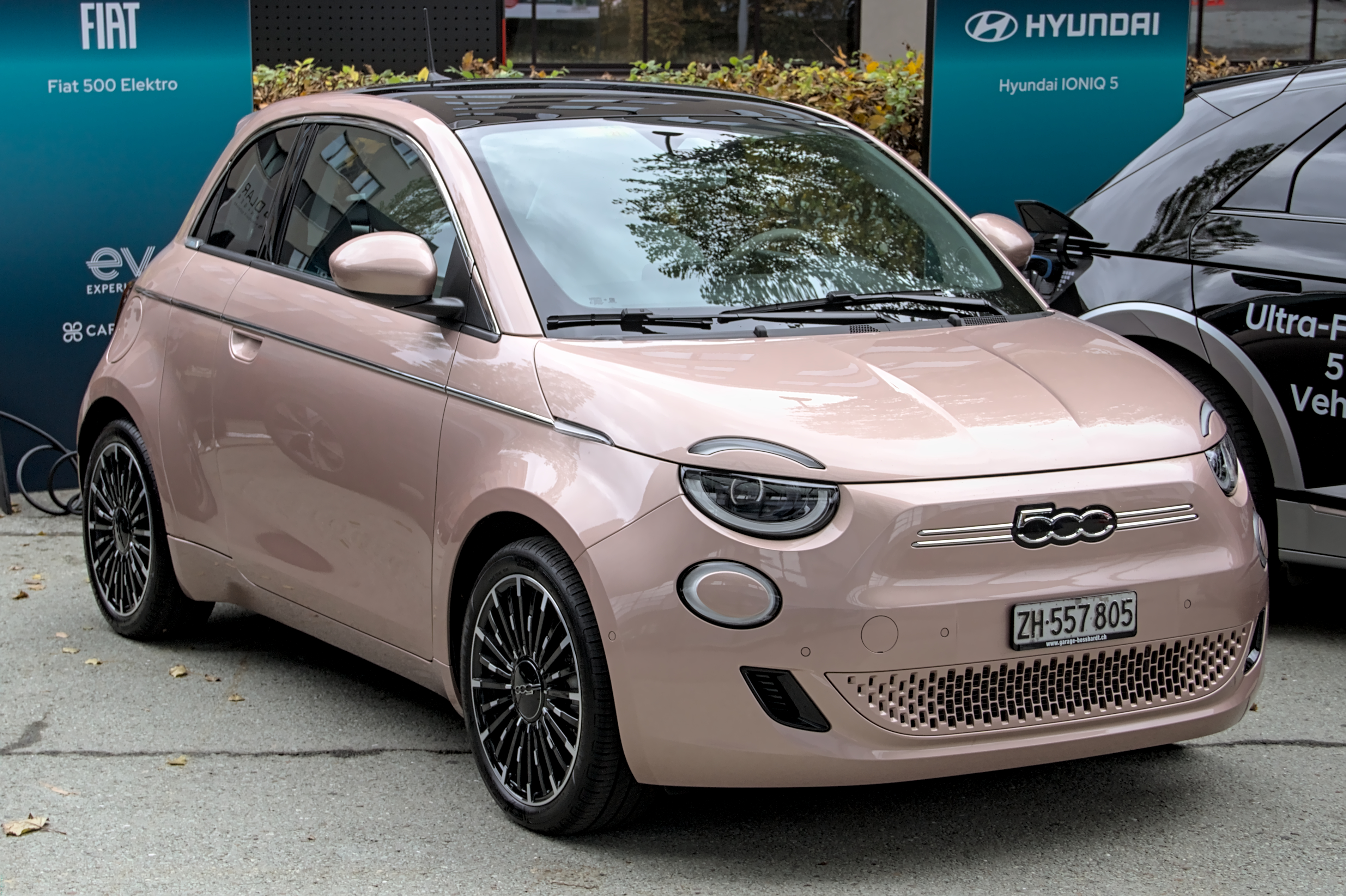
35:51
You have a Fiat 500E that's not hot at all.
35:56
You can have a GTI that's-
35:59
No manual, Mazda 3, which is-
36:01
Not hot, Mini, which is not a good car.
36:07
You can have, oh, well technically-
36:09
Is this the evolution of consumer preference?
36:11
This is chicken or egg.
36:12
Was the consumer preference shaped by manufacturers
36:14
not offering compelling hatchbacks
36:16
or did consumers just decide that hatchbacks were uncool?
36:19
Other markets have hatchbacks.
36:22
Yeah, look at some of the French shit,
36:24
some of the, I mean, even the German shit
36:27
is still kind of cool, I don't have a one series over.
36:30
That's always been a question though,
36:32
is that hot hatches generally are like appealing
36:35
and consumers gravitate towards them
36:38
in non-U.S. markets in a way that they never did in the U.S.
36:41
even when there was peak U.S. hatchbackery.
36:44
That's I think just a function of geography, right?
36:47
In the U.S., most of the U.S.
36:48
It's like consumer preferences
36:49
or like philosophy of Americans, right?
36:52
We had like this unique genre of land yacht
36:54
which was very American
36:55
and hatchback was diametrically opposed to that.
36:57
And so there was something like vaguely non-American
37:00
or communist about hatchbacks in the American psyche
37:03
in the 70s and 80s.
37:05
Or I see you're very poor
37:06
and you've bought a foreign economy car
37:08
of poor and anti-American.
37:10
So you've bought an economy car, you know, a Honda Civic.
37:12
Or poor and stupid and bought a Chevy Chevette.
37:16
Which was a vastly inferior product, right?
37:19
Yeah, but American made.
37:21
No, I think you're right.
37:22
I honestly, I think that the land yacht
37:23
versus hatchback thing is far more a function of geography
37:27
because try to park a land yacht in downtown Paris.
37:31
Yes, but by its nature
37:32
then it becomes distinctly American
37:34
and it sort of underlines that point
37:37
that you are doing something that is specific
37:39
to the place that you are from
37:41
and that is a fundamental part if we are.
37:45
And of course you're gonna have the counterculture of people
37:46
like me who's like, I want a hatchback
37:47
even when I live in Michigan.
37:49
And so there is space for you to make a statement.
37:52
And that's all gone, right?
37:53
I understand why hatchbacks
37:55
don't sell in large numbers in the US
37:57
unless they're in SUV form.
37:59
So what is a person, what is a,
38:02
not an enthusiast but a consumer
38:04
who wishes to make a statement.
38:06
The way that say a 900,
38:07
because I would almost argue that a sob 900
38:09
if you go back to 1989 or whenever they were most prevalent
38:14
was not an enthusiast choice.
38:16
It was an individualist choice
38:18
but not because you were a car enthusiast
38:21
but because you wanted to wear, you know.
38:25
Yeah, spectacles with thick horn rims
38:28
instead of sort of benign regular old person glasses.
38:31
Not because you were an eyewear enthusiast
38:33
but because it was a part of your outfit
38:36
that you wanted to be different.
38:37
Didn't want to blend in, right?
38:39
You wanted something different.
38:41
Okay, so what does that,
38:42
is there such a thing now to buy that does that?
38:46
I mean, I know that you're,
38:47
the argument you're building currently right now
38:49
is that no such thing exists.
38:50
So you're probably the wrong person to ask.
38:52
I'm, well, I'm trying to think about this.
38:53
Like it parts of the country.
38:54
The Mazda 3 is sort of that car a little bit.
38:57
Mazda products generally
38:58
because you would normally choose a Honda or Toyota
39:02
or maybe a GM crossover.
39:04
But is the Mazda thing the different counterculture choice
39:08
because it's mechanically and functionally different
39:12
or is just because it's done
39:14
because it's the same shit?
39:15
It's executed at a different level
39:16
and it's aesthetically different
39:18
but it's the same ingredients but done differently.
39:21
So it's, that's just a vignette
39:25
or sorry, a veneer of.
39:27
Yes, veneer of difference that's not really.
39:29
That doesn't backed up by the wacky shit
39:32
Now if it still had a rotary
39:33
then it would be a true, yeah.
39:36
I think all sort of counter,
39:38
like you could say maybe in parts of the country, Teslas
39:41
in the Bay Area, Tesla is the obvious choice, right?
39:44
Parts of the country, anything electric
39:46
that could be sort of counterculture.
39:48
Having a Cadillac in the Bay Area
39:50
would be sort of counterculture, right?
39:53
You have a CT 5V blackwing manual.
39:55
So you have a big supercharged V8 with a stick shift.
39:58
It says that you're somewhere else.
40:00
Altogether different from everyone else.
40:01
How ironic is it that a General Magans,
40:04
yeah, that a GM product would be
40:06
the counterculture in America, right?
40:08
Well, we're in a particular part of America
40:10
that is the least patriotic probably,
40:12
one of the least patriotic parts of America.
40:14
But I think Cadillac is one of the most counterculture,
40:18
one of the blackwing, there's a sporty Cadillacs
40:19
would be one of the most counterculture things
40:22
you could buy in this country, anywhere.
40:24
Like what the hell is different?
40:28
There's kind of nothing.
40:29
Oh, I'm gonna have a dodge.
40:30
Well, it's almost anachronistic.
40:33
It's not like different for being different.
40:35
It's just old, conceptually,
40:38
like the concept is an old concept
40:41
that has been retired by most people, but not Cadillac.
40:45
I think diversity of choice peaked in early 90s.
40:50
Okay, here's the punchline.
40:54
What would you say?
40:55
Just before the departure of Pujo and Alfa Romeo and.
40:58
Well, when you still had some cars.
41:00
But after the arrival of all the Japanese upstarts.
41:03
Yeah, you had cylinder count choice,
41:05
you had displacement choice, you had high revving,
41:07
like variable valve timing, 16-4 valve stuff coming in,
41:11
forced induction stuff coming in,
41:13
then you had pushrod American stuff coming in.
41:16
You had this, you could go buy a car
41:18
with a 4,000 RPM redline or an 8,700 RPM redline
41:22
and every choice, you had every choice
41:24
of suspension geometry, it's a suspension type.
41:27
You had every choice of steering,
41:29
thing worm and roller recirculating ball.
41:32
You had every shape, every size.
41:35
Sports coupes still existed.
41:37
But that wasn't intentional.
41:39
It wasn't intentional, it was the result of the fact
41:44
that there was a transition occurring
41:45
and it's a snapshot of a moment
41:47
where the transition has occurred for some,
41:49
but not for others.
41:50
I think the car industry was still progressing
41:53
and I think they were progressing at different speeds.
41:57
And so you had some that were left in the past
41:59
and some that weren't
42:00
and I don't think we have that anymore.
42:01
Okay, you have pushrod hemiv8s from Chrysler
42:06
who just tried to retire it in favor of another 500 CC,
42:11
right, 500 CC, direct injection turbocharged, blah, blah,
42:13
blah, blah, sure it's 500 CC per cylinder, per cylinder.
42:16
You just didn't finish
42:17
because you moved on to the next thought.
42:20
Yeah, for sure, I think we've now converged on sameness
42:24
to the disadvantage of the car.
42:27
All right, when did it peak for you?
42:36
I mean, yeah, I buy your 90s argument.
42:40
There's also, you know, like this is a different phase
42:44
in the maturing of the automobile industry
42:46
but you can also point to like the early days
42:49
when it didn't take much, there weren't many barriers
42:51
to becoming a new manufacturer.
42:52
There was a huge like prevalence
42:54
and I wish I had these numbers handy
42:56
but I recall reading somewhere that, you know, in 1920 X
42:59
there were like 200 different German car manufacturers
43:03
and then they all consolidated
43:05
because the standard of the products
43:06
and the amount of capital investment necessary
43:09
to participate and sort of acquisitions
43:11
and sort of, you know, this is where GM emerges from
43:14
like the number of marks that was in there
43:16
that all ended up getting combined into GM
43:19
and consolidated into, you know,
43:22
what the number was, maybe it was 10
43:24
and at some point before Oldsmobile and Pontiac
43:26
and all that went away and now it's like six or seven
43:29
or something like that.
43:30
But like at some point there were hundreds
43:33
of different manufacturers of cars.
43:35
And so you say, well, is that a time
43:37
when consumers had more choice?
43:41
So you came to, came, you stumbled early
43:43
on the follow-up question that I was gonna ask
43:45
is are we being incredibly myopic
43:47
by only looking at like 1960s to today?
43:50
So I think, yeah, there was a far more diversity
43:54
I mean, you could get steam cars and electric cars
43:57
and like, you know, there were people
43:59
who were like making four valves per cylinder
44:01
and dual overhead camshafts in the 1920s,
44:04
very small number of people, but like Bugatti and Bentley
44:06
and straight Aids, V8s, V16s, four cylinders.
44:11
No V6s, hadn't been invented.
44:13
V6s hadn't been invented, wasn't invented
44:14
until the, I think Lancia invented it
44:18
doing the engineering work in the 40s.
44:22
No, it was a VR4 and a V6, real V6, yeah.
44:27
Yeah, I think you had diversity of manufacturer for sure.
44:32
I mean, I would think about all the brands that are gone.
44:42
We, these are all American companies too, yeah.
44:44
I don't even know anything about them
44:45
and I know they exist.
44:46
What's the one with the really cool front wheel drive cars?
44:50
I mean, yeah, I think there have been definite waves of that
44:55
but I think the last wave of diversity for consumers
44:59
was probably late 80s, early 90s, the 90s maybe.
45:03
I mean, you had a five cylinder, accurate figure.
45:08
There was some really great stuff.
45:14
Sure, I will accept that as one of the possible answers.
45:23
And frequency of service or just access for service?
45:26
I was thinking access of service
45:28
because I think frequency of service
45:29
probably falls back into the sort of first category
45:34
You look at, you look at a car from the 40s and 50s
45:40
and you're like, I could stand in the engine compartment
45:42
next to the engine and work on it
45:44
and that's not true of a car from the 90s
45:46
or something like that.
45:48
So, that service ability was superior
45:53
but reliability and like the fact that you needed
45:56
to regular service, do tune ups
45:58
and regular service your ignition system
46:01
to adjust the points and all that and that was inferior
46:07
but you certainly had better access
46:08
to get in the engine compartment
46:09
because of all the space around.
46:11
So I think the fact that you had to adjust points
46:13
every five or 10,000 miles and plugs
46:14
every 15,000 miles and oil changes every two feet
46:17
and whatever else falls into the ability
46:19
to mobilize itself first category
46:21
which is how much of the, how much uptime, right?
46:24
And if the car's got to go in for a major service
46:26
and chassis lube and all this other crap every three weeks
46:29
then it's really, it doesn't matter how easy it is.
46:32
I'm thinking ease of service ability
46:34
and that is, is there room to do this?
46:36
Yeah, but if you have to do it all the time
46:40
What I'm, the reason I ask that is
46:43
anyone with a screwdriver can fix a carbureted car.
46:47
I mean, you know, you don't need specialized equipment.
46:50
You get to- Anyone with a screwdriver?
46:52
You don't need- A person who has only a screwdriver.
46:55
And nothing else and no brain.
46:57
You don't need a brain or fingers.
46:59
No, but I think we definitely, at the advent of EFI
47:03
I think actually worse, the advent of mechanical
47:06
fuel injection shit took a really wrong turn, right?
47:11
Yeah, you look at the plumbing and all the hoses
47:13
and all that in like a Jaguar XJ12 engine
47:16
or like a new apartment or like your Rover.
47:18
Honda's PGMFI, I mean that was,
47:20
that was abbreviation alphabet soup for spaghetti
47:23
with those, I've never seen so many vacuum lines
47:25
in my life or you know, even Bosch simple CIS
47:29
not serviceable, pain in the ass nightmare.
47:31
Mechanics don't want to touch them now.
47:32
They didn't then they couldn't figure them out.
47:34
It was black magic.
47:36
I think that took a big step up with OBD2
47:39
self-diagnostic capability and I hate to congratulate
47:42
anything mandated by the government
47:43
because that was a government thing.
47:44
But at the end of the day,
47:45
self-diagnostic capability with the ability
47:48
and the mandate from a government to say anyone
47:51
with a scanner can get a standardized code
47:53
and be told what's wrong with their engine
47:56
was a stroke of genius for surface ability.
47:59
And I think that ramped up
48:02
and then now has taken a complete nosedive once again
48:06
when car companies have proprietary computer systems
48:10
where you can't access half of the things
48:11
you need to access.
48:13
And the fact that cars now when you start to look
48:16
at mechanics who work on cars
48:17
when they're dealing with problems,
48:19
it's often not mechanical issues, it's networking issues.
48:22
It's this can dropped out, this network dropped out,
48:25
this thing isn't communicating.
48:27
I can't get a signal from this.
48:28
I can't get diagnostic stuff from that.
48:30
That is really the last 15 years has become a nightmare.
48:33
Every tech I know is a network administrator
48:36
as much as they are a tech.
48:41
The day that my e-golf breaks
48:44
and then doesn't know why it's broken and can't tell me,
48:48
oh, because it has no network connection, you're fucked.
48:50
You're just fucked.
48:52
And I think like, even-
48:53
You think that this is a permanent problem
48:55
or is this one of these transitional things
48:56
where we're going to solve it
48:58
and then it'll be okay?
48:59
Like in the infotainment comment that you made,
49:02
like eventually we figured out how to engineer around that
49:05
or when the ECUs first appeared in cars
49:08
and people were like,
49:09
you're putting computers into cars now.
49:10
How are people gonna fix those things in 30 years?
49:13
And you were like, well, you open the ECU
49:14
and then you like redo all the solders
49:17
or like look for burned out capacitors
49:19
and then like, oh look, the problem is easily solved.
49:21
You mail the thing to a guy for 500 bucks
49:23
or you figure out how to do it yourself
49:24
and he rebuilt the ECU like we figured it out.
49:27
It's not that hard.
49:28
It's one of the things
49:29
that I think about stereo systems in the 1980s, right?
49:32
I mean, you had 16 different components on a rack.
49:35
You had an amplifier and then a tuner
49:37
or together they were a receiver
49:39
and then you had a CD player and a two tape deck solution
49:43
and then a VCR that was plumbed into that.
49:45
For example, they didn't speak to each other
49:47
and then you had to daisy chain it all together.
49:50
And now you have a phone
49:51
that just Bluetooth to something else.
49:53
The world comes and figures out how to fix these things.
49:56
Computers were nightmares.
49:58
I don't know if you remember, like I built,
50:01
I built a 486 DX266 when that processor came out.
50:04
And so I built a computer around it
50:06
and just trying to get the graphics card
50:09
to work with whatever IO interrupt error bullshit came out
50:13
and it was just a nightmare.
50:14
It was an absolute nightmare.
50:15
That's been figured out.
50:16
Plug and play stuff just sort of works now.
50:18
And so I hope that we are in a world
50:22
where that's will get better.
50:24
The phase of transition, yeah.
50:25
And I think Tesla and Lucid and Rivian
50:29
that sort of startups have shown that like guys,
50:31
it doesn't have to be these individual modules.
50:33
One module control the whole thing.
50:35
So that will be solved, right?
50:37
And especially once we go to EVs
50:38
because there's far fewer sensors and shit.
50:40
So, but I think ease of service ability did peak
50:43
and we're in a trough
50:43
and it will probably come back up again.
50:46
But I don't want to work on 20 teens cars.
50:52
I would work on an early 2000s car
50:54
and that's sort of the end of like
50:55
until someone figures out what you said
50:57
the guy or the diagnostic tools or something else.
50:59
I think that's a trough.
51:03
So we're thinking, was that really though 1970s?
51:06
Ease of service ability or 80s, maybe?
51:09
Well, I think that when you have like
51:12
mechanical fuel injection,
51:13
I think automatically disqualifies.
51:17
Too many vacuum lines also disqualifies.
51:23
I think metronic is like that level of complexity
51:25
is kind of ideal, right?
51:27
There's like, secondary air injection.
51:31
Yeah, but you can talk to it, right?
51:33
I think it's OBD-2.
51:35
Once you're an OBD-2 then.
51:36
Early OBD-2, so you're just gonna call it
51:38
the second half of the 90s.
51:40
Early 2000s probably,
51:42
because of course I had even more diagnostic capability
51:44
and the computers weren't so,
51:49
you get into it like an E90
51:50
and I only know this because I knew people worked on them.
51:53
E90s were fully can based.
51:55
So, you know, that three series generation,
51:57
that whole generation of BMWs.
51:59
And there was a K can,
52:00
which is K is K-Rosseri in German,
52:03
And so that was the chassis,
52:04
the body network basically.
52:07
And if anything pulled the body network down,
52:09
none of the modules could talk to each other.
52:11
And they go into what the texts refer to as K-Can failure.
52:14
And K-Can failure mode is hilarious on that car.
52:16
So it's all of a sudden the computer saying,
52:18
I no longer can communicate between devices.
52:21
Therefore, I don't know what's going on
52:23
and that poses a safety risk.
52:25
So everything on the K-Can will revert to a setting
52:28
that is most likely to be helpful in an emergency.
52:32
So the windows roll down slightly,
52:34
the flashers turn on, the wipers turn on,
52:37
the heat goes, the HVAC goes to defrost plus AC plus hot.
52:41
And so defrost is where the air goes and whatever.
52:45
The doors unlock and there's like,
52:47
the car is fucking possessed.
52:49
And so, you know, I saw one car that a customer
52:53
of a friend who was mechanic had
52:54
that every time they had a pothole,
52:55
it would just go into K-Can failure.
52:56
And so you're driving along, boom, wipers lights,
52:59
all the lights are on.
52:59
Like what the fucking windows are down?
53:01
Like this thing is possessed by Satan.
53:04
It took that particular car was sitting
53:07
in the BMW dealership.
53:08
They let it time out for 21 days
53:10
so the consumer got the,
53:11
they bought the car back and gave them another one.
53:14
And then it sat in their service center for 90 days
53:16
and they couldn't figure it out
53:18
and then gave it to an independent shop here
53:20
with for help, just please figure this out.
53:23
And it was a fucking wire that was under one
53:27
of the four seats, seat mounts.
53:30
And so the wire was pinched between the seat
53:32
and the floorboard.
53:35
And every time, if, and only if there was a passenger
53:38
between a certain amount of weight would,
53:41
they'd hit a bump that would short that out,
53:43
pull the can down and shut the car off,
53:44
shut, put the car in that mode.
53:46
No, if your car has the capability
53:48
of doing that, the network engineers are idiots.
53:51
Right? That's just should,
53:52
I understand that, you know,
53:53
the sort of K can't fail your motive
53:54
like most safety lights on, whatever else.
53:57
The answer to that is no, you've failed number one,
54:00
which is just the car needs to just work.
54:03
I mean, it does until it doesn't.
54:05
So I'd say early 2000s.
54:10
Now let's get into the fun stuff.
54:14
The later you go, the faster they get.
54:17
No, of course there's so much faster today
54:20
than they've ever been.
54:24
Enjoyability, enjoyableness,
54:26
enjoyability of driving, pleasure of driving.
54:28
That is entirely subjective.
54:35
It is, yeah, it is.
54:36
Right, some person might be like,
54:38
oh man, I really fricking love double clutching,
54:40
unsynchronized gearboxes.
54:42
And some people might be like,
54:43
I love going zero to 60 in 2.4
54:46
and just putting a pedal down
54:47
and not having to do anything else.
54:49
It's entirely subjective.
54:51
Is there no way to quantify any of this?
54:56
I mean, you could quantify handling,
54:58
you could quantify steering feel.
54:59
Yeah, but that's not like enjoyment.
55:02
Just because it's more G doesn't mean it's more enjoyment.
55:05
No, I mean behavior, not grip.
55:08
Because grip, listen, braking distances, all times low.
55:12
Acceleration rates, all time high.
55:14
Top speeds, probably all time high.
55:17
Handling G, all time high.
55:19
Across the board in every performance category,
55:22
cars are better than ever, without question.
55:25
Do you have a metric or a rubric in mind
55:27
for quantifying and automotive enjoyability?
55:30
It would have to be handling behavior,
55:34
steering, response and feel, braking feel.
55:41
All right, there's another.
55:43
There's a whole NVH and sort of-
55:46
Comfort and refinement category.
55:48
Let's leave out the enjoyment for a second
55:49
because I think that's where it ends.
55:51
I don't think you can really be objective about that.
55:56
Okay, I'll cross it out and just say refinement.
55:59
So we're going back to the mainstream consumer
56:01
and away from the enthusiast.
56:08
Doesn't everything just get more and more insular?
56:09
Drive an S-Class now and drive your 140
56:12
that was here last week.
56:13
Which one rides better?
56:16
I haven't driven a modern S-Class.
56:19
I will say the 221.
56:23
The 221 and the 140 both ride very beautifully actually.
56:27
I don't know that there's a...
56:30
The 221 feels more structurally rigid
56:33
and that gives an impression of bitterness
56:39
as in terms of ride, I guess.
56:45
It's more responsive also, which is less luxurious,
56:49
It's better in some ways and not as good in other ways.
56:51
It's again a little bit subjective.
56:54
Yeah, but I don't think we...
56:55
So in terms of chassis structure
56:56
and actual noise, vibration, harshness,
56:59
I think engineers would say we haven't peaked
57:01
or just we continue to get better.
57:04
I think that when some cases
57:07
you see cost cutting happening over time.
57:10
So you have some generations of Mercedes
57:12
where they definitely took a step back in terms of...
57:15
Yes, I would certainly say that between 140 and 220.
57:19
E-Class I don't think was better in a lot of ways
57:21
than 211, I also don't think was all that much better.
57:25
So 203 for the 190.
57:27
So Mercedes had a definite era of getting worse.
57:31
BMW certainly did with that F30, that three series.
57:35
That was a massive step backwards.
57:37
So it does happen, but I think overall the march...
57:40
But it's not about...
57:42
So it's not about the capability.
57:43
It's about the external factors
57:46
that get baked into the product.
57:49
Yeah, somebody cost cut something to death
57:50
and said we're not gonna do the right thing
57:52
because to save a penny.
57:53
But ride quality is the one where I don't know
57:56
if we've gotten much better.
57:58
I think we did peak a while back
57:59
when wheels were a bit smaller
58:00
and sidewalls were a little taller.
58:04
I mean, it rides really well.
58:07
Does it ride as well as like a Lexus LS460L
58:12
from five years ago, 10 years ago?
58:16
The other thing I would bring up
58:18
to add further complexity is sports cars
58:20
because there's been this entire new generation
58:22
of holy shit sports cars that are incredibly capable
58:25
and have really good body control
58:26
but also ride far better than anything
58:28
that had that kind of body control historically did.
58:31
And that is one of the modern things
58:33
that mind blows me all the time.
58:35
The bumpy road mode in modern Ferraris,
58:37
the modern GT3 touring
58:42
I had the ride quality was certainly better
58:44
than a RS product from the 90s,
58:46
Porsche RS product from the 90s.
58:49
So there's been this ability to,
58:51
I don't know, is it for structures
58:53
that therefore allows you to do more with the suspension?
58:55
I don't know what it is
58:56
that it's been that magnetorealogical dampers obviously
58:59
are important, but not all the cars
59:00
that we've lawed have those, I think.
59:03
So like, I don't know,
59:04
but there's definitely been an incredible ability
59:07
to improve ride quality and body control
59:10
in recent years in sporting cars
59:12
that has really impressed me.
59:14
And not necessarily just in sporting cars.
59:16
So I just was served a video on social media
59:20
with the old Bose system
59:21
that they'd put in that Lexus LS.
59:24
And I was watching with a friend
59:25
and his question was, why didn't they do this?
59:27
And it was just, it was way too power intensive
59:29
and way too expensive and way too heavy.
59:30
Did it take up all the entire trunk?
59:32
Yeah, and it weighed like four billion pounds
59:34
and you know, whatever it was, obviously.
59:36
But it was kind of a dead end technology
59:39
until the current Panamera,
59:41
which is also the Bentley Conti.
59:45
That Panamera rides like nothing I've ever been in ever
59:51
and then handles like a GT3 in terms of body control.
59:55
But that has a, I think it's a 48,
59:58
I think it uses the 48 volt,
59:59
it might use an even higher,
00:01
no, it might use the hybrid like the 400,
00:04
don't quote me to it.
00:07
electro-hydraulic actuators in the shocks
00:09
and that actually can lift the car.
00:11
So it's active suspension, mind boggling.
00:16
So we have not peaked in ride quality yet.
00:19
We've just begun the next chapter
00:21
and when cars start to have that,
00:23
that is a holy shit moment
00:25
that just shits on a 140 or a Rolls Royce or anything
00:29
and nothing comes close to that.
00:31
Because it does it, like you said with the sports cars,
00:35
does it with a commensurate increase
00:37
in its cornering ability and body control
00:39
and those circumstances too.
00:41
So I don't think we've really peaked yet
00:43
in refinement overall.
00:45
I think we'll keep getting there,
00:47
but we took a step back with big wheels
00:49
and now we're going around.
00:49
And to return to the question that you asked
00:51
when we were briefly talking about enthusiasts,
00:53
like is that good, is refinement good?
00:56
Is that something that enthusiasts desire?
00:58
Well, I think all of these,
01:00
I think because we've covered sort of seven main groups,
01:03
now go back to enjoyment,
01:05
which is then the fully subjective side
01:07
and which do we all personally enjoy?
01:09
Some people enjoy speed.
01:11
And if you enjoy speed,
01:11
you buy an electric car and you're done.
01:12
You've never been the fastest.
01:14
Some people enjoy the ability
01:15
to mobilize yourself and get to work every day.
01:17
And that's all they care about for the car.
01:21
Some people, if they're doing work
01:23
on the cars themselves
01:24
or don't want to pay big repair bills,
01:26
really value ease of service ability.
01:29
Some people want an identity difference
01:32
and so they'll see diversity
01:33
but some people care about efficiency.
01:36
And so I think there's no way to say the automobile has peaked.
01:43
Yes, because it's too many things with too many people.
01:47
Well, that was satisfying.
01:50
I mean, it comes down to your personal preferences
01:52
and you deciding what answers the questions
01:55
that matter to you the most on these axes.
01:57
I think there's no way
01:58
when you have eight billion people on a planet,
02:00
you can't, you can't.
02:04
So the logical question is what is the answer for you?
02:11
Well, the answer, I answered that
02:13
on the case of how that narrow definition
02:16
of a sports sedan was on that retrospective episode.
02:21
For me, I think that all the curves
02:24
sort of come together in the 90s probably.
02:28
Talking given the ages of the cars that you own.
02:30
My cars are all older, right?
02:31
But I don't want the good cars.
02:33
Remember that part of my sort of philosophy
02:37
is that good cars make shitty collectibles.
02:39
Not shitty, but the best collectibles are the worst cars.
02:44
I don't want them to be so great
02:46
but maybe something from the 90s would,
02:49
or the early 2000s would hit.
02:51
The type of badness that you crave
02:53
is not the same type of badness
02:54
that other people crave.
02:56
I just don't want the cars to,
02:58
I could go tomorrow and buy one car
03:00
that does everything better than every other car I own
03:03
and I wouldn't be satisfied.
03:04
So I sort of purposefully don't have,
03:07
do I, if I could have a manual swapped
03:10
Maserati Quartre Porte 5,
03:13
kind of would do everything better
03:15
than every car that I own.
03:16
It would sound better, it would look better,
03:17
it would be faster,
03:18
it would be certainly more unreliable.
03:24
Wouldn't dance over the road maybe in the same way.
03:28
It's a little heavy.
03:30
Sure, sure, but ultimately we'd probably be able
03:33
to maintain a bigger pace than any of the cars
03:35
that I own or a higher pace.
03:36
I don't know, I know it's a really difficult choice.
03:39
I mean, your spectrum is 50 years.
03:41
Where do you put the sort of center point?
03:45
It changes over time based on my mood.
03:48
Even day to day, some days,
03:51
like if it's a rainy day,
03:52
I really enjoy getting into my Mercedes-Benz 140
03:56
that is currently not here.
03:58
It's a very secure feeling car that's sort of insular
04:01
and it's a cozy place to be, you feel safe
04:03
and it has good ventilation and wipers
04:05
and it just, there's a sense of wellbeing
04:08
that comes with that.
04:09
This is why, I think, well,
04:11
this is why I have so many cars
04:12
and why they're so disparate or schizophrenic.
04:15
On the other hand, other times,
04:17
it's a 1950s or 60s Italian
04:19
or British carbureted car.
04:21
It really is variable,
04:22
just depending on the sort of day and the mood
04:25
and the mission and the place you're going
04:28
and that's why I think I have so much variety
04:31
in automobile type.
04:34
I mean, I have a Ferrari with a manual
04:36
and eight throat, four twin throat carburetors
04:40
that leaks huge amount of oil
04:42
and then I have the E-Golf
04:43
and if it's raining and dark
04:47
and I'm gonna be in traffic,
04:49
there's no question, I'm taking the E-Golf, right?
04:51
First of all, it has, to your point,
04:53
ventilation is really important, right?
04:55
It keeps the windows clear,
04:57
but it also has AEB, autonomous braking
05:00
and it will warn me if someone's gonna hit me
05:03
from the side and all these other safety features
05:06
and if I do get hit, I'm far more likely
05:08
to walk away in that thing
05:09
than I'm from something else.
05:11
Plus it has stability control,
05:12
plus, plus, plus, plus, plus all this other shit
05:14
and a great stereo.
05:16
So if I'm gonna be sitting in traffic,
05:17
that's the one I'm choosing
05:19
and so how could I then say,
05:21
cars peaked in 1999, for example, or 2000
05:25
and then I choose that?
05:27
Because, and then I also love the efficiency of it
05:30
and how cheap it is to operate.
05:32
Funny thing is that my 1999 C43
05:34
did most of the things that I needed it to do.
05:37
I didn't feel like it was wanting
05:38
for any of the things that I asked a car to do
05:40
as daily and I use that car as a daily for two years
05:42
and I really enjoyed it.
05:44
Having previously dailyed a 2019 GTI.
05:47
That's kind of why I tend to wanna say
05:50
for me those cars peaked there, right?
05:52
I mean, my C4, I had a C43 also
05:54
and it did everything I wanted
05:56
and nothing I didn't other than it had an automatic.
06:00
Really, overall just across the board,
06:04
reliable, serviceable, no variable valve timing,
06:07
single camper bank, easy to work on.
06:09
Computers could shut down on the car
06:11
which still function as a car
06:14
and it was safe enough
06:15
and it had stability control
06:16
and it had heated seats and rain sensing wipers
06:18
and xenon lights and blah, blah, blah, blah, blah.
06:20
So as usual, we've ended up in a Soco-era Mercedes.
06:25
You're welcome, everyone.
06:26
All right, spoiler alert.
06:27
The automotive automobile has peaked
06:29
at the 1998 through 2000 Mercedes C43 AMG
06:34
with a manual swap.
06:35
All right, great, big surprise.
06:37
Thank you for joining us for this week.
06:39
I'm done, I can't do this one.