
Why a good google rating doesn't mean much, PLUS.....Chick cars vs. Boy cars...how to tell the difference
About this episode
A good Google rating can mislead you, because the host says dealership quality shows up more clearly in one-star reviews and specific complaint patterns—plus how trade-in and loan math can quietly shift costs onto buyers. He also argues that a test drive and a few days of real use matter, since second thoughts can hit quickly. Then the show turns playful with “chick cars vs. boy cars,” including the Jeep Wrangler “rubber duck” stereotype and a list of examples.
Email Lennie at [email protected]
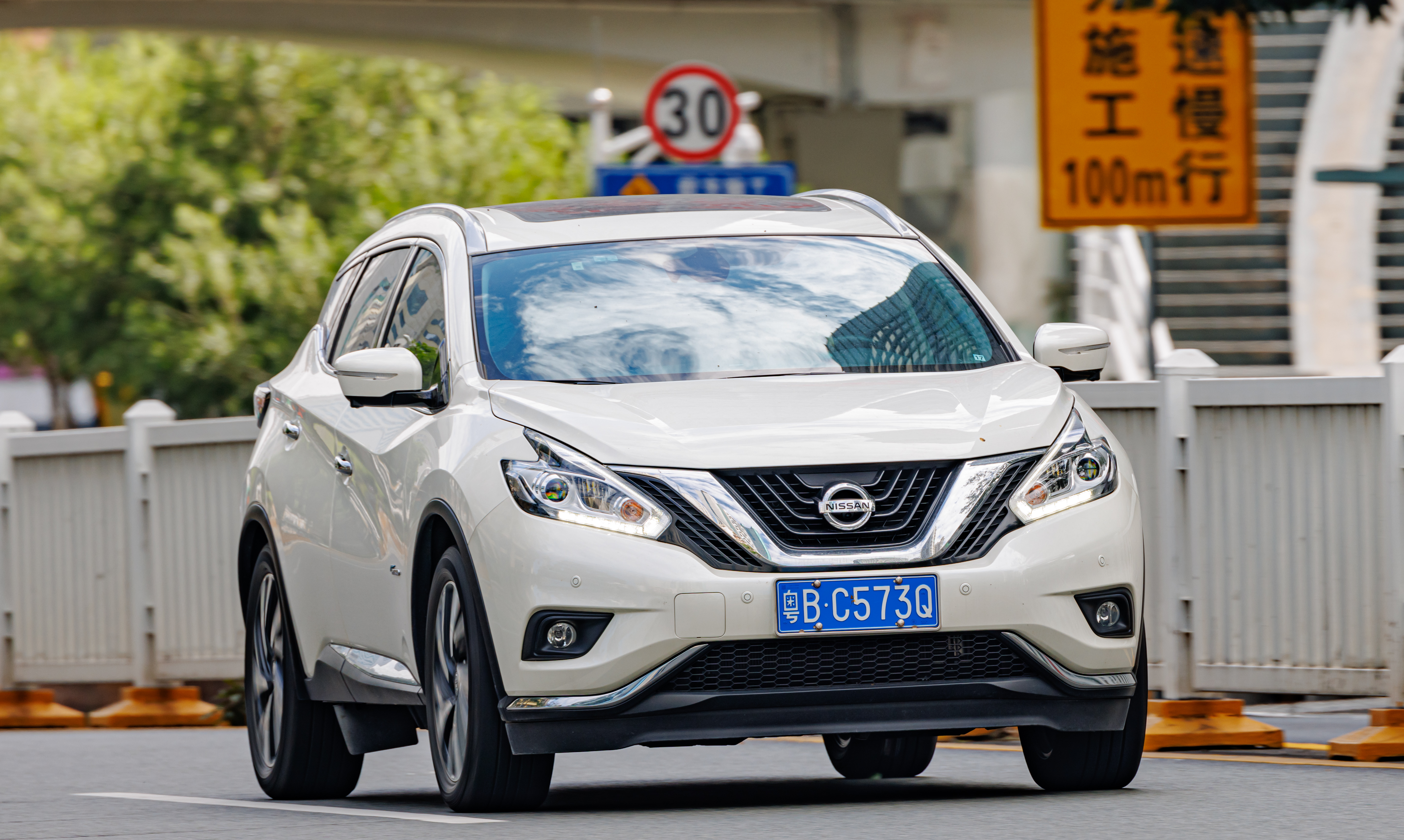
Nissan Murano
"Well, he did. [166.1s] And he was still on a Nissan Murano. [169.7s] And so I gave him a price on a Nissan Murano this time."
A Nissan Murano is a family SUV/crossover made by Nissan. Here, the host is talking about pricing and negotiating a deal for a Murano.
The Nissan Murano is a mid-size crossover SUV from Nissan, known for its comfortable ride and family-friendly practicality. In this segment, it’s the specific vehicle the host is pricing and negotiating for, which makes it relevant to the buying/selling discussion.

Nissan Rogue
"And there's a brand new Nissan Rogue [197.3s] with one of my fiercest competitors, a sticker on the back of it."
The Nissan Rogue is a popular SUV that many people buy. Here, the speaker is saying a competitor chose a Rogue, and they also mention not liking the smaller engine setup.
The Nissan Rogue is a compact crossover SUV known for being widely available and relatively affordable compared with many competitors. In this segment, it’s brought up because the speaker’s competitor chose a Rogue instead of a smaller option, and the discussion touches on engine choice.
three cylinder engine
"But no, he wasn't going to have a rogue too small [212.9s] and didn't like the three cylinder engine."
A three-cylinder engine has fewer cylinders than most engines you’ll see in cars. It can be more efficient, but some people don’t like how it feels or sounds compared to bigger engines.
A three-cylinder engine is an internal-combustion engine with three cylinders instead of the more common four or six. Automakers use smaller three-cylinder setups to reduce weight and improve fuel economy, but some drivers dislike the feel or refinement compared with larger engines.
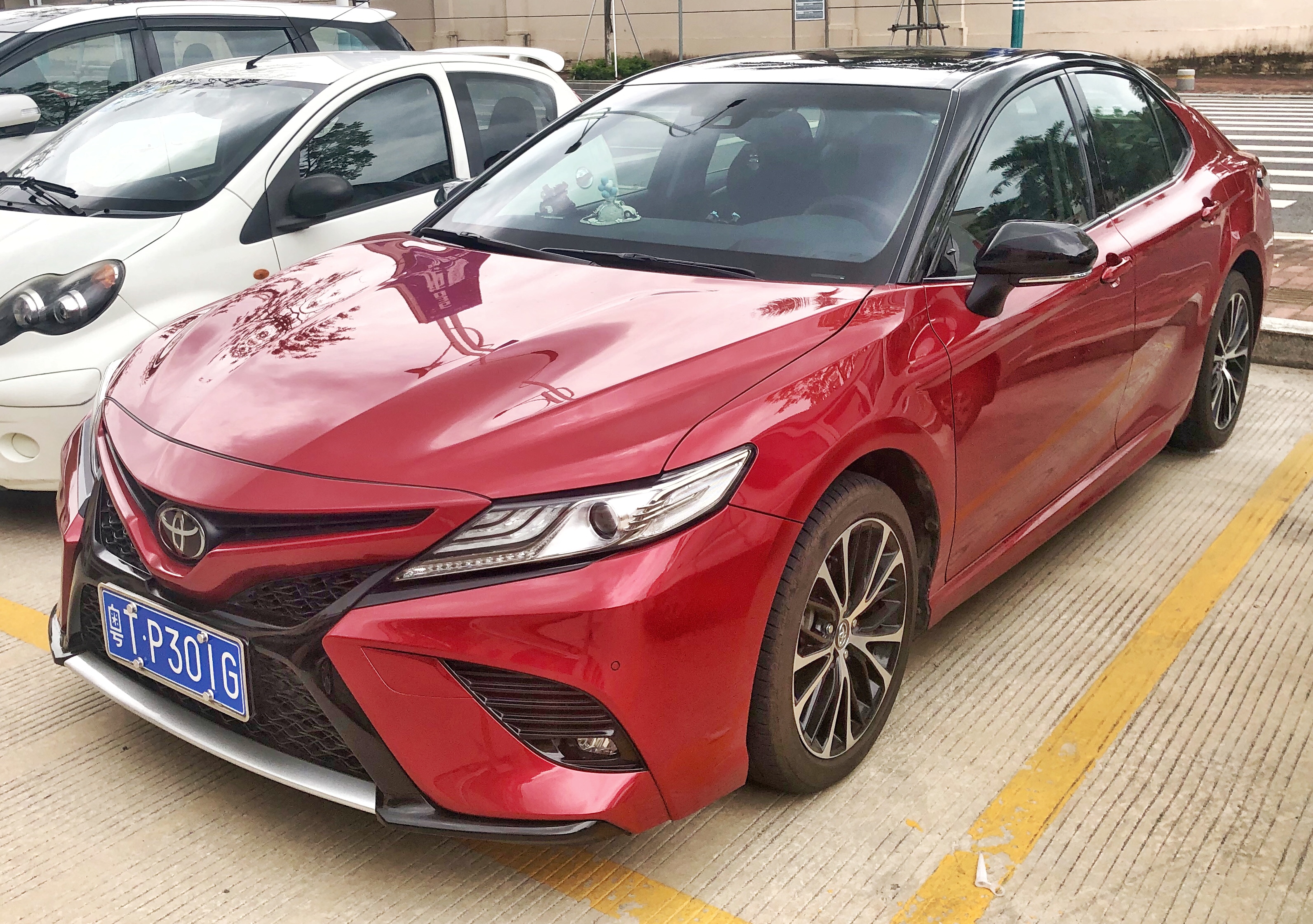
Toyota Camry
"Toyota Camry and a Honda Accord. [955.4s] I agree with that."
The Toyota Camry is a very common everyday sedan. In this discussion, it’s used as an example of a car people see a lot.
The Toyota Camry is a mainstream midsize sedan that’s often used as a default “family car” example. In this episode, it’s mentioned alongside the Honda Accord as a common car people see on the road.
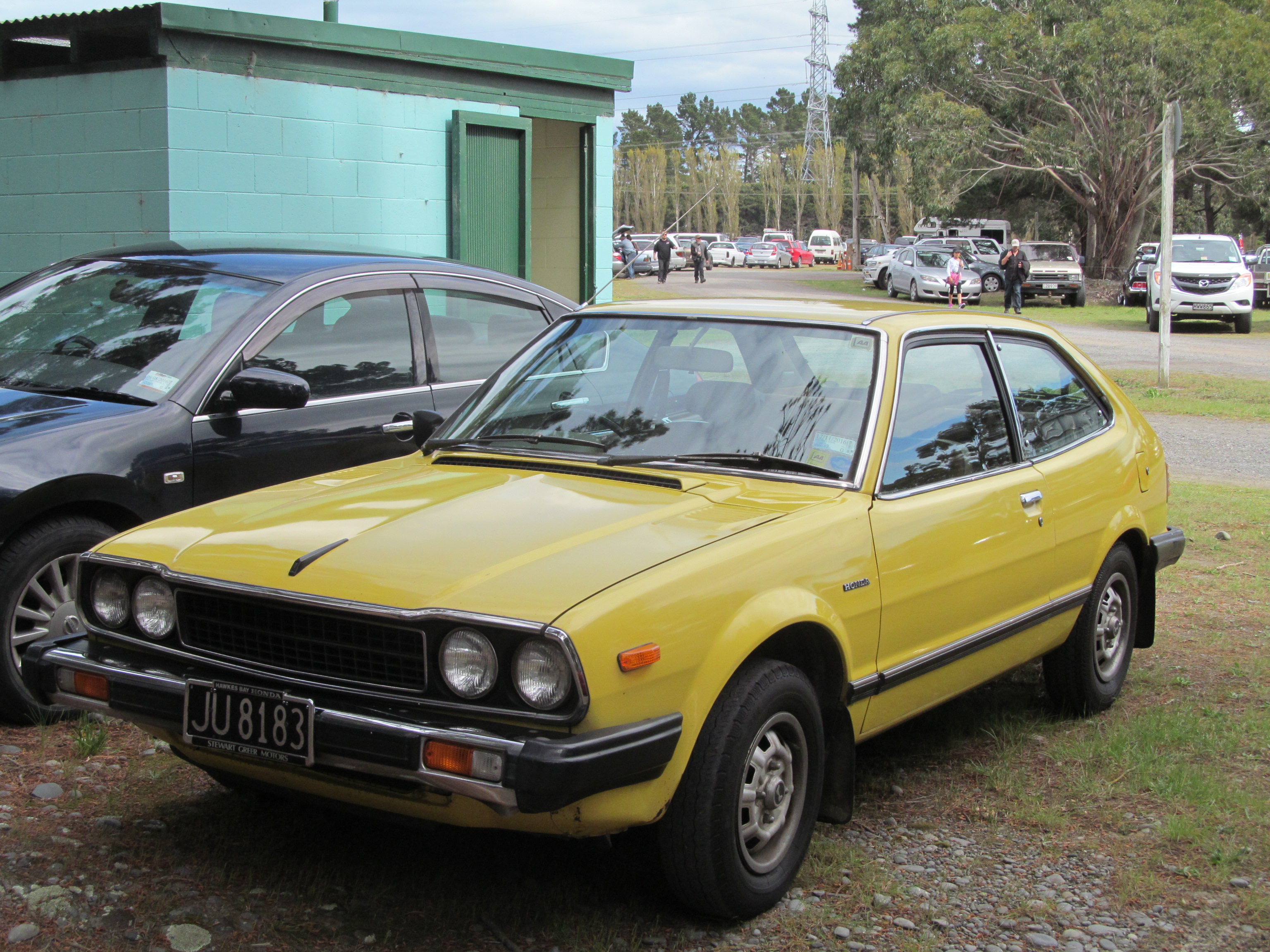
Honda Accord
"Toyota Camry and a Honda Accord. [955.4s] I agree with that."
The Honda Accord is a popular everyday car. In this episode, it’s mentioned as one of the common sedans people drive.
The Honda Accord is a mainstream midsize sedan known for being practical and widely owned. Here, it’s paired with the Toyota Camry as another common car people see frequently.

Ford F-150
"a full size truck, either a F-150 or 250 Silverado Ram."
The Ford F-150 is a big pickup truck. In this segment, it’s used as an example of the kind of truck the host thinks fits the “boy car” stereotype.
The Ford F-150 is a full-size pickup truck and one of the best-known trucks in the U.S. The host uses it as an example of a “boy car” stereotype in contrast to smaller or more “chick car” associations.

Chevrolet Silverado
"... at all, a full size truck, either a F-150 or 250 Silverado Ram. But I think that we need another category an..."
The Chevrolet Silverado is a big pickup truck. It’s made to carry loads and tow trailers, and it comes in different versions. The podcast mentions it as an example of a typical full-size truck.
The Chevrolet Silverado is a full-size pickup truck that’s built for towing, hauling, and general utility. It’s often discussed because it’s a mainstream truck platform with lots of trims and powertrain options. In the podcast, it’s referenced alongside other full-size trucks as part of the “truck” category.

Buick
"Well, the first one I thought of was any Buick. [990.5s] If you drive a Buick, you're either old or you think old."
Buick is a car brand. Here it’s used as a stereotype for the kind of car the host thinks older drivers tend to choose.
Buick is an American brand known for older, comfort-oriented buyers in the U.S. The host uses “any Buick” as a stereotype for “old people cars,” which is more about social perception than a specific model.

Jeep Wrangler
"The Jeep Wrangler is now a chick car, especially if the whole dashboard is lined up full of little rubber duckies."
The Jeep Wrangler is a popular off-road SUV. The host says it’s become associated with “chick cars” because people decorate them with rubber duck toys on the dashboard.
The Jeep Wrangler is a rugged off-road SUV built around a removable top and strong trail heritage. In this episode, the host argues it’s become a “chick car” because of the “rubber duckies” dashboard trend.

Ford Bronco
"So a Bronco though doesn't, you'll see no rubber ducks on Broncos."
The Ford Bronco is a rugged SUV designed for off-road use and is often compared directly with the Jeep Wrangler. The host contrasts it with the Wrangler by saying you won’t see the same rubber-duck decoration trend on Broncos.

Honda Crv
"So it's a boy car, a geyser car or an old person car would be a Honda CRV. [1046.2s] I guarantee every time you see somebody driving a Honda CRV, they are"
The Honda CR-V is a common SUV that many people find practical. The host says it’s often viewed as an “old person car,” based on their personal impression.
The Honda CR-V is a popular compact crossover SUV known for being practical and easy to live with. The host claims it fits the “old person car” stereotype and even makes an age-based joke about who drives them.

Ford Bronco Sport
"Now the Bronco is a man car or a boy car. The Bronco Sport is a chick car. It's softer."
The Ford Bronco Sport is a smaller SUV that’s meant to handle light off-road and rough roads. It’s built to be easier to drive day-to-day than the bigger Bronco. The podcast calls it “softer” compared with the full-size Bronco.
The Ford Bronco Sport is a smaller SUV in the Bronco lineup, aimed at drivers who want an outdoors-capable look and some off-road capability without the size of the full Bronco. It’s often discussed because it’s positioned as a more approachable option for everyday use. In the podcast, it’s referenced as “softer,” contrasting it with the larger Bronco.

Ford Escape
"[1065.7s] It's softer. [1067.7s] It's based on a Ford Escape chassis and men don't drive Ford escapes. [1075.2s] Some other chick cars, and I run down the list due to the interest of time."
The Ford Escape is another Ford SUV. The host is saying the Bronco Sport is built using similar underpinnings, so it can feel related in how it drives.
The Ford Escape is a compact crossover that shares a platform with the Bronco Sport, according to the host. Platform sharing means different models can use similar underpinnings, which can influence ride feel and packaging.
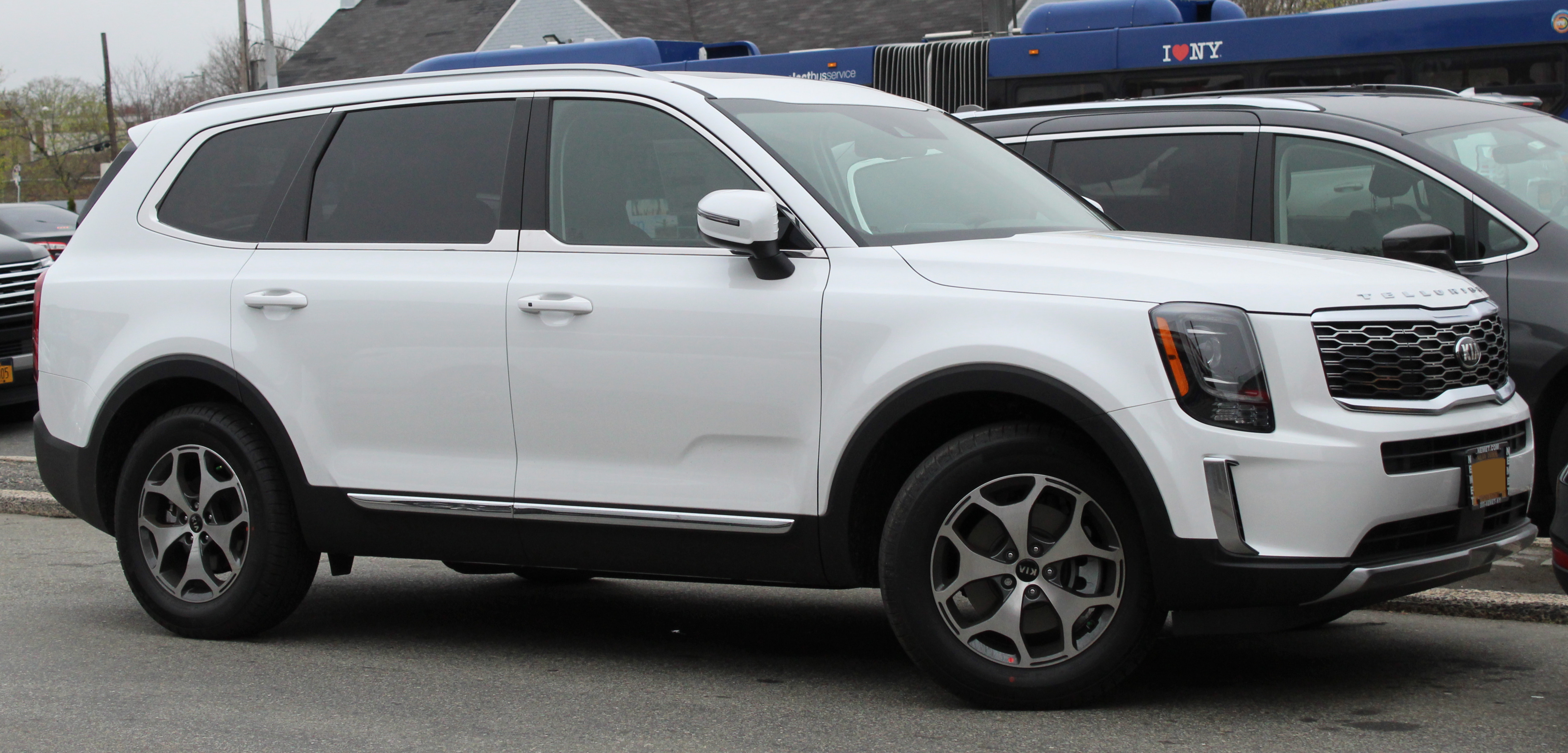
Kia Telluride
"[1075.2s] Some other chick cars, and I run down the list due to the interest of time. [1080.6s] Kia Telluride is a chick car, any Mercedes SUV, definitely chick cars. [1087.8s] A Honda Prius, sorry, Toyota Prius is a chick car."
The Kia Telluride is a family-size SUV with room for more than two people. The host is just listing it as one of the cars he thinks people label as “chick.”
The Kia Telluride is a midsize three-row SUV. Here it’s mentioned as an example of a “chick car,” reflecting the host’s gendered stereotypes rather than any technical characteristic.

Toyota Prius
"[1080.6s] Kia Telluride is a chick car, any Mercedes SUV, definitely chick cars. [1087.8s] A Honda Prius, sorry, Toyota Prius is a chick car. [1093.5s] Any Tahoe, suburban or expedition."
The Toyota Prius is a car that uses a hybrid system to help save gas. The host is using it as an example of a car he thinks people stereotype as “chick.”
The Toyota Prius is a hybrid hatchback known for prioritizing fuel economy. In this segment, the host labels it a “chick car,” using it as another example in his list.

Chevrolet Suburban
"...s, sorry, Toyota Prius is a chick car. Any Tahoe, suburban or expedition. This used to be boy cars, you know..."
The Chevrolet Suburban is a big SUV that’s designed to carry lots of people and gear. It’s commonly used for family trips and everyday driving when you need extra space. That’s why it comes up when people list large SUVs.
The Chevrolet Suburban is a large, family-oriented SUV known for seating capacity and long-distance comfort. It’s often discussed because it combines the space of a utility vehicle with the practicality of an everyday SUV. In the podcast context, it’s mentioned as an example of a “Tahoe/Suburban/Expedition” style vehicle.

Ford Expedition
"[1087.8s] A Honda Prius, sorry, Toyota Prius is a chick car. [1093.5s] Any Tahoe, suburban or expedition. [1096.3s] This used to be boy cars, you know, men would drive Tahoe's and things like that."
The Ford Expedition is a large SUV. The host is using it as part of his list of cars he thinks different groups drive.
The Ford Expedition is a full-size SUV. In this segment it’s grouped with other large SUVs as a “boy car” in the past and a “chick car” now, based on the host’s observation.

Chevrolet Tahoe
"[1087.8s] A Honda Prius, sorry, Toyota Prius is a chick car. [1093.5s] Any Tahoe, suburban or expedition. [1096.3s] This used to be boy cars, you know, men would drive Tahoe's and things like that."
The Chevrolet Tahoe is a big, full-size SUV. The host is talking about who he thinks drives it, not about how it works.
The Chevrolet Tahoe is a full-size SUV. The host contrasts “boy cars” and “chick cars” by claiming that Tahoes (and similar large SUVs) are now driven by women, which is a social stereotype rather than a mechanical point.
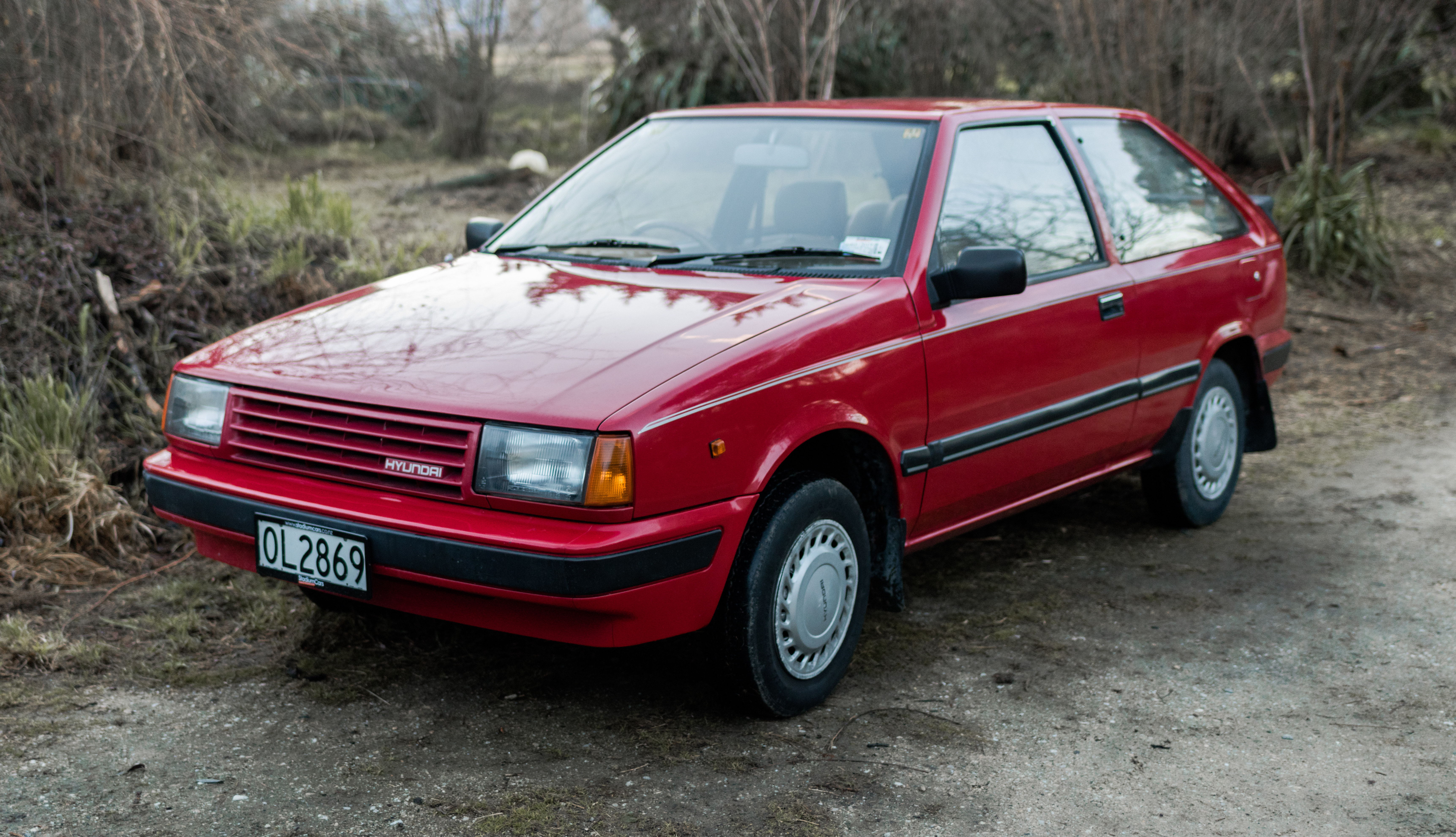
Hyundai
"[1102.3s] But no, anytime you see a Tahoe, suburban or expedition being driven, it's now driven [1109.0s] by women, any Hyundai is men don't buy Hyundai's, they're women. [1115.6s] Now, let me rephrase that."
Hyundai is a car brand. The host is making a joke/opinion about who he thinks buys them, rather than talking about how any Hyundai model drives.
Hyundai is a car brand, and the host uses it as a stereotype example—claiming men don’t buy Hyundais and that women “make them buy them.” This is social commentary, not a technical discussion of a specific model.

Honda Civic
"...l, I already said full size trucks, Bronco, Honda Civic, believe it or not, is a boy car."
The Honda Civic is a smaller car meant for normal daily driving. It’s known for being practical and efficient, and it’s available in different styles. The podcast mentions it as an example of a compact car type.
The Honda Civic is a compact car known for efficient everyday driving and broad appeal. It’s frequently discussed because it’s easy to live with, with versions that fit many budgets and driving styles. In the podcast, it’s brought up as an example of a “boy car” stereotype for a mainstream compact.

Ford Mustang
"...nda Civics and they soup them up and so forth. So Mustangs are boy cars, Porsche 911, definitely a boy car. ..."
The Ford Mustang is a sports car made for drivers who want a more exciting drive than a typical commuter car. It’s known for sporty looks and performance options. That’s why it gets mentioned when people talk about car “types” and stereotypes.
The Ford Mustang is a performance-focused sports car with a long history and a strong enthusiast following. It’s discussed often because it’s known for sporty styling and driving feel, and it’s available in multiple performance levels. In the podcast, it’s referenced as an example of a “boy car” stereotype.
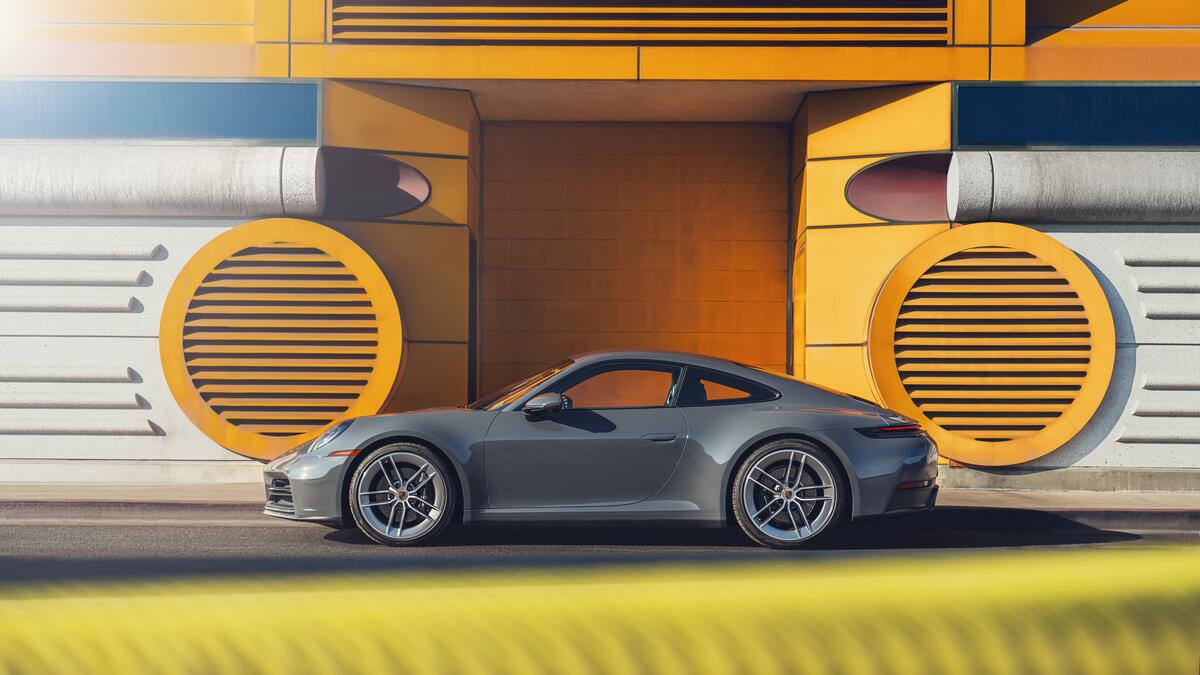
Porsche 911
"[1140.5s] Boy cars, well, I already said full size trucks, Bronco, Honda Civic, believe it or [1137.7s] not, is a boy car. [1148.4s] So Mustangs are boy cars, Porsche 911, definitely a boy car."
The Porsche 911 is a famous sports car from Porsche. The host is saying it’s the kind of car he associates with “boy” stereotypes.
The Porsche 911 is a rear-engine sports car and one of the most iconic performance cars ever made. Here it’s labeled a “boy car,” reflecting the host’s stereotype that certain enthusiast-style cars are driven by men.
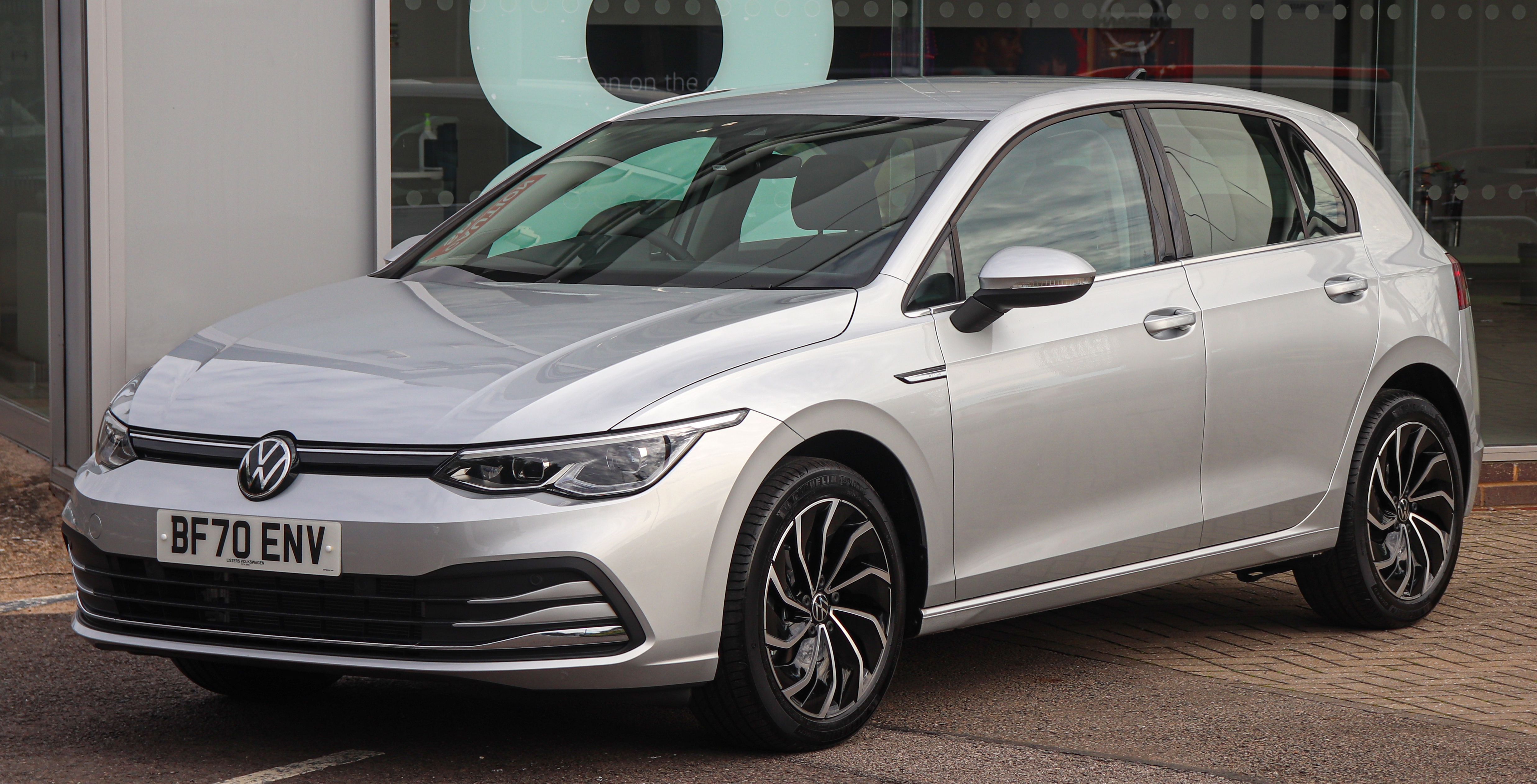
Volkswagen Golf R
"[1148.4s] So Mustangs are boy cars, Porsche 911, definitely a boy car. [1153.8s] Volkswagen Golf R, not a regular Golf, the R version or the GTI version. [1160.3s] Never see girls driving those."
The Volkswagen Golf R is a faster, sportier Golf. The host is using it as an example of a car he thinks people stereotype as “boy.”
The Volkswagen Golf R is a performance-oriented version of the Golf, typically tuned for stronger acceleration and more aggressive driving dynamics than a regular Golf. The host uses it as an example of a “boy car,” saying he never sees girls driving those.

Dodge Challenger
"...ee, we are different and I can't forget the Dodge Challenger or Chrysler, whatever it's called now, the Challe..."
The Dodge Challenger is a performance coupe designed to feel powerful when you drive it. It’s known for a bold design and strong engine options. The podcast brings it up as part of the classic muscle-car lineup.
The Dodge Challenger is a muscle-car style coupe known for powerful engines and a classic, aggressive look. It’s often discussed because it represents a traditional American performance-car formula in a modern package. In the podcast context, it’s mentioned alongside the Charger as part of the “Challenger/Charger” performance-car discussion.

Dodge Charger
"... whatever it's called now, the Challenger and the Charger. Well, they don't make the Challenger anymore."
The Dodge Charger is a car that’s built to be more performance-focused than a typical sedan. It has a sporty design and can come with powerful engines. The podcast mentions it as part of the Challenger/Charger performance-car group.
The Dodge Charger is a performance-oriented sedan that’s known for strong engine options and a sporty, aggressive stance. It’s frequently discussed because it blends everyday sedan practicality with muscle-car style. In the podcast, it’s mentioned in the same breath as the Challenger, emphasizing that era of performance cars.

Honda Ridgeline
"... it's important. We said Buick, Honda CR-V, Honda Ridgeline. Yeah, you're not going to find a young person, m..."
The Honda Ridgeline is a pickup truck that’s designed to feel comfortable like a regular car. It’s meant for people who want the usefulness of a truck bed without a rougher ride. The podcast brings it up as an example of a less common “young person” choice.
The Honda Ridgeline is a midsize pickup truck that’s designed to be more car-like in comfort and everyday usability. It’s often discussed because it offers a practical truck bed while aiming for a smoother ride than many traditional pickups. In the podcast, it’s mentioned as a vehicle people associate with a more mature or less “young person” stereotype.

Chevrolet Corvette
"... if there ever was one. This is surprising, Chevy Corvette. It's an old person vehicle."
The Chevrolet Corvette is a sports car made for fast, exciting driving. It’s designed to be driven by someone who wants performance rather than just comfort. The podcast mentions it as an example in a conversation about car stereotypes.
The Chevrolet Corvette is a sports car known for high performance and a driver-focused design. It’s often discussed because it’s one of the most recognizable American performance cars and tends to represent the “serious sports car” end of the market. In the podcast, it’s brought up as a surprising example of an “old person vehicle,” which is part of the stereotype conversation.
Request an Explanation
Heard something you'd like explained? We'll add it to this episode.
Sign in to request explanations for terms you heard.
Want to learn more?
Browse our glossary for plain-English explanations of automotive terms, jargon, and concepts.
Help improve this episode
See something that's not quite right? Our annotations are AI-generated and can sometimes miss the mark. Click the flag icon on any annotation to suggest a correction.