
Why You’re WRONG About the 911 GT3 S/C with Andy Preuninger
About this episode
Andy Preuninger walks through Porsche’s new GT3 SC as an open-top, skunkworks-born answer to customer demand and tightening emissions timing, while also explaining why Touring cars have become more daily-friendly and manual-heavy. He shares his own spec tastes, from bucket seats and PCCB to lift in Los Angeles, and argues that fun comes from lightness and agility, not just horsepower. The conversation also touches his 993 convertible, his son’s manual Golf 7R, and his view that GT cars should be beautiful, honest, and hard to get.
Porsche
"Did you notice that they brought the Porsche handler? I didn't see that. Because he knows so much about the future of Porsche, but they got to make sure we don't get in trouble."
They’re talking about Porsche, the car brand. The point is that Porsche has plans for what its cars will be like in the future.
The speaker mentions Porsche in the context of “the future of Porsche,” referring to the brand’s direction and upcoming developments. In a listener sense, this is about how Porsche plans and evolves its cars over time.
Aaron Water
"Anyway, thank you for stopping by here. You're in town for Aaron Water. Yeah. For Aaron Water and for Spikes Car Radio."
They’re talking about an event they came to. It’s described as a big get-together for car fans.
“Aaron Water” appears to be the name of an event the guest flew in for. It’s discussed as a major gathering tied to the Porsche community.
Spikes Car Radio
"Yeah. For Aaron Water and for Spikes Car Radio. And Spikes Car Radio. What? But let's talk about Aaron Water."
This is the name of the show/podcast they’re talking about. The guest is here for that, plus an event.
“Spikes Car Radio” is referenced as the podcast/show context and also as part of the guest’s reason for being there. It functions as a structural topic marker for the episode.

Speedster
"[212.3s] And I'll be honest with you, I was a little confused by it. [215.8s] Everybody was. [216.6s] I was expecting a Speedster and then comes along Cabriolet. Here it is right up here,"
A Speedster is a type of open-top Porsche. It’s usually designed to feel light and sporty, with less “enclosure” than a normal convertible.
A Speedster is a Porsche body style concept: typically a lightweight, open-top car with a minimal windshield and a focus on driving feel. In this segment, it’s contrasted with other open-top variants like a cabriolet.

Cabriolet
"[216.6s] I was expecting a Speedster and then comes along Cabriolet. Here it is right up here, [221.3s] up on the monitor there. Tell us what we need to know. Give us a point of view perspective on"
A Cabriolet is an open-top car with a fabric (soft) roof that can be lowered. Here, the speaker says the announced car is a cabriolet rather than the Speedster they expected, and frames it as still being a “proper GT car.”
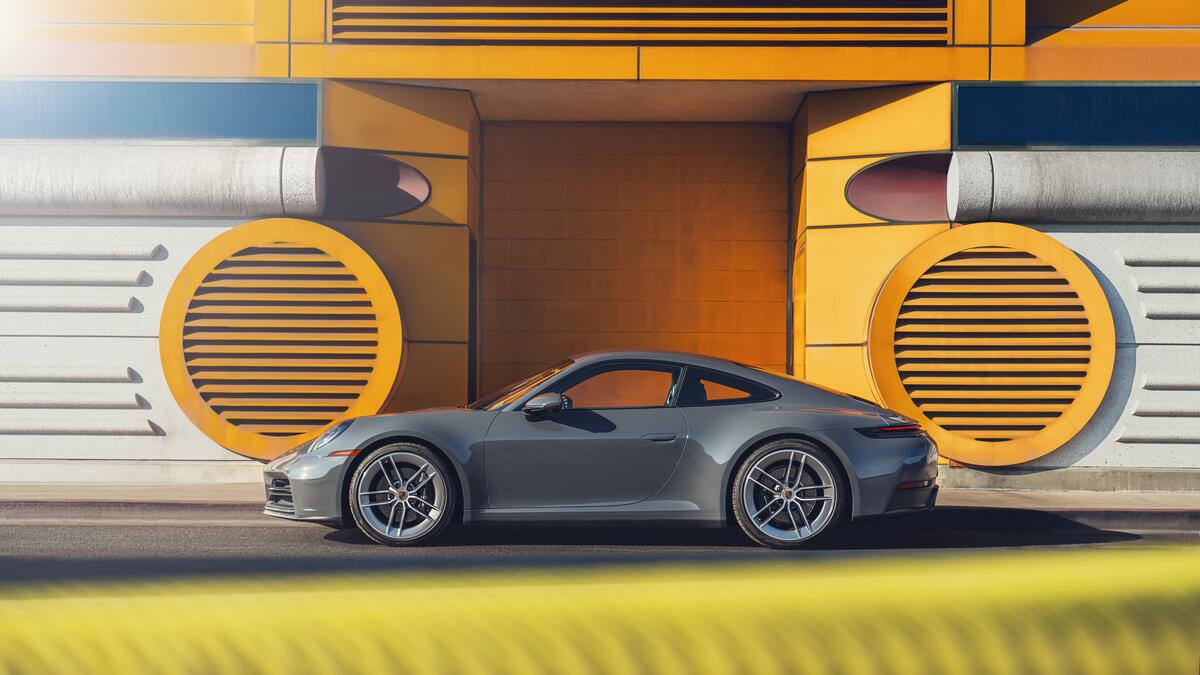
GT3 Touring
"[244.7s] only a cabriolet because it's a true and proper GT car. It's the open version of what we have sitting [250.1s] here, the GT3 Touring. And it came natural in a way because it was really a skunk work thing."
“GT3 Touring” is a Porsche GT3 version meant to be more comfortable for normal driving. They’re saying the new car is like that, but with the roof open.
“GT3 Touring” refers to a Porsche GT3 variant configured for more everyday usability than a pure track setup. The speaker says the new open-top car is the “open version” of the GT3 Touring.
skunk work
"[250.1s] here, the GT3 Touring. And it came natural in a way because it was really a skunk work thing. [259.9s] Like most of the products start their life as a skunk work thing that we maybe think of ourselves"
“Skunk work” describes an internal, experimental development effort—often small and informal—where engineers prototype ideas outside the usual process. The speaker says this GT open-top concept started as that kind of experimental project.
fully automated roof
"So we thought, okay, let's try to incorporate a fully automated roof, a cabriolet roof on a GT3..."
This is a convertible roof that moves automatically with a button or motor. The goal is to make it easier to deal with weather without stopping and doing everything by hand.
A “fully automated roof” means the convertible top is operated by motors/actuators rather than requiring manual effort. The speaker frames it as a usability upgrade for customers who deal with frequent rain and want to open/close the car quickly.

Honda Element
"... drive. So rewarding. So emotional. Because this element of driving open is for me added value. Because i..."
The Honda Element is a compact crossover with a simple, box-like shape. It’s designed to be practical and flexible inside, so it’s easy to use for everyday life. People also talk about it as being fun and rewarding to drive.
The Honda Element is a compact, boxy crossover known for its practical, flexible interior and easy-to-live-with design. It’s often praised for being straightforward to use day to day, including its emphasis on versatility. In the podcast context, it’s being highlighted as an engaging driving experience and a vehicle that people find emotionally satisfying.
time to market
"You just thought it to be honest, and to be fair, we have to look at time to market as well."
“Time to market” is how long it takes from starting a project to getting a product available for customers. The speaker uses it to explain why they didn’t choose a different open-top model: new regulations would have delayed the launch.
new emission laws
"Because we have this uncomfortable situation in Europe where there's a new emission laws coming right in big steps..."
“New emission laws” refers to updated government regulations that limit exhaust pollutants and can force automakers to change engines, emissions hardware, or calibration. In this segment, they’re cited as a major reason to avoid developing a more complex new model.
homologation
"...the homologation of a complete new model with a drive train, it's already existing."
Homologation is the paperwork and testing needed to get a car approved for sale in a region. If you change the car a lot, you may need to repeat part of that approval process.
“Homologation” is the official approval process required for a vehicle (or major changes to it) to be legal for sale and road use in a specific country/region. It typically involves testing and documentation to prove the car meets regulatory requirements.
tooling
"Really? Yeah, absolutely. All the new body parts, the tooling you need for that and the homologation..."
In manufacturing, “tooling” is the specialized equipment and molds used to build parts—especially body panels and structural components. The speaker notes that new body parts would require new tooling, adding cost and time.
993 convertible
"And I like to drive open. I have a 993 convertible at home, which I use as a reset button to enjoy classic cars as well and get new ideas."
That’s a Porsche 911 from the 993 generation, and it’s a convertible. It’s the kind of classic 911 people keep because it feels special to drive with the top down.
“993 convertible” refers to the Porsche 911 generation code 993, specifically a convertible body style. The 993-era 911 is known for its classic, air-cooled-era feel and is often treated as a collectible “driver’s” 911.

718 Spider RS in a ratio green
"No, I mean, you know, you know, I have a 718 Spider RS in a ratio green, and I was in it this weekend in the sun on a beautiful day."
They’re talking about a Porsche 718 Spider RS—an open-top sports car. They’re also describing how it feels in real-world driving, like when it gets hot and you’re stuck in traffic.
This is the Porsche 718 Spider RS, a performance-focused open-top model in the 718 Boxster/Cayman family. The speaker also mentions “ratio green,” which is a paint/color choice, and discusses how the car’s top and driving experience change in hot traffic conditions.
mid-engine layout
"I think it's the side of the car. It's the mid-engine layout. It's the motorsport engine in this package."
“Mid-engine” means the engine sits more toward the middle of the car instead of the front. That can make the car feel more balanced and easier to drive fast through corners.
A mid-engine layout places the engine closer to the car’s center, typically behind the driver but ahead of the rear axle. This helps balance weight distribution and can improve handling feel compared with front-engine designs.
motorsport engine
"I think it's the side of the car. It's the mid-engine layout. It's the motorsport engine in this package."
They mean the engine is tuned like something you’d find in racing. The goal is usually sharper throttle response and a more exciting, high-performance character.
“Motorsport engine” refers to an engine designed with racing-derived characteristics—such as higher-revving behavior, stronger response, and performance tuning inspired by competition use. In practice, it usually means the road car’s powerplant is closely related to what you’d see in racing programs.
intake system directly behind your ears
"It's the sound. It's the intake system directly behind your ears."
Because the engine is closer to you in a mid-engine car, you can hear more of what’s happening—like the intake sound. It makes the driving experience feel more intense.
This describes the placement of the intake/exhaust-related sound sources relative to the driver. With a mid-engine car, the engine bay is closer to the cabin, so induction noise and engine sound can feel more immediate and “present” to the driver.
PDK
"And maybe it's a little bit of PDK as well, because it's just a great daily driver. Because when you're in traffic here... I can see the point where people want PDK around here."
PDK is Porsche’s dual-clutch automatic gearbox. It changes gears fast and smoothly, and it can be especially convenient in traffic because you don’t have to keep working the clutch.
PDK is Porsche Doppelkupplung (German for “dual-clutch”), a dual-clutch automatic transmission. It shifts quickly and can feel closer to a manual in response, which is why the speaker connects it to stop-and-go traffic driving.

Porsche Boxster
"You know what's nice? I've always loved the Boxster. And it was the very first new car that I bought was a Boxster. And it has elements of that in it."
A Porsche Boxster is a sporty two-seat convertible/roadster. It’s known for being fun to drive, and the speaker says it shares some traits with the other Porsche they’re excited about.
The Porsche Boxster is a mid-engine two-seat roadster built around a compact, sporty driving feel. In this segment, it’s referenced as the first new Porsche the speaker bought and as a car that shares design and driving “elements” with the GT-focused car they’re discussing.
allocation
"And our friends at Porsche Clearwater offered us an allocation. Well, here, let me ask you about that."
An allocation is basically a limited “slot” for a scarce car. Dealers use it to decide who gets the car first when demand is higher than supply.
An allocation is a limited production allotment that a manufacturer or dealer assigns to customers. In practice, it’s how scarce cars are distributed, often requiring waiting lists or specific purchase relationships.
production line
"I mean, we have one product production line in Sufenhausen. So we have to share it with all the other sought after models as well."
A production line is the factory setup where cars are assembled. The point here is that the factory can’t make unlimited numbers of one model because the same line is used for multiple cars.
A production line is the factory process where cars are built in sequence. The speaker says there’s one product production line in Sufenhausen that must be shared with other in-demand models, which limits how many of this specific car can be made.
pre series cars
"your car or just one of the press cars? This is one of the cars, one of the pre series cars that used to be black."
Pre-series cars are early versions made before the car is fully in production. They help engineers and Porsche confirm everything is ready, and they may also be used for photos and videos.
“Pre series” cars are early production or development vehicles built before full-scale production begins. They’re often used for testing, validation, and media/press activities to confirm fit, finish, and performance.
proving grounds in Weissach
"Oh, it's for his video. He drifted that thing. I saw it already. The proving grounds in Weissach."
Weissach is Porsche’s testing facility in Germany. It’s where Porsche takes cars to evaluate them before they’re finalized.
Weissach is Porsche’s engineering and testing campus in Germany, known for track and durability testing. Mentioning the “proving grounds in Weissach” ties the car to Porsche’s internal development and validation environment.
camouflage
"And we just took the took the took the camouflage off on the 14th of April and polished the car."
In automotive development and media prep, “camouflage” is temporary bodywork or coverings used to hide final styling details from the public. Removing it and “polishing the car” signals the vehicle is being prepared for reveal/press use.
development car
"And this is a former development car. It has 15,000 kilometers, something like that."
A development car is an early version of a vehicle used to test new engineering ideas. It’s not always the exact final customer-spec car, but it helps prove the design works.
A “development car” is a prototype or early build used to test engineering changes—things like aerodynamics, cooling, electronics, and durability—before the final production spec is locked. The segment emphasizes that this particular car has low mileage and a history tied to testing.
GT silver
"So that's GT silver. Yeah, I think it's just GT silver. It's not PTS. Nothing special. It's GT silver."
GT silver is a specific silver paint color on a Porsche. The discussion is basically: “What exact silver is that?” and whether it’s a special factory option.
“GT silver” is a Porsche paint color name used on some 911 models. Here, the speakers are discussing the exact silver shade on a development/press car and whether it’s a special Porsche paint option.
PTS
"So that's GT silver. Yeah, I think it's just GT silver. It's not PTS. Nothing special. It's GT silver."
PTS is Porsche’s program for special, more customized paint and interior choices. Saying it’s “not PTS” means the color is probably a regular factory option rather than a super-custom one.
PTS stands for Porsche Tequipment Sonderwunsch, Porsche’s “special wishes” program for custom paint and interior options. When the speaker says it’s “not PTS,” they mean the silver likely isn’t from the most bespoke, custom paint catalog.
McGuire's
"Okay, before we look at your GT three, let's talk about McGuire's with 125 years of experience and surface care leadership."
McGuire’s makes products for washing, polishing, and detailing cars. This part of the episode is basically a sponsor message.
McGuire’s is a consumer-facing brand of car care and detailing products. The segment is an ad read about surface care and detailing for both pros and beginners.
air refresher bomb
"We dropped in this [931.7s] McGuire's Tropical Rainforest air refresher bomb, you turn on the fan, you turn everything on, [937.5s] you roll up the windows. It was perfect after McGuire's."
This is a spray can you activate inside the car to make the cabin smell better. You run the fan and close the windows so the scent spreads through the air.
An “air refresher bomb” is an aerosol-style interior product that you activate so it disperses scent/odor treatment through the cabin. The host describes turning on the fan, rolling up the windows, and letting the product work.
O'Reilly Auto Parts
"You want to check [943.0s] them out. You can find their products at Advanced Auto Parts, O'Reilly Auto Parts and Amazon. [951.2s] them out."
O'Reilly Auto Parts is a store that sells car parts and accessories. The host says you can find McGuire's products there.
O'Reilly Auto Parts is an automotive parts retailer. In the segment, it’s listed as a sales channel for McGuire's detailing products.
Advanced Auto Parts
"You want to check [943.0s] them out. You can find their products at Advanced Auto Parts, O'Reilly Auto Parts and Amazon. [951.2s] them out."
Advanced Auto Parts is a store where you can buy car-related products. The host is pointing out it carries McGuire's.
Advanced Auto Parts is a retail chain that sells automotive parts and accessories. The host mentions it as a place where listeners can buy McGuire's products.
Reddastine tires
"We are also being sponsored today by [956.7s] Reddastine tires, the official tire sponsor of Spikes Car Radio. Let me tell you how deeply I love [965.2s] Reddastine tires."
Reddastine is a tire brand. The host says they put Reddastine tires on their car and noticed the ride got quieter and the tires stopped having slow leaks.
Reddastine is presented as a tire brand sponsoring the show. The host describes replacing tires on a Tesla Model Y with Reddastine “hyper tracks,” emphasizing reduced leaks/noise and improved ride quality.

Tesla Model Y
"Let me tell you how deeply I love [965.2s] Reddastine tires. My wife was about to go on a road trip in her model Y and the day before [972.7s] was told, you have two flat tires in the back, slow leaks from the inside, the tires are not [978.9s] working."
They’re talking about a Tesla Model Y. It’s the car that had tire problems, and new tires were installed to fix the leaks.
The host mentions a Tesla Model Y as the vehicle that needed new tires. They describe having slow leaks/flat tires before a road trip, then installing Reddastine tires to address the issue.
slow leaks
"My wife was about to go on a road trip in her model Y and the day before [972.7s] was told, you have two flat tires in the back, slow leaks from the inside, the tires are not [978.9s] working."
A slow leak means the tire slowly loses air over time instead of going flat right away. It can be caused by a small puncture or a sealing problem.
“Slow leaks” are gradual tire pressure losses, often caused by small punctures, valve issues, or bead/sidewall sealing problems. The host links the slow leaks to the original tires and claims the replacement tires don’t leak.
hyper tracks
"So I called Reddastine and we got hyper tracks from Reddastine put on the car. [986.6s] Not in time for the trip, unfortunately, but while she was gone, the tires came, zip tire, [992.1s] put them on and my son turned to me."
“Hyper tracks” is the name of the tire model they bought. The host says these tires made the car quieter and stopped the slow leaks.
“Hyper tracks” is the specific tire model name the host says they installed from Reddastine. They attribute quieter operation, no leaks, and better ride quality to these tires on the Tesla Model Y.
Oak Green Neo
"[1035.3s] been said about the GT3 Touring, but this is a new color, right? Oak green metallic. [1041.0s] It's called [1041.0s] Oak Green Neo. It stands for the new composition of this color. It's a little bit more sparkly than"
“Oak Green Neo” is the name of the car’s paint color. The host is saying it looks a bit more sparkly than a typical similar green.
“Oak Green Neo” is the named exterior paint color for the Porsche GT3 Touring discussed in this segment. The host describes it as a more sparkly version of the oak green metallic shade.
spec
"[1071.3s] Actually, it's not the way I would spec it, to be honest, because I think..."
“Spec” just means how the car is set up when you order it—like the color and options. They’re saying the car they’re driving isn’t configured the way they would choose.
“Spec” is short for “specification,” meaning how a car is ordered/configured—paint, wheels, options, and other build details. When someone says it’s “not the way I would spec it,” they mean the configuration doesn’t match their preferences.
dark silver wheels
"[1075.6s] Well, right away, I'm noticing it doesn't have your wheels. You like silver wheels. [1079.6s] Exactly. It has dark silver wheels, so it's silver at least."
Wheel finish and color are part of a car’s visual “spec.” Dark silver wheels can change how the car’s body color reads in photos and in person, especially when paired with contrasting paint colors.
camo livery
"[1124.2s] Have you ever thought about putting out a camo livery? [1124.2s] A camo livery? So it comes like the test car?"
A “camo livery” is basically a camouflage look put on a test car. It helps hide the real design so people can’t easily figure out what it will look like when it’s finished.
A “camo livery” is a camouflage-style exterior appearance applied to a prototype car. It’s designed to confuse observers—breaking up recognizable shapes—while still allowing the car to be tested.
Nürburgring
"[1143.0s] leaked, do you? I mean, there's always leaks because we have to test the cars under normal [1149.8s] road conditions. We have our workshops at the Nürburgring..."
The Nürburgring is a well-known race track in Germany. Car makers test cars there because it’s challenging, and it’s also a place where lots of people watch and photograph prototypes.
The Nürburgring is a famous German motorsport circuit complex, widely used for high-speed durability and handling testing. Prototypes are often tested there, which is why the speaker mentions paparazzi and photographers.
wrap
"[1180.6s] have the car for testing in the original shape without any plastic parts that have aerodynamic [1186.6s] effect as a matter of fact and cooling effect. And so you have to get rid of those. [1191.2s] And that's the point when the car is all just in a flat black, what do you call it? Wrap."
A “wrap” here means a temporary covering film put over the car. It helps hide what the final car will look like, without adding bulky parts that could affect how the car cools or how it moves through the air.
In this context, a “wrap” is a covering film applied to a prototype to hide its final appearance. The speaker contrasts it with plastic add-ons that could change aerodynamic drag or cooling airflow, implying the wrap is less intrusive.
911 GT3
"...you told us about the color. I mean the color... this is a typical touring thing that we came up with in the 991 second gen... And most of these cars... have manual transmissions. Manuals really matter... And it's 50% of the GT3 and GT3 wing car."
The Porsche 911 GT3 is a high-performance 911 made for fast driving. It’s usually more track-oriented, but the “touring” version they’re talking about aims to make it easier and nicer to live with.
The Porsche 911 GT3 is a performance-focused 911 variant built around track use, with race-derived engineering and a strong emphasis on driver feel. In this segment, Andy Preuninger is discussing how the GT3 “touring” package changes the car’s character toward everyday drivability while keeping the core GT3 DNA.
manual transmissions
"...nowadays we have about 50%... of the touring... have manual transmissions. Manuals really matter to our customers..."
Manual transmissions let the driver select gears using a clutch and gear lever, rather than relying on an automatic gearbox. Andy emphasizes that Porsche’s customers—especially for the touring spec—prefer manuals, and he uses take-rate numbers to show how strongly that preference holds.
wing car
"...touring used to be only an option on the wing car... nowadays we have about 50%... take rate of the touring in comparison to the wing car."
“Wing car” is shorthand for a GT3 configuration with a prominent rear wing, which is used to increase aerodynamic downforce. Andy contrasts the wing car with the touring spec, implying the wing car is the more track-focused look/feel.
race technology, but it's wolf in a shape skin
"...They want the driver's car... And this is what the touring is about. It's race technology, but it's wolf in a shape skin, I would say."
This is a metaphor describing how the touring concept hides race-derived performance under a more classic, road-friendly appearance. The “wolf in a sheep’s skin” idea is used to say it looks conventional, but it still has serious performance underneath.
buckets
"...What seats do you prefer? Absolutely the buckets. I'm a complete bucket person. They are a little bit harder to get in and out, true."
“Buckets” refers to bucket-style racing seats with a deeper shape that supports the body and helps keep you positioned during spirited driving. Andy notes they’re harder to get in and out of, but he argues they’re a better fit for his body size and improve the overall driving proposition.
Lightness
"...Because and it's lighter. Lightness is always add some lightness, Colin Chapman of Lotus said"
“Lightness” means making the car weigh less. A lighter car usually feels quicker and handles better because it’s easier to speed up and slow down.
In performance engineering, “lightness” (lower vehicle mass) improves acceleration, braking, and overall responsiveness because there’s less inertia to move and slow down. Andy ends the segment by invoking the idea that reducing weight is always beneficial—echoing Colin Chapman’s famous philosophy.
PCCB
"I always go with PCCB. It's the first thing I make my option. You might take my box is the seat and then the brake. So with the buckets and PCCB on a GT car, you're done."
PCCB are Porsche’s ceramic brake system. Ceramic brakes can handle hard driving better (less fade) and can be lighter than regular brakes.
PCCB stands for Porsche Ceramic Composite Brakes. They use ceramic brake rotors that typically offer strong fade resistance and lower weight than conventional steel brakes, which can be beneficial for track use.
Bose
"On a GT3 SC, for example, the Bose is standard. So you don't have to opt for it anymore. Because I like to listen to music when I'm driving."
Bose makes car audio systems. The host is saying that on this GT3 variant, the good sound system is already included.
Bose is an audio brand known for premium car sound systems. Here, the host notes that on a GT3 SC, the Bose system is standard, so buyers don’t need to add it as an option.
overthink it
"Most of these suggestions are so simple. People tend to overthink it. They really tend to overthink it when they're speccing these cars out."
The host is basically saying you don’t need to obsess over every option. Sometimes the simplest choices—like the right seats and brakes—matter more than adding lots of extras.
In this context, “overthink it” is about option selection: the host argues that not every checkbox in the option list actually improves the car. For GT cars, the “best” spec is about the overall driving experience, not maximizing features.
normal sports seat
"I mean, the seats, okay. We could make them standard, but a lot of people prefer the normal sports seat because of their body width or whatever."
They’re comparing a more standard sporty seat to a bucket-style seat. Some people prefer the standard sports seat because it fits their body better.
A “normal sports seat” here contrasts with bucket seats: it’s a more conventional performance seat that may offer different support and adjustability. The host suggests some buyers prefer it based on body width and comfort fit.
deludes a GT3 idea
"[1511.0s] like I said, it's both stereo. It's the bucket seat and PSCB and all this leather stuff, leather [1517.9s] vents and it's nothing for me. It deludes a GT3 idea. It has to be pure to a point. [1527.2s] Okay. Porsche patented something the other day."
“Deludes a GT3 idea” is about keeping a car’s identity “pure” to what enthusiasts expect from a GT3-style track-focused package. The speaker implies that adding lots of styling/comfort elements (like extra leather details) could dilute that motorsport-focused intent.
racing stripes
"[1534.6s] Okay. Porsche patented something the other day. I'm sure you can't talk about, but it's a set of [1539.3s] stripes that, I guess, will disappear. Racing stripes that appear and disappear. Look at this"
Racing stripes are the bold stripe decals you often see on track-inspired cars. Here, they’re talking about stripes that could be turned on or off.
Racing stripes are decorative graphics—often on the hood, roof, or body—that evoke motorsport styling. In this segment, the discussion is about a technology that would make stripes appear and disappear.
variable light control
"[1558.8s] Apparently, why would you hide [1562.9s] racing stripes? I don't know. The application is similar to variable light control featured [1562.9s] offered on Porsche panoramic sunroof."
Variable light control is a feature that lets you change how much light comes through a glass panel. Think of it like a smart tint you can adjust.
Variable light control is a system that can change how light passes through or is displayed on a surface. In the context of Porsche’s panoramic sunroof, it’s used to switch between clearer and darker/controlled light states.
McLaren
"[1562.9s] offered on Porsche panoramic sunroof. So you know, we sit on the McLaren too. [1568.5s] You can have a clear [1568.5s] glass. You press a button."
McLaren is a British supercar and sports-car brand. The hosts mention sitting on the McLaren in the context of having clear glass and a button-controlled feature, implying similar cabin/roof experiences across brands.

Porsche Taycan
"...r glass. You press a button. We have this on the Taycan as well. Yeah. And this is a stripe that will ap..."
The Porsche Taycan is an electric car made by Porsche. It’s designed to feel like a performance car while running on electricity instead of gasoline. The podcast mentions it in connection with its in-car features and controls.
The Porsche Taycan is an all-electric performance sedan from Porsche. It’s often discussed for its modern features and how Porsche applies its sports-car approach to an EV platform. In this episode, it sounds like the conversation is focused on interior/tech features like controls and display elements.
4k compound
"that they're already existing. They're mostly a 4k compound and they change their appearance by the angle of the light."
This sounds like a special coating used on the car’s surface. The goal is to make the color look different depending on the angle and lighting.
“4k compound” appears to refer to a specialized coating/material system used to create a color-shifting finish. In automotive finishes, these multi-layer compounds can change appearance with viewing angle and lighting, producing effects like dark-to-light or color-shift hues.
patent
"When we read a story like this about a patent being filed... somebody's filing a patent for this or that, how does that work exactly?"
A patent is like a legal “claim” on a new idea. It helps the company stop other people from using the same idea for a while, so they can justify spending money to turn it into a real product.
A patent is a legal document that gives an inventor exclusive rights to make, use, or sell an invention for a set period of time. In automotive, companies file patents to protect new technologies (like materials, mechanisms, or control methods) from being copied while they decide whether to develop them into production parts.
in-vehicle toilet
"The Chinese car maker has now patented a voice control in-vehicle toilet. Did you see this? This was BBC."
An in-vehicle toilet is a toilet built into the car. It’s unusual, but the idea is that the car could provide bathroom access without needing to stop.
An in-vehicle toilet is a specialized onboard sanitation feature—essentially a restroom system integrated into the cabin. It’s not a typical automotive feature, but it can appear in concept vehicles or niche applications where space, regulations, and user needs make it feasible.
voice control
"The Chinese car maker has now patented a voice control in-vehicle toilet."
Voice control means you can talk to the car and it understands what you want. Then it performs an action based on your words.
Voice control is a driver- or passenger-facing interface that uses spoken commands to operate vehicle functions. In modern cars it’s typically handled by an in-car microphone system and software that maps recognized phrases to actions.

Rolls-Royce Silver Wraith
"But you know, in the 1950s, there was a special version of the Rolls-Royce Silver Wraith that included a built-in television set and a toilet beneath the passenger seat."
The Rolls-Royce Silver Wraith is an old luxury car from the 1950s. Andy is making a funny point that it supposedly had very unusual “extra” features for its time.
The Rolls-Royce Silver Wraith is a classic luxury car from the 1950s. Andy’s joke about a built-in TV and a toilet beneath the passenger seat is used to illustrate how extravagant some period coachbuilt features could be.
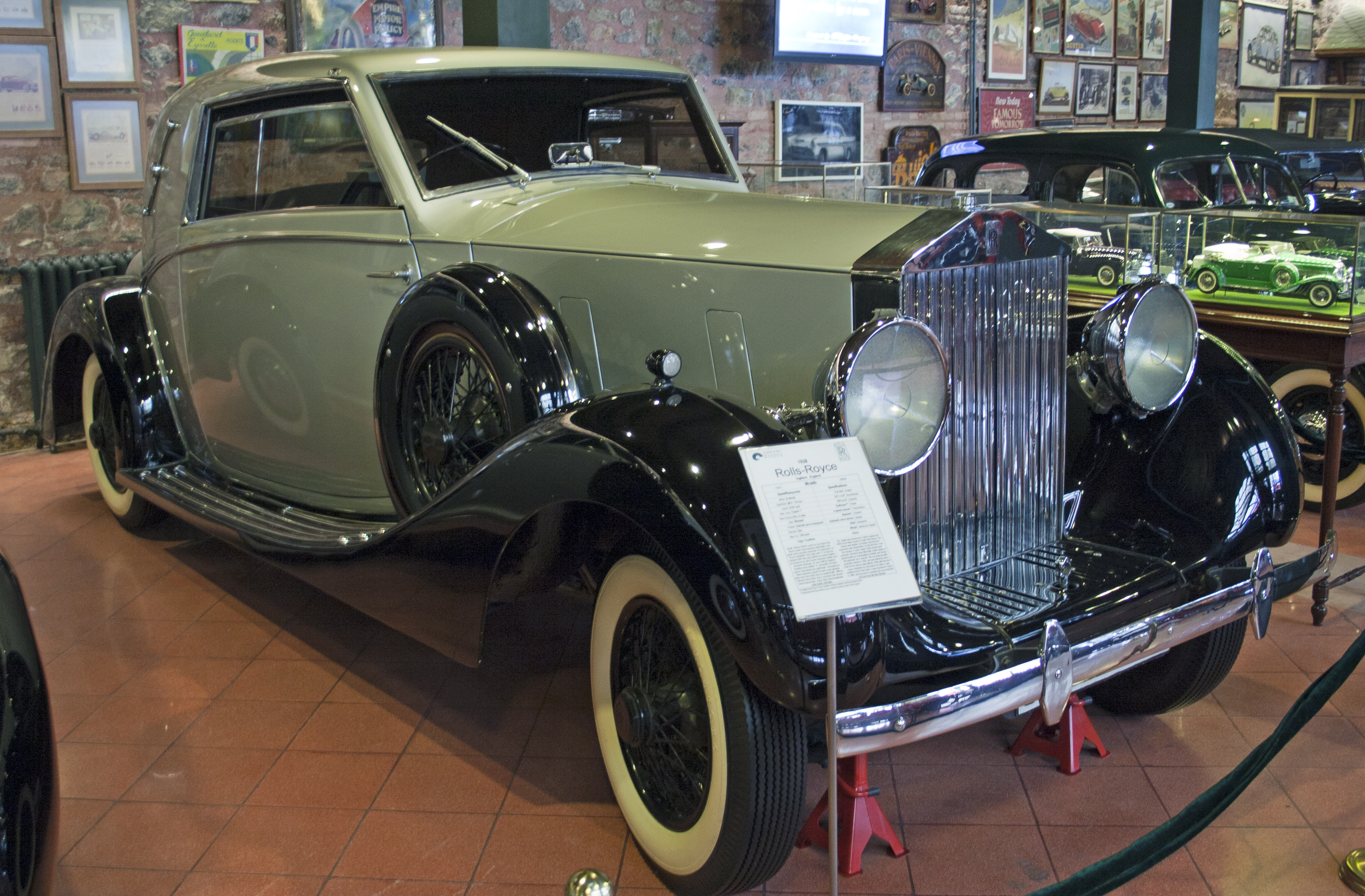
Rolls-Royce Wraith
"... was a special version of the Rolls-Royce Silver Wraith that included a built-in television set and a toi..."
The Rolls-Royce Wraith is a very high-end luxury car. It’s built to be comfortable for long drives. The episode mentions it because some related Rolls-Royce versions had unusual built-in features like a television.
The Rolls-Royce Wraith is a luxury grand tourer designed for high comfort and quiet, effortless cruising. It’s often discussed in the context of special editions and unique features that go beyond normal luxury appointments. In the podcast, it’s referenced alongside a “Silver Wraith” special version that included a built-in television set.
lease car
"I have a 993 convertible, a black one for historical reasons, because it was the first lease car I specced myself when I came to the company in 1997."
A lease car is like renting a car for a few years with payments, instead of buying it. Andy is saying he ordered one (specced it) early in his career.
A lease car is a vehicle you pay to use for a set period, rather than owning it outright. Andy mentions speccing a lease car in 1997, which helps explain his early connection to Porsche.
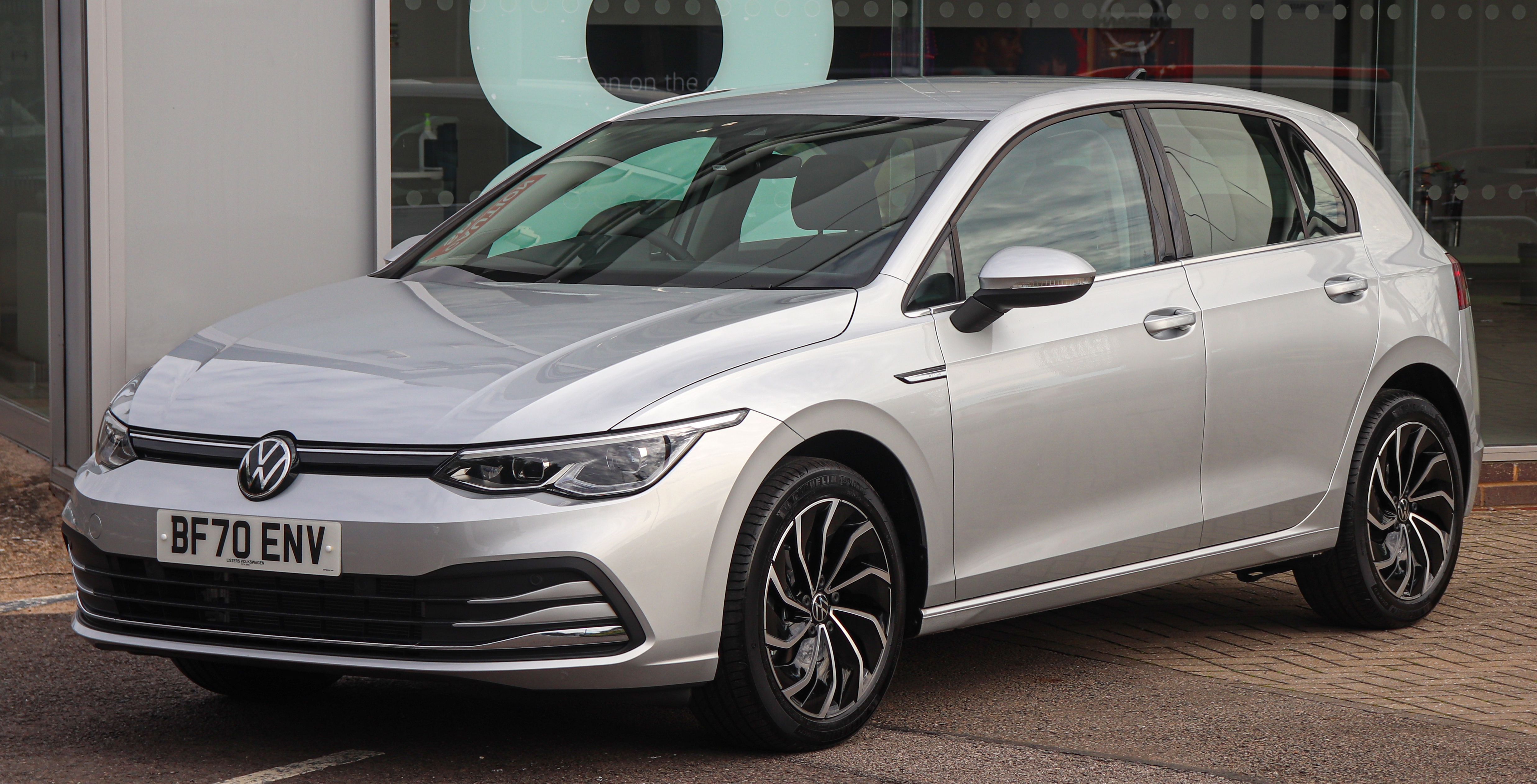
Golf 7R
"He's 18. He has a Golf 7R. Two door with a manual transmission. That was what he wanted."
This is a sporty version of the Volkswagen Golf. Andy is saying his son got one with a manual transmission because that’s what he wanted.
The Volkswagen Golf 7R is a performance version of the Golf, with “R” indicating the higher-output trim. Andy’s son choosing a manual “Golf 7R” is part of the story about what he wanted as his first car.
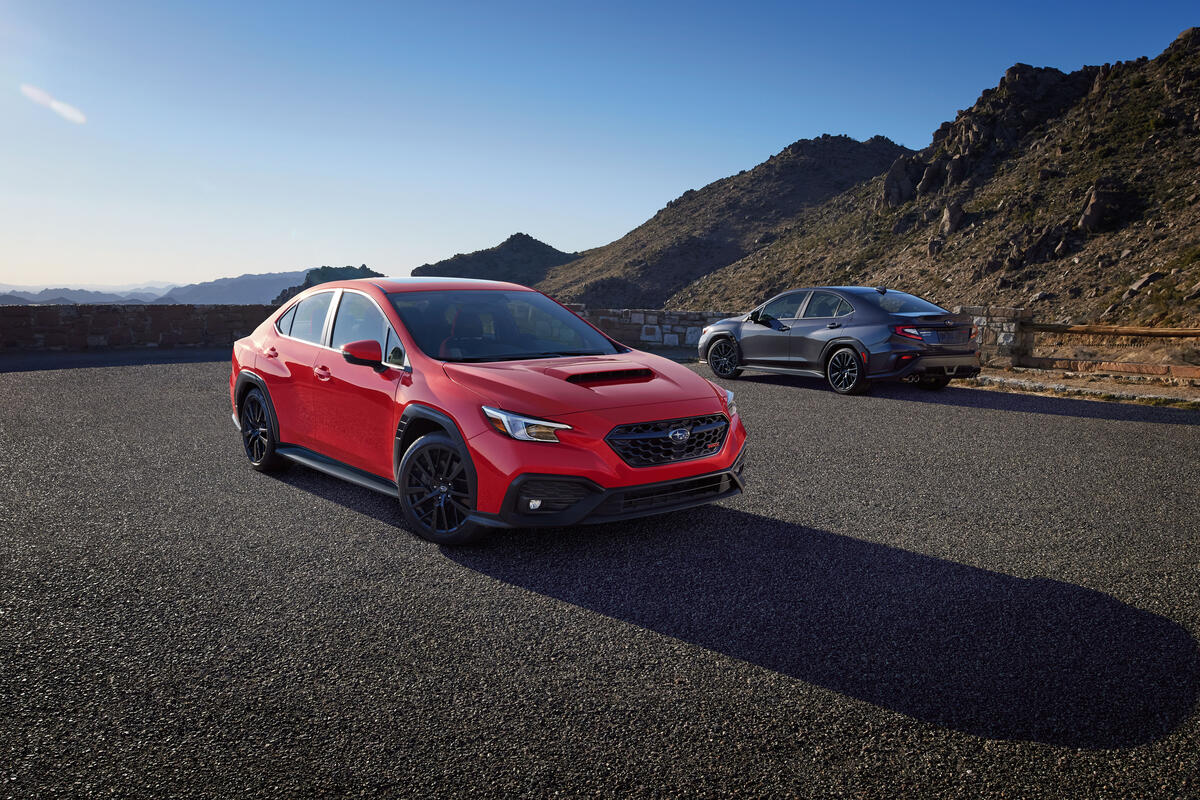
Subaru WRX
"They're Subaru early cars that are plenty fast. What's that? Oh, yeah. No, I know. WRX is a great car. Yeah. No WRX. I think he's going to get that new electric on charge."
The Subaru WRX is a sportier Subaru. They’re saying it’s a good car, even though they were discussing safer options for new drivers.
The Subaru WRX is a performance-oriented model in Subaru’s lineup, typically known for turbocharged power and rally-inspired handling. In the segment, it’s brought up as a “great car,” implying it’s a step up from the safer choices.

Dodge Ram
"No WRX. I think he's going to get that new electric on charge. My son enjoys driving my Dodge Ram as well. Yeah. I'm a truck guy, to be honest."
The Dodge Ram is a pickup truck. They’re saying their son likes driving it, and the host is a “truck guy.”
The Dodge Ram is a full-size pickup truck line (now commonly branded as Ram). The speaker mentions their son enjoying driving it, framing it as a personal preference for trucks.
horsepower
"All right. Here, another question. More horsepower traditionally suggested for more driving fun. Do you think that's true anymore? You know, we have all these cars that are pushing."
Horsepower is a number that describes how strong the engine is. More horsepower can make a car feel faster, but the speaker argues it also usually means the car needs more brakes and can be heavier.
Horsepower is a measure of engine power—how much work the engine can do over time. The hosts debate the idea that more horsepower automatically means more fun to drive, and they connect it to other vehicle demands like braking and weight.
brakes
"No, that's the heavier car is the more horsepower it has, the heavier it has to be. Right. The more brakes it needs, the more stiffening up and everything."
Brakes are what slow the car down. The speaker’s point is that if a car is heavier, it usually needs stronger brakes to stop safely.
Brakes are the components that slow a vehicle by converting motion into heat through friction. In the discussion, the speaker argues that heavier cars (often associated with more power) require more braking capability, which can increase complexity and stiffness.
ratios of the gears
"So the weight will go up. And the ratios of the gears will go up because you"
Gear ratios describe how the transmission multiplies engine speed and torque at the wheels. The speaker suggests that as vehicle weight and power increase, manufacturers may use different gear ratios to keep acceleration and drivability in a usable range.
torque
"get so much torque. So in a normal in a normal normal driving scenario on legal roads, you will always be tempted to overdo it vastly and end up in jail."
Torque is the engine’s pulling force. It’s what helps the car feel like it responds quickly when you press the gas, especially at lower speeds.
Torque is the twisting force an engine produces, and it strongly affects how quickly a car accelerates from low speeds. It’s different from horsepower: torque is about “pull,” while horsepower is a measure of power output over time.
short gearing
"Yes. You need short gearing. You need the noise. Definitely. You need the proper noise in a sports car."
Short gearing means the gears are “closer together,” so the engine stays in its power band. The result is quicker response when you accelerate.
Short gearing means the transmission ratios are set so each gear covers less road speed, keeping the engine spinning higher in the rev range. That typically improves acceleration and makes the car feel more responsive when you touch the throttle.
legislation
"And it wasn't I wasn't so much a comment about the model that it was a comment about the formula for this car. I think it was more a comment about legislation legislation. I mean, the GT2 RS is a very emotional car from the from the from the sound situation."
They’re talking about laws that limit things like how loud a car can be and how it has to meet regulations. That can stop manufacturers from making the most extreme-sounding versions.
In this context, “legislation” refers to rules that restrict what manufacturers can do—especially around emissions and noise levels. The speakers connect those limits to why cars can’t be as loud or “racy” as enthusiasts want.
halo car
"What are we going to do with this halo car you guys are making? Well, yeah. You always need a halo."
A “halo car” is a special, attention-grabbing car a brand makes to make people excited about the whole lineup. It’s usually more about image and technology than about selling huge numbers.
A “halo car” is a flagship model designed to generate excitement and attention for a brand, even if it isn’t the highest-volume seller. It’s often used to showcase technology, design direction, and performance credibility.
hybrid V8 supercar hypercar
"...I've heard rumors, various rumors about a hybrid V8 supercar hypercar of some kind in the works."
They’re talking about a very high-end performance car that uses both a V8 engine and an electric system. The goal is to make it faster and more advanced than a typical sports car.
This phrase refers to a high-performance car concept combining a V8 engine with an electric system (hybrid) and targeting the “supercar” or “hypercar” segment. In practice, that usually means improved efficiency, added torque from electric assist, and advanced powertrain packaging.
Race deck
"let's talk about race deck. Race deck is the original modular flooring system engineered for the garage..."
Race deck is a product brand for garage floor tiles. The pitch is that they’re easy to install and stay put, even outdoors.
Race deck is a brand of modular garage flooring being promoted in the segment. The speaker describes it as a snap-together system designed for garages, including claims about installation speed and stability.
modular flooring system
"Race deck is the original modular flooring system engineered for the garage... installs in just hours without glue. It just snaps together..."
A modular flooring system is made of separate pieces that connect together. It’s usually quicker to put down and easier to fix if one part gets damaged.
A modular flooring system uses repeatable sections (tiles/panels) that connect together, rather than being poured or glued in place. This approach typically makes installation faster and allows partial replacement if a section gets damaged.
self-draining under structure
"Patented self-draining under structure. Race deck manufactures 24 seven and shifts most doors in 48 hours."
This means the floor is designed so water can get out instead of sitting there. That helps keep the surface safer and drier.
A self-draining under-structure is designed to let water move away through the system rather than pooling on top. In garage flooring, that helps reduce slippery surfaces and can limit moisture-related issues.

Porsche 356
"...ether. Shop at race deck dot com. Use code spike 356 spike 356 for 15% off exclusive and free shipping..."
The Porsche 356 is an older Porsche sports car. It’s important because it’s part of Porsche’s early history. Enthusiasts talk about it because it’s a classic model that many collectors value.
The Porsche 356 is an early Porsche sports car that helped establish the brand’s identity. It’s significant because it’s one of the models that collectors and enthusiasts point to when talking about Porsche’s roots. It may come up in a podcast as a “true classic” that represents the beginning of the Porsche sports-car story.
all-wheel drive
"These are not really vetted. This one's from Chappy. My perfect GT car would be an all-wheel drive GT2 800 horsepower monster to win the Targa Tasmania."
All-wheel drive means the car can send power to all four wheels. That usually helps it grip the road better, especially when it’s wet or slippery.
All-wheel drive (AWD) sends power to more than just the rear or front wheels, improving traction—especially on slippery or uneven surfaces. In performance cars, AWD can help reduce wheelspin and make launches and corner exits more consistent.
Targa Tasmania
"My perfect GT car would be an all-wheel drive GT2 800 horsepower monster to win the Targa Tasmania. What's Andy's No Rules perfect GT car Porsche going to be if there are no rules?"
Targa Tasmania is a driving event in Australia where cars do timed sections on real roads. It’s the kind of event where the car has to handle long days and changing road conditions.
Targa Tasmania is a motorsport event in Australia that’s run on public roads with timed stages. It’s known for long-distance driving and a mix of road surfaces, so car setup (traction, cooling, and durability) matters.

Porsche Gt Car Porsche
"...e Targa Tasmania. What's Andy's No Rules perfect GT car Porsche going to be if there are no rules? My perfect GT ..."
The Porsche Carrera GT is a very high-performance supercar made by Porsche. It’s designed for serious driving performance, not everyday commuting. The episode brings it up as a dream “GT” choice.
The Porsche Carrera GT is a high-performance supercar known for its exotic driving experience and limited production. It’s often discussed as a “no rules” dream car because it represents the extreme end of Porsche’s performance lineup. In the podcast, it’s referenced as the kind of perfect GT car someone would choose if there were no restrictions.
manual gearbox
"There's the perfect combination of lightweight, great engine, low masses on the engine and the manual gearbox and the whole sound aura and the"
A manual gearbox is the stick shift where you choose the gears yourself. It usually makes the car feel more connected to the driver because you control when the engine revs.
A manual gearbox (stick shift) uses a clutch and driver-selected gear ratios instead of automatically choosing them. Enthusiasts often prefer it because it gives more direct control over engine speed and how the car responds during acceleration and cornering.
paddock
"that spends this weekend at the paddock. I have great sympathy for everybody's doing it. I did it myself 10 years ago..."
The paddock is the busy area at a race track where teams hang out and work on the cars between runs. It’s not the track itself—it’s where the team prepares everything.
A paddock is the area at a race track where teams and drivers work between sessions. It’s where you’ll see garages, team personnel, and cars being prepared, adjusted, and serviced.
big engine
"It's a feeling the car transmits and it's not just having some, some, some big engine, some good brakes. All the systems have to be in sync..."
They mean having a powerful engine. The point is that horsepower by itself doesn’t guarantee a great driving experience—you need the rest of the car to match.
In performance-car talk, “big engine” is shorthand for high-displacement or high-output power. The speaker is arguing that power alone isn’t enough—other systems must work together to create the right driving feel.
studio guys
"It's mostly the beginning, the beginning of the project where we've spent a lot of time with the studio guys, the styling engineers."
They mean the design team that works on how the car looks. The speaker is saying the early design work matters a lot for the finished car.
“Studio guys” likely refers to the design studio team involved in shaping the car’s look—styling, proportions, and visual details. The speaker credits early-stage collaboration between the studio and engineering for the final product.
form follows function
"But at the same time, it has to be a hundred percent form follows function. So we don't make fake vents or whatever. So everything aerodynamically has to work perfectly, but it has to look good."
It’s a design idea that says the car’s shape should be based on what it needs to do. So the vents, body shape, and airflow aren’t just for looks—they’re there for a reason, and the styling works around that.
“Form follows function” is a design philosophy where the shape of a product is driven by its purpose. In car design, it means aerodynamic and cooling needs come first, and the styling has to support those real performance requirements.
aerodynamically
"So everything aerodynamically has to work perfectly, but it has to look good."
This is about how the car moves through air. The body shape can reduce resistance (drag) and help the car stay planted at speed.
“Aerodynamically” refers to how air flows around the car’s body and how that affects drag, downforce, and stability. When a designer says it has to work “aerodynamically,” they mean the shapes and surfaces are engineered to manage airflow efficiently.
launching the car
"And the second, I like almost more than the first, than, than, than, than the first stages of the project is the launching the car. Things like today sitting here with Spike talking about the cars, getting comments by, by real customers what they think about the product."
This is the stage after the car is ready, when it goes out to customers. The company watches what real drivers think so they can judge whether the car is working as intended.
“Launching the car” here refers to the period when a new model is introduced and the team gathers feedback from real customers. It’s treated as a key development milestone because it reveals what people actually like or dislike.
dealerships
"So we can't interfere with their way to do things. So in a lot of people, let me just stop you there. A lot of people don't know that it's true with all the manufacturers. The factory is not directly connected to sales at dealerships. They're different companies."
Dealerships are the retail businesses that sell cars to customers, and the speaker argues that the factory often can’t directly control dealership allocation or sales practices. That separation can make supply and access questions harder to answer.
shortage of cars
"I'm aware of that. There's a shortage of cars mostly. And we're trying to solve that by, for example, 9-11-SEE."
The speaker attributes the difficulty in getting cars to a “shortage,” meaning demand exceeds supply. They also connect it to limited production capacity, which prevents the brand from making as many cars as the market wants.
limited production capacities
"But we are small companies still. We have limited production capacities. And we're trying to get better in that."
“Limited production capacities” means the factories can only build a certain number of vehicles within a given time. When capacity is constrained, even strong demand can’t be met quickly, which contributes to shortages and long waits.

Chevrolet Impala
"...m us, please. Okay, here's a good question. Tame Impala SS wants to know, your favorite American cars cu..."
The Chevrolet Impala is a large American car. It’s known more for being comfortable and practical than for being a race car. People mention it as a classic choice when talking about American cars.
The Chevrolet Impala is a full-size American car that has been produced for many decades, often associated with comfort and everyday usability. It’s discussed because it represents a classic American model line rather than a pure sports car. In the podcast context, it’s likely being used to answer questions about favorite American cars.

Corvette
"Other than trucks, I have great respect for Corvette. I always was a Corvette guy, even now as a mid-engine car. I mean, I have great respect..."
The speaker praises the Chevrolet Corvette, specifically noting it as a mid-engine car. The Corvette’s layout and chassis tuning are part of why it can feel very composed and “right” to drive compared with many front-engine sports cars.
Nurburgring
"We meet at the Nurburgring sometimes, and they even gave us their exclusive slot for doing our own record lap."
The Nürburgring is a very famous race track in Germany. It’s known for being challenging, so it’s a big deal when cars set records there.
The Nürburgring (often called “the Ring”) is a famous German road course known for its long, complex layout and high difficulty. Many automakers use it to evaluate performance and durability under demanding conditions.
991.2 GT3 RS
"We meet at the Nurburgring sometimes, and they even gave us their exclusive slot for doing our own record lap. It was on a 991.2 GT3 RS."
That “991.2 GT3 RS” is a specific Porsche 911 variant. It’s the more track-oriented GT3 RS, built on the 991.2 generation of the 911, and it’s designed to feel very sharp and fast on a circuit.
“991.2 GT3 RS” refers to the 911 GT3 RS built on the Porsche 911’s 991.2 generation. The 991.2 GT3 RS is a track-focused version known for its high-revving naturally aspirated flat-six and race-derived setup.
Golf Gtd
"... in my garage. I have great respect for the Ford GTD as well. It's a well-made car, very great technol..."
The Golf is a compact car that’s meant for everyday driving. It’s known for being practical and generally well put together. The podcast mentions it as a car the host respects.
The Golf is a compact car line known for being practical, well-engineered, and widely used as an everyday vehicle. It often comes up in car conversations because it has a long history and many different performance and technology variations over the years. In this episode, it’s mentioned as part of the host’s garage and general respect for well-made cars.

Ford Gtd
"I have great respect for the Ford GTD as well. It's a well-made car, very great technology involved. It's a huge thing, but it's down fast."
They’re talking about a very special, high-performance Ford called the GTD. They haven’t driven it themselves yet, but they’re impressed by the engineering and how quickly it’s supposed to be.
“Ford GTD” is a high-performance Ford concept/halo-style name the speaker treats as a technology-forward supercar. They describe it as “down fast,” implying strong acceleration and overall speed, and they mention exchanging cars with someone at Ford Germany.
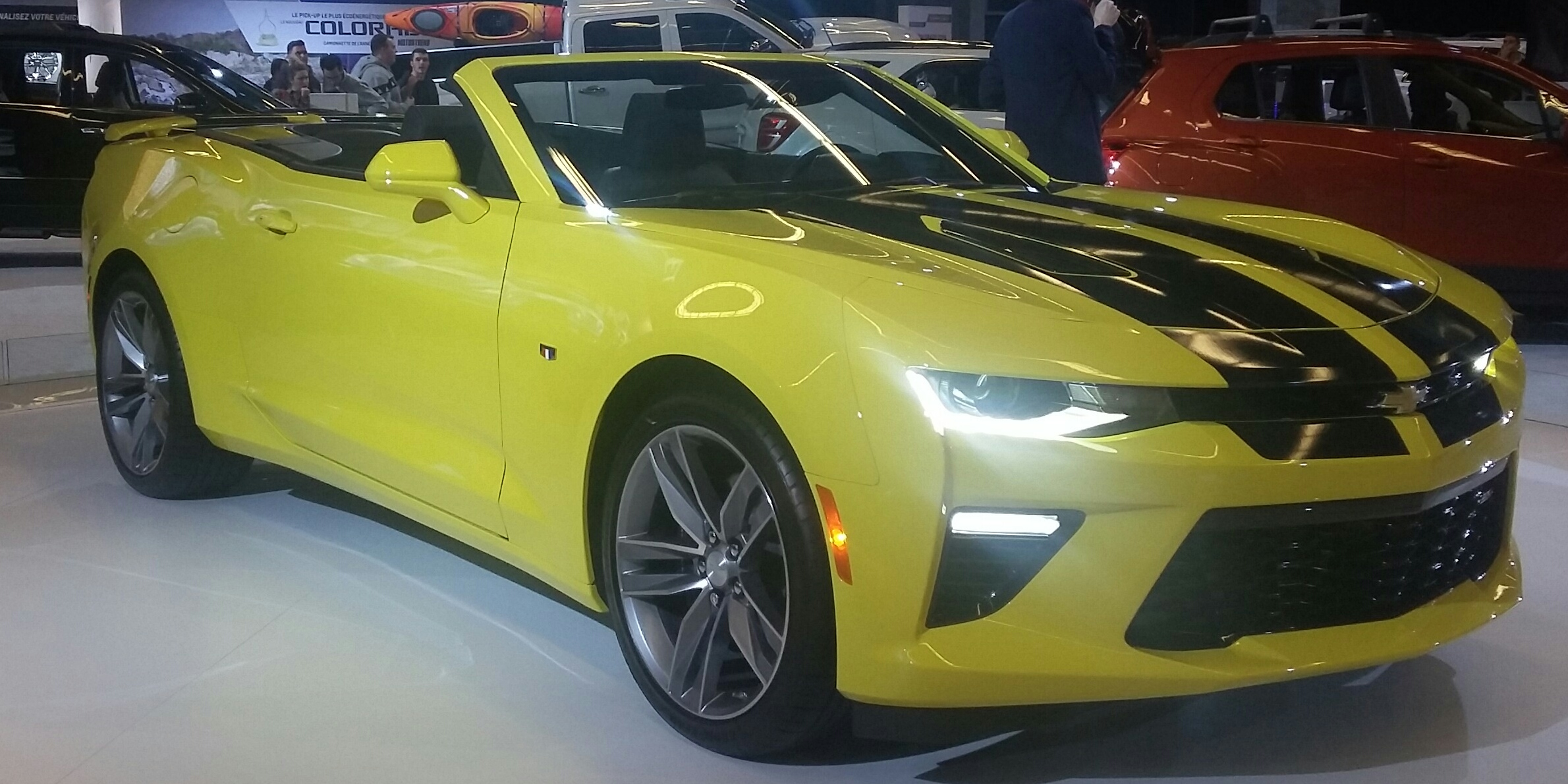
Chevrolet Camaro
"And I like Camaros as well. Actually, I like all the cars with big V8s. I love the V8 Rumble..."
They mean the Chevrolet Camaro. They like it because it has a big V8, and they enjoy the sound and personality that comes with that kind of engine.
“Camaros” is a reference to the Chevrolet Camaro, which the speaker groups with other American V8 cars. The mention is about the Camaro’s V8 character—how it sounds and feels—which is a major part of the appeal for many enthusiasts.
Request an Explanation
Heard something you'd like explained? We'll add it to this episode.
Sign in to request explanations for terms you heard.
Want to learn more?
Browse our glossary for plain-English explanations of automotive terms, jargon, and concepts.
Help improve this episode
See something that's not quite right? Our annotations are AI-generated and can sometimes miss the mark. Click the flag icon on any annotation to suggest a correction.
1 community members have helped improve this episode.