A deep dive into the history and significance of the Jaguar Mark 1, exploring its role as one of the first sports sedans and its cultural impact as a getaway car in British crime lore. Jason Cammisa and Derek Tam-Scott discuss the car's design, engineering innovations, and its racing pedigree, including connections to legendary figures like Mike Hawthorne. They also compare the Mark 1 to modern performance sedans like the BMW M3, highlighting how the Jaguar paved the way for future sports sedans while sharing personal anecdotes about car ownership and restoration.
Bank robbers prefer sport sedans: all the speed of a supercar with seating for all their accomplices — and trunk space for their loot. And the fast sedan was born with the Jaguar sedan powered by a Le Mans-winning-engine.
In the 1950s, Jaguar was on a Le Mans winning streak with its MK120-C and D-Type race cars. But why let the sports cars have all the fun? In 1955 Jaguar introduced the 2.4 Saloon (aka the Mark 1), and a handful of months later plopped their Le Mans-winning 210 hp 3.4L straight-6 engine into the chassis to create the 3.4 Saloon. Equipped with race-spec 4-wheel discs and double-wishbone front suspension it outran everything (including the police), and is arguably the world’s first sports sedan.
In this episode we’ll cover the elegantly menacing Jaguar 3.4 Saloon or “Mark 1”. Starting with how to properly pronounce Jagyoowuhr. Or is it Jagwire? Depends.
We’ll cover the marque’s origins – from Sir William Lyons’ Swallow Sidecar Company, to early sports cars like the XK120 and the Le Mans winning streak of the 1950s with the C-Type and D-Type. The 2.4L straight-6, followed by the monster 3.4, then 3.8, and even 4.2 which was used all the way up until the mid-1980s in the XJ6 and even early 90s in the Daimler DS420.
The 3.4 Saloon employed 4-wheel disc brakes, double wishbone front suspension, a cantilevered rear leaf spring, and panhard rod. Early cars had centrally-mounted gauges, and the chassis was Jaguar’s first to use unitary construction. Sadly, galvanization wouldn’t take off for another two decades, starting at Porsche. And while the unibody proved stronger than anticipated, it wasn’t strong enough to protect racer Mike Hawthorne when he fatally crashed his Mark 1 while passing a Mercedes 300SL Gullwing in England in 1959.
The Mark 1 comes from a bygone era of race cars where Le Mans-winning engines (and entire vehicles) would find their way into dealer showrooms effectively unchanged. With few exceptions since (notably the McLaren F1 – which, incredibly, went the reverse direction from streetcar to dominant race car). The last of the breed may have been the Mark III Ford GT40, as things escalated dramatically with the arrival of the Porsche 917. Luckily for us poors, plenty of lower level racing exists, and we got a handful of other homologation specials to choose from in the form of the BMW E30 M3, Mercedes-Benz 190 2.3-16, Ford Sierra RS Cosworth, and Rover SD1, to name a few.
Cars like the Alfa Giulietta Ti sedan give the Jag a challenge for the original sports sedan mantle, but the Italian wasn't first. In today’s world, the Jag was a performance-per-dollar bargain akin to a Tesla Model 3. Or possibly a Dodge Charger Hellcat. In any case, today’s quintessential sports sedan, the M3, has gotten far too pricey to be considered a bargain. As Derek points out, if you’re a thrifty enthusiast, skip the G80 and E30 and get yourself a nice used E36 or E46.
No matter what you buy, budget for fixing it (especially if it’s a Land Rover). And always, always get a silly license plate. Just maybe one that doesn't tempt fate like Jason's friend's NEED AAA plate. Because, umm, he did. Immediately.
[The words Hagerty Roadside didn't fit on the plate. Obviously.]
Learn more about your ad choices. Visit megaphone.fm/adchoices
"I feel like this Jaguar Mark 1, which I have purchased. I think the sort of idea of a getaway car is something that's just so ingrained in American culture."
The Jaguar Mark 1 is a classic car that was made by Jaguar in the 1950s. It's known for being stylish and fast, and it was a favorite among people who liked luxury cars back then.
The Jaguar Mark 1 is a compact executive car produced by Jaguar from 1955 to 1959. It was known for its stylish design and performance, making it a popular choice among luxury car buyers of its time.
"...notty, yeah, crime British cars. I feel like this Jaguar Mark 1, which I have purchased. I think the sort of id..."
The Jaguar Mark I is a classic car from the 50s that is known for being stylish and fun to drive. It's important because it helped make Jaguar famous for making luxury cars.
The Jaguar Mark I is a compact executive car produced from 1955 to 1959, known for its stylish design and performance. It was one of the first models to establish Jaguar's reputation for luxury and sportiness. The Mark I is often discussed for its classic appeal and significance in Jaguar's history.
"...ng what I do about Great Britain. I think Corolla Deville probably would have had this after the donations ..."
The Cadillac DeVille is a big, fancy car that was made for many years, known for being comfortable and luxurious. People talk about it because it's a classic American car that represents a certain style and era.
The Cadillac DeVille is a full-size luxury car that was produced by Cadillac from 1949 to 2005. It is significant for its role in establishing Cadillac as a leader in the luxury market and is often associated with American automotive culture. The DeVille is frequently discussed for its classic design and historical importance.
"And now this is really the new M3, the old M3, the new Jaguar. I prefer the or something. I prefer the construction where this is the original M3."
The BMW M3 is a sporty version of the BMW 3 Series car. It's known for being fast and fun to drive, making it popular with car lovers.
The BMW M3 is a high-performance version of the BMW 3 Series, known for its sporty handling and powerful engines. It has been a favorite among car enthusiasts since its introduction in the 1980s.
"I mean, Hyundai is not how it's pronounced in Korean, but it is how the company pronounced in marketing material."
Hyundai is a car brand from South Korea that makes many types of vehicles, including cars and SUVs. They are known for being affordable and reliable.
Hyundai is a South Korean automotive manufacturer known for producing a wide range of vehicles, from economical sedans to SUVs. The brand has gained popularity for its value, reliability, and warranty offerings.
"This is, I think, a contender for the world's first sports sedan."
A sports sedan is a type of car that is designed to be both fast and comfortable. It has features that make it fun to drive like a sports car, but it also has the space and comfort of a regular sedan.
A sports sedan is a car that combines the performance characteristics of a sports car with the practicality and comfort of a sedan. It typically features a powerful engine and sporty handling.
"...making side cars for the swallow side car company, which is called SS at the time..."
The Swallow Sidecar Company made sidecars for motorcycles before it became known as Jaguar. They were important in the early days of the Jaguar brand.
The Swallow Sidecar Company was an early manufacturer of motorcycle sidecars, which later evolved into the Jaguar brand. It played a significant role in the early automotive history of Jaguar.
Term
SS
"...which is called SS at the time, because prior to World War II, SS had no sort of unfortunate meaning..."
SS was a term that meant 'Super Sport' and was used by a car company before World War II. Unfortunately, it later became associated with something very negative because of history.
SS stands for 'Super Sport' and was used by the Swallow Sidecar Company before World War II. The term later gained negative connotations due to its association with the Nazi regime.
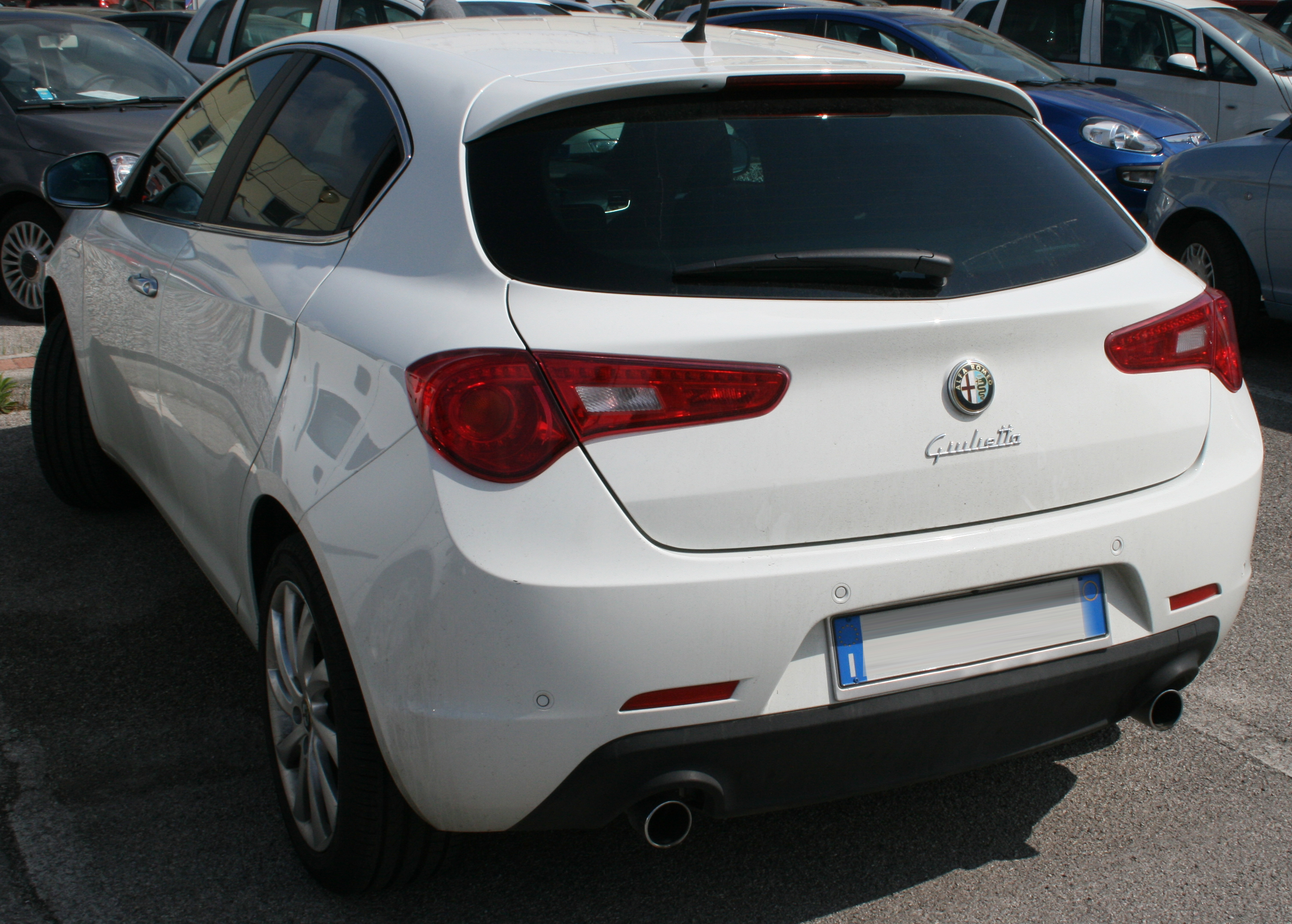
"The other car you could argue maybe is the world's first sports sedan is what Alfa Romeo was doing at the same time, which was the Giulietta..."
The Alfa Romeo Giulietta is a small car that has been around for a long time. It's known for being sporty and fun to drive, which is why it's considered one of the first sports sedans.
The Alfa Romeo Giulietta is a compact car that has been produced in various forms since the 1950s. It is known for its sporty design and performance, making it a notable entry in the sports sedan category.
"...but they had an in-house sedan, which there was a hot version of called the TI Turismo Internationale..."
TI Turismo Internationale is a special version of the Alfa Romeo Giulietta that was designed to be faster and sportier than the regular model. It's a name that shows the car's racing heritage.
The TI Turismo Internationale is a performance variant of the Alfa Romeo Giulietta, known for its enhanced features and sporty characteristics. It represents a significant part of Alfa Romeo's history in producing high-performance sedans.
"this was Jaguar's first unitary car as opposed to separate body on frame construction."
Unitary construction is a way to build cars where the body and the frame are made as one piece. This makes the car lighter and often safer than older designs that used separate frames.
Unitary construction, also known as unibody construction, is a method of building a car where the body and frame are integrated into a single structure. This design is lighter and can improve safety and rigidity compared to traditional body-on-frame construction.
"... had learned in the ensuing seven years since the XK120 came out, applied to the next car they happened t..."
The Jaguar XK120 is a classic sports car from the late 40s and early 50s that is famous for being very fast and beautiful. It's important because it helped Jaguar become known for making great sports cars.
The Jaguar XK120 is a sports car that was produced from 1948 to 1954, known for its beautiful design and impressive performance. It was one of the fastest production cars of its time and played a significant role in establishing Jaguar's reputation in the sports car market. The XK120 is often discussed for its classic styling and historical importance.
"...il the early 90s in the Daimler DS420 and the Jag XJ6 until 86. And so, this was a very sophisticated e..."
The Jaguar XJ6 is a fancy car made for comfort and style that was popular from the late 60s to the early 90s. People talk about it because it's known for being a smooth ride and a symbol of luxury.
The Jaguar XJ6 is a luxury sedan that was produced from 1968 to 1992, known for its elegant design and smooth ride. It is significant for its role in establishing Jaguar as a leader in the luxury car market and is often praised for its comfort and performance. The XJ6 is frequently discussed for its classic appeal and engineering excellence.
"Still the dual overhead cam XK engine that was introduced in 1948 and used until the early 90s in the Daimler DS420 and the Jag XJ6 until 86."
The XK engine is a type of six-cylinder engine made by Jaguar that was used in many of their cars for several decades. It's known for being powerful and efficient.
The XK engine is a six-cylinder engine designed by Jaguar, first introduced in 1948. It is known for its performance and was used in various models, including the Jaguar XJ6 and Daimler DS420.
"It had a hemispherical combustion chambers, dual overhead cam shafts, which was really the big thing that was in the end of the time when a single overhead cam was a big deal."
A dual overhead cam engine has two rods that control the opening and closing of the engine's valves, which helps the engine breathe better and perform more efficiently than engines with just one rod.
A dual overhead cam (DOHC) engine has two camshafts per cylinder head, allowing for better airflow and performance compared to a single overhead cam (SOHC) setup. This design can enhance engine efficiency and power output.
"It had a hemispherical combustion chambers, dual overhead cam shafts, which was really the big thing that was in the end of the time when a single overhead cam was a big deal."
Hemispherical combustion chambers are a specific shape inside the engine that helps the fuel and air mix better, which can make the engine run more efficiently and produce more power.
Hemispherical combustion chambers are designed to improve airflow and combustion efficiency in an engine. This shape allows for better mixing of air and fuel, leading to more power and efficiency.
"...the displacement tax or the taxation road tax was calculated on the basis of cylinder count. And stroke, bore."
Displacement tax is a fee that car owners may have to pay based on how big their car's engine is. It can make car makers design smaller engines to save money on taxes.
Displacement tax is a tax imposed on vehicles based on their engine displacement, which is the total volume of all the cylinders in the engine. This tax can influence manufacturers to design engines with specific characteristics to minimize costs.
"...you were incentivized, if you wanted to sell a car, to get the displacement via stroke rather than via bore."
Stroke is how far the engine's piston moves up and down inside the cylinder. It helps to decide how powerful the engine can be.
Stroke refers to the distance the piston travels within the cylinder of an engine. It is one of the key factors that determine the engine's displacement and performance characteristics.
"...1,300 CC, 7,000 RPM in the Veloce engines at the same time, which was a very large number of RPM for that period."
RPM means revolutions per minute, which tells you how fast the engine is spinning. More RPM can mean more power, but it can also wear the engine out faster.
RPM stands for revolutions per minute, a measure of how fast an engine is running. Higher RPMs can indicate more power but can also lead to increased wear.
"...it had 112 horsepower, it had silics carburetors. The only Jaguar ever to use silics..."
Horsepower is a way to measure how powerful an engine is. The more horsepower a car has, the faster it can go and the better it can perform.
Horsepower is a unit of measurement for power, commonly used to describe the power output of engines. In this context, it indicates the performance level of the car's engine.
"...the American market was very important to Jaguar and the XK was a big part of that..."
The Jaguar XK is a line of sports cars made by Jaguar. They are known for being fast and stylish, and they are popular in the United States.
The Jaguar XK is a series of luxury sports cars produced by Jaguar, known for their performance and elegant design. The XK series has been significant in Jaguar's history, especially in the American market.
"So for that generation, threatening would be an all-black kuntosh. Or some kind of supercar-shaped thing that's very..."
The Lamborghini Countach is a famous sports car that looks very unique and is known for being very fast. It was popular in the 1980s and is often seen as a symbol of luxury and performance.
The Lamborghini Countach is a classic supercar known for its distinctive wedge shape and scissor doors. It became an icon of 1980s automotive design and is often associated with high performance and luxury.
"Or some kind of supercar-shaped thing that's very... Or maybe it's a Russian mafia Mercedes from the 90s in S-Class with tinted windows. All of those things for sure."
The Mercedes-Benz S-Class is a large, high-end car that is very comfortable and packed with the latest technology. It's often seen as one of the best luxury cars in the world, making it a popular topic of conversation.
The Mercedes-Benz S-Class is a line of full-size luxury sedans known for their advanced technology, performance, and comfort. It has been a benchmark for luxury cars since its introduction in the 1970s, often featuring the latest innovations from Mercedes-Benz. The S-Class is often discussed for its status as a symbol of prestige and luxury.
"You drove a Jag Mark II. Right. Because one, the cops couldn't keep up with it."
The Jaguar Mark II is a classic car that was made in the late 1950s and 1960s. It was known for being fast and luxurious, which made it a favorite among people who wanted a stylish ride.
The Jaguar Mark II is a luxury saloon car produced by Jaguar from 1959 to 1967. It is known for its stylish design and performance, making it a popular choice in its era.
"In the same way that a Lotus Carlton similar color, 40 years later, was so fast that the cops couldn't keep up with it."
The Lotus Carlton is a special version of a car made by Lotus in the early 1990s. It was very fast and was designed for performance, which made it stand out among other cars.
The Lotus Carlton is a high-performance version of the Vauxhall Carlton, produced in the early 1990s. It is known for its impressive speed and handling, making it one of the fastest sedans of its time.
"...especially even in 2.4 liter form, which is actually 2.5. And especially in 3.4 liter forms starting in 1957."
Engine displacement is how much space the engine's cylinders take up. A 2.4 liter engine means the total volume of the cylinders is 2.4 liters, which can affect how powerful the engine is.
The term '2.4 liter' refers to the engine displacement, which is the total volume of all the cylinders in an engine. This measurement is important as it often correlates with the engine's power output and efficiency.
"...And especially in 3.4 liter forms starting in 1957. And so they would run, you know, in those days..."
A 3.4 liter engine means the engine's cylinders have a total volume of 3.4 liters. Bigger engines usually produce more power, which helps the car go faster.
The '3.4 liter' designation indicates the engine's displacement, which is the total volume of the engine's cylinders. Larger displacement typically means more power and torque, which can enhance performance.
"...He's the first British F1 champion. He won the F1 championship in 1958, I believe."
The F1 championship is a top-level car racing competition where the fastest cars and best drivers compete. Winning it is a big deal in the racing world.
The F1 championship, or Formula 1 championship, is a prestigious international auto racing series known for its high-speed cars and advanced technology. Winning the championship is considered one of the highest achievements in motorsport.
"And so he drove Jaguar touring cars, including a car that looked like this, which is to say it was dark green with a green interior with the color-coded wire wheels."
Wire wheels are a style of car wheels that have thin metal spokes. They look nice on classic cars and are lighter than solid wheels.
Wire wheels are a type of wheel design that uses spokes to connect the rim to the hub, often seen on classic cars. They are lighter and can enhance the aesthetic appeal of a vehicle.
"...ich he was ultimately killed. He was racing a 300 SL going on a public road driven by Rob Walker in Ja..."
The Mercedes-Benz SL is a fancy convertible car that is known for being stylish and fun to drive. It's popular because it combines luxury with sporty performance, making it a dream car for many.
The Mercedes-Benz SL is a line of luxury roadsters that has been produced since 1952, known for their performance and elegant design. The SL models are often associated with high-end features and a sporty driving experience, making them a symbol of luxury and style. The SL is frequently discussed for its blend of performance and luxury.
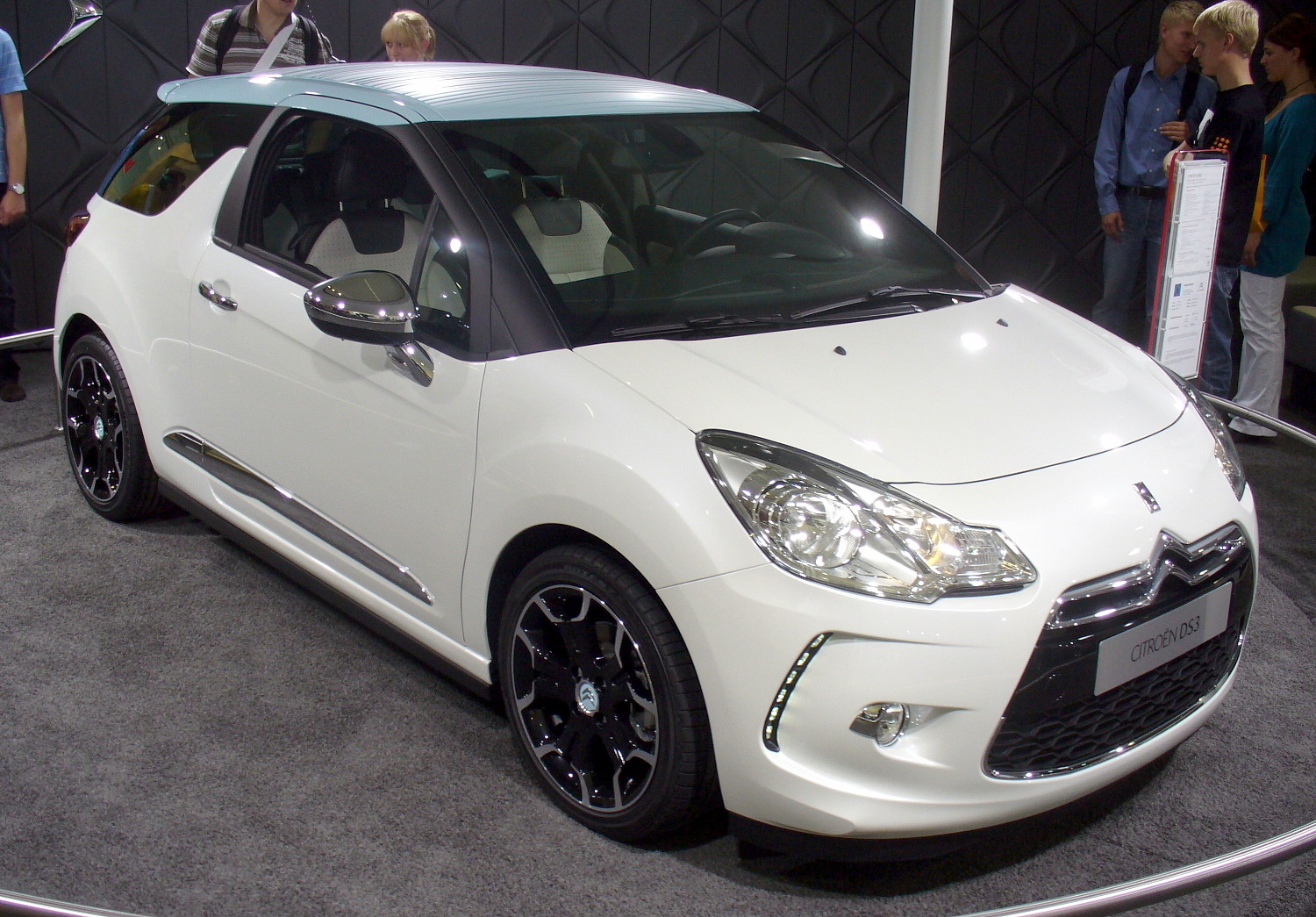
"...ly use of disc brakes, especially in a sedan, the Citroen DS had front disc brakes in starting in 55. And this..."
The Citroen DS 3 is a small car that stands out because of its cool design and modern features. It's popular for being stylish and fun to drive in the city.
The Citroen DS 3 is a compact car that was produced from 2009 to 2019, known for its distinctive styling and innovative features. It is part of the DS line, which aims to offer a premium experience with a focus on design and technology. The DS 3 is often discussed for its unique character and appeal in the small car segment.
"..., I mean, so the E type cost a third as much as a Ferrari 250 when it came in 1961. And it was probably, it was..."
The Ferrari 250 GTO is a very rare and beautiful sports car made in the early 60s that is famous for being one of the most expensive cars ever. People talk about it because it's not only stunning but also has a rich history in racing.
The Ferrari 250 GTO is a highly sought-after sports car produced from 1962 to 1964, known for its stunning design and racing pedigree. It is often regarded as one of the most valuable cars in the world, with prices reaching astronomical figures at auctions. The 250 GTO is frequently discussed for its rarity and significance in automotive history.
"... And it was probably, it was less than on Porsche 356. The spiciest of which had 90 horsepower."
The Porsche 356 is an early sports car made by Porsche that is known for being light and fun to drive. It's important because it helped make Porsche famous for making fast and stylish cars.
The Porsche 356 is a sports car that was produced from 1948 to 1965 and is considered the first production model by Porsche. It is significant for its lightweight design and rear-engine layout, which laid the groundwork for future Porsche models. The 356 is often discussed for its classic styling and its role in establishing Porsche's reputation in the sports car market.
"And these are boomer age people are maybe even slightly older. And that was the run-up of cars that are made during the 60s of values of stuff like e-types and 275s and Corvette stingrays, whatever else really exploded in value in the sort of 90s, 2000s."
The Jaguar E-Type is a classic British sports car that many people think is one of the most beautiful cars ever made. It was fast and stylish, making it very popular and important in car history.
The Jaguar E-Type, launched in 1961, is a British sports car renowned for its stunning design and performance. It is often regarded as one of the most beautiful cars ever made and played a significant role in establishing Jaguar's reputation in the automotive world. The E-Type is frequently discussed for its classic appeal and cultural significance.
The Toyota Prius is a car that uses both gas and electricity to drive, which makes it very good on gas. It's important because it helped people think more about saving energy and being kind to the environment.
The Toyota Prius is a hybrid electric vehicle that was first introduced in 1997 and is known for its fuel efficiency and eco-friendly design. It played a significant role in popularizing hybrid technology and has become synonymous with environmentally conscious driving. The Prius is often discussed for its impact on the automotive industry and its role in reducing emissions.
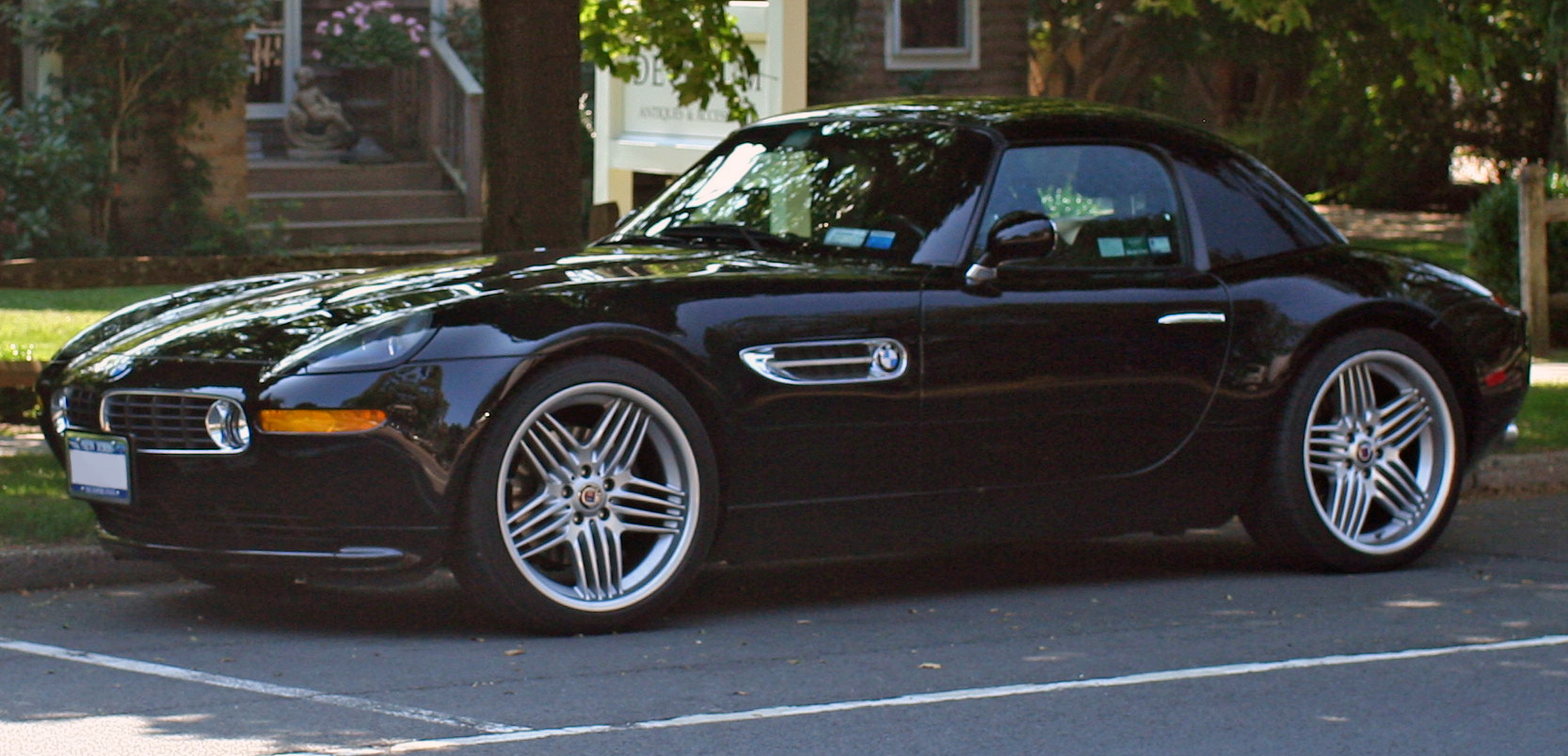
"Exactly like a Prius. Or a Z8. Yes, there you go."
The Alpina Z8 is a special version of a BMW sports car that is known for being fast and luxurious. It's rare and talked about because it combines great performance with a stylish design.
The Alpina Z8 is a high-performance version of the BMW Z8, known for its powerful engine and luxurious features. Produced in limited numbers, it combines the elegance of the Z8 with Alpina's tuning expertise, making it a rare and desirable model. The Z8 is often discussed for its exclusivity and performance.
"...fetime. There is little doubt in my mind that the Model 3 is the best sedan in the world and the Y when I h..."
The Tesla Model 3 is a fully electric car that is known for being fast and having cool technology. It has become popular because it's more affordable than many other electric cars, helping more people switch to electric driving.
The Tesla Model 3 is an all-electric sedan that has gained popularity for its performance, technology, and affordability compared to other electric vehicles. Launched in 2017, it has played a crucial role in making electric cars more mainstream and accessible. The Model 3 is often discussed for its innovative features and impact on the automotive market.
"... were street versions of the GT 40 but not of the 917. So it happened in the second half of the 60s I g..."
The Porsche 917 is a legendary race car from the 60s that is known for being super fast and winning a lot of races. It's important in car history because it set many records and showed how advanced car design could be.
The Porsche 917 is a race car that was produced in the late 1960s and is famous for its dominance in endurance racing, particularly at the 24 Hours of Le Mans. Known for its powerful flat-12 engine and aerodynamic design, the 917 is often regarded as one of the greatest race cars of all time. It is frequently discussed for its engineering excellence and racing legacy.
"...helon of racing but we still did you could buy an E30 M3. You could buy a D1 on Ecosworth you could buy..."
The BMW 3 Series is a small luxury car that is fun to drive and has a sporty feel. It's popular because it combines comfort with good performance, making it a favorite among car enthusiasts.
The BMW 3 Series is a compact executive car that has been in production since 1975 and is known for its sporty handling and performance. It has become one of BMW's most successful models, often praised for its balance of luxury and driving dynamics. The 3 Series is frequently discussed for its role in defining the modern sports sedan segment.
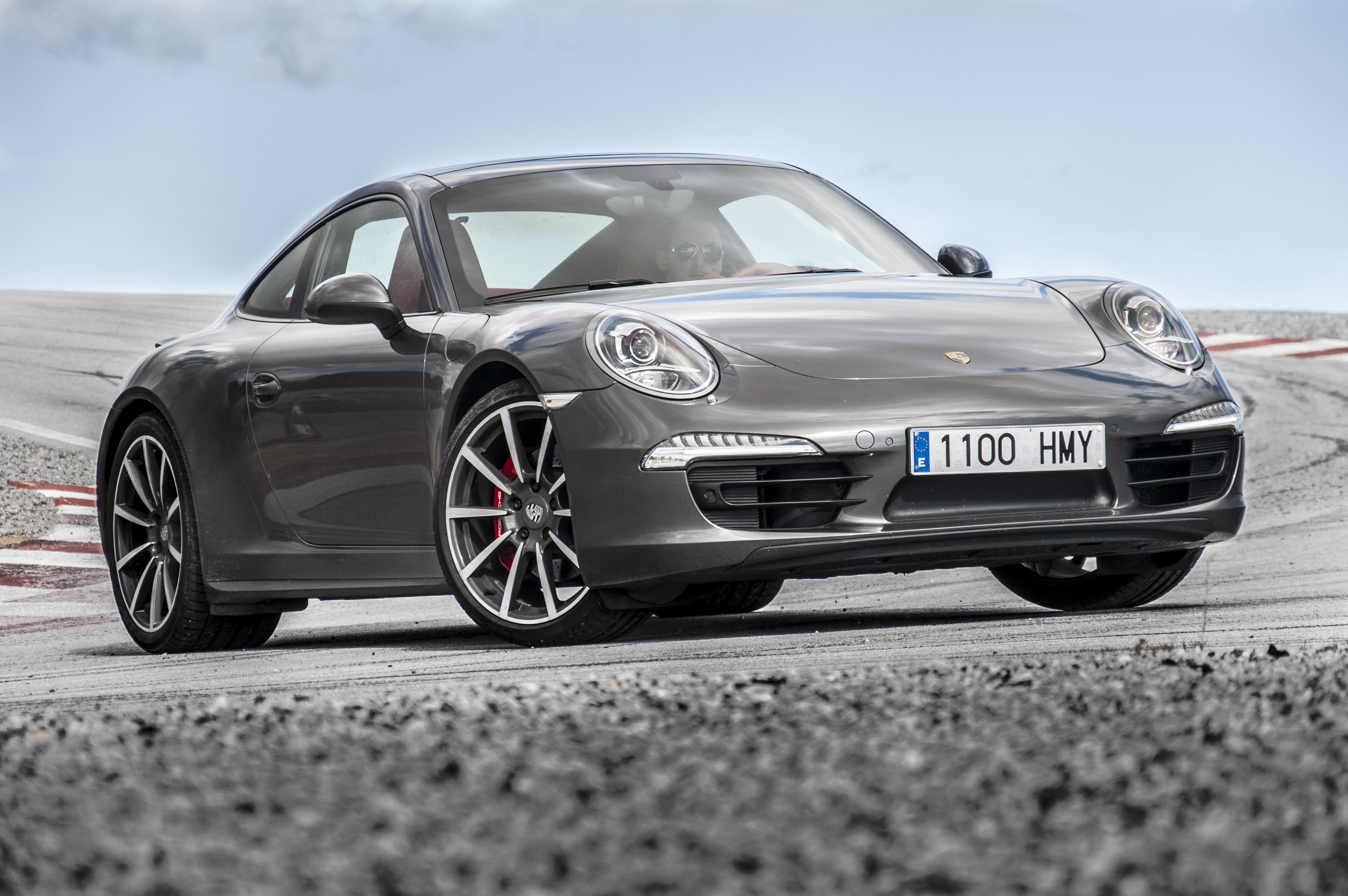
"...ess Porsche would be the close to all the Porsche 911 today. I mean 911."
The Porsche 911 is a famous sports car that's been around for a long time, known for its unique shape and great performance. It's considered one of the best sports cars ever made, making it a popular topic among car lovers.
The Porsche 911 is a high-performance sports car that has been in production since 1964 and is known for its distinctive design and rear-engine layout. It has become an icon in the automotive world, celebrated for its performance, handling, and engineering excellence. The 911 is often discussed for its long history and status as a benchmark for sports cars.
"I mean 911. Yeah they have a new class though that they do specifically oriented towards..."
The BMW New Class is a group of small cars made in the 60s and 70s that helped make BMW a popular brand. They are known for being fun to drive and stylish, which helped the company grow.
The BMW New Class refers to a series of compact sedans produced from the early 1960s to the mid-1970s, which played a crucial role in revitalizing BMW's brand and product lineup. Known for their sporty handling and modern design, these cars helped establish BMW's reputation for performance and luxury. The New Class is often discussed for its impact on the company's success.
"...ah and I think that's another thing that made the McLaren F1 so extraordinary. It was kind of the last time th..."
The McLaren F1 is a super-fast sports car made in the 90s that is famous for its unique design and amazing speed. It's considered one of the best cars ever made, which makes it a popular topic among car enthusiasts.
The McLaren F1 is a supercar produced from 1992 to 1998, known for its innovative design and engineering, including a carbon fiber monocoque chassis and a powerful V12 engine. It is often regarded as one of the greatest supercars of all time due to its performance and exclusivity. The F1 is frequently discussed for its groundbreaking technology and status in automotive history.
"...times in the past where I bought say I'm Mercedes 500E because I felt like there was potential where its..."
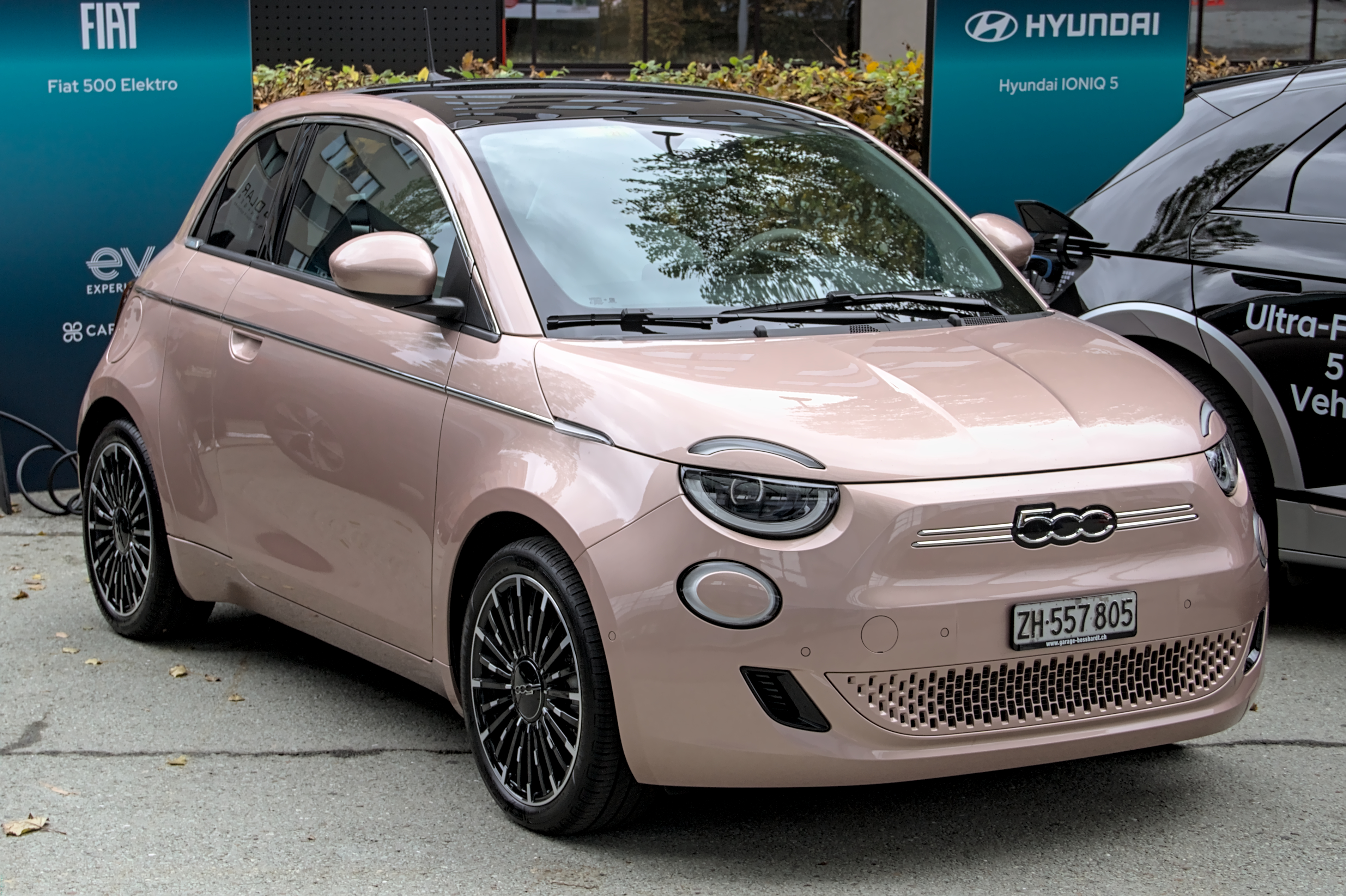
The Fiat 500e is a small electric car that is great for city driving and helps save on gas. It's popular because it's cute, easy to park, and good for the environment.
The Fiat 500e is an all-electric version of the iconic Fiat 500, designed for urban driving with a focus on efficiency and compactness. Launched in 2013, it represents Fiat's commitment to electric mobility and is known for its stylish design and practicality. The 500e is often discussed for its role in the growing electric vehicle market.
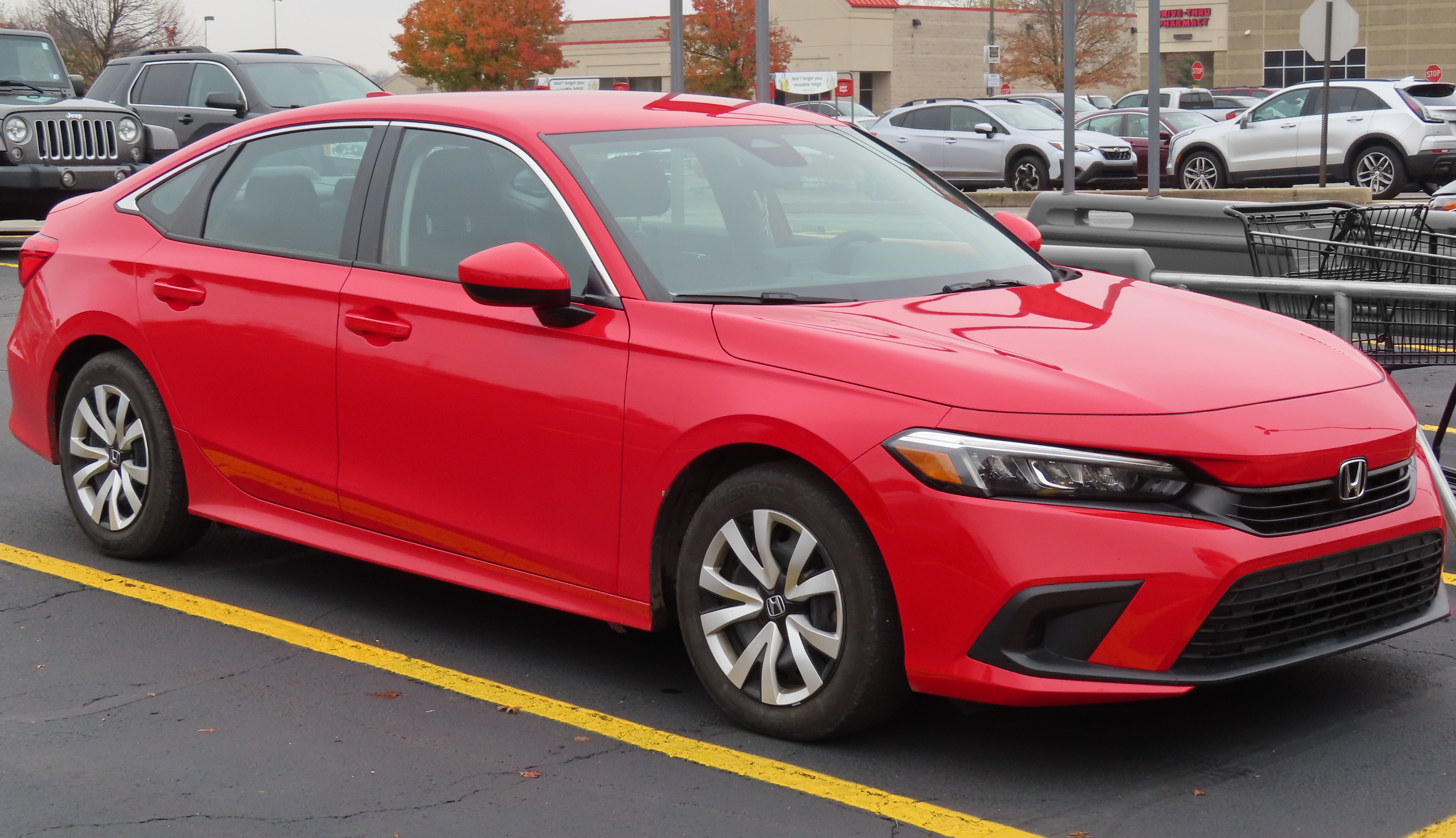
"...uff I would argue that buying that versus a Honda Civic which were effectively the same price no I I don'..."
The Honda Civic is a small car that is known for being reliable and good on gas. It's very popular because it's affordable and works well for many different types of drivers.
The Honda Civic is a compact car that has been in production since 1972 and is known for its reliability, fuel efficiency, and versatility. It has become one of the best-selling cars in the world and is often praised for its practicality and affordability. The Civic is frequently discussed for its role as a dependable choice for many drivers.
"...ir sort of low maintenance 90s Japanese cars like NSXs and super they still have problems that's the cra..."
The Acura NSX is a sporty car that was made in the 90s and is known for being fast while still being easy to drive every day. It's important because it showed that you could have a super-fast car that was also practical.
The Acura NSX is a sports car that was produced from 1990 to 2005 and was notable for its combination of performance and everyday usability. It was one of the first supercars to feature a mid-engine layout and a lightweight design, making it a significant model in the automotive world. The NSX is often discussed for its engineering and its impact on the sports car market.
Select text to request an explanation
Hi, I'm Lexi, your friend and jeweler at Shane Company. If you're planning to propose this holiday, we're ready to make creating your engagement ring a warm, welcoming experience. At Shane Company, we're all about your style, your budget, your dream engagement ring. Explore the widest selection of diamonds and ring settings ready for you to see in person, or visit us at shaneco.com. You'll have your ring in days, not weeks. Our friendly jewelry consultants don't work on commission. There's never any pressure, just perfect proposals. Shane Company, your friend and jeweler.
Hello. Hello. This entire episode shall be conducted with British. In British. In the Queen's English. Because. Because we are the Queen's, a Queen's e-car on the background. No, she would never be seen in something so ghost. So what is probably some British word that I'm looking for? Which queen? Did I recount about how I had an episode of road rage recently that I had to, sorry, a thoroughfare and sentiment that required a quick pivot?
No. Somebody was taking a great deal of time to make a decision about whether to proceed or not despite the fact that it was, they had the right of way. And I said, what are you waiting for an invitation from the Queen? And then I quickly realized that she's no longer with us. And I said, because you're not going to get one because she has expired. And I felt some guilt. Scream this out the window. I screamed it inside of the car. The window had been open. I would have screamed it in audibly. You were probably in an old broken shitbox where you couldn't
open the window quickly enough to yell. Yeah. But it required a bit of a pivot. Anyway, this episode of The Car Mugin Show is like many others part of the
Haggerty Podcast Network and is presented by Jason Camisa and me, Derek, Tam, Hyphen Scott. We discuss British cars, particularly the baddie getaway.
Notty, notty, yeah, crime British cars. I feel like this Jaguar Mark 1, which I have purchased. I think the sort of idea of a getaway car is something that's just so ingrained in American culture. Like we are allowed to have
hell cats. And we are allowed to have really fast. Like, first of all, our police officers all have large cannons with which they will shoot us. And this is not the case in the US. The UK's got this history of having cars
that are just known to be driven by near New Wales, bad people, baddies, bad guys. And the one sitting in the background is just sinister shade of non-metallic deep, deep, deep British racing green with dark metallic green, non-metallic green wire wheels looking incredibly, incredibly beautifully evil. Yeah, I love it.
It is perhaps the origin of that maybe the British viewers among us will be able to recount where there were other before this bad guy cars. But this is certainly in my mind knowing what I do about Great Britain. I think Corolla Deville probably would have had this after the donations were gone. Yeah, I think, you know, so we'll talk about the Jaguar Mark 1 bit of Jaguars competition history British car troubles the relationship between motor sports.
And road cars. And now this is really the new M3, the old M3, the new Jaguar. I prefer the or something. I prefer the construction where this is the original M3. Sure, that works. Great. Okay, you've heard it here first. Join us again next. Oh, we haven't even started yet. Oh, yes, I will do a clap.
I wish it wasn't real. You and me both the commenters last episode of a really funny just held Derek to cup the one hand hit the other hand with that yet. No, you hit the you cup one and then use your fingers of the second cup. Okay, I will not do that. It just doesn't matter. Okay, bye.
Okay. Okay. You have a lot of coasters. Yes, it's extra layers of protection here. I'm increasing the hydraulic head of my water bottle. The gravitational potential energy. Great. So when it spills, it'll go farther. It'll have more kinetic energy when it spills because all that gravitational potential energy. I'm going to take away some of them because I want to reduce the potential energy because there is a
rust situation happening in there. Can you hear it? We quiet down really quietly. I bet we can hear it rusting. Now, that's your rover, which is probably outside. This car is not terribly rusty. Yes, but it's also not terribly galvanized. It's definitely not galvanized, but nothing of this area is nothing even very few cars from the 1970s even are galvanized. I've been invented yet. I'm guessing.
Yeah, I push us started galvanizing floor pans only in 1971. Okay. And then they did whole body shell starting in 77. That's early. Yeah. And already Audi was quite early was first to do the full lineup. I think I feel it was that was a PEC thing. So when is that the early 80s early 80s. Yeah, fully galvanized bodies. Well, the cities did it in the in 84. I think this which somewhere or other anyway, that late surprising actually.
That's neither here nor there. This is here. If it's in the liminal liminal space, I guess that behind us is a jag you wire. Oh, God. It's got wire wheels on it. Oh, yeah. So that's the difference between jaguar and jag wire. The jaguars have wire wheels. The more you know. Oh, here we go. That is not true. It's jaggy.
Well, we get a lot of shit in the comments about this about our pronunciation of jack about and do we should we pronounce it coupé. We're not.
So here is the simple rule. We're extremely consistent. People give us a hard time about this. But they say you're mispronouncing it. Like, why do you give, you know, why do you pronounce it Porsche versus, you know, Porsche, Porsche, but you don't you say jaguar instead of jaguar.
And I think the answer here that you all are looking for. I know very enthusiastically is that the word jaguar has two pronunciations depending on where you are. And they're both accepted as correct pronunciations.
The word the improper noun, jaguar, the cat. Sure. Yes. Yes. Or any number of other words like coupe versus coupé. Those are both acceptable pronunciations in the English language depending on where there's regionalized for the United States or for the Queen's English Commonwealth countries.
So both are acceptable. Porsche is a proper noun which has no like there's no equivalent. It doesn't appear in the English dictionary. I assume. And if it does, it should be pronounced Porsche as two syllables because it's a foreign word.
So the question is, is it a foreign word or not? That to me is the litmus test about whether there's acceptability around multiple pronunciations. This is a proper noun, but it is named after an improper noun.
It's just a regular, very improper cat. So yeah, the same thing we don't call it a aluminum just because it was on a British car. It's aluminum. Yeah, that's what we call it. Correct.
There is some, some of the comments I've gotten to me are like, and yet Camisa mispronounces every single Japanese car company's name. And what I have to do is, at the end of the day, I defer to the car company itself.
I mean, Hyundai is not how it's pronounced in Korean, but it is how the company pronounced in marketing material. Hyundai likes Sunday. That was literally, and of course they stupidly missed the whole idea of getting the Commodore to go saying easy like, easy like, Hyundai morning.
But I can't, I mean, if the company, the Commodores, yes, yes, if the line or actually that is, so if the company says our name is Hyundai, I'm not going to correct them and say, no, you're Hyundai.
No, okay, fine, or Hyundai, I think it's even more of whatever it is, same thing with Toyota, same thing with Honda, right? And Mazda has not done a campaign saying, we are Matsuda.
Yeah, Mazda is what they call it. So it's regionalized for the country so that it's real Canadian. And then it's Mazda, Mazda, like pasta instead of pasta.
Yeah, what do they know? It's just a regional difference.
Exactly.
Anyway, we are here to talk about the Jaguar. You just did it extra syllable.
It was ironic. Subtitle.
Subtitle.
irony in play alert. Well, as the robotic people among us, which I am one, you know, you need really obvious science when irony or sarcasm is happening.
Otherwise, you know, otherwise you're in trouble.
Okay, so that behind us is a what year make model?
So this is a 1957 Jaguar.
I was going to start with a history lesson, which is the car came out in 1955.
It's a 1957 Jaguar Mark I.
It was before the Mark II came out, so it was not called the Mark I at the time.
It was retrospectively renamed or referred to as the Mark I, but it doesn't say Mark I anywhere on it or any of its materials.
It was just the Jaguar.
It was called the 2.4 or 3.4 liter saloon, officially, but you'd call it a Jag 3.4 or 2.4.
So the car arrived initially is a, do we go start with history or should we contextualize?
I think start with context.
This is, I think, a contender for the world's first sports sedan.
Can I just say it is achingly beautiful?
I think so too. I'm biased.
As a geriatric person with anglophile proclivities.
I have not driven one.
I've never sat in one.
I fully intend on doing burnouts after we record.
Yes.
In this car, in Donuts and the parking lot.
However, it's gorgeous.
And it was like many Jaguar products designed largely by Sir William Lyons, who is Mr. Jaguar.
He's...
He would be Mr. Jaguar.
Yes.
Okay.
Who started the company in the 1922 making side cars for the swallow side car company,
which is called SS at the time, because prior to World War II, SS had no sort of unfortunate meaning
which had gained during the war.
Yes. Super sport.
Yes.
Yes. Sure.
What does it storm?
What does it stand for?
SS.
We don't understand Germans.
Okay. Well, so the model, they started referring to certain cars as Jaguar's
during the pre-war years and then they changed the name of the company after the war.
And Sir William Lyons had a really good aesthetic sense and so he designed a lot of the cars.
And he had just a very good sense generally.
We've done a dedicated Jaguar episode.
Dead brand walking.
Dead brand walking.
Yeah.
In which I extolled the virtues of the old company that was Jaguar.
But what you basically got was a world-class car at a very reasonable price.
And it was beautiful to look at and high performance was also part of the picture.
It was just like a have your cake and eat it to type of car.
And that was the thing that always made Jaguar special, including this one,
and the sports cars and the big sedans also.
So this was their first, up until this point, they had only made basically two different cars.
A big sedan and a sports car.
And this was their first small sedan.
And it had the sort of ingredients from their sports cars in it.
And so when people started running them in touring car races and other competitive rallies and stuff like that,
they were incredibly competitive at doing that.
And so they became, I think, one of the world's first sports sedans.
The other car you could argue maybe is the world's first sports sedan is what Alfa Romeo was doing at the same time,
which was the Giulietta, which we always see as a coupe or a spider designed by Bertone and Pininfrino respectively,
but they had an in-house sedan, which there was a hot version of called the TI Turismo Internationale,
which is still used today or was until the Giulietta.
Is the Giulietta dead yet? The current Giulietta?
No, just the QV.
Okay, so still used today the Turismo Internationale moniker,
which is the hottest version of the sedan that you could get at the time.
So that car came out around the same time as this one.
Maybe slightly later, actually.
I think the Giulietta came out in 54 or 55 as the Tudor, and then the sedan followed,
and this car came out in 1955.
So the beginning of the sports sedan.
The beginning of the sports sedan and the Alfa Romeo's that the sedan was effectively a sports car with a sedan body on it, correct?
I mean, it's all the same sort of sports cary type.
I mean, engine.
Yeah, the engine.
It was fundamentally shared, yes.
And actually, on that subject, this car was more sophisticated.
This car, the Mark I was more sophisticated than the sports car Jaguar was making at the time,
because it came out later.
The sports car that was being produced at the time was the Jag XK, the 120 and 140.
The 140 was just an update of the 120.
And because this car was newer, it had like a coil spring front end, for example,
which the sports cars did not have at the time and unitary construction, also, which the sports cars did not have.
This was Jaguar's first unitary car as opposed to separate body on frame construction.
So this was like everything they had learned in the ensuing seven years since the XK120 came out,
applied to the next car they happened to make, which was a sedan.
So, in some ways, it's more technically sophisticated than the sports cars you could buy at the same time.
So, more sophisticated suspension and chassis construction, but same engine.
Same engine.
Well, the 2.4 as it came out for the first two years.
The 3.4 didn't come out until 57.
It was the 2.4 for the first two years, 2.4 only for the first two years.
And the 2.4 was actually, if you conventionally read the displacement,
it's actually 2.5 liters, and it was a destruct version of the 3.4 engine that was used in the sports cars and in the big sedan.
Still the dual overhead cam XK engine that was introduced in 1948 and used until the early 90s in the Daimler DS420 and the Jag XJ6 until 86.
And so, this was a very sophisticated engine by anyone's standards.
It had a hemispherical combustion chambers, dual overhead cam shafts, which was really the big thing that was in the end of the time when a single overhead cam was a big deal.
Yes, that is true.
Big deal.
And so, this small version was 2.5 liters.
They destroaked it because as we've talked about with British cars of this era, the displacement tax or the taxation road tax was calculated on the basis of cylinder count.
And stroke, bore.
Oh, bore, that's right.
And so, if you wanted displacement, then you were incentivized, if you wanted to sell a car, to get the displacement via stroke rather than via bore.
And so, all the British engines of this period are all low revving tractor engines.
And that's one of those cases where you see a manifestation of regulations shaping the artifacts that come out of a particular country.
Meanwhile, Alfa Romeo is making these tremendously over square, high revving engines that are displacing less than 2 liters because there's no incentive that structure that there is in England.
But all the time stuff was under 2 liters.
Yes, it was all under 2 liters.
Exactly.
And so, those were 1,300 CC, 7,000 RPM in the Veloce engines at the same time, which was a very large number of RPM for that period.
But if you were making an engine for this car and trying to get tax advantageousness as this is, wouldn't you have just de-bored this engine?
Well, they, it wasn't a tax thing, it was they were trying to get the displacement down while maintaining things as much as they could the same.
And so, they actually shortened the deck height and the engine weighs 2 and a half weighs 50 pounds less than the 3.4 because they wanted to make the engine less heighty.
Tall, I guess, is the word we use in some places such as this one and everywhere else where English is spoken.
Have we both not had enough caffeine?
I mean, you're not a concentrated one.
I don't bring caffeine.
In sufficient caffeination.
So, the car came out with a 2.4 and it had 112 horsepower, it had silics carburetors.
The only Jaguar ever to use silics is rather than SUVs, most British cars use SUV carburetors.
And everyone sort of, the British magazines all said, oh, this thing's quite zippy.
I mean, when you compare it against what other things it was supposed to be competing against like Vox Halls and Ford's and Citroen DS's and stuff like that, it was pretty good performance.
But it had 112 horsepower and it was fine and sort of compared favorably to other cars that made 100 horsepower, which was pretty typical then.
And, of course, the Americans were like, it could stand more power, but it's pretty zippy for a small sedan.
So then the naturally the 3.4 was added, especially for the American market where Jaguar was doing this was all during the export or die era of Britain, rather.
Where they were really incentivizing getting Britain had no money period because they'd spent it all during the war.
And so they were really strongly favoring whatever you can make British industry, please make it such that it is exportable so we can sell it to other people so we can get some money into this country.
And so there was a strong emphasis on that and you see it certainly in cars, I'm sure it was present in other things, but I don't know as much about those subjects.
But yeah, you see in land rovers and all of these cars that were sold, especially in the United States and somewhat in Constantinople Europe, but less in Constantinople Europe because those guys also didn't have a whole lot of extra money to be spending on frivolous things like automobiles when they were sort of stored at the pieces still.
So the American market was very important to Jaguar and the XK was a big part of that and the mark to mark one was sort of altered in order to improve its appeal in the United States.
And a fair number of these cars were sold in the United States.
Is this a US market car?
I think it was on the mid-Atlantic coast.
I learned that it was originally white with a red interior, which is kind of charming and very period.
This particular car, so I guess we should all transition into...
Can I just say that a bit?
Yeah, please do, but can I just say that part of what I love about the way these cars look is that they're sinister?
Yes, there's something very sort of classic cartoonish sinister about them.
And white?
No, it's benign.
It's just friendly and Marshmello-y and non-trend.
I just think this car is lurking in the background, plotting our death right now.
But in the most elegant, possible way.
It's interesting that you read this car that way because I think a lot of American consumers, especially younger ones,
will read this shape as sort of baroque and elegant and distinguished and sort of non-threatening for that reason.
So for that generation, threatening would be an all-black kuntosh.
Or some kind of supercar-shaped thing that's very...
Or maybe it's a Russian mafia Mercedes from the 90s in S-Class with tinted windows.
All of those things for sure.
This was, I would say, the equivalent of an S-Class with tinted black tinted windows.
Well, no, exactly.
That's a clear, perfect transition to get us probably to motorsport, Bill.
There's one of the first cars that the Brits all thought baddies would drive, right?
If you wanted to rob a bank...
Yes.
You drove a Jag Mark II.
Right.
Because one, the cops couldn't keep up with it.
Yes.
In the same way that a Lotus Carlton similar color, 40 years later, was so fast that the cops couldn't keep up with it.
So everyone used the first match.
And critically, also, four doors and stuff to carry all the shit you just stolen.
Space to carry all the shit you've just stolen.
So that was kind of this car earned itself a reputation as being very naughty.
But I don't know that it has that in the American mindset.
It's interestingly, and I, like, post on my stories content of this car.
There's a quantity of people who, you know, chime in with it being very sinister
or ask me if I'm on my way to rob a bank or do other hooliganry.
And then a lot of other people are like, you look like an old man or whatever.
That's all of those things can be...
I mean, old man don't rob banks.
Don't be ridiculous.
That's ageist.
I'm sure there's a movie there.
I think it's probably Alan Arkin and Morgan Freeman.
And I'm casting some movie where there's a bunch of old men who are bad guys.
But I just think it's probably like the cartoons that we watchers that I watched as a kid.
That it made that shape.
So what it is is incredibly elegant.
It's just incredibly simple and elegant.
And all of the adornment is in the front.
It's all very, very clean.
And so I do think it's elegant and old man and baroque.
But it's also just the type of car that the bad guy in the cartoon would chose.
You can imagine sort of rearing up on it, you know, like bending in the wheelbase.
And then right after someone I just, yeah.
It certainly was used for that purpose because it was fast.
And the police also used them eventually in the United Kingdom as well.
And no guns.
And the racing drivers would use them too.
And so especially even in 2.4 liter form, which is actually 2.5.
And especially in 3.4 liter forms starting in 1957.
And so they would run, you know, in those days, this car is loosely a replica of a configuration that was owned or not owned.
Sorry, it was driven by a guy named Mike Hawthorne.
He's the first British F1 champion.
He won the F1 championship in 1958, I believe.
And he was driving for Ferrari.
But that in those days, if you were an F1 driver, you know, they were forming the one weekends.
And if there were other weekends that you weren't racing an F1 car, you know, didn't pay the way it does now.
You'd take a drive in whatever you could get.
And so he worked with Jaguar.
And he'd driven at Le Mans for Jaguar, because of course it should be added that Jaguar won Le Mans more times than anybody else in the 1950s.
They won in, I think five years in the 1950s, 57, 55, 51, 53, and probably 56 also.
Not in that order, obviously.
It's a very strange way to count years.
I'm not very good at counting.
So he drove for Jaguar at Le Mans.
And so he drove Jaguar touring cars, including a car that looked like this, which is to say it was dark green with a green interior with the color-coded wire wheels.
And normally these cars, if they had steel wheels, the early ones had spats that covered the entire rear wheel.
And it makes the car look very old fashioned.
And then the wire wheel cars, there's a little cutout for the spinner.
And then this car has a big cutout, which was sort of the hot rod setup.
So these are the paradigm spinners.
And then they did a bunch of performance upgrades.
And it was the car in which he was ultimately killed.
He was racing a 300 SL going on a public road driven by Rob Walker in January of 1959.
I think it was.
It was either 58 or 59.
He had just won the F1 championship in whenever that happens at the end of the year.
And then he had a couple months later.
And he announced a retirement for motor racing.
And then he was killed a few weeks later, basically driving a car that looked very much like this, but was right hand drive.
But he drove it to win at Silverstone in the previous summer.
And there was just a whole field of these cars and various other touring cars.
These were unstoppable, basically, unbeatable, where the Jag Mark 1 3.4s in saloon car racing during that period.
So yeah, wire wheels were optional as we're starting in 57 disc brakes.
Some very early use of disc brakes, especially in a sedan, the Citroen DS had front disc brakes in starting in 55.
And this was all four.
This was all four disc brakes because Jaguar started using disc brakes at Le Mans, I think in 53 or 52.
It was a pretty quick transition from F1.
I mean, think at Le Mans.
Well, I'm fair for a point.
Yes, world class motor sports to trickle down to family cars.
Yes, in a couple of years.
It was pretty amazing.
This was indicative of the stuff that the magic that represented Jaguar at this time.
Same thing with the E type.
I mean, I've said this many times with the level of sophistication of that car.
There was no car that had the list, the spec list that that car had at any price made by anybody.
And the cars were just dirt cheap for what they offered.
These same thing.
You read the period road test.
Everyone's like, these things are so cheap for what they are in terms of performance.
Yeah, I'm trying to think of a modern equivalent of something like this.
So a really well-built car.
That's, that was probably the thing they were the worst at.
Okay.
A beautifully luxurious and well-signed car.
Yes, with an actual racing engine.
Racing that had one little mall.
Quite literally the same year this car was built in 1950.
That's with that same engine.
Yes, right.
So a little more winning engine.
Disprakes that came straight from racing.
All of this pedigree.
And with like a beautiful leather interior with wood dashboard.
And there's wood around the window frames and all that shit at half the price of Mercedes.
Yeah, I mean, so the E type cost a third as much as a Ferrari 250 when it came in 1961.
And it was probably, it was less than on Porsche 356.
The spiciest of which had 90 horsepower.
It should be added.
The normal was 60.
The super was 75 horsepower.
And the super 90 was 90 horsepower.
So I mean, and the Jag was quoted at that time at 265 horsepower.
Those are admittedly optimistic horsepower.
This car, so the 2.4 was 112 horsepower.
The 3.4 was 210 horsepower.
And its top speed was in excess of 120 miles an hour.
I think it was 121 or 23 miles an hour depending who was testing in which way the wind was blowing.
And did 0-60 in 9 seconds.
That's not in 1957.
Not for the day.
Yeah.
I mean, those were numbers that in the 80s were still sort of quite respectable.
Absolutely.
Like if you watch an old John Davis Motorweek thing, we're happy with us.
He's like, oh, it did 0-60 in 9.4 seconds.
It's quite good for a family car.
Literally 30 years prior, this car was doing that.
And so it really was an outlier in terms of performance.
And so this one is, like I said, an early car.
It's a Mark 1.
There's not very many Mark 1s in the United States.
Did you know that at Chevron, you can fuel up on unbeatable mileage and savings?
With Chevron rewards, you'll get 25 cents off per gallon on your next five visits.
All you have to do is download the Chevron app and join to start saving on fuel.
Then you can keep fueling up on other things like adventure, memories, vacations, vacations, quality time, and so many other possibilities.
Head to your nearest Chevron station to fuel up and get rewarded today.
Terms apply.
See Chevron Texco Rewards.com for more details.
Instead of survived, most people associate this shape with a Mark 2, which was just an improved version of this car.
The probably the easiest way to tell is the size of the windows and the surrounds of the windows.
Mark 2s have much bigger windows, all of the windscreens and the side windows and they have chrome window frames.
Which most people think are more aesthetically pleasing.
And the reason why they did this is because it was their first unitary car.
They were concerned that the chassis would not be strong enough if they put too many holes in it that were too large.
So they made the windows really unnecessarily small because they were like, well, unitary construction, this new fangled business, I don't know if we can be sure this is going to work.
So the later cars have larger windows.
I'm very partial to the Mark 1, but I almost everybody else prefers the Mark 2.
Which of the ones that we typically see racing?
It's a mix.
It's a good wood sliding around sideways.
You will see them both doing it.
We've talked about this before, but I think that's one of the most pornographic.
Yes.
Sounds and sites.
Sounds and sites in all of motoring.
Yes.
I completely agree.
And I was inspired to buy this car by going to Goodwood last year and seeing these cars circulating.
This configuration is exactly the configuration I wanted and it's, oh, it was like what I was specifically looking for.
And because my Hawthorns looked like this, it's relatively easy to find one in the UK that's done up like this in dark green with dark green wheels.
And sometimes they have a tan interior instead of green.
But I wanted the green, which is what his car had.
And I think just green interiors are cool, generally.
And so you can find them in the UK because that history and heritage is sort of appreciated and still sort of the torches carried on by events like the Goodwood Revival and various types of saloon car racing.
Which still exists.
But less of a thing in the United States, it's a more obscure car.
And most American cars tended instead of getting painted wires.
We almost always got chrome wires instead.
And that was true of the sports cars as well.
It was just America's more blingy.
And so we got white wall tires often and chrome wires.
So finding one with painted wires here in this color is a little bit difficult.
And that was, I felt very strongly.
And I wanted a left hand drive car for the US consumption.
So this car turned up for sale in like 2022.
And I really liked it, but I just didn't bid on it.
And I think I was like, I don't have any space for money to buy this thing right now.
And then I regretted not buying it, especially after going to Goodwood last year and seeing them all over the place and being like,
if that car ever turns up again.
So anyway, I found this car, the same car that was on Bringer trailer in 2022.
And I said, I have to buy this thing.
Especially because they're just not worth that much money.
And so most of the time they don't get restored to a high level.
And this car is pretty well restored or thoroughly restored.
And so it was, I mean, it's in the US, no import needed left hand drive in the configuration I wanted.
So I had to buy it.
What is price range for something like this?
The best, like, so Mark IIs are worth more than Mark Is.
And there was this big movement in the 90s as the guys who grew up dreaming about Mark I's, got some money.
And these are boomer age people are maybe even slightly older.
And that was the run-up of cars that are made during the 60s of values of stuff like e-types and 275s and Corvette stingrays,
whatever else really exploded in value in the sort of 90s, 2000s.
And so a lot of guys started upgrading these cars and putting five speeds in them.
And aluminum radiators doing a rack and pinion steering conversion with power assist.
And there was even a couple of outfits that would basically keep the aesthetics and then put modern jack guts in.
So you would get the X308 supercharged V8 4 liter with 370 horsepower with the transmission to go with it.
And then they do a rear end swap.
And then they do a live rear ends with a cantilevered spring design.
If you look underneath the car, you'll be like the leaf springs are installed upside down.
And the one end of the leaf spring attaches to the rear axle, the end.
Normally a leaf spring has a sort of elliptical semi elliptical shape, if you will, which is with the terminologies.
And one end attaches somewhere near the back bumper and then the other end attaches under the car and then the axle goes in the lowest part, which is the middle.
This is inverted first, so instead of being bowed down, it bows up.
And then the trailing end of the leaf spring attaches to the rear axle and the leading edge attaches to like a pocket under the floor, under the back seats.
And then the middle of it is also attached to the chassis of the car.
So it's a cantilevered spring.
So the middle is attached to the car, the highest point is attached to the car.
Are you actually using the whole spring or are you only using the half?
Because I'm guessing there's like a, so there is a link I should say there.
Oh dear.
Yes, it's quite extraordinary.
Oh dear, the Brits do very extraordinary things.
But I would say like the Rover SD1, it actually drives quite, it rides very nicely.
Hey, solid axles can do great things.
And you look at the, I mean, you watch them go around Goodwood and you will be very convinced of that ability.
Although maybe they're sideways all the time because of the rather unsophisticatedness of the rear suspension or the amusement factor.
And so yes, it has a weird, anyway, I went down this, so they do independent rear suspension conversions when they were doing the XJR upgrades and put power windows and power seats and all this crazy shit.
Yeah, this was popular back then.
And sometimes those turn up and they can sell like for above $100,000.
I'd say the best sort of 3.8 liter Mark II.
So the Mark II was available not just at the 2.4, the 3.4, but also the 3.8, which was not available ever in the Mark I.
The best, and you want a manual overdrive car, because there was a lot of permutations.
You could get automatics, which is a three-speed board one, or which probably sends its commands via telex or telegraph.
And so you don't want an automatic, a lot of them got swapped justifiably.
So you want a four-speed with overdrive, 3.8 Mark II is the sort of holy grail, most valuable configuration for one of these cars.
And those, you know, if it's not modified or altered in any ways, maybe a $75,000 car.
And on the other end, like a 2.4.
And a 2.4 Mark I, or I mean, you could buy one for that's rusty and functional for 10,000.
And you know, the best Mark I in the world is probably 50 or 60,000.
And a very good 3.4 liter Mark I is 30.
Wow.
Or so.
That's a hell of a visual statement for 10,000.
And experience.
Also, I think.
Well, I mean, just in terms of vintage car experience, and you know, these early, I prefer them, the early cars for a number of reasons.
The gauges are all in the middle on the Mark I.
They move them in front of the driver.
Like a driver.
Sure.
Exactly like a Prius.
Or a Z8.
Yes, there you go.
Thank you.
Or any sort of number of pre-war Alfa Romeo's and all that stuff.
So I like the gauges in the middle of the car.
And then then directly in front of the driver is a glove box without a lid.
And then in front of the passenger is a glove box with a lid for some reason.
And it's got this huge four spoke, you know, metal steering wheel, which is quite charming.
So I prefer the Mark I for the interior and the form factor and the smaller lights.
It's a little bit more delicate, except for the window frames, which are very much not delicate.
They're bulky.
On the Mark I, they're very bulky.
The pillars.
Oh, so the pillars actually, well, I guess the pillars would have gotten smaller if the opening's got bigger.
The opening's got bigger and the chrome trim.
So it just sort of visually removes some of that sort of massiness.
It's almost like a shape that they hollowed out to make the car as opposed to a greenhouse sitting on top of another form.
What a big mechanical upgrades for a series two.
So they widened the rear track by some like two or three inches between the Mark I and the Mark II.
That's probably the biggest upgrade and then the availability of 3.8.
There were sort of progressive changes over the years.
You know, they added a synchromesh first gear at some point, probably 65, I think.
But the rear axle is probably the single like most important technical change that they made to the car was widening the track,
which probably undoubtedly improves handling.
And you can retrofit the Mark II.
Or reduces over here, which I would say.
Is it minus?
It's not.
You can't retrofit the Mark II rear axle.
There's a lot of sort of aftermarket support for these cars generally because they are numerous and they've built them in large numbers and they're used for competition.
And so there's an appetite to upgrade stuff for these cars.
And so you can do all kinds of hot rotting to them.
You can do a triple carburetor conversion.
You can upgrade the brakes and stuff.
This one has upgraded brakes and it has discs, which was good.
This was originally equipped with this.
You know, I assume so because it was a US 3.4.
They were optional initially and then standardized later on.
And everyone sort of universally concluded that if you got the 3.4, you needed disc brakes.
That's a car that does 0-60 in 9 seconds.
Yeah.
In 1957, which was kind of about probably, that was Porsche territory back then.
Even the Porsche's were only 90 horsepower?
Correct.
Because Porsche's were 90 horsepower at the time.
So yeah, I mean it was a really, I think, remarkable performance car.
And it was, you know, Jaguar's for small car, as I said.
What other technical content was there in these cars?
I think it's, you know, very much centered around the powertrain and the price.
I mean, it was, I think, 1,600 pounds for one of these cars.
That was a lot of money back then.
The e-type was 2,000 pounds, but it was 6,000 pounds, which was house money for a Ferrari 250 at this time.
So this one is four-speed manual.
It is now a five-speed.
It was originally a four-speed with overdrive, which is the most desirable.
For with overdrive, meaning four plus a four-speed.
And then there's an overdrive switch, and then it engages overdrive thereafter,
which is functional on either third and fourth, or maybe it's just fourth.
So it gives you a fifth ratio.
And thoughtfully, Jaguar would give you a shorter final drive if you got a car with overdrive, which, you know.
The investable world.
Right.
Short of gears.
Yes, short of gears.
And then you can just engage your long cruising gear if you need.
But if the overdrive fails, then you are less happy.
And these are very torquy engines.
I mean, they make really good pulling power from down low.
And so you don't really have to rev them out.
I don't think it probably reps to 5,500 or something like that in street trim.
Which is still not bad for the era.
Especially when you compare it to American vehicles at the time.
Correct.
That can barely make it to 4,000 often.
Correct.
But yeah, everyone commented on how well the car handled, how well it braked, how well it accelerated, how well it just did everything.
And, you know, the idea of this car as a sort of car that might outperform sports car, the Jaguar sports car,
and certainly lesser sports cars, being in the family, but also be a family car, I think was really groundbreaking.
And, you know, it just paved the way for an entirely new genre of cars, which we now very much enjoy.
Especially because the car could handle.
You know, there was certainly a history of putting big engines in sedans, which Americans were very keen to do.
And Mercedes did it with the 6.3, 15.
Many, many years later.
Yeah, a dozen years later after this car came out.
Alright, that wasn't a cohesive sedan.
I think you're right in saying this was the first sports sedan.
I mean, this really was the M3 of its era.
If you think about, and it didn't have a buck tooth girl.
Well, Shane, it's got this big, it's toothy nonetheless.
It's toothy nonetheless, but no, I mean, the idea that you would have a family sedan that can keep up with sports cars.
And that was priced below.
That's maybe where the M3 of today falls apart a little bit, priced dramatically below its performance capabilities.
Yes.
That's not a bargain anymore.
And I mean, I don't know.
Do you think maybe it's Tesla that does performance that is disproportionate to the cost of the car today?
Good question.
I mean, Tesla has, let's just be very clear about something.
We are talking about Tesla the car company and not its political implications.
Tesla as a company and its engineers have completely redefined how to engineer an automobile and have moved the bar further than any other car company in our lifetime.
There is little doubt in my mind that the Model 3 is the best sedan in the world and the Y when I haven't driven the new one yet is will be the best overall vehicle in the world.
And it's a pretty difficult thing to say right now because I'm well aware that people are very upset or very large fans of one way or another.
If you're buying a Tesla, you are putting that outfit on and you're making a political statement one way or another.
And that's very difficult to divorce.
But that is the best sedan in the world, but I don't think it has any marketing chops.
I think it's just that is a focus on taking a car that is effectively a commodity product and then refining all of the rough edges on everyone else's cars and making what is effectively a better consumer product for the masses.
I'm not sure that's the same way.
No, not at all.
I'd say the core innovation that this car brought was the fact that you could do that in a car with four doors and have it be a family car.
It's a sort of well-rounded one car solution type of vehicle.
And I still think M3 wins there, right?
Yes, Tesla's offer performance far greater than their dollar and their MSRP would suggest.
But I don't think...
Yeah.
I think the other thing that this car does is it highlights a divergence which has occurred over...
I would say it started in the 1960s and it's still very much true now about the divergence between world-class motorsports and everyday cars.
And there is one of the reasons why the 250GTO is among the most valuable cars in the world is because it is a car that you can still drive on the street.
And now motorsports, I mean you experienced this when you did the drag race with the Le Mans Cadillac.
There is nothing about that car that would make it functional as a car for the average person.
It's not a car, right?
It's a race car, which it becomes such a very different thing.
Yes.
And this car is from the era where it was legitimately possible to make a statement like this engine won Le Mans this year and I am now driving down to the shops in it.
That was a different era and cars like the D type which was the car that they won Le Mans with in 55 and 50 probably 6 and definitely 57.
It's a car that you can drive on the weekend.
I mean as a car collector with deep pockets, you could have that in your garage and say I am going to take this down and put the Formula One car out today effectively.
Or the Le Mans winner and go do this with this car and have that direct relationship between motorsports technology and the car you drive every day.
The link is incredibly intimate in a way that just isn't feasible anymore because race cars have become so specialized and because we have pushed the envelope on technical possibility so much.
You know since the you think about what a Le Mans winning car looked like in 1970 it's a 240 mile an hour tube frame car.
That's not something you could you could drive it on the street but you wouldn't.
And in the 50s that was true and into the sort of 60s.
I would say right until when did that change happen?
Is it the GT 40? You know there were street versions of the GT 40 but not of the 917.
So it happened in the second half of the 60s I guess this one that.
And then we had a little bit of research this little bit rebirth with touring car in the touring car championships all the European.
Well that's a different category of car then there's far lesser sort of in this echelon of racing but we still did you could buy an E30 M3.
You could buy a D1 on Ecosworth you could buy a Ciera RS Cosworth and these are all cars Rover SD1.
I mean these are cars that did actually go out and win real races but they were not.
But they were not Le Mans.
I guess Porsche would be the close to all the Porsche 911 today.
I mean 911.
Yeah they have a new class though that they do specifically oriented towards a car that is based on a production car.
Yeah but isn't the RS R mid engine anyway.
I mean I don't know much about Le Mans racing but I'm pretty sure that Porsche campaigns the 911 RS R which is
with the engine move to the middle of the car which is decidedly not what a 911 is for the road.
Yeah and I think that's another thing that made the McLaren F1 so extraordinary.
It was kind of the last time that that happened 1995 when they won the Renault car which is particularly hilarious
because that car was engineered to be a road car.
And then they decided to competition prepare it and then win Le Mans.
If you just want to understand how absolutely badass McLaren F1 is I think that is a really good.
Have you ever done that?
Well I mean back in the old days everything was derived from a road car the XK120C which was the C type the first car that won
the Maw in 1954 Jaguar in 1951.
The car was developed as the XK120 as a sports car that they didn't even intend to manufacture and sell to the public.
And then they took them to Le Mans and they were you know surprisingly competitive in standard form and they said what if we put an aerodynamic body on this thing?
And then they were like holy shit they just cleaned everybody's clock in 1951.
So you know this is that is the origin or the beginning but prior to that they were always sort of just like street derived cars.
And then the transition between C type and D type which is you know happens in 1954 basically is the D type is the first dedicated competition car from the ground up as opposed to the C type being derived from road car.
And so Jaguar and everybody else presumably was sort of starting that process in the 1950s.
I mean the link at that point between the road cars and the race cars was so tight.
I think you know Mercedes-Gullwing that was 100% a race car had no intention to be sold to the public.
And now it is one of the most amazing road cars of all time.
And there have been a precious few number of those cars where that has happened.
You know the launch of strados effectively that car but yeah it doesn't happen too often.
Cool.
Well I congratulate you.
Thank you.
I mean this was a there are cars that I have historically not allowed myself to buy because I knew they were suicidal from a financial standpoint and this is one of them.
Where it I'm buying it not because you know I would love to buy cars exclusively with the mind towards it's a car that I want as opposed to like what else could I buy for this money that might perform better as a
in terms of appreciation.
You know like there have certainly been times in the past where I bought say I'm Mercedes 500E because I felt like there was potential where its value could go up instead of buying something like this or you know I've talked at length about how I would like a Ford Galaxy I haven't bought a Galaxy yet because I just don't
everything else that I want to own that costs the same thing I've you know from the 80s or 90s I think will be slip out of reach if I don't buy one now.
And so I have to buy certain cars that I think might go up because there's public cars like you know and so I that's one of the reasons I haven't owned them any cars from the older
period like this even though I want to it's just it's hard to rationalize doing when I know I could spend the same number of dollars on some other car.
But ever so often I do come unattainable that will then become slip yeah I was about to be slipping in values yes they are anything British with wire wheels is basically becoming increasingly affordable and you know this car I think is worth less than it was.
Probably for certainly five years ago I think certainly inflation that's it right yeah I think that's probably true and it's happened more with with e types and I think you know I hope that there will be more people
who consider buying old British cars as they slip into reach and the car that you might you know the 80s or 90s car that you might actually want it slips out of reach then you might consider like I can have an Austin he a big
a big heli for forty fifty thousand dollars because E 30 m three's of ninety thousand dollars now for example I mean that's I can't imagine someone would actually do that but it's part of my
calculus is that is these cars that I like that you know call it twenty years ago when a nine eleven SE was twelve or fifteen thousand dollars and a
type was eighty thousand dollars I would be like well I think I might you know I would love to have any type but when a nine eleven SE cost
fifteen thousand dollars I'm going to buy that because you know or a seventy two nine eleven is you know also eighty thousand dollars or three
fifty six is sixty thousand dollars or you know so it just for a fraction of that why wouldn't you yes yes it's the same and to make a
comparison to now it's like okay E thirty six or forty six m three's if you buy a well maintained my layer it's fifteen or twenty thousand
dollars and you say well yeah why would I buy an E thirty m three for ninety thousand dollars when I can buy an E thirty six m three for
seventeen that's in better condition not better condition ninety thousand which should get you very nice E thirty m three but you know it's
it's a literally a fraction of the money and so that calculus was happening for me around cars from the fifties and sixties
twenty or fifteen years ago and that's the reason why I but now they're slipping into reach and so it starts to become potentially so you're saying you're going to become an
even older man yes that's right yeah yeah I mean it depends on part of it also is you know having a business where I deal with
collector cars all the time I can sort of divorce the need the feeling that I need to make money on my personal cars which was always sort of like
a ideal goal that I would would factor into my decision making now that I'm making money on cars you know from my business I
I can sort of do dumb irresponsible stuff with my personal cars instead I mean dummy responsible stuff I would argue that buying that
versus a Honda Civic which were effectively the same price no I I don't want to use the term no matter what happens to
that car but in all likelihood the total cost of ownership of that for the next three years depends what price you buy a thirty eight
thousand dollars I don't know which pay for the car doesn't matter it's pay a thirty eight thousand dollars Civic it's going to be worth
twenty what's residual fifty eight percent of of that will be what's factored in the lease you've lost sixty
percent of almost forty grand I mean at the end of the day you've lost twenty something thousand dollars yeah twenty
thousand dollars will go a long way towards keeping that on the road electrical repairs
was this pre-British electrical disaster no no it probably delivers on all that stuff it's been it's actually been
funded tinker I've taught myself how to at least get the carburetors to a happier state and I'm improving
things I've found the correct horns for it which sound suitably dignified so I'm just sort of enjoying tinkering
with it I would I would like to if they'll have me take it on something like the California me lay or something
like that although maybe everyone will hide all of their valuables if I'm there in that car you can be trusted
anyway but it is nineteen fifty seven so it's technically eligible but they kind of want sports cars there so well like I
think you've given a reasonable defense defense that it's actually a sports car with a with a saloon body on it
also it's just incredibly gorgeous yeah I'm I'm very delighted with this car I haven't enjoyed a car
that I've bought recently like that that in in my honey moon period I haven't enjoyed with a new car
so much in recent memory because you keep buying sock away or Mercedes I know there's just the lack of novelty
and the Citroën delivered some of that but then it sort of broke shortly after I bought it and was out
of commission for some months so that abruptly terminated the abruptly and decisively terminated
the honey moon period but yeah I was just like within the first 48 hours I was like I'm so glad I bought this car
I absolutely adore it it was like a guilty thing that I didn't want to let myself do but I just it the exact car
that I want it turned up and I was like okay I have to buy this and I have I feel a lot of joy
and gratification from this particular purchase so that's what's supposed to happen from car ownership
yes very so I'm sure it won't be without trouble but whatever whatever what what that's worth it is without trouble
in the car world I mean the people who love and enjoy their sort of low maintenance 90s Japanese cars
like NSXs and super they still have problems that's the crazy thing to you know I made a post
a friend of both of ours has has just recently become another British car fans
so now I have British cars you have British cars and he has a British car a British car
and he has two Range Rovers P38 and L322 and as L322 he was looking for a license plate on this
this is GGU we've talked talked about and he was coming up with a license plate for it
and I was coming up with a license plate for the car and I was in one of my slap happy creative moods
writing a script and I just started sending him plate after plate after plate after plate
there's one of these text message threads where I sent him like 40 screen grabs of wildly inappropriate
but hilarious plates and then one of them that I sent him was need AAA
and he burst out laughing it ordered it and then forgot he had ordered it
because it takes forever to get the plates plates showed up last week and he put it on the car
and I had such a laugh when I saw that and he made it four blocks and the car died on him
and not only just died on him he was in the middle of a street it was street cleaning day
and so the cars on the right were all trying to get out to get out of their parking spots
he was going up the hill and he was in the middle of the road and it just shut off
like just I mean this is not that old of a car
also I should point out he bought the car for like something like ten or eleven thousand dollars
and has thirty something thousand dollars with the receipts for the car over the last two years
from the previous owners or from his ownership
both combined combined and so this car should be relatively sorted and free of maintenance
car dies in the middle of the street so of course the parking Nazis are coming to like get to tow all the cars away
because street cleaning stopped and he's like can't ticket me I'm not parked
I'm broken down and I'm in the middle of the road blocking traffic in both directions
but it wouldn't even respond like he'd hit the key and it would just not respond
didn't cranked it and anything so I could not be put in neutral
couldn't do anything finally figured out a way to get it in neutral
and back the car down into a driveway until the tow truck
should come of course there's a hilarious video of his car with need triple A license plates
on being put on a tow truck I live for this shit but I kind of feel bad
trust that he was not living for this shit at the time
I mean he did find it funny enough that he made all kinds of post to it
it is it is what it is
but I do I the complexity does scare me in that era
I mean I couldn't I don't think I have the stomach tone a more modern British car
yeah parts prices and you know in this case
yeah and the lack of ability to do things yourself
like I have been impressed with this car that all of the sort of niggles that I've identified
I've been sort of able to intuit my way through figuring out what it was
like the brakes weren't releasing and it's like okay what could it be it's like
brake booster or the check valve that supplies the reserve for the brake boost
after the engine's off or you know you can sort of and fiddling with
carburetors and sort of various things it's been sort of there's only there's a very
finite menu of things that could possibly be failing and that's not true I think
in modern cars and that scares me a lot of them
I mean even the the shop that took his Range Rover
replaced so what it turned out was is the fuse that is on the engine electronics
blue and they were trying to figure out what it was and it's one of a bunch of
different things these cars have voltage spike issues because the way the alternators
go as they throw too many volts at everything so they measured alternator output
it was fine and then all of the things that are on that one circuit
it is there's like a coolant after run pump and a fuel pump that are on that circuit
and they tested both of those and everything seemed fine
and then the mechanic finally was like well we replaced a bunch of things
and we've looked everywhere and we think we've you know it's probably just an anomaly
it took it for a drive and died and had to leave it on the side of the road overnight
because you couldn't get a tow truck and it was blocking where I mean it was just
it didn't bring the fuse in question that no because now it's immediately blowing
okay well that's good that's progress that's exactly so now you can start
to unplugging different things yes everything was unplugged and it's still
blowing so it appears to be that it's a harness issue and that's only
it's only shorting out direct to ground while the car's facing uphill because
it broke down on a hill a hill again for them and if they yeah
British car is what it is it is what it is
this part of the hobby yeah well this is much less complex
I think the next frontier is suspension upgrades I would really like to get
this thing handling in a way where I can start hustling it it you know feels
archaic right now and I would like to just sort of upgrade it so I just want to
see it sliding around corners the way we watch it good yeah I don't this it has
four turns locked lock so it's not fast enough steering to and I'm very curious
to know how the race cars are set up because those guys are definitely using
opposite lock and I don't know if they have they probably can't do rack
conversions and still have them be legitimate for FIA competition anyway my
guess is that old tire technology plus a really long wheelbase like that and a
solid axle means everything moves around very slowly and if as long as you have
enough physical room in the cabin to be able to just turn the wheel 90 or
120 or 270 degrees and one you know within a split second
let's take it out in the parking lot we'll find out let's get it wet first
all right well congratulations on your new car thank you think it's beautiful I
encourage everyone to drive by weird old cars independent I it's it's very it feels
very profligate but I just I got so much joy out of this that I do encourage
everybody to do something similar cool same and don't call us when it breaks
certainly not will be busy dealing with hours you are home broken stuff okay
join us again next week see you next win the commercial and probably will continue
to be probably
Request an explanation for:
31 cars
Scroll for more
31 cars featured
Request an Explanation
Heard something you'd like explained? We'll add it to this episode.
Sign in to request explanations for terms you heard.
Want to learn more?
Browse our glossary for plain-English explanations of automotive terms, jargon, and concepts.
See something that's not quite right? Our annotations are AI-generated and can sometimes miss the mark.
Click the flag icon on any annotation to suggest a correction.