033 | My Worst Car Luck 😬 An Old Snowstorm Nightmare & a Dead Battery That Stranded Me
Cool Cars with Chris: Car Talk, Driving Tips & Auto Life
033 | My Worst Car Luck 😬 An Old Snowstorm Nightmare & a Dead Battery That Stranded MeCool Cars with Chris: Car Talk, Driving Tips & Auto Life · May 11, 2026
Winter tires are made to grip better when it’s cold and when roads are icy or snowy. They stay softer in the cold so the tire can bite instead of sliding.
All-season tires are meant to be used year-round. They’re okay in many conditions, but they usually don’t do as well as winter tires when it’s icy or snowy.
In some places you’re allowed (or required) to use tire chains for snow. But not every tire is built to handle chains safely, so you need tires that are approved for them.
Tire chains are like extra traction for snowy or icy roads. They help the tires grip, but you have to put them on correctly and usually drive slower than normal.
Driving over a mountain pass in winter can be dangerous because it can snow or stay icy even when the weather looks okay. The road can be slippery, so you may need extra traction like chains.
The Tesla Semi is a large electric truck used to move freight. Instead of using diesel fuel, it runs on electricity. The speaker is talking about their experience with trucks and whether they’ve used things like chains.
A differential lock is a setting that makes the wheels on an axle turn together. On slippery roads, it helps prevent one wheel from just spinning in place.
Coilovers are upgraded suspension parts that let you adjust how high or low the car sits. They can improve handling, but they need to be set up correctly so the car drives straight and feels right.
“Bigger brakes” means the car has been upgraded to stop better—often with larger brake rotors and stronger brake parts. It can help the brakes feel more consistent, especially when you drive hard.
Part
slaughter rotors
“Slaughter rotors” sounds like a mis-heard name for an upgraded brake rotor. Brake rotors can be upgraded with different designs to help the brakes work better and stay cooler.
An intake is the part that brings air into the engine. Upgrading it can change how the engine breathes, which may improve response, but it should be set up correctly with the rest of the car.
Transmission fluid is the fluid that keeps the transmission parts moving smoothly. If it’s old or low, shifting can feel off and the transmission can wear faster.
Brake fluid is the fluid that helps your brake pedal push the brakes. Some cars use the same kind of hydraulic fluid for the clutch, so topping it off can affect clutch operation too.
A downshift is when you shift into a lower gear. It usually makes the engine rev higher, and if something’s wrong, the shift can feel rough or inconsistent.
An aftermarket radio is a stereo that wasn’t installed by the car’s manufacturer. If it’s wired incorrectly or doesn’t match the car’s electrical setup, it can cause weird electrical behavior.
That “check engine” light means the car’s computer noticed something wrong. A mechanic can plug in a tool to read the exact code and figure out what’s causing it.
A reboot is basically turning the car’s electronics off and back on again. Sometimes that clears a temporary glitch, but if something is actually broken, it won’t help.
Push-button start is the system where you press a button instead of turning a key. If the car doesn’t have enough power or something’s wrong, it may try to start but won’t actually run.
Aux mode powers things like the radio and screens without starting the engine. If the car gets to aux but can’t start, it usually means there’s a problem with the starting/power system.
Voltage is basically how strong the car’s electrical power is. If it’s “dancing” or changing a lot while the car is running, it can mean the charging system isn’t working correctly.
The alternator is what keeps your car’s battery charged while the engine is running. If the car’s electrical power seems unstable, the alternator could be failing.
A tow hook is a strong metal point on the car that a tow truck can grab to pull or move the car. “Aftermarket” just means it was added or upgraded with a non-factory part.
An electrical check is a diagnostic process to figure out what’s wrong with the car’s power and electronics. It’s more than just swapping the battery—it looks for the real cause.
When the car’s computer finds a problem, it stores a “code” that points to what system is having trouble. A mechanic can read those codes to diagnose the issue faster.
A dead battery is when your car doesn’t have enough power to start. It’s especially common in cold weather, and you may need a shop to test it and replace it.
An oil change is when the shop replaces the engine’s oil. It helps keep the engine running smoothly, and sometimes shops suggest extra services at the same time.
The air filter keeps dirt out of the air your engine uses. If it’s dirty, the engine can breathe less easily, so it’s sometimes replaced during maintenance.
“Offset” here means the tires are different sizes front-to-rear (and/or left-to-right), often due to the car’s drivetrain layout or fitment choices. When sizes differ, you can’t rotate them like a typical set because the car may require specific tire sizes at specific corners.
Clutch fluid is the fluid that helps the clutch work properly on cars that use a hydraulic system. Checking it is a quick way to see if the clutch problem could be caused by low fluid or a leak.
The slave cylinder is a small hydraulic part that helps push the clutch to disengage and engage. If it starts leaking, the clutch can start acting weird because the system can’t build pressure.
The grab point is where the clutch starts to bite and the car begins to move. If it happens higher up on the pedal than usual, or feels inconsistent, something about the clutch system may be changing.
Term
engaged
Here, “engaged” means the clutch is actually connecting the engine to the transmission. Until it’s engaged, the car may feel like nothing is happening when you release the pedal.
The Nissan 300ZX is a popular older sports car. Here it matters because the clutch system can fail in a way that makes the clutch pedal act weird or not return properly.
The clutch pedal is the part you push with your foot to operate the clutch. If the pedal travel isn’t set right after a repair, the clutch can engage/disengage at the wrong time, so the car may feel like it’s not shifting or stopping normally.
Concept
clutch adjustment procedure
After clutch hydraulic work, a clutch adjustment procedure may be needed to set the engagement point and pedal travel so the clutch fully disengages and then fully engages. This can involve adjusting pedal position/linkage and/or performing the correct hydraulic setup so the pedal movement matches what the clutch needs.
A slipping clutch means the engine is revving, but the car isn’t getting the power. It can feel like the car hesitates or doesn’t accelerate right away.
RPM tells you how fast the engine is spinning. If the RPM jumps but the car doesn’t move much, it can point to a driveline problem like a slipping clutch.
“Floor it” means you push the gas pedal all the way down quickly. The idea is to stress the drivetrain so you can tell if the clutch is transferring power.
Clutch in means pressing the clutch pedal down. It disconnects the engine from the transmission so you can test how the car responds when you let the clutch back up.
In a manual car, the clutch is what connects the engine to the wheels. If it “slips,” the engine can rev, but the car doesn’t move forward like it should.
If the transmission is slipping, the engine can rev but the car doesn’t accelerate normally. It’s like the power isn’t getting to the wheels the way it should.
A manual transmission is a car where you choose the gears yourself. You use the clutch to control how the car moves, so it can stall or feel jerky if you’re not smooth.
In a manual car, you can sometimes let the clutch out just a little so the car moves slowly on its own. It helps you avoid stalling, but on a hill it can be tricky.
The “space cushion” idea is about maintaining enough following distance so you can react without braking hard or constantly adjusting. The driver can only control the gap in front of them, so leaving room reduces the chance of being forced into abrupt clutch/brake actions—especially in a manual car.
If you stop on a hill in a manual car, it can start to roll backward when you’re not holding it perfectly. You have to use the clutch and gas carefully to keep it from rolling.
The Hyundai Accent is a small, affordable car. Here it’s brought up because it can be found with a manual transmission for less money than many other options.
A “beater car” is an inexpensive older car you don’t mind treating a little carelessly. The point here is to learn driving stick without spending a lot of money.
A warranty is supposed to help pay for certain repairs. But sometimes the dealer says the problem isn’t covered, especially if you changed the car or the issue relates to something excluded in the warranty terms.
A modified car means you added or changed parts from how it left the factory. Dealers may refuse warranty repairs if they think the changes caused the problem or if the warranty doesn’t cover modified parts.
Vinyl overlays over headlights are aftermarket protective films applied to the headlight lens. They can affect how a dealer inspects the headlamp assembly, and removing them may be required before deeper diagnostics are allowed.
The Hyundai Veloster is a small hatchback. Here it’s brought up because the technician had a modified one, which connects to the episode’s point about warranty coverage and dealer rules.
“Bumper-to-bumper” means the warranty covers a lot of different parts of the car, not only the engine and transmission. It’s broader than a powertrain-only warranty.
Upselling is when the salesperson tries to add extra coverage or add-ons that cost more. Sometimes it’s helpful, but sometimes it’s just extra expense.
A vehicle service contract is an extra plan you buy to help pay for repairs later. It’s not always the same as the warranty that comes with the car, and it can have limits on what’s covered.
Term
air freshener
An air freshener is something that makes the car smell better. Here, the speaker is basically saying they misspoke and meant the air filter.
A “burble” is that little rumbling/popping sound you hear when you let off the gas or shift. It’s caused by the engine and exhaust reacting to the change in throttle.
Here, “throttle” means the gas pedal input to the engine. When you lift off it, the engine changes how it burns fuel, which can change the exhaust sound.
A “decibel meter test” is a way to measure how loud the exhaust is. If it’s above a legal limit, you can get a ticket.
Term
state ref
“State ref” is slang for a state inspection you might need if your car’s modifications don’t match legal rules. In this story, it’s about making sure the exhaust setup is compliant.
A valvetronic exhaust uses a valve mechanism to control how loud the exhaust is. If the valve or its motor isn’t installed correctly, it may never open, so the car stays quiet even in “loud” mode.
An actuator is the part that does the physical moving. In this case, it’s what moves the exhaust valve so the exhaust can switch between quiet and loud.
Custom modes are settings you can choose so the car behaves the way you want. You can pick things like how responsive the throttle feels and whether the exhaust stays quiet or loud.
Gears are the transmission’s different speed settings. Shifting changes how fast the engine spins for a given road speed, which affects both acceleration and sound.
“Transmission went out” means the gearbox isn’t working right anymore. In this case, one gear still seems to work, but the speaker says the inside of the transmission was damaged, which can cause weird noises or loss of power.
Track tires are special tires meant for hard driving. They usually grip more and work best when they get hot, so they’re better for track days than normal street tires.
“Beefier suspension” means upgrading the suspension so the car handles better when you drive it hard. It can make the car feel more stable and reduce body movement in corners.
The Elantra is a compact four-door car made by Hyundai. It’s meant for normal daily driving, like commuting and errands. The speaker is mentioning it as a car they’ve seen in street or racing-related settings.
R&D here means they’re experimenting with parts and setups on a race car to learn what works. Then they use that knowledge to build better versions later.
“Hybrid turbos” means a turbo setup built from mixed or custom parts. It’s done to get better boost response and power than a basic off-the-shelf turbo.
“Forged internals” means the inside engine parts are made stronger. People do this for high-power builds so the engine can handle more stress without failing.
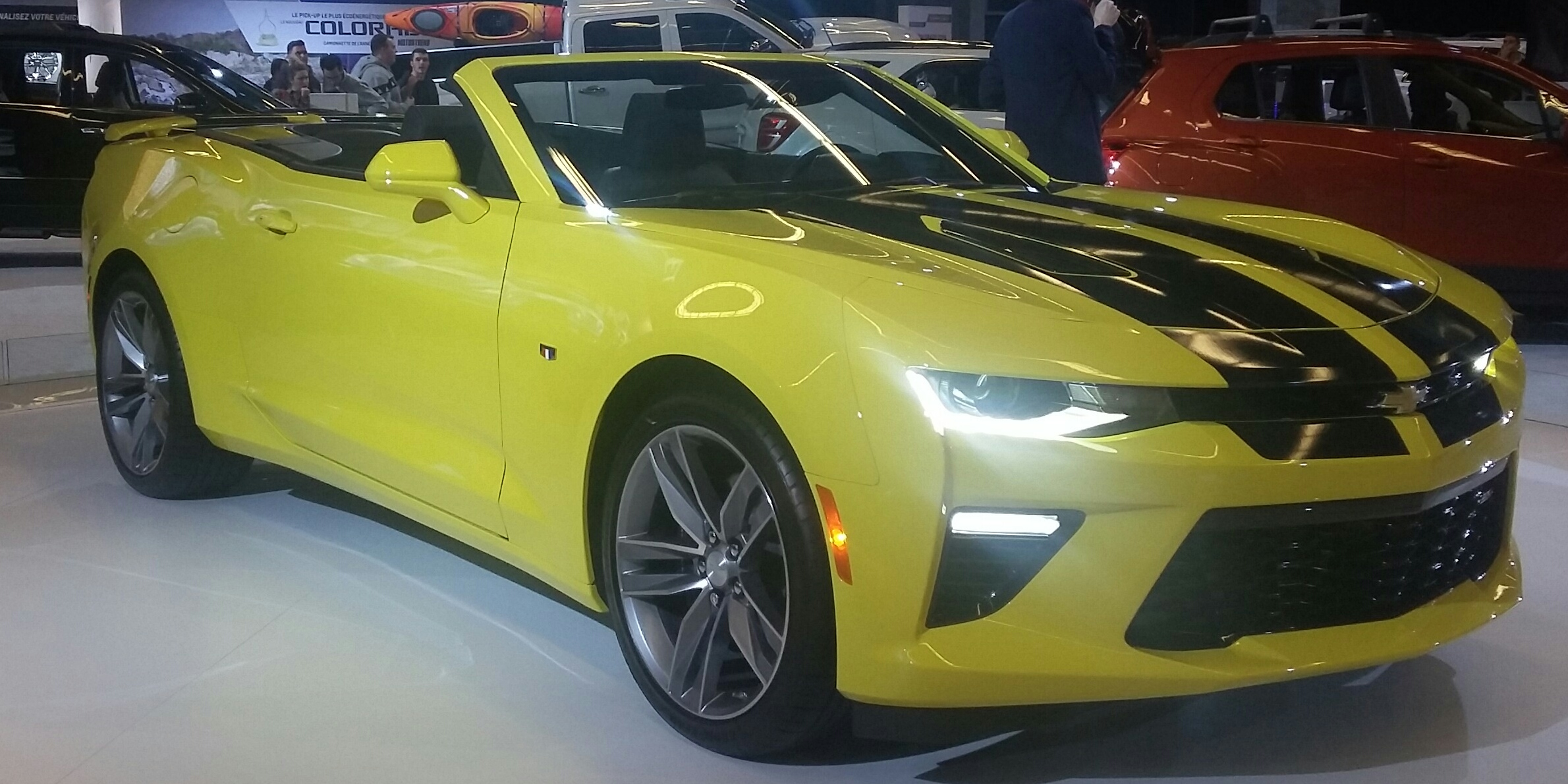
The Camaro is a sporty car made by Chevrolet, usually with a two-door body style. People talk about it because it’s built to feel quick and fun to drive. The speaker is basically saying they want one someday.
The Corvette is Chevrolet’s performance sports car. It’s made to be fast and handle well, and it’s generally seen as a step up from more basic sports cars. The speaker is mentioning it as a bigger, more serious upgrade.
Term
back seats
Back seats are the seats behind the driver. He’s saying having them makes a vehicle more useful for carrying people, while his fun car is more about just one person.
Term
grocery Gator
He’s jokingly calling it a “grocery hauler,” meaning a car you use for errands and carrying everyday items. He’s contrasting that with a fun car that isn’t meant to haul much.
LIVE
Hey, what's happening? How are you doing today? Thank you so much for being here. I truly
do mean that. Thank you so much. This is the world famous cool cars with Chris. And on
today's fantastic episode, well, it's story time with Chris. Some disasters have been
diverted. Yeah. We all go through some things. We have a car. Yeah. Mechanical problems, road
conditions, things like that. We're going to talk about those stories and what happened
to me on a journey heading through the snow at work. Many years ago. Oh my goodness. What
a total disaster that was. You'll hear about that on this episode. And today's special
episode is brought to you by my company, podcast, agonio. If you've been thinking about doing
a podcast and you're kind of wondering, well, how do I even record and how to listen or
even listen to the thing? All the technical like mumbo jumbo and where to start and what
to listen to and how to do all this stuff. It's overwhelming. I get it. But with podcastic
audio, I handle all of that for you. So all you have to do is just talk the easy part.
That's on you. The hard part. That's on me. If you want to get involved, there's a special
link below in the show notes of this very episode. Click that link, fill out a simple
survey to see how I best conserve you for your podcast. Space is limited. So we'll be
first come, first serve. And with that, let's roll.
All right. What's happened, everybody? How are you doing today? I got courage on the
podcast, the cool cars with Chris podcast, the world famous podcast. Hey, courage, you
know, this podcast is actually world famous.
I was, you know, curious about that originally when you, when you started using that term
and I know you liked me a little bit, but how many, how many countries are you seeing?
Last I checked, it was over 40, like in the low 40s, somewhere around there.
I don't call that world famous.
Actually it takes like two country. I think if you're new, if you're in another country
other than your own, I think you're famous, world famous. That's all it really takes.
But over 40 countries, it's kind of crazy. I think over 40 countries around the world
that actually listen to this right now, hello to you out there and whatever country you are
in right now. We appreciate you listening. You know, I'm sorry, this is not your language
or native tongue possibly to an English as we speak over here in America.
And we got all that Google translates and things that I've been weird though, weird though,
because I wonder like how it works with like slang terms and, you know, things of that
sort, how it figures it all out, but the most good thing we're not cursing and stuff is
right, right. It's like such, such bleep or whatever it says, or since like fills in
with curse word, curse word or whatever. But yeah, I mean, podcasting, it goes worldwide.
It's world famous. I'm not sure. I think YouTube does too. Although I haven't looked at my
analytics for YouTube in a while. So I don't even know like how that works. Or have you
looked at yours? Have you seen any like weird countries pop up or anything like that?
I do look at like, you know, the, the, the short analytics and sometimes on the long
form too. I've been relecated a lot to the U S and male heavily in terms of my demographics,
but every once in a while you get something like random. Like I'd get like, you know,
say one or 2% like Thailand or like, you know, South America or like, I don't know,
some like random, like, you know, random, random video that does something with a
certain demographic. So it's always interesting how that works, but nowhere near 40. It's
usually just like two, maybe three that I've seen and at least with my content.
Yeah. I think with you, I think it's a YouTube thing. Honestly. I mean, I don't know. Cause
I haven't, I haven't really gotten into the weeds of the YouTube analytics. It's a little more
complicated and a little above my pay grade. So I'd like to deal with the audio stuff, the podcast,
it's a little easier to figure out. So I kind of play with it, but over 40 something countries.
So maybe maybe 50 by the time this gets released, I don't even know, but get us to 50 guys.
Yeah. 50 or so a hundred. How many countries are there by the way?
Are we 150 or a hundred and something country? I don't even know.
Yeah. I don't put me on the spot. I don't even know. That's fine. It doesn't matter. It doesn't
even matter. You know, but we live here in the United States. That's what matters most. We're
here right now, Southern California and be that Southern California. You know, I think that
I can't even imagine what it'd be like owning a fun, like sports car or sports type car in
these cold, crazy climates like New York or Minnesota or places like that. I can't imagine
what that's like, you know, having to like swap out your tires with like summer tires or winter
tire or even just park your car in like a storage shed for the winter. That's, that's a lot of
people's method. Yeah. I've seen videos where people like will park or be saying like, you know,
putting her away for the winter and they're like, you know, putting the car in like a storage shed
or like a warehouse or some sort and they'll have like this, this, you know, tarp they put over
the car too. So let's harp it and they'll put it in the container or whatever, that kind of thing,
probably pull the battery of course and all kind of stuff. But here in Southern California, we
pretty much can run our cars, you know, aside from some rain, we can, you know, run our cars,
you know, all year round and also probably still use the same kind of tires for the most part. I
think I still use them. Yeah. I mean, you, you probably, you, unless you're really, really
dealing with some heavy rain, you know, which I mean, at that point it affects everybody. Like
it's, you know, even if you do, do have like all season tires, like you, you slow down a lot
when you get like really heavy rain. And so yeah, a lot of times the benefit of, you know,
changing out tires when you're in a rainy season, quote unquote, that has no, it's nowhere near
as important as yeah, like if you snow, if there's snow involved or like, you know, any potential
icing or anything, like you definitely need to have tires that are rated for chains or one of the,
have you ever put chains on tires before? I was, I was literally going to ask you that too. I,
there was the last year, I think we, we were going to go up to Idlewild right around that time where
it snowed and I had a, I went to Walmart to like buy some because they were like, there is a potential
that you might need chains. And though I was all excited, I think I'm, I don't remember if I actually
practiced or not put them on, but I did. I was all excited for that potential because I've never
used chains before and it ended up, you know, the day that we went up, like everything was
plowed. It was actually like a really, really nice day, but it had snowed enough over the last
like couple of days that all of the snow still stuck on the mountain. So I missed that opportunity
to install chains and I ended up actually just returning them to Walmart the day after.
They get a lot of returns for those things. I think you have to have them. CHP makes you show
them, I believe with some checkpoints as you get through, you have to show you have them,
but I don't think you have to put them on unless. And that was the main reason we got them. Cause
we were like, we knew that there was a potential that we wouldn't need them, need to actually
install them. But just, yeah, like if you, they, they do say that like you can get checked to see
if you have them. And if not, they, they'll turn you around and make you go home basically.
I have never put chains on either a semi truck or a car of any kind.
I've done all of my deliveries and all my driving. It's been right here in the San Diego area,
LA basin, that kind of stuff for the most part. We do have some snow. If you go out east towards
desert before it goes to the desert, it goes up that mountain pass and then drops back down.
And it does get over 4,000 feet, I think it does snow from time to time up there.
Have you ever been in the situation where you potentially might it like you,
you, you thought you might have to, but then end up not, not having to,
or have you always been a pretty good weather? It's Christian story time today, I guess. So
let me tell you. So at my work, I deliver gas. I work for a gasoline company. This is the company
I work for now is different, but it's the same company, I guess, but they changed ownership.
That's not the point. But the point is that like they sent us out. We used to do deliveries out
the desert. We don't do that anymore, but we had like a few handful of stations that were out in
the desert. We're talking like El Centro, what else is out there? Broly, Kalexico, there's probably
like, I think we had like seven or 10 stations kind of sprinkled out in that area we delivered to.
And so it was probably the week of New Year's Eve. So it was like in between Christmas and
New Year's Eve, like maybe the day before New Year's Eve. And so another driver and I,
like three of us went out that way. And I'm driving out there in the loaded truck, loaded
gas truck, and we're going through the mountain section. And the section of the road, if you
know that area before you kind of passed a scan, so, and you're kind of like into the hill section
right there, it started, first it was raining on the way up and then the rain started fluttering
into snow and started getting into snow. And the course, it just happened. So the entire road just
disappears. I can't see the road or anything. I'm just trying to go through it as soon as I can.
And then I got stuck in traffic, a traffic jam right before that casino that's out there. It's
called Golden Acorn Casino. And there's a slight hill incline that goes up to it. And I'm like
stuck in traffic, trying to just like, I put the differential lock on the truck to lock all the
differential, keep it locked, everything, almost like a four-wheel drive to kind of get me moving.
You can drive very fast in that mode, maybe like 20 miles an hour, which didn't matter because
everyone's going slow anyways. They're, you know, crashing and spitting out. Everybody is spitting
out and crashing into cars or to the bank or whatever. Big traffic jam. Once I got through that,
I had a call, I called my work, I called dispatch, said like, I don't know if I can make it back
because it snowed out. I'm loaded. I don't think it's safe to go back through that way.
The further down, the further I go towards the desert, the drier it's going to be great,
but I'm now I'm stuck in the desert. You know, I can't get back home. And so I very slowly made
it all the way. It was snowing all made it all the way down the mountain pass, all the way down
to the desert, which is dry. When you got the desert, it was like dry. It was fine. It was dry down
there. They might deliver, but there's a problem. The tanks are empty. It's very light. No traction,
no traction, snow on the roads. Like, I don't like have it safe to go back that way.
And so I called work and they said, there's another driver out there at another station
to meet up with him. He knows another way to go home. He's in, we guys are in a caravan together
to get back there. And the way home was to go all the way through Palm Springs, through Coachella,
and back out through Colton and back down that way.
It was that like, so you got up like the 10, 10, I think it was, but it was dry.
It was like no snow, but you can see the snow on the hill and stuff. It took so
freaking long to get home. We actually had to get fuel in Colton to make it back
because your tanks were like quarter tank or less. I could reach Colton and then
get home. But I think I got home that night, like six in the morning or whatever. Wow. Something
like that. Yeah. I think made it to the yard like six in the morning. What would the drive have been
if you stayed and none of that happened and you just went back.
Yeah. Okay. Usually when you go out of the desert and back, it takes, it takes forever going out
because you're pulling those big hills loaded. The truck like is dying to be killed off. It's so like
you're using every ounce of power just to make that hill happen. And so you're doing that and the,
so they're becoming back empty when it's dry to breathe, fly your flying through the mountain
in a big deal. And so maybe six hours, I would say a six hour turnaround, I would say for, for,
for something like that. Go out there, you load it, go out there, deliver, come back,
maybe stop for a break, stop to get some drink, whatever. It's about like three ish, three ish,
maybe three. Yeah. Both will be on one way. Yeah. Yeah. Something like that. So how, if you were to
like take a guess at how long it took you guys to do that roundabout way to get back.
That was either my first, is my first load or a second load. I did that day. I'm going to try to
remember. So probably, I think I left there at like, like left loaded heading out, probably
maybe around six o'clock, you know, maybe six or seven. And then, yes. Yeah. PM. And then, yeah,
it put 12 hours. I think about, yeah, I was going to say shoot this thing up or something like
that's a crazy amount, whatever it was, but that's crazy. Yeah. That was, that was a crazy time
running all around the world. But yeah, I don't drive in snow and very girly. And I guess the rule
is with our company, I see the rules change all the time, but it was supposed to be like,
if it's snowing, you turn around and go come back kind of thing. But I was already like,
I felt like it was at the point of no return where I kind of was already, already, you know,
so what do you do kind of thing? I was kind of stuck in traffic. I was crashing around me and
stuff, but, but they just know it so they didn't get any plows out yet or that kind of stuff yet
out yet. It just, just happened kind of deal, you know? Listen, I'm from Southern California.
You know, I'm from, from, you know, down here where the weather's nice. We don't get any kind
of snow stuff in the city. So I'm so not really used to driving in the snow, but I know people
do it all the time. They drive all the time in the snow. So, but that being said, like I've got my,
my Z sports car. I drove it today. today twice today. I drove it today.
I was trying to check out the clutch today. See if you had the clutch, any issues with the clutch?
Listen to this car because I bought it used and the car facts didn't really tell me much.
I'd said like a couple of chiefly loops here and there and a couple alignments here and there.
There was nothing major on any of the car facts because there's like major, like no clutch
in replace. No, like it doesn't show anything, but there has been stuff done to the car. We
know there's been stuff done to the car. We know it's got coil overs. We know it's got bigger brakes
in an upgrade. We know it's got the slaughter rotors. We know, you know, it's got an intake.
We know it's got, we know it's got stuff, but it's not really reported.
The question I have is, has any of the important stuff been done? Like the clutch, you know,
transmission fluid, right? Like I have no idea. Like, I mean, I like to do it like the oil,
I topped the oil, I did the oil change and, and topped off the, you know, brake fluid for the,
for the clutch and things like that. And do what I could do. I can do what I can, you know,
but going to work one, I was going to say going to work one day, I was taking the car to work,
nice sunny day, whatever. I'm driving to work, cruising, you know, do my thing, you know,
and I'm shifting through the gears. I'm doing my thing. And I noticed as I shifted, you downshift
and upshift, I forget the radio like kind of went out and kind of reset. I was like, well,
that's odd, but maybe it's a glitch. Maybe it's just, you know, it's an aftermarket radio. Maybe
it's a glitch, whatever. And then I noticed that I got the check engine lights pop up on the dash.
And they were, one said ABS, another one said like traction control or something popped up,
but they both went on at the same time as I shifted. And they kind of went away as I like
shifted again or something. It was kind of weird. Like that's weird. And I did it like,
like each shift, like Lex, like three shifts I did, kind of like a tight turn. I was like,
interesting. Here's what I'm going to do. I'm going to, before this car like dies on me or
whatever, because I was afraid things would stop and traffic or die on me. That's like the worst
feeling ever is have your car like really die on you in the middle of like traffic and there's no
place to pull over. That's my nightmare. I have nightmares about that, you know, like that happening.
And so I knew a spot where I can pull over. It's like, get off to my where I work is that
there's a sort of like off ramp that kind of goes off the freeway, but it kind of curves
around this bend. And as it curves around this bend, there's a space to put like three cars
kind of spot. So okay, I would pull over there. That pulled over there before for stuff. So I'm
pull over there. And I was like, well, that's weird. I mean, just maybe reset the car and see if
like maybe it's a glitch or something, you know, sometimes on the other, on the work trucks, if
you like shut it down, reset it, like has glitches like that do some times, it like clears it out
and starts working again. So that's why theory was like any electronic, you think like, you know,
just reboot it. The computer's not working right. Just turn it off, turn it back on. Okay, great.
I do that. And the car never turns back on. It starts. Did you get the click, the click?
No, I wasn't even getting that. I was getting like, it was trying to turn on its push button.
It was trying to start, but like it go from the auxiliary mode to trying to start and then like
nothing, just die. And like, not even nothing. And then, and then for a while it wasn't even doing
that. And like, that's so weird. I'm like, what is going on with this thing? And so, you know,
I had to call for help of course. And I'm actually called work told him I was going to make it today.
I was like, well, guess what guys, I'm going to make it into day because I don't have the cars
dead. And I'm kind of like stranded here. So I'm literally a mile from work, but
you know, I got bigger problems right now. So let me figure this thing out. So,
but so I had a tow truck come by, by the way, took forever. It took literally for freaking
ever. The guy got lost. I tried explaining where my position was. And I think they even know like
via GPS or whatever they can figure it out. But he got so lost. I took him like literally three
hours to show up. I thought I would take no way. Oh yeah. Oh yeah. Like three hours.
And you're not, it's not like you're like in the middle of nowhere. You're like,
in San Diego, in San Diego. Yeah. Yeah. So, but I think because you're, because you're on like
an off ramp. I explained him which off ramp it was at. It was in a spot of the freeway,
the freeway kind of divides. And you know, we're like sometimes you go on the wrong off ramp.
And I didn't know what, the name of the off ramp because every off ramp has got
like a number attached to it. And I didn't know that number. And like, what number is it? I don't
know. You know, I just told him what off ramp. I explained why it was that, but
it finally shows up. He gets his little battery jumper out, jumps the car. The car did turn on.
And then, okay, great. But I did notice that the volts was like dancing. The voltage was dancing.
And then as I gave it some throttle, the volts would like, you know, you know, go up or whatever
and then dance around a little bit. But I wasn't showing any codes on the car. No like check engine
lines, nothing like that. He says it's probably a alternator or something or whatever.
And I'm like, okay, great. Well, the original plan was the insurance company told me how this
guy show up. They'll tow it to the closest like repair shop, whatever. They gave me a list of
repair shops. Hey, fine. Well, I want to find-
Oh, so you didn't drive after he jumped. You weren't driving.
No, I thought I thought about it, but I'm like, you know what? This guy's already here.
He's already got the truck. It's already kind of like already paid for, you know.
I just hooked this bad boy up and take it to, to this, actually took it to a pet voice.
Because that was, that was the, when the, when the insurance company gave me a
list of shops to take it to, I just picked the first one on the list. It was pet boys.
I said, if it's alternator battery, they probably fixed it there, you know.
And then the tow truck guys argued with me. He said, no, take it to the other shop. No,
don't take it there. Take it to another shop. Say what you can about pet boys, good, bad, whatever.
But they're too expensive to whatever. I said right now the money isn't the issue.
The money is the fact that like it's getting late in the day. You're three hours late and
places are closed right now. So I got to take it somewhere else.
I don't have very many options right now. Right. So that's, that's got my thinking is like,
Oh, you see, just go down this road here. You'll find a shop. No, I don't want to just
find a shop. And then what, if it is a battery and the guy's like, why can't he fix that? I don't
have a battery in my shop. Yeah. Well, no, duh. Yeah. Why don't I take it to a place that has
the stuff I need. So I said, no, tow it to the place. We'll take it to the pet boys. They
suggested we'll take it there. The insurance already planning ticket there. You're supposed to
be nice to the guys already. You're not in a position to be giving me advice right now.
Right. Right. So I'm being totally cool. The guy, you know, like, okay, fine. Take it there.
You know, take it to the place you want to take it to, to the pet boys. And by the way,
my car has got an aftermarket tow hook on the front of it. And the guy said, Hey,
does this work? I said, let's find out. And so he hooked up to it and I was in the car and
make sure it didn't like, you know, roll back or whatever kind of thing. And it towed right up.
It pulled right fine. It didn't, you know, nothing hooked up. It worked. And then we
locked it on there. It literally had the thing strapped down in a matter of like
like one minute. It was so fast getting the thing up there.
Yeah. Versus when you had to like, when they had to hook up from underneath the car, like that,
that takes forever to get like, yeah, I never, but I know what I had my other car. I had it towed.
I think it kind of took a while. He had to put like special blocks on the thing because it was
so low. This car feels lower than the other car. But anyways, he got on there. No problem.
And they towed it over there. And I think he like just dropped it. Like he dropped it. I was inside
like dealing with the people inside the shop. And I hear was like, bang, bang, clink. I heard
the car roll back. Like, what do these do? They just like drop it off. Like, just let it go.
Were you able to rate this guy? Cause I didn't want to do it. I didn't want to,
I think I did with the insurance company. I think they did ask me like on their app,
they asked me like, rate your service kind of thing or whatever. Cause it was all around just
like that. That creates it. You're like, right. He's arguing with where to take it. You want to
take it there. And then like, you know, almost dropped my car off the truck. You know, it was
like bang, bang him out of here, you know, kind of thing. I thought it signed something before
I knew it. The guy was already gone. Okay. Whatever. So I, I talked to a lot of pep boys and
said, Hey, listen, it's electrical issue check. They have a, they would, I guess they would
check it all, not just the battery, but they check everything electronically in the car. And
they said it's just a battery. I said, great. Cause I thought I was the alternator and who
knows what, whatever. Cause that was what, I remember we were talking, talking back and
forth. And, and because my mind went straight to the alternator, just cause usually like
somebody told me in the past that, you know, if the car dies, like while you're driving
a lot of times, it's usually the alternator versus do that. I shut it off. So that's the
point. Yeah. I shut off because I didn't know what this car was going to do. I throw in codes
at me and throw in lights at me like a Christmas tree. And I'm like, I don't know what's going
to happen next. You know, and I'm like, I had it, had I got to work and turned it off.
I'd have to have the same problem at three in the morning. You know, I'm saying the fine
lines that, you know, three in the morning, having to deal with like, that would I take
it to, you know, now what do I do? What kind of thing? Who would I call now to pick me
up at three in the morning and take me home and get, you know, look, they have another
car or whatever. But you know, so, so they, they fixed the, the fixed the battery, but
they said they had to keep it overnight because it was close to closing time. Thank God, by
the way, this guy like took it to the right place because if he took it, his mother shop,
it all would have been closed. It was like, that boy stays open later, but not like forever
late in the, but they are later than your average, like Joe's auto shop.
What time did you guys get there? It was before closing, not just before closing, but probably
what time was it at? Maybe I think they closed it six or seven.
I forget. It was maybe any shop, any shop that you would have went to that you would
even if the like, somebody was still there, they would have been like, I have not licking
at this thing until tomorrow. Right. Right. Then you're kind of like, now what do you do?
Kind of deal. And so yeah, I took it there. It was a battery left it there. I had to go
pick up the next day. My dad took me back over there in the next day to pick the car up.
And it was just a battery. They said, but they did say I needed new front tires on the car.
And I was like, do you want to change? I'm like, no, I'll look at them later.
Just do the, just do the battery. It's like when you do your oil change and they say you need
all these other things. You're like, no, no, no, no. Just put that dirty air filter right back
and I will, let's do the oil change right now. What about that later kind of thing?
It was kind of like one of those moves. I was like, I'm just focusing on the battery.
I'll work with the tires later. And sure enough, later I went to go check the tire that kind of
looked at them. They're so, the car's so low to the ground. It's kind of really tell.
I'm kind of looking at them like, yeah, they are kind of worn. Let me take it over to discount
tire. Cause I've gotten many, many of tires at discount tire, probably like three or four
sets of tires now at this point. And so I went over there with my car. I had that guy look at
him and he says, yeah, those front tires are worn. And I said, Oh man, you know,
I mean, did they replace right now? He says, yeah, well, you know, you probably should,
at least the front ones, back ones are fine. The front ones, you know, and the,
that's actually interesting. Cause a lot of times, especially with rear wheel drive cars,
it's the, it's the rear tires that in, but not if they've been changed already, like in sets.
Because the backs don't match the front. They're different. They're different brands.
I mean, it tells me, he says the thing, the car facts and tell me this stuff. So I'm going to
like figure these little breadcrumbs of clues trying to figure out what's going on in this car
here, that the back tires were changed at some point and the front tires are changed at different
point because the front tires were out for first, they must have, may be at one
point, all four tires were the same, like same, but the guy might have bought different back tires
because they wore out faster maybe. And so are they, were they different? Are they different
brands though as well? Yes. Yes. I knew they're different brands. Like nobody buys, nobody buys
two different brands and you buy, if everybody all four tires, you buy all four of the same tire.
And so that's what I thought. So the,
that usually tells a lot about the previous owner to be totally honest.
Well, the tires are offset. So they're different sizes. So you can't rotate them. You can't like
a normal car, you can rotate your tires around, you know, you can't do that online. And so I asked
the guy that the, at the discount tire, I said, well, what are you supposed to do? He says,
just leave them, just check them, leave them, not much you can do. You might be able to go side to
side, but if they're directional, no, you can't do that. Yeah. So they're going to be a weird.
So he said, just keep an eye on them or whatever and that kind of stuff. So I said, well,
do you have tires that fit? What tires do you have? Do you have them available in the store?
And they do. Cause they're like, yeah, we got those right now. We got those here.
I said, great, because the last time I changed tires on my other Z, it was like a week to order
them and then they had to make an appointment and all this stuff. But this guy said he had
it done in an hour, literally an hour. Right. I'm going to check in an hour later. Done.
Two brand new tires on the front of the car, done. And so I did that. So the back ones are fine,
you know, but they really went that much. I mean, they were, were a lot,
but they were like that much. They weren't like, you know, a ton of money. But so I got the battery
and two brand new tires in the car and she's running good. Although I have noticed, I'm
starting to notice this now, the clutch starts to let out towards the top. And if I just,
just don't start noticing it or it's always done that kind of thing. But so I'm kind of thinking
like maybe I'm going to need to like, that's, that's worse than Moses getting a clutch for this car.
And I'm like, oh my gosh, you know, but it's, I keep checking the reservoir for the clutch fluid.
It's not low. It's not leaking. Nothing like that would be the first thing that you would see. Like
if things are dropping, the, the, the slave cylinder would start leaking and you would see
something to kind of sign. That would be the first place you'd see it would be out of there.
And the clutch doesn't feel like tough or spongy or doesn't feel nothing out of place,
really. I just know it just seems like it's letting out towards the top. But what is yours
let out by the way in your car? It's, it is towards the top, but it's, it's like a weird,
it's, it's not very linear. I think we talked about this before where like there's a lot of like
nothing going on like up until a certain point. And then your grab point is like somewhere kind of
like above medium or above halfway or so is when you know that it's engaged.
So it's not, it's not all the way at the top, I guess, if that makes sense. Like it's
you're, you're kind of halfway up by the time you start to know that like things are engaged. When
you're, when you're below that, like you're really, yeah, like I said, it's just like kind of a lot
of nothing. Like it's, well, I know I got my clutch done in my car the first time I drove it,
it was towards the bottom. I think I remember, I think the clutch again, it was really towards
the bottom of the floor. Yeah. But I'm wondering, I'm wondering if there's just like some, like
potential adjustment because I, I remember with the, with my 300ZX, there was a point where,
and I don't know if it's after, because I did actually have a slave, my slave cylinder go out on
that too, which I guess is somewhat a common thing of like other, yeah, other Nissan Curse. And,
and I, after you told me that I, it took me a while to even remember the situation of,
yeah, just being like, just driving regularly and just literally having your clutch go straight
down to the floor. And I was like, luckily I was literally around the corner from my house
that I lived out, like it was in Central San Diego at the time. And I had, I did actually have to
sort of run a red light a little bit. It was a yellow light as I was coming up to it, but I
definitely like was, it would turn red by the time I had gotten into the intersection. But it was the
only way that I wasn't going to just end up stalling out, coming, coming right to that turn
to come into my house. But I was in, I was in like fourth gear. And so like the car is like,
just like slugging, like, you know, trying not to like have it stall out. But I just kind of had
to coast my way through. And once I had it redone, once I had the new slave cylinder installed,
there was a point where like the clutch started to like, it was, it would fully let out before the
clutch was all the way up. And there was something that they, that they ended up doing that adjusted
the pedal so that it actually worked the way that it was supposed to. Because there was a,
there was a certain point after we like fixed it, where I would almost have to like put my foot
underneath the clutch and bring it all the way back. Because it would like, because basically
fully like let out wasn't all the way, you know, it wasn't traveling all the way up. And I can't
remember it's been so long since I had to do that. But, but I seem to remember that there was like,
you know, some procedure of like adjusting the, just where like the, the clutch kind of like
alleviates kind of up and down to get it to like, you know, kind of do what it's supposed to.
That was the first line that my other clutch went out was that I put it to the floor and it
wouldn't come back up. I put my foot behind it and like pull it back up my toe. And I did it again
and it got stuck on the floor again. Well, it's getting stuck on the floor. It's weird. That's,
that's what happened. I realized, oh, there's no, there's no gear, there's nothing here. And so
that's happened to me, but, but no. So I did do some, you know, googling some research on the,
on how to test out if C for clutch is slipping or not. And so the test that I found, I did this
tonight or this afternoon is that you put your car in third gear, probably second, third,
somewhere around the third it says, says, is that you run at 2500 RPM or so and then you floor it
and see if the RPMs jump before you move. And if you, if you notice the RPMs climb before you
start moving, the clutch is slipping. And buying, I did it tonight and I didn't notice anything. I
was going, I did a bunch of variations of the test, the freeway did the same kind of thing.
And it seems like when you gun it, it goes like it, it's to go. Oh, I get it. So you're, you're,
you're fully, you're in third gear, you're at like 2000, whatever, 2500 RPM, but you're off the
clutch completely. And then you, and then you floor it. Yes. Yeah. Okay. Cause I can see that.
Cause like, yeah, if you, if you do that and you see like, you know, your RPM go up, but,
but you're not acting, you don't feel like any acceleration. That's like a delay or a lag kind
of thing where it lags and catches up, the clutch would be slipping. And I didn't notice,
I did a variations of those tests and I didn't notice anything tonight happening where, where it
wasn't, um, you know, slipping or anything. It went, when the RPMs went, the car moved
all whole time. And I checked it and stuff. And I'm like, let me try on the freeway. And I tried
it in four or two, same thing. And that's an interesting test. Cause I, I, I've heard another
test where it was like, just have it, if you put the car, like if you're at a stop sign or you're
like in a safe spot and you put the car in like a really, like a high gear, like, you know, fifth
or even sixth gear and you slowly let out the clutch and no, like if it, say the car is already
running and then you, you, you know, obviously clutch in, you put, you put it into like a really
high gear either fifth or sixth and you slowly let it out. If it does it, if you don't stall out
in a high gear like that, as you, as you lift off, or if it takes a really, really long time for the
car to start to stall out, then that could, that, that was another test that back in the day where
when they were like, when you're buying a manual car, like do this and like that might be a quick
sign of whether this car needs a clutch or not. But it was something about like the ratio of like
a higher gear that if, you know, if you'd slowly let out the clutch and the car isn't reacting to
that properly, that that's also a sign of like you probably got some clutch slippage at some point.
But I'd never heard that one that you just mentioned, which is like probably a better
way to test it. It's more fun way. Yeah. Yeah. It's a more fun way to test it. For sure.
And see, but just to see if it like, you know, holds, if it doesn't slip or whatever, kind of
think like, I guess it, I guess it's like a transmission thing. You know, if you transmission
slipping, it was, you know, the RPMs are going, but you're not really moving. That's kind of a
sign your transmission might be slipping or whatever. And I guess the clutch is no different
than any of the transmission. And so if you're in a gear third, for example, and you're trying to
go and it's not really going, but you heard the RPMs are going, that could be a sign, you know,
the clutch could be doing. But I said, I had no problem so far. It seems to be working great,
although I didn't like driving the rain today. I had to figure out where all the knobs were for
like the, you know, driving, you know, I, this car, I really don't want to drive in the rain,
unless I don't have to, you know, I got the truck for that. And so try and figure, well,
where are the wipers at? Like wiper blades, where are you on this thing? You know, like,
where are the sensors? Where are this kind of stuff? Like testing out if your wipers actually
are like still good and not like, they were, they were, you know, they work or whatever. Of course,
I hadn't drive in a downpour, but, but one thing I did was lucky you cause I did. Well, dude,
there was traffic coming home. There was a big accident and it was so bad that the freeway was
like, you know, so bad we like pretty much parked in the freeway kind of bad. And I didn't notice
because it's stalling out in the clutch is that I put it in first gear and it'll like just go
almost to like one mile an hour. If I just let it just cruise in first without stalling, because
like usually in a stick, if you get too low, it'll, it'll like start to do that jumpy jump
and like, but it does stall on you. You know what the clutch in? Oh, oh, you can pretty much be
at like almost stopped, like almost, I don't know if it was just because the gearing or just
because I don't know, but it was made to clutch clutch thing. I don't know, but it was cruising.
I was in traffic. I'm like, I'm not tired of pushing the clutch back and forth. I'm just going
to like let this thing go almost as if I was in an automatic just like cruising. But I, I mean,
I obviously wasn't touching the brake pedal because I know if I did, that would bring me to a stop.
But if I did, then it definitely would stall. But I was just, just basically not really giving it gas
and just letting it move by itself. And you ever get those people that are like behind you when
you're trying because I do, I do that every once in a while. And like, because you obviously kind
of give your, give yourself a little bit more of a gap in between the cars so that like you can
adjust to it, like without having to use the brake. Like you said, do you get a lot of like the
people that just don't understand that concept and want to be like right on your bumper? Basically,
when you give like even like the slightest bit more gap than like, you know, then they're expecting,
do you get a lot of that? But it's behind you. You mean like, yeah, like, yeah, well,
it's nothing you do. People behind you or something you do about that. They're gonna,
you know, only you can control is a space right in front of you. That's the only thing you can
control. So give yourself enough space. And what sucks for me is that being that in a stick shift
with a clutch, it could be questionable on a hill, I got a light and there's a car around my
bumper kind of thing, you know, and I'm like, I gotta, this thing's going to roll back, you know,
like I try to, you know, kind of thing. And it happened to me today, but I didn't hit the guy,
but like I was on a hill at a light, you know, do my little test drive today and it was spot
where it was like a light and a little bit of a hill. And the guy behind me and I was like,
okay, I gotta, but I did kind of like creep up ahead of the light. Give myself the space because
he was like right next to me too. Did my best, give him some gas, enough gas to get it moving up,
you know, the space, you know, kind of telling like, kind of give him some clues that I'm in
a stick shift, you know, without like, you don't let the window, I'm in a stick shift
or hitting the guy. But if people don't know what a stick shift is or how they work drive,
speaking of stick shifts today, I kid you not, I was looking on an auto trader today
to find the cheapest stick shift in town, to buy, to have my son learn how to drive it.
Huh. Interesting. Because like, I mean, you can, and the cheapest one I found,
I think it was a Hyundai. The accent was like, still they want like five grand for these things.
I did find a Ford Fiesta and it was like 3,500 bucks. I think about the cheapest one I saw.
Stick shift. So I'm thinking like, there's got to be like a, a beater car, like a stick
shift beater car around town that you can like pick up for like, I'm hoping like a thousand
bucks or less that you can like pick up and just teach someone to drive a stick shift on. Because
you don't need to like, they don't, it doesn't need like an all-purpose car or a sports car or
anything like that. It has to be something that's a learn to concept. That's just crazy to how,
how expensive things are. Like if you, that, that accent you said was what, five grand?
I think five or six grand, but I figure what year it was. It was like either 2012, 2013, something
like that. I guess, I guess I can see that. I mean, I, I bought my 300 ZX for $2,500.
I don't know how you pulled that off, dude. You must have sold it for a fortune.
I sold it for five. That fortune right there. But I did buy, but I put basically $2,500 if not
for my car too. So like my other one, I put a ton of money into it too. And I sold it for,
I probably took a loss in it. If you look at everything added all up, I took, I've definitely
took a loss on the car for what I paid for the dealership ripping off too. What a ripoff, man.
It's why I bought the new one. I think my neck crap, you know, I, I got suckered into everything,
but I bought the car because it was used, you know, I was like, wait, it's used, you know,
I got suckered at every single thing that in the kitchen sink, I threw on that freaking bill,
but I bought the car the first time. And this time they tried doing that same crap. I said, no,
no, I'll just, I'll just, you know, get it fixed or pay for it fixed or whatever.
But his warranties don't cover everything. You think they do. They try to
sell you that crap. And then, and then you take it in for a warranty work. Oh, we don't cover that.
What do you mean cover that? See the fine print right there? We don't cover that and that little
bolt there. We don't cover the bolt, by the way, you know, or, oh, yeah. That part of it is like
not covered. So the rest of this is not covered either. Or the big one, especially the modified
car. Oh, he got a modified car. Yeah, those, those wheels aren't stock. We can't touch those.
Oh, that exhaust is in stock. We can't touch that. This is the one reason why I've, you know,
again, not going wood, but you know, I have not taken my car into the dealer for even like,
even an oil change. And that's, that's because of that, that whole thing with the, I talked about
a while ago where I had the, because I have the vinyl, the vinyl overlays over my headlights.
I went to the dealer asking him about some condensation I was noticing on like one of
my left headlights and they took the car and they were like, oh, yeah, we'll take a look at it.
And I come back and guy at the counter, serious as all day is, you know, oh, we, we took a look
at your headlight. And unfortunately, because of the modification over the, over the headlight,
we weren't able to dig much deeper into it. And you basically have to come back and take the
vinyl strip off before us to look at anything else related to that. And that small little
decision for them to do that is kind of made me realize that anything else is fair game for them
to, to write me off with that. And I don't have anybody that I used to have a guy that I knew
that was actually a technician there that, you know, I could, he had a modified Veloster in.
So I was like, Oh, well, you know, he'll take care of me. He knows the deal. Like he doesn't
work there anymore. So I'm not going to play that game if I don't have to. Right. It's a dealership
deal. I mean, if it's not, if it wasn't put on there by the manufacturer or the dealership themselves,
they're like not touching it, you know? And so if you modify a car, that's why I knew with this car
that the new Z having it being modified just to a level, to a degree from those part. And,
and I haven't, I haven't dealt with the other car and all the issues and pain for out of pocket
myself anyways, like the clutch out of pocket, everything I pay for is out of pocket. Well,
I guess off to do that again, if these things come up, knock on wood, I don't know, but I'll cross
that bridge. I guess when I come to it, you know, I'm not going to spend, spend all this
extra money on a warranty. It may not even use, you know? So I was like, no, I'm good there. Just,
just give me the car and the tax registration and that's it out the door. Done. You know,
and I'll worry about the same thing. You know, I did the same thing with my truck.
Well, I bought my truck. I tried to sell me extra crap too, but I was like, no,
the Ford, it's a brand new Ford truck from Ford. They give you five year, 60,000 mile
powertrain warranty included on every vehicle, including this one. And they give you a 30,
where is it? Three year, no, 36 months, 36 months, or whatever is the bumper to bumper
they give you? Yeah, the three year 30. Yeah. Whatever it is, they get for free. I'm like,
the, but he's trying to sell me, he's starting something beyond that. He's trying to sell me
like the next like 100,000 or 50,000 beyond that for like 5, 10 grand more. I'm like, no, no, no,
you know? Oh, you can take, it's a cover services cover. They try upselling you,
try selling the crap out of it. You know, and I'm like, you know what? If something happens,
it happens, but, you know, I'm not going to pay for it. It's basically you're almost paying for
the damage to happen in advance. You know, you're paying, you're paying for the $5,000
worth of damage today, the day you buy the car. You know, it's what you're really doing. And,
and so, but I'll just save my money and then hopefully pay the vehicle off. And then, and then
if I have to, you know, replace something major, I'll, you know, pay for it then, I guess.
So, but I know a lot of people are in that situation. They, you know, because, you know,
I mean, every dollar counts and I get that and understand, you know, that's why I don't want to,
it's almost like gambling. You know, it's like, I mean, everything's gonna be gambler really. The car
can break. It may break, may not break. I don't know, you know, but I think take good care of it.
You know, maintain it. What, you know, well, change the oil, you know, do basic maintenance.
You start to minimize some of these things. I mean, you know, maybe the battery, the batteries,
maybe the small way, but, you know, on the battery, by the way, I had that car checked out,
there was no mention of the battery in the report at all. So I wouldn't have even checked it. He
might not even checked it. I thought he would, but maybe he didn't check it. I don't know. If you
figured it started, well, it starts the battery, but you're working. I don't know. But he did run
the code sensor to it. I mean, to the car, he said there's no codes or anything. So that was good.
But the, the battery, I mean, you know, batteries go out every three years or so. I don't know.
My truck battery went out, did very similar things, start throwing codes and start throwing stuff on
the dash. And I was like, what is all this weird stuff? Battery is battery. You're just surprised
that battery does a lot. It controls everything. And it happens with that the sensors and different
gizmos in the car require certain voltage. If they're not getting it, they start throwing codes.
Well, that's, that's always kind of the interesting thing of like what, what systems are kind of like,
you almost kind of start to see like what systems are prioritized over others when,
when that battery starts to deplete. Because yeah, like you said, you were,
you're getting warning lights and things for like stuff that like, why would this
warning light be coming on right now? And that's not like, you know, when, when my Z when I, when I
actually did have the alternator go bad. And, and, you know, I remember like my dome lights,
they started to like kind of pulse a bit and they would, and like after a while, it was like all
of my lights, like every, every light that was illuminated, you get to kind of tell that it
started to pulse. And then from there, like I started to get like little random, like, you know,
lights would come on and they would go off. And it's, it is interesting because like that
electrical system, the battery alternators, like controlling the nervous system of the car. And it's
like, you know, as you deplete it more and more, like, you know, the car is like prioritizing,
like it's most important, you know, kind of, you know, sensors and things until the point where
it just can't do it anymore. And then yeah, I've had a situation where I literally just like,
you saw like everything just kind of die out to the point where okay, there's like no juice left.
So it's interesting, you know, that's why I was afraid, like when I was going to work that one
day that I don't want this thing to like, just die on me in the middle of the freeway, you know,
in the fast lane, what do I do then, you know? And so that's why I thought if I get to a safe space
and there was a safe space around the corner and get there, park it, and I could check it out and
take a look, you know, and just see, you know, what's, what I'm dealing with. And like a safer,
safer spot where I'm not like in the middle of the lane of travel kind of thing. And that's kind
of what I did and things wouldn't turn back on. But I mean, you know, think I was just a battery,
got that fixed and we were up and running, running, the car's running strong, you know,
it's running good. Had the intake changed out, I got the new filter on there too.
And so I do notice a little more sound now coming from that. Maybe, you know,
it could just be my head thinking that I just changed the filter out. Maybe I'm
think I'm hearing it, you know? Did you post, did you post somebody on your Instagram or something
or somebody did? I feel like of like, when you go out to, to test out, it's like, it was a clip
from a movie or whatever. Oh, the first one where it's like, I think it just changed out of an air
filter. Sorry. It was a air freshener. It was a air freshener. Yeah. Yeah. I just, you know,
going, going all, all out of, you know, I mean, that's kind of what I was doing with the intake
because the intake literally is like a performance part, you know, and, and having a new filter.
I've washed the old filter, but I cannot get it as clean as a new one. I've washed it in soap,
bucket water, all that stuff. And I cannot, I cannot get it as clean as a brand new one.
The brand new one looks like kind of a white kind of like cotton material.
And the old one, even after cleaning, it still looks like it was like out there in the mud
or whatever, you know, and I'm doing my best to clean it up. So I have got, I got the old one
in the backup. I'm thinking what I'm going to do now. It's just buy a new one. They're easy to ship.
They shipped in like less than a week. I mean, they're not cheap. I get that, but they don't
last like 20, 20,000 miles. So they'll last me like three or four years, you know,
they'll last you like 23 or four years. It'll last me a weekend.
50,000 miles in two and a half years, 45,000 miles in two and a half years. But
yeah, we rack up miles differently for sure. Well, if you had another car you're using all the time,
like, you know, if you only took that car out to like cars and coffees and like,
you know, maybe like a fun event here and there, like didn't use it as much as a daily driver,
you probably keep it really low. That's the thing, but I'm driving it more. I'm driving more
because it's just, it's fun to drive. I mean, it's a fun car. I mean, I, you know, I can't
get enough of it. You know, I'm driving the thing, although suspension is a little harsh. I'll give
it that. But other than that, it just feels like a fun car. I love the way it sounds. I love the way
it sounds, the power, you know, the rush. This, it does have little burbles too. When you let go
of the throttle, it does burble. Your car does the burble. I noticed the pops too, but, but this
one does, doesn't quite do the pops, but does, I noticed it does the burbles. You get a, you get
a little of that. Yeah. When you let go of the throttle, or at least you downshift, it rolls.
You go for like third to second, you know, and don't like kind of try to rev match or kind of
just like put it in gear and let it out. It does, it does come out and it does the burble,
for sure. It's much noticeable. I noticed, which is kind of cool hot car, you know,
it could be the, because the exhaust and everything I've done and I'm digging it. You know, I'm,
I'm afraid I want to, I want to see if I can test to see how loud the car is. Like do an actual,
like meter test on the car to see if it's like, because I think the cops, yeah, I think it's 96
decibels. They give you a ticket or something like that. There's a range and there's an app.
I have my phone. I still have it. I don't have to look, but it's a decibel meter test where you
can check to see what the, it's not as accurate as theirs, but it's better than nothing. And then
I can kind of get an idea of how loud it really is. I think I checked my other car. I was worried
to the same thing too. I was worried about other car. It was going to be too loud. And so I think
I pulled it up and I, I checked it or whatever and saw to see what it, what it was. Yeah. And I
got a, I, uh, yeah, I would be curious cause I, I know we've talked about this before, but we had
that, they had that one guy like with the, a lot, and specifically that like you got pulled over and
quote unquote got, you know, a state ref for like his stock exhaust because it was, it was like,
that was like the popular story like a couple of years ago with these. And so every once in a while
you get somebody, oh dude, have you gotten state ref yet? It's like, no, I haven't, I haven't gotten
state ref yet, but my, my method with that is just, dude, I got the two modes. Like, you know,
it's that's, that's the one blessing that I like with just having an active exhaust and, you know,
obviously to do it with the, to add that to a car that doesn't already have it is a little bit more
leg work. I did have like one of those valvetronic exhausts on, on the FX, but it actually didn't
really work properly because I think like the dealer, like the, the installer that I had do it,
I think they messed up something with the valve when they installed it. And so it never, it never
felt, it never sounded like it was actually opening. And so I think they, they, there was something
with the actuator that I think they broke, but the, the in obviously has like, you know,
different modes. And so you can create custom modes in it. And one mode is like full in mode,
which, you know, is the loudest it can be in the rules. No. So I, I'll, I'll, I'll, I do drive
probably majority of the time in either sport or in mode, but whenever I'm on a long, like highway
drive, I put it in my custom in mode where it's everything is pretty much in like, it's sport
plus, except for suspension and then the valves are closed. So, you know, I basically like,
you know, when I get on the highway and I know I'm going to be able to, you know,
driving at 70 miles per hour for like, you know, a while, I'll, I'll put that on. And so
it keeps the performance, it keeps like the throttle response, but it closes the valve. So
it's pretty much, you know, if you have music on, you really can't hear anything. Okay. And then
that's also my like, you know, police officer near me mode. That's what I'm worried about. Like,
that's worries me, you know, I'm not going to would, but like, I think my truck might be louder
than the Z. The trucks. Yeah. The truck has a, has a tone to it. Yeah. But I think because it's
a truck, feel like expected to sound like that. Maybe like, Oh, that's a truck. I get it. You
know, kind of thing. I don't know. You know, maybe sports cars too. Manfred Porsches go by
that, like, are definitely like stock and they sound loud too. So, you know, I don't know. I
really don't know. You know, I feel like a lot of times, like, if you just, you know, if you
aren't being crazy, like, I mean, yeah, you might, you might be making some noise here and there,
but like, as long as the cop doesn't see you screaming, you know, full throttle going by and
like here and here and yeah. Red line is a fun of it. That makes it fun.
No, we all just want to just red line everywhere. My favorite thing to do, my favorite thing in
the car is I'm getting on the freeway and I'm like, I'm going through the gears and I can third gear,
get on the freeway, third gear, do maybe 80, you know, pull a fourth, you know, go on 80 and
you're probably doing like $4,000, $5,000 RPM. And I kind of take up to seven for I take it in the
fifth and then by the time I'm going like, you know, past 80 or whatever it is. And then, and
then I kind of drop it when I just drop into six, just a cruise, but like a fourth and fifth,
like going between fourth and fifth and taking the tack up there. It sounds so good. It just moves.
It just like, it's my favorite thing. It's my favorite thing, you know, I can't get enough of it,
you know, it's, I mean, there's some about like a get on today, even like, you know, I was getting
on as I was heading out and there was, I always have this way that I go when I'm going down south
that this back road that then leads to the, to the 15 and I'm getting on and I always, you know,
kind of still give it a little bit of beans when I'm getting on because the car is warm at that
point. But I had an extra excuse because as I'm coming down the on-rack, I saw that there was
like, you know, it was somebody coming like somebody in that, like in that passing layer
in that lane that I'm about to get in. And it was like a lot of distance. So it's not as if,
like, you know, you're in a dangerous situation. But, you know, I saw this like me a while back
of like, when you see somebody like, you know, in, in that like, you know, slow lane or in that,
like the right most lane when you're getting on the on-rack, it's like, there's no way that person
is going to, like I'm slowing down for that person. So I'm obviously going to gun it. So that gave me
like the excuse of, well, I got to pass this guy. So, you know, third gear, like, you know,
basically full throttle. And, you know, I was at about like 50 or 60 before I did that. And like,
you know, you're going downhill on top of that. And so you, you hit third gear and you maxed
it all the way through third to fourth. And yeah, you're pretty much like right where you say like
about 80, close to 85 ish late that point. But I think my car, car could do 80 and
third and like red line, I think I said, I said double check. I think it's, I think it's what it
is. If you're going to take every year to red line, I think, I think 80 red line is the best.
Yeah. In third, I think at the double check, but I'm probably about the same because I know for
sure just we're going with going to street legal often that second gear, I'm right at about 60
top end. Like I kind of to go beyond like 60 years or 60, 61, 62, I have to be in third gear.
So I would think that third gear would probably take me up to like, you know, 85 or maybe
yeah, probably about 80 or so. What is your one or one gear? Do you know? Fourth,
fourth or fifth, one of those. It coins fifth. Yeah. My other truck, it was a middle forward
range. I think it was fourth. And always I knew that because the transmission went out and it
was the gear not making any noise. Fourth. Cause it was the one to one gear. All the other gears
make a big noise. Like it's weird humming rattle noise and then rule loud noise. And I didn't know
nothing about the cars and nothing was going on, but the whole transmission, like all the teeth
were destroyed in the transmission. And it was weird. Like, you know, it was in fourth gear.
It didn't make any sound at all. It sounded like a normal car. That's interesting. Why is it fourth
through that? Cause it was the one to one gear. That's why. But, but yeah, dude, I love the car.
You love your car. It's great, man. How long get the car and keep your car? You think realistically?
Man, I don't know. I just, I feel like it's, it could serve a lot of purposes even when I have
like other fun cars is, you know, I, I mean, I could, I could see going like a little bit more
of like a heavier track bill with it. Like not like super crazy, like taking out all the interior,
like, you know, taking out the back seats and everything, but you know, you can, you can go
with like maybe a beefier suspension and do a little bit more with the arrow, like get some
track tires and have it be a cool little track toy here and there. Like, I don't know. I, I really,
like, I, I expect to at least still have like at least like another three or four years with
that car for sure. It gives you when your kids. Yeah. Well, we'll see there. The cool thing too,
as well, is that we got a, there's a, the tuner in the air. They're, they're in Corona. So they're
not like right down the street, but these guys actually race in like some of the, the, the kind
of leagues that like the Elantra in the street leagues that they get, that they race in and they
have a project that they've been working on, that they just started racing out on the track for
sort of this season's race. And they have a lot of parts that are now getting R and D based on
that build. And so there's a lot of outlook of like, you know, being able to do like, you know,
like the old, like the civics, the civic hatches and everything, like having like a full on built
motor with, you know, hybrid turbos and, and, you know, forged internals and
everything. Like you can really like kind of build these motors out in a way that I don't think a
lot of people really know about these. And so like I said, I, I can see it as almost like a
little test bed to like, you know, start to do some more crazier and ambitious builds when it's
not the daily for sure. Right. Cause you gotta make sure it makes it to work. Yeah. You know,
they makes it the, you know, the, to do all the other stuff I got to do, but I still got to have
that Camaro at some point. I got some other, other Corvette dude, you know, upgrade
to the, to the big daddy. The only thing about the Corvette is that I just want to,
I want to have something that like even, even if it's just a coop, like to have back seats,
like, that's true. Yeah. I mean, realizing it with the, my car, it's like, Hey, what kid goes with me
today? What, what, what passenger, you know, but it does, it does make it simpler though. It's like,
Oh yeah. It does. Yeah. You're, you're, but also like, it's like, well, the wife, the wife, my son,
where the wife can't go. And so, you know, it's either one of the kids and most of the time,
anyway, since my youngest is the one that likes cars, like he'll, if that's, if it stays that way,
then he'll, you know, it'll be pretty easy anyway, but I just kind of like that little bit of extra
bit of practicality you get from having some back seats. That's why I have the truck for that. But
like, I don't know. It's your fun car for you is like the two C sports. Yeah. I guess, I guess
I could pair it to like a motorcycle, you know, like having a Harley or whatever. You know,
you know, it's like, I'm on this, like, right. It's not for anybody else really,
but you can have somebody else go with you, I guess, but it's, it's really mostly designed
for a single person to use it. I mean, I mean, the Z is, I mean, Z's got the, you know, the
course of seat and that kind of stuff, whatever and all that stuff. And it's got room to put
stuff in there. You can put two cases. You can do a road trip. You can use it for, you know,
more than one person and it does, it does a job, but, but it's not like, I mean, and it's a
grocery Gator, I guess too. You can put stuff in it. You can, you can, you can't carry not a lot.
You go to Costco or any place, you know, you got to make sure you know that you can't like
overstuff the thing because it, you could put stuff on the floorboard and maybe no one's with
you in the seat. I've done that too. You ever seen those videos of these knuckleheads? They go to
Walmart and they buy like, see how much steak and stuff. No, they miss seven inch TV and they
try to tetris this thing in like a civic or something. You know, I'm saying, I've seen that
in person before. I've bought TVs before and I bought my big TV for this place. Like I have a
truck, you know, throw the back of the bed of the truck and we're good to go. Done. And that's
what I did, you know, and I can imagine like, I thought I would fit, I thought I would fit in the
fit in the inside of the cab of the truck. I didn't have to go to the bed. I got the big giant guy.
And so I was kind of wondering about that because I'm even for like a standard 45, maybe 15 inch TV,
the box, everything. I don't think you get that fit in a civic or you're going to, you know,
small Kia Kona or not Kia, a Hyundai Kona. I don't think you're fitting there.
I fit a, I fit a 43 inch into, no, actually, no, that was, we had the effects at that point. So
no, actually, yeah, I don't know what size TV I could fit in there because I can't fit it too big
of a tee or, you know, anything in the trunk because of the crossbar. Have you ever seen that
red? Yeah, I did. Yeah. Yeah. Yeah, they fall down, but then they got that in a way. And then the
back seat, you know, you, you still got limitation on how much the seats fall flat. So I don't know
how big of a TV I could fit in there. I feel like, I feel like I still could probably get a 43 inch
because just deliver that deliveries for TVs. Do you know? I don't know. Like big giant ones,
like 100 inch, whatever, like something that would be a fun thing.
Obviously something you can't fit in the, in the back seat, even for truck or whatever. You
get to be like delivery truck kind of, kind of TV. Remember when TVs were like super expensive,
then they're like Walmart, like, you know, 1000, 500 bucks down the aisle. I always got to like
avoid that section because I'm like, you know, 48 or like a 55 inches. How much? Like, this is like,
I don't need another TV. I paid over a thousand dollars for my 55 inch. I have it still in storage.
It's still in there. Like, I'm not, I don't know what to do with it. You know, I still have it,
but when I bought, I came in here, I bought a new TV at Costco and that's why I put it,
put it back. I went 70 inch, but, but it's, I don't know. I got, it was a K deal. Like there was,
there were better like TVs, like better quality TVs for like way more money than I paid for my TV
for the same size and whatnot and all that kind of stuff. I don't watch a ton of TV anyways, but
you know, I want an upgrade the one I had. And so that's what I did, but I paid like
half the price, 300 or 400 bucks. I think I was like, I think I paid like 400, maybe 500,
I paid for the thing. And yeah, you couldn't, you couldn't even, back in the day, you couldn't
get anything, you can get a 40 inch for less than, you know, two grand or whatever.
TVs are getting, getting super cheap, but cars are getting way too expensive.
So I wish they would buy used cars, find something to beat up and they have a,
find a good mechanic or no good place to take it to. Or if you know you do it yourself,
I guess do it yourself. I mean, if you're a mechanic yourself, go ahead and do whatever.
But, you know, if you know some place or know somebody that can do it for you,
and it was always available too, cause that's just cause they can do it.
That's going to be available to do it too. That's another thing too. Like I got a guy
who works, Oh, take up my guy, my buddy, my buddy. Well, is he available? No. Where is he?
Is he close by? No. Well, they're not going to do me any good, you know? So if you're getting
something fixed, I think it'll fix like, like today, not like three months from now. So,
but that being said, courage has been so fantastic. I know it's super late here in this
side of the country. And I want to say my side of the country too. Well, yeah. Well,
I'm telling them for the listener listening, you know, cause ours outside of the country here,
you know, it's super late for us here. It might be early for you right now. You know, who knows?
It could be like, you know, good morning or whatever. Good morning Vietnam or how it goes.
And so, Hey, courage, work and everybody find out all about your stuff and all your YouTube stuff at.
Yeah. Feel free to check out the driven dad 22 on both Instagram YouTube. One thing I do want
to plug is we've been wanting to get some questions in. So you guys got any questions you're curious
about in the car world and want to ask you can also do it on, on cool cars or Chris as well.
But, you know, shoot us a DM or comment on one of our posts on questions because we love to
kind of get some minutes of give you some insights on some questions you guys have.
And that reminds me on cool cars with Chris.com. There is a leave a message form built right
to the website and check this out. There is a leave a voice message feature built right into
the website, cool cars with Chris.com. It should be under the contact page. Click on there and you
can do either or text or whatever. Or like you said, you can say shoot us a message, send it over
however you want, you know, via kite via social media, bird, bird, whatever is the male pigeon,
whatever you want to do, you could send message. So many ways you can do it these days. My gosh,
there's like all kinds of ways to send messages these days, but you send it over, we'll check it
out and your question might be featured in the next episode. Sound good. Sound good. All right.
Until next time, be safe, drive legal, all the cool stuff, don't crash your car,
and we'll see you on the very next episode.
About this episode
A snowstorm detour turns into a traction nightmare: the host talks about winter tire swaps, chain-ready tires, and CHP checkpoints, then describes using differential lock to inch through a jam before deciding it wasn’t safe to turn back. Later, a separate “dead battery” strand leads to a delayed tow, jump-starting, and unstable voltage that points toward alternator/battery confusion—plus warning lights, tire recommendations, and clutch/maintenance questions on a used Z.
Car breakdown stories, car battery failure, driving in snow, and real car problems—this episode covers it all. Chris shares two real-life car disasters, including a dangerous snowstorm drive years ago and a recent dead battery that caused his car to die unexpectedly. If you’ve ever dealt with car trouble, electrical issues, or being stranded on the road, this episode breaks down what went wrong and what you can learn from it.
First, a snowstorm nightmare from years ago—driving through dangerous mountain conditions, zero visibility, and traffic chaos while trying to stay in control.
Then, a modern-day breakdown—dashboard warning lights, electrical issues, and a dead battery that leaves Chris stranded just miles from work, followed by a frustrating tow truck experience.
📢 Start Your Podcast
Want to start your own podcast without the technical headache?
Chris handles everything with Podtastic Audio—so you can just hit record.
00:00 – 🎙️ Intro & Story Time Begins 00:30 – 🚗💥 Car Disasters & What This Episode Is About 01:30 – 🌍 Is This Podcast Really “World Famous”? 03:30 – 🌴❄️ Driving in Snow vs Southern California 05:00 – 🛞 Tire Chains, Winter Driving & Safety Tips
07:50 – 🌨️😬 Snowstorm Nightmare Story (Years Ago) 10:00 – 🚧 Stuck in Traffic as Cars Crash Around Me 12:30 – ⚠️ Why Snow Driving Is So Dangerous
13:15 – 😳 New Car Problems Start… 14:30 – ⚡ Dashboard Lights & Electrical Issues 15:30 – 🚗💀 Car Dies Near Work (Worst Timing)
16:40 – 😤 The 3-Hour Tow Truck Nightmare 18:00 – 🔋 Battery vs Alternator (What Went Wrong?) 20:30 – 😅 The Fix: It Was Just the Battery
22:00 – 🛞 Tire Wear & Hidden Used Car History 25:00 – ⚙️ Clutch Concerns & What to Watch For 29:30 – 🧪 How to Tell If Your Clutch Is Slipping
32:00 – 🚦 Driving Stick Shift in Traffic (Pros & Cons) 35:00 – 🧠 Teaching Someone to Drive Manual
37:00 – 💸 Dealership Warranties: Worth It or Not? 41:00 – 🎲 Car Repairs vs Gambling on Problems
43:00 – 🔋⚡ Why Car Batteries Cause Weird Issues 46:00 – 🔊 Performance Mods, Intake Sounds & Driving Feel
50:00 – 🏎️ Driving a Sports Car Daily (Real Talk) 55:00 – 🧠 Final Thoughts & Car Ownership Lessons 1:00:00 – 🎬 Wrap Up & Outro
This episode dives into real car problems like car battery failure, driving in snow, and what happens when your car dies unexpectedly, along with practical tips on diagnosing issues, avoiding breakdowns, and handling common car maintenance mistakes.