044 | What Really Counts as a Car Mod? Elantra N Performance, Negative Equity & California Car Culture
About this episode
Sand, Costco runs, and late-night car-meet logistics set the tone before the hosts dig into what really counts as a “car mod.” They debate reversible personalization versus true stock replacement, using aero parts, forced induction, and even window tint as examples. The conversation then swings to Elantra N ownership and installs (including JB Weld), plus California car culture—cars-and-coffee timing, underglow at night, and emissions/legal realities. Finally, they warn about negative equity and leasing/ownership tradeoffs.
In this episode of Cool Cars with Chris, Chris and Courage dive into Hyundai Elantra N modifications, Southern California Cars & Coffee culture, underrated performance cars, and the question every enthusiast debates: what really counts as a car mod? From rear diffusers, underglow, wheels, wraps, exhausts, turbos, and tunes to stickers and license plate frames, they break down the line between personalization and true modification. The conversation also covers Hyundai N performance, the possibility of a Genesis or Hyundai sports car, retired police cars, Mercury Marauders, rising Toyota 4Runner values, used SUV depreciation, car loan negative equity, leasing versus financing, California car modification and smog laws, and the growing impact of AI-generated automotive videos, fake podcasts, and online car content.
Follow for More
Love cars, horsepower, road trips and real automotive conversations? Follow Cool Cars with Chris and Courage for new podcast episodes, YouTube videos, car reviews, event coverage and behind-the-scenes content.
🌐 Cool Cars with Chris Website:
https://coolcarswithchris.com
▶️ Cool Cars with Chris on YouTube:
https://www.youtube.com/@CoolCarswithChris619
📸 Cool Cars with Chris on Instagram:
https://www.instagram.com/cool_cars_with_chris619/
▶️ Courage — The DriveN Dad on YouTube:
https://www.youtube.com/@TheDriveNDad22
📸 Courage — The DriveN Dad on Instagram:
https://www.instagram.com/thedrivendad22/
00:00 Welcome to Cool Cars with Chris
01:00 Beach Trips, Family Cars and Keeping Sand Out
03:24 The Costco Sports-Car Challenge
07:19 Courage’s Difficult Rear-Diffuser Installation
09:52 Cars & Coffee and the Struggle to Wake Up Early
13:40 The Growing Southern California Car Scene
16:36 Balancing Cars, Content, Work and Family
18:20 Who Actually Goes to Cars & Coffee?
20:05 Night Car Meets, Takeovers and Underglow
22:19 Creating Hyundai Elantra N Modification Videos
24:08 Why the Elantra N Is More Than an Appearance Package
26:19 Discovering the Elantra N Through Turo
28:41 Could Hyundai Build a Corvette Competitor?
30:24 Bright Car Colors Versus Blending In
31:25 Speed Traps and Unmarked Police Vehicles
34:13 Buying Retired Police Cars
38:41 Underrated Performance Cars and the Mercury Marauder
40:22 Why Old Toyota 4Runners Cost So Much
43:23 Choosing a Used SUV for Road Trips
44:07 Depreciated SUVs, Range Rovers and Infiniti QX80s
45:30 The Danger of Rolling Negative Equity Into a Car Loan
46:43 When Financing or Leasing a Car Makes Sense
48:29 Leasing a Mercedes Versus Using Uber Black
51:25 Listener Question: What Counts as a Car Mod?
53:01 Do Stickers and License Plate Frames Count as Mods?
54:28 Wraps, Wheels and Changing a Car From Stock
58:00 Reversible Mods Versus Serious Modifications
1:00:03 Turbos, Tunes and California Modification Laws
1:02:10 AI-Generated Videos Are Getting Harder to Spot
1:04:13 Fake Podcasts and AI-Created Automotive Content
1:06:11 Viral AI Videos and Internet Trends
1:08:04 More Listener Questions and California Smog Rules
1:09:28 Volkswagen Passat, Sport Sedans and DSG Transmissions
1:12:17 Closing and Where to Follow the Show
#CoolCarsWithChris #CarPodcast #CarMods #CarModification #HyundaiElantraN #HyundaiN #PerformanceCars #CarCulture #CarsAndCoffee #SouthernCaliforniaCars #ModifiedCars #CarEnthusiast #UnderratedCars #Toyota4Runner #MercuryMarauder #CarBuyingTips #NegativeEquity #CarFinancing #CaliforniaCarLaws #AutomotivePodcast

Honda Civic
"...even at Walmart and then try to put it into a hot civic. It's got to try to backseat even your car, for e..."
The Honda Civic is a regular, everyday car that’s made to be efficient and easy to live with. People sometimes talk about “hot” Civics when they mean the more performance-focused versions or when someone drives it aggressively.
The Honda Civic is a compact car known for practical everyday driving and strong fuel economy. It often comes up in conversations about reliability and affordability, and it’s a common choice for commuters and first-time buyers. In the podcast context, it’s referenced as a “hot” Civic, which points to performance-oriented versions or spirited driving.
rear diffuser
"I was installing a rear diffuser for, for two reasons. I kind of wanted to change it on the it has a little mini one and some like, you know, little slits that come down like right over the exhaust."
A rear diffuser is a piece you add under the back of the car to help air flow better underneath. Better airflow can make the car feel more planted at speed. Here, the host is talking about the diffuser’s shape and how well it fit during installation.
A rear diffuser is an aftermarket aerodynamic panel mounted under the back of a car. Its job is to shape airflow under the vehicle to improve stability and reduce lift, and it often comes with fins or channels that guide that airflow. In this segment, the host is installing one and discussing the specific fin/slit design and how it visually “completes” the rear.
fitment
"But yeah, it is kind of that design where it sort of extends the fins a little bit more... But the fitment was not perfect. And I'm going to be doing a video on the channel."
Fitment is how well an aftermarket part physically matches the car it’s meant for—things like alignment, gaps, and whether mounting points line up. Even if a part is the “right model,” fitment can still be imperfect, requiring extra work to get it to sit correctly. The host says the fitment wasn’t perfect and that they had to do extra steps to make it work.
JB Weld
"This is the first time where I really had to like do some stuff to just get this thing to fit properly... I had to use JB Weld, which I hate using that stuff, man, because it gets over every gets on everything."
JB Weld is a strong glue/epoxy that you mix and then apply to stick parts together. People use it on cars when something needs extra help to hold or line up. Here, the host used it to get the diffuser to fit, and they didn’t like how messy it was.
JB Weld is a brand of two-part epoxy adhesive used to bond or repair parts. In automotive installs, it’s often used when you need a strong temporary or semi-permanent fix, or when brackets don’t line up perfectly. The host uses it because the diffuser didn’t fit properly, and they complain about getting it on their hands and the residue it leaves.
LA
"I sent you, sent you about it, um, happening in LA and I'm like, that's another big event."
“LA” means Los Angeles. In car culture, it usually means there are lots of car events and people showing up from the surrounding area.
“LA” refers to the Los Angeles area, which is a major hub for car culture events in Southern California. When someone says an event is happening in LA, they’re pointing to a large, established community of enthusiasts and meetups.
will springs
"like we did a will springs kind of thing, you know, like, like, if you didn't go to the will 793.4s springs, like I, I don't know if I would go, but I'm like, I might, that was a commitment though."
“Will Springs” is probably a race track in California where people go for car events. The host is saying it’s the kind of outing that takes real commitment to attend.
“Will Springs” most likely refers to Willows Springs Raceway in California, a known venue for driving events and track days. In this context, it’s being used as an example of a commitment-worthy event.
inland empire
"I, I will say the, it's, it's, I was talking to somebody about this earlier 829.8s that, you know, it's been interesting kind of seeing even like over the last year, how kind of 834.4s this inland empire, Temecula, um, you know, even now Menafee, Marietta, some of those, and then like"
The “Inland Empire” is a part of Southern California away from the coast. The speaker is saying the car scene there is growing and more people are getting involved.
The “Inland Empire” is a region in Southern California east of Los Angeles, commonly associated with growing suburban and industrial areas. In car-culture talk, it often describes how enthusiast communities and meetups are expanding beyond the core LA area.
Temecula
"it's been interesting kind of seeing even like over the last year, how kind of 834.4s this inland empire, Temecula, um, you know, even now Menafee, Marietta, some of those, and then like 840.0s Escondido, how the car scene has kind of grown a lot more up North a bit more."
Temecula is a city in Southern California. The host is using it as an example of where the car community is getting bigger.
Temecula is a city in Southern California (in the Inland Empire area) that the speaker cites as part of the expanding car scene. Mentioning it helps listeners place where these meetups and communities are growing geographically.
underglow
"Now since I have the underglow in the end, obviously it's nice to take the car out of the way. Would you get it from?"
Underglow is the colored light that shines from underneath your car. People use it to make the car look cooler at night, and it can usually change colors or patterns.
Underglow is decorative lighting mounted under a car to project colored light onto the ground. It’s popular at car meets because it makes the car more visible and can be customized with different colors and effects.
kill switch
"So it, um, I have the switch in the cabin. So you can turn it, it on to kill switch. Yeah. Uh-huh."
A kill switch is a button you can flip to shut something off immediately. In this case, it lets you turn the underglow lights off fast if you need to.
A kill switch is an in-cabin switch that instantly turns off an aftermarket system—here, the underglow lighting. It’s useful for quickly complying with rules at events or preventing unwanted operation.
light show
"Yeah. Full on. Like, you know, even light show, it'll, it'll sing to music. You gotta be, now it's your video."
A light show is when the car lights do coordinated patterns instead of staying one color. Some systems can even sync the lights to music.
A light show refers to programmed or music-synced lighting effects where underglow LEDs change colors and patterns in sequence. On many setups, the controller/app lets you create effects like circular animations or beat-synced flashes.

Elantra N
"So, you know, I'm just basically the, the main reason I wanted to do it is because I didn't see any videos particularly installing it on the Elantra end... We have a car channel dedicated around a particular car, like your Elantra or my Z."
The Elantra N is the sporty performance version of the Hyundai Elantra. Here, they’re discussing adding aftermarket upgrades to it and looking for install videos made specifically for the Elantra N.
The Hyundai Elantra N is a performance-focused version of the Elantra, built to feel like a small, enthusiast-oriented hot hatch/sedan with track-minded tuning. In this segment, the host is talking about installing aftermarket parts on an Elantra N and how there aren’t many dedicated install videos for it.
intake
"But I think with the end though, like installing anything, even your intake you did, you know, like install, install videos on particular cars are probably pretty popular."
An intake is the part that brings air into the engine. People upgrade it because it can help the engine breathe differently, and it’s one of the more common first mods.
An intake (in this context, an aftermarket intake) is the air path and filter setup that feeds the engine. Upgrading an intake is a common “car mod” because it can change airflow characteristics and is often paired with other tuning changes.
manual transmission
"I peek in the window and I [1490.4s] noticed they make that a stick shift."
A “stick shift” means the car has a manual gearbox. You use a clutch pedal and a shifter to choose gears yourself, instead of the car doing it automatically.
A “stick shift” usually means a manual transmission, where you select gears using a clutch pedal and a gear lever. In performance-car conversations, it’s often mentioned because it changes how the car feels and how engaged the driver is.

BMW 328
"... he was like, Oh, you know, I have another, a BMW 328 I like that I also rent out the most basic of all..."
The BMW 328 is a model of BMW’s 3 Series. It’s a regular passenger car (not a truck or SUV) that people may rent or drive daily.
The BMW 328 refers to a BMW 3 Series model with a “28” designation, typically indicating a specific engine and trim level within the 3 Series lineup. It’s mentioned in the podcast as one of the cars someone rents out, which highlights how the 3 Series can be used as a daily-driver type vehicle. The context suggests it’s considered one of the more accessible BMW options in that rental fleet.
DCT transmission
"And I started searching [1581.1s] and I found I came across the black DCT, you know, transmission. That's got paddle shifters,"
A DCT transmission is an automatic gearbox that shifts very quickly using two clutches. With paddle shifters, you can tell it when to change gears by using the paddles behind the steering wheel.
A DCT transmission is a dual-clutch transmission, which uses two clutches to pre-select the next gear for quicker shifts than a traditional automatic. When paired with paddle shifters, it lets the driver command gear changes without using a clutch pedal.
dual clutch
"right? But they are very quick. They're, they're dual clutch, just straight dual clutch. Yeah, [1592.4s] wet."
A dual-clutch transmission is an automatic that shifts quickly by using two clutches at once. It’s designed so the next gear is ready before you need it.
A dual-clutch transmission (DCT) uses two separate clutches—one for odd gears and one for even gears. While you’re in one gear, it pre-selects the next gear, which is why shifts can feel very fast.

Nissan Gtr
"...f clutch that you're using, like a Lamborghini or GTR or something like that. Or is it different kind? ..."
The Nissan GT-R is a very fast sports car designed for performance. People often compare it to other top-tier cars because it’s built to accelerate hard and drive aggressively.
The Nissan GT-R is a high-performance sports car built for very fast acceleration and strong track-capable driving. In the podcast, it’s mentioned alongside other supercar-level names, which frames it as a “serious” performance benchmark. The conversation also references driving feel and clutch usage, which ties into how the GT-R delivers power.

Chevrolet Corvette
"...ari brand size. I would say something like at the Corvette realm. Yeah. Because, because I think they would ..."
The Chevrolet Corvette is a sports car designed to go fast and handle well. It’s a well-known model people use as a benchmark when talking about performance cars.
The Chevrolet Corvette is a performance sports car built for speed, handling, and driver-focused driving. It’s significant because it’s one of the most recognizable American sports cars and often discussed in terms of how much performance you get for the money. The podcast mentions it as a reference point for size/positioning in the “Corvette realm.”
concept of the visions in 74
"Yeah. I mean, they keep, you know, there's always like, they release this concept of like the, the visions in 74. I don't know if you've ever seen that. Yeah. I think I did see, was it was electric though? I think so."
A concept car is like a preview of what a company might build someday. The host is saying Hyundai has shown electric “visions” ideas, but they didn’t share much technical information.
A “concept car” is a design study shown to preview future styling or technology, not a production vehicle you can buy. The host references Hyundai’s “visions” concept from 1974 (as spoken) and notes it was electric, but with limited details.
Genesis
"But the thing is, is that the, the Genesis brand is sort of becoming the one where they want to maybe make a little bit more, they still have the end cars, but they're trying to make that a lot more of the higher end performance and like ultra luxury side of things."
Genesis is Hyundai’s luxury-car brand. The point here is that the “fancier, more expensive” cars are expected to come from Genesis rather than regular Hyundai models.
Genesis is Hyundai Motor Group’s luxury brand, positioned above mainstream Hyundai models. In the discussion, the host says Genesis is where Hyundai wants to push more high-performance and ultra-luxury products.
magma
"there was, they, magma is the brand that they're, they're like spinning off. Yeah. That's, I hear the word magma. I think of like a truck or like SUV or something like that."
The host brings up “Magma” as a possible new Hyundai-related brand. They don’t really explain what it would be yet—just that they’ve heard the name.
“Magma” is mentioned as a Hyundai-related spin-off brand name in the segment, but the host doesn’t provide details. The context suggests it’s being discussed as a future sub-brand concept, not an established model line.
freeway
"as I come around the corner on the freeway because the freeway is not, it's flat, but there's curves and ups and downs."
A freeway is a major highway where you usually can’t turn off directly and traffic moves quickly. It’s the kind of road where speeding is easier to do and easier to notice.
A freeway is a high-speed, limited-access road designed for fast traffic flow. Because it’s built for speed, small speed differences can matter a lot for enforcement and safety.
radar gun
"I'm one of them. I'm sure you have the gun out and the radar gun out and everything. And I'm like, Holy crap, slam my brakes, slam on the brakes."
A radar gun is a police tool that measures how fast a car is going. It uses radio signals to figure out the speed without needing to pace the car.
A radar gun is a handheld device used by police to measure a vehicle’s speed. It works by bouncing radio waves off the moving car and calculating speed from the frequency shift.

Challenger Hellcat
"... So any Dodge Durango I see anyone, it was like a Hellcat with a big, with big, with big, like, um, you kno..."
The Challenger is a muscle car, meaning it’s designed to feel powerful and exciting to drive. In the podcast, it’s mentioned along with other very fast versions of cars.
The Dodge Challenger is a muscle car known for powerful engines and a classic, aggressive look. The podcast references it in the context of other high-performance models, suggesting the Challenger is part of the same conversation about big power and standout styling. It’s often discussed because it offers a range of performance levels while keeping a similar body style.

Ford Explorer
"...suspect in the mind, like usually either the Ford Explorer or, or a Crown Vic. Yeah. I know the only Crown V..."
The Ford Explorer is a larger family SUV. It’s the kind of vehicle that can be used for everyday trips, and it’s also been used by police departments in some areas.
The Ford Explorer is a midsize SUV that’s commonly used by families and also appears in fleet and law-enforcement contexts. It’s significant because it’s been widely sold and used for years, so it shows up often in real-world driving stories. The podcast references it as a likely vehicle type in comparison to another common police car model.
electrical system
"He says, I'd be kind of cool to have an old cop car because he says, yeah, because the old cop cars usually, you know, have modified engines. They usually modify, but I think they modify more in like the way of like the electrical system, because when you have a police vehicle, you have to do an entire like reworking..."
The electrical system is basically the car’s power network—how electricity is generated and distributed. Police cars often add extra gear, so they may need upgrades so everything can run reliably.
In a police car context, the electrical system has to support lots of extra equipment beyond what a normal car carries. That can include additional lighting, radios, and other electronics that draw more power than the factory setup.
alternators
"like reworking, speaking of your under glow lights, they got to do like extra batteries and alternators and all that kind of stuff to run all the computers, all the lights, all the extra stuff."
The alternator is what keeps the car’s battery charged while you drive. If a car has lots of extra lights and electronics (like a police car), it may need a stronger alternator to power everything.
An alternator is the component that generates electrical power while the engine is running. Police cars often need more electrical output because they run additional lights and electronics continuously, so alternator capacity can matter.

Mustang Fox Body
"I mean, I mean, I know the old 5.0s were popular. If you can find one of those, the old Fox body, 5.0, CHP CHP vehicles. Yeah. If you can find one, I think they made them."
“Fox body” is the nickname for a generation of Ford Mustang. “5.0” usually means it has a 5.0-liter V8 engine, and those cars were common in older police fleets.
The “Fox body” refers to the Ford Mustang’s 1979–1993 platform, and “5.0” typically points to the 5.0-liter V8 used in many of those cars. In police-livery form, these Mustangs became popular because they were relatively simple, durable, and had strong aftermarket support.

Crown Vic
"some people would throw like those old crown vicks and stuff like that on the list is underrated, [2335.2s] underrated kind of performance like cars. Cause you got those like, you know, beefy V eights and, [2341.0s] you know, you could do something with them. Like I know a guy that actually lives nearby here that"
“Crown Vic” is short for the Ford Crown Victoria, a large older sedan that a lot of police departments used. Since they were common, people can find them for relatively low money and customize them.
“Crown Vic” refers to the Ford Crown Victoria, a big, rear-wheel-drive sedan that became especially popular with police fleets. Because it’s common and mechanically simple, enthusiasts often buy them cheaply and modify them for a sleeper-style build.

Mercury Marauders
"Like I know a guy that actually lives nearby here that [2345.0s] has, that has one of the mercury marauders. That's like the, the, the mercury version of the crown [2350.7s] Vic."
The Mercury Marauder is an older American car from Mercury (Ford’s brand). People like it because it looks cool and can be modified, and in the episode they compare it to the more famous Crown Vic style of car.
The Mercury Marauder is a full-size, late-1960s/early-1970s performance-oriented sedan from Mercury (a Ford brand). In this segment, it’s described as the “Mercury version” of the Crown Vic/“Crown Vic” style car, with period-correct styling and a swap-friendly aftermarket look.
Ford Mustang
"... chrome wheels, I think off of like one of like a Mustang SVT or something like that exhausts obviously. An..."
The Ford Mustang is a sporty car that’s known for performance and style. People often modify Mustangs with different wheels and exhaust sounds.
The Ford Mustang is a long-running American sports coupe known for its performance heritage and wide range of trims. It’s often discussed because enthusiasts customize them—wheels, exhaust, and appearance changes are common. In the podcast, it’s referenced with details like wheels and exhaust, suggesting a specific Mustang setup or look.
column shifter
"And, you know, it still has [2368.8s] like the full bench seat in the front. Oh yeah. Sure. Has a column shifter potentially as well."
A column shifter is a gear lever that sits on the steering column instead of on the floor. It’s a more old-school setup you’ll see in older cars.
A column shifter is a gear selector mounted on the steering column rather than on the center console. It’s common on older American cars and often paired with automatic transmissions, giving a different interior layout and feel than modern floor shifters.
bench seat
"And, you know, it still has [2368.8s] like the full bench seat in the front. Oh yeah. Sure. Has a column shifter potentially as well."
A bench seat is one big front seat instead of two separate seats. It’s a classic interior style you often see in older cars.
A bench seat is a single wide seat that spans across the front row, rather than two separate bucket seats. In older cars, bench seats often go with column shifters and can make the cabin feel more “classic” and spacious.
police car
"some people will say like, you know, the fact that you can get like, [2377.4s] you know, probably like an old cop car for dirt cheap that, you know, [2381.0s] I don't know what you're getting at. Cause I don't see them on like Craig's list or not."
A “police car” here means a car that was used by police. People sometimes buy them after they’re retired, because they can be cheaper—but they might show more wear from being driven hard and used a lot.
A “police car” in this context means a vehicle used by law enforcement, often bought at auction after its service life. These cars can be attractive to enthusiasts because they’re sometimes available cheaply, though they may have higher wear from idling, hard use, and fleet maintenance practices.
special auctions
"I don't know what you're getting at. Cause I don't see them on like Craig's list or not. [2383.6s] Craig, I'm like auto trader or whatever. They have like special auctions and, you know, [2388.5s] stuff. Cause I, I, uh, one of my friends, like way back in the day when I was in high school,"
Special auctions are organized sales events where vehicles are sold, often in bulk or by specific groups. The host is saying that’s where you’re more likely to find retired fleet cars than on normal listing sites.
Special auctions are dealer- or government-run sales events where vehicles (including retired fleet or police cars) are sold to the public or licensed buyers. The host suggests these are where you’d find certain “cop car” style vehicles rather than on general classifieds.
Auto trader
"Cause I don't see them on like Craig's list or not. [2383.6s] Craig, I'm like auto trader or whatever. They have like special auctions and, you know, [2388.5s] stuff."
Auto Trader is a website/app where people list used cars for sale. The host is saying those specific police-fleet cars aren’t usually showing up there.
Auto Trader is a vehicle listing marketplace where buyers browse used cars and trucks. In the segment, it’s mentioned as a place the host doesn’t usually see police-fleet cars, implying they show up more through auctions.

Ford Taurus
"... school, her mom or his mom had a, uh, had a four Taurus, Taurus that they actually used in the police car..."
The Ford Taurus is a large sedan that was used for everyday transportation. The podcast mentions it being used as a police car, which means it was common and practical for that kind of work.
The Ford Taurus is a full-size sedan that was widely used in everyday driving and also appeared in fleet roles. In the podcast, it’s specifically mentioned as a police car used by someone’s parent, showing how common it was for law-enforcement use. That context highlights the Taurus as a practical, large sedan rather than a performance model.
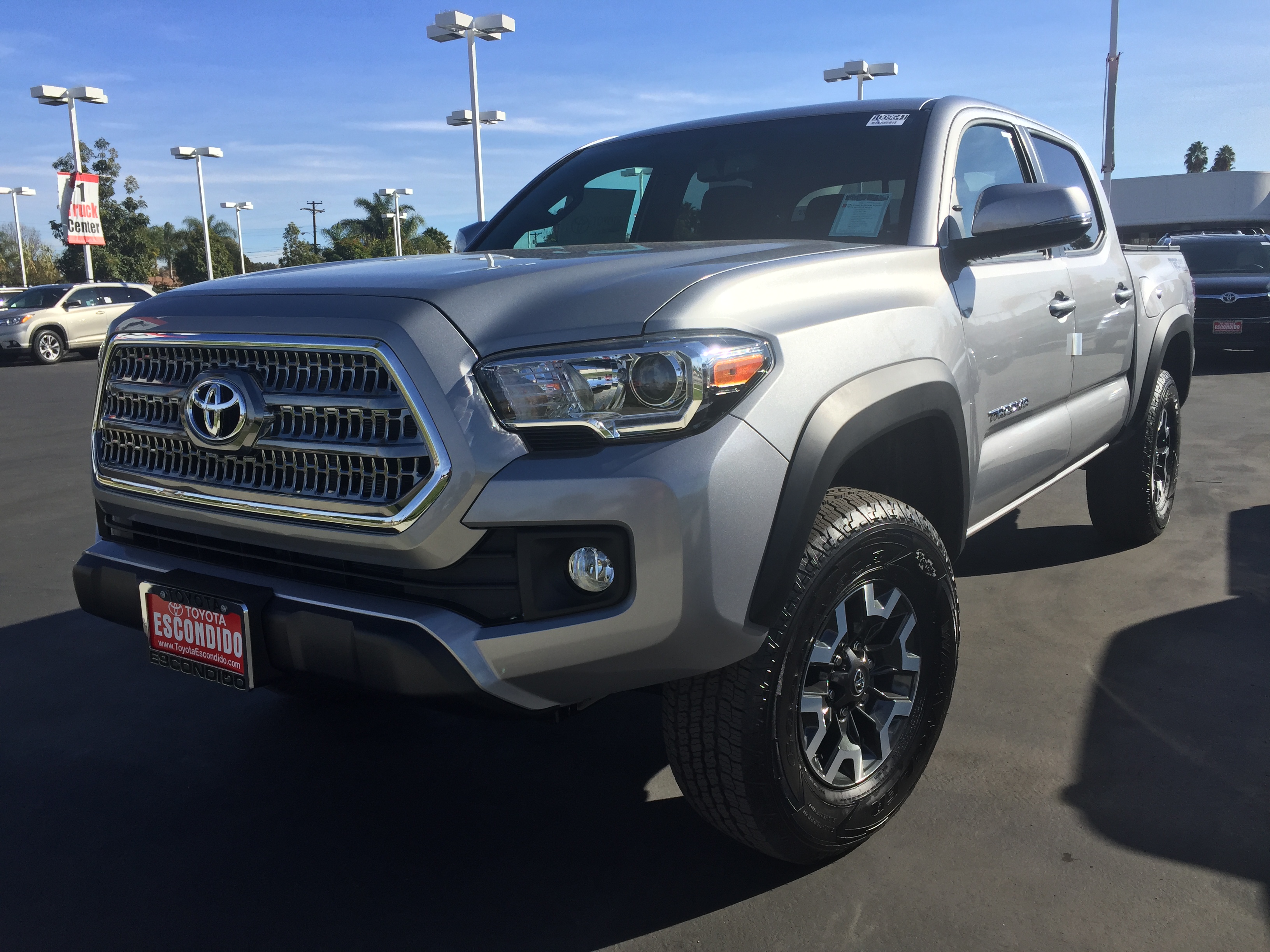
Toyota Tacomas
"And, you know, or even like Toyota's too, like, uh, Toyota Tacomas and like the four runners. [2427.2s] I just saw a post today. I don't know if it's true or not. I saw a post today"
The Toyota Tacoma is a popular Toyota pickup truck. The host is saying a lot of people are chasing these trucks right now.
The Toyota Tacoma is a midsize pickup known for durability and a huge enthusiast aftermarket. In this segment, it’s mentioned as one of the “go-to” vehicles people want, alongside other Toyota trucks/SUVs.

four runners
"And, you know, or even like Toyota's too, like, uh, Toyota Tacomas and like the four runners. [2427.2s] I just saw a post today. I don't know if it's true or not. I saw a post today"
“Four runners” means the Toyota 4Runner, a rugged SUV that’s known for lasting a long time. The host is saying people are paying big money for them lately.
“Four runners” refers to the Toyota 4Runner, a body-on-frame SUV with a reputation for off-road capability and long-term durability. The host ties it to current collector demand, including a referenced sale price for a 1990s 4Runner.
four wheel drive
"I like more of like a, like a, like more of an SUV where it's four wheel drive. It's kind of lifted."
Four-wheel drive means the car can send power to all four wheels. That usually helps it grip better on dirt, snow, or rough roads.
Four-wheel drive (4WD) is a drivetrain setup that sends power to both the front and rear axles. It’s commonly associated with better traction on loose or slippery surfaces, which is why the speaker ties it to the “SUV thing” they like.
Jeep
"There wasn't sold on Jeeps, but it's not like, I like more of like a, like a, like more of an SUV where it's four wheel drive. It's kind of lifted. You can do, you know, Jeep type stuff, but it's not a Jeep."
Jeep is a car brand known for off-road vehicles. People often use “Jeep stuff” to mean modifications and styling meant for trails and rough roads.
Jeep is a brand strongly associated with off-road-focused vehicles and aftermarket “Jeep-style” modifications. The speaker says they like the idea of doing “Jeep type stuff,” but they don’t want a Jeep specifically.
lifted
"I like more of like a, like a, like more of an SUV where it's four wheel drive. It's kind of lifted."
“Lifted” usually means the SUV sits higher than stock. That can help it clear obstacles and fit bigger tires for off-road use.
A “lifted” SUV typically has increased ride height, often to fit larger tires and improve ground clearance for off-road driving. In the segment, it’s part of the look and capability the speaker associates with the Jeep-style vibe they like.

Toyota Land Cruisers
"You can buy new four runners are available, new, new land cruisers are available, but they're so expensive now."
The Toyota Land Cruiser is a big, tough SUV that’s famous for going off-road. In this segment, the point is that new ones cost a lot, so people often look at older used examples.
The Toyota Land Cruiser is a full-size, long-running off-road SUV known for serious capability and durability. Here, the speaker contrasts buying new Land Cruisers (very expensive) versus buying older used ones.

Ford F150
"My ex-wife had the Camaro convertible. I had the Z and the F-150."
The Ford F-150 is a popular full-size pickup truck. It’s the kind of vehicle people use for hauling and general utility. The host is listing what they already had before thinking about an SUV.
The Ford F-150 is a full-size pickup truck known for being widely used for work and everyday hauling. Here it’s mentioned alongside a sports car (“the Z”), showing the host’s previous mix of vehicles before considering adding an SUV for road trips and towing.
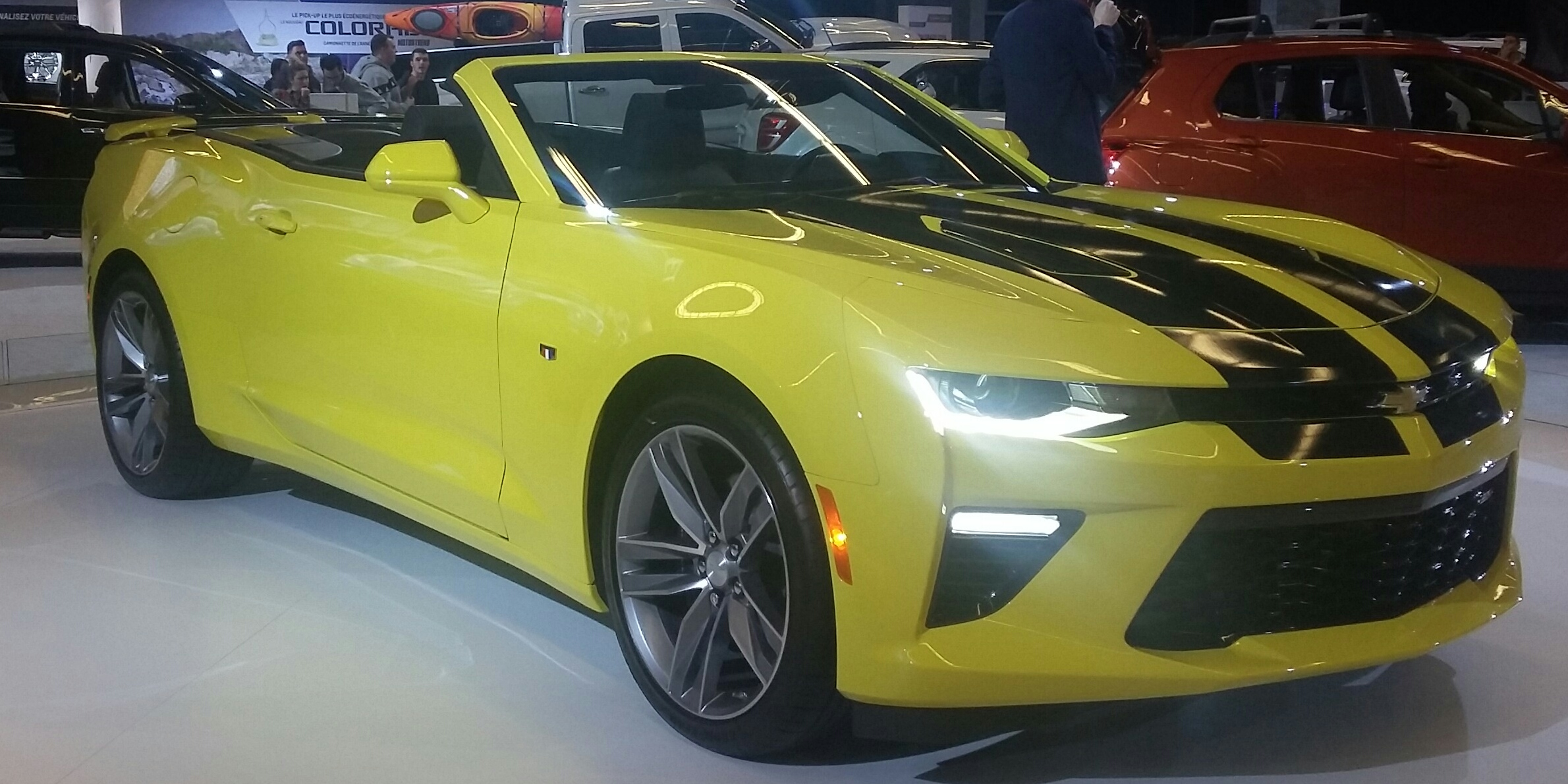
Camaro convertible
"Yes, it was. My ex-wife had the Camaro convertible. I had the Z and the F-150."
A Camaro is a sporty American car made by Chevrolet. A convertible means the roof can open so you can drive with the top down. The host is just saying someone they knew had one before they talked about adding an SUV.
The Chevrolet Camaro is a long-running American muscle car, and a convertible version trades a fixed roof for open-air driving. In this segment, the host mentions a Camaro convertible as part of a prior household lineup, which helps set the context for why an SUV might be useful.

QX 80s
"Definitely in that, in that realm now, like I said, I'm super sold on, on, you know, mid like 20, 20, 10s ish to like early 20, 20, 20s, like our Mata's and, and QX 80s."
The Infiniti QX80 is Infiniti’s large, body-on-road SUV (full-size luxury SUV) aimed at family comfort and long-distance driving. The host specifically groups it with other late-2010s/early-2020s SUVs and says they depreciate heavily from new, which is a key part of the “what’s worth buying” discussion.
depreciate like blocks
"Definitely in that, in that realm now, like I said, I'm super sold on, on, you know, mid like 20, 20, 10s ish to like early 20, 20, 20s, like our Mata's and, and QX 80s. Cause those things just, they depreciate like rocks in terms of just what, what they cause brand new."
Depreciation is how much a vehicle loses value over time. “Depreciate like rocks” just means it drops in price really fast, so buying one used can be cheaper.
“Depreciate like rocks” is a colloquial way to describe rapid depreciation—meaning the car’s value drops quickly after it’s bought new. The host uses it to argue that certain SUVs are a better deal used because their new-car price falls steeply.

Land Rover Range Rover
"...ory, but the point of the story was that it was a Range Rover that was not that it was really five years old or..."
The Range Rover is a luxury SUV made for comfort and also for handling rougher roads. People may talk about them in the used market because they can still feel “new” even after a few years.
The Land Rover Range Rover is a luxury SUV known for comfort, off-road capability, and high-end features. It’s often discussed because it blends everyday driving with more rugged capability than many luxury SUVs. The podcast mentions a Range Rover that was only about five years old, which highlights how these vehicles can be considered relatively “new” in the used market.
depreciation
"It lost in value, just depreciation. Cause the guy would lay off them, whatever it was for kind of thing."
Depreciation is how much a car’s value drops as it gets older. If it drops faster than you’re paying down your loan, you can end up owing more than the car is worth.
Depreciation is the reduction in a vehicle’s value over time. Luxury cars and some high-demand models can still lose value quickly, and that loss is what can create negative equity when you try to trade too soon.
negative equity
"if it's possible, don't carry any negative equity into your next car loan. And I hear, I watch these guys. I've got like 50 grand and negative equity rolled into the next car"
Negative equity means you still owe more money on your car than it’s worth. If you trade it in anyway, the extra amount usually gets added to your next car loan, so you end up paying interest on that gap.
Negative equity is when you owe more on your current car loan than the car is worth. When you trade in, that “gap” gets rolled into the next loan, increasing what you owe and often making the next deal much more expensive over time.
car loan
"don't carry any negative equity into your next car loan. And I hear, I watch these guys. I've got like 50 grand and negative equity rolled into the next car"
A car loan is the money you borrow to buy the car, then pay back each month. The problem discussed here is that if you add negative equity to the new loan, your payments can get way bigger.
A car loan is financing you borrow to buy a vehicle, repaid in monthly payments with interest. In the context of this episode, the key issue is how rolling negative equity into a new car loan can dramatically increase the total amount financed.
lease
"maybe a lease is honestly, but like people kind of look at leases negatively, but if you're really that kind of person that is like, you kind of have to change your cars, like you change your shoes or whatever, like, you know, sometimes leasing a car actually kind of makes sense for that."
A lease is like renting a car for a fixed time. You make monthly payments to drive it, then you give it back at the end (instead of owning it).
A lease is a contract where you pay to use a car for a set term, usually with limits on mileage and wear, and you return it at the end. The speaker argues that for people who like changing cars frequently, leasing can sometimes be financially sensible compared with buying and getting stuck with depreciation.
vehicle mod
"you, what do we really define as a vehicle mod or a car mod? Oh, perfect. I love this one."
A “vehicle mod” just means you change something about your car from how it originally was. In this discussion, even small cosmetic changes can count.
A “vehicle mod” is any change you make to a car that alters it from how it came originally. In this episode, the host argues that even small personalization can qualify as a mod if it changes the car’s stock look or setup.
car mod
"you, what do we really define as a vehicle mod or a car mod? Oh, perfect. I love this one."
A “car mod” means you customize your car in some way. The host is saying that lots of people do this, even with small changes.
A “car mod” is an owner-made modification that changes the car’s appearance or configuration. The host’s “hot take” is that most owners do some form of modification, even if it’s something simple like a plate bracket or decals.
license plate bracket
"And it starts with something simple, like changing the license plate bracket, you know, putting a sticker on the back window."
A license plate bracket is the mounting frame/holder that secures your license plate to the car. Swapping it (for a different style, color, or branding) is a common low-effort cosmetic mod because it changes the car’s appearance.

Nissan Sentra
"Let's just take a basic car, like say you have a Nissan Sentra, right? A gray Nissan Sentra, or white, white, white Nissan circuit, right? White Nissan Sentra."
They use the Nissan Sentra as an example of a common car. If you change how it looks—like adding decals or a different plate setup—that counts as a modification.
The Nissan Sentra is used as an example of a mainstream compact sedan where many owners end up with similar-looking cars. The host’s point is that visual changes—like adding a different plate setup or decals—are still “mods” because they alter the car’s appearance from stock.
dealer lot
"I wouldn't mean stock for me like you took it off the dealer lot today. What do you do?"
The “dealer lot” is where a car sits at the dealership before you buy it. They’re using it to explain what counts as the original, unmodified setup.
The “dealer lot” refers to the car’s condition when it’s sitting at the dealership before the buyer takes delivery. The host uses it to draw a line between what’s considered “stock” versus what you change after purchase.
DMV plate
"I'll put the plates on the car because everybody, everybody gets everybody gets plates eventually from the, from the DMV. And so as a DMV plate and a modification, not really,"
A “DMV plate” is your official license plate from the government. The host’s point is that adding it isn’t a car modification—it’s just required paperwork and setup.
A “DMV plate” is the license plate issued through a state’s Department of Motor Vehicles. The host argues that simply putting on the required DMV plate isn’t really a “mod” because it’s a legal requirement, not a customization.
aero parts
"that's where, you know, and then you get to like actual adding parts. Like I have aero parts that weren't on the car originally and, you know, now they're extra bits like that are attached to the,"
Aero parts are add-ons that change how air moves around your car. They’re often things like spoilers or front splitters that can help the car feel more stable, especially when you’re going fast.
“Aero parts” are aftermarket components meant to change how air flows around the car. Common examples are splitters, wings/spoilers, and diffusers, which can improve stability at speed or reduce drag depending on design.
state ref
"Modified. You put another sticker says modify, like right at the back of the whole thing, modify or whatever, but you don't get state ref for all the stickers. You know, a cop probably would do that."
A “state ref” is an official inspection process in some states where they check whether your car modifications still meet emissions rules. If your car’s changed a lot, you may need to get it approved before it can be considered legal.
“State ref” refers to a state reference inspection program used to verify that certain vehicle modifications meet emissions and safety requirements. It’s commonly brought up when owners do mods that could affect emissions equipment or compliance.
turbo
"because even if it's like a bit major mod, like say you wanted to do, I don't know, turbo. Yeah. So you want to say I wanted to put a turbo or a supercharger on my car, on my Z."
A turbocharger is a device that helps your engine breathe more air. With more air, the engine can make more power—assuming the car is tuned properly to handle it.
A “turbo” is short for a turbocharger, a device that forces more air into the engine. More air (with the right fuel and tuning) typically allows more power than the same engine without boost.
supercharger
"Yeah. So you want to say I wanted to put a turbo or a supercharger on my car, on my Z. I don't have California. Let me do that or not, but say I did, did that with a tune"
A supercharger is another way to make more power by pushing extra air into the engine. It’s usually driven by the engine, so it can boost performance without waiting for exhaust gases like a turbo.
A “supercharger” is an engine-driven forced-induction system that increases power by compressing intake air. Unlike a turbocharger, it’s typically driven mechanically (often by a belt), so it can provide boost quickly.
California
"Yeah. So you want to say I wanted to put a turbo or a supercharger on my car, on my Z. I don't have California. Let me do that or not, but say I did, did that with a tune"
When they say “California,” they mean the state’s stricter rules for emissions and vehicle inspections. Some mods can require extra approval so the car still meets pollution limits.
“California” here is shorthand for California’s vehicle emissions and inspection rules, which can affect whether certain modifications are street-legal. The mention of “state ref” suggests the car may need to pass an official inspection process for emissions compliance.
tune
"I don't have California. Let me do that or not, but say I did, did that with a tune and whatever else you want. I want it to do. Yeah. It's modified."
A tune is a change to the car’s computer settings. If you add mods like a turbo, the tune helps the engine run right instead of running too lean or too aggressive.
A “tune” is an electronic calibration update for the engine’s computer. When you add boost (turbo/supercharger) or other mods, the tune adjusts fuel/air and ignition timing so the engine runs correctly and safely.
v-tech
"Like the basic Honda civic, you should get the 1.6 liter, whatever it was, basic engine, maybe before V tech came out and they get the exhaust and the intake and maybe put a turbo on there."
VTEC (“V tech”) is Honda’s system that changes how the engine’s valves work. It helps the car feel stronger at higher revs without making it annoying to drive normally.
“V tech” refers to Honda’s variable valve timing system (often written as VTEC). It changes valve timing to improve performance at higher engine speeds while keeping drivability better at lower RPM.
exhaust
"like the basic Honda civic, you should get the 1.6 liter, whatever it was, basic engine, maybe before V tech came out and they get the exhaust and the intake and maybe put a turbo on there."
Here, “exhaust” means the parts that route gases out of the engine. People upgrade it to change how freely the engine can breathe and often to change the sound too.
In this context, “exhaust” refers to aftermarket changes to the exhaust system (like headers, downpipes, or cat-back systems) to alter flow and sound. Enthusiasts often pair exhaust upgrades with intake and tuning for a cohesive setup.
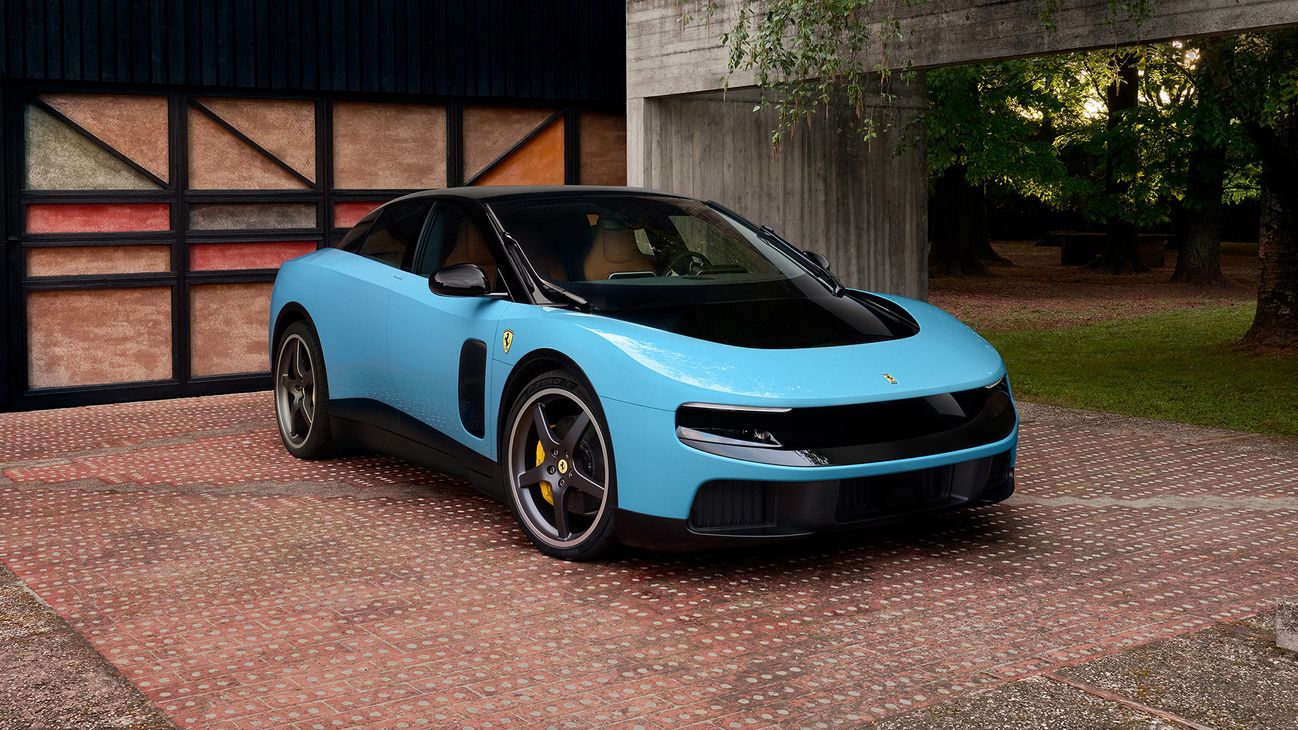
Ferrari Luce
"...s funny. If AI made a car, they would call it the Luce. Luce, I believe it is. And they'd have Ferrari b..."
“Ferrari Luce” sounds like a made-up name in the podcast, used to describe what an AI might create. It doesn’t clearly refer to a specific real Ferrari you could buy.
“Ferrari Luce” appears to be mentioned as a hypothetical or AI-made car idea in the podcast context, not as a clearly established, widely recognized Ferrari model. Because it’s framed as “if AI made a car,” the name is likely being used as a concept rather than a specific production vehicle. That’s why it comes up more like a joke or thought experiment than a real-world ownership discussion.
smog checks
"If you live out in the sticks or it's like a hack is that if you register your car in the sticks, like a real small rural town, you don't have to get it smogged. I don't know if that's true or not."
A smog check is a test California makes you do to prove your car isn’t polluting too much. If you modify your car’s engine or exhaust, it can sometimes fail the test.
In California, smog checks are emissions inspections required for many vehicles to make sure they meet state pollution limits. If your car has modifications that affect exhaust or engine emissions, it can make passing harder.

Volkswagen Jetta
"They were kind of like the, the Volkswagen, like the, are they bigger than the Jetta? Like just bigger than the Jetta, like not by much."
The Volkswagen Jetta is a common compact sedan. Chris is basically saying some other VW cars look almost the same up front, but you can tell they’re bigger when you look at them from the side.
The Volkswagen Jetta is a compact sedan that’s often used as a baseline for comparing size and styling within the VW lineup. In this segment, Chris is comparing other Volkswagen sedans to the Jetta to explain how they can look similar from the front but differ in overall size from the side.

Hyundai Sonata
"That's like the bigger one. It's kind of like the, like the, the Sonata and the, in the Elantra, like you, like, you know, they, they have different design in the front, but like from like a side view, you really see the size difference."
The Hyundai Sonata is a bigger Hyundai sedan than the Elantra. Chris is saying you might not notice the size difference from the front, but you can see it clearly from the side.
The Hyundai Sonata is a midsize sedan, positioned above the smaller Elantra in Hyundai’s lineup. Chris uses it as a comparison point to show how front-end styling can hide size differences that become obvious in side profile.
Hyundai Elantra
"That's like the bigger one. It's kind of like the, like the, the Sonata and the, in the Elantra, like you, like, you know, they, they have different design in the front, but like from like a side view, you really see the size difference."
The Hyundai Elantra is a smaller sedan. Chris is comparing it to a larger Hyundai (the Sonata) to show that size differences are easier to spot from the side than from the front.
The Hyundai Elantra is a compact sedan, and it’s smaller than the Hyundai Sonata. Chris contrasts the Elantra with the Sonata to illustrate how two cars can share similar front-end design cues while still having noticeably different body size in side view.

Volkswagen Passat
"Funny story, actually, with the Passat real quick, I was going to, I was actually thinking about buying one of those before I bought the, the M 35 years ago."
The Volkswagen Passat is a bigger, more comfort-focused sedan. Chris says it felt very smooth and cushy, but he wanted something that still had a bit more sporty character.
The Volkswagen Passat is a midsize sedan known for a more relaxed, comfortable ride compared with sportier sedans. Chris mentions considering a Passat because it felt “floaty” and luxury-like, then explains he chose another car that he felt was closer to a sportier balance.
DSG
"Probably automatic, but they both swagging those always had like those, uh, those DCTs within theirs. They're a DSG."
DSG is Volkswagen’s version of a dual-clutch automatic. It can shift quickly, so the car feels more responsive than many older automatics.
DSG is Volkswagen’s brand name for a dual-clutch transmission. In this context, Chris is arguing that DSG-equipped automatics can shift quickly and feel sporty, which is why he considers them a good “automatic” option.
Request an Explanation
Heard something you'd like explained? We'll add it to this episode.
Sign in to request explanations for terms you heard.
Want to learn more?
Browse our glossary for plain-English explanations of automotive terms, jargon, and concepts.
Help improve this episode
See something that's not quite right? Our annotations are AI-generated and can sometimes miss the mark. Click the flag icon on any annotation to suggest a correction.