The episode dives into a detailed review of the Polestar 4, highlighting its impressive design, luxurious interior, and driving experience. Hosts Steven Fenwick and Trevor Long discuss both the single and dual motor variants, noting their range and performance. They also critique some of the car's tech features, particularly the digital mirror and keyless entry system. Additionally, Nick Black from Ausgrid joins to explain vehicle-to-grid technology and curbside charging, emphasizing the future of EV infrastructure and energy management. The conversation wraps up with listener calls discussing personal EV experiences.
This week Stephen and Trevor have been driving the Polestar 4 - a stunning car with some concerns worth checking out before you buy.
We talk to Ausgrid about their plans for Vehicle to Grid compatibility and also moves to introduce home pricing for kerbside charging.
And your calls, we talk to an Xpeng owner and the owner of an IM6!
SMS us with your EV story to be on the show, 0477 657 657
"...we've been driving the Polestar 4 over the last little while now. We both took the same car but different..."
The Polestar 4 is a new electric SUV made by Polestar, which is a brand that focuses on electric performance cars. It's designed to be eco-friendly and has modern technology.
The Polestar 4 is an electric SUV from Polestar, a performance electric brand that originated from Volvo and Geely. It features advanced technology and a focus on sustainability.
"...I realized mine has 200 kilowatts of power and it's written on the side of the car..."
Kilowatts are a way to measure how powerful something is, like an electric car's motor. The higher the number, the more power it has.
Kilowatts (kW) are a measure of power, commonly used to describe the output of electric motors. In the context of electric vehicles, it indicates how much power the motor can produce.
"...t at the press cars when they first launched the Polestar 2 but then you realize them driving around there. I..."
The Polestar 2 is a stylish electric car made by Volvo's performance brand. It's designed to be fast and fun to drive while also being good for the environment.
The Polestar 2 is an all-electric performance sedan from Volvo's performance brand, Polestar. It features a sleek design, advanced technology, and a focus on sustainability, making it a competitor in the premium electric vehicle market. Discussions about the Polestar 2 often center on its performance capabilities and its role in the shift towards electric mobility.
"...620k range on the single motor, about 590 on the dual motor..."
Range is how far an electric car can go before it needs to be charged again. It's important to know so you can plan your trips.
Range refers to the distance an electric vehicle can travel on a single charge. It's an important factor for EV users as it determines how far they can drive before needing to recharge.
"...instead of a rear window there's a camera on the roof which gives you a digital mirror. Now digital mirrors are not new..."
A digital mirror is a type of car mirror that shows a video feed from a camera instead of reflecting what's behind you. It can help you see more clearly and reduce blind spots.
A digital mirror uses a camera to display a live video feed on a screen instead of a traditional reflective surface. This technology can provide a wider field of view and eliminate blind spots compared to standard mirrors.
"I every time I had to set up Apple CarPlay and I spoke to Scott from Polestar and he organized for me to pair my key to the driver profile..."
Apple CarPlay lets you use your iPhone in your car. You can see your apps and use features like maps and music on the car's screen.
Apple CarPlay is a system that allows you to connect your iPhone to your car's infotainment system, enabling access to apps, navigation, and music directly from the car's display.
"...the Polestar logo on the front would light up and that's like it knows there's a key here. And then you get closer and the door's unlocked."
Polestar is a brand that makes electric cars, known for their sporty performance and modern technology.
Polestar is a performance electric vehicle brand that originated from Volvo's performance division. It focuses on high-performance electric cars with advanced technology and design.
"But the Polestar three is probably the one of choice because it's more of like an SUV size and it's got a rear window and it has a bit of extra space..."
The Polestar 3 is a larger electric SUV that provides more room and comfort than the Polestar 4, which some people prefer.
The Polestar 3 is an SUV-sized electric vehicle that offers more space and comfort compared to the Polestar 4, making it a popular choice among buyers.
"...there are people who would see would buy Volvo. No, no, no, it's just yeah, Polestar is part of the again under that one Gilly"
Geely is a car company from China that owns Polestar and Volvo, and they focus on making electric cars and other vehicles.
Geely is a Chinese automotive company that owns several automotive brands, including Polestar and Volvo, and is known for its investments in electric vehicle technology.
"...and there's been quite a few announcements with AMBA. AMBA, I think we're one of the first working with BYD to start trialing some of this V2G technology..."
V2G means that electric cars can not only use power from the grid to charge but can also send power back to the grid. This helps manage energy better, especially with renewable sources like solar or wind.
V2G stands for Vehicle-to-Grid, a technology that allows electric vehicles to send electricity back to the grid. This can help balance energy supply and demand, especially when renewable energy sources are used.
"...we're one of the first working with BYD to start trialing some of this V2G technology. They've got some arena funding..."
BYD is a company from China that makes electric cars and batteries. They are important in the electric vehicle industry and are known for their innovative technologies.
BYD is a Chinese electric vehicle manufacturer known for producing electric cars, buses, and batteries. They are a significant player in the global electric vehicle market.
"...and I should also point out there's two types of vehicle to grid. There's DC, direct..."
DC charging is a way to charge electric cars quickly using direct current. It's faster than the usual method, making it easier to charge vehicles at public stations.
DC charging refers to direct current charging, which allows for faster charging of electric vehicles compared to AC charging. It is commonly used in public charging stations.
"...I was lucky enough to take my Kia EV9 to Ausgrid's facility in Sydney, where they've got a test set up..."
The Kia EV9 is a new electric SUV from Kia. It's designed to be eco-friendly and has a lot of modern technology inside.
The Kia EV9 is an all-electric SUV that represents Kia's push into the electric vehicle market. It features advanced technology and a spacious interior, aiming to compete in the growing EV segment.
"...we know when your car says 22 kilowatt charging, it showed a negative number because it's obviously pushing it out..."
Kilowatt charging is how we measure how quickly an electric car can charge its battery. More kilowatts mean it charges faster.
Kilowatt charging refers to the rate at which an electric vehicle can be charged, measured in kilowatts (kW). A higher kilowatt rating means faster charging times for the vehicle.
Car
X-Pen G6
"We currently have an X-Pen G6 long range, which we got a little bit earlier this year. Nice. How did you land on the X-Pen?"
The X-Pen G6 is a type of electric car that can drive long distances on a single charge. It's part of the trend of cars that use electricity instead of gasoline, which is better for the environment.
The X-Pen G6 is an electric vehicle known for its long-range capabilities, making it suitable for those looking to transition to electric driving. It represents a growing segment of the automotive market focused on sustainability and efficiency.
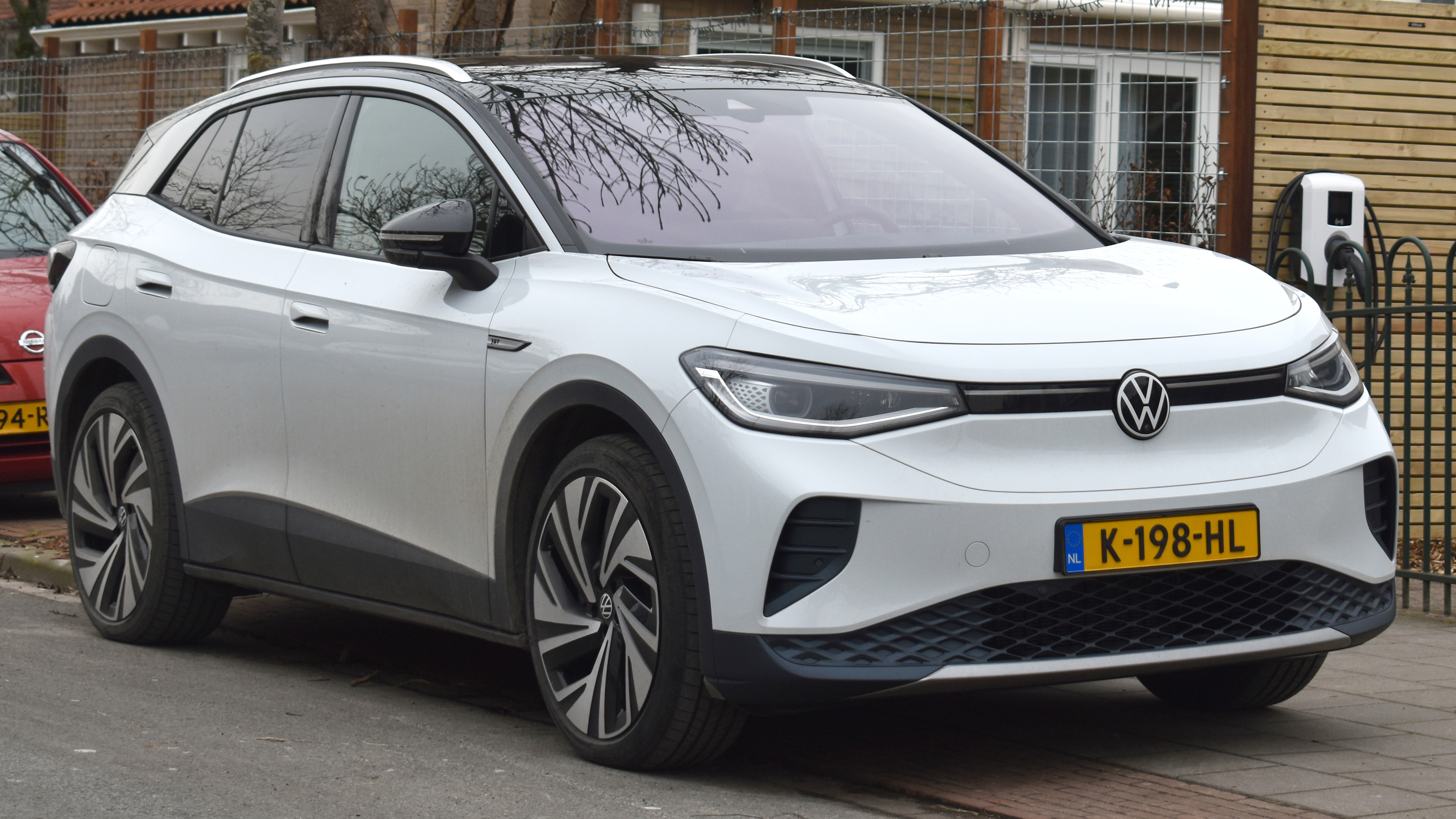
"before you decided on the X-Pen? The short lift was D-Pel SO7, the C-Line 7, ID-4, the Bullswagen, the Taviscan, Z-Correx. There was a handful of cars, and we whittled it down from that point. Did you drive all those other cars? Did"
The Volkswagen ID.4 is an electric SUV that is roomy and good for everyday driving. It's part of Volkswagen's move to make more electric cars, and it's designed to be friendly to the environment.
The Volkswagen ID.4 is an all-electric SUV that marks VW's entry into the electric vehicle market, offering a spacious interior and a range suitable for everyday use. It is designed to compete with other electric SUVs and emphasizes sustainability and modern technology. Discussions often highlight its practicality and the shift of traditional automakers towards electric mobility.
"Well, over the years, we've owned Ford, we've owned Mazda 6, the diesel, which was not the best engine in the world. Subaru, X-V, my wife had a Mazda MX-5, so yeah, we've had various cars throughout our lifetime. But you know, we've got to say, we've both driven the X-Pen"
"...we started off with the granny charger as everyone does and found that the wife was driving from home to Fremont..."
A 'granny charger' is just a regular plug at home that you can use to charge electric cars, but it charges them slowly.
A 'granny charger' is a colloquial term for a standard household power outlet used to charge electric vehicles (EVs). It typically provides a lower charging rate compared to dedicated EV chargers.
"...we put in a seven kilowatt charger. We've got three phase here..."
A seven kilowatt charger is a special device that charges electric cars much faster than a regular plug. It can give your car a lot of power quickly.
A seven kilowatt charger refers to a type of electric vehicle charger that can deliver up to seven kilowatts of power, allowing for faster charging compared to standard household outlets. This type of charger is often used for home installations to efficiently charge EVs.
"...we were only getting two kilowatts off our solar charger. And I went, no, no, that's not good enough..."
A solar charger is a device that uses sunlight to create electricity, which can be used to charge electric cars. It's a green way to power your vehicle.
A solar charger is a device that uses solar panels to convert sunlight into electricity, which can then be used to charge electric vehicles or other devices. This is an eco-friendly way to power EVs, reducing reliance on grid electricity.
"...I'd be looking at the Zika X myself. Great car. Great car. Was that not a consideration at the time? Was, was it not available?"
Zika is a car brand that makes electric vehicles. The speaker is considering buying one of their cars.
Zika is an automotive brand known for its electric vehicles, focusing on providing sustainable transportation options. The mention here indicates a consideration for purchasing an electric vehicle from this brand.
"We love to hear from you about your electric car and your experience buying the electric car and researching the electric car."
An electric car runs on electricity instead of gasoline. They are better for the environment because they produce no exhaust emissions while driving.
An electric car is a vehicle that is powered entirely or partially by electricity, using electric motors instead of traditional internal combustion engines. They are known for being more environmentally friendly and often have lower operating costs.
"Yes, I have. I've had I've got the IM6. Yeah, that is a we've driven these and we spoke about them a little while."
The MG IM6 is a new electric car made by MG Motor. It's designed to be an affordable option for people looking to switch to electric vehicles.
The MG IM6 is an electric car produced by MG Motor, a brand known for its affordable vehicles. It represents MG's entry into the electric vehicle market, aiming to compete with other established brands.
"...when Steve came home with a Tesla and the wall on the tech guide there and watched it for years..."
Tesla is a company that makes electric cars. They are known for being fast and having long battery life.
Tesla is an American electric vehicle manufacturer known for its innovative technology and high-performance electric cars. Models like the Model S, Model 3, Model X, and Model Y have gained popularity for their range and features.
"...my range, I think was around 420, I think for the Model S, which at the time, you know, I wasn't suited my..."
The Tesla Model S is a fancy electric car that can go really far on a single charge, about 420 miles. It's known for being fast and having cool tech features, making it a popular choice for people who want an eco-friendly car that feels luxurious.
The Tesla Model S is a luxury all-electric sedan known for its impressive range, performance, and advanced technology features. It played a significant role in popularizing electric vehicles and has set benchmarks in terms of acceleration and driving range. Its significance in discussions often revolves around its impact on the automotive industry and electric vehicle adoption.
"...there weren't many places to charge it. I had a charger at home,..."
A charging station is a place where you can plug in and recharge an electric car's battery. It's similar to a gas station but for electric vehicles.
A charging station is a location where electric vehicles can be recharged. The availability of charging stations is crucial for the convenience and practicality of owning an electric vehicle.
"...at one, yeah. I would describe them as a Model 3, Model Y competitors in many ways. Seal, C-Line, whatever..."
The Tesla Model Y is a smaller electric SUV that is similar to the Model 3 but has more room for passengers and cargo. It's a popular choice for families or anyone needing extra space while still being eco-friendly.
The Tesla Model Y is a compact all-electric SUV that shares many components with the Model 3 sedan. It offers more space and versatility, making it a strong competitor in the growing electric SUV market. Discussions about the Model Y often focus on its practicality, range, and how it compares to other electric vehicles.
"...But the luxurious appointments of these premium cars is the thing that makes you feel good about your purchase every day, Rick. That's exactly right. And..."
Luxurious appointments are the fancy features in a car that make it feel more comfortable and upscale, like nice seats and good sound systems. They help you enjoy your car more every day.
Luxurious appointments refer to the high-quality materials and features in a vehicle that enhance comfort and aesthetics, such as leather seats, premium audio systems, and advanced technology. These features are often found in higher-end models and contribute to the overall driving experience.
"...xes to go over to the car because I've got a Jeep Gladiator and I've got a Mazda 3. We did the math with the..."
The Jeep Gladiator is a pickup truck that can go off-road really well, just like a Jeep. It has a truck bed for carrying stuff and you can take off the roof and doors if you want to enjoy the open air.
The Jeep Gladiator is a unique pickup truck that combines the rugged off-road capabilities of a Jeep with the utility of a truck bed. It stands out for its removable roof and doors, as well as its strong performance in off-road conditions. The Gladiator is often discussed for its versatility and ability to tackle tough terrains.
"...because I've got a Jeep Gladiator and I've got a Mazda 3. We did the math with the Mazda 3 for the five ye..."
The Mazda 3 is a compact car that looks nice and is fun to drive. It's available as a sedan or a hatchback, which means you can choose the style that works best for you.
The Mazda 3, also known as the Axela in some markets, is a compact car that is well-regarded for its stylish design, engaging driving dynamics, and efficient performance. It is available in both sedan and hatchback forms, making it versatile for different consumer needs. The Mazda 3 is often discussed for its balance of fun driving experience and practicality.
Kilometers are a way to measure distance. One kilometer is about the same as 0.62 miles.
Kilometers (km) is a unit of measurement for distance, commonly used in countries that follow the metric system. One kilometer is equivalent to approximately 0.62 miles.
Select text to request an explanation
This is Two Blokes talking electric cars with Steven Fenwick and Trevor Long. Thanks to NRMA
Insurance and UNIDEN. And we appreciate their support. NRMA Insurance, a help company helping
Australians protect what matters most for 100 years and 100 more to come and UNIDEN smart dashcams.
So you can get yourself a dashcam front and rear. They've got plenty of models out there for every
award-winning dashcams. They just want a design award too. Yes, a design award for the Dashcam 40.
So yeah, they do not only are great functionally but also look great. Yeah, and Dashcam gives you a
bit of peace of mind when you're out on the road and when you get back home after something happens.
It's just that little peace of mind that'll keep you going. Completely. We've got a bunch to talk
about today. We have your calls to get to on 0447657657. We're also going to talk to Nick Black
from Ausgrid about vehicle to grid and curbside charging. A lot of infrastructure conversations
happening about electric cars and your calls. But Stephen, we've been driving the Polestar 4
over the last little while now. We both took the same car but different. You took the dual
motor, the single motor and it's funny because I didn't know which one I got. I just drove it away
and then I went on, there's two of them and I realized mine has 200 kilowatts of power and
it's written on the side of the car. You know, they put that on the front door. It's kind of a
very Polestar-ish thing to do. Very much. I thought they just did it. In case you forget what the
car's called, it says it right there. I thought they did it just at the press cars when they first
launched the Polestar 2 but then you realize them driving around there. It's on everyone.
So 620k range on the single motor, about 590 on the dual motor. I was driving here.
Let's talk negatives first because there's a couple. Negatives first. I want to get this
past and through. There weren't too many but there are a couple that stood out for me.
Weirdly and we are tech guys. We have a 15-year-old podcast called Two Bikes Talking Tech and I'm
going to tell you it's the tech that I don't love about this car. It's a little too much.
I get that it's all possible but my question is why do you have to do it just because it's possible?
So first and foremost, you look at the back of this car and it's got like a hatch, a hatchback
and there is a clear space there where the window would be. It's like there's a line where you would
think that's the rear window but it's not. It's blacked out and instead of a rear window there's
a camera on the roof which gives you a digital mirror. Now digital mirrors are not new. They've
been in cars for five more years and some cars have them as an option. You flick the little thing
that goes to digital, flick it back, it goes to standard mirror. That's not an option in this car
and I'll tell you why that's a problem for me. These glasses that I wear are for reading. So
up close. And so I wear multifocal. So the bottom half of this glass, excellent here. I can see my
computer screen. The top half I can see everything in front of us. It's great. I've gotten used to
it in a way but I don't really wear them out. I don't wear these glasses when I'm driving.
No, you shouldn't because they blur the distance. I can still see distance well but
my problem with the mirror was that... If you wear the glasses, fine. Even without the glasses,
I have to... If you wear the glasses, the mirror's fine. Yeah but without them you're right. So I'd
have to sort of pull focus a little bit like whereas the mirror is a mirror, right? So just there.
With the digital mirror I had to actually... We're not the only people with glasses.
Yeah, exactly. There's some advantages to what I get. You can change the
aspect so you can have it up and down and it's good. And you know what bothered me,
I don't know whether you found this but it seemed that the cars behind you through the camera were
closer than what they actually wear in class. I thought these guys tailgate me but he actually
wasn't. But the other side of it, this might make you laugh, the other side of it which was the
outside is you couldn't give a thank you wave. No! Mate, the number of times I did these ones...
I wear this and they're like, it's not going to see me. Yeah. I'm wearing the wind all the way off of
the wave and if someone doesn't give me a wave I think, come on mate, give me a wave. Yeah, you merge.
But no, the pole start, no wave. So the other tech thing that I find fascinating, now this is
context for us. We drive a different car every week and it's complicated. We don't own the car,
we don't have the app and the setup and all that stuff. But I'm like dude,
I every time I had to set up Apple CarPlay and I spoke to Scott from Polestar and he organized
for me to pair my key to the driver profile and I got most of that sorted so that when I get in
it's all connected and working right. Yes, well that explains a few things for me then.
Why you have to, every time you've got to turn on the location settings. So as an owner you would
never need to do that. So I'd have to go in and what I'd do is my phone wouldn't be, I'd press
CarPlay and go there's no phone connected. I go in the phone list and I'd see my phone and just
press the CarPlay symbol. All of that, let me say, is down to owning the car. I think that's
overlooked. I've overcome with that. But there's still, the key has no buttons. There are no buttons
on it. Now we have had an issue in the past with a car that had a dead battery and we couldn't
literally drive the car at all. But we'll get into it. And this one, there was a day where I
walked out the front, the car was just parked at the front, I walked out the front and I'm standing
at the car going, hello? What's happening? And I'm pushing the button. That happened to me
two or three times. I'm next to the car, nothing. I'm even tapping it on the windows.
I'm here. What's happening? So I know I had a heart attack because I didn't want to have to do that
thing again. Yeah, I was the same. But there's other times where I would walk out and what happens
is it's like a two-phase system. I'd walk out of the house in the dark and the Polestar logo on the
front would light up and that's like it knows there's a key here. And then you get closer and the
door's unlocked. Oh, that's awesome. It presents itself to you. But other times where I'm like,
you'd have to tap your finger on the door for it to come out. And there was one time where it
didn't happen at all. I feel like, honestly, let's just come on. Just bring back the button, folks.
I agree. And even like walking away from the car, that was good. It was only short distance,
like five or six meters and it locks up. Although the radio and the music still playing in the car
Where's it off? Where's it off button? So that wasn't there. But yeah, I had a couple of close
calls with the studio. I understand that we've worked out that you can see where the key is
and the technology's there. But honestly, just give us back a button. I do believe though,
wholeheartedly, I'd get used to all those things as an owner. I just want you to know those things.
They're trying to create this sort of frictionless experience with the car.
And I get it because Tesla has this whole thing with the keys and the cars and the phones.
And again, there's a phone app and all that stuff that we haven't tested because we haven't paired
that. But let me tell you, this is a beautiful looking car. Lovely car. This thing drives
beautifully. The interior on this thing is gorgeous. I never felt I needed it,
but I can tell there's more. So I understand the dual motor would have gone better.
I just the luxurious appointment of the Polestar interior is almost second to none.
In this class, in the sub one hundred thousand dollar class, right? Absolutely.
Even though this would challenge the Mercedes, just just compare this to everything else in
the class. I don't think there's an interior that comes near to it. I would argue Zika are doing
an excellent job probably close. Yeah, I think and I think expense not bad either. Maybe not
quite to this class, but I think this is in a different level. Zika, you're right. I agree.
Zika punches above their weight. This is beautiful. I think this car
sets the standard for Polestar. The Polestar two was was like a first attempt. It had a transmission
tunnel and stuff. Polestar four is sedan like with a hatch. Yeah, but built to ground up as an EV.
But the Polestar three is probably the one of choice because it's more of like an SUV size and
it's got a rear window and it has a bit of extra space, but it also takes you to another price
bracket. So yeah, Polestar four at, you know, mine does the single motor seventy four thousand
dollars, which is I think is reasonable for what you're getting. The style, the quality, performance,
I think that's a pretty good deal. I think if you are willing to consider a new brand, so if you're
not going to buy a legacy auto car, so you're not going to buy a Kia or whatever it is, or you're
considering those and you're willing to consider others. Yeah, if you're not considering Polestar,
you are mad. Absolutely. Yeah, that Polestar worthy of a there are people who would see would buy
Volvo. No, no, no, it's just yeah, Polestar is part of the again under that one Gilly
group. Gilly. Yeah. Right. They're not even like, so they bought them or something. They are. Oh,
yeah. Volvos owned by Gilly and everyone. Yeah. Yeah. Wow. Okay. Gilly is yeah, but that you
but you can tell that there is a bit of a layover of the Volvo design to it. Yeah, very much so,
which I think is why it feels so luxurious. Do yourself a favor, test drive the Polestar 4.
It's quite beautiful. Yeah, great range too. I had to do a couple of decent drives.
Because by the way, it does 22 kilowatt AC charges. I know, I texted you the photo.
It was so good. Great. Yeah, I charged it here. 22 kilowatts. Nice and fast. I connected it like
my Mercedes only does seven at home and I plugged this in. I sent you the photos, screen shot,
I said 22. How good's this? No, great car. Well worth a look. Do the price configuration online,
but head down to one of the places that are selling Polestar and get yourself seats in and
enjoy the beautiful interior and take it for a spin. We don't mind it at all. Highly rated.
All right, two more story electric cars. More from Ausgrid. Your calls coming up.
Two black story electric cars. We will get to your call shortly. 0477657657. If you want to talk
anything about electric cars, we'd love to hear from you. But in the meantime, Stephen,
Ausgrid, a very, very large infrastructure provider here in New South Wales. And you think about
power infrastructure, it's poles and wires as they call it, but it's so much more these days.
And it's a lot of it is also in the testing and I guess validating of new things like vehicle to
grid, curbside charging. There's a whole range of things that they need to be involved in because
all the money in the world will, will, will buy charging. Like we talk about highways, right?
They will buy a big building. It'll buy land. It'll buy charges, but it won't supply the power
and the powers there. Right. Nick Black is Ausgrid's head of EBC and infrastructure.
And he joins us on the line to talk about all such things. Nick, great to have you with us, mate.
Thanks, Trevor. Mate, let's talk vehicle to grid first. There's two key things I really
want to unpack with you a bit to help everyone who's in the market for electric cars or own
electric cars. And they are there, vehicle to grid and curbside charging. We have talked about
VDG before. I feel like maybe six months ago, we did a bit of a chat about it. Where are we at
today with vehicle to grid, which in principle is the concept of I park my car and my driveway
at night or in the day. And when I plug it into the wall, my car might actually push power
outwards that energy, energy providers can then use for other people.
Yeah, it's a fantastic opportunity. And I guess to answer that, we're getting closer and closer
every day. And I think like a significant step towards a more flexible and resilient energy
future that allows you to not only use your vehicle to be transported around, but also
allows you to export to the grid through vehicle to grid and use that as a battery at your home
for backup and also revenue generation. Why don't we have it today? What's required? Because
obviously it sounds like, oh, the car can do it. Like what is it that's required? Is it a
rubber stamp? Is it a validation process? What is happening right now with vehicle to grid?
Yeah, so it's a little more than a rubber stamp. I guess the rubber stamp is behind the outcome of
what's been delivered, but it really comes down to safety and ensuring that one, the network is
safe for it. And two, the customers and our workers on that network is safe. So there's quite a few
providers out there now that are developing the charges. So there's star charge, there's Numbath,
there's Red Earth, and there's probably more. And for them to be able to connect to Osgrids Network
in a safe way, they need to make sure that they apply to the regulation and rules. And
one of those is called AS477.2. And basically what that does is ensure that if the charge is
connected and the car's exporting, and the power goes out, which we hope it never does, and it
rarely does on our network, that the car, that the charger doesn't then export power onto the grid.
So if our workers are out there working on the grid, we want to make sure that the grid is not
live. Yeah. So it's really about a safety aspect. Now, a lot of those providers now do have AS477.2
certification. The next step for that is Clean Energy Council certification. And they basically
certify inverters to connect to distribution network service providers, our networks. And that
is also required for mainstream. But what we've been doing is we want to sort of test and learn.
So we've been working with these providers to say, look, if you put what we call a preliminary
investigation in, you can apply, show us your certification, we'll get our engineers to have
a look over it, we'll check it complies, we'll do some tests, and then you can start connecting
those vehicle to grid charges. But for it to get mainstream, it needs to get the Clean Energy
Council certification. And of course, the car manufacturers need to be on board from a warranty
perspective, that that's another challenge that needs to be overcome.
So Nick, just to get it straight in my own mind, so the V2G isn't just vehicle to the house,
so that charge could potentially go back onto the grid so other people can access it. Is that
how it's going to be designed? Yeah, exactly. So with vehicle to grid, there's different types
of V2 that there's Vita home and Vita L vehicle to load and vehicle to home. With those, it does
not export to the grid. And you shouldn't be connected to the grid at the same time, you'll
trip your circuits. So now rules and regulations don't allow for that. But with vehicle to grid,
it lets you export and it lets you participate in, I guess the energy transition, the wholesale
energy market to really turn your vehicle into revenue generation. Which is one of the things
we're seeing from this. We're seeing that there's been 100,000 home batteries installed or something
crazy under the government scheme. We're seeing people use home batteries to export through
wholesale providers. I think AMBA is one of the ones that does it most where they pay you,
probably not as much as they get paid, but they pay you a higher amount if there's high demand.
So you can actually kind of make money selling your electricity back. But I'm curious now you
talk about vehicle to home, vehicle to grid in the event of an outage, which might be rare,
but it's one of those things I think if we're going to have a blackout, I want my house to
still work. In an event of an outage, if my car's plugged in and it's been certified,
all those different things, will my home still get power even though the certification you've
mentioned stops it exporting that power to the grid to keep your workers safe?
Yeah, that's part of ensuring that the certification is there and the safety measures
are there. It gives you the ability for your home to continue to get that power in the blackout,
but ensures that it's not exporting onto the grid where our field team and safety workers might
be working. Because I've got 160 kilowatts of batteries sitting in my driveway. I don't ever
want to be without power, so I want it to be powering there. But I also definitely want to
charge my car off solar, and this is the perfect world right, isn't it, Nick? Charge my car on
solar because I'm home during the day, and potentially use that battery that's been powered
by free energy, clean energy, to power my house at night. And if there's a, you know,
high peak demand, it might be during summer for air conditioning in the area on the grid,
then my car will also help power the grid and I might make a bit of money. I mean, it's this
amazing, you know, clean energy circle for those, and it's a small number of people in the complete
ecosystem. Yeah, it really is. It's a fantastic opportunity. I mean, you can get your car,
you get there, the government's done a great job with fringe benefit tax exemptions, and then not
only that, it's your car, exactly as you said, you can sell that energy back to the grid at peak
times and generate revenue. So how soon is this going to happen, Nick? Like, what are we looking
at? Is this like next year in five years? Like, when can people, you know, a lot of people obviously
looking their next vehicle, potentially B&EV, when can they be shopping knowing that when they
take this car home, the V2Gs, they're ready to go? Well, we're really trying to support it being
rolled out. So as I sort of touched on before, there's a few aspects to it. And one is ensuring that
the charges and comply and can be connected. And we're very close with that CC certification from
what I've heard and read and heard back from the V2G charging providers. And then the next aspect
is the car warranties. And there's been quite a few announcements with AMBA. AMBA, I think we're
one of the first working with BYD to start trialing some of this V2G technology. They've got some
arena funding. And then Origin and AGL are also out there. So I think as the charges start to get
CC certified, the car manufacturers get on board, and then we can see it more mainstream. But the
technology fit, and I should also point out there's two types of vehicle to grid. There's DC, direct
current, and there's AC. And what we're talking about today, what the near future is, you know,
hopefully by the end of the year, we see more of this rolled out, it's DC V2G.
Yeah, really, it's like a B2 versus VHS battleground.
It's just, yeah, it's a different technology, I guess. And the AC will need another level of
testing and certification. And just to put it in perspective for people as to where this is at,
I was lucky enough to take my Kia EV9 to Ausgrid's facility in Sydney, where they've got a test set
up, because they hadn't seen an EV9 yet. And so while I was out of plug it in and AMBA were doing
some tests on their little charger there to kind of see how it worked. It was fascinating because
the car had never been done this before. We know when your car says 22 kilowatt charging,
it showed a negative number because it's obviously pushing it out. It's amazing,
but that's what needs to happen. We're at that point now where they're working at which cars will
do it, then they need to talk to manufacturers. There is a lot of hoops still to come, but we're
devastatingly close, Nick, is I guess the general and broad since then.
Exactly right, we are. And yeah, I understand you're actually out there with Jeff,
who's in the broader team and he was helping you test the EV9.
I mean, it's a cool thing to think that my car could potentially power my house,
but I need to keep my powder dry until everything happens. And then as you say,
I'm not going to do it until Kia says, hey, it's okay for your warranty. But we also just,
as a sidebar, we've had a lot of conversation with people who do battery testing and there's a great
sense that as long as you're not ultra-fast charging and I'm assuming de-charging a car,
a battery, then there's actually limited impact on the battery life through the
battery cycle. So there's kind of good news coming out in that space.
The other part of what you're working on is curbside charging. Steven and I both live in
homes with off-street parking. So this is not an area we think about, but there's some,
there's a lot of people that live in the inner suburbs of Sydney, Melbourne, Brisbane, where
they park on the street. And so what is it that you refer to as curbside charging? Is that little
pop-ups out of the ground or is this on power poles? What will it look like?
What we're proposing is curbside charging on the power poles. And we've put a public debate out
there that we believe distribution network service providers, we own the poles and we own
the wires. We believe that there's a model where we can create more equity and price parity at the
curb. So people can charge at the curb for the same price as at home by allowing DNSPs,
ourselves, to own and maintain these charges. But that requires a change to the regulation.
Because you're not allowed to sell power directly to people, are you? You're a wholesale provider,
you're a poles and wires company. Is that what you've kind of mean by that?
Yeah, we're a poles and wires company. I mean, you could think of this as sort of a toll road.
To run those poles and wires, we charge for the electricity getting run down the poles and wires.
And we're restricted, we can only do those poles and wires. But we're proposing,
we still don't propose to buy or sell any energy, we're just proposing to own and maintain.
So you're going to maybe partner up with someone to do this, is that right?
Yeah, well, we're looking to create, I guess, a neutral host where there's competition at the
socket so that you can choose. Right now you've got 13, 14 different apps. We're proposing that
let's create a neutral host type model where the customer who doesn't have access to
off-street parking where they can charge can choose which one they want to use to charge
on the street and get that price parity. So would this be, say you're a customer for a certain
energy provider, you turn up at one of these charges, you can say, well, I'm an AGL customer,
I mean, let's charge through the AGL. Or a ChargeFox might do a deal. Or an EV network.
You're already a customer provider. Exactly. We want to open the access,
everyone gets to the same playing field. It's truly public infrastructure. It's really good.
It's low cost. So it's being delivered for the same price as it is to your home. And then it's
up to exactly, as you said, those providers where they be electricity retailers or charge
point operators, e-mobility service providers, they have access at the same price so they can
then compete. Well, I guess same question about V2G then. We're already out with it because we've
seen, I've seen some videos or social media posts of poll charges. So they must exist.
So obviously for your plan, your proposal is going to require some legislative regulatory
changes. It feels like that's a long period, long process.
There's a battle ahead of him by the sounds of that.
It does. I think the good news is we've been working on it for a while, but it does take a
while. And in the meantime, I think there's been some great government funding. Minister
charging and that sort of shown the model and really what we're saying with this regulatory
change is that we could do that at scale and simplify it and create the competition while
lowering the cost to charge on the curb. Because I guess right now, if you can charge at home,
you can refuel your car for half the price or if not free, then someone who doesn't have a
driveway. So we're staying with this model. Let's just level the playing field and offer
that same opportunity to people who don't have driveways where they can park so they can
refuel at the same price as those people that do. Yeah, democratising the price structure,
because at this point, if you live in the inner city and you don't have your own charger,
wallbox style thing like we do, you're essentially forced to go to a charge force,
even at West, wherever it might be, which they're awesome, but you're paying more.
And so this democratises that a little bit. It's a great process, a great thought. So hopefully
you can have some wins with that. Nick, there is so much we could talk about. It's an awesome space.
It's a weird thing to say, but I guess you're on the cutting edge of electricity provision for
the first time in a generation or more. When was the last time electricity provision
actually had innovation? I don't know. Is that a weird thing to say?
I like to think we're always innovating, but I mean, this company's been around for over 100
years. And I think that the first electricity innovation was running the cable out of the
post office to light up the area for the horses to come and have water and people to feel safe at
night. And we've come a long way and it's been a one-way flow generation down to homes. But now,
as you said, it's super exciting. We've got this fantastic opportunity for two-way
energy flow, consumer devices, and really having that network that's a community benefit,
connecting all the community together and allowing them to trade energy.
Good on you, mate. Really appreciate your time. Thanks, Nick.
Thanks, guys. Thanks for joining us. Nick Black from Osgrid there.
Taking your calls, 0477657657. Send us a text or a WhatsApp. Thanks to Vodafone. We'll get those.
We'll get you on the show if you want to talk about anything electric car in your world.
We're happy to talk with you about it. Sean's on the line. Good day, Sean.
How you going? Really good. Where are you at in your electric car journey?
We currently have an X-Pen G6 long range, which we got a little bit earlier this year.
Nice. How did you land on the X-Pen?
A lot of research. A couple of years of research. We bought a car five years ago,
knowing our next car was going to be an EV. Of course, I've been doing a lot of research as
that's what I do. The wife's not interested in the research. She just wants to drive.
Fair enough, mate. What other vehicles did you look at? What was on the short list
before you decided on the X-Pen? The short lift was D-Pel SO7, the C-Line 7,
ID-4, the Bullswagen, the Taviscan, Z-Correx. There was a handful of cars,
and we whittled it down from that point. Did you drive all those other cars? Did
you go out on test drives? Yes, certainly did.
Yeah, wow. The X-Pen did well to win through all those. There's some great brands in your name.
I mean, the driving feel of a Volkswagen or a Cooper are very different to an X-Pen.
What two things could you narrow down and say, that's why we bought the X-Pen?
Okay. The salesman in the end basically is we had a bad time with BYD.
We'd gone back to the second drive because you do the initial drive and then you whittle it down
and then you go back and go, righty-oh, let's nail it all down. I don't drive it, it's the
wife who does all the driving. She had booked with BYD another test drive, so we go out there
and they say, oh, you can only have the car for 15 minutes.
Hello? No. So in the end, they brought down to salesman knowledge and just the service that
the salesman gave us in the end. That is fascinating to me, and we have had so many
conversations about how the dealership experience at many brands can tip you one way or the other.
By the way, we've had good dealership experiences with pretty much most brands and bad, so it's
not always a specific brand, but it's amazing the impact it can have. I have to know just quickly
what previous car brands have you owned, because to be someone in 2025 that's considering,
that's bought an X-Pen, but also considered a D-Pale, considered a BYD, considered a Zeke,
you're considering brands that people haven't heard of. What's your history with cars, Sean?
Well, over the years, we've owned Ford, we've owned Mazda 6, the diesel, which was not the
best engine in the world. Subaru, X-V, my wife had a Mazda MX-5, so yeah, we've had various cars
throughout our lifetime. But you know, we've got to say, we've both driven the X-Pen
and really nice car. You've made a great choice. So being your first EV though,
how have you adapted to the charging and how has it suited your driving? How has that been?
Well, we went for the long range, mainly because being here in Western Australia,
you know, there's a lot of gaps between towns, unlike, you know, you've got the infrastructure
over on the eastern states. WA is lagging a little bit. It's getting there, but it's still lagging
compared to, say, New South Wales or Victoria or even Queensland. You know, and the government
here has gone and spent a lot of money, so there's a lot of, you know, around the tourist spots. But
anyway, so basically is that, sorry, I've lost one. How are you charging the car at home?
Okay, yes. Initially, we started off with the granny charger as everyone does
and found that the wife was driving from home to Fremont and back again, which is around about
120 to 130k a day. It just wasn't quite putting back enough because we're trying to use
the solar as much as possible into the car. So we're down the path of, okay, we put in a
seven kilowatt charger. We've got three phase here and the installer didn't realize that you
can only pick up on one phase and we were only getting two kilowatts off our solar charger.
And I went, no, no, that's not good enough. You know, I spend nearly $2,000 to have this
charger installed and only get two kilowatts, which is the same as what else. Yeah, exactly.
It's the same as the trickle charger. Anyway, so and they said, oh, okay, we'll put in a three
phase one then. So we put in the three phase and when the electrician came in, they came and found
out, oh, there was a few little things that they have to fix. So my two and a half thousand dollar
bill blew out to a $4,000 bill. But that's because of the laws now that the electricians have to
come in and go, if there's something wrong, they've got to fix it because they're the last ones in
the board and they're reliable. That's a safety issue. Not just about that's not about solar or
electric cars. That would have happened if you just put an extra safety switch in your house,
they would have gone, hang on a minute. It's all these problems here. We've got to fix them all.
I guess that's life. But it's a big cost. But you've now got it to the point where you can
fully charge on solar and take advantage of that. Yeah, oh, yeah, we, we're now
charging only on solar access. So it's a smart charger. So we bought the, we ended up with the
EV in X, X 22, which grabs any excess solar now that goes into the grid and just dumps it straight
into the car. Nice. Nice. That's good. So, you know, your issues with the drive. So your wife,
you said about 130, 140,000 kays a day. You're now 130,000. 130 kays a day. So you're, that's
all sorted now with the charger. You do it overnight or what's the charge? We generally,
we can charge it now during the weekend. Yeah, we charge it during the weekend if we're not going
out. And that gives it plenty for the week and to travel to and fro to work. So
So you get a chance to drive it short? Or is it just your wife drives it?
No, my wife drives. I don't drive much. I'm just the main passenger. But that's okay. That's,
that's because of my eyesight. It's a safety thing more than anything else. I'd love to drive it.
And if, if I was to buy a car now, for me, I'd be looking at the Zika X myself.
Great car. Great car. Was that not a consideration at the time? Was, was it not available?
What? It was available. And the guys out at Victoria Park were really good. You know, they
lent us the car for over half a day, gave us a really good chance to try it out. The big thing
was that Zika on their website was using the, the ADRs for its range, which they were saying
550K, which in reality is nowhere near what you're going to get. And that was the main reason was
the fact that it just didn't quite have that range, which I felt we would have been happier with
because we've done. But you're saying on reflection, you probably don't need that
extra range. Is that what you're saying? That why you would have got the Zika now?
On 90% of our driving, even 95% of driving, no, you don't need that range.
Yeah. That's, I think that's most, honestly, that's most people's experience with electric cars,
I think is we think we need this, but actually it's like two times a year when you're really
like packing for a holiday. You always put the extra clothes in there. I think, Sean,
just to wrap up then Steven's favorite questions. You've had the car for a little while now.
What do you love most and what do you, what would you change or advise
about the car perhaps that hasn't been something you'd love?
Love most is the comfort, the smoothness and how cheap it is to run. It is fantastically cheap.
And the biggest bad point is the phone integration with it. It's, you know, to
approach when it unlocks and locks. We have had issues with that, which seems to be everybody
in the world who has a G6 or owns an X-Pain has that problem.
I mentioned this at the Starless Show when we were talking about Polestar. It's just some of these
cars are stunning, beautiful cars. And then you've just gone too far with tech and we're tech,
guys. It's kind of wild that we even say this, but it's like, guys, I just want a button to open
the car. Why is it so hard? Well, I mean, our previous car, the wife would just walk up to it,
put the fingers on the handle and it had unlocked. Yeah, that's my Cooper. Yeah, exactly. Well,
without fail. Mate, these are the little things, but you get used to it. And I guess you can deal
with it. But you've got yourself a beautiful car. You're a lucky passenger, Sean. And we hope
you enjoy many years of savings because you're powering that thing off Solar, mate. So lovely
to hear from you and look forward to hearing about your journey in the future, mate.
Yeah, fantastic show. And thank you very much.
Good on you, mate.
Great to hear from you. There's Sean, who is in WA and has an X-Pain. I mean, it's
we've driven and I like that. I see them on the road and I look at it and I go,
what is it that makes someone choose the X-Pain, you know, because there's so much choice out there.
That's a dealership experience to make that difference.
That is that's critical. That's really shocking to hear that that was the
thing that prevented them from potentially becoming by purchasing that car was the
yeah, keep it simple. Yeah, keep it simple, folks. You can you can actually sell cars
if you're a salesman. It's not rocket science. It's really not rocket science.
We love to hear from you about your electric car and your experience buying the electric car
and researching the electric car. Get in touch, send us a text 0457 657 657.
It's like I got you going. Oh yeah.
This is like talking electric cars loving taking your calls. Rick's on the line 0457
657 657. Good day, Rick. How are you?
Yeah, really good, mate. Where are you at? You've got yourself a shiny new electric car, mate.
Yes, I have. I've had I've got the IM6.
Yeah, that is a we've driven these and we spoke about them a little while.
Yeah, we the MG motor IM6, which we describe as the as Lexus is a Toyota IM is to MG.
What drew you to the IM, mate?
Well, here's the thing. I was ever since
a long time ago. Actually, Steve, Steve and I actually know each other.
Back in the news limited. Okay, okay.
It's sort of clicking slowly. Yes, it is, Rick. Yep. Okay.
Yeah, I was on the Sunday. Tell me why you were.
Yes, mate. I know now. Okay. Yeah. No, I look, I've been looking at electric cars ever since
I'll be honest with you still. I remember seeing on the old tech guide there when
Steve came home with a Tesla and the wall on the tech guide there and watched it for years.
But there were sort of a lot of criterias that had to had to meet and the third thing was range.
Yep. Was battery and range. So, but I sort of got back interested again, probably three years,
three years ago when they were sort of getting getting up to that sort of battery quality and
the range quality that I sort of it's been a phenomenal jump over the last few years and range.
And I think, to be honest, I think the next five years is going to be the same, not quite as quickly,
but there will be another generational leap in range as well. What Rick's referring to back.
I bought my Tesla in 2018. So, yeah, then weren't many places to charge it. I had a charger at home,
but also my range, I think was around 420, I think for the Model S, which at the time,
you know, I wasn't suited my driving. And Steve doesn't drive more than 30K,
he must come to see me anyway. So, it's fine. The furthest I drive is to come and see Trevor here.
You keep bearing the lead, mate. It's an IM. No one's ever heard of it.
What the bloody hell drew you to an IM?
Well, here's the thing. I test drove the Mercedes EQ350, the BMW, the Polestar,
the Hyundai. I got the EQ350 now. You know that, don't you? He does.
I'm admittedly the only one I didn't test drive was the Tesla. I had no interest in it before.
Yeah, I didn't. And then sort of after test driving those cars and
BYD, I sort of stepped into that to the Chinese make. And once I got into that BYD and realized
what you were getting, sort of the price that you were paying, I sort of realized that
they all had one thing in common and that was just electric driving and the quietness and the
response and so forth. But when I sort of took a look at what you were getting, the value for money,
I sort of lent toward the BYD. Right. And then all of a sudden, which BYD seal?
The C-Line 7. We look at that. Well, it was the seal, the performance, but I was
wanting the long range edition, the premium, I think it was after that. And I was close until I
seen, as you do on YouTube and stuff, this IM was coming. So then it was released.
You could order with a 12-week wait. And I did my due diligence and shopped it and really looked
into it. And then, look, I put a thousand dollars deposit. And then when the demos arrived, I just
went, yep. The what I was getting for the price. You just knew, didn't you?
You drove the six. Is the six the SUV or the sedan? I'm forgetting. Six is what I was driving.
I drove that one, yeah. I would describe them as a Model 3, Model Y competitors in many ways.
Seal, C-Line, whatever. I drove the IM5. Stephen drove the IM6. Very similar cars inside,
very similar cars to drive just different space. So, look, it's a beautiful, beautiful car.
And I guess that luxurious feeling, that feeling of I bought a, I'm getting banged for my buck,
Rick. Is that the feeling you get? I've spent all this money. I don't want to feel like I've got,
you know, I didn't get leather seats or something. You know, remember back in the day,
you get fabric seats and then, you know, in a luxury car you had these days, all cars
kind of feel the same. But the luxurious appointments of these premium cars is the thing
that makes you feel good about your purchase every day, Rick. That's exactly right. And,
you know, it's something my wife and I enjoy getting into. You know, the seats were different
compared to the BYDs. They were more luxurious instead of the sports feel and stuff. Look,
yes, it's got the massage function and the cooling and stuff like that, but it was just
the comfort alone. There was the, once you get into it and you set it up to your, the way you
want the car, it's a beautiful car to drive. Absolutely. And I think if you look, listen
back to what I said about the car. It was, we both loved it and sort of the luxurious look and
feeling. My quote was, if there was a Mercedes-Benz logo on the wheel, it'd be over a hundred,
it'd be $120,000 car. Yeah, sure. So you've done well there. So this is your first TV there,
Rick. So how are you going adapted to the driving electric car now? Oh, look, love it. I think it's
my mates that are really shocked with it. They're sort of dumbfounded in the way that I've gone
electric. The same with my house. I sort of got the battery system onto the house and the solar
panels and everything like this and they thought, well, you're going green. It wasn't the fact that
I was going green. It's the fact is I'm saving money. Absolutely. I think we've both said this
several times. Honestly, we put green backgrounds on the video because people think of EVs as green,
but at no point have I made a decision in my life about these purchasing decisions because
of the environment, not because I don't love the environment and I don't want to do my bit.
I just know that, look, if you've got the money to pay the extra, because granted, not everyone
can afford the extra that is an electric car, but there are cheaper cars coming. If you can't
afford solar, I get it. That's different. But when you can or you've budgeted for it, the savings,
Rick, are enormous. Are you a bit of a nerd on the dollar side of things in your family in terms of
this is going to be the saving year on year? I'm going to be very honest with you.
Three years ago, I had all intentions of retiring within three years.
So I got the house fully done on solar and fully on battery system with a nice Alpha S,
35 kilowatt battery system and signed up to Amber and stuff like that. And
monthly, I was seeing money come into the bank account because the bills were getting ridiculous
up here in Queensland. And as electricity rates, everybody's going up. So I went over to the battery
and stuff and realized, well, I'm finally getting money in my account a month, not much,
but it's something. At least I'm not forking out a quarter, four, five, six hundred dollars,
I'm now getting maybe 145 a quarter and stuff like that. So then I sort of, like I said,
with the cars, I had to meet a lot of boxes to go over to the car because I've got a Jeep Gladiator
and I've got a Mazda 3. We did the math with the Mazda 3 for the five years with the
servicing tyres, the running costs, the fuel and everything for my wife to get from where we are
to the hospital she works at. And when we did it with the electric, admittedly, we did it based
on the same running costs and what it was going to cost to charge. And I'm $6,000 better off a year.
So that's simple. That system will pay itself off after three or four years then.
More than, you know, everybody's saying, oh, you're going green, going green. No, no, no,
this is about money. You're green money. You're a man after our own hearts, mate. We thought the
same way. So is this your car, Rick, or your wife? So who drives this one? Is it yours?
I bought it for my wife because she has to travel 140 kilometers a day.
Oh, what a great husband you are, Rick. Well, she was driving that Mazda 3 into the ground
five years, same thing. Fair call. And it's a fantastic little car. And I said to her, I said,
look, my Jeep is just a fuel guzzler, the Gladiator. And as soon as they come out with an
electric vehicle or a hybrid with at least 200 kilometers on the battery and then a two-litre
motor, I'm in. A BYD shark, mate. I was going to say, what's up with the shark, bro? That's not
about options. I took a fantastic look at it. I just need that battery to be at least 200.
Just a bit bigger, at least 200. You know what? I genuinely think it's only 100. Yeah, I think,
I think, as I just said earlier, I think the next couple of years is going to be big advance. I think
BYD, we'll see when the Ranger and Toyota's Broad Attempted Hybrid come in. I think BYD will go,
we could go even better with this. They'll say, hold my beer. Let's try this out. On the IM,
let's just get back to the IM quickly. You've had it for a little while. Is there anything you
don't love about it? Because now that you own it and you've had the experience out of the dealership?
Look, on the Facebook pages, you hear all the complaints and the stuff. And you sort of think
to yourself, you've got to set yourself up right in the car. You've got to switch off and set the
buttons that you want to do it and take time with it. But turn off the speed limit warning, mate.
Is that the first thing you do? Yeah, you know how it is. Look, I had to teach you how to use the
Eco mode because that's sort of sports mode that we've got a little bit heavy for up that motorway.
But look, I can't complain. It says 555 there that you're getting on the WLTP range.
We're averaging about 517 to 523. That's pretty good.
Is there been a highway in those daily drives for your wife though?
Straight motorway. So that's pretty good there.
That's pretty good. Yeah, that's pretty good.
So it's a two-kilometer, it's 70 kilometers each way.
She goes, it's two minutes to the motorway, no traffic, straight up, straight back,
47-minute drive for her. You've got yourself a great car. You've got an obviously great little
home set up. So you've got savings ongoing. Basically, you're in a great position over the
Jeep, Gladiator replacement will be. And I'm absolutely certain, I forget the name,
Denzer or whatever the BYD brand is, four-wheel drives coming in. The hybrid BYD will push
the plug-in hybrid market so hard that the legacy automakers are going to absolutely
suffer in some way. They're not going to struggle because high luxes and ranges will forever be
sold. But if they don't start to think about people like you and the market generally,
it's going to be really fascinating to see how that plays out, Rick. So glad you're loving
that I am, mate. I'm excited that you were drawn to it and it sounds like you've had a great
experience with it. Great to talk to you again, Rick. And I think we need to hear from you with
like a six-month, 12-month report, okay? A bit of an ownership report. What's it like to get it,
take it to the dealer on those kind of things as well? Sounds good to me. All right, good man.
Good luck to you, Rick. Great to hear from you, mate. Take care, mate. Thanks, guys. Thanks,
Rick. Good on you. There you go. I am. That's our, I think our first, I am owner. I do remember, Rick.
Yeah. Rick, you look okay. Great bloke. Mate, anyone that worked with you was obviously a great
person. They put up with you in some way, shape or form. Well, I didn't work directly. I knew, Rick.
You're in the same building. That's what happened. Yeah, but I didn't work directly with him every
day. Yeah, but I used to say good day to him, mate. Very nice. Yeah. Well, it's so good to hear
from someone who's bought something different. Yeah. Doesn't matter whether you bought the same
thing as everyone else. We raided the car, so, you know. Yeah. I mentioned, we talked about
Polstra at the side of the show. The thing about the IMRM member is just this tiny little rear
window, but I'll take that rock, tiny rear window over an electric mirror every day of the week.
Me too. Yeah. All right, Stephen, let's do it again next week with another episode of Two Blokes
to it. I'll be right here waiting. You're going to stay here? There's no shower here.
Probably not. That's going to be bad. I'll have to go home then. There is a lot of diet coke,
though. Oh, well, that'll do me. Yeah, you'll be all right. That should do me.
All right. Thanks for listening, folks. Great to have you company. We'll do it again next week.
Get in touch. 0-4-7-6-5-7-6-5-7. See you next week, Stephen. Ciao.
Request an explanation for:
12 cars
Scroll for more
12 cars featured
Request an Explanation
Heard something you'd like explained? We'll add it to this episode.
Sign in to request explanations for terms you heard.
Want to learn more?
Browse our glossary for plain-English explanations of automotive terms, jargon, and concepts.
See something that's not quite right? Our annotations are AI-generated and can sometimes miss the mark.
Click the flag icon on any annotation to suggest a correction.
Report incorrect info
Suggest better explanations
Flag missing cars
More from Two Blokes Talking Electric Cars - The EV Podcast