
About this episode
The hosts dig into movie-truck trivia, including which vintage Peterbilt was used as a backup for extra scenes after an original truck was destroyed. They also touch on how later stock footage was reused in a Universal TV episode of The Incredible Hulk. The conversation then pivots to a listener question on drivetrains, comparing all-wheel drive and four-wheel drive and what separates them in practice.
Rose reveals the killer semi truck twist in Duel, Emily is confused by the 'red flag law'.
Recorded @iapdx
Recorded & mixed by Emdognightmare & Queen of the Vans
Editor: Emdognightmare
Production & research Queen of the Vans & Emdognightmare
Find us: Car Krush
Stay updated w/ our newsletter
Hugs, thank you & high fives to Greg Meleney for the killer tunez!

Peterbilt 281
"This is debatable though, as some claim the '60 is actually a fan-built replica. After it aired on TV, they filmed some additional scenes to make it a feature length film, but by this point, the original '57 281 had already been destroyed, so they acquired a '62 Peterbilt 351 to film the extra scenes. Now, Jesse said 1955 Peterbilt 281 and a '60 and a '61 were used for backup stunts."
Peterbilt 281 is a classic big truck model from the U.S. In this episode, they’re talking about which specific truck was used for movie scenes and how backup trucks were swapped in.
The Peterbilt 281 is a classic American heavy-duty truck model known for its distinctive vintage styling and use in film and trucking lore. In this segment, it’s discussed as the specific truck Spielberg selected for the movie’s scenes, including details about backup stunts and later footage reuse.
Peterbilt 351
"After it aired on TV, they filmed some additional scenes to make it a feature length film, but by this point, the original '57 281 had already been destroyed, so they acquired a '62 Peterbilt 351 to film the extra scenes. Now, Jesse said 1955 Peterbilt 281 and a '60 and a '61 were used for backup stunts."
Peterbilt 351 is a classic big truck model. In this segment, it’s the truck they used when the original truck wasn’t available, and later they reused footage from it in other TV episodes.
The Peterbilt 351 is another vintage Peterbilt truck model used here as the replacement vehicle after the original 281 was destroyed. The hosts also connect it to later TV/stock-footage reuse, including a '64 Peterbilt 351 used alongside earlier footage.
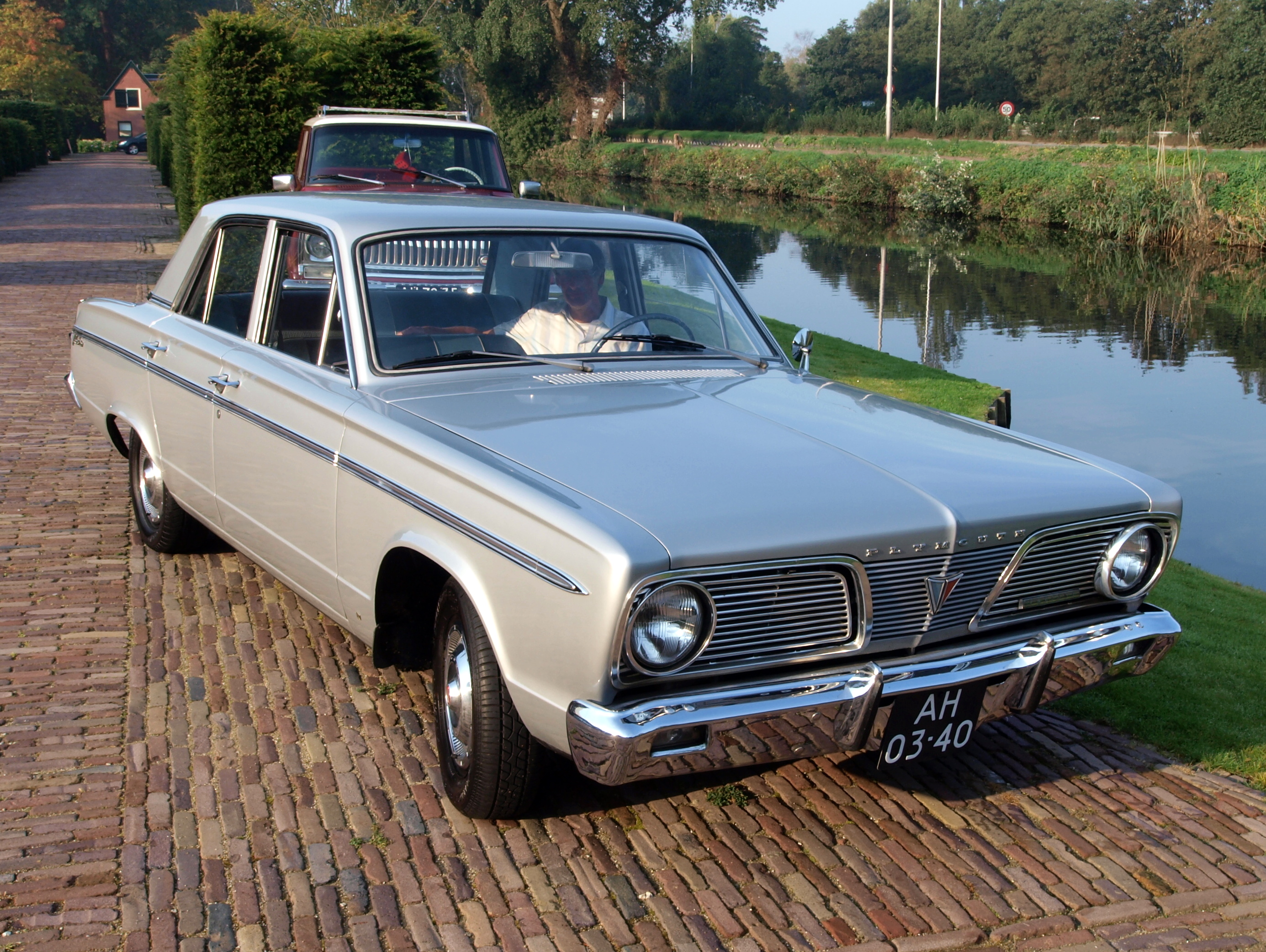
Plymouth Valiant
"...this up on Wikipedia, right? And it's, um, it's a Valiant, which I later, I had a '74. Um- It says it had ..."
The Plymouth Valiant is a car made by Plymouth. People bring it up because it was sold in the 1960s and 1970s, and some owners remember having one in a specific year like 1974. It’s basically a regular passenger car from that period.
The Plymouth Valiant is a mid-size American car produced by Plymouth, and it’s often discussed because it represents a common, everyday vehicle from the 1960s and 1970s. In podcast talk, it may come up as a personal reference point—like someone mentioning they owned a specific model year (such as a ’74). It’s significant as part of the era’s mainstream lineup and helps listeners connect with the history of everyday cars from that time.
all-wheel drive
"Emily BB28: My question is, what's the difference between all-wheel drive and four-wheel drive? That's it. Pretty, pretty low-hanging fruit there."
All-wheel drive means power can go to all four wheels. It helps the car grip better on slippery or uneven roads.
All-wheel drive (AWD) is a drivetrain setup that can send power to all four wheels, typically using a center differential and/or electronic controls to manage traction. It’s often designed for variable road conditions, not just off-road use.
four-wheel drive
"Emily BB28: My question is, what's the difference between all-wheel drive and four-wheel drive? That's it. Pretty, pretty low-hanging fruit there."
Four-wheel drive means the car can drive all four wheels, usually with extra gearing for rough terrain. It’s often meant for off-road or very slippery situations.
Four-wheel drive (4WD) is a drivetrain system that sends power to all four wheels, commonly with a low-range gear for tougher off-road conditions. Many 4WD systems are designed around selectable modes (like 2WD/4WD) rather than being continuously active.
Request an Explanation
Heard something you'd like explained? We'll add it to this episode.
Sign in to request explanations for terms you heard.
Want to learn more?
Browse our glossary for plain-English explanations of automotive terms, jargon, and concepts.
Help improve this episode
See something that's not quite right? Our annotations are AI-generated and can sometimes miss the mark. Click the flag icon on any annotation to suggest a correction.