
189. The Pile Up EP50: That's so Gay
About this episode
The hosts riff on online stereotypes and “what do these people drive?” lists, tossing out quick car associations like a Miata and debating which body styles feel “gayest.” The conversation then shifts into hands-on garage talk: how headlight access works on a Jeep Compass, including needing to grab and twist the light, and the frustration of modern CAN-bus electronics. They also describe xenon bulbs as physically huge and difficult to reach.
The girls go over the gayest cars, happy pride!
Recorded @iapdx
Recorded & mixed by Emdognightmare & Queen of the Vans
Editor: Emdognightmare
Production & research Queen of the Vans & Emdognightmare
Find us: Car Krush
Stay updated w/ our newsletter
Hugs, thank you & high fives to Greg Meleney for the killer tunez!
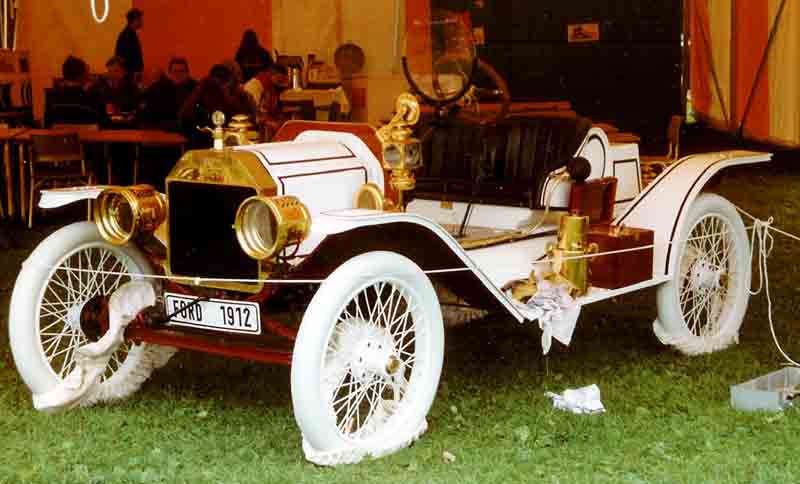
Ford Model T
"...as that, like, carriage... It, it's, it's a C-cab Model T. So it, it has a step-in door opening, and it's r..."
The Ford Model T is a very old car from the early days of automobiles. It’s known for being one of the first cars that many people could afford. It often gets described by its vintage body style and simple, carriage-like design.
The Ford Model T is an early 20th-century car that became famous for making automobiles affordable and widespread. It’s historically significant because it helped popularize car ownership and mass production. In a podcast, it may be mentioned when someone is describing an old-style vehicle—like a carriage-like body—with distinctive features such as a step-in door opening.
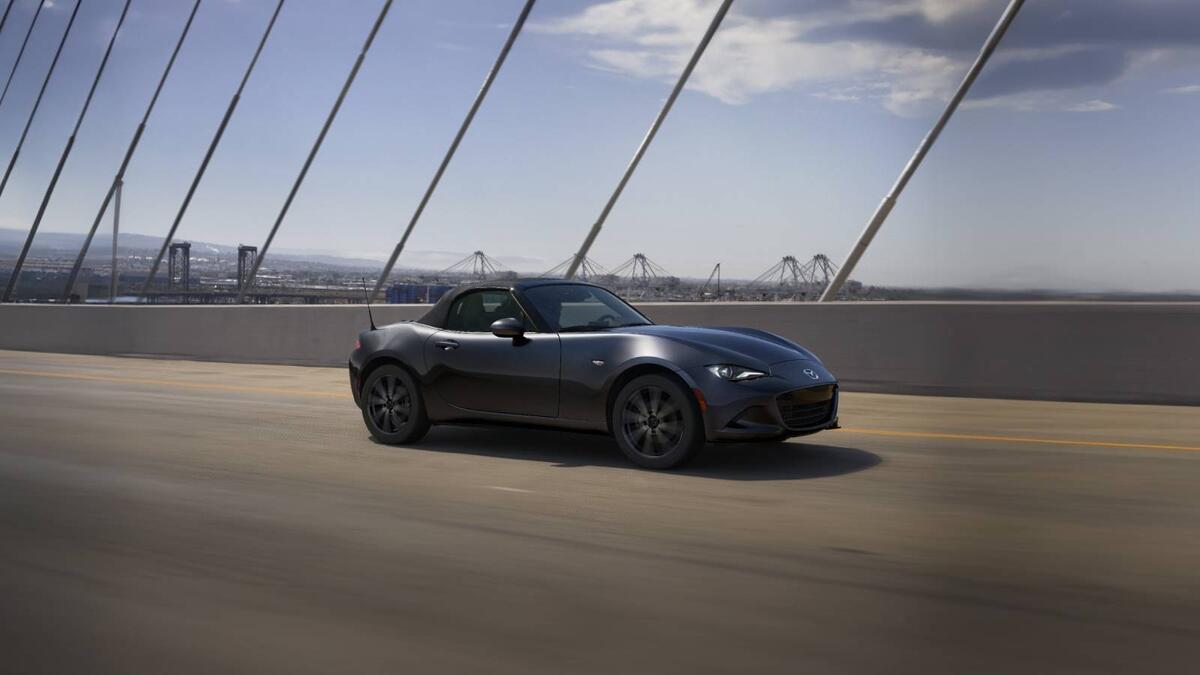
Mazda MX-5 / Miata
"... around the block and, uh, I was already thinking Miata immediately. Like, I didn't tell you that, but I ..."
The Miata is a small two-seat convertible made by Mazda. It’s designed to be light and easy to drive, so it feels fun even at everyday speeds. People mention it a lot when they’re talking about a simple roadster style.
The Mazda MX-5, commonly called the Miata, is a small two-seat roadster known for being light, fun to drive, and easy to enjoy on twisty roads. It often comes up in conversations because it’s a straightforward “driver’s car” that’s accessible for many people. In a podcast, it’s a common reference point when someone is thinking about a classic, simple, open-top style of car.

Ford Bronco
"...ike, Rizzo, or I think Rizzo said that was like a Bronco or something Emily EP50 2: little Jeep Rose EP50..."
The Bronco is a Ford SUV made for driving on rough roads and trails. It’s known for its tough design and off-road focus. People bring it up when they’re talking about identifying a specific kind of classic SUV.
The Ford Bronco is a rugged SUV built for off-road capability and outdoor use. It’s frequently discussed because it’s an iconic nameplate associated with trail-ready driving and a classic, boxy SUV look. In a podcast, it may come up when someone is trying to identify a vehicle based on its distinctive shape.

Pontiac Firebird
"...rtible car." Rose EP50 2: Oh, really? T-top, huh? Firebird? Emily EP50 2: Yeah. I'm gonna say that he, that..."
The Firebird is a sporty Pontiac car that was built for performance. Some versions have roof options like T-tops, which let you drive with the top partially off. People mention it when talking about a specific kind of muscle car with an open-air feel.
The Pontiac Firebird is a performance-oriented American muscle car, typically associated with sporty driving and attention-grabbing styling. It’s often discussed in car conversations because it came in different body styles and configurations, including open-air roof options like T-tops. In the podcast context, it’s being referenced as a convertible-style or roof-removed type of car.

Scion Xb
"Rose EP50 2: yeah, like I just always think of somebody with like, uh, gauges in their ears and like basketball shorts driving the Scion xB, but it could be-"
The Scion xB is a Toyota-made car with a very boxy, upright shape. The hosts mention it as an example of a certain style of driver, not as a technical review.
The Scion xB is a boxy compact wagon from Toyota’s Scion brand, known for its upright, practical shape and easy interior packaging. In the segment it’s used as a stereotype example of a certain “look” or vibe associated with some drivers.

Ford Festiva
"Rose EP50 2: ...but like the Ford Festiva, just the name in general, and it's like"
The Ford Festiva is an older, small Ford that was known for being cheap and basic. In this part of the podcast it’s mentioned mainly for the joke, not for performance or tech.
The Ford Festiva is a small, budget-friendly Ford from the late 1980s/1990s era, best known for being simple and inexpensive. Here it’s brought up as a name-based example in the “what do these people drive?” joke framing.

Ford Transit
"Rose EP50 2: ...somebody was like, obviously the Ford Transit is the, uh, trans car, and that the, uh, the NB car..."
The Ford Transit is a work van. Here it’s mentioned mainly because of a joke/wordplay, not because they’re discussing how it drives.
The Ford Transit is a commercial van line (commonly used for work and deliveries) known for practicality and wide availability. In the segment it’s referenced as the “trans car” in a wordplay/joke about what different people drive.
wheel liner
"Rose EP50 2: ...It seemed like a hole through the wheel liner, the wheel tub liner, would be the thing to do, would give you a straight shot into the headlamp."
The wheel liner is the plastic cover inside the wheel well. It helps protect the car, and the host is talking about cutting an access opening to reach the headlight.
A wheel liner (often called an inner fender liner) is the plastic panel inside the wheel well that helps protect the body from dirt, water, and debris. The host discusses making an access hole through the wheel liner/wheel tub liner to reach the headlamp area.
headlamp
"Rose EP50 2: ...would give you a straight shot into the headlamp. Yeah."
A headlamp is the front light assembly on the car. The host is talking about how hard it is to reach the headlamp to change bulbs.
A headlamp is the vehicle’s front lighting unit (the assembly that includes the bulb/LED and reflector/projector elements). The host is describing how access to the headlamp is awkward on the Jeep Compass and how they’d modify the wheel well for easier bulb service.

Jeep Compass
"Rose EP50 2: Like, okay, so the deal with the, the Jeep Compass was that, like, you needed to be able to grab the light and twist it. Uh-huh."
The Jeep Compass is a small SUV. The host is talking about how you have to reach and twist the headlight/parts to service it.
The Jeep Compass is a compact SUV from Jeep, and this excerpt focuses on how its headlight access works. The host describes needing to grab the light and twist it, then contrasts that with an idea for making access easier on their own car.
xenon bulbs
"Rose EP50 2: ...there were these, like, xenon bulbs. They were huge, like big metal square, like, so you can barely get your fingers in it. Yeah."
Xenon bulbs are a type of headlight that uses an electric arc (not a simple filament). They’re often bigger and can be costly to replace.
“Xenon bulbs” usually refers to HID (high-intensity discharge) lighting, which uses an electric arc through xenon gas rather than a traditional filament. The host notes they’re physically large and expensive, which affects how easy they are to service.
CAN buses
"Rose EP50 2: I just, I just, I'm not crazy about all these like CAN buses and stuff Rose EP50 2: So that's like the be- the beginning of its old life is seven years, is what I'm saying."
CAN bus is the car’s internal “communication network” that connects computers and sensors. The host is saying that this kind of modern wiring/tech can make it harder to work on the car or replace parts.
CAN bus (controller area network) is a vehicle communication system that lets electronic modules talk to each other over shared wiring. The host’s complaint is that modern cars’ CAN-bus-based electronics can complicate repairs or aftermarket work, especially when components age.
Request an Explanation
Heard something you'd like explained? We'll add it to this episode.
Sign in to request explanations for terms you heard.
Want to learn more?
Browse our glossary for plain-English explanations of automotive terms, jargon, and concepts.
Help improve this episode
See something that's not quite right? Our annotations are AI-generated and can sometimes miss the mark. Click the flag icon on any annotation to suggest a correction.