Exploring the often-maligned 1974 Mustang II, this episode features a heartfelt conversation with guest Jeremy, who shares his nostalgic journey of building a custom Mustang with his father. The hosts reminisce about their own first cars and the freedom those vehicles represented. Jeremy also discusses his innovative new product, the Freedom Top Vault, designed to store Jeep hardtops securely. The episode is filled with laughter, personal stories, and a celebration of the memories cars create in our lives.
At 14 years old, Jeremy and his father tackled a project most mechanics wouldn't touch: a complete 1974 Ford Mustang II rebuild.
What started as grease under fingernails and late nights in the garage became an ASE certification, an IT career, and eventually entrepreneurial ventures that would surprise anyone who knew him as "the Mustang kid."
Most people remember the Mustang II as Ford's controversial answer to the fuel crisis. Jeremy remembers it as the car that taught him he could build anything—even if his relationship with his father didn't always make it easy.
Here's what Jeremy reveals: - What it's really like learning mechanics from your father (spoiler: not always smooth) - The specific moment he knew he could tackle any mechanical challenge - Why he walked away from being an ASE-certified mechanic—and what he learned from that choice - His controversial business idea about Jeep Wranglers that could actually work - How that teenage Mustang project still influences his approach to problem-solving today - The one modification he wishes he hadn't made
But there's one detail about that first Mustang that Jeremy kept from his father for years. You'll want to hear this confession—and what happened when he finally came clean.
*** Your Favorite Automotive Podcast - Now Arriving Weekly!!! ***
Listen on your favorite platform and visit https://carsloved.com for full episodes, our automotive blog, Guest Road Trip Playlist and our new CAR-ousel of Memories photo archive.
Don't Forget to Rate & Review to keep the engines of automotive storytelling—and personal restoration—running strong.
"...that's my, I had a rabbit, VW Rabbit GTI. There was a ton of fun and it was my sister's before I got attached."
The Volkswagen Rabbit GTI is a fun and sporty car that many people enjoy driving. It's known for being quick and easy to handle, making it a favorite among car lovers.
The Volkswagen Rabbit GTI is a sporty version of the Rabbit, known for its performance and handling. It became a popular choice among enthusiasts for its fun driving experience and practicality.
"...d that first car and, uh, I think we've had a few mustangs. Mustangs are not, not uncommon on this episode,..."
The Ford Mustang is a popular sports car that started being made in the 1960s. It's known for being fast and stylish, and many people love it for its fun driving experience.
The Ford Mustang is an iconic American muscle car that debuted in 1964 and has become a symbol of freedom and performance. Known for its powerful engines and sporty design, the Mustang has a rich history in automotive culture and is often celebrated for its role in the pony car segment.
"It's a 1974 Mustang II, which, uh, if memory serves was, uh, based on the Pinto or vice versa..."
The Ford Mustang II is a smaller version of the original Mustang, made in the 1970s. It was built to save fuel and share parts with another car called the Pinto.
The Ford Mustang II was a compact version of the classic Mustang, produced from 1974 to 1978. It was designed to be more fuel-efficient and was based on the Ford Pinto platform.
"...this car definitely needs is a little bit of some sort of more aggressive nose cone or something."
A nose cone is the front part of a car that helps with aerodynamics. It can affect how the car looks and how well it moves through the air.
The term 'nose cone' refers to the front section of a vehicle, particularly in the context of aerodynamics and design. A well-designed nose cone can improve airflow and reduce drag, enhancing the car's performance.
"...I've owned a lot of cars over the years. I had a Chevy Cavalier, like Tom was on an episode with Cavalier."
The Chevy Cavalier is a small car made by Chevrolet that was sold for many years. It was popular because it was cheap and good for everyday driving.
The Chevy Cavalier is a compact car that was produced by Chevrolet from 1982 to 2005. It was known for its affordability and practicality, making it a popular choice for budget-conscious buyers.
"Um, gosh, you're talking about, I just mentioned the GTI in here and you talk with something I forgot about."
The Volkswagen GTI is a sporty version of the regular Volkswagen Golf. It’s known for being fun to drive and is often enjoyed by people who like cars.
The Volkswagen GTI is a high-performance version of the Volkswagen Golf, known for its sporty handling and fun driving experience. It's popular among enthusiasts for its blend of practicality and performance.
"...rolling down the windows, opening up the sunroom. So that's sunroof."
A sunroof is a window in the roof of a car that you can open to let in fresh air and sunlight. It makes the ride feel more open and enjoyable.
A sunroof is a panel on the roof of a car that can be opened to allow light and air into the vehicle. It enhances the driving experience by providing an open-air feel.
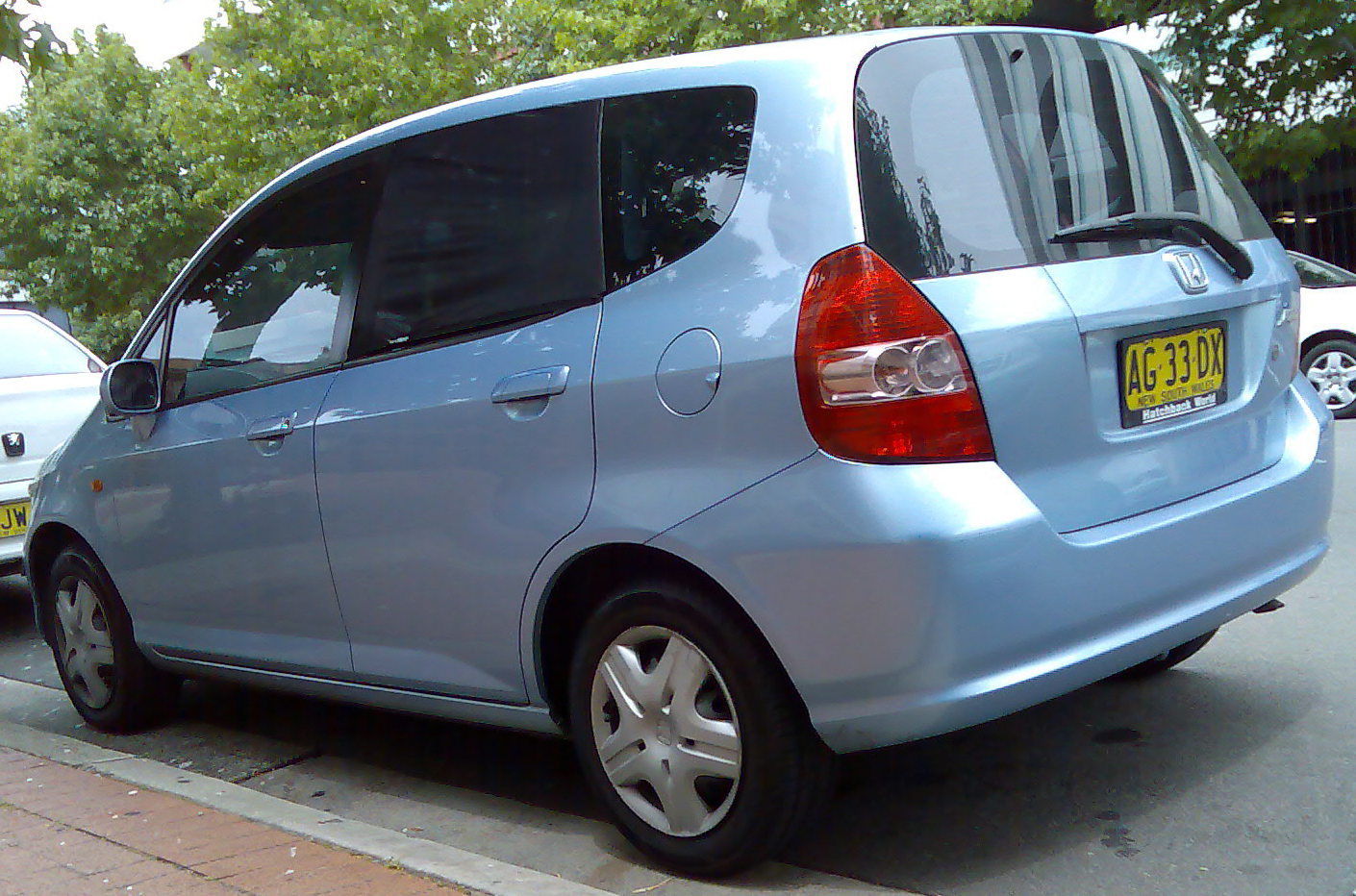
"...we found it in a grove of trees, read an auction and I, and I see this, this Honda, you know, hatchback, you know, ugly brown as ugly as you're going to get, right?"
A Honda hatchback is a small car made by Honda that has a back door that opens upwards. It's usually easier to load things into the trunk because of this design.
The term 'Honda hatchback' refers to a compact car design by Honda that features a rear door that swings upward, providing access to the cargo area. Honda has produced several hatchback models over the years, known for their practicality and fuel efficiency.
"...I had a post high school, uh, 89 Nissan 240SX, great car, sold it to get my first convertible, but I would see that car for years around, around town..."
The Nissan 240SX is a small sports car that many people enjoy driving. It's known for being fun to modify and has a good balance, making it great for driving enthusiasts.
The Nissan 240SX is a compact sports car produced by Nissan, known for its rear-wheel-drive layout and performance potential. It gained popularity among car enthusiasts for its tuning capabilities and balanced handling.
The Volkswagen Cabriolet is a small car that has a roof that can be opened, making it a convertible. It's a fun car to drive, especially in nice weather.
The Volkswagen Cabriolet is a convertible version of the Volkswagen Golf, known for its compact size and fun driving experience. It was popular in the 1980s and 1990s, appealing to those looking for an affordable open-top car.
"...the way that that rabbit had the alternator on there is there's a, you know, a bolt through the bottom. And it was a bracket that kept it twisted up to keep the tension on the belt."
The alternator is a part of the car that helps keep the battery charged and powers things like the lights and radio when the engine is on.
An alternator is a crucial component in a vehicle's electrical system, responsible for converting mechanical energy into electrical energy to charge the battery and power the electrical systems when the engine is running.
"...the bracket that kept it twisted up to keep the tension on the belt. Well, the bracket had broken and it slipped down."
A bracket is a small part that helps hold other parts of the car in place, making sure everything stays where it should be.
In automotive terms, a bracket is a supportive component that holds parts in place, ensuring they remain securely attached and properly aligned within the vehicle.
"...So I took some, I had some zip ties in the trunk. And I was able to zip tie that thing back tight."
Zip ties are plastic straps that can be used to hold things together. They're often used in cars to quickly fix parts that might be loose or broken.
Zip ties, also known as cable ties, are versatile fasteners used to hold items together. In automotive situations, they can be a temporary solution for securing loose components until a proper repair can be made.
"...p them going. You know, they used to say the the Volkswagen bugs had a hamsters going in them to keep them going...."
The Volkswagen Bus is a classic van that people loved for its roomy space and unique look. It's often seen as a symbol of freedom and adventure, especially during the 1960s.
The Volkswagen Bus, also known as the VW Type 2, is a classic vehicle that became popular in the 1960s for its spacious interior and distinctive boxy shape. It is often associated with counterculture movements and road trips, making it a beloved icon in automotive history.
"...the top two panels, which most people don't even know this, but they're called Freedom Tops. And the panels would come off, but we'd have our luggage..."
Freedom Tops are special roof panels that can be taken off a car, giving you a feeling like you're driving a convertible. It's a fun feature that lets you enjoy the fresh air while driving.
Freedom Tops refer to the removable roof panels found on certain four-door hardtop vehicles, particularly in models like the Jeep Wrangler. They allow for an open-air driving experience by letting drivers and passengers enjoy the outdoors while maintaining the structural integrity of the vehicle.
"...it's going to work on Broncos, it's going to work on gladiators. It's like the literally the whole thing is covered for all those"
The Jeep Gladiator is a truck that is built for off-roading, combining the features of a Jeep with a pickup truck's bed for carrying cargo.
The Jeep Gladiator is a mid-size pickup truck that combines the off-road capabilities of a Jeep with the utility of a truck, appealing to adventure enthusiasts.
"...it's going to work on Broncos, it's going to work on gladiators. It's like the literally the whole thing is covered for all those"
The Ford Bronco is a popular SUV known for its off-road capabilities and rugged design, making it great for outdoor adventures.
The Ford Bronco is a classic off-road vehicle that has been reintroduced with modern features and capabilities, designed for adventure and outdoor activities.
"...you're in a Jeep with the American flag on the side. And it's got a kayak tied to the top. I think you should buy that Jeep back"
Jeep is a brand of cars that are great for off-roading and outdoor adventures. They are known for their rugged design and ability to handle tough terrains.
Jeep is a well-known automotive brand famous for its off-road vehicles, particularly the Wrangler. The brand has a strong association with adventure and outdoor activities.
"Yeah, you know, that was a limited edition for the 1994 Olympics."
Limited edition means that only a small number of these cars were made, often to celebrate something special. They might have unique features or designs that you won't find in regular models.
A limited edition refers to a specific version of a product that is produced in a restricted quantity, often to commemorate a special event or milestone. In the automotive world, limited editions can feature unique designs, performance upgrades, or special features that distinguish them from standard models.
"Yeah, you know, that was a limited edition for the 1994 Olympics."
The 1994 Olympics were the Winter Games held in Norway. Sometimes, car companies make special versions of their cars to celebrate big events like the Olympics.
The 1994 Olympics refers to the Winter Olympic Games held in Lillehammer, Norway. Events like these often inspire automotive manufacturers to create special edition vehicles to commemorate the occasion, which can enhance the car's collectibility and value.
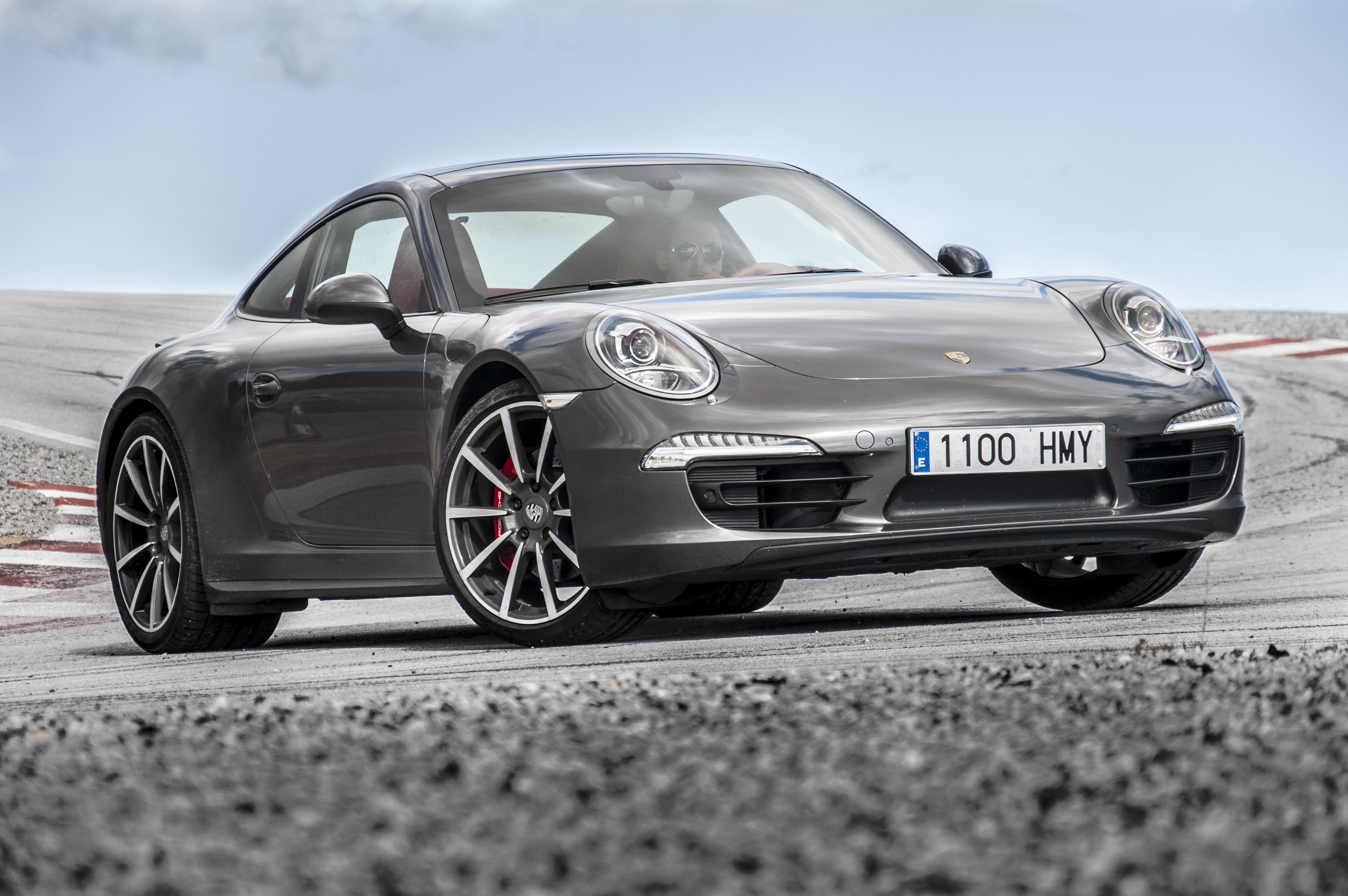
"Yep. And I think I had that Jeep post 9-11 and it got a lot of thumbs up because of the kind of waving American flag."
The Porsche 911 is a famous sports car that has been around for many years. It's known for being very fast and fun to drive, and many people admire its unique shape and high-quality build.
The Porsche 911 is a legendary sports car that has been in production since 1964, known for its distinctive design and rear-engine layout. It is celebrated for its performance, handling, and engineering excellence, making it a favorite among car enthusiasts and collectors.
Select text to request an explanation
Welcome back to all the cars I've loved before, you know what, it's a little bit of a stale
open and dug, so I think we have to try something new here.
How about dumb?
Do it, do it.
How about it is timed for another high octane, four wheel align, burnout, fuel injected,
airbag protected, not Takata, to episode of Do All The Cars I've Loved Before, your
podcast where every car tells a story.
What do you think?
How's that?
I think that's good.
I liked how you slipped in the airbag and that sore subject about Takata.
But don't.
Yep.
How about this?
How about this?
A little bit of marketing here.
Let's go Madison Avenue on it.
Do it.
The only car enthusiast podcast that runs on all eight cylinders most of the time.
Bingo.
Okay.
The only car enthusiast podcast that gives a $3,000 deal, rebate and sin of every labor.
No.
That is good.
No, we can't do that anymore.
We can't.
The only car enthusiast podcast that was imported into Baltimore Harbor but was mostly assembled
in Canter.
Are these getting better or worse?
Got four more.
Okay.
Four more.
Let's focus a few more.
Yeah.
I know you hate them all, but this is because we'll put them out for a vote.
Let's save these because we need to delete them as soon as I'm done.
The only car enthusiast podcast whose vinyl top is sort of dry rotting and looks great
from a distance, but terrible up close.
And why were vinyl tops ever a thing?
Huh?
No?
Yes.
Keep going or move on.
What do you think?
It was a fake convertible.
Right.
Right.
Yeah.
I guess that was what they were trying to impart.
That's what I thought.
You know, and the only thing worse than the vinyl top was the headliner on all the GM products
from the 70s and 80s that would just kind of, you know, it was like a curtain coming
down around your head at the most inopportune times.
One more.
The only car enthusiast podcast that has to talk to its manager about the last low ball
offer you made, have some coffee, I'll be right back.
How about...
No?
Did I freeze again?
No.
No, no, no, no.
The only car enthusiast podcast that was crawled by NHTSA for being incredibly boring.
The only car enthusiast podcast whose cassette deck will also eat CDs and DVDs.
Last one I have.
The only car enthusiast podcast that leaks green, orange and brown puddles in the garage.
Well, all right, we'll put them to a poll.
Put it to a vote.
Well, welcome back, everybody.
It seems you have nothing better to do than to check out to all the cars I've loved before.
Podcasts where every car tells a story.
We get into life lessons through cars, talk about the first few cars that you've owned
and get into what's happening in your life now, what causes you espouse, what brought
you here.
Where'd you get that first car?
Mom, Dad, we've had a few guests, I'm going to say recently, who had a car that kind of
made its rounds through the family, which I think is fantastic.
That's actually, as I reflect on it, that's my, I had a rabbit, VW Rabbit GTI.
There was a ton of fun and it was my sister's before I got attached.
Oh, man.
I want one now.
I've been thinking about that car a lot lately.
Oh, anyway.
Cars.
Who had a fine one?
Bring a trailer.
Absolutely.
Absolutely.
We're going to check it out.
So as we move real excited about today's guests, so I'll be done with the babbling
in just a moment.
Again, here, we're seeing the numbers rise.
Thank you.
Please follow the show.
So hit the little plus on the Apple Podcast on, let's see, on Spotify, those of them.
And on Amazon, all the major platforms.
Yeah.
If you like it, please share.
Doug is incessantly wonderfully posting on our social media.
We're, we're, he got visited a garage and got some footage and that's moving into post
production now.
We're looking at starting a TikTok account maybe and possibly a YouTube show.
So that's in the offing, not to tease, but we're trying to get there as we, as we move
things forward.
So that, that's about in on the calls to action.
What do you think, Doug?
Am I missing anything before you introduce this week's guest?
No, I think, I think you've, you've covered it all.
I think this week's guest is going to be pretty cool because we have, and probably without
further ado almost, we, we have a guy who worked with his dad to build the front end
or the clip or the bumper of his first car, just to do something different.
We have a guy whose life involves his career, involves cars.
And he's also an inventor inventing a well needed accessory for cars.
And the best part about this guy, he's coming to you live.
Well, he's coming to us live.
He's coming to you on a delay from Hawaii.
So with no further ado.
It's a little late for that.
Jeremy, how are you doing today?
I'm doing good.
It's good to be with you, Doug and Christian.
Good to have you.
But what is the weather in Hawaii?
Um, you know, everybody asked me that.
And this is the challenge with that question.
The weather in Hawaii is pretty much perfect all the time.
It's like 80, whether it's night or day.
And everybody says the exact same thing that you just said, Christian.
They say, I hate you for that, right?
Yeah, yeah, as humidity, heat, hurricane, storms, and all sorts
of awful things barrel out of the Gulf of Mexico.
Um, I just, uh, a little, little jealous, but thank you for sharing that.
Well, and to be fair, Jeremy, if I may, Jeremy grew up in South Dakota.
So I think he's earned some nice.
Oh, I didn't know that.
Yeah, I didn't know that.
Oh, this is where that that's where that my first car was built in South Dakota.
Built born and bred, right?
Yeah, I take it back.
You've earned every sunny day, buddy.
I'm just going to be quiet and let Doug take it from here.
No, no.
So, so you mentioned that first car and, uh, I think we've had a few mustangs.
Mustangs are not, not uncommon on this episode, but you had a custom
Mustang that you built with your dad.
Tell, tell us about it.
I have here.
It's a 1974 Mustang two, which, uh, if memory serves was, uh, based on the
Pinto or vice versa, it was.
That's the way it is, right?
I mean, it was the seventies.
I was, I was, I was actually 12 and a half, 13 years old when my dad took me out.
And I would call it junking.
Let's just be honest with it, right?
Like we're out in the middle of a field in a tree, right?
Like a grove of trees.
There's a car back there and my dad find this, this Mustang, right?
The 74 Mustang and I'm just a wide eyed kid.
And the reason you say, well, why is he so young?
Well, that's the beautiful thing about living in South Dakota.
Like you get your driver's license at 14, you know, insurance companies
don't know what to do with me.
They say, wait, you get your license.
I said I was 14 years old.
I can't even tell you how many times.
Well, our system won't even accept that.
I'm like, well, that's when I got my license.
I don't know what else to tell you, but I'm this wide eyed kid.
My dad gets this, this Mustang and I'm like, what a dream.
Like it's a Mustang and he had an idea.
He said, let's change kind of the, again, we've, you know, we had kind of a
little bit of discussion about what that's called.
I don't know, but it's the front of the car, right?
Like he's like, let's round it.
You know, Mustangs are notorious for being kind of boxy in the front.
That and he's like, let's round that.
Yeah, even, even as you're saying that, you read my mind because I've called
up pictures and I'm looking at them and I said, what this car definitely needs
is a little bit of, is a little bit of some sort of more aggressive
nose cone or something.
I mean, it looks very, well, like Doug was saying, it looks very boxy.
That's probably what led you guys to say led your pop to say, hey,
we got to fix this.
Let's do this.
I would love to say that I had any, any brain power in that.
I, again, I was just that like kid, right?
Excited to have your first, you know, I mean, my son just got his license at 16.
And I, and I've been reminded recently in the last couple weeks of just the
freedom of that, that, that thing, right?
Your car, your license and the freedom that that brings is just a thrill.
And that's what it was for me.
Like in the middle of this, I'm like, dad, let's just finish this thing.
I want it to be done.
You know, that was the car that I did.
My first power slide in with the e-brake and the first donut, like make
everything that you think of youth and, and freedom and all that stuff.
That was the car that began everything.
Yeah, my, my daughter got her license recently.
And yeah, she just reminded me of when I was her age, any excuse I needed
to go out in the car.
Oh, you need me to go get some eggs?
Oh, you need me to get five eggs?
Yeah.
You need some water.
Dad, um, dad, I think you need a new newspaper.
This one's kind of ripped off, off to the store, off to the store I go.
Let's get out of the house.
Yeah.
For 30 minutes, even though it only took five to get there.
Absolutely.
It's, it's the drive, right?
It's the journey of everything.
And so, you know, that's the beauty.
Now I can say as a kid, and I'm sure some people who listen to your
podcast, want to understand this, like, you know, the beautiful thing was
my dad was creating something that I'll never forget, right?
Like it was unique.
It was custom.
And it built me into kind of a mode of wanting custom things.
Like I didn't want just the normal, like I still have, I would say
I still have some of that element in me.
Like I, like if I get a hat, I take the knob off the top, like, because I
want it to be just a little bit different than what the next guy has, right?
And so, but, and the same token that that's beautiful.
It was also challenging because it's like, okay, we got to fix this car.
Well, that's months in the shop.
That's, that's, you know, forming it.
That's taking the fiberglass and rounding it and painstakingly sanding.
And as a kid, you're just like, I just want my car.
I just wanted to run, but when it was done, right?
Right?
Pain of it.
It was custom painted.
The whole thing was just, it was just, it was memorable.
And I think that's the thing that I, I have enjoyed about your shows and
different things like that.
I mean, you know, as I go back, one of the things I've loved about your
podcast is it brings back memories of, it brings back memories of, I've owned
a lot of cars over the years.
I had a Chevy Cavalier, like Tom was on an episode with Cavalier.
He got it.
It was Jim, right?
Um, I had a Honda.
We can talk about that.
Danielle talked about it.
Like I had a buddy who had a prelude and so like there's all these shows.
Like, and so as I'm listening, and that's probably one of the things I would
say hats off to you guys about that has been really, really fun as I've kind
of discovered this podcast and began to listen.
It's, it's been the flood of memories of all the different things, all the
times that I've been with friends and doing things that maybe we shouldn't
have been doing or we should have been doing.
It was just a lot of fun, right?
And so it brings back a flood of memories.
And so for that, I'd say great job on coming up with an idea and creating
something that, that brings back this cool memories.
That's such a warm and kind thing to say.
Thank you.
And, and, and that is what it's, it's amazing what the brain locks up back
there in the small, in the, in the attic of your mind, man, there's a trunk
stuck in the corner and, and, and the smallest thing that unlocks it and
brings out and just puts a smile on your face.
Um, gosh, you're talking about, I just mentioned the GTI in here and you
talk with something I forgot about.
I just remember one night, nothing spectacular about it of just having all
my buds in the car driving around, listening to music, um, laughing,
having a good time and just the freedom, you know, rolling down the windows,
opening up the sunroom.
So that's sunroof.
So good point.
Sorry, Doug, go ahead.
Yes.
No, no, you're fine.
Um,
it's funny you say that I had a rabbit convertible cabriolet thing at duct tape.
It was a convertible that, that I had a hail storm ripped through the roof.
I had duct tape that had taped up the holes.
That's the car that I was driving when I met my wife, like, like, you know, so
it's memories, right?
Like it's memories of, of going to pick her up on dates, laughing about duct tape.
Maybe it wasn't as funny to her as it was to me, you know, all of those things,
right?
Right.
Right.
Yep.
Maybe it was the song on the radio and there's so many intersections with cars,
right?
We, we've talked about it a little bit in passing cars and books, cars and music,
cars and music videos, um, so many different things.
So, uh, at 14 you had this Mustang, um, you were the envy.
Yeah.
This customized Mustang, you were the envy of, uh, all the other 14 year olds.
And, um, how long did you have the car for?
You know, I think at the end of that, I probably had it for, I think I was about 16.
And I don't, I don't, I really had memory.
Like, I'd love to be like, Oh, this is what happened or this transpired.
But I think in the reality of it is I just was a young kid who wanted to see what
the next thing was, right?
And so I would say, and how many people and how many times have you heard somebody
say, man, I wish I would have held on to that car.
I wish I had done that.
Can I go back and fix it?
No, but I was this young kid and I was on to the next exploration.
And so we were at an auction.
My dad, you know, we found it in a grove of trees, read an auction and I, and I
see this, this Honda, you know, hatchback, you know, ugly brown as ugly as
you're going to get, right?
And I, and I'm just, again, wide eyed.
Hey, dad, can we get this?
And so we start bidding and I watch him and his hands going up and, you know,
the auctioneer is doing this, you know, all this stuff.
And the next thing you know, we owned it.
I was like, what the heck just happened?
I didn't even know.
And then I had to get rid of my car, right?
Oh, wow.
Wow.
That's the whole process.
You can't have two cars.
Well, you can, but I couldn't at that age.
Yep.
Yep.
But you, uh, you got a car out of the field and then you bought a car at auction
with your dad and then you sold the car, right?
And then we sold the car and I saw that car drive for years after that.
So I did one thing I appreciate is it was cool to know that, that that car was
still out there on the road, still going.
Like it didn't just, you know, end up in a salvage yard or something like that.
Somebody else took it and appreciated it, right?
Yep.
And, you know, it's funny you say that.
So, right.
You recognize that car because of what you did on the front end.
I had not quite the same thing.
I had a post high school, uh, 89 Nissan 240SX, great car, sold it to get my
first convertible, but I would see that car for years around, around town.
And I totally recognized it because I had done something unique about the
letters or the numbers.
And so I could pick it out out of the crowd.
Sometimes it would just drive right by me.
So it was really awesome.
I wonder where that car is now.
But that's, that's for another episode.
It's in car heaven, car heaven.
Yeah.
So I saw all the cars we've lost before.
Yeah.
I, I sold the, the rabbit GTI to a guy.
It was, it felt like it was on, it was on its last leg.
And I sold it to some fella who said, man, I need this car.
I'm going across the country to California.
And I said, Oh boy, do I have the car for you?
Uh, you know, if you just want to make it two states, but this was in Louisiana.
So he had, he, where I grew up, so he had to go a long ways.
So sold it to him, you know, go about my life.
About a year later, I'm in a record store and you know, you know what I'm
talking about, if you're of a certain age and if you're, if you're younger,
you know, you seem to get music, you used to have to go to a store and get it.
Now, I don't know what the, what the record store was, but I see this guy
on the other end of the store walking up to me and I thought, Oh man,
this guy is either going to punch me in the face or shake my hand.
And, um, and, and it was a ladder.
He came up, he shook my hand.
He said, man, I just want to thank you.
That car got me there in back, California.
No sweat, no problem.
So I never saw the car again, but it took care of this guy.
I was, I was slightly amazed.
I have a very similar story.
So we were driving, I took my cabriolet rabbit with a buddy.
We were on a summer road trip and we took it from Arizona to Palm Springs
across the desert to Vegas up over the mountain.
This is a whole journey ended up in South Dakota.
Doug, you were talking about music.
My dad installed a stereo.
We didn't have any music.
I got some crazy stories on that trip.
I could tell you guys about another day, but I was driving home and we were in
New Mexico and I popped it off the hood to test or to see just, you know,
we're checking the oil and doing normal things, right?
And I realized that the, the brackets, so the way that that rabbit had
the alternator on there is there's a, you know, a bolt through the bottom.
And it was a bracket that kept it twisted up to keep the tension on the belt.
Well, the bracket had broken and it slipped down.
So just pure miracle that we had opened it at that time.
I had no way to fix it.
So I took some, I had some zip ties in the trunk.
And I was able to zip tie that thing back tight.
And I drove it all the way home like that.
And I sold it like that.
The guy never fixed it.
And he drove it for another 50, 60,000 miles.
Like it was the craziest thing.
This is something else.
I think we, Doug, I think we need to contact VW about some sort of sponsorship.
We're spreading some love.
I think we're on, I think we're on to something.
You know, there's the hail, right?
There's the GTIs that just won't die.
The Cabrio Lays that zip ties, zip ties, keep them going.
You know, they used to say the the Volkswagen bugs had a hamsters going in them
to keep them going. I think we're on to something between duct tape and zip ties.
I think we got it covered.
But I want to move on, if we can, to something Jeremy's into here.
And Doug alluded to it at the top of the show.
He has a product in the works.
And can you can you tell us about that, Jeremy?
Yeah, I'd love to.
So about probably eight years ago, I had this idea because I at the time,
I didn't want to jeep.
I was renting it and it drove me crazy.
It was a hard top.
And, you know, on the four door hard tops, the top two panels,
which most people don't even know this, but they're called Freedom Tops.
And the panels would come off, but we'd have our luggage, you know,
I'd have groceries or whatever it is that I was doing, right?
Like we'd be at a store or something.
And I'm like, the whole point of these things is to have freedom to take
the top off, to experience like that, you know, that convertible like feeling.
But no one ever does.
Like you drive around and you see jeeps.
I see jeeps all the time and I never see those tops off of there.
And I realized like there's nowhere to store them.
I'm not going to leave them in my garage because what if I'm out
and weather's out or whatever?
There has to be a way to store these things.
And so I came up with this idea and we talked about it, Christian,
but like I literally, I mean, it wasn't napkin and pen, but it was my iPad.
And I thought, I'm just going to sketch this thing.
Should I sketch this thing out?
Just on like a note, like an apple note with an apple pencil.
Like it was super random, you know, I'm not an immaculate drawer,
but I still have all the images from that initial drawing.
And it was this idea and I thought, oh, somebody's going to build it.
Somebody's going to build it, right?
I just kept thinking, OK, they'll take care of it.
Somebody's going to have this doesn't come.
It doesn't come.
And finally, one day I was sitting around and I was like, this is ridiculous.
Like I just need to make this thing.
And I can't say that it tied back.
But what I what I've loved about even this process with you guys
and finding your podcast and getting connected to you guys has been the memories.
Right. So like my dad and brother, I brought them in on this G products.
We call it freedom top vault.
So we've done it. We built it together.
We, you know, from the initial idea, we're down to production.
We're about to go into prototype mode.
We'll we'll run our first 10 to test the heck out of it
before we start selling these things.
And I'm really excited about it, but it'll allow you to have an entire trunk
full of of stuff, whether it's gear or luggage or whatever,
it'll hold over 350 pounds.
And literally, you can pop those tops off and it's a place right in the back.
The storms, they don't get scratched.
They're all separated and got the patent submitted.
Everything is good. So we're we're rolling in all that way.
And and then if you need to get them back out,
take you less than five minutes to throw those tops back on.
And it gives you a place to always have them with you and allows that.
But it ties me back to that first story, right?
To that first Mustang and my dad having the creative idea,
changing the nose, giving you that.
And and I'm really excited to be doing this with those guys
as we kind of build this new product.
Building something new together.
I love the callback. So how long did it take you?
Did it take this idea to sort of germinate or gestate?
Was this sorry if you you said it before,
but are we talking two years ago, five years ago?
And did it kind of hit you all in a flash?
But you seem like a creative guy from a creative family.
So could you talk a little bit about the process or the iterations to to?
You know, this is the challenge of that, Christian.
Yes, I think there is a lot of creativity in there.
But just like anything you think, OK, is this really a good idea?
Will people really use this, right?
And so when I have that idea, if I'm honest,
I probably sat on it for way too long.
Like we probably I probably sat on it for eight years to think.
Oh, yeah, they thinking somebody's going to come out with this.
Should I do this? Should I do that?
I'm literally literally iPad sketch to like.
Where I'm like, OK, now it's time to move.
Like, what have I been doing?
Like, why am I sitting on my hands?
Like, let's take this thing.
You know, I don't know what your guys' journey in the podcast was.
Like, from the time you you guys are probably faster than me.
You probably like we have this idea.
Was it eight years, Jeremy?
No, I know that's horrible.
But you know, we're pulling for you, pal.
In that it's it's it's, you know,
the I think the beautiful thing about sometimes having some I
some time to sit on an idea is I would say it's gone
through multiple revisions, even in my head, right?
Yes, yes.
And I can't say that I was the fastest to creating something or do something.
But I can tell you this, it's been well thought through.
Like the idea where it is, what it's going to be is well thought through.
And for that, I'm excited because I think it solves OK, right?
Here's the thing.
Freedom tops are created to provide freedom.
Well, you're not you're not free from the top.
The whole point of this product is to give you freedom from those top
so you can engage them, use them, whatever you want to do with them, right?
And it's going to work on Broncos, it's going to work on gladiators.
It's like the literally the whole thing is covered for all those
of past covers, all of it.
And we've got the designs in the work for all of that stuff.
But we're going to release it for this, you know, this most recent series of Jeeps
because we're excited to see or I'm excited to see people
driving with the freedom tops off, right?
Like I want people out enjoying them.
Yeah, we're OK.
Before we get to where can people get it?
Rookie question.
How do you submit?
OK, so you sketched it.
How do you get to the patent pending part?
Do you email it to the patent office or there are a ton of forms you fill out?
Did you make a call?
Did you visit DC?
You know what?
That is the awesome question.
And that is part of part of the part of the journey for me was to understand
that process, right?
And in the end, in the end, I had to find there's a great book called
Who Not How in it.
It talks about finding the people who know how to do the things that you need.
It's probably the same way as like a car person, right?
Like, like if I'm rebuilding a car and I don't know how to do it,
where do I go?
I go to YouTube.
I go to somebody who a mechanic who knows what they're doing
so that I can find the answers that I need, what can accomplish this?
I didn't know how to how to get a patent.
If I'm honest, there's no idea what to do.
And so I had to find a guy who knew and it was actually through a friend of a
friend as crazy as that is.
And this guy was able to help me through that process.
And now now I've learned a new skill on my tool belt, right?
Like I've learned how to how to handle that.
And so everything's submitted.
We had to take some drawings and create better drawings, obviously.
So there was an engineer that was involved in that and a bunch of different steps.
You know, anybody who's been through this process understands it.
But I think that was a fun thing.
And another tieback to what I love about your guy to show is cars often push us
to try things that we've never, never done.
Right, Doug, you said you modified that car, right?
You modified the letters and the numbering and stuff like that.
I would say you've had that same thing.
I can't tell you how many variations and things that we've done on cars
and modifications and changes and all that stuff.
And so I would say even in that, there's steps that I've learned
from cars that have helped me at this point.
Absolute. What was the book again?
Who not how was the name of that book?
OK, who not how?
I love it. Yeah. And.
OK, you said the patent was pending.
Is that like a two month process, a two year process, or you don't know yet?
Or I'm still learning.
I think it's going to be.
I think it's going to be a year to 18 months, but we're into this process
like all right now.
And so at this point, once it's submitted, everything that I've been told
is then the date is locked, right?
Like, so we submitted it. It's locked in.
You know, if somebody was to try and take our idea and create it at this point,
like there, as soon as I get the patent, they're going to be done.
And so we got to kind of lock down, which is cool.
I dig that. Now, where are people going to be able to buy it?
Or is that premature?
They are going to know.
Well, it's coming quick.
We'll have the first two hundred probably in the next three months.
So I don't know. I don't know.
Release schedules and stuff like that.
But but we're going to it's going to be on freedomtopbalt.com.
And that's where we're going to start.
And there's going to be some distributors because I've shown that once
we got the patent submitted, we took a very, very preliminary prototype
into a chief dealer.
And, you know, I have no idea.
I just wanted to see, like, you know, what do people think about this?
They want to think about the idea, right?
Like, what is this?
Great idea.
And those guys were so excited.
They were like, please bring it back when you have it created.
It's going to go into every Jeep that we sell.
And so I have no idea where this thing is going.
But I think they realize that this is something that the need.
That people will will benefit from, right?
I love it, man. What do you think about that?
Now, Doug, OK, I have not thought about this in years.
But what you got?
I got a picture of you.
Doug is owned, I think, 40 cars in his short life.
Probably probably under 30.
But probably more than 40.
But one of those I have a picture of you in this hilarious
and in one of our kayak adventure afternoons together.
There's you're in a Jeep with the American flag on the side.
And it's got a kayak tied to the top.
And hey, I think you should go find.
I think you should buy that Jeep back
just so that you would give Jeremy customer number one or something.
Yeah, you know, that was a limited edition for the 1994 Olympics.
Oh, 96, I think.
96 Olympics or 94.
I think it was a 94 job, so I'm going to go.
Yeah, I was going to say, you better look that up.
I don't know. I don't remember that.
Doing it right now.
It was a 94.
But yeah, that was one of my presents for moving back from New Jersey
after two years, just moved up there for work.
It was fine, but I wanted to buy myself a little gift.
It was not my first Jeep.
And if it was my last one, I guess we'll have to see.
But yeah, it was a lot of fun.
I actually had somebody, some young kid come up to me at a gas station and say,
excuse me, were you in the Olympics?
No joke.
I was quite on.
I was quite honored.
Yep.
And I think I had that Jeep post 9-11 and it got a lot of thumbs up
because of the kind of waving American flag.
We'll have to put that picture up there.
OK, so let some.
Yeah, just a little fact checking, which I know is not huge.
Oh, you said you weren't going to fact check.
Nineteen. I was I only fact check you when I'm right and you're wrong.
So that happens.
1994 Winter Olympics, officially known as the blub, blub, blub, Olympic
Winter Games and commonly known as Lilahammer.
So the 1994.
So probably yeah.
So Lilahammer was the 1994 Winter Olympics, the 1996 Olympic.
Olympics were held in Atlanta.
So there you go. Sorry.
We were both right.
No, I think I was right.
You were wrong.
But as we wind down our discussion with Jeremy, OK, FreedomTopVault.com.
FreedomTopVault.com.
That is his that's his his nascent company in this this project
that's going to take over the world.
Did you have as we as we as we decelerate the show?
I like to say, Jeremy, are there any causes that you would like to espouse?
Anything you want to talk about?
You know, this is the thing I've realized about causes.
I there's so many.
I have a ton of friends who are overseas doing missions
and different things like that over the years.
I think the thing about missions is and causes
it's just finding something that you care about, right?
At the end of the day,
yeah, like that means something to you becomes the cause.
And so for for right now, most of our most of our support goes to
to friends that are doing cool things around the world,
See something that's not quite right? Our annotations are AI-generated and can sometimes miss the mark.
Click the flag icon on any annotation to suggest a correction.
Report incorrect info
Suggest better explanations
Flag missing cars
More from To All The Cars I've Loved Before: Classic Car Restoration, JDM, and Automotive History