
#2595: The Big Hair Problem
About this episode
The Tappet brothers tackle a variety of quirky automotive questions, including a listener's air conditioning woes and a mysterious ticking noise in a Nissan van. They humorously discuss Y2K compliance at Car Talk Plaza and share amusing anecdotes about car quirks, such as a woman experiencing electric shocks from her Volkswagen Jetta. The episode blends practical advice with light-hearted banter, showcasing the brothers' unique chemistry and comedic style.
Jessica and her mom both drive their VW but every time Jessica goes to start it she gets a shock. Is this some kind of anti-Fahrgvergnugen that only Jessica has to endure, or is their another possible answer? Find out on this episode of the Best of Car Talk.
Learn more about sponsor message choices: podcastchoices.com/adchoices
NPR Privacy Policy
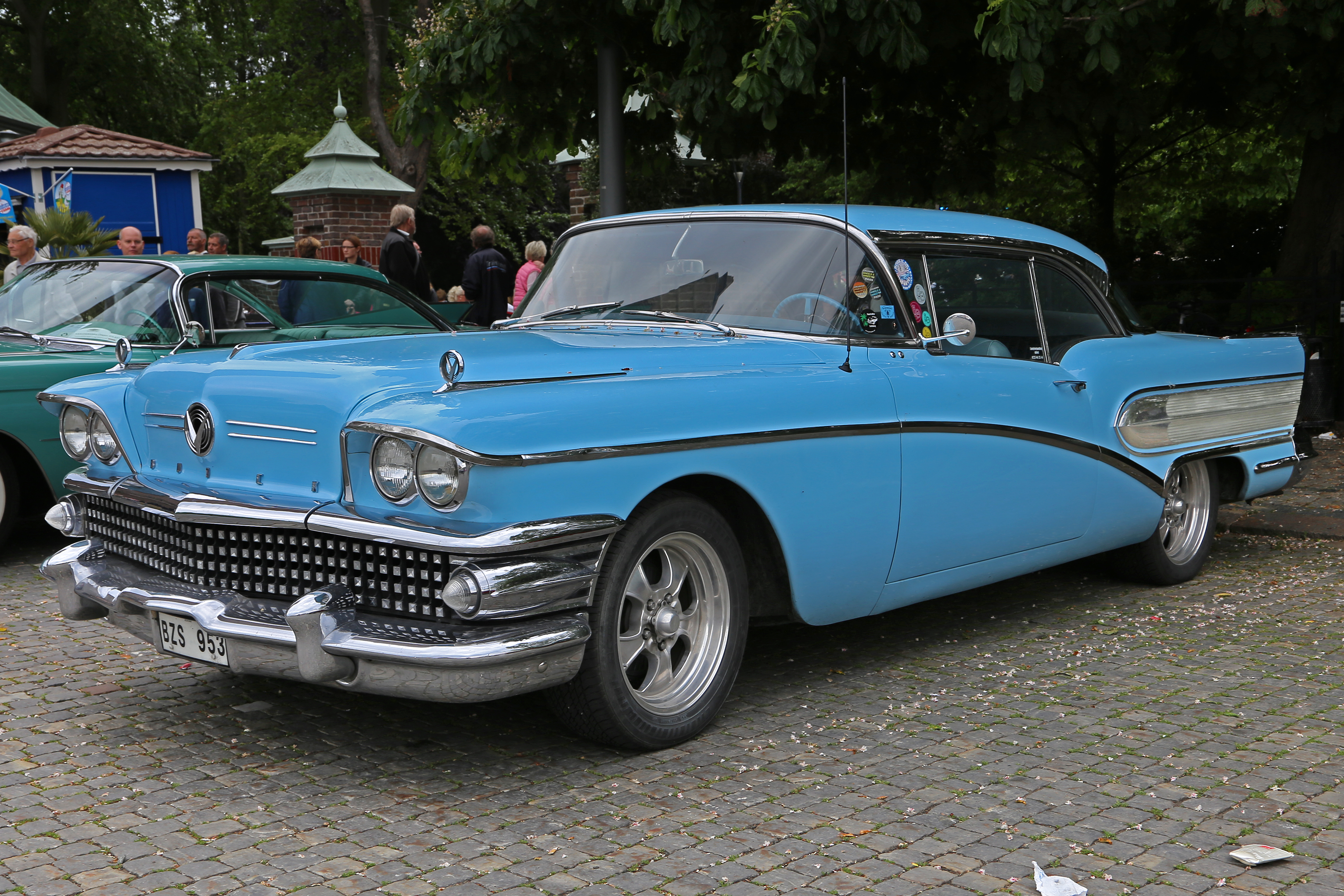
Buick Century
"...ng that NPR pay us in advance for the entire 21st century. If you would be so kind as to forward a check by..."
The Buick Century is a type of car that was made for many years, known for being comfortable and roomy inside. It was popular with families because it was easy to drive and had a lot of space for passengers and luggage. People talk about it because it's a classic American car that many remember fondly.
The Buick Century is a mid-size car that was produced by General Motors from 1936 until 2005. It is known for its comfortable ride and spacious interior, making it a popular choice among families and older drivers. The Century represents a significant part of Buick's history and is often discussed for its blend of classic American styling and practicality.
Nissan XS van
"Okay, I have a 1990 Nissan XS van. Oh, yeah."
The Nissan XS van is a type of vehicle made by Nissan in 1990. It's designed to be useful for families or businesses, offering plenty of space inside.
The Nissan XS van is a model that was produced by Nissan in the early 1990s, known for its practicality and versatility as a family vehicle or for commercial use.

Nissan Stanza
"...but it was a stanza, I'm pretty sure. Yeah. So what's going on? What happened was, about a year ago,..."
The Nissan Stanza is a type of car that was made by Nissan. It was popular for being affordable and dependable.
The Nissan Stanza was a compact car produced by Nissan from the early 1980s to the mid-1990s. It was known for its reliability and practicality, making it a popular choice for budget-conscious buyers.
air conditioning
"...my air conditioning went out, and some guy told me it was going to be like $800,..."
Air conditioning is what makes the inside of the car cool when it's hot outside. Sometimes, it can break and need expensive repairs.
Air conditioning in cars is a system that cools and dehumidifies the air inside the vehicle, making it more comfortable for passengers, especially in hot weather. Repairs can be costly, depending on the issue.
stuck valve
"You could have had a stuck valve. Because of a lack of oil? No, because of dirt."
A stuck valve is when a part of the engine that opens and closes to let air in and out gets stuck. This can happen because of dirt or if the engine isn't taken care of, and it can make a ticking sound.
A stuck valve occurs when a valve in the engine fails to open or close properly, often due to dirt, age, or lack of lubrication. This can lead to engine performance issues and unusual noises, such as ticking.
hydraulic lifter
"or a hydraulic lifter to stick and make that ticking noise."
A hydraulic lifter is a part of the engine that helps the valves open and close smoothly. If it gets stuck, it can make a ticking noise and cause problems with how the engine runs.
A hydraulic lifter is a component in an engine that helps maintain proper valve clearance by automatically adjusting to changes in temperature and pressure. If a hydraulic lifter sticks, it can create a ticking noise and affect engine performance.
muffler
"...you wouldn't hear it because you'd be drowned out by the hole in the muffler and the wheel bearings that were bad..."
The muffler is a part of the car that makes it quieter by reducing the noise from the engine. Without it, your car would be much louder when you drive.
A muffler is a component of a vehicle's exhaust system that reduces noise produced by the engine's exhaust gases. It helps to control sound levels and can also affect engine performance.
wheel bearings
"...and the wheel bearings that were bad and all the other problems that your car has..."
Wheel bearings are parts that help your car's wheels spin easily. If they're worn out, it can cause noise and make driving less smooth.
Wheel bearings are crucial components that allow the wheels to rotate smoothly with minimal friction. They support the weight of the vehicle and enable the wheels to turn freely.
oil
"...I was due the oil. And you didn't want to throw in that quart and a half that it needed."
Oil is like the blood of the engine; it keeps everything running smoothly and prevents damage. If the oil level is too low, it can cause problems like ticking noises.
Oil lubricates the engine's moving parts, reducing friction and preventing wear. It also helps to cool the engine and keep it clean by carrying away contaminants.
valve train
"...you were starving the valve train of its lubrication and you were getting the ticking."
The valve train helps the engine breathe by opening and closing the valves that let air and fuel in and exhaust out. If it doesn't get enough oil, it can make a ticking noise.
The valve train is a component of an internal combustion engine that controls the opening and closing of the engine's valves. It includes parts like camshafts, lifters, and pushrods, and is crucial for proper engine operation.
NASCAR
"...sanctioned stock car races, but a driver that shows up in an MGTD..."
NASCAR is a racing organization that hosts events where cars race on tracks. It's famous for its fast cars and exciting races.
NASCAR, or the National Association for Stock Car Auto Racing, is a popular motorsport organization in the United States known for its stock car racing events. It features a series of races on various tracks, emphasizing speed and competition among specially designed vehicles.

Dodge Neon
"...Well, my brother had a car. He still has the car. It's a Dodge Neon. And the piece that tells how much oil you have..."
The Dodge Neon is a small car that was made by Dodge. It was popular because it was cheap and good for everyday driving.
The Dodge Neon is a compact car that was produced by Dodge from 1994 to 2005. It was known for its affordability and practicality, making it a popular choice among budget-conscious consumers.
dipstick
"The dipstick broke off. Not the dipstick. There's like a meter in it."
A dipstick is a long, thin tool that you pull out of the engine to check how much oil is inside. It tells you if you need to add more oil to keep the engine running smoothly.
A dipstick is a tool used to measure the level of oil in an engine. It helps ensure that the engine has the proper amount of oil for lubrication and operation.
threw a rod
"...the engine lost all its oil and it threw a rod and made a huge hole in the block. It sure will."
When an engine 'throws a rod', it means a part inside the engine breaks and can cause a lot of damage. This usually happens if the engine doesn't have enough oil or is under too much pressure.
Throwing a rod refers to a failure in the engine where a connecting rod breaks or comes loose, often causing severe damage to the engine block. This typically happens due to lack of lubrication or excessive stress on the engine components.
engine block
"...and it threw a rod and made a huge hole in the block. It sure will."
The engine block is the big part of the engine that holds everything together, like the cylinders where the fuel burns. It's really important for how the engine works.
The engine block is the main structure of an engine that houses the cylinders, pistons, and other essential components. It is typically made of cast iron or aluminum and is crucial for the engine's overall integrity and performance.
pulley
"It sounds like the pulley is hitting something. The pulley."
A pulley is a round wheel that helps move things around, like belts in a car engine. It helps parts of the engine work together.
A pulley is a wheel on an axle designed to support movement and change of direction of force. In automotive applications, pulleys are often used in conjunction with belts to drive various engine components.
heater hose
"And buy about a foot and a half of heater hose. Heater hose."
Heater hoses are tubes that carry hot liquid from the engine to the part that heats the inside of the car. They help keep you warm when it's cold outside.
Heater hoses are flexible tubes that carry coolant from the engine to the heater core, allowing the vehicle's heating system to warm the cabin. They are essential for maintaining proper engine temperature and cabin comfort.
flywheel
"And what it is, is the flywheel hitting the sheet metal inspection cover. The sheet metal inspection cover of the transmission."
A flywheel is a round metal part in a car that helps keep the engine running smoothly. It stores energy and helps the engine start and shift gears more easily.
The flywheel is a mechanical device that stores rotational energy and helps smooth out the power delivery from the engine to the transmission. It plays a crucial role in the operation of manual transmission vehicles, aiding in gear engagement and engine starting.
sheet metal inspection cover
"The sheet metal inspection cover of the transmission. Okay."
The sheet metal inspection cover is a thin metal piece that protects the transmission and lets you check its condition without taking it apart completely.
The sheet metal inspection cover is a protective component that covers the transmission, allowing for access to inspect or service internal parts without removing the entire transmission. It helps keep dirt and debris out of the transmission housing.

Toyota Camry
"What I've got is a 1989 Camry. It's a great car."
The 1989 Toyota Camry is a dependable car that many people use for everyday driving. It's known for lasting a long time and being easy to maintain.
The 1989 Toyota Camry is a midsize car known for its reliability and practicality. It was part of the first generation of the Camry, which was introduced to the North American market in 1983.
distributor
"...but this is my best bet on it here. Distributor. Distributor cap and wires."
The distributor helps send electricity to the engine's spark plugs at the right time so that the engine can start and run properly.
A distributor is a component in an internal combustion engine that directs the high voltage from the ignition coil to the correct cylinder in the correct firing order. It plays a crucial role in ensuring the engine runs smoothly and efficiently.
rotor
"The rotor. Don't like it. I don't like that idea."
The rotor spins inside the distributor and helps send electricity to the right part of the engine so it can ignite the fuel and air mixture.
The rotor is a rotating component inside the distributor that transfers electrical current from the ignition coil to the appropriate terminal on the distributor cap. It plays a key role in the timing of the ignition system.
spark plug wires
"...the cap and the rotor and the spark plug wires."
Spark plug wires are like electrical cords that connect the battery to the spark plugs in the engine. They help the engine start and keep it running.
Spark plug wires carry the electrical current from the ignition coil to the spark plugs. They are essential for the ignition system to function properly, ensuring that the engine starts and runs smoothly.

Volkswagen Jetta
"...I have a 1992 Volkswagen Jetta. And I inherited it from my mother at the beginning of this year."
The Volkswagen Jetta is a small car that many people use for everyday driving. The 1992 version is known for being reliable and practical.
The Volkswagen Jetta is a compact car that has been in production since 1979. The 1992 model is part of the second generation, known for its practicality and reliability.
Request an Explanation
Heard something you'd like explained? We'll add it to this episode.
Sign in to request explanations for terms you heard.
Want to learn more?
Browse our glossary for plain-English explanations of automotive terms, jargon, and concepts.
Help improve this episode
See something that's not quite right? Our annotations are AI-generated and can sometimes miss the mark. Click the flag icon on any annotation to suggest a correction.