
#2649: Look Out for Those Gila Monsters!
About this episode
The show kicks off with playful “edition” car-name jokes, from lifestyle trims to absurd Domino’s and Rogaine concepts, then pivots into listener calls about drivability. One caller’s 1989 Acura Integra LS “lurches like crazy” at low speeds, with hosts suspecting clutch chatter and discussing clutch vs. motor mounts. Another caller’s 1988 Volkswagen Golf lurches in a specific RPM window, leading to a fuel-injector theory. Later, a Blazer owner hears gurgling after radiator service—explained as air left in the system that needs proper bleeding.
See pcm.adswizz.com for information about our collection and use of personal data for sponsorship and to manage your podcast sponsorship preferences.
NPR Privacy Policy

ES Lexus Es300
"...are some thoughts, and he gives us some, like the Lexus ES300 Martha Stewart Edition. That would make sense. Th..."

Mercury Grand Marquis
"... Stewart Edition. That would make sense. The Ford Grand Marquis AARP Edition. The Dodge Caravan Fisher Price Edit..."
The Grand Marquis is a large sedan designed for comfortable driving. The podcast mentions a special edition that adds certain features and styling. It’s the kind of car people choose when they want a roomy, easy-to-drive ride.
The Mercury Grand Marquis is a full-size sedan built for comfort, with a focus on easy cruising and roomy interiors. The podcast mentions an “AARP Edition,” which reflects how these cars were often sold with special trim and convenience features. It’s discussed because it’s a recognizable example of traditional, comfort-first American sedan design.

Ford Grand
"...artha Stewart Edition. That would make sense. The Ford Grand Marquis AARP Edition. The Dodge Caravan Fisher Pr..."
The Grand C-Max is a people-hauling car with extra room compared to a typical sedan. The podcast mentions a themed version, which usually adds styling or convenience features. The key point is that it’s meant to be practical for families or groups.
The Ford Grand C-Max is a compact MPV (multi-purpose vehicle) designed to carry people and cargo efficiently with flexible seating. The podcast’s “Aartha Stewart Edition” mention is part of the playful talk about themed trims. It’s discussed because MPVs like this are often chosen for practicality—family space and everyday usability.

Hyundai Accent
"And they have the following. The Hyundai Accent Domino's Edition comes with the Domino's Pizza Bu..."
The Accent is a small, budget-friendly car for everyday trips. The podcast mentions a special edition that ties into a theme and adds certain extras. The main point is that it’s still a regular compact car underneath.
The Hyundai Accent is a compact car focused on affordability and efficient everyday driving. The podcast references a themed “Domino’s Edition,” which is the kind of marketing package that adds branding and specific features while keeping the basic Accent layout. It’s discussed because compact cars like this are common choices for budget-minded drivers.

Cadillac Fleetwood
"...cket right installed on the antenna. The Cadillac Fleetwood Brom Witness Protection Program Edition. The Ford..."
The Fleetwood is a big luxury car meant to feel comfortable and smooth. The podcast is talking about a special edition of it with extra theme-related details. These cars are usually remembered for their size and comfort.
The Cadillac Fleetwood is a large, luxury-oriented sedan known for its classic American styling and comfortable ride. It’s mentioned in the podcast as part of a themed “edition” story, which points to how these big luxury cars were often offered with distinctive packages. Fleetwoods come up because they represent a particular era of full-size comfort and design.

Ford Expedition
"...Brom Witness Protection Program Edition. The Ford Expedition Valdez Edition. And my personal favorite, the Maz..."
The Expedition is a large SUV meant for carrying people and handling bigger tasks like towing. The podcast mentions a special themed version of it. Those editions usually change the look and add some features.
The Ford Expedition is a full-size SUV designed for comfortable seating, towing capability, and highway cruising. It’s brought up in the podcast in the context of a themed “edition,” which highlights how these SUVs are often marketed with special packages. That makes it a common subject when discussing how different trims and editions appeal to different buyers.
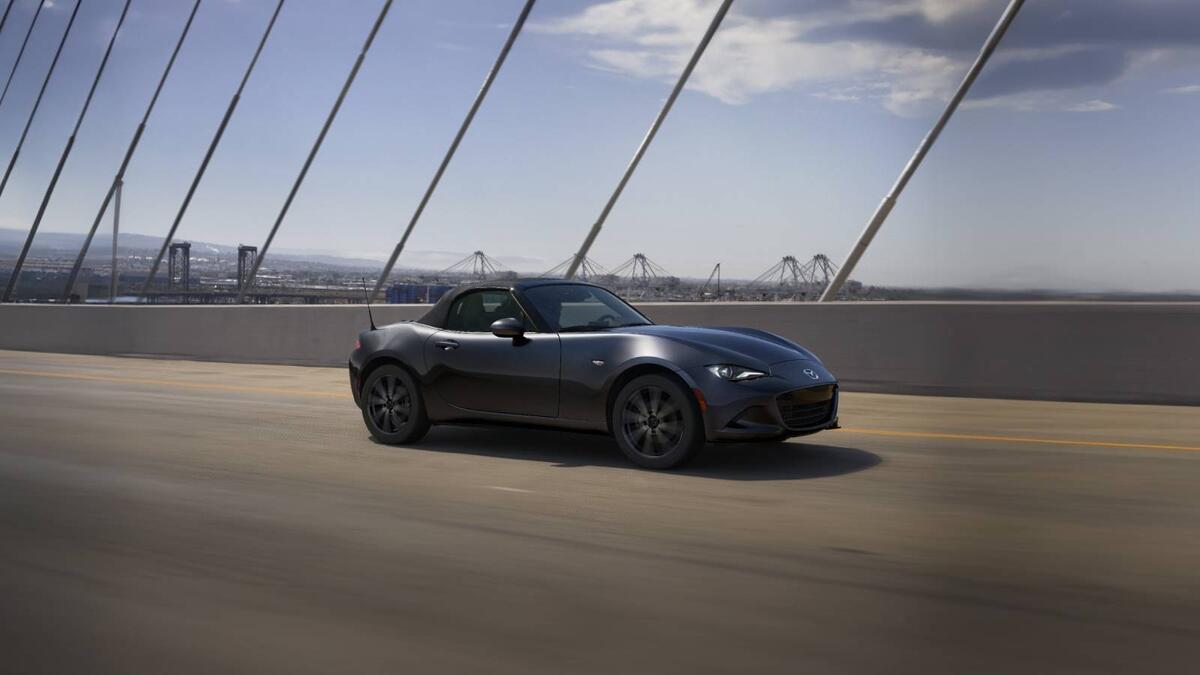
Mazda MX-5 / Miata
"...ldez Edition. And my personal favorite, the Mazda Miata Rogaine Edition. So, I mean, if anyone has some i..."
The Miata is a small two-seat car made for driving on twisty roads. It’s known for being light and easy to enjoy. The podcast mentions a themed edition, which usually adds special styling or extras.
The Mazda MX-5, commonly known as the Miata, is a small two-seat roadster built for fun, light handling, and simple driving. It’s often discussed in podcasts because it’s a popular “enthusiast” car that’s relatively affordable to buy and maintain compared with many sports cars. Special editions like the one mentioned can come up because they add themed features while keeping the core Miata formula.

1989 Acura Integra LS
"Cool. I have a 1989 Acura Integra LS. It's a two-door five-speed."
This is a 1989 Acura Integra LS, a small car from the late ’80s that can be had with a manual transmission. The caller says it feels jerky when you’re creeping slowly, like pulling out of a parking lot or backing up.
The 1989 Acura Integra LS is a late-1980s compact that’s known for being a simple, driver-focused hatchback/sedan platform with a manual-transmission option. In this segment, the host highlights a drivability issue that shows up at very low speeds, especially in first gear and reverse.
five-speed
"It's a two-door five-speed. It's a great car, except when you're in first gear or in reverse and you're going slowly"
“Five-speed” means the car has a manual transmission with five forward gears. The problem described happens when you’re using the lowest gears while moving very slowly.
A “five-speed” refers to a manual gearbox with five forward gears. It matters here because the lurching is described specifically when the car is in first gear (and also reverse) at low speed, which points to how the clutch and low-gear torque delivery feel.
horsepower to weight ratio
"So it might have to do with the critical horsepower to weight ratio."
It’s a simple way to compare how strong the engine is versus how heavy the car is. More power for the same weight usually means quicker acceleration. Less power or more weight usually means it feels slower.
The horsepower to weight ratio is a measure of how much engine output you have compared to how heavy the car is. A higher number generally means the car can accelerate more easily because there’s more power per pound (or per kilogram). It’s often used as a quick proxy for “how quick” a car feels.
ignition timing
"Well, one of the things that can cause this is incorrect ignition timing. So at the very least, you should have your mechanic check that. The timing."
Ignition timing is when the spark happens inside the engine. If it’s too early or too late, the engine can run poorly or act weird. Checking it is a common step when troubleshooting engine problems.
Ignition timing is when the engine’s spark plug fires relative to the piston’s position in the cylinder. If the timing is off, the engine may misfire, run inefficiently, or produce symptoms that can look like other problems. That’s why a mechanic often checks ignition timing when diagnosing drivability issues.

Volvo V70 cross country
"Speaking of which, I left off from the list the Volvo V70 cross country public radio edition."
This is a Volvo wagon called the V70, and “Cross Country” is the tougher, higher-clearance version. It’s meant to handle rougher roads and weather better than the regular wagon.
The Volvo V70 is a wagon, and the “Cross Country” version is Volvo’s higher-riding, more rugged trim built for rougher roads than a standard V70. It typically pairs with protective body cladding and suspension tuning aimed at light off-road use and bad-weather driving.
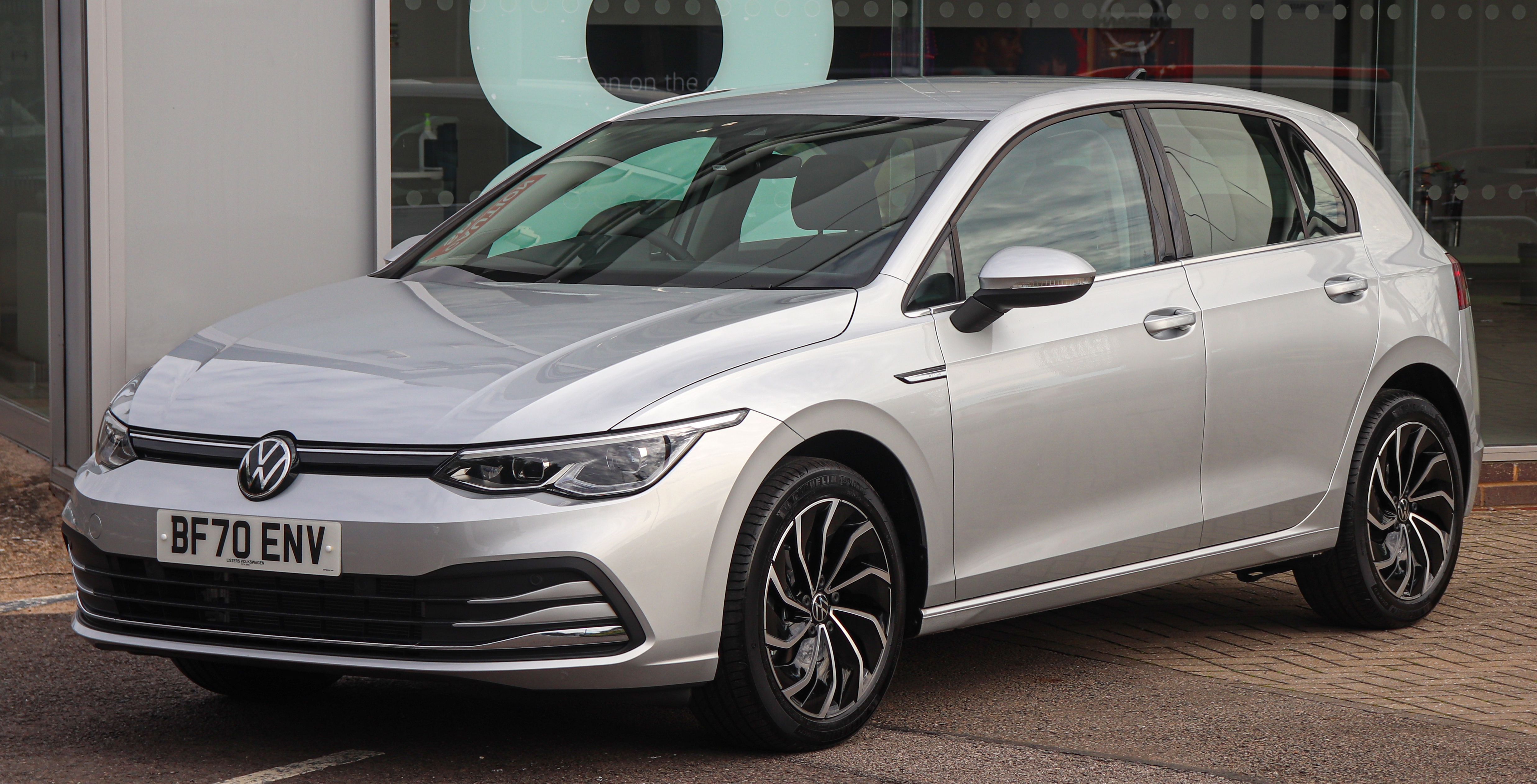
1988 Volkswagen Golf
"I have a 1988 Volkswagen Golf and you're not going to want to hear this, but it also lurches."
This is a Volkswagen Golf from 1988. The Golf is a popular compact car, and the caller is saying they have one from that year.
The Volkswagen Golf is a compact hatchback/compact car platform, and the 1988 model year is from the Mk2 era. In this segment, the host is referencing a specific owner’s 1988 Golf as the basis for the caller’s problem description.
fuel filter
"Someone suggested I change the fuel filter, which I did, but it didn't seem to really help much."
A fuel filter is like a screen for your gas. It helps keep junk out of the fuel system so the engine can run smoothly. If it’s clogged, the car may hesitate or run rough.
A fuel filter is a service part that traps dirt and debris before fuel reaches the engine’s fuel system. If it’s clogged, the engine can run poorly, but in this story the host suggests the real issue may have been deeper in the fuel system than just the filter.
fuel injectors
"I suspect what happened during that period of time where it was stored is gums and varnishes exactly clogged up your fuel injectors, man, I could feel that one coming."
Fuel injectors are the parts that spray gas into the engine. If they get gummed up from old fuel, the spray can come out wrong, and the engine may run rough or not burn the fuel well.
Fuel injectors are the components that spray pressurized fuel into the engine in a controlled pattern. When they get clogged with deposits (like gums and varnish from old fuel), they can’t atomize the fuel properly, leading to misfires or poor combustion.
atomize
"And so the, so what would be happening then when it's trying to put out, when it's trying to put out a little bit of fuel, it just kind of dribbles and it doesn't atomize exactly right."
To atomize fuel means to break liquid fuel into a fine mist so it can mix with air and burn efficiently. If the injectors aren’t atomizing well (often due to clogging), some fuel may not vaporize and won’t burn completely.
fuel vaporized
"It isn't atomizing it well enough so that some of the fuel isn't getting burned because it isn't, you know, vaporized."
Fuel has to turn into vapor to burn efficiently in the engine. If it comes out as a dribble instead of a mist, it may not vaporize, so the engine can’t burn it properly.
For good combustion, fuel generally needs to vaporize so it can mix with air in the right proportions. If injectors dribble instead of atomizing, the fuel may not vaporize well, leaving unburned fuel and causing rough running.
floor it
"And then if you'll floor it, you'll increase the pressure and then the thing sprays correctly under the increased pressure."
“Floor it” means you press the gas pedal all the way down. The engine responds by demanding more fuel and pressure, which can sometimes make a clogged injector spray better.
“Floor it” means pushing the accelerator fully to request maximum engine output. In this explanation, the host links that to increased fuel-system pressure, which can temporarily improve injector spray quality and combustion.
spray pattern
"In fact, it can be even tested because your mechanic can pull off one of the fuel injectors [642.6s] or two of them and see if the spray pattern is correct."
The spray pattern is how the fuel comes out of the injector—like whether it’s a fine mist or uneven. If it’s wrong, the engine may not get the right mix of fuel and air.
The spray pattern is the shape and distribution of fuel coming out of an injector. If the pattern is uneven or incorrect, the engine may not get the right fuel-air mixture, leading to drivability issues.
Tecron
"You can try something like Tecron, which is made by Chevron, and there are many other [674.4s] add-ins."
Techron is a fuel additive—basically a cleaner you put in with your gas. The idea is that it can help remove gunk that may be clogging or dirtying fuel injectors.
Techron is a fuel-additive brand used to help clean fuel-system components, especially deposits that can affect injector performance. In this segment, it’s mentioned as a possible way to clean up injectors if the spray pattern or running quality isn’t right.
Chevron
"You can try something like Tecron, which is made by Chevron, and there are many other [674.4s] add-ins."
Chevron is the company behind Techron, a cleaner you add to your fuel. In this discussion, it’s brought up as a way to improve injector cleanliness.
Chevron is the company mentioned as the maker of Techron. It’s referenced here in the context of fuel additives intended to clean injector-related deposits.
add-ins
"You can try something like Tecron, which is made by Chevron, and there are many other [674.4s] add-ins."
“Add-ins” here means products you pour into your gas to help clean the fuel system. People use them when they suspect deposits are causing problems.
In this context, “add-ins” means aftermarket fuel additives you mix with gasoline to clean or treat parts of the fuel system. They’re often marketed to reduce deposits that can affect injector spray and combustion.
sensors
"And then if it still isn't good enough, you can go ahead and buy more of it. [686.6s] And buy more. [687.0s] I mean, there's always the possibility that one of your sensors is out of range, but we"
Sensors are the car’s little monitors that tell the engine computer what’s going on. If one is wrong or not reading correctly, the computer can make bad adjustments and the car can act like there’s a fuel problem.
Sensors are electronic inputs that report conditions to the engine’s control system (like how the engine is running). If a sensor is faulty or reading “out of range,” the engine may compensate incorrectly, which can mimic injector or fuel-delivery problems.
out of range
"I mean, there's always the possibility that one of your sensors is out of range, but we [690.6s] don't want to discuss that because your time is up."
“Out of range” means a sensor reading is outside what the car expects. If the computer gets a bad reading, it can adjust the engine incorrectly and cause drivability issues.
“Out of range” means a sensor reading is outside the values the engine computer expects. When that happens, the car may run poorly because it’s using incorrect data to control fuel and ignition.
winterized
"And I took it in to have it winterized about a year ago and they flushed, my mechanics flushed the radiator."
“Winterized” means getting the car ready for cold weather. For most cars, that usually involves the coolant system so it doesn’t freeze in winter.
“Winterized” in car context usually means preparing the vehicle for cold weather, often by protecting the cooling system from freezing. That can involve draining/refilling coolant and/or adding the right antifreeze mixture, which is why radiator work can affect how the system sounds afterward.
flushed the radiator
"And I took it in to have it winterized about a year ago and they flushed, my mechanics flushed the radiator. And since then, it gurgles."
Flushing the radiator means draining and replacing the coolant. If air gets trapped in the system, it can make gurgling noises and cause weird behavior until it’s corrected.
A radiator flush is a service where old coolant and contaminants are removed and replaced, typically to improve cooling performance and prevent corrosion. If the system isn’t properly bled afterward, you can get trapped air that causes gurgling and odd coolant flow sounds.
heater coil repair
"and he said you could have the $200 flush or a $500 heater coil repair. Ha, ha, ha, ha, I love it."
The heater coil is what helps the car’s heater make warm air. If it’s “broken,” coolant may not flow correctly through it, so the heat system can act up or leak.
A “heater coil” is part of the vehicle’s HVAC heat system that warms air using hot coolant. If it needs repair, it can indicate a leak, blockage, or failure in the heater core/coil circuit—often related to coolant flow through the dash-mounted heater.
air trapped
"You have air trapped in the heater core and as the coolant is trying to get into the heater core and pass the air, it's making the same kind of gurgling noise."
Sometimes air gets stuck in the car’s coolant lines instead of coolant filling everything. That air can block flow and make weird gurgling sounds when the system tries to circulate coolant.
“Air trapped” in the cooling/heater system means pockets of air get inside the coolant passages instead of being fully filled with liquid. Those air pockets can interrupt coolant flow and cause noises like gurgling, especially in the heater circuit.
heater core
"You have air trapped in the heater core and as the coolant is trying to get into the heater core and pass the air, it's making the same kind of gurgling noise."
Your heater core is the part that warms the air inside the car. Hot coolant runs through it, and a fan blows air over it so you get heat in the cabin.
The heater core is a small radiator-like heat exchanger inside the dashboard. Engine coolant flows through it, and a blower fan pushes cabin air across it to warm the interior.
coolant
"and as the coolant is trying to get into the heater core and pass the air, it's making the same kind of gurgling noise."
Coolant is the fluid that keeps the engine from overheating. It also helps provide heat for the cabin through the heater core.
Coolant is the liquid that circulates through an engine’s cooling system to carry heat away. In the heater circuit, coolant also supplies heat to the heater core so the cabin can warm up.
bleed the system
"So they have to bleed the system and if you, if they were patient and ran the thing and watched the air bubbles come out and carefully added more coolant..."
Bleeding the system means getting the trapped air out of the coolant. You run the car and top up coolant until the bubbles stop, so heat and cooling work normally again.
Bleeding the cooling/heater system is the process of removing trapped air by running the system and adding coolant until air bubbles stop. It’s commonly done after coolant service or if the system was opened, to restore proper circulation.
bleeding these
"In some instances where we have trouble bleeding these, we will actually jack up the front of the vehicle"
Bleeding means getting air out of the cooling system. Air can stop coolant from circulating well, so the heater may not work right until the air is removed.
“Bleeding” the cooling system means removing trapped air from the coolant passages. Air pockets can prevent proper coolant flow, which can cause poor cabin heat and odd noises until the system is properly purged.
radiator cap
"we will actually jack up the front of the vehicle to make the radiator cap higher than the heater. And that usually gets the air out"
The radiator cap is the lid on the cooling system that helps it stay pressurized. If air gets trapped in the cooling system, changing the car’s angle can help push that air out so the system works correctly.
The radiator cap is the pressure cap on the cooling system that helps maintain the correct pressure so coolant can circulate properly. In this situation, the host describes raising the cap higher than the heater connection to help trapped air move out of the system.
air out
"And that usually gets the air out and it may take them an hour to do it"
“Get the air out” means removing trapped air from the cooling system. If air is trapped, the system can act like something is broken even when the main parts are fine.
The phrase “get the air out” refers to purging trapped air from the cooling system so coolant can circulate normally. This is a common diagnostic/repair step when symptoms suggest an air pocket rather than a failed component.
export PA
"I'm never going to the blazer dealer in export PA. Oh, or export PA for that matter."
This is a place name—Export, Pennsylvania—mentioned because the caller is talking about a dealership there.
“Export PA” refers to Export, Pennsylvania, where the caller says they won’t use a particular dealership again. It’s included here only as a local reference tied to the service complaint.
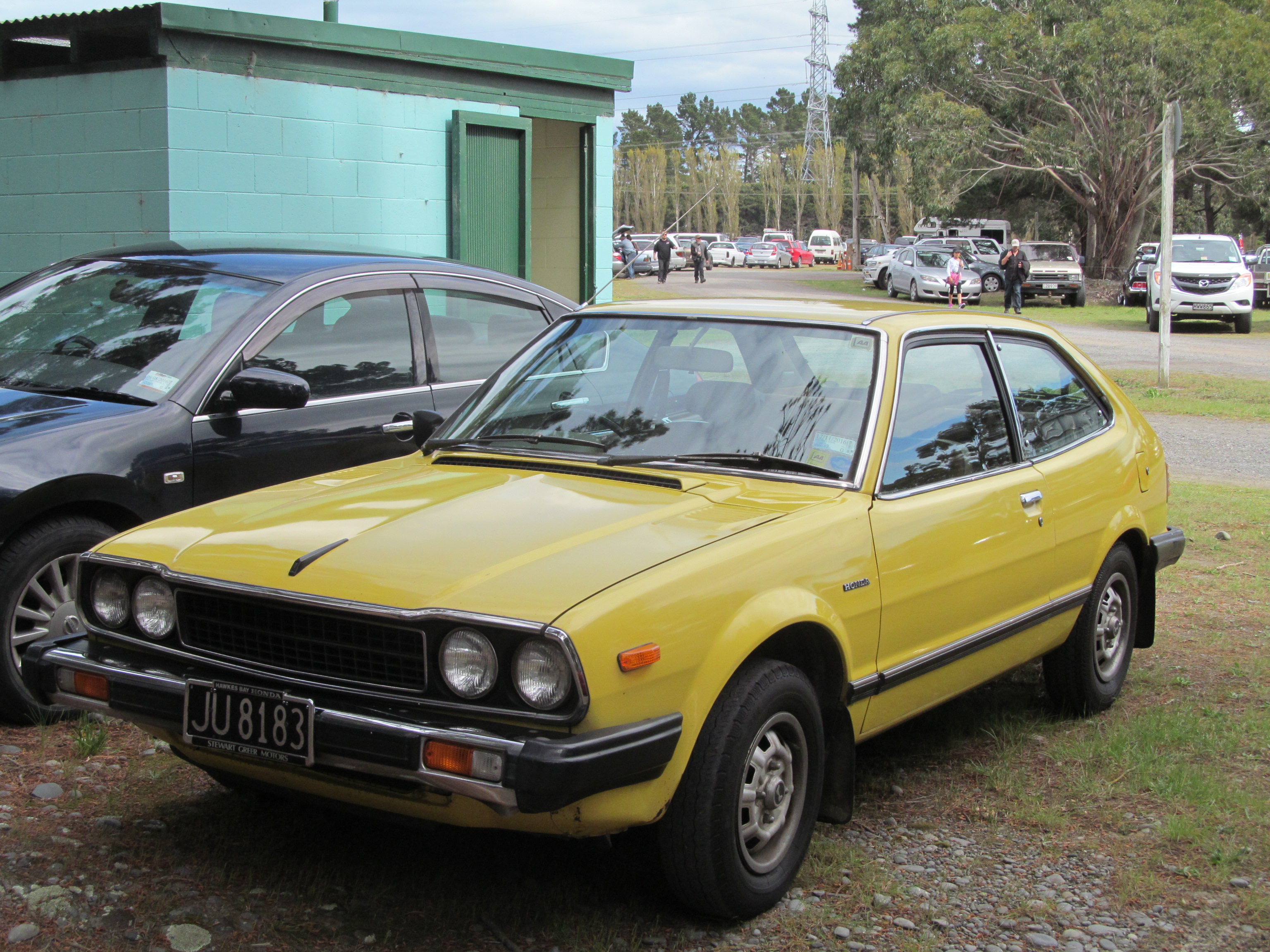
Honda Accord
"What's up? I have a 1994 Honda Accord and it's performed like a little jewel for the la..."
The Accord is a regular family-style car that’s meant for daily driving. The podcast is talking about an older 1994 model that’s still running well. That’s notable because many people expect older cars to need more work.
The Honda Accord is a mainstream midsize sedan known for practical everyday use and long service life. A 1994 Accord performing “like a little jewel” is the kind of story that comes up because these cars can rack up high mileage with proper care. It’s discussed often because it represents dependable, repairable transportation from that era.

Ford Contour
"I have a 95 Ford Contour with a manual transmission. Yeah. And about two weeks ago, it started doing this very strange thing where if I am sitting still, the engine running, I can shift into any gear I want..."
This is a Ford Contour, and the caller says it has a manual (stick-shift). They’re describing trouble shifting as the car gets faster, which usually points to something in the clutch or shift system rather than the engine itself.
The Ford Contour is a mid-size sedan from Ford’s lineup, and this one is notable because the caller specifies a manual transmission. That matters because the described symptoms sound like a clutch/shiftability problem that shows up as speeds increase.
manual transmission
"I have a 95 Ford Contour with a manual transmission. Yeah. And about two weeks ago, it started doing this very strange thing where if I am sitting still, the engine running, I can shift into any gear I want..."
A manual transmission is the stick-shift setup where you choose gears yourself. You use the clutch to switch gears, so shifting problems—especially changing gears at speed—often point to the clutch or the linkage.
A manual transmission is a gearbox that requires the driver to select gears using a clutch pedal and gear shifter. Because the caller can shift while stopped but struggles at speed, the issue is likely related to how the clutch disengages or how the shifter selects gears under load.
downshift
"And as I start going faster and faster, it becomes more and more difficult to shift or downshift into anything. Have you ever had a stop?"
A downshift means switching to a lower gear. Drivers do it to get more power, and if it becomes hard to downshift at higher speeds, something in the clutch or shifting system may not be working right.
A downshift is when you move to a lower gear (for example, from second to first) to increase engine speed and regain acceleration. In a manual car, difficulty downshifting as speed rises can indicate clutch disengagement problems or drivetrain binding.
revving up the engine
"But you got your foot on a gas pedal and you're revving up the engine while you're trying to shift. No, I haven't done that. Do that and call us back."
Revving the engine means making the engine spin faster (higher RPM). When you’re trying to shift, the engine speed matters—if the RPM is too high or too low, the gears may not go in easily.
Revving up the engine means increasing engine RPM (how fast the engine spins). In the context of shifting, rev-matching (or just holding RPM while trying to shift) can affect whether gears engage smoothly, especially in a manual transmission.
front wheel drive
"It's not a bad car. [1823.6s] It's front wheel drive. [1824.6s] I don't know if that makes a difference."
Front-wheel drive means the front wheels do the work of moving the car and turning it. If something in the front drivetrain is loose or worn, it can affect how the car behaves and even how the shifter feels.
Front-wheel drive (FWD) means the engine sends power to the front wheels, which handle both propulsion and steering. Because the drivetrain and mounts sit up front, issues like a weak motor mount or shifter linkage can show up as harder shifting or driveline “feel” more noticeably.
motor mount
"I think what's happening to this thing [1830.2s] is you have a broken or weak motor mount or a shifter."
A motor mount holds the engine in place. If it’s broken or loose, the engine can move around while you drive, which can mess with the parts that connect to the shifter and make gears harder to select.
A motor mount is the component that bolts the engine to the car’s body/subframe and controls engine movement. If a motor mount is broken or weak, the engine can shift under load, which can misalign linkages and make shifting—especially between first and second—feel difficult or inconsistent.
shifter
"I think what's happening to this thing [1830.2s] is you have a broken or weak motor mount or a shifter."
The shifter is what you move to choose gears. If the shifter mechanism or its connections are worn or out of adjustment, the transmission may not line up correctly, so you can’t get into gear unless you slow down or stop.
A shifter refers to the mechanism that selects gears (often including the linkage and/or shift assembly). If the shifter or its linkage is worn, misadjusted, or damaged, it can prevent the transmission from fully engaging a gear—commonly showing up as “can’t get it into gear” at certain speeds.
torque
"Because the torque of the engine is what's causing the problem, I think."
Torque is the engine’s twisting force. When you rev higher, the engine is trying harder to turn the drivetrain, which can make it tougher to slot the transmission into gear.
Torque is the engine’s twisting force that tries to rotate the drivetrain. In this context, higher torque (especially when revving) can make it harder to select or engage gears because the transmission and clutch/gear engagement have to fight that load.
RPM
"Just rev it up to 2,000 RPM and try to get it in first."
RPM tells you how fast the engine is spinning. Telling someone to rev to a certain RPM is a way to test whether shifting gets worse when the engine is working harder.
RPM (revolutions per minute) is how fast the engine is spinning. Revving to a specific RPM is a common diagnostic approach because it changes engine torque and drivetrain load, which can reveal whether shifting problems are tied to load or linkage issues.

Beetle Vw Bug
"... the third one. The very top chick car is the new VW Bug. Yeah, any car they put a flower vase in"

Volkswagen Vw Cabriolet
"..., they made it a chick car. The second one is the VW Cabriolet. They begin to females, huh?"
The Cabriolet is a Volkswagen convertible, meaning the roof can open for driving with the top down. The podcast is talking about it in terms of how people perceive certain car styles. The important thing to know is that it’s built for open-air driving.
The Volkswagen Cabriolet is a convertible version of the Beetle platform, built to offer open-air driving with a classic Volkswagen look. The podcast mentions it as a “chick car,” reflecting how convertibles are often discussed by their audience and styling. It’s a common topic because convertibles tend to have specific ownership considerations, like the condition of the top and related mechanisms.

Mazda Miata
"And the third one, which was a surprise to us, [1977.7s] is the Mazda Miata."
The Mazda Miata is a small two-seat sports car. People like it because it’s light and fun to drive, not because it’s super complicated or intimidating.
The Mazda Miata is a lightweight, rear-wheel-drive roadster known for its simple, fun driving feel and strong enthusiast following. It’s often used as a “starter” sports car because it’s approachable while still being genuinely engaging.

Ford Mustang
"the top three guy cars are [1984.8s] a Ford Mustang,"
The Ford Mustang is a famous American sports car. It’s been around for decades and comes in many versions, including faster ones.
The Ford Mustang is a long-running American muscle car/pony car that’s become a cultural icon. In enthusiast circles, it’s known for having lots of performance and trim options, which is why it shows up so often in “top car” lists.

Chevrolet Corvette
"Yeah. [1987.9s] the Chevy Corvette"
The Chevy Corvette is a performance-focused American sports car with a reputation for strong power and handling. It’s especially notable because it’s been offered in many generations, often with a mid-engine or high-performance V8 focus depending on the era.
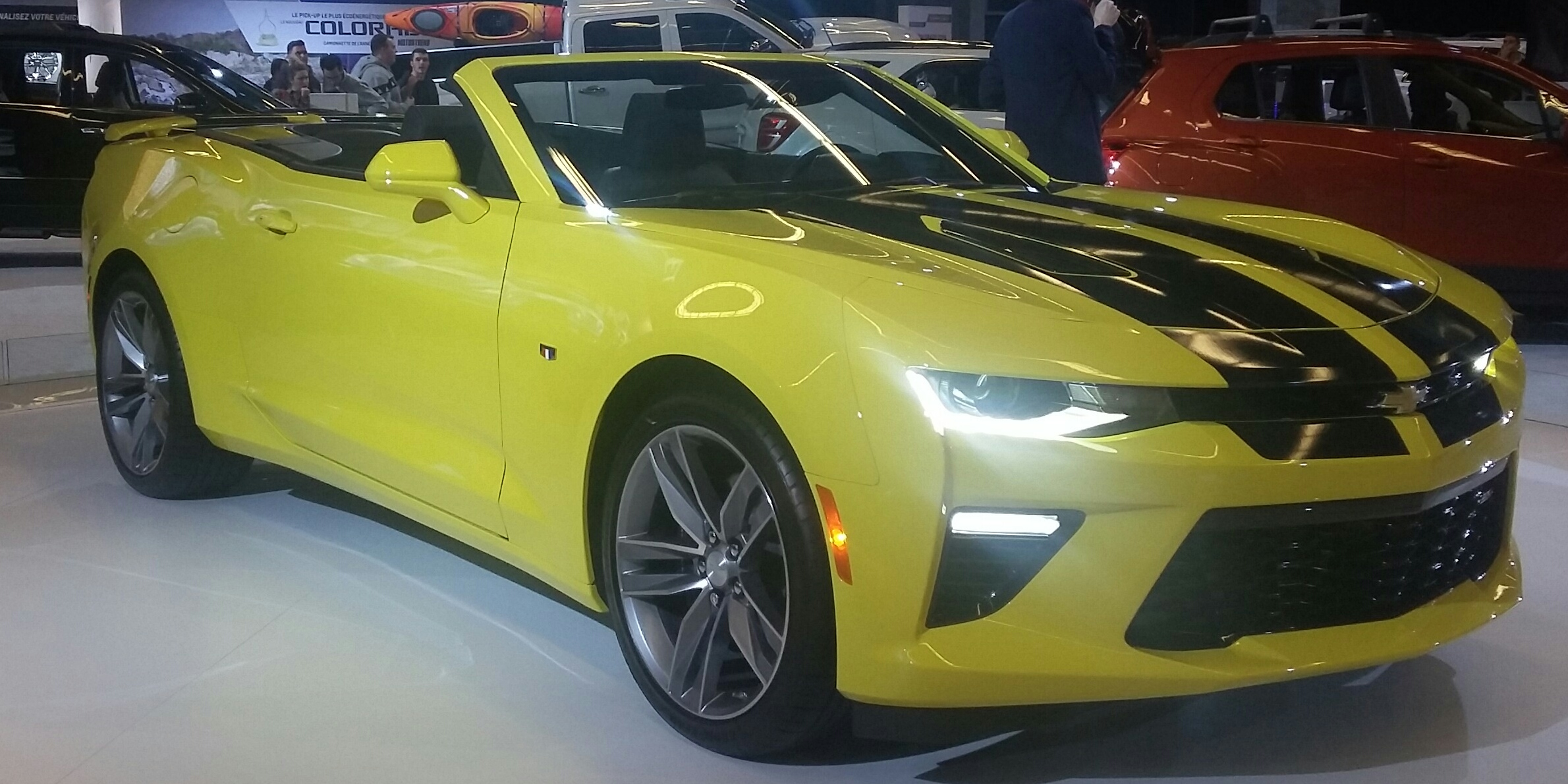
Chevrolet Camaro
"[1987.9s] the Chevy Corvette [1990.1s] and the Chevy Camaro."
The Chevy Camaro is a famous American sports car. Like the Mustang, it comes in different versions, including faster performance models.
The Chevy Camaro is another iconic American “pony car,” closely tied to the muscle-car era and modern performance variants. It’s known for being a popular platform for different powertrains and trims, which helps explain why it’s frequently mentioned alongside the Mustang and Corvette.
VW Bug
"and buy, you're a six foot eight [2012.0s] and you're gonna go out and buy a VW Bug"
“VW Bug” is a nickname for the Volkswagen Beetle. It’s a small, classic car that many people recognize right away.
The VW Bug refers to the Volkswagen Beetle, a small air-cooled compact that became famous for its distinctive shape and mass popularity. It’s often used in pop culture as a symbol of a simple, approachable car.

74 Caprice Classic convertible
"I figure that's my bed. My 74 Caprice Classic convertible, I thought was gonna be powerful."
This is a 1974 Chevrolet Caprice Classic convertible. It’s a big, old-school American car, and the convertible version is basically the same car but with the roof down for cruising.
The Chevrolet Caprice Classic (from the 1974 model year) is a full-size American car known for its big, comfortable body and classic “land yacht” styling. In convertible form, a 1974 Caprice Classic is especially notable because it pairs that large-car feel with open-top cruising—often associated with 1970s muscle-era culture.
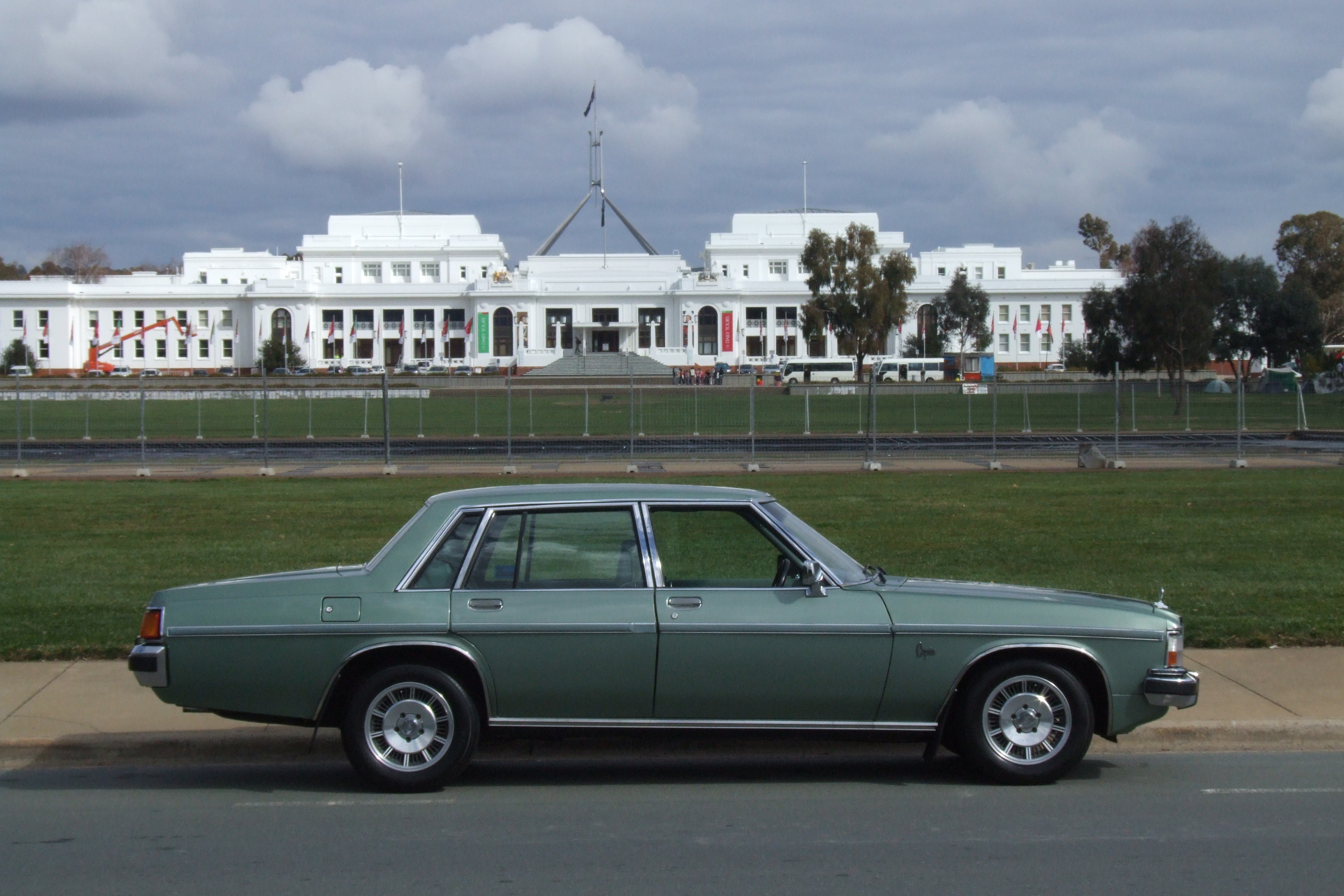
Holden Caprice
"I figure that's my bed. My 74 Caprice Classic convertible, I thought was gonna be power..."
The Caprice is a large car meant to be comfortable, like a classic family or luxury sedan. The podcast mentions a 1974 Caprice Classic convertible, which means it has a roof that can open. The main point is that it’s a classic, big, open-top car.
The Holden Caprice is a full-size sedan from Holden, known for a comfortable ride and traditional large-car feel. The podcast references a “74 Caprice Classic convertible,” which highlights how these cars were also offered in open-top form. It’s discussed because classic Caprices are often remembered for their size, style, and the character of older American-style luxury cars.
Request an Explanation
Heard something you'd like explained? We'll add it to this episode.
Sign in to request explanations for terms you heard.
Want to learn more?
Browse our glossary for plain-English explanations of automotive terms, jargon, and concepts.
Help improve this episode
See something that's not quite right? Our annotations are AI-generated and can sometimes miss the mark. Click the flag icon on any annotation to suggest a correction.