
#360 John Clay Wolfe Show 06.20.26
About this episode
Summer timing kicks off the show, then the conversation swings between Puerto Rican heritage talk, listener stories, and a steady stream of car-buying and pricing advice. A news segment centers on an American Airlines delay after the cockpit door was locked—technicians had to climb through the cockpit window. Back on the phones, hosts discuss rust-free used-car deals, VIN-based selling, and quick appraisals, including a 1996 BMW 328 convertible and a 1974 Volkswagen Thing. The episode also plugs a live 20th anniversary event in Dallas.

Nissan Altima
"...rsonally invented it. If you're driving an Nissan Altima with body damage, we know what you've been up to."
The Nissan Altima is a regular family-sized sedan. It’s popular, so you see a lot of them. The podcast is pointing out that if an Altima has body damage, people may assume something about what happened to it.
The Nissan Altima is a mid-size sedan that’s widely known for being common on the road. In the podcast, it’s used as a recognizable example—specifically calling out the idea that visible body damage can hint at how a car may have been used or treated. That kind of mention is typical when discussing patterns people notice with certain everyday models.

Toyota Corolla
"Ha ha ha. Hey, Crab, go to Corolla is doing a screening tonight at the Jordan Family..."
The Toyota Corolla is a small car made for everyday driving. It’s popular because it’s usually affordable and simple to maintain. People mention it a lot because you can find them everywhere.
The Toyota Corolla is a compact, everyday sedan known for being practical and widely used. It often comes up in conversation because it’s common, affordable to run, and easy to find parts and service for. In a podcast, it may be mentioned as a recognizable “go-to” car for daily driving or local events.

Jeep Wrangler
"Forgive me the VIN.com, America's Best Carbire, Wranglers, diesel trucks. Hey, $100 car is $100 car."
The Jeep Wrangler is an SUV designed to handle rough roads and off-road trails. It’s a popular choice for people who want a vehicle that can be modified and driven in tough conditions. It’s also a very common model, so it comes up often in car discussions.
The Jeep Wrangler is a rugged off-road SUV built for trail use, with a reputation for durability and customization. It’s frequently discussed because it’s recognizable, capable in rough conditions, and has a strong enthusiast community. The podcast context suggests it’s being referenced alongside other “tough” vehicles and value talk.

Ford V8
"...Show. John and Sarah Soda, Florida 08 Sport Track Ford V8, 61,000 miles, two-wheel drive, leather, average ..."
A Ford V8 sedan is a regular-style car (a sedan) that has a bigger engine with eight cylinders. The podcast is talking about one specific example with details like miles and features. It’s being used to discuss whether that particular car is a good buy.
This refers to a Ford sedan equipped with a V8 engine, which is notable because V8-powered sedans are less common than smaller engines. In the podcast context, it’s described with specific details like model year, mileage, drivetrain, and interior features, suggesting it’s being evaluated as a particular listing or deal. That kind of mention fits when discussing value, condition, and what buyers should expect from a specific car configuration.
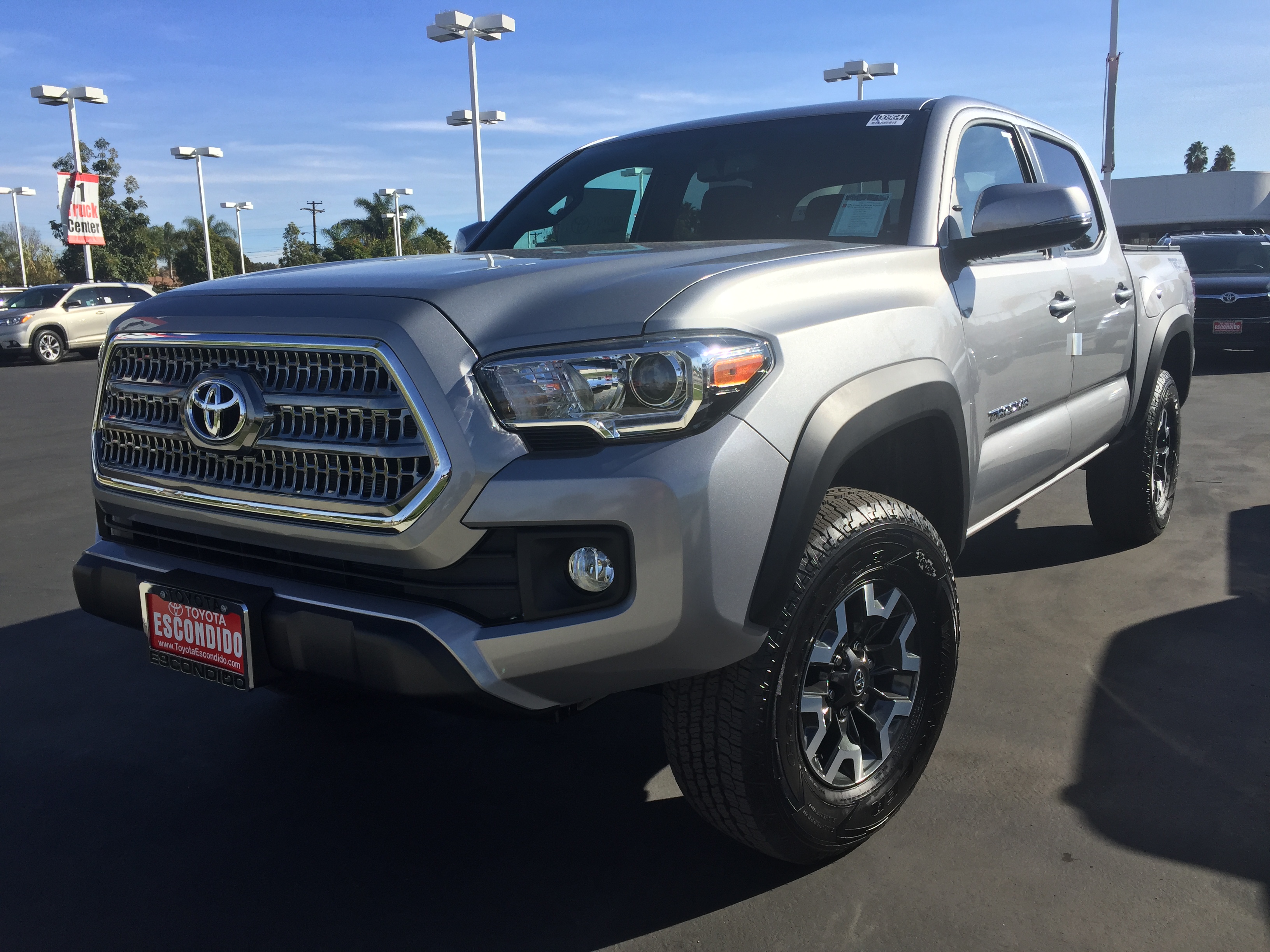
Toyota Tacoma
"John, a 21 Toyota Tacoma says you paid 30 grand for it with 100,000 miles."
The Toyota Tacoma is a popular pickup truck. Here they’re talking about whether paying a certain amount for a used Tacoma with a lot of miles was a smart deal.
The Toyota Tacoma is a midsize pickup truck known for strong durability and a huge aftermarket. In this segment, it’s being discussed as a used purchase with a specific price and mileage, which matters because pickups like the Tacoma hold value differently than many sedans.
100,000 miles
"John, a 21 Toyota Tacoma says you paid 30 grand for it with 100,000 miles."
“100,000 miles” is a lot of driving. It usually means more wear and more things may need maintenance or repairs, so the price should reflect that.
“100,000 miles” is a common used-car benchmark that often correlates with when maintenance and wear items become more likely. For a truck like the Toyota Tacoma, mileage affects expected remaining life and how aggressively buyers should price the vehicle.
rebuilt title
"Peter, a 13 Port Richey Florida, 13 grand support vet, rebuilt title, 50,000 miles. What you do in this one is take the regular price and cut it in half."
A rebuilt title means the car was previously written off as a total loss, then got repaired and passed inspection. Even after repairs, it often comes with extra risk compared to a clean-title car.
A rebuilt title is issued after a vehicle has been declared a total loss and then repaired and inspected to be allowed back on the road. It usually signals higher risk than a clean title because the car’s history includes major damage, even if repairs were done properly.
VIN dot com
"Go to give me the VIN dot com. Load it up. We'll get it."
VIN is like a car’s fingerprint number. If you type it into a VIN lookup website, you can often find details about that exact car—like what it was built with.
VIN stands for Vehicle Identification Number, a unique 17-character code assigned to a specific car. A VIN lookup site uses that code to pull the car’s build/registration history and sometimes option details, which helps verify what the car actually is.
Numbers matching car
"called me. Numbers matching car. It's all original."
“Numbers matching” means the big parts in the car are the original ones that came with it, not replacements. Collectors like it because it’s proof the car is more authentic.
A “numbers matching” car means key components (most commonly the engine and transmission, sometimes other major parts) have the original serial numbers that match the car’s identification records. Collectors value this because it suggests the car hasn’t been heavily swapped or rebuilt with different parts.

Ford F-150 Lightning
"All right. Lightning round coming up. Dial a deal."
The Ford F-150 Lightning is an electric pickup truck. Instead of using gasoline, it runs on electricity stored in a battery. The podcast is bringing it up as a notable model during a quick deal discussion.
The Ford F-150 Lightning is an electric version of the F-150 pickup, combining the familiar F-150 shape with an all-electric powertrain. It’s often discussed because it brings EV technology into a truck platform people associate with work and towing. In the podcast, it’s mentioned during a “Lightning round,” likely as part of deal-focused or value talk.

96 BMW 328 convertible
"A 96. Phillip, are you in Philly or in Pittsburgh? Pittsburgh. So you've got a 96 BMW 328 convertible."
This is a BMW 3 Series from 1996, model 328, in a convertible body style. “Convertible” means the roof can open, so it’s more about open-air driving than a closed-roof car.
A BMW 328 convertible (from the 1996 model year) is a 3 Series variant that pairs BMW’s inline-six engine lineup of that era with open-top driving. The “328” refers to the model’s place in BMW’s lineup, and the convertible body style changes how the car is built and how it feels compared with a coupe or sedan.

BMW 328
"Pittsburgh. So you've got a 96 BMW 328 convertible. Rick."
The BMW 328 is a BMW model, and in this case it’s a 1996 convertible. A convertible is a car with a roof that can open and close. The podcast is referencing a specific example of that car.
The BMW 328 is a model designation for a compact-to-mid-size BMW, and the podcast specifically mentions a 1996 BMW 328 convertible. Convertibles add complexity due to the top mechanism and additional body structure, which is why specific model-year details matter. It’s brought up as a particular car someone owns or is evaluating.
hard top
"71 Stingray hard top wood. [5435.5s] What's wood, Doug? [5437.8s] It's it's it's with it's with the hard top."
A “hard top” means the roof is solid and fixed, not a fabric convertible top. It usually changes the look and can make the car feel more solid.
A “hardtop” refers to a fixed, rigid roof panel rather than a convertible-style soft top. On classic cars, the hardtop vs convertible choice affects both appearance and how the car feels structurally.
270 horsepower
"[5441.2s] Which motors in it? [5442.7s] Oh, the 270 horsepower of the small."
Horsepower is a number that describes how much power the engine makes. They’re saying this car’s engine is rated around 270 horsepower.
“Horsepower” is the engine’s power output, commonly used to compare how strongly different engines accelerate. In this context, the host is quoting a specific horsepower rating for the car they’re discussing.
Automatic
"Oh, you know, we all feel the same way about that. [5465.2s] Automatic. [5466.5s] It's a 71, so it has a chrome bumper in the front or not."
“Automatic” means you don’t have to shift gears yourself. You just drive and the car handles the gear changes.
“Automatic” indicates the car uses an automatic transmission rather than a manual gearbox. For classic cars, the transmission type can strongly affect driving feel and how the car behaves in traffic.
chrome bumper
"[5466.5s] It's a 71, so it has a chrome bumper in the front or not. [5471.1s] I'm trying to remember. [5474.2s] No, front and back."
A “chrome bumper” is a bumper with a shiny chrome finish. The speaker is talking about whether this particular car has chrome bumpers on the front and back.
A “chrome bumper” is a bumper finished in chrome plating, common on many classic cars. In this discussion, the host is using bumper appearance (front and rear) as a quick way to identify the car’s trim or year details.

Chevrolet Corvette
"...t be too high there. I'm going to send this to my Corvette guru. And he's going to call you and you're"
The Chevrolet Corvette is a sports car made by Chevrolet. It’s designed to be fast and fun to drive, not just for commuting. People talk about it a lot because many owners and enthusiasts know a lot about specific model years.
The Chevrolet Corvette is a performance sports car known for its strong acceleration and driver-focused design. It’s often discussed because it has a dedicated “Corvette guru” following and a wide range of model years with different powertrains and features. In the podcast, it sounds like someone is advising or routing a Corvette-related question to an expert.
430 horse
"And so like a 69 I bought with a 430 horse the other day. Yeah, there's just a big variation in price"
“430 horse” means the engine makes around 430 horsepower. More horsepower usually means the car can accelerate harder, and it can also affect the car’s value.
“430 horse” is shorthand for about 430 horsepower, a measure of engine power output. In older muscle-era talk, people often use horsepower numbers to describe how strong the engine feels and why two cars with the same body style can be priced differently.
fiberglass
"That Corvette, that fiberglass 70s and 80 early 80 Corvette."
Fiberglass is a lightweight material made from glass fibers mixed with resin. Some classic cars used it for body panels because it can be lighter than steel.
Fiberglass is a composite material made from glass fibers held together by resin. In classic Corvettes, fiberglass body panels helped keep weight down and allowed complex shapes compared with all-steel bodies.
auction pricing / what a car is worth
"When you go to Meekum and Barrett and stuff, and you watch them run those cars for like a whole day, like one. There'll be a section of two hours of just vets. Just vets."
They’re talking about how auctions influence the price of classic cars. The big idea is that the exact car matters—especially the options—and that’s what determines what it’s worth.
The host discusses how auction houses and bidding activity affect what classic cars sell for. They mention watching cars get run during auction previews and then focusing on the car’s value, including the impact of options.
classic and collector sale, Mannheim Dallas this Wednesday
"So you know, it will be at the [6212.6s] classic and collector sale, Mannheim Dallas this Wednesday. [6216.3s] If you want to buy one, find a dealer, have him log in"
They’re talking about a collector/auction event coming up in Mannheim Dallas. The host is explaining how to buy one of the vehicles through that sale.
This segment shifts into auction/sales logistics for a “classic and collector sale” in Mannheim Dallas. It’s relevant because the host is discussing how quickly these EVs might sell and how buyers should arrange dealer participation.
VinLang
"If you want to buy one, find a dealer, have him log in to give me the VinLang 20 [6220.8s] and just tell him you'll pay him $500, $1,000 to buy you one wholesale"
They’re talking about identifying the exact car using its VIN, which is like the car’s unique ID number. That helps the dealer/auction match the right vehicle to the right listing.
“VinLang” appears to be a mishearing of a VIN-related process—likely the VIN (vehicle identification number) used to identify a specific vehicle. In sales/auction contexts, VINs are used for registration, verification, and listing accuracy.
EVs
"How fast do they go? [6228.4s] Because they're EVs. [6229.7s] I don't know."
EVs are electric cars. They use batteries to power the motor, and if they’ve been sitting for a long time, the battery can be drained so the car won’t start until it’s charged.
EVs are electric vehicles that run on electric motors powered by batteries instead of a traditional gasoline engine. In this segment, the host notes they were “all dead” after sitting, which points to battery state-of-charge and long-term storage effects.
they were all dead
"They were all dead. [6232.0s] They've been sitting there two years. [6233.1s] So we've plugged them all in."
They mean the electric cars weren’t able to power on. If an EV sits unused for a long time, the battery can run down, so it may need charging before it’s usable again.
“All dead” here likely means the EVs’ batteries were fully depleted or otherwise unable to power the vehicle after sitting. This is a common issue with stored EVs: battery charge can drop over time, and some vehicles may need charging/activation before they can be driven or sold.

Mercedes-Benz 300 SEL
"Robin 88 Benz 300 SEL with 120,000 miles on it."
This is a classic Mercedes-Benz sedan. The host is talking about it like a used car listing, including how many miles it has.
The Mercedes-Benz 300 SEL is a classic W108/W109-era sedan known for its comfortable, long-wheelbase luxury and straight-six smoothness. In this segment, it’s mentioned as a specific example with 120,000 miles, framing it as a used-car deal discussion.

Chevrolet K5 Blazer
"No, Lewis Alito 86 K5 Blazer, 150,000 miles. Has a guy offering 32 grand, wants 35 grand."
The K5 Blazer is an older Chevy SUV that people often modify. In this conversation, they’re talking about what engine it has and what it’s worth.
The Chevrolet K5 Blazer is a full-size SUV from the 1970s/early 1980s era, built on a truck platform and popular for off-road and customization. Here it’s discussed in a negotiation context, with the host asking whether it has a special engine and then clarifying it has a rebuilt 350.
rebuilt 350
"No, sir, it's got the rebuilt 350. And what's so special about it?"
The “350” is a common Chevy V8 engine size. “Rebuilt” means the engine was repaired and refreshed inside, not just left alone.
“350” refers to the Chevrolet small-block V8 displacement (5.7 liters) commonly called the 350. Saying it’s “rebuilt” means the engine was taken apart and restored/renewed internally, which can affect how much buyers are willing to pay.
two ton paint job
"Nice. I mean, two ton paint job just painted about two years ago. You've actually seen this before."
A two-tone paint job is when the car has two different colors on the outside. If it was done recently and looks good, it can make the car easier to sell for more money.
A “two ton paint job” means the car has two-tone exterior paint, usually with a contrasting color split by a stripe or panel boundary. Cosmetic work like this can influence resale value because it’s visible and can be a selling point if it looks clean and recent.
L.S. swapped
"I've got an L.S. swapped one that is lifted wheels, tires, my blue and white one. I'd sell it for 35."
“LS swapped” means someone replaced the original engine with an LS-series Chevy V8. Swaps can make the truck more desirable, and that affects the price people will pay.
An “L.S. swapped” vehicle means the original engine was replaced with an LS-series V8 (a modern GM V8 family). Engine swaps can significantly change performance, drivability, and—most importantly for this segment—how buyers value the truck versus a “regular” unmodified one.
lifted wheels, tires
"I've got an L.S. swapped one that is lifted wheels, tires, my blue and white one. I'd sell it for 35."
That phrase means the truck has been raised and put on bigger tires. People often pay more for that kind of setup because it changes how the truck looks and drives.
“Lifted wheels, tires” implies the vehicle has been raised and fitted with larger tires, typically for better ground clearance and a more aggressive stance. In used-truck pricing, lift/tires often increase buyer interest because it changes both looks and off-road capability.
buy a car at an auction
"You know what people are doing? Little car business inside. Buy a car at an auction, right?"
Buying at an auction can be a way to get a car for less money. But you may not know exactly what’s wrong with it until you get it home.
Buying a car at an auction is a common enthusiast strategy to find deals, especially on cars that may need work. The risk is that you often don’t know the full condition until after purchase, which is why people sometimes plan for engine swaps or other repairs.

Cadillac Ctsv
"Buy a car at an auction, right? Like a CTSV. Hot Rod Motor."
The Cadillac CTS-V is a faster, performance-focused version of a Cadillac sedan. It’s meant for people who want more power and quicker driving than a normal family car. The podcast mentions it as an example of a performance car you might find at an auction.
The Cadillac CTS-V is a high-performance version of the CTS, built to deliver sports-sedan performance with a more aggressive driving character. It’s the kind of car that can show up at auctions because it has a strong enthusiast appeal and performance reputation. In the podcast, it’s referenced as an example of a “hot rod” purchase.
blown engine
"Hot Rod Motor. You've got one with the blown engine. Take it out."
A “blown engine” means the engine has broken badly and usually can’t be fixed easily. People may remove it and replace it with another engine.
A “blown engine” means the engine has suffered a catastrophic failure—often something like internal damage or a severe mechanical breakdown. In enthusiast circles, that can turn the car into a donor for parts or a candidate for an engine swap.
Pull the motor
"You've got one with the blown engine. Take it out. Pull the motor. Put the bad one in."
“Pull the motor” means taking the engine out of the car. It’s usually done when the engine is too damaged to keep or when swapping in a different one.
“Pull the motor” refers to removing the engine from the car so it can be repaired or replaced. This is a common step in engine swap projects and is often done when the original engine is beyond economical repair.

Chevrolet Impala
"For now, I still need to sell my 1969 Impala sedan. [8236.1s] It's a factory 327. [8239.0s] Auto tranny with overdrive, factory AC, 93,000 original miles."
This is a 1969 Chevrolet Impala sedan, a classic American car. The seller says it has the original 327 engine and an automatic transmission with overdrive, plus low miles—things collectors look for.
A 1969 Chevrolet Impala sedan is a classic full-size American car, and this one is notable for its factory 327 V8. The speaker also mentions an automatic transmission with overdrive and low-mileage originality, which are big deal points for collectors.
overdrive
"Auto tranny with overdrive, factory AC, 93,000 original miles."
Overdrive is a higher gear ratio in an automatic transmission that lets the engine run at lower RPM while cruising. On older cars, it’s often paired with a 3-speed automatic to make highway driving quieter and more efficient.
93,000 original miles
"Auto tranny with overdrive, factory AC, 93,000 original miles."
This means the car has about 93,000 miles on the odometer that are presented as the car’s real mileage. Collectors often prefer lower-mile cars because they tend to be less worn.
“Original miles” implies the odometer reading reflects the car’s actual mileage rather than being rolled back or replaced. Lower mileage on a classic can matter because it often correlates with less wear and fewer prior repairs.
factory AC
"Auto tranny with overdrive, factory AC, 93,000 original miles."
“Factory AC” means the car came with air conditioning installed at the factory. That’s generally better for collectors than an aftermarket add-on.
“Factory AC” means the air conditioning system was installed by the manufacturer, not added later. For collectors, factory-installed options are usually more desirable because they’re integrated with the original wiring and components.
custom chopper
"Also have a custom chopper. [8252.8s] It's a show-off custom."
A chopper is a customized motorcycle with a very distinctive, modified look. This one is described as a custom, meaning it was built to be unique.
A chopper is a heavily customized motorcycle style, typically characterized by stretched frames, altered geometry, and a distinctive look. The speaker calls it a “custom chopper,” emphasizing it’s a one-off build rather than a stock bike.
written, or titled
"It's never been cranked, written, or titled."
They’re saying the build was never officially registered/recorded with the government. That can make it more complicated to get it legally on the road later.
In this context, “written” and “titled” refer to whether the vehicle has been legally documented and recorded for ownership and registration. A car or build that’s “never been…titled” may be harder to register and may require paperwork to get it road-legal.
Herman Oak Leather
"All hand-tooled using Herman Oak Leather."
Herman Oak Leather is a brand of leather known for quality. They’re saying their leather items are made from that higher-end material.
Herman Oak Leather is a well-known leather producer, often associated with high-quality hides used for durable leather goods. In an automotive-adjacent context, it’s relevant when discussing custom leather interiors, seat covers, or accessories.
350 XCF
"I've got a 350 XCF KTM, [8931.1s] and I've got a 450,"
“350” is the engine size (in cc), which affects how much power the bike can make. “XCF” is KTM’s name for a dirt/off-road style bike meant for racing and trail riding.
“350” refers to engine displacement in cubic centimeters (cc), which is a measure of how much air/fuel the engine can move. “XCF” is KTM’s off-road/enduro motocross-family model designation, typically associated with dirt-riding and racing use.
450
"and I've got a 450, [8933.0s] same thing in our office in California,"
“450” means the bike’s engine size (cc). Bigger number usually means a different feel in power—often more punch—especially for dirt riding.
“450” is shorthand for engine displacement (cc) on motocross/enduro bikes. In general, moving from a 350 to a 450 usually changes the bike’s power delivery and how it feels under acceleration, especially in off-road conditions.
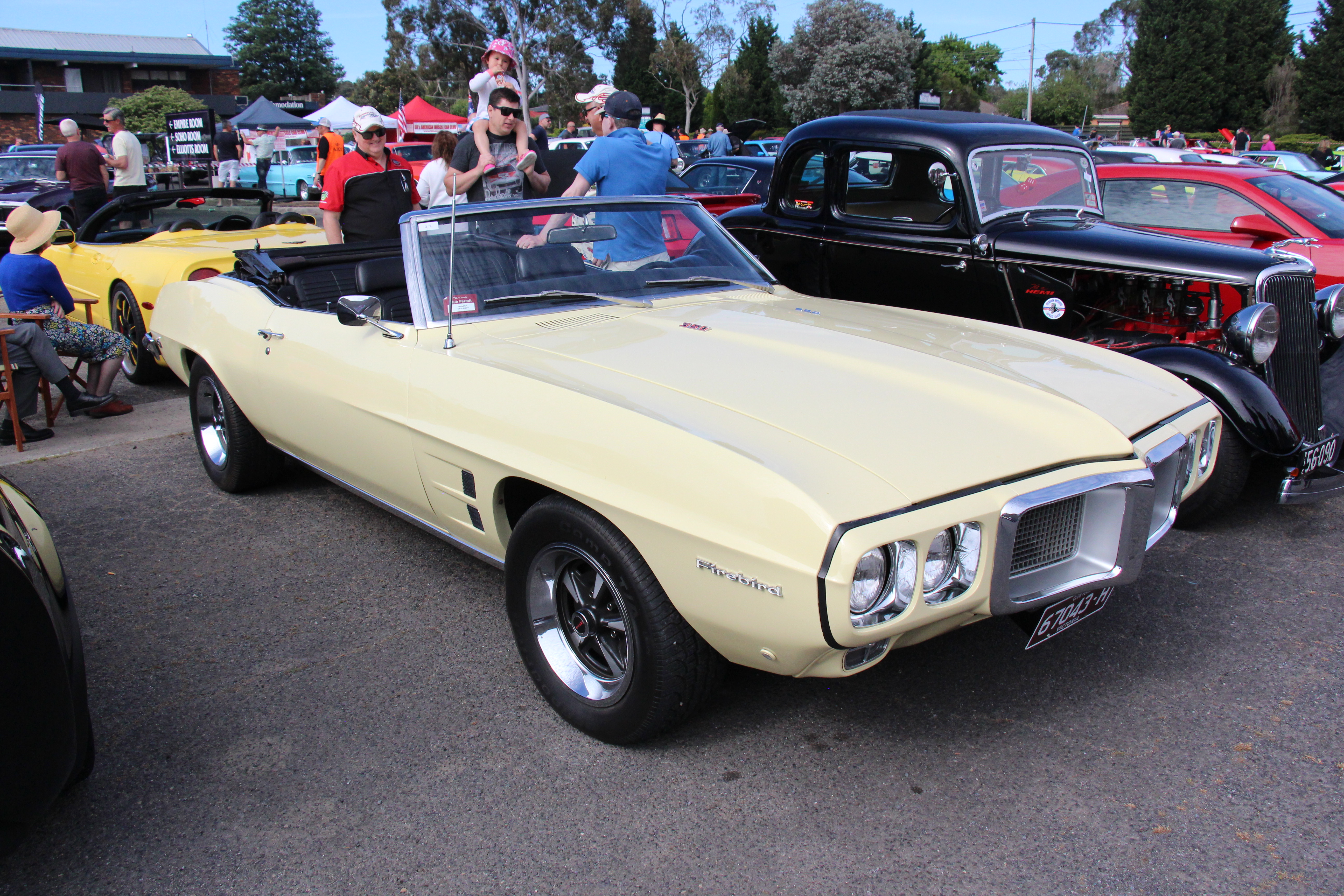
79 Trans Am
"So you have a 79 Trans Am. It says Firebird spec edition y84."
The 1979 Pontiac Trans Am is a classic American muscle car. It’s a model people recognize from the late-1970s era, and here they’re talking about a specific version of it.
A 1979 Pontiac Trans Am is a classic “muscle car” era Firebird/Trans Am platform, and it’s especially famous in pop culture. In this segment, the host also ties it to a specific Firebird/Trans Am “spec edition” code, which helps identify the car’s provenance and how it was packaged from the factory.

Pontiac Firebird
"So you have a 79 Trans Am. It says Firebird spec edition y84. So that's a bandit car, right?"
The Pontiac Firebird is a muscle car from the past, made for strong performance. Some versions had special performance options that collectors look for. The podcast is talking about whether a particular Firebird setup matches a famous type of car.
The Pontiac Firebird is a classic American muscle car, produced in multiple generations, with the late-1970s models often tied to performance packages and special editions. In the podcast, the mention of a “Firebird spec edition Y84” connects it to a specific performance configuration that enthusiasts recognize. It’s being referenced in the context of identifying whether a Firebird is the kind of car associated with the “Bandit” lore.
Firebird spec edition y84
"It says Firebird spec edition y84. So that's a bandit car, right?"
Y84 is like a factory code that tells you which options or package the car was built with. It helps confirm what the car originally was, not just what it looks like now.
“Y84” is a factory option/package code used to identify a specific Firebird/Trans Am configuration. When someone says “Firebird spec edition Y84,” they’re usually pointing to the car’s original build details rather than just the general model name.
bandit car
"So that's a bandit car, right? Yes, sir."
“Bandit car” is a reference to a famous movie Trans Am. People use it to describe a Trans Am/Firebird that resembles the one from that story.
“Bandit car” is a nickname for the kind of Trans Am/Firebird associated with the movie “Smokey and the Bandit,” where a black-and-gold Trans Am became an icon. Enthusiasts use the term to mean the car’s look and vibe match that famous on-screen setup, not just that it’s any Trans Am.
T tops
"And is it T tops? No T tops."
T-tops are roof panels you can remove so the car feels more open to the air. They’re asking whether this car has that type of roof.
“T-tops” are a removable roof panel setup where the car has two glass/metal roof sections that come out, leaving an open “T” shaped roof opening. The speaker is clarifying whether this 1979 Trans Am has that specific roof configuration.
standard
"Okay, this is perfect. Okay. Okay. Yeah, it was frame off and like pants blocked and all original power train. Does it say?"
Here, “standard” means a manual transmission—where you shift gears yourself. They’re checking if the car is a stick.
In this context, “standard” is shorthand for a manual transmission (as opposed to an automatic). The host is asking whether the car is equipped with a stick shift.
frame off
"Okay. Yeah, it was frame off and like pants blocked and all original power train."
“Frame-off” means the car was taken apart completely down to the frame and rebuilt. It usually indicates a very serious restoration job.
“Frame-off” restoration means the car is disassembled down to the bare body and frame, then rebuilt with the chassis and components restored separately. It’s a major indicator of how thorough the work was, and it often correlates with better long-term preservation if done correctly.
pants blocked
"Yeah, it was frame off and like pants blocked and all original power train. Does it say?"
This sounds like a description of work done to the engine block, but the exact term is unclear in the transcript. It likely means the engine was rebuilt or machined as part of the restoration.
“Pants blocked” appears to be a transcription error or slang for a machining/engine-prep step performed on the engine block during restoration. Without clearer wording, it’s not possible to confidently identify the exact process (e.g., block boring/honing, decking, or similar).
original power train
"Yeah, it was frame off and like pants blocked and all original power train. Does it say?"
“Powertrain” is the car’s main mechanical system that makes it move—engine and the parts that send power to the wheels. “Original powertrain” means they’re saying it still has its original setup.
“Powertrain” refers to the drivetrain system—typically the engine plus transmission and the components that deliver power to the wheels. Saying “all original powertrain” means the car’s mechanical components are claimed to be the original ones (or at least not swapped for different units).

74 Volkswagen thing
"[10076.2s] Chris and Long Beach, you've got a 74 Volkswagen thing. [10079.0s] On a scale of one to 10, how nice is it?"
This is a Volkswagen from the 1970s called the “Thing.” The host is talking about a 1974 one and how nice it looks, especially after a paint job.
The Volkswagen Thing (often called the “Thing”) is an air-cooled Volkswagen built in the 1970s with a very utilitarian, open-air vibe. In this segment, the host is talking about a 1974 Volkswagen Thing and judging its condition based on the exterior paint and interior setup.
Mako paint job
"[10084.7s] I would say seven. [10087.8s] Seven basically because the outside got a Mako paint job. [10091.5s] Couple years back, they're actually pretty good job, [10093.6s] but there's just a couple of slots for the paint bubbles,"
They’re talking about a special paint job called “Mako.” The host says it looks pretty good overall, but there are a few small spots where the paint is bubbling, which usually means something went wrong with the paint or surface prep.
“Mako paint job” here refers to a specific paint style/color treatment the owner had done on the Volkswagen Thing’s exterior. The host is evaluating quality by pointing out paint defects like small “paint bubbles,” which can indicate poor prep, trapped moisture, or adhesion issues.
paint bubbles
"[10091.5s] Couple years back, they're actually pretty good job, [10093.6s] but there's just a couple of slots for the paint bubbles, [10096.5s] very, very small spots."
“Paint bubbles” are little bumps where the paint has started to lift. That can happen if moisture or something else was trapped under the paint, and it can mean the paint job may not be durable.
“Paint bubbles” are raised spots in the paint layer, often caused by trapped moisture/solvents or poor surface preparation before painting. On an older vehicle like a Volkswagen Thing, bubbling is a red flag because it can mean the paint won’t last and may need stripping and repainting.
nylon seats
"[10098.4s] But I don't know if you know much about things, [10099.6s] but basically the inside, there is no carpet or interior, [10102.4s] it's just straight metal. [10103.2s] There's the nylon seats basically front, back, and then the-"
They’re saying the seats are made of nylon instead of the usual padded/covered setup. The host is basically describing a very stripped interior—more like a bare-bones, utilitarian build.
“Nylon seats” suggests the vehicle’s interior uses fabric seat material rather than traditional upholstered seats with carpet and trim. In this context, the host is describing a stripped-down interior (no carpet, straight metal) that changes both comfort and how the car is restored or maintained.
Request an Explanation
Heard something you'd like explained? We'll add it to this episode.
Sign in to request explanations for terms you heard.
Want to learn more?
Browse our glossary for plain-English explanations of automotive terms, jargon, and concepts.
Help improve this episode
See something that's not quite right? Our annotations are AI-generated and can sometimes miss the mark. Click the flag icon on any annotation to suggest a correction.