
50: Subaru charts a new course, VW brings GTI to an EV, and does the Prelude hit the sweet spot?
About this episode
The Hook Turn Podcast runs through three mainstream-minded stories: Subaru’s EV strategy and the Uncharted’s quoted range and power, Volkswagen’s EV “GTI” direction, and whether the Honda Prelude’s comeback hits the right balance. On the VW side, the hosts argue EV 0–100 times are “meaningless” compared with driving feel, cabin controls, and pricing. For the Prelude, they frame it as a Civic-based hybrid grand tour with Type R-derived suspension, priced around 65k, and sold on nostalgia.
In this week's episode of The Hook Turn Podcast (our 50th episode!), we discuss VW finally bringing the storied GTI nameplate to an electric model, with the new ID. Polo GTI. Will its corner carving credentials be enough to offset its relatively modest straight-line performance?
We also discuss whether Subaru's new Uncharted EV is actually good value for money, and Australian pricing for the sporty new Honda Prelude. Does it hit the sweet spot between its cheaper Japanese rivals and more powerful offerings from Nissan and BMW?
Show notes
- VW ID. Polo GTI: https://www.drive.com.au/news/2027-volkswagen-id-polo-gti-revealed-as-electric-hot-hatch/
- Subaru Uncharted: https://www.drive.com.au/news/2026-subaru-uncharted-price-and-specs-electric-small-suv-detailed-for-australia/
- Honda Prelude: https://www.drive.com.au/news/2026-honda-prelude-price-and-specs-sports-coupe-reborn-as-hybrid-after-25-years/
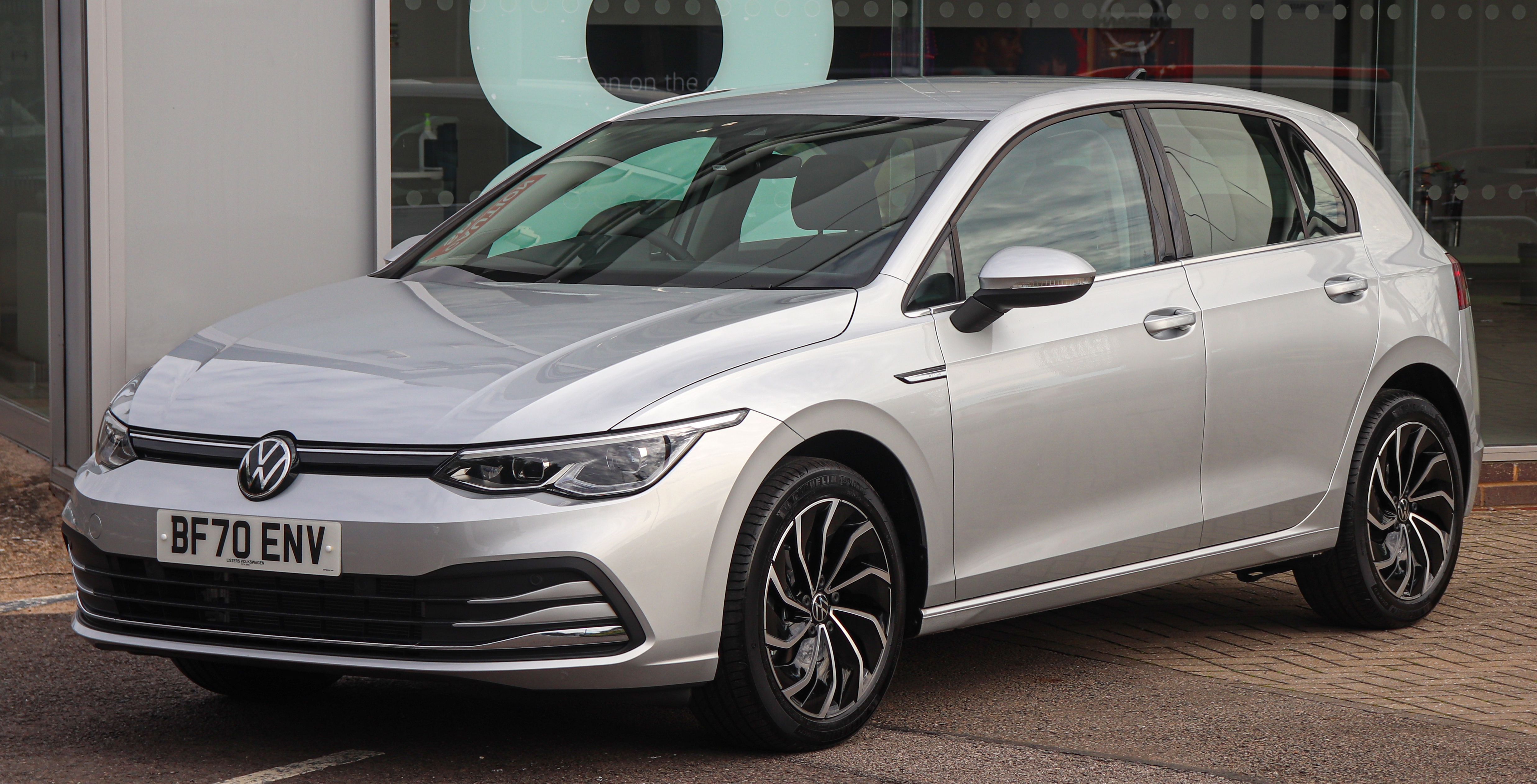
Volkswagen Gti
"...that we'll be talking about today are the ID Polo GTI. So we talked about the normal Volkswagen Polo a ..."
The Volkswagen Golf is a compact car designed for normal daily use. The podcast mentions it while talking about other Volkswagen models and how they fit into the lineup. It’s included because it’s a well-known option in the compact car category.
The Volkswagen Golf is a compact car that’s often used as a reference point for everyday practicality and mainstream driving. In the podcast, it’s mentioned as part of a wider discussion that includes Volkswagen’s ID and Polo GTI models, which is why it’s referenced. It’s relevant because many buyers use the Golf as a baseline when comparing hatchbacks and other compact options.

ID Polo GTI
"So the vehicles that we'll be talking about today are the ID Polo GTI... So this is the performance version of the Polo ID Polo... And the ID Polo GTI just sort of ramps up the performance a little bit. So we're now getting 166 kilowatts of power and 0 to 100 kilometers an hour in 6.8 seconds for our front wheel drive."
The ID Polo GTI is Volkswagen’s electric version of a small, everyday car, but tuned to feel quicker than the regular model. They mention how fast it accelerates and how far it can go on a charge, along with how quickly it can charge at a fast charger.
Volkswagen’s ID Polo GTI is an electric “performance” take on the ID Polo, aiming to add more power while staying in the mainstream hatchback size. In this segment they cite 166 kW, a 0–100 km/h time of 6.8 seconds, and front-wheel drive, plus EV-specific range and charging figures.

Volkswagen Polo
"So we talked about the normal Volkswagen Polo a few episodes back, but we've also had a reveal of the GTI performance version."
The Volkswagen Polo is a small hatchback. The hosts mention it as the normal version they previously covered, before getting into the quicker GTI-style electric variant.
The Volkswagen Polo is the smaller hatchback platform that the episode uses as the baseline for the ID Polo GTI. They reference the “normal Volkswagen Polo” to frame how the GTI performance version differs from the standard model.
0 to 100 kilometers an hour in 6.8 seconds
"So we're now getting 166 kilowatts of power and 0 to 100 kilometers an hour in 6.8 seconds for our front wheel drive."
This is a simple test of how fast the car accelerates from a stop to 100 km/h. Lower time usually means the car feels quicker.
“0 to 100 km/h” is an acceleration benchmark: how many seconds it takes to go from a standstill to 100 kilometers per hour. It’s commonly used to compare how quickly different cars feel in everyday driving and overtakes.

Volkswagen Id3
"...r ID Polo models. And unlike the rare wheel drive ID3 Neo and the other ID series models on the older M..."
The Volkswagen ID.3 is an electric hatchback, so it runs on a battery. The podcast talks about different versions of the ID.3 and related ID models, which is why it’s included. The focus is usually on what you get depending on the trim level.
The Volkswagen ID.3 is an all-electric hatchback in the ID family, designed for everyday driving with battery-electric power. The podcast references different ID variants and mentions the ID.3 Neo and other models, which is why it comes up in a comparison. It’s discussed because buyers often compare electric hatchbacks by trim and equipment rather than just by range alone.
WLTP cycle
"I believe it's around 424 kilometers. Yes, 424 kilometers on the WLTP cycle and 105 kilowatt DC fast charging and a 52 kilowatt NMC battery pack."
WLTP is the official test used to estimate how far an EV can go on one charge. Your real range can be more or less depending on how you drive and conditions like temperature.
WLTP (Worldwide Harmonized Light Vehicle Test Procedure) is a standardized testing method used to estimate EV range and fuel economy. Because it’s a lab-based procedure with defined driving conditions, real-world range can differ depending on speed, weather, and driving style.
DC fast charging
"Yes, 424 kilometers on the WLTP cycle and 105 kilowatt DC fast charging and a 52 kilowatt NMC battery pack."
DC fast charging is the quicker way to recharge an EV at a fast charger. It uses high power so you can add range faster than with a regular home-style charger.
DC fast charging refers to charging an EV using direct current at high power, which can significantly reduce charging time versus slower AC charging. The “105 kilowatt” figure in the segment is the maximum charging capability being discussed.
NMC battery pack
"Yes, 424 kilometers on the WLTP cycle and 105 kilowatt DC fast charging and a 52 kilowatt NMC battery pack."
NMC is the type of battery chemistry inside the EV. Different battery types can behave differently in terms of range and how well they last over time.
NMC stands for a lithium-ion battery chemistry (Nickel Manganese Cobalt) used in many EVs. It affects characteristics like energy density, cost, and how the battery performs and ages under repeated charging and driving.
light bar
"I think the design will really show itself like a lot of Volkswagen's current range probably look especially good at night, especially with the light bar sort of design that got going on with all their newer models."
A light bar is a long strip of lights on the car, usually LEDs. It’s mainly for looks, but it also helps the car stand out at night.
A light bar is a continuous or spanning LED lighting element across the front or rear of a vehicle, often used for a distinctive visual signature. In modern EVs and new-model designs, it’s a styling feature that also improves nighttime visibility.
Golf GTI
"I imagine a Golf GTI, ID Golf GTI will be significantly more powerful."
The Golf GTI is Volkswagen’s famous “hot hatch.” It’s known for being fun to drive, not just fast in a straight line—so the host is using it as a reference point for what an electric GTI should feel like.
The Volkswagen Golf GTI is the hot-hatch benchmark: a compact, front-wheel-drive car tuned for responsive handling and everyday usability. In this segment, the host compares it to an electric GTI concept, focusing on how power and acceleration claims may differ for EVs.
0 to 100 times for EVs are now meaningless
"I think Volkswagen is realizing that 0 to 100 times for EVs are now meaningless because as I said, you can get a Chinese SUV that now can do like nearly 3 seconds 0 to 100s, right?"
The host is saying that with EVs, lots of cars can be very fast from a stop. So instead of obsessing over acceleration bragging rights, the more important question is how the car drives and feels.
This is the idea that EVs have made straight-line acceleration so easy to achieve that “0 to 100” no longer differentiates products well. The host argues that buyers should instead focus on driving dynamics—how the car feels and handles—because that’s where EVs can still vary significantly.
Polo GTI
"because the current Polo GTI, the petrol one that's currently sold it already, at least for its driving, quite well regarded."
The Polo GTI is Volkswagen’s smaller hot hatch. The host is saying that even the current gas version is fun to drive, so the electric version could be too—if it’s tuned for steering and balance.
The Volkswagen Polo GTI is a smaller hot-hatch variant known for being well-regarded for its driving feel. The host uses the current petrol Polo GTI as a benchmark to argue that an electric GTI-style car could still be “one of the best driving” options if it’s tuned for handling rather than only acceleration.
driving assistance tech
"I imagine it will have all the [358.7s] safety tech, all the driving assistance tech, et cetera."
Driving assistance tech is the set of features that help you drive more safely. Think things like alerts for hazards and systems that can help keep you in your lane or maintain speed.
Driving assistance tech refers to automated safety and convenience features that help the driver—such as lane-keeping, adaptive cruise control, and collision warning/braking. It’s typically designed to reduce workload and mitigate common crash scenarios.
range
"And its range isn't pretty good as well. 1224, [368.9s] that's pretty good."
Range is how far the EV can go before it needs charging. More range usually means fewer charging stops for the same trip.
Range is how far an EV can travel on a full charge under specified conditions. For shoppers, it’s a key practical metric because it determines whether the car fits daily commutes and longer trips without frequent charging.
zero to 100 km an hour times
"both the Mini and the Volkswagen have more of a focus on handling rather than outright, [417.3s] zero to 100 km an hour times."
That phrase means how fast the car accelerates from 0 to 100 km/h. It’s a common way to compare speed, but it doesn’t tell you everything about handling or driving feel.
“Zero to 100 km/h time” is a measure of acceleration: how many seconds it takes to go from standing still to 100 km/h. It’s often used as a simple performance benchmark, but it doesn’t fully describe how a car feels in real driving.
faux diffuser
"they have like that semi, like that faux diffuser at the at the rear as well, but it's not too much more overly aggressive"
A “faux diffuser” is basically a fake-looking rear aerodynamic panel. It’s there to make the car look more sporty, even if it doesn’t do as much real aerodynamic work as a true performance diffuser.
A “faux diffuser” is a styling piece that looks like the aerodynamic diffuser found on performance cars, but it’s primarily cosmetic rather than functional. It’s used to give the rear end a sportier look without necessarily providing the same airflow benefits.
GTI hallmarks
"That's all good. They have all the GTI hallmarks. So yeah, I think the pricing will be very interesting."
“GTI hallmarks” means the signature features that make a Volkswagen GTI feel like a GTI. In other words, it’s the recognizable look and vibe people expect from that sporty trim.
“GTI hallmarks” refers to the recognizable design and character traits associated with Volkswagen’s GTI performance trim. These typically include distinctive styling cues and a sport-focused setup that signals the car’s hot-hatch identity.
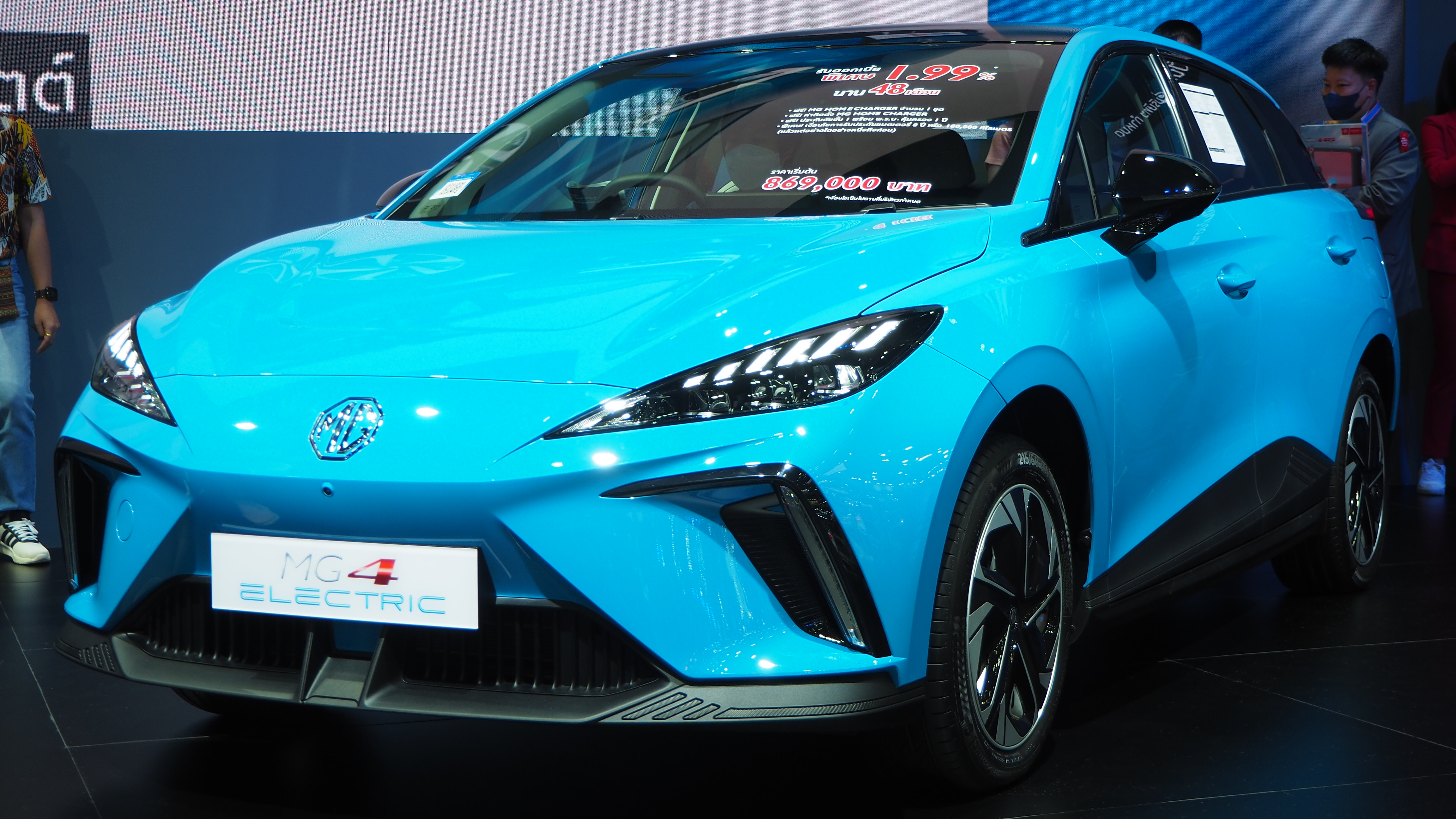
MG4
"because yes, the MG4, even the, not the Urban, but the model that's the rear wheel drive model, they've, the pricing of that has gone down quite a bit... given the MG4, its power is 47, 990 drive away. So that's a larger car as well."
The MG4 is an electric hatchback. In this discussion, it’s used as a benchmark for what buyers might pay and how fast it can accelerate, which affects whether people cross-shop it with a sporty gas hot hatch like the Polo GTI.
MG4 is an electric hatchback from MG (a brand under SAIC) that’s positioned as a value-focused EV. Here, the hosts compare it to the Polo GTI on price and size, and they cite a 0–100 km/h time to highlight how quick the MG4 feels for its class.

Toyota Corolla
"...the, you know, size-wise, it's similar, more of a Corolla size and a Golf size. And this is the refresh mod..."
The Toyota Corolla is a normal everyday car that’s meant to be easy to live with. The podcast mentions a refreshed version, meaning Toyota updated it with changes to things like features and possibly the way it drives. It’s compared by size because people often choose it against other compact cars.
The Toyota Corolla is a mainstream compact car known for being practical, efficient, and widely available. The podcast references a “refresh” version and compares its size to other popular compact options, which is why it comes up in a pricing/spec discussion. It’s a common benchmark because many buyers cross-shop it when choosing a new car.
refresh model
"And this is the refresh model. So they updated the interior, all the tech stuff."
A “refresh model” is an updated version of the same car. It usually gets new styling and tech, but it’s not a brand-new generation of the vehicle.
A “refresh model” is an updated version of an existing car generation, usually involving changes to styling, interior, and technology rather than a full redesign. Refreshes are often timed to keep a model competitive while the next-generation car is developed.

Honda Prelude
"...let's move on to our second topic, which is Australian pricing and specifications for the Honda Prelude... But the latest Honda Prelude... is now hybrid and shares a lot with the Honda Civic... Basically, the front suspension is lifted from the Civic Type R, but then tuned for a little bit more comfort."
The Honda Prelude used to be a sporty Honda. In this discussion, the newer Honda Prelude is basically a hybrid coupe based on the Honda Civic, with some suspension parts taken from the Civic Type R but adjusted to feel more comfortable.
The Honda Prelude is a long-running Honda nameplate that used to be known for sporty engineering, including features like four-wheel steering and the VTEC-era performance focus. In this segment, the latest Honda Prelude is described as a hybrid coupe built on the Honda Civic hybrid platform, with suspension components borrowed from the Civic Type R and then tuned for a more comfortable ride.
four-wheel steering
"...having a lot of affection for the Prelude as like a sports car... and had a lot of innovations with four-wheel steering and the Vtech engine and so on."
Four-wheel steering means not only the front wheels turn—so do the rear wheels. That can make the car easier to turn at low speeds and more stable at higher speeds.
Four-wheel steering is a chassis system where the rear wheels can steer in addition to the front wheels. Depending on speed, it can improve low-speed maneuverability and high-speed stability by changing how the car turns.
Vtech engine
"...and had a lot of innovations with four-wheel steering and the Vtech engine and so on."
VTEC is Honda’s system that helps the engine make more power when you need it, while still being efficient for normal driving. It does this by changing how the engine’s valves open.
“Vtech” here refers to Honda’s VTEC (Variable Valve Timing and Lift Electronic Control) system, which changes valve timing and lift to improve performance and efficiency. It helps the engine breathe better at higher RPM while keeping everyday driving smooth.

Honda Civic
"...the latest Honda Prelude... is now hybrid and shares a lot with the Honda Civic. It is essentially like a coupé version of the Honda Civic hybrid..."
The Honda Civic is Honda’s common everyday car. Here, they’re saying the newer Honda Prelude is closely related to the Civic hybrid, so it likely shares a lot of the same underlying engineering.
The Honda Civic is Honda’s mainstream model, and in this segment it’s used as the technical base for the latest Honda Prelude. The hosts describe the Prelude as a coupe version of the Honda Civic hybrid, implying shared powertrain and platform engineering.
Civic Type R
"...the front suspension is lifted from the Civic Type R, but then tuned for a little bit more comfort."
The Civic Type R is the sporty, performance version of the Civic. They’re saying the Prelude uses the Type R’s front suspension parts, but adjusts the setup to ride more comfortably.
The Civic Type R is Honda’s performance-oriented Civic variant, and the segment says the Prelude’s front suspension is lifted from it. That means the Prelude likely inherits a more aggressive suspension hardware layout, then tunes it for comfort rather than outright track feel.
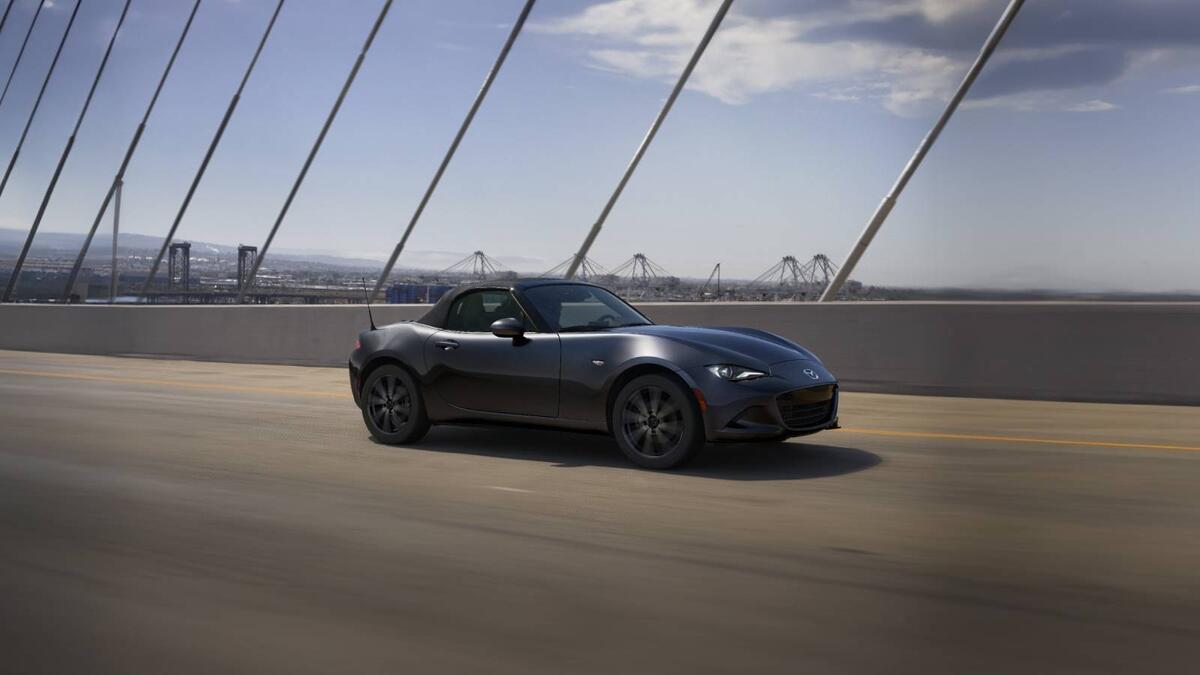
Mazda Mx5
"we have Australian pricing and specifications. So the pricing is 65,000 drive away. So that's well above the Toyota GR86 and the Subaru BRZ and the Mazda MX-5, who are, I suppose, our fellow Japanese sports cars. Although, quote-unquote, this is more of a"
The Mazda MX-5 (Miata) is a small sports car that’s designed to be light and fun. The podcast mentions it because its price is being compared to other similar sports cars. It’s the kind of car people choose when they want an enjoyable driving experience without paying for a supercar.
The Mazda MX-5 (Miata) is a lightweight, open-top sports car known for its simple, fun driving character. In the podcast it’s grouped with other similar sports cars and discussed in terms of pricing, which is why it appears in the conversation. It’s often brought up because it’s a popular benchmark for affordable, engaging roadster-style driving.
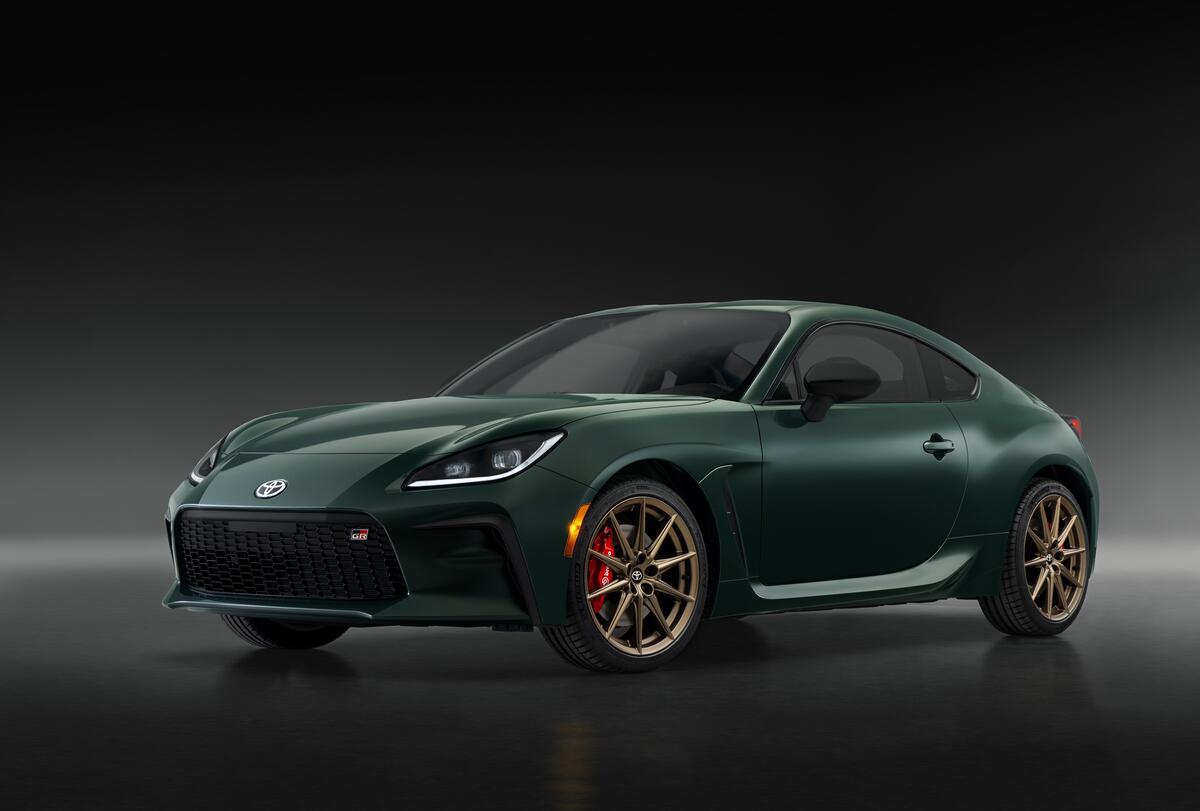
Toyota Gr86
"...5,000 drive away. So that's well above the Toyota GR86 and the Subaru BRZ and the Mazda MX-5, who are, I..."
The Toyota GR 86 is a small sports car designed to be fun to drive. In the podcast it’s mentioned because its price is being compared to other similar sports cars. The point is that it’s meant to be an affordable way to get a sporty driving experience.
The Toyota GR 86 is a sports coupe built for driver engagement, typically with a focus on handling and a fun, lightweight feel rather than outright speed. The podcast places it in a group of similarly positioned cars and notes pricing relative to them, which is why it’s discussed. It’s often brought up as an accessible entry point to “real sports car” driving.
grand tour GT
"...Although, quote-unquote, this is more of a grand tour GT car rather than an out-and-out track machine, especially like the BRZ and the GR86."
A “grand tour” or GT car is aimed at comfortable long-distance driving, not just track days. They’re saying the Prelude is more in that comfort-and-travel lane than a dedicated track machine.
“Grand tour GT” (often shortened to GT) describes a style of car meant for comfortable long-distance driving, typically balancing refinement with enough performance for spirited trips. The hosts contrast this with a pure track-focused sports car like the BRZ/GR86.
Mazda MX-5
"just like the MX-5, right? You know, the MX-5, they're like, all the reviews are like, oh, [805.9s] MX-5 isn't powerful, but the way it's like, how fun it is to handle, etc."
The Mazda MX-5 is a small, light sports car that’s fun mainly because it handles well. Here, they’re saying the other car feels similar—more about driving enjoyment than being super fast.
The Mazda MX-5 (Miata) is known for being a lightweight, driver-focused sports car where handling feel matters more than raw power. In this segment, the hosts compare the new car’s appeal to the MX-5’s “fun to handle” reputation rather than chasing big acceleration numbers.
0-100
"[814.6s] you know, a turbocharged engine, and it'll go 0-100 in like five seconds sort of thing, [819.2s] which is what some of its competitors might be banking on."
“0-100” is a measure of how fast a car speeds up from a standstill to 100. It’s basically a straight-line acceleration test number people use to compare cars.
“0-100” refers to the time it takes a car to accelerate from 0 to 100 (typically 100 km/h in many markets). It’s a common performance metric used to compare how quickly cars build speed in a straight line.
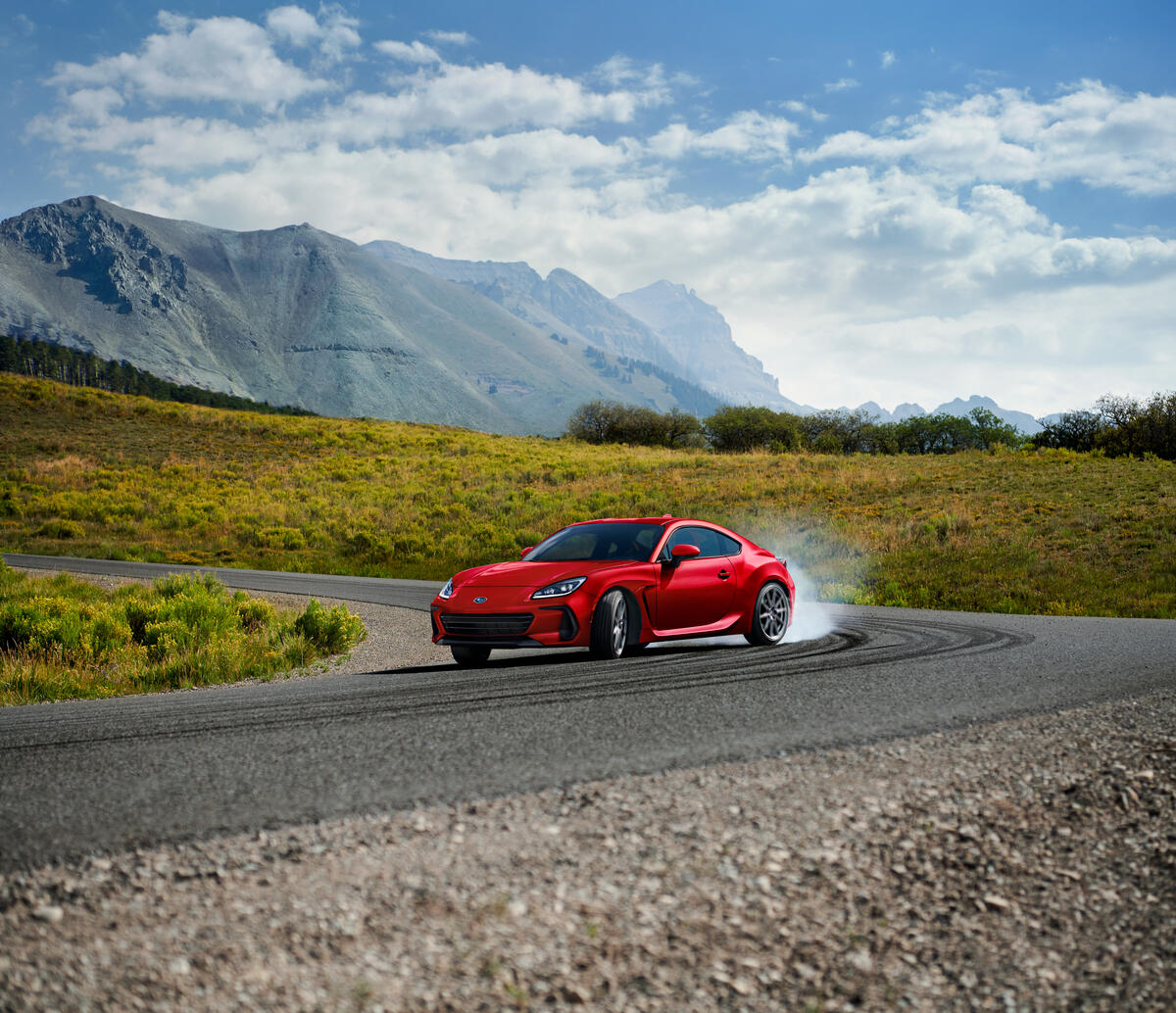
Subaru BRZ
"To be fair, the GR86, the BRZ, [825.1s] even the Nissan Z are all similar."
The Subaru BRZ is a small sports car built to feel good to drive, especially through corners. They bring it up as one of the cars that isn’t trying to be the fastest off the line.
The Subaru BRZ is a lightweight, rear-wheel-drive sports coupe designed for predictable handling and driver engagement. In this segment, it’s used as a benchmark for the “similar vein” of cars that aren’t focused on extreme acceleration.
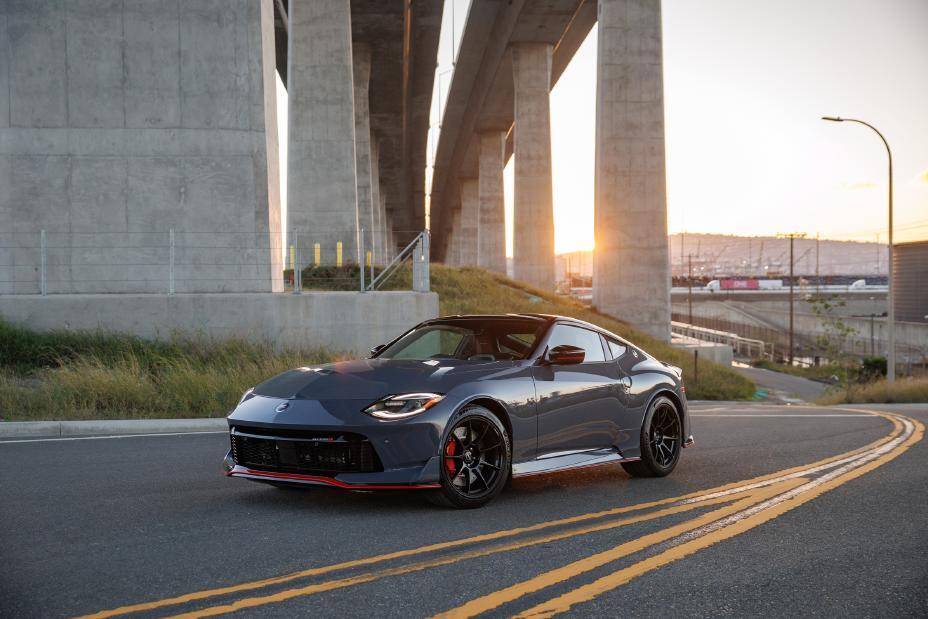
Nissan Z
"To be fair, the GR86, the BRZ, [825.1s] even the Nissan Z are all similar."
The Nissan Z is a sports car model that’s been around for a long time. In this discussion, they’re using it as another example of a car that’s fun, but not necessarily super fast compared to everything else.
The Nissan Z is a long-running sports-car nameplate known for offering a classic, performance-oriented driving experience. Here, it’s grouped with the GR86 and BRZ as competitors that aren’t “insanely quick,” reinforcing the idea that this segment values feel over straight-line speed.
nostalgia
"There's not a single person who's going to be buying this [850.8s] who has no attachment or memory of the original. They're going to be heavily leaning on nostalgia [854.8s] for this one."
In car marketing, nostalgia means leaning on emotional attachment to an earlier model to sell a newer one. The hosts argue that buyers of the new Prelude are likely to be people who remember the original, so the brand is banking on that emotional pull rather than pure performance specs.
limited numbers
"It's coming in very limited numbers. I think in Australia, I mean, it's coming in [859.0s] limited numbers, so it'll be a bit exclusive."
“Limited numbers” means the car is produced in small quantities. That can make it feel more special because it’s not common on the road.
“Limited numbers” refers to a low-volume production or allocation strategy that makes a model harder to find. The hosts suggest this exclusivity increases appeal because you won’t see the car everywhere.
Pacific Engine
"Funnily enough, because it's got Pacific Engine, it'll be fuel efficient, [913.2s] which is not something you could say about most sports cars, so to speak."
“Pacific Engine” sounds like a name for the car’s power system. They’re saying it helps the car use less fuel than you’d expect from a sports car.
“Pacific Engine” appears to be a specific branding/label for an engine or powertrain strategy mentioned in the segment. The hosts connect it to better fuel efficiency, implying the car’s powertrain is designed to be economical compared with typical sports cars.
artificial noise
"So if you do want to pretend that you want to be a race car driver, you can have the artificial noise and the simulated gear shifts and all the fun that comes with that."
Artificial noise is when the car adds or amplifies engine sounds so it sounds sportier. It’s basically a way to make the driving experience feel more exciting.
Artificial noise is sound that’s generated or enhanced by the car (often through speakers or engine-sound processing) to make the exhaust/engine note seem more aggressive. It’s commonly paired with sporty driving modes to give a more “race car” feel without changing the underlying engine hardware.
simulated gear shifts
"So if you do want to pretend that you want to be a race car driver, you can have the artificial noise and the simulated gear shifts and all the fun that comes with that."
Simulated gear shifts are when the car pretends it’s changing gears to feel more like a manual. You get the “shift” feel without actually using a clutch and manual gearbox.
Simulated gear shifts are when an automatic (or dual-clutch) transmission uses software to mimic the feel of manual upshifts/downshifts. The car changes engine speed and shift timing to create the sensation of gear changes, even if the driver isn’t actually selecting gears like a traditional manual.
sports mode
"And then when you want to have a more relaxed drive, you can just put it into the normal sports mode or the GT."
Sports mode is a button that changes how the car behaves to feel more responsive. It usually makes the throttle and driving feel more energetic.
A sports mode is a driving setting that adjusts vehicle behavior—typically throttle response, steering feel, shift strategy, and sometimes sound/engine mapping—to make the car feel more responsive. It’s meant to reduce “everyday” softness and increase driver engagement.

BMW 2 Series coupe
"But if you spend another 15k, you can also get yourself into a BMW 2 Series coupe"
The BMW 2 Series coupe is a smaller BMW coupe that’s more about luxury and driving feel. They’re mentioning it as a higher-priced alternative you might consider.
The BMW 2 Series coupe is a compact luxury performance-oriented coupe line known for a more premium driving feel than typical mainstream sports cars. The host uses it as an alternative shopping option once the budget rises into the mid-$60k range.

Ford Mustang
"Or actually, I just thought of another one. Oh, I guess it's a bit too expensive, but the Ford Mustang? Yeah, the Ford Mustang as well."
The Ford Mustang is a classic American sports car. The host is saying that if you buy a Mustang, a lot of people want the big V8 engine because that’s part of what makes it feel like a Mustang.
The Ford Mustang is an American muscle/pony car with a long-running identity built around bold styling and engine choices. In this segment, the host highlights that many buyers want the V8 specifically, framing it as part of the Mustang’s appeal and heritage.
two-cylinder turbo engine
"like yes, [1129.4s] the 2 Series, it's still a, it's a two-cylinder turbo engine. So, it's not, it won't, and you know, [1140.9s] it won't be a huge fuel guzzler, but it won't be as efficient definitely as the Prelude."
A “two-cylinder turbo engine” means the car has only two cylinders, but it uses a turbo to help it make power. Turbos can make small engines feel quicker, though efficiency depends on driving and tuning.
A “two-cylinder turbo engine” is an engine with two cylinders that uses a turbocharger to force more air into the cylinders. That lets a small engine produce strong power, but it can also affect fuel economy and drivability depending on how it’s tuned and how hard it’s worked.
rear wheel drive sports car
"it'll be interesting if any of these murdering publications do like a back-to-back comparison... [1214.3s] how the, especially in terms of how they drive, how the handling compares, because that's a rear wheel drive sports car."
Rear-wheel drive means the back wheels do the work of moving the car. Sports cars with rear-wheel drive often feel different in handling because the car’s balance shifts in a more “performance-oriented” way when you turn or accelerate.
Rear-wheel drive (RWD) means the engine sends power to the rear wheels. In a “rear wheel drive sports car,” that layout often changes how the car accelerates and handles—especially in cornering—because weight transfer and traction behavior differ from front-wheel drive.
front wheel drive
"because that's a rear wheel drive sports car. And this is [1219.4s] still front wheel drive and based on the Civic chassis and powertrain."
Front-wheel drive means the front wheels provide the traction. The host is saying that because the Prelude is front-wheel drive, it won’t drive exactly like the rear-wheel-drive BMW.
Front-wheel drive (FWD) means power goes to the front wheels. The host uses it to explain why the Prelude (described here as FWD) will likely feel different from the BMW 2 Series in handling and driving dynamics.
based on the Civic chassis and powertrain
"And this is [1219.4s] still front wheel drive and based on the Civic chassis and powertrain. So, Sandvik, did you have any other thoughts..."
When a car is “based on” another model’s chassis and powertrain, it means it shares the same basic structure and main mechanical components. That can make the two cars feel similar in how they handle and how the drivetrain behaves.
Saying the Prelude is “based on the Civic chassis and powertrain” means it shares the underlying platform (chassis) and the main mechanical layout (powertrain) with the Honda Civic. That typically affects packaging, weight distribution, and how the car drives, because the fundamental engineering is related.
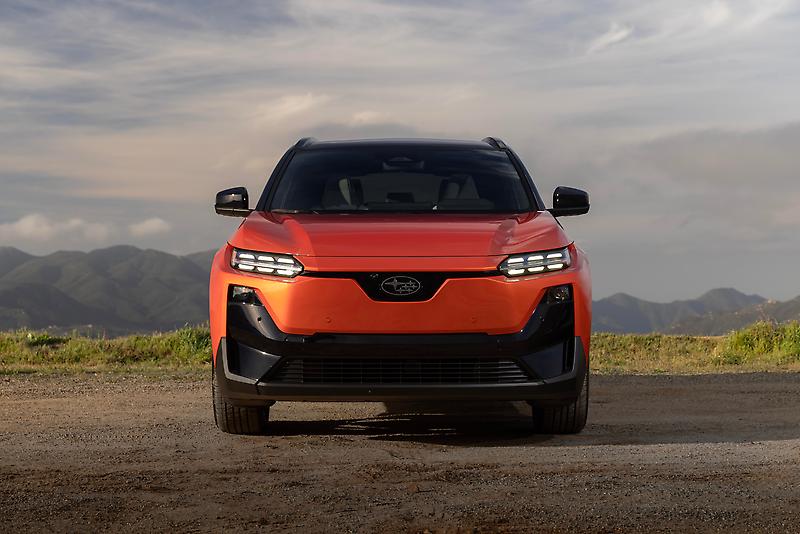
Subaru Uncharted
"Okay, cool. I think we might move on to a final topic, which is the Subaru Uncharted, which is Subaru's cheapest electric SUV in Australia. And it's interesting what's happening with Subaru because they're utilizing their, you know, shared collaboration and partnership with Toyota to a great extent."
The Subaru Uncharted is Subaru’s cheaper all-electric SUV option in Australia. It’s smaller than Subaru’s other EV SUVs and uses a Toyota-linked EV platform/technology.
The Subaru Uncharted is Subaru’s entry-level fully battery-electric SUV in Australia. It’s positioned below the Solterra and Trail Seeker, and it’s built around the Toyota-backed EV approach rather than Subaru developing EV tech entirely in-house.

Toyota bZ4X
"So, they have the, initially, we had the Solterra that came out, I believe, in what, 2023? I think what, 2022, maybe? Alongside the BZ4X."
The Toyota bZ4X is Toyota’s electric SUV. It’s referenced here because Subaru’s electric SUV (Solterra) is closely tied to Toyota’s EV platform/technology.
The Toyota bZ4X is Toyota’s battery-electric SUV that shares the EV foundation with Subaru’s Solterra. The mention matters because it’s the “partner car” that explains why Subaru’s EV expertise is being supplemented through collaboration.
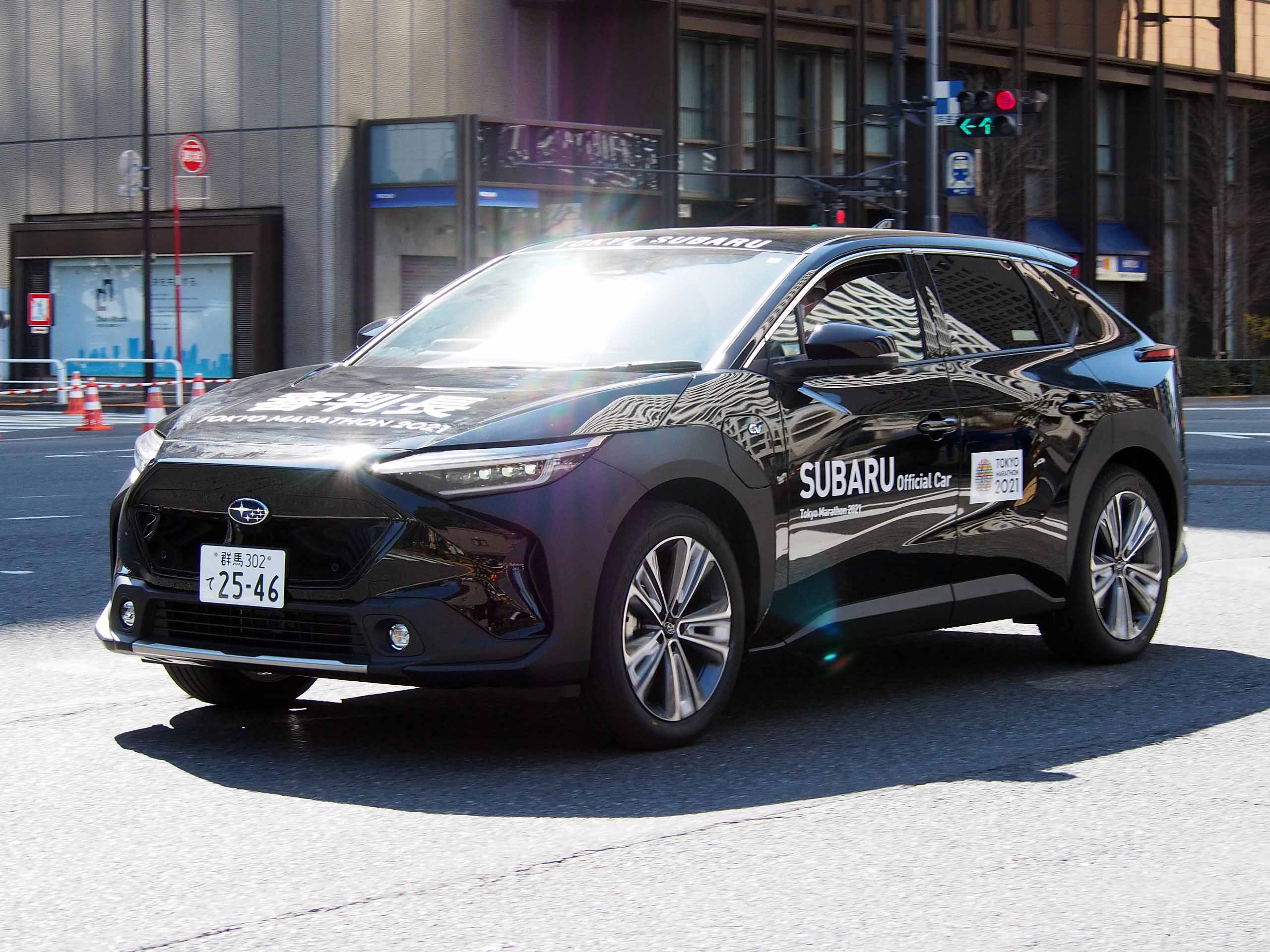
Subaru Solterra
"So, they have the, initially, we had the Solterra that came out, I believe, in what, 2023? I think what, 2022, maybe? Alongside the BZ4X."
The Subaru Solterra is Subaru’s earlier electric SUV that came out before the Uncharted. It’s part of Subaru’s EV partnership approach with Toyota.
The Subaru Solterra is Subaru’s earlier Toyota-collaboration electric SUV, and it serves as the “bigger sibling” to the Uncharted. The key idea is that Subaru is leveraging shared EV development instead of building everything from scratch.

Subaru Trail Seeker
"Now, we have the, now we also have the Trail Seeker, which is one size up from the Solterra. And now, we also have the, what we're going to talk about in this episode is the Uncharted, which is one size below the Solterra."
The Subaru Trail Seeker is another electric SUV in Subaru’s EV lineup. It’s described as bigger than the Solterra, and it’s part of the same Toyota-linked EV strategy.
The Subaru Trail Seeker is positioned as a larger EV SUV than the Solterra/Uncharted lineup, acting as another step in Subaru’s Toyota-collaboration EV range. In the episode’s framing, it helps show how Subaru is building a tiered EV lineup rather than a single model.

Honda Zrv
"...maybe size-wise, it's comparable to, I'd say, the Honda ZRV, Nissan Qashqai, Toyota Corolla Cross, although t..."
The Honda ZR-V is a compact SUV made for everyday family driving. The podcast compares it to other similar-sized SUVs and talks about hybrid options in that same group. It’s mentioned because it’s a common choice when people shop for a compact crossover.
The Honda ZR-V is a compact crossover SUV positioned for buyers who want a practical family-friendly vehicle with SUV styling. The podcast compares it by size to other crossovers and mentions hybrid options in the same group, which is why it’s part of the conversation. It’s discussed as a mainstream alternative in the compact SUV segment where powertrain and pricing matter.

Toyota Corolla Cross
"...o, I'd say, the Honda ZRV, Nissan Qashqai, Toyota Corolla Cross, although those are sort of all hybrid options. T..."
The Toyota Corolla Cross is a compact SUV that’s based on the Corolla idea but with more SUV-style space. The podcast mentions it because it’s offered with hybrid options and is compared to other similar crossovers. It’s brought up for people choosing between practical everyday cars and small SUVs.
The Toyota Corolla Cross is a compact crossover SUV that blends the Corolla’s mainstream appeal with a taller, more SUV-like layout. In the podcast it’s mentioned alongside other crossovers and specifically in the context of hybrid options, which is why it’s relevant to the discussion. It’s a common shopping target for people who want Corolla-style practicality but with SUV versatility.

Nissan Qashqai
"...t's comparable to, I'd say, the Honda ZRV, Nissan Qashqai, Toyota Corolla Cross, although those are sort of..."
The Nissan Qashqai is a compact SUV meant for everyday driving. The podcast compares it to other similar-sized SUVs and talks about how they’re offered with different power options. It comes up because it’s a common choice for people shopping in this crossover category.
The Nissan Qashqai is a compact crossover SUV aimed at buyers who want a practical daily vehicle with a higher driving position. The podcast compares it to other similarly sized crossovers and mentions it in the context of hybrid options, which is why it’s included. It’s discussed as part of the mainstream “family SUV” shopping set where features and powertrains are key decision factors.
kilowatts of power
"So, Saniv, we're getting 522 kilometers of range on the WLTP cycle, which I think is pretty good. 252 kilowatts of power,"
Kilowatts (kW) are a way to describe how strong the car’s electric power is. Higher kW usually means the EV can accelerate more strongly, but the car’s weight and setup also matter.
Kilowatts (kW) are a unit of power that describes how much energy the vehicle can deliver at a given moment. For EVs, quoting kW helps you compare the motor’s output across models, though real-world acceleration also depends on vehicle weight and gearing/control strategy.
all-wheel drive
"all-wheel drive, dual motor, which is very powerful, actually. Like, that's pretty, I think,"
All-wheel drive means the car can send power to all four wheels. That helps it grip the road better, especially when it’s wet, snowy, or uneven.
All-wheel drive (AWD) sends power to more than just the front or rear wheels, helping the car maintain traction when grip is uneven. On slippery roads or in off-road conditions, AWD can reduce wheelspin and make acceleration and steering more predictable.
dual motor
"all-wheel drive, dual motor, which is very powerful, actually. Like, that's pretty, I think,"
A dual-motor EV has two electric motors instead of one. That can help the car accelerate smoothly and keep better grip because power can be managed more precisely.
A dual-motor EV uses two electric motors—typically one for the front axle and one for the rear. This layout can improve traction and responsiveness, and it often enables more precise torque distribution between axles.
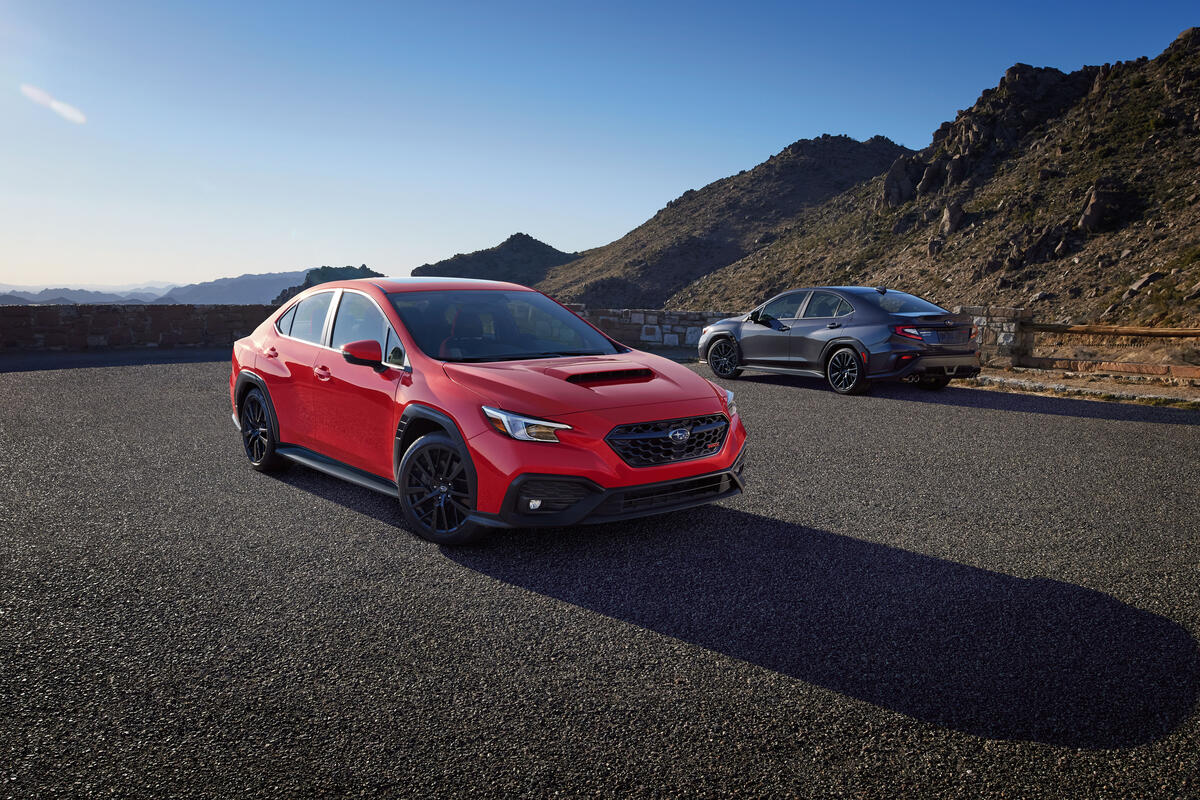
Subaru WRX
"They actually said it's as fast, it's no faster than a lot of the WRX, even as the WRX is seen as a performance model. Yeah, exactly."
The Subaru WRX is a sporty Subaru that’s built for quick acceleration and good grip. Here, they’re comparing how fast a newer Subaru is versus the WRX.
The Subaru WRX is a performance-focused model known for rally-inspired all-wheel-drive traction and turbocharged punch. In this discussion, it’s used as the benchmark for acceleration versus a newer, quicker Subaru.

Suzuki Jimny
"...e Suzuki Evitaro, even if they'd made an electric Jimny that cost that much, it would have made more sens..."
The Suzuki Jimny is a small off-road vehicle made to handle rough roads. The podcast talks about the idea of an electric version and whether it would be worth the money. The key point is that the Jimny is known for being capable, and people would expect an EV version to be priced appropriately.
The Suzuki Jimny is a small, rugged off-road-capable vehicle known for its compact size and go-anywhere attitude. The podcast brings it up in a discussion about the idea of an electric Jimny and how pricing could affect the appeal. It’s discussed because it represents a specific kind of simple, capable 4x4 that people would expect to translate into an EV—if the cost made sense.
X-Mode
"That's the X-Mode. Yeah, exactly. So, you probably can't go like incredibly rough terrain, but it can handle reasonable off-roading, I'm sure, quite well."
X-Mode is a Subaru setting meant for rougher roads. It helps the car manage traction so it’s easier to drive on dirt, gravel, or slippery terrain.
X-Mode is Subaru’s driver-selectable off-road/traction mode that adjusts throttle response and drivetrain behavior to help the car move more confidently on loose or uneven surfaces. It’s designed to make traction management more automatic when conditions get tricky.
adaptive headlights
"It has, you know, all the adaptive headlights, all the safety technology, adaptive cruise control, even it has vehicle to load, support, power seats, heated seats, memory seats, all of the, you know, premium audio as well"
Adaptive headlights automatically change where the lights point as you drive. That helps you see better when turning or when conditions change.
Adaptive headlights adjust the headlight aim and/or beam pattern based on driving conditions, such as steering angle or speed. The goal is to improve visibility around corners and at night compared with fixed headlights.
adaptive cruise control
"It has, you know, all the adaptive headlights, all the safety technology, adaptive cruise control, even it has vehicle to load, support, power seats, heated seats, memory seats, all of the, you know, premium audio as well"
Adaptive cruise control keeps you a safe distance from the car in front. It can automatically slow down and speed up to match traffic.
Adaptive cruise control uses sensors to maintain a set following distance from the car ahead. Instead of holding a constant speed, it can slow down and speed back up as traffic changes.
vehicle to load support
"It has, you know, all the adaptive headlights, all the safety technology, adaptive cruise control, even it has vehicle to load, support, power seats, heated seats, memory seats, all of the, you know, premium audio as well"
Vehicle-to-load means the car can power things from its battery, like an outlet. People use it for camping or running small devices without a separate generator.
Vehicle-to-load (V2L) support lets an EV power external devices using its battery, typically through an outlet or adapter. It’s useful for running tools, camping gear, or charging smaller electronics without needing a separate generator.
power seats
"even it has vehicle to load, support, power seats, heated seats, memory seats, all of the, you know, premium audio as well, wireless Apple CarPlay and Android Auto."
Power seats are seats you adjust with buttons instead of manually. They help you set your driving position faster.
Power seats use electric motors to move the seat and often adjust lumbar support and height. Compared with manual seats, they make it easier to dial in a comfortable driving position quickly.
memory seats
"support, power seats, heated seats, memory seats, all of the, you know, premium audio as well, wireless Apple CarPlay and Android Auto."
Memory seats let you save your preferred seat position. Then you can press a button to move the seat back to that spot.
Memory seats store preset positions for the driver (and sometimes the passenger) so the seat can be returned to a preferred setting with one button. This is especially handy for households with multiple drivers.
wireless Apple CarPlay and Android Auto
"all of the, you know, premium audio as well, wireless Apple CarPlay and Android Auto. Fast charging, it's not amazing, but it's not behind the curve."
CarPlay/Android Auto let your phone show compatible apps on the car’s screen. Wireless means you can connect without plugging in every time.
Apple CarPlay and Android Auto mirror a phone’s supported apps onto the car’s infotainment screen. “Wireless” means you don’t need to plug in the phone for the connection, making setup quicker.

Subaru Crosstrek
"I think it's definitely much better value for money than the Crosstrek, which is a model that I remember touching on in a previous episode. I went to Tasmania for a bit of a holiday for a week, and the car that I had was the Crosstrek,"
The Subaru Crosstrek is a small crossover that’s popular for everyday driving and bad-weather traction. Here it’s mentioned to compare pricing and how the powertrain feels versus another Subaru model.
The Subaru Crosstrek is a compact crossover known for practical all-weather capability and, in many trims, Subaru’s all-wheel-drive system. In this segment it’s used as a comparison point for a different (more powertrain-focused) Subaru offering.
combustion engine version
"and, you know, that's sort of like a, almost like a philosophically, like the combustion engine version of this car. Like it's similar size, maybe the Crosstrek is a little bit smaller than the Uncharted, but sort of same, essentially the same segment,"
They’re contrasting a regular gas-powered car with an electric one. That matters because the way you drive and how you recharge/refuel are different.
“Combustion engine version” is a way of contrasting a traditional gasoline (or diesel) powertrain with an electric powertrain. In EV comparisons, it highlights that the driving feel, efficiency, and charging/refueling experience can be fundamentally different.

Kia EV3
"...orth looking at this car in comparison to the Kia EV3, especially, like they're similar size, you know,..."
The Kia EV3 is an electric car, meaning it runs on a battery. The podcast compares it to other cars that are about the same size, which helps people understand how it fits into their choices. It’s mentioned because it’s part of the EV lineup aimed at everyday use.
The Kia EV3 is an electric vehicle positioned as a smaller, more accessible EV option compared with larger electric models. The podcast mentions it specifically in comparison to other cars of similar size, which is why it’s included. It’s discussed because buyers often evaluate EVs by how they fit their budget and daily needs, not just by performance.
Request an Explanation
Heard something you'd like explained? We'll add it to this episode.
Sign in to request explanations for terms you heard.
Want to learn more?
Browse our glossary for plain-English explanations of automotive terms, jargon, and concepts.
Help improve this episode
See something that's not quite right? Our annotations are AI-generated and can sometimes miss the mark. Click the flag icon on any annotation to suggest a correction.