
#551 John Clay Wolfe Show 04.18.26
About this episode
The show bounces between classic-car appraisals, listener calls, and a long stretch of political talk about Iran reimposing restrictions on the Strait of Hormuz. John also spends time on Pittsburgh Steelers quarterback speculation, especially Aaron Rodgers, and fields a wild assortment of vehicles for live bids, including a box truck, WRX, VW bus, Corvette Grand Sport, and a heavily modified Camaro. The episode mixes auction chatter, sports opinions, and off-the-cuff commentary in the usual fast, chaotic style.
Barrett-Jackson
"Palm Beach, just got back from your town late last night, Barrett Jackson going on, pretty fun. Cars were kind of up again, cars were, oh the phones are live, 800-800-7234-800-800-Radio."
They’re talking about Barrett-Jackson, a big car auction where collectors bid on classic and interesting cars. The point is that auction results can hint at whether car prices are going up or down.
The hosts reference Barrett-Jackson, a major collector-car auction series. They’re using it as a real-world indicator of how collector-car pricing and demand are moving.
collector-car auction market pricing
"The market was up a little bit, because the market fell down and, I don't know, like, Meekam Houston was crappy, Meekam Arizona was crappy, and Barrett Scottsdale, which is like the height of the year. And then Palm Beach yesterday, the cars were bringing more money, just like as a whole."
The segment discusses how auction activity correlates with market movement—cars “bringing more money” in some locations. This is essentially supply-and-demand pricing in the collector-car space, influenced by regional attendance and the quality of cars offered.
Barrett in West Palm Beach (Palm Beach Fairgrounds)
"I bought about, I don't know, 10 cars at Barrett in West Palm Beach, Palm Beach Fairgrounds. Past two days."
They’re talking about buying cars at a collector-car auction in Florida. Different auction events tend to attract different types of cars and buyers.
This segment references Barrett-Jackson-style collector-car auction activity at the Palm Beach Fairgrounds in West Palm Beach, Florida. Auction locations matter because they influence what kinds of cars show up and how competitive the bidding can be.

Volkswagen Bus
"... WRX Australian rig with 140 and a 71 VW Transpo bus and Hyzer Bush Netty light wagon. Now, right now..."
The Volkswagen Bus is a type of van made by Volkswagen. Older versions are popular with collectors because they’re recognizable and useful. The podcast mentions a specific bus to describe what vehicles are being discussed or sold.
The Volkswagen Bus (often called a Microbus/Transporter depending on year and market) is a classic van known for its distinctive shape and versatility. It’s discussed because certain variants and condition levels are especially sought after by collectors. In the podcast, it’s mentioned alongside other specific vehicles, including a “71 VW Transpo bus,” suggesting the conversation is about inventory and value.
diesel
"So the box truck I purchased from my remodeling company. It's a 2014 NQR 76,000 miles diesel, dolly, 18 foot box truck, 7 foot wide, 7 foot tall. It's a nice working vehicle."
Diesel is a type of engine that runs on diesel fuel and usually pulls harder at low speeds. It can cost different amounts to maintain than a gas engine, especially because the fuel system and emissions equipment are different.
Diesel engines use compression ignition instead of spark plugs, which typically gives better fuel economy and strong low-end torque for hauling. They also tend to have different maintenance needs (like fuel system and emissions-related components) compared with gasoline engines.
box truck
"It's a 2014 NQR 76,000 miles diesel, dolly, 18 foot box truck, 7 foot wide, 7 foot tall. It's a nice working vehicle."
A box truck is a truck with a cargo “box” (enclosed rectangular body) for carrying goods protected from weather and theft. The length and height mentioned (18-foot box, 7-foot wide/tall) help determine what types of loads it can handle and how it fits in storage or loading areas.
dolly
"It's a 2014 NQR 76,000 miles diesel, dolly, 18 foot box truck, 7 foot wide, 7 foot tall. It's a nice working vehicle."
A dolly is a towing accessory that helps connect and support trailers. It’s used so the truck can pull something else safely and correctly.
A “dolly” is a trailer component used to support and steer the front of another trailer or to allow certain towing setups. In the context of a box truck, it suggests the vehicle/trailer configuration is set up for towing or moving additional equipment.

Subaru WRX
"... value on it. Let's skip to the next one, an 0-4 WRX with 140. Is it geeked out or is it stock?"
The WRX is a sporty Subaru car that uses a turbo engine and drives all four wheels. People often change parts to make it faster, so it can be either mostly original or heavily modified. The podcast is asking whether a specific WRX is stock or modified for performance.
The Subaru WRX is a compact performance sedan known for its all-wheel drive and turbocharged engine. It often comes up in conversations about “stock vs. modified” because many owners tune them for quicker acceleration and different driving feel. In the podcast, it’s referenced with specific mileage and performance numbers to judge whether a particular example is standard or “geeked out.”
all stock, all original
"It's all original actually, all stock, all original. [924.1s] We like to call her a virgin in the business."
They’re saying the car is basically untouched from the factory. That usually means fewer modifications and often better value if you ever sell it.
“All stock, all original” means the car hasn’t been modified with aftermarket performance parts and still has its factory components. In enthusiast circles, this often matters because it can preserve drivability, reliability, and resale value.
virgin in the business
"We like to call her a virgin in the business. [926.3s] The only thing I've done to it is I took it to a tuning company about two years ago"
“Virgin” is slang in the car world for a car that’s largely unmodified—especially when it’s still in a factory-like state. It’s often used to signal low wear from hard use and higher collector/resale appeal.
new gaskets, new seals
"The only thing I've done to it is I took it to a tuning company about two years ago [930.6s] when I was going to rebuild it and I put new gaskets, new seals, bumped up the brakes a little bit."
Gaskets and seals help keep fluids from leaking. If they’re old or worn, replacing them can stop leaks and keep the engine running cleaner.
Gaskets and seals are sealing components that prevent oil, coolant, or other fluids from leaking where engine parts meet. Replacing them can be part of addressing seepage or preparing an engine for rebuild work.
bumped up the brakes
"when I was going to rebuild it and I put new gaskets, new seals, bumped up the brakes a little bit. [937.5s] Just got it crept to do a..."
They’re saying they improved the brakes a bit so the car stops better. That can mean better brake pads/rotors or other brake upgrades.
“Bumped up the brakes” implies upgrading or adjusting the braking system for stronger stopping power or better fade resistance. Common ways include higher-performance pads, rotors, brake lines, or fluid changes—often to support more spirited driving.
make it into a little bit more of a race vehicle
"Just got it crept to do a... [940.9s] To make it into a little bit more of a race vehicle, but I just lost the motivation"
They wanted to turn the car into something more suited for racing or track days. That typically means making it handle harder driving better, not just making it look faster.
Turning a street car into more of a “race vehicle” usually means adding performance-focused changes—either mechanical upgrades or setup changes—to handle track-style driving. It can also involve prioritizing reliability under harder use and improving cooling, braking, and traction.
bed in the back
"So basically, when it came off the production line, it did have the bed in the back, but it also had the all three rows seating. However, the middle seat was taken out and in the back, the third row seat is a Z seat,"
This means the van can be set up so you can sleep in the back. Instead of needing a separate tent, the rear seating folds down into a bed.
A “bed in the back” refers to a camper conversion or factory-style seating layout where rear seats fold down to create a sleeping surface. The transcript ties it to the rear “third row” seat configuration that folds down.
three rows of seats
"So basically, when it came off the production line, it did have the bed in the back, but it also had the all three rows seating. So, it just has a little bit of a different option."
Three rows of seats means more people can ride in the van. Here, they remove the middle row so the back can be turned into a bed for camping.
Having three rows of seats is a packaging concept that turns a van into a multi-passenger vehicle while still allowing a camper-like layout. In this case, the middle row is removed so the rear can be reconfigured into a sleeping area.

Volkswagen T2
"It's a typical Volkswagen hippie bus. It's a T2, which is the 68-72 model. The transporter notes the fact that it has three rows of seats."
A Volkswagen T2 is an older “hippie bus” from the late 1960s to early 1970s. It’s the kind of van people use for road trips because the back can be configured for sleeping.
The Volkswagen T2 is the 1968–1972 generation of the classic Transporter/“hippie bus” platform. In this segment, the host is describing a T2 variant that’s set up for camping with a bed formed from the rear seating.
Anheuser-Busch
"What's the Natty Light part? It was owned by Anheuser-Busch. Yeah, so it was used as a promotional vehicle by Anheuser-Busch out of Missouri."
Anheuser-Busch is a major beer company. In this story, they used the van to promote their Natty Light beer and even had it wrapped and branded for the promotion.
Anheuser-Busch is the beer company behind the “Natty Light” brand mentioned in the segment. The host explains the van was used as a promotional vehicle, including a vehicle wrap and distributing beer under the “Natty Wagon” name.
vehicle wrap
"So, it actually had a vehicle wrap on it prior to me purchasing it. And they drove it around the country and called it the Natty Wagon. They gave out free natural light beer out of it."
A vehicle wrap is like a big sticker/covering that goes on the outside of the vehicle for advertising. If you buy one that was wrapped, the previous owner may remove it to return the paint to normal.
A vehicle wrap is a large printed vinyl covering applied to a car or van’s exterior for branding or advertising. The transcript notes the promotional wrap was removed after purchase, which is a common step when buying a previously branded vehicle.
body work
"[1157.4s] I would give it a grade of like, yeah, I would give it a grade of 7. [1161.0s] I just have a bunch of body work done to keep it up and running, [1165.3s] but it could use a little bit more."
“Body work” is fixing the outside of the car—like dents, scratches, or rust. When someone says they’ve had body work done, it usually means the car’s been repaired to look and stay in decent shape.
“Body work” refers to repairs and restoration of a vehicle’s exterior—things like dents, rust, panels, and paint. In used-car discussions, it’s often a sign the car has been maintained cosmetically, but it can also hint at prior damage.
T2s
"[1169.1s] So, is it an 18 to 20 grand rig? [1174.9s] No, no, no. [1175.8s] It's closer to probably like 15. [1178.2s] Okay, so it's a little bit low. [1179.7s] Yeah, you're ever shooting on that. [1181.3s] Yeah, the T2s, you can get operating from anywhere from 12,000 to roughly 18,000, [1187.8s] all the way up to like 35 fully done."
“T2s” is slang for a Volkswagen Type 2—basically the classic VW bus/van. They’re saying you can find them for different prices depending on how much work has been done and how complete they are.
“T2s” is commonly used in Volkswagen circles to refer to the VW Type 2 (the classic Transporter/Bus platform). The host is talking about pricing ranges for these vehicles depending on condition and how “fully done” they are.
VIN lookup
"Okay, go to GiveMeTheVin.com and load up the Bang Bus and load up the Subaru. Don't load up the transport. I mean, the box van."
A VIN is like a car’s fingerprint. By looking it up, you can learn more about the exact vehicle and its background before you spend money.
A VIN lookup uses a vehicle’s unique VIN (Vehicle Identification Number) to pull details like trim, build info, and sometimes title/accident history. Hosts use it to evaluate specific cars before buying or bidding.
GiveMeTheVin.com
"Okay, go to GiveMeTheVin.com and load up the Bang Bus and load up the Subaru. Don't load up the transport. I mean, the box van."
They’re using a website that checks a car’s VIN. It helps them confirm what the vehicle is and learn more before making a decision.
GiveMeTheVin.com is referenced as the tool the host uses to look up vehicles by VIN. The implication is that they’re verifying details and comparing cars using data from the VIN.
box van
"Don't load up the transport. I mean, the box van. And let's get a... The box, yeah, keep it out."
They’re saying not to include the box van in the comparison. A box van is usually a work/cargo vehicle, so it’s not the same kind of vehicle as what they’re trying to evaluate.
The host contrasts the “box van” with the vehicles they want to evaluate, implying they’re trying to avoid a certain vehicle type for their current comparison. Box vans are typically commercial cargo vehicles with different use patterns and value drivers than passenger cars.
commercial fleet on lease
"Because a lot of those come off of commercial fleet all the time on lease, and I see them at auctions. I have them. Now, they're always 140,000 miles."
They’re saying a lot of these cars come from business fleets that were leased. Those cars usually rack up lots of miles and get sold off later, often at auction.
The host describes many vehicles coming from commercial fleets on lease, which often means high annual mileage and predictable wear patterns. Fleet/lease cars are commonly sold at auction after the lease ends.
international community, the press
"But the problem is, is the international community, the press and everything like that, they would have a field day with it and make us out to be the bad guys."
They’re talking about how news coverage and public opinion can turn a decision into a big controversy. It’s not really about cars directly—it’s about how events can affect the bigger system that cars depend on, like fuel and shipping.
The hosts are discussing how global media and public opinion can shape the narrative around actions during conflict. In automotive terms, this is more about how energy and logistics decisions can become politically charged and affect markets than about a specific vehicle or part.
20% of the world's oil comes through the straight
"When the war started, you said 20% of the world's oil comes through the straight. 20% of the world's oil."
They’re talking about a major shipping route for oil. If that route gets disrupted, there’s less oil available, and prices can jump fast.
This refers to a chokepoint shipping route for crude oil (the transcript says “straight,” likely meaning a strait). When a large share of global oil flows through a narrow passage, disruptions can quickly tighten supply and raise fuel prices worldwide.
oil supply disruptions driving fuel prices
"How much of that 20% actually comes to us? 10%, 5%? Yeah. Because why is our prices going up so much if only 10% is coming to us?"
They’re wondering why gas prices rise even if only some of the oil goes to the U.S. The idea is that oil markets are global—if supply is tight anywhere, prices can rise broadly.
The hosts connect the share of oil reaching the country to why prices still rise significantly. Even if only a portion of oil flows directly to one country, global supply constraints and pricing benchmarks can push prices up everywhere.
haul a thousand cars weekly
"So, you know, we haul a thousand cars weekly at gimmethevend.com."
They mention transporting lots of cars regularly. If fuel and shipping costs change, it can affect how expensive it is to move cars around.
This is a logistics reference: moving large volumes of vehicles weekly depends on transportation networks, fuel costs, and supply-chain stability. Those same factors that affect oil prices also influence shipping and transport economics for cars.

1963 Cadillac El Dorado
"A buddy of mine was a car dealer. And he goes one day to say, hey, you want to take a ride to Irisburg? There's a classic car auction. He buys a 1963 Cadillac El Dorado barit."
A 1963 Cadillac El Dorado is a classic American luxury car. People usually buy these for their style, comfort, and “old-school” Cadillac vibe rather than for performance.
The 1963 Cadillac El Dorado is a full-size luxury personal car from Cadillac, known for its big, comfortable ride and classic styling. In the early 1960s, the El Dorado was positioned as a flagship-style cruiser with lots of chrome and a strong emphasis on comfort over sportiness.
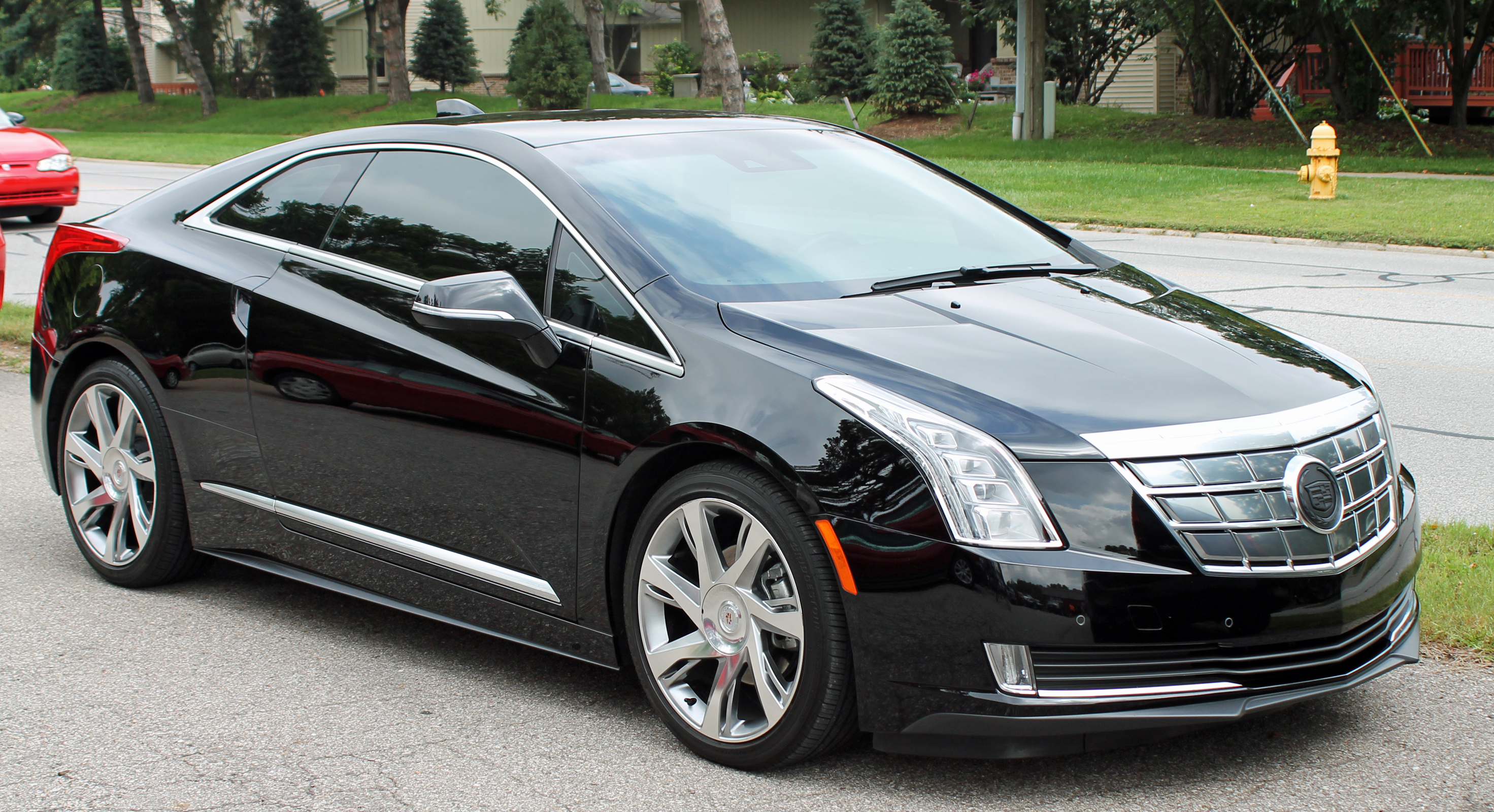
Cadillac El
"I went, yeah, take a ride. He buys a 1963 Cadillac El Dorado barit. It meant condition."
The ELR is a Cadillac luxury car that uses both electricity and a gasoline engine. That means you can drive some distance using electricity, then use gas when needed. The podcast mentions it as a vehicle someone was interested in taking a look at.
The Cadillac ELR is a luxury plug-in hybrid coupe designed to blend Cadillac styling with electric driving capability. It’s often discussed because it represents a specific era of Cadillac’s electrified lineup and tends to be less common than mainstream models. In the podcast, it appears to be part of a conversation about a ride-along or vehicle purchase interest, though the context provided is brief.
wonder bar
"The thing, the only thing that didn't work was the wonder bar. So he takes the car home... And here comes the Cadillac. And he described it in mint condition. The only thing he's not working was the wonder bar."
A “wonder bar” is an old-school power antenna on some classic cars. If it doesn’t work, the antenna won’t go up/down like it should, and that kind of detail matters to collectors.
“Wonder bar” is a nickname for an older-style power antenna used on many classic cars. When it fails, the radio/antenna system may not extend or retract properly, which can be called out in auction descriptions.
auction coming up in Atlantic City
"Goes back. There's another auction coming up in Atlantic City for another classic auction. Takes you to Atlantic City and unfortunately, you know, bad numbers."
Atlantic City is referenced as the location for another classic-car auction, implying the seller is shopping the car through multiple auction events. In collector-car markets, where and when you auction can influence demand and final price.
401K
"Welcome to another episode of What's a 401K? [2076.4s] 401K is like a really, really long foot race. [2085.2s] It's a car so f***ed up that nobody wants to buy it for any amount of money."
They’re not talking about the real retirement plan here. They’re using “401K” like a nickname for a situation that drags on, and then they switch to a comparison about a really messed-up car that nobody wants to purchase.
In this segment, “401K” is being used as a metaphor rather than the actual retirement account. The host compares it to something like a long, drawn-out process and then pivots to a car-related analogy about a vehicle being so problematic that nobody wants to buy it.
Strait of Hormuz
"So they closed the Strait of Hormuz again after about 24 hours of us saying we had it. So Cam, what do you think is going to happen now?"
The Strait of Hormuz is a narrow waterway that many oil tankers have to use. If it gets closed, it can make it harder to move fuel around the world, which can raise gas and energy prices.
The Strait of Hormuz is a critical chokepoint in the Persian Gulf where a large share of the world’s oil shipments pass through. When it’s disrupted or closed, it can quickly affect fuel availability and prices globally.
distribution lines
"Yeah, I think the best thing to just hit the distribution lines and the bridges. Don't hit a power plant because it'll take them weeks to put back together a distribution line."
Distribution lines are the power lines that bring electricity to homes and businesses. If they’re damaged, restoring power can take days or weeks because crews have to replace sections and make sure everything is safe.
“Distribution lines” typically refers to electrical power distribution infrastructure that delivers electricity from substations to neighborhoods and industrial areas. Damage to these lines can take a long time to repair because they require specialized crews, materials, and safety checks.
power plant
"Don't hit a power plant because it'll take them weeks to put back together a distribution line. And if we don't want to put back the distribution line, all we gotta do is send a drone over."
A power plant is the facility that makes electricity. If something goes wrong there, it can be harder to fix quickly compared with repairing parts of the power grid.
A power plant is where electricity is generated (for example, via turbines driven by fuel, gas, or other energy sources). The transcript implies that repairing generation facilities is slower and more complex than restoring damaged distribution infrastructure.
drone
"And if we don't want to put back the distribution line, all we gotta do is send a drone over. You know what I mean? I've been dealing with these people since 79."
A drone is a small flying device you can control remotely. Here it’s mentioned as a tool to look at or handle things without putting people right in the danger zone.
A drone is an unmanned aircraft that can be used for reconnaissance, surveillance, or delivery tasks. In the context of the transcript, it’s being referenced as a way to assess or affect infrastructure without direct human involvement on-site.
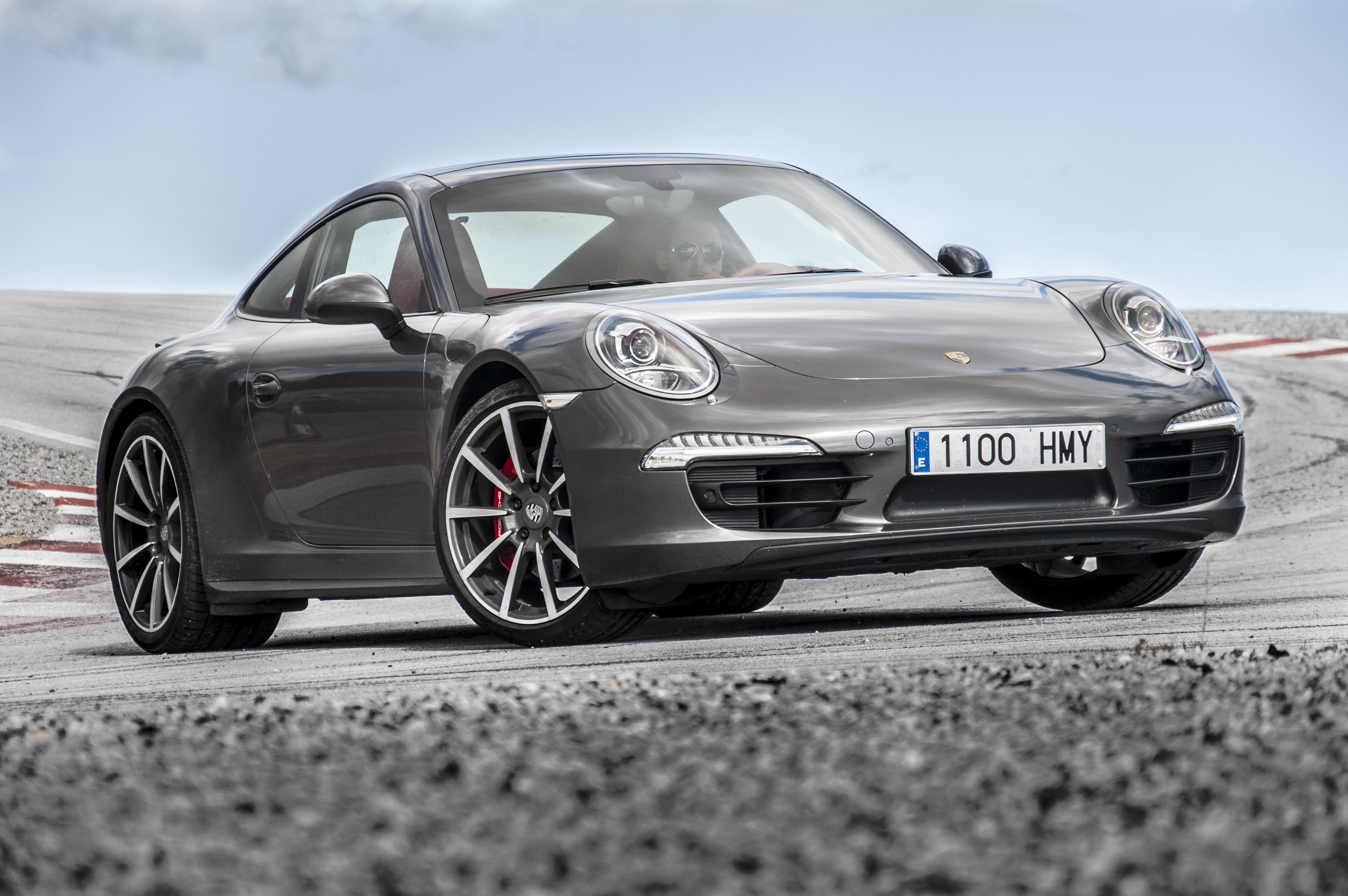
Porsche 911
"That's when I joined the U.S. Canoe Club. And I joined just like this. You got a bunch of troopers joined after 9-11. But back then, 1979, these barbarians, after Carter tried that failed helicopter rescue of some of the students that were held hostage."
The Porsche 911 is a sports car made by Porsche. It’s known for how it drives and for having its engine in the back. The podcast brings it up as part of a story about the speaker’s life and interests.
The Porsche 911 is a long-running sports car famous for its rear-engine layout and distinctive driving dynamics. It’s frequently discussed because different model years and configurations can feel meaningfully different, and enthusiasts often track those details. In the podcast, it’s mentioned in a personal-story context, tying the car to the speaker’s background and interests.
autopilot
"Could have put her in the car sheet if it was autopilot. And that'd be a hell of an escape. Like send the body off in a Tesla in autopilot mode across the country."
“Autopilot” is a feature that helps a car drive more automatically. It doesn’t mean the car can safely do everything by itself—you still have to watch and take control if needed.
Autopilot is Tesla’s driver-assistance suite that can handle some driving tasks like steering and maintaining speed under certain conditions. It’s not full self-driving, so the driver still has to supervise and be ready to take over.
front trunk
"Whose decomposed remains were discovered in the front trunk of his abandoned Tesla in September of 2025."
A “front trunk” is basically storage in the front of the car. It’s called a frunk on many electric cars because there’s no engine taking up that space.
“Front trunk” is the common description for a frunk—an additional storage compartment at the front of many electric cars. It exists because electric vehicles don’t need the same front engine space as gasoline cars, so manufacturers can package other components and storage there.
CarMax
"If we don't bid a CarMax or a CarVan a deal. We will send you a check for $100."
CarMax is a big used-car company that buys cars from people and then resells them. The host is basically saying they’ll compete with offers from that kind of buyer.
CarMax is a large used-car retailer that buys and sells vehicles, often using a standardized appraisal process. In the segment, it’s referenced as a potential buyer/benchmark for offers.
CarVan
"If we don't bid a CarMax or a CarVan a deal. We will send you a check for $100."
CarVan is mentioned alongside CarMax as another buyer that could make an offer. The transcript doesn’t provide enough detail to confirm the exact company or what service it offers, but it’s clearly part of the “who might buy your car” pitch.
executive order
"I'm looking on the TV and it's showing that Trump signed an executive order right now in the Oval Office. I wonder if that's two bridges in a power plant."
An executive order is a rule the President issues that guides how the government acts. It can impact different areas of life, including things that relate to cars and fuel.
An executive order is an official directive issued by the U.S. President that can change how laws are enforced or how government agencies operate. The host mentions it in the context of current events, which can indirectly affect industries like transportation and energy.
miles on it
"So you got a 14 fusion, 134,000 miles on it. 100."
The number of miles tells you how much the car has been used. More miles usually means more wear, so it’s smart to ask about maintenance records before buying.
Mileage (like “134,000 miles”) is one of the biggest factors in a used car’s condition and expected maintenance needs. Higher miles don’t automatically mean the car is bad, but they increase the odds that wear items and deferred maintenance will show up.
four cylinder
"It's a four cylinder six. It's a four cylinder."
A four-cylinder engine means the car has four cylinders that burn fuel to make power. It’s usually more efficient and cheaper to run than bigger engines, though it may feel less powerful.
A four-cylinder engine is a common layout where the engine has four combustion chambers. In many sedans like the Ford Fusion, it’s chosen for better fuel economy and lower cost than larger engines, but it can be less smooth or less powerful depending on the tune and transmission.
check engine lights
"Are there any check engine lights or dummy lights or problems on? ... No."
The check engine light is a warning that the car’s computer found a problem. Sometimes it’s small, but it’s still worth checking with a code reader so you know what you’re buying.
A check engine light (often called the MIL) means the car’s engine computer has detected a fault. Even if the car drives fine, it can indicate anything from a minor sensor issue to something that affects emissions or drivability.
give two grand for it
"I'll give two grand for it. How much? 2,000? Oh, man."
“Two grand” is a negotiation price point that signals a budget buy where the buyer is likely weighing risk versus value. At this price range, buyers often rely heavily on inspection, maintenance history, and whether warning lights are present.
seven-speed manual
"2019 Chevrolet Corvette Grand Sport. Yeah. With a seven-speed manual, black, black 1LT with the carbon flash, round-effect package,"
This means the car has a stick shift with seven gears. You choose the gears yourself, which many drivers prefer for a more connected feel.
A seven-speed manual transmission gives the driver control over gear selection, which can improve feel and responsiveness. Compared with automatics, it often appeals to enthusiasts who want more direct engagement.
1LT
"With a seven-speed manual, black, black 1LT with the carbon flash, round-effect package, 42,000 miles. Any damage history?"
1LT is a trim level that indicates a specific equipment package within the Corvette lineup. Trim levels typically bundle features like interior materials, infotainment options, and appearance details.
carbon flash
"With a seven-speed manual, black, black 1LT with the carbon flash, round-effect package, 42,000 miles. Any damage history?"
“Carbon Flash” is an option that gives the car a carbon-fiber-style look. It helps you tell exactly which version you’re looking at.
“Carbon Flash” refers to a Corvette appearance/trim detail—typically a specific look for exterior or interior accents that mimics or incorporates carbon-fiber styling. It’s a way to identify the car’s option content when shopping or valuing.
round-effect package
"With a seven-speed manual, black, black 1LT with the carbon flash, round-effect package, 42,000 miles. Any damage history?"
This sounds like a specific option package that changes the car’s look or included features. When you’re pricing a used car, packages like this can make a difference.
The “round-effect package” appears to be an option package tied to specific exterior/interior styling elements. In valuation discussions, packages like this matter because they change what equipment the car includes.
damage history
"42,000 miles. Any damage history?"
Damage history means whether the car has been wrecked or had major repairs. It matters because it can affect safety and the car’s value even if it looks fine.
Damage history refers to whether a vehicle has been in accidents or has had repairs that could affect structure, safety systems, or resale value. Buyers often ask because it can indicate hidden issues and can change insurance and pricing.
daily did
"She did. She daily did. What? Where are you located?"
“Daily did” means the car was used as a daily driver—regular commuting and errands rather than occasional weekend use. Daily-driver usage can still be fine, but it usually increases wear items and makes maintenance history more important when you’re shopping.
miles in the 20s
"See, a bit like miles in the 20s you can get for 50. This thing's got 45 on it."
They’re talking about how the car’s mileage changes the price. Generally, lower mileage cars cost more, but what’s “good” depends on the specific model and how well it was maintained.
The hosts are discussing how mileage bands (like “miles in the 20s”) affect pricing and value. In used-car shopping, lower odometer readings often command a premium, but the “right” mileage depends on the model’s typical usage and how the car was maintained.
sold for 52 grand
"I sold it for 52 grand. This thing's got 42. And I had another one that had 27,000 miles."
“Sold for 52 grand” refers to the sale price of a used vehicle, which is a key part of how enthusiasts evaluate value and depreciation. In this segment, the host contrasts sale prices across cars with different mileage to show how mileage affects pricing.
needs paint
"I bought a Del Sol for $500 that needed paint. And I'm going to sell it on June 6th at GMTVOctions.com."
“Needs paint” means the car’s body looks bad and needs repainting. That can lower the price, but it also means you might be able to fix it and sell for more if the underlying body is solid.
“Needs paint” usually means the car has cosmetic damage or aging clear coat that requires repainting. For buyers and sellers, paint condition strongly affects resale value because it’s visible and can signal other bodywork issues.
GMTVOctions.com
"It needs paint. And I'm going to sell it on June 6th at GMTVOctions.com."
GMTVOctions.com is a website where cars get auctioned. The speaker is saying they’ll sell their car there on a specific date.
GMTVOctions.com is an online auction platform where vehicles are listed for sale. Mentioning it in the segment signals the host is using a specific channel to move a project car (like a Del Sol needing paint).
60,000 miles
"Mine's got 60,000 miles on it. ... If it brings 500 or it brings 3500, I'm selling it. It's an absolute sale."
Miles are basically how much the car has been driven. Higher mileage usually means more wear, so it often lowers the price unless the car has been well maintained.
Mileage is a key used-car value factor because it correlates with wear and maintenance history. In auction and private-sale discussions, mileage often drives how buyers estimate remaining life and how much they’re willing to pay.
auction it off June 6th
"And I'm going to auction it off June 6th. If you go to GMTV auctions.com, the paint is faded."
Instead of selling the car to one person directly, they’re planning to sell it at an auction. The price you get can be unpredictable because it depends on what other bidders decide.
The host is talking about selling the car through an auction rather than a private sale. Auction sales can move faster and may attract buyers who are specifically shopping at auction, but the final price depends heavily on condition and bidding interest.
GMTV auctions.com
"And I'm going to auction it off June 6th. If you go to GMTV auctions.com, the paint is faded."
GMTV auctions.com is referenced as the auction platform where the car will be listed. For buyers and sellers, the specific auction site matters because it affects who sees the listing and how the bidding process works.
paint is faded
"If you go to GMTV auctions.com, the paint is faded. It's got 60,000 miles."
Faded paint is a cosmetic condition that can reduce a car’s perceived value, especially in auction listings where buyers may expect a discount for reconditioning. It can also hint at sun damage or lack of recent detailing/clear-coat protection.
absolute sale
"If it brings 500 or it brings 3500, I'm selling it. It's an absolute sale."
An “absolute sale” means the car will be sold no matter what price it gets at the auction. So the seller can’t back out if bids are lower than hoped.
An “absolute sale” means the vehicle will sell regardless of the final bid amount. That changes buyer behavior—bidders know there’s no reserve, so the seller is more exposed to a low outcome if bidding is weak.
T top
"87 I rock T top. So 87, I'm going to test your brain... It's got T tops."
T-tops are roof panels you can remove to let more air in. They make the car feel more open, but they also need good seals so water doesn’t get in.
T-tops are removable roof panels (typically two) that let you open up the cabin like a partial convertible. They’re a common feature on certain American sports coupes and can affect both look and weather sealing.
305
"What motors in it? 305. What transmissions in it? Automatically... In 87, there were 350s and the sticks were 305."
“305” is shorthand for the engine’s size—about 305 cubic inches. The bigger the number, the bigger the engine, and it can change how the car performs.
“305” refers to a 305 cubic-inch V8 displacement, a common small-block Chevy size used in many 1980s GM cars. In this context, the host is debating which engine size the car actually has for that year.
Automatically
"What transmissions in it? Automatically. I don't think that's right."
That means the car uses an automatic transmission, so you don’t shift gears manually. The host is saying the year/engine combo might not match what you’d expect.
“Automatically” here means the car has an automatic transmission. The host is disputing the transmission choice because certain engine options were paired with specific transmission types in that year.
350s
"I don't think that's right. In 87, there were 350s and the sticks were 305."
“350s” means a 350 cubic-inch engine. It’s another common V8 size, and it matters because different engine options came with different transmission choices.
“350s” refers to a 350 cubic-inch V8 displacement, another common GM small-block engine size. The speaker is comparing which engine options were available in that model year (and how they paired with manual vs automatic transmissions).
back glass had been removed
"Here's the kicker. The back glass had been removed and like a truck bed glass put in like Corvette style ruined and otherwise immaculate car."
Changing or removing the back glass is a big modification. Even if the car looks nice, it can cause leaks or fitment issues, and it may reduce collector value because it’s not factory.
Removing and replacing a back glass panel is a major body/trim modification that can affect structural integrity, weather sealing, and originality. The host also notes it was done in a “Corvette style,” implying a non-factory look that can hurt value even if the rest of the car looks clean.
rear-window removal/repair with non-OEM materials
"They take the back glass out. Let's assume that somebody broke it with a cheater pipe... There's truck bed coating sprayed in there where the well is and they like built. It doesn't look bad bad, but it's stupid."
They’re talking about a rear-window area that’s been patched in a non-factory way—using a coating instead of real glass. That can keep water out for a while, but it’s usually not as durable or as weather-tight as the proper parts.
The hosts describe a non-standard repair where the rear glass is missing and the opening/well is filled or coated with “truck bed coating.” This is a common DIY/patch approach when glass is broken and the owner doesn’t source proper replacement glass, but it can create fitment, sealing, and long-term durability issues.
truck bed coating
"Not a slider, but are you talking about the louvers? No, no, no, no, no, no glass at all. There's truck bed coating sprayed in there where the well is and they like built."
Truck bed coating is a thick protective spray/liner used to protect pickup truck beds from scratches and corrosion. Here, it’s being used as a substitute finish inside the rear window well area, which is unusual for passenger cars and suggests a makeshift repair.

El Camino
"They made it. They made an El Camino out of it. Pretty much an El Camaro."
An El Camino is a Chevy that looks like a car, but it has a small truck bed in the back. The host is saying this other car was turned into something similar.
The Chevrolet El Camino is a classic “car-based pickup” from the 1970s, built on a passenger car platform with a pickup-style bed. In this segment, the host is describing a vehicle that’s been modified to resemble that El Camino concept.
cherry
"Okay. But it's cherry. An El Camaro. It is beautiful paint, victory red, brand new, good, great interior, original, but good, real good, you know, torque thrust, brand new wheels, tires, the whole, the whole bit, ... But in doing so, they preserved the interior incredibly and it's absolutely cherry and"
“Cherry” is slang meaning the car is exceptionally clean, well-preserved, and close to original condition—often with minimal wear and no major modifications. In car listings and enthusiast talk, it’s a shorthand for “high condition” and “collector-friendly.”
victory red
"It is beautiful paint, victory red, brand new, good, great interior, original, but good, real good, you know, torque thrust, brand new wheels, tires, the whole, the whole bit,"
Victory Red is a specific shade of red paint that’s strongly associated with classic Chevys. Mentioning it usually means the car’s color is a desirable, authentic-looking factory-style red.
Victory Red is a popular red paint color associated with Chevrolet muscle cars, especially in the late 1960s and early 1970s. When someone says a car is “Victory Red” and “brand new,” they’re emphasizing originality and high visual value.
torque thrust
"It is beautiful paint, victory red, brand new, good, great interior, original, but good, real good, you know, torque thrust, brand new wheels, tires, the whole, the whole bit,"
Torque Thrust refers to a particular wheel design that many people associate with classic muscle cars. The host is saying the car has the right-looking wheels for that style.
Torque Thrust is a wheel style name (commonly associated with aftermarket “Torque Thrust” wheels) that became iconic on classic muscle cars. In this context, it’s being used to describe the look and likely the brand/style of the wheels.
18 inch staggered, 17 inch fronts
"real good, you know, torque thrust, brand new wheels, tires, the whole, the whole bit, 18 inch staggered, 17 inch fronts."
Staggered wheels mean the back and front wheels aren’t the same size. Bigger wheels/tires in the back can help the car look right and sometimes improve traction.
“Staggered” means the car runs different wheel widths/sizes front-to-rear—here, larger wheels (18-inch) on the rear and smaller ones (17-inch) on the front. This is often done for styling and to fit wider rear tires for better grip and stance.

305 automatic
"We probably have an 85 or an 86. It might be an Iraq. It's a, it's a 305 automatic. Yeah."
“305” is the engine size (a V8) and “automatic” means it shifts by itself instead of using a clutch. It’s important because it tells you what kind of power and driving feel to expect.
A “305” refers to the Chevrolet 305 small-block V8 displacement, and “automatic” indicates it’s paired with an automatic transmission. This is a key spec detail because the engine choice affects performance character, parts availability, and how the car drives.
bed liner
"They didn't buy new glass. They just sprayed bed liner in the ass end of the thing and then pulled a trash bag as a divider. But in doing so, they preserved the interior incredibly..."
Bed liner is a protective coating (often sprayed) used to shield surfaces from impacts, rust, and abrasion. Here it’s described as a makeshift solution after the back glass broke, and it helped preserve the interior by keeping weather out.
drip rail
"And then the drip rail where the gasket would go is like flattened out. That's my hang up right there. How hard it would be to mount the glass back to it, you know."
A drip rail is the part at the top edge of the car that helps keep rainwater from running into the cabin. If it’s bent or flattened, seals and window trim may not fit right and you can get leaks.
The drip rail is the channel along the edge of a car’s roof or upper body that helps direct water away from the cabin. If it’s flattened or damaged, it can affect how weatherstripping and gaskets seal, leading to water leaks and fitment issues when reinstalling glass or trim.
mount the glass back to it
"That's my hang up right there. How hard it would be to mount the glass back to it, you know. Are you all noticed the difference?"
Reinstalling glass after body damage is more than just “putting it back in.” Window glass relies on correct alignment and intact sealing surfaces (like drip rails and gasket channels); if those areas are deformed, the glass may not seal properly or may be difficult to mount without leaks or wind noise.

GMC Sierra Grande
"[3707.1s] Steve in Texas, a 71 GMC Sierra Grande. [3712.7s] What motor is in this car? [3716.6s] That's a four or two. [3719.1s] I'm sure it's a two-wheel drive long bed like the rest of them."
A GMC Sierra Grande is a version of the GMC Sierra pickup truck. The host is asking what engine it has and whether it’s a 4-wheel-drive truck or a simpler 2-wheel-drive setup.
The GMC Sierra Grande is a trim level of the GMC Sierra pickup. In this segment, the caller specifies a 1971 GMC Sierra Grande and asks about what engine (“motor”) it has and whether it’s four-wheel drive.

Gmc Sierra
"...o change anything with you. Steve in Texas, a 71 GMC Sierra Grande. What motor is in this car?"
The Sierra EV is a GMC pickup that runs on electricity. The podcast is asking what kind of motor it has, which matters because electric trucks can use different power setups. It’s basically trying to identify the exact electric drivetrain in that truck.
The GMC Sierra EV is an electric version of the Sierra pickup line, designed to bring full-size truck capability into an all-electric format. It’s discussed because buyers want to know what powertrain it uses and how it fits into the Sierra’s traditional “work truck” role. In the podcast, it’s mentioned in a question-and-answer style about what motor is in a related GMC Sierra.
two-wheel drive long bed
"[3720.9s] I'm sure it's a two-wheel drive long bed like the rest of them. [3723.6s] Yeah. [3724.1s] Yeah. [3724.9s] Two-wheel drive long bed like the rest yesterday."
Two-wheel drive means the truck only powers one set of wheels, so it usually isn’t as good for rough or slippery conditions. A long bed is the longer cargo area for hauling stuff.
Two-wheel drive (2WD) means only one axle (typically the rear on pickups) receives power, which usually reduces traction off-road compared with 4WD. “Long bed” refers to the longer cargo-box configuration, which affects practicality and how the truck is used.
deferred maintenance
"It's been sitting and I got it from him. He got old and sick and he sold it to me. He had it sitting for a while, but he was actually a mechanic in the town to stay in."
If a car sits unused, it can develop problems just from time, not from driving. Things like old fluids and rubber parts can get worse, so you may need some basic catch-up repairs before it’s truly reliable.
The car “has been sitting” for a while, which often leads to deferred maintenance—things like fluids, seals, and rubber parts can age while the vehicle isn’t being driven. When you finally bring it back into use, you may need catch-up work to prevent small issues from turning into bigger ones.
catch-up maintenance
"No, it's not. It's actually in good condition. If you cleaned it up, it would actually shine. You know, it's the whole paint job."
Sometimes a car looks rough because it hasn’t been cared for, but it’s still basically okay. Usually you start with the simple stuff—cleaning and checking the basics—before you spend money on bigger repairs.
The discussion about the paint being in good condition and “if you cleaned it up, it would actually shine” points to a broader idea: when a vehicle has been neglected, it may only need basic reconditioning to look and function better. In car ownership terms, that often means doing the small, overdue items first (like cleaning, inspection, and fluids) before assuming everything is fine.
break pedals
"[3805.5s] But I'm looking at little things. [3807.0s] I'm looking at carpet. [3808.1s] I'm looking at break pedals. [3810.6s] I'm looking at steering wheel wear. [3813.5s] I'm looking at gauges."
“Brake pedals” are a wear-and-tear inspection point because pedal surface condition can hint at how hard a vehicle has been driven and whether maintenance has been neglected. Uneven wear or excessive looseness can also point to linkage or bushing issues.
steering wheel wear
"[3807.0s] I'm looking at carpet. [3808.1s] I'm looking at break pedals. [3810.6s] I'm looking at steering wheel wear. [3813.5s] I'm looking at gauges. [3816.2s] Give me a picture that I can feel, you know, seat wear, any blemishes on the paint."
The steering wheel can show wear over time. If it’s cracked or very shiny, it often means the car has been used a lot or sat in the sun. It’s one of the easiest things to check when judging overall condition.
Steering wheel wear is a quick visual clue to interior condition. Heavy cracking, shine, or fraying can indicate age, sun exposure, and how frequently the vehicle was driven, which helps estimate restoration effort.
gauges
"[3810.6s] I'm looking at steering wheel wear. [3813.5s] I'm looking at gauges. [3816.2s] Give me a picture that I can feel, you know, seat wear, any blemishes on the paint. [3821.9s] I need pictures."
“Gauges” refers to the instrument cluster indicators (speedometer, fuel/temperature, warning lights). Checking gauge condition and operation matters because non-working or inaccurate gauges can signal electrical issues or cluster problems that are costly to diagnose.
pop the hood
"[3826.1s] Click video record on your phone and walk around and point and show everything. [3830.8s] Then hell, it's like I'm standing right there with you. [3834.1s] And you can talk about the car and pop the hood on it. [3837.7s] Let's see what it looks like under the deal."
“Pop the hood” means opening the engine bay for inspection. On older vehicles, a quick under-hood look helps spot obvious issues like missing parts, fluid leaks, corrosion, or signs of prior repairs before deeper diagnostics.
condition-focused buying
"[3834.1s] And you can talk about the car and pop the hood on it. [3837.7s] Let's see what it looks like under the deal. [3839.1s] These old trucks, it's just all about condition and what we've got to do to make. [3843.5s] They can bring good money, but we've just got to spend a lot of money on them to get them ready. [3847.6s] Are you getting them fixed up?"
The hosts are describing a condition-focused approach: evaluating wear items and cosmetic/functional details to estimate what it will take to restore or recondition a vehicle. For older trucks, small issues (interior wear, paint blemishes, pedal/gauge condition) often correlate with overall maintenance history and future repair costs.
AC
"[3843.5s] They can bring good money, but we've just got to spend a lot of money on them to get them ready. [3847.6s] Are you getting them fixed up? [3848.7s] Yeah. [3848.9s] And it's the first year with that air condition. [3850.6s] It has that AC in it."
AC means the air-conditioning system. It helps keep the inside of the truck cool and comfortable. If it’s the first year a truck has AC, that can be a big selling point.
“AC” is the car’s air-conditioning system, which cools and dehumidifies the cabin. In older vehicles, AC availability and condition can vary a lot, and it often affects comfort and buyer appeal.

Chevrolet Suburban
"... a lot of Camrys and Ford Deasels and Cummins and Suburbans and all that at GiveMeTheVin.com."
The Suburban is a large SUV from Chevrolet. It’s made to carry lots of people and handle heavy use like towing. The podcast mentions it because it’s a vehicle they commonly deal with.
The Chevrolet Suburban is a full-size SUV known for seating capacity, towing ability, and long-distance comfort. It’s frequently mentioned alongside other high-demand vehicles because it’s popular for both family use and work-related needs. In the podcast, it’s part of a list of vehicles they buy or see often.

Toyota Camry
"... old-ass truck a minute ago. And we buy a lot of Camrys and Ford Deasels and Cummins and Suburbans and a..."
The Camry is a regular, everyday car from Toyota. People like it because it’s practical and usually reliable. The podcast mentions it because it’s a common vehicle they deal with a lot.
The Toyota Camry is a mainstream midsize sedan that’s widely used as a dependable daily driver. It’s often discussed in the context of fleet and resale value because it’s common and typically holds up well over time. In the podcast, it’s grouped with other popular vehicles to describe what they buy or see frequently.
150,000 miles on them
"It's like all the cars in Texas when they get 150,000 miles on them. They go to Oklahoma or Mexico to start over."
They’re saying that after cars get around 150,000 miles, people often move them to other places to keep using them. That changes what you should expect from the car and how much it’s worth.
The host describes a common used-car lifecycle: once vehicles hit high mileage (like ~150,000 miles), they may be sold or moved to other markets. This can affect pricing, maintenance expectations, and what “condition” means depending on where the car ends up.
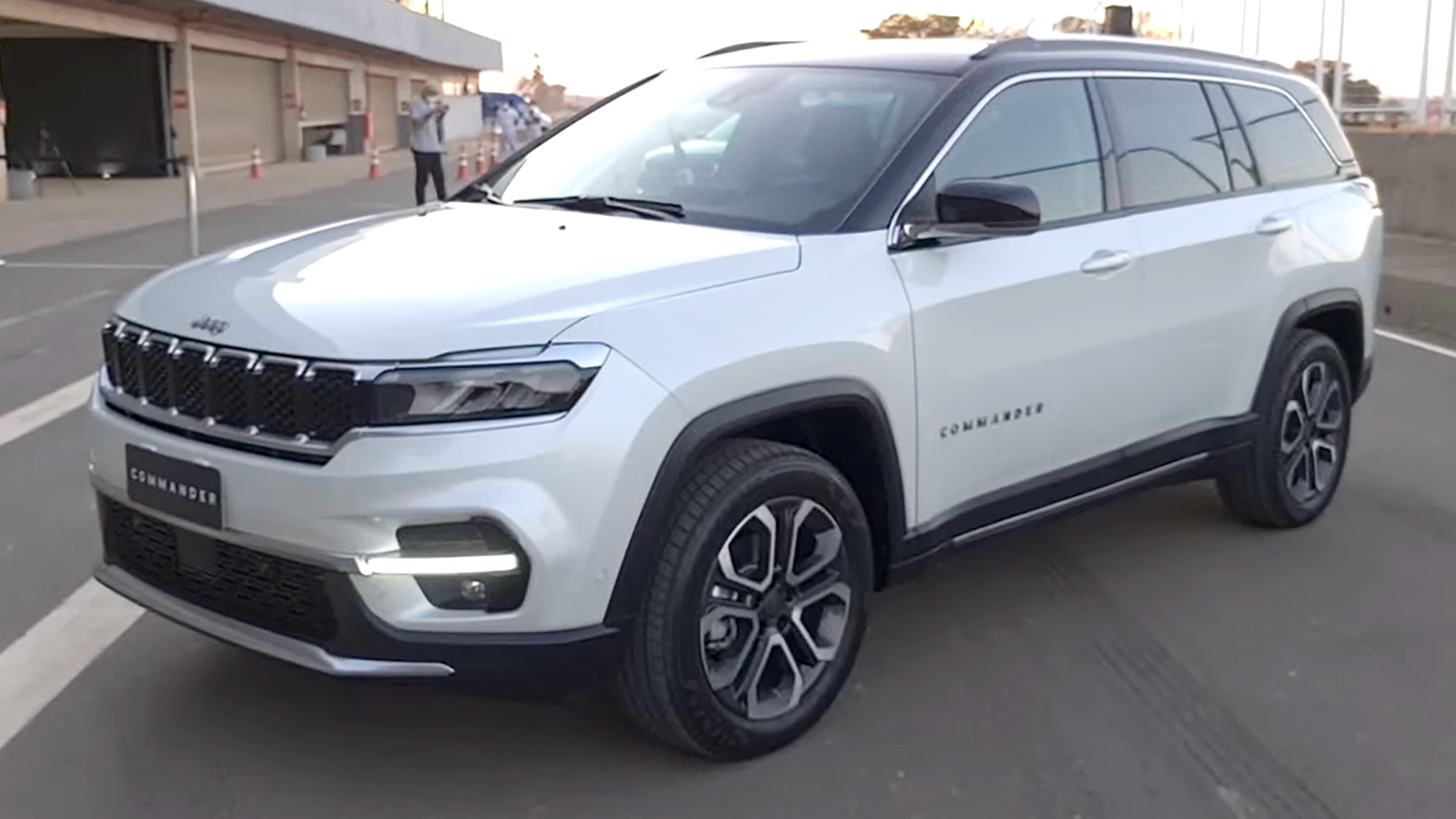
Jeep Commander
"I have a 2008 Jeep Commander with the 5.7 Hemi. It's a limited edition."
They’re talking about a 2008 Jeep Commander SUV. It’s the model they own, and the host also mentions the engine and interior features.
A 2008 Jeep Commander is a mid-size SUV from Jeep, and the host specifically calls out the 5.7 Hemi engine. The Commander’s value and ownership experience depend heavily on drivetrain condition, service history, and whether it’s a limited-edition trim.
5.7 Hemi
"I have a 2008 Jeep Commander with the 5.7 Hemi. It's a limited edition."
The “5.7 Hemi” is the engine size and type—it's a V8. The host is saying their Jeep has that bigger, more powerful engine.
“5.7 Hemi” refers to Chrysler’s 5.7-liter V8 HEMI engine family. It’s known for strong low- to mid-range power and a distinctive combustion design, and it’s a common choice in larger Jeep/Dodge vehicles.
limited edition
"It's a limited edition. It's got the chocolate brown leather interior, which is immaculate."
“Limited edition” means it’s a special version with extra features compared to the base model. It can make the car more interesting to buyers, but you should verify what options it actually has.
“Limited edition” indicates a special trim level or package with unique features (often interior/exterior styling and equipment). In used-car buying, limited editions can be more desirable, but you still want to confirm exactly what’s included.
DVD navigation
"It's got the chocolate brown leather interior, which is immaculate. DVD navigation, everything."
They’re saying the Jeep has navigation that uses a DVD for the maps. Older navigation like this can be less up-to-date than today’s systems.
“DVD navigation” refers to older in-dash navigation systems that use DVDs for map data. These systems can be great when they work, but map updates may be outdated or hard to obtain compared with modern systems.
sunroof
"It's got a sunroof. It's got the dual moonroof in the back seat, third row seating, white paint job."
A sunroof is a window in the roof that can open. It lets in more light and sometimes fresh air, but it has extra parts that can need maintenance.
A sunroof is a glass or metal panel in the roof that can tilt or slide open for fresh air and light. It’s a comfort feature, but it can add complexity and potential leak points over time.
third row seating
"It's got the dual moonroof in the back seat, third row seating, white paint job. JD, we asked him the question."
Third-row seating means there are seats behind the back row, so more people can ride. It’s great for families, but it can reduce trunk space and make the car less convenient when you don’t need all the seats.
Third-row seating refers to an additional row of seats behind the second row, enabling 7- or 8-passenger capacity depending on the vehicle. It’s a key consideration for family use, but it often trades off cargo space and can make access to the rear more difficult.
dual moonroof
"It's got the dual moonroof in the back seat, third row seating, white paint job. JD, we asked him the question."
A dual moonroof means there are two roof openings instead of one. It’s usually meant to make the cabin feel brighter and let more air in.
“Dual moonroof” means the vehicle has two separate roof openings (often one in the front and one in the rear). This is typically a premium cabin feature that improves light and ventilation for passengers.
200 miles
"Ask him the question that we need to know. How many miles? 200. I believe it's 240 or 250."
They’re talking about how many miles are on the vehicle. More miles usually means more wear, so it helps to know how it was maintained.
The hosts are discussing mileage as a proxy for vehicle wear and value. Higher mileage can mean more maintenance history matters, especially for drivetrain and cooling components.
Request an Explanation
Heard something you'd like explained? We'll add it to this episode.
Sign in to request explanations for terms you heard.
Want to learn more?
Browse our glossary for plain-English explanations of automotive terms, jargon, and concepts.
Help improve this episode
See something that's not quite right? Our annotations are AI-generated and can sometimes miss the mark. Click the flag icon on any annotation to suggest a correction.