#552 John Clay Wolfe Show 04.25.26
About this episode
John Clay Wolfe Show mixes car-buying calls with off-the-wall commentary, from a Cambridge project for a robotic third thumb to a Florida dune buggy sale and a Lay’s-branded truck. The crew also riffs on the NFL Draft, including the Raiders’ Fernando Mendoza pick and the Cowboys/Eagles trade-up drama. Along the way, they dig into weird Florida news, a wheelchair battery fire scare, and a long, funny stretch about buying a house at foreclosure and dealing with a chaotic former owner.
robotic thumb
"They created a robotic thumb. Right thumb, yeah. It fits on your arm and it's a smart thing."
It’s basically an extra “thumb” you wear. The goal is to make it easier to grab things with your hands.
A robotic thumb is a wearable assistive device that adds an extra digit-like control point for grasping. In this segment, it’s described as fitting next to your pinky to help with holding and manipulating objects.
sandrail
"Lee in Florida, you've got a sandrail. You've got a sandrail for sale. It's a 73 sandrail Daytona, titled in Street League... But what's it look like? A sandrail, everybody's a dune buggy."
A sandrail is basically a dune buggy built for sand. It’s usually lighter than a normal car and has suspension tuned to handle rough sand. Many use Volkswagen-style engines because parts and upgrades are easy to find.
A sandrail is an off-road vehicle designed specifically for sand dunes. They’re typically built on a tubular frame with long-travel suspension and minimal bodywork, prioritizing traction and durability over comfort. Many sandrails use Volkswagen-based air-cooled engines because they’re compact and have strong aftermarket support.
cams
"Yeah, it's got a bug motor. It's got some cams in it, but it's not punched all the way. And on a scale of one to 10, how nice is it?"
Cams are parts inside the engine that decide when the valves open and close. Changing them can make the engine feel stronger, especially when you rev it. The speaker also hints the engine isn’t built all the way to the full plan yet.
Camshafts control valve timing and lift, which strongly affects how an engine makes power—especially in the midrange and at higher RPM. The host says it “has some cams,” suggesting an upgrade from stock to change performance characteristics. “Not punched all the way” implies the engine’s internal work isn’t fully completed to the intended spec.
holly
"We had to modify a holly. We put a holly on it instead of the stock one. Had to cut the back edge off it to fit behind the air fan."
“Holley” (transcribed as “holly”) is a well-known carburetor manufacturer, and swapping to a Holley carb is a common performance modification on older engines. The host also describes physically modifying the carb (“cut the back edge off it”) to clear an “air fan,” which highlights how fitment can drive what carb setup works. This is especially common on sandrails where engine bay packaging differs from stock.
air fan
"We put a holly on it instead of the stock one. Had to cut the back edge off it to fit behind the air fan. But yeah, it runs great."
An “air fan” in this context likely refers to the cooling or airflow component used to move air around the engine (common on air-cooled setups). The carburetor fitment issue suggests the fan housing/ducting occupies space that the carb needs to clear. For buyers, this is a reminder that engine cooling hardware and carb choice must work together.
two-place
"But what's it look like? A sandrail, everybody's a dune buggy. So is it a two-place or a four-place? Two."
“Two-place” means the sandrail is a two-seater configuration. Seating capacity matters for how the vehicle is used—whether it’s meant for solo rides, passenger rides, or towing/gear carrying. It also affects how the chassis and cockpit are laid out.
seat covers
"And I got the last set of Daytona seat covers brand new that was in the nation for it."
Seat covers are the fabric or leather pieces that go over the seats. They can protect the seats and make an older car look nicer again. If they’re hard to find, having a new set can be a big deal for value.
Seat covers are aftermarket or replacement upholstery pieces used to protect original seats or restore a car’s interior. In collector-car contexts, “brand new” seat covers can matter because they preserve originality and improve resale appeal. The transcript also implies these were a specific set tied to a particular car.
wet sanding
"The paint, I did three coats of paint with wet sanding between with third coat on the frame."
Wet sanding is when you lightly sand paint using water to smooth it out. It’s often done between paint coats so the next coat goes on evenly. Done carefully, it helps the paint look smoother and more professional.
Wet sanding is a paint-finishing technique where sandpaper is used with water to smooth the surface. It helps level out imperfections and refine the finish between paint coats. When done correctly, it improves how the final paint looks and feels.
Mannheim PA auto auction
"And then we're going to sell, start selling those cars at the Mannheim PA auto auction. [574.0s] And you're going to be the lane rep."
Mannheim is a place where cars are sold at wholesale auctions. Dealers bid on vehicles there instead of buying from a regular dealership lot.
“Mannheim” refers to the Mannheim auto auction network, a major wholesale marketplace where dealers and buyers bid on used vehicles. In this segment, they’re planning to sell cars through the Mannheim auction in the Pennsylvania area.
lane rep
"And then we're going to sell, start selling those cars at the Mannheim PA auto auction. [574.0s] And you're going to be the lane rep. [575.3s] And it's going to be a total and absolute disaster, but we're going to have fun doing it."
At an auction, a “lane rep” is the staff member assigned to one lane. They help keep the auction organized and make sure the process runs smoothly.
A “lane rep” is the person who works a specific auction lane, coordinating the flow of vehicles and assisting bidders/operations during the live auction process. The role is more about logistics and communication than driving or mechanical work.
Mannheim Philadelphia auction
"[592.1s] Yeah, Mannheim Philadelphia auction. [594.1s] Be ready for a show. [595.3s] Why? [596.2s] Right?"
They’re talking about an upcoming car auction near Philadelphia. The focus is on how tough it is at first, but how it helps you learn the auction process.
The hosts discuss an upcoming auction event in the Philadelphia area, framing it as a challenging but educational experience. This functions as a segment about auction operations and the learning curve of working live lanes.
dial-a-deal segment
"We used to call it the lightning round dial-a-deal. Call in with your car. If you're trying to trade it in, if you want to sell it, call in live right now, 800-800-radio."
This is a live segment where people call in with their car details and get offers. It’s like a quick, on-air way to get a bid for selling or trading your car.
The “dial-a-deal” format is a live call-in segment where listeners provide vehicle details so the show can generate bids/offers. It’s essentially a real-time valuation and selling/trade-in workflow driven by phone calls and quick data entry.
trade it in
"Call in with your car. If you're trying to trade it in, if you want to sell it, call in live right now, 800-800-radio."
A trade-in is when you give your current car to the buyer and that price goes toward your next purchase. The amount you get can change the deal a lot, so it helps to shop around.
“Trade it in” means you sell your current vehicle to a dealer (or dealer-like buyer) and apply its value toward the purchase of another car. The trade-in value can significantly affect the final price, so it’s often worth comparing offers before committing.
VIN
"Give me the vin.com. You can also just go to gimmethevin.com and load your car in for a quick bid and a text from our representatives."
VIN is like your car’s fingerprint. It’s a unique code that helps websites and buyers know exactly which car you have, not just the model name.
A VIN (Vehicle Identification Number) is a unique 17-character code that identifies a specific vehicle’s make, model, trim, and key build details. It’s commonly used for accurate listings, history checks, and valuation because it ties directly to the exact car being sold or traded.
21,000 miles
"[725.7s] It's only got 21,000 miles. [731.3s] TRD Pro. [732.7s] Loaded, loaded, loaded."
Mileage tells you how much the truck has been driven. Lower mileage usually means less wear, especially on things like tires, brakes, and suspension.
Mileage like “21,000 miles” is a key ownership metric because it helps estimate wear items and how much of the vehicle’s life has been used. For a newer truck, 21k miles generally means most major components are still early in their service life.
sunroof
"[734.5s] So it's leather and sunroof? [736.2s] Just leather, sunroof, four-wheels, new grapplers on it."
A sunroof is a window in the roof that can open. It’s mostly for comfort and fresh air, but it’s another part that needs to stay sealed properly.
A sunroof is a glass panel in the roof that can open for ventilation and light. It’s a comfort feature, but it can add complexity and potential leak points compared with a fixed roof.
new grapplers
"[736.2s] Just leather, sunroof, four-wheels, new grapplers on it. [741.9s] JL Audio, I upgraded inside. [744.6s] And I love it."
“Grapplers” refers to a type of off-road tire. They’re meant to grip better on rough surfaces while still being usable for everyday driving.
“Grapplers” is a common shorthand for BFGoodrich All-Terrain T/A KO2 “Grappler” tires (or similar off-road all-terrain tires). These are designed to balance on-road comfort with off-road traction and durability.
JL Audio
"[741.9s] JL Audio, I upgraded inside. [744.6s] And I love it. [747.2s] It's the last 5.7 V8s."
JL Audio makes car audio equipment like speakers and subwoofers. Upgrading to it usually makes music sound clearer and louder than the stock setup.
JL Audio is an aftermarket audio brand known for car speakers, subwoofers, and amplifiers. Upgrading to JL Audio typically means better sound quality and more output than the factory system.
5.7 V8
"[747.2s] It's the last 5.7 V8s. [749.0s] You know, not the crappy V6s they're running now. [753.0s] If you've got 45 grand, if you've got 45 grand on trade in,"
A “5.7 V8” is a bigger engine with eight cylinders. People like it because it tends to feel strong and smooth compared with smaller engines.
A “5.7 V8” refers to an engine displacement of 5.7 liters with eight cylinders. In Toyota trucks, this is commonly associated with the older V8-era configuration that enthusiasts contrast with newer V6 or turbo setups.
trade-in
"[753.0s] If you've got 45 grand, if you've got 45 grand on trade in, [759.0s] I think you're winning. [760.8s] On the note here, it said you got 45 grand on trade."
Trade-in means you sell your current car to the dealer and use that value to help pay for the next one. A higher trade-in can make the overall deal better.
A trade-in is when you apply your current vehicle’s value toward the purchase price of a new or used vehicle. The “trade-in” number affects the final deal, including taxes and the out-the-door price depending on local rules.
Earl Stewart
"What's the name of it? [774.8s] Earl Stewart. [776.2s] Okay."
They’re talking about a specific dealership called Earl Stewart. Dealerships can affect how you buy a car—like where the car comes from and what kind of deal you can negotiate.
Earl Stewart is referenced as a dealership in the Palm Beach area. In car-shopping conversations, the dealership name matters because it can indicate who’s sourcing inventory and how deals are structured.
rebates
"[789.3s] You know, looking at a new forerunner, I want to get a TRD forerunner. [793.0s] They're working on some rebates and some other money to get to that figure. [796.2s] So that's not a live standalone figure."
Rebates are manufacturer incentives that reduce the purchase price of a vehicle. They’re often time-limited and can be combined with other incentives to reach a target “out-the-door” number in negotiations.
unfinished and needs paint
"Well, call me when you're more serious about selling your car, the one without any paint and needs finishing, because this one we got to see, Travis, we got to see it, especially the fact that you live in a state of Oklahoma. That goes into a different bucket."
They’re talking about a car that isn’t finished and still needs paint. That usually means it’ll take extra work (and money) to make it look right, so it can change what it’s worth.
“Unfinished and needs paint” describes a car that’s not fully completed cosmetically—often missing final bodywork and/or paint. For buyers, this can affect value, timelines, and whether the project is a quick cosmetic fix or a deeper restoration.
Oklahoma bucket
"...especially the fact that you live in a state of Oklahoma. That goes into a different bucket. Unfinished and needs paint out of Oklahoma. It goes into the different bucket than normal unfinished and needs paint."
They say “Oklahoma bucket” like it’s a category for cars from that state. The idea is that where a car lived can affect its condition—especially rust—so it changes how they evaluate it.
The “Oklahoma bucket” is a classification the hosts use to group cars based on location and likely condition factors. In car buying, region-based buckets often relate to climate and road-salt exposure, which can influence rust risk and restoration costs.
America's Best Car Bar
"We'll be right back here on the John Clay Wolf Show, brought to you by America's Best Car Bar. Give me the Vin.com."
They mention a sponsor called “America's Best Car Bar.” It sounds like a car-related business, but the clip doesn’t explain exactly what they do.
“America's Best Car Bar” is mentioned as the show’s sponsor. It’s likely tied to selling or evaluating cars, but the transcript doesn’t provide details on services or locations beyond general promotion.
NFL draft "traded up"
"Round one of the Dallas Cowboys got to say traded up to select Ohio State Safety Caleb Downs at number 11. Securing what a lot of people, a lot of experts now were calling the best defensive player in this year's draft class."
In the draft, teams can trade picks. “Traded up” means they paid to move higher so they could pick a player they really wanted.
“Traded up” in the NFL draft means a team gives up draft picks to move to an earlier selection slot. It’s a strategy used when they believe a specific player is worth targeting immediately rather than waiting for later picks.
battery
"And when we got it, he said, Oh, just put a battery in there to start right up. And I put the battery in there and started rolling off. What'd you pay for it?"
The battery is what gives the car the power to start. If a vehicle “starts right up” after a battery install, that’s a good sign—but it still might need other repairs to run reliably.
A battery is the electrical power source that provides the initial current needed to start the engine. In older or non-running off-road builds, a battery swap may get it to crank, but it doesn’t fix underlying issues like fuel, ignition, or wiring problems.
redo everything
"And I put the battery in there and started rolling off. What'd you pay for it? We had to redo everything. What did you pay?"
“Redo everything” usually means the car wasn’t truly ready to drive and needed a bunch of repairs. On projects like dune buggies, people often discover problems after the first attempt to get it running.
“Redo everything” suggests the vehicle needed more than a simple fix—likely multiple systems such as wiring, fuel delivery, ignition, or mechanical wear items. With off-road/custom builds, it’s common to find deferred maintenance or missing/incorrect parts that only show up once you try to run it.
traded a race car motor and stuff for it
"[1299.7s] I can't, we traded a race car motor and stuff for it. [1304.5s] There you go."
They’re saying they didn’t just buy it with money—they swapped a race car engine (and other stuff) as part of the deal. That makes the real cost harder to judge because the engine’s value matters.
The hosts are describing a barter-style deal: instead of paying cash, they traded a race car engine (and related items) toward the purchase. In car deals, this can complicate the true value because the “price” depends on what the traded parts are worth and whether they’re complete and functional.
point, man
"[1324.8s] He's got at least 55 because he's got to make something on it. [1329.7s] Why is it my job to pay your point, man?"
They’re talking about who’s handling the deal—like the person acting as the go-between. That person may want to get paid for making the transaction happen.
“Point man” here is being used like a negotiator/handler who’s responsible for coordinating the deal and getting paid. In automotive buying/selling, this often refers to the person brokering the transaction, which can affect how costs and responsibilities are divided.
doom buggy
"[1371.6s] And his new name is Albert Cruz and he'll be contacting you and he will tell you where [1375.8s] to deliver the car. [1376.8s] I mean the doom buggy for 5,500."
A “doom buggy” is basically a fun, off-road style car—usually light and built for dirt or sand. Here, they’re talking about one they’re selling and where it needs to be delivered.
“Doom buggy” is slang for a dune-buggy–style off-road vehicle, often built from a lightweight chassis with a simple drivetrain. In this context, it sounds like they’re referring to a specific buggy they’re selling or delivering for a set price.
race cars
"[1381.0s] Yeah. [1382.0s] Oh, okay. [1383.0s] Yeah, we got 10 race cars. [1386.3s] I'm going to do some work on race cars, build a motor."
“Race cars” refers to vehicles prepared for competition, which typically means more durable components, performance-focused setup, and sometimes stripped-down interiors. When someone says they’ll “build a motor” for race cars, it usually implies engine work aimed at reliability and power under sustained load.
exhaust wrap
"I was going to wrap it with a exhaust wrap. Go ahead and do that before you deliver it to us."
Exhaust wrap is a special heat cloth/tape you put around parts of the exhaust. It helps keep the heat from spreading around the engine bay. People use it to protect nearby parts and sometimes to make the car run cooler under the hood.
Exhaust wrap is a heat-resistant fabric (or tape) wrapped around parts of the exhaust, usually headers or downpipes. It helps reduce heat loss and can protect nearby components from excessive heat. It’s often used to improve under-hood temperatures and sometimes to reduce radiant heat.
header paint
"Well, it's got the header paint on it. And can you paint it gray? Can you header paint it gray or black?"
“Header paint” typically refers to high-temperature coating used on exhaust headers to resist heat discoloration and corrosion. Many products are designed to handle extreme exhaust temperatures without burning off quickly. Color choices (like gray or black) are often about both appearance and heat management.
pressure gauge for the brake lights
"My, it's the pressure gauge for the brake lights. And that's the first time we've actually got it tested. And I think the pressure gauge got to be replaced."
That sounds like a sensor/switch that tells the car when you’re braking. Instead of just guessing from the pedal, it checks brake pressure and turns the brake lights on. If it’s broken, your brake lights might not come on reliably.
A “pressure gauge for the brake lights” suggests a brake-system pressure sensor or switch that triggers the brake lights based on hydraulic pressure. In many vehicles, brake lights are activated by a pressure switch (or sensor) rather than directly by pedal position. If it’s failing, the brake lights may not work correctly or may be inaccurate.
exhaust pipe black
"We're going to repaint the headers in the exhaust pipe black. Or are you going to wrap it in a heat wrap?"
People often coat or paint exhaust parts because they get extremely hot and can rust or look ugly over time. High-heat coatings help them last longer and keep the color. It’s mostly about durability and looks.
Painting or coating exhaust components is often done for heat management and appearance. Exhaust headers can discolor from heat, so owners may repaint them with high-temperature paint or use coatings to reduce rust and keep the look consistent. The transcript also mentions alternatives like heat wrap, which is another common approach.
heat wrap
"Or are you going to wrap it in a heat wrap? Yeah. Or dark gray's fine too."
Heat wrap is a special fabric wrap you put on exhaust pipes to keep the heat from spreading. It can help protect nearby parts from getting cooked. Over time it can wear out, so it may need replacing.
Heat wrap is an insulating wrap applied to exhaust headers to reduce heat transfer to nearby components. It can help protect surrounding wiring, boots, and bodywork, and it may improve exhaust gas temperature retention. The tradeoff is that it can degrade over time and may require periodic replacement.
chrome
"[1509.4s] And that's just the barest thing. [1511.4s] And it could be better if it was chrome. [1513.5s] That's asking too much. [1515.4s] We can skip that."
Chrome is that super shiny, reflective metal look you see on some car trim. People like it because it makes the vehicle stand out.
Chrome refers to a shiny metal finish (often chrome-plated steel) used for trim and visual styling. In older hot-rod and off-road builds, chrome is a common way to make a vehicle look period-correct and more “showy.”
dune buggies
"[1516.9s] Thank you. [1517.6s] Let's go, Lee. [1518.4s] We're buying dune buggies. [1519.6s] We got one running next week at Mannheim too."
A dune buggy is a small off-road car made for driving on sand. It’s usually light, has big tires, and is built to handle rough ground better than a normal car.
Dune buggies are lightweight off-road vehicles designed for sand and loose terrain. They’re often built on a simple frame with durable suspension and large tires, and many are based on older donor cars for parts and drivetrain components.
fiberglass frame
"[1533.6s] No, no. [1533.9s] It's got that fiberglass frame on it too. [1536.9s] Oh, good. [1537.7s] Oh, yeah."
Fiberglass is a lightweight material made from glass fibers and resin. It’s often used on off-road cars because it can be shaped easily and helps keep the vehicle from getting too heavy.
Fiberglass is a composite material (glass fibers in resin) that’s lightweight and can be molded into complex shapes. In some dune buggy builds, fiberglass bodywork and sometimes structural elements are used to keep weight down and simplify custom fabrication.

Jeep Cj7
"My father, I built a Jeep CJ7 when I was in high school. Bought it for $2,500, put six-inch lift on it, put power steering on it."
A Jeep CJ7 is an older Jeep made for off-roading. People often modify them with lift kits and roll cages for tougher driving. In the episode, it’s the Jeep he built and loved before it was taken away.
The Jeep CJ7 is a classic American compact off-road SUV from Jeep’s CJ lineup, popular for backyard builds and trail use. In this story, it’s the base vehicle he modified in high school, which is why it matters to the “automobiles” theme of the episode.
six-inch lift
"Bought it for $2,500, put six-inch lift on it, put power steering on it. Gumbo monster mutters, all the stuff."
A lift kit raises the car so it sits higher off the ground. That helps it clear obstacles on rough roads or trails, but it can also make the ride feel different and may require extra setup.
A “six-inch lift” raises the Jeep’s suspension to increase ground clearance and fit larger tires. Bigger lifts also change steering geometry and ride quality, so they’re usually paired with alignment and sometimes steering upgrades.
power steering
"Bought it for $2,500, put six-inch lift on it, put power steering on it. Gumbo monster mutters, all the stuff."
Power steering makes turning the wheel easier. That’s especially helpful on older vehicles or off-road builds where the tires and suspension make steering harder.
Power steering uses a pump and assist to reduce the effort needed to turn the wheels, especially at low speeds. Older or heavily modified off-road vehicles often add or upgrade power steering to make steering manageable with larger tires and higher suspension.
smitty built roll cage
"Bad ass, put high back seats, smitty built roll cage. I had a bad ass Jeep."
A roll cage is a metal safety frame inside the vehicle. It helps protect you if the vehicle flips or crashes hard, and it’s a common upgrade on off-road cars.
A roll cage is a reinforced frame inside the vehicle designed to protect occupants during rollovers or impacts. “Smittybilt” (often misspoken as “smitty built”) is a well-known aftermarket off-road parts brand, and their cages are commonly used for trail rigs and off-road builds.

Chevrolet Camaro
"...and some warped out white trash, big block, Camaro drag car. And I think dad got 1,500 cash and he kept the cash and the dune buggy went up thrown away and I don't know what happened to the drag Camaro."
A “big block” is a bigger V8 engine that can make a lot of power. A “Camaro drag car” means the Camaro was set up to race in a straight line, like at a drag strip.
A “big block” refers to a larger-displacement V8 engine family (commonly associated with classic muscle cars) that makes strong power for drag racing. Pairing that with a “Camaro drag car” suggests a Chevrolet Camaro modified for straight-line acceleration rather than street comfort.
batteries tick, tick, ticking and getting hot
"And you can't jump up and run out of it if you're in a wheelchair. She actually took the time to Google, what should I do if the batteries tick, tick, ticking and getting hot?"
If a battery starts making odd sounds and gets hot, it can be dangerous. That combination can mean the battery is failing and could catch fire, so it’s safer to move it outside and away from people.
A “ticking” sound and rapid heating can be warning signs of a failing lithium battery cell or battery pack. In many cases, it can indicate thermal runaway risk, which is why people are advised to isolate the battery and keep it away from living spaces.
thermal runaway
"They said, take it out of the house and put it in your driveway. It looks like a firework show. Friend of mine in Arkansas, Abdullah."
Thermal runaway is what happens when a lithium battery failure turns into a self-feeding fire. Once it starts, it can get much worse very quickly, which is why it can look like sparks or “fireworks.”
Thermal runaway is a chain reaction inside a lithium battery where one failing cell heats neighboring cells, rapidly escalating to smoke, flames, or even venting with sparks. The “firework show” description fits the violent release that can happen when a battery pack fails.
golf cart fire
"Friend of mine in Arkansas, Abdullah. His mother's house burned down from a golf cart fire just like that. Jesus."
Golf carts also have batteries, and if one battery fails, it can lead to a fire. The story is basically saying the same kind of battery problem can happen in other vehicles too.
Golf carts commonly use lithium or lead-acid batteries, and battery fires can occur if a pack is damaged, improperly charged, or has a failing cell. The episode’s comparison suggests the same battery-failure mechanism can show up across different battery-powered vehicles.
e-bikes
"Yeah. The e-bikes too. There's places that won't take them in and service them because of that."
E-bikes run on rechargeable battery packs. If the battery is acting unsafe, some shops won’t work on it or won’t charge it until it’s handled safely.
E-bikes use lithium battery packs that can be subject to safety restrictions for storage and transport. Some service providers won’t accept them for repair or charging if there are known battery safety concerns.
airlines are very careful about putting those in the open
"I was like, oh, okay. And airlines are very careful about putting those in the open. Oh, God, yes."
Airlines are careful with lithium batteries because they can catch fire if something goes wrong. They try to control where and how the batteries are carried so a problem is less likely to spread.
Airlines treat lithium batteries as hazardous cargo because damaged packs can ignite. “Putting those in the open” likely refers to restrictions on how batteries are stored/transported to reduce the chance of a fire spreading or being hard to control.
remade the Gullwing
"Like I think 2012 is when they remade the Gullwing. Those cars have made a move in the market."
They’re basically saying Mercedes updated the Gullwing at some point. When a car gets redesigned, certain years can become more desirable, which can change the market price.
When the hosts say they “remade the Gullwing,” they’re referring to a model update or redesign that changed the car’s look or specification. In collector-car talk, these kinds of refreshes can affect which years are most sought after and how prices move.

SLS Gullwing
"SLS Mercedes, not the convertible, but the Gullwing coupe... I want to dial a deal on a, on a SLS Gullwing."
“Gullwing” is the nickname for the Mercedes-Benz SLS AMG coupe because the doors open upward like wings. People pay attention to this version because it’s the most iconic look of the SLS.
“SLS Gullwing” refers to the Mercedes-Benz SLS AMG coupe with gullwing doors. The gullwing-door design is a signature feature that helps distinguish it from other SLS variants, and it’s a big part of why these cars command strong collector interest.
lightning round
"[2724.7s] David in Houston, 17. [2726.4s] This is the lightning round brought to you by gimmetheven.com. [2729.3s] And you can sell your car at gimmetheven.com as well."
A lightning round is a quick “what’s it worth?” segment. The caller gives a few facts about the car, and the host answers fast based on what similar cars are selling for.
A “lightning round” is a fast-paced segment where callers quickly share basic details (year, make, model, miles, condition) and get an immediate valuation. It’s designed to show how pricing changes with mileage and market demand rather than doing a deep, slow appraisal.
gimmetheven.com
"[2726.4s] This is the lightning round brought to you by gimmetheven.com. [2729.3s] And you can sell your car at gimmetheven.com as well."
gimmetheven.com is the website sponsoring this segment. They’re also saying you can use it to sell your car.
gimmetheven.com is presented as the sponsor and as a place where listeners can sell their cars. In this context, it’s tied to quick pricing/valuation and the ability to list or sell vehicles.
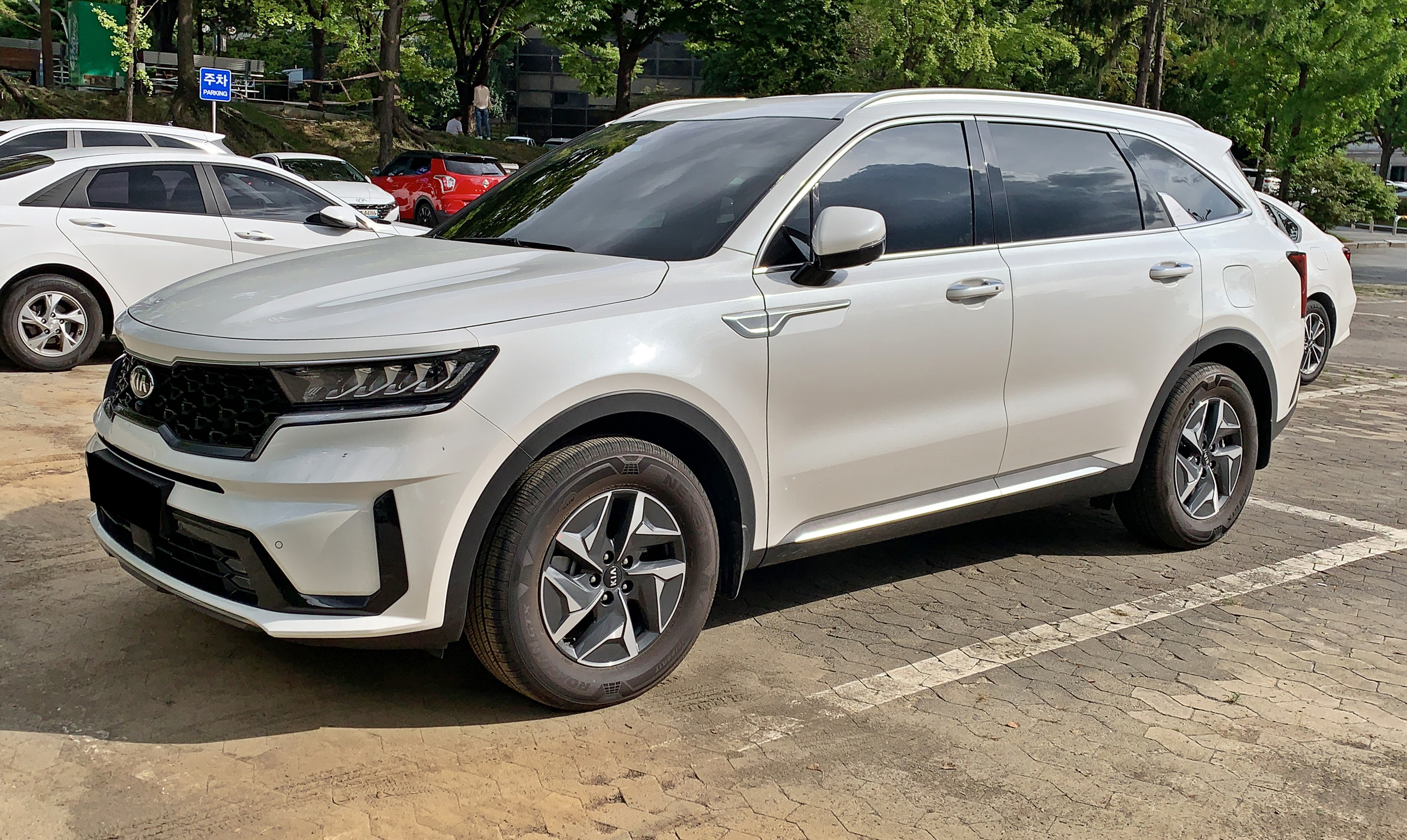
Kia Sorento
"[2731.4s] 17 key of Sorento with 150,000 miles. [2734.9s] You want 7,000. [2736.0s] It's worth 3,500."
The Kia Sorento is a midsize SUV, and here it’s being valued in a pricing “lightning round” based on mileage and condition. Mileage (150,000 miles in the segment) strongly affects what buyers will pay and how quickly a vehicle sells.
150,000 miles
"[2731.4s] 17 key of Sorento with 150,000 miles. [2734.9s] You want 7,000. [2736.0s] It's worth 3,500."
Mileage is basically how much the car has been used. At 150,000 miles, buyers expect more wear, so the price usually drops unless the car has been well maintained.
“150,000 miles” is a key pricing factor because it correlates with wear items, maintenance history, and remaining useful life. In used-car valuation, higher mileage usually means a lower price unless the car has exceptional service records or is in unusually strong condition.
Crew Cab
"[2756.5s] It's a Lay's Potato Truck Crew Cab. [2760.1s] Yeah, baby. [2761.2s] And it has 200,000 miles."
A crew cab is a truck with extra doors so there are seats in the back too. It’s usually better for carrying people, not just cargo.
A “crew cab” is a truck body style with four full-size doors, allowing rear-seat passengers to ride comfortably. It’s generally more practical than a regular cab or extended cab for people who need more seating.
Zuzu diesel
"[2763.2s] Which engine? [2763.9s] Is it a Zuzu diesel? [2766.6s] Yeah. [2767.0s] It's the Mercedes MBR 900."
They’re asking what diesel engine it has. The speaker isn’t sure which brand it is, so they throw out a guess before confirming the Mercedes engine.
“Zuzu diesel” appears to be a mis-hearing or nickname for a diesel engine brand/model. In context, it’s being asked as an alternative to the Mercedes MBR 900, suggesting the caller is trying to identify which diesel powerplant is installed.
cabin chassis
"So I bought it in 2021. I bought it as a cabin chassis. I can tell. I bought it with 65,000 original miles."
A cabin chassis is basically the truck cab plus the frame, but not the final “box” or cargo body. People buy it when they want to build or customize the truck for a specific job. It’s like buying the foundation and then adding the right parts later.
A cabin chassis is a truck sold with the cab and chassis frame, but without a finished cargo body. It’s commonly used as a base for custom builds like service trucks, box trucks, or specialty equipment. In this story, the speaker bought it this way to modify it for their needs.
original miles
"I bought it with 65,000 original miles. Okay. And then I ended up having the frame stretched three and a half feet."
“Original miles” means the mileage on the odometer is the real mileage, not something changed. Lower or verified mileage usually suggests less wear. Here, the speaker is saying the truck started out with relatively low miles.
“Original miles” means the odometer reading hasn’t been rolled back or replaced, and it’s presented as the true mileage at the time of purchase. Mileage is a major factor in vehicle value and wear assessment, especially for older or heavily modified builds. In this segment, it’s used to emphasize the truck’s baseline condition.
frame stretched three and a half feet
"And then I ended up having the frame stretched three and a half feet. I had them install the Lay's Box. It was off a total truck."
“Frame stretched” means the truck’s frame was lengthened to make the truck longer. People do this when they need extra space for a bigger box or equipment. It’s a big change, not just a cosmetic one.
Stretching a frame means extending the wheelbase by adding length to the chassis. This is often done to create more room for a longer cargo box or specialized body. It’s a major modification that can affect ride, alignment, and how the truck is engineered and certified.
Lay's Box
"I had them install the Lay's Box. It was off a total truck. And you can't hate me on that, John."
The “Lay’s Box” sounds like a custom branded cargo box added to the truck. Instead of a normal bed or cargo area, it’s a specific box built for a purpose—likely branding or a special delivery setup. It’s part of the truck’s customization.
“Lay’s Box” appears to refer to a branded cargo body/box installed on the stretched chassis. These kinds of custom box builds are common for advertising, merchandising, or specialty delivery setups. The key idea is that the speaker is describing a custom body mounted to the truck.
total truck
"I had them install the Lay's Box. It was off a total truck. And you can't hate me on that, John."
A “total truck” usually means the truck was wrecked badly enough that the insurance company wrote it off. People sometimes buy those trucks for parts or to reuse certain components. If you’re building with salvage, you want to be sure everything is safe and properly installed.
A “total truck” typically means a vehicle that was declared a total loss by an insurer after damage. Using parts or a body from a total loss can reduce cost, but it also raises questions about structural integrity, fitment, and documentation. For custom builds, it’s important to verify what was salvageable and how the work was done.
parts were hard to get
"I mean, especially during and after COVID parts were hard to get. [2842.9s] Oh, yeah. [2843.2s] So it's like I had to replace everything as I went and I'm not going to get stranded."
Sometimes replacement parts aren’t available right away, especially during big disruptions. That can slow down repairs and make it harder to keep a vehicle running.
This is a reference to supply-chain delays that can make replacement parts scarce and expensive. When parts are delayed, repairs take longer and owners may have to plan maintenance more carefully to avoid downtime.
depreciated on your taxes
"So did you fully depreciated on your taxes already? [2852.2s] Yeah. [2852.6s] Yeah. [2852.9s] I took care of all that."
Depreciation is how taxes treat a vehicle’s value dropping over time. If you use the truck for work, you may be able to reduce your taxable income based on that decline, depending on the rules.
“Depreciated on your taxes” refers to writing down the value of an asset over time for tax purposes. For vehicles used for work, owners may be able to deduct depreciation (or take other tax deductions) based on how the vehicle is used and the tax rules in their area.
extended bed
"But you extended the bed so it can't be a hauler for a truck, for a horse guy without recutting the frame and bringing it up and putting a hauler bed on it."
An extended bed is just a longer truck cargo area. A longer bed can change what you can tow or convert the truck into for hauling.
An “extended bed” means the truck has a longer cargo bed than a standard configuration. In the context of hauling, bed length affects how easily the truck can be converted or used for specialized work like horse hauling or towing setups.
hauler bed
"But you extended the bed so it can't be a hauler for a truck, for a horse guy without recutting the frame and bringing it up and putting a hauler bed on it."
A “hauler bed” refers to a specialized truck bed configuration intended for hauling—often with reinforced structure, different mounting points, or a layout suited to a particular job (like horse hauling or equipment transport). The transcript implies it may require significant fabrication work to fit correctly.
recutting the frame
"But you extended the bed so it can't be a hauler for a truck, for a horse guy without recutting the frame and bringing it up and putting a hauler bed on it."
Recutting the frame means cutting and modifying the truck’s main metal structure. That’s serious work because it affects how strong the truck is and how safely it can carry loads.
“Recutting the frame” implies major structural modification to a truck’s chassis frame to change ride height, fitment, or bed/trailer mounting. Because the frame is a primary load-bearing structure, this kind of work is typically complex and safety-critical.
tour haulers
"Look at the tour haulers, John. The toy haulers are the same year, the same cab, right?"
Tour haulers are vehicles built for people who travel a lot with gear and need space to live or store equipment. Think of them like a mobile base for touring.
“Tour haulers” are specialized trucks or RV-style vehicles used to transport equipment and living space for touring—commonly for bands, events, or other mobile work. They’re often built on a truck platform with a large rear compartment designed for storage and sometimes sleeping.
toy haulers
"Look at the tour haulers, John. The toy haulers are the same year, the same cab, right?"
Toy haulers are travel trailers or RVs that have a big garage area for fun stuff like dirt bikes or ATVs. They also include a place to sleep and live while you’re traveling.
“Toy haulers” are a type of trailer or RV setup designed to carry recreational vehicles (like motorcycles, ATVs, or side-by-sides) plus living space. They typically include a large rear cargo area with doors and tie-down points, and the “same year, same cab” comment suggests matching the tow vehicle and trailer configuration.
convert this into a toy hauler
"You do bring up a decent argument to convert this into a toy hauler, but we must take the, we'd have to put like KTM or Kawasaki or Polaris on the side instead of Lay's potato chips."
They’re talking about changing the truck so it’s more suited for hauling bikes/ATVs, not just driving around. Part of that is how it’s decorated and marketed, because buyers often expect a certain “purpose-built” look.
They’re discussing the idea of converting a vehicle’s look and function to better match a specific use case (toy hauling). This includes branding/graphics decisions that affect buyer perception and resale value—because the vehicle is being marketed as a specialized recreation hauler.
Kawasaki
"You do bring up a decent argument to convert this into a toy hauler, but we must take the, we'd have to put like KTM or Kawasaki or Polaris on the side instead of Lay's potato chips."
Kawasaki makes motorcycles and other off-road vehicles. They mention it because adding a recognizable moto brand to the truck’s graphics helps sell the idea that it’s for hauling bikes.
Kawasaki is a major Japanese powersports brand, producing motorcycles and off-road machines. In this discussion, it’s referenced as another brand that could be used on the vehicle’s side graphics to make it feel purpose-built for hauling moto toys.
KTM
"You do bring up a decent argument to convert this into a toy hauler, but we must take the, we'd have to put like KTM or Kawasaki or Polaris on the side instead of Lay's potato chips."
KTM is a motorcycle brand, often tied to dirt bikes and off-road riding. They’re bringing it up because the right brand graphics can help buyers instantly understand what the truck is meant to haul.
KTM is a well-known motorcycle manufacturer, especially associated with off-road and dirt bikes. The hosts mention KTM as an example of a recognizable powersports brand that could be used in graphics to sell the truck as a toy-hauler.
Lay's potato chips
"You do bring up a decent argument to convert this into a toy hauler, but we must take the, we'd have to put like KTM or Kawasaki or Polaris on the side instead of Lay's potato chips."
Lay’s is a snack brand, and the hosts are using it as an example of irrelevant or mismatched branding on the vehicle. The point is that the wrong graphics can hurt the vehicle’s “purpose-built” appeal when selling it as a toy hauler.
Polaris
"However, of course, do you, I might give the 15. If you do the Polaris or some kind of moto, you know, something cooler on the side, because if I try to sell it..."
Polaris makes off-road vehicles like ATVs and side-by-sides. They’re mentioning it because putting that kind of brand on the truck would make it look more like it’s built for hauling those toys.
Polaris is a major powersports brand known for ATVs, side-by-sides, and motorcycles. In the segment, they’re using Polaris as an example of the kind of branding that would make the vehicle feel more like a dedicated moto/toy-hauler.
paint these pictures for people
"You have to, you have to paint these pictures for people. You can't just tell them. I have to, I don't want to do the, I'm not going to go out in the sun, rip the Lay's off and then put the Polaris team racing factory racing on the side."
They’re basically saying you can’t just explain the truck—you have to show people what it’s for. Visual details (like graphics and branding) help buyers “get it” faster.
This is about marketing and presentation: the hosts argue that buyers need a clear visual story about how the vehicle is used. In automotive terms, graphics/branding and the overall “build” can strongly influence buyer perception and resale value, especially for niche-purpose vehicles like toy haulers.
Poison Spider, Hell's Revenge, Double Block Crack, Devil's death
"We did, um, Poison Spider, Hell's Revenge, uh, Double Block Crack. [3218.6s] I was like, these names are kind of giving us a cue of what type of trails these are. [3223.1s] Devil's death."
These sound like the names of specific off-road trails. The names are basically a clue that the routes are tough and technical, not casual driving.
These are trail names, likely from a specific off-road riding area. Trail names often hint at difficulty, terrain type, and what to expect (rock crawling, steep climbs, technical obstacles).
trail difficulty / "ridiculous" days
"I was like, these names are kind of giving us a cue of what type of trails these are. [3223.1s] Devil's death. [3224.1s] Devil's death, you know, and I was like, I don't think I'll ever do it again. [3228.6s] And like, so we, Saturday, we, we did the first one, which was kind of easy... [3236.5s] And then the second day was ridiculous."
They’re basically saying the trip got harder each day. In off-roading, harder trails usually mean more obstacles and a bigger chance of getting stuck or hurting the vehicle.
The hosts are describing how trail difficulty escalates across days—starting with something “normal” and then moving to much more punishing routes. In off-roading, difficulty changes can mean tighter lines, steeper grades, deeper ruts, and higher risk of getting stuck or damaging components.
dirt bike obstacle course (rock wall, drop-off, water hole)
"And no, suddenly there's a hole full of water. Oh, and all of a sudden there's a four foot drop off and you just blip off of it. And then you... there's a four foot rock wall..."
This sounds like a dirt-bike obstacle course with different hazards like water, steep drops, and rock walls. Those surfaces change traction, so riders have to use technique to keep control.
The described sequence—water hole, drop-off, rock wall—sounds like an off-road obstacle course where traction and momentum are constantly changing. Water and rocks can drastically affect grip, so riders rely on technique (timing, throttle control, body position) to keep the bike from bogging or slipping.
blip
"Oh, and all of a sudden there's a four foot drop off and you just blip off of it. And then you, oh, there's a four foot rock wall that you've got to, you got to wheelie into..."
A “blip” is a quick tap of the gas. It helps the bike keep power and stay stable when you’re hitting a jump or obstacle.
A “blip” is a quick, controlled increase in throttle to momentarily raise engine speed. In dirt riding, blipping helps the bike maintain momentum and get the suspension to react properly when transitioning onto jumps or obstacles.
wheelie
"And then you, oh, there's a four foot rock wall that you've got to, you got to wheelie into, jam your front tire into, then blip up that one and you get to the top of that."
A wheelie is when the front wheel comes up off the ground. Riders do it to help clear an obstacle, but it takes balance and careful throttle control.
A wheelie is when the rider lifts the front wheel off the ground while accelerating or using body position. On obstacles, it’s often used to get over a ledge or maintain traction, but it increases risk if balance and throttle aren’t controlled.
motocross track
"Because I was like, I'm never going on a motocross track again. I'm never going to do doubles. I'm never going to do whoops after my big injury."
A motocross track is a dirt-bike course with jumps and bumps. It’s built so riders can practice and race, but it’s also more intense than just riding on trails.
A motocross track is a purpose-built off-road course with jumps, berms, and obstacles designed for dirt bikes. Riding it is different from casual trail riding because you’re constantly accelerating, braking, and landing over uneven terrain.
doubles
"I'm never going to do doubles. I'm never going to do whoops after my big injury. And this was a, and I'm talking to my wife..."
“Doubles” are two jumps back-to-back. You land, then quickly jump again, so you have to hit the timing just right.
In motocross, “doubles” are jump combinations where you land from one jump and immediately take off for another. They require precise timing and throttle control because the bike’s suspension has to compress and rebound correctly between takeoffs.
whoops
"I'm never going to do whoops after my big injury. And this was a, and I'm talking to my wife, she's like, Hey, is it even more dangerous than what you do at the ranch?"
Whoops are those bumpy sections with lots of small hills in a row. Your bike’s suspension has to work constantly, so it can feel rough and risky if you’re not used to it.
Whoops are a series of closely spaced, rolling bumps on a motocross track. They force the rider to manage suspension movement continuously, often requiring a specific body position and throttle strategy to stay stable and avoid getting thrown off.
helicopters
"[3371.6s] So when you say somebody drops down and they're hurt, their rigs there, how do they bring [3376.3s] it back? [3377.0s] Helicopters. [3377.6s] Wow. [3380.5s] You're 15, like in the middle of it, you're 15 miles in the middle of the desert in the"
Helicopters are mentioned because the location is so remote that getting help by car would take too long. If someone is hurt far out in the mountains/desert, air transport can reach them faster. It’s a sign the area is hard to access.
Using helicopters for recovery is common in remote off-road terrain where ground access is difficult or slow. If someone is injured far from roads, air evacuation can be the fastest way to get medical help. The mention of being deep in desert mountains and “15 miles in the middle” highlights why helicopters would be considered.
rock crawlers
"[3380.5s] You're 15, like in the middle of it, you're 15 miles in the middle of the desert in the mountains. [3385.2s] The rock crawlers are going three miles. [3387.4s] When everything on the trail is like not off-road rigs, but rock crawlers, that's a signal."
Rock crawlers are off-road vehicles made for crawling over rocks and steep obstacles at slow speeds. If a trail is meant for rock crawlers, it’s usually rough enough that regular off-road trucks may struggle. It’s a sign the terrain is serious and you need the right vehicle and experience.
Rock crawlers are purpose-built off-road vehicles designed to move slowly over very uneven terrain like boulders and steep rock faces. They typically use low gearing, high ground clearance, and tires/wheels meant for traction at low speeds. When the trail is “rock crawler” territory, it usually means the route is extremely technical and unforgiving for inexperienced drivers.
air conditioner is still not working
"But like the radio is not in it and the air conditioner is still not working and there's still some little details on the interior that need to be better."
If the air conditioner isn’t working, it could be something small like a leak, or something bigger like a bad compressor. Either way, it’s worth diagnosing because older A/C systems can be tricky.
When a car’s air conditioning isn’t working, it usually points to a system issue such as a refrigerant leak, failed compressor, or electrical/control problem. On older cars, A/C repairs can range from simple fixes to more involved troubleshooting.
radio is not in it
"But like the radio is not in it and the air conditioner is still not working and there's still some little details on the interior that need to be better."
If the radio isn’t working, it could be wiring problems or an old/removed unit. In older cars, people sometimes replace it with something that looks original but works better.
Missing or nonfunctional radios in classic cars often come down to wiring, head-unit compatibility, or prior modifications. Restorers may choose to keep the original look while updating electronics for reliability and modern features.
burnout
"Look at this burnout that I was doing last night in town. Yeah, and the father and me went, John, the burnout."
A burnout is when a driver spins the driven wheels while the car is stationary or moving very slowly, usually to heat up the tires. In muscle-car culture it’s often done for traction/feel before a launch, or just as a showy demonstration of power and tire grip.

79 Trans Am Silver Anniversary
"This thing is so fast. It is what we're talking about is a 79 Trans Am Silver Anniversary that we bought for 500"
A 1979 Pontiac Trans Am is a famous muscle car from the late ’70s. “Silver Anniversary” means it’s a special version with extra theme/trim details, and people often collect them—especially if it’s been worked on a lot.
The Pontiac Trans Am is a classic American muscle car, and the “Silver Anniversary” is a special 1979 trim/edition celebrating the model’s anniversary. These cars are known for their distinctive styling and strong enthusiast following, especially when they’ve been restored or modified.
supercharged engine
"And it was we put a LT for supercharged engine in it."
A supercharger is a device that pushes extra air into the engine. More air usually means more power because the engine can burn more fuel. It’s one way people make an engine faster without changing the whole car.
A supercharged engine uses a belt-driven compressor to force more air into the cylinders. That typically increases power because the engine can burn more fuel with the extra oxygen. It’s different from turbocharging mainly in how the boost is generated.
800 horses
"And it is about 800 horses. God."
“800 horses” means the engine makes around 800 horsepower. Horsepower is basically how strong the engine is. It’s a big number that usually means the car has been heavily modified or tuned for performance.
“800 horses” is shorthand for about 800 horsepower, a measure of engine output. When someone says a car is “about 800 horses,” they’re usually talking about peak power at the crankshaft, not necessarily what the wheels make. Power at this level often implies significant engine and/or forced-induction work.
big intake
"[3504.3s] It's that great big intake on it. [3507.4s] It's so much different from what it was before."
The intake is how air gets into the engine. If it’s bigger or flows better, the engine can breathe easier, which can make it feel more responsive and sometimes sound different.
An intake is the path and components that bring air into the engine. A “great big intake” usually means a larger or freer-flowing setup that can improve airflow, which often helps throttle response and can change engine sound.
burn both tires from a 30 mile an hour roll
"[3519.0s] No, just the pictures right now. [3520.6s] And yeah, it'll burn both tires from a 30 mile an hour roll."
That phrase means the car is spinning the tires and losing grip. If it can do that even while already moving, it usually has a lot of power and/or not enough traction for the tires.
“Burn both tires” describes breaking traction so the tires spin while producing smoke/heat. Doing it from a rolling speed (like a 30 mph roll) suggests strong torque and traction management limits—often influenced by tire grip, drivetrain power, and suspension setup.
squirrely
"[3529.1s] Does it get squirrely? [3530.5s] No. [3531.3s] Nice."
“Squirrely” means the car feels like it’s getting out of shape or not staying planted. If they say it’s not squirrely, they’re saying it feels stable and controllable.
“Squirrely” is slang for a car that feels unstable or unpredictable—often meaning it’s sliding, stepping out, or changing direction unexpectedly under throttle/braking. The host’s “No” implies the car stays composed instead of breaking loose dramatically.
all new suspension
"[3532.5s] No. [3533.0s] All new suspension, different everything and it tracks really well. [3536.6s] The only thing I wish it has the steering was a little bit tighter."
Suspension is what connects the wheels to the car and helps it stay stable over bumps and during cornering. New suspension parts can make the car feel tighter and more predictable.
Suspension components control ride quality and, more importantly here, traction and handling. “All new suspension” suggests the car was refreshed or rebuilt to improve alignment, damping, and how the tires stay in contact with the road.
revalve the steering pump
"[3539.2s] It's so fast. [3540.6s] It needs and Mike said he could revalve the steering pump, the power steering pump to"
Power steering uses fluid pressure to help you turn the wheel. “Revalving” is like adjusting how that pressure is controlled, which can make the steering feel more responsive.
Revalving a power steering pump means changing the internal valve calibration that controls hydraulic pressure and flow. That can make steering feel quicker/tighter or more consistent, especially if the current setup feels too soft or slow to respond.
toe
"So at high speeds, when one tire comes up, it changes the toe in a little bit. And then that throws another one off and then it starts this vibration at about 100 miles an hour..."
Toe is basically how much the tires point inward or outward compared to straight ahead. If toe isn’t set right, the car can feel unstable and start vibrating when you’re going fast.
Toe is the angle difference between the front (or rear) tires relative to the direction of travel. Small toe changes can strongly affect stability and how the car responds when tires move over bumps or load up at speed.
race car tuning
"It's like a race car tuning race car. That car is incredible. But when we got it up to speed, you feel this vibration..."
They mean the car is being adjusted like a track car—fine-tuning the setup until it behaves smoothly at speed. It’s not just a one-time alignment; it’s repeated testing and tweaking.
“Race car tuning” implies dialing in suspension and alignment settings for predictable behavior at high speed and under load. It often involves iterative adjustments to geometry (like toe) to eliminate vibrations and improve stability.
Reggie Fest
"What is Reggie Fest? We had Reggie Fest last night and that was his birthday, and I understand, but has he done this before in Austin?"
“Reggie Fest” sounds like a party/event for Reggie, connected to his birthday. The hosts are talking about whether he’s done it before in Austin.
“Reggie Fest” is an event the hosts mention as happening in Austin, tied to a birthday celebration. It’s relevant to the episode’s social context around the Roadhouse/Cantina rather than a technical automotive subject.
Request an Explanation
Heard something you'd like explained? We'll add it to this episode.
Sign in to request explanations for terms you heard.
Want to learn more?
Browse our glossary for plain-English explanations of automotive terms, jargon, and concepts.
Help improve this episode
See something that's not quite right? Our annotations are AI-generated and can sometimes miss the mark. Click the flag icon on any annotation to suggest a correction.