
A $74K Corvette Just Hit 200 MPH
About this episode
Shanu and the host kick off with a funny Puerto Rico dispatch from Tim Harris, who says an interview for a Chief Luche Officer role went sideways after seeing the “luche” (and possibly eating carpaccio). Back in Southern California, Shanu is prepping the host’s 111RS for a long drive home, while the host shares fresh seat time in a Dragon Spider—an “assault on the senses” with immediate throttle, heavy steering, and analog feel. They also swap 996/911 stories, including an Orange County Concourse show and Ortega Highway runs where a road closure led to a thrilling turnaround and a surprising motorcycle challenge.
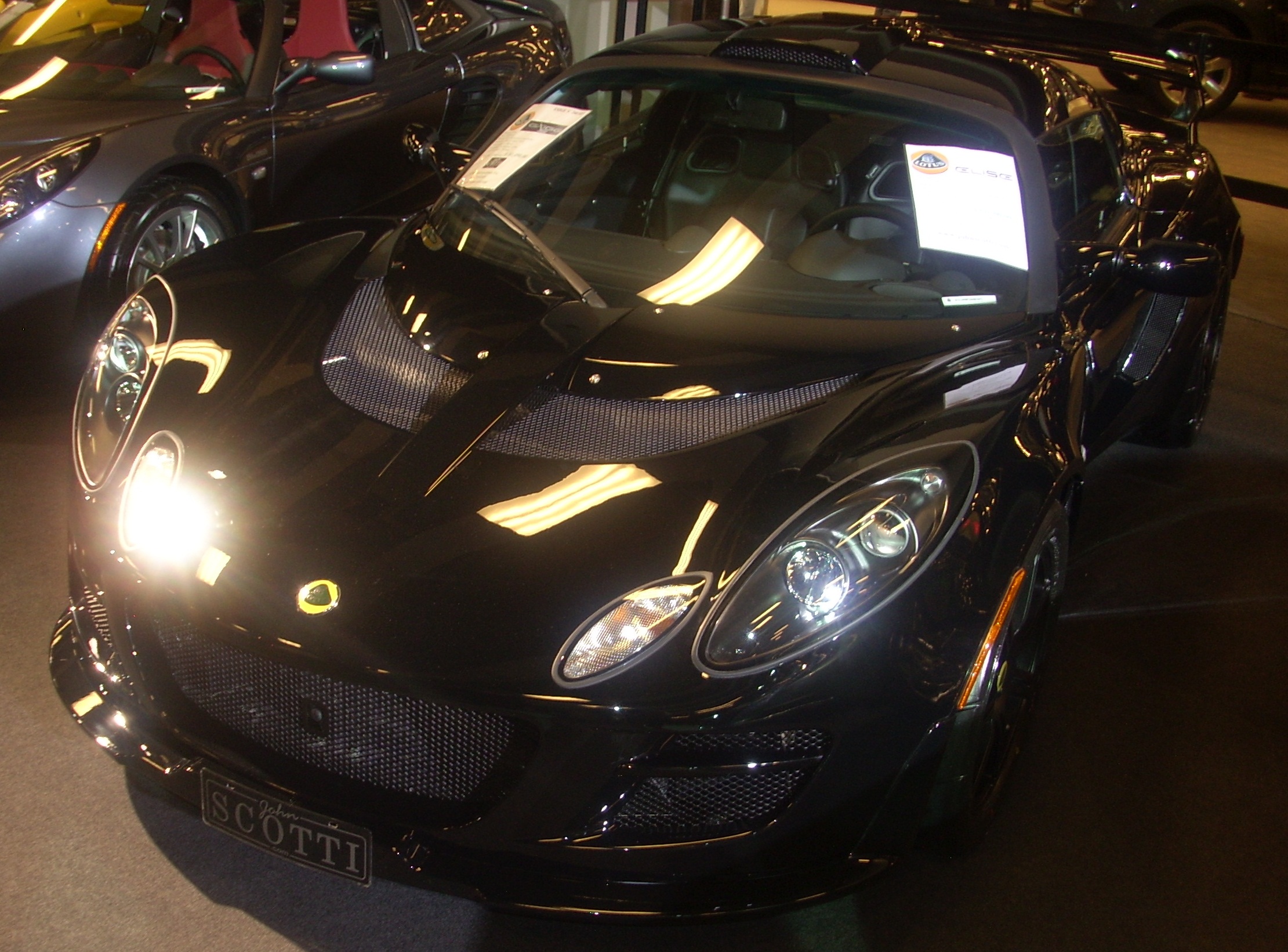
Elise 111Rs
"...ia. I'm really excited because I am picking up my 111RS, which I've been having you do a little bit of wo..."
The Elise is a small sports car made by Lotus. The podcast says the person is picking up a specific version called the 111RS. That usually means they’re getting a more enthusiast-focused Elise and preparing for ownership.
“Elise” in the podcast context refers to the Lotus Elise, a lightweight sports car that’s often chosen for its nimble feel. The mention of picking up a “111RS” points to a specific Elise variant, which is typically associated with a more focused, enthusiast-oriented setup. It’s discussed because owners often talk about preparation and protection details when they’re about to take delivery.
layers of the onion
"Well, it's hard. It's one of those cars I think as you drive like more and more and more, you'll get the layers of the onion will start getting peeled back and the new, the nuance of what the car is will continue to like unfold itself."
It’s a metaphor for learning a car over time. The idea is that the more you drive it, the more you notice the subtle ways it behaves.
This is a metaphor for how a car’s behavior can reveal itself gradually. As you drive repeatedly, you start noticing finer details—like how it responds to inputs—rather than understanding everything immediately.
torque
"[244.7s] 430 horse, similar torque value. I mean, imagine big old burly Corvette motor strapped to this"
Torque is the engine’s twisting force. It’s what helps the car feel like it “pulls” strongly when you press the gas.
Torque is the twisting force an engine produces at the crankshaft, and it strongly affects how quickly a car accelerates, especially at lower speeds. When they say “similar torque value,” they’re comparing the engine’s pull, not just its horsepower peak.
horse
"[244.7s] 430 horse, similar torque value. I mean, imagine big old burly Corvette motor strapped to this"
“Horse” means horsepower, which is how strong the engine is. More horsepower usually helps with faster acceleration and higher speed.
“Horse” here refers to horsepower, a measure of how much power the engine can produce. Horsepower matters for top-end speed and sustained acceleration, while torque often dominates the immediate “get up and go” feel.
shifter
"[265.0s] The shifter's good. The throttle response is so immediate. Don't have to blip it much to get the [271.8s] motor to respond."
The shifter is the lever you move to change gears. A “good” shifter usually means it feels precise and easy to use.
The shifter is the mechanism you use to select gears in a manual (or manual-style) transmission. When they say “The shifter’s good,” they’re praising how precisely and quickly the gearbox responds to gear changes.
throttle response
"[265.0s] The shifter's good. The throttle response is so immediate. Don't have to blip it much to get the [271.8s] motor to respond."
Throttle response is how fast the car reacts when you press the gas. Immediate response means it feels like there’s little to no lag.
Throttle response describes how quickly the engine and drivetrain react when you press the accelerator. “Immediate” response usually means minimal delay between pedal input and increased engine output.
blip
"[265.0s] The shifter's good. The throttle response is so immediate. Don't have to blip it much to get the [271.8s] motor to respond. ... [293.1s] And like, it's fun just to blip from fourth to third,"
A “blip” is a quick tap of the gas to raise the engine speed briefly. It helps downshifts feel smoother and more controlled.
A “blip” is a quick, small increase in engine RPM—typically done with the throttle during downshifts—to help match revs and make the shift smoother. They’re saying you don’t need to do it much because the car responds readily.
pedal box
"[321.0s] you know, and so that's the one thing. But the pedal box is kind of narrow. [325.6s] But even for a guy of your stature, you know, lots of room, the pedal box, we actually had it"
The pedal box is the space and mounting area for the pedals. If it’s narrow, it can make your feet feel cramped unless you have the right seating position.
The pedal box is the structural area where the accelerator, brake, and clutch pedals are mounted and positioned relative to the driver. They’re discussing how narrow it feels and how much the seat/driver position can be adjusted to compensate.
analog driving experiences
"Yeah, they're analog driving experiences. You know, one just has so much more power than the other."
This means a car that feels more connected to you—like the steering and throttle respond in a direct, physical way. Less “computer-managed,” more driver feel.
“Analog driving experiences” describes cars that communicate through mechanical feel—steering, throttle response, and chassis behavior—rather than relying on screens, digital tuning, or heavy driver-assist mediation. The speaker contrasts this with a more “digital” or electronically filtered driving feel.
wheels and tires
"but then being open and seeing your wheels and tires moving and that's a completely different experience"
They’re pointing out that you can actually see the tires working—how the car is moving and gripping. That makes the drive feel more real and engaging.
The speaker is emphasizing the visual and physical feedback from the tires contacting the road—how the car’s grip and motion are visible at the wheel. In performance driving, that “what the tires are doing” awareness is a big part of the experience.
911s
"We're going to talk about 911s in depth today. So this will not all be, you know, niche enthusiast cars."
They mean Porsche 911s—different versions of the same famous Porsche model. The idea is that collectors often keep adding more of them.
“911s” refers to the Porsche 911 lineup, which is a long-running sports-car platform with many variants. The speaker is using it to talk about how enthusiasts accumulate multiple 911s over time.
Ferrari
"But they keep stacking 911 on 911 on 911. Or Ferrari, McLaren."
Ferrari is a famous Italian supercar brand. They’re just saying collectors often have cars like Ferraris too.
Ferrari is an Italian supercar brand that the speaker mentions as part of the kinds of cars collectors “stack” alongside 911s. It’s used here to set expectations that the episode won’t be limited to one niche.
McLaren
"Or Ferrari, McLaren."
McLaren is a well-known supercar brand. They’re mentioning it as another type of exotic car people collect.
McLaren is a British supercar brand known for performance-focused engineering and track-oriented driving dynamics. The speaker includes it as another example of the high-end cars collectors accumulate.

BAC monos
"“...we sold a bunch of cars without anyone driving them. And that includes, you know, BAC monos...”"
BAC Mono is a very small, very lightweight one-seat race-style car. Because it’s so niche, the speaker is saying they sold some without people even driving it first.
BAC Mono is a one-seat, track-focused supercar from British manufacturer BAC. It’s known for being extremely lightweight and driver-centric, which is why it’s often sold through enthusiast networks rather than typical dealerships.
Orange County Concourse
"Okay. So I had to drive the thing to this event. Orange County Concourse. Is that just like a show? Yes. Kind of a formal judging, all that kind of stuff. The 54th annual event."
It’s a structured car show in Orange County where cars are displayed and judged. Think “serious car show,” not just people hanging out in a parking lot.
The Orange County Concourse is a formal car show with judging—more like an enthusiast concours event than a casual meet-and-greet. The speaker mentions it as the 54th annual event, emphasizing how established it is.
Ortega Highway
"And then after the show, we got to haul some ass through Ortega Highway. Absolutely. Yeah. And it was funny, we didn't know, but the road was closed."
It’s a curvy road in Southern California that drivers like for fun drives. Here, it’s where they planned to go fast and then had to turn around because the road was closed.
Ortega Highway is a well-known Southern California road that enthusiasts use for spirited drives because it has lots of curves and elevation changes. In this segment, it’s the route where they try to enjoy the drive after the show.
GPS
"We're like, oh, it must be fine, you know, like GPS wouldn't allow us to go through. And we're like, screw it. I don't need the GPS. I know where I'm going, you know."
GPS (Global Positioning System) is satellite navigation that provides turn-by-turn directions. In the segment, the speaker jokes that they don’t need GPS because they know the route.
sport bikers
"Normally I can come up to most motorcycles... And I can keep with most, you know, sport bikers. The guys that can drag their knees through a corner are the ones that I have the hardest, you know, staying with..."
“Sport bikers” are riders who push performance motorcycles hard, especially through corners. Dragging a knee is a sign they’re riding very aggressively.
“Sport bikers” refers to riders who ride performance motorcycles with an emphasis on speed and cornering technique. The speaker mentions “drag their knees through a corner,” which is a common sport-riding sign of aggressive cornering.
bed liner
"controversial stuff, like mostly the bed liner. Yes. I mean, you got mismatch wheels on there."
A bed liner is a tough, rubbery coating that’s meant to protect a truck bed. People sometimes use it on cars because it can take scratches and rock impacts better than paint.
Bed liner is a protective coating (often sprayed) originally used in truck beds. On a car, it’s used as a durable, impact-resistant finish—here, it’s part of the “controversial” styling and also ties into protecting the front from rock damage.
mismatch wheels
"controversial stuff, like mostly the bed liner. Yes. I mean, you got mismatch wheels on there."
Mismatched wheels means the car doesn’t have the same wheels all around. It can be done for looks or to fit different tires, and this segment treats it as part of the car’s controversial style.
Mismatched wheels means the car has different wheel designs or sizes/fitments rather than a uniform set. In enthusiast circles this can be intentional for stance, clearance, tire choice, or simply a distinctive look—here it’s mentioned alongside other visual changes.
compliance in the bumps
"they got, Oh, you wanted more, you know, compliance in the bumps. Yes. that's exactly what we were doing."
“Compliance in the bumps” means how well the car soaks up rough pavement. If the setup is more compliant, the tires can absorb bumps instead of jolting the car and upsetting grip.
Compliance in the bumps refers to how much the tire/suspension setup absorbs road irregularities instead of transmitting sharp impacts to the chassis. More compliance typically comes from factors like tire sidewall and tire pressure, and it can improve traction and driver confidence on rough roads.
sidewall
"And as I explained to them how we made the wheel smaller for more sidewall, they got, Oh, you wanted more, you know, compliance in the bumps."
The sidewall is the part of the tire between the wheel and the tread. A taller sidewall can make the ride less bouncy over bumps because it flexes a bit more.
Sidewall is the rubber wall of a tire between the tread and the wheel rim. Increasing sidewall (by using a taller tire profile) can add compliance—more ability to absorb bumps—so the car feels less harsh over rough pavement.
front fascia
"And even the bedliner on the front fascia, the guys that actually get out there and push their cars in the canyons, they understood"
The front fascia is the car’s front body area, like the bumper cover and surrounding trim. It’s often protected because it’s the first thing that gets hit by rocks or debris.
Front fascia is the front bodywork panel area that includes elements like the bumper cover and grille surround. It’s a common place for protective coatings or guards because it’s exposed to impacts from debris and road rocks.
front of your car
"And even the bedliner on the front fascia, the guys that actually get out there and push their cars in the canyons, they understood because in California, our canyons are covered in rocks."
They’re talking about the car’s front end—especially the parts that get hit by rocks when you drive on rough, rocky roads. The point is that protection there matters a lot in canyon driving.
In this context, “front of your car” is shorthand for the vulnerable leading surfaces that take impacts when driving on rocky roads. The host specifically connects it to protecting the front fascia from stone strikes in California canyon roads.
canyons
"the guys that actually get out there and push their cars in the canyons, they understood because in California, our canyons are covered in rocks."
“Canyons” means winding mountain roads where people drive hard. They’re saying those roads are rocky, so your car’s front can get damaged by flying stones.
“Canyons” here means twisty mountain roads used for spirited driving. The host emphasizes that these roads in California are rocky, which makes front-end protection and tire choice especially relevant.
sticky tires
"If you're following your buddy and he's got a car with sticky tires, and you guys are, you're moving on out, someone's car is getting chipped up."
Sticky tires are tires made to grip the road better. Here, they’re talking about how a faster car with grippy tires can kick up rocks that chip the car behind it.
Sticky tires are high-grip tires designed to provide strong traction, especially during hard cornering or acceleration. In this segment, they’re contrasted with the damage caused by driving behind someone—sticky-tire cars tend to move faster, throwing more debris back.
PPF vs paint protection durability
"How does the cost compare of that versus PPF? Well, I mean, I think similar. Yeah. I mean, it's going to be similar. Actually, I mean, this was actually pretty inexpensive, but it'll be more durable than PPF."
They’re comparing different ways to protect a car’s paint and talking about how long they last. Even PPF can get damaged if the impact is strong enough.
They compare the cost and durability of a protective film/coating approach versus PPF. The key point is that even PPF can fail after a hard enough impact, so replacement may be needed.
Miata NE generation and last ICE talk
"there was a headline that obviously caught my interest because I love Mazda Mianos. Yes, you do. And there's been a lot of anticipation about the NE generation. When's it coming and what's it going to be?"
They’re talking about upcoming Miata news—what the next generation might be called and whether it could be the last one with a gas engine. They also mention that rules and legislation could change the plan.
They discuss news and speculation about the Mazda Miata’s “NE” generation and whether it will be the last Miata with an ICE engine. The conversation also touches on how announcements may change if regulations or legislation shift.
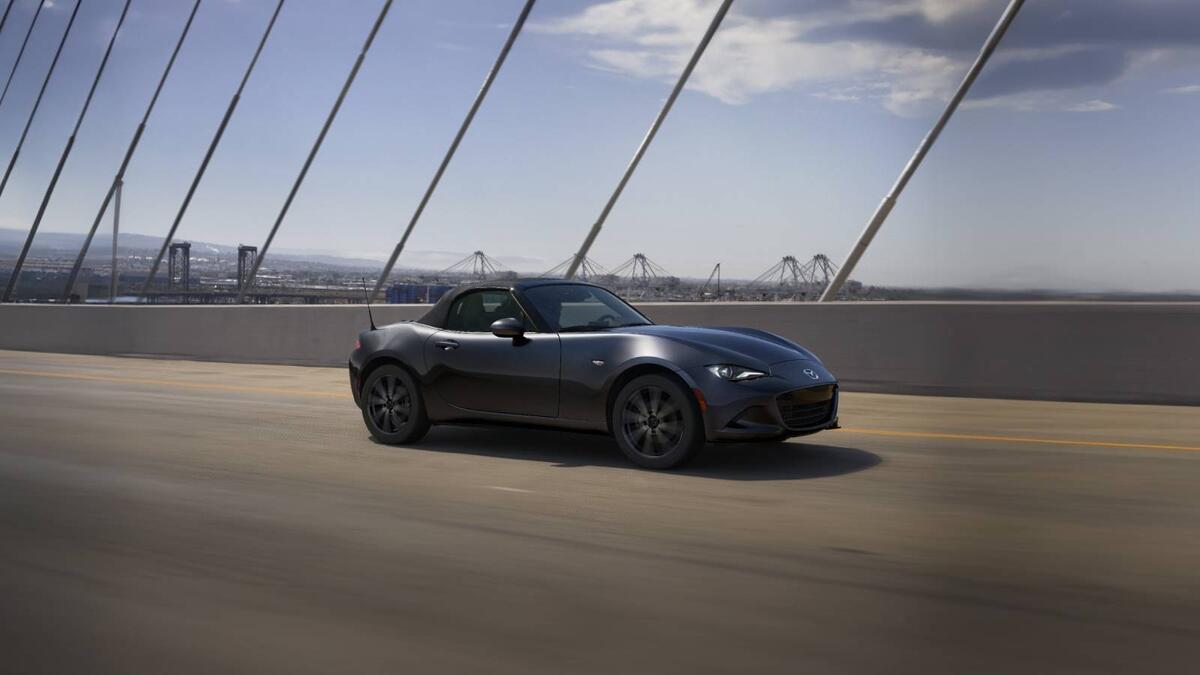
Mazda MX-5 / Miata
"... Said most likely going to be the last ICE engine Miata, which is, it's funny when I read that, he said p..."
The Mazda MX-5 Miata is a small two-seat convertible. It’s made to be easy to drive and fun, with a focus on handling rather than luxury. The podcast mentions it in the context of how it may be one of the last gas-powered versions.
The Mazda MX-5 Miata is a compact roadster known for being lightweight, affordable, and fun to drive. The podcast references it as potentially being among the last ICE (gas) Miatas, which is why it’s discussed—its role as a simple, driver-focused car is part of the conversation. It also tends to come up when people talk about what makes a “real driving” car.
ICE engine
"Definitely. Said most likely going to be the last ICE engine Miata, which is, it's funny when I read that, he said probably, which,"
ICE engine just means the normal gas engine that burns fuel to make power. They’re saying this could be the last Miata that still uses a gas engine.
An ICE engine is an internal combustion engine, meaning it burns fuel (like gasoline) to create power. The hosts are using it to contrast with future non-ICE powertrains for the Miata.
ICE Miata
"But so supposedly it's going to be the last, the last ICE Miata,"
ICE means the car uses a traditional engine that burns fuel. The “last ICE Miata” idea is basically saying Mazda may eventually stop making Miatas with gas engines.
ICE stands for internal combustion engine, meaning a gasoline (or diesel) engine rather than an electric motor. Calling it the “last ICE Miata” frames the Miata’s future as potentially shifting away from combustion due to regulations and market pressure.
ND Miata
"Which got me thinking about the ND Miata and how long in the tooth it's become, which I think partly it's a good thing because it's a cash cow at this point ... And they keep iterating from ND1 to two to three."
“ND Miata” is the name enthusiasts use for a specific generation of the Mazda MX-5 Miata. The point here is that Mazda has been selling this generation for a while, so it’s making money while they wait to launch the next one.
The ND Miata refers to the fourth-generation Mazda MX-5 Miata (the ND chassis). The hosts mention it being “long in the tooth,” while also calling it a “cash cow,” meaning Mazda can keep selling it while deferring major new development until later.
cash cow
"which I think partly it's a good thing because it's a cash cow at this point and not having to invest a whole lot in tooling and R and D, whatever."
A “cash cow” is something that makes steady money without needing a lot of new spending. The hosts are saying the current Miata generation is still profitable, so Mazda can wait before making big changes.
A “cash cow” is a product that reliably generates profit with relatively low new investment. Here, the hosts use it to describe the ND Miata’s role: it’s still fundamentally good and selling, so Mazda can fund future decisions while delaying major changes.
tooling
"it's a cash cow at this point and not having to invest a whole lot in tooling and R and D, whatever."
Tooling refers to the specialized equipment and manufacturing setups used to build parts—like presses, molds, jigs, and assembly fixtures. The hosts mention avoiding major tooling investment as part of why Mazda can keep the current generation going longer.
R and D
"it's a cash cow at this point and not having to invest a whole lot in tooling and R and D, whatever."
R and D is research and development—basically the work and spending needed to create new tech or redesign parts of a car. The idea here is that Mazda doesn’t need to rush new development right away.
R and D means research and development—money and engineering time spent creating new technology or redesigning existing systems. The hosts argue that Mazda can delay heavy R and D because the current ND Miata is already established and selling well.
2035 requirements
"Because, you know, the powertrain investment is so significant that now that all these big countries and regions are kind of walking back to 2035 requirements, it's giving these guys a little bit of breathing room to make a decision."
“2035 requirements” are rules about what car emissions levels automakers have to meet by 2035. If those rules get loosened, companies can take more time deciding how to change their cars.
“2035 requirements” refers to planned emissions or regulatory targets that manufacturers must meet by 2035. The hosts say some regions are “walking back” those targets, giving automakers like Mazda more time to decide how quickly to change powertrains.

Mazda Cx5
"which is coming in 2027 to a CX-5. That's what's going in this new Miata supposedly."
The Mazda CX-5 is a popular SUV. The hosts are using it as an example of where Mazda’s new engine tech might debut before it shows up in the next Miata.
The Mazda CX-5 is a compact crossover SUV that the hosts mention as the first place Mazda’s Skyactiv Z engines are expected to appear. This matters because it signals the powertrain rollout path before it reaches the next Miata.
Skyactiv Z family of engines
"So it's, well, we'll see the Skyactiv Z family of engines, which is coming in 2027 to a CX-5. That's what's going in this new Miata supposedly."
Skyactiv Z is Mazda’s name for a new generation of gas engines they’re working on. The hosts are saying it’s expected to show up first in another Mazda model before it eventually makes its way into the next Miata.
Mazda’s Skyactiv Z family of engines is a next-generation gasoline engine concept Mazda has discussed publicly, aimed at improving efficiency and performance. The hosts connect it to the timeline for a new Miata and mention its expected debut in another Mazda model first.

Mazda Miata
"you compare a 964, you know, or even the G body was right at the end when the Miata was introduced... we need to keep making the Miata the way we're making it."
The Mazda Miata is a small, lightweight sports car that’s popular with car enthusiasts. The point in this segment is that Mazda kept it true to its lightweight, driver-focused formula instead of making it bigger and more complicated.
The Mazda Miata is a lightweight, front-engine, rear-wheel-drive roadster that became an enthusiast benchmark for “simple and fun.” Here, the hosts credit Mazda’s engineering leadership in Japan with resisting pressure for bigger, heavier, more luxury-focused changes.
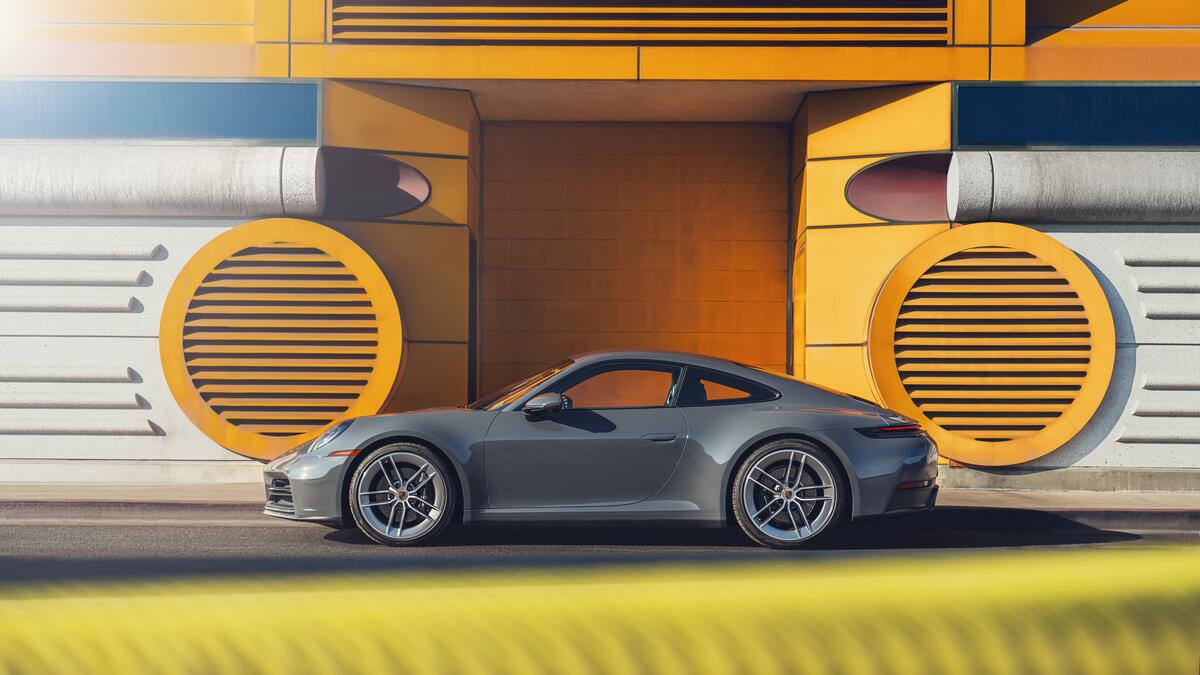
Porsche 911 (964)
"you compare a 964, you know, or even the G body was right at the end when the Miata was introduced."
“964” is a specific older generation of the Porsche 911. They’re using it to show how much the 911 has changed by the time you get to newer versions.
Porsche 911 (964) refers to the 911 generation from the late 1980s to early 1990s. The hosts compare the 964 to later 911s to highlight how the car’s size and character changed over generations.
focus groups
"Because the focus groups are always saying bigger, bigger, more luxury, more comfort, more BS, right?"
Focus groups are structured customer feedback sessions used by companies to gauge what buyers want. Here, the hosts say focus groups in the US pushed for bigger, more luxury-oriented changes, while Mazda’s leadership in Japan resisted that input.

Lamborghini Urus
"A news story caught his eye this week about the Lamborghini Urus... it's their Urus, which is their SUV, and this new hybrid version that is..."
The Lamborghini Urus is Lamborghini’s SUV. They’re talking about a hybrid version and how far it can go on electric power before the gas engine takes over.
The Lamborghini Urus is Lamborghini’s high-performance SUV, known for combining supercar-style performance with an SUV body. In this segment, they focus on a hybrid version and its EV range and behavior compared with other hybrids.
hybrid version
"it's their Urus, which is their SUV, and this new hybrid version that is... What got my attention was not this big 5,500-pound monstrosity."
A hybrid car uses two power sources: a gas engine and an electric motor. In this case, they’re saying the SUV can drive on electricity for a while.
A hybrid version is a vehicle that uses both an internal-combustion engine and an electric motor/battery. The segment discusses how this Urus hybrid is designed to run in EV mode for a meaningful distance and speed.
EV
"it'll go nearly 40 miles on EV, up to 87 miles an hour."
EV means the car can run on electricity from its battery. They’re saying this hybrid can drive a long way without using gas.
EV stands for electric vehicle, meaning the car can propel itself using only electric power from its battery. The hosts say the Urus hybrid can go nearly 40 miles on EV and reach up to 87 miles per hour.
ice motor
"the minute you try to goose it, they'll kick on the ice motor. And Lamborghini thought, no, we're going to make it this way."
In a hybrid, the “ICE” is the gas engine. They’re saying many hybrids turn on the gas engine quickly when you press the accelerator hard.
“ICE motor” refers to the internal-combustion engine (ICE) that provides propulsion in a hybrid when electric power isn’t enough. The hosts contrast typical hybrids that switch to the ICE when you accelerate hard (“goose it”) with Lamborghini’s approach.

Corvette e-ray
"So let's skip to that because Lambo Urus hybrid is less interesting to me than this story. Yeah. So what really got my attention was June 30th is National Corvette Day... And that's when they announced this big news... the new e-ray with the new LS6 engine can hit 200 miles an hour."
The Corvette E-Ray is a Corvette that uses both gas power and an electric motor. The point they’re making here is that it’s fast enough to hit 200 mph, and they’re connecting that to the new engine and Corvette’s modern tech.
The Chevrolet Corvette E-Ray is a Corvette variant that adds an electric motor system to the traditional gas powertrain for improved performance and traction. In this segment, the hosts tie it to a headline top-speed claim and the new LS6 engine, framing it as a modern Corvette that can reach extreme speeds.
National Corvette Day
"June 30th is National Corvette Day... June 30th was the day the very first Corvette came, rolled off the assembly line... And that's when they announced this big news..."
National Corvette Day is a Corvette-themed holiday. In this segment, it’s used as the reason the hosts are talking about a new Corvette performance announcement.
National Corvette Day is a themed date tied to Corvette history, used here as the hook for announcing the new E-Ray and LS6-related news. The hosts connect the date to the Corvette’s C1-era origins and then pivot to the performance announcement.
LS6 engine
"And that's when they announced this big news... the new e-ray with the new LS6 engine can hit 200 miles an hour... This is the new LS6."
The LS6 engine is a high-output V8 from Chevrolet. They’re using the LS6’s power and torque numbers to explain why this Corvette can go extremely fast.
An LS6 engine refers to a performance-oriented Chevrolet V8 family member (the LS6 name is used on high-output Corvettes). In this discussion, the LS6 is described with specific displacement and output figures to explain how the Corvette E-Ray can achieve a very high top speed.
200 miles an hour
"the new e-ray with the new LS6 engine can hit 200 miles an hour... you now have a car that can do 200 miles an hour."
“200 miles an hour” is just a way of saying the car can reach a very extreme top speed. They’re using it to emphasize how fast this Corvette is claimed to be.
“200 miles an hour” is a shorthand for an extremely high top-speed capability that requires strong aerodynamic efficiency, sufficient engine power, and stability at speed. The hosts use it as the headline benchmark for the Corvette E-Ray and the LS6-powered setup.
Z51 package
"And you have to order the base car, okay? If you get the Z51 package, it makes too much downforce and it will bring down the top speed."
The Z51 package is an option you can add to a Corvette to make it more track-oriented. In this segment they argue it changes the car’s aero balance (more downforce), which can hurt top speed even if it helps grip.
The Z51 package is a Corvette performance option package that typically adds track-focused hardware and aero. The hosts claim that choosing the Z51 package adds too much downforce for their specific 200 mph top-speed scenario, reducing top speed compared with a base setup.
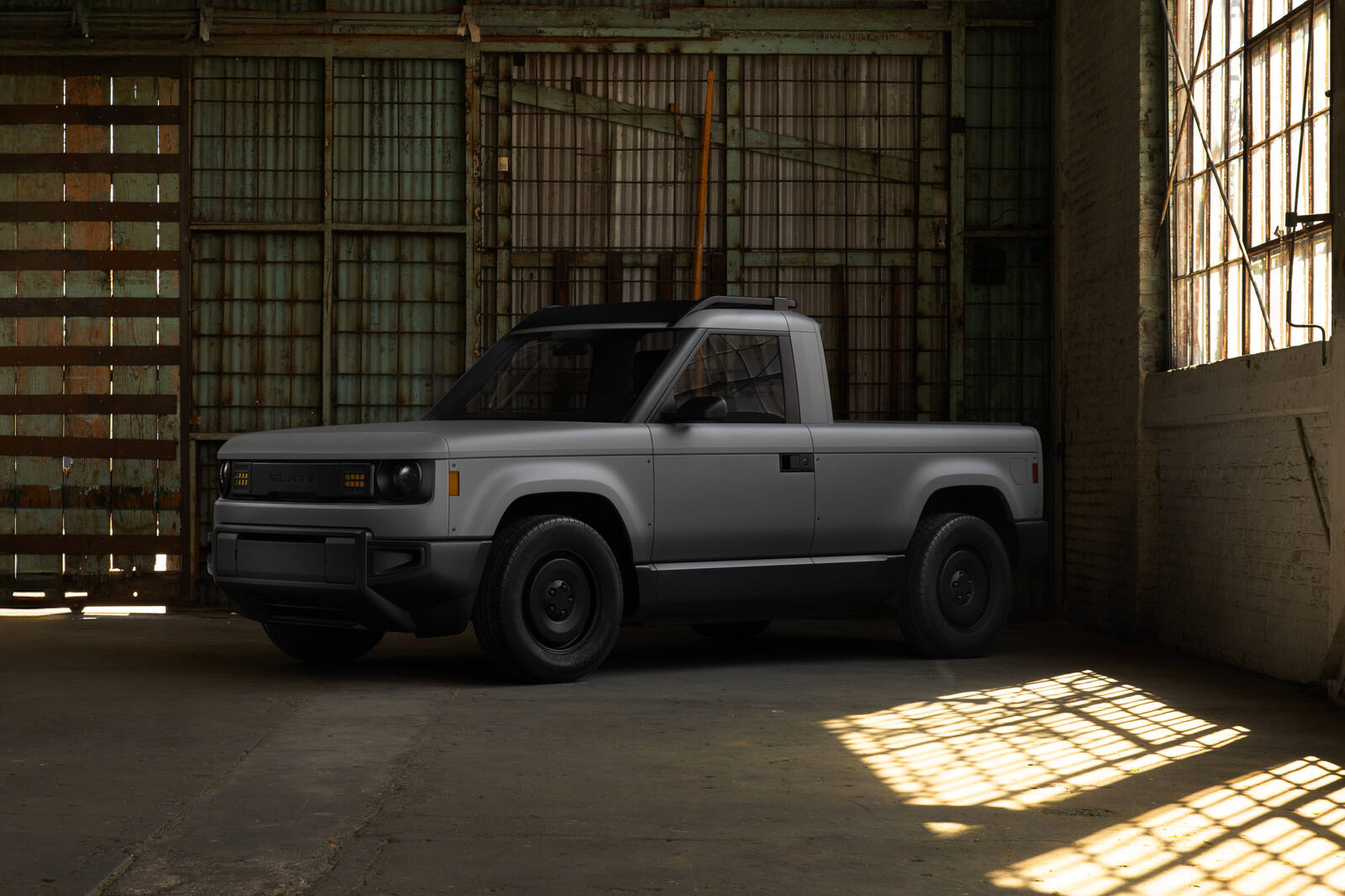
Truck Slate Truck
"... that was pretty cool. Well, you were part of the Slate Truck Focus Group. Yeah. Yeah. So there was this other ..."
The podcast mentions a “Truck” in the context of a truck focus group. That means people were asked for opinions about trucks. The goal is usually to help shape what trucks get built or improved.
The podcast’s “Truck” reference appears to be about a participant’s involvement in a truck-focused discussion or group, specifically mentioning a “Slate Truck Focus Group.” That suggests the conversation is related to how trucks are evaluated or developed based on feedback. It’s discussed because focus groups can influence what features and priorities show up in production.
tentative deposits
"but I did a quick research and, you know, they had 180,000 tentative deposits. 180,000. Right."
A tentative deposit is like a “maybe” payment to show interest. It doesn’t guarantee the person will actually buy when the product is ready.
Tentative deposits are money put down to express interest, but without a firm commitment to buy. They’re less reliable than finalized orders because some depositors may never complete the purchase.
pre-orders
"they basically now have allowed you to convert that into an actual order. ... has Slate announced that they've collected 10,000 of these pre-orders effectively."
A pre-order is when you commit to buying something before it’s actually on sale. It helps the company understand how many people really want it.
Pre-orders are customer orders placed before a product is fully available, often used to gauge demand and fund early production. In the segment, deposits are converted into actual orders, which is a stronger signal than interest alone.
extended range
"they were supposed to offer an extended range, which they didn't."
Extended range usually means the vehicle can go farther on a single charge. The episode suggests the startup didn’t deliver that promised option, which is disappointing to buyers.
An extended range option typically means a higher-capacity battery or configuration that allows more miles between charges. The host says the company was supposed to offer it but didn’t, which matters because it can change real-world practicality.
ice-powered truck
"There's this other startup company, REO. Speedwagging. Exactly. They're out of Texas and they are claiming they're going to produce a $21,000 ice-powered truck."
An ICE-powered truck runs on a traditional gas/diesel engine rather than batteries. The startup is claiming a low price, but the host is skeptical it may not be real yet.
An ICE-powered truck uses an internal combustion engine (ICE) instead of being fully electric. The host is contrasting this with the “affordable options” theme and noting the startup’s claimed price point.
daily commute
"Truth of the matter is most people, I think what I've read is their daily commute is somewhere in the 50 to 60 mile range."
A “daily commute” is how far you drive every day to work and back. The host is using it to decide if a car with limited range would still be practical. In cold weather, the usable range can drop, so the commute distance becomes important.
A “daily commute” is the regular round-trip distance a driver covers each day, which matters for range-limited vehicles. In this segment, the host uses commute distance to judge whether a vehicle with limited range would work for someone in a specific climate and geography. The key point is that cold weather can reduce usable range, making commute distance a practical constraint.
auction deals and used-car value
"which is from the auctions. I've got a couple here that I like to bring to news attention... So this is a 2013, BMW M5 was 70,000 miles on it."
They move into a part of the show about good used-car deals coming out of auctions. They use a BMW M5 example and compare the auction price to what a new one costs. The goal is to explain when a used performance car is actually a smart buy.
The hosts shift into a segment about auction finds and how certain used cars can represent unusually strong value. They discuss a specific BMW M5 example and compare it to the cost of buying a new M5, framing the decision around depreciation and affordability. The focus is on what makes an auction listing compelling and who it makes sense for.

BMW M5
"So this is a 2013, BMW M5 was 70,000 miles on it. And this is a manual. This is the last M5 you could get in a manual. No reserve $28,000."
The BMW M5 is BMW’s “performance” version of the 5 Series—made to be much faster than a normal 5. The host is talking about the F10-generation M5, and especially the fact that a 2013 M5 could still be had with a manual gearbox. That’s a rare combo today, which is why people pay attention to it.
The BMW M5 is BMW’s high-performance 5 Series, built for fast road driving with a powerful engine and performance-focused chassis tuning. In this segment, the host specifically discusses the F10-generation M5 (a 2013 example), highlighting that it was one of the last M5s you could buy with a manual transmission. That manual availability is a big part of why enthusiasts value this particular era of the M5.
manual
"And this is a manual. This is the last M5 you could get in a manual."
A “manual” means you shift gears yourself using a clutch pedal and a stick. Instead of the car deciding when to change gears, you control it. Enthusiasts like manuals because it feels more connected to the driving.
A manual transmission (often just called “a manual”) is a gearbox where the driver selects gears using a clutch pedal and a gear lever. In performance cars, manuals are often preferred by enthusiasts because they give more direct control over engine speed and gear selection. The host is using “manual” to emphasize the rarity and desirability of this BMW M5 listing.
no reserve
"No reserve $28,000. Now I know the mechanic in you who runs a parts and service shop"
“No reserve” means there’s no hidden minimum price. If enough people bid, the car will sell to the highest bidder even if the final price is lower than you might expect. It often makes auctions feel more like a real competition.
“No reserve” is an auction listing condition where the seller does not set a minimum price that must be met for the car to sell. That can increase bidding because buyers know the vehicle will sell to the highest bidder regardless of how low the final number goes. The host points to “no reserve” to frame why the deal might be attractive.
used M5 deal vs real ownership costs
"a 70,000 mile M5 for $28,000... So look, I think this is a steal... But are you buying a big sedan to go hustle it through the canyons? ...just budget five to 10 grand for a car like this every year for maintenance."
They talk about whether a cheap BMW M5 is really a good deal once you consider what it costs to maintain. The point is that driving it hard can make repairs and wear items add up quickly.
The host evaluates a specific BMW M5 pricing situation and then shifts to the practical costs of ownership. The discussion centers on how aggressive driving increases wear items and maintenance, even when the purchase price looks like a bargain.
six speed
"The power, it's just you got the six speed. It's a wonderful car."
A six-speed transmission means the car has six gears you can use to match the engine’s power to your speed. More gears can make the car feel more fun and responsive when you drive it.
A six-speed transmission means the car has six forward gears, typically giving closer gear spacing and more control than fewer-gear setups. On an enthusiast car like the BMW M5, it can make acceleration and driving feel more engaging.
use case
"But are you buying a big sedan to go hustle it through the canyons? Or are you buying it to cruise around? Is it an executive vehicle? What's your use case with this car?"
“Use case” just means what you actually plan to do with the car. The host is saying the M5 can be great, but if you drive it hard all the time, it will cost more to maintain.
“Use case” here means how you plan to live with the car day-to-day—commuting, cruising, or driving hard in twisty roads. The host argues that the BMW M5’s costs (tires, brakes, maintenance, and potential reliability work) depend heavily on whether you’re treating it like a canyon car or a relaxed cruiser.
cooking the brakes
"Because go drive that thing in the canyons hard, and you're going to be cooking the brakes, you're going to be going through tires, the maintenance on this car."
“Cooking the brakes” means you’re overheating them by driving hard. When brakes get too hot, they don’t work as well and they wear out faster.
“Cooking the brakes” is enthusiast slang for overheating brakes during aggressive driving. When brakes get too hot, braking performance can fade and components like pads and rotors wear faster.
miles a year
"I'm thinking about it, call it 15,000 miles a year. Like somebody to actually drive and use, like most people who drive and use their daily driver."
“Miles a year” means how much you drive the car annually. Driving more usually means more wear and more cost, and it can also affect resale value.
“Miles a year” is a common ownership metric used to estimate wear and cost, including maintenance needs and how quickly a car’s value drops. Here it’s used to model depreciation for a BMW M5 driven as a true daily driver.
oil change
"You might get lucky. Maybe it's only three to $4,000 a year. You have a $8,000 repair bill the first year and then you go 18 months without another one. It's an oil change."
An oil change is routine maintenance where you replace the engine oil. The host is contrasting that predictable upkeep with bigger surprise repair bills.
An “oil change” is scheduled service where the engine oil is replaced to maintain lubrication and protect engine components. The host mentions it as a baseline cost that can be relatively minor compared with unexpected repairs.

F10
"There's just something about these older cars that maybe it's nostalgia, but I just think this is not a real simple car, this F10. It's not. It's not."
“F10” is a BMW 5 Series generation code. The host is basically saying that even though it drives well, it doesn’t feel as special or engaging as older cars.
The “F10” refers to the BMW 5 Series generation (internally coded F10), which the host is using as an example of a newer BMW that doesn’t feel as “pure” as older cars. They’re contrasting the newer F10’s refinement with the more emotionally satisfying feel they associate with older models.
check engine lights
"Do you want the new, reliable, dependable, it's going to start every time versus something like this. You're going to get some check engine lights and you got to play roulette a little bit."
The “check engine light” is a warning on the dashboard that something in the engine or emissions system needs attention. The host is saying older cars may be more likely to trigger it, meaning more troubleshooting.
“Check engine lights” are the dashboard warning indicators triggered when the engine or emissions control systems detect a fault. The host uses them as an example of older-car ownership uncertainty—potentially needing diagnosis and repairs more often than with newer cars.

BMW E46
"...mes. I happen to own one of these things. It's an E46 M3. This bring a trailer car. It's a 2006. It was..."
The BMW 3 Series is a compact luxury car made by BMW. The podcast mentions an E46 M3, which is a high-performance version of that general model line. They’re using it as an example of a car they use for a practical job like towing.
The BMW 3 Series is a compact luxury sedan line, and the podcast specifically mentions an E46 M3 as the owner’s “trailer car” reference point. Even though the E46 M3 is its own performance model, it’s tied to the broader 3 Series family that many enthusiasts recognize. It’s discussed because it’s being used to illustrate how a particular BMW setup fits a practical use case.
Bring a Trailer buyer fee
"“...And this car is traded for 75K. With the bring a trailer buyer fee, you're paying like $80,000 to buy this car...”"
Bring a Trailer charges buyers an extra fee on top of the winning bid. That’s why the real total cost can be higher than the headline number you see.
Bring a Trailer buyer fee is an additional auction cost charged to the buyer on the Bring a Trailer platform. The hosts use it to explain why a listed trade price around $75K can effectively become roughly $80K out-the-door for the buyer.
water cooling
"“...comparing these two generations, the 996 was the first of the water cools... The second thing was those damn headlights...”"
Water cooling is how a car keeps the engine from overheating. Coolant flows through the engine and then heat gets dumped through the radiator—here it’s mentioned as a key engineering shift on the Porsche 996.
Water cooling is an engine thermal-management approach where coolant circulates through passages around the engine to carry heat to a radiator. The hosts note the 996 was the first 911 generation to use water cooling, and they frame it as a change driven by endurance-racing cooling demands.
redheaded stepchild of the Porsche market
"“...they had to move to that because they need, you know, they, to endurance race cars... One is the water cooling... The second thing was those damn headlights... made it the redheaded stepchild of the Porsche...”"
It’s a phrase meaning “the model people like less than the others.” In this case, the hosts say the Porsche 996 got unfairly judged compared with other 911s, which can lower its resale prices.
“Redheaded stepchild of the Porsche market” is a market-reputation concept meaning a model generation that’s treated as an outsider compared with the rest of the brand’s lineup. Here it’s applied to the Porsche 996, with the hosts arguing that water cooling, the headlights, and perceived quality changes pushed it into a less desirable position—affecting resale values.
headlights
"“...The second thing was those damn headlights. And it's probably a third thing, okay, which is the interior quality...”"
In this context, “headlights” refers to the specific design of the Porsche 996’s front lighting, which the hosts say became a major negative factor for the car’s reputation and resale value. It’s not just the general idea of headlights—here it’s a named styling/acceptance issue affecting the market.
911 armor
"and the interior quality of components kind of put a chink in the 911 armor, you know what I'm [2357.6s] saying?"
“911 armor” is a colorful way of saying the Porsche 911 has a strong reputation that usually protects it from criticism. The host is saying some changes made people notice flaws more than usual.
“911 armor” is a metaphor for the Porsche 911’s long-standing reputation and desirability—its ability to “withstand” criticism. The host uses it to argue that perceived drops in material quality and certain design/packaging changes (like those tied to water cooling) created a visible crack in that reputation.
inline six
"all of a sudden, if you wanted the naturally aspirated car, and maybe you don't really want the V8, [2375.9s] you like the inline six, right?"
An inline six is an engine with six cylinders in a line. The host is saying some people prefer that kind of engine character over a V8.
An inline six is an engine layout where six cylinders are arranged in a single straight line. The host uses it as an enthusiast preference point—suggesting that if you don’t want a V8, the inline-six is the appealing alternative in BMW’s lineup.
boxers
"And that's why like, I feel like these boxers, four-cylinder turbo boxers have been kind of, you know, versus, [2415.1s] you know, if they did that with a 911, it would be a grave disappointment, right?"
A boxer engine is a flat engine where pistons move opposite each other side-to-side. The host is saying Porsche’s boxer layout is a big part of what makes the 911 feel like a 911.
A boxer engine is a flat engine design where opposing pistons move in and out horizontally, creating a distinctive mechanical balance and sound. The host specifically references “boxers” in the Porsche context, arguing that boxer engines are part of why the 911’s identity is so strong.
slick top
"Yeah, you know, it's like finding a 997 in a cool color. Yeah. That car is going to go for insane money. Right. But the term slick top. Yeah. Explain. [2465.7s] Yeah. Explain. Yeah. It literally means optioned without a sunroof, which at the time was like a, [2472.0s] you know, a cheaper way to go."
A “slick top” just means the car doesn’t have a sunroof. The idea is that removing the sunroof can make the car a little lighter and simpler, and sunroofs can be trouble over time.
“Slick top” is an enthusiast term for a car configured without a sunroof. In this context, the speaker says it was a cheaper option and can reduce weight up high in the roof area, which may help handling by lowering the center of gravity.
sunroof
"It literally means optioned without a sunroof, which at the time was like a, [2472.0s] you know, a cheaper way to go. And yes, it, in theory, removes weight from the roof of the car. [2478.6s] Which is good. And, and brings it down, you know, center of gravity down."
A sunroof is an opening in the roof that lets in light (and sometimes air). The speaker’s point is that it adds extra parts that can fail or cause headaches later.
A sunroof is a glass or panel opening in the roof that can tilt/slide to let in light and air. The speaker notes that sunroofs add complexity and can be a source of problems, which is part of why a “slick top” is viewed as simpler.
center of gravity
"And yes, it, in theory, removes weight from the roof of the car. [2478.6s] Which is good. And, and brings it down, you know, center of gravity down."
The “center of gravity” is basically where the car’s weight balances. If you remove something heavy up high (like a sunroof), the car’s balance point can drop, which can make it feel more stable when driving.
“Center of gravity” is the point where a vehicle’s weight effectively balances. The speaker argues that removing a sunroof can lower the center of gravity by reducing weight high in the roof, which can improve handling and stability.

GT3 996
"Because the M3 is the pinnacle three series. And a GT3 996 is more [2538.8s] the pinnacle 996. So comparing the plain Jane 996 to an M3 may not be necessarily the right [2545.6s] comparison, but price wise, they're probably closer."
“GT3 996” means the Porsche 911 GT3 from the 996 generation. The point here is that it’s the high-performance, more collectible version of that 911 generation, and it tends to keep its value better than the simpler 996 models.
A “GT3 996” refers to the Porsche 911 GT3 built on the 996-generation platform. The speaker uses it as the more appropriate comparison to an M3 because it’s the top-performance 996 variant, and they claim it has held value better than a more basic 996.
G80 M3 comp
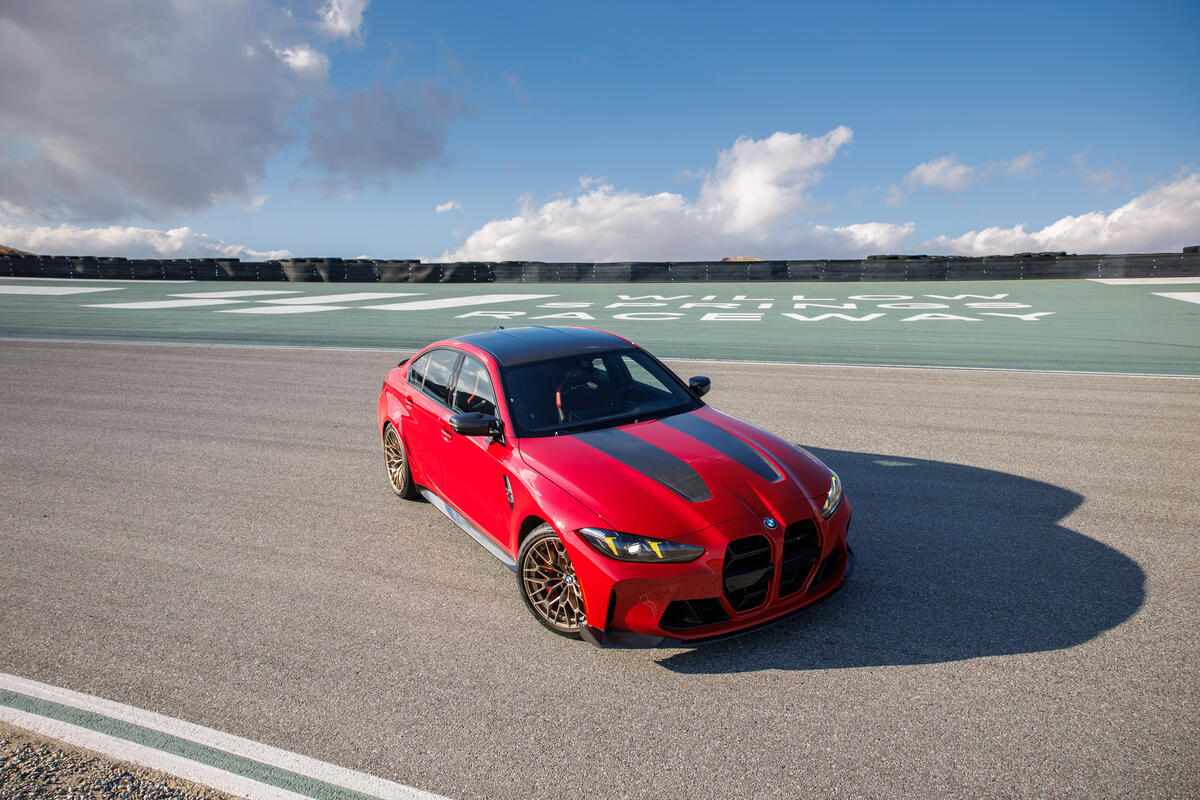
"But if you continue that comparison to today, [2570.6s] a G80 M3 comp is 100 grand, a 992.2 GT3 is 300 grand."
The G80 M3 Competition is the newer BMW M3 (G80 generation) in the higher-performance “Competition” version. They mention it to show how expensive current M3s are compared with a top Porsche GT3.
The G80 M3 Competition is the BMW M3 in the G80 generation, specifically the “Competition” trim. The speaker uses it as a modern pricing reference point, contrasting today’s cost of an M3 with the much higher price of a 992.2 GT3.
E46 M3
"think the E46 is a better car personally. And you go to a track day, you're going to see guys [2621.0s] run an E46 M3 all day."
The BMW E46 M3 is a classic BMW sports car from the early 2000s. People like it because it’s fun to drive and common at track days, so it’s easier to enjoy without feeling like you’re risking a rare collectible.
The BMW E46 M3 is a 3 Series–based performance coupe/sedan from the late-1990s to early-2000s, known for its high-revving character and strong track-day following. In this segment, it’s presented as the more practical “track day” choice compared with a later 911.
M96 motor
"They're almost never going to see a 996, which is the last point of [2626.8s] there's some spooky engine stuff with that M96 motor and sounds good."
The M96 motor is the engine family Porsche used in many 996-era 911s. People sometimes talk about it with caution, but the speaker also says it can still sound great.
The M96 engine is the Porsche flat-six engine family used in many 996-era 911s. When the speaker says there’s “spooky engine stuff,” they’re alluding to known enthusiast concerns and/or reputation around that engine generation, even while acknowledging it can sound good.
flat six
"there's some spooky engine stuff with that M96 motor and sounds good. Flat six, you can make [2633.8s] them sound good."
A flat-six is an engine design where the cylinders are laid out flat like a “boxer.” It’s a big part of why certain cars, like the 911, have a recognizable sound and driving character.
A flat-six is an engine layout where six cylinders sit horizontally in two banks, opposed to each other. The speaker is using it to describe the Porsche 996’s character—this layout is part of why many people associate the 911 with a distinctive sound and feel.
value propositions
"And I think that, you know, for people that are looking for value [2680.4s] propositions, like to your point about the M5 earlier, right, these are these are good values."
A value proposition is basically the reason a buyer thinks a car is worth the money. The speaker is comparing which car gives you the best deal for the kind of experience you want.
A value proposition is the “what you get for what you pay” argument—how a car’s driving experience and ownership costs compare to alternatives. The speaker frames the E46 and 996 as different value propositions depending on whether you want a track-day driver or a 911 experience.
depreciate
"And you could argue this E46, you buy that $75,000 and you put some miles on it, that [2691.1s] shit's just going to depreciate."
Depreciation means the car’s value tends to go down as time passes and as you drive it. The speaker is saying that’s part of the cost of owning a driver car like an E46.
Depreciation is the reduction in a car’s value over time. Here, the speaker argues that buying an E46 for around $75,000 and putting miles on it will likely lead to depreciation, which matters when weighing it against collectible cars that may hold value better.
best 911 discussion
"So yeah, we've been teasing this 9 11 discussion... They wanted to choose the best 9 11 ever... So listen, then, you know, I'm speculating here, right?"
They’re debating which Porsche 911 is the best and sharing their personal top picks. The conversation compares several generations and track-focused versions.
The hosts discuss which Porsche 911 variants are their favorites, prompted by a Top Gear video that ranks “the best 911 ever.” They compare multiple generations and RS/track-focused models and then each choose a top three.
water cooled
"and then he got into the water cooled stuff, which was from oldest to youngest 997 GT three RS four liter."
“Water cooled” means the engine uses liquid coolant to manage temperature. That’s different from air cooling, where airflow does most of the heat control.
“Water cooled” refers to Porsche’s shift from air-cooled engines to liquid-cooled engines in later 911 generations. Cooling method affects how the engine manages heat and can change the driving feel and maintenance considerations over time.
Porsche 911 GT2 RS (991.2)
"He got into a 991.2 GT two RS. Okay, sweet. And then lastly, the 9 11 ST."
This is a Porsche 911 GT2 RS from the 991.2 generation. GT2 RS is one of Porsche’s most hardcore 911s—built for fast laps and serious track use.
The Porsche 911 GT2 RS (991.2) is a turbocharged, track-focused 911 variant known for extreme performance and minimal compromises. The “991.2” generation detail matters because it’s the later update of the 991-era 911s, often associated with refined engineering and aero.
naturally aspirated engine
"I love the fact that they put this naturally aspirated engine in this high end touring basically car."
A naturally aspirated engine doesn’t use a turbo or supercharger. It tends to feel more direct as you press the gas, and it often has a different (more “mechanical”) sound.
A naturally aspirated engine makes power without a turbocharger or supercharger. Because it relies on airflow through the intake and engine tuning, it typically delivers a more linear throttle response and a distinct sound compared with forced-induction setups.
canyon-road driving impressions
"I got to the end of it... I haven't even gotten to 9,000 RPMs... One of my favorite automotive sounds is that car PDK ripping off upshifts."
They’re talking about how different cars feel when you drive them on twisty roads—like how fast they respond and how fun the driving feels.
The hosts discuss how certain cars feel when driven hard on winding canyon roads, focusing on throttle response, shift feel, and the overall “experience” of using the car’s performance envelope.
991.2 GT three RS
"And that is the 991.2 GT three RS. That's a great car. So I put a PDK car on my list... One of my favorite automotive sounds is that car PDK ripping off upshifts."
This is a special Porsche 911 called the GT3 RS. It’s made to be really fun on winding roads and track-style driving, and the host is saying the experience is intense and hard to forget.
The Porsche 911 GT3 RS (991.2 generation) is a track-focused 911 built for high-speed cornering and driver feedback. It’s known for its naturally aspirated engine and aggressive tuning, and here the host highlights how it feels on a twisty canyon road and how the transmission behavior makes it memorable.
9,000 RPMs
"Yeah, I'm like, I haven't even gotten to 9,000 RPMs. Right. So I made sure I got into a very twisty road..."
RPM tells you how fast the engine is spinning. When the host says they didn’t even get to 9,000 RPM, they mean they didn’t fully push the engine into its high-rev, high-performance zone yet.
RPM (revolutions per minute) is how fast the engine’s crankshaft spins. Reaching around 9,000 RPMs indicates the engine is being used deep into its rev range, which is common on high-performance naturally aspirated engines designed to make power at higher speeds.
short shifting
"[3129.5s] Like a lot of people do, you know, and, you know, like we're discussing earlier, you know, [3134.2s] I do think a lot of people buy these cars and they don't really drive them hard. [3138.5s] Yeah. They're short shifting these cars."
Short shifting means you shift gears earlier than you “could,” instead of letting the engine rev higher. The host thinks that prevents you from getting the best sound and performance the car is capable of.
“Short shifting” is shifting up before the engine reaches its ideal power or sound range (often before higher RPMs). The speaker argues that many owners short shift, so they miss the full experience of what the engine can do on track.
PDK
"[3183.5s] I like to go out there, you can stand right on the barrier on the street. [3186.8s] Okay. And listen to GT3s that are PDK. [3191.1s] Flying by."
PDK is Porsche’s fast-shifting automatic gearbox. Instead of waiting for one gear to finish before the next, it can switch gears quickly, so the car stays in the power band and sounds very sharp.
PDK is Porsche’s dual-clutch transmission. It can shift extremely quickly and keeps the engine in the right RPM range, which is why the speaker connects it to the GT3s “flying by” and the aggressive downshifts at the end of the straight.
downshifts
"[3197.3s] and then they get to the end of the straight, you can still hear them. They start ripping off [3201.1s] these downshifts and like, good heavens, man."
A downshift is when you go to a lower gear. That typically makes the engine rev higher so the car can slow down smoothly or accelerate strongly, and it often sounds dramatic.
Downshifts are gear changes to a lower gear, usually to increase engine RPM for acceleration or to better match engine speed before a corner. The speaker highlights the sound of downshifts at the end of the straight as part of what makes these cars so memorable.
accordion bumpers
"did that one have a graphic on the fender? Yes. And it also didn't have accordion bumpers, [3233.2s] which is interesting for an impact bumper car."
Accordion bumpers are older crash-protection bumpers that can move outward in an impact. They’re named for how the bumper structure looks like it “folds” during a crash.
Accordion bumpers are a type of impact-absorbing bumper design used on some older cars, where the bumper cover and structure move outward like a “folding” section during a crash. In this segment, the host contrasts them with other bumper styling and calls out the car’s specific exterior details.
impact bumper
"which is interesting for an impact bumper car. But the 3.2 Carrera, like why? Yes, [3239.9s] I've owned the car."
An impact bumper is a bumper built to help protect the car in a crash by absorbing energy. It’s more about safety engineering than looks.
An impact bumper is a bumper design intended to meet crash/impact regulations by using energy-absorbing structures rather than just being decorative. The host mentions it in the context of older styling choices (including whether the car had accordion bumpers).
analog guy
"It's, it's like, you're an analog guy, man. You like, [3262.6s] you like the experience of driving a car that demands your attention."
“Analog guy” means someone who prefers cars that feel more mechanical and driver-focused. They like the car to be more about your inputs than screens and electronic aids.
“Analog guy” is enthusiast shorthand for preferring mechanical, driver-focused cars over modern digital/assisted experiences. In this segment, it’s used to describe liking a 911 that demands attention and feels more connected and less “computer-managed.”
track toy
"And I love that they are not trying to be something [3293.8s] they're not. They aren't a track toy."
A “track toy” is a car built mainly for racing/track days. The host is saying these 911s aren’t trying to be only-for-the-track cars.
A “track toy” is an enthusiast term for a car that’s primarily engineered for track use—often with firmer setups, less comfort, and a focus on lap-time performance. The host contrasts that with their preferred 911s, saying they aren’t trying to be track-only machines.
Request an Explanation
Heard something you'd like explained? We'll add it to this episode.
Sign in to request explanations for terms you heard.
Want to learn more?
Browse our glossary for plain-English explanations of automotive terms, jargon, and concepts.
Help improve this episode
See something that's not quite right? Our annotations are AI-generated and can sometimes miss the mark. Click the flag icon on any annotation to suggest a correction.
1 community members have helped improve this episode.