
BMW's Electric M3, Classic BMW Daily Drivers & The Underrated Jaguar F-Type
About this episode
From a concours Miata prep update to a Callaway-linked Corvette speed story, the hosts bounce between shop work, road-rally planning, and what makes certain cars feel special. The Jaguar F-Type gets praised as an underrated, factory-screaming GT with a character compared to an Audi R8. BMW takes center stage with the electric M3 “Neue Klasse” plan—quad motors, 800V architecture, and range expectations—then the conversation widens into daily-driver E46/E90 tradeoffs and classic wheel-obsession.
Concourse update
"Well, I did get one from Tim, so here we go. Concourse update from Puerto Rico. I've spent the last three weeks preparing the Miata for judging."
A concourse is a car show where cars are judged like art—based on how clean, polished, and well-presented they are. They’re talking about how their Miata did in that kind of event.
A concourse is a formal car show where vehicles are judged on appearance, presentation, and overall condition. This segment frames the Miata’s prep as part of that kind of judging-focused event.
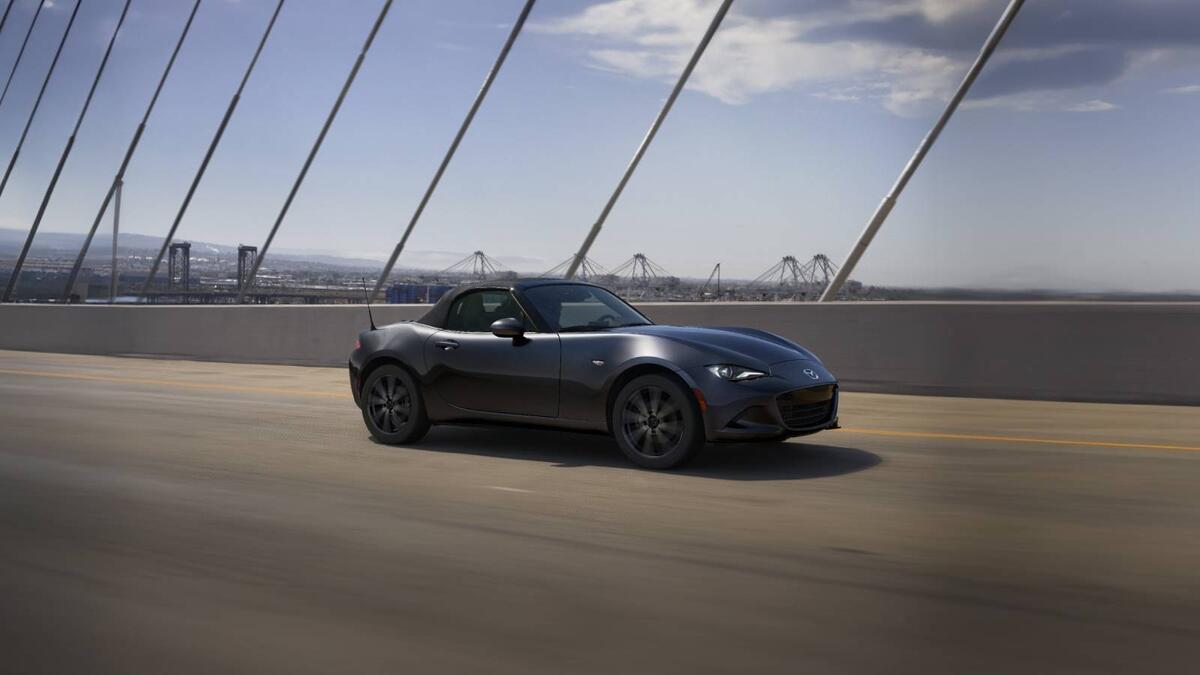
Mazda MX-5 / Miata
"...co. I've spent the last three weeks preparing the Miata for judging. Paint correction, detailing, tire dr..."
The Miata is a small two-seat car made for driving enjoyment. People often spend time cleaning and improving it because it’s a popular car to show or judge. It’s known for being light and easy to enjoy on twisty roads.
The Mazda MX-5 Miata is a lightweight, two-seat roadster known for being fun to drive and relatively simple to own. In the podcast context, it’s being prepped for judging, which highlights how popular it is in the detailing/show scene. That kind of attention also points to its strong enthusiast following and classic “weekend car” appeal.
paint correction
"I've spent the last three weeks preparing the Miata for judging. Paint correction, detailing, tire dressing, the whole process."
Paint correction is basically polishing the car’s paint to remove scratches and dull spots. It makes the paint look cleaner and shinier, especially when you’re showing the car.
Paint correction is the process of removing surface defects from a car’s clear coat—like swirl marks, light scratches, and oxidation—using polishing compounds and pads. It’s typically done before show-car detailing so the paint looks deep, smooth, and uniform under bright lighting.
detailing
"Paint correction, detailing, tire dressing, the whole process. The presentation was exceptional."
Detailing means giving the car a very thorough cleaning and finish. It’s more than a quick wash—people do it to make the car look its best for shows.
In car culture, detailing is a thorough cleaning and finishing process for both the exterior and interior—often including washing, decontamination, polishing, and protection. For judging events, detailing is about presentation and consistency rather than just basic cleanliness.
tire dressing
"Paint correction, detailing, tire dressing, the whole process. The presentation was exceptional."
Tire dressing is a coating put on the tires so they look darker and cleaner. People use it for car shows because it makes the tires stand out.
Tire dressing is a product applied to tires to enhance their appearance—usually making them look darker and more “new” by restoring a glossy finish. It’s common in show-car prep because judges and cameras notice tire sidewall appearance.
Miata's
"is he loves Ferraris, he loves expensive real estate, and he loves Miata's and we're going to get into Miata's in a little bit as well."
The Miata is a small Mazda roadster that’s famous for being fun to drive and easy to enjoy. They’re saying they’ll talk about Miatas later in the show.
The Mazda Miata is a lightweight, front-engine, rear-wheel-drive roadster known for its balanced handling and driver-focused feel. The hosts mention it as a topic they’ll get into later, signaling it’s part of the episode’s car conversation.
Callaway cars
"You know, we hosted a tech seminar with Callaway cars last Saturday. That was that was a lot of fun."
Callaway is a company that modifies cars to make them faster and more performance-focused. Here, they’re connected to a Corvette project, so it’s not just a random brand name.
Callaway is an American performance-car tuner best known for upgrading production Corvettes and other sports cars. In this segment, the hosts mention a Callaway partnership tied to a Corvette, which is why the name matters beyond just “a company.”

Chevrolet Corvette
"...w, it's it's amazing when I think about the their Corvette sledgehammer they created back in the in the late..."
The Corvette is a sports car made by Chevrolet. It’s designed to be fast and exciting to drive. People talk about it a lot because it has a strong reputation for performance.
The Chevrolet Corvette is a long-running American sports car, built to deliver high performance with a recognizable, performance-focused design. The podcast mentions it as a “sledgehammer” from the late era, which underscores how impactful certain Corvette generations have been in the sports-car world. It’s a frequent topic because it represents a major performance milestone for Chevrolet.
255 miles an hour
"This car did 255 miles an hour, you know, at that time. And it took it took until 2010 for Bugatti to beat that record."
They’re talking about an extremely high top speed. The point is that at speeds like this, tires and grip become a major safety and engineering challenge.
This is a top-speed benchmark used to illustrate how extreme speed stresses components—especially tires. The hosts connect the record number to the era’s limitations in tire technology and the fear of tire failure at speed.
tire technology
"Pete was kind of, you know, talking about how, you know, tire technology, honestly, wasn't up to snuff in those days. So you can imagine, you know, they're out there hauling ass in this car, hoping, hoping that the tire is not going to explode."
Tire technology is about how tires are built and what they’re made of to grip the road and survive heat. The point here is that older tires weren’t as good at handling very high speeds.
“Tire technology” refers to how tire compounds, construction, and tread design handle heat, grip, and stability at extreme speeds. The hosts are pointing out that in the late 1980s, tires weren’t as advanced, so high-speed runs carried a higher risk of tire failure.
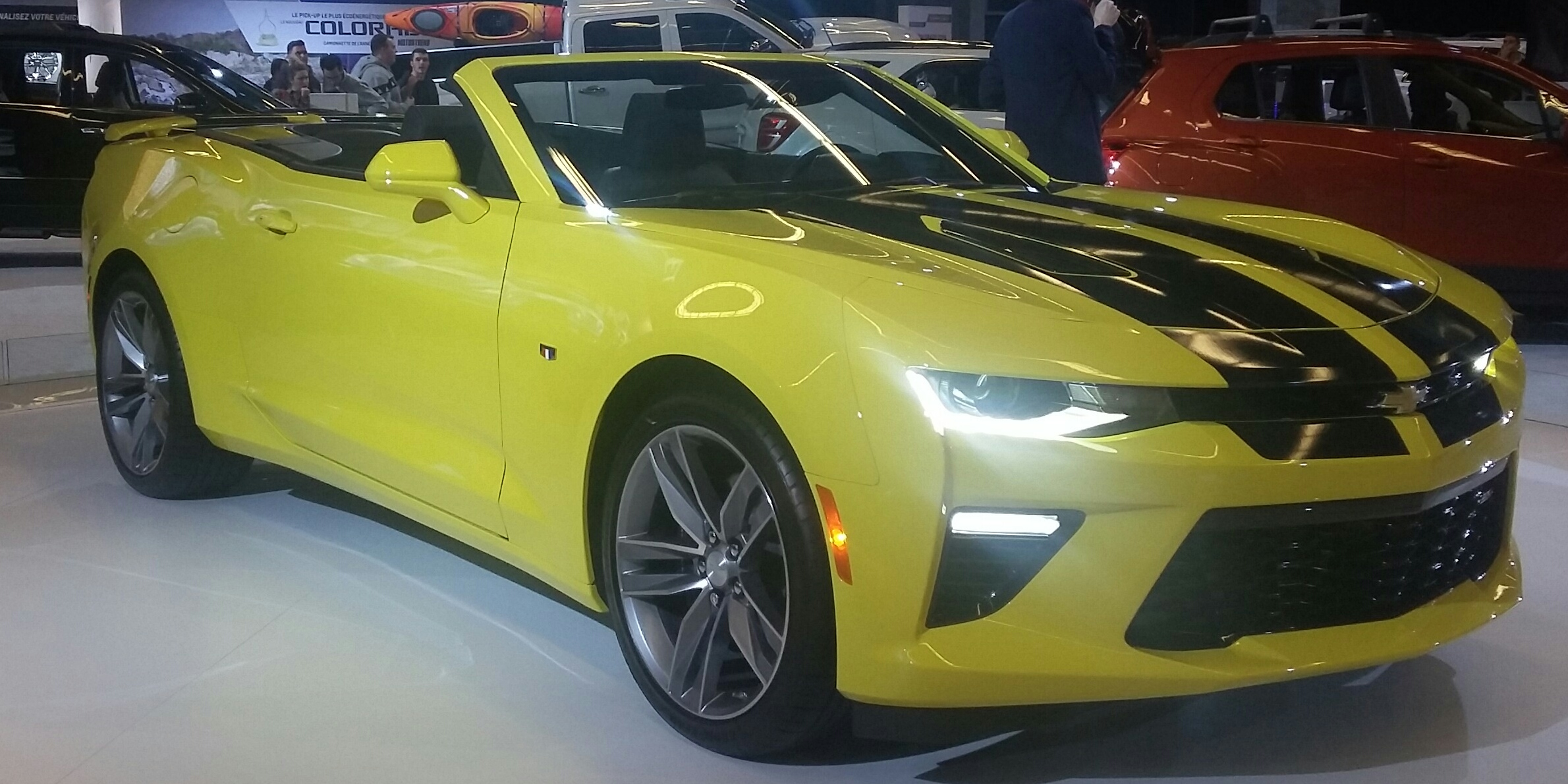
Chevrolet Camaro
"...u know, the the we anticipate, you know, we got a Camaro in there right now that Justin's converting with ..."
The Camaro is a sports car from Chevrolet that’s built for performance. In the podcast, someone is working on one with a conversion, meaning they’re changing it for a particular setup. It’s a popular platform for customization.
The Chevrolet Camaro is a performance-oriented muscle car that’s been offered in many trims and power levels over the years. The podcast context mentions a Camaro being converted, which suggests it’s being modified for a specific purpose or build. That makes it a common subject among enthusiasts who like customizing cars.
supercharger kit
"right now that Justin's converting with a Callaway supercharger kit. [192.1s] So, you know, we've had a steady flow between the e-ray to a C8 to a C7."
A supercharger kit is an upgrade that adds a device to push extra air into the engine. More air usually means more power, but it has to be installed and tuned correctly.
A supercharger kit adds a supercharger to an engine, forcing more air into the cylinders so you can make more power. Kits typically include the supercharger hardware plus supporting parts and calibration so the engine runs safely under boost.
e-ray
"So, you know, we've had a steady flow between the e-ray to a C8 to a C7. [198.9s] Now we got a Camaro."
The E-Ray is a Corvette that uses both a gas engine and an electric motor. That electric part helps with traction, and it’s a more modern kind of Corvette.
The “e-ray” refers to the Chevrolet Corvette E-Ray, which combines a gasoline engine with an electric motor for all-wheel-drive traction. Mentioning it in the shop’s flow highlights that they’re working on both traditional and electrified performance Corvettes.
building my C7 Arrow Wagon
"But it's only a matter of time before you start building my C7 Arrow Wagon. [207.3s] You know, there you go."
They’re talking about a custom project based on a C7 Corvette. “Arrow Wagon” sounds like a nickname for a heavily modified, one-of-a-kind build.
“Arrow Wagon” reads like a custom build name, and “C7” indicates it’s based on the seventh-generation Chevrolet Corvette platform. This is an example of a personalized restyle/restomod-style project where the base car is heavily reworked into a one-off concept.
Michigan
"So I'm actually headed out to Michigan. And we've been organizing a road rally event with Lotus of Detroit,"
Michigan is a U.S. state in the Midwest/Great Lakes area. The host mentions it because he’s traveling there for a car event.
Michigan is a U.S. state in the Great Lakes region and is strongly associated with the American auto industry, especially Detroit. In this segment it’s the departure point for a road rally.
Lotus of Detroit
"And we've been organizing a road rally event with Lotus of Detroit,"
Lotus of Detroit is a local place that deals with Lotus cars. In this story, they’re helping set up a group driving event.
Lotus of Detroit is a Lotus-focused dealership/service operation in the Detroit area. Here it’s tied to organizing a road rally, implying Lotus ownership and community involvement.
road rally
"And we've been organizing a road rally event with Lotus of Detroit,"
A road rally is a planned group drive where you follow a route together. It’s more about the journey and the roads than racing on a track.
A road rally is a group driving event where participants follow a route and typically complete challenges or timing goals along public roads. It’s different from a track day because the focus is on route, navigation, and driving enjoyment over longer distances.
Fun Part of Ohio
"We're driving down to Fun Part of Ohio to to have fun with cars."
The host is jokingly calling out a part of Ohio as the destination for the drive. It’s basically where they’re going to enjoy the roads.
This is a casual, informal reference to a part of Ohio the group is driving to for the rally. It functions as a destination location rather than a specific named track or event.
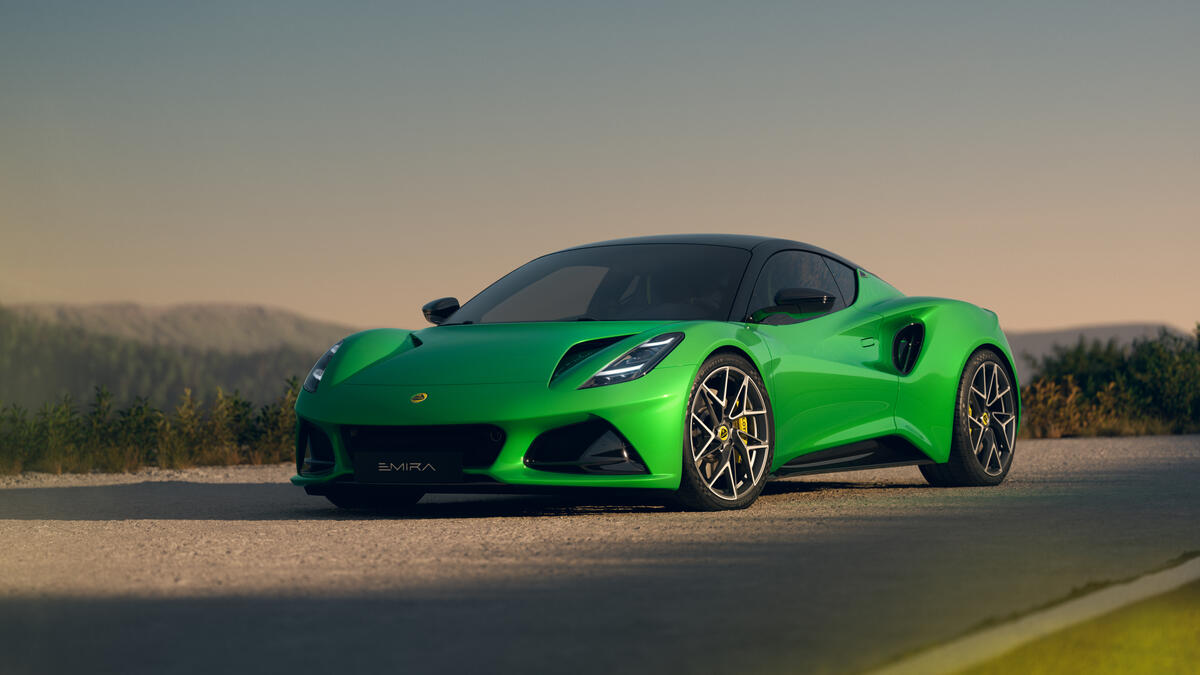
Lotus Emira
"And we're going to bring a V6 manual E-Mira and an E-Mira turbo, both. And so I'll have some fun driving these two cars this weekend."
The Lotus Emira is a modern Lotus sports car. The host is saying they’ll drive two versions of it—one with a manual and one with a turbo—back-to-back.
The Lotus Emira is Lotus’s modern mid-engine sports car, designed around a lightweight, driver-focused layout. In this segment, the host says they’ll bring an “E-Mira” with a V6 manual and also another Emira with a turbo setup, implying two different Emira powertrain/trim configurations.
Marietta, Ohio
"just literally four hours south, there's these just incredible roads, absolutely incredible roads in Marietta, Ohio."
Marietta is a town in Ohio. The host is saying it’s a short drive from Detroit and has great roads nearby for car enthusiasts.
Marietta is a city in southeastern Ohio, and the host uses it as a base for finding “incredible roads.” The segment also mentions the nearby Hocking Hills area, reinforcing that this is a regional driving destination rather than a specific race venue.
Hawking Hills area
"there's these just incredible roads, absolutely incredible roads in Marietta, Ohio. There's Hawking Hills area."
This is the Hocking Hills area in Ohio. It’s known for scenic, twisty roads, which is why the host recommends it for driving.
The host is referring to the Hocking Hills area in Ohio (often misspoken as “Hawking Hills”). It’s known for winding roads through wooded terrain, making it a popular destination for scenic drives and enthusiast road trips.
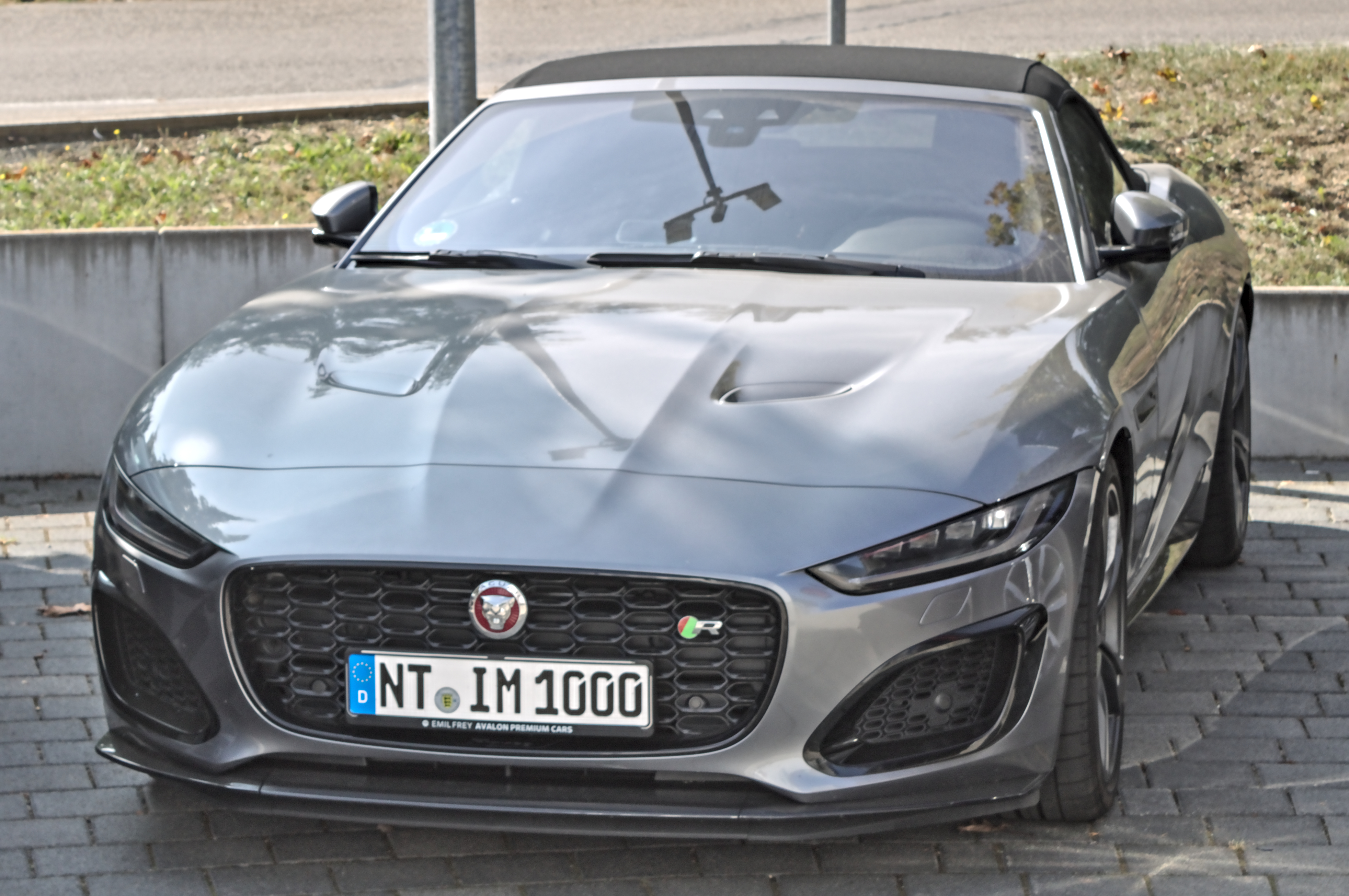
Jaguar F-Type
"So I said, pull that F-Type into my garage at an empty garage bay... And of course, my wife gets out and she's like, I like that car. Like, why don't you buy one of these?... Now, this is not it's very much GT... It reminded me a lot of my Audi R8."
The Jaguar F-Type is Jaguar’s sporty car. It’s famous for sounding great—so much so that the host says it “screams” even without changes.
The Jaguar F-Type is Jaguar’s performance sports car, known for its dramatic styling and especially its exhaust note. In this segment, the host highlights it as an “underrated” choice and compares its sound/character to other loud, enthusiast-focused cars.
GT
"Now, this is not it's very much GT. It reminded me. It reminds me a lot of my Audi R8."
“GT” stands for “grand touring,” a car category focused on covering long distances at speed with comfort and refinement. The host’s “not very much GT” comment suggests the F-Type they drove leans more toward raw, sporty character than a classic long-distance cruiser.

Audi R8
"It reminded me. It reminds me a lot of my Audi R8. Once you put a killer exhaust on the R8, because from the factory, these F-Types scream."
The Audi R8 is a high-end, sporty supercar from Audi. The host is saying that with an aftermarket exhaust, it can sound as intense as the F-Type does.
The Audi R8 is Audi’s mid-engine supercar, widely known for its performance and for how good it sounds when modified. Here, the host compares the Jaguar F-Type’s exhaust character to an R8 with a “killer exhaust,” implying similar attention to sound and presence.
killer exhaust
"It reminded me a lot of my Audi R8. Once you put a killer exhaust on the R8, because from the factory, these F-Types scream."
A “killer exhaust” is an upgraded exhaust that makes the car sound louder and more exciting. People do it because the sound is a big part of the driving experience.
A “killer exhaust” usually means an aftermarket exhaust system tuned for a more aggressive sound and sometimes improved flow. It’s a common enthusiast modification because exhaust note is a big part of how these cars feel and how they’re perceived.
torquey
"[452.4s] And, you know, and then you drive it and it's like so torquey, [456.5s] like very fast."
“Torquey” means the car feels strong when you get on the gas, especially at lower speeds. It tends to pull hard without needing high engine revs.
“Torquey” is enthusiast slang for an engine that makes strong low- to mid-range torque, so it feels punchy when you press the throttle. It’s about how quickly the car accelerates from everyday speeds, not just peak horsepower.
single clutch auto
"[459.2s] The upshifts in the single clutch auto actually really quick. [463.0s] Downshifts are pretty slow."
A “single clutch auto” is an automatic that uses one clutch to connect the engine to the drivetrain. It can shift fast when accelerating, but downshifts may feel slower or less smooth than other automatics.
A “single clutch auto” typically refers to a single-clutch automated manual or single-clutch dual-clutch-style setup, where one clutch handles power transfer. Compared with dual-clutch systems, shifts can feel less seamless—often quicker on upshifts but sometimes slower or less smooth on downshifts.
GT car
"[464.6s] OK. But it's a great GT car. [467.5s] One that you feel like, yeah, I could hustle this if I want to,"
A “GT car” is a performance car meant for long drives. It’s built to feel fast and capable, but also comfortable enough to enjoy on the road for hours.
“GT car” stands for Grand Touring: a performance-focused car designed to cover distance comfortably while still delivering strong acceleration and handling. It’s often tuned for smooth, confident cruising rather than constant track-level aggression.
trade
"[483.1s] and he asked him what they would give him on trade for this car. [486.6s] Shenu, he paid 35 or something a few years ago."
Here, “trade” means you give your current car to the dealer and they apply a credit toward the next car. It lowers what you have to pay out of pocket.
In this context, “trade” refers to trading in your current car to a dealer as part of the purchase deal. The dealer offers a trade-in amount that reduces the net price you pay for the new car.
500 horsepower
"[498.0s] 12 grand. [499.7s] The 500 horsepower similar torque value. [502.7s] The car looks spectacular."
Horsepower is a number that describes how strong the engine is. Higher horsepower usually helps the car accelerate harder, especially at higher speeds.
“Horsepower” is an engineering measure of how much power an engine produces, related to how quickly the car can do work over time. The speaker pairs it with “similar torque value,” implying the car’s overall acceleration feel is strong.
manual car
"And when you're ready for another manual car, [528.7s] go trade that 996 for something because this is just a great cruiser."
A “manual car” is one where you shift gears yourself using a clutch pedal and a gear stick. It gives the driver more control over how the car accelerates.
A “manual car” uses a driver-operated clutch and gear shifter, so you choose the gear yourself instead of relying on an automatic transmission. Enthusiasts often prefer manuals for more direct control over engine speed and acceleration feel.
sales of the car
"You know, I'm disappointed in the sales of the car. [562.7s] It just didn't take off."
They’re talking about how well the car sold compared to what the company hoped for. The point is that it didn’t become a big hit in the market.
The speaker shifts from styling to market performance, discussing how the car’s sales didn’t meet expectations. This frames the segment’s theme as “great-looking Jaguar, but it didn’t take off.”
XK E
"And it's a bummer because I think it is arguably one of the best looking [586.1s] Jaguars, you know, since the XK E, you know, in my view."
The Jaguar XK-E is a classic Jaguar sports car from the 1960s. It’s remembered for being good-looking and iconic, and the host is comparing the newer Jaguar’s looks to that classic.
The Jaguar XK-E (often written as XK-E) is a classic Jaguar sports car from the 1960s, famous for its elegant styling and performance reputation. The speaker uses it as a reference point for what they consider the best-looking Jaguars in decades.

BMW E46
"...er spend that on my toys. So I went to look at an E46 yesterday. We're talking 330 XI."
The BMW 3 Series is a mid-size sedan that’s meant to be comfortable but still fun to drive. The podcast mentions an E46 330xi, which is a specific version with all-wheel drive. People often consider it when they want a sporty daily car.
The BMW 3 Series is a compact executive sedan that’s widely known for balancing everyday usability with sporty driving dynamics. In the podcast, the speaker looks at an E46 330xi, which shows how the 3 Series is often considered as a practical “enthusiast” car. It’s discussed because certain 3 Series generations are popular with buyers who want a blend of performance and daily comfort.
automatic transmission
"We're talking 330 XI. [680.0s] It's a 2004 automatic transmission. [683.2s] I'm like, I'm just going to go see what this car is about."
An automatic transmission is the kind of gearbox that changes gears by itself. You don’t have to use a clutch or shift manually, which can make daily driving easier.
An automatic transmission is a gearbox that shifts gears for you using hydraulic/electronic control, rather than requiring the driver to select gears manually. In a used-car shopping context, it’s often mentioned because it affects driving feel, maintenance costs, and how the car behaves in stop-and-go traffic.

Jeep Wrangler
"I see a Jeep Wrangler there. Well, I'm concurrently shopping for my soon to be 16 year old daughter. And I'm like, that's a sweet Jeep."
The Jeep Wrangler is a tough SUV that’s built for off-road driving. It’s also popular for its open-air style (doors and roof can come off), and the host liked it enough to drive it too.
The Jeep Wrangler is a rugged, off-road-focused SUV built around removable doors/roof options and a body-on-frame heritage. In this segment it’s presented as a fun alternative the host also drove while shopping at an independent dealer.
M edition
"they've got a really cherry and a Miata. It's in Merlot. It's the M edition. And anyways, it suffices to say that I wanted all three cars then and there."
“M edition” is a trim/edition label used to indicate a more enthusiast-oriented specification, typically with styling and equipment changes. In BMW contexts, “M” usually points to the performance division, but here it’s specifically attached to the Miata the host describes, so it likely refers to a special package rather than a factory BMW M car.
Neue Classe
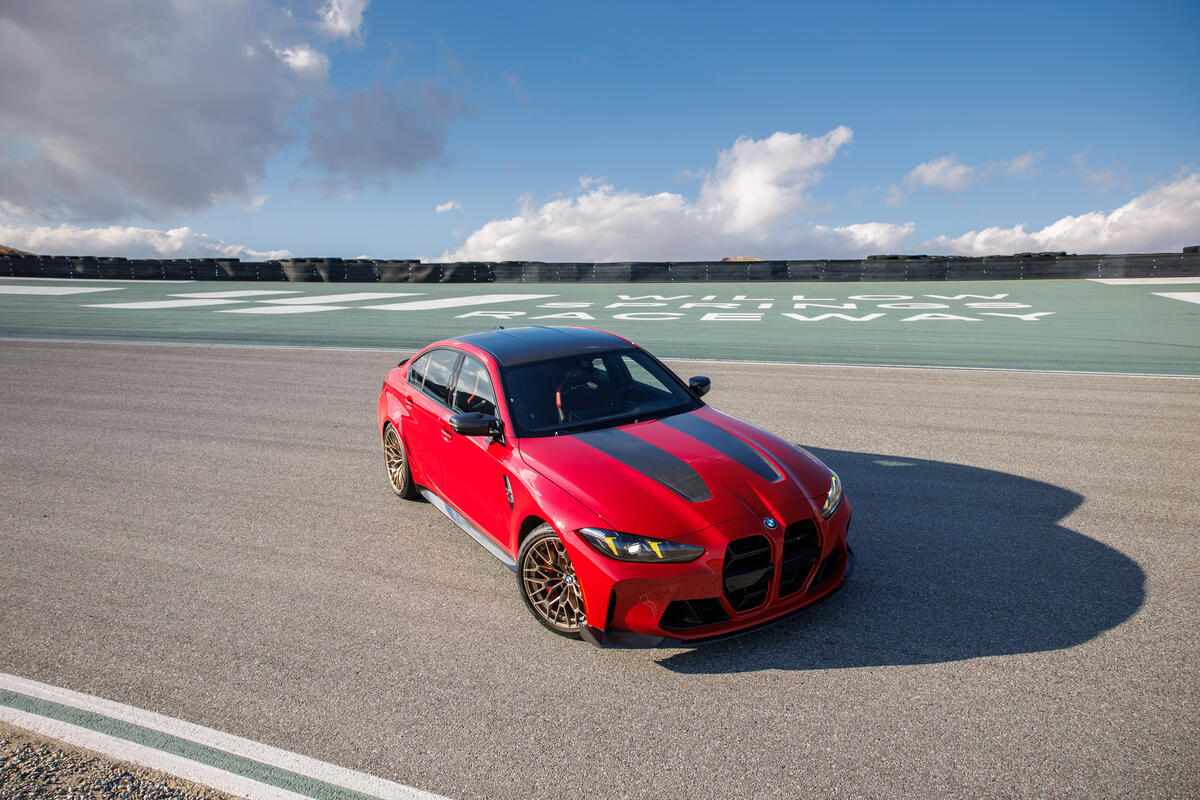
"Of the BMW, the new M3 Neue Classe, electric picture back up there. [816.8s] You had pictures of this thing last episode. [843.1s] on a previous part, too, that I like this new, the Neue Classe styling"
“Neue Klasse” is BMW’s name for its next big generation of cars and technology. Here, it’s being used to explain the new look and direction BMW is taking with the M3 and 3 Series.
“Neue Klasse” (German for “New Class”) is BMW’s branding for a next-generation platform strategy—covering new vehicle architecture, software, and design direction. In this segment, it’s used to describe the styling and overall direction behind the new M3 and related 3 Series models.

Neue Classe
"I did. Yeah. Of the BMW, the new M3 Neue Classe, electric picture back up there. You had pictures..."
“Neue Klasse” is BMW’s name for its next generation of electric cars. The podcast connects it to an electric M3 and future choices. It’s basically BMW talking about what’s coming next for EVs.
In the podcast, “Neue Klasse” is used as BMW’s electric future direction, tied directly to an electric M3 discussion. The repeated mention suggests the host is emphasizing how BMW’s next EV generation is being framed and marketed. It’s significant because it’s the foundation for what BMW plans to build next in the EV space.
Le Mans
"And I feel like what they've done with this M3, which they, you know, basically unveiled at Le Mans, I believe, right?"
Le Mans is a world-famous race in France, known for long endurance racing. The host is saying BMW unveiled the car there, because it’s a big stage for car news.
Le Mans is the famous French endurance-racing venue associated with the 24 Hours of Le Mans. Automakers often use the event’s high visibility to unveil important performance or technology announcements, which is why the host mentions the M3 being unveiled there.
EV
"And they also confirmed that they're going to do an EV, but they're also going to do a gap and an ice version of the M3."
EV means electric vehicle. Instead of a gas engine, it uses electric motors powered by a battery.
EV stands for electric vehicle, meaning the car is powered primarily by electric motors and a battery rather than a gasoline engine. In the context of the M3 discussion, it’s the platform that determines packaging needs like cooling and airflow.
ice version
"And they also confirmed that they're going to do an EV, but they're also going to do a gap and an ice version of the M3."
ICE means internal combustion engine, basically the traditional gas engine. The car needs things like cooling and exhaust, which an electric car may handle differently.
ICE stands for internal combustion engine, referring to gasoline- or diesel-powered powertrains. The hosts contrast ICE packaging needs—like radiators and exhaust—with what an EV may not require in the same way.
quad motor setup
"This thing is, you know, it's it's it's got this quad motor setup, it's got the 800 volt architecture, you know,"
A quad motor setup means the electric car has four electric motors. More motors can help the car control power to each wheel more precisely for better grip and response.
A quad motor setup means the EV uses four electric motors to drive the wheels. That can enable finer control of torque at each wheel, which helps acceleration, traction, and potentially steering feel through torque distribution.
800 volt architecture
"This thing is, you know, it's it's it's got this quad motor setup, it's got the 800 volt architecture, you know,"
800 volt architecture means the EV uses a high-voltage electrical system. Higher voltage can make charging faster and power delivery more efficient compared with lower-voltage EVs.
800 volt architecture refers to an EV’s high-voltage electrical system, where the battery and power electronics operate around an 800V level. Higher voltage can reduce current for the same power, which can help enable faster charging and more efficient power delivery.
kilowatt hour
"the battery is supposed to be over a hundred kilowatt hour battery. And so, you know, it's it's fast."
Kilowatt-hour (kWh) is a way to measure how much energy is stored in an EV battery. More kWh usually means the car can go farther on a full charge.
A kilowatt-hour (kWh) is a unit of energy that describes how much electricity a battery can store. In EVs, a larger kWh number generally means the car can travel farther before needing a recharge.
WLTP
"500 and sixty mile range on that WLTP, you know, a test protocol, which is a European, which is far more generous or optimistic versus the the U.S."
WLTP is a standardized test used in Europe to estimate how far an EV can go. It often predicts a longer range than the U.S. test, so real-world range can be lower.
WLTP (Worldwide Harmonized Light Vehicles Test Procedure) is a standardized European test cycle used to estimate EV range. Because it’s run under specific assumptions, WLTP range numbers often come out higher than U.S. EPA estimates for the same vehicle.
EPA range
"an estimated EPA range is probably somewhere closer to 350 to 400 mile range, which for me is perfect."
EPA range is the U.S. test estimate of how far an EV can drive on a charge. It usually comes out lower than some other testing methods, so it can feel more realistic.
EPA range refers to the estimated electric range measured under the U.S. Environmental Protection Agency’s testing procedure. It’s commonly used for U.S. EV comparisons and is often more conservative than WLTP, so it can be a better expectation for many drivers.
SoCal
"And frankly, it'll work perfect for for my needs here in SoCal. So yeah, I'm on the lid."
SoCal means Southern California. The host is basically saying the EV’s range should work well for how they drive in that area.
SoCal is shorthand for Southern California, a region with generally mild weather and lots of highway driving. EV range can vary with temperature, speed, and driving style, so the host is tying the range discussion to local usage.
super car
"It's quirky. It's kind of like what we talked about with the new Velaryo or whatever the Audi kind of super car."
A “supercar” is a very extreme, high-performance type of sports car. Here it’s just being used as a comparison for how bold or unusual a design feels.
“Supercar” is a label for very high-performance, high-cost cars that are typically faster and more exotic than ordinary sports cars. In the segment, it’s used as a comparison for the styling/character of another new model.
heart of joy control system
"…they say this thing's going to have what they're calling their new heart of joy control system, which is the central computing system, how it integrates drivetrain and braking functions to control the car on a wheel by wheel basis…"
BMW is calling its main computer system the “heart of joy control system.” The point is that it helps the car manage power and braking in a coordinated way. That can make the car feel more responsive and accurate, especially when it’s controlling each wheel.
“Heart of joy control system” is BMW’s name for a central vehicle-computing platform. In this description, it coordinates multiple functions—specifically drivetrain and braking—so the car can react precisely and potentially feel more engaging. The key idea is software controlling how torque and braking are applied to each wheel.
central computing system
"…what they're calling their new heart of joy control system, which is the central computing system, how it integrates drivetrain and braking functions…"
A “central computing system” is the car’s main computer. It’s responsible for coordinating different systems so they work together. Here, it’s described as helping manage both driving power and braking.
A “central computing system” is the main onboard computer that coordinates vehicle behavior. Instead of separate controllers handling isolated tasks, a central platform can share data and coordinate actions across subsystems. In this case, it’s described as integrating drivetrain and braking control.
wheel by wheel basis
"…integrates drivetrain and braking functions to control the car on a wheel by wheel basis, essentially saying they're going to make the EV…"
“Wheel by wheel basis” means the car can control each wheel separately. That helps it keep traction and stability better than controlling everything the same way. It’s especially useful when you’re turning or accelerating hard.
“Wheel by wheel basis” means the car can apply different control inputs to each individual wheel. That enables more precise traction, stability, and handling responses than a one-size-fits-all approach. When paired with coordinated drivetrain and braking control, it’s a foundation for advanced torque/brake vectoring behavior.
E30 M3
"…they released a lot of pictures of it along with an E30 M3, you know, in the same color and you could see some things there, some similarities…"
The BMW E30 M3 is a famous older BMW performance car from the E30 generation. In this discussion, it’s mainly being used as a style reference—especially the wheel design—while talking about a newer BMW electric M3. It’s a way to connect the new car’s look to BMW’s classic identity.
The BMW E30 M3 is a legendary 1980s/early-1990s performance coupe known for its motorsport-derived reputation and classic styling. In this segment, it’s used as a visual reference point—specifically for the “mesh” wheel look—when discussing a newer BMW electric M3 concept. The comparison is about design cues and how BMW is evolving the look.
mesh style of wheel
"…the the E30 had the classic mesh, you know, wheels on it that they've now moved forward on this new noise class… If you look at it, it's also a mesh style of wheel."
A “mesh style of wheel” means the wheel has a web-like pattern, usually made from many thin spokes. It’s mostly a look/design detail, but it can also change how the wheel sits visually behind the brakes. Here it’s mentioned because BMW is carrying a classic wheel style forward.
A “mesh style of wheel” refers to a wheel design with a web-like, multi-spoke pattern that looks like a mesh. It’s a visual styling choice that can also affect how the wheel looks under different lighting and how the spokes clear brake components. In this segment, it’s used to connect the classic E30 M3 wheel look to the newer BMW electric M3’s design language.
electric sports car
"about their new project V. [1145.6s] That's their little electric sports car that they're they're testing, [1151.3s] showing some of the prototypes out there."
It’s a sports car that runs on electricity rather than gasoline. The main things people care about are how it drives and how far it can go before recharging.
An electric sports car is a performance-oriented vehicle powered primarily by an electric motor instead of a gasoline engine. The key enthusiast angle is how EV packaging and weight affect handling, acceleration feel, and real-world range.
3100 pounds
"You know, the the car doesn't appear to be overly heavy, like maybe 3100 pounds. [1166.7s] You know, I'm going to suspect the range is probably going to be"
That number is basically how heavy the car is. Heavier cars can feel less agile, while lighter cars usually handle more sharply.
Curb weight is the mass of the car ready to drive, and it strongly influences EV performance and handling. A figure like “3100 pounds” helps listeners estimate how heavy the prototype may feel compared with typical lightweight sports cars.
250 mile range
"I'm going to suspect the range is probably going to be [1169.2s] up maybe 250 mile range, maybe. [1172.3s] So so that was kind of interesting to see see that."
Range is how far the electric car can go before it needs charging. “250 miles” is the rough distance you’d expect from a full battery.
Range is how far an EV can travel on a full charge under typical conditions. When the host says “250 mile range,” they’re giving a practical expectation for daily usability and road-trip planning.

Ariel Adam
"Well, you know, my first Ariel Adam showed up, you know, in my garage in 2007. [1500.9s] It was an Adam two, right?"
The Ariel Adam is a small, lightweight sports car built to feel very fast and agile. The host talks about different versions of it and how it stacks up against other enthusiast cars.
The Ariel Adam is a lightweight, track-focused British sports car known for its small size and high-revving, performance-oriented setup. In this segment, the host discusses multiple Adam generations and variants, including the supercharged K20-powered Adam 3 and later Adam 4 deliveries, highlighting how it competes with other small, fast cars at a high price point.
supercharged
"I had an Adam three, the 300 horsepower supercharged K twenty, you know, [1509.1s] a, which is the real civic type R motor that revs to 9000 RPM."
A supercharger is a device that forces extra air into the engine. More air (and fuel) usually means more power.
A supercharger is a forced-induction device that compresses incoming air before it enters the engine. By packing more oxygen into the cylinders, it can increase power without relying only on engine size or high RPM.
K twenty
"I had an Adam three, the 300 horsepower supercharged K twenty, you know, [1509.1s] a, which is the real civic type R motor that revs to 9000 RPM."
“K20” is an engine family name Honda uses for a 2.0-liter motor. The host is saying this Ariel uses the same kind of engine Honda uses in the Civic Type R, and that it can rev very high.
“K20” refers to Honda’s K-series 2.0-liter engine family, which is commonly associated with performance variants. In this segment, the host links it to the Honda Civic Type R engine and highlights its ability to rev to around 9,000 RPM.

Honda Civic
"...rcharged K twenty, you know, a, which is the real civic type R motor that revs to 9000 RPM. You know, I h..."
The Civic is a compact car made by Honda. The podcast is talking about the high-revving Civic Type R kind of setup, which is the performance version. It’s mentioned because it can be both practical and exciting to drive.
The Honda Civic is a compact car line known for being practical, efficient, and available in performance variants. The podcast specifically mentions a “Civic Type R” style engine that revs very high, emphasizing the car’s performance character. It comes up because the Civic platform has a reputation for blending everyday usability with enthusiast-level driving.
revvs to 9000 RPM
"I had an Adam three, the 300 horsepower supercharged K twenty, you know, [1509.1s] a, which is the real civic type R motor that revs to 9000 RPM."
RPM tells you how fast the engine is spinning. If it can rev to around 9,000 RPM, it’s tuned to run at very high speeds for a sportier, more “alive” feel.
RPM (revolutions per minute) is how fast the engine’s crankshaft spins. Revving to ~9,000 RPM indicates a high-revving tune with valvetrain and gearing designed to keep making power at very high engine speeds.
Bramo
"which used to be built up in Ashland, Oregon by a company called Bramo. [1530.3s] I remember I test drove the car up there and my heart was in my throat the entire drive."
Bramo is the company the host says used to help build an earlier version of the Ariel Adam. It matters because it’s part of where and how the car was produced.
Bramo is mentioned as the company that built the Ariel Adam 2 in Ashland, Oregon. That’s relevant because it points to the car’s production history and how the supply chain changed over time.
TMI
"But anyways, you know, the guys in Virginia, TMI, who are building them today [1545.5s] and they have been since 2010, you know, we just delivered"
TMI is the company the host says is building the Ariel Adam now. They’re mentioned because they’re tied to current production and delivery timing.
TMI is referenced as the group building Ariel Adams “today” and since 2010. In this context, it’s part of the production/fulfillment story behind why deliveries can take a long time.
SpaceX
"Actually, we sold one of those to a to a client who was a very early employee [1564.6s] and high ranking person at SpaceX."
SpaceX is the company the host mentions because one of the buyers worked there. It’s not about the car’s engineering—more about who’s buying at this price point.
SpaceX is referenced via a client who worked at the company and bought an Ariel Adam. The mention is mainly anecdotal, but it helps explain the buyer profile and the high demand/price tier the host is discussing.
Civic Type R
"It's a turbocharged engine. [1589.4s] You know, I don't think it sounds as quite as good as this from the Civic Type R. [1596.9s] The current one."
The Civic Type R is Honda’s performance version of the Civic. Here, they’re comparing how it sounds versus another turbo four-cylinder. It’s basically a “which one sounds better” comparison while talking about speed.
The Honda Civic Type R is a hot hatch known for its high-revving, track-focused character and strong performance per dollar. In this segment, it’s used as a sound comparison point against a turbocharged four-cylinder engine. That highlights how different engines can feel and sound very different even when they’re both “fast.”
turbocharged engine
"It's the most thoroughly developed, you know, version of the car. [1589.4s] It's a turbocharged engine. [1591.9s] You know, I don't think it sounds as quite as good as this from the Civic Type R."
A turbocharged engine uses a device (a turbo) that pushes extra air into the engine. More air usually means more power. In this conversation, they’re also talking about how turbo engines can sound different.
A turbocharged engine uses a turbocharger to force more air into the cylinders, which allows the engine to make more power without needing a larger displacement. The turbo’s boost pressure is what enables “lots of power” from a smaller engine. The host also ties it to sound characteristics, since turbo setups can produce distinctive intake/exhaust noises.
blow off valve
"Listen, I'm not much on these turbo motor four cylinder turbos [1607.6s] from a sound perspective, you know, particularly these blow off valve sounds [1611.9s] and things that just don't quite synchronize with the engine speed in my head."
A blow-off valve is part of a turbo system that releases extra pressure when you lift off the gas. It’s what creates the famous “whoosh/pssh” turbo sound. The host doesn’t like how that sound lines up with the engine behavior.
A blow-off valve (BOV) is a pressure-relief valve used on many turbocharged setups to vent excess boost pressure when the throttle closes. That venting creates the characteristic “pssh” sound people associate with turbo cars. The host is saying the timing of that sound doesn’t match what they expect from engine speed, at least to their ear.

991 GT three
"how fast is one of these cars around a track relative to a [1654.1s] 991 GT three or a 718 GT four? [1657.6s] Yeah, it's fast."
The 991-generation Porsche 911 GT3 is one of Porsche’s most track-oriented 911s. Here, it’s the yardstick for how fast something else is around a track. The idea is that the GT3 may be quicker because it can carry more speed at the top end.
The Porsche 911 GT3 (991 generation) is a track-focused version of the 911, built around high-performance aerodynamics and a naturally aspirated engine. In this segment, it’s used as a benchmark for lap-time/track speed comparisons. The host’s point is that the open-wheel car being discussed is “fast,” but the GT3’s top-end can make it quicker in outright speed.

718 GT four
"how fast is one of these cars around a track relative to a [1654.1s] 991 GT three or a 718 GT four? [1657.6s] Yeah, it's fast."
The Porsche 718 GT4 is a Porsche track car based on the 718 Cayman/Boxster platform. Here it’s used as a comparison point for lap speed. The host is basically saying the other car is fast, but the GT cars can have an advantage depending on top speed.
The Porsche 718 GT4 is a Cayman/Boxster-derived track car known for its sharp handling and track-ready setup. In this segment, it’s mentioned alongside the 911 GT3 as another benchmark for how quickly the discussed car can go around a track. The host suggests the GT3 may win on outright top-end speed, which is a key difference in many track comparisons.
drag limited
"You know, the problem with these open wheel cars [1668.4s] like an Adam is that they're drag limited. OK, you get to about 130 miles"
“Drag limited” means the car can’t go faster because air resistance gets too strong at higher speeds. Even if the engine still has power, the air “pushes back” harder and harder. So the car tops out on speed before it runs out of grip.
“Drag limited” means a car reaches its maximum speed because aerodynamic drag (air resistance) grows so quickly with speed that the engine can’t push it any faster. This is common when comparing cars with different shapes and downforce levels, especially on tracks with long straights. The host is saying that the open-wheel car runs out of speed around ~130 mph due to drag rather than cornering ability.
understeer
"like I think in one of the previous pods, we talked about how they understeer going into the corner and the oversteer exiting,"
Understeer is when the car doesn’t “turn in” as much as you want. The front tires lose traction first, so the car tends to slide wide toward the outside of the turn.
Understeer is when a car turns less than the driver expects—its front tires lose grip first, so the car pushes toward the outside of the corner. It’s a key handling characteristic because it changes how you brake, turn in, and manage speed entering a turn.
oversteer
"we talked about how they understeer going into the corner and the oversteer exiting,"
Oversteer is when the back of the car loses traction and swings outward. It can feel exciting when controlled, but it can also be dangerous if it happens unexpectedly.
Oversteer is when the rear of the car steps out more than expected—its rear tires lose grip first, causing the car to rotate more than the driver intended. In performance driving, the balance between understeer on entry and oversteer on exit strongly affects lap time and driver confidence.
pushrod bell crank
"but I think they've they finally got the pushrod bell crank. Suspension geometry better sorted than it was in the previous generations."
In some race-style suspensions, a pushrod and a bell crank help move suspension forces from the wheel to the shock in a more controlled way. It’s a tuning-focused hardware piece that can improve how the car handles.
A pushrod bell crank is part of a pushrod suspension system that converts the motion of the pushrod into the movement needed by the damper and/or spring. It’s used to package suspension components efficiently and can help tune ride/handling by improving how forces are applied through the suspension geometry.
suspension geometry
"Suspension geometry better sorted than it was in the previous generations."
Suspension geometry is how the suspension parts are positioned and angled. It affects how the tires stay aligned with the road when you turn or hit bumps.
Suspension geometry is the set of angles and mounting relationships (like camber, toe, and link angles) that determine how the tires contact the road as the suspension moves. Changing geometry can significantly affect grip, steering feel, and how the car transitions from entry to exit in a corner.
jumping the line effectively
"So, yeah, I mean, that's that's what that car is going to you're paying a bit more for it just because you're you're jumping the line effectively"
It means paying extra so you can get the car sooner instead of waiting your turn. When lots of people want the same model, that “premium” can be the price of getting it quickly.
“Jumping the line effectively” describes paying extra to get access sooner—often when demand is higher than supply. In car buying, it usually means you’re paying a premium to secure allocation or a build slot rather than waiting for normal ordering.
MSRP
"Is this around MSRP? One it is. I mean, there's I think they're getting probably maybe a ten thousand dollar premium,"
MSRP is the car’s sticker price that the manufacturer suggests. It’s not always what you actually pay at the dealer once fees and markups are added.
MSRP (Manufacturer’s Suggested Retail Price) is the printed baseline price a carmaker recommends before taxes, registration, and dealer fees. The host is contrasting MSRP with the real-world premium they expect to pay.
carbon fiber
"I prefer them in black, you know, so I would generally get them like in carbon fiber, which I think then it just disappears and it just looks like the tire."
Carbon fiber is a strong, light material used in cars. When people say they’d get fenders in carbon fiber, they mean the trim would look sporty and be lighter than some other finishes.
Carbon fiber is a lightweight composite material made from carbon strands woven into a strong structure. In automotive styling, it’s often used for trim like fender pieces because it can reduce visual “bulk” and add a performance-oriented look.
track day
"And I imagine, given my experience with the 111 RS, Elise, I was really quick in my track day with that."
A track day is when regular cars go to a race track for driving practice. It’s usually more about having fun and improving your driving than racing for points.
A track day is an organized event where drivers take their own cars onto a closed circuit for practice and timed laps. It’s different from racing because the emphasis is usually on driver experience and learning rather than competition rules.
S 65 V eight
"And E nineties mostly went turbocharged other than the M three, [1881.5s] which had the S 65 V eight in it. Right. [1884.4s] But one year only, the 330 I had a naturally aspirated"
The S65 V8 is the engine BMW put in the M3 in this era. It’s a V8 (eight-cylinder) that revs freely, and it’s different from the turbo engines used in many other 3 Series models.
The S65 V8 is BMW’s naturally aspirated V8 engine used in the E90-generation BMW M3. It’s known for high-revving character and a distinct sound/feel compared with the turbocharged inline-sixes that many other E90 3 Series versions used.
naturally aspirated
"But one year only, the 330 I had a naturally aspirated [1889.9s] motor that made 200 and fifty horse and then oh, seven, [1893.6s] even though it was the same body style, they went to the N 54 twin turbo."
Naturally aspirated means the engine doesn’t use a turbo or supercharger. It relies on normal airflow into the engine, and here the host is saying one 330i year used that kind of engine before switching to turbo power.
Naturally aspirated means the engine makes power without a turbocharger or supercharger—air is drawn in by engine vacuum and atmospheric pressure. In this segment, it’s used to highlight that the BMW 330i had a naturally aspirated engine for only one year before switching to a turbo setup.
N 54 twin turbo
"and then oh, seven, [1893.6s] even though it was the same body style, they went to the N 54 twin turbo. [1897.9s] So very first E four or BMW I ever owned personally"
The N54 twin-turbo is BMW’s engine that uses two turbochargers to make more power. The host is pointing out that even though the car body looked the same, the engine changed from naturally aspirated to turbo.
The N54 twin-turbo is BMW’s inline-six engine family that uses two turbochargers to boost power. The host is contrasting it with the earlier naturally aspirated 330i year, emphasizing how the same E90 body style could come with very different engine technology.
sport pack
"So very first E four or BMW I ever owned personally [1903.2s] was one of these with the sport pack on it. [1905.9s] And this just traded on bring a trailer because I am in this mode of like,"
A sport pack is an option package that usually adds sportier features to a car. Here, the host is saying the E90 he owned had that package.
A “sport pack” is a trim/option bundle that typically adds performance-oriented styling and equipment (and sometimes handling upgrades) compared with a base configuration. In this segment, it’s mentioned to describe the specific E90 the host owned and why it felt like a better commuter choice.
bring a trailer
"And this just traded on bring a trailer because I am in this mode of like, [1911.1s] can I buy an old kind of thing in BMW and make it my commuter car [1918.3s] successfully without bankrupting myself?"
Bring a Trailer is a website where car enthusiasts buy and sell cars through online auctions. The host is using it to talk about what these BMWs actually sell for.
“Bring a Trailer” is an enthusiast-focused online auction site where older and interesting cars are sold to a community of buyers. The host’s point is that this specific BMW traded there for a certain price, illustrating real-world pricing for classic daily-driver candidates.
BMW 325i
"This they had the 325 or 28 and oh, six. [1936.4s] Then so this was the big boy, obviously under the M three, [1941.2s] which wasn't out yet for ninety."
The BMW 325i is a less powerful version of the 3 Series compared with the top models. The host mentions it to show where the “big boy” versions fit in the lineup.
The BMW 325i is a lower-output 3 Series trim that the host mentions as part of the E90-era lineup. In context, it helps explain how different E90 models sat below the M3 and how engine choices varied across trims.
B 58 engine
"which those cars should do costs around 70000 dollars [1952.2s] to get a BMW M 340 I with a B 58 engine in it. "
The B58 is BMW’s newer turbo inline-six engine. The host is comparing an older BMW to a newer one by pointing out that the newer car uses the B58.
The B58 engine is BMW’s modern inline-six turbocharged powerplant used in newer performance-oriented 3 Series models. The host uses it to make a comparison: an M340i with the B58 is positioned as the “equivalent” to the older E90-era big-boy BMW.
BMW 330i 2021
"Right. So I'm looking at, OK, I want to update my my 330 I 2021"
This is a BMW 3 Series “330i,” which is a common everyday BMW. The speaker is talking about it as the car they’re thinking of upgrading from.
The BMW 330i is a 3 Series model known for its inline-6 (in most 330i generations) and balanced daily-driver feel. In this segment, the host is using a 2021 330i as the baseline for comparing upgrade options and costs.

M340i
"I could go M 340 I for seventy grand or buy one used for like, call it fifty with a little bit of warranty left."
The M340i is a sportier BMW 3 Series. In this conversation it’s being compared to used cars, and the host notes you can’t get it with a manual transmission.
The BMW M340i is the performance-oriented version of the 3 Series, typically powered by BMW’s turbocharged inline-6 and tuned for stronger acceleration and sharper response than a standard 3 Series. Here, it’s part of the comparison between buying new versus buying used, including the price gap and what you can/can’t get (like a manual).
manual transmission
"This is a manual transmission, which you can't get in the M 340 I."
A manual transmission is the kind of car where you shift gears yourself using a clutch pedal. The host is pointing out that the M340i doesn’t come with that option.
A manual transmission is a gearbox where the driver selects gears using a clutch pedal and gear lever. In this segment, it matters because the speaker says you can’t get a manual in the BMW M340i, which affects how appealing the car is to enthusiasts.
maintenance
"OK, because that car is going to cost you somewhere between probably three and five grand a year in maintenance. OK, you know, if this is your daily driver, there are going to be things that are going to have to be replaced."
Maintenance is the regular upkeep and repairs a car needs as it gets older. The speaker is warning that an older German car can cost a few thousand dollars per year to keep running well.
In an enthusiast context, “maintenance” means the ongoing repairs and service work needed to keep an older car reliable—especially wear items and aging components. The host estimates a yearly maintenance budget for an older German daily driver, emphasizing that electronics and other systems may require replacement over time.
downtime
"So what you got to consider is what is the downtime worth to you? Yeah, when when your mechanic is chasing parts to fix this thing."
Downtime just means how long your car is unavailable. If your car is in the shop waiting for parts, that’s the downtime, and the host is saying you should think about how much that inconvenience costs you.
In car ownership, downtime is the time your vehicle is out of service—often because it’s in the shop waiting on diagnosis or parts. The host is framing it as an economic tradeoff: what your time and inconvenience are worth while the mechanic is chasing parts.
lease
"they just get get something that you lease and keep under warranty or hack up the miles on the damn thing and then return it when you're done"
A lease is like renting a car for a few years with set payments. The idea here is that leasing can help you avoid big repair surprises because the car is usually covered by warranty while you’re using it.
A lease is a financing arrangement where you pay to use a car for a set period, then return it at the end rather than owning it outright. The host suggests leasing a daily driver to reduce risk from repairs and to keep the car within the warranty period.

BMW New Bmws
"... fan, I'm a BMW fan. You know, I've owned several new BMWs you have. And and and I think it's that seeing th..."
“New Class” is BMW’s way of talking about its next generation of cars, especially electric ones. The podcast connects it to what people might choose next. It’s essentially about BMW’s future EV plans.
“New Class” in the podcast appears to refer to BMW’s Neue Klasse electric direction, discussed as part of the brand’s future EV lineup. The conversation frames it around BMW ownership experience and what people might prefer in the next generation. It’s discussed because it signals a major shift in BMW’s approach to electric vehicles.
unsprung weight
"And we have talked in the past about heavy wheels and lightweight wheels [2285.1s] and unsprung weight and all that kind of stuff."
Unsprung weight is the weight of parts like the wheels and tires that the suspension has to “control” over bumps. If it’s lower, the car can handle rough roads better and stay more planted.
Unsprung weight is the mass of components not supported by the vehicle’s suspension—commonly wheels, tires, and some brake/suspension parts. Lower unsprung weight helps the suspension react faster over bumps, improving grip and ride/handling consistency.
heavy wheels and lightweight wheels
"And we have talked in the past about heavy wheels and lightweight wheels [2285.1s] and unsprung weight and all that kind of stuff."
Wheel weight matters because the wheels have to spin and also move with the suspension. Lighter wheels can make the car feel quicker to respond and better over bumps.
This is a practical way enthusiasts discuss wheel mass: heavier wheels increase rotational inertia and often contribute to higher unsprung weight, making the car feel less responsive. Lighter wheels can improve acceleration/braking feel and help the suspension control the tire more effectively.
form and function
"And in fact, we just had an article that came out that talked about wheels, [2290.5s] right, form and function and on our newsletter."
They mean design that looks good and also works well. Here, the wheel design is being discussed as both style and something that can change how the car drives.
“Form and function” is the idea that design isn’t just about looks—engineering choices (like wheel shape, aerodynamics, and stiffness) can also affect real-world performance and feel. In this context, wheel design is treated as both visual identity and a functional mechanical component.
turbine style wheels
"like throwing star wheel as a replacement. And that was a smash hit. You know, that was a very, very good looking wheel. Well, and then when I think about that E 34 wagon..."
These are wheels that look like little angled blades, kind of like a turbine. The discussion is basically about which wheel shape looks better on the BMW.
“Turbine style wheels” are aftermarket or OEM wheel designs that use many thin, angled “blades” radiating from the center, visually resembling a turbine. The hosts are comparing how this look changes the car’s appearance versus other wheel styles like five-spokes.

BMW E34
"Just I didn't dig in for hours on like all these old classic wheels, [2618.9s] which, you know, the one you put up behind you on that E34 actually happened to like."
The BMW E34 is an older BMW 5 Series from the late 1980s/early 1990s. Here it’s mentioned as the car that the speaker is thinking about when talking about classic wheel styles.
The BMW E34 is the 5 Series generation produced in the late 1980s through the early 1990s, and it’s a classic platform for enthusiasts. In this segment, the host mentions an E34 as the context for “old classic wheels,” implying wheel choices and styling that fit that era.
Porsche 991.1 Turbo wheel
"[2639.4s] I think it's a good looking wheel. [2640.7s] 991 dot one turbo wheel. [2643.2s] It's the double 10 spoke wheel and something about it."
This is talking about a Porsche 911 Turbo from the 991.1 generation. The speaker is pointing out a specific wheel design (a double 10-spoke look) and comparing it to other Porsche wheel styles they like more.
The Porsche 991.1 Turbo refers to the early (first facelift) 911 generation’s Turbo model, and it’s known for a distinctive wheel design. The host specifically calls out the “double 10 spoke” style, using it as an example of a Porsche wheel that’s widely loved but not their personal favorite compared with other Porsche wheel options.
double 10 spoke wheel
"[2640.7s] 991 dot one turbo wheel. [2643.2s] It's the double 10 spoke wheel and something about it. [2650.1s] I just that Porsche has so many other great looking wheels"
This describes a wheel design with lots of spokes—specifically a pattern that looks like two groups of ten. It’s mentioned because the speaker thinks the shape looks good (or not) on certain cars.
A “double 10 spoke” wheel is a multi-spoke rim design where there are effectively two sets of ten spokes (or a paired-spoke layout) creating a denser, more intricate look. Wheel spoke geometry like this can strongly affect how the wheel appears on different car colors and body lines.
Request an Explanation
Heard something you'd like explained? We'll add it to this episode.
Sign in to request explanations for terms you heard.
Want to learn more?
Browse our glossary for plain-English explanations of automotive terms, jargon, and concepts.
Help improve this episode
See something that's not quite right? Our annotations are AI-generated and can sometimes miss the mark. Click the flag icon on any annotation to suggest a correction.
2 community members have helped improve this episode.