Exploring automotive loyalty, this episode dives into why Tesla owners exhibit remarkable brand loyalty, boasting a 65% retention rate compared to the industry average of 50%. Guests Vince Palmerez and Jeff Gilbert discuss insights from S&P Global Mobility's annual Loyalty Awards, highlighting Tesla's strong performance and the impact of new models like the Model 3 and Model Y. The conversation also touches on the importance of dealer relationships, the role of ethnic diversity in brand loyalty, and how traditional automakers can adapt to maintain relevance in an evolving market.
TOPIC: Tesla Loyalty; PANEL: Jeff Gilbert, WWJ Newsradio; Vince Palomarez, S and P Global Mobility; Gary Vasilash, on Automotive; John McElroy, Autoline.tv
"... the launch of the Sonata and then eventually the Optima really changed the Luntra as well, really change ..."
Select text to request an explanation
I'll do online after hours. It brought to you by Bridgedone Tires Solutions for
your journey. Hey, Gary John, how are you? I am actually
doing well? Yeah, I missed the show last week and you had a
great show with Sam Firani and Dan Neil and it was it was quite fascinating and so so Sam got the opportunity to do a thing in history. So
I'm gonna, I'm gonna, I'm gonna do that, So go back to it, okay. So, so we're gonna be talking about loyalty on the
show today, loyalty to brands, loyalty to models, loyalty across the board in the industry. Okay. So on March second, nineteen sixty six,
the million instance of this vehicle was produced, sixty six million of that.
So I'm going to guess forward Mustang, You're absolutely correct, now, no, okay. So, so when I saw that it was, it was
I have to ask you, okay, because the car was introduced in sixty four, right, April of sixty four introduced. Okay. So so in
less than two years they made a million of them. I want to say,
in the first twelve months they made if I remember right, and this is why I guess it was the Mustang four hundred and forty thousand. It's
the name, the number that I remember that the first twelve months, so I mean, yeah, they lit the fuse and that thing just went.
Yeah, I mean it just it just strikes me that, you know, if you were to say that many cars now, I mean, how many assembly plants could even deal with that? No, not very few, very
few could do that today. And I'm trying to remember. I think it
was built in Dearborn. Yeah, yeah, right right, So yeah,
they cranked about for sure. Yeah, that's that's just amazing to me.
Um and uh And the car continues today and it you know, it's not as popular as it was back then, but I'm sure it still has massively loyal fans. Stole an icon, no question about it. So the loyal
brings us too. Well, tell us who who do we have on the
show today, Gary, So we have Vince Palmerez, who is the guy in charge of loyalty for SNP Mobility And and Vince will correct me on his title, but it's on my business card. Guy in charge of loyalty,
well, guy in charge of studying about automotive loyalty. You make him sound
like he's an HR with a whip and making sure all the sp employee show up. You must be loyal. And we have Jeff Gilbert from WWJ News
Radio ninety five who is their auto reporter and he also happens to be president of the North American Car Year Awards. So yeah, I've been at the
stage and for thirty three years. So I guess that shows some loyalty or
maybe nobody else is interested and want to that's a good record. So Vince
S and P Global Mobility came out with its annual study. Give us the
top line and then we're going to go down all the way to the bottom.
Well, it's the it's our annual Loyalty Awards program where we recognize those brands and models that are that go above and beyond in terms of retaining customers who previously purchased a vehicle and return back to market to purchase new vehicles.
And Vince, this is not a survey, right, I mean, you guys are going by data. This is not people's opinions. You're looking at
a hard data, right. This is all fact based based off of registration,
and it hardcore registration with customers that do registered vehicle, we get that information. So it's really it's really based sense. It's based on the on
the entire US. So, and we're looking at again, we do several
categories. We're looking at you know, a manufacturer, We're looking at make
We're looking at ethnicity, We're also looking at dealers. So we break it
down to several levels. I'm even down to the model level as well,
really kind of just showing kind of the benefits and the strength of what a loyal program can do for your model, brand, etc. Yeah, and
I mean that the numbers that jumped off the page is like Tesla just about cleaned up in so many other categories. Yeah. Yeah, it was a
really big year for Tesla in the sense that you know, I mean, well the years I mean the rest of the industry. I think there's a
couple of things to look at it. You know, the industry is down
as a whole. We've been seeing sales down over the last couple of years.
And on top of it, you know, if sales are down, the amount of volume of customers were turning back to market to purchasing vehicles going to be down as well, And so that caused a little bit of an impact to some of the more traditional mainstains loyalty, a lot of your domestic brands which traditionally have higher loyalty, So that I picked up, but we can't I can't discredit what Tesla did. I mean, Tesla had a very
strong year in terms of loyalty sixty five percent loyalty, and their customers remained loyal to the brand after previously purchasing a vehicle, which is and put that number in perspective because I mean sixty yeah, yeah, yeah, So the average loyalty for the industry this year was about fifty percent, and that was actually unfortunately, that was like the lowest that has been within the last ten years. You know that it's it's hit a couple of highs. It's like
fifty four percent and come a few years back, But around fifty percent is what you're respecting for the industry average. Tesla at sixty five is showing a
much higher level of retention forest brand than anybody else. Or are you also
running into a situation where Tesla is now getting to the point where its vehicles have been out long enough that a consumer will go okay, I'm ready to buy another one and I'm going back to that brand. I mean, do
you reach a point in the history of a brand new car anker where Okay, you know, when Tesla was around for one year and just had a roadster, obviously nobody was going to buy a second one. But now that
they've got more products, they've been out for a while and people are getting ready to upgrade or to refresh, is that something that impacts it as well.
It's a great question, Jeff, And yeah, I think that is something that is a big you know, just by identify or how strong the brand is right now. So we look at you know, when we're talking
about return to market, we're talking about these customers previously pursued a vehicle, return back to market, purchase a new one. One of another key indicator
of strength of a brand is return to market timing. So how quickly after
you purchase a vehicle does it take for you to return back to market to purchase another one? And when we're talking about the industry as a whole,
you know, the industry as a wholes around thirty eight months. It takes
about thirty The average household about thirty eight months to return back to market to purchase another vehicle. Now some of that is leasing. Obviously, leasing around
the three year market really kind of drives that number. But with Tesla,
we're seeing the average customer return back to market to purchase another Tesla around twenty eight months, so significantly shorter than what the normal average customers. When you
break that down by finance type, when you look at lease versus purchase, you would expect the lease number to be lower and the purchase number to be hired because you're you know, you're secured to a five year loan or even longer. That's not the case. Those purchase customers are actually returning on the
two months faster than the least customers are. So there really aren't a legend.
Why is that? I mean, you know, supposedly with over the
year update, you know, your your car just gets better with age, blah blah blah blah blah, and that's the reason to keep it. Why
are these people coming back after only a couple of years and buying a new one. So, you know, I think the big drivers of that were
I think that there was one the strength of the brand. I think a
Tesla buyer once they purchased an EV vehicle. I think it creates you know,
they like their EV vehicle and they want to they want to come back in the market for another one. I think two big launches for Tesla within
the last five years were Model three and Model Y, adding more of a compact utility vehicle as well as you know, I'm more of a compact s Dance Dan relative to the Model three, you know, the Model three, the Model sim The Model three you know, was at a relatively good price point to bring in a bunch of new buyers. So once they brought that
in and then and then introduced the Model Y afterwards, I think the need to kind of, hey, I want that model Why I already have my Model three and potentially have a charger within my household. Hey, I'm going
to go ahead and go for the compact utility, which you know, as we've talked about in the presentation a couple of days ago, compact utility segment is the most popular segment in the industry right now. It attracts the most
loyal buyers. It also attracts the most conquest fought buyers. So new buyers
coming into the segment, so really coming out striking while the iron's hot with two popular cars, okay, is there also an issue with people reselling their Tesla's going? Okay, I can get a pretty good amount for the vehicle
that I have right now, and maybe I'll get something that's newer that as a fresher battery, has a few more upgrades, or as you said, moved from a saidan to an SUV because it's not going to hurt me that much because somebody will buy what I have right now. Yeah. So you
know, we don't have for our loyalty data. We don't track like the
resale aspect of it, so we're not tracking about. What we do have
is we have two separate methodologies that we look at. One is as household
basal looking at potentially either disposal or addition to the garage, and the other one is essentially just disposing my vehicle. I'm trading in one vehicle for the
other. And so when we're you know, when we issue, we're looking
at the data. One of the things that we make the assumption was,
well, if they're just adding to the household, that really explains that short time frame, you know, because they're just, hey, I'm just going to add another vehicle to my garage. What's interesting though, is when you
look at the trade in so that disposal one to one movement, it's roughly the same, it's maybe just a couple months higher. So yeah, there
is a there is a customer base that is trading in these vehicles for another Tesla, and there's also a subset that is also just adding to the garage as well. You know that the people a Tesla, there's such fanatics.
I know of people who have said, oh, I want to buy you know, a model why with the Gioga castings in it, or others who have bought, you know, hoping that they're going to get the new batteries or stuff like that. I mean, they're so into the product. They
want the latest and greatest hardware, not just the software updates. Yeah,
you know, it's I think the one thing that you can say that they've done really well because they don't do any marketing. You know, they go
outside of the normal traditional like you know, dealer type selling system and marketing system that normal that normal OEMs have. And so I think one of the
things to identify that is their brand strength is so strong, and it is because it is you know it is the name the vehicles. And then also
too, like if you are Tesla customers I mentioned before, and you do buy a Protesla and you purchase a you purchase a charging unit for it, Hey, you're going to be more inclined to stick with another test of vehicle because the infrastructure is already there. I've said this a couple in a couple
other things past, but it really does kind of equate to what I see what Apple does with their system. You know Apple in this case Apple is
if you're going to buy an iPad, you're going to buy an iPhone, You're probably gonna buy a MacBook with it too. They all have chargers that
are unique, well, at least the iPhone has a charger that's unique to it. Tesla has a charging unit in the backs of their vehicles, whereas
other evs have it in the front. So they're really kind of I'm on
the same following that model, but you can see similarities in the way that they are driving people to their brand and remaining with their brand. So Vincent,
what you talked about the timing, You said you guys discovered that there are two other elements that are key loyalty drivers for Tesla, one is an ethnicity and then the other is conquests. Talk about both of those aspects.
Yeah, I'll start with the ethnicity part for because I think that's a really big topic. You know, what we've seen over the last ten years in
the industries, we've really seen you know, ethnic market share of retail sales in the industry of last ten years increase pretty significantly. I mean it's still
you know, Caucasian buyers or non ethnic buyers still represent a large chunk of the audience that our purchasing vehicles, but the share among ethnic groups is really growing. And what Tesla's done really well is they've really captured that particular portion
of the industry at the market itself. Whereas if you look at kind of
when we're talking about make loyal volumes, so the amount of customers that are loyal to that particular brand, if you're looking at the share of that volume, if you look at the industry average, the industry average is still heavily based on non ethnic buyers, around sixty eight percent of all sales come from non ethnic buyers. Tesla's completely different tests on this, like fifty two percent
of their buyers come from a particular come from some type of ethnic group.
So legif you're talking Black, Asian, and hispan when you say African, American, Asian, Hispanic, you know, other. Yeah, as long
as it's non Caucasian is kind of is what we're looking at it. And
um, yeah, And I think the big thing of that fifty two percent.
What it's really interesting in that point is when you take when you break that fifty two percent down twenty six percent, so more than half, almost half of that split is coming from Asian buyers. And the thing about Asian
buyers or Asian buyers have traditionally been the least loyal out of any of those out of any of those ethnic groups that we have, so to not only capture a majority of ethnic buyers, but also capture a majority of Asian buyers, which again everyone's been trying to capture because they are the least loyal, I think that that is a very strong suit. And the other side only
that I'll also tend to be higher income and spend more money on cars, yes, and also text and early adopters to technology too, as we've seen in the past, which I think is another boost there. And then to
add to the conquest side. Well, you know, part of building your
brand is you know we're kind of talking more about loyalty methodology and like the importance of loyalty. Well, in order to have a loyal base, you
have to bring in buyers into your brand to begin with. And I think
what Testa has been doing really well is they're conquesting. They're bringing in buyers
from other brands, and and the big thing is too, is customers coming into an EV vehicle. Well, if Tessa has that brand strength, they've
had ten years to really build up that infrastructure, build up that reputation, reputation as kind of the the EV leader. Well, if I'm going to
look for a Tessa, odds are I'm probably If I'm looking for a BEEV vehicle, odds are I'm probably gonna pick a Tesla. And so they're really
controlling the amount of conquests that are coming into an EV vehicle. They control
the majority shared's. It was above seventy percent for a couple of years ago.
It's it's a road a little bit down to like sixty eight percent I believe for twenty twenty two. But that's also because a number of EV models
that other OEMs are coming out with. Has rise significantly over the last two
years, but still bringing in those conquests. When those conquests purchase their first
vehicle. You want to be there when they return back to market, and
you want to keep them loyal and I think just kind of keeping that pipeline going is really what's helping them kind of maintain this loyalty. How they Yeah,
how does that stack up against other evs that are out there? I
mean, because you know, we're comparing Tesla to other brands, but you know, if you look at specific other evs, do they have higher levels of loyalty? Not necessarily. I mean, it's similar to kind of what
Jeff kind of talked about. You know, a lot of the EV companies
out right now are still very early in their life cycle there and they're in they're so early in their life right now, so kind of seeing that type of movement, it's it's low and the usually in the early points of of of a brand's life, the data is a little volatile. So you know,
there's we are seeing, you know, customers are remaining loyal, but there's not enough data. There's not known for the sample size out there to
really kind of make a judgment. What is interesting, though, is an
interesting point kind of talking about that was, you know, when I was looking at doing some data early, looking at some data analysis earlier today, you know, to get ready for this. And one of the things I
was looking at was, you know, a testifier that returns the market.
We know that the majority of them we're going to stay loyals at the brand.
Well what about those ones that actually defect from the brand, that leave the brand? What about those ones that defect and choose an another EV?
Like, what's going to be their choice there? You know? And when
I was looking at what their top choice, I thought it was really interesting to think if they're going to choose another EV vehicle, a throw it out to your group, what do you guys think that vehicle would be? I
would say, I would say e tron. Oh, I want to guess
at Lucid close, Jeff, you had to write if they go to Rivan.
Rivan is the top. Rivan accounts for about twenty percent of all Tesla
defections, with Lucid being number two. Yeah, because you can't get a
pickup truck from Tesla until of course the Cybertruck comes out next week exactly.
Yeah, And I think that's the thing that just goes to strength of the brand. If they're going to defect from the brand and they're gonna stay with
an EV vehicle, what it's gonna be something not in that lineup. So
I think that also that could pertain to kind of what's going to happen down the road. But when Cybertruck comes out, you know, is that's going
to be another piece that they're missing and how is that going to pertain to their loads? And that that also signaled, you know, how strong their
brand is if they're even more retention or bringing more conquest with the launch of the cyber Druggy. I was going to ask you, do you do geographical
research on this, because you know, Tesla has such a cache along the coast, particularly in California. Do you see higher loyalty in those areas where
somebody, you know, if they brought home a vehicle other than Tesla, their neighbor would ask them, what what are you doing? As opposed to
somebody here in the Midwest who drove a Tesla and went okay, yeah, I'm gonna go back to my f one fifty Yeah, I'm originally from California, so I do see back my experiences, we're seeing a lot of teslas on the road back then. And yeah, and that's really true. I
mean, you really are seeing a bulk of their volume, of bulk of their loyalty in California. You know, you're seeing significantly higher loyalty in California.
But also, you know, we did a study a couple of months back kind of looking at EVY adoption and how EVY adoption is moving from kind of the coastal states into more of the heartland states. And what we saw
was, you know, there is there is an adoption, There is a growing adoption ev vehicles in a heartland states. Obviously, the coastal states still
have that dominance overall, but we are seeing the we are seeing it kind of reach out and more into the inland arts, to the inland areas of the US, and I think that's kind of a sign of you know, people are starting to get more accustomed to this technology. Now, the infrastructure
that still needs to be there, there's still a lot of work with the infrastructure, but it is kind of growing within there. But yeah, and
your big states, and you're especially big coastal states, California, Florida, New York, you really see kind of higher loyalty for Tesla, But California is the is the big one in terms of the amount of all I'm coming in there. What's your sense of the infrastructure playing in a role in loyalty,
because Tesla clearly has the best charging system, hands down, and so if you're somebody who's really into EVS, I gotta believe that's something that's going to keep you in the brand one hundred percent. And you know that having
that ability, you know, going looking back when in the early portion of the EVS tide, when like when we had Leaf, you know, it's kind of when the first ones to market along with you know, Tesla, you know, range anxiety was a big thing, and it still is a big thing. And I think that one of the one of the things that
makes customers hasted to fully move on to an ev is, Hey, I feel that I'm worried about my vehicle running out of mileage, which even though you know, battery lifetime is getting up to like two hundred miles and above right now, which if you have a two hundred mile commute, that you're really worried about in a day that you're really worried about that ev dropping, I mean, I don't know about you might rethink that career. But still
though, you know, I think ranging society still exists, and I think one thing that test LA has done really well is really built up those charging stations and making them ready available, California being significantly available, but coming out here, you know, they are trying to make sure that it stretched out all across the US. And having that kind of comfort and knowing that there
is more. You know, there's a number of tests of charges that I
can go to to help you charge my vehicle. I think adds another benefit
in terms of making me reassure and making me want to remain with that brand.
Thence we've sort of talked as though we know the answer to this question, but I don't know that we do. What is the value of loyalty
to an OEM brand. It's pretty significant, I mean in the sense you
know, when you're looking at an OEM in terms of you know, there's investing billions of dollars in terms of research, development, advertising, marketing and all that stuff incentives and keeping that network. So if you're able to understand
of the amount of customers we're turning back to market. If I know what
my customer base is and how much I can retain that customer base, I have a pretty good headstart in terms of figure out, Okay, how many units can I sell in my vehicle? Am I really going to need a
lot of incentives to do it? You know what kind of other channels am
I going to need? So having a strong loyalty basic. You look at
some of the more traditional OEMs. If you look at Forward, Chevrolet or
GM, Toyota, Honda, those are traditionally very strong loyal brands, so a lot of their majority of their volume comes in from loyalty. Having that,
they don't really focus too much on conquests because you know they have such a strong loyal base, so you can build off of that. When you
have to work for conquests, you know, you're really doing a lot of other strategies to try to bring in new buyers R brands. So in that
case, you're adding a lot of incentives, You're really increasing your marketing spend, You're having to get a shorter product cadence in terms of releases of ref It's just some redesigns, which are drivers that fuel loyalty. So you're doing
a lot more effort versus Hey, I know a GM buyer is going to be very loyal to my brand. I know that. You know roughly you
know this year they did really well too. I know roughly sixty percent of
my buyers that are returning back to market each year are going to be lows of my brand. So if I'm selling X amount of units per year,
sixty percent of that, I can know that I have those at least somewhat guaranteed sales to to to rely on. Did the spring in the last couple
of years, I mean first to pandemic followed by inventory and supply chain issues.
How has that impacted loyalty as as as that change things at all?
Yeah, pretty significantly. Um, it's really affected everyone. Um, you
know what we saw when the inventory decline. So you know, prior looking
going from back to two thousand and three, going or even just ten years ago, we've been seeing a pretty strong loyalty trend moving up. Loyalty was
getting a lot stronger customer. You know, obms are getting a lot smarter
in terms of retaining their customer months. You know, one of the channels
that we saw. As I mentioned earlier, leasing is one of the one
of the strongest ways that you can really you can retain a customer, and that's because when you have a lease, you know exactly when that customer is going to return back to market, so you can reach them before they actually decide to get a car, and you can say, hey, you have a couple months left on your lease, Hey let's put you into another lease, or like hey, let's check out what we have. We know exactly
who you are and when you're coming back to market. So leasing was a
big thing to do it, but a pandemic hit obviously that kind of threw things in a nosedive in the sense that inventory was short, incentives pulled back, so another incentives is another traditional way of kind of attracting buyers, and then leasing also dropped as well. So some of those normal channels that cut
that oms wire reliant on to bring loyalty and was away from them. We've
seen it a lot of the big oms again, those ones that I mentioned, Honda, Toyota, GM Ford have actually seen loyalty declines over the last couple of years because they don't have the availability to have profit the products that customers want. And what we've seen is, you know, customers are loyal,
they're loyal to their brands, but if that supply is not there and I need a car, I'm going to go look elsewhere. And that's really
what happened last year and what we saw this year, at least in the case for GM was as in the second half of twenty twenty two, as GM's inventory improved, those customers came back, so they're ready to come back.
So the assumption would be is as inventory levels get back to more normal levels, you would expect customers to kind of go back to their traditional brands.
We may start to see some of these loyalty gains that were lost over the last couple of years. Well, we should mention, you know,
you've mentioned General Motors. We should point out that, you know, we
talked a lot about Tesla, and Tesla was you know, the overall loyalty to make but in terms of overall loyalty to manufacturer, which is a big award, that was General Motors. Yeah. But you know, one of
the things it seems to me that you guys found was that, you know, General Motors had the inventory, and the inventory was growing last year, and there was almost a direct correlation between the level of loyalty and the number of available vehicles that GM had on offer. And so I wonder if Ford
or Toyota or Honda or another OEM had the inventory and General Motors didn't, would would that have caused the results to be different? Or is it just
that General Motors has this this strength. I mean what one of our viewers
had had asked me earlier in the day said, you know, how how is General Motors winning? I thought, after the bankruptcy, nobody's gonna buy
a jam car again. Yeah, I know, it's it's a great question,
Gary, And I think what you're looking at with General Motors is, you know, it's the I the idea of multiples, Like, the more options you have available, the more chances you have, are you got the more chances you have to remain little to your brand. And you look at
General Motors. You have Chevrolet, you have Cadillac, you have GMC,
and you have Bueis. You have four other brands. So a Buet customer
can move to Chevrolet, or a Chevrolet customer can move to GMC, and they're lotal to that manufacturer, whereas a lot of other manufacturers or multi brand to these you know, only have a couple brands within their systems, so they're kind of limited in terms of that movement through the brand, those opportunities, and that's really benefit at General Motors where you know, they won.
This was their eighth win in a row and I think nineteenth out of twenty seven awards that we've offered the Manufacture Award, So having those high number of brands really did help them. But inventory will inventory will benefit the other OEMs
as it comes back. You know, one of the one of the big
improvers that we saw this year was Unda. Hyundai has really made undercame in
second in terms of manufacturer loyalty, and what we're seeing there is they've been doing a great job of expanding their lineup, expanding their you know, moving into Genesis too, is commanding Genesis as well, so they're making strides in terms of their portfolio. They're also getting into EV two as well, so
they're they're offering offering multiple options to keep those customers loyal. So they're just
short on inventories. So the expectation is as inventory increases, we would expect
to see better increases and loyalty next year. Finch, Does that Hundai number
also include Kia? Yes, it does inclue key in this sense, yes,
okay, so that's interesting. Then what you're saying is automakers that have
multiple brands have a better chance of having higher loyalty overall because you have more options to go to. And that's so it's it's multiple brands and multiple models
though, isn't it. I mean, to you, the higher the more
models you have too, So it's just it's just the multiples. Obviously,
if you go from you know, four brands with sixteen models, you know, then it just keeps giving you more and more chances to become moyal in some certain sense. And I gotta believe too, it's multi brand stores within
the same manufacturer that helps that. I mean, I've never seen a Combo
Hondai Kia store. They're separate, and Cadillac is generally separate. But other
than that, it's not uncommon to see GM stores you know, Chevy, GMC or GMC, Buwerk or all three in rural areas exactly exactly, So, so I mean, isn't isn't it even more insane that that Tesla does as well as it does and you can count all of its offerings on your hand. It's four models. Yeah, I think that's the I think that
is very I think just a testament to the power of this brand so far, and especially in twenty twenty two. I mean, you know, we
know that, you know, they've done a couple of things towards the end of the year where they you know, they were seeing some sales decline and they offered lower price and they obviously had access to ev credit again, which kind of re you know, reinvigorated their brand. But really, you know,
again, the launch of the Model three and the Model Why, I don't it was just very big for them in terms of really kind of giving that full portfolio of customers to move through the brand. And really we're seeing
a lot of the action if a test if a Model esque customer returns back to market and they don't get a Models, they're gonna get Model three, your Model Why. If a Model X customer returns back to market, they're
gonna get a Model Y, then a Model three. So the Model three,
Model Why really were those key drivers to really kind of spur some of that movement within the brand. What do you think the cyber truck will do
to loyalty numbers? You know, I mean looking at what looking when I
looked at the data and saw that, you know, the highest effector was to the end, I mean, that just made me think that they just want to pick up, you know, And I mean I know that there's been talking about the polarizing styling of the cyber truck. I think you know,
we've all seen the design of it, but you know, these customers are very loyal to this brand, and if there's a truck offering, you know, there's some that aren't going to care about the design. They just
want to have a Tesla in this offering. So I think it's again,
you're just opening up another channel, and you're covering. You have your compacts
A dand you have your full size a dand you have your compact utility vehicle, you have your full sized utility vehicle, and then finally you have your pickup. So you have that full spectrum of what you know, what oh
no, we am, or what a brand should offer. Okay, we've
been talking about loyalty for the past twenty some odd minutes, but what about the flip side of things, what about conquests, which brands have the most problem keeping their customers in house? Yeah, so defections, you know,
so when we're looking at conquests, which is the adverse of that would be defections. So you know, when and when we're looking at loyalty. When
you return to market, you can either be loyal to a brand or you're gonna be a defector. So you were looking at those brands with some of
the lower loyalty is kind of being those high defector brands, and then more conquests from others. So, you know, conquests. The way we measure
conquests is you know, because if we're looking at it from a volume perspective, it's hard because the industry is down. Conquest volume would just be down
for most brands. I think there's only a handful of brands that actually saw
a year over year increase in conquest volume. But when we're looking at conquests,
we also have to factor in defection. And one of the ways that
we measure that is what we refer to as our CD ratio, So conquest affection ratio anything above one means you're bringing in more customers than you're losing.
So what we tend to see with that is we're seeing those brands. We're
seeing you know, Subarundai, Kia are some of the top brands that have those CD ratios above one point zero. So we're seeing so they're bringing in
more conquests more than they're losing the domestics and then to lesser extent, Honda and Toyota. Our brands are that we see in this sense who have that
strong loyalty base, so they're not they're not focusing as much on quests.
So when we see them when we were looking at that CD ratio, they tend to be below one just because they have such a huge loyal base, they don't really need to rely on conquests that much. What you're seeing is
some of the you know, the emerging brands, the Koreans, Hondai, Kia and Subaru, Mazda or another another brands that are really more reliant on conquests. Because I mentioned earlier, you want to find a way to build
that pipeline, conquests are the way to do it. Now, the next
thing is is really focusing on once those you rather those conquests. It's really
all about trying to retain them when they were trined back to market eventually.
So that's been some of the trouble with some of those brands in previous years, where we're seeing Honda, Kia, subru really make an effort in terms of improving that. But you know, mass is still another one that's really
reliant on those conquests to a kind of really funnel that there are sales pipeline overall. Hey, hey, look we're at the half hour point. We
should take a quick commercial break. But when we come back vance, I
want to ask you about the one category that we knew Tesla had no chance of winning it all. But first a message from our response, how do
you bridge? Don't entire stock shorter on what roads? Is there hydrotrack technology,
But you don't have to know how the science works, just where the brain is. What really matters is they're Bridgestone. All Right, we're back
talking about loyalty. And I had teased that next segment up the one So
the one category that Tesla had no chance of winning it at all was most loyal to a dealer. Yeah they don't have a judicial dealer network. Yeah
yeah, so what a super doing so different at the dealer level or did it just win by default because everybody else was worse? No, I mean,
you know, the industry again, the industry down as a whole, inventory short, So again you're gonna go to where you went traditionally with.
You know, when a customers shopping, they have so many different options.
You know, even if you live in a big metro area, you know you're gonna have multiple dealerships within roughly fifteen twenty miles of where you're at.
And so when we're looking at dealer loyalty, you know, we're tracking not only your loyalty to the brand, but your loyalty to the dealer as well.
So the the ability of a dealer to you know, retain those customers I think as a testament to the strength of the power of them to have a relationship with those customers. And Subaru, what we've seen is, you
know, subru Um, you know this year in terms of the dealer not only not only lad and deal loyalty, but it led in the states that you wouldn't really expect. Obviously, we don't think, oh, Pacific Northwest
that would be their primary strongestentment. That wasn't necessarily the case, if you
look at their deal loyalty, it was in the heart let, it was in the East coast, you know, it was in the southeast, like there was. There were certain areas that we saw that they had and that
just that again, that is just a testament to their dealerships, their dealers ability to reach out to their customers, to have that relationship to the customers and say, hey, you're not going to want to go to you know, to Jeff Gilbert super Row down the street. You don't want to stay
with Vince Pomar Superu because that's where I you know, that's where I'm going to give you the best, you know, service and the best deal and everything. And I think that's just a power for you know. But we
look at the Dealer awards, the Dealer Awards, I think the primary thing is, you know, Tessa did a major thing by kind of overtaking Ford from make Loads this year. Ford had been a traditional winner in that category.
Journal Motors wins Manufacturer eighth year in a row. When you're seeing dealer,
I think the one thing about dealer is there's never really been a consistent winner of dealer loyalty. When we're looking at years past, it's really has
flipped out. It's really flipped from year to year. And I think again
that's so it's a very competitive category. I think the past three years we've
had three different winners. So I think to be fair to the to the
audience. You know, Jen mentioned this this category, we should we should
say what all the categories are and who won them. Oh yeah, and
so you know GM got the overall loyalty to manufacturer. Um, we just
mentioned super overall loyalty to dealer. Now we'll do the long run of Tesla
wins Ethnic Market to Make, Overall loyalty to Make, most Improved make loyalty, highest conquest percentage, Alternative powertrain loyalty to Make. And the final category
is most improved Alternative Powertrain Loyalty to Make, which Mercedes won. Explain that
one. Yeah, I know, it's a lot of words. So what
you know when we're looking at the alternative power train loyalty to Make, I think, you know, as I mentioned earlier, what we've been really seeing over the last several years is we've been seeing a lot more ev adoption among the industry. So I think we want to recognize that as we started to
see this powertrain really really comm or this fields have really come into more prominence in the industry, so we wanted to recognize those brands. Obviously, Tessa,
you know there are full EV lineup, so obviously they're going to have you know, a majority of that shared customers coming in. But what the
most the Alternative power Train Loyalty to Make award is recognized those customers who previously purchased either a hybrid vehicle or an EV vehicle from a brand, we're turned back to market and just another hybrid or EV vehicle from the brand. It's
not just brand loyalty, it's their loyalty is not only to the brand, but their loyalty to the fuel type as well or the powertrain. And so
the Most Improved is just really kind of looking at that year over year change in terms of how much loyalty did they increase. Mercedes offer the EQUS twenty
twenty two, which was a big which is a big success for them, and that really help help them win the Most Improved award. Hey, so
what role to dealers play in this? I want to go back to that
because you know, for most consumers, their experience where the brand is via the dealer, and so many people if they have a bad dealer experience, they blame the car company, they blame the brand for their their bad experience.
And I'm wondering, is it possible that Tesla has done so well because it doesn't have any dealers you know that. I mean, I don't have
the data, I don't know the servida to back that up. But you
know, that is something that they have a different type of experience. It's
more of the boutique experience where you're going to instead of going to like a big, large dealership where there's a ton of cars, you're walking into a boutique in a mall or a store excuse me, where you know, there's just two cars there and there's just a couple of salespeople and they're talking to you. So I think that, you know, experience does play a little
bit into it, you know, but we can't again, we can't discredit what the OEMs have done. They've been doing this for decades in terms of
having that dealership experience of you know, those customers having a relationship. Hey,
you know, I have my car, I get my car service at my dealership every you know, every few months, I go there. If
I'm looking for another vehicle, I want to talk to those guys. They're
reaching out to me constantly, They're talking to me, they know my name.
There's a relationship there, and I think that does play a lot into it. Now again, when you're looking at Tesla, though, there is
that lure of hey, this is a brand new technology. This is very
sleek, this is very you know, we have our own infrastructure where Apple.
Apple has their own store where you know, if I'm going for you know, Microsoft has obviously opened up their own boutique stores. But you know,
if I'm looking for a PC, like, I don't have to go to like a best Buy or you know or some other some store that has multiple different brands of stuff, whereas Apple has their own, their own like their own store set up for him. So I think there's similarity in that
in terms of the sleepness of that, of that kind of concept. Yeah.
So before the show started, I got a call from a guy I know, in fact, he's probably listening right now. Chase drum It lives
out in rural Oregon. He's got to I think he told me a model
why he's out on a road trip, gets a stone cracks the windshield.
You know, when he gets a chance to stop, he gets on his Tesla app puts all this information in for the service, and before he can even call like another glass store, they've already arranged for him to come in and have it fixed. And and this is a lead into another question.
He's got Tesla insurance and so you get half off on the parts. And
when you add it all together, a repair that was probably going to be about fifteen hundred dollars because you know, they've got the cameras behind the windshield.
Everything's got to be It's not just the glass anymore. Right, There's
a whole lot more service that goes into it. The repair was under five
hundred bucks. I mean, I gotta believe experiences like that. I make
what you say, man. I love this brand's reassurance. You know,
we talked about the range anxiety. So not only do they not only does
this brand have to overcome the fear of range anxiety, but they also have to overcome the fear of, hey, what do I do if something breaks?
Because you know, I know that normally in my car, if something breaks, I just take it to the dealership. And they, you know,
they handle it or I know, my mechanic that can handle it with EV or dealing with different technology. So they have to kind of work harder
in that sense to really make sure that their customer feels I feel confident enough to you know, to have that taken care of to move away from Tesla for a tech and one of the areas in the industry where we've seen a lot of change and rerescinduces pickup trucks. We've seen more upscale pickup trucks.
We've seen smaller pickup trucks like the Maverick under satur cruise. How is that
market changing as far as loyalty goes, Because I mean it used to be I'm a Chevy guy, I'm a Ram guy, I'm you know, etc.
Etc. But there's so many entries, so many people who are buying
upscale pickups. How is that changing that part of the market? You know,
not as much as I expected it to. Um, you know this
is you know, I've been in the industry now for twenty years, and I've really seen the evolution of kind of the pickups from being kind of more you know, just going from more single cab to now everything is pretty much quad cab now, you know, and and you know, you're starting to see more richer trims, more luxury trams really kind of you know, and you're also seeing the price of trucks go up. But I think the thing
that you know, the benefit of a truck is when you look at the amount of households in the US that have a truck, you're seeing a high portion of those households all have a pickup truck in the market. So if
you have a pickup truck, then again there's that it's that connector to a brand that allows you to remain worlds that brand. And so what we haven't
really seen is you know, Ram. You know, Ram had a pretty
successful launched with their most recent the last redesign, which was several years ago, a few years ago. But when they added you know when they really
kind of took a step up in terms of vinular quality, but they're technology in the vehicle, we saw, you know, there was some shift to Ram overall. But again, you know, f one fifty Silverado Ram every
year for the Loyalty Awards, which when we're looking at the segment awards, which track model loyalty, So that's looking at I previously purchased in F one fifty. I'm turning back to market purchasing another F one fifty. It's been
a very tough battle, and they've all been within neck and neck of each other each year, so it's not you know, one particular brand hasn't moved above the other. They've all been right with an earshot of each other over
the last decade. Now, the compact pickup is a little bit different now,
compact pickup. When you're talking about your canyons, Colorado's your Santa Cruz,
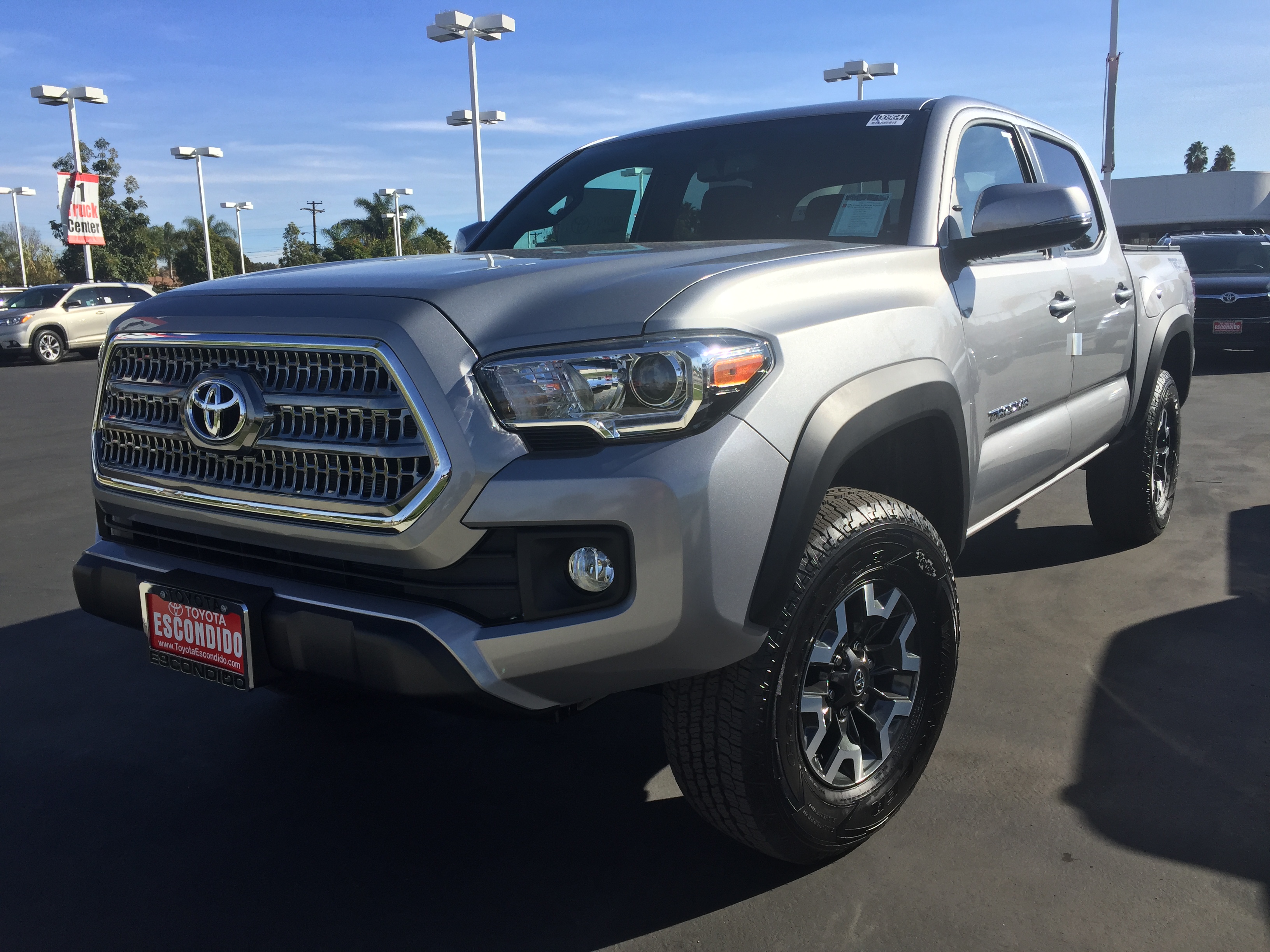
Santa I say, by Santa Cruz, Santa Thana Cruise, Yeah, San Santa clause yeah exactly, and you're Tacoma. You know, that's a
little bit different now where we're really in Maverick as well, and maverickan ranger.
You know, years ago that was just a one segment vehicle, a one vehicle segment where you just really had Tacoma really dominating. And what we've
seen over the last several years is we've seen more and more interests coming in.
There's a lot more competition there. Full size pickups that's going to be
your that's going to be where a lot of the battles are going, but I think, you know, those guys are just on such an even playing field, it's gonna be hard for one to top the other. But the
compact, the more lower you get, I think you're going to start to see a lot more battles between them in terms of I think that you'll start to see some clearly to start to separate themselves over time. But well thence
to that point though. Okay, so not surprisingly as the light duty pickup
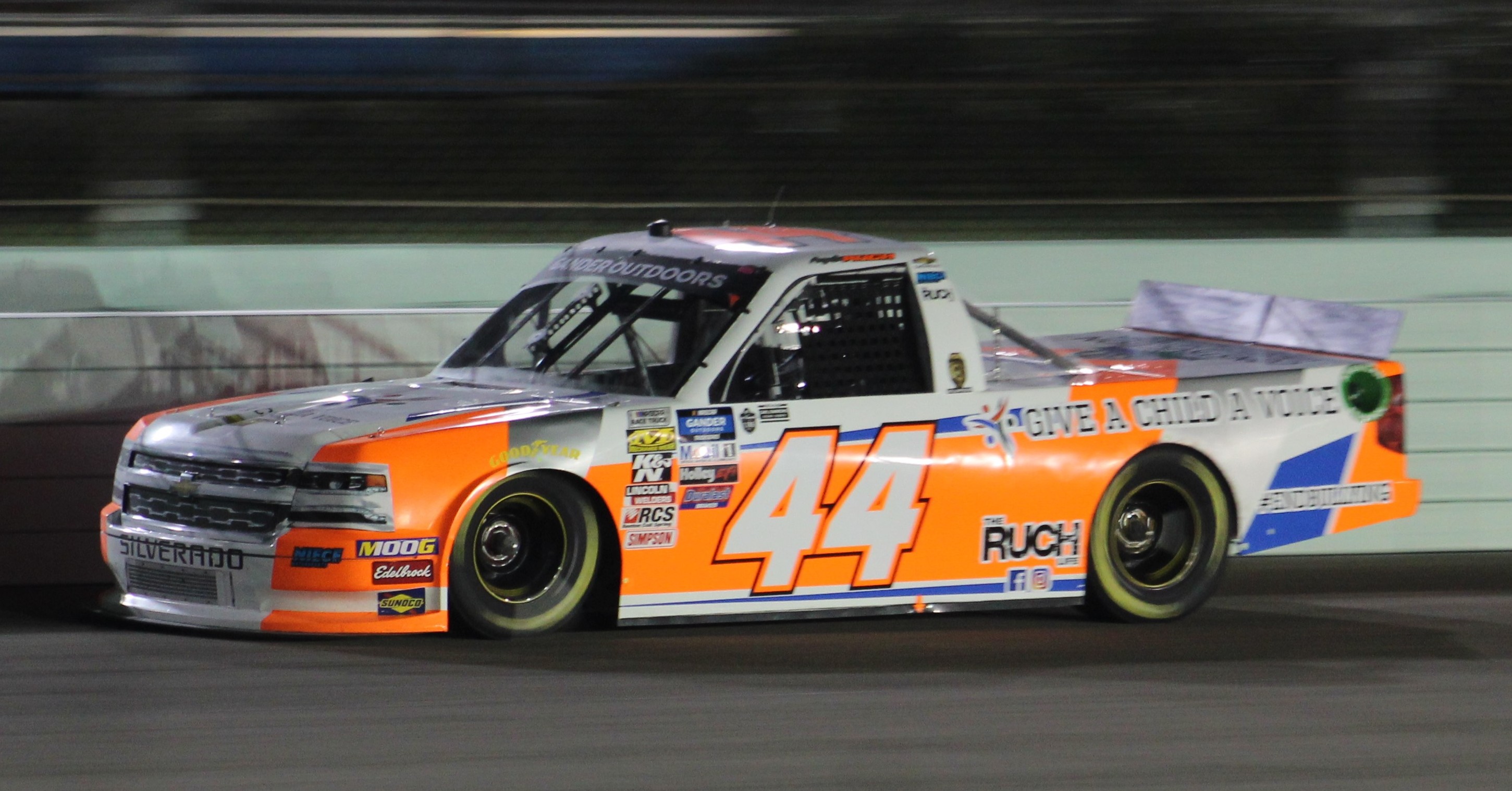
segment winner was the F one fifty, the heavy duty pickup was the Silverado.
But you know, the category that you guys have for these smaller ones is mid size pickup and that was the Honda Ridge Line, which also won it last year. So I mean, like it's not a Tacoma or it's
it's it's you know, I mean, how is that explained? You know,
the the Ridge Line, you know they had that the recent redesign that they did when they really went from more of I would say SCUV based looking vehicle to more of a truck vehicle, was a very positive, you know, positive switch from them, and I think that really resonated with some of those HANDA customers that just wanted hand and it was a pretty solid improving truck.
So I think that benefits them there in terms of, you know, why they're able to redad the customers. I don't really have that data available
to me to look at. I mean, I think if you just you
know, I think in this sense, Honda customers are very loyal to the brand. You know, I think they're very local to that particular model,
CRV in particular being kind of one of the highest loyalty among Hondas and the generals. And I think those customers that you know have purchased a rigin line
are very favorable of that vehicle, and they have a very not say cult following, but they have a strong following that comes back and hey, hey, I like this hicle enough I want to purchase another one because I want to stay with them, the Honda family, and I like this, this is all this is exactly what I need. I don't need a bigger version,
I don't need a stronger vehicle, but I like is what this origion line offers. You know, at the other end of the spectrum, then
your your data also showed that the higher the household income, the less loyalty that there is when they come to buy a new car. What do you
think's going on there? I mean, you know, so again, so
we're looking at stuff. We're looking at stuff from a household perspective. So
we're looking at additions to the garage and additions to you know, versus kind of just I'm giving up my vehicle one for one. If you have that
higher income, well, you know, you may not. You may want
to get you know, your you may want to have a pickup from Chevrolet.
But hey, I might want a luxury car. You know, I
cad of like may not give me what I want. Maybe I want to
BMW. Maybe I like to want to be a BMW. If I want
something for my kids, you know, maybe I want to go with more of a Honda Civic or something smaller. So I think having that higher income
allows you gives them a little bit more flexibility to kind of move around.
Whereas I think when you have more of a middle income, I think you're looking at Hey, i'm budget, this is what I'm familiar with, this is what I know will give me the best deal. You don't have to
shop around for a deal. You can pay for what you want and get
what you want, regardless of price. So so Vince, going back to
the segments you guys wrote, when returning to market, segment model winners not only show a higher loyalty to previous model, but they also migrate less through the brand. So I wonder, I mean, does this mean that the
buyer of a Dodge Challenger or a Chevy Bolt, both of which are category winners, does this mean they stick with those vehicles the next time they go to market? And what happens when those two cars go away? Yeah,
So a couple of things. First, when we're talking about model loyalty and
we're talking about the difference between model and make, model loyalty is always going to be is going to be lower than what make loyalt is. You know,
if you're make loyalties around fifty percent, your model loyalty is going to be on average around thirty to thirty five percent, you know, roughly almost almost half of what your make loyalt is. So you're looking at a much
smaller example size. So you're seeing a lot of defections overall. But to
retain that, you know, and we're looking at Dodge Challenger and we're looking at Severla Bolt. You know, they are in the high thirties in terms
of their model retention, So you know, there is a core following that, Hey, I love my rear world drive, you know, heavy vehicle, and I know and obviously the Challenger offers there's many different variants of it.
I think that also allows to the collectibility of it. And on the
both side, you know, it's a small compact EV vehicle for Chevy that has great mileage, I mean great range, and so you know, Chevy at this point doesn't offer a number of other models and another other different variants of EB vehicles. So hey, if I want another EB vehicle and I
like Chevy, I'm going to stick with that. Now, when those models
go away, that's going to be a different story, you know, in that sense, you know, that's probably where we'll see what you know, was it the lure of the brand, was it the lure of the power train or was you know? Am I you know? Unfortunately, what we're
seeing is the kind of not the we're seeing the what's the word I'm looking for. We're seeing kind of the necessarily end of the full sized vehicle.
But we're seeing a lot of OEM's move away from more full size to dance more real war drives to dance, so to think of you know, once the Dodge Challenger goes away, you know, if there's not a lot of options, it's going to be interesting to see, you well, what's going to be the next you know, maybe they might search out an EV because they like that power, they like that ability of what of that vehicle can offer. You know, they may want to go to Turbo I. You
know, I it's not really it's hard to predict kind of what they do once something goes away. So you know, I think it's a testament to
the power of those models to keep those customers in. But yeah, when
they move away, it would be it will be interesting to see kind of what that move, what the next kind of the next popular thing will be for them. But would they still stay within Dodger Chevy or would they likely
go somewhere else. So, you know, Gary, I haven't done the
research in terms of discontinued models to see kind of what that move. I
think it's an interesting study and I think it's something that I would definitely want to look into. And you know, I may talk to Tom about this
when I moved into when we do our next quarterly webinar that maybe a little topic to kind of look into the delving because I think it's a good point and I think that's something that we don't think about enough, you know, because again we haven't really seen too many models being discontinued. You know,
we are seeing you know, some of the midsize of Dan's go Away.
And one of the things that we know actually to this is older data.
But when Fusion was being discontinued, I think the heightened brand was you know, what, what what was going to happen to those Fusion coveries. This
this study idea was about seven years ago, so this data is old data, but you know, just kind of looking at what those customers did at the time, and what we saw is, you know, when the announcement was made, we're looking at those customers that returned to market. Yeah,
a good portion of them, you know, weren't really reliant to the body style. They did stay with four they shopped for another FOURD in the lineup.
You know, there was that aspect of hey, what was going to be that what was going to be that potential for a chord for camera for ultimate you know, to capitalize on with this loss and with this loss of fusion, and it wasn't necessarily as high as we thought it was. It
was actually very low. The rest of them, the rest of those buyers
still remained little to the brand. Now, granted that was seven years ago,
so you know, the things could have changed obviously them between them, But yeah, I think to answer your question, there could be an inflation that they would stay with the brand. But yeah, I think that's something
definitely look forward to a possible with our next quarter webinar. Your your data
also showed that people who buy hybrids are less loyal than then people who buy pure ice or BEV vehicles. Is that because they're they're going to a different
hybrid or are they just saying, you know, I don't even like the way these things drive, I'm going with something else. Yeah, you know,
I think the hybrids kind of I feel bad for the hybrids because I had a hybrid a while back, and I think, you know, when two thousand and eight happened, I think what happened. I think what we're
seeing when we looked back to two thousand and eight, when we saw the gas prices shoot up to the roof and then we saw you know, the Prius was the you know what everyone talked about hybrids. They didn't say I
have a hybrid, they said I have a Priests And there was a lot of you know, there was a lot of power in that name, and they catched a lot of market share to the point to where they were kind of the de facto, the facto hybrid on the market. You know,
the other brands were slow to adopt more hybrid technology, and I think what happened was that just kind of got lost in the shuffle because then shortly after hybrids came out, then we started to get you know, we started started to creep over to the EV territory, We started to creep more into plug at hybrids, and now evs have really kind of taken the dominant name, the dominant story in the industry in terms of alternative power trains. So I
think some of it is just kind of the way that the lateness in terms of other OEMs to really capitalize on the technology. Another thing was after the
gas prices went up. You know, we've been in this industry for quite
some time. We know that blips on the radar are blips in the radar.
Eventually things are going to return back to normal, and actually gas prices shot back down pretty fast, and so once that happened, the lure of going to that that technology wasn't necessarily there anymore. So I think that kind
of impacted them were as EV you know, depending on what you feel like.
We know that there is you know, we know that EV is clean technology. We know that we need to start being less gas reliant. We
know that the government everyone else is are investing in these clean technologies. EV
is kind of the the the word that I'm looking for, a kind of the leader in that sense. So we know that that that has power and
that has momentum to carry forward because everyone's going forward to that technology. We
know that cafe standards are going to you know, rise up in the next few years. We know that other OEMs have pledged that we're going to develop
you know, majority EV power trains by twenty thirty five or twenty thirty and so like there there is that momentum that I don't think hybrids had back in the day. Yeah, I wonder if it's the waiting as we see Oh
sorry, go ahead, I'm just gonna say, as we've seen more evs hitting the market and more and more brands, and we're just going to see more and more you know every year going forward. Does that have a potential
to upset the traditional loyalty paradigm? And you know, if we're talking ten
years from now, well, could things potentially be very very different. Absolutely.
Um. You know, just this year, we've seen the number of
EV models double from two years ago. And as we've seen those number those
numbers double, we've seen we've seen an erosion in Tesla's share of those conquests coming into that power train. So you know, if they offer the good
models and then more models they offer, you know, that's I think will potentially give them an advantage in terms of retain those customers into another EV power train if they have that available in their life line up. You know,
I think Tesla really has built up that foundation though, and I think that's what's really going to be hard. You know, again, we talked about
the launch of the cybertruck, even though they didn't offer it, even they didn't announce it yesterday. You know, there is a potential for more of
a value priced, smaller vehicle that they're going to offer in the next few years. That's something that can make that, you know, it's really going
to see what Tesla does going for in the future to potentially either benefit them to make those customers sticky with their lineup versus you know, the other OEMs catching up and offering you know, another of another of other alternatives to really kind of keep those customers within their brand, you know, and I think, you know, you look at the investor call yesterday, they really focus more on you know, the sustainable energy and really kind of being that power company, not necessarily more of the brand stuff. So I think the next
big thing is, well, what are they going to do next in terms of in terms of models. I know they outset that they're going to offer
a minor refresh to the model y in terms of exterior and interior design, which is something that brand hasn't done at a while now. One of the
things that has really benefited Tesla overall is the fact that they have a very appealing design that has aged very well. They haven't had to follow kind of
somewhe with the normal traditional um you know OEMs have done in sense of having kind of a four seventy year cadence in terms of fully redesigning their vehicles.
So if when it when that design starts to age, that's going to be another thing is it's how are they going to tackle that and how are they going to come, you know, come forward with with new designs. Are
they going to make that that design is appealing as the previous generation was then not even talking about Oh, I was gonna I was just gonna follow up.
I'm sorry, I was. I wasn't talking about we're both okay,
go ahead, Gary, I was gonna say. Elon said yesterday they have
infinite desire for their products, so they don't have to worry about any of that. Yeah, I mean, it's you know, the advantage that they
have is, you know, their redesigns and the past have been more technology.
But as we all seen, you know, taste change. You know,
I'm not wearing really baggy jeans anymore, you know, I wear you know, my geans are a little bit tighter they normally did. You know,
my shirts are a little bit tighter and not not loose. Feeding So
taste change, fashions change, perception changes, and I think over time, you know, maybe that maybe people won't want to see things so bulbous.
Maybe they want to see things more angular, more rigid like that the cyber truck is. So you know, that's what I think is. I think
that's going to be the true test. But you're right, Garrett, I
mean, right now, for the last ten years, it's really benefit them because that model is very sleek, and they say, hey, you don't have to buy a new model because we're just gonna update the software and that's going to be your new model right there. You don't have to worry about
it. Yeah, And my follow up question was taking it beyond Tesla,
does it have a chance you know, will Toyota buyers look at a gm EV, will Forward buyers look at a hunday ev? I mean, does
that does that have the ability to upset the loyalty apple cart among the major the mass more market brands as well? Yeah, you know, it really
is it's the product that you're offering. You know what is the package?
You know, is the perception of it, is their strong word of mouth, you know that type of stuff. Pricing incentives, you know, those
are going to be factors that are really going to play into it. You
know, range anxiety again that we're talking about, you know, my, you know my, if I'm offering a vehicle that has five six hundred mile range and you know it's just you know, as better than the competitor.
Hey, I might be more inclined to doing. And it's also three thousand
dollars last Hey, and mayor I might want to move to that. So
it's really going to be not only the design, the performance, but it's also going to be price and you know, what you can offer, what we can offer, that's really going to be and those are just traditional channels that oeams are using now to conquest from other brands too. So that's really
gonna you know, having that experience and bringing that model into once more evs are available, is going to be you know, a very important play in terms of trying to capture other other competitors. Well, you know, look
what evs have done for Hundai and Kia. It's been amazing. You know,
a few years ago, if you had said they're going to be those brands are going to be selling sixty thousand dollars cars, we would have said they got rocks in their heads, nobody's going to buy them, and they would not if they were ice vehicles. But being evs and terrific evs at
that undy and Kia I have not only greatly boosted their brand image, it's opened the door to conquest that they could never have gotten with their ice vehicles.
Absolutely. I mean, if you look back and you know, I'm
going back in again twenty years in the industry, you know, you look back at what Kia was prior Key and Hunday both prior to twenty and twelve.
I mean, those were budget vehicles that you know, if you're driving them around, the perception was like, well, you know, that's not really the greatest car, but it gets me from point A to point B.
And then twenty and twelve with the launch of the Sonata and then eventually the Optima really changed the Luntra as well, really change that brand, and they've just been on They've just been on a tear ever since with their designs.
Not only the design states, their technology is strong, they offer a get price, and they've also been really early into hybrid and EV technology too.
So again, the earlier are in getting into this technology and the earlier to develop it and get it out of the market. It's really going to
help you kind of going forward versus you want to play you don't want to play from behind, because when you're playing from behind, you make more desperate moves. And I'm not saying that these om is gonna be desperate, but
you're just kind of working the clocks ticking and you really have to kind of make sure that you hit that you hit it out a part, versus if you're starting earlier and you're really developing it, you kind of have that basis to make some mistakes and eventually evolve from there. So so to the point
of the traditional OEMs versus the up and coming OEMs. I mean, you
mentioned Gribbean before, and I just want a JD Power Award for Owner satisfaction for the R one T And you know, in the dominance of Tesla in the results of your loyalty awards, what is the message for the traditional OEM guys. I mean, what do you think that they need to do in
order to maintain relevance going forward? Yeah, you know it's I'm not a
marketing expert. You know, I'm a data guy. I'm a film major.
I can talk to you about film all the time. That's what my
expertise is. But if we're looking at it from a data perspective, you
know, I think one of the things that you can look at. We're
not even a data perspective when we just see kind of in the data where these customers are going to and you read in the news, you read about how you know, raving customers really love you know, they're having issues in terms of providing these vehicles, but those customers that get those vehicals really love it. And if we look at Tessa and we look at kind of what
raving has done, they've just really been outside of the normal traditional sales strategies and methods designs that we've seen from these oem So I think it's you know, the industry has been very successful for a reason, you know, and it's been around for hundreds of years. They've been developing car of one hundred
years they've been developing cars, you know, And I think what happens is, you know, you get very used to those traditional sales channels, those traditional design channels, and I think now we're at a period where it's time to start thinking a little bit differently in terms of looking at the industry a little bit different way because as we've seen now you know, the boutiques they work, you know, having any marketing just kind of creating a brand kind of brand sense or brand identity really helps. So I think looking at different
ways to kind of to basically tackle something I think is going to be beneficial for them to kind of look at. I think those traditional ways they are
successful, they still work, and I don't think you should ever give them up, but it's time to think outside of the box. Every now and
then. They're really kind of kind of out a spark to your to your
brand. Yeah. Look, we're coming up to the top of the hour.
That's probably the perfect note to end this discussion on. But Vince,
I want to thank you for being on the show. This has been terrific,
very insightful. Oh, thank you guys very much. This has been
a blast loving it. Yeah, thanks Jeff, thank you for joining us.
Good having you on board. Here are you, Thanks for having me
really good. Okay, thanks everybody. Gary, I'll see you later.
Okay. See Autoline after Hours. It is brought to you by Bridgetone Tires
Solutions for your Journey. If you like this program, I would like to
learn more about the automotive industry, check out our website at auto line dot tv, or look for us on YouTube on the auto Line channel
Request an explanation for:
18 cars
Scroll for more
18 cars featured
Request an Explanation
Heard something you'd like explained? We'll add it to this episode.
Sign in to request explanations for terms you heard.
Want to learn more?
Browse our glossary for plain-English explanations of automotive terms, jargon, and concepts.
See something that's not quite right? Our annotations are AI-generated and can sometimes miss the mark.
Click the flag icon on any annotation to suggest a correction.