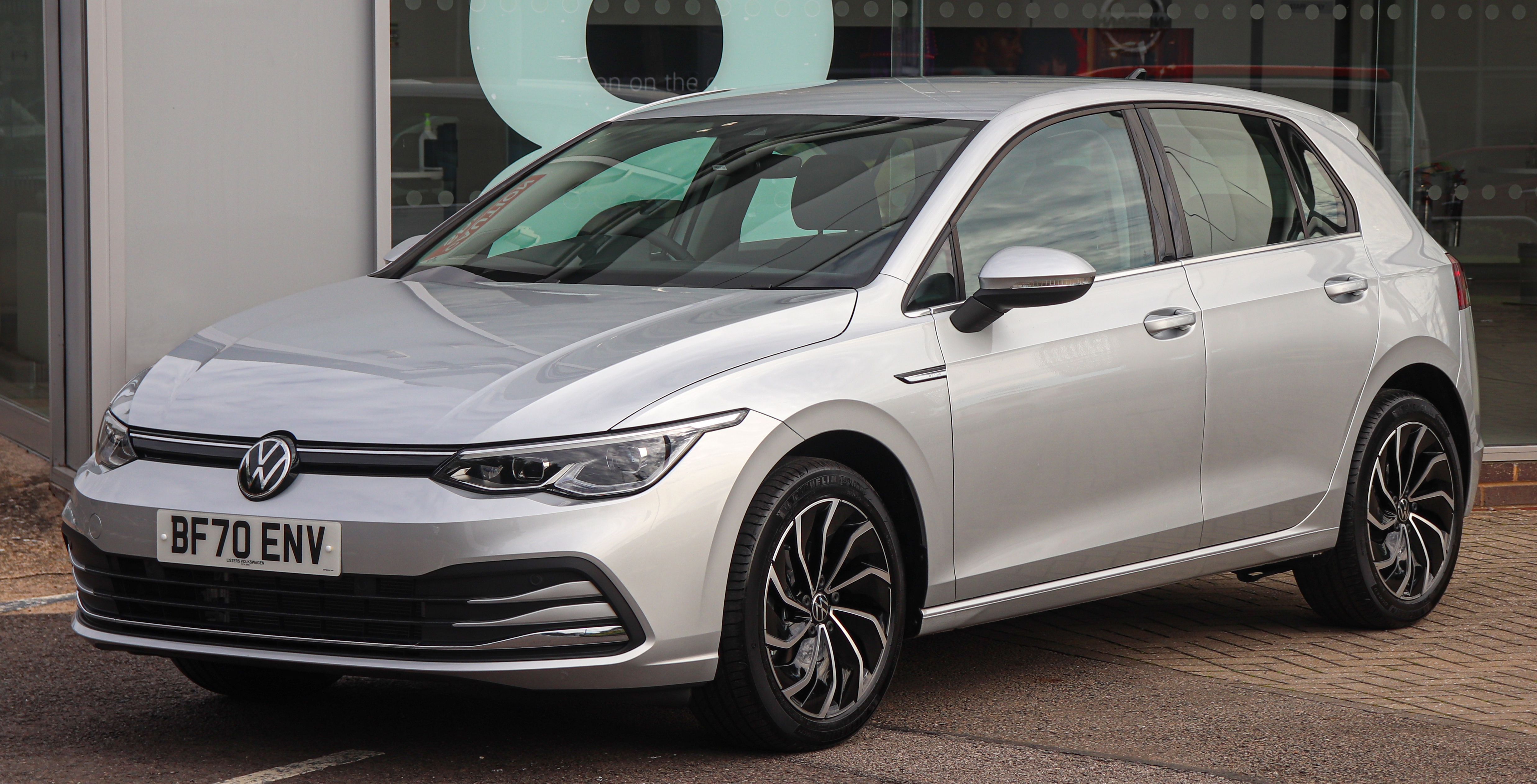
A deep dive into Toyota's recent strategic shift towards electric vehicles, featuring insights from industry experts Jeff Stout and Tu Le. The discussion highlights the challenges and opportunities faced by traditional automakers in adapting to the rapidly evolving EV market, particularly in China. The guests share their experiences from the Shanghai Auto Show, emphasizing the growing dominance of local EV brands and the need for foreign manufacturers to innovate faster. Key themes include the importance of user experience, digital integration, and the potential impact of Toyota's new EV division on the automotive landscape.
Topics:toyota ev strategyshanghai auto showdigital integrationuser experiencechinese ev marketlegacy automakersinnovation speedsustainabilityelectric vehicle trends
TOPIC: Shanghai Auto Show and Toyota's EV Plan; PANEL: Jeff Stout, Yanfeng Automotive Interiors; Tu Le, SinoAutoInsights; Gary Vasilash, on Automotive; John McElroy, Autoline.tv
"...us I didn't name. They have a ton of stuff in the EQS. We do the interior for that. They've got all kin..."
Select text to request an explanation
I'll do online after hours. This brought to you by Bridge Stone Tires Solutions
for your Journey. Jerry John hoo are I'm great. I'm back from vacation.
I haven't I haven't shaved since I left. So I've got this earnest
hemingway look going. So so you're sort of like in the woods somewhere and
just decided that you would go very natural. That's right, exactly right,
to be honest, it's pure laziness. Well, you can't be lazy today
because we've got a jam packed show what we do. In fact, we
may as well jump right into it. Let let's bring him in. We've
got Jeff Stout from Young Fang and to leave from Sino Auto Insights, and just so the audience knows too what a trooper. He's in Beijing right now.
It's twelve hours difference. It's the middle of the morning there. And
then we got Jeff who's about to head for Shanghai later this evening after the show. So I'm glad you guys were able to carve out a little bit
of your schedules for us. No rest of the weary, See, these
guys are troopers. You won't even shafe because you, hey, look lazy
is my middle name. I would have been sleeping anyways, John, So
it's fine. Well too, what's it like? I mean, what's it
like traveling in China these days? I mean, you've lived here and everything
like that, but then you came back to the States and you know, the whole COVID thing went crazy in China. What's it like now? So
there's a bit of anxiousness as I went to customs, and there's always confusion because there's forms need to fill out, and I had PTSD because I wasn't sure if there were QR codes I needed. There wasn't sure if I needed
to wear masks. And shockingly enough, it was a breezy process. So,
Jeff, I think, if I wanted in the Shanghai, it should be fairly, fairly easy. And then you know, I got to Shanghai.
I took took a cab or a d D from Pudong the international airport to my hotel, and I did get ripped off by the cabby because it was almost twice as much and I just wasn't paying attention to the roads he was taking. But uh, you know, Shanghai, which is one of
my favorite says in the world is a little bit subdued. I think there's
still some kind of post COVID I would say, what's the right way to say, is post COVID trepidation? Yeah? Yeah, And but that quickly
went away on you know, Wednesday, Thursday, and Friday, as we were building up to the Shana Auto Show. I came early to get through
the jet lag and visit a couple of of o ems or some EV companies, and so I can talk about that in a little bit. But you
know, the Shanghai Atto Show, I was there the last two days.
I took the speed train that goes about three hundred and fifty kilometers an hour from Shanghai to Beijing, and it took me about four hours. And now
I'm in Beijing and tomorrow afternoon I'll jump in an autonomous vehicle from Baidu to test that out. So cool. You know, I'm a visitor, but
it still feels like home a little bit, if that sounds okay, Yeah, yeah, yeah, Jeff, what were your anticipation of going to China?
Now you haven't been there in a while, right, and there in a while. It's probably been in four years. So I had a ticket
to fly to Shanghai March of twenty twenty. It turns out that flight didn't
happen. I still remember, kind of funny to think back flashbacks when they
canceled my flight Delta. I wasn't flying Delta. They announced that they were
gonna they were going to cancel all flights to China for thirty days, and I thought, thirty days, come on a week, I get, but thirty you don't need to can't. Three years later, Okay, the cancelations
have finally started to clear. So, um, I've been in contact.
Obviously the world is like this, right, So I have conversations with China every day. Um, but being face to face changes everything. So looking
forward to kind of be in there and actually interacting, brainstorming with the team, uh, interacting with them. But for sure, it's there's definitely I
would argue Covid residue that there's this hesitancy about it. I think we're in
the clear? Are we really in the clear? That's the sense I get
from the team that I've talked to. So I'm looking forward to, like
the experience. What that's like on the street. Well, well, Jeff,
for the members of the audience who are not familiar with YF and you know, just don't know about it, know about you just give us a brief synopsis. Yeah, just real quick intro. So young fung Um the
right way you're supposed to say it, which people get that wrong. You
can go with YFA exactly, Yen fang Fun. I don't remember fairly long
history in the automotive space, basically starting as all joint ventures. So there
was a joint venture with Visteon for electronics, of joint venture with JCI Johns controls for in tiers and seating key safety systems for safety activity still have a JV with Plastics Omnium for rex tiers. Back in twenty seventeen, JCI wanted
to get out of their interior business and so they formed a joint venture that was seventy thirty and then YF bought out that and so WYF is the old joint venture in China as well as all of the old JCI activity for interiors.
Since then, having done that for five years, they've decided that they want to replicate that model for the other products, so seating and safety and electronics. To get out of the joint ventures Chinese speaking, there's a lot
of nuance here, so it's a little bit different for each of the different product lines, but in general, take that product line that's in China only and start migrating that into other regions. So safety products, we've begun selling
safety products in Europe and North America. Seating products we're starting to launch that
in North American and Europe. And so really a vision of kind of total
cabin relative to all of the things that are inside that vehicle, that user experience. That's the world we live in, I mean personally. So I've
been at the company for thirty years. Jaci before Young Fung and then Prince
before Jci. For those people old enough to remember that name, I remember
for Rince Eternitydiogo musician formerly known as but you know him too, I'm sure you remember, but the company that made interers. Anyway, So in that
thirty years, I currently am responsible for innovation activity across the globe. So
for those different products zones, seating, safety, electronics, and interiers in North America, Europe, in China. And two let's do the same thing.
Tell the audience about sign all auto insights. So you are looking at
someone who grew up in Pontiac, Michigan, worked in automotive space for a few years, went back to grad school, and then moved out to Silicon Valley for about seven years, and then chased the girl over to Beijing.
That was over thirteen years ago. And you know, as John you mentioned,
about seven months ago, I decided to move back to Metro Detroit, Troy, Michigan. I'll tell a quick story. We lived just right off
a big beaver and a brand new Midrides apartment complex, and I wanted to get an electric vehicle when I moved back, but the eight floor parking structure that had joined the luxury apartment did not have any charging stations and the retail locations on the first floor did not have any charging So guess what, I bought a Chinese built Buick Envision. But anyways, I started Signal Auto Insights
about seven years ago in Beijing. We now have an office in Detroit as
well. So one of the reasons I'm here is to meet you know,
I haven't met and talked with clients and partners for about seven months. And
the reason I started this consultancy is because I saw a lot of bad takes.
I saw car guys speaking the wrong language to tech guys and vice versa.
And so, as you know, John, I started with a newsletter and that's gained some popularity. But now we also do or I also co
host a podcast called Chinese vis and More. And we we as a consultancy.
We do work for mobility companies. I'm probably most known for my takes
on electric vehicles, specifically in China. You were quoted in Europe, you
were quoted in the New York Times today, Yeah, for this weekend.
Yeah yeah. And then I actually was interviewed by CNBC for squawk Box Asia
as well, So that was pretty cool. But I got I had to
get up and go to the auto show at like six o'clock in the morning, and so that was pretty fun. But you know, um, but
I think the opportunity is here for us to help ev CUP and needs mobility CUP needs, especially because of the inflation reduction that so I'm so excited about the future. So yeah, So jeff yf recently conducted a study looking at
luxury. Now we're gonna be talking about vehicles, but you know, you
guys looked at the market in Asia, the US, Europe, and it seems to me that you you basically found a certain level of consistency when it came into luxury. Can you talk to us about that a little bit,
Yeah, for sure. Just real quick background on the team that we have
at YF that does user research, consumer research. Those are three big regions.
We've got a team in North America, team in Germany, and a team in China. And so typically the cast that we the demographic that we
draw from, and whenever we do kind of our view of what a future vehicle might look like, we typically label that as an x I M experience in motion, and so we'll spend months doing research on a particular topic as a feed stream to Okay, let's make sure that we're grounded in what consumers looking for when we do that vehicle. Uh, the last vehicle that just
got unveiled in China here the last couple of weeks as part of the Shanghaioto show, XIM twenty three. We're very creative with our naming of the next
one is gonna be XIM twenty five. Just don't tell anybody that's so.
Anyway, the question was what does digital luxury mean? We were hearing this
kind of expression from our customers and from other folks trying to understand what that means. And we went in with this notion that those are mutually exclusive terms.
That digital is what the kids do. That's I'm gonna date myself,
that's Instagram. Well, that's what the old people do. No, I
don't even know what the young kids use for social media these days. But
whatever that kind of trendy digital solution is for a problem, that's that's for the kids. And then there's luxury, where you have opulence, you have
the overstuffed chair, the chandelier, that whatever image you have from Italy, this sense of you know, old school luxury, and how do you bring those two worlds together. And so that was kind of the fundamental starting point
for that research. And what we found was, frankly, that that was
a false understanding. I mean, there's elements of that that are true,
that there are pieces of history that have led to that, but really that the two really lay on top of each other. That a that and this
is not automotive research, by the way. This is consumers would define luxury,
define digital, define digital. People have stopped viewing luxury as being kind
of that traditional sense of opulence is the best word I can come up with that that's just that that's in poor taste these days. It's kind of,
oh, you're one of those people that think you need to have this flash.
It's all about again, We've been saying this for the last couple years, but it just keeps being more and more true. How do I craft
and experience that is luxury? So it's it's what you feel much more so
than this kind of over the top audacious presentation of wealth. And then the
digital is a an enabler of at So what we ended up having in the XI twenty three if you want to google XI twenty three, I'm guessing there's some press release items for that, was that there's really five different pieces of foundational building blocks for for luxury. Run through them real quick, and if
it's boring, just asked me a different question. So the first one is
just a pure sense of service. You go to a restaurant and I swear
I took a drink of water, but every time I look at my water glass it's full. Having that sense of the vehicle serving you in such a
way that it just it just is always taking care of me. Even without
me noticing it. Simplicity. I need to be able to get into a
vehicle and have it do what I wanted to do without me having to spend six I think of the old Porsche Kayane that I sat in that had seventy four buttons in the floor console. It took me a weekend to figure out
what every button did, and why would that is not current luxury. Luxury
is the simplicity of maybe it's audio controls, maybe it's Jessica some uyux, of being able to control what I want the car to do and it does it about me having to be trained on how to do it. Personalization BMW
went they're a customer of ours. I love BMW, but I'm gonna be
a little bit critical when they announced it CS the D vehicle to me, they took this personalization idea and just took a half step too far where they started referring to the car as your friend. It's like, I don't think
most people want a peer relationship with their car. They want their car to
serve them, and maybe we're a little uncomfortable with some of that language.
A servant but concierge. I want my car to support my needs. I
don't want to help my car when it has needs. I only want the
car to help me comfort. Obviously, see cover the number one thing.
A lot of work that we're doing right now on zero gravity, just kind of this full deep recline of how do I get to a purely comfortable position in the car, and then control, which control is an antithesis to kind of that service where I want the car to do it for me until I don't. I think of Space Odyssey right when Hall takes over, It's like,
hell, no, that's not in your best interest, So I'm not going to do that. Hey, hell, I'm in charge here. So
you want how to do things for you until you don't, and you want to be able to override Hall when you want to. So those five things
of service, simplicity, personalization, comfort and control. When I do those
five things correctly, then I have a digital luxury or a luxury experience that's enabled by the digital technology. That's as fast as I could do that.
That was really fast and good too too. I'd like to get your and
put on what Jeff was just talking about, because for years now you've been saying one of the things that the foreign automakers have missed in China is this whole digital connection kind of thing in the car. So the average buyer of
a Cadillac and where Satan's is likely twenty to twenty five years younger in China than it is in the rest of the world in the United States and Europe.
And people born after nineteen ninety, we'll call them digital natives. Here
in China, they were born with the mobile phone in their hand. They
were born with buying things on e commerce sites and apps using their mobile phone.
So there their life had nothing to do with analog And so to Jeff's point about having knobs and buttons and stuff like that, that's a little bit foreign to the meat of the market here in China. And so what happened
with the Chinese EV companies is and you know, I stopped by g Dou Auto, which is the joint venture between Glee and Baidu, spoke with a head of design and he said, seventy percent of our engineers are software engineers and thirty percent are traditional automotive engineers. And in most automotive companies that's flipped.
Now the ratio is getting better on the legacy side. But it's still
a ways away. And so if you're prioritizing that experience, and you know,
Jeff makes good points with the five things, but sumers don't give a shit or don't care about those five things. What they care about is how
seamlessly can this connect to my digital life the synthesis of that we're looking and if we're looking at use cases, then obviously there's certain scenarios in the Chinese person's life that are a lot different than someone in Europe in the United States.
And what we're seeing is that the foreign automakers have finally gotten it.
And what I'll say is, Jeff, when you hit when your wheels down in Shanghai and you see all these green plates, your jaw is gonna drop.
Because if we look at four years ago, we're at less than a million and a half any V sold or new energy vehicles plug and hybridge battery electrics plus fuel cell vehicles. Last year we're at six and a half million.
And if you look at Shanghai, it's the green plates that tell you if it's a new energy vehicle. And so let me just say walking around
on Money Day and Tuesday with the huge German and European entourages, and you could always tell who they were because they had that white shirt button down with the with the suit with no tie, so you can automatically tell. And
they're they're always kind of stern looking right like you could see that their jaws were dropping right because you know old La Collineus, you know, bloom up.
They know what's happening in China, but the rank and file middle management, they haven't been back in four years and so they have no no, no idea the speed at which things have changed. And then on top of
that, you go to Shanghai. I see all these green plates and then
you go to the auto show. Um, you know I'd said this before.
The cameras came on Hal six one where Neo X, pung Leauto and a few Ito and a few other Chinese EV brands reside. The foot traffic
there was ridiculous. And then you go into Hall four one and three one
where the foreign legacies are. And don't get me wrong, I sat down
in the Audi rs Tron, love the car, but there was no one around me and I didn't have to wait ten minutes to go sit down like I did in the zeker X which is one hundred and ninety thousand R and B or less than thirty thousand dollars. And so the excitement specifically in China
is for those domestic brands and the new premium, the new luxury is connected.
Has nothing to do with how leather, how nice the leather is, or any of the seats. It's all about, you know, being connected,
being very simple and high design because the Chinese consumer has matured over the years, just like anything else, and so they know what they want and it's not what it's not what the foreign legacies are giving them. So is
there a correlation between electric vehicles and more digitization on the interior. That doesn't
necessarily need to be one, but I think that it just creates a starker contrast and kind of um a distance from the traditional ice vehicles because you can have a really great digital experience or a user experience in a combustion engine, but you know, it's a bit more complicated because with the electric vehicle, you can use all of the software and hardware to kind of work together to create that seamless experience. You know, even before you get into the vehicle
with the internal combustion engine, you know, it's just you can tell when an EV is basically an ice with the power crain with the conversion without comply it and a battery bolted onto it. Yeah. So, so I think
the Chinese consumers don't appreciate these, these boltons or these work in process.
They would rather clean sheet EV design from the very beginning, and you can tell from the ride. You can tell from the design that this was thought
through as an EV first, and I think that's a huge difference maker for the China market. Anyways, Yeah, if I could throw one small anecdote
into that. Again, research that we were doing there was an open question
of saying an electric vehicle an ice vehicle, like the fundamental premise of your question, Gary, as a as an interior, the person sitting in the seat, there a steering wheel. It really shouldn't matter whether it's a gas
engine or an electric vehicle. So we started to try and pry into people's
buying decisions and kind of how they refer to their vehicle and really found that it's not causal. There's no reason why it has to be this way,
but there was a strong correlation that people who buy electric vehicles feel like they're buying kind of avant garde nu vo technology, and as such, they want to be able to say, hey, I didn't just buy this new electric car and it's new. They want something inside the car, a proofpoint,
and so they're looking for the thing that they can go run across to their neighbor and say, hey, neighbor, come here, I bought one of those new fangled electric cars, and let me show you what it can do that your car can't. And there's no reason why his whatever gas powered pickup
truck couldn't have that same feature. But automakers are kind of being pulled into
a direction of having a software behind vehicle for an electric vehicle, even though they could do the same thing for a gas but there's an expectation that that user experience is going to be unique. And avantgar is the best expression I
can think of to really kind of say, yeah, this is the way future mobility. That term gets thrown out all the time, but this is
the future. From let me show let me show you the proof of why
this is the future, and one two anecdotes, one other one to two point colleagues that I have. I'm looking forward to sitting in this I haven't
done it yet. Huawei, kind of the apple Ish counterpart in China,
jointly developed a vehicle with Sarah's that's been on the road. Every Chinese colleague
guy talked to says that is the most amazing car ever, for exactly the reason why you just mentioned, like you could imagine what an Apple car would be, completely seamless. You walk up to the car, it's connected to
your phone immediately, everything is immediately similar, seamlessly digitally connected because it's being designed and developed by a digital company. And I guess maybe that's a question
mark for this group of Is that a cautionary tale? Is that A.
Yeah, it's happening in China now, and you can expect that to come to the US in the next couple of years. They expect a digital native
company to deliver that seamless digital experience, and consumers are going to resonate with that, and those new energy vehicle companies are gonna be at the forefront of that, and the traditional automakers are going to struggle to keep up. Or
is it China's China? The consumers are different there and they have their own
wants and needs that are unique to what the US consumer wants and needs.
To me, that's an open question. Okay, So so to both of
you guys, Okay, yeah, go to because because what my argument is is so people will say, well, you know, what China wants and what Europe wants and what the United States wants is completely different, you know, older consumers blah blah blah. But you know, if if technology is
intimidating, then nobody's gonna like it. Every months. Okay, but guess
what within the next eighteen twenty thirty months voice control, gesture control, because we already have chat, GPT, it's already doing articles and stuff like that.
So guess what if if a sixty year old person or a thirty year old person can tell a car what to do in its own language and you know, and it's uh, let's say, not so formal language, and the car understands, everybody's gonna love that. I don't care if you're eighty,
I don't care if you're thirty. If it works, if the technology
works. So this argument that you know wouldn't resonate in Europe, it would,
you know, I think that's complete BS. And because again it's about
the experience the technology in the software is just the enabler, right, if you create that, then people will be loyal to it, especially if and that's why Apple and Google are so keen because that's the last part of the person digital life that they don't have access to. You know, if we
go to China, you're the United States technology companies know what we buy, they know what we search for, they know what entertains us, and so they know what our schedule is. But not But the only part is they
don't know what we do when we're driving, and they want to monetize that last cars and right now they're much better than the foreign legacies are doing that.
Yeah, right, And so Jeff, to your point two is everyone's going to the software defining car. But that's what you're clean sheet evs.
You know that most of the legacies are working on right now but don't have out And I don't think they're going to go with a software defined ICE VEHA car because I don't think they're gonna put any money into developing all new ICE platforms. So that means only the evs are going to have all this cool
stuff, and I mean fully cool because as you guys know, when you have a fully software defined car. I mean, this is why Tesla can
do all kinds of updates all over and do recall fixes and that sort of thing, because it has a fully software defined car, which no other legacy at this point has and probably is not going to have until around twenty twenty five or so. So yeah, I think getting to both the points that
you guys are making, it's going to become very apparent to your point too, in less than thirty months of old legacy cars. Ice vehicles can only
do so much, and if you really want to step into the future, the here and now, the cool stuff, you're going to have to go electric. So Jeff, when you know, when people talk about the software
defined car, it seems to me that they may forget that there are still things like, oh, I don't know, seats and an IP and so on. I mean, so so YF is in the business of providing things
like that. So I mean, how how does the physical aspect of the
software to find vehicle change or not? There's a hardware and a software element
to this. Um. I don't want to get too far on the weeds,
but we we did a study of saying could looking for the extent of how we could possibly expand a software defined vehicle to include not only software OTA updates but include hardware. Um, what would it look like to have an
infinitely reinvigorated vehicle that you just constantly are getting updates. It's a lot easier
when you push an OTA button that you just push a software in new vehicle than it is to have a physical swap out. UM. So I think
there's going to be severe limits to viewing it that way. The synthesis of
the two. If I jump into what we're showing on X Time twenty three,
it does make sense where you you start in kind of a uh INN entry mode. For example, we have a pillar to pillar display eight K
display, but there's only about fifty millimeters exposed. It's got driving functions on
there. You're in a traditional driving condition, traditional driving wheel, traditional seat
position. But then as I get into kind of an autonomous support, that
display goes up, the seat retracts a little bit. I have the ability
to engage or disengage. And so there's hardware elements to this that is enabling
the digital experience up to a full autonomous which save that for the second half the show. If we want to talk about where the status of full autonomous
is where I can get into that kind of zen mode lighting experience. But
again, the software defined vehicle is a support function on the electronic side that configures the mechanical, the seat, the instriment panel, the hardware around you.
But it's all affected so that nobody escapes unscathed on the inside the vehicle relative to that future of software defined vehicle. So, if if I may,
I might throw a couple of controversial statements here because I think I think software defined vehicles a terrible, terrible, terrible term because it's not software defined, it's user and you know user experience to define, right, Software is an enabler. It doesn't create the experience and enable the experience, right,
And you know, for for okay, how's how's this, Jeff? You
know, Jeff, Jeff points to these studies. Right, that's the problem
with the automotive in in in tier ones. They need to increase the risk
profile and move faster. Right. They can't study stuff all day long and
point to where the market is going. They need to anticipate that stuff and
they need to go take some risk and you know, put yourself out there.
That's the only way you're going to beat the technology companies because they move faster and they they their mistakes can be erased very quickly. And you know,
this is not an analog versus an analog company competition. This is an
analog versus a digital company. So you can do those studies all you want,
you can hire the Mackenzie's and stuff like that. I guess what that's
gonna bog you down, and it's going to keep all these new interiors that you want to put into place, they're going to be twelve, eighteen, twenty four months too late to the market. That's how I look at it.
So so I wish I disagreed with you that it's mostly true. Other
than a couple of clarifying points. WHYFS not an automaker. So we're constantly
developing technology and asking does this work? Doesn't that work? It's the automaker
who chooses to do it or not do it. And frankly, as a
supplier, we love speed. When a customer comes and says I'm going to
source you this business, We're gonna be in production in nine months, that's awesome. It's the traditional automakers that are really I would say the would receive
the brunt of your comment, and I think you're spot on that there's this sense of historically the global automotive market knows how to develop and design and build a vehicle. It takes five years. You start with a lot of research
and understanding what the keywords are, and then you get a design and you have three themes and you choose the one. Then you clay and then we've
been doing that forever, and I think Tesla probably came along first, but there's a ton of companies in China that are BYD is a great example that's just blowing that up and saying whatever, we're gonna do it in a year, and we're gonna try it. If it fails, we're gonna fix it.
That's not a challenge. It's a little bit of a challenge for us
because we've historically done it with the automakers in that page. It's not so
difficult for us to change our paste to speed up to match the byds.
But if you're I'm not going to name an automakers since we work with all of them. One of those traditional automakers that says, hey, you're two
three four year development time, I've had that conversation with man, we're doing a beta prototype concept. We're gonna do it in like eighteen months. Okay,
so you're only twice as long as everybody else, but you're you're still twice as long. It's hard. A nurse is a powerful thing, right,
It's hard for the traditional automakers to think about, how would I develop a vehicle in twelve months? Yeah? Yeah, but hey, this is
a great segue. So we've got to take a quick commercial break here,
but I want to come back for a couple of things. Toyota last week
this week announced it's starting a whole new EV group within the company. I
think this gets to speed to market that you guys are talking about. I'd
love to get your reactions to that. Two you've been at the Shanghai show.
I'd love to see what you know, like some of the things you just talked about, the legacy displays being virtually empty and the cool stuff that you saw. And then Jeff, I'd love to hear what you hope to
see in Shanghai. But all that's coming up in the second half of the
show. And first, we're giving a good shout out to our great friends
at Bridgestone, How do Bridge don't hire stock Shorter? On what roads?
Is there hydrotrack technology? But you don't have to know how the science works,
just where the brain is. What really matters is they're Bridgetown. Thank
you Bridgetown. And so let's kick that off too. You've been at the
Shanghai Show. We've been following it here in the States. There's been some
really cool cars coming out. Everybody seems to be talking about by D these
days, and I'm not trying to set you up to talk about them, but what are some of your major impressions. So coming into the auto show,
I'd spoken with Russell Flannery of Forbes and listed a few things that I'd anticipated seeing or I wanted to see. I thought I would see, you
know, one of them was like phase two of designed for these Chinese EV companies. Because they're startups, they're still startups, and so some of the
initial designs, initial products are a little bit clunky. I thought I would
see a little bit more maturity, and I've seen that. You know,
some of these pictures that that I've taken you can see on the interior of the vehicles, and one of them is the Buicky five. So you'll you'll
see the lines and the curve just kind of make more sense and h seem to fit better together. Right, there's the Buicky five. The second thing
is that we would see a bit more AID as in more cars, so not just premium aids, being advanced driving assist systems and so level two, level three that's going to be more mass market in China because guess what, it's so competitive here that you need to bring those those those cutting edge features even into the lower priced vehicles in order to get any eyeballs or foot traffic.
And then number three I was waiting to see and I kind of said, does the empire strike back to foreign legacies come really strong at Shanghai Auto Shanghai twenty twenty three And you know, after two days, twenty thousand steps a day, what I can tell you is that in China there isn't a lot of excitement about what the foreign legacies are doing. And you know,
it was kind of crickets in the halls where the foreign legacies are. The
ID seven, I think that kind of got a lukewarm, which is that that vehicle right there, I think it kind of got a lukewarm reception, and so there was so much buzz at the Neo booth, at the x Punk booth where the G six was was launched, and the Lee Auto.
Lee Auto dropped a bomb on the first day at around nine thirties at the press conference. So that's the L seven right there. That's an e rev
So that's that's not a battery electric vehicle, but it's a beautiful car.
And they said they were giving their ad Max, which is their autonomous driving system, away for free for life. This is the type of upping the
anti that these Chinese, they don't care. They're just throwing it out there
because they know that they only have one chance to gain this share. And
Neo's booth was beautiful, amazing, tons and tons and tons of foot traffic.
The other booth that was really really heavily foot trafficked was Zeker. Zeeker
is a geli company. It's going to IPO in the US later this year,
and they launched this vehicle, a little hatchback kind of like a Volkswagen Golf type vehicle. Yeah, right there, a Zeker XT for one hundred
and ninety thousand R and B or about twenty eight thousand dollars, and it there was I had to wait about ten minutes to go sit in the car because there was so much excitement about it. Now it's a simple interior and
that that center cons that moves from left to right with a hand gesture, so it can go from the middle to the passenger side with just a simple hand gesture. And that interior is a twenty eight thousand dollars car. So
the other thing, to your point, John, is BYD has just been a machine over the last twenty twenty four months, and they are still pushing the limits. They came out with the BYD C Gull, which is an
eleven thousand dollars car that is probably going to lead foreign international markets within the first six or seven. So too, I got a question about this car.
You know, up to now, I've been super impressed by the Wouling Mini, you know, the little four thousand, five hundred dollars a car.
But you know, I think it's sixty miles an hour top speed, something like sixty miles range. I'm sure it would not pass the US crash
standards at all. My question is does the Cgull Could that meet US or
European crash standards. Do you know, I think I think it's a lot
closer to meeting them than a Wuling Hongua Mini is. And because I think
this will sell in countries like South Southeast State or regions like Southeast Southeast Asia and Latin America South America really well. And the other thing is that c
atl and BYD is also now looking at launching the Seagull and Cherry with the ct L battery with sodium ion now because of the lithium prices. Now,
sodium ion is a lower range vehicle, so it's going to start in the less expensive cars first, but sodium ion could be a real alternative to lithium ion. What will happen is they'll launch the cars with the dual chemistry,
the lithium and the sodium ion. But you know, and this is the
crazy thing, an unfortunate thing for the United States and Europe. Sodium ion
is dominated by the Chinese, right so um, so it's it's an uphill battle. And but for China, for China and China for the rest of
the world. If you're you're for an ev consumer and enthusiasts, there's has
never been a better time to be excited about all the new products and uh and and things going on in the space. Yeah, well, what are
the reasons I was asking about crashes that you know, even if you put a twenty seven point five percent import tariff on a car like the Seagull, it'd still be way cheaper than anything that you can buy in the US from from an electric car standpoint. So I mean to me, the legacies,
both in Europe and the US, in fact, even in Japan too, pretty much left the door wide open for the Chinese to come in in the lower end of the product. So so let me let me add let me
add Gary real quick, yd I had a chance to sit down with a couple of their exactly. Um, they're in fifty one countries right now.
So wow wow too. You were mentioning, you know, whether this should
be the empire striking back, meaning the Western legacy companies. So do you
think they thought they were accomplishing that when they came to the show and discovered that that isn't the case, or do you think that they had the sense of we're not going to do so well here. I think that they have
to look themselves in the mirror and kind of be confident about the things that they're doing. But I think that they see their products resonating a lot better
in the foreign markets. But these are kind of placeholders until real reinforcements come,
because you know, you hear the CEOs and the executives all staying the right thing China for China moving faster, and Volkswagen Group Blooma had said that we're going to to create this TechCo. It's a company that that's going to
do the technology side. It's going to work with Caryat on the software side,
and they're going to move thirty percent faster to market with digital products and services. And I wrote on Twitter, I was like, is that impressive
if you actually need to move more than fifty percent faster? So you know,
it's just that, you know, to just point, it's not just rewiring. They have to rethink and restart again. So yesterday I sat,
I was invited to sit with a like ten executives from a few different foreign companies and they were kind of picking my brain and I said, you know, you know, car companies are traditionally product focused and technology companies are user focused. Right, And then the other thing is I asked them and they
had no idea. I go for your software development costs, Are they part
of your costed bomb or your cost to build materials? Because if you're not
identifying the software development costs, then you don't care about them, right, and so because software development costs should be you know, your highest your your fastest growing expense, or one of your fastest growing expenses. And if you
don't know, then this is kind of the state of what's going on in the foreign legacies because they're still too slow and they're still unsure of what they want to do. So, Garrett, to answer your question succinctly, I
think they're trying their best, but they're kind of out of their death because of the speed and the broad level of competition, not only from brands but within products in each segment. Because like like John said, BYD has an
eleven thousand dollar car now all the way up to a fifty thousand dollars car, and they sell almost every single one of them as a hybrid, and they control seventy percent of the hybrid market. Here nobody talks about it,
you know, Toyota gets flamed for talking about hybrids all the while BYD is like, yeah, well, well, We'll sell as many hybrids as you want to, Sue, and we'll flip it over to PEVs. You know,
as fast as we need to, no problem whatever. So so Jeff,
when you when you get to the Shanghai show, anything that you're specifically looking for, I would say two things. One another thing that China is
kind of leading the way on is relative to kind of interior decoration, relative to lighting effects, sound effects, just the ability to create an ambiance they're willing to take kind of It's an extension of the same conversation they take chances of what happens when we do this, Let's add sense, let's add light, Let's so do you get a sense of kind of what that looks like between the Chinese brands versus the traditional brands. And the second one, honestly,
which is maybe more pure investigative. We have a lot of conversations in
Europe relative to sustainability, what circularity, end of life, landfill avoidance, that in China there's less of those conversations. So I because I could just
ask two after the show when you could just tell me. But I'm curious
whether or not any of those sustainability stories other than BV. I mean,
that's that's a massive sustainability story in and of itself. But underneath that,
is there a substory relative to materials and processes and end of life or is it just by a BV save the planet? So the largest, the largest
battery maker in the world, see at L I went to their press confidence and they said that by twenty thirty five they would be like carbon neutral.
By twenty fifty all that they're manufacturing or something like that would be kind of carbon neutral. So I think c ATL recognizes that they're going international, they
recognize that they're the largest battery cell manufacturer in the world. So it's important
to now have this corporate citizenship angle that they're playing, so that when the controversy kicks up in Europe, the controversy kicks up in the United States, at least, that's not one of the things that people can point at, right. Yeah, And Jeff, you probably saw it. This week the
European Union enacted legislation to impose carbon taxes on imports of all different kinds, not just automotive, for countries that maybe don't have very strict emission or environmental regulations. And Europe's going to put a tax on them to create more of
an even playing field. Correct, And then what's the market response to that?
How do we respond to that? And maybe it's a smaller subset.
I mean, she's talking about the full c ATL multibillion dollars in our world of okay, plastics, there's plastics on the inside of the car. We
did a project of the last couple of years. I think there was actually
a press release yesterday that came out on it. It came out USAMP did
a project. So that's Stilantis Forward GM. They got together with Padnos who's
a mature recycler, and Eastman Chemical Company and yf as kind of the tier one in the midst of all that. Looking at a landfill avoidance. Can
you take automotive shredder residue if the thirty seconds on that when you get done with your car and you drive into a junkyard, it doesn't get driven into a lake. They take that strip off all the valuable stuff. Then they
grind it up. Anything fairest metallic they can separate, and then there's what's
left, a giant thing of fluff that all gets bound together, banded up and either sent to a landfill or gets burnt, both of which are not great solution. So that that bit at the end that bundle is called ASR
Automotive Shredder Residue, and so as a project we worked with them, and it started with USAMP as the provocateur to get the start to take that ASR and be able to reprocess it back into a material that we could mold and put back in the vehicle. It's slightly more expensive than virgin material. And
so you get to these conversations of this is something that was going to go into a landfill and now it's not. It's going to go into your next
car. What's that worth? The technology is there, it is ready,
it's for sale. There's any customers listening to this presentation one eight hundred,
call Jeff Stout. We'd love to put it in your next car. When
is the appetite there for those kind of storylines? And again too, don't
get mad. Eastman did a little research when they looked at people's responses sustainability.
When they talk to people and said, hey, you know, how important is it for the materials inside your car to be sustainable? It was
a pretty lukewarm response in the US man, I guess it'd be nice.
But whatever. When you show them the stats on how much material goes into
landfills every year from vehicles that are at the end of their life and then say hey, if we could like divert that and have that go back into new vehicle, would you be okay with that? Then everybody's like, oh
my god, no idea that we were putting just hundreds of millions of pounds of this end of life vehicle stuff into landfills. If there's a way to
divert that and get it back into a new vehicle, I'm all about that.
Actually, your stat was ten ten billion pounds Jeff, Just so so it's ten ten billion pounds of AUTOMOI of a shredded material go to landfills.
Don't don't disco imagining my bets, just in case somebody fact checks me.
That's that's your that's the that's the number that the study came up with, and that's a global number, to be clears, one hundred million vehicles that get sold every year. Generically you've got a hundred of vehicles kind of leaving
the pipeline on the other end. Um that's the Jarry's googling and everything.
You say, first say, okay, I want to change my question, Jeff, that that okay. So the study you guys did and you you
you prove that you could make parts using this asr okay. But here's the
thing that I would like you to give just a little bit of clarity on.
Is that discovery was that there's thirty nine different plastics that are in this stuff. Correct, okay, So how how are you able to make anything
that looks halfway decent out of this this dog's breakfast of plastics. So there's
two answers of that. Uh. Number One, at the moment, we're
not making something beautiful. We're only making something that gets covered by something beautiful.
So half the plastic that we mold has a skin or it's just a carrier for something, and so we wouldn't have this be something the consumer sees or touches. Number Two, not to get too wonky on you, but
yere, you love getting wonky, so I'm gonna get wanky with anyway.
The whole notion of chemical recycling and the multiple processes for how to do that.
There's a lot of chemical companies out there that are doing that. The
ability to do that, to convert whatever. Just give me some oil,
some monomers and polymers, so whatever. If I can break it down and
rebuild it up again, I'll be okay. It doesn't matter what the it
was, It just is at matter a series of steps to build it back up again. Historically, though, when we've looked at those materials, it
was always a multiple x cost multiplier. Oh that if one is your normal
price, it was six automotives a little more price sensitive than that. This
material is actually, boy, you're you're a slight percentage up, but it's not a multiplier up. So it's really taking technology that's been worked on for
the last decades and finding a way to commercially do that. And actually Eastman
was the perfect partner for that because they've been doing this for post consumers.
So pet bottles, reprocessing that and getting that back into a new molding.
You can buy water bottles that have one hundred percent recycled content and they're clarified nalgene looking bottles. So taking that all of that technical knowledge and applying it
to ASAR, breaking it down, building it back up again and using that as a filler. We're not one hundred percent ASAR into a new material that
we mold makes Cary let me. Let me also recommend the pole Star launched
the pole Star four and Shanghai Auto. Pole Star's booth is stunning. It's
two vehicles on stage, the pole Star three and the Polestar four, and pole Star has used recycled materials for the interior of the majority of that vehicle.
It's a I think it looks really good. There's no back window by
the way on that thing. It's about sixty thousand euros. Unfortunately, Polestar
hasn't done very well in China, but it's marketed pretty well in Europe.
And yeah, so if you want to know what some of the recycling materials are being used for an interiors, Polestar is using a lot of recycled materials for the interior of that vehicle. So yeah, that's part of their brand,
right, I mean Scandinavian, good for the environment and the premium so they can fight the extra money for it. Yep. Yeah, although I
think too you bring up an interesting, interesting to me point of historically and we'll not name any OEMs and I think they're all guilty of it in one form or another. They create a marketing story where they say, hey,
we got some fishing nets that were in the ocean and we chopped them up and we reprocessed them and we molded this little emblem and there's a big kind of to do about that. And then after a couple of years when nobody's
watching, and they just stopped doing it. And so it's more kind of
just these little proofpoint, Hey, look how good we are. It's it's
virtue casting, if you will. Whereas now we're seeing that, and this
is my question of going, we're seeing the switch of is what Pollstar is doing icing on the cake or is it the cake? Dameler on the equs
I didn't name. They have a ton of stuff in the EQS. We
do the interior for that. They've got all kinds of environmental stories across the
different materials and it's awesome. Is that a one off? Or is that
going to become part of the DNA of pole Star and Dameler and we just keep naming the companies. Historically it hasn't been. It's just been kind of
niceties and what the earth needs. And I think what I see coming,
So maybe this is my pom the day is coming where we're done with.
Yeah, okay, you did something that you could make you know, one hundred pounds a year of If you can't do it at scale, don't do it. So we can talk about mushrooms skins, and we can talk about
cactus skins and maybe those do reach scale. I don't mean to pick on
them that they can't, but it's only interesting once it becomes something that actually changes how we execute intiers and how we spend our money on the material that we put in our interier. Is that like a geographically based consideration though?
I mean, you know, if if you know, the Europeans seem to be very sensitive to the environment here where into you're you're indicating that in China that's not such a big deal. Yeah, I think more companies are,
you know, that are going international or trying to be more responsible, right because it becomes a marketing tool, like like Jeff said, So you know, I would say it's more a socioeconomic level than it is just geographic.
I think you're going to find the same kind of mindset in Europe, Japan, China, the US that's saying hey, and it's it's going to to be in the more luxurious part of the market because again the cost can be absorbed there. But I think, uh, those people at that socioeconomic level
are much more open to that idea right and extend. And I'd also argue
that we hide it a little bit better because if you go to some of these other countries that you know, Southeast Asia, where you know, they just throw things on the streets sometimes it's it's it's really messy. So we
I think it's out of sight, out of mind for Americans. But if
you know, if it wasn't as clean and as as manicured, maybe we'd care about it more as well. So yeah, hey, I want to
change topics here. As I hinted at at that the end of the first
half of the show, this move by Toyota. You know, uh Akayo
Toyota has been promoted to chairman of the company. Satosan has come in as
the new CEO. There he is right there, and you know, he
anounced that okay, we're still sticking with hybrids and our former strategy, but he also announced they're starting this entirely new business unit inside Toyota that is going to develop evs and it's not just engineering, it's engineering it's design, it's manufacturing, it's procurement. They're throwing a thousand people at this. They claim
they're going to develop cars and half half the time that they've been doing, they're going to assemble them in half the time that they've been doing. And
what I find so interesting about this, and I love to get your guys input on it, is here to Ford, the only ones who have carved out evs within the company has a business unit are Forward. You know,
they did forward a mode and Renault Luca DeMeo, the CEO there, has done the same thing. They call it amp here. My opinion is that's
the right way to do it. That you're not going to move your legacy
operations to be nimble and agile. You got to go clean sheet with a
startup mentality and treat this as a literally an offsite startup. But I'm just
wondering it too. Let's start with you, what do you think, because
do you think Toyota can pull this off? I think they can. I
think you know, they're the largest vehicle manufacturer in the world ten a half million news in twenty twenty two, so whenever they make a major decision, it affects the auto industry, right, And yeah, it was the tortously behind because of Akiotiyoda's uncomfortability with embracing electric vehicles. But to me, I
would say that this is being forced because of what's going on in the China market. And we know, and I agree with you, I don't know
if we can have one company with half the team doing X and half the team doing why, it needs to be focused. But you know, um,
they should not have car guys leading those those teams though, because I mean, how is that going to work? Because at least with four doug
Field came from Tesla and Apple, right, so the time people like Model E are from Silicon Valley, with one exception, none of them haveing automotive experience. Yeah, so that's what I mean. And you know I've mentioned
this to you before, John, Like, that's when we know the automotive companies are really taken it seriously because I've never seen a bunch of car guys transform any company into a technology company, right, any any automotive companies.
So I don't see that. And I'm not saying Mary needs to leave or
Jim needs to leave, but you know what, some of those lieutenants that have been around for thirty forty years. They just need to go away.
And you probably don't need to refill those roles, right, Because what I would do, and I've kind of mentioned this to you before, I'd ask some of these engineering vice presidents, hey, do you know what language we're coding in for our firmware? You know what language we're coding in for our
operating system. If they don't, they need to go that's it because they
need to live in this stuff, right, and so they can't oversea and software development is completely different. And so anyways, with Toyota, it's going
to be cultural, but China is forcing them to move faster in this because again, nobody thought we'd be at six and a half million cars when the last time Jeff was in China, Nobody thought we'd be at six and a half million, nine known almost for the world last year, and in a down year. China is still forecasting eight and a half to nine million nyvs
sold in twenty twenty three, so that's a down year. So, yeah,
Jeff, your thoughts on transforming this whole ev effort, Yeah, I didn't maybe just a quick response to that, I have deep, deep respect for the engineering capile too. I think Toyota has better engineering than any other
customer I've worked with. They're all deeply knowledgeable, and in this case,
I think it hurts them. I think they I've had conversations where they take
me through the physics to explain why the beev is not the best answer relative to mineral utilization and there's a much better way. And so in the beta
VHS analogy, all right, I guess I have to make a couple of vhs, but I know Beta is better. So I'm just gonna wait and
bide my time until somebody realizes that beta is better. And so even with
toy To making the announcements, I don't know that that message has sunk into the souls of the people who work in Toya And they still know all our chairman saying we gotta do this, and our chairman's smart and we're gonna go do that. But we're doing it kind of as an exception or because the
market's requiring us to do it. They're not doing it because they are all
freaking in on beevis. It's they're begrudgingly saying, yeah, we our leader
told us we had to do this. Or we're doing it, and it's
tough to make systemic dramatic change that you outlined when you're kind of half in.
Yeah, that's that's my fear. No, No, that's a great,
great input. So my theory this is me reading the tea leaves that
could be totally wrong on this. The board at Toyota said, holy crap,
I had no idea that EVS would catch on this fast. We had
no idea Battery call us would come down this fast. We gotta move on.
I'm gonna do some out of the way. We got to promote this
guy to chairman, we got to bring in young blood. And so there's
no surprise at all that Sato has taken over. No, everybody knew Sato
was the guy, but nobody knew it was going to have. I mean,
it just came out of the blue bloom. You know, Akio has
been promoted U Sato comes in and first day on the job, he says, boom, all new all the TV business unit within the company. All
right, but but John, I know you're all excited about this in Toyota doing this, and I want to quote to you what Kiroke Nakajima, executive vice president said, after Sato spoke, and this gets lost in the weeds, he said, let's start with electrification. I want to begin by saying
that we remain firmly committed to our multi pathway approach, right Yeah, And and later on all we got to ask him what they're coding in. Later
on, the CFO of the company said, um in summary for growth in emergency emerging markets, profitable hybrids will be used as a source of source of income and with a value chain of ten million units. We will also take
a wide range of business opportunities. So this is the CFO talking, this
is the chief product eye talking. So basically, they're still gonna be building
hybrids, they're still gonna be doing plugins. They and they'll still do ICs.
I'm okay, but but he go ahead, go ahead. Let me
just read one quote from Sato who said, we're going to completely transform the landscape of our product production facilities. I mean, this is not incremental improvement
kind of stuff, a clear sta slash and burn and move fast. Anyway
you were gonna say, too, bid is the new to Yota. Yeah,
that's that's what it is right now. Because they can do no wrong.
Their manufacturing efficiency is off the charts. Them and Tesla the only two
in twenty twenty two in China that we're able to get to, you know, millions of units, right and this year Bid will likely outsell Volkswagen as the largest automate, not b EV manufacturer, auto manufacturer in China. They'll
probably get to three and a half maybe four million units. So it is
Bid is what Tesla wants to be, to be quite frank, And so you guys, the people that aren't paying attention are sleeping on BID. You
gotta wake up because they're setting the pace for everybody else. What you know,
what Tesla's doing our price cuts, they're not. That's not strategic,
that's that's that's just defensive plays. But anyways, I digress. Yeah,
and anyways, look, I know it's four o'clock in the morning in Beijing right now, and out of courtesy to you two, I think we should wrap this show up right now, because it's so impressed that you stayed up for us, and Jeff, you'll you'll be in his position by Sun Saturday, right, yeah, shortly. But it's it's so great to have the
both of you guys on. You're so knowledgeable You've got such great insights.
Really appreciate having you on. Always a fun conversation. Thanks for having me
and Jeff. Let's let's meet up in Detroit, man, all of us.
Yeah, yeah, let's do that. Let's do that. Awesome.
Okay, all right, Good morning guys. Some safe travels aut Online after
Hours. It is brought to you by bridge Stone Tires Solutions for your Journey.
If you liked this program, I would like to learn more about the automotive industry. Check out our website at auto line, got TV, or
look for us on YouTube on the auto line champ
Request an explanation for:
4 cars
4 cars featured
Request an Explanation
Heard something you'd like explained? We'll add it to this episode.
Sign in to request explanations for terms you heard.
Want to learn more?
Browse our glossary for plain-English explanations of automotive terms, jargon, and concepts.
See something that's not quite right? Our annotations are AI-generated and can sometimes miss the mark.
Click the flag icon on any annotation to suggest a correction.