A deep dive into Buick's transformation into a premium SUV brand, with guests Russell Dad and Stephanie Brindley discussing impressive sales growth and the introduction of the new Invista model. The conversation highlights Buick's strategy to attract younger buyers with affordable pricing while maintaining a premium feel. The hosts also explore the implications of pricing strategies in the EV market, the challenges posed by legacy automakers, and the evolving landscape of electric vehicles, including Tesla's recent price cuts and the competitive dynamics in the industry.
Topics:buick sales growthpremium suv strategyinvista modelpricing strategieselectric vehicleslegacy automakersyounger demographicsmarket competitioncustomer experienceautomotive industry trends
TOPIC: Buick Envista and Tesla; PANEL: Sam Russell, Buick; Stephanie Brinley, S and P Global Mobility; Gary Vasilash, on Automotive; John McElroy, Autoline.tv
"...o stuff. You know, you mentioned Mercedes and the EQE and the EQS and they anounced a subscription pack..."
Select text to request an explanation
I'll online after hours. It brought to you by Bridgetone Tires Solutions for your
Journey and by Borg Warner Propulsion Solutions that support a clean, energy efficient world.
Yo, Gary John, how are you. I'm doing well. We're
gonna learn something about Buick today. We're gonna learn something about Buick. But
I gotta tell you this. This. I'm not gonna quiz you on this,
but this is this is sort of a funny thing that on May fourth, nineteen o four, Charles Rolls met Henry Royce at a hotel and it's it's sort of funny, like you think about it, like they're real people, right, and they get together and they say, hmm, let's do something. And here we are all these years later and there's still Rolls Royce
Automobiles. It's just very, very amazing to me how this industry grew from
individuals. Yeah. No, In fact, you know what I'm astonished by
is how much of a family business it still is. You know, Ford
family still involved, the Toyota family still involved, the Poorsha families still involved.
On who are the people at BMW and blanket out on their name right now? But family, the Renault family would love to get back into it.
The French government won't let them. I mean, the Honda family,
they're not really involved. But yeah, I mean it's amazing that these things
still have a lot, these these massive global industrial corporations still have a lot of family ties, right, and I think that this is this is completely atypical of businesses that have of that magnitude. Yeah, that's right. So
anyway back to Buick, Let's bring in our guests, Russell Dad and also Stephanie Brindley from SNP Global Mobility. Hey, Hello, so come to welcome
to you both. Sam. So much to talk about with Buick. But
the one thing that in preppering for their show I hadn't really caught on in the first quarter sales for Buick in the US up ninety nine percent. I
had no idea. I look, I knew, you know, things are
getting better, chips are coming back, inventories building, but ninety nine percent.
What the hell's going on there? Well? I think there's a couple
of things. One speaks to the strength of where the brand is today.
You know, a lot of people don't realize how fast we transform this brand into a premium suv brand over time. I think it still falls on some
people when you say we only build SUVs. They're like, wait, what
where did the cars go? You know, and and it's it's been always
very linked to knowing what the customer wants and making sure that we deliver a great portfolio of product. I think it also leans into the fact that,
you know, with the chip shortages, there's a slightly lower base to work off of obviously last year, so when you look at the year over your numbers, I don't want to celebrate everything. It was tough year last year
for the brand. I know, I hear what you're saying, but nobody
else is up nine no, and I think that you know, um, during the pandemic, we launched three really nice SUVs, right the Encore GX as a replacement to the Encore eventually, which we're seeing that kind of play out right now. The Envision in twenty twenty one just probably in my opinion,
the best compact suv out there, and then uh kind of you know, gave the the the Enclave a really nice set of improvements last year, and so all three of those premium SUVs are playing really well for us in the market. We're building all of them at at pretty good volume, and
customers that have been waiting around to to get their hands on one have finally been able to find inventory at dealers. And and uh, kind of we're
accelerating past expectations, I think, and and uh, you know the Invista is just going to add on to that. So really excited about the momentum
we're building for the brand right now. So Sam, let me let me
ask you, and you know you said that people ask you where did the sedans go? What? What do you answer when they ask you that question?
I think it really has to do with how we've seen the trends in the marketplace go. Right if if you've been watching the mixed change in the
marketplace over time, just the quality of the vehicles, the variety of vehicles available in the SUVs, what we're able to do in terms of the overall architectures, design performance, really meeting the customers where their needs are. They
want vehicles that have beautiful designs there they have all the premium amenities that they would get comfortable with a a sedan maybe five ten years ago. You can
deliver a lot of what a sedan used to deliver in what is a much more versatile package. I think, and and customers are just they've been on
this journey and we've been tracking it very closely and able to deliver a really compelling portfolio of premium SUVs. And I think that's that's what we're seeing in
sales today. It's just a great portfolio at work. Step. Yeah,
I mean that is the way that it's that it's headed the sedan questions I was curious to for years. We've talked about when the when the bottom of
sedances and I keep waiting for it. I mean, you know clearly that's
where where the market is going. Um. And actually this sort of leads
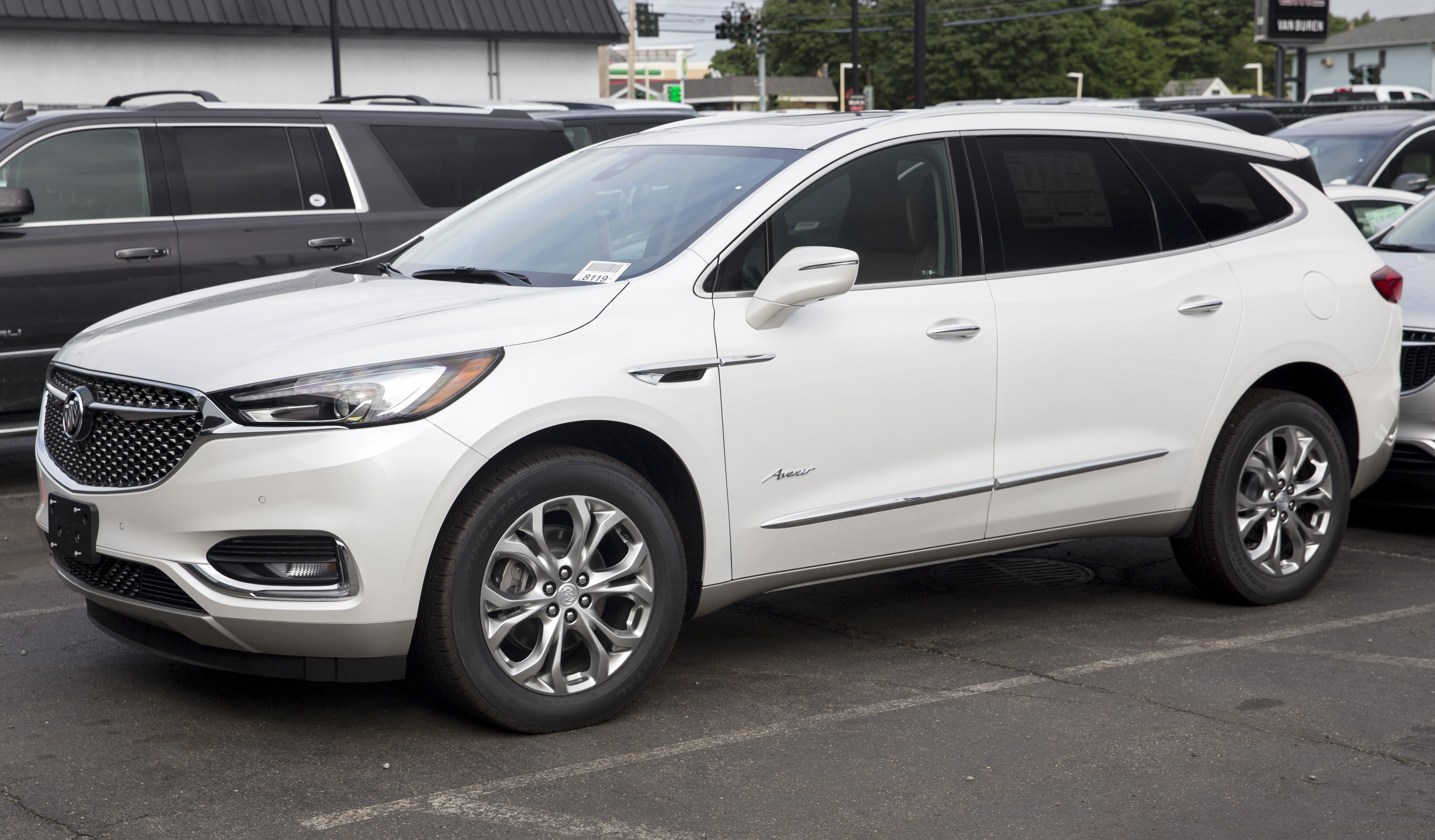
into to the Invista that we're wanted to talk about today too, because that is being positioned as a crossover but feels much more um like a a tall wagon hatchback. Um. Then it does more traditional cub space. It's a
gorgeous car. I'll start out for that. I do. I do like
it quite a bit. But are you do you really think this is going
to be able to kind of keep somebody who would prefer a sedan a little bit happier? Um? Or is it just another facet to what the utility
vehicle looks like I think it actually is a really nice mix of a couple of things. One, um, it gives you the versatility of of a
crossover or an suv in terms of its interior space. It's overall how it
packages of base in terms of its overall value composition. But then it also
gives you a lot of the dynamic features that you would see in a in a sedan previously. Right, So it's got a really nice combination of what
I would say is the best of both worlds. And then within the overall
design language that we introduced a year ago with the Wildcat constant, except really bringing those proportions, those themes to life in a vehicle that is honestly not only unique in the marketplace today, but I think it's really stunning. It's
just a great looking vehicle. And then I think you add to that a
market dimension, which is what we call the approachable price point. You look,
you look back before the pandemic twenty nineteen, I think the average transaction prices in the marketplace, if you looked where where most of the market or about half of the market was transacting, is somewhere in the realm of thirty thousand dollars and below, and you're coming out of the pandemic with all the dynamics we've seen in the marketplace, only about twenty percent of the industry is at that price point below, and introducing a vehicle like this with this kind of mix of design, versatility, the sedan dynamics, you know, the
driving dynamics of a vehicle in a package that I think for a lot of new buy buyers is going to be a package and putting it on the market at under twenty four thousand dollars at the starting out price. I think it's
just it's bringing together so many pieces into one great product to be the entry position for the Bureaue portfolio going forward. Well, what you're thinking of the
pricing on that? I mean, look, you know the public are gonna
love at twenty four thousand bucks for a buick, right, But I mean, what's that due to the brand? This is supposed to be premium,
right, and it's a few thousand dollars more than it's counterpart at Chevrolet the new tracks that's there. I mean, it seems like you're dumbing down the
brand to go for volume here. I think it's it's trying to meet UM
customers at every life stage. Actually, we we think we can deliver up
He leaves him frozen up house, Am I back? Yeah? Yeah you're
back? Yeah, sorry you're froze up there? And yes, oh okay
or not. I think ultimately for us, we believe any Um at any
price point. Right. It's it's about understanding where our customers are in the
space, what they would expect as a mainstream experience versus what a premium experience coming from viewick is. So any view you get, you're gonna get,
for example, all the engineering quality of quiet tuning. You're gonna get acoustic
glass, You're gonna get triple um, triple seals, you're gonna get sound deadening that makes the experience inside the vehicle quieter than a mainstream product. You're
gonna get the attention into detail in terms of the choices we make from materials, etc. The type of technology we've giving them, all the safety customers
have come to expect. So you really can package a vehicle to provide a
better than mainstream. You know, this premium experience that the brand delivers.
And you know, I don't see it as dumbing it down for the volume.
I seeing it as across the spectrum of affordability, there are people that want to reward themselves with something that's just better than standard. And I think
it can do that with unique products at twenty five thousand dollars, and we can do it at sixty thousand dollars. And it's it's really about getting the
mix of product, content, styling, an execution right in a way that we deliver against what we believe to be our DNA, which has provide that premium product and premium experience in the marketplace that maybe dumping get down wasn't the right word, but you know, you go back to Sloan's you know, market segmentation by brand, and you know, historically GM always kept great separation between the brands and the price points and the segments that they competed in,
and now it just seems to be overlapping. And that's why I was really
asking, you know, why bring the brand a premium brand pricing so low?
I think we could we try to keep our our you know, our brand tenants in terms of how we position all the brands very consistent. So
if you affecture of brands from Chevy, GMMCBUK and as you build up.
When we do have platforms that are shared, we have very specific strategies in terms of content and pricing that we put in place, But every vehicle has to be hull position in a segment. You can't really stretch. You're trying
to sell the smallest UV and the smallest UV segment. There is a relevant
price range where your product's going to be well positioned, and then there are price ranges where you're just going to be outside the market. And then the
options up upstream in terms of size, technology, and other products, even within our own portfolio, they're going to compete with that. So there's a
there's a I'd say there is a really usable range within the price segmentation of each UM product category that that you got to be close to. Right,
you create the separation within our brand tenants, but you got to stay in the core of the market. So we we like to say that you know,
BUEX positioned UM are we would we should transact somewhere between ten and fifteen percent above the average of any segment we're in, right, And that's kind of how we position the brand. So we do see that what we deliver
in terms of content, but not so far, are right Yanks? So
Sam, do you do you see the Invista attracting a younger demographic and that's perhaps part of the strategy of being able to make a buick accessible to people who probably are looking at giant student debts and things like that. Yeah.
I think there's there's two elements to why to where we think this vehicle will be great for us. It's it will bring in a younger audience just for
the nature of its very price point. And I think it allows us to
introduce the brand to an audience that maybe wholly unfamiliar. Right, Um,
you talk about a twenty year old today and how we position the brand to a twenty two I'll say at twenty to thirty five year old, they may not have the same kind of knowledge of the history of the brand as as some of our more experienced buyers, and so you get to introduce so the brand to them with a very exciting is we believe that you know, given where the brand has been, where we are today and what we aspire to do in the future. Having excellent products that allow us to conquest from the
marketplace really brings people closer to where the brand is today. We talk a
lot about, you know, the history of the brand and what people think the brand might be still in their mind and changing that perception from being the Sedan brand that know a lot of people probably familiar with from yesteryear to where we are today as a premium MISSUV and where we're headed in the short term to become an all ev brand. That's a very fresh transition to help people
come along. So having a vehicle that is approachable and will allow us to
conquest new customers really helps us tell the story for the whole brand and get people up to speed and kind of joining us of the future of the brands.
It's interesting to me talking about the pricing of this vehicle, which I think is it's the right time, especially right now for for a product at this price point. But if I think back to like vir Rano um and
and the entry level that we had at that point, this product feels um like it's it's it's more competitive time for time. I'm on a content on
a content and technology and design level, and when I looked at the Invista a few weeks ago at the back with you guys at the design Dome, one of the things that was super interesting to me is a difference between the st and the Aveneer versions. You know, the styling is is definitely distinct
between the two, and you still have content in both places and people can really kind of get to what they respond to. And and the Invista and
the tracks as well too. They've just come to market at a great price,
and I really think they're really well contented and both nicely designed. So
I think the start going to be two products that for twenty twenty three, in twenty twenty four are just going to be in a really sweet spot.
Yeah. Absolutely, I think I think Invista really encapsulates a lot of things
that are coming together at a time where maybe in previous products you didn't have that opportunity. You have a new logo, you have a new design language.
It's the first expression of a vehicle that's fully designed under that new language.
We have this as operation to where we're going in the future, and it's playing the foundation for that. And then, like you said, you
know, the way we've developed our strategies around broadening the appeal for the brand, right instead of having one good look that's kind of built to a couple of different price points, we really wanted to expand the appeal of the brand by having really three distinct looks. You know, at the at the Design
Doome when we were doing the background ers, you got to see the ST in the Avenue. We also have the Preferred, which is our price of
entry model. They all look great, they all look the personas they're supposed
to be, right. The one's our entry level model, it's a beautiful
vehicle. One's a slightly sportier execution, which is the ST. And then
you have our you know, what we call the ultimate expression of Buck Luxury in the Avenue. And all three of those strategies have worked really hard,
and you know, you know, I don't like to commit to mixes, but I will tell you that as a vehicle that was kind of born, with all these pieces coming together at the right time, we're going to see such a balanced mix as we start to sell these vehicles. We actually think
we'll see probably almost an even split across all three trims. I think it's
like a forty thirty thirty, which would be incredible, particularly for the Avenue, a brand that we introduced in twenty eighteen when we readied the Enclave and has been growing in popularity just over over the years and as we've introduced new models. And the nice thing about in Vista is that it becomes the last
entrant in that strategy to fill out the entire portfolio, to give us an st and an Aveneer on every model in the lineup. And we're really excited
about that. We're looking forward to this one, you know, equally being
successful. I love the idea of just someone being able to buy an Avenear
at around thirty thousand dollars. I think there'll be nothing like it on the
streets, so it'd be great to see. So one of the things that
I find interesting about this car is that it is a small suv and you know, I think some people have the notion that everything is getting bigger and bigger and bigger, and yet if you look at the portfolio, it seems as though you guys are beginning to more or less right size it toward the smaller rather than to the larger. Is that a correct assessment. I think
what we've tried to do is really play in the segments that where we think we can offer a product portfolio to to meet customers where their needs are.
And I think the size component of the smallest UV is important. You know,
UM Vehicle was one of the first ones into the smallest SUV segment back in twenty thirteen, right back when there was only four competitors. It was
much nicer market shares back in those days. You know, you only got
four competitors. It's it's a different ball game. But but you know,
kind of expanding on that idea of I think, you know, the bigger is better mantra, I think it's you know, there is something to be said about that in terms of generations of products slightly getting bigger, But I think you also have to find the right equilibrium in terms of what your customers are looking for. Right um bigger you go bigger from smaller you're in a
compact and from there you go to a mid size. And so we do
offer i'll call it the small, medium large cadence of products, all with a great buck experience, but specifically for these two products. You know,
the smallest UV segment has been one of the fastest growing segments in the industry.
And I think with with the investor in g X as a very nice combination of products that offer distinct styling, distinct advantages across the two products meet customers that are at that price point have a need, you know, I think the overall convenience of having a vehicle that is fundamentally easy to drive, you know, when we look at urban opportunities in the marketplace, making sure
that you're not oversized for for those kinds of opportunities. So it fits really
well with the portfolio, right And if you need something bigger, we can offer that as well and go go to an Envision and from there on out.
So I think there is a every segment exists because customers have distinct needs, and I think both of these vehicles are going to provide a unique set of benefits in the marketplace for a view customer. So we've got the INVESTA
that's front drive only, and the Anchor GX it's all wheel drive in a little bit smaller and a little bit more expensive. I talked you guys before,
and I see where you have the position, and I see the logic behind it. But how much do you expect to see a little bit of
customer pushback on front drive only for Invista? Do you do anticipate any sort
of but hey, weight, why is the smaller one more expensive? And
why can't I get all wheel drive I'm the investor. Because it looks so
much different, somebody might really not want. You know that the same person
may be more attracted to the investor than they are. The Quorgy are different
than the GX, and so do you do you expect a little bit of pushback on that, and you know, what are we doing to the definition of utility vehicle? If you have something that's just going to be front drive
only, it's not necessarily the only one that's like that, But were really challenging what a utility vehicle definition really is. I think I think I think
there's two ways to look at it. One, if a customer needs a
great SUV with all wheel drive and is looking for that kind of functionality, we'll be able to offer them a beautiful package. In the quorg X,
I think, I think we're there. We're in the close, We're in
that price point. You know, the GX also starts under thirty thousand dollars,
and it really is our price of entry to the all wheel drive segment.
When I look at the investa, I think, because people are going to be so I expect a lot of people to be really enamored with the design and really want the vehicle, and some people are going to be in the markets where all wheel drive would have been an added benefit. I think
I'm just as curious as you are to see how much pushback will get.
You know, we looked at this car as really being the crossover between sedans and looking at people that have been orphaned by products by a multitude of brands, segment switchers that are really kind of stepping into SUVs but not really convinced that they want to go all the way to an suv, but they're coming from a sedan as well, and most of the sedan market has been front wheel drive for a very long time, and understanding that those customers have adapted their lifestyles to driving with front wheel drive, being in the north or the
south of the country, I think we're going to provide them with the added versatility of what we call a crossover without all the added costs of having to go fully into an suv, particularly in markets where sedans have continued to thrive, which is you know, if you look at the Smile States, you've seen a lot of sedans in the big urban areas, and so we thought it was a good trade off to give people the right technology, the comfort besides the versatility the driving dynamics, and really package it in a very unique
value proposition that happens to be front wheel drive. But I think, you
know, I'm curious. I don't think we'll see a lot of pushback because
I think there's a huge market of underserved front wheel drivers out there at this price point. Answer, who do you see as being the competitor for the
Vista specifically and then Buick overall. Oh, that's a hard question to answer
because we talk about it in when I talk with my team, we really talk about two things, right, who are we competing with and who are we competing for? When we compete with, it's people who define their space
in the market a lot like ours, which is in the premium space.
So it's you know, it's it's brands that exist above the mainstream price points, content levels, and sophistication of their product, but haven't gone all the way to a full on luxury brand. And in that space we really see
accurate infinity. There's some other unique brands in terms of their pricing, like
Volkswagen and Maza that are kind of in that space. But you know,
we're not over there trying to cannibalize their their sales because what we see is the premium space is really what we call a move up space. We're looking
at people in the mainstream you know, you're looking at at your Honda, Toyota forward and saying, Okay, if if these people want an improved experience and they really want to go to something that's a little bit more premium, what can I offer them and how can I bring them in? And so
that's who we compete for. Right that, the I call it the pond
is a lot bigger when you look at those mainstream brands to pull people up into the brands in the premium space. So so when we look at it,
I think our our segment competition is really small SUVs that are positioned like we are. You know, so you Mazda has some products out there that
that are in that space, but really it's competing with um, you know, sedans. It's it's the people that have come out of sedans. And
we've really seen three three behaviors in the marketplace happening. There are orphans,
people that whose product no longer exists and they have to transition people that are shopping segments, um, cross shoppers. And then there's people that their own
brands in terms of all this price movement have really moved away in terms of affordability, and we're going to be able to offer them two great products to stay within a range of pricing that is highly competitive in the marketplace. And
like I said, I think it's a very underserved market today and so um, you know that's how that's how we've framed up the strategy for these two products is really looking at those three segments, those three customer groups, if you will, do you see it more new more first time new car buyers or maybe second or third new car. I think it'll be a mix.
Um. You know, first time car buyers never represent a really a majority
of your business. You always tend to get people that have been buying cars
for a while. Um, But I think this one, particularly the investor,
has an opportunity to have a higher than normal mix of first time buyers just because it's such an unattractive package at an approachable price. So so we
haven't when is this car going to become available? And you know, what's
what you're feeling about availability of the product. Well, we we build this
car in Korea, so we will dealers actually start ordering this month. We
start building them um this month as well, and the first first units will start arriving in July into dealer dealer lots. So really excited to see that
the new GX is arriving this month on dealer lots. And so two months
after the GX we get the investor sorry comfortable that there'll be enough product available if consumers want to buy them. I think so, I'll be optimistic.
Actually, I'm hoping we're it's a more popular vehicle than what we're planning on building right now. I think as we bring it into the marketplace, i'd
like to see very strong demand for these products, which I think we will, and we'll build as many as we can obviously and h and meet the market where the demand is. You know, I always at this moment in
a launch, I'm always very optim mistake and very hopeful of where I think the vehicle's going to land in the marketplace. And particularly for these two products,
I think we're gonna we're gonna find ourselves turning over inventory very quickly.
I'll put it that way. I think we're going to build to demand,
but I don't think you're going to see a lot of inventory building up.
Look, we're about to wrap up the segment here, so Sam, I want to thank you for coming on and bringing us up to speed with what you're doing with the investa well, thank you very much for having me and enjoyed this a great, great conversation. Thank you, look good. We're
gonna take a quick commercial break right now. Give a shout out to both
of our sponsors, and we got a lot of news to talk about of what's been happening in the industry in the last week. We'll be back in
just a moment. How do you breach the entire stop shorter? On what
roads? Is there hydrotrack technology? But you don't have to know how the
science works, just where the brain is. What really matters is they're Bridgestone.
The world is changing at an ever increasing pace. No matter what the
mode of transportation, there is always the need for an efficient propulsion system, and that's exactly what Borg Warner has been doing since the earliest days of the automotive industry. Thank you, Bridgetone, and thank you borg Warner for making
this possible. Boy a lot to talk about stuff. I especially want to
ask you, what do you think about all these price cuts that are going on. I mean, you know, Tesla kicked it off and they chopped
prices, and they've added prices back, and then they cut prices, and some automakers have jumped in and some have not. What do you make of
it all? You know, it's it's a challenge, partially because for everybody,
but Tesla electric vehicles aren't profitable yet, so there's a problem. But
I mean, if you look at Mustang Makey pricing that got caught a little bit. They also went all to the lithium phosphate standard standard range battery,
so that would suggest that their cost eased a little bit as well. Whether
it eased as much as they drop pricing, that's not something I know, but it does seem like there was a there was a change in what they were putting in the vehicle that made a difference to rather than just kind of a random we're afraid, so let's go and at Tesla. Tesla saying,
you know, in the earnings call, we could take it down. Elon
Musk being being full of grandiose kind of statements, saying we can take it down to zero, you know, margin, because we're going to get our money somewhere else. Yeah, one day when FSD actually works as a fully
autonomous system, maybe maybe it hadn't say agreed, but that's what he said.
Um, it does remind me we've the industry as a whole outside of EVS has played the price to volume game before and no one has won that game. What do you mean price to volume game? Price low to get
high volume. It doesn't work on a long term basis. And and so
I that's a really dangerous space to kind of start thinking you have to cut eby prices below what you can sell them before, below with their profitable at and it's it's a challenge right now because they are more expensive than traditional cars.
But the other thing I think too, with electric vehicles, if you buy one in twenty twenty three, maybe even halfway through twenty four, you're still you're still making some significant changes, depending on where you live. Some
infrastructures in better shape than it is necessarily in southeastern Michigan, but you're making a change. So some of those changes are good, some of them are
just inconvenient. Right now, you're still a buyer who's like I'm willing to
do that. I want this product for right now. So if it costs
a little bit more and somebody who's kind of curious but not really ready to do that, I'm not sure that dropping the price five grand is going to be the thing that makes that person willing to make the leap. If their
concern is about range, if their concern is about charging, if they're learn is that it's not they feel like it's not going to do what they need to do, it probably will. But if they feel like it's not,
it's not about the price. And so when you see a lot of the
price changes, I think it has more opportunity to sway somebody who's already committed to buying an electric vehicle phone brand to another. But right now, we're
also still in a year where we're not going to be able to really build as many cars as we think we could sell if we could build everything, So it gets to be an awkward question all the way around. So it's
a journal basic prices to increase your sales, but you really can't build any more than you can't really build any more than you're building now, and you're selling everything that you have and everything is on order. And then what is
this point here I'm dropping You're probably it's not it's not working. Yeah,
you're not going to increase your roland by dropping prices if you can't build enough in the first place. All right, John so so Farley told the Wall
Street Journal Forum this week that quote, you do not want to commoditize the product, and then he added the resale value for people who bought at higher prices as awful, they never forget. Okay, And here's the guy who
runs the company who cut prices this week, So people who bought the product the week before paid a higher price. What's going what's going on there with
Farley? Well, well, Stephanie made a really good point for it's putting
LFP batteries in the base make right now so they can justify, Hey, look we cut the price because we put in a cheaper battery and it doesn't get as much range. Blah blah blah. So they didn't just cut the
price, they made a product change there. I think the real thing that
I wanted to get into here is Bloombird reported today that it looks like inventories building at Tesla. And there's another guy that they quoted at Troy Test,
Like who said last year Tesla had a backlog of four hundred and seventy six thousand and orders. Right now they claim it's only seventy two thousand, So
a four hundred thousand drop in back orders. And I'm wondering if if building
inventory, a big drop in in backlog is what's prompted this this price cut at test Slade. And as we saw, you know, in the first
quarter numbers, it really didn't move the needle a whole lot. I mean,
I think their sales still grew at what it was over tent or so the quarter was, the quarter was thirty eight, was closer to parting.
But yeah, yeah, yeah, so still very good. Everybody would love
that. But you know, when you're used to Tesla posting fifty percent increases
almost every quarter on, you know they're still in a very good spot.
But you know, I'm just curious what you think. And I thought you
made a great point. If your capacity constrained because of a chip shortage or
other things, right, what are you cutting prices for. I mean,
don't get me wrong, as a consumer, I think it's great, But if I'm looking at my bottom line as a car company, why would you do this? Well, I mean there's a few things. When you know,
I don't. I can't speak to what their inventory level is or what
their back order is because I don't know. I saw the same Bloomer article
who you did, but I don't know if if I don't know where where they came up with that, So fair enough, I can't. I can't
say if it's true or now. But um, you know, Tesla has
does have more competition, and like I said, there's still we're still in a space where if electric vehicles were seven percent or so of US sales in the first quarter, and if you look at an innovator adapter chart, you're not really into early adapters. You're still in the innovator stage until thirteen percent
or so. So we're still with this this early adapter stage. So we
might Tesla maybe seeing where it's kind of easy as is a little generous term, but where the easy buyers are are soaked up and it's going to take and maybe just take more work, because if you want to get from maybe and tender Evie evangelist to Eve curious, that's going to take work other than just building it and maybe price cutting isn't necessarily the right answer. I would
say it doesn't really make consumers happy. I think I think Farley's right that
it can make a consumer that already bought a car angry, and it does hurt residuals in some way, and we'll see how that plays out. And
it's an interesting strategy. It's very hard because Tesla's not super transparent about their
orders and their inventory. They're not super transparent about where they're selling their vehicles.
They're just not and they've been consistently not transparent, but they're not transparent, so we don't have a good sense of that. And we do have
a sense though that there has to be concerned somewhere. Whether it's just concerned
because he can see the competition coming and they know it's making a difference, I don't know, but they're going to have to work harder than just dropping price to get EV curious buyers in because EV curious buyers are going to have more choices, especially in two years, than they than just Tesla. So
basically all he needs to do is release the cybertruck boom. Yeah sure,
yeah, that that'll help overall. But there was another thing too. Here.
I wasn't aware. Uh, they've just reinstated free charging for a three
year period on the models and the Model X. I mean that that that's
a marketing move, right, you know, you do that sort of thing because sales are not working. You got to entice the customer to come in
and then sales are down. Yeah, and Bernstein, you know, the
the Analyst Group, is saying that maybe they're going to have to offer free FSD trials so you get you know, maybe entice people to pay the full fifteen thousand dollars for that. And Bernstein's also saying maybe Tesla's going to have
to start advertising, which which would be a shock if it had to resort to that. But you know, Gary Farley also made an interesting point.
He said, you know, Elon Musk is going to learn that product refreshment is really important. And you know, with the exception of a very mild
facelift and a very tasteful facelift too on the S and the X, what was that five years ago or something like that, they haven't updated the styling of their cars. And I wonder with and I'm just asking, you know,
inventory building, back orders going down, price cutting going on is Tesla hitting an inflection point where it's starting to look like a regular old legociata maker.
I know that heresy to say, and I don't buy it myself, but I'm asking the question. I think in terms of product sales, it
certainly can't be when there's other things that they're doing that the way they work with technology that will still be different in their attitude is fundamentally different. But
you look at SNX, and you look at at EQS and EQUE, and you look at I seven and he go, well, you know, you do have competition with some pretty interactive and interesting electric vehicles from automakers with a better quality history overall than with some pretty amazing interiors. So you know,
Tesla doesn't have you know, that space to themselves. Tie Can wasn't.
Tie Can made a dent in that, but wasn't apparently enough to get Musk is concerned us as S and XR. But I do think that product refreshes
a matter. And it's interesting that Varley said that because there are several products
at Ford that that suffered from not getting enough refresh I mean, we all remember some some tourists and fusions that they did mid cycle enhancements which were amazing power train updates and amazing technology updates, and they barely nipped and talked the exteriors, and the updates didn't get the traction that they should have for how much effort was under the scan. Yeah, so tie Can sales looks like
they're slowing down too. Yeah, you know, to be fair to Tesla,
which I'm usually not. So this is break from tradition. You know,
We've got to keep in mind a couple of things. Yes, there
are new competitors, but the pie is getting bigger. Okay, so so
we we gotta you know, so it's no longer just a Tesla game, but there are more people who are interested in buying electric vehicles, and John to the point of, you know, providing you know, the the free charging for the S and the X. Well, this just goes exactly to
what you were saying about how it's been five years since they did anything to those cars. So, you know, is is this going to cost them
as much as it would cost for I don't know, a Super Bowl ad I doubt it. Yeah, that's like increment. They can make a difference.
And the same thing goes to trials for FSD. Okay, they've already
developed the technology. The stuff is in the cars. All they do is
flip a switch. Boom, You've got it, and if you want to
keep it, buy it. Totally agree. Interesting that they did the trial.
They're doing a trial on the FSD because also some of the fundamental pricing changes that Ford had was Blue Cruise went to a three ninety day trial and those and the pricing updates on the Machi too. Back to the point about
the battery, the regular lithium IAM battery price did not change, and Blue Cruise with a few more features went up two hundred dollars. So um,
that's now than the second company that's saying I'm going to put this this feature on as a as a trial for a certain period to get it in Although fifteen thousand dollars there's also a lot more money than twenty two hundred dollars, but still like that may be part of it, because it is it is a feature that some people are going to have to experience to decide that they really need it. I haven't experienced Testlas full self driving, but the Blue
Cruise and Super Crewise and the hands free and BMWM mercedies our amazing systems.
I love them. I've enjoyed every time i've I've had a long drive in
one of them. And when I think about my personal car, sometimes I
don't drive as much, I don't drive as far, and I would ask myself, do I really need to spend a few thousand dollars on this?
And I might not as much as when I'm on a tripp or when I'm when I'm testing new cars. I love it and I think it's a great
system. I don't know if it truly fits in my life. So you're
going to have people who say this is technology is great and don't know that they want to try it. I'm saying that after I've driven it, and
when you've got people who haven't yet driven it, they may be hesitant to spend the money on something they don't understand is at what the benefit is.
So I want to ask you about these these price changes. And you know
when when we had Sandy on the show, and you know, he explained about the control that Tesla has over all of the information about what's going on with its vehicles, and you know what it's selling, what it's not selling.
It has the the info you know immediately, and you know this is this is not the same for companies like Ford or General Motors or even Toyota.
And so so my question to you is is that okay, um, does the average person who goes into a Ford dealer the same as the average person who's going to buy a Tesla And would that average buyer either either side feel more or less comfortable about these switches in price that are happening at a pace that we've never seen before in this industry. Look, I think it's
going to upset the consumer. You know, should I buy right now because
maybe the price is going to drop, or maybe I better ry right now because the price is going to go up. It just adds confusion into a
market that is so hard for the average consumer. I mean, look,
the three of us, we devote our careers to this. We're into this
every single day, and it's so bloody hard to keep up with everything that's going on. Imagine somebody who only steps into the market every three to five
years or something like that for a new car. I mean, this is
why there's so much brand loyalty. It's just so much easier to go back
to the same dealer in the same brand and buy something that you're familiar with.
But Gary, getting back to your point, you're absolutely right offering free charging on the S and the X and going to cost Tesla much money at all. And same with FSD trials. It's not going to cost it anything
or next to nothing. The reason I'm raising this though, is if Tesla's
never had to do this in the past or not the recent past. Certainly
it's a well established company and you know now it's cutting prices and you know, we talked about inventory and back orders, and that's my question that I don't want to see it happen. Is it turning into a legacy automaker here?
And I say, I don't want to have that happen because Tesla has actually done this industry a great service. It's kicked it in the ass like
nothing else that ever has and is forcing it to question everything, question everything that it's done in the past and trying new ways, and that's only going to benefit the consumer in the long run. You know. It's a really
interesting questions on it. And one of the things that just occurred to me
about this question though, is it kind of depends on what their attitude is if if their attitude, which does seem to be at the moment, that we want to also sell twenty million units at some point in the future, we want to be the volume, we want every car on the road to be test level, then yep, they're going to start doing some really crazy things because then they started deciding that volume is the concern and volume is the goal. I mean, Tesla's sales are still growing, the production is still
growing. Even as they have to share some EV market with other EV vehicles,
their overall market share is still growing. And at the end of the
day, ice vehicles owners have to be convinced to buy electric vehicles. I
mean, we're still they're still positioned for tons of growth. But do they
ultimately need to start advertising? John, You're right, people come in and
out. They don't necessarily pay attention all the time. I compare it to
when we buy a new television and I get the information about what the television needs to be, it gets hung on the wall and you ask me six months later, what size is it. I'm like, I don't know,
it's big. I can see it, like that's it. Like that's how
I feel about television. It's not how I feel about cars, but a
lot of car buyers do and it's confusing and it's difficult out there. And
so when they need to get to that extra volume and they need to get to ice owners that are maybe curious now or weren't thinking about it before, those owners need to learn a lot of information about the company, and you're going to have to start to proactively communicate that, whether it's a specific advertising whether I mean, because there's so many digital opportunities now, so many platforms.
Doesn't need to be the super Bowl. They don't need brand recognition and
the super Bowl level. But are they going to have to start communicating to
people who are maybe curious about it and you want to get them in.
Yeah, they're going to have to start doing that. And if they prioritize
volume above all else, they're going to start behaving a little bit more traditional because I don't want to know whether whether the traditionals are becoming more like Tesla so stuff. You know, you mentioned Mercedes and the EQE and the EQS
and they anounced a subscription package that you can buy to boost your horsepower in the EQUE from two undred and eighty eight horse power two hundred and forty eight horse power and an EQUS from three fifty five to four thirty five. So
you can get it monthly for sixty dollars a month, yearly for six hundred dollars a year, or for the lifetime of the vehicle of nineteen fifty or twenty nine fifty for the big PEG. So so when did traditional automakers ever
think about things that they would over the air update? I mean, it's
it's a Tesla thing, right, and so I would just I find it interesting because I think that that Tesla sort of pointed to it. But I
don't think that Tesla happened in a vacuum, and there was nobody else who thought about doing this but Mercedes, GM, Ford, Volkswagen, Toyota.
Everyone's looking at their over the air revenue. Everyone sees that as a constant
opportunity right now. And I think that that Tesla because they were small and
just tech orient and we're able to do it faster. I remember when they
first started doing it. JM talked about, well, you know, we've
got so many vehicles on the road even if we could what's really going to happen if we pushed an overall the update to three million vehicles. Tesla is
doing a fifty thousand and figured out how to make it all work, and they're learning a traditional audience. Right, you're right, John gotta kick in
the butt, said you have to do this, But they figured it out.
There's potential for a huge amount of revenue. And I think that the
Tesla made that happen faster. But we're going to see a lot more of
that. Look there, mad thing, just the tip of the iceberg.
For that. They did more than to do it faster, They invented the
whole thing. I mean, no, no legacy automaker at all was thinking
of a centralized computing system. None of them were thinking about doing a software
defining car. You know why they weren't thinking about it. They didn't even
know it was possible. They didn't even know that that existed. The way
that Tesla changed it came from a tech company standpoint is, so look in Valley, software driven company that changed this auto industry. And so even t
they're not even there yet. You know, Mercedes is talking about all this
stuff. Mercedes will have its new electronic architecture in its cars in twenty twenty
five. So in twenty twenty five, Mercedes Benz will catch up to where
Tesla was in twenty ten. That's how far behind the industry is on all
this stuff. I don't know where Tesla is going to be in twenty twenty
five, but I'm sure it's still going to be ahead of Mercedes. And
I think there's a lot of technology that has evolved as this happened. And
you don't disagree that Tesla sort of pushed it along that way and kicked it and said, wait a second, you guys need to be themed, you need to be thinking about this. But I don't think that it would have
not happened without Tesla. What had happened type of around twenty thirty five.
Maybe slightly here, just slightly, and say something nice about mister Farley.
So as as we talked about, I believe last week, you know, General Motors makes the announcement of getting rid of Apple car play, and Farley was asked whether or not they would do that, and he says, no, no, no, we're going to keep it. And and this is
this is this is I think a great quote. Um talking about streamed entertainment
going into the car. He said, quote, we kind of lost that
battle ten years ago and that seventy percent of Ford customers are Apple customers and there's no way they're going to make the switch. So, you know,
props to him for doing that, and you know stuff. This sort of
gets to your point of you know these companies who are saying, you know, we know what the consumer wants. And we've seen this pushback already against
General Motors for making this decision because General Motors wants to have its system in there rather than the system that lots and lots and lots of people use.
Um, is that being tone deaf or are they trying to be like Tesla?
I think that Jim jumped the gun a little bit on that and the way that kind of just rolled out. It's not really a statement but just
a couple of news stories and it just kind of pulled out that way.
It's a change that consumers aren't ready to make, and what consumers will need in order to make that kind of change is to have the system that's in the GM that behave better and be more intuitive and more and easier to operate than the car play system is. And where I think that looking at what
they're talking about right now sort of the downfall of it is you still end up bluetooth in your car, your phone or your car if you want to have a phone conversation. And as much as maps are important, I mean
the main reason you stick in views, then have to do something else that's less comfortable to talk on the phone. I think that's that's not great.
But having said that too, the theory I think behind a Google navigation embedded and a Google Assistant embedded is you then can connect it into the computer in a way that the car doesn't. So in theory on technology and features that
are still being developed, you should have better access to the car using a Google assistant that's embedded in the car than talking to your Syria and your cell phone that isn't connected to the car. Navigation should get better information on how
the health of the vehicle. Then if you use your Apple Maps navigation,
because your Apple Maps navigation knows nothing about your car, but the Google embedded navigation does. So there is opportunity to create a system that is better.
But they have to prove it and it has to be out and people have to see it and understand it and start to want it. And if you
go starting this way, saying no, you just can't have what you like isn't isn't pulling them along, it's pushing them. And I think there is
going to be a bit of there has been some backlash. Whether or not
it ultimately hurts sales will wait and see, But I do think that there's that's that's kind of the crux of the problem. And part of the reason
people use Apple Car Playing and and Android Auto and in place of embedded navigation in the beginning was because it worked better. It wasn't because your phone is
your favorite thing. It was because it worked better because you could, you
know, do Google, I want McDonald's Infirma and Detroit and get a McDonald's in Detroit. Your embedded navigation system would give you the five restaurants around your
house, and you could never scroll long enough to get to something that was a distance. That I think is the crux of why the car Play and
the Android Auto worked better. It just was an easier interface and the car
couldn't do it at that point. So that's how you get if you really
want people to stop using car Play, you give them a better mousetrap, you give them a better system. You give them something that works better,
and it can be created. But if you just have this, I think
that mine works better, but you still have to bluetooth your phone and I'm just going to take you where your car play. You're not convincing consumers at
that point that it is better you need to get. This goes back to
what you're saying earlier about convincing people are buying EV and so general Mortters is basically saying, oh, buying EV a technology you're probably not comfortable with.
And oh, by the way, you know, we know that you have Apple products throughout your house, and we probably have one in your purse or in your pocket. You can't use that either. That's crazy. I think
that I think they needed to. I don't know what they'll end up doing,
and it does sound like a decision that you could reverse if you wanted to. I don't know for sure, but I think that's that's the difficulty
in that decision. They needed to prove their system was better before the people
are comfortable with. Let's see what they come out with, you know,
because to your point stuff, and I agree completely with you, they've got to show that their systems better, at least as good and probably better to get people to switch. Speaking of drug and voters, some big big news
this week some management changes. Steve Carlisle, who had been running all to
North America, is retiring. Rory Harvey, the guy who had been running
Cadillac, an Englishman, is now going to run North America. A guy
named John Roth. I don't know him at all. He's going to run
Catillacs. But the one that really caught my attention is Josh Tavell, and
I think you guys know him. He had been running all the electric car,
truck and suv stuff for GM, and he's going from executive chief engineer to global vice president. He's going to be handling. I think it's after
sales and stuff, which I don't know anybody in this industry who actually aspires to run that, but it's an important part of the business. And it
sure looks to me like GM is rounding this guy out. He's only forty
four years old, and to go from you know, exect chief engineer to global vice president. What a move. I mean, I'm reading it that
these guys got, you know, big plans for him in the future.
I would think that would be true as well. The other thing is,
you know, after care and customer sales and customer service for evs. If
you've got somebody who understands, you know, the EV built up, that everything about what's going into those vehicles and can kind of think ahead of what consumers might need on that after sales and aftercare area, you're going to make your eb adaption go better. So there is there is a very logical reason
for putting your electric vehicle expert in that space. Um, yeah, I
think that is probably where you're right. I think you're right. They're running
them out, But it's also a smart move because those are the vehicles that they've prioritized, and those are the vehicles that the customer, their own customer care and service is still learning how to figure out how to support them.
As much as they've had BOLD for for several years, there's still some learnings that have to happen there. So why why not have your engineer who helped
develop them help you figure out the best way to take care of them and support those customers. See, I think it was more interesting is the fact
that Steve Carlisle, what was his job before it became president. So so
you had Cadillac and then your next job will be a Josh Devil has to give a Cadillac job. There you go, Gary, you got a question
for you. What do you make of Lordstown Motors? Foxcon warned them this
week that it may back out of the deal it's got with them because their stock dropped below a dollar and they're in danger of getting delisted. And what
do you think. I you know, I'd love to see these guys make
it, but this looks a little bleak. I saw that a micromobility company
that makes scooters. Is I mean, I'm seriously I'm making this up that
they're they're talking about perhaps having their scooters manufactured in that plant. Um.
Yeah, but remember that's not a Lordstown Motors plant anymore. That's a fox
Coon plant. Right, And so you contracted Foxcon. Right, So Foxcon
is basically saying, okay, we gave you a lifeline, okay Forlordstown Motors needed needed money to keep going. They come into the rescue, you know,
will be the manufacturer of this, will take over the facility and run things for you. And now they're like, this isn't working out, And
you know they're seeing you know, I mean, and and the millions that they invested. And if it's like I think they're sacus training yesterday at like
forty eight cents. It's like, so, you know, the question that
I have is is that Okay, so if you if if you look at if if you look at Lordstown and stuff, maybe you have a good sense of this. I mean, um, Faraday Future, aren't they in production
now? Um? You know? And it's just are they? And there
was an announcement last five or six day last week or so? Yeah,
And so I mean the question becomes that, Okay, is you know, is as as we're talking about Elon before. I mean, he found out
that making stuff isn't easy. It's you know, making cars as hard.
And you know, I think that the Lordstown endurance is not going to endure.
Yeah, okay, I got one more topic for you guys before we wrapped us up. Sean Fain, head of the UAW, came out yesterday
and said the UAW is not going to endorse President Biden for his reelection unless he does something about getting higher wages for all these ev jobs, you know, these battery plants. I think for going back to Lordstown. But this
is Lordstown, Ohio where GM got that LG plant. I think the starting
wage is sixteen dollars and fifty cents an hour, No wonder they're having problems trying to get people to what do you guys think? Steph start with you.
What do you make of this? You know, hard talk from the
UAW. It's harder talk than it's been in a long time. I feel
like and he's really coming guns blazoned, and I hope there's a resolution because I feel like a strike and the fall is just about the thing we don't need, the industry could use. It's twenty twenty three that went relatively smoothly.
A you threw a striking in the fall to one or all three and anything we expected for this year is out the window. And you know he
made The UW has legitimate complainants. I have concerns. They're always looking for,
you know, a little bit more, and that's what their job is, not that they shouldn't get more. But wow, he's coming in hot.
He's coming in really hot, and I don't know that it's I don't know how well it's going to work, but he certainly has potential to create a lot of chaos in the meantime, and yeah, I think that's interesting.
On the battery side of it, I would look at what other component plants salaries and rates are. I don't have that on the top of my
head, but that's kind of where I would would start to wonders. And
the battery plant, it's a it's a battery component's plant, and component's plants, as I understand, are not typically as high as assembly plants. So
maybe it makes sense within the cross structure. Maybe you still fight for to
get more, but maybe it's not as bad as it sounds. I've not
Hourly rates are not my field of expertise, So any thoughts on that, Gary? Well, okay, so so so Fain said, here's this quote.
The federal government is pouring billions into the electric vehicle transition with no strings attached and no commitment to workers. The EB transition is at serious risk of
becoming a race to the bottom. We want to see national leadership have our
back on this before we make any commitments. Okay, So is he right
that they're pouring billions of dollars into EB transition? Absolutely right? Are there
strings as well? Yes there are, But are these strings associated necessarily with
workers? That are represented by the UAW. Nope, Okay, so he's
got part of that, right. Eb transitions as serious risk becoming a race
to the bottom well as stuff as you pointed out earlier, and nobody's making money on these things yet, so what bottom? I mean, what wars
the race? And then he says, we want to see national leadership have
our back on this before we make any commitments. I mean, I think
Joe Biden is probably the most friendly union guy that has existed in the White House in my lifetime, and which there initially one of the one of the incentives to be tied to UAW plants, and that didn't. It wasn't going
a fast way, right, so they tried, Yeah, and who's gonna be friendlier? I mean, I just don't. I don't know he's you
know, I mean, maybe he's saying this for a fact, I don't know. What do you think? John? Well? Look, you know,
I love Stephanie's a way of describing it. Sean Fayne is coming in
hot, you know, he's out the show that there's a different sheriff in town right now. And I believe, I believe there's absolutely going to be
a strike this fall. You know, we've talked about it on the show
before. The chatter out there is that they're going to take all three of
the Detroit three down, not pick one target, negotiate with it, and then get the other two to go in that they're going to take all three down. But I think in GM's case with LG, they probably set the
starting wage at sixteen dollars and fifty cents an hour, knowing full well the UAW is going to raise this as an issue in negotiations and they're going to negotiate with it to where it should be, Whereas if they had started with where it should be, it would just go higher from there. So why
not start low and let the union get a victory by by negotiating it up.
But having said that, very interesting that Sean Fayne is making ev jobs and the pay that goes along with them going to be an issue in the presidential election, because, as you guys know, evs are already a political hot potato. Republicans seem to be many Republicans, I should say, seem
to be dead set against them. You know, many Democrats seem to be
very much in favor of them. So there's already a it's been politicized,
and now for Sean Fayne to come in on the labor side and make an issue out of it, yawza. It's That's why I wanted to bring the
subject up, because I'm just finding it fascinating and I think it's interesting he's picked the wage issue when the bigger issue would be if it takes fewer people to make evies. Oh look, that's an issue, bigger problem that Shan
fained is not a one topic union leader. He's he's happened my hopping mad
about the jobs that might go away too, you know, And that's I don't have an answer for how to how to fix that, and we, you know, except that the automakers know every time we come into another union negotiation. You know, GM and Ford instillants have been working with these unions
for one hundred years, sixty years, eighty years, and they know they don't necessarily know how to fix every problem that comes out. But this is
the dance that they do every four years. They do this with unions in
other countries and other parts of the world. It can cause a ton of
havoc, and it can create chaos, and it can cost money, and it can hurt the industry even as they're trying to help people. But the
process in and of itself is something that they understand, and there's probably nothing that Sean Fain has said that they didn't think of themselves. You know,
they know what they're going to have to manage that, they know they're going to have to manage a situation ultimately at some point down the road where it takes fewer workers to produce an electric vehicle than it does to produce a nice car. That's going to have to be dealt with at some point, and
maybe not this particular negotiation, but everybody knows this has to This is going to it's part of the process and the policy jobs bank and to come back.
No, the jobs Bank will not come back. Yeah, yeah,
Look, the Jobs Bank was one of the things that sank the Big three, you know, drove Chrysler and GM into bankruptcy. They were paying each
of them, each of them. We're paying workers a billion dollars a year
to not work. That's never coming back again, and it's just not each
But nonetheless, hey, look this is good stuff, but you know, we're probably at a time where we should wrap this up and we'll continue this conversation. It's fun, fun than great having you here, Basket on the
show, So thanks for having me back again. Yeah yeah, yeah,
you bet, you're bet. Look good. And Gary, we've got another
great one coming up next week too, so we'll pick up more of these topics again. Then all right, okay, Autoline after Hours it is brought
to you by Bridge Stone Tires Solutions for your journey and by Borg Warner Propulsion solutions that support a clean, energy efficient world. If you liked this program,
I would like to learn more about the automotive industry. Check out our
website at Autoline got TV, or look for us on You too on the Auto Line channel.
Request an explanation for:
8 cars
Scroll for more
8 cars featured
Request an Explanation
Heard something you'd like explained? We'll add it to this episode.
Sign in to request explanations for terms you heard.
Want to learn more?
Browse our glossary for plain-English explanations of automotive terms, jargon, and concepts.
See something that's not quite right? Our annotations are AI-generated and can sometimes miss the mark.
Click the flag icon on any annotation to suggest a correction.