
Exploring the critical topic of EV battery recycling, this episode features insights from David Kleinski, CEO of Service Solutions, and John Volker from Car and Driver. The discussion covers the current state of battery recycling, the challenges of lithium-ion and LFP batteries, and the evolving landscape of battery technologies. Key points include the importance of recycling for sustainability, the economic implications of battery materials, and the potential for second-life applications. The episode highlights the need for collaboration between recyclers and OEMs to design batteries with recyclability in mind.
Topics:ev battery recyclinglithium-ion batterieslfp batteriessecond-life applicationsbattery materials economicssustainability in recyclingcollaboration with oemsbattery design for recyclingregionalization of supply chainemerging battery technologies
TOPIC: EV Battery Recycling; PANEL: David Klanecky, CEO, Cirba Solutions; John Voelcker, Car and Driver; Sean McElroy, Autoline.tv; John McElroy, Autoline.tv
"... were a lot of vehicles, whether it was the Chevy Leaf or sorry, the Chevy Volt, or the Nissan Leaf or t..."
Select text to request an explanation
O' online after hours. It brought to you by Bridgestone Tires Solutions for Your
Journey and by Borg Warner Propulsion Solutions that support a clean, energy efficient world.
Hey, everybody, thanks for joining us. We've got a great show
coming up today, a really good one. Gary's not here, so we're
gonna make a little bit of changes in that. But we're gonna be talking
about battery recycling, Evie, battery recycling and others do, but especially EV's, like who's doing it, who's supplying batteries, what kind of materials can you get out of that, who's buying those materials? And we're going to
get into this because we got an expert in the field, David Kleinski.
He's the CEO of a company called Service Solutions. Hello, they're David,
Heydfanie and John. How are you doing? Oh? I can't wait.
We've also got John Volker from Car and Driver coming on this show. I
love having him on. He knows more about EV's than anybody else that I
know. And we've got Sean filling in for for Gary Vasselash today and Sean,
it's it's cool to have you on the show. It's awesome to be
here. Thanks, So, David, I'm going to kick it off and
as John, you guys know, pile in it anytime. But David,
I still hear a lot of people saying, well, you know, eats are they're not really good for the environment for a whole host of reasons.
And what are the things they bring up, almost invariably is nobody knows how to recycle batteries. What do you tell them? Yeah, it's a great
question. I tell them that we've been doing it for over thirty years.
Um, you know, battery recycling has been around in various forms of fashions, lots of different chemistries and batteries obviously are are using the industry. You
can go all the way back to you know, things like lead asked batteries or or alkaline batteries that are in your in your remote controls or whatever.
But then you know, hybrid electric vehicles have been out for a number of years and a lot of technology is out there today to extract the critical metals out of out of hybrid type batteries, including nickel metal hide ride, nickel cadmium type batteries. But obviously the topic of today is all around lithium and
lithiumiam based batteries and where that's at. And you know, LITHIUMIM batteries have
been launched for quite a while. It's spending consumer electronics for for you know,
probably good fifteen twenty years, and a lot of those batteries have been recycled. A company like our self, Service Solutions have been around for over
thirty years recycling batteries, collecting those materials and then reprocessing those materials so that critical mintals can be you know, put back into the supply chain. But
for now, the EV space with these larger you know, lithiumiam based batteries, that's a that's a massive focus right now for companies like ourselves really trying to look at and how do we build out the capacity to recover those critical minerals and get them back into the supply chain so they can be used over and over again. So you say, serve has been around for thirty years,
but I've never heard of you guys before. Yeah, and so tell
us how this company came together, because even though you've been doing it for thirty years, the name Service Solutions has not been around that law. Now,
that's that's a fair point than name Service Solutions have been around for just about a year. We rebranded the company about a year ago and it was
really you know, the name SERBAS starts with you know, circular and battery, so trying to create that circular supply chain for for battery materials. That's
where we came up with SERBAS. So a little bit of creativity there on
our marketing organization. But we are actually a combination of three different companies that
came together, like I said, um, you know last year about a year ago, we you know, the Heritage Battery Recycling Group. For those
of you don't know the Heritage Group, it's a it's a phenominal family owned company, fourth generation, ninety three year old company based out of Indianapolis.
They do a lot of work in various areas in aggregates and especially chemicals, but also in waste management. And about six years ago they started looking at
this space and found that there was an opportunity with a lot of battery materials showing up in waste streams that they thought, how there's got to be a better way to take care of these materials and handle them versus sending them to a to an incinerator or to a landfill. So they formed something called Heritage
Battery Recycling, did a lot of work study in the battery space, and obviously we're fairly smart and looking at this, this space is going to evolve really rapidly. And in twenty twenty one, they acquired a company called Retrieved
Technologies, which most people when you say the word Retrieved Technologies like, oh, yeah, I know Retreat They recycled batteries, right, I knew them, right, yeah. So Retrieve had been doing doing a lot of the
processing of batteries again led nickel, you know, alkaline lithium based batteries, for for a number of years. And then before right like about April of
last year, we acquired a company called Battery Solutions, which was another company that people know the name of. They've heard of Battery Solutions, And what
Battery Solutions was is they were they were a company that basically collected sort of those battery materials and then sent that out to processors like Retrieved to process those batteries. So we bought Heritage Battery Recycling, Retrieved Technologies, and Battery Solutions
all together underneath one umbrella, one kind of vertically integrated kind of comprehensive battery materials company, and now we're one family working together in solving some of these challenges of battery recycling. Today, David, you talk about how lithium has
been in cell phone batteries forever, but now we're starting to see evs starting to gradually catch on. I'm curious of the types of EV batteries that you've
seen and now are you seeing more, say, over the last you know, five to ten years. Yeah, absolutely. I mean if you step
back and think, you know, back in the two thy ten time frame, there was a big push obviously to get a lot of electric vehicles on the road. I think the goal was a million vehicles on the road by
twenty fifteen. Was was what the Obama administration had had tried to push.
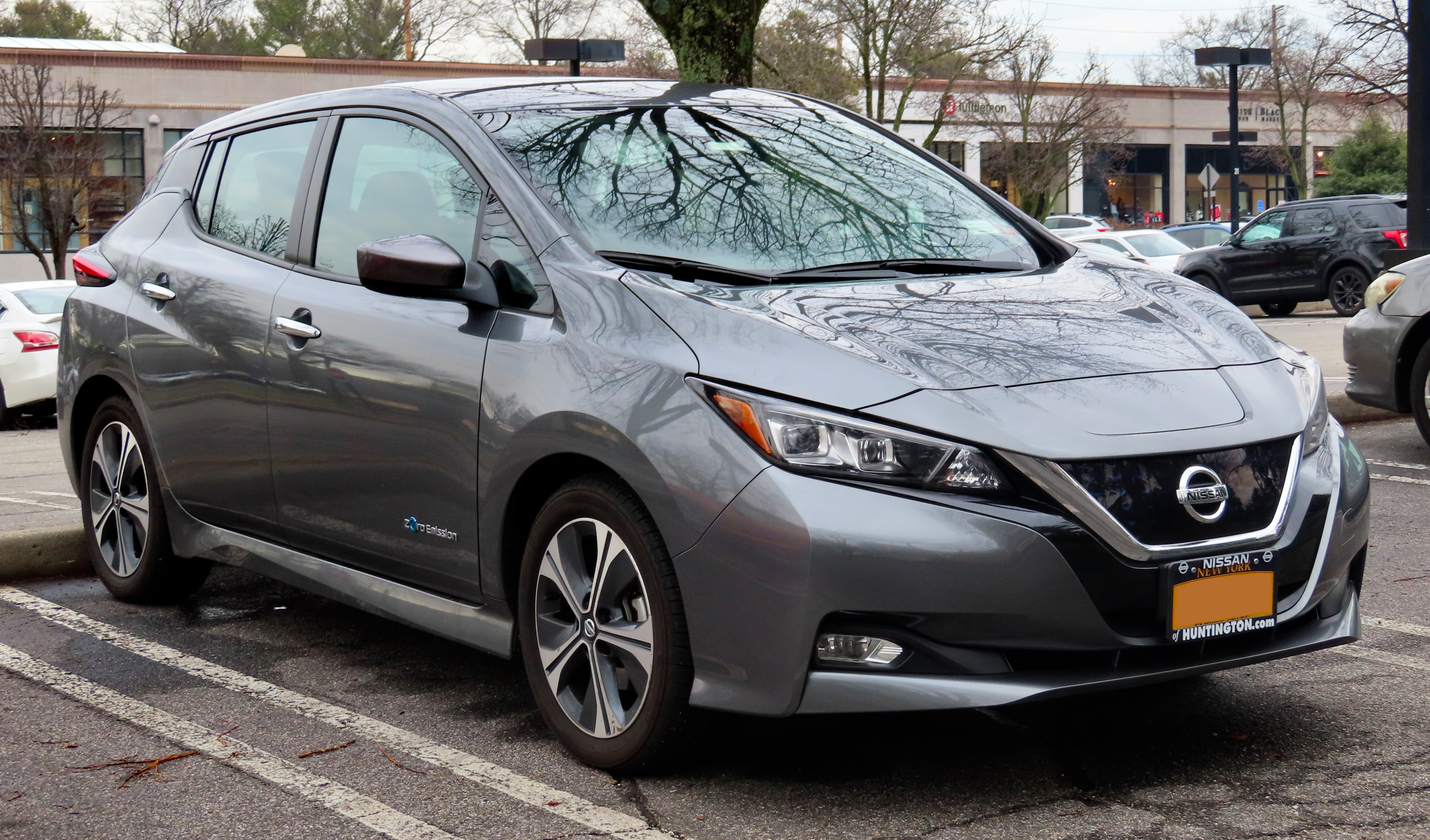
And so there were a lot of vehicles, whether it was the Chevy Leaf or sorry, the Chevy Volt, or the Nissan Leaf or the Ford Focus.
Actually a lot of those. I see a lot of those batteries coming
through our plants today because they were launched back in you know, twenty ten to twenty thirteen time frame, and they've now kind of started to work their way off the roads. The battery technologies one improves to significantly and the battery
capacity just isn't what it is in terms of what the driver, the consumer needs to be able to move those, you know, those vehicles around roads.
So we're starting to see a lot of lithium ion even from that you know that two ten to twenty fifteen range start to come off the road today and put those through facilities. And I mentioned the hybrid vehicles right, there's
a lot of you know, toyto priuses and things like that that have nickel metal hydride batteries. There's there's valuable metals in those batteries as well that we
we process in our facilities, extract them and put them back into supply chain.
For context, I'm curious about your perspective because we've been hearing in the EV world for ten years that there's going to be a second life for use battery packs before folks like you get them, and I after ten years, just haven't seen it. There's one energy storage facility for utility in California.
Every automaker seems to have one demonstration project. Aside from that, I haven't
seen massive second use entrepreneurial opportunities coming up. Do you see that as an
impediment to acquiring batteries or will they go directly from the dismantlers to you to be ground up? Yeah? I think. I mean, look, there's
never everything is one way or the other, right, there's going to be a split. I think there's there are opportunities for second life batteries. Um,
you know the challenge if you think about it. A car battery is
built to run a car right down a road. A battery for grid storage
is a little bit different, right, It's it's operated a different way.
The battery management system is going to be different. How the power is discharged
or charge is obviously different from a vehicle versus a you know, a grid storage unit, right for example. So I think the repurposing of batteries is
there's going to be people that are going to continue to work on that.
But I do think, you know, the OEMs are building batteries for cars, and the grid suppliers are looking at different chemistries and different types of technologies to be able to supply energy back into the grid after they've stored it through you know, renewable sources. So there's going to be a second life market
out there. People are going to continue to find opportunities where it may make
sense. I think on a large scale. You know the other thing you
got to you gotta think about, John, is you've got a utility company now that's going to tell you know, the residents of Los Angeles. Let's
say that you know they're going to use used car batteries to make sure that their power doesn't go off. You that's a that's a pretty big that's a
pretty big statement to make that kind of you know, take that time that liability for one, and also you get your consumers to feel confident that using a used material is going to keep their lights on. And even more than
that, you just have the problem if you're getting a bunch of batteries in from five to ten years old, you have no idea what the duty cycles are because the manufacturers aren't equipped to talk about how that battery was used or share that information. Whereas you have nice fresh news cells which are a lot
cheaper. I just don't see for all of the reasons that we've identified.
So it strikes me that in fact, there will be a lot more batteries if if it's not a Tesla pack that's being dismantled and sold the hot rodders for conversions, which is a sort of a different side. But I think
you will end up getting a lot more of these batteries sooner than people had predicted five years ago. Yeah, oh yeah. In fact, I can
tell I jump in and say, I'm gonna say six seven years ago, I interviewed people at Pacific Gas and Electric in California, Dte here at Detroit Consumers Energy here in Michigan, and they said, nowhere are we going to use used batteries? Exactly to your point, David. They said, now,
look, we're very interested in new car batteries. You know, we're
definitely going to explore that, but we're not putting used batteries as a backup for the grid. Yeah. Too much, too much liability there. And
you just like, like you're saying, John, you don't know, you don't know the cycle those batteries have gone through. What's how they've been either
used or quote unquote abused, Right, I mean, it's a it's a it's a day. I mean, it's it's a challenge. And like the
chemistry is going to continue to evolve such that you know, there's going to be a focus on you know, again, high performing vehicles are going to have a different chemistry because the you know, the consumer wants that vehicle to do something different than than a person that's just driving down the road every day going back and forth to work. So I think, and you've got to
remember, every OEM's got a different battery chemistry, they got a different BMS, they got a different code of how that battery runs. You know,
how do you decode all that stuff and then slamming into a big pack to store energy. It's it's it's definitely a challenge, I think. Okay,
So two questions that struck me, John, I'm just kind of jumping in something. Number one, as we look toward really strong incentives for minerals being
produced in a list of countries that does not include places like China, which at the moment has a hammer lock on battery mineral processing and apparently the majority of many of the mineral sources, do you see a pull by customers for on shored batteries regardless of whether they were wherever they came originally? I think
on shored minerals. And number two, is there going to be competition among
companies like yours and others for bidding for that right now fairly limited supply VV battery packs, although obviously it grows through for twenty twenties. Yeah, I
think, I mean you look at like you mentioned like you got the Inflation Recovery Act. You've got a lot of incentives out there for you know,
one using material that's either producer converted here in North America. That also lends
itself to just just a regionalization of the supply chain. Right, we learned
everybody in this how this phone has learned from the pandemic what happens when the supply chain gets disrupted. It really creates a lot of a lot of issues
for companies. So I think there's even more of a sensitivity of how do
you how do you continue just to regionalize your supply chain? Um? And
I thinks as recycling becomes more and more prevalent and more and more, um, I guess you know utilized is you you're you're captively keeping those minerals you know in country first se right, So there's an opportunity Like again, lithium can be used thousands of times, so can nickel, so can cobalt.
Right, but it's not these things don't evaporate. So the fact that the
supply chain will continue to evolve in the quantity of material that can continue to be recycled is gonna, you know, over time, just continue to increase um, you know, exponentially. That also allows you to think about the
regionalization of things. And I know it's hard to think like twenty forty time
frame, but you know, I told some of the day twenty thirties only six years away. It's not that far away, right, So we got
a lot of work to do in the next six years. Because people think
twenty thirties a long way away, But six years isn't that long to do all the work that this industry has to do. What about competition, do
you foresee? Right now? I'm from nothing. I talked to scrap yards
every day, but I get the sense that an EVY battery pack is a little problematic. It's not something to get every day, so they're happy to
have a specialist take it off their hands. Is there a circumstance where you
have a variety of companies essentially bidding for that for the medals and when does that business turn profitable? The process of paying whatever you pay for a dead
ev battery pack or an end of life pack, bring it in, dismantling it, getting the iron out of the process so you don't contaminate terry out the rest of the metals, and then actually bringing it down to where you can sell nickel, cobalt, et cetera, et cetera, lithium um out of profit. When does that happening? Is there going to be competition among
among companies like yours? Yeah, well, one, we're profitable today,
so we do that today and we're profitable, we're cash flow even profitable.
So we But but David, you you recycle all of different kinds of batteries, lap, laptop, cell phone to it is your ev business profitable?
Yeah? It actually it is. Yeah, We've got different product lines and
we and I can separate different chemistry. So we can take the al client
business or the nickel metal hyghdrive business or lithium we can separate those and we have profitable business lines across each of those different different product families. Um,
and I think you know, so there is a there is a story or there's a business model. Right now, we're you know, we're profitable.
What we do. Scale obviously helps, right, We've got six operating facilities
around North America to be able to be able to do that and leverage our scale and volument we can process. So I think that that helps as well.
I mean scale always ly typically helps you know when it comes to your cost position and things like that. UM. But I think you know,
to your point, John, there's there's going to be competition, There's there's already competition out there today about how do you how do you source your material?
Do you acquire the batteries? Do you you know, look at battery
manufacturing scrap from all the giga factories that are that are being built today are going to be built today in North America. UM. So there's definitely going
to be competition out there. I think, you know, part of it
is you've got to look at the you know, what we look at in our businesses is what are we trying to accomplish at the end of the day, And it's really to make sure that we can provide a usable critical metal back into the supply chain and that that value of that metal is obviously tied to for example, like the LEM. Right, So most of these metals
are trade on the LEM. But you've got a component of you're now selling.
You're not selling just nickel, right, it's not nickel going into it could go into stainless steel if you wanted to send it to for piping.
This is a battery grade nickel sulfate, right, So something that's fairly specialized.
I always say it's a special account nicole. This isn't a you know,
this isn't just it's I mean, everybody's gonna gonna laugh at me and say it's a commodity. Nickels a commodity, but a battery grade nickel sulfate
is not a commodity. I can promise you that, because there's not a
lot of that stuff out there today. Right. So the fact that we're
doing that and upgrading the quality of that material to a battery grade level is gonna It's gonna to some extent demand, you know, a premium over a normal nickel type material that goes out into a piping industry or something like that.
So that also is factored into into our business model. We factor in
the fact that we're going to procure batteries as well. Right, No one's
gonna you know, if you looked at eighteen months ago, two years ago, it was just come get these things. I don't know what to do
with them, right, I just come get them from me, please.
Now it's you know, hey, these batteries are you know, twelve grand?
How how much money can I get out of the minerals that are in there? And everybody's got their calculator out trying to do the math on what,
you know, how much nickels in there and let the um and all that stuff. So we know that that's going to be part of the business
model, and we've kind of built that and how we're how we're operating our business, and so next question is great, what we've been talking about so far is cobalt chemistries. Lithium myron phosphate, I would imagine is a very
different business. There's a lot iron floating around. I don't know if there's
battery grad iron for iron phosphate batteries. But one of the things I actually
heard at this conference yesterday was there is clearly a business model in what you're doing. Other companies have said. So there appears to be a big question
mark at this moment over the coming supply of lithium my iron phosphate batteries, which really won't hit junkyards for a while. Um, but do you see
a business in that particular chemistry? Yeah, I mean it's it's a great
question, um, and I get it a lot because there's obviously a lot of discussion about LFP batteries and LFP cathove chemistry. You know, if you
look at it, right, it's it's obviously. I mean, if anybody
tells you it's more valuable than an NMC chemistry though, they're they're they're wrong, right, So tell them they're wrong, because there's really you know, recoverable metals in their lithums. You're main recoverable metal, right, you don't
have the nickel or cobalt in there that you can recover, um, So you really have to be great at lithium recovery. Right. That's a that's
a key aspect of processing a an LFP battery. And we we by the
way we process LP batteries every day through a facility. We see a lot
of those materials coming through. They're already today. Um, you know you
got curiosity where do they come from? They're from vehicles. I mean some
people have been testing them, right, so you got you got to remember this isn't like mass production of LP batteries coming off the line. But people
are testing the batteries and you know, they run them through a lot of abuse testing and those things. They want to get rid of them. So
we do have LFP batteries grid storage, by the way, so there's been some of the early ess systems of end using grid storage. Because they don't
have space limitations and weight limitation, they can you know, build a massive battery back. So we see see some of that as well. But look,
I'll throw out there. I think there's got to be a lot of
I think from a from an OEM or or a cell manufacturer, there's got to be a lot of discussion around what's the what's the true ESG profile of an LFP battery if? What if the fact that you can't make money only
recycling LFP batteries, what's that due to the economics. I know, it
sounds great building a car and selling it, but if you have no way of recycling that battery when it comes into life and it's going to sit in a junkyard for your for your your example you used, then what right?
I mean, no one wants that to happen because we don't want batteries just ending up somewhere in a pile somewhere. So I think there's is there an
economical way to recycle LFP batteries, Yes, but it's clearly not as economical as an NMC based battery. And I don't think anybody's asked that hard question
to the OEMs that are out there talking about switching all the way to LFP.
They they're not, by the way, they're not talking about recycling these things. They're just talking about making a cheaper battery and hoping that consumer can
take twenty percent less range. So, David, what you're saying is that
you don't see your much ability to make a profit recycling LFP batteries. You
can. You just have to be great at lithium recovery, right, You've
got to really do a great job of recovering the mono lithium that's in that battery. Um. Again, if lithium, if lithium prices dropped down to
where they were, you know, two years ago or whatever, then it's going to be a challenge for sure. But if they stay up kind of
where we think they're going to stay up, just based on the supply demand dynamics, out there and lithium and what we know at costs to build a new lithium asset for example, Um, there's there's definitely a way to make money. It's just not as profitable as as an NMC batter I can promise
you that does cost to play a role in how long materials sit around or do materials even sit around very long for right now? Yeah? Not at
our facility. UM, we do not store materials and stack them up and
just leave them sit. Um. We actually process the materials when they go,
you know, when they get into our possession. So you know,
we've we were fortunate enough we're one of the few companies out there that have capability to actually recycle those batteries and process them through our facilities. A lot
of other companies out there are you know, contemplating capacity, building capacity and haven't haven't started up yet. So but we we actually do not store.
We're I mean, if we're storing, it's be as it's just we're building inventory to run our lines twenty four seven and it's just a natural part of our our snop supply chain process. And then to kind of piggyback off that
I think John brings up a good point with a competition among recyclers, but what about the actual materials themselves? Is their competition among non OEM, non
automakers to get these materials too, And are these other companies maybe even willing to pay more for the materials? Yes, and yes, absolutely so there
is a lot of competition for the materials. We get calls. I mean,
every plant that I've got planned to build is pretty much sold out because there's just a lack of these elements, right, There's a lack of nickel, there's a lack of lithium, lack of coal, ball things like that, and everybody wants to buy my entire capacity that I sit across the table with and talk to them about. Some of them are OEM, some are
cell manufacturers, some of them are other people out in the world that just want access to these these minerals. So yeah, the answer is there's a
lot of people out there trying to secure supply these critical minerals. You know.
The other thing coming back to the ra, right, they get incentives if they have recycled content, So there's an incentive for an OEM or a sell manufacturer to bring that recycled content, you know, back into their battery or into their vehicle. And you know, they also get to remember,
like recycled battery materials are about forty percent lower carbon footprint than than taking new stuff out of the ground. So they've got a whole esg profiled carbon footprint
that they're looking at that feeds into that that story that they have for their shareholders as well. Sorry, sorry, John, I think we had interrupted
you on one of your questions. Oh, um, you're the host.
I'm just the guy on the lower left. Um. So one of the
things that has started to sort of pickle the corner of my mind. There
are some new battery formats if you like, or arrangements. I would be
curious to hear you talk about the comparative ease or gifficulty of dismantling packs from different makers or different arrangements if you like. Traditionally you have cells in modules
impacts, but we're looking at some newer versions, largely for cost cutting on the part of the EV makers, including this notion of a structural pack.
I've heard from friends in the auto repair industry that a car with a structural pack is pretty much unreparable. Get you get hit inside and it's very difficult
to tell if the battery is still solid, so just write it off.
But then at some point it's going to go to you, or a portion of it, whether or not they have to torch it out, goes to you. How easy or difficult is that to recycle? Yeah, no,
that's a great question and one of the things that we try to talk to the OEM's about today. We spend a lot of time with the different manufacturs
out there is kind of you know, we're not pack designers or engineers.
They want to come in and design someone's new battery pack for them, but we want to provide them some input on how you can design for recycling in mind right, because there's very few battery packs today that have been designed with the endgame of recycling them and reuse them. It's just they got to get
a pack in a car. You know, a lot of the early evs
were just how do I jam if I take part of the engine out, and how do I jam a battery in that little space there and make it fit. We have over two hundred I think we're up to like two hundred
and fifteen different um actually work instructions on I disassemble different battery packs that we see, so you know, you can get you know, an OEM today, we'll have a different battery pack in one or two years. Right that
the fasteners are going to be a little bit different. They've, like you
said, they'd want to lightweight certain things, so they glue things in there, versus you know, using fasteners. Glue is really not fun by the
way, to try to extract a module from a battery pack. We've had
to use crowbars to extract different modules out of a battery pack before because they've been glued in there. But you know they did that for obviously weight savings
and cost savings. So there's you know, to your point, there's a
lot of opportunity I think in the future of eventually getting to some automation that you can do a pack disassembly if you've got critical mass with those packs, right, you've got maybe one ev line. I mean, you know,
some of the autooems they've got basically two different battery packs now that they're going to use going forward. The shell is going to be different things like that,
but it's it's going to have a very similar battery pack that's in there.
So once that critical mass starts to hit the market, I think there's going to be a lot more opportunity for automation. Today, it's hard to
automate because you know, again I can tell you, you know, we see a pack from you know, an OEM today and the same vehicle, you know, two years ago, the pack was different and they've just they're trying to improve on one, getting more capacity in there. So the modules
are a little bit different now, the fasteners are different, so you've got different tools you've got to use to disassemble the pack. But look, we're
at early stages right with all this. We know that the OEMs are going
to want to continue to standardize how they make their vehicles because that's how they get you know, fifteen hundred vehicles out the door every day in a battery plant, in a car plant by standardization. And that's going to lead to
a point where you know, we'll transition over to much more of the automated approach on pact dis assembly, which we're working on that today. Um in
our in our operations, are you finding receptivity among OEMs to this notion of designing for recyclability because the description that's stuck with me from the conference yesterday was just filled the pack with black goo. Yeah. So so the answer is
yes, some are receptive. Some are saying they don't want us to help
them, right, they want to do it all themselves. They they they
view that it's something proprietor that they would prefer not to have input from.
But we are sitting down with a number of OEMs and saying, look, you know, when you when this pack is done, you've got to be able to disassemble all these bolts and rivets and everything that's in there. You've
got to be able to pull the packs out. And what are some of
the materials that you can reuse? Right? I mean some of these things
if you look at some of the even the structural things in there that haven't been damaged, or there's aluminum parts, there's wiring harnesses, are there opportunities to potentially reuse some of that stuff? I mean, there are definitely parts
of that it can be reused. The cooling systems. You know, you
could probably reuse some of those cooling systems because they're they're pretty pretty much pristine.
But there's things like that that we're talking about with om SO. I
do think there's an opportunity for us to to look at, um, you know, how you make that a little bit more automated obviously. I My
whole message is, look, if I can disassemble these battery packs faster, recycle them faster for you, it's going to be lower cost, and lower cost means that you can save money on your battery. Then you have to
build a new battery again. Do you feel like battery swapping could be a
solution to that? Yeah, you know. I mean it's it's interesting China
is doing it. I mean, everybody follows what China's doing, what company
like Neo and those companies are doing over there. And I've seen it firsthand
when I lived in China. I was there for a couple of years living
over there and saw it firsthand. They were installing these little Neo little garages
in the in the downtown area in Shanghai. Got to see actually a vehicle
pull in and like within five minutes it had a new battery and it drove out. Um, I think there's gonna be some opportunity for that in certain
areas. I mean, if you think about it, heavily populated areas where
there's a critical mass of a certain brand. I mean these are going to
be branded little chios, right, It's not going to be a standardized where every car can drive into it. But I do think that there's an opportunity
for that. I think it's going to come into play. Like how how
fast is the charging infrastructure you get built up? Right? I mean you
also have like again, the reason it's used in Shanghais or in China is because you got apartment complexes that are seventy stories tall and not everybody can charge your vehicle, right, So I think you're gonna have the same thing in a lot of you know, I think of Manhattan for example, right, I mean there's not gonna they're not gonna be able to put charging stations everywhere in the city of Manhattan. So is there an opportunity for swapping in a
city like that? It's yeah, I'm with you, John. I think
I don't know if people can get their head around at the consumer in the US can get their head around doing something like that, because you don't like to not own your engine in your car, and you're kind of giving up that freedom, right saying well, I'm just going to go and swap it out and hope everything's good when I get a new battery there. I guess
I look at it as a logistics play. It may work in fleet duties,
whether it's ubers that operate within a given geofenced region or even better, delivery trucks that have fairly known cycles. For Americans who drive much more randomly
or have more extreme use cases, it's just electrons way, very little battery pack sway a whole lot, and you can probably meet eighty five percent of the need. But when everybody drives west to visit Grandma on the holiday,
that's when you really end up with battery swapping peaks that require you to move tons and tons and tons of stuff really quickly. Yeah. Now, John,
I tend to agree with you there, and to your point kind of too. You know, Fisker just announced the they're going to do battery swapping,
and you know, to your point, they say they're targeting fleets first.
Yeah, yeah, Yeah, there's definitely applications where I think it does make sense, right. I mean the other thing, we you know,
everybody's worried about range anxiety, and I get it. When you're driving,
you know, seven hours a day, I can I can understand why we'd have range anxiety. But the average person doesn't drive more than fifty miles a
day, right, I mean, I think it's actually like thirty miles a day. So do you really need to have swapping when you can? You
know, when you can charge your car at home at night, when you get home to your garage. The challenge there is used dvs and the people
who are much more likely live in multiple dying. But as I keep saying,
very few people sit down with their better half and say, honey, I think we should buy a car that meets some of our needs. Yeah,
So I think people the whole idea of range anxiety is more at this moment, charging infrastructure anxiety. Yeah, because we are starting to know it's
out there. They're also starting to know that if it's not a tesla,
it doesn't work reliably enough for me. This is a hobby horse gone seeing
this already. It shouldn't be that high a bar to make the ev public
charging infrastructure at least as pleasant and reliable as a gas station. At Hey,
look, we've got to take a quick commercial break. We'll be back
in thirty seconds to talk about a whole bunch more because this is going great, awesome, thank you. How do you breache? Don't tire stop shorter?
On what roads? Is there hydrotrack technology? But you don't have to
know how the science works, just where the brain is. What really matters
is they're breached down. The world is changing at an ever increasing pace.
No matter what the mode of transportation, there is always the need for an efficient propulsion system and that's exactly what Board Warner has been doing since the early days of the automotive industry. All Right, we're back talking all kinds of
things about recycling batteries. Uh, David, you know we touched on LFP
as you know, there's some interesting development work being done with sulfur battery sulfur lithium sulfur and lithium sodium. You see the same sort of prov problems with
them in terms of being able to turn a profit on recycling the batteries as you do with LFP. Yeah, I mean, I think if you you
know, if you look at recycling, obviously, the value proposition of recycling materials is you've got, you know, something that that's valuable to recycle, right, So, whether it's the lithium molecule in there or a nickel molecule.
I mean, obviously sulfur sodium. There's a lot of discussion around sodium
ion batteries right now. And you know, sodium is very abundance, but
but are you going to recycle a sodium battery? If it's it's abundant,
right then the questions should be, is okay, what are you gonna do with that battery when it's when it's done, is it makes sense to even recycle it? Because there's so much abundance of this material. And look,
I get why there's there's a lot of discussion around these things because there is there's lack of a lot of these minerals that we're talking about today, and and and right now people are nervous about not having um the supply of them to be able to produce, you know, produce the batteries that they need to propose their fleets. But you know, look, in the end of
the day, I think as recycling continues to get more prominent and we recover a lot more of these metals than we have in the past, um, but you also get more I mean, there's gonna be more mining operations that will start up. We're gonna have access to more of these minerals. I
think that that also tends to lead in the fact that you know, lithium's up. I mean it's look, it's number three on the periodic table for
a reason. It's a really good element. It stores a lot of energy,
it's light. Um. It's hard to beat, you know. I
step back, and you know, you think of the billions of dollars of capacity that's been put in the ground now, or billions of dollars of bets that OEMs have now put in to converting to lithium ion based battery technology.
It's you know, it's gonna be hard to I think hard to beat that, and I think LITHIUMI and still it's still got a lot of a lot of room in it to improve, quite honestly, it's not done yet.
Or the capacity, the range, the cycling, the charging rates, and stuff like that. There's still a tremendous amount of innovation required or options are
sort of available in lithium ion that I see that will even make it harder to beat. From a technology perspective, performance matters, right, Performance matters.
Yeah, do you see recycling challenges that are different if at some point we start to get volume solid state cells, which has been talked about for a lot of a lot of years now a lot of people seem to view them as the holy grail. I tend to think we will have variance and
what we got now throughout this decade. But is recycling solid state fundamentally different?
Not really. I mean, the great thing about solid state is you've
got some positives I think from recycling actually makes it easier to recycling because you don't have a volatile solvent to deal with, right you have you've got a cat though that's pretty much going to be very similar, right it will have you know, an tip clips and mccato today, But then you've got now more lithium in there. Right, you got a lithium metal ano for example,
and a separator that's either ceramic or plastic, depending on which technology you choose. So I think actually a solid state battery is even gonna be more
valuable and drive more need for recycle than than today's battery. So you know
that you get a it's like a it's like a win win for the industry.
Right, you get a win because there's more energy density there, you can have longer range your vehicles, you can charge faster. But then from
a recyclability perspective, it's even another win for the industry because there's more metals that are valuable to recover in a solid state battery. You don't have to
worry about some of the the electrolyte waste in those streams that you've got to treat from an auxiliary perspective, because that's you know, it's personally going to be removed from those batteries. So I think solid state is a is a
win win for the industry. You know, it sends to me that you're
the driver's seat here, David Um. We got a question from one of
our viewers here, a guy named Dan Homel, who said, what about all that child labor that's involved in mining and what about all the damage to the environment from mining. He raises a really good point there. If you're
recycling, you avoid that. On top of that, you know, you
mentioned that the carbon footprint of the materials that you're supplying that have been recycled have a forty percent smaller carbon footprint, So I and you know, automakers and others are going to want that kind of claim for their e as G.
Efforts. Yeah, I can see companies really bidding on this. Guy.
Are you going to get a premium for these things or are you just hoping for something like that? Yeah, it's interesting. We've had a lot
of discussions with some of our customers about, you know, the premium for recycled content, and I you know, I'm a little selfish obviously in biased, but I do think recycled you know, content should deserve a premium.
You know, everybody, if you look at the plastics industry, a lot of people talk about the plasticus or guess what recycled plastic gets a premium today.
So I think it's you know, there's a couple things that I you know, the way I bring the story about It's one, you know, there's a lot of work that's required to take these medals out again and recycle them, refine them back to a battery great quality. Right, So there's
a lot of time, energy, and money spent to do that. On
top of that, again, companies are going to get incentives. We're using
recycled content, right, so there's value to the company to be able to use that recycled content. They're going to get some value back from that.
And then on top of that, you've got an e SG story that you're gonna tell. I mean, every company out there OEM is talking about being
net zero by twenty forty, twenty fifty whenever it is. And you can't
be net zero without doing some form of recycling of the materials that you're using.
So there's a lot of value I think in the recycled content of the materials and the recycled medult medals that we're producing, which in my mind it should deserve some premium. Right. I'm not saying you take all the premium
that they're getting by by the messaging and the incentives that they get, but I do think there's definitely some premium there. And you know, to your
point earlier, we you know, we obviously are going to continue to need to mind materials out of ground. That's just that's the fact of life.
That's it's going to be that way for for a long time still. But
again, there's two things that we want to support. One is we're going
to do all this weekn sustainably from the recycling perspective, but it also forces companies that are doing some of the mining to also think a little bit about their sustainability footprint and how they do it sustainable as well. And you know,
again, mining today is a lot different than mining it was, you know, twenty thirty years ago. Right, there's a lot of sustainability efforts
being put into into mining. So I don't want to ever knock with the
folks that are out there trying to do mining, because they're doing a lot of work to make sure it's a sustainable operation and not the way it was you know, thirty years ago. But that all that when you tiele that
together, right, we're doing what are we trying to accomplish here? Right,
always like what's our end game here? And it's to reduce our carbon
footprint? Right, So in the end of the day, we've got to
think about ways from recycling to mining to all those things have to come into play to just reduce the overall common footprint that we have on the earth today.
Otherwise, you know, we're going to have continue challenges on on you know, greenhouse gases and and whether you believe in climate change things like that, those those things are you know obviously seeing effects of that. I would
also hope that we might be able to do mining more conscientiously in North America and associated countries than some of those stories that have come out from other countries in the world. North America seems to have been quite happy to outsource much
of its environmental degradation to another country thirty or forty years ago, and um, we have discovered there are some downsides to that, so it'll be interesting to see if we can do this responsibly. Yeah, it's a fantastic point.
Absolutely. I think we're like you said, right, we've we've kind
of unfortunately taken advantage of other other parts of the world right to to kind of shed that burden off. But if you want to have a sustained supply
chain, you want to have something that's that's a little bit more regionalized.
And you know, you talk about national security and different things like that.
We can get to that story. It's you got you gotta think about how
you do this stuff in the house and being more sustainable about how we operate our minds or even sustainableut how we recycle batteries is a key element of that.
You know, David, you're talking about emissions in a way, and I'm wondering about like logistics of serve out. You say you've got six locations
in North America. I'm curious about you know, a supplier for a car
company is typically located close to the manufacturing plant. Is it the same sort
of thing with recycling too. Yeah, absolutely, absolutely, That's why we
have the facilities located where they're at, and we're going to continue to regionalize our footprint. You want to be close to not only your incoming customer,
which is the supply of raw materials to process, but also you want to be close to your output, your your customer that's going to be producing, for example, a cathod plant. There's obviously a few cathod plants that have
been announced in North America. So we're obviously strategical looking at you know,
where's the feed source from all the giga factories, or where's the highest concentration of end to life batteries going to come first, and how do we position our facilities to be able to manage that. Waste management things like that are
very regionalized, So again we look at it too when we talk to the OEMs. You know, we've had some oms asked me, like David,
we've got fifteen hundred dealerships around North America. How fast can you get batteries
from these dealerships because we don't want to store batteries in our you know, in our garages, right, so we've got to be able to have a footprint. Think, can you know within twenty four to forty hours can get
to their facilities and pick up these batteries and process them. What have you
learned from twenty years worth of efforts in recycling smaller hybrid im packs? Because
I presume those questions for a Toyota, for instance, were answered umptyump years ago. What have you learned? Yeah, I think, well a couple
of things. You learn One, how to package things safely. Right,
So if you think about the transportation of a battery you've got one, you've got to have a vehicle that's permitted to be able to do that because you're, you know, in some cases, you're you're dealing with a hazardous waste, right if it's been damaged we call them DDR damaged effective or recalled batteries.
So you've got to manage that properly. So we've we've got a ton
of experience on just making sure one we've got the right permitting capabilities for our drivers for our trucks. We've got our trucks are outfitted with safety devices to
ensure that if there is a challenge or an issue, because sometimes you don't know right you could be driving down the road and there could be some problem that occurs, you've you've got the capability to manage that properly, which comes into the packaging aspect of things. So we work with a lot of our
OEMs on providing the proper packaging. You know, these eb battery packs are
you know, they're big, right, They're they're not small packs. They've
they've got a lot of energy store to them and in some cases they're still energy in them, they're not totally discharged, and we've got to make sure that we've got the right packaging to make sure they don't get damaged and they're transported safely. So it starts all the way at the beginning, right of
transport, packaging and then just getting them to your facilities to be able to process them quickly. And we've learned you know, over time, like again,
like you mentioned toilet, a lot of the priuses and things like that are coming off the road and how they are aggregating their materials within their dealer network too, to make sure that we've got facilities to be able to process them quickly for him. But David, how about battery packs that have caught
on fire? Are you able to do anything with those? Is there anything
salvageable from the pack? Absolutely? One hundred percent. We run those through
our process just like a normal battery pack. They're actually easier because they've they've
already burned off the energy, to be honest with you, so they're easier to process. Um Sometimes it's a little bit more difficult to take the pack
apart because some things are melted and stuff like that. But but in all
honest either you know, if they're if the whole battery has been has been damaged, we they're a lot easier to process. But like I said earlier,
you know, the the nickel, the cobalt, the lithian things like that, they don't it doesn't just evaporate, right, it doesn't go away.
It's still they're contained in that massive material that's been it's you know, potentially at a thermal event. So David, sounds like business is going great,
and I know you've talked about you're going to invest a billion dollars over the next decade to expand. But how do you plan on that? And
the reason I'm asking that right now is there is a lot of negativity about electric cars. In fact, JD Power just came out with a survey that
measured the intention of Americans to buy an electric car has gone down. There
seems to be more of a reluctance to go with them. So as you
plan to expand, how do you see the EV market going? Yeah,
I mean, I look, everybody has different studies right that they come up with, and and you know there's there'll be a new one tomorrow that I mean, it's like it's like earlier this year in China. I know,
people weren't buying evs in China and then a month later they had record sales.
Right, So, I think you're going to see ebbs and flows of the market. I mean, it's it's such a new industry right now,
it's so nascent that you know we're gonna have to adjust with those ebbs and flows. I wish I could draw a linear line for our business model and
say this is how it's going to go. But we know, we know
there's going to be you know, chunks of the way the profitability and the and the revenue of our business is going to grow. So we're planning for
that. We're making sure that, you know, we have capacity in the
ground. We also track, you know, we're tracking the giga factors that
are being built. There's over nine hundred gigawatts of battery capacity that's been announced
in North America between now and twenty thirty. That's a lot. And even
if you cut that number in half, you just say, oh, everybody's there's no way they're going to be able to build that amount of capacity.
Let's just cut the number in half, and they run, you know, at really good rates of ten percent scrap rate, which is still actually a pretty good scrap rate for a battery fact coming out of the out of the gates. That's still fifty gigawatts of battery scrap, which that's like twice the
size of the giga factory in Nevada that everybody talks about. That's just all
all day along, it's just producing scrap for you, right, So there's a lot of volume. And even if things slow down a little bit,
I mean, look, we we obviously got to be we gotta be nimble and adapt our asset plans and things like that, and we're more than happy to do that. I think the goal for us as a company today is
just continue to watch the market dynamics, watch what happens, you know, in the industry about battery capacity being built, as well as what's the need for these raw materials and uh, and we'll be we'll be nimble and be able to just um. You know, we're fortunate enough that we've got to
establish business today that's profitable and that runs very very well. We've got a
great team of people at Serve that they know how to do this stuff pretty well, and we're just going to keep monitoring the market and adjust accordingly.
What perscentage of your business today is lead acid our standard twelve old starter batteries.
Yeah, I mean, I think if you look at it from a volume perspective, it's probably on the order of forty percent of our business.
So again, there's obviously a lot of a lot of that business comes in.
We've got some really robust contracts of from major OEMs. We're collecting those
things. I mean, don't forget every electric vehicle, guess what else it
has in it? It has a lead ass a battery in it too with
a couple of their sections. But yes, alex Session, but just about
everyone. I mean, you know those better than I do, so I
should ask you the question not to state the fact, but a lot of them do have that, and I think over time that's going to eventually go away, right, But I think there's still going to be a strong lead business. And that's I mean, that's one of the things that differentiates us
from everybody else's. We process every type of battery chemistry, right, So
if an OEM calls us and says, we need you to come pick up our batteries, like, we can pick up all their batteries, not just hey, we'll pick up the lithium ones. Do you guys go find somebody
else to take care of the nickel or the you know, the lead bad one. We can pick up every battery they have and uh and process that
for them. So that's a that's a sweet spot for us today and something
that we, you know, we were kind of proud of and what we do, and I think it definitely differentiates us going forward. So how do
car batteries show up to you? Aren't they in the full pack form or
modules? Or how do they come. Yeah, it's it's all the above
quite honestly. I mean we'll get we'll get electrodes scrap, we'll get cathode
slory, we'll get battery cells, we get you know, packs themselves, and we get the full like it just came out of a car, right, the full battery um, the battery pack itself with the modules all still you know in place in it. Um. So we kind of see everything
across the across the gamut quite honestly. We get like I said, we
get the eighteen six to fifty cells that that didn't make it into a battery pack, or the twenty one seven hundreds now, so we kind of see all across the across the board. So what does what does that mean for
your workers? Do your workers have to then learn how to break down these
packs and then be trained and working with different chemistries and stuff as well?
Yeah? Absolutely, Um, you know we have different lines for different chemistries
obviously, whether it's nickel or lead or alkaline versus lithium ion Um, we don't. I mean, I look, if we've got an NCAA battery from
a you know, an old eighteen six to fifty or an LCO battery from a cell phone. Those go through our our main lithium line, so we
don't separate those out today. I think over time, you know, coming
back to the LFP question, right, maybe we have an LP line because we are really only going to focus on lithium extraction on that line. So
those are things that we're designing into our systems to be able to have that versatility to do that. But our workers are trained. I mean, we
spend a lot of time training them to separate the battery chemistries and also take the battery packs spart I mentioned, you know, over two hundred work instructions on high change and disassemble different battery packs, and that's something that we we train on every day and make sure that we're doing that safely. Is there
any business at all in assessing modules in a fresher pack or does everything that come into your factory get torn down to its basic elements? Now, we
do have diagnostic testing, so we we do perform some diagnostic testing work for some of the OEMs out there, and we've got kind of a system set up in place where we can do diagnostic testing for specific oms based on the battery management system that they have where we can plug in and test impedans across different cells, test the charge discharge rates. So we do a little bit
of that diagnostic testing, some of it, you know today, of the majority that is for batteries that have been shipped from overseas and they want to just make sure that the state of health of that battery is in good shape before they send it to their car plants for it gets put into a vehicle.
So we have a facility on California that does that and we'll run through, you know a number of different battery packs that come in just to test the state of charge, make sure that they're safe and they've they haven't been you know, jostled around on a ship or they haven't had any damage to them, and make sure that they can be you know, safely shipped to their to their battery facility or their car facility to be put in an electric vehicle. I guess I was going in a slightly different direction, which was,
let's say you get in one hundred kilo on our pack from some EVM if that car is only five years old, the pack may have been deemed junk for variety of reasons or scrabbable. But is there any business for you
or for other people in paying off the cover, testing the modules and saying these modules are so within spec that they can actually be reused whereas these ones can or is it all just in the grinder? Yeah? I mean,
right now, you've got to look at it from an economics perspective. Right,
So the question is, Okay, John, You're going to go buy a new EV and it's got some some used packs in there that we're still in spec. Are you Are you comfortable with that? Right? I mean,
in the end of the day, it does come down to the liability that whoever is going to certify that battery pack again to go back into a vehicle. Right, So when you look at it, there are modules that
may be good, but then you're saying, Okay, what I'm doing is I'm now going to take a liability to tell the consumer now that the battery is good and if there's a failure, now who owns that liability? Right?
So a version of the second life question essentially, it's yeah, it's kind of the same same discussion. And I look, I can't say that
everything is going to be definitive yes or no, because I think over time, people are going to want to start saying, well, look, I'm okay with buying a used battery pack if it still has you know, five years life in it, right, But to your point, you've got to be very very you got to know very well what that battery has gone through, right, how much abuse it's been gone through, because not not just testing the impedence or the charge, this hore is going to tell you that you can't unless you go into a microscope and look at the den drive formation on the cell itself is going to be hard to tell you whether you know, is it going to last five more years or going to be three and
a half, right, And that's a big difference to a consumer, right, another year and a half on a battery pack. Well, and given
that OEMs don't seem to aggregate charging behavior, in many cases, you don't even know how it's been charged, So yeah, okay, right, that's there's just so many variables today. I think over time, as things standardized,
you you allow yourself to reduce the variables so you then can predict what the what the long term life of a battery might be. But there's just
so many variables out there today, charge discharge, how the person drives it, you know, really, you know, the just the battery chemistry has changed and so much as well. You know, yet, I when I
look at at an electric vehicle, you know, we're all at this point right now. I think we want the best, right, we want the
best technology it's out there, and that's typically the newest and it's only like a year old typically, right, So there's so many iterations now in this space that you know, a three year old Tesla's got a different chemistry, a different you know, kill a lot hour, it's all different. And
you know, if I'm going to buy a brand new vehicle like that, I want something that's that's got the best in the brightest in it. I
gave up completely on trying to track Tesla changes. Yeah, someone else,
You're in Yon picking up batteries and bringing it to your recycling facilities. That's
doable now because during a whole lot of EV batteries to recycle. But you
know, some years down the road is going to be a monster wave of these things coming. How do you see it playing out or how would you
like to see it play out? Are you going to continue to make these
milk runs, so to speak, with the trucks picking it up, or is there going to be some sort of centralization or where do you see it going? Yeah, I think that comes back John to the question we had
earlier around the localization of our of our asset footprint. Right. So,
I mean you can't have obviously a facility in every state of process batteries.
I think it's probably not from a scale perspective, may not be cost effective to do that. But if you can regionalize in a lot of these different
highly populated areas where you know there's going to be like I was saying, we're studying all this end of life where we think there's going to be a high density of end of life batteries coming off the road, and citing our facilities around those those areas. I think that's that's going to minimize the challenge,
right and in turn of the ability for a truck to go pick up a you know, pick up a battery or pick up a you know, a number of batteries. We do have over three hundred virtual warehouses across the
nation right now that we do aggregate, so we're not just going and picking up one or two batteries. We try to aggregate as much as we can.
Again, we're obviously looking at reducing our costs and our our COO two footprint and how we do that. So we're going to continue to build out
that aggregation, those aggregation centers for us and make sure that as we do, you know, transport these batteries. We've got full truck loads, we've
got back haulls, different things like that to to really help out the logistics structure that we have in our in our business model. And then do you
do you guys ever get down to like once you've if you break down a module, do you get down to the individual cells themselves at all and test those? Um? Not? Typically we typically test packs, right because a
lot of these cells are put in different packs, and if you look at a an OEM today, they have typically eight or ten packs depending on the size of the of the batteries cell. So a lot of the testing is
really done at the pack level, um or sorry, the module level inside a pack, not at the cell level. It's just you know, if
you if you've seen a battery, if you've seen a you know, whether it's a Tesla or any other battery taken apart, I mean one, if it's a if it's a prismatic cell, they're all kind of structured and lined up together and kind of welded together in some form or fashion. Same with
a you know in eighteen six, fifty, twenty one and seven hundred or a forty six eighty. Now they they're all kind of wired together. So
it's really hard to test the individual cells themselves. Um and and you know,
again you got to remember from the labor perspective, what's the cost of doing that as well? Right, you got to be really efficient what you're
doing and making sure that you don't, you know, overextend yourself in just the time you spend doing that. Well, the reason I asked I was
kind of piggybacking off of what John was talking about testing packs and modules and stuff like that. I was just curious, So, if you do get
a module that's good, that still has some good life left in it, are those going back to the automaker? Are is going back to the battery
maker? Is there maybe I know there's even some used companies that are starting
to sell use battery packs and bringing modules and cells back together. I just
didn't know who who's getting these good modules and packs if you find them.
Yeah, I think, you know, typically if we've got some packs, I mean usually we're we're you know, we're requiring a battery pack. We're
keeping ourselves obviously and reprocessing it if we need to. Um, you know,
I think again, I was mentioned some of the om savis dude diagnostic testing induce state of health and stuff like that. If we do find a
bad sell, for example, or a bad module, I should say we take that module to put a new one in, and then they've got their engineers that can can re certify everything based on we're testing and stuff like that.
So we do a lot of that stuff. It's more finding the bad
one and replacing it with a good one versus the other way around, right, gotcha? Yeah, yeah, yeah. Hey, look we're coming up
to the top of the hour here more or less, probably a good time to wrap it up. But David Klinowski, thanks so much for coming on.
It's been a wealth of information. Thank you very much. No,
it's been great. I appreciate it. It's um you know again, we
talked earlier at the top of the hour. It's a it's a it's a
phenomenal space right now. There's so much I think, there's so much innovation
still obviously in this industry, and an opportunity for you know, companies like ourselves to to continue to improve on how we extract these metals and reuse them again. Um, I think, you know, at the end of the
day, this is this, this whole OEM space and the EV space is just fascinating how it's developing and everybody's kind of positioning for you know, developing the best battery chemistry, the best battery technology out there in the best vehicles, and you know, I look at our job is to try to help them, you know, kind of realize that goal and make sure that we keep all these metals out of the ground and keep them above above ground, out of landfills, and you know, keep making sure they get reused over and over again. That's that's really kind of why we're here and why we
exist. Yeah, John, any closing thoughts now, particularly this is a
very rich topic. I'm actually writing an explainer on it. So you've helped
a lot, Thank you, David. Yeah, absolutely, absolutely, No
it's fantastic. Looking forward to more discussions on this. I really appreciate it.
Cool. Yeah, well, we'll definitely have you back in the future.
I'll see where this is all gone. Yeah, yeah, absolutely great.
Thanks John again for having us. I appreciate John. Thanks for having
some dialogue. I know you got a great perspective on the space with the
work you do as well. And Sean thanks for getting us all set up
and asking some great questions as well. Hey, yeah, no problem.
And I'd also like to throw out there if everybody said join the show here, please like, comment, or subscribe. It really helps us out.
So thanks. Yeah, awesome. Autoline After Hours is brought to you by
Bridgetone Tires Solutions for your Journey and by Borg Warner Propulsion solutions that support a clean, energy efficient world. If you liked this program, I would like
to learn more about the automotive industry. Check out our website at Autoline dot
tv, or look for us on YouTube on the outter line channel.
Request an explanation for:
2 cars
2 cars featured
Request an Explanation
Heard something you'd like explained? We'll add it to this episode.
Sign in to request explanations for terms you heard.
Want to learn more?
Browse our glossary for plain-English explanations of automotive terms, jargon, and concepts.
See something that's not quite right? Our annotations are AI-generated and can sometimes miss the mark.
Click the flag icon on any annotation to suggest a correction.